Lirio Oriental
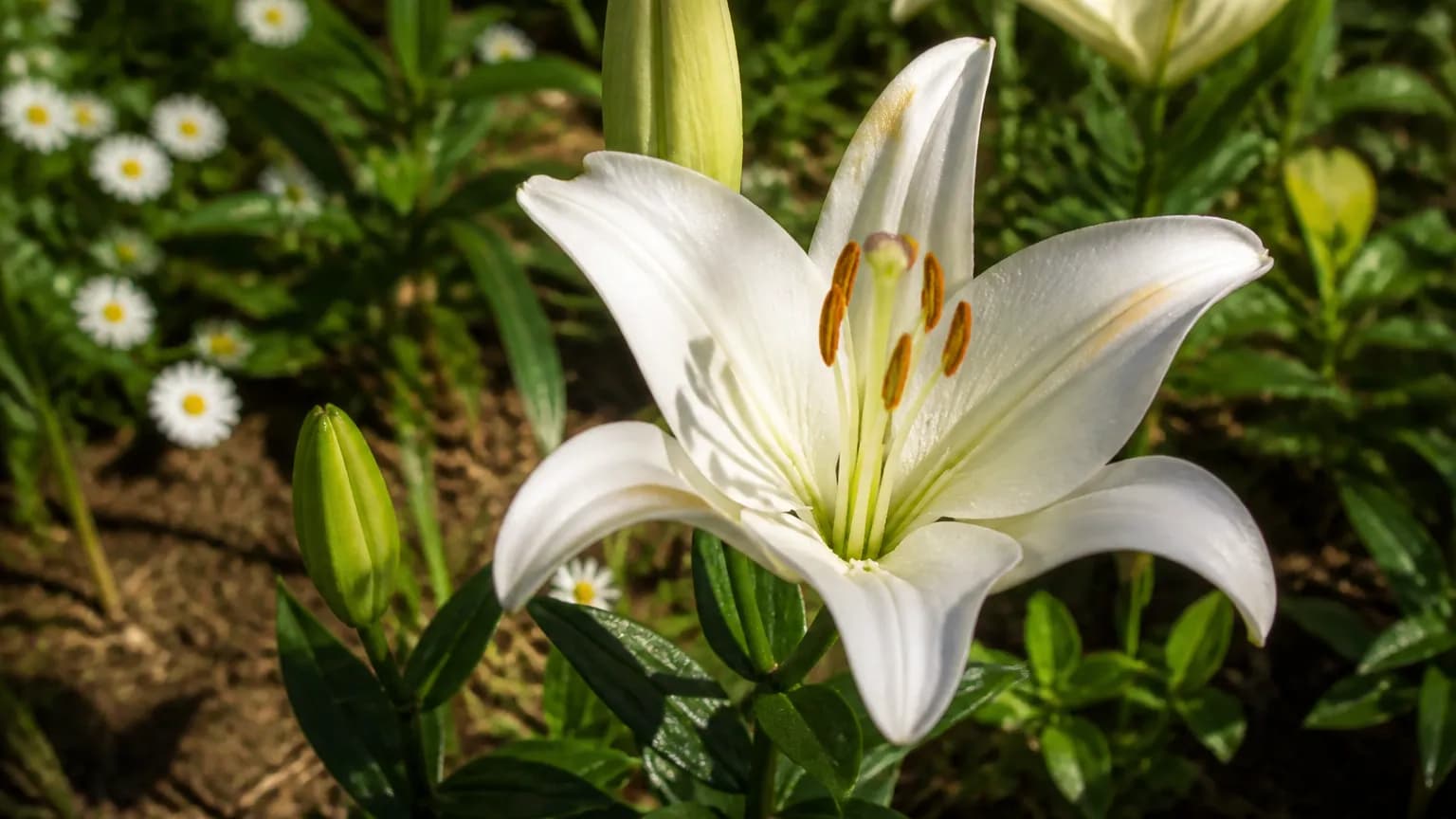
Un lirio de final de verano con flores enormes, abiertas hacia afuera o péndulas, en tonos rosa, blanco y carmesí con una fragancia embriagadora.





En esta páginaResumen
Conoce Lirio Oriental
Un lirio de final de verano con flores enormes, abiertas hacia afuera o péndulas, en tonos rosa, blanco y carmesí con una fragancia embriagadora. Los lirios orientales prefieren un suelo ligeramente ácido y sombra por las tardes en climas cálidos para evitar el blanqueamiento de las flores. Tutore las variedades altas y plántelos cerca de zonas de descanso donde se pueda disfrutar de su poderoso perfume.
Cuándo plantar Lirio Oriental
Los lirios orientales se propagan mediante escamas de bulbo, hijuelos o bulbillos en el tallo. Para la propagación por escamas, retire unas pocas escamas externas de un bulbo sano, espolvoréelas con fungicida y colóquelas en una bolsa sellada con vermiculita húmeda a 20 °C. En 6-8 semanas se formarán pequeños bulbillos en la base de cada escama. Transplante y cultive durante 2-3 años hasta alcanzar el tamaño de floración. Los hijuelos del bulbo pueden separarse al levantarlo y cultivarse aparte.
Tu año de Lirio Oriental
Ajustado a Zona 7 · temporada típica · la helada se va hacia el 2 abr y vuelve hacia el 1 nov
Planta Lirio Oriental Mar – Abr, Oct – Nov y cosecha Jul – Ago. Consulta los métodos de plantación y elige tu clima para adaptar los periodos.
Cómo cultivar Lirio Oriental
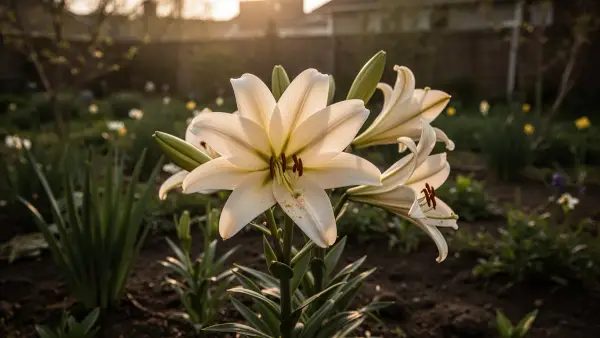
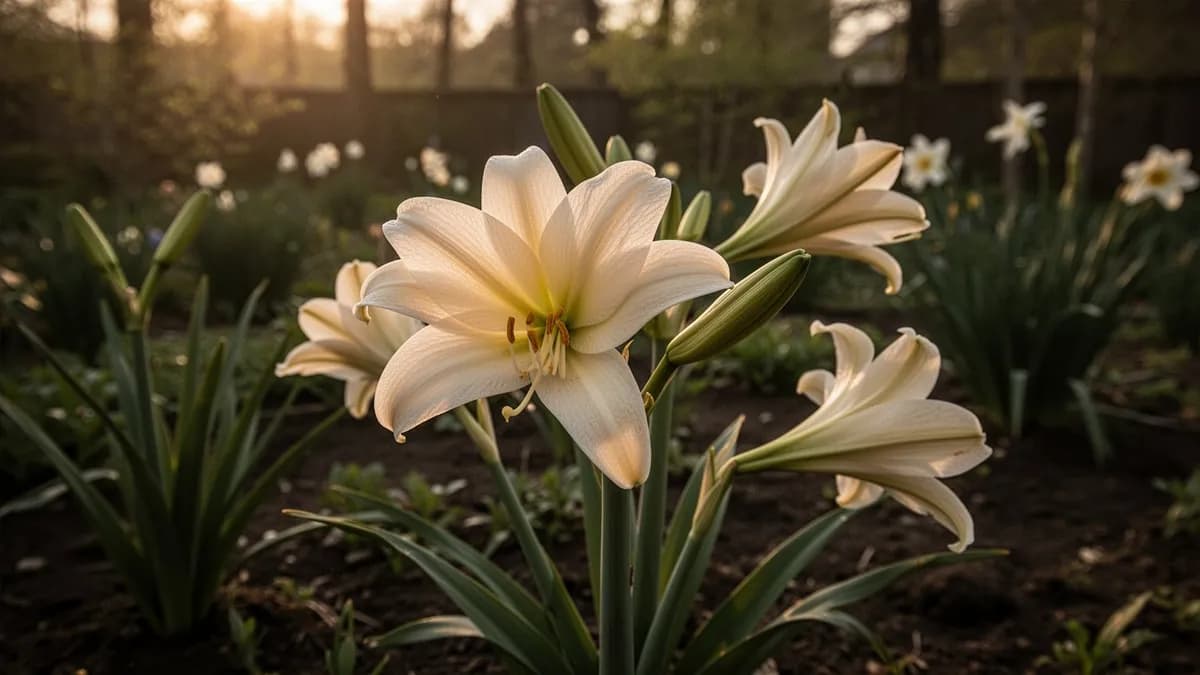
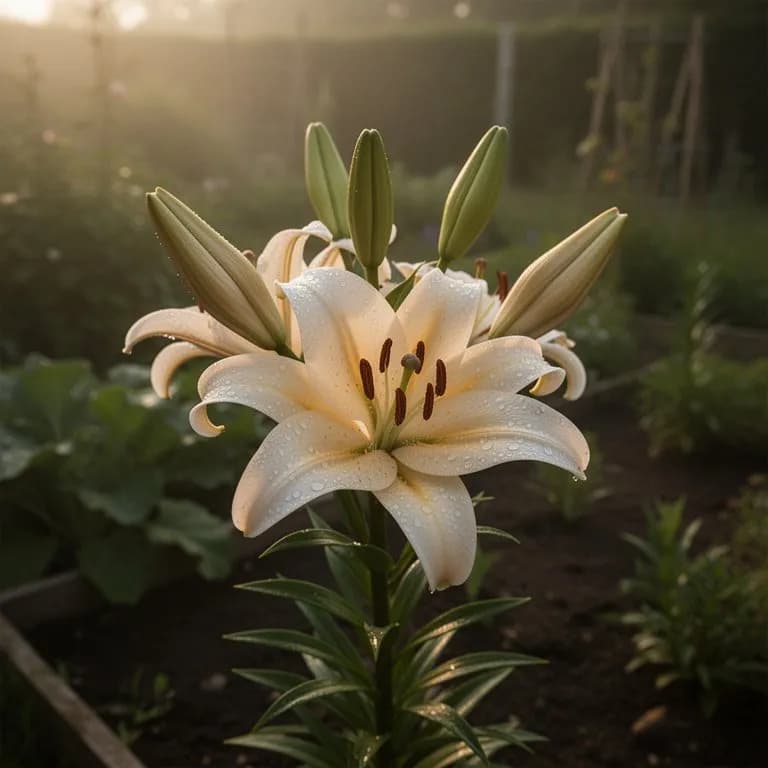
Los lirios orientales son los aristócratas del mundo de los lirios, con flores enormes, abiertas hacia afuera o péndulas, y una fragancia embriagadora y penetrante que perfuma todo el jardín. Florecen a mediados y finales del verano (julio-agosto), después de que los lirios asiáticos hayan terminado, y prolongan la temporada de los lirios con flores de hasta 25 cm de diámetro en blanco, rosa, carmesí y combinaciones bicolor, a menudo con llamativas manchas y papilas.
Plante los bulbos a 15-20 cm de profundidad en primavera u otoño en un suelo bien drenado, rico en humus y ácido (pH 5.5-6.5). Los lirios orientales son menos tolerantes a las condiciones alcalinas que otros grupos de lirios y pueden desarrollar clorosis (hojas amarillas) en suelos calizos. En climas cálidos, proporcione sombra por las tardes para evitar el blanqueamiento de las flores y prolongar su duración. Las raíces frescas y húmedas son esenciales: aplique un mantillo generoso.
Tutore las variedades altas antes de que florezcan, ya que las flores enormes son pesadas. Retire las vainas de semillas en formación tras la floración para conservar la energía. Los lirios orientales son algo menos vigorosos que los asiáticos y puede que necesiten reemplazarse cada 3-5 años, aunque en condiciones ideales pueden persistir y multiplicarse bien.
32 plantas caben en un bancal de 120 × 240 cm
Cada Lirio Oriental pide 30 cm de margen. El planificador guarda ese marco por ti — cada planta, cada bancal.
Los mejores vecinos de Lirio Oriental
Los lirios orientales deben plantarse donde se pueda disfrutar de su increíble fragancia: junto a zonas de descanso, entradas y bajo ventanas abiertas. Combínelos con delfinios azules, rosas blancas y artemisas de hoja plateada para crear una combinación de colores clásica. Los tallos altos se benefician de acompañantes de porte bajo que sombreen las raíces: las hostas, las heucheras y los geranios de porte rastrero son ideales. Plántelos después de los lirios asiáticos para una temporada continua de lirios.
Lirio va a su lado.
Saber de huerto de siempre, cotejado con la tabla real de Lirio Oriental — prueba cualquier planta que cultives.
Prueba Lirio Oriental en un bancal, aquí mismo
Un bancal real del planificador con Lirio Oriental ya plantado. Toca una planta compañera para colocarla y mira cómo responde la comprobación de vecinos: verde para buenos vecinos, rojo si hay conflicto.


Guías de cultivo relacionadas
Abónalo bien
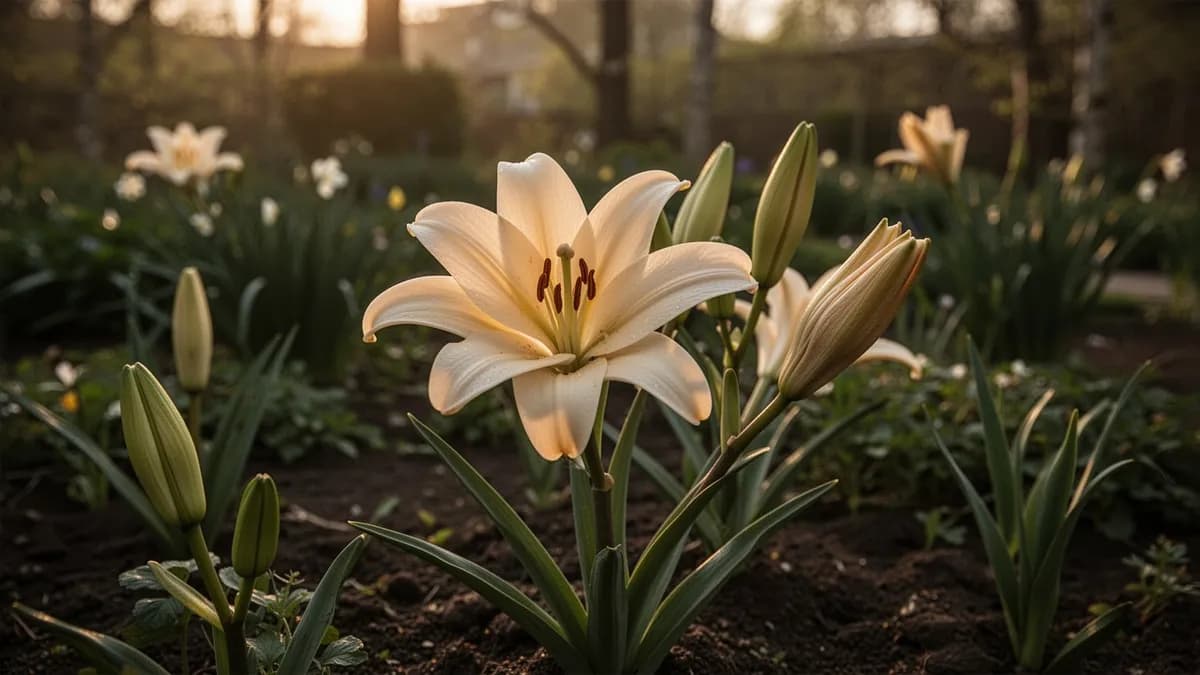
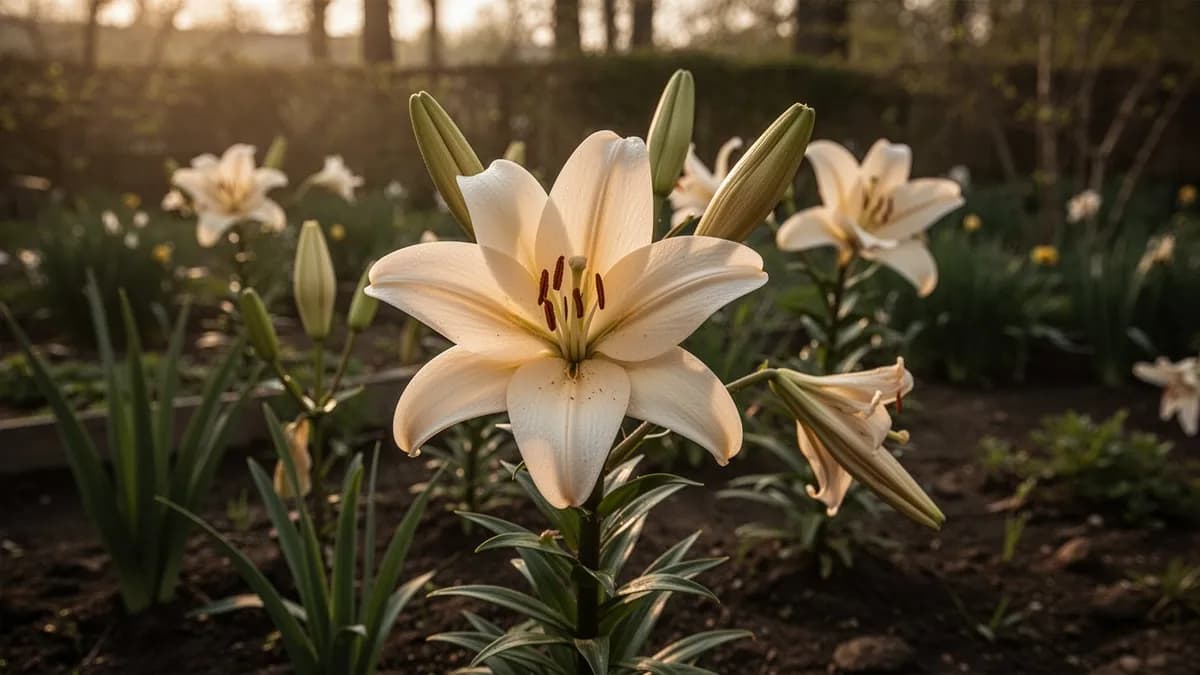
Los lirios orientales requieren un suelo ácido, bien drenado y rico en humus, con un pH de 5.5-6.5. Les cuesta sobrevivir en condiciones alcalinas: acidifique con azufre o use compost ericáceo en macetas. Incorpore abundante mantillo de hojas y corteza compostada. Abone en primavera con fertilizante ericáceo y de nuevo con un abono alto en potasio cuando se formen los capullos. El acolchado abundante con materiales ácidos (corteza de pino, mantillo de hojas) es esencial.
Temperatura ideal
Compatibilidad de zonas de rusticidad
De la semilla a la cosecha, etapa por etapa
Dormancia del bulbo y plantación
Los bulbos de lirio oriental se plantan en otoño o a principios de primavera mientras están en reposo vegetativo. Los bulbos son grandes, están formados por escamas carnosas superpuestas y carecen de la cubierta papirosa protectora, lo que los hace vulnerables a la desecación. Una vez plantados a 15-20 cm de profundidad en un suelo bien drenado y ligeramente ácido (pH 5.5-6.5), el bulbo comienza a desarrollar raíces basales desde el disco basal inferior. Posteriormente, las raíces del tallo emergerán de la parte subterránea del tallo por encima del bulbo. Durante esta fase, el bulbo utiliza las reservas de carbohidratos almacenadas para alimentar el establecimiento de las raíces y preparar el brote de crecimiento venidero.
Emergencia de los brotes
Cuando la temperatura del suelo supera los 10 °C en primavera, un único brote vigoroso se abre paso a través de la superficie del suelo. El brote emergente suele tener un tono bronce rojizo y está muy enroscado. Durante esta fase, las raíces del tallo se desarrollan a lo largo de la parte subterránea del brote por encima del bulbo, siendo fundamentales para la absorción de nutrientes y agua durante la temporada de crecimiento activo. El brote se extiende rápidamente, desplegando hojas lanceoladas alternas a medida que crece. Este es un período de crecimiento crítico en el que la planta establece las bases para la floración posterior en la temporada.
Crecimiento vegetativo
El tallo se alarga rápidamente hasta alcanzar su altura máxima de 90-120 cm en los cultivares estándar. A lo largo de todo el tallo se desarrollan hojas densas, brillantes y de un verde oscuro intenso que fotosintetizan activamente para acumular reservas de energía. Durante esta fase, los capullos florales se forman en el extremo superior del tallo, aunque permanecen muy cerrados. La planta invierte enormemente en desarrollar un tejido de tallo resistente y un sistema radicular robusto. Los lirios orientales necesitan más abono que los asiáticos y se benefician de una nutrición constante durante este período de rápida expansión vegetativa.
Desarrollo de los capullos
Los capullos florales se hacen visibles en la parte superior del tallo, inicialmente pequeños y verdes, y luego se hinchan de manera espectacular a lo largo de 2-3 semanas. Cada tallo produce típicamente 4-8 capullos dependiendo del cultivar y la madurez del bulbo. Los capullos se desarrollan de forma secuencial, siendo el capullo terminal el más avanzado. A medida que los capullos crecen, empiezan a mostrar color a través de los sépalos, y el tallo puede arquearse ligeramente bajo su peso creciente. Esta es la etapa en la que el agua y los nutrientes son más críticos, ya que cualquier estrés puede provocar la caída de capullos, en la que estos se secan y no llegan a abrirse.
Floración
Las magníficas flores se abren a mediados y finales del verano, normalmente de julio a agosto en los jardines del hemisferio norte. Cada flor puede medir entre 15 y 25 cm de diámetro, con seis tépalos recurvados que exhiben los característicos patrones manchados en tonos de rosa, carmesí, blanco o combinaciones bicolor. La fragancia dulce e intensa, producida por compuestos volátiles como el linalol y el benzoato de metilo, puede perfumar todo un jardín. Las flores se abren de forma secuencial a lo largo de 2-3 semanas, y cada flor individual dura 7-10 días. Los estambres prominentes portan grandes anteras cubiertas de polen de color óxido que puede manchar la ropa y las superficies.
Formación de semillas y senescencia
Después de la floración, si se produjo la polinización, comienzan a desarrollarse las vainas de semillas. Sin embargo, la mayoría de los jardineros retiran las flores marchitas para redirigir la energía hacia el bulbo. El tallo y las hojas permanecen verdes y activos fotosintéticamente durante varias semanas después de la floración, lo que es esencial para reponer las reservas de carbohidratos del bulbo para el crecimiento del año siguiente. Las hojas amarillean gradualmente y el tallo se seca de forma natural a medida que la planta entra en reposo vegetativo. El bulbo desarrolla simultáneamente nuevas escamas hijas y puede producir pequeños bulbillos a lo largo del tallo subterráneo.
Dormancia invernal
El bulbo descansa bajo tierra durante el invierno, protegido por el suelo y el mantillo. Los lirios orientales son resistentes en las zonas 4-8 de la USDA y requieren un período de frío invernal (por debajo de 7 °C durante 6-8 semanas) para romper la dormancia y producir un crecimiento vigoroso en la primavera siguiente. Durante la dormancia, el bulbo metaboliza lentamente los carbohidratos almacenados y puede continuar con un modesto crecimiento radicular si las temperaturas del suelo se mantienen por encima del punto de congelación. En climas muy fríos, la capa de mantillo es fundamental para evitar el levantamiento por heladas, que puede empujar los bulbos hacia la superficie y exponerlos a una congelación letal.
Nunca deje que los bulbos se sequen antes de plantarlos; si no puede plantarlos de inmediato, guárdelos en turba o vermiculita ligeramente húmedas. Cubra el área de plantación con 8-10 cm de material orgánico para aislar el suelo y mantener una humedad uniforme durante el período de dormancia.
Cuidar Lirio Oriental mes a mes
Qué hacer cada mes para tu Lirio Oriental
Octubre
Mes actualCorte los tallos completamente marrones a ras del suelo. Este es el momento ideal para dividir las matas muy densas que hayan mostrado una floración reducida: levántelas, separe las escamas externas con raíces adheridas y replante de inmediato a la profundidad original. Plante ahora los bulbos de entrega otoñal para lograr el mejor establecimiento radicular antes del invierno.
Ten claro qué hacer en tu huerto, cada mes
Un correo al empezar cada mes: qué sembrar, plantar y hacer ahora mismo — para tu Lirio Oriental y todo lo que crece alrededor. Más un breve curso inicial para esquivar los errores clásicos.
- Qué hacer ahora mismo
- Ajustado a tu temporada
- Curso inicial incluido
Cosechar Lirio Oriental
Los lirios orientales son flores cortadas de primera calidad. Corte cuando el primer capullo del ramo empiece a mostrar color y a abrirse. Los capullos restantes se abrirán a lo largo de 7-10 días, ofreciendo una exhibición prolongada. Retire de inmediato las anteras con el polen anaranjado para evitar manchas. Un solo tallo de lirio oriental puede perfumar una habitación entera. Deje al menos un tercio del tallo en la planta.
se supone que plantas al comenzar el periodo — indica tu fecha real
A partir de bulbos, tubérculos o dientes
Cosecha Lirio Oriental a tiempo y la planta sigue produciendo.
Almacenamiento y conservación
Lo mejor es dejar los bulbos de lirio oriental en el suelo, en tierra ácida y bien drenada. Si los levanta, manéjelos con cuidado, ya que carecen de la cubierta de piel papirosa protectora. Guárdelos brevemente en turba o musgo de sphagnum apenas húmedos, en un lugar fresco. Nunca deje que los bulbos se sequen. Las flores pueden conservarse en gel de sílice para arreglos secos: su gran tamaño produce impresionantes ejemplares conservados.
Qué falla — y cómo solucionarlo
Escarabajo del lirio
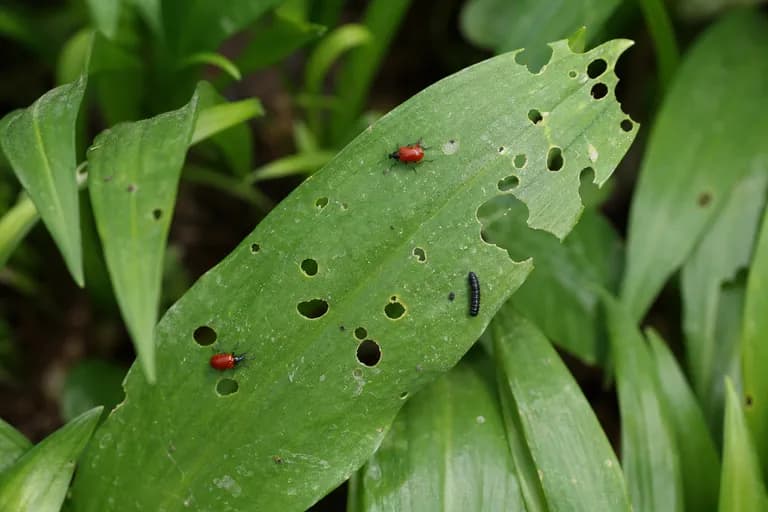
PlagaEscarabajos de color rojo vivo y sus repulsivas larvas recubiertas de negro devoran el follaje con rapidez. Es la plaga más destructiva de los lirios.
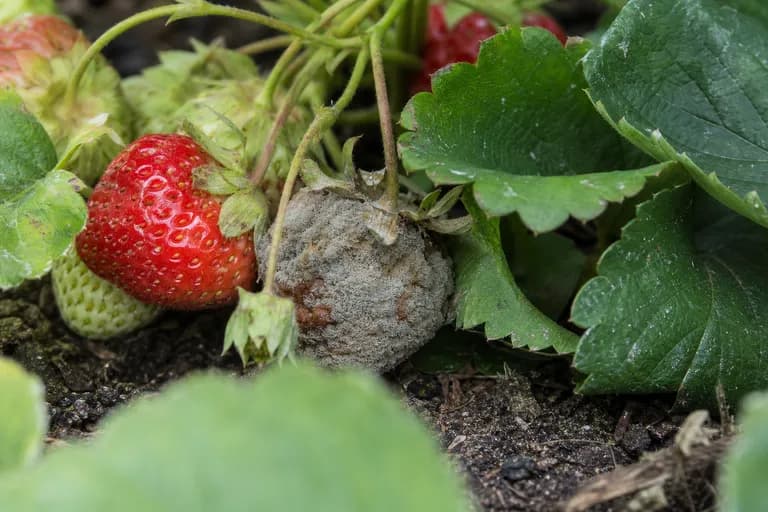
Botrytis
EnfermedadManchas marrones en las hojas, los capullos y las flores. Se desarrolla un moho gris en condiciones frescas y húmedas.
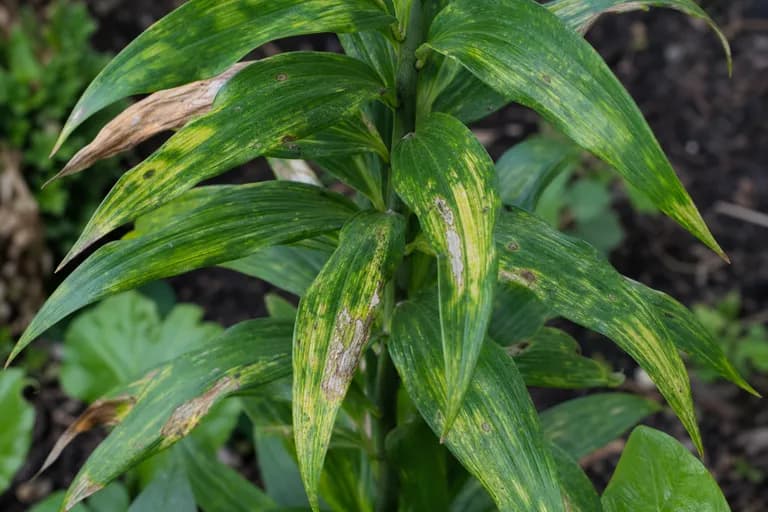
Enfermedades víricas
EnfermedadHojas moteadas, rayadas o deformadas. Crecimiento atrofiado y vigor en declive a lo largo de los años. Se transmite a través de los pulgones.
Solución de problemas comunes
La clorosis (amarillamiento de las hojas) en suelos alcalinos es el problema más frecuente del lirio oriental: analice el pH del suelo y acidifíquelo si supera 6.5. Los escarabajos del lirio son devastadores; inspeccione y recójalos a mano sin descanso. Las flores pesadas de las variedades altas necesitan tutores. Los lirios orientales son más cortos de vida que los asiáticos y pueden necesitar reemplazo periódico. En climas muy cálidos, las flores se blanquean al sol directo; proporcione sombra por las tardes.
Consejos de cultivo
- Plante los bulbos de lirio oriental a una profundidad equivalente a tres veces la altura del bulbo (normalmente 15-20 cm de profundidad) en un suelo bien drenado y rico en humus, con un pH ligeramente ácido de 5.5-6.5, para obtener los mejores resultados.
- Elija un lugar de plantación que reciba al menos 6 horas de luz solar directa en los tallos superiores y las flores, pero donde la zona radicular quede sombreada por plantas compañeras de porte bajo para mantener el suelo fresco.
- Garantice un excelente drenaje incorporando grava gruesa, perlita o arena de río a los suelos arcillosos pesados: los bulbos de lirio oriental se pudren rápidamente en condiciones de encharcamiento, especialmente durante la dormancia invernal.
- Aplique un mantillo generoso de 8-10 cm de corteza, mantillo de hojas o acículas de pino para mantener la humedad del suelo, suprimir las malas hierbas y proporcionar las condiciones ligeramente ácidas que prefieren los lirios orientales.
- Tutore los cultivares altos al principio de la temporada de crecimiento usando cañas de bambú o soportes de aro, colocándolos antes de que se formen los capullos para evitar perforar las raíces o dañar los tallos.
- Retire las cabezas de flores marchitas de inmediato tras caer los pétalos, pero deje el tallo completo y el follaje intactos hasta que estén completamente marrones y secos: las hojas verdes fotosintentizan para reponer el bulbo para las flores del año próximo.
- Riegue en profundidad y con regularidad durante la temporada de crecimiento, aportando aproximadamente 2.5 cm de agua por semana, pero reduzca el riego gradualmente después de la floración a medida que el follaje empieza a amarillear y entrar en senescencia.
- Abone cada dos semanas desde la emergencia de los brotes hasta la floración con un fertilizante líquido rico en potasio (como el abono para tomates) para favorecer tallos fuertes y flores abundantes y de colores intensos.
- Nunca almacene los bulbos de lirio oriental en un lugar seco durante períodos prolongados: a diferencia de los tulipanes y los narcisos, carecen de la cubierta papirosa protectora y se desecarán rápidamente, perdiendo su viabilidad en cuestión de días.
- Mantenga los lirios orientales bien alejados de los gatos, ya que todas las especies de Lilium son extremadamente tóxicas para los felinos: incluso cantidades minúsculas de polen o material foliar pueden provocar una insuficiencia renal fatal en pocas horas tras la ingestión.
Cultiva tu mejor Lirio Oriental — y todo lo que la rodea.
Empieza un plan gratis hoy. Diseña tus bancales, coloca tu Lirio Oriental y deja que PlotMyGarden gestione el momento, el espaciado, las asociaciones y los recordatorios de la semilla a la cesta.
Elige tu Lirio Oriental
Lilium 'Stargazer'
El lirio oriental más popular del mundo: rosa intenso con bordes blancos y manchas carmesí. Fragancia embriagadora.
Lilium 'Casa Blanca'
Flores blancas puras de tamaño enorme con una fragancia dulce y abrumadora. El lirio blanco de jardín por excelencia.
Lilium 'Muscadet'
Blanco con manchas rosas y una agradable fragancia, más compacto que muchos orientales, con unos 80 cm de altura.
Un único bulbo de lirio oriental que cuesta entre 3 y 6 dólares se naturalizará y multiplicará a lo largo de varios años, produciendo matas cada vez más grandes con más tallos floridos cada temporada. Una mata madura puede rendir entre 10 y 15 tallos de flores cortadas por temporada, con ramos comparables que se venden a entre 15 y 30 dólares en las floristerías. Tras 3-4 años, las matas pueden dividirse para ampliar las plantaciones o compartirlas con otros jardineros, produciendo efectivamente docenas de bulbos nuevos a partir de la inversión original. Los lirios orientales cultivados en contenedor también permiten ahorrar dinero al eliminar la necesidad de comprar flores frescas caras durante los meses de verano.
Recetas rápidas
Arreglo floral de lirio oriental como flor cortada
15 minutosCree un impresionante arreglo de centro de mesa utilizando tallos de lirio oriental recién cortados. La fragancia intensa y las flores dramáticas lo convierten en el punto focal ideal para mesas de comedor y entradas. Corte los tallos cuando el primer capullo empiece a abrirse para lograr la mayor duración en el jarrón, de 10 a 14 días.
6 ingredientesPopurrí de pétalos secos de lirio oriental
10 minutos activos, 2 semanas de secadoConserve la belleza y la fragancia de los pétalos marchitos de lirio oriental creando un popurrí con rico aroma. Aunque la fragancia fresca se desvanece durante el secado, añadir aceites esenciales y fijadores produce una mezcla decorativa y aromática encantadora que captura la esencia del jardín veraniego.
6 ingredientesArte botánico con lirio oriental prensado
20 minutos activos, 3-4 semanas de prensadoTransforme los pétalos individuales de lirio oriental y las flores más pequeñas en hermoso arte botánico prensado, apto para enmarcar o para manualidades con tarjetas. Los vivos patrones rosas y carmesí manchados de variedades como el Stargazer se conservan de forma sorprendentemente buena cuando se prensan y secan correctamente.
6 ingredientesQué contiene
Beneficios para la salud
- Se ha demostrado en estudios de aromaterapia que la poderosa fragancia de los lirios orientales favorece la relajación y reduce la ansiedad leve cuando se utiliza en espacios habitables y dormitorios
- Las actividades de jardinería relacionadas con el cultivo de lirios, como cavar, plantar, desherbar y tutelar, proporcionan un ejercicio físico moderado que favorece la salud cardiovascular y la flexibilidad articular
- Cuidar los lirios orientales a lo largo de su ciclo de crecimiento completo ofrece una actividad estructurada de terapia hortícola que apoya el bienestar mental, la atención plena y la sensación de logro
- Cultivar lirios orientales en los jardines contribuye a la biodiversidad local al proporcionar recursos de néctar y polen para polinizadores beneficiosos, como abejorros y esfinge de las polillas, durante los meses de verano
- El ciclo de anticipación y recompensa de plantar bulbos y observar su crecimiento hasta la espectacular floración se ha asociado con una mejora del estado de ánimo y una reducción de los síntomas de depresión estacional
- Los arreglos de lirios orientales cortados llevan elementos naturales vivos al interior, contribuyendo a los documentados beneficios psicológicos del diseño biofílico, incluida la reducción del estrés y la mejora de la concentración
De dónde viene Lirio Oriental
Los lirios orientales tienen sus orígenes en las regiones montañosas de Japón, donde sus especies progenitoras Lilium auratum (el lirio de banda dorada) y Lilium speciosum (el lirio japonés) crecen silvestres en laderas volcánicas y márgenes forestales. Lilium auratum se introdujo por primera vez en la horticultura occidental en 1862, cuando se enviaron ejemplares desde Yokohama a Londres, donde causaron sensación en la Royal Horticultural Society. La especie resultó difícil de cultivar en los jardines europeos, al ser susceptible a las enfermedades víricas e intolerante a los suelos alcalinos. Lilium speciosum, introducido algo antes desde Japón y China, demostró ser más resistente, aunque igualmente exigente. La hibridación sistemática entre estas y otras especies afines comenzó en serio en la década de 1950, liderada por mejoradores en Oregón, California, los Países Bajos y Nueva Zelanda. El gran avance llegó cuando los Viveros de Bulbos de Oregón de Jan de Graaff, y más tarde Leslie Woodriff, desarrollaron cruces que combinaban el espectacular tamaño de la flor y la fragancia de las especies japonesas con un mayor vigor en el jardín y resistencia a las enfermedades. La creación del lirio Stargazer por parte de Woodriff en 1978 revolucionó la industria: fue el primer híbrido oriental con flores orientadas hacia arriba, lo que lo hizo ideal tanto para la exhibición en jardines como para el comercio de flores cortadas. Hoy en día, los Países Bajos son el mayor productor mundial de bulbos de lirio oriental, con productores holandeses que exportan cientos de millones de bulbos anuales a mercados de todo el mundo. Los modernos programas de mejora siguen ampliando la gama de colores, mejorando la tolerancia a los virus mediante la propagación por cultivo de tejidos y desarrollando cultivares compactos aptos para el cultivo en contenedor. Los híbridos OT (Orienpet), cruce entre orientales y lirios trompeta, han ampliado aún más la gama con flores todavía más grandes y mayor tolerancia al calor.
Lirio Oriental: ¿sabías que?
Datos fascinantes sobre Lirio Oriental
El lirio Stargazer, el híbrido oriental más famoso, fue creado por el productor de lirios californiano Leslie Woodriff en 1978; lo llamó así porque sus flores miran hacia arriba, hacia el cielo, a diferencia de la mayoría de los lirios que se inclinan hacia abajo.
Lirio Oriental: preguntas frecuentes
¿Cuándo debo plantar Lirio Oriental?
¿Cuáles son buenas plantas acompañantes para Lirio Oriental?
¿En qué zonas de rusticidad puede crecer Lirio Oriental?
¿Cuánto sol necesita Lirio Oriental?
¿A qué distancia debo espaciar Lirio Oriental?
¿Qué plagas y enfermedades afectan a Lirio Oriental?
¿Cómo almaceno Lirio Oriental después de la cosecha?
¿Cuáles son las mejores variedades de Lirio Oriental para cultivar?
¿Qué suelo necesita Lirio Oriental?
¿Por qué los capullos de mi lirio oriental se vuelven marrones y caen sin abrirse?
¿Cómo evito que el polen anaranjado lo manche todo?
¿Puedo cultivar lirios orientales en macetas en mi balcón o terraza?
¿Cuándo es el mejor momento para dividir las matas de lirio oriental?
¿Son realmente peligrosos los lirios orientales para los gatos?
¿Cómo puedo prolongar la temporada de floración de mis lirios orientales?
Acabas de leer la teoría. Ahora cultívala en piloto automático.
Todo lo que hace que Lirio Oriental sea delicado — el momento, el espaciado, las asociaciones, la ventana de cosecha — es justo lo que PlotMyGarden resuelve por ti, para cada planta de tu huerto.
Un plan que conoce tu clima
Indica tu ubicación una vez. Recibe fechas de siembra, abonado y cosecha basadas en tu última helada real y el pronóstico en vivo — sin adivinar con un sobre genérico.
De la sección “Cuándo plantar”Planificador de bancales de arrastrar y soltar
Diseña bancales sobre una cuadrícula. Cada planta encaja con su espaciado correcto y ves toda la temporada antes de gastar un céntimo en semillas.
De la sección “Cultivo”Conflictos de asociación, detectados a tiempo
Más de 200 buenas y malas combinaciones comprobadas en vivo mientras plantas — para que un error que arruine la temporada nunca llegue a la tierra.
De la sección “Asociaciones”Recordatorios que sí vas a seguir
“Riega las judías.” “Recoge hoy antes de que se pase.” Oportunos, concretos y ligados a las plantas que de verdad cultivas.
De la sección “Cosecha”Escalonado, programado
¿Quieres cosechar seis semanas en vez de seis días? Reparte tus siembras automáticamente y te avisa cuando toca el siguiente lote.
De la sección “Cuándo plantar”Un registro que se vuelve más listo
Cada cosecha que registras le enseña tu huerto. El plan del año que viene parte de lo que de verdad funcionó en tu suelo, no en un manual.
De la sección “Resumen”Planta estos junto a Lirio Oriental
Más Bulbosas
Cultiva tu mejor Lirio Oriental — y todo lo que la rodea.
Empieza un plan gratis hoy. Diseña tus bancales, coloca tu Lirio Oriental y deja que PlotMyGarden gestione el momento, el espaciado, las asociaciones y los recordatorios de la semilla a la cesta.