Ox-Eye Daisy
typical season: sow Mar – Sep · blooms May – Jul · set your climate
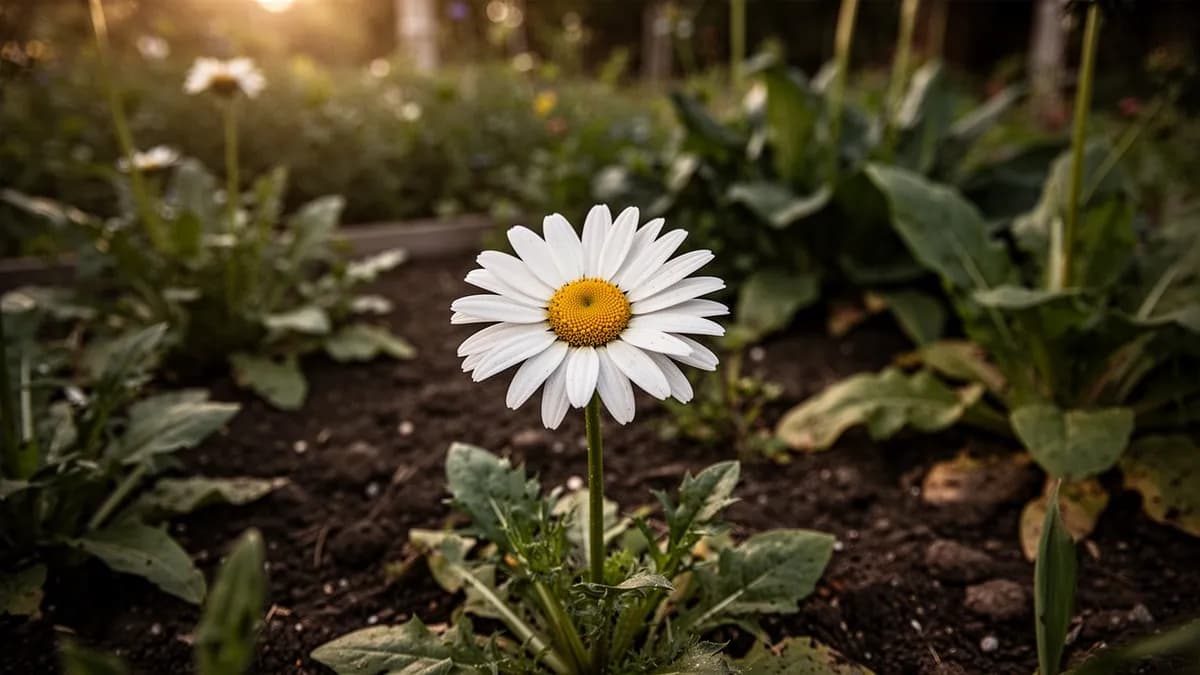
A classic meadow perennial with simple white ray flowers and golden centers that naturalize freely in wildflower gardens.
On this pageOverview
Meet Ox-Eye Daisy
A classic meadow perennial with simple white ray flowers and golden centers that naturalize freely in wildflower gardens. Ox-eye daisies are incredibly easy to grow and self-sow prolifically in sunny, well-drained areas. They make excellent cut flowers and combine naturally with grasses and other wildflowers.
When to plant Ox-Eye Daisy
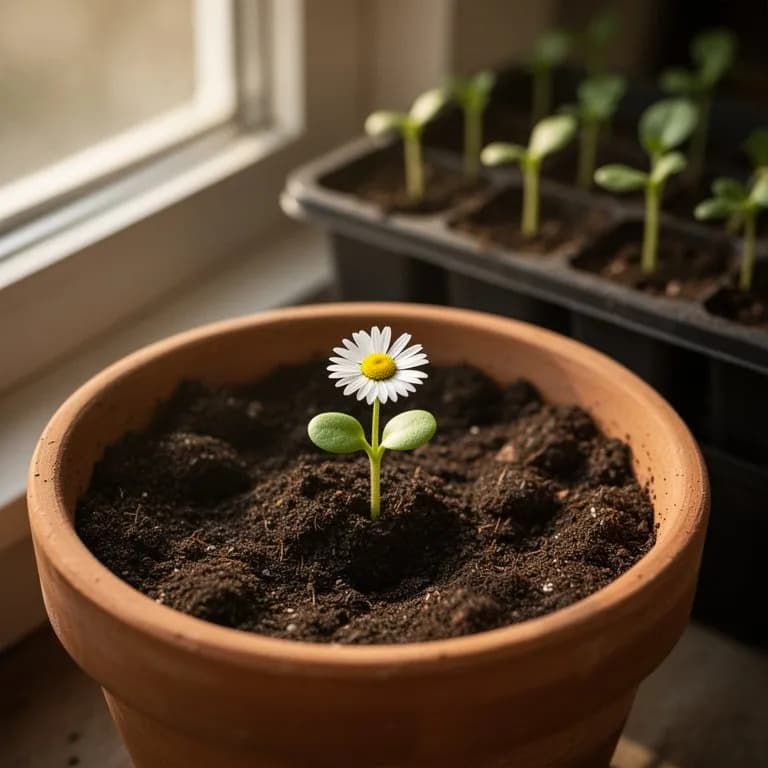
Sow seed directly outdoors in autumn or spring by scattering over prepared ground and raking lightly. No special treatment is needed. For indoor starting, surface-sow on moist compost at 15-20°C. Germination takes 14-21 days. Seedlings establish quickly and often flower in the first year.
Your Ox-Eye Daisy Year
Composed for Zone 7 · typical seasons · frost passes Apr 2, returns Nov 1
Plant Ox-Eye Daisy Mar – Apr, Sep, in bloom May – Jul. Check the planting methods below and set your climate to personalize these windows.
Ox-Eye Daisy in bloom this season? Its next window opens Sep 1
One email a few days before it opens where you garden.
One email per milestone, never more than one a week. Unsubscribe with one tap. No account needed.
How to grow Ox-Eye Daisy
The ox-eye daisy is the wild ancestor of the Shasta daisy—a simple, charming meadow flower with pure white ray petals and a golden central disc. Growing 30-60cm tall on slender stems with narrow, toothed leaves, it evokes the quintessential wildflower meadow. While sometimes considered weedy in agricultural settings, it is invaluable in naturalistic garden plantings and wildflower meadows.
Ox-eye daisies thrive in full sun with average to poor, well-drained soil. They actively prefer lean conditions and become too vigorous and invasive in rich garden soil. Direct sow or scatter transplants into prepared meadow areas in spring or autumn. The plants establish quickly and begin self-sowing to create natural drifts within a year or two.
In formal borders, ox-eye daisies may be too prolific a self-seeder for some gardeners. Deadhead after flowering to prevent unwanted spreading, or simply embrace the naturalistic aesthetic. Cut back all growth in late autumn. The plant is a short-lived perennial (2-4 years) but maintains itself through seed.
32 plants fit a 4 × 8 ft bed
Each Ox-Eye Daisy wants 30 cm of elbow room. The planner keeps that spacing for you — every plant, every bed.
Ox-Eye Daisy's best neighbours
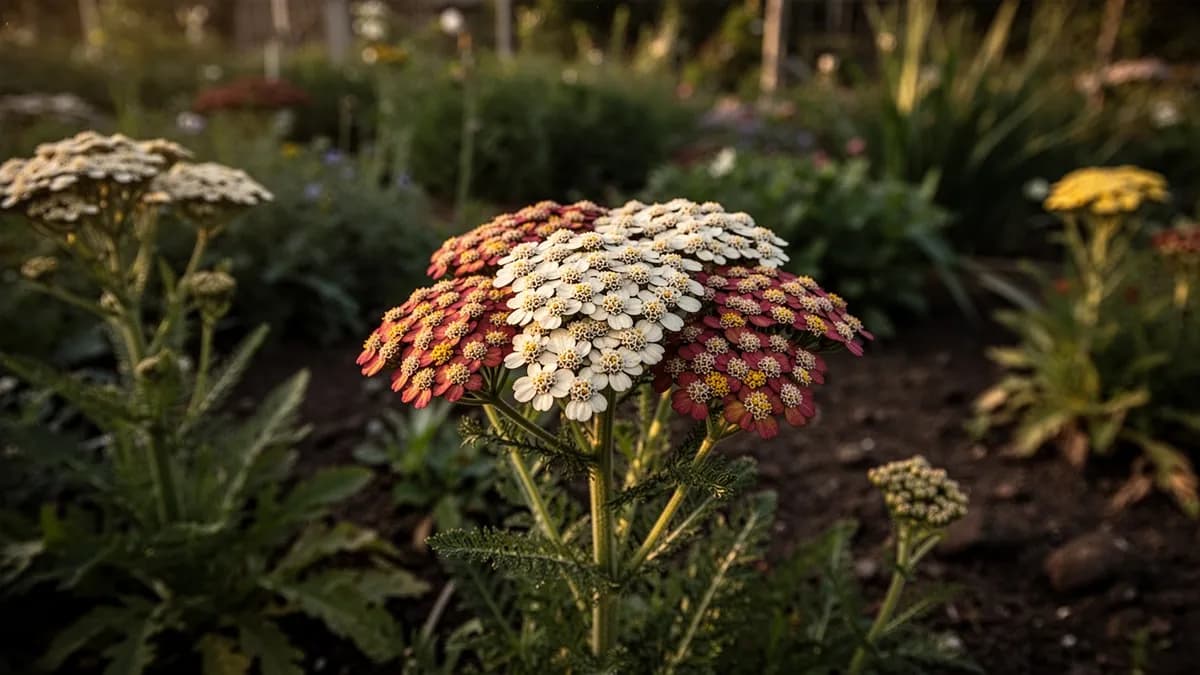
Ox-eye daisies are quintessential wildflower meadow plants, combining naturally with field poppies, cornflowers, yarrow, and meadow grasses. They attract hover flies, bees, and butterflies that benefit the wider garden. Use in informal areas, orchard understorey, and naturalized borders.
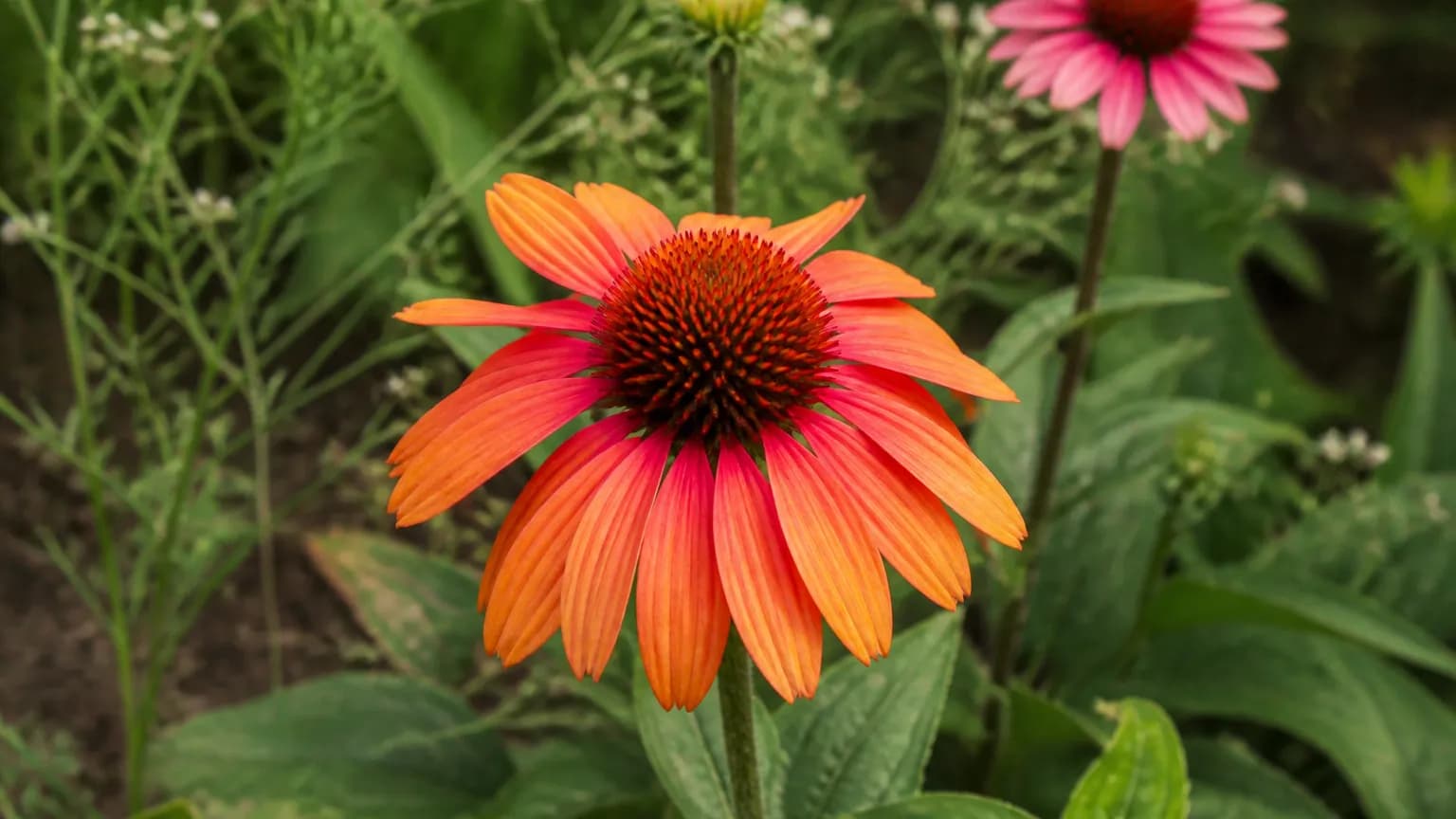
Coneflower belongs beside it.
Old growers' knowledge, checked against Ox-Eye Daisy's real companion table below — test any plant you're growing.
Related growing guides
Feed it well
Ox-eye daisies prefer poor to average, well-drained soil with a pH of 6.0-8.0. Do not fertilize or enrich the soil—rich conditions make the plant overly vigorous and invasive. Sandy, gravelly, or chalk soils are ideal. This wildflower is adapted to nutrient-poor meadow conditions.
Ideal Temperature
Hardiness Zone Compatibility
From seed to harvest, stage by stage
Seed Sowing
Oxeye daisy seeds are small and should be surface-sown on prepared soil. Press the seeds lightly into the soil surface without covering them, as they require light for germination. Seeds can be started indoors 8 to 10 weeks before the last frost or direct-sown outdoors in early spring or autumn.
Germination
Seedlings emerge with a pair of small, rounded cotyledon leaves. At this stage the plants are delicate and grow slowly. The first true leaves are narrow and slightly toothed, distinct from the smooth cotyledons.
Rosette Formation
The plant develops a low, spreading basal rosette of dark green, spatula-shaped leaves with coarsely toothed or lobed margins. The rosette hugs the ground and gathers energy through the root system. During this stage the plant also begins to spread via underground rhizomes.
Stem Elongation and Bud Formation
Erect, unbranched or sparsely branched stems rise 30 to 90 cm from the basal rosette. Stem leaves are smaller and more narrow than basal leaves, becoming clasping near the top. Rounded green buds form at the tips of the stems.
Flowering
Each stem produces a single flower head consisting of 20 to 30 white ray florets surrounding a flat central disc of densely packed yellow tubular florets. Flowers bloom from late spring through midsummer and attract a wide range of pollinators including bees, butterflies, and beneficial hoverflies.
Seed Set and Dispersal
After pollination, the central disc matures and dries, producing small, ribbed achene seeds without a pappus. Each flower head can produce several hundred seeds. The dried seed heads remain on the stems and release seeds gradually as wind and rain shake them loose.
Dormancy and Overwintering
As temperatures drop in autumn, the above-ground stems die back. The perennial root system and rhizomes persist through winter, storing energy for the next growing season. In mild climates the basal rosette may remain semi-evergreen throughout the winter months.
Mix the tiny seeds with fine sand before broadcasting to achieve an even distribution. Keep the soil surface consistently moist with a gentle mist until germination occurs.
Caring for Ox-Eye Daisy month by month
What to do each month for your Ox-Eye Daisy
November
You are hereApply a light mulch of straw or shredded leaves around the base of plants in colder regions to protect the crown from freeze-thaw cycles.
Harvesting Ox-Eye Daisy
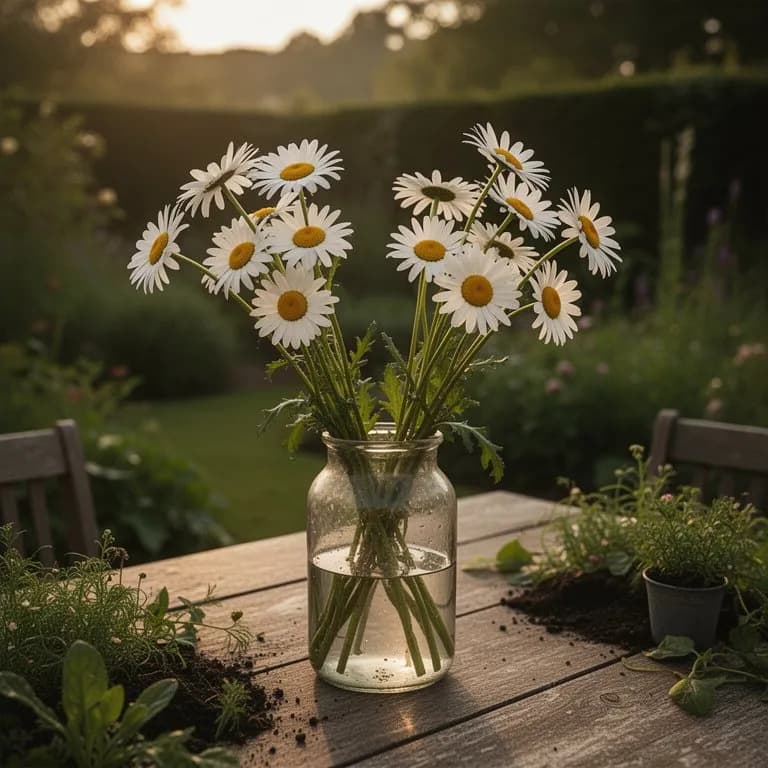
Cut ox-eye daisies for arrangements when flowers are freshly opened. The simple blooms last 5-7 days in water and have an unpretentious charm perfect for casual, meadow-style arrangements. Combine with grasses, cornflowers, and poppies for a classic wildflower bouquet. Regular cutting encourages continued flowering.
assuming you plant when the window opens — set your real date
Deadhead Ox-Eye Daisy regularly and it keeps flowering.
Storage & Preservation
Ox-eye daisy flowers press beautifully for crafts and botanical art. Individual flowers dry well in silica gel. Seeds can be collected from dried flower heads in late summer—store in paper envelopes for autumn or spring sowing. The dried seed heads have some interest in winter arrangements.
What goes wrong — and the fix
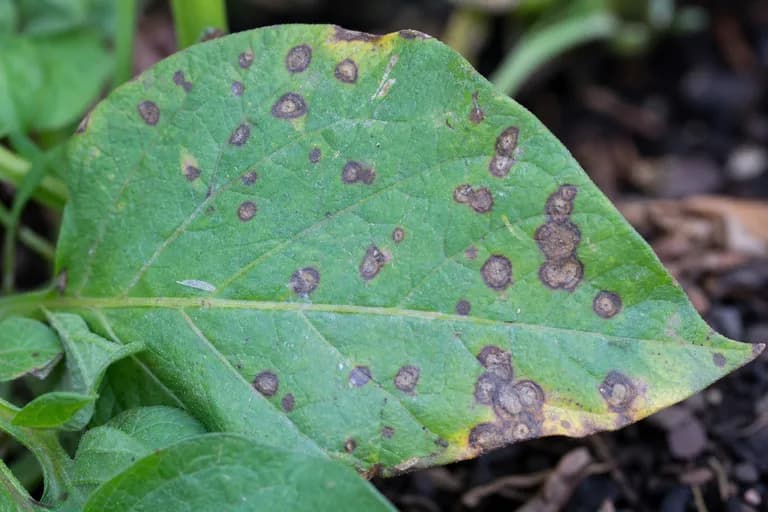
Leaf Spot
DiseaseBrown spots on leaves in wet summers. Rarely causes serious damage to this robust wildflower.
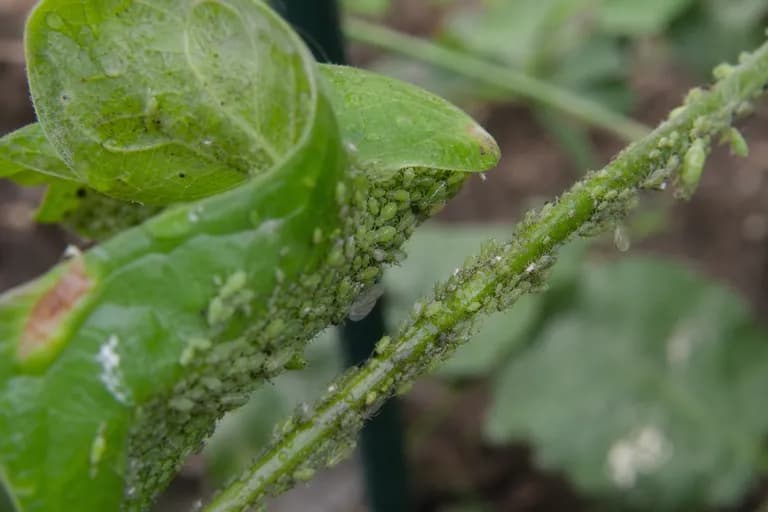
Aphids
PestOccasional clusters on flower buds in spring. Minor issue on this tough wildflower.
Troubleshooting Common Problems
Self-seeding prolifically is both the main virtue and main drawback. In rich soil or irrigated beds, ox-eye daisies can overwhelm more delicate plants. Grow in lean meadow conditions where competition from grasses keeps them in check. Some regions consider this plant invasive—check local regulations before planting.
Growing Tips
- Sow seeds on the soil surface and press gently without covering, as oxeye daisy seeds require light to germinate successfully.
- Choose a site with full sun to light partial shade and average, well-drained soil. Avoid rich, heavily amended beds, which encourage floppy growth and aggressive spreading.
- Space transplants 25 to 30 cm apart to allow for the natural spreading habit of the rhizomatous root system.
- Water regularly during the first growing season to establish a strong root system, then reduce to supplemental watering only during extended dry spells.
- Deadhead spent flowers consistently throughout the blooming season to encourage repeat flowering and prevent excessive self-seeding in garden borders.
- Divide established clumps every 2 to 3 years in early spring to maintain vigor, control spread, and produce free new plants for other areas of the garden.
- Install a root barrier or grow oxeye daisy within a contained bed if you want to prevent it from colonizing adjacent garden areas via its creeping rhizomes.
- Combine oxeye daisy with other meadow perennials like field scabious, red clover, and yarrow for a low-maintenance, pollinator-friendly wildflower display.
- In hot summer climates, provide afternoon shade and a 5 cm layer of organic mulch to keep roots cool and conserve soil moisture during peak heat.
- Leave some dried seed heads standing through winter to provide food for seed-eating birds like goldfinches and to add structural interest to the dormant garden.
Pick your Ox-Eye Daisy
Leucanthemum vulgare (Wild Type)
The classic wild ox-eye daisy, ideal for meadow plantings and naturalized areas.
Leucanthemum vulgare 'May Queen'
An early-flowering selection with larger flowers than the wild type.
Oxeye daisy is one of the most economical perennials a gardener can grow. A single packet of seeds costing 2 to 4 dollars can produce hundreds of plants that persist for years, self-seed freely, and can be divided repeatedly. Once established, it requires no fertilizer, minimal watering, and no pest control, making ongoing costs effectively zero. As a pollinator plant it also reduces the need for paid pest management by attracting beneficial insects like hoverflies and parasitic wasps that control aphids and caterpillars on nearby food crops.
Quick recipes
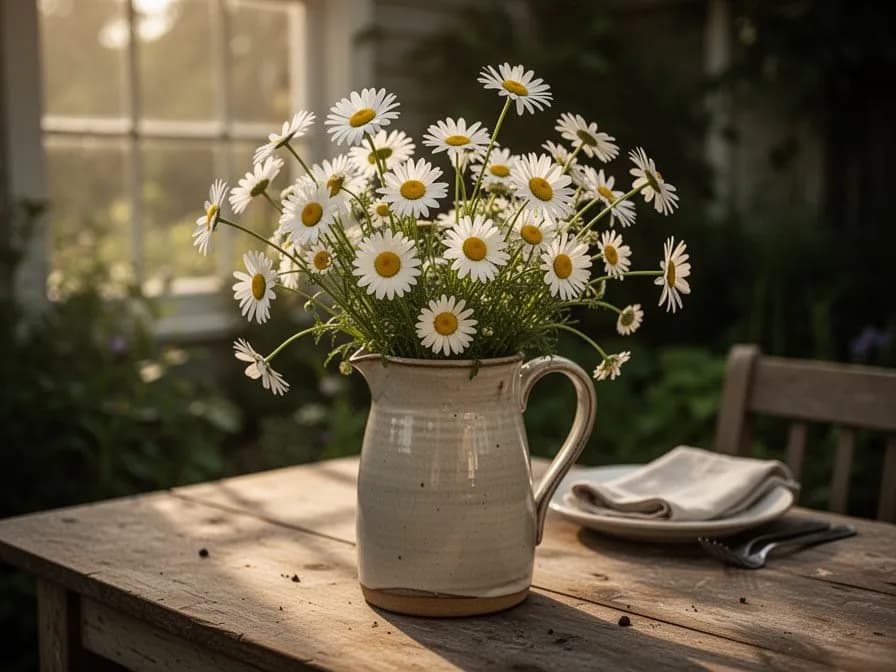
Oxeye Daisy Flower Tea
10 minutesA gentle herbal infusion made from dried oxeye daisy flowers that has been used for centuries in European folk medicine. The tea has a mild, slightly bitter and floral flavor, traditionally drunk to ease coughs and promote relaxation.
4 ingredientsPickled Oxeye Daisy Buds
20 minutes plus 2 weeks picklingUnopened oxeye daisy flower buds pickled in seasoned vinegar create a tangy, caper-like condiment that pairs well with salads, fish, and charcuterie. This is a traditional European foraging recipe dating back centuries.
6 ingredients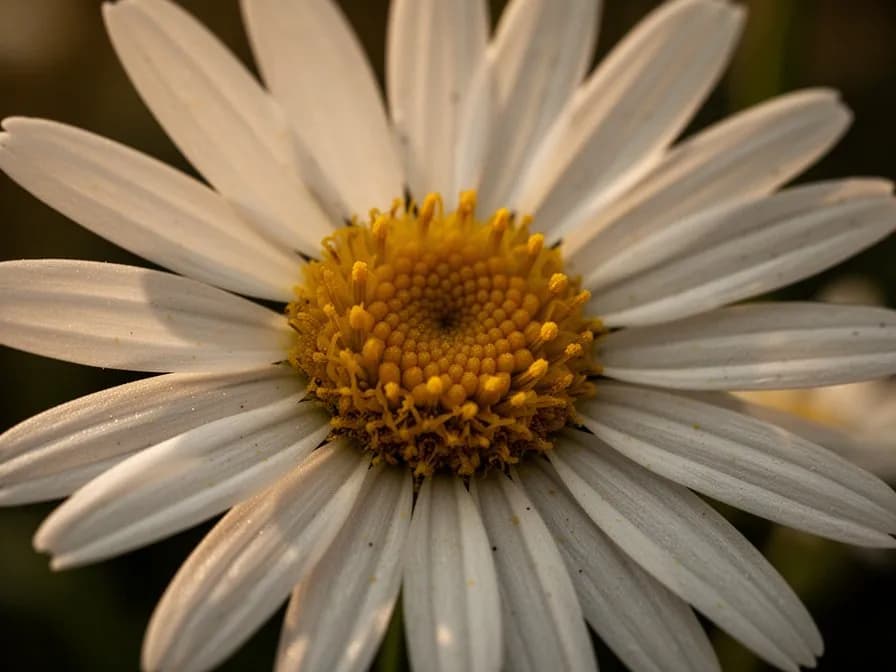
Spring Daisy Leaf Salad
15 minutesA fresh seasonal salad featuring tender young oxeye daisy leaves gathered in early spring before the flower stems emerge. The leaves have a mild, slightly tangy flavor that combines well with other spring greens and a simple vinaigrette.
6 ingredientsWhat's inside
Health Benefits
- Oxeye daisy flower tea has been traditionally used as a mild antispasmodic to ease coughs, bronchial congestion, and upper respiratory discomfort.
- The flowers contain flavonoids including apigenin and luteolin, which have documented anti-inflammatory and antioxidant properties in laboratory studies.
- Historical herbalism employed oxeye daisy poultices externally to treat bruises, minor wounds, and skin inflammations, earning the plant its old common name bruisewort.
- The young leaves provide a source of vitamin C and vitamin A when eaten fresh as a spring green, contributing to immune support and eye health.
- Traditional European folk medicine used oxeye daisy infusions as a mild diuretic to support kidney and urinary tract health.
- The plant contains tannins and mucilage compounds that have a gentle soothing effect on irritated mucous membranes in the throat and digestive tract.
Where Ox-Eye Daisy comes from
Leucanthemum vulgare, commonly known as the oxeye daisy, dog daisy, or marguerite, is a perennial wildflower native to Europe and the temperate regions of Asia. It belongs to the Asteraceae family and has been a familiar sight in European meadows, pastures, and roadsides for thousands of years. Archaeological evidence shows that oxeye daisy seeds have been found in prehistoric settlement sites across northern Europe, indicating that early human communities were already familiar with this resilient plant. During the Middle Ages, the oxeye daisy held an important place in European herbal medicine. Herbalists including Nicholas Culpeper described it as a wound herb and prescribed preparations of the flowers and leaves for treating respiratory complaints, digestive disorders, and skin inflammations. The plant was also associated with various folk beliefs and superstitions, particularly relating to love divination and midsummer rituals. European colonists inadvertently introduced oxeye daisy to North America in the 17th and 18th centuries, likely as a contaminant in hay, grain, and soil ballast. The plant found ideal conditions in the New World and spread rapidly across disturbed habitats, pastures, and roadside verges. By the 19th century it had become thoroughly established across the northern United States and southern Canada. Similarly, it was introduced to Australia, New Zealand, and parts of South America, where it has naturalized widely. Today the oxeye daisy occupies a dual identity. In Europe it remains a beloved wildflower, celebrated in meadow restoration projects and traditional floral art. In regions where it has been introduced, however, it is frequently classified as an invasive species that can outcompete native vegetation in grasslands and open habitats. Despite this tension, its ecological value as a pollinator resource and its long cultural history ensure that the oxeye daisy remains one of the most recognized wildflowers in the world.
Ox-Eye Daisy: did you know?
Fascinating facts about Ox-Eye Daisy
A single oxeye daisy plant can produce up to 26,000 seeds in one growing season, which explains its remarkable ability to colonize meadows and roadsides across multiple continents.
Ox-Eye Daisy questions, answered
When should I plant Ox-Eye Daisy?
What are good companion plants for Ox-Eye Daisy?
What hardiness zones can Ox-Eye Daisy grow in?
How much sun does Ox-Eye Daisy need?
How far apart should I space Ox-Eye Daisy?
What pests and diseases affect Ox-Eye Daisy?
How do I store Ox-Eye Daisy after harvest?
What are the best Ox-Eye Daisy varieties to grow?
What soil does Ox-Eye Daisy need?
Is oxeye daisy invasive, and how can I keep it under control in my garden?
Are oxeye daisy leaves and flowers safe to eat?
How do I grow oxeye daisy from seed?
Does oxeye daisy come back every year?
What pollinators does oxeye daisy attract?
Can I grow oxeye daisy in containers or pots?
Plant these alongside Ox-Eye Daisy
More Perennials
Grow your best Ox-Eye Daisy yet — and everything around it.
Start a free plan today. Lay out your beds, drop in your Ox-Eye Daisy, and let PlotMyGarden handle the timing, spacing, companions and reminders from seed to harvest basket.
