Cape Cowslip
typical season: blooms Jan – Mar · set your climate
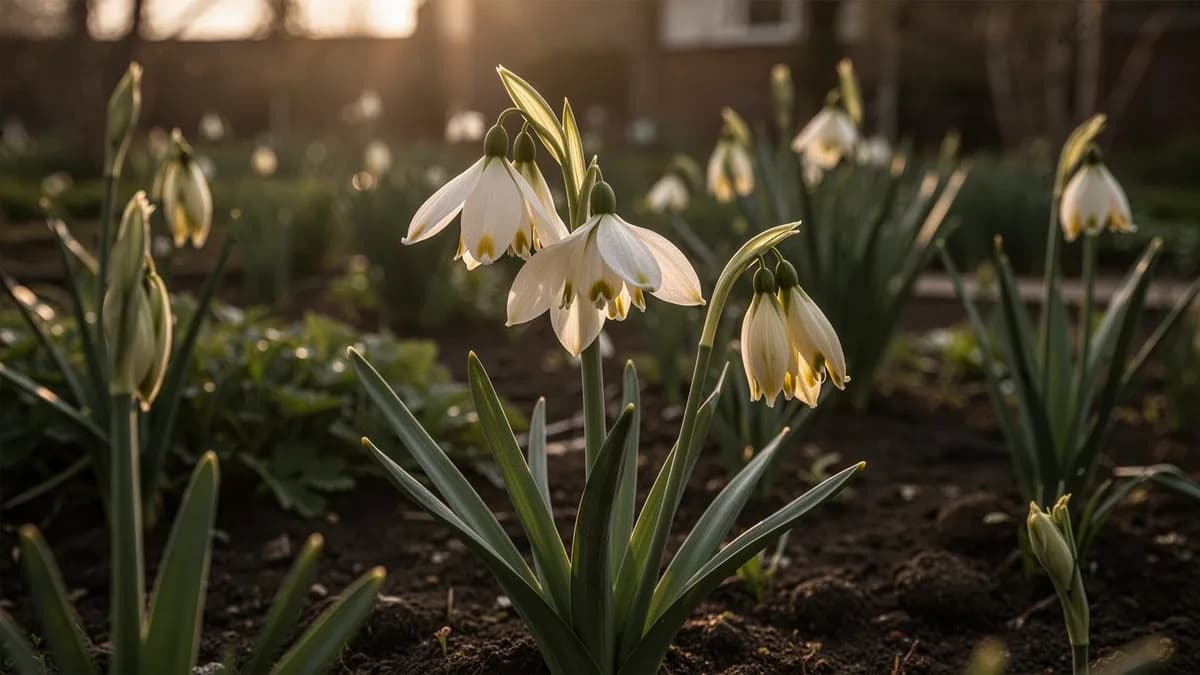
A compact South African bulb with tubular flowers in striking combinations of coral, yellow, and green on spotted or banded leaves.
On this pageOverview
Meet Cape Cowslip
A compact South African bulb with tubular flowers in striking combinations of coral, yellow, and green on spotted or banded leaves. Cape cowslip is tender and best grown in containers in a cool greenhouse or on a bright windowsill in cold climates. It blooms during winter months when color is most welcome.
When to plant Cape Cowslip
Lachenalia grows readily from fresh seed sown on the surface of gritty compost in autumn. Cover lightly with fine grit and keep moist in a bright, cool location. Seeds germinate within two to four weeks. Grow seedlings through their first winter without allowing them to go dormant. Allow dormancy the following summer. Most seed-grown plants reach flowering size in their second or third growing season. Lachenalia species hybridize freely, so seed-grown plants may show interesting variation.
Your Cape Cowslip Year
Composed for Zone 7 · typical seasons · frost passes Apr 2, returns Nov 1
Plant Cape Cowslip —, in bloom Jan – Mar. Check the planting methods below and set your climate to personalize these windows.
Cape Cowslip in bloom this season? Get next year's dates
One email when the next sowing window opens where you garden, and one before the first autumn frost.
One email per milestone, never more than one a week. Unsubscribe with one tap. No account needed.
How to grow Cape Cowslip
Plant lachenalia bulbs in early autumn, one inch deep and two to three inches apart, in containers of gritty, well-drained potting mix. In most climates, these tender South African bulbs must be grown indoors as cool greenhouse or windowsill plants, as they are frost-tender and grow during the winter months. Choose a bright, unheated room or cool conservatory where temperatures stay between 40 and 60 degrees Fahrenheit during winter.
Water sparingly when the first leaves appear in autumn, gradually increasing as the foliage develops. Keep evenly moist but never soggy during the flowering period in winter and early spring. The tubular flowers appear in dense spikes in striking combinations of coral, orange, yellow, and green above the often attractively spotted or banded leaves.
As flowers fade and foliage begins to yellow in late spring, reduce watering gradually until the leaves die back completely. Store the potted bulbs completely dry in a warm location through summer. Resume watering in early autumn when the first signs of new growth appear. Repot every two to three years in fresh gritty compost, separating offsets to increase your collection.
288 plants fit a 4 × 8 ft bed
Each Cape Cowslip wants 10 cm of elbow room. The planner keeps that spacing for you — every plant, every bed.
Cape Cowslip's best neighbours
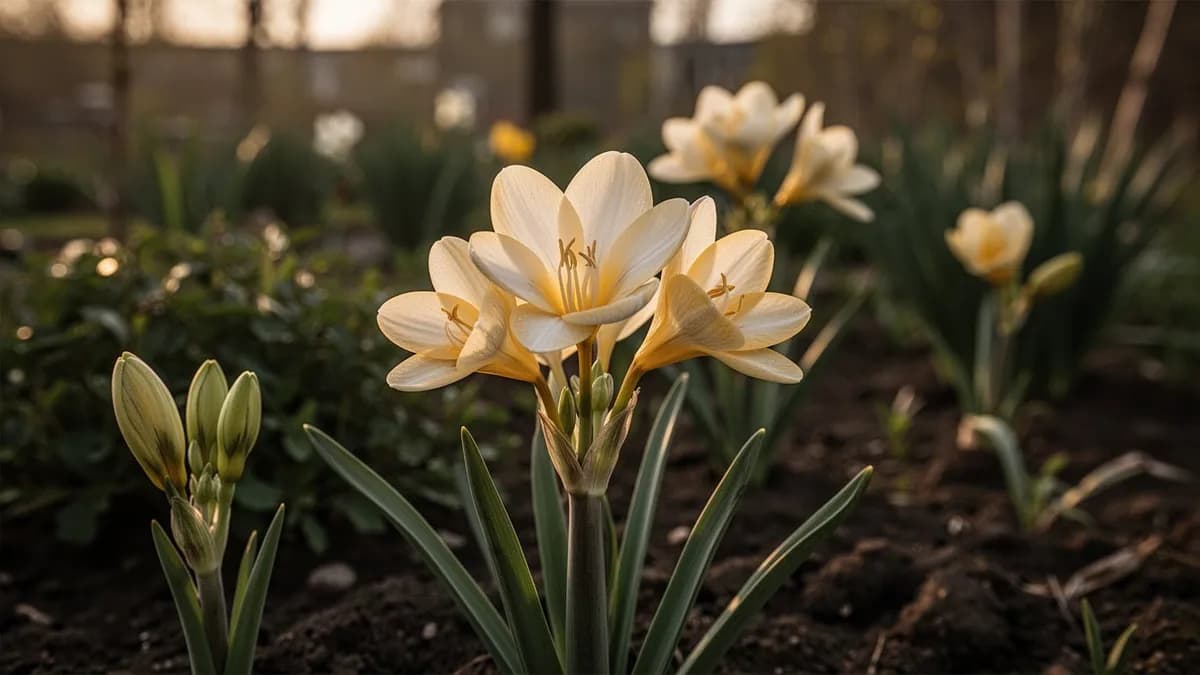
Lachenalia is best grown in individual pots or combined with other winter-growing South African bulbs in a cool greenhouse display. Suitable companions include oxalis, moraea, freesia, and small species gladiolus that share the same winter-growing, summer-dormant cycle. They can be displayed alongside cyclamen, primulas, and other cool-growing winter bloomers on a bright windowsill.
Freesia belongs beside it.
Old growers' knowledge, checked against Cape Cowslip's real companion table below — test any plant you're growing.
Related growing guides
Feed it well
Lachenalia requires a gritty, fast-draining potting mix such as equal parts loam-based compost, sharp sand, and perlite. Standard moisture-retentive potting mixes hold too much water and promote rot. Feed with a dilute liquid fertilizer every two weeks from the time leaves are well established until flowers begin to fade. Use a balanced or slightly high-potassium formulation. Do not feed during dormancy. A pH of 6.0 to 7.0 is ideal.
Ideal Temperature
Hardiness Zone Compatibility
From seed to harvest, stage by stage
Bulb Planting
Plant Lachenalia bulbs in early to mid-autumn in either hemisphere. Place bulbs 3-5 cm deep and 5-8 cm apart in well-draining, sandy soil or a gritty potting mix. Position them with the pointed end facing upward. Water lightly after planting to settle the soil around the bulbs.
Root Establishment and Leaf Emergence
Roots develop first beneath the soil surface, followed by the emergence of strap-shaped or lance-shaped leaves. Most Lachenalia species produce just two basal leaves, though some species have more. Many species display attractive spotted or banded markings on their foliage, making them ornamental even before flowering begins.
Vegetative Growth
Leaves grow to their full length of 10-25 cm depending on species. The foliage continues to develop its characteristic markings and coloration. During this phase the bulb is building energy reserves and preparing the flower spike. Good light is essential to prevent etiolation and ensure sturdy growth.
Flower Spike Development
The flower spike emerges from the center of the leaf rosette, elongating steadily over several weeks. Buds form in a dense raceme along the upper portion of the spike. The spike typically reaches 15-30 cm in height. Color begins to show in the developing buds as they swell and prepare to open.
Flowering
Tubular or bell-shaped flowers open from the bottom of the raceme upward, creating a long-lasting display that can persist for 3-4 weeks. Flower colors vary widely by species and cultivar, including shades of yellow, coral, red, orange, blue, purple, white, and green, often with contrasting tips or markings. Some species are sweetly fragrant.
Seed Set and Foliage Decline
After flowering, seed capsules may develop if pollination occurred. The leaves begin to yellow and wither as the plant channels its remaining energy back into the bulb for storage. This is a natural process and should not be prevented. The bulb is also producing offsets (daughter bulbs) that can be separated for propagation.
Summer Dormancy
Once all foliage has withered, the bulb enters a prolonged summer dormancy period. The bulb remains alive but metabolically inactive underground, surviving the hot, dry summer conditions of its native South African fynbos habitat. This dry rest period is critical for the bulb's long-term health and flowering performance.
Use a mix of equal parts potting soil, coarse sand, and perlite for ideal drainage. Avoid heavy clay soils which can cause bulb rot.
Caring for Cape Cowslip month by month
What to do each month for your Cape Cowslip
October
You are hereNorthern Hemisphere: Leaves emerge and active growth begins. Start regular watering as foliage appears. Ensure plants receive maximum available daylight. Begin feeding with dilute balanced fertilizer.
Harvesting Cape Cowslip
Lachenalia flower spikes can be cut for tiny indoor arrangements when about half the florets have opened. The colorful tubular flowers are unusual and eye-catching in miniature bouquets. Cut stems last about five to seven days in water. Since these plants are typically grown indoors already, the flowers are most commonly enjoyed in their pots. Allow some flower spikes to remain to set seed if you wish to propagate new plants.
assuming you plant when the window opens — set your real date
From bulbs, tubers or cloves
Deadhead Cape Cowslip regularly and it keeps flowering.
Storage & Preservation
Lachenalia bulbs remain in their pots through the summer dormancy period and are simply kept completely dry in a warm location. Store pots on their sides in a shed, garage, or warm spare room at 65 to 80 degrees Fahrenheit. The warm summer baking promotes good flower bud initiation for the following season. Resume watering in early autumn. Fresh bulbs purchased for the first time should be potted immediately and watered to initiate growth.
What goes wrong — and the fix
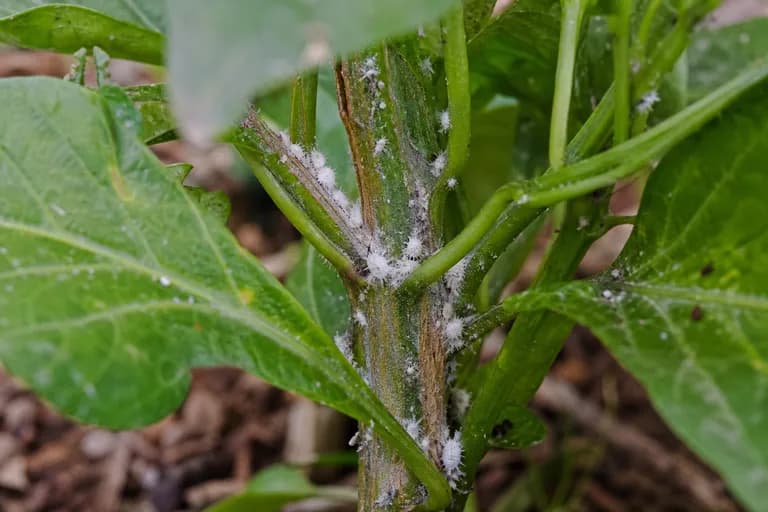
Mealybugs
PestWhite, cottony masses among the leaf bases and on the undersides of leaves. Stunted growth and yellowing foliage in severe cases.
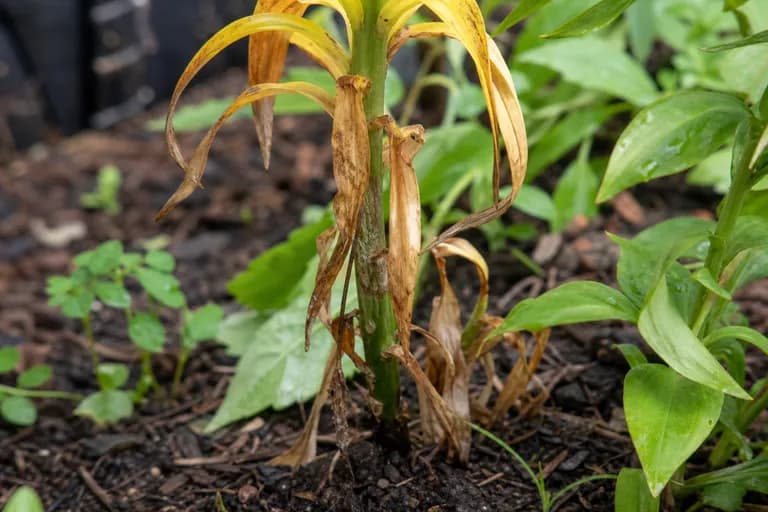
Bulb Rot
DiseaseBulbs become soft and mushy, often with a sour smell. Leaves may fail to emerge or collapse soon after appearing.
Troubleshooting Common Problems
The most common cause of failure is overwatering, especially during the summer dormancy when bulbs must be kept bone dry. Growing in too-warm conditions during winter causes leggy, floppy foliage and poor flowering. These bulbs need cool conditions, ideally 40 to 55 degrees Fahrenheit at night during their growing season. Insufficient light produces stretched, weak growth. Place on the brightest windowsill available during winter months.
Growing Tips
- Plant Lachenalia bulbs in autumn at a depth of approximately twice the bulb's height, with the pointed growing tip facing upward and spaced 5-8 cm apart for a full display.
- Use a very well-draining growing medium consisting of equal parts loam-based potting mix, coarse river sand, and perlite to prevent waterlogging and bulb rot.
- Provide the coolest bright growing conditions available, ideally 10-15°C, as excessive warmth produces leggy, weak growth and poor flowering performance.
- Water sparingly after planting and increase watering only once active leaf growth appears above the soil surface, then keep consistently moist but never soggy.
- Feed every two weeks during active growth with a dilute balanced liquid fertilizer (half-strength) to support vigorous leaf development and flower spike production.
- Ensure maximum available light during the short winter days by placing containers on the sunniest windowsills in your home, where they face the midday sun.
- Stop watering and feeding completely once the foliage begins to yellow after flowering, allowing the bulb to enter its essential summer dormancy period in dry conditions.
- In wet-summer climates, lift dormant bulbs from the ground or move container-grown plants under shelter to keep them bone dry until autumn planting time.
- Separate offset bulbs from the parent during the dormant period and pot them individually to expand your collection; most offsets reach flowering size within one to two seasons.
- Watch for mealybugs on the leaf bases and aphids on emerging flower spikes, treating promptly with insecticidal soap or a cotton swab dipped in rubbing alcohol.
Pick your Cape Cowslip
Quadricolor
A spectacular species with flowers that transition through four colors on a single spike: green base, yellow middle, orange band, and red tips.
Aloides var. aurea
Bright golden-yellow flowers that bring sunshine to the winter windowsill, vigorous and free-flowering.
Viridiflora
Unusual turquoise-green flowers that are unique among winter-blooming bulbs, a collector's prize.
Namaquensis
A diminutive species with wine-red to rust-orange bells and heavily spotted leaves, perfect for small pot cultivation.
Lachenalia bulbs are an excellent long-term investment for winter color. Once purchased, each bulb multiplies through offsets, typically producing 2-4 new bulbs per year. A single initial purchase of 10 bulbs can yield 40-80 bulbs within three years, providing an ever-expanding display at no additional cost. Growing from seed is even more economical and allows access to rare species not available as commercial bulbs. Compared to purchasing cut flowers or flowering potted plants each winter, a well-maintained Lachenalia collection provides decades of reliable winter blooms for a one-time investment.
Quick recipes
Lachenalia Winter Windowsill Planter
30 minutesCreate a stunning winter-flowering container display by planting multiple Lachenalia bulbs closely together in a shallow decorative bowl. The dense planting produces a spectacular mass of color during the darkest months of the year when few other plants are in bloom.
5 ingredientsLachenalia Rock Garden Drift
1 hourPlant Lachenalia bulbs in naturalistic drifts between rocks and gravel in a Mediterranean-style rock garden. Combined with other South African bulbs such as Babiana and Sparaxis, this creates a vibrant winter display that replicates the natural fynbos habitat and requires minimal summer water.
5 ingredientsLachenalia Propagation Station
45 minutesMultiply your Lachenalia collection by separating offsets and sowing seed from your best plants. This simple propagation setup allows you to grow dozens of new bulbs each year, build your collection, and share with fellow gardening enthusiasts.
5 ingredientsWhat's inside
Health Benefits
- Growing Lachenalia provides a rewarding winter gardening activity that combats seasonal affective disorder by bringing vibrant color indoors during the darkest months of the year.
- Tending to Lachenalia bulbs through their annual growth cycle encourages mindfulness and a calming connection to natural seasonal rhythms.
- The compact size and straightforward care requirements of Lachenalia make it an ideal plant for introducing children and beginners to the joys of bulb gardening.
- Collecting and growing different Lachenalia species and cultivars provides a stimulating hobby that exercises botanical knowledge and attention to detail.
- Container-grown Lachenalia displays brighten indoor spaces during winter, contributing to improved mood and a more pleasant living environment.
- Participating in Lachenalia conservation through cultivation helps preserve endangered South African species and supports global botanical diversity.
Where Cape Cowslip comes from
Lachenalia is a genus of bulbous plants belonging to the family Asparagaceae (subfamily Scilloideae), native almost exclusively to South Africa. The greatest concentration of species occurs in the winter-rainfall region of the Western Cape Province, particularly in the fynbos biome and the sandy coastal lowlands around Cape Town and Namaqualand. A few species extend into the Eastern Cape and Namibia, but the genus is overwhelmingly centered in the Cape Floristic Region, one of the world's six floral kingdoms and a recognized biodiversity hotspot.
The first Lachenalia species were collected by European botanists during the late 18th century as part of the broader exploration of the Cape flora. The genus was formally described by Nikolaus Joseph von Jacquin in 1784 and named after Werner de Lachenal, a Swiss botanist. Throughout the 19th century, numerous new species were described from collections made by botanical explorers working in the remote mountain passes and coastal plains of the Western Cape.
During the 20th century, Lachenalia gained recognition as an ornamental bulb with enormous horticultural potential. Beginning in the 1960s, systematic breeding programs at the Agricultural Research Council's Vegetable and Ornamental Plants Research Institute near Pretoria produced a wealth of cultivars in an extraordinary range of colors. These programs focused on extending the color palette, improving flower form and longevity, and developing cultivars suitable for the cut-flower and pot-plant industries. Notable cultivars include the Rupert and Ronina hybrids, which display vivid coral, salmon, and bicolored flowers. Today, Lachenalia is grown by collectors and enthusiasts worldwide as a winter-flowering container plant, prized for its compact habit, vivid colors, and ease of cultivation in cool greenhouse or windowsill conditions.
Cape Cowslip: did you know?
Fascinating facts about Cape Cowslip
The genus Lachenalia was named in honor of Werner de Lachenal (1736-1800), a Swiss botanist and professor of botany at the University of Basel, who was a contemporary of Linnaeus.
Cape Cowslip questions, answered
When should I plant Cape Cowslip?
What are good companion plants for Cape Cowslip?
What hardiness zones can Cape Cowslip grow in?
How much sun does Cape Cowslip need?
How far apart should I space Cape Cowslip?
What pests and diseases affect Cape Cowslip?
How do I store Cape Cowslip after harvest?
What are the best Cape Cowslip varieties to grow?
What soil does Cape Cowslip need?
Why are my Lachenalia leaves long and floppy instead of compact?
Can Lachenalia be grown outdoors year-round?
How do I get my Lachenalia to flower again next year?
Are Lachenalia plants toxic to cats and dogs?
What are the best Lachenalia species for beginners?
How do I propagate Lachenalia from seed?
Plant these alongside Cape Cowslip
More Bulbs
Grow your best Cape Cowslip yet — and everything around it.
Start a free plan today. Lay out your beds, drop in your Cape Cowslip, and let PlotMyGarden handle the timing, spacing, companions and reminders from seed to harvest basket.
