Flor Arlequín
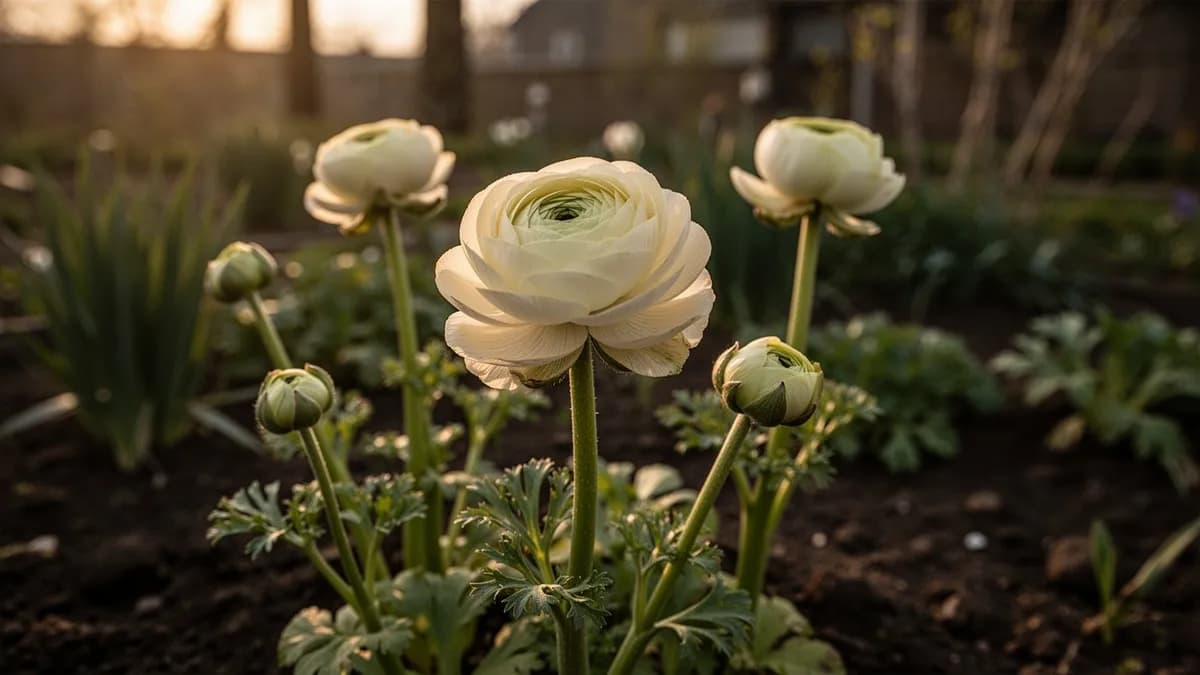
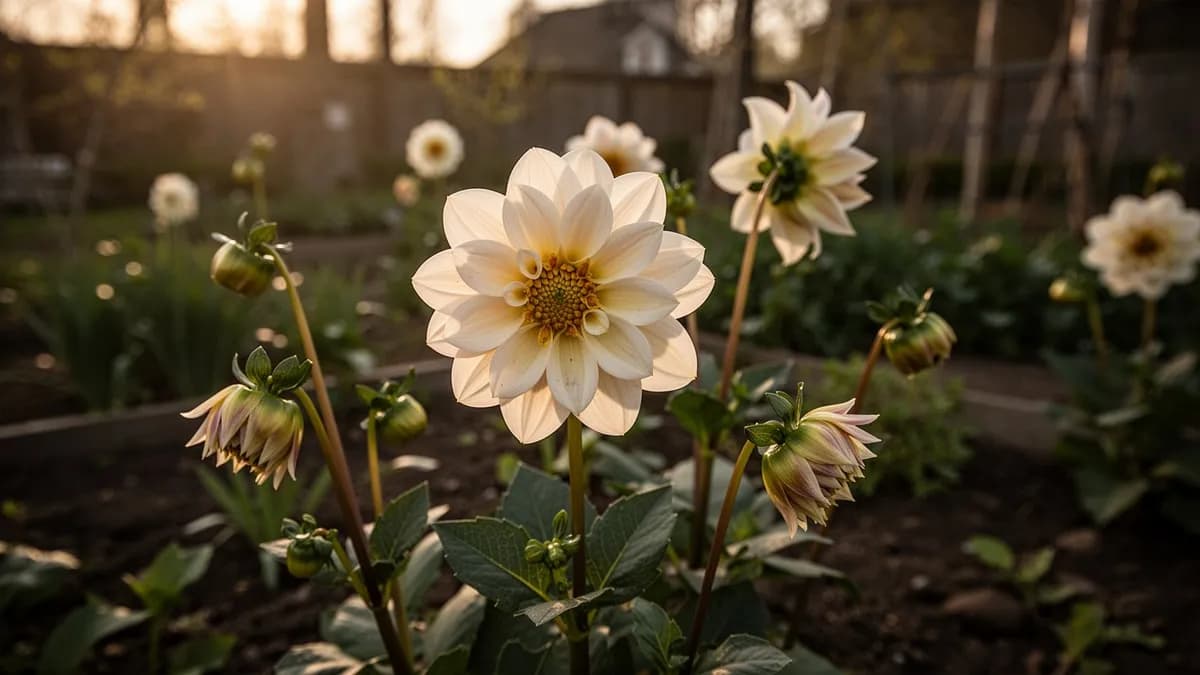
Un cormo sudafricano con flores vivamente coloreadas y estampadas en combinaciones de rojo, naranja, amarillo y morado con centros oscuros contrastantes.





En esta páginaResumen
Conoce Flor Arlequín
Un cormo sudafricano con flores vivamente coloreadas y estampadas en combinaciones de rojo, naranja, amarillo y morado con centros oscuros contrastantes. La flor arlequín prospera en suelos bien drenados con una dormancia estival seca y es ideal para jardines mediterráneos y costeros. Plante en lugares resguardados y soleados y levante los cormos en climas fríos.
Cuándo plantar Flor Arlequín
La sparaxis se desarrolla fácilmente a partir de semillas sembradas en otoño en macetas de compost arenoso y bien drenado. Siembre en la superficie y cubra ligeramente con grava fina. Mantenga húmedo durante el invierno y la primavera, luego deje que las macetas se sequen completamente durante la dormancia estival. Las semillas germinan entre cuatro y ocho semanas después de la siembra. Cultive las plántulas durante dos o tres ciclos de crecimiento, manteniendo el patrón de invierno húmedo y verano seco. La primera floración suele producirse en el tercer año desde la siembra.
Tu año de Flor Arlequín
Ajustado a Zona 7 · temporada típica · la helada se va hacia el 2 abr y vuelve hacia el 1 nov
Planta Flor Arlequín — y cosecha Abr – May. Consulta los métodos de plantación y elige tu clima para adaptar los periodos.
Cómo cultivar Flor Arlequín
Plante los cormos de sparaxis en otoño, a una profundidad de ocho a diez centímetros y separados unos ocho centímetros entre sí, en un lugar resguardado y soleado con suelo de drenaje rápido. Al igual que otros bulbos sudafricanos de lluvia invernal, la sparaxis crece activamente durante los inviernos y primaveras frescos y húmedos, para luego requerir una dormancia estival completamente seca. Los climas mediterráneos y costeros con veranos secos ofrecen las condiciones ideales.
Durante la temporada de crecimiento invernal, proporcione humedad constante mediante la lluvia natural o un riego cuidadoso. El follaje en forma de abanico emerge en otoño y las flores brillantemente estampadas aparecen sobre tallos fibrosos a mediados o finales de la primavera. Cada cormo produce varios tallos florales a lo largo de varias semanas, creando una larga exhibición de flores vívidas y multicolores.
En zonas por debajo de la zona 8, levante los cormos una vez que el follaje se haya marchitado a principios del verano y almacénelos secos en un lugar cálido hasta el replante en otoño. Como alternativa, cultívelos en macetas de compost arenoso en un invernadero fresco o en un marco frío donde la humedad pueda controlarse con precisión. En climas suaves donde los cormos pueden permanecer en el suelo, plante en arriates elevados o jardines de grava donde la lluvia estival no los alcance.
288 plantas caben en un bancal de 120 × 240 cm
Cada Flor Arlequín pide 10 cm de margen. El planificador guarda ese marco por ti — cada planta, cada bancal.
Los mejores vecinos de Flor Arlequín
La sparaxis se combina de forma natural con otros bulbos sudafricanos de lluvia invernal como ixia, fresia, babiana y tritonia. En jardines mediterráneos, combínela con hierbas y vivaces tolerantes a la sequía como lavanda, romero y gazania. En macetas, cree una exhibición de bulbos sudafricanos con colores y especies mezclados para un punto focal primaveral. Evite plantar junto a plantas amantes de la humedad que requieran riego en verano.
Lirio del Maíz va a su lado.
Saber de huerto de siempre, cotejado con la tabla real de Flor Arlequín — prueba cualquier planta que cultives.
Prueba Flor Arlequín en un bancal, aquí mismo
Un bancal real del planificador con Flor Arlequín ya plantado. Toca una planta compañera para colocarla y mira cómo responde la comprobación de vecinos: verde para buenos vecinos, rojo si hay conflicto.


Guías de cultivo relacionadas
Abónalo bien
La sparaxis exige un suelo arenoso o pedregoso de drenaje rápido con un pH de 6.0 a 7.5. Los suelos pesados o que retienen humedad provocarán la pudrición del cormo, especialmente durante la dormancia estival. Enmiende los suelos arcillosos abundantemente con arena gruesa y grava, o plante en arriates elevados con una mezcla de drenaje libre. Aplique un ligero abono de harina de huesos en el momento de la plantación y abone con un fertilizante líquido diluido cada dos o tres semanas durante la temporada de crecimiento activo.
Temperatura ideal
Compatibilidad de zonas de rusticidad
De la semilla a la cosecha, etapa por etapa
Plantación del cormo
Plante los cormos a 5-8 cm de profundidad y separados 8-10 cm en suelo bien drenado durante el otoño. Oriéntelos con el extremo puntiagudo hacia arriba. En regiones frías por debajo de la zona USDA 8, plante en macetas que puedan trasladarse al interior.
Establecimiento de raíces y dormancia
Durante los frescos meses de otoño e inicio del invierno, los cormos desarrollan un sistema radicular sólido bajo tierra mientras la parte aérea permanece en dormancia. Este período de frío es esencial para la iniciación floral y generalmente requiere temperaturas de entre 4 y 13 grados Celsius.
Emergencia del follaje
A medida que las temperaturas suben a finales del invierno o principios de la primavera, emergen hojas estrechas en forma de espada dispuestas en abanico. El follaje crece hasta unos 15-30 cm de altura y comienza a fotosintentizar para alimentar la próxima floración.
Floración
Los fibrosos tallos florales se elevan por encima del follaje portando espigas sueltas de tres a seis flores en forma de estrella. Las flores miden típicamente 4-5 cm de diámetro y presentan vívidas combinaciones de naranja, rojo, amarillo, morado o blanco con llamativas marcas centrales oscuras.
Formación de semillas y declive del follaje
Tras la floración, pueden formarse cápsulas de semillas si las flores no fueron eliminadas. El follaje se amarillea gradualmente y comienza a marchitarse a medida que la planta canaliza los nutrientes de regreso al cormo para su almacenamiento durante la dormancia estival.
Dormancia estival
El cormo entra en un período de descanso estival seco, que refleja el clima nativo de tipo mediterráneo de la planta en Sudáfrica. Durante este tiempo, el cormo almacena energía y puede producir pequeños hijuelos que pueden separarse para su propagación.
División y replante del cormo
A mediados o finales del otoño, inspeccione los cormos almacenados y separe los hijuelos que se hayan formado. Los hijuelos sanos de al menos 1 cm de diámetro pueden plantarse directamente. Este es también el momento de replantar los cormos madre para reiniciar el ciclo de crecimiento.
Riegue ligeramente tras la plantación para asentar la tierra alrededor de los cormos, pero evite saturar el parterre, ya que el exceso de humedad causa pudrición.
Cuidar Flor Arlequín mes a mes
Qué hacer cada mes para tu Flor Arlequín
Octubre
Mes actualHemisferio norte: complete la plantación otoñal de cormos antes de las primeras heladas fuertes. Riegue ligeramente tras la plantación. Hemisferio sur: los cormos están estableciendo raíces; mantenga el suelo ligeramente húmedo.
Ten claro qué hacer en tu huerto, cada mes
Un correo al empezar cada mes: qué sembrar, plantar y hacer ahora mismo — para tu Flor Arlequín y todo lo que crece alrededor. Más un breve curso inicial para esquivar los errores clásicos.
- Qué hacer ahora mismo
- Ajustado a tu temporada
- Curso inicial incluido
Cosechar Flor Arlequín
Corte los tallos de sparaxis para arreglos pequeños y coloridos cuando la primera flor del ramillete se haya abierto. Las vívidas flores estampadas en combinaciones de rojo, naranja, amarillo y morado con centros oscuros crean ramos de aspecto precioso. Colóquelas en agua fría y expóngalas a la luz brillante. Las flores cortadas duran entre cinco y siete días. Los tallos fibrosos y las flores brillantemente coloreadas combinan bien con otras flores primaverales para arreglos informales y alegres.
se supone que plantas al comenzar el periodo — indica tu fecha real
A partir de bulbos, tubérculos o dientes
Cosecha Flor Arlequín a tiempo y la planta sigue produciendo.
Almacenamiento y conservación
Una vez que el follaje se haya marchitado de forma natural a principios del verano, levante los cormos en climas con veranos húmedos. Elimine la tierra con un cepillo, retire las túnicas exteriores gastadas y separe los cormillos pequeños. Séquelos en un lugar cálido y bien ventilado durante una o dos semanas, luego guárdelos en bolsas de papel a temperatura ambiente en un lugar seco durante todo el verano. Replante en otoño. En climas mediterráneos con veranos secos, los cormos pueden dejarse sin perturbar en el suelo, donde se multiplicarán libremente.
Qué falla — y cómo solucionarlo
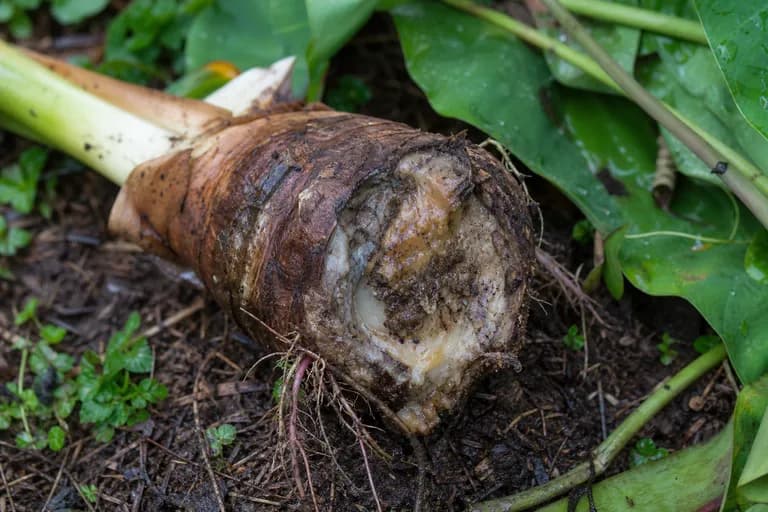
Pudrición del cormo
EnfermedadCormos blandos y decolorados que no producen un crecimiento sano. El follaje puede emerger débilmente y luego colapsar.
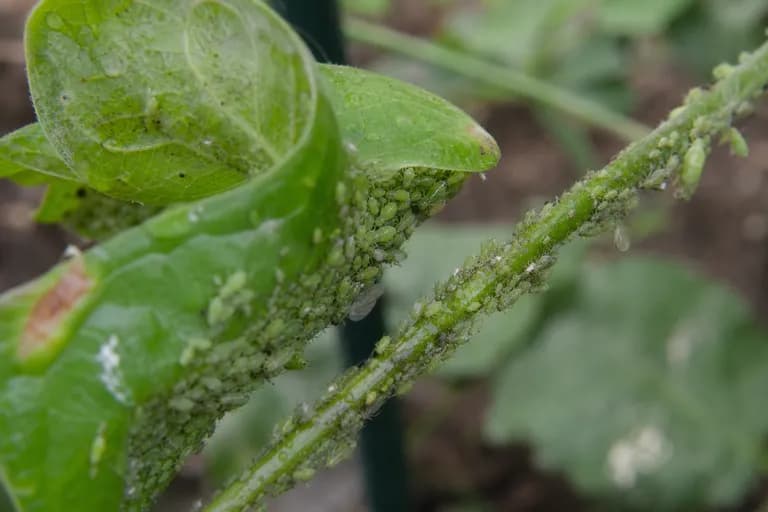
Pulgones
PlagaGrupos de insectos verdes o negros en los tallos florales en desarrollo, residuo pegajoso y capullos deformados. Pueden transmitir enfermedades víricas.
Solución de problemas comunes
La causa principal del fracaso es que la humedad estival alcance los cormos en dormancia, lo que provoca la pudrición. En zonas con lluvias estivales, cultivarlos en macetas o bajo cubiertas protectoras de lluvia es esencial para obtener resultados fiables. Los cormos son sensibles a las heladas y deben levantarse en climas fríos, lo que añade trabajo de mantenimiento. Las plantas pueden tardar una temporada en asentarse antes de florecer abundantemente, y los cormos de pequeño tamaño pueden necesitar un año para alcanzar el tamaño de floración.
Consejos de cultivo
- Plante los cormos de sparaxis en otoño a una profundidad de 5 a 8 centímetros y sepárelos 8 a 10 centímetros en grupos de al menos diez para lograr el mejor impacto visual.
- Elija un lugar de plantación con pleno sol y suelo de drenaje rápido. La sparaxis no tolera la arcilla pesada que permanece húmeda en verano, así que enmiende con arena gruesa o grava si es necesario.
- En zonas USDA más frías que la zona 8, cultive la sparaxis en macetas que puedan trasladarse a un garaje libre de heladas o a un marco frío durante el invierno, o trátelas como plantas anuales.
- Riegue la sparaxis con regularidad durante su período de crecimiento activo desde finales del invierno hasta la primavera, manteniendo el suelo uniformemente húmedo pero nunca encharcado para prevenir la pudrición del cormo.
- Aplique un fertilizante líquido equilibrado a la mitad de la concentración cada dos semanas desde que emergen los brotes hasta que las flores comiencen a marchitarse a finales de la primavera.
- Elimine los tallos florales marchitos con prontitud, a menos que desee recolectar semillas. Retirar las flores desvanecidas redirige la energía de la planta hacia la construcción de un cormo más fuerte para el año siguiente.
- Deje que el follaje se marchite de forma natural tras la floración. Las hojas que se amarillean están fotosintentizando y enviando nutrientes vitales de regreso al cormo para su almacenamiento.
- En regiones con veranos húmedos, levante los cormos una vez que el follaje se haya marchitado completamente, elimine la tierra con un cepillo y guárdelos en bolsas de papel o redes de malla en un lugar fresco, seco y bien ventilado.
- Divida los grupos congestionados cada tres o cuatro años separando los hijuelos durante el período de dormancia. Replante de inmediato en suelo renovado con compost añadido.
- Proteja el follaje primaveral emergente de babosas y caracoles esparciendo pellets de fosfato de hierro alrededor del área de plantación, ya que los jóvenes brotes de sparaxis son particularmente vulnerables al daño por moluscos.
Cultiva tu mejor Flor Arlequín — y todo lo que la rodea.
Empieza un plan gratis hoy. Diseña tus bancales, coloca tu Flor Arlequín y deja que PlotMyGarden gestione el momento, el espaciado, las asociaciones y los recordatorios de la semilla a la cesta.
Elige tu Flor Arlequín
Tricolor
La especie clásica con flores en vívidas combinaciones de rojo, naranja y amarillo con una zona central oscura; absolutamente llamativa.
Fire King
Flores de un rojo intenso con un centro negro y amarillo, una de las combinaciones de colores más dramáticas de cualquier bulbo primaveral.
Moonlight
Flores de un suave amarillo cremoso con marcas sutiles, un color más delicado que combina bien con las variedades más vívidas.
Mixed Hybrids
Una mezcla caleidoscópica de colores y estampados que ofrece una exhibición primaveral de tipo carnavalesco en parterres y macetas.
Un paquete de diez cormos de sparaxis cuesta típicamente entre tres y seis euros y cada cormo produce de dos a cuatro hijuelos anualmente. Tras tres años, una inversión inicial de diez cormos puede rendir cincuenta o más cormos en floración sin coste adicional. En comparación con la compra de flores cortadas frescas a cinco o diez euros el ramo semanalmente durante la primavera, una plantación de sparaxis naturalizada que proporcione seis a ocho semanas de flores supone un ahorro de entre cuarenta y ochenta euros en flores cortadas cada temporada. Dado que los cormos son perennes en las zonas 8-10 y requieren un fertilizante y control de plagas mínimos, el coste de mantenimiento continuo es esencialmente nulo una vez establecida la colonia.
Recetas rápidas
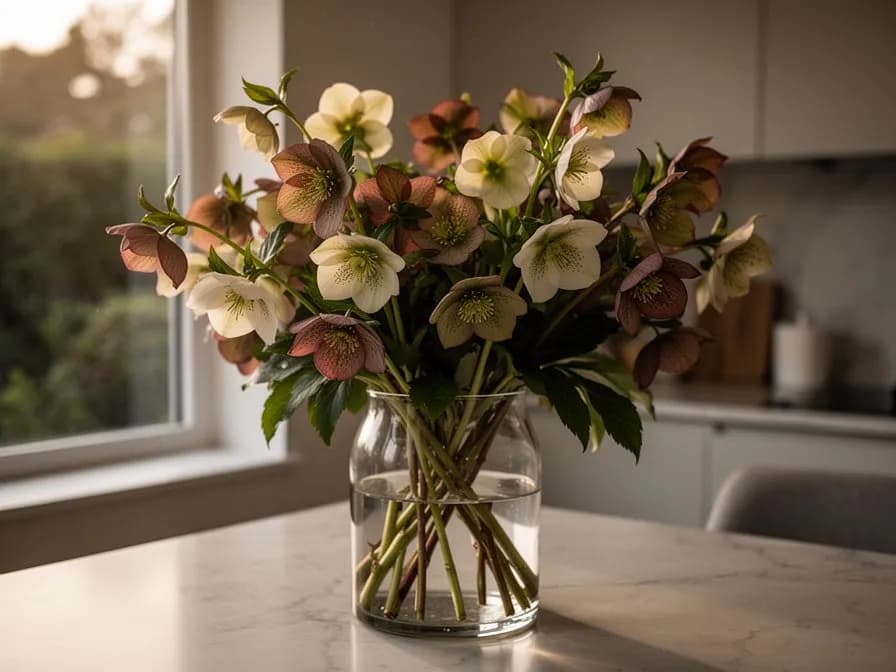
Arreglo de ramo primaveral de sparaxis
15 minutosCree un vibrante arreglo de mesa utilizando tallos de sparaxis recién cortados combinados con flores primaverales complementarias. Corte los tallos por la mañana temprano, cuando las flores acaban de abrirse, para prolongar al máximo su vida en el jarrón.
5 ingredientesArte botánico con flores de sparaxis prensadas
10 minutos activos, 2-3 semanas de prensadoPreserve los vívidos colores de las flores de sparaxis prensándolas para usarlas en arte botánico enmarcado, tarjetas de felicitación o marcapáginas. Las flores planas en forma de estrella se prensan excepcionalmente bien y conservan gran parte de su color original.
5 ingredientesKit de inicio para la propagación de cormos de sparaxis
20 minutosPrepare los cormillos hijuelos cosechados durante la dormancia estival para el replante otoñal. Este sencillo método de propagación multiplica su colección de sparaxis cada año sin necesidad de comprar nuevos cormos.
5 ingredientesQué contiene
Beneficios para la salud
- Cultivar sparaxis al aire libre fomenta la actividad de jardinería regular, que según los estudios puede quemar entre 200 y 400 calorías por hora y mejorar la salud cardiovascular.
- Las vívidas y multicolores flores de la sparaxis han demostrado en investigaciones de terapia hortícola elevar el estado de ánimo y reducir los síntomas de ansiedad y depresión leve.
- Cuidar una colección de sparaxis a lo largo de su ciclo estacional proporciona una actividad estructurada y consciente que promueve la concentración mental y la sensación de logro.
- Disponer flores de sparaxis recién cortadas en interiores aporta color natural y elementos vivos al hogar, lo que la investigación asocia con niveles de estrés más bajos y un mayor bienestar.
- El ritmo estacional de plantar, cultivar y levantar los cormos de sparaxis conecta a los jardineros con los ciclos naturales, fomentando un enraizador sentido del tiempo y el lugar.
- Compartir cormos de sparaxis divididos con vecinos y compañeros jardineros fortalece los lazos comunitarios y las conexiones sociales, que están vinculados a una mejor salud mental en general.
De dónde viene Flor Arlequín
Sparaxis tricolor, la flor arlequín, es una planta vivaz de cormos nativa de la región de lluvias invernales de la provincia del Cabo Occidental de Sudáfrica. Crece de forma natural en los tipos de vegetación de fynbos y renosterveld, particularmente en las zonas de Boland y Swartland entre Tulbagh y Malmesbury, donde prospera en suelos arcillosos pesados en terrenos llanos o de suave pendiente. El género Sparaxis pertenece a la familia Iridaceae y comprende aproximadamente quince especies, todas endémicas de la Gran Región Florística del Cabo, uno de los seis reinos florales reconocidos del mundo. Los colectores de plantas europeos se toparon con la sparaxis por primera vez a finales del siglo XVIII, y especímenes de herbario secos llegaron a los Jardines Botánicos Reales de Kew hacia la década de 1780. Poco después se transportaron con éxito cormos vivos a Inglaterra, y a principios del siglo XIX la especie era cultivada en invernaderos calefactados de toda Gran Bretaña y los Países Bajos. El botánico escocés John Ker Gawler publicó la primera descripción formal de Sparaxis tricolor en 1804, señalando sus extraordinarias flores tricolores con sus vívidos pétalos exteriores naranja o rojos, la zona interior amarilla y el ojo central púrpura-negruzco oscuro. A lo largo del siglo XIX, los horticultores holandeses y británicos desarrollaron numerosos cultivares mediante la hibridación de S. tricolor con especies relacionadas como S. grandiflora y S. elegans, ampliando la gama de colores disponibles para incluir formas crema, salmón, malva y carmesí oscuro. Hoy en día, la sparaxis se cultiva comercialmente en los Países Bajos, Japón e Israel tanto para el comercio de flores cortadas como para el mercado de bulbos de jardín. Se ha naturalizado en partes del sur de Australia y de la California costera, donde el clima mediterráneo refleja fielmente sus condiciones nativas. Los esfuerzos de conservación en Sudáfrica se centran en proteger las poblaciones silvestres restantes, que se enfrentan a la presión de la conversión de tierras agrícolas y las gramíneas invasoras en las tierras bajas del Cabo Occidental.
Flor Arlequín: ¿sabías que?
Datos fascinantes sobre Flor Arlequín
El nombre Sparaxis proviene de la palabra griega 'sparasso', que significa 'rasgar', en referencia al aspecto rasgado de las brácteas papiráceas que rodean los capullos florales.
Flor Arlequín: preguntas frecuentes
¿Cuándo debo plantar Flor Arlequín?
¿Cuáles son buenas plantas acompañantes para Flor Arlequín?
¿En qué zonas de rusticidad puede crecer Flor Arlequín?
¿Cuánto sol necesita Flor Arlequín?
¿A qué distancia debo espaciar Flor Arlequín?
¿Qué plagas y enfermedades afectan a Flor Arlequín?
¿Cómo almaceno Flor Arlequín después de la cosecha?
¿Cuáles son las mejores variedades de Flor Arlequín para cultivar?
¿Qué suelo necesita Flor Arlequín?
¿Se puede cultivar la sparaxis en macetas y contenedores?
¿Por qué mis cormos de sparaxis no florecen?
¿Es la sparaxis tóxica para gatos, perros u otras mascotas?
¿Cómo puedo propagar la sparaxis a partir de semillas?
¿Cuándo es el mejor momento para comprar y plantar los cormos de sparaxis?
¿Puede la sparaxis naturalizarse en el jardín?
Acabas de leer la teoría. Ahora cultívala en piloto automático.
Todo lo que hace que Flor Arlequín sea delicado — el momento, el espaciado, las asociaciones, la ventana de cosecha — es justo lo que PlotMyGarden resuelve por ti, para cada planta de tu huerto.
Un plan que conoce tu clima
Indica tu ubicación una vez. Recibe fechas de siembra, abonado y cosecha basadas en tu última helada real y el pronóstico en vivo — sin adivinar con un sobre genérico.
De la sección “Cuándo plantar”Planificador de bancales de arrastrar y soltar
Diseña bancales sobre una cuadrícula. Cada planta encaja con su espaciado correcto y ves toda la temporada antes de gastar un céntimo en semillas.
De la sección “Cultivo”Conflictos de asociación, detectados a tiempo
Más de 200 buenas y malas combinaciones comprobadas en vivo mientras plantas — para que un error que arruine la temporada nunca llegue a la tierra.
De la sección “Asociaciones”Recordatorios que sí vas a seguir
“Riega las judías.” “Recoge hoy antes de que se pase.” Oportunos, concretos y ligados a las plantas que de verdad cultivas.
De la sección “Cosecha”Escalonado, programado
¿Quieres cosechar seis semanas en vez de seis días? Reparte tus siembras automáticamente y te avisa cuando toca el siguiente lote.
De la sección “Cuándo plantar”Un registro que se vuelve más listo
Cada cosecha que registras le enseña tu huerto. El plan del año que viene parte de lo que de verdad funcionó en tu suelo, no en un manual.
De la sección “Resumen”Planta estos junto a Flor Arlequín
Más Bulbosas
Cultiva tu mejor Flor Arlequín — y todo lo que la rodea.
Empieza un plan gratis hoy. Diseña tus bancales, coloca tu Flor Arlequín y deja que PlotMyGarden gestione el momento, el espaciado, las asociaciones y los recordatorios de la semilla a la cesta.