Sternblume
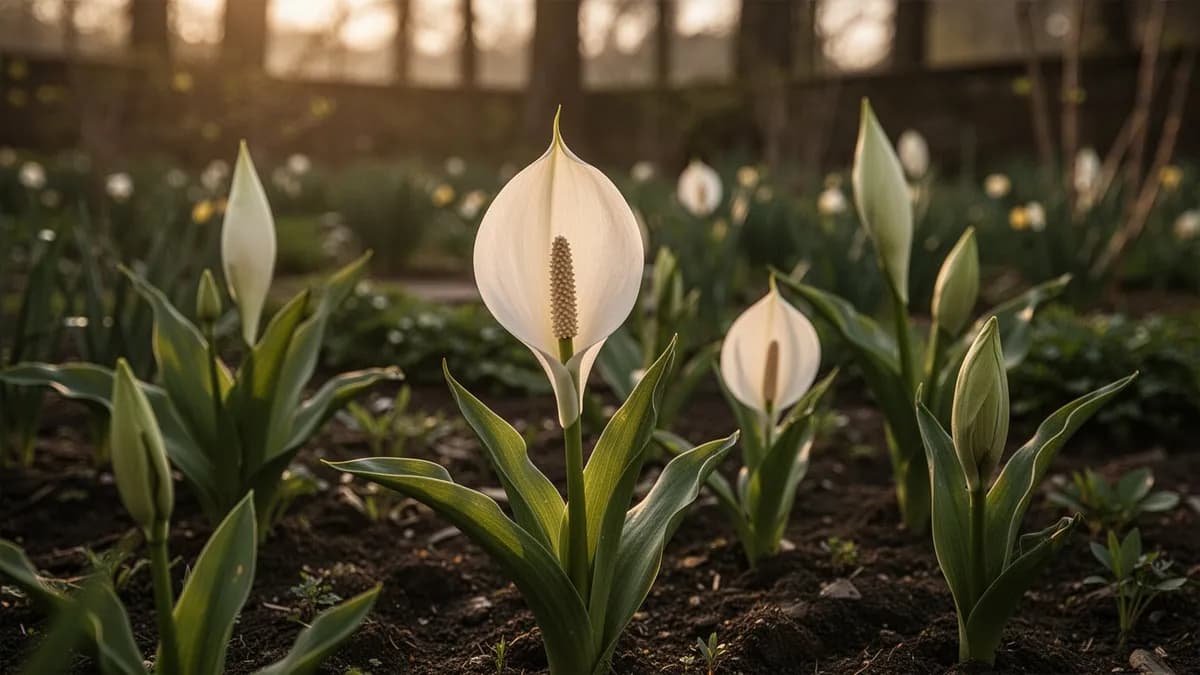
Eine südafrikanische Knollenpflanze mit drahtig dünnen Stängeln, die sternförmige Blüten in bemerkenswerten Türkis-, Grün-, Rosa- und Orangetönen mit dunklen Zentren tragen.





Auf dieser SeiteÜberblick
Sternblume im Überblick
Eine südafrikanische Knollenpflanze mit drahtig dünnen Stängeln, die sternförmige Blüten in bemerkenswerten Türkis-, Grün-, Rosa- und Orangetönen mit dunklen Zentren tragen. Sternblumen benötigen eine hervorragende Drainage und eine warme, trockene Sommerruhe und gedeihen in mediterranen und küstennahen Klimazonen. Pflanzen Sie sie in Gruppen für eine atemberaubende Frühlingsschau juwelenfarbener Blüten.
Wann Sternblume pflanzen
Ixia kann aus Samen gezogen werden, die im Herbst in Töpfe mit kiesiger, gut drainierter Erde gesät werden. Streuen Sie die Samen auf die Oberfläche und bedecken Sie sie leicht mit feinem Kies. Halten Sie sie über Winter und Frühling feucht und lassen Sie die Töpfe während der Sommerruhe austrocknen. Die Samen keimen in der Regel innerhalb von vier bis acht Wochen. Ziehen Sie die Sämlinge zwei bis drei Vegetationsperioden lang weiter, bevor Sie sie umpflanzen, wobei Sie den Zyklus aus nassem Winter und trockenem Sommer beibehalten. Die erste Blüte erfolgt normalerweise im dritten Jahr nach der Aussaat.
Dein Sternblume-Jahr
Abgestimmt auf Zone 7 · typische Saison · Frost geht um den 2. Apr. und kehrt um den 1. Nov. zurück
Sternblume Okt – Nov pflanzen, Apr – Jun ernten. Beachte die Pflanzmethoden unten und wähle dein Klima für passende Zeiträume.
So baust du Sternblume an
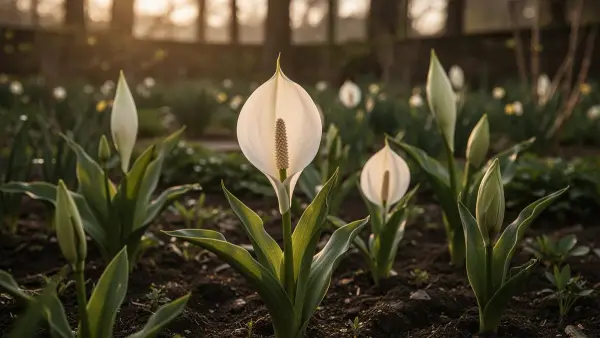
Pflanzen Sie Ixia-Knollen im Herbst etwa zehn Zentimeter tief und acht bis zehn Zentimeter auseinander an einem geschützten, sonnigen Standort mit hervorragender Drainage. In ihrer Heimat Südafrika erleben diese Knollen feuchte Winter und knochentrockene Sommer, daher sind mediterrane und küstennahe Klimazonen mit trockenen Sommern ideal. In kälteren oder feuchteren Klimazonen kultivieren Sie Ixia in Töpfen in einem kühlen Gewächshaus oder Kalthaus, wo die Feuchtigkeit kontrolliert werden kann.
Während der Winter- und Frühlingswachstumszeit sorgen Sie durch Niederschlag oder vorsichtiges Gießen für gleichmäßige Feuchtigkeit. Das schmale, grasartige Laub erscheint im Herbst und die außergewöhnlichen Blüten, einschließlich des seltenen Türkisgrüns von Ixia viridiflora, erscheinen im späten Frühling. Sobald die Blüten verblüht sind und das Laub beginnt sich gelb zu färben, stellen Sie das Gießen vollständig ein.
In Zonen unter 7 heben Sie die Knollen aus, nachdem das Laub abgestorben ist, trocknen Sie sie eine Woche lang an einem warmen Ort und lagern Sie sie in Papiertüten bei Raumtemperatur über den Sommer. Pflanzen Sie sie im Herbst wieder ein. In milden Klimazonen, in denen die Knollen im Boden bleiben können, pflanzen Sie in Hochbeete oder an warme Mauern, wo Sommerregen sie nicht erreichen kann. Vermeiden Sie schwere Lehmböden, die zu viel Feuchtigkeit speichern.
288 Pflanzen passen in ein Beet von 120 × 240 cm
Sternblume braucht 10 cm Platz pro Pflanze. Der Planer hält diesen Abstand für dich ein — jede Pflanze, jedes Beet.
Die besten Nachbarn für Sternblume
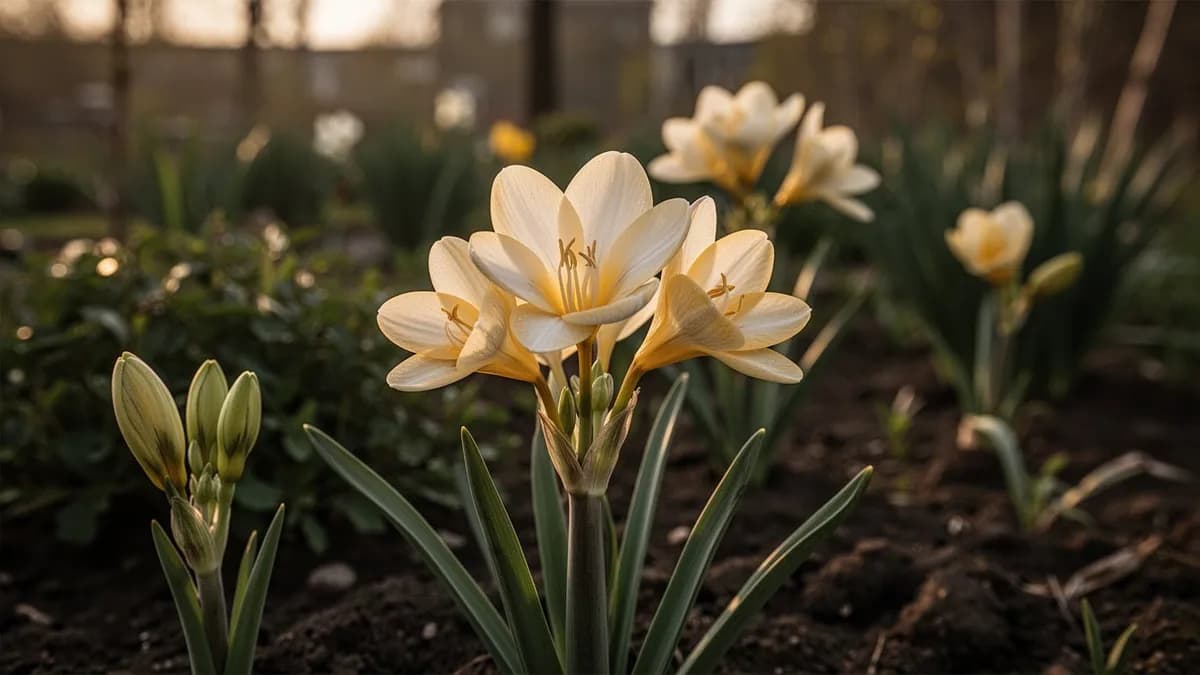
Ixia harmoniert wunderbar mit anderen südafrikanischen Zwiebelpflanzen, die ähnliche Kulturansprüche haben, darunter Sparaxis, Freesien, Babiana und Tritonia. Pflanzen Sie sie neben trockenheitstolerante mediterrane Stauden wie Lavendel, Rosmarin und Zistrose. In Kübeln kombinieren Sie sie mit anderen Winterregen-Zwiebelpflanzen für eine südafrikanisch inspirierte Schau. Die schlanken Stängel und kleinen Blüten wirken charmant, wenn sie sich durch niedrige Bodendecker weben.
Harlekinblume gehört daneben.
Altes Gärtnerwissen, geprüft an der echten Nachbartabelle von Sternblume — teste jede Pflanze, die du anbaust.
Probiere Sternblume direkt hier im Beet
Ein echtes Planer-Beet, Sternblume steht schon drin. Tippe einen Begleiter an, platziere ihn und sieh, wie die Nachbarschaftsprüfung antwortet — grün für gute Nachbarn, rot bei Streit.


Passende Anbau-Ratgeber
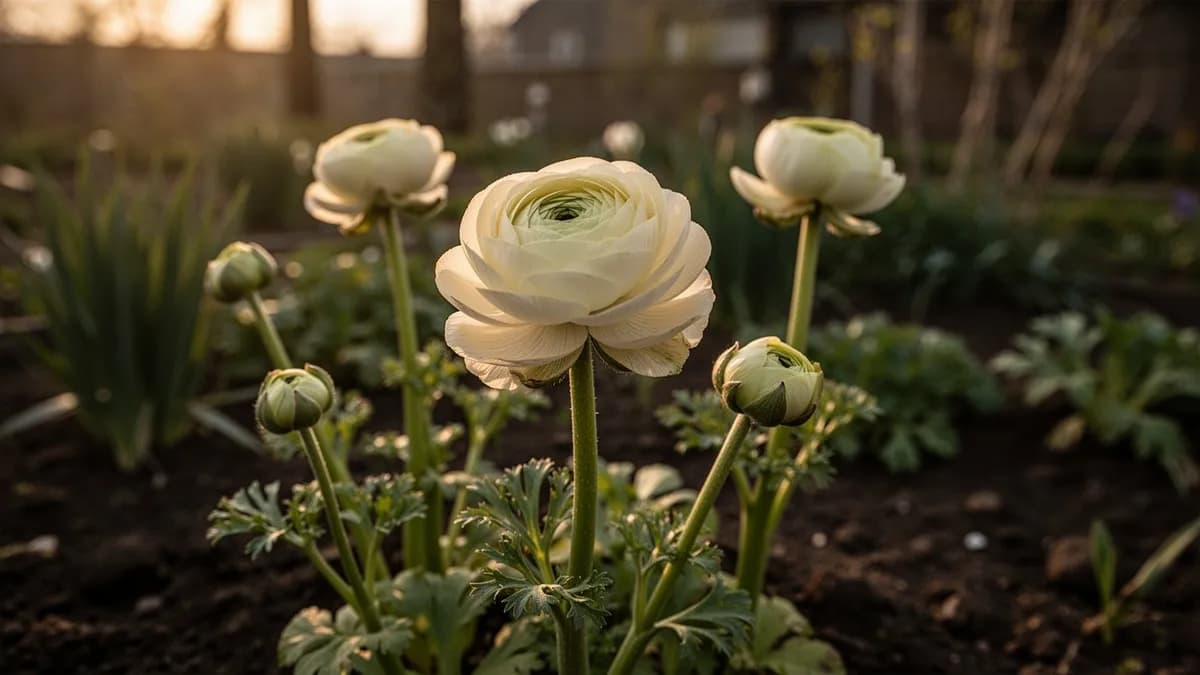
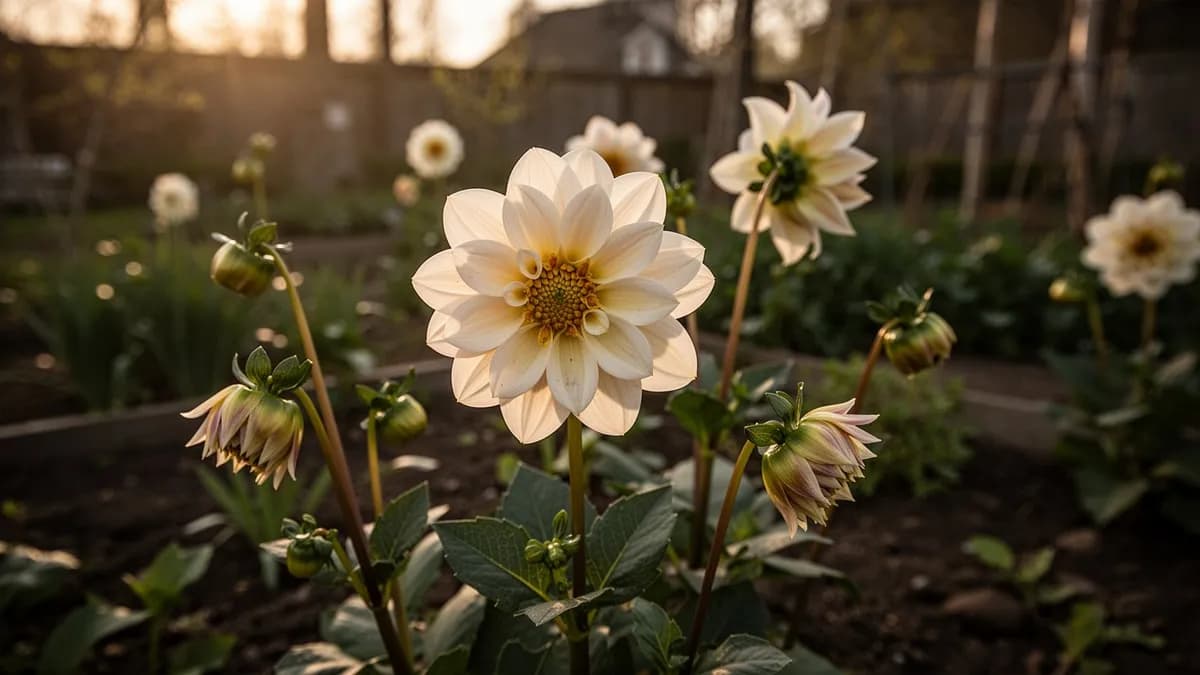
Richtig düngen
Ixia verlangt scharf drainierte, sandige oder kiesige Erde mit einem pH-Wert von 6,0 bis 7,5. Schwere oder wasserspeichernde Böden verursachen Knollenfäule. Verbessern Sie Lehmböden großzügig mit grobem Sand und Kies oder pflanzen Sie in Hochbeete mit einer frei drainierenden Mischung. Geben Sie beim Pflanzen eine leichte Gabe Knochenmehl hinzu. Düngen Sie während der aktiven Wachstumszeit alle zwei Wochen mit einem verdünnten Flüssigdünger. Stellen Sie alle Düngung und Bewässerung ein, wenn sich das Laub gelb färbt.
Ideale Temperatur
Winterhärtezone-Kompatibilität
Von der Saat zur Ernte, Schritt für Schritt
Knollenpflanzung & Wurzelbildung
Die Knollen werden im Herbst in einer Tiefe von 5–8 cm in gut drainierte Erde gepflanzt. Die Wurzeln beginnen sich innerhalb von ein bis drei Wochen von der Basalplatte zu entwickeln, verankern die Knolle und ziehen Feuchtigkeit aus dem umgebenden Boden.
Laubaustrieb
Schlanke, grasartige Blätter durchbrechen die Bodenoberfläche, wenn die Temperaturen im Spätherbst und Winter sinken. Das schmale, aufrechte Laub wird 15–30 cm hoch und beginnt mit der Photosynthese, um den sich entwickelnden Blütenstängel zu versorgen.
Stängelstreckung & Knospenbildung
Drahtige Blütenstängel beginnen sich über das Laub zu strecken und erreichen schließlich eine Höhe von 30–60 cm. Enge Blütenknospen bilden sich entlang des oberen Stängelteils in einer Ährenanordnung und bereiten sich auf die Frühlingsblüte vor.
Blütezeit
Sternförmige Blüten öffnen sich nacheinander von unten nach oben an der Ähre, wobei jede Blüte mehrere Tage hält. Die Blüten zeigen lebhafte Farben einschließlich Rosa, Rot, Orange, Gelb, Creme und das berühmte Türkisgrün von Ixia viridiflora. Die Blüten öffnen sich vollständig bei direktem Sonnenlicht und schließen sich an bewölkten Tagen.
Samenbildung & Beginn der Seneszenz
Wenn die Blüten bestäubt werden, entwickeln sich kleine Samenkapseln entlang der verblühten Blütenähre. Das Laub beginnt an den Spitzen zu vergilben, da die Pflanze beginnt, Nährstoffe aus den Blättern zurück in die unterirdische Knolle zur Speicherung zu verlagern.
Ruhezeit & Knollenlagerung
Das Laub stirbt vollständig ab, wenn Sommerhitze und Trockenheit der Knolle signalisieren, in die Ruhezeit einzutreten. Die Knolle ruht während der trockenen Sommermonate im Boden und spart Energie für den nächsten Wachstumszyklus. In Klimazonen mit kalten Wintern müssen die Knollen ausgegraben und gelagert werden.
Gießen Sie nach dem Pflanzen leicht, um die Erde um die Knollen zu setzen, und reduzieren Sie dann das Gießen, bis Triebe erscheinen. Vermeiden Sie Staunässe, da die Knollen anfällig für Fäulnis sind.
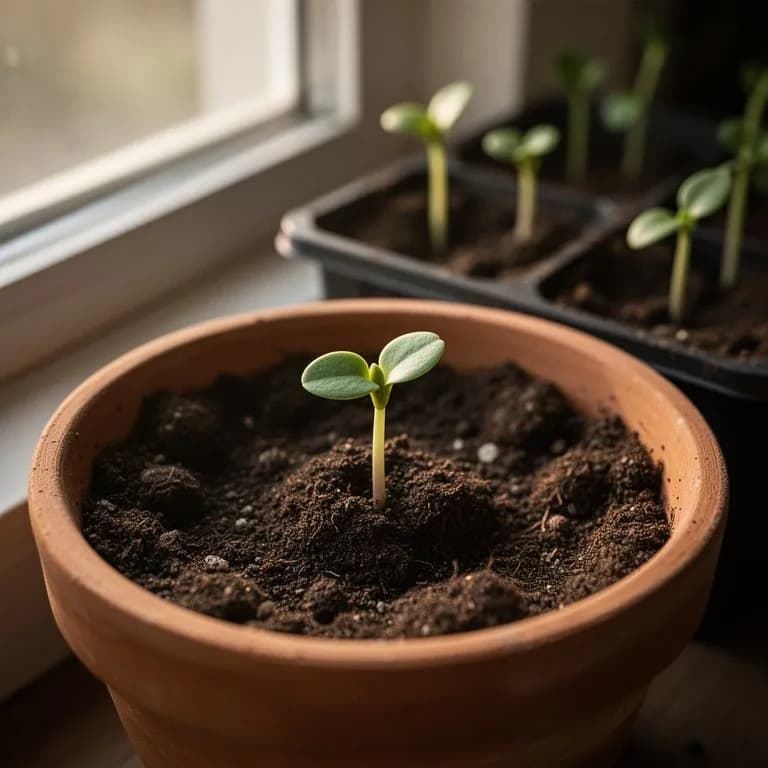
Sternblume Monat für Monat pflegen
Was du jeden Monat für deine Sternblume tun solltest
Oktober
Aktueller MonatSüdhalbkugel: Triebe erscheinen und aktives Wachstum setzt wieder ein; gießen Sie mäßig, während sich die Wurzeln etablieren. Nordhalbkugel: Das Laub beginnt sich gelb zu färben; reduzieren Sie die Bewässerung allmählich und lassen Sie das natürliche Absterben zu.
Immer wissen, was jetzt im Garten zu tun ist
Eine E-Mail zum Monatsanfang: was du jetzt säen, pflanzen und anpacken solltest — für deine Sternblume und alles, was drumherum wächst. Dazu ein kurzer Startkurs, der dich vor den klassischen Fehlern bewahrt.
- Was jetzt zu tun ist
- Passend zu deiner Saison
- Startkurs inklusive
Sternblume ernten
Schneiden Sie Ixia-Blütenstängel für Arrangements, wenn die ersten zwei oder drei Blüten an der Rispe geöffnet sind. Die drahtigen Stängel mit ihren juwelenfarbenen Blüten ergeben zarte, luftige Sträuße. Stellen Sie sie sofort nach dem Schnitt in kühles Wasser und präsentieren Sie sie an einem hellen Standort. Schnittblumen halten fünf bis sieben Tage. Die ungewöhnlichen Farben, besonders die türkisgrünen Sorten, sind atemberaubend in der Floristik. Lassen Sie einige Stängel an der Pflanze stehen, damit sie Samen für die zukünftige Vermehrung bilden können.
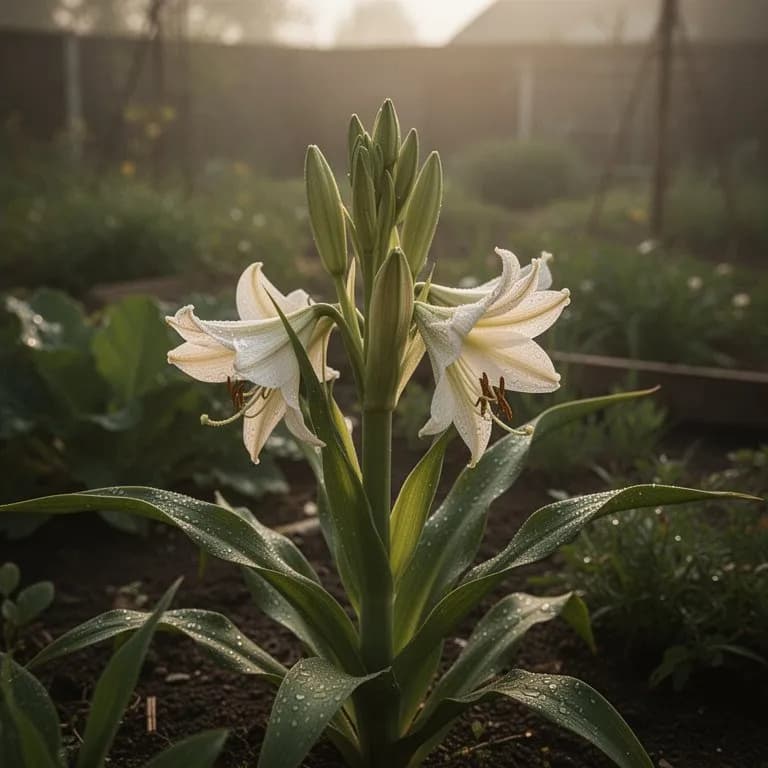
angenommen, du pflanzt zu Beginn des Zeitraums — trage dein tatsächliches Datum ein
Aus Zwiebeln, Knollen oder Zehen
Ernte Sternblume zügig, dann trägt die Pflanze weiter.
Lagerung & Konservierung
Nachdem das Laub im Frühsommer abgestorben ist, heben Sie die Knollen in Klimazonen mit feuchten Sommern aus. Bürsten Sie die Erde ab, entfernen Sie die verbrauchte äußere Hülle und trocknen Sie sie ein bis zwei Wochen lang an einem warmen, gut belüfteten Ort. Lagern Sie sie in Papiertüten oder Netzbehältern bei Raumtemperatur an einem trockenen Ort. Die Knollen sind klein und können austrocknen, wenn sie zu lange gelagert werden, daher pflanzen Sie sie im Herbst umgehend wieder ein. In Klimazonen mit trockenen Sommern können die Knollen ganzjährig im Boden bleiben.
Was schiefgeht — und die Lösung
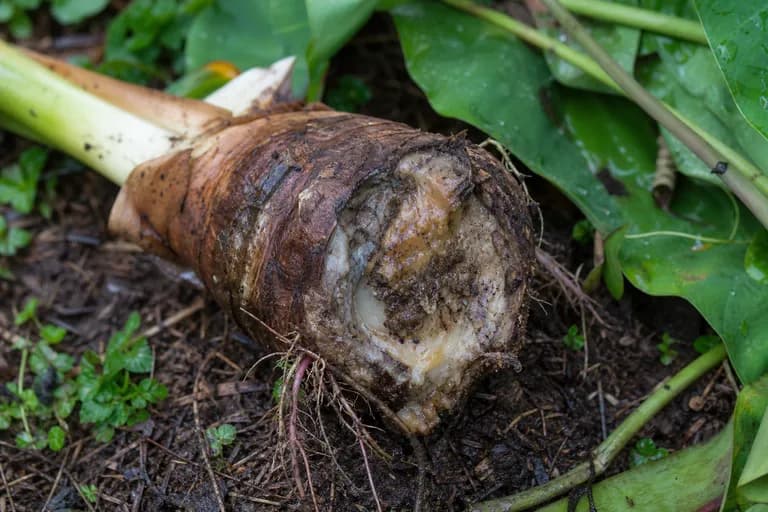
Knollenfäule
KrankheitWeiche, matschige Knollen, die nicht austreiben oder ein verkümmertes Wachstum zeigen. Das Innere der Knolle kann braun und wassergetränkt sein.
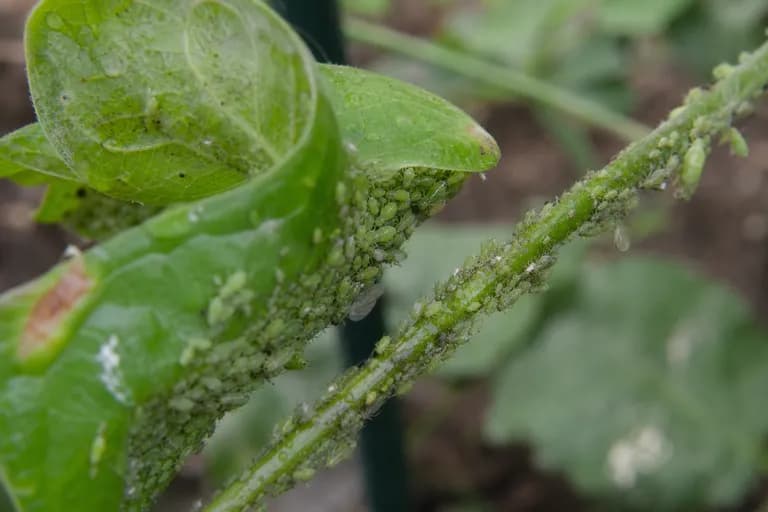
Blattläuse
SchädlingGrüne oder schwarze Insekten, die sich an sich entwickelnden Blütenstängeln und Knospen sammeln. Verformte Blüten, klebriger Honigtau und Rußtaupilz.
Fehlerbehebung bei häufigen Problemen
Die größte Herausforderung besteht darin, diesen südafrikanischen Knollen die trockene Sommerruhe zu bieten, die sie benötigen. In Gebieten mit Sommerniederschlägen ist der Anbau in Kübeln oder unter Regenüberdachungen der zuverlässigste Ansatz. Die Knollen sind frostempfindlich und müssen in kalten Klimazonen ausgegraben werden, was den Pflegeaufwand erhöht. Einige Arten, insbesondere die begehrte Viridiflora, können sich langsam etablieren und möglicherweise in der ersten Saison nach dem Pflanzen nicht blühen.
Anbautipps
- Pflanzen Sie Ixia-Knollen in voller Sonne, da sich die Blüten an schattigen Standorten nicht richtig öffnen und die Stängel ohne mindestens sechs Stunden direkte Sonneneinstrahlung pro Tag schwach und schlaff werden.
- Sorgen Sie für hervorragende Drainage, indem Sie vor dem Pflanzen groben Sand oder feinen Kies in schwere Lehmböden einarbeiten, da Ixia-Knollen in staunassem Boden während ihrer winterlichen Wachstumszeit schnell faulen.
- Setzen Sie die Knollen im Abstand von 8–10 cm und pflanzen Sie sie 5–8 cm tief mit der Spitze nach oben für den kräftigsten Austrieb und die natürlichste Wirkung.
- Gießen Sie während der aktiven Wachstumszeit vom Herbst bis zum Frühling mäßig, halten Sie den Boden gleichmäßig feucht, aber nie durchnässt, und stellen Sie das Gießen vollständig ein, sobald sich das Laub im späten Frühling gelb zu färben beginnt.
- Düngen Sie alle zwei bis drei Wochen während des aktiven Wachstums mit einem stickstoffarmen, kaliumreichen Flüssigdünger, um eine kräftige Blüte zu fördern, ohne übermäßig weiches Blattwachstum zu begünstigen.
- In Regionen, in denen die Wintertemperaturen regelmäßig unter minus 5 Grad Celsius fallen, kultivieren Sie Ixia in Kübeln, die während der kältesten Monate in ein frostfreies Gewächshaus oder Kalthaus gebracht werden können.
- Pflanzen Sie Knollen in Gruppen von mindestens 15–25 für die beste visuelle Wirkung, da einzelne Pflanzen schlanke Stängel und spärliches Laub haben, die bei Einzelpflanzung karg wirken.
- Widerstehen Sie nach der Blüte dem Drang, grünes Laub frühzeitig zurückzuschneiden, da die Blätter mehrere Wochen Photosynthese benötigen, um die Energiereserven der Knolle für die folgende Saison aufzufüllen.
- Teilen Sie dicht gedrängte Gruppen alle drei bis vier Jahre, um die Vitalität zu erhalten, trennen Sie Tochterknöllchen und pflanzen Sie sie im richtigen Abstand wieder ein, damit sie weiterhin kräftig blühen.
- Schützen Sie austreibende Triebe im Frühherbst vor Schnecken und Nacktschnecken, indem Sie biologische Schneckenkörner oder Kupferbandbarrieren um den Pflanzbereich verwenden, da zartes junges Wachstum für diese Schädlinge sehr attraktiv ist.
Bau deine beste Sternblume an — und alles drumherum.
Starte heute kostenlos. Lege deine Beete an, setze deine Sternblume ein und lass PlotMyGarden Timing, Abstände, Begleiter und Erinnerungen von der Saat bis zum Erntekorb übernehmen.
Finde deine Sternblume
Viridiflora
Die berühmte türkisgrün blühende Art mit dunkel purpur-schwarzen Zentren, eine der seltensten und auffälligsten Farben im Pflanzenreich.
Rose Emperor
Warme roséfarbene Blüten mit dunkleren Zentren auf anmutigen Stängeln, einfacher zu kultivieren als einige Arten und hervorragend als Schnittblume.
Mabel
Tief rötlich-rosa Blüten mit dunklen Augen, wüchsig und blühfreudig bei gut drainierten Bedingungen.
Gemischte Hybriden
Eine Mischung von Farben einschließlich Creme, Gelb, Orange, Rosa und Rot, die eine kaleidoskopische Frühlingsschau bieten.
Ixia ist eine der kostengünstigsten Zierpflanzenzwiebeln auf dem Markt. Eine Packung mit 25 Knollen kostet in der Regel zwischen zwei und fünf Euro, und da jede Knolle jährlich zwei bis vier Tochterknöllchen bildet, kann eine bescheidene Anfangsinvestition innerhalb von drei bis vier Saisons Hunderte blühender Pflanzen hervorbringen. Einmal an geeigneten Standorten etabliert, verwildert Ixia bereitwillig und erfordert praktisch keine laufenden Ausgaben für Dünger oder Schädlingsbekämpfung, was sie zu einem außergewöhnlichen Preis-Leistungs-Verhältnis für Gärtner macht, die langanhaltende Farbe mit kleinem Budget suchen.
Schnelle Rezepte
Ixia-Schnittblumenarrangement
15 Min.Erstellen Sie ein atemberaubendes Frühlingsblumenarrangement mit frisch geschnittenen Ixia-Stängeln. Die drahtigen Stängel und sternförmigen Blüten verleihen gemischten Sträußen Höhe und eine zarte, luftige Qualität oder wirken allein in einer schlanken Vase eindrucksvoll.
5 ZutatenGetrocknetes Ixia-Blumengesteck
10 Min. aktiv, 2 Wochen TrocknungKonservieren Sie Ixia-Blüten durch Lufttrocknung für langlebige Blumenarrangements. Die sternförmigen Blüten behalten ihre Form beim Trocknen gut bei und verleihen Kränzen, Trockensträußen und Bastelprojekten das ganze Jahr über Farbe.
5 Zutaten
Ixia-Knollenvermehrungsset
20 Min.Bereiten Sie eine Vermehrungsschale vor, um Ihre Ixia-Sammlung aus Tochterknöllchen und Samen zu vervielfältigen. Diese Methode ermöglicht es Ihnen, Dutzende neuer Pflanzen aus der Ernte einer einzigen Saison zu ziehen, um Ihre Bepflanzung zu erweitern oder sie mit Gartenfreunden zu teilen.
5 ZutatenWas drinsteckt
Gesundheitsvorteile
- Die lebhaften, farbenfrohen Blüten der Ixia können die Stimmung verbessern und Stress reduzieren, wenn sie in Wohnräumen aufgestellt werden, und tragen so zum positiven psychischen Wohlbefinden bei.
- Das Gärtnern mit Ixia-Knollen bietet sanfte körperliche Aktivität einschließlich Bücken, Graben und Bodenvorbereitung, was die Gelenkflexibilität und leichte Herz-Kreislauf-Übungen unterstützt.
- Der saisonale Rhythmus des Pflanzens, Pflegens und Genießens von Ixia-Blüten fördert die achtsame Auseinandersetzung mit der Natur und kann dazu beitragen, Angstsymptome zu reduzieren.
- Das Ziehen von Ixia aus Knollen lehrt Geduld und den Aufschub von Belohnungen, was mit verbesserter psychologischer Widerstandsfähigkeit und emotionaler Regulation verbunden ist.
- Die Pflege eines Blumengartens mit Ixia fördert regelmäßig verbrachte Zeit im Freien, erhöht die Exposition gegenüber natürlichem Sonnenlicht und unterstützt gesunde Vitamin-D-Spiegel.
- Das Teilen von geschnittenen Ixia-Blüten und überschüssigen Knollen mit Nachbarn und Freunden fördert soziale Verbindungen und gesellschaftliches Engagement, die mit besseren allgemeinen Gesundheitsergebnissen in Verbindung stehen.
Woher Sternblume stammt
Ixia ist eine Gattung knollenbildender Blütenpflanzen aus der Familie der Schwertliliengewächse (Iridaceae), die etwa 50 Arten umfasst, die ausschließlich in der Westkap-Region Südafrikas beheimatet sind. Diese Pflanzen entwickelten sich im Fynbos-Biom, einer der artenreichsten Pflanzengemeinschaften der Erde, wo sie sich an das mediterrane Klima mit kühlen, feuchten Wintern und heißen, trockenen Sommern anpassten. Die Gattung wurde erstmals 1753 von Carl von Linné formal beschrieben, basierend auf Exemplaren, die von frühen niederländischen und britischen Botanikern gesammelt wurden, die die Kapkolonie erforschten. Der Name Ixia leitet sich vom griechischen Wort ‚ixos' ab, was Vogelleim bedeutet, ein Hinweis auf den klebrigen Saft, den die Stängel der Pflanze produzieren. Europäische Sammler waren fasziniert von den lebhaften Blütenfarben und den ungewöhnlichen sternförmigen Blüten, und bis zum Ende des 18. Jahrhunderts wurden Ixia-Knollen an botanische Gärten in den Niederlanden, England und Frankreich verschickt. Während der viktorianischen Ära wurde Ixia in Großbritannien zu einer modischen Gewächshauspflanze, wo Gärtner verschiedene Arten kreuzten, um Hybridkultivare mit größeren Blüten und einer breiteren Farbpalette zu schaffen. Die berühmteste Art, Ixia viridiflora, sorgte bei ihrer Erstausstellung für Aufsehen wegen ihrer außergewöhnlichen türkisgrünen Blütenblätter mit dunkel purpur-schwarzen Zentren. Zu Beginn des 20. Jahrhunderts hatten niederländische Blumenzwiebelzüchter die kommerzielle Produktion übernommen und robuste Kultivare entwickelt, die für Gartenbedingungen in ganz Mitteleuropa geeignet waren. Heute werden Ixia-Hybriden weitverbreitet als dekorative Frühjahrsblüher in mediterranen Klimazonen, im küstennahen Kalifornien, in Australien und in frostfreien Teilen des pazifischen Nordwestens angebaut. In ihrer Heimat Südafrika sind mehrere Ixia-Arten durch landwirtschaftliche Expansion und Lebensraumverlust im Kap-Tiefland vom Aussterben bedroht, und einige werden mittlerweile in südafrikanischen Roten Listen als gefährdet oder stark gefährdet eingestuft.
Sternblume: Schon gewusst?
Faszinierende Fakten über Sternblume
Ixia viridiflora ist eine der wenigen Pflanzen weltweit, die natürlich türkisgrüne Blüten hervorbringt – eine Farbe, die so ungewöhnlich ist, dass man vermutete, sie sei künstlich gefärbt, als sie erstmals europäischen Botanikern gezeigt wurde.
Sternblume: Fragen & Antworten
Wann sollte ich Sternblume pflanzen?
Was sind gute Begleitpflanzen für Sternblume?
In welchen Winterhärtezonen kann Sternblume wachsen?
Wie viel Sonne braucht Sternblume?
Welchen Abstand sollte ich zwischen Sternblume lassen?
Welche Schädlinge und Krankheiten befallen Sternblume?
Wie lagere ich Sternblume nach der Ernte?
Was sind die besten Sternblume-Sorten zum Anbauen?
Welchen Boden braucht Sternblume?
Sind Ixia-Pflanzen giftig für Haustiere oder Kinder?
Kann ich Ixia in Kübeln und Töpfen anbauen?
Warum schließen sich meine Ixia-Blüten an bewölkten Tagen?
Wie überwintere ich Ixia-Knollen in kalten Klimazonen?
Welche Begleitpflanzen eignen sich gut für Ixia?
Wie lange halten Ixia-Blüten als Schnittblumen in der Vase?
Du hast die Theorie gelesen. Jetzt baue sie auf Autopilot an.
Alles, was Sternblume knifflig macht — das Timing, die Abstände, die Begleiter, das Erntefenster — genau das übernimmt PlotMyGarden für dich, für jede Pflanze im Garten.
Ein Plan, der dein Wetter kennt
Standort einmal festlegen. Aussaat-, Dünge- und Erntedaten rund um deinen echten letzten Frosttermin und die Live-Vorhersage — kein Raten mehr nach Saattüte.
Aus dem Abschnitt „Pflanzzeit“Beetplaner per Drag & Drop
Beete auf einem Raster gestalten. Jede Pflanze rastet im richtigen Abstand ein, und du siehst die ganze Saison, bevor du einen Cent für Saatgut ausgibst.
Aus dem Abschnitt „Anbau“Begleiter-Konflikte früh erkannt
Über 200 gute und schlechte Kombinationen werden beim Pflanzen live geprüft — so landet ein saisonruinierender Fehler nie in der Erde.
Aus dem Abschnitt „Begleiter“Erinnerungen, nach denen du wirklich handelst
„Gieß die Bohnen.“ „Heute ernten, bevor's umschlägt.“ Pünktlich, konkret und auf deine echten Pflanzen bezogen.
Aus dem Abschnitt „Ernte“Staffel-Aussaat, geplant
Sechs Wochen ernten statt sechs Tage? Die App verteilt deine Aussaaten automatisch und erinnert dich, wenn der nächste Satz fällig ist.
Aus dem Abschnitt „Pflanzzeit“Ein Verlauf, der schlauer wird
Jede protokollierte Ernte bringt der App deinen Garten bei. Der Plan fürs nächste Jahr startet bei dem, was in deinem Boden wirklich funktioniert hat.
Aus dem Abschnitt „Überblick“Pflanze diese neben Sternblume
Weitere Zwiebelpflanzen
Bau deine beste Sternblume an — und alles drumherum.
Starte heute kostenlos. Lege deine Beete an, setze deine Sternblume ein und lass PlotMyGarden Timing, Abstände, Begleiter und Erinnerungen von der Saat bis zum Erntekorb übernehmen.