Kabosu
A Japanese citrus larger than sudachi, with a mellow, less acidic juice used as a ponzu ingredient and as a vinegar substitute.





On this pageOverview
Meet Kabosu
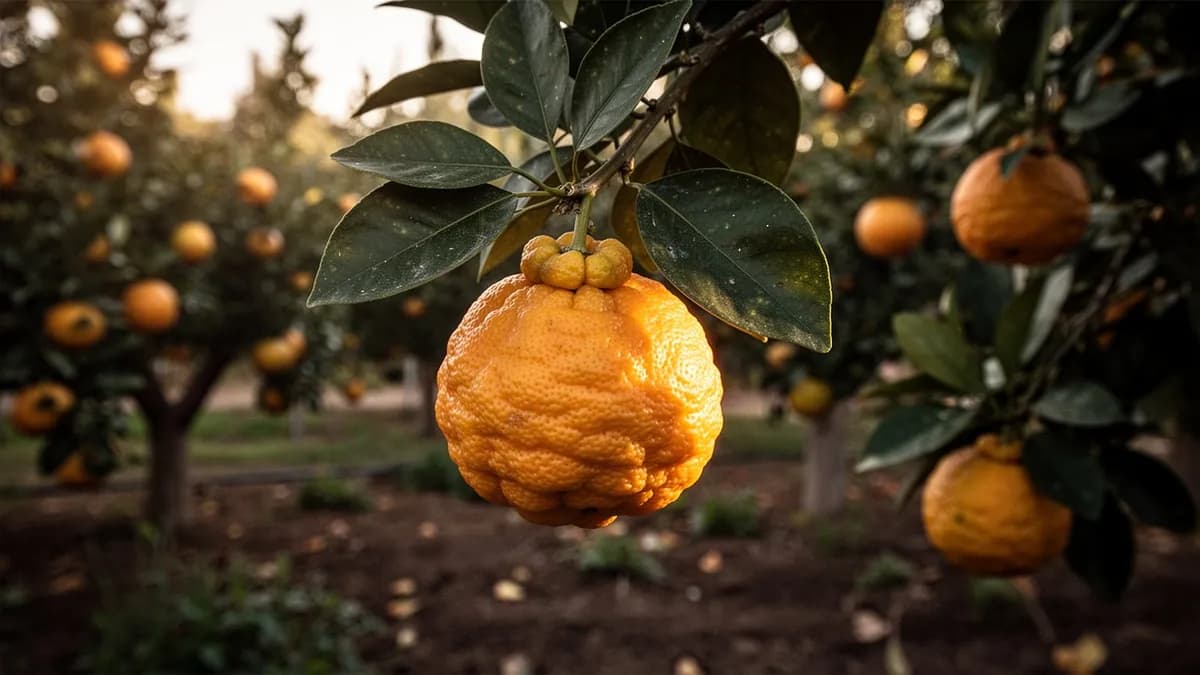
A Japanese citrus larger than sudachi, with a mellow, less acidic juice used as a ponzu ingredient and as a vinegar substitute. Kabosu is the signature citrus of Oita Prefecture and is used in everything from sashimi to cocktails. The tree grows vigorously and produces heavy crops once mature.
When to plant Kabosu
Kabosu is commonly grown from seed in Japan, as seedlings tend to produce fruit of consistent quality. Fresh seeds germinate readily in two to four weeks when sown one centimeter deep in warm, moist seed-starting mix at 25 to 30 degrees Celsius. Seedlings are vigorous growers but may take four to six years to begin bearing fruit. Grafting onto trifoliate orange rootstock reduces the time to fruiting to two to three years and improves cold tolerance. Air layering is another effective propagation method for home growers.
Your Kabosu Year
Composed for Zone 7 · typical seasons · frost passes Apr 2, returns Nov 1
Plant Kabosu Mar – May, pick Sep – Nov. Check the planting methods below and set your climate to personalize these windows.
How to grow Kabosu
Kabosu is a vigorous Japanese citrus tree that can reach four to five meters in height when grown in the ground, though it responds well to pruning and container culture. It prefers full sun and warm conditions, thriving in the humid subtropical climate of its native Oita Prefecture in Japan. Plant in spring in a sheltered location with well-draining soil and consistent moisture.
Kabosu is slightly more cold-hardy than most citrus, tolerating brief temperatures down to about minus 7 degrees Celsius when mature and dormant. In borderline climates, protect with frost cloth during cold snaps. For container growing, use a large pot with good drainage and a quality citrus mix. Move containers to a frost-free location for winter, providing as much light as possible.
The tree is a strong grower and can become quite large if left unpruned. Annual pruning after harvest helps maintain manageable size and encourages fruiting on new wood. Kabosu bears heavily once mature, often producing hundreds of fruits per tree. Thin developing fruits if the set is extremely heavy to prevent biennial bearing patterns and ensure good fruit size.
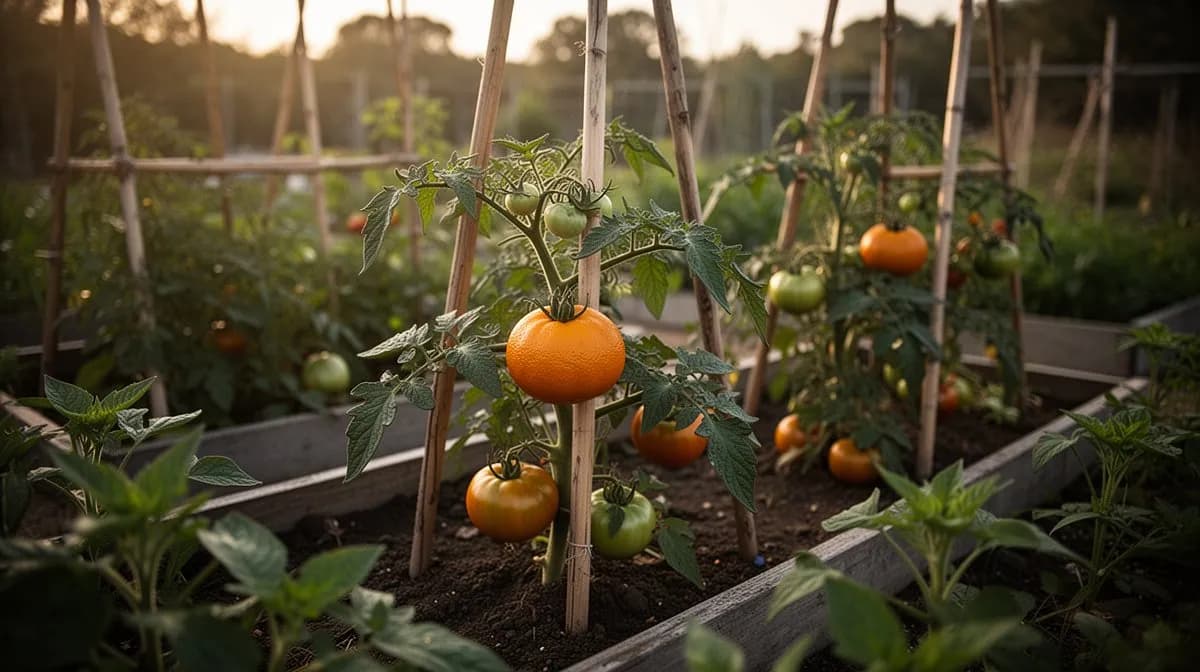
Kabosu needs more room than a 4 × 8 ft bed gives
Each Kabosu wants 200 cm of elbow room. The planner keeps that spacing for you — every plant, every bed.
Kabosu's best neighbours
Kabosu thrives alongside other Japanese citrus like yuzu and sudachi, creating a complementary citrus collection with staggered harvest times. Japanese maple and bamboo make attractive ornamental companions in the garden. Shade-tolerant herbs like mitsuba and shiso can be planted in the understory. Clover or other low-growing nitrogen fixers make beneficial ground covers. Avoid planting near aggressive-rooted trees or in areas with standing water.
Yuzu belongs beside it.
Old growers' knowledge, checked against Kabosu's real companion table below — test any plant you're growing.
Try Kabosu in a bed — right here
A real planner bed with Kabosu already in it. Tap a companion to place it and watch the pairing checks answer — green for good neighbours, red for a clash.


Related growing guides
Feed it well
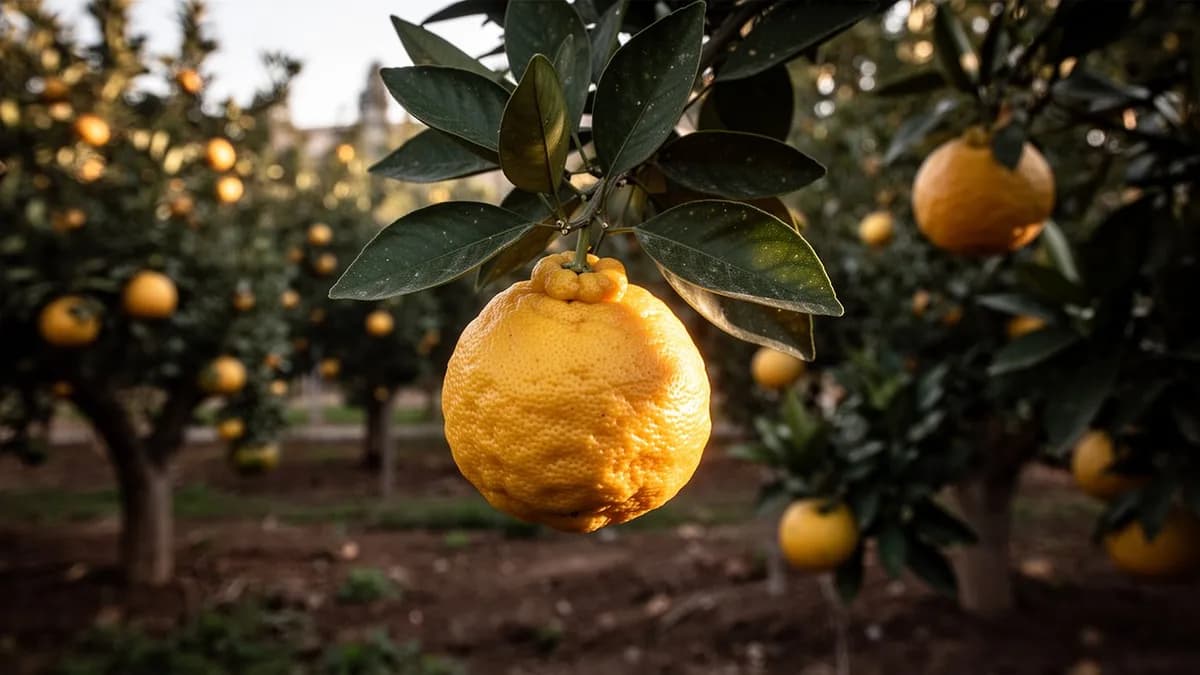
Kabosu prefers rich, well-draining soil with a slightly acidic pH of 5.5 to 6.5. It tolerates a wider range of soil conditions than many citrus, including heavier soils if drainage is adequate. Feed with a balanced citrus fertilizer in early spring, after fruit set, and again in early fall. Supplement with fish emulsion or seaweed extract for trace minerals. Mulch with composted bark or leaf mold to maintain soil moisture and organic matter content. Avoid salt-based fertilizers, which can damage the roots.
Ideal Temperature
Hardiness Zone Compatibility
From seed to harvest, stage by stage
Establishment (Year 1)
A newly planted kabosu tree spends its first year establishing its root system rather than producing significant new canopy growth. Transplant stress is common and may cause minor leaf drop, particularly if the root ball is disturbed. Grafted nursery trees sometimes carry small numbers of flowers or fruitlets even in year one, but removing these early allows the tree to focus energy on root and canopy establishment. Growth is slow by the standards of most citrus, reflecting kabosu's naturally moderate vigor.
Vegetative Growth and Canopy Formation
From the second year the kabosu tree begins building its characteristic dense, rounded canopy with glossy dark green leaves that are slightly larger than those of yuzu. New growth flushes emerge in spring and summer, and the tree begins developing its framework of permanent branches. The foliage is aromatic when bruised, releasing the distinctive sharp citrus fragrance that hints at the fruit to come. Moderate thorns may be present on young vigorous shoots.
First Flowering
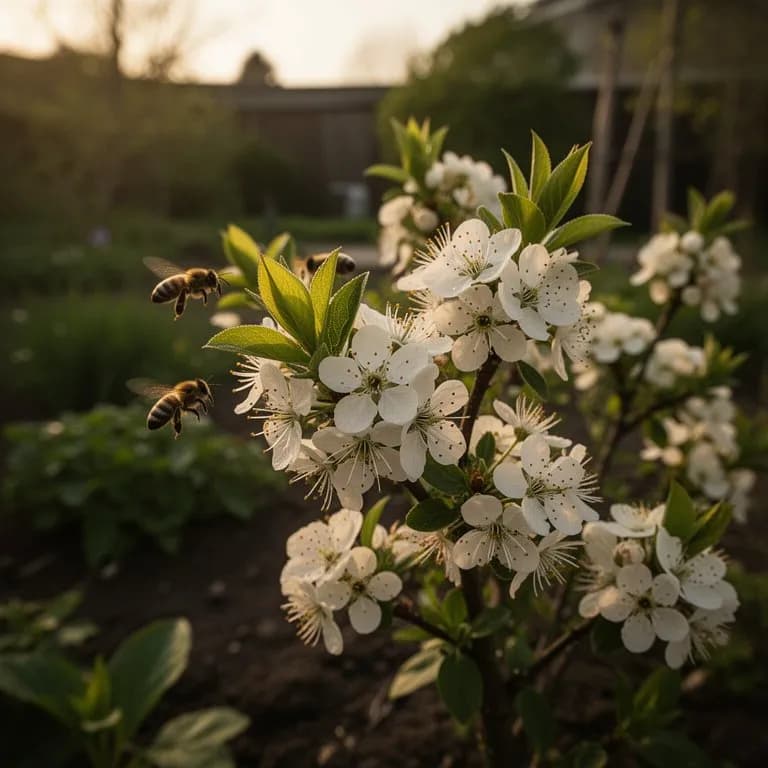
Kabosu typically produces its first meaningful display of flowers in late spring of year two or three, depending on growing conditions. The white five-petaled flowers appear in clusters and carry a heady, sweet-sharp citrus fragrance that attracts bees and other pollinators. Kabosu is largely self-fertile, meaning a single tree will set fruit without a companion plant. A proportion of flowers will drop without setting fruit in the first seasons — this is completely normal.
Fruit Development
After successful pollination, kabosu fruitlets develop rapidly through summer. The young fruits are distinctively dark green and glossy, reaching golf-ball size by midsummer before slowly swelling to full size. Natural fruit drop in early summer is normal and self-regulating. Kabosu fruits are unique in their culinary value at every stage — green fruits harvested in August and September are the most acidic and aromatic, prized by Japanese chefs, while fruits left to ripen through autumn develop a milder, slightly sweeter profile.
Green Harvest Stage
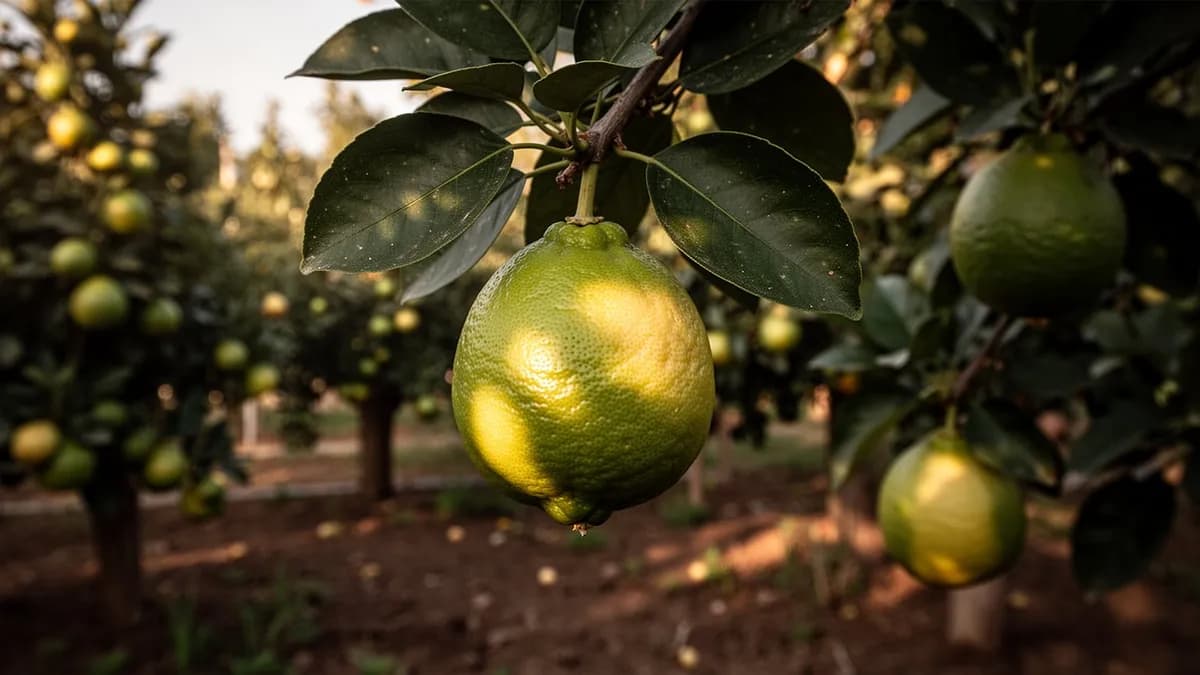
The green harvest stage, roughly August through October in Japan, is considered the peak culinary window for kabosu. The deep green fruits have reached full size but have not yet begun yellowing. At this stage the juice is maximally acidic and the essential oil content of the skin is at its highest, producing the complex, layered fragrance that distinguishes kabosu from all other souring citrus. This is when the vast majority of commercial kabosu in Japan is harvested and processed.
Yellow-Green Ripening Stage
Fruits left on the tree through October and November undergo a color change from dark green to a pale greenish-yellow. At this stage acidity decreases somewhat and the flavor profile shifts slightly toward a richer, more rounded citrus quality. Yellow-green kabosu is still excellent for culinary use and is sometimes preferred for drinking as ponzu or citrus juice, as the flavor is slightly less sharp and more approachable than the full green stage.
Mature Fruiting Tree
A fully established kabosu tree four or more years old enters a reliable annual production cycle. Well-maintained trees in suitable climates produce 50-200 fruits per season, with exceptional specimens in ideal conditions yielding considerably more. Kabosu is a long-lived citrus tree — specimens in Oita Prefecture, Japan, are documented at over 300 years old and still fruiting productively. Container-grown trees remain productive for 15-25 years with proper care and periodic repotting.
Water deeply every 5-7 days during dry weather, allowing the top few centimeters of soil to dry slightly between waterings. Avoid heavy fertilizer applications in the first three months. Stake young trees in exposed positions. Resist the urge to prune heavily — allow the natural form to develop and remove only dead or crossing branches.
Caring for Kabosu month by month
What to do each month for your Kabosu
October
You are hereRemaining fruits left on the tree begin transitioning to the pale yellow-green ripe stage. Both green and yellow-green fruits are excellent for culinary use. In frost-prone regions, move container trees indoors before the first frost. Harvest all remaining fruits before hard frost arrives as they do not tolerate freezing on the tree. Conduct any light shaping pruning while the weather is still mild.
Know exactly what to do in your garden — every month
One email at the start of each month: what to sow, plant, and tackle right now — for your Kabosu and everything growing around it. Plus a short starter course that helps you dodge the classic mistakes.
- What to do, right now
- Matched to your season
- Starter course included
Harvesting Kabosu
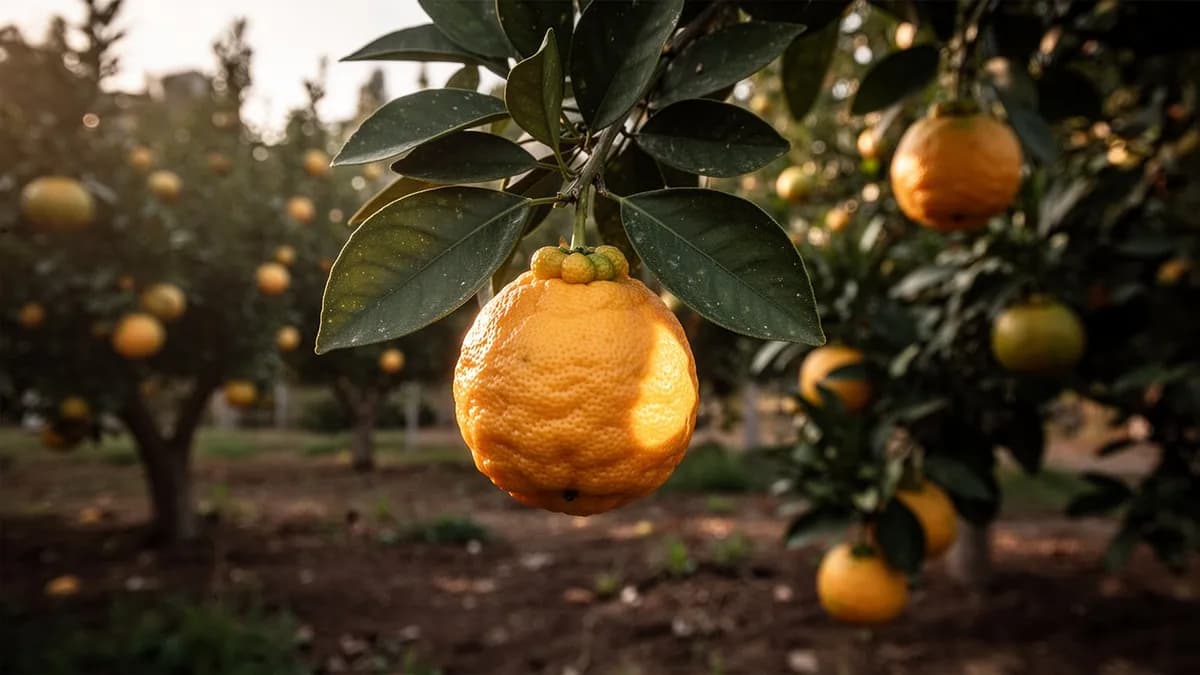
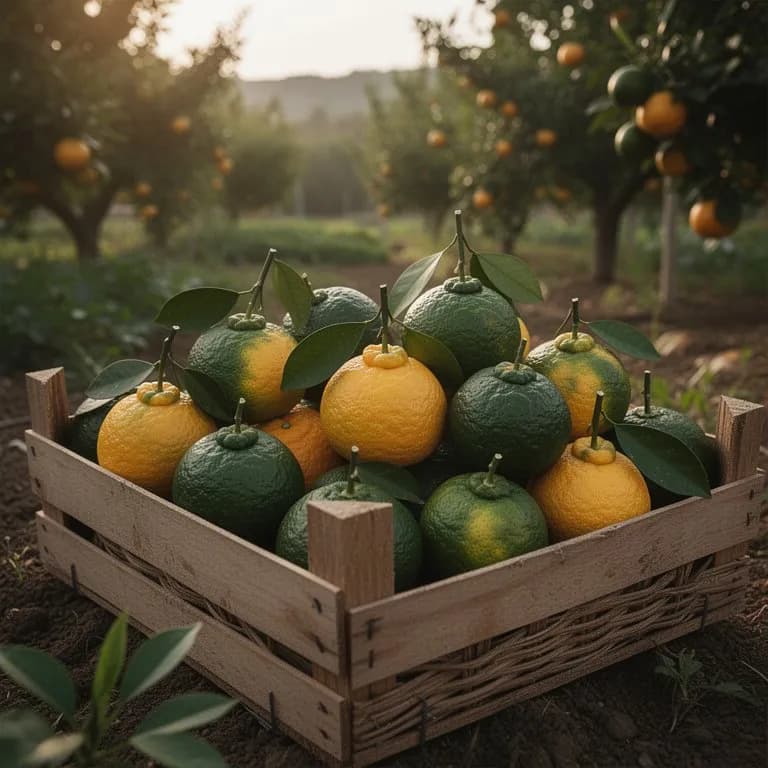
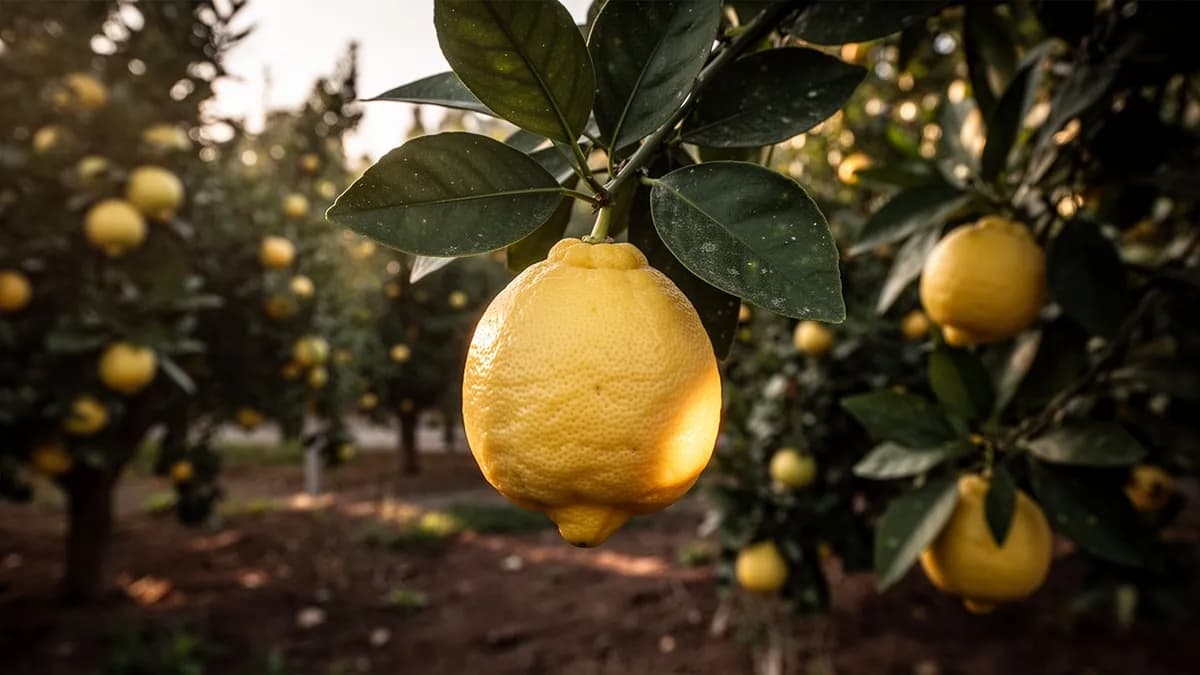
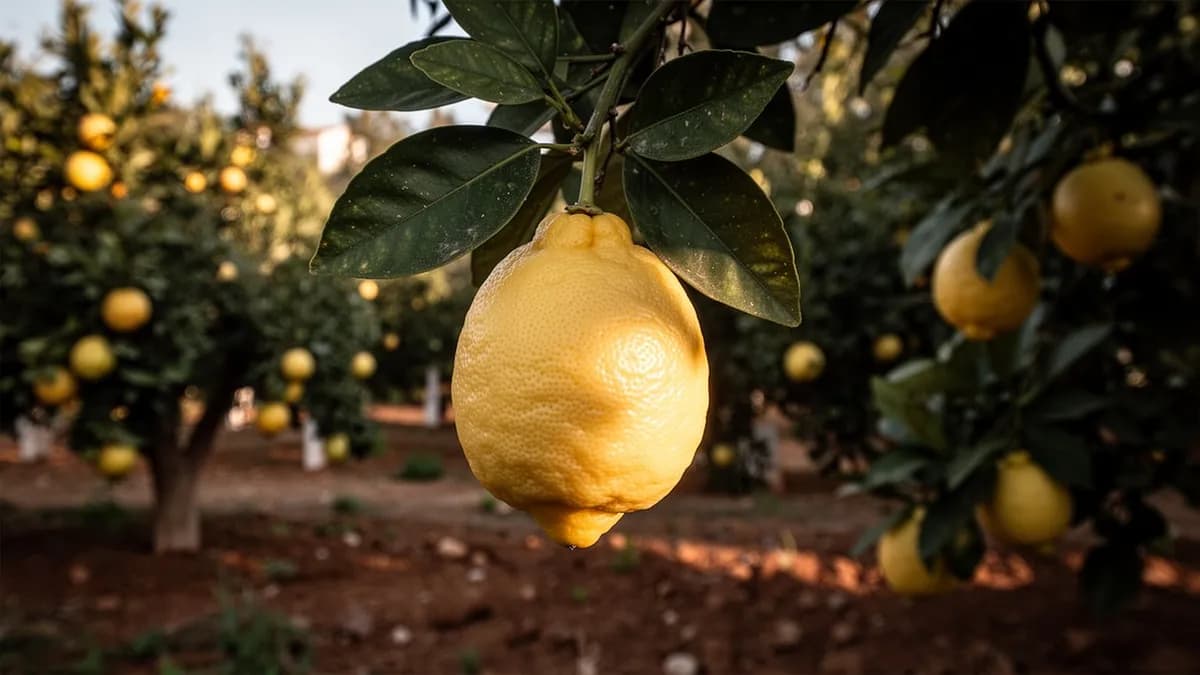
Kabosu is harvested green from September through November for the brightest, most aromatic juice. The fruits are larger than sudachi, roughly the size of a tennis ball. Clip fruits from the tree with secateurs, leaving a short stem. Green kabosu has a mellow acidity that is less sharp than lemon, making it versatile for both savory and sweet applications. Fruits left on the tree will turn yellow and develop a sweeter, less complex flavor. A mature tree can produce over five hundred fruits annually.
assuming you plant when the window opens — set your real date
Pick Kabosu promptly and the plant keeps producing.
Storage & Preservation
Fresh green kabosu stores well for two to three weeks at room temperature and up to two months refrigerated in a perforated plastic bag. The juice can be squeezed and frozen in ice cube trays or small bottles for year-round use, maintaining its quality for up to eight months. Kabosu vinegar, made by fermenting the juice, is a traditional preservation method in Oita. The zest can be dehydrated and ground into a seasoning powder. Whole slices can be frozen and used as garnishes directly from the freezer.
What goes wrong — and the fix
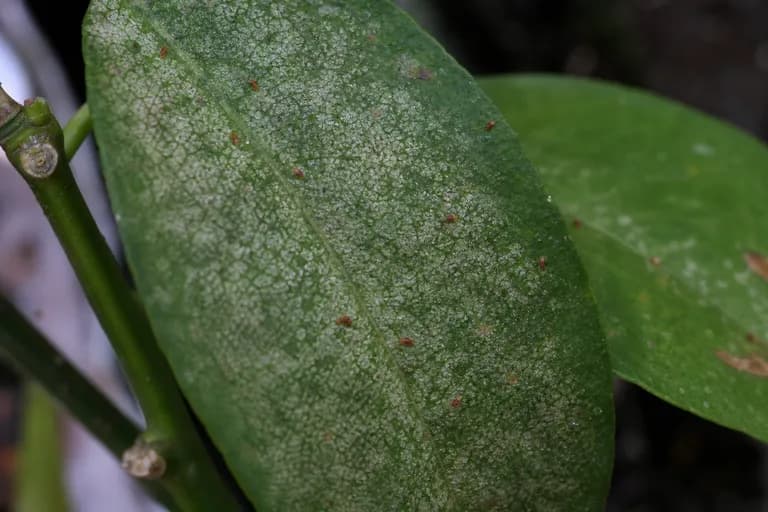
Citrus Red Mite
PestFine stippling and silvery appearance on leaf surfaces; leaves may bronze and drop in severe infestations.
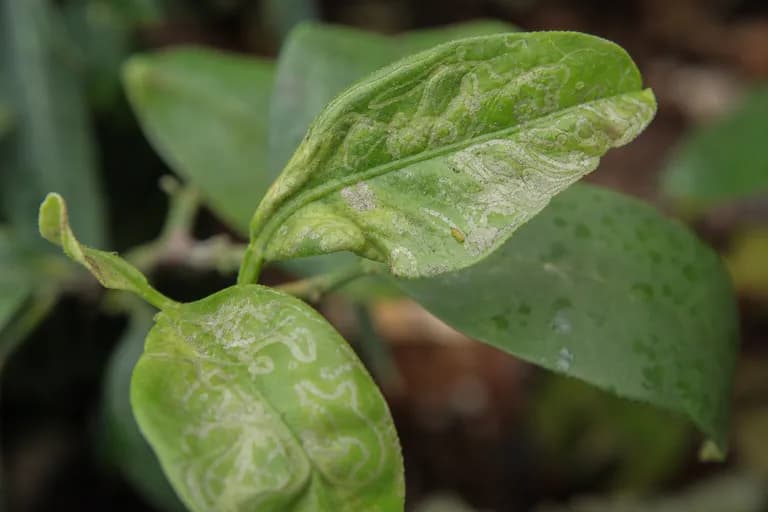
Citrus Leafminer
PestWinding, silvery trails within young leaves; distorted and curled new foliage that may invite secondary infections.
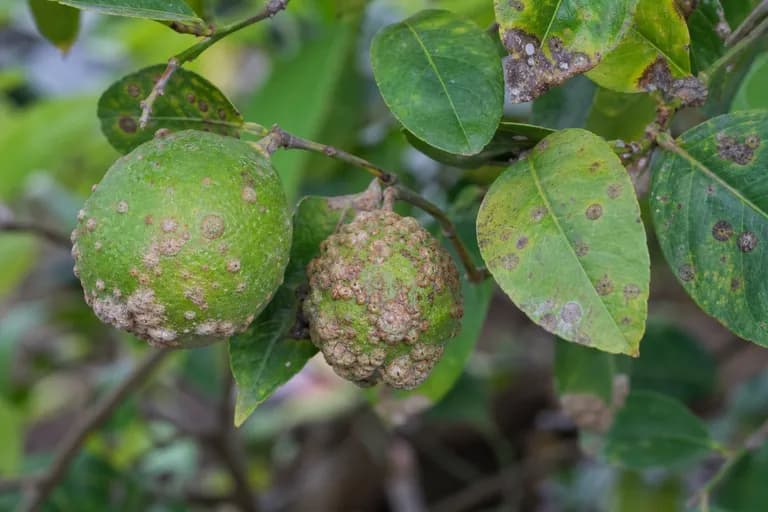
Citrus Scab
DiseaseRaised, corky, wart-like growths on fruit, leaves, and young twigs. Affected fruit may be misshapen but is still usable for juice.
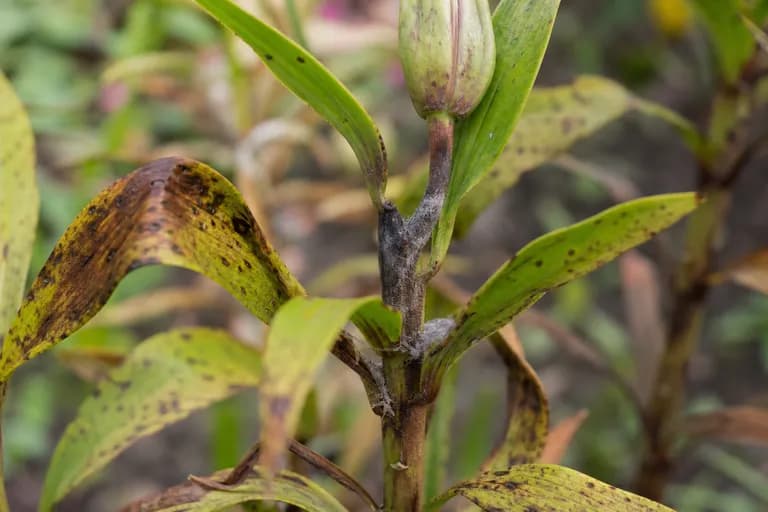
Botrytis Blight
DiseaseGray, fuzzy mold on flowers and developing fruit, especially during cool, wet weather. Can cause significant flower and fruit drop.
Troubleshooting Common Problems
Kabosu trees can become very large if not pruned regularly, which makes harvesting difficult in garden settings. Heavy fruit sets in favorable years can lead to branch breakage without proper thinning or support. The tree may develop alternate bearing patterns, producing heavily one year and lightly the next. In containers, root binding can stunt growth and reduce fruit quality. Wind damage to developing fruits can cause cosmetic blemishes, though the juice quality is unaffected.
Growing Tips
- Kabosu demands the sunniest available position in the garden or on the patio — a minimum of 6 hours of direct sun per day, and ideally 8-10 hours. Against a warm south-facing wall or fence the tree benefits from reflected heat and shelter from cold winds, which significantly extends the effective growing zone in borderline climates.
- In temperate climates outside its native subtropical range, grow kabosu in a large container (minimum 50-60 cm diameter and depth) using a well-draining citrus potting mix blended with 25-30% perlite. Container growing allows the tree to be moved indoors during cold weather and is the most reliable approach for gardeners in USDA zones 7 and below.
- Kabosu is moderately more cold-tolerant than most citrus varieties but will sustain significant damage below -5°C (23°F). In marginal outdoor climates, provide a sheltered microclimate against a warm wall, wrap the trunk and lower branches with horticultural fleece before anticipated frosts, and use a string of low-output incandescent lights inside the canopy on the coldest nights to add several degrees of protective warmth.
- Water deeply and consistently throughout the growing season, allowing the top 2-3 cm of potting mix to dry between waterings for container trees. Irregular watering — particularly allowing container trees to dry out completely during fruit development — is a leading cause of fruit splitting and premature drop. During winter dormancy, reduce watering substantially but never allow the root ball to dry out completely.
- Feed monthly during the growing season (March through September) with a balanced citrus-specific fertilizer that includes iron, manganese, and zinc. In autumn and winter, reduce to every 8-10 weeks at half strength. Yellowing leaves with green veins (interveinal chlorosis) indicate iron or manganese deficiency — common in alkaline or hard-water areas — and should be treated promptly with a chelated micronutrient drench and a reduction in soil pH with sulfur or acidifying fertilizer.
- Kabosu fruits are best harvested at the deep green stage (August-October) for maximum acidity and aromatic complexity — this is when they are most valued for sashimi, ponzu, and dressings. Fruits left on the tree through November develop a pale yellow-green color and slightly milder flavor, which is excellent for drinking as juice or for ponzu that will be used in cooked dishes where the sharper green-stage juice might be too intense.
- Prune lightly once per year after the fruiting season — late autumn or late winter are the ideal windows. The goals are to remove dead or crossing branches, improve air circulation through the canopy, and maintain the tree at a manageable size for container growing and harvesting. Avoid heavy pruning as kabosu bears fruit on second-year wood, and excessive cutting back significantly reduces the following season's crop.
- Monitor regularly for the citrus pests most likely to cause problems: scale insects (appearing as waxy bumps on stems and leaves), citrus leafminer (silvery serpentine tunnels in new leaves), and spider mites (pale stippling on leaves in hot, dry conditions). Early detection and treatment with horticultural oil spray prevents populations from building to damaging levels. Inspect the undersides of leaves weekly during the growing season.
- To preserve the flavor of a bumper harvest, freeze fresh kabosu juice in ice cube trays and transfer to sealed freezer bags — frozen juice retains its flavor well for 6-12 months. Kabosu zest can be frozen grated in small portions. Whole green fruits can be refrigerated for 2-3 weeks or frozen whole (thaw before juicing). Kabosu juice can also be made into preserved ponzu or combined with salt to make a kabosu salt condiment that keeps for months.
- If purchasing a grafted nursery kabosu tree, confirm it is grafted (not seed-grown) for earlier fruiting and verified varietal characteristics. Seed-grown kabosu trees can take 7-10 years to begin fruiting reliably and may show variable fruit quality. When sourcing outside Japan, look for reputable specialist citrus nurseries that import budwood or verified propagation material from Japan to ensure you are growing true kabosu (Citrus sphaerocarpa) rather than a closely related but distinct variety.
Grow your best Kabosu yet — and everything around it.
Start a free plan today. Lay out your beds, drop in your Kabosu, and let PlotMyGarden handle the timing, spacing, companions and reminders from seed to harvest basket.
Pick your Kabosu
Oita Kabosu
The standard cultivar grown throughout Oita Prefecture, producing large, aromatic fruits with mellow acidity and vigorous growth.
Seedless Kabosu
A selection with reduced seed count, preferred for commercial juice production and more convenient culinary use.
Compact Kabosu
A smaller-growing selection suitable for container culture, reaching about two meters tall while maintaining good fruit production.
Kabosu is an exceptionally rare specialty citrus outside Japan — when available at all in Western markets, it commands premium prices of $8-15 per fruit or $40-80 per kilogram at specialist importers and high-end Japanese grocery stores. A mature home-grown kabosu tree producing a conservative 80-150 fruits per season represents $640-2,250 worth of fruit at specialty import retail pricing. Even at moderate yields, the return on investment from a single productive tree is extraordinary. The initial cost of a grafted nursery tree is typically $40-80, and with basic annual fertilizer and care costs of $20-30 per year, the tree typically recoups its full investment within the first or second bearing season and continues producing for decades.
Quick recipes
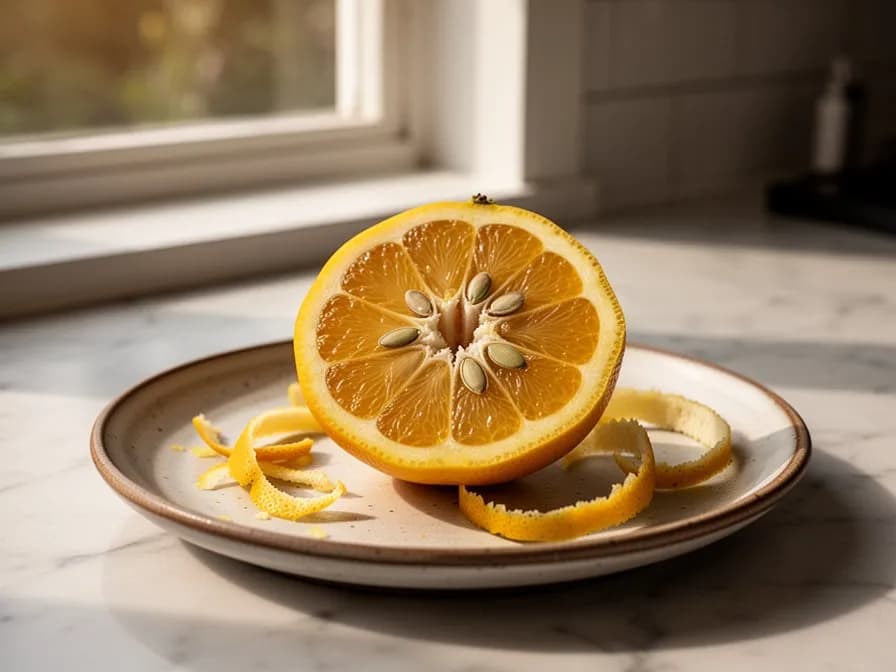
Kabosu Ponzu Dipping Sauce
5 minutes active, 24 hours restingA classic Japanese dipping sauce built on fresh kabosu juice rather than the more commonly used bottled ponzu. The result is considerably more aromatic and vibrant than commercial versions. Kabosu's complex flavor — sharper than yuzu, deeper than lemon — creates a ponzu of exceptional quality that elevates sashimi, shabu-shabu, grilled chicken, and vegetable gyoza. This recipe keeps refrigerated for up to two weeks.
6 ingredientsKabosu Salad Dressing
5 minutesA bright, Japanese-inspired vinaigrette that uses fresh kabosu juice in place of rice vinegar or lemon. The result is a complex, aromatic dressing with a clean acidity that works beautifully on bitter greens, cucumber, daikon, grilled eggplant, and seared scallops. The flavor is distinctly Japanese in character — sharp, perfumed, and clean — without being sharp or aggressive.
7 ingredientsKabosu and Shochu Highball
3 minutesThe canonical way to drink kabosu in Oita Prefecture — a simple, elegantly refreshing highball that showcases the fruit's extraordinary aromatic complexity. Shochu (Japanese distilled spirit) is the traditional base, but vodka or even sparkling water can substitute for a non-alcoholic version. The drink is served in izakayas and homes across Kyushu and is considered the definitive expression of kabosu flavor in its simplest, most honest form.
6 ingredientsCulinary Uses
Kabosu juice is the essential ingredient in ponzu sauce, providing a rounder, less harsh acidity than lemon. It is squeezed over sashimi, grilled fish, hot pot dishes, and tempura. The juice makes an excellent vinegar substitute in dressings and marinades. Kabosu is used in Japanese cocktails, particularly shochu highballs. The zest flavors rice, noodles, and pickled vegetables. It pairs especially well with fatty fish, mushrooms, and soy-based preparations.
What's inside
Health Benefits
- Provides a concentrated dose of vitamin C (approximately 44% of the daily value per 100g of juice), an essential antioxidant that strengthens immune defenses, stimulates white blood cell production, and protects cells from oxidative damage caused by free radicals and environmental stressors
- Contains elevated levels of the flavonoid narirutin — studies from Oita Prefecture agricultural research institutes have demonstrated that regular kabosu consumption is associated with improved blood lipid profiles, including reduced LDL oxidation and improved total cholesterol ratios, suggesting meaningful cardiovascular benefits
- The high citric acid content (5-7% in green-stage juice) helps prevent calcium oxalate kidney stone formation by raising urinary citrate levels and inhibiting crystal aggregation in the urinary tract — making regular consumption a recognized dietary strategy for individuals prone to kidney stones
- Rich in hesperidin and other citrus polyphenols with documented anti-inflammatory activity, which may help reduce systemic markers of chronic low-grade inflammation associated with metabolic syndrome, type 2 diabetes, and cardiovascular disease when consumed as part of a healthy diet
- The aromatic volatile compounds in kabosu peel and juice — including limonene, linalool, and various terpenes — have demonstrated antimicrobial activity against common food-borne pathogens in laboratory studies, and the traditional use of kabosu juice to dress raw fish may have a practical food safety basis beyond pure culinary preference
- Regular citrus consumption is associated with meaningfully reduced risk of ischemic stroke in large prospective epidemiological studies, an effect attributed to the combined action of vitamin C, flavonoids, and potassium on vascular health, platelet aggregation, and blood pressure regulation
Where Kabosu comes from
Kabosu (Citrus sphaerocarpa) is one of Japan's most culturally significant native citrus varieties, yet it remains almost entirely unknown outside of East Asia and among specialist citrus enthusiasts in Western countries. Its origins are rooted in the broader history of citrus cultivation along the ancient Silk Road trading routes, with most botanical evidence suggesting it arrived in Japan from China sometime during or before the Edo period (1603-1868), possibly as an ornamental or medicinal plant brought by Buddhist monks or Chinese merchants traveling to Kyushu.
The precise botanical parentage of kabosu has long been debated among citrus taxonomists. Modern genetic analysis points to a natural hybrid origin involving yuzu (Citrus junos) as a likely parent, with possible contributions from other wild or semi-domesticated Asian citrus species. This yuzu parentage explains kabosu's distinctive aromatic profile — both share an intensely complex, almost floral citrus fragrance — while kabosu's larger size, rounder shape, and higher juice yield set it clearly apart as a distinct variety.
For much of its history in Japan, kabosu was grown as a localized garden and farmstead fruit in the mountainous regions of Oita Prefecture on Kyushu island, used primarily as a souring agent in local cooking and as a condiment with fish. It was not subject to large-scale commercial cultivation until the 20th century, when the agricultural cooperative system in Oita began systematically promoting kabosu cultivation as a regional specialty product, establishing the variety as the foundation of the prefecture's agricultural identity.
The post-World War II expansion of Japanese food culture — and the global spread of Japanese cuisine from the 1980s onward — brought kabosu to wider attention. The boom in ponzu sauce consumption internationally brought indirect awareness, as kabosu is one of the traditional souring citrus varieties used in authentic ponzu alongside sudachi and yuzu. Japanese prefectural governments and agricultural research stations in Oita have invested substantially in varietal improvement, cultivation research, and international promotion of kabosu, filing geographical indication protections analogous to European wine and cheese appellations.
Today kabosu occupies an almost mythological status in Japanese culinary culture as the definitive complement to fresh fish, grilled meats, and hot pot dishes. Its cultivation remains overwhelmingly concentrated in Oita Prefecture, where generations of farming families have grown the trees on terraced hillside plots, with some individual trees known to be over three centuries old. The tree's extraordinary longevity, its deep integration into regional foodways, and its unique flavor profile that cannot be replicated by any other citrus variety have made it a subject of growing international interest among chefs, horticulturalists, and food writers in recent years.
Kabosu: did you know?
Fascinating facts about Kabosu
Kabosu (Citrus sphaerocarpa) is believed to be a natural hybrid of the yuzu citrus and is thought to have been introduced to Japan from China during the Edo period (1603-1868), where it was initially cultivated as an ornamental and medicinal plant before its culinary value was recognized.
Kabosu questions, answered
When should I plant Kabosu?
What are good companion plants for Kabosu?
What hardiness zones can Kabosu grow in?
How much sun does Kabosu need?
How far apart should I space Kabosu?
What pests and diseases affect Kabosu?
How do I store Kabosu after harvest?
What are the best Kabosu varieties to grow?
What soil does Kabosu need?
What does kabosu taste like and how does it differ from yuzu, sudachi, and lemon?
Can I grow kabosu outside Japan and where can I find a tree?
When should I harvest kabosu for the best flavor?
How do I use kabosu in cooking if I am not familiar with Japanese cuisine?
Why is kabosu production so concentrated in Oita Prefecture?
How do I store kabosu juice and how long does it keep?
You just read the theory. Now grow it on autopilot.
Everything that makes Kabosu fiddly — the timing, the spacing, the companions, the harvest window — is exactly what PlotMyGarden handles for you, for every plant in your garden.
A plan that knows your weather
Set your location once. Get sow, feed and harvest dates built around your real last-frost date and live forecast — no more guessing from a generic seed packet.
From the “When to plant” sectionDrag-and-drop bed planner
Design beds on a grid. Every plant snaps to its proper spacing, and you can see your whole season laid out before you spend a cent on seed.
From the “Growing guide” sectionCompanion conflicts, caught early
200+ good-and-bad pairings checked live as you plant — so a season-wrecking mistake never makes it into the ground.
From the “Companions” sectionReminders you'll actually act on
“Water the beans.” “Pick today before it turns.” Timely, specific, and tied to the plants you're really growing.
From the “Harvest” sectionSuccession, scheduled
Want a harvest for six weeks, not six days? It spaces your sowings automatically and reminds you when each new block is due.
From the “When to plant” sectionA record that gets smarter
Every harvest you log teaches it your garden. Next year's plan starts from what actually worked in your soil, not a textbook's.
From the “Overview” sectionPlant these alongside Kabosu
More Citrus
Grow your best Kabosu yet — and everything around it.
Start a free plan today. Lay out your beds, drop in your Kabosu, and let PlotMyGarden handle the timing, spacing, companions and reminders from seed to harvest basket.