Sudachi
A small Japanese citrus traditionally squeezed over grilled fish, soba noodles, and matsutake mushrooms, prized for its bright, complex acidity.





On this pageOverview
Meet Sudachi
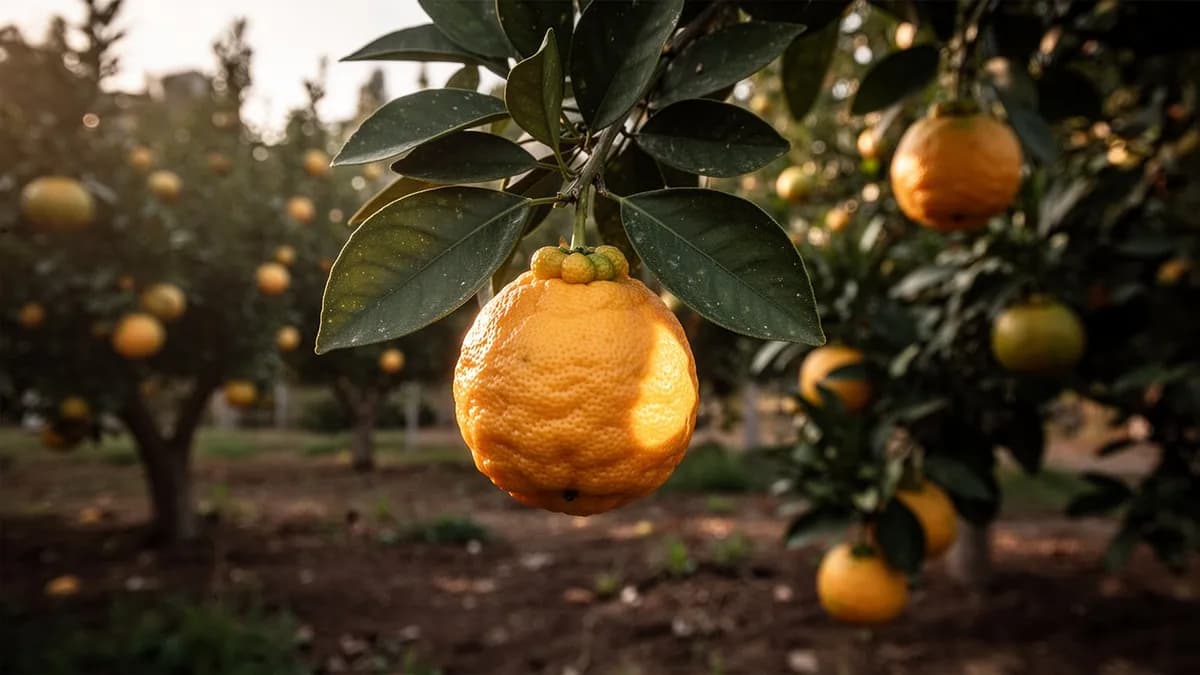
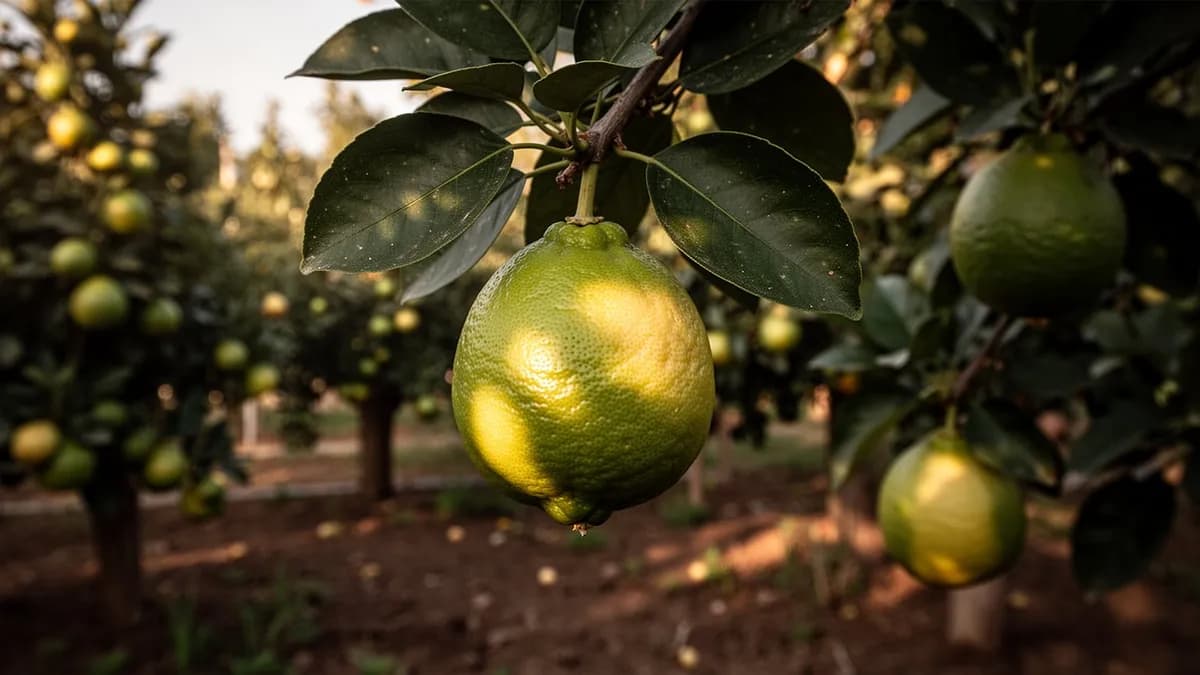
A small Japanese citrus traditionally squeezed over grilled fish, soba noodles, and matsutake mushrooms, prized for its bright, complex acidity. Sudachi fruits are harvested green and are about the size of a golf ball. The tree is relatively compact and slightly more cold-tolerant than lemons, making it suitable for container growing.
When to plant Sudachi
Sudachi can be propagated from seed, but seed-grown trees may take five to seven years to fruit and may not be true to type. Plant fresh seeds immediately after extraction, as citrus seeds lose viability quickly when dried. Sow one centimeter deep in moist seed-starting mix and maintain at 25 to 28 degrees Celsius. Germination takes three to six weeks. Grafting onto trifoliate orange rootstock is the preferred propagation method, producing trees that fruit within two to three years and have improved cold tolerance.
Your Sudachi Year
Composed for Zone 7 · typical seasons · frost passes Apr 2, returns Nov 1
Plant Sudachi Mar – May, pick Aug – Oct. Check the planting methods below and set your climate to personalize these windows.
How to grow Sudachi
Sudachi is a compact Japanese citrus tree that typically reaches two to three meters in height, making it well-suited to both garden and container growing. It prefers full sun and well-draining, slightly acidic soil. In its native Tokushima Prefecture, it thrives in the warm, humid climate of southern Japan. Plant in spring after the last frost, providing wind protection in exposed locations.
Sudachi is moderately cold-hardy for a citrus, tolerating brief frosts down to about minus 5 degrees Celsius once established. In cooler climates, grow in a large container that can be moved to a sheltered location or indoors during winter. Provide at least six hours of direct sunlight and maintain consistent moisture without waterlogging. Indoor plants benefit from supplemental grow lights during short winter days.
Fertilize three times per year with a citrus-specific fertilizer in early spring, early summer, and early fall. Prune lightly after harvest to maintain a compact, open shape. Sudachi trees are relatively pest-resistant compared to many citrus varieties, making them a rewarding choice for home growers interested in Japanese cuisine. Trees begin bearing fruit within three to four years of planting.
Sudachi needs more room than a 4 × 8 ft bed gives
Each Sudachi wants 200 cm of elbow room. The planner keeps that spacing for you — every plant, every bed.
Sudachi's best neighbours
Sudachi grows well alongside other Japanese citrus like yuzu and kabosu, which share similar cultural requirements. Shiso (perilla) and mitsuba are natural garden companions that thrive in the same partially shaded, moist conditions. Ginger and myoga can be planted in the understory of larger sudachi trees. Avoid planting near vigorous climbers or dense ground covers that compete for root space. Chrysanthemums and other traditional Japanese garden plants make attractive companions.
Yuzu belongs beside it.
Old growers' knowledge, checked against Sudachi's real companion table below — test any plant you're growing.
Try Sudachi in a bed — right here
A real planner bed with Sudachi already in it. Tap a companion to place it and watch the pairing checks answer — green for good neighbours, red for a clash.


Related growing guides
Feed it well
Sudachi prefers well-draining, slightly acidic soil with a pH of 5.5 to 6.5. A mix of quality potting soil, composted bark, and perlite works well for container culture. Feed with a balanced citrus fertilizer three times during the growing season. Supplement with chelated iron if leaves show interveinal yellowing, which indicates iron chlorosis. A light application of sulfur can help lower soil pH in alkaline conditions. Organic matter such as composted pine needles can be used as mulch to maintain soil acidity and moisture.
Ideal Temperature
Hardiness Zone Compatibility
From seed to harvest, stage by stage
Seed Germination
Seeds germinate in warm, moist conditions. A thin taproot emerges first, followed by the seed leaves (cotyledons) pushing through the soil surface within 2-3 weeks.
Seedling Establishment
True leaves develop and the young plant begins forming its characteristic glossy foliage. Root development accelerates during this phase, establishing the foundation for future growth.
Vegetative Growth
The plant puts on significant leafy growth and begins building its woody framework. Branches develop and the canopy expands. This stage may last 1-2 years before first flowering.
First Flowering
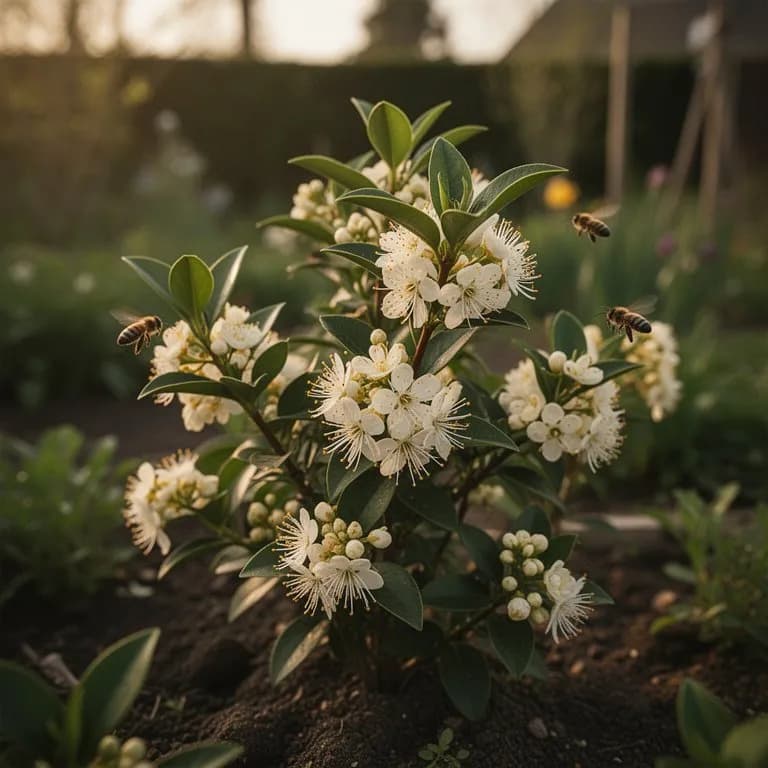
White, five-petalled blossoms with a sweet fragrance appear in clusters, typically in spring. The tree may produce a modest flush of flowers in its second or third year.
Fruit Development
Small green fruits form after pollination and gradually swell over the summer months. Sudachi is typically harvested while still green, between July and September, before the peel yellows.
Harvest
Fruits reach their peak aromatic intensity at around 25-30g and are harvested while fully green. The juice is intensely sour, highly fragrant, and rich in citric acid and unique volatile compounds.
Dormancy & Recovery
After harvest, the tree enters a period of reduced activity through late autumn and winter. Leaf drop may occur in cooler climates. The tree stores energy for the next season's growth and flowering.
Maintain soil temperature between 24-28°C and keep consistently moist but not waterlogged. Use a heat mat for best germination rates.
Caring for Sudachi month by month
What to do each month for your Sudachi
October
You are hereBegin reducing watering as temperatures cool. Rake fallen leaves to prevent fungal disease. If moving indoors, acclimatise the tree gradually over 1-2 weeks.
Know exactly what to do in your garden — every month
One email at the start of each month: what to sow, plant, and tackle right now — for your Sudachi and everything growing around it. Plus a short starter course that helps you dodge the classic mistakes.
- What to do, right now
- Matched to your season
- Starter course included
Harvesting Sudachi
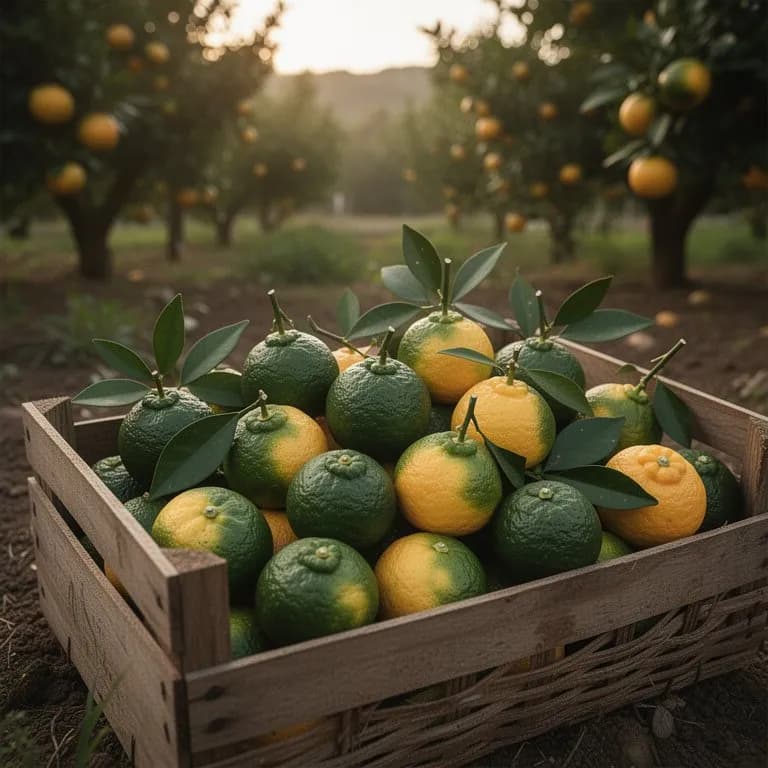
Sudachi is traditionally harvested while still green, typically from late August through October. The fruits should be firm, about the size of a golf ball, and have a bright, glossy green skin. Harvest by clipping the stem with sharp secateurs rather than pulling. Green sudachi has the brightest, most complex acidity. If left on the tree, the fruit will eventually turn yellow and become milder in flavor, which some growers prefer. A single mature tree can produce several hundred fruits per season.
assuming you plant when the window opens — set your real date
Pick Sudachi promptly and the plant keeps producing.
Storage & Preservation
Fresh green sudachi keeps for one to two weeks at room temperature and up to a month in the refrigerator. The juice can be squeezed and frozen in ice cube trays for year-round use, retaining its bright flavor for up to six months. Sudachi zest can be dried at low temperature and stored in airtight containers. In Japan, sudachi juice is also bottled commercially. The whole fruit can be thinly sliced and frozen for use as a garnish. Sudachi vinegar is another traditional preservation method.
What goes wrong — and the fix
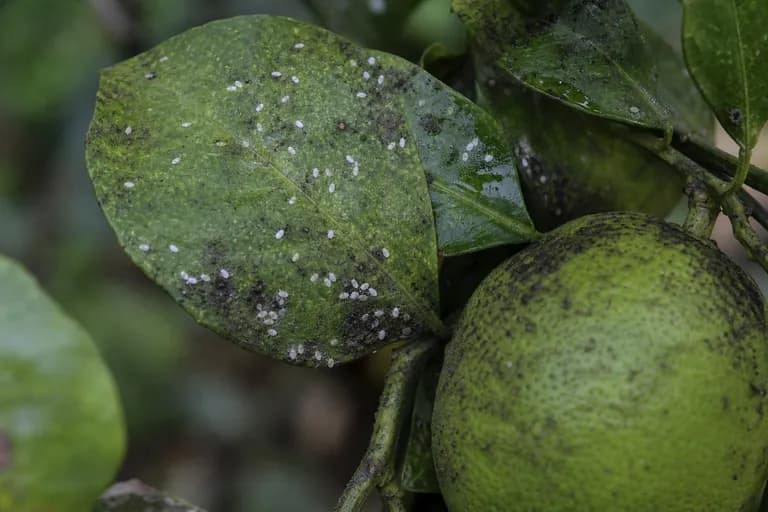
Citrus Whitefly
PestTiny white flying insects on leaf undersides; sticky honeydew on leaves; sooty mold development on honeydew deposits.
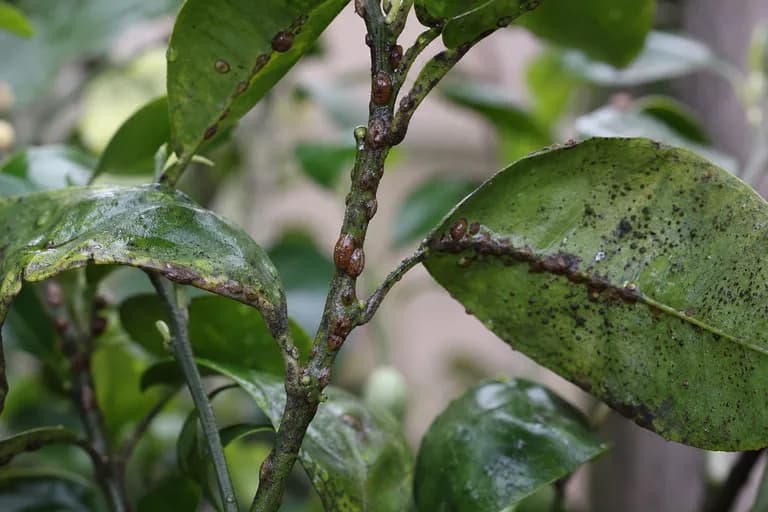
Brown Soft Scale
PestFlat, brown, oval bumps on stems and leaf midribs; sticky honeydew; sooty mold; weakened growth on heavily infested plants.
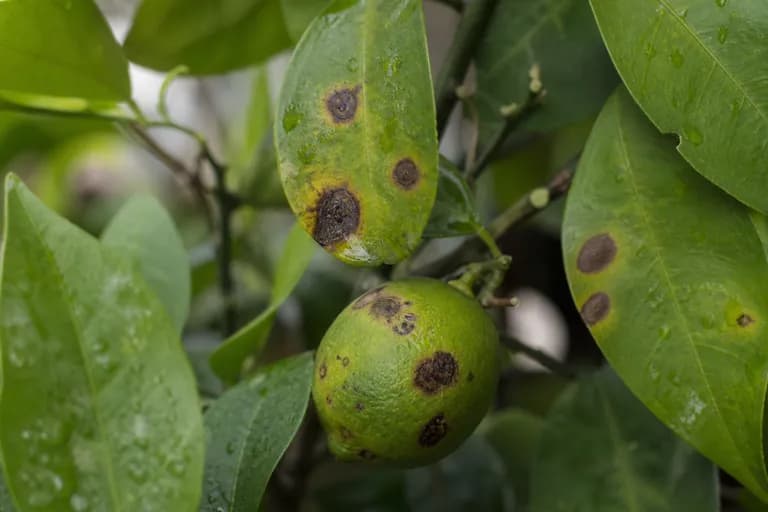
Alternaria Brown Spot
DiseaseDark brown to black lesions on young leaves and fruit, often with concentric rings. Can cause premature fruit drop.
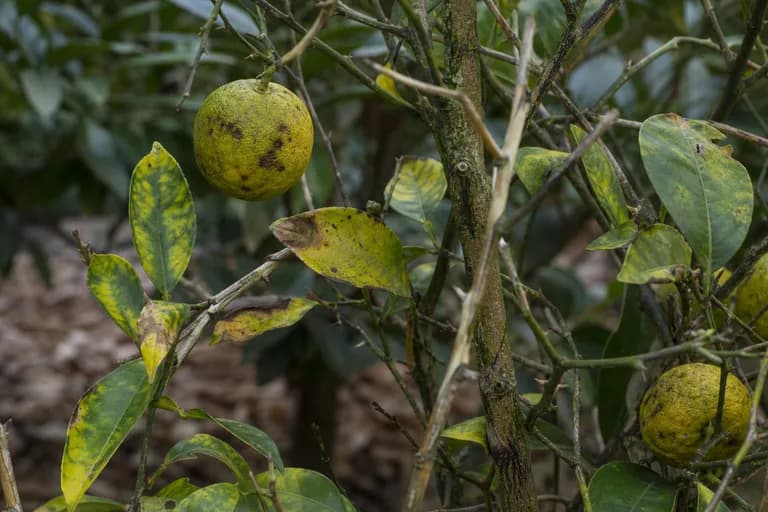
Citrus Tristeza Virus
DiseaseStem pitting, leaf cupping, stunted growth, and gradual tree decline. Spread by aphids, particularly the brown citrus aphid.
Troubleshooting Common Problems
Sudachi trees can be slow to establish and may take several years before producing a meaningful crop. In climates with insufficient heat, fruits may remain small or fail to develop full flavor complexity. Overwatering is a common issue in container culture, leading to root rot and leaf yellowing. The tree may experience a heavy fruit set in alternate years if not properly thinned. Indoor plants can suffer from insufficient light during winter, resulting in leaf drop and weakened growth.
Growing Tips
- Sudachi demands excellent drainage above all else — sitting in waterlogged soil is the most common cause of decline. Use a citrus-specific potting mix with added perlite when growing in containers, and ensure the pot has generous drainage holes.
- Full sun is non-negotiable for productive fruiting. Aim for at least 6-8 hours of direct sunlight daily. In cloudy climates, a south-facing wall that reflects additional heat can significantly improve performance.
- Citrus, including sudachi, are heavy feeders during the growing season. Use a balanced citrus fertiliser with micronutrients (especially magnesium and iron) every 4-6 weeks from spring through late summer to prevent yellowing leaves and poor fruit set.
- Repot container-grown sudachi every 2-3 years in spring, moving up by one pot size each time. Root-bound trees fruit less reliably and are more susceptible to nutrient deficiencies.
- If your sudachi flowers but sets little or no fruit, try hand-pollinating by transferring pollen between flowers with a small, clean paintbrush. This is particularly important for trees grown indoors or in enclosed conservatories without pollinator access.
- Harvest sudachi while the skin is still fully green for peak culinary quality. A fruit that has begun to turn yellow is past its prime for fresh use, though it can still be juiced and the zest remains aromatic.
- Scale insects are the most common pest on sudachi. Check the underside of leaves and along stems regularly and treat at first sign with horticultural oil spray. Early intervention prevents infestations from becoming severe.
- In climates colder than USDA Zone 9, grow sudachi in a large container (at least 40-50 litres for a mature specimen) so it can be moved under cover before the first frost. A cool, bright conservatory or greenhouse is ideal for overwintering.
- Sudachi responds well to light pruning after harvest in autumn. Remove crossing branches and any shoots growing inward toward the centre of the canopy to maintain good light penetration and airflow.
- Do not allow the tree to carry fruit in its first 1-2 years of establishment. Remove any flowers that appear early on to allow the tree to direct energy into root and canopy development, which pays dividends in larger and more reliable harvests later.
Grow your best Sudachi yet — and everything around it.
Start a free plan today. Lay out your beds, drop in your Sudachi, and let PlotMyGarden handle the timing, spacing, companions and reminders from seed to harvest basket.
Pick your Sudachi
Tokushima Sudachi
The standard cultivar from Tokushima Prefecture, the primary growing region. Reliable producer with classic bright acidity.
Seedless Sudachi
A newer selection with few or no seeds, making it more convenient for culinary use while retaining the characteristic flavor.
Dwarf Sudachi
A compact selection suited to container growing, reaching about one meter tall while producing full-sized fruits in good quantities.
Sudachi fruits are priced as a premium specialty citrus outside Japan, often selling for $3-8 USD each at specialist grocers or Japanese supermarkets. A single mature container-grown sudachi tree can produce 50-150 fruits per season depending on its size and care, representing a seasonal saving of $150-600 or more compared to retail purchases. The fresh juice and zest are also far superior in aroma and flavour to anything available commercially, and home-grown fruits can be used whole — peel, juice, and zest — maximising the value of every fruit harvested.
Quick recipes
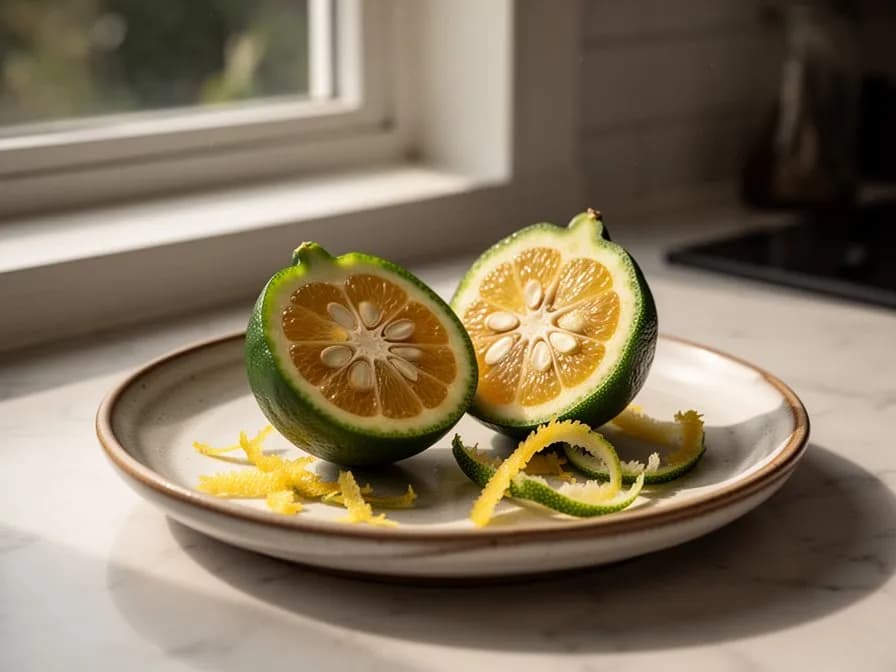
Sudachi Ponzu Sauce
10 minutesA bright, citrusy ponzu made with fresh sudachi juice instead of yuzu. Versatile enough for dipping, dressing, and marinating, with a sharper, more aromatic profile than standard ponzu.
6 ingredientsSudachi Sake Cocktail
5 minutesA refreshing Japanese-inspired cocktail that lets the aromatic intensity of sudachi shine alongside crisp junmai sake. Perfect as an aperitif or with light seafood appetisers.
6 ingredients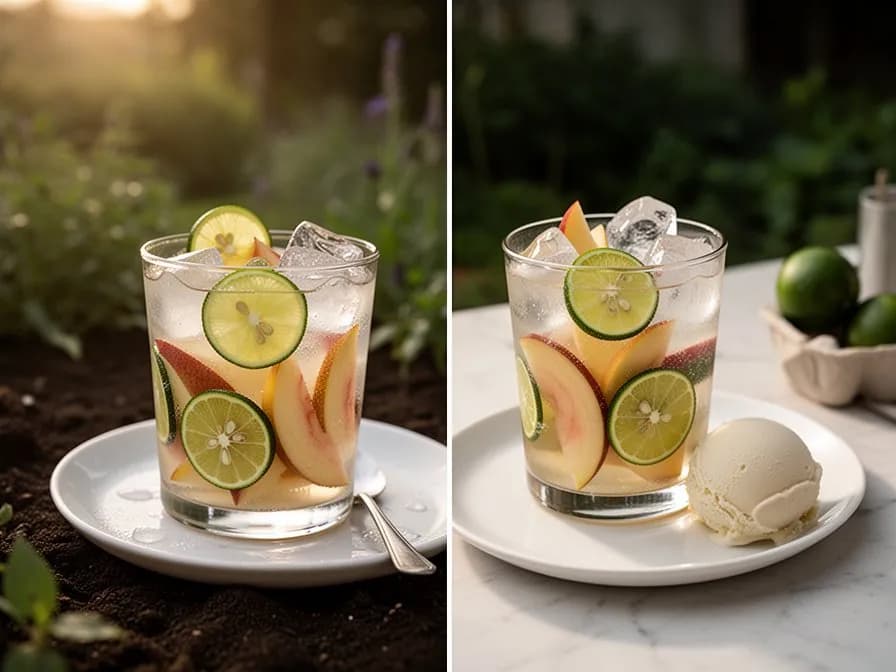
Grilled Fish with Sudachi
15 minutesThe most traditional way to enjoy sudachi — grilled whole fish finished tableside with a generous squeeze of fresh juice. The citrus aroma released by the heat is a defining scent of Japanese autumn.
6 ingredientsCulinary Uses
Sudachi is a cornerstone of Japanese cuisine, traditionally squeezed over grilled sanma (Pacific saury), soba noodles, matsutake mushroom dishes, and edamame. The juice brightens dashi-based soups and ponzu sauces. Slices are floated in drinks and cocktails. Sudachi zest adds fragrant complexity to tempura dipping sauce and rice dishes. It can also substitute for lime or lemon in Western recipes where a more nuanced acidity is desired.
What's inside
Health Benefits
- The high citric acid content of sudachi juice supports healthy digestion by stimulating gastric acid secretion and aiding the breakdown of proteins and fats when used as a condiment.
- Sudachitin, a flavonoid unique to this fruit, has been shown in animal studies to improve exercise endurance and support healthy lipid metabolism by activating fat-burning pathways.
- Rich in vitamin C and citrus flavonoids, sudachi juice provides antioxidant protection that helps neutralise free radicals and supports collagen synthesis for skin health.
- The alkalising effect of citric acid metabolism means that despite its sour taste, sudachi may help buffer excess acidity in the body and support healthy blood pH balance.
- Compounds in the peel, including hesperidin and narirutin, have demonstrated anti-inflammatory properties in laboratory studies, potentially contributing to reduced chronic inflammation when consumed regularly.
- The aromatic compounds released when sudachi is squeezed over hot food, particularly limonene and linalool, are associated with calming effects on the nervous system and may reduce mealtime stress responses.
Where Sudachi comes from
Sudachi (Citrus sudachi) is a small, intensely aromatic citrus fruit that has been cultivated in Japan for many centuries, with its origins deeply rooted in the mountainous landscapes of Tokushima Prefecture on the island of Shikoku. The name itself derives from the Japanese words su (vinegar) and dachi (hand), reflecting the traditional practice of squeezing it directly by hand over food as a souring agent, much as one might use vinegar or lemon in other culinary traditions.
Genetic studies suggest that sudachi is a natural hybrid, most likely descended from yuzu and tachibana — an ancient, bitter wild citrus native to Japan that was already being cultivated over a thousand years ago. Because of this heritage, sudachi is considered one of the few citrus fruits truly native to Japan, rather than introduced from China or Southeast Asia. Historical records from the Edo period (1603-1868) document sudachi being grown in Awa Province, which corresponds to modern-day Tokushima, where the climate and volcanic soils of the Yoshino River basin provide ideal growing conditions.
For most of its history, sudachi remained a hyper-regional ingredient, celebrated within Tokushima but little known beyond it. The fruit is highly perishable and its extremely sour juice and thin peel made it a specialist culinary tool rather than a mass-market fruit. Its tight seasonality — peak harvest running just from August through October — further limited its reach.
The twentieth century brought significant changes. The development of refrigeration and cold-chain logistics allowed Tokushima growers to ship fresh sudachi to restaurants and markets across Japan for the first time. The fruit became a national symbol of Japanese autumnal cuisine, its use expanding from the grilling of sanma (Pacific saury) to high-end kaiseki restaurants and craft cocktail bars. Today, Tokushima produces approximately 5,500 tonnes of sudachi annually, accounting for over 98% of domestic production.
International interest in sudachi has grown alongside the global popularity of Japanese cuisine. The fruit is now cultivated by specialty citrus growers in California, Australia, and parts of Southern Europe, though it remains rare and commands premium prices outside Japan. Culinary professionals worldwide prize it for its extraordinary aromatic complexity and its ability to brighten dishes with acidity and perfume simultaneously — qualities that have kept it at the center of Japanese food culture for centuries.
Sudachi: did you know?
Fascinating facts about Sudachi
Sudachi is the official prefectural symbol of Tokushima, Japan, which produces over 98% of the nation's entire sudachi supply.
Sudachi questions, answered
When should I plant Sudachi?
What are good companion plants for Sudachi?
What hardiness zones can Sudachi grow in?
How much sun does Sudachi need?
How far apart should I space Sudachi?
What pests and diseases affect Sudachi?
How do I store Sudachi after harvest?
What are the best Sudachi varieties to grow?
What soil does Sudachi need?
Can I grow sudachi from seed purchased online?
Is sudachi the same as yuzu or kabosu?
How do I store fresh sudachi after harvest?
Why are the leaves on my sudachi turning yellow?
Can sudachi be used as a substitute for lemon or lime in recipes?
Does sudachi need another tree nearby for pollination?
You just read the theory. Now grow it on autopilot.
Everything that makes Sudachi fiddly — the timing, the spacing, the companions, the harvest window — is exactly what PlotMyGarden handles for you, for every plant in your garden.
A plan that knows your weather
Set your location once. Get sow, feed and harvest dates built around your real last-frost date and live forecast — no more guessing from a generic seed packet.
From the “When to plant” sectionDrag-and-drop bed planner
Design beds on a grid. Every plant snaps to its proper spacing, and you can see your whole season laid out before you spend a cent on seed.
From the “Growing guide” sectionCompanion conflicts, caught early
200+ good-and-bad pairings checked live as you plant — so a season-wrecking mistake never makes it into the ground.
From the “Companions” sectionReminders you'll actually act on
“Water the beans.” “Pick today before it turns.” Timely, specific, and tied to the plants you're really growing.
From the “Harvest” sectionSuccession, scheduled
Want a harvest for six weeks, not six days? It spaces your sowings automatically and reminds you when each new block is due.
From the “When to plant” sectionA record that gets smarter
Every harvest you log teaches it your garden. Next year's plan starts from what actually worked in your soil, not a textbook's.
From the “Overview” sectionPlant these alongside Sudachi
More Citrus
Grow your best Sudachi yet — and everything around it.
Start a free plan today. Lay out your beds, drop in your Sudachi, and let PlotMyGarden handle the timing, spacing, companions and reminders from seed to harvest basket.