Weißdorn
Ein dorniger Baum oder großer Strauch, dessen Beeren, Blätter und Blüten zu den am besten erforschten Kräutern zur Unterstützung des Herz-Kreislauf-Systems gehören.





Auf dieser SeiteÜberblick
Weißdorn im Überblick
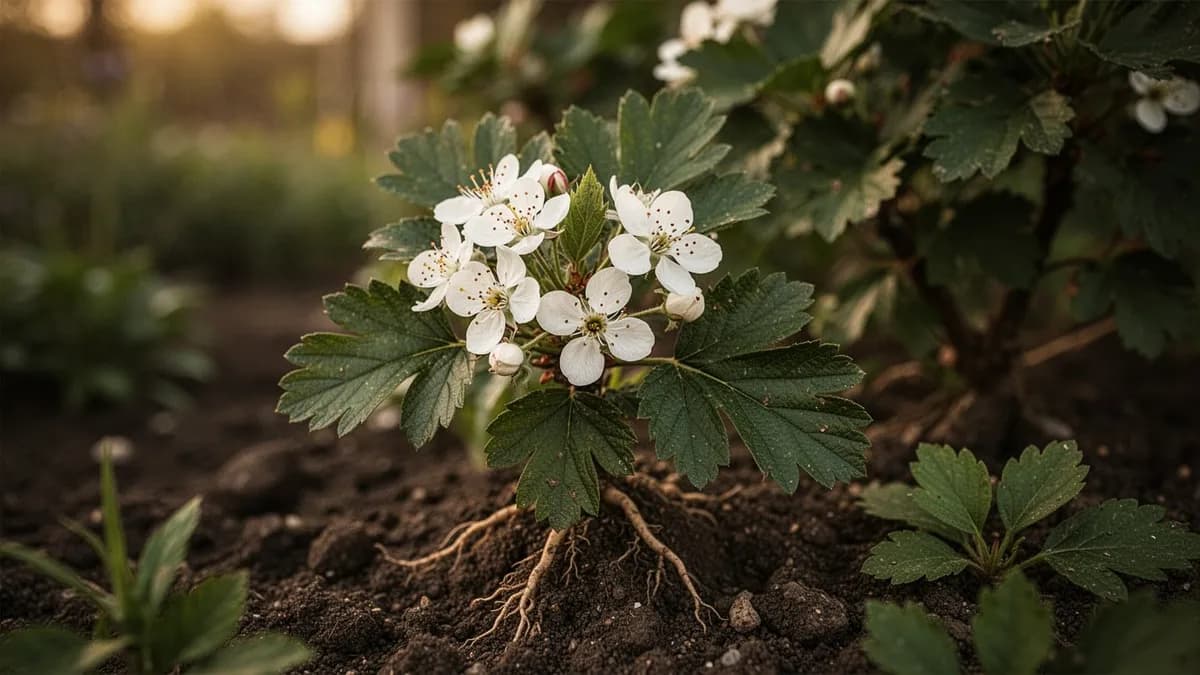
Ein dorniger Baum oder großer Strauch, dessen Beeren, Blätter und Blüten zu den am besten erforschten Kräutern zur Unterstützung des Herz-Kreislauf-Systems gehören. Weißdornbeeren reifen im Herbst und werden zu Marmeladen, Weinen und medizinischen Zubereitungen verarbeitet. Die Frühlingsblüten sind ebenfalls medizinisch wirksam und verströmen einen charakteristischen moschusartigen Duft, der eine Vielzahl von Bestäubern anlockt.
Wann Weißdorn pflanzen
Weißdornsamen haben eine komplexe Keimruhe, die 18 Monate Stratifikation erfordert: 6 Monate warm gefolgt von 6 Monaten kalt. Die einfachste Methode ist, frische Beeren (vom Fruchtfleisch befreit) im Herbst im Freien auszusäen und 18 Monate auf die Keimung zu warten. Alternativ können Sie künstlich in feuchtem Sand stratifizieren. Gekaufte wurzelnackte Jungpflanzen (1–2 Jahre) sind bei weitem die praktischste Option für die Gartenpflanzung. Für Hecken pflanzen Sie Jungpflanzen im Herbst oder Winter in einem Abstand von 30–45 cm.
Dein Weißdorn-Jahr
Abgestimmt auf Zone 7 · typische Saison · Frost geht um den 2. Apr. und kehrt um den 1. Nov. zurück
Weißdorn Mär, Okt – Nov pflanzen, Mai – Jun, Sep – Okt ernten. Beachte die Pflanzmethoden unten und wähle dein Klima für passende Zeiträume.
So baust du Weißdorn an
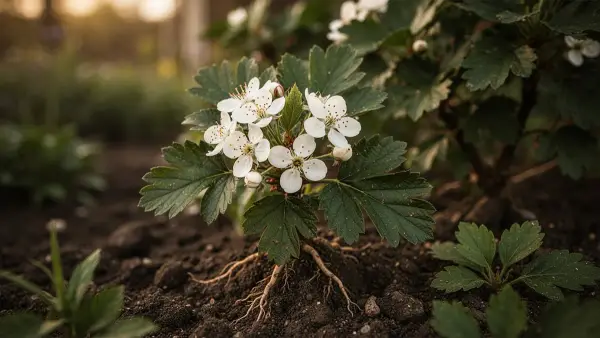
Der Weißdorn ist ein dorniger, laubabwerfender Baum oder großer Strauch, der 5–10 Meter erreicht, mit tief gelappten Blättern, Büscheln weißer Frühlingsblüten und leuchtend roten Herbstbeeren. Er ist eine der am umfassendsten erforschten und am besten dokumentierten Heilpflanzen zur Unterstützung des Herz-Kreislauf-Systems in der europäischen Kräutermedizin. Die Beeren, Blüten und Blätter sind alle medizinisch wirksam. Pflanzen Sie ihn in voller Sonne mit gut durchlässigem Boden, mit einem Abstand von 180 cm für Einzelexemplare oder 60 cm für Heckenpflanzungen.
Weißdorn ist außergewöhnlich robust und anpassungsfähig und gedeiht in einer Vielzahl von Bodentypen, von schwerem Lehm bis hin zu kalkhaltigem Kalkstein. Er verträgt Witterungseinflüsse, Verschmutzung, Salzsprühnebel und Vernachlässigung – was ihn zu einer der zuverlässigsten Landschaftspflanzen überhaupt macht. In freier Natur bildet er dichte, undurchdringliche Hecken, die einen wichtigen Lebensraum für Wildtiere bieten.
Als Heckenpflanze ist der Weißdorn unübertroffen – das dichte, dornige Wachstum bietet Nistplätze für Vögel, die Frühlingsblüten ernähren Bestäuber, und die Herbstbeeren versorgen Drosseln, Seidenschwänze und andere Vögel den Winter über. Die Pflanze reagiert gut auf starken Rückschnitt und kann als formale Hecke gehalten oder zu einem malerischen kleinen Baum heranwachsen gelassen werden. Medizinisch werden Weißdornpräparate in Europa weitverbreitet als standardisierte Nahrungsergänzungsmittel verwendet.
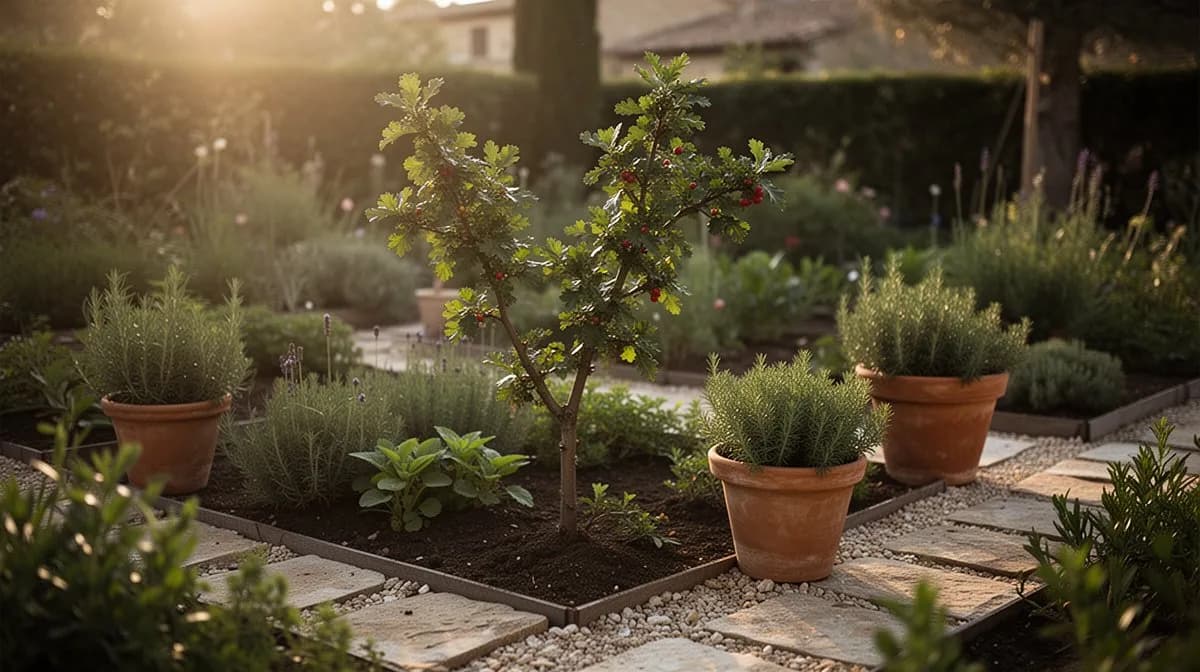
Für Weißdorn ist ein Beet von 120 × 240 cm zu klein
Weißdorn braucht 180 cm Platz pro Pflanze. Der Planer hält diesen Abstand für dich ein — jede Pflanze, jedes Beet.
Passende Anbau-Ratgeber
Richtig düngen
Weißdorn wächst in praktisch jedem Bodentyp, von schwerem Lehm bis hin zu kalkhaltigem Kalkstein, pH 5,5–8,0. Keine besondere Bodenvorbereitung nötig – dies ist eine der anpassungsfähigsten Landschaftspflanzen. Etablierte Bäume benötigen keine Düngung. Für junge Bäume unterstützt eine leichte Kompostmulchschicht im Frühjahr die Etablierung. Das tiefe Wurzelsystem des Weißdorns erschließt Nährstoffe effektiv aus dem Boden. Hervorragend geeignet für schwierige Standorte einschließlich exponierter, windgepeitschter, küstennaher und schadstoffbelasteter Stadtgebiete.
Ideale Temperatur
Winterhärtezone-Kompatibilität
Von der Saat zur Ernte, Schritt für Schritt
Samenstratifikation und Keimung
Weißdornsamen haben eine bekanntermaßen harte Samenschale und eine tiefe Keimruhe, die eine verlängerte Kältebehandlung zum Aufbrechen erfordert. Die Samen müssen aus den reifen Beeren gereinigt und einer Warmstratifikation (3–4 Monate bei 20 °C) gefolgt von einer Kaltstratifikation (3–4 Monate bei 2–4 °C) unterzogen werden, bevor die Keimung eintritt. Dies ahmt den natürlichen Kreislauf nach, bei dem die Beere den Verdauungstrakt eines Tieres passiert und im Boden überwintert.
Sämlingsetablierung
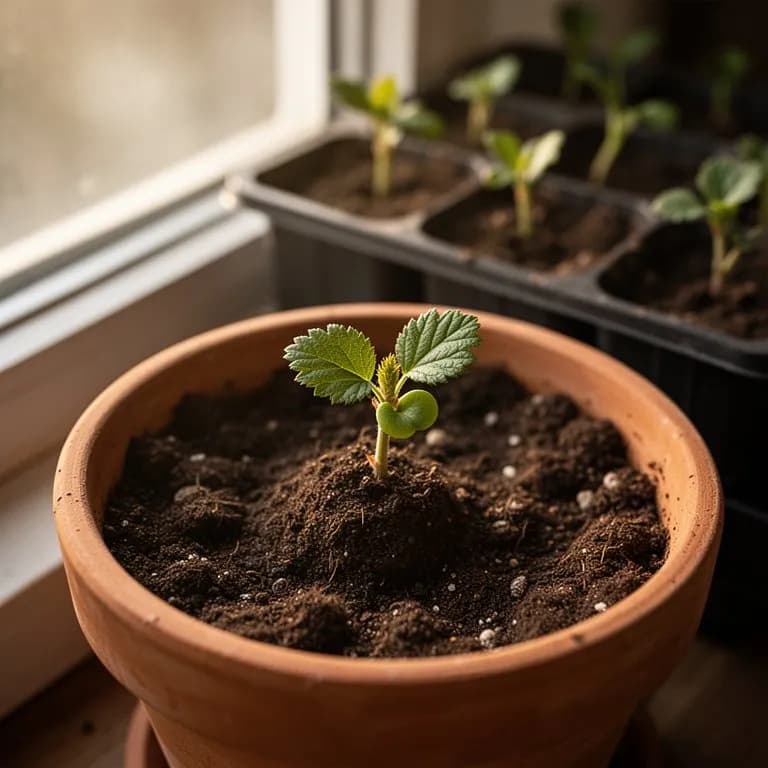
Sobald die Keimung eintritt, bildet der winzige Sämling sein erstes Paar abgerundeter Keimblätter, gefolgt von den charakteristischen tief gelappten echten Blättern. Weißdorn-Sämlinge wachsen in ihrem ersten Jahr langsam und erreichen typischerweise nur 15–30 cm Höhe. Das Wurzelsystem entwickelt sich in dieser Phase kräftig und etabliert die tiefe Pfahlwurzel, die den Baum über Jahrzehnte versorgen wird. Junge Sämlinge sind in diesem Stadium dornenlos.
Jugendliches Wachstum
Der junge Weißdorn entwickelt sich zu einem kräftigen, mehrstämmigen Strauch oder kleinen Baum, der unter guten Bedingungen 30–60 cm pro Jahr wächst. Scharfe Dornen beginnen sich entlang der Stämme zu entwickeln – ein bestimmendes Merkmal der Gattung. Die Rinde wird dicker und wandelt sich von glatt grünbraun zu einer rauen grauen Textur. Dichtes Verzweigen schafft das Gerüst, das in der Reife schwere Erträge von Blüten und Beeren tragen wird.
Erste Blüte und Fruchtbildung
Der Weißdorn beginnt typischerweise im Alter von 5–7 Jahren zu blühen. Dichte Doldenrispen aus weißen, fünfblättrigen Blüten mit charakteristischen rosa Staubbeuteln erscheinen im späten Frühling und bedecken den Baum in einer spektakulären Pracht. Die Blüten haben einen starken, süßen Duft, der Bienen, Schwebfliegen und viele andere Bestäuber anlockt. Nach der Bestäubung entwickeln sich kleine grüne Beeren (Mehlbeeren) über den Sommer und reifen im Herbst zu leuchtendem Karmesinrot.
Reife Beerenproduktion
Ein ausgewachsener Weißdorn produziert jedes Jahr zunehmend schwere Beerenernten, wobei etablierte Bäume jährlich mehrere Kilogramm Mehlbeeren tragen können. Der Baum erreicht seine volle Höhe von 5–10 Metern und entwickelt eine abgerundete, dichte Krone. Die Beerenproduktion kann über ein Jahrhundert andauern – Weißdornbäume sind außergewöhnlich langlebig, wobei einige Exemplare über 400 Jahre alt werden. Die Blüten, Blätter und Beeren werden alle für medizinische Zwecke geerntet.
Sammeln Sie reife Beeren im Herbst und mazerieren Sie sie mehrere Tage in Wasser, um das Fruchtfleisch aufzuweichen. Reinigen Sie die Samen gründlich und mischen Sie sie mit feuchtem Sand in einem verschlossenen Beutel. Lagern Sie 16 Wochen warm, dann 16 Wochen im Kühlschrank. Kontrollieren Sie regelmäßig auf Schimmel. Alternativ säen Sie die Beeren direkt im Herbst im Freien aus und lassen Sie zwei Winter für die natürliche Keimung vergehen.
Weißdorn Monat für Monat pflegen
Was du jeden Monat für deine Weißdorn tun solltest
Oktober
Aktueller MonatSetzen Sie die Beerenernte fort, wenn die Früchte ihre volle Reife erreichen. Streifen Sie die verbleibenden Beeren ab, bevor die Vögel die gesamte Ernte auffressen – obwohl es sowohl großzügig als auch ökologisch wichtig ist, einige für die Wildtiere übrig zu lassen. Verarbeiten Sie geerntete Beeren zu Tinkturen, Sirupen oder beenden Sie die Trocknung für Tee. Sammeln Sie Samen aus den reifsten Beeren, wenn Sie neue Pflanzen vermehren möchten.
Immer wissen, was jetzt im Garten zu tun ist
Eine E-Mail zum Monatsanfang: was du jetzt säen, pflanzen und anpacken solltest — für deine Weißdorn und alles, was drumherum wächst. Dazu ein kurzer Startkurs, der dich vor den klassischen Fehlern bewahrt.
- Was jetzt zu tun ist
- Passend zu deiner Saison
- Startkurs inklusive
Weißdorn ernten
Weißdornblüten und junge Blätter werden im späten Frühling gemeinsam geerntet, wenn die Büschel voll geöffnet sind. Die Beeren werden im frühen bis mittleren Herbst geerntet, wenn sie vollständig reif und tiefrot sind. Blüten sollten schnell getrocknet werden, um ihre empfindliche Chemie zu bewahren. Beeren können frisch oder getrocknet verwendet werden. Alle drei Pflanzenteile (Blüten, Blätter, Beeren) werden in Kräuterzubereitungen verwendet, manchmal einzeln und manchmal in Kombination. Die Beeren sind der am häufigsten verwendete Teil in kommerziellen Nahrungsergänzungsmitteln.
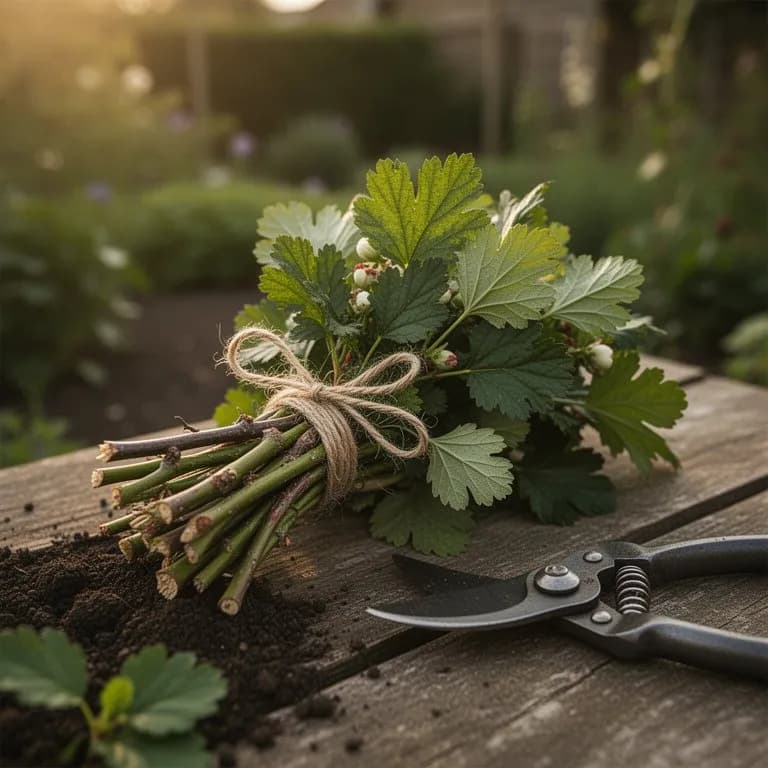
angenommen, du pflanzt zu Beginn des Zeitraums — trage dein tatsächliches Datum ein
Ernte Weißdorn zügig, dann trägt die Pflanze weiter.
Lagerung & Konservierung
Trocknen Sie Weißdornblüten und -blätter auf Gittern in einem warmen, dunklen Bereich – Blüten trocknen schnell (3–5 Tage) und sollten etwas Farbe behalten. Trocknen Sie Beeren, indem Sie sie in einer einzigen Schicht in einem Dörrgerät oder warmen Raum für 1–2 Wochen ausbreiten, bis sie hart sind. Lagern Sie alles getrocknete Material in luftdichten Gläsern lichtgeschützt bis zu 2 Jahre. Stellen Sie Weißdornbeeren-Tinktur her, indem Sie frische Beeren in Alkohol mazerieren. Weißdornbeeren-Marmelade, -Gelee und -Ketchup sind traditionelle britische Konserven. Die Beeren ergeben auch ausgezeichneten Wein und Heckenfrüchte-Likör.
Was schiefgeht — und die Lösung
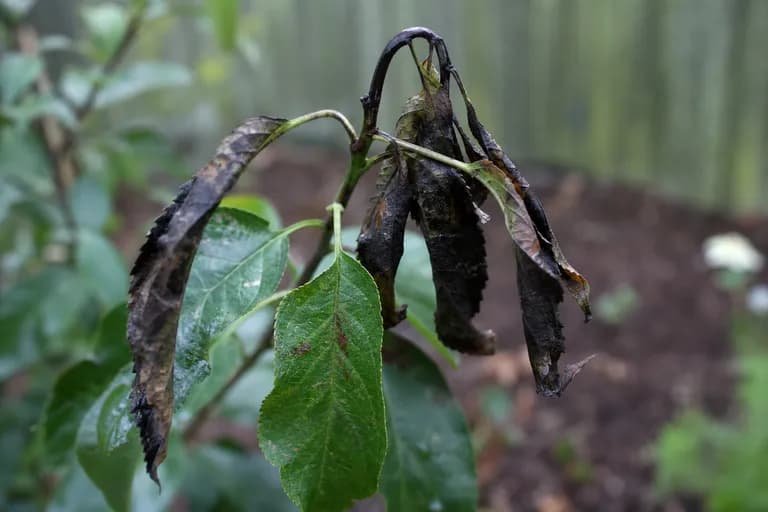
Feuerbrand
KrankheitGeschwärzte, versengt aussehende Triebe und Blüten, nässende Krebsstellen an Ästen. Die bakterielle Erkrankung kann Äste schnell abtöten.
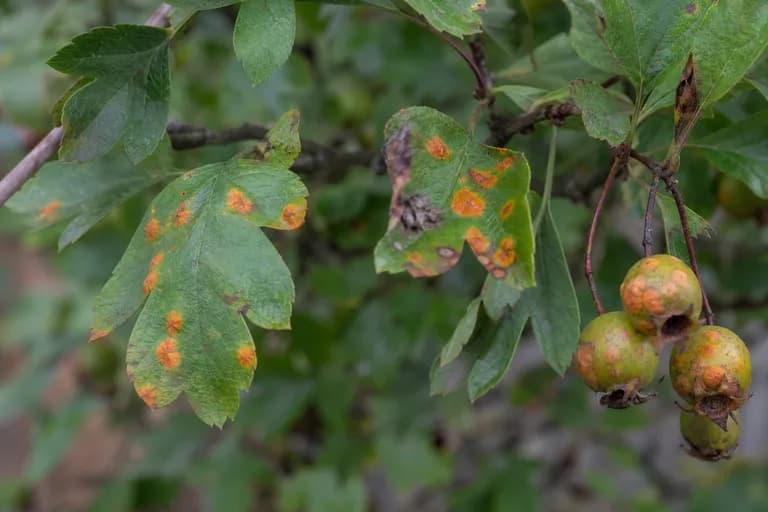
Zedern-Weißdorn-Rost
KrankheitLeuchtend orangefarbene Flecken auf Blättern und Früchten, verursacht durch einen Pilz, der zwischen Zedern-/Wacholder- und Weißdornwirten alterniert.
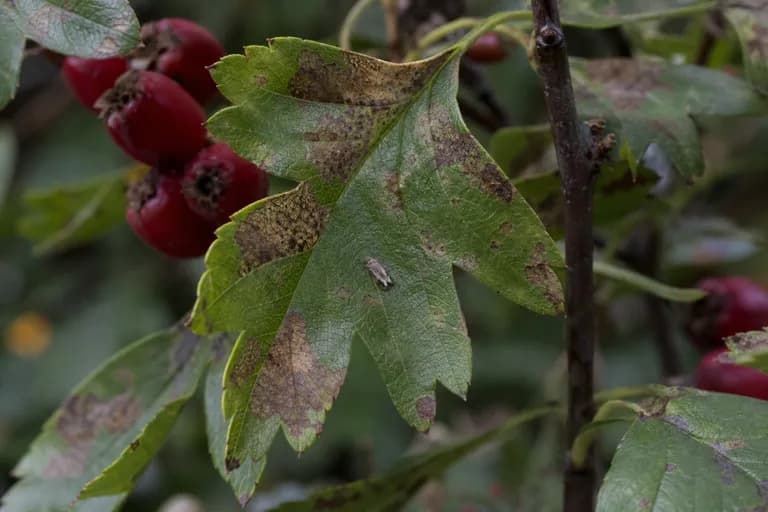
Weißdorn-Miniermotte
SchädlingBraune Flecken in Blättern, verursacht durch winzige Mottenlarven, die zwischen den Blattoberflächen minieren.
Fehlerbehebung bei häufigen Problemen
Feuerbrand kann verheerend sein – schnelles Herausschneiden von infiziertem Holz ist unerlässlich. Zedern-Weißdorn-Rost verunstaltet Blätter und Früchte, wo Wacholderwirte in der Nähe vorhanden sind. Die scharfen Dornen machen das Schneiden schmerzhaft – tragen Sie immer schwere Handschuhe. Weißdorn kann in einigen Gebieten durch vogelverbreitete Samen invasiv werden. Wurzelschösslinge von der Basis müssen möglicherweise entfernt werden, wenn eine Baumform gewünscht wird. Manche Menschen empfinden den Duft der Frühlingsblüten als unangenehm – er hat einen moschusartigen, leicht fischigen Unterton.
Anbautipps
- Beginnen Sie mit wurzelnackten Jungpflanzen statt mit Samen, wann immer möglich. Die Samenkeimung erfordert 6–18 Monate Stratifikation und ist höchst unberechenbar, während wurzelnackte Pflanzen sich schnell etablieren und Jahre früher mit der Fruchtbildung beginnen. Kaufen Sie ein- oder zweijährige Jungpflanzen von Wildpflanzen-Baumschulen für beste Ergebnisse.
- Pflanzen Sie den Weißdorn in voller Sonne für maximale Beerenproduktion, obwohl der Baum Halbschatten verträgt. Die Beerenerträge sinken im starken Schatten erheblich. Wählen Sie einen Standort mit gut durchlässigem Boden – der Weißdorn passt sich einer Vielzahl von Bodentypen an, einschließlich Lehm, Kalk und sandigen Böden, verträgt aber keine Staunässe.
- Setzen Sie einzelne Solitärbäume mindestens 4–6 Meter auseinander, um eine volle Kronenentwicklung zu ermöglichen. Für Hecken pflanzen Sie wurzelnackte Jungpflanzen 30–45 cm auseinander in einer Einzelreihe oder 40 cm auseinander in einer doppelten versetzten Reihe. Schneiden Sie nach dem Pflanzen auf 15 cm zurück, um dichten, buschigen Wiederaustrieb von der Basis zu erzwingen.
- Der Weißdorn benötigt nach der Etablierung nur minimale Düngung. Eine einzige jährliche Gabe von gut verrottetem Kompost oder ausgewogenem organischem Dünger im zeitigen Frühjahr liefert alle benötigten Nährstoffe. Vermeiden Sie stickstoffreiche Dünger, die Blattwachstum auf Kosten von Blüte und Fruchtbildung fördern.
- Schneiden Sie etablierte Weißdornbäume während der vollständigen Winterruhe im Spätwinter, indem Sie Totholz, sich kreuzende Äste und übermäßiges Innenwachstum entfernen. Für Hecken schneiden Sie zweimal jährlich leicht – nach der Blüte im Juni und erneut im späten August – um die Form zu erhalten und gleichzeitig etwas Beerenproduktion zu bewahren.
- Wässern Sie frisch gepflanzten Weißdorn während der ersten zwei Vegetationsperioden regelmäßig, um ein tiefes Wurzelsystem zu etablieren. Einmal etabliert, ist der Weißdorn bemerkenswert trockenheitsverträglich und benötigt selten zusätzliche Bewässerung außer bei extremer langanhaltender Dürre. Mulchen Sie um die Basis, um Feuchtigkeit zu bewahren und konkurrierende Unkräuter zu unterdrücken.
- Beachten Sie, dass der Weißdorn anfällig für Feuerbrand (Erwinia amylovora), Zedern-Weißdorn-Rost und die Weißdorn-Miniermotte ist. Wählen Sie wenn möglich resistente Sorten, sorgen Sie für gute Luftzirkulation durch richtigen Abstand und Schnitt, und entfernen Sie befallene Äste umgehend, wobei Sie mindestens 30 cm unterhalb der sichtbaren Symptome schneiden.
- Tragen Sie beim Schneiden oder Ernten am Weißdorn dicke Ledergartenhandschuhe – die Dornen sind extrem scharf, bis zu 2,5 cm lang und können schmerzhafte Stichwunden verursachen, die langsam heilen. Lange Ärmel und Augenschutz sind ebenfalls empfehlenswert bei Arbeiten im Inneren der Krone.
- Für die medizinische Verwendung ernten Sie alle drei Pflanzenteile zu ihren optimalen Zeitpunkten: junge Blätter im April, wenn sie sich gerade entfalten, Blütenbüschel im Mai, wenn sie halb geöffnet sind, und Beeren im September–Oktober, wenn sie vollständig reif und rot sind. Jeder Teil enthält ein unterschiedliches Gleichgewicht an Wirkstoffen und kann einzeln oder kombiniert verwendet werden.
- Erwägen Sie, den Weißdorn als wildtierfreundliche Grenzpflanze anzubauen. Die dichte, dornige Struktur bietet sichere Nistplätze für Vögel, die Blüten ernähren Hunderte von Bestäuberarten, und die Beeren versorgen Vögel und kleine Säugetiere über den Winter. Nur wenige Gartenpflanzen bieten so viel ökologischen Wert pro Quadratmeter wie eine Weißdornhecke.
Bau deine beste Weißdorn an — und alles drumherum.
Starte heute kostenlos. Lege deine Beete an, setze deine Weißdorn ein und lass PlotMyGarden Timing, Abstände, Begleiter und Erinnerungen von der Saat bis zum Erntekorb übernehmen.
Finde deine Weißdorn
Crataegus monogyna (Eingriffeliger Weißdorn)
Die wichtigste europäische Heilpflanzenart. Dichte, dornige Heckenpflanze mit weißen Blüten und roten Beeren.
Crataegus laevigata (Zweigriffeliger Weißdorn)
Eine verwandte Art, die in der Kräutermedizin oft austauschbar verwendet wird. Etwas weniger dornig mit größeren Beeren.
Crataegus oxyacantha 'Paul's Scarlet'
Eine dekorative, gefüllt blühende Form mit tiefrosa Blüten. Wunderschöner Solitärbaum, produziert aber weniger Beeren.
Getrocknete Bio-Weißdornbeeren kosten im Einzelhandel 12–25 $ pro Pfund, und hochwertige Weißdorn-Tinkturen werden für 15–30 $ pro 60-ml-Flasche verkauft. Ein einzelner ausgewachsener Baum, der jährlich 5–15 kg frische Beeren produziert, liefert eine getrocknete Beerenernte im Wert von 80–250 $ zu Einzelhandelspreisen. Eine Charge selbstgemachter Tinktur, die nur den Preis des Alkohols kostet (10–15 $), ersetzt 8–12 im Laden gekaufte Flaschen im Wert von 120–360 $. Da Weißdornbäume extrem langlebig sind und einmal etabliert nur minimale Pflege benötigen, ist der Lebenszeitwert eines einzelnen Baumes außergewöhnlich – Jahrzehnte kostenloser Heilernten von einer Pflanze, die als wurzelnackte Jungpflanze 5–15 $ gekostet hat.
Schnelle Rezepte
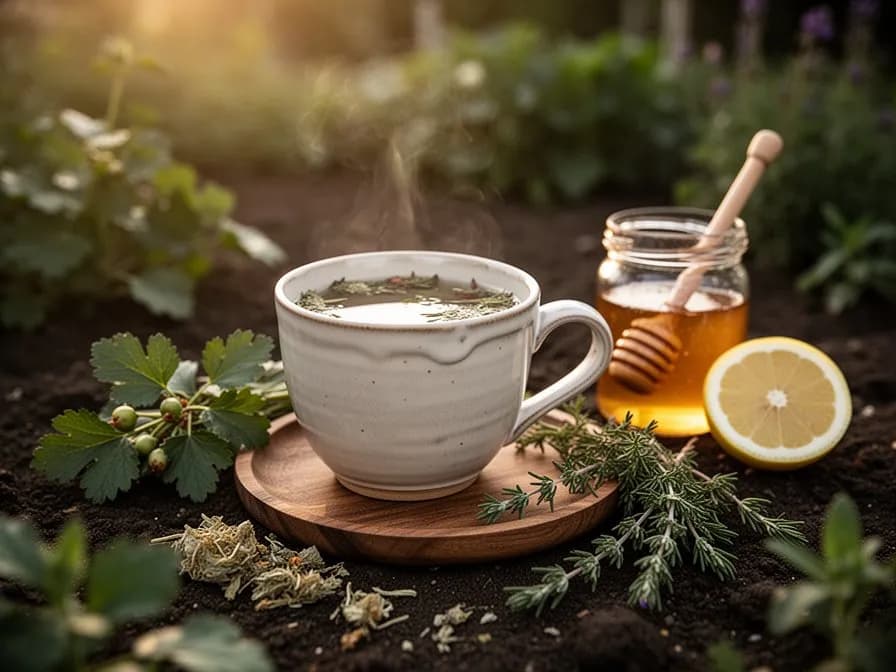
Weißdornbeeren-Herzgesundheits-Tee
15 Min.Ein wärmender, herb-süßer Kräutertee, der seit Jahrhunderten in der europäischen Volksmedizin zur Unterstützung der Herz-Kreislauf-Gesundheit verwendet wird. Getrocknete Weißdornbeeren werden sanft zerdrückt und aufgegossen, um ihre Flavonoide und ihr Vitamin C in einen rubinroten Aufguss mit angenehm fruchtigem, leicht herbem Geschmack freizusetzen.
5 ZutatenWeißdornbeeren-Tinktur
10 Min. + 6 Wochen ZiehzeitEin potenter Flüssigextrakt, der die medizinischen Verbindungen des Weißdorns in einem praktischen täglichen Nahrungsergänzungsmittel konzentriert. Die Beeren werden über mehrere Wochen in Alkohol mazeriert, um das vollständige Spektrum an Flavonoiden, OPCs und anderen bioaktiven Verbindungen zu extrahieren, die die Herzgesundheit und Durchblutung unterstützen.
5 ZutatenWeißdornbeeren-Sirup
45 Min.Ein köstlicher, dicker Sirup, der durch Einkochen von Weißdornbeeren mit Honig und wärmenden Gewürzen hergestellt wird. Diese traditionelle Zubereitung bewahrt die medizinischen Eigenschaften der Beeren in einer schmackhaften Form, die löffelweise eingenommen, über Haferbrei geträufelt oder in den kalten Monaten in warme Getränke eingerührt werden kann.
7 ZutatenKulinarische Verwendung
Weißdornbeeren sind essbar, aber roh mehlig und kernig – durch Kochen werden sie in köstliche Marmeladen, Gelees, Ketchups und Sirupe verwandelt. Die Beeren ergeben ausgezeichneten Landwein und Heckenfrüchte-Likör (in Gin oder Brandy eingelegt). Junge Frühlingsblätter sind essbar und wurden traditionell von englischen Kindern als Brot und Käse bezeichnet. Die Beeren sind reich an Pektin, was sie hervorragend zum Eindicken anderer Fruchtmarmeladen macht. In China werden Weißdornbeeren (Shanzha) für kandierte Snacks und Verdauungszubereitungen verwendet.
Was drinsteckt
Gesundheitsvorteile
- Klinisch nachgewiesene kardiovaskuläre Unterstützung – über 30 klinische Humanstudien haben gezeigt, dass Weißdornextrakt die Symptome leichter bis mittelschwerer Herzinsuffizienz verbessert, einschließlich reduzierter Kurzatmigkeit, verminderter Müdigkeit und verbesserter Belastungstoleranz, was zu seiner offiziellen Anerkennung durch die deutsche Kommission E und die Europäische Arzneimittel-Agentur führte.
- Reich an oligomeren Proanthocyanidinen (OPCs), die Blutgefäßwände stärken, die Kapillarintegrität verbessern und die periphere Durchblutung fördern – vorteilhaft für Menschen mit kalten Händen und Füßen, Krampfadern oder altersbedingter schlechter Durchblutung.
- Milde blutdruckregulierende Eigenschaften – Weißdorn-Flavonoide fördern die Gefäßerweiterung durch Stimulation der Stickoxidproduktion in Blutgefäßwänden und helfen, erhöhten Blutdruck sanft zu senken, ohne die dramatischen Abfälle, die mit pharmazeutischen Medikamenten verbunden sind.
- Enthält Hyperosid und Vitexin, zwei Flavonoid-Glykoside, die in Laborstudien antiarrhythmische Wirkungen gezeigt haben, die helfen, unregelmäßigen Herzschlag zu normalisieren und einen gleichmäßigen, effizienten Herzrhythmus zu unterstützen.
- Kraftvolle antioxidative Wirkung – die Kombination aus Vitamin C, Flavonoiden und Phenolsäuren in Weißdornbeeren bietet breit gefächerten Schutz gegen oxidativen Stress, der ein Haupttreiber von Herz-Kreislauf-Erkrankungen, zellulärer Alterung und chronischen Entzündungen ist.
- Traditionelle Verdauungshilfe, unterstützt durch moderne Forschung – Weißdornzubereitungen regen die Gallenproduktion und die Aktivität von Verdauungsenzymen an und helfen, die Fettverdauung zu verbessern sowie Symptome von Blähungen und Verdauungsbeschwerden zu lindern, insbesondere nach reichhaltigen oder schweren Mahlzeiten.
Woher Weißdorn stammt
Der Weißdorn (Crataegus monogyna) ist in Europa, Nordwestafrika und Westasien beheimatet, wo er seit Tausenden von Jahren ein fester Bestandteil der Landschaft, Kultur und Kräutermedizin ist. Die Gattung Crataegus ist uralt, mit fossilen Nachweisen, die Weißdornarten in Europa seit dem Miozän vor über 15 Millionen Jahren belegen. Archäologische Funde zeigen, dass Weißdornbeeren von jungsteinzeitlichen Völkern in ganz Europa gesammelt und verzehrt wurden, und das dornige Holz des Baumes gehörte zu den frühesten Materialien, die für Viehgehege und Grenzmarkierungen verwendet wurden.
In der antiken Welt hatte der Weißdorn tiefe symbolische Bedeutung. Die alten Griechen verbanden ihn mit Ehe und Fruchtbarkeit und verwendeten Weißdornzweige zur Verzierung von Hochzeitsaltären und Fackeln. Die römische Tradition besagte, dass in Wiegen gelegte Weißdornzweige Säuglinge vor bösen Geistern schützten. Diese Verflechtung des Weißdorns mit Schutz, Grenzen und der Schwelle zwischen den Welten bestand in der europäischen Folklore über Jahrtausende fort und machte ihn zu einem der mythenreichsten Bäume der westlichen Kultur.
Die medizinische Verwendung des Weißdorns wurde von Dioskurides im ersten Jahrhundert n. Chr. dokumentiert, aber seine spezifische Anwendung bei Herzerkrankungen kristallisierte sich deutlicher in der europäischen Kräutermedizin im späten 19. Jahrhundert heraus. Der irische Arzt Dr. Green aus Ennis machte Weißdornbeeren-Zubereitungen für Herzerkrankungen in den 1890er Jahren populär, und seine Arbeit erregte die Aufmerksamkeit von Ärzten in ganz Europa. Zu Beginn des 20. Jahrhunderts hatten deutsche Pharmakologen die systematische Erforschung der kardiovaskulären Wirkungen des Weißdorns begonnen und identifizierten schließlich die oligomeren Proanthocyanidine und Flavonoide, die für seine herzstärkenden Eigenschaften verantwortlich sind.
Heute ist der Weißdorn eine der am besten erforschten Heilpflanzen der Welt. Er besitzt offizielle Monographien der Europäischen Arzneimittel-Agentur, der deutschen Kommission E und der Weltgesundheitsorganisation, die alle seine traditionelle Verwendung bei leichten Herzinsuffizienz-Symptomen und zur Unterstützung des Herz-Kreislauf-Systems anerkennen. Weißdornextrakt-Nahrungsergänzungsmittel sind in ganz Europa und Nordamerika weit verbreitet, während Beeren, Blüten und Blätter weiterhin von Kräuterkundigen und Hobbygärtnern für Tees, Tinkturen und Sirupe geerntet werden.
Weißdorn: Schon gewusst?
Faszinierende Fakten über Weißdorn
Weißdornbäume können über 400 Jahre alt werden, und einige alte Exemplare in Großbritannien sind vermutlich über 700 Jahre alt. Der berühmte Heilige Dorn von Glastonbury, der angeblich aus dem Stab von Joseph von Arimathäa spross, war ein Weißdornbaum, der angeblich zweimal im Jahr blühte.
Weißdorn: Fragen & Antworten
Wann sollte ich Weißdorn pflanzen?
In welchen Winterhärtezonen kann Weißdorn wachsen?
Wie viel Sonne braucht Weißdorn?
Welchen Abstand sollte ich zwischen Weißdorn lassen?
Welche Schädlinge und Krankheiten befallen Weißdorn?
Wie lagere ich Weißdorn nach der Ernte?
Was sind die besten Weißdorn-Sorten zum Anbauen?
Welchen Boden braucht Weißdorn?
Ist die Anwendung von Weißdorn zusammen mit Herzmedikamenten sicher?
Welche Teile der Weißdornpflanze werden medizinisch verwendet und wie unterscheiden sie sich?
Wie lange dauert es, bis Weißdorn kardiovaskuläre Vorteile zeigt?
Kann ich Weißdorn in einem Topf oder kleinen Garten anbauen?
Sind Weißdornbeeren roh sicher zu essen oder müssen sie verarbeitet werden?
Welche Weißdornart oder -sorte ist am besten für die medizinische Verwendung geeignet?
Du hast die Theorie gelesen. Jetzt baue sie auf Autopilot an.
Alles, was Weißdorn knifflig macht — das Timing, die Abstände, die Begleiter, das Erntefenster — genau das übernimmt PlotMyGarden für dich, für jede Pflanze im Garten.
Ein Plan, der dein Wetter kennt
Standort einmal festlegen. Aussaat-, Dünge- und Erntedaten rund um deinen echten letzten Frosttermin und die Live-Vorhersage — kein Raten mehr nach Saattüte.
Aus dem Abschnitt „Pflanzzeit“Beetplaner per Drag & Drop
Beete auf einem Raster gestalten. Jede Pflanze rastet im richtigen Abstand ein, und du siehst die ganze Saison, bevor du einen Cent für Saatgut ausgibst.
Aus dem Abschnitt „Anbau“Begleiter-Konflikte früh erkannt
Über 200 gute und schlechte Kombinationen werden beim Pflanzen live geprüft — so landet ein saisonruinierender Fehler nie in der Erde.
Aus dem Abschnitt „Begleiter“Erinnerungen, nach denen du wirklich handelst
„Gieß die Bohnen.“ „Heute ernten, bevor's umschlägt.“ Pünktlich, konkret und auf deine echten Pflanzen bezogen.
Aus dem Abschnitt „Ernte“Staffel-Aussaat, geplant
Sechs Wochen ernten statt sechs Tage? Die App verteilt deine Aussaaten automatisch und erinnert dich, wenn der nächste Satz fällig ist.
Aus dem Abschnitt „Pflanzzeit“Ein Verlauf, der schlauer wird
Jede protokollierte Ernte bringt der App deinen Garten bei. Der Plan fürs nächste Jahr startet bei dem, was in deinem Boden wirklich funktioniert hat.
Aus dem Abschnitt „Überblick“Weitere Heilkräuter
Bau deine beste Weißdorn an — und alles drumherum.
Starte heute kostenlos. Lege deine Beete an, setze deine Weißdorn ein und lass PlotMyGarden Timing, Abstände, Begleiter und Erinnerungen von der Saat bis zum Erntekorb übernehmen.