Ground Cherry
A compact, sprawling annual producing marble-sized golden fruits in papery husks with a flavor reminiscent of pineapple and vanilla.





On this pageOverview
Meet Ground Cherry
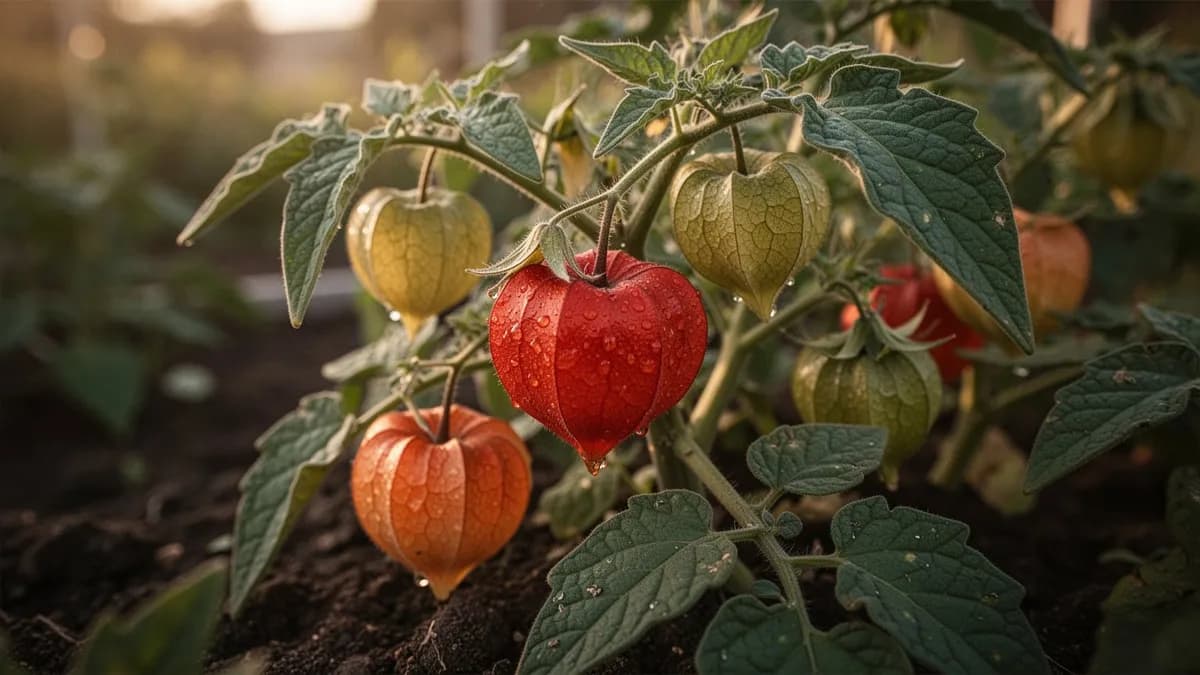
A compact, sprawling annual producing marble-sized golden fruits in papery husks with a flavor reminiscent of pineapple and vanilla. Fruits drop to the ground when ripe and can be harvested by collecting them from under the plant. Ground cherries self-seed readily and store well in their husks at room temperature for weeks.
When to plant Ground Cherry
Sow ground cherry seeds indoors six to eight weeks before the last frost. Plant seeds one-quarter inch deep in moist seed-starting mix and maintain temperatures of 70 to 75 degrees Fahrenheit. Germination takes 7 to 14 days. Provide bright light immediately after emergence to prevent leggy seedlings. Transplant into individual pots when seedlings develop two to three true leaves. Harden off over one week before planting outdoors after all frost danger passes. Seeds saved from ripe berries germinate readily and remain viable for several years stored in a cool, dry place.
Your Ground Cherry Year
Composed for Zone 7 · typical seasons · frost passes Apr 2, returns Nov 1
Plant Ground Cherry Apr – May, pick Aug – Sep. Check the planting methods below and set your climate to personalize these windows.
How to grow Ground Cherry
Ground cherries are warm-season annuals grown similarly to tomatoes but with less demanding requirements. Start seeds indoors six to eight weeks before the last frost, sowing one-quarter inch deep in moist seed-starting mix. Germination takes one to two weeks at 70 to 75 degrees Fahrenheit. Transplant hardened-off seedlings outdoors after all frost danger has passed, spacing 24 to 36 inches apart in full sun with well-drained soil at a pH of 6.0 to 7.0.
The low-growing, bushy plants spread two to three feet wide and reach 18 to 24 inches tall. Unlike their relative the cape gooseberry, ground cherries stay compact and rarely need staking, though a small cage helps keep fruit off the ground. The plants are self-fertile and begin producing small yellow flowers within weeks of transplanting, with fruit following six to eight weeks later.
Ground cherries are less finicky than tomatoes, tolerating poorer soils, inconsistent watering, and slightly cooler conditions. Water regularly during fruit development for the largest yields, providing about one inch per week. Apply a light balanced fertilizer at planting and once more at midsummer. Mulch around plants with straw to make collecting dropped fruit easier and to keep the soil evenly moist. Ground cherries self-seed prolifically, and volunteer plants often appear in subsequent years.
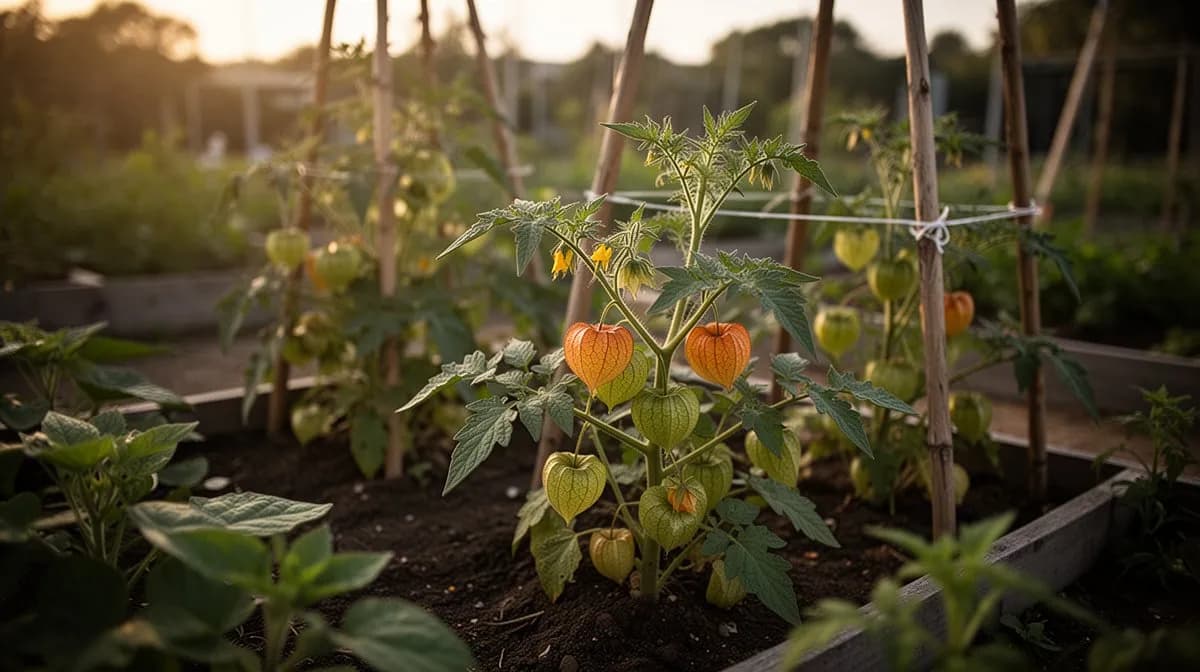
8 plants fit a 4 × 8 ft bed
Each Ground Cherry wants 60 cm of elbow room. The planner keeps that spacing for you — every plant, every bed.
Ground Cherry's best neighbours
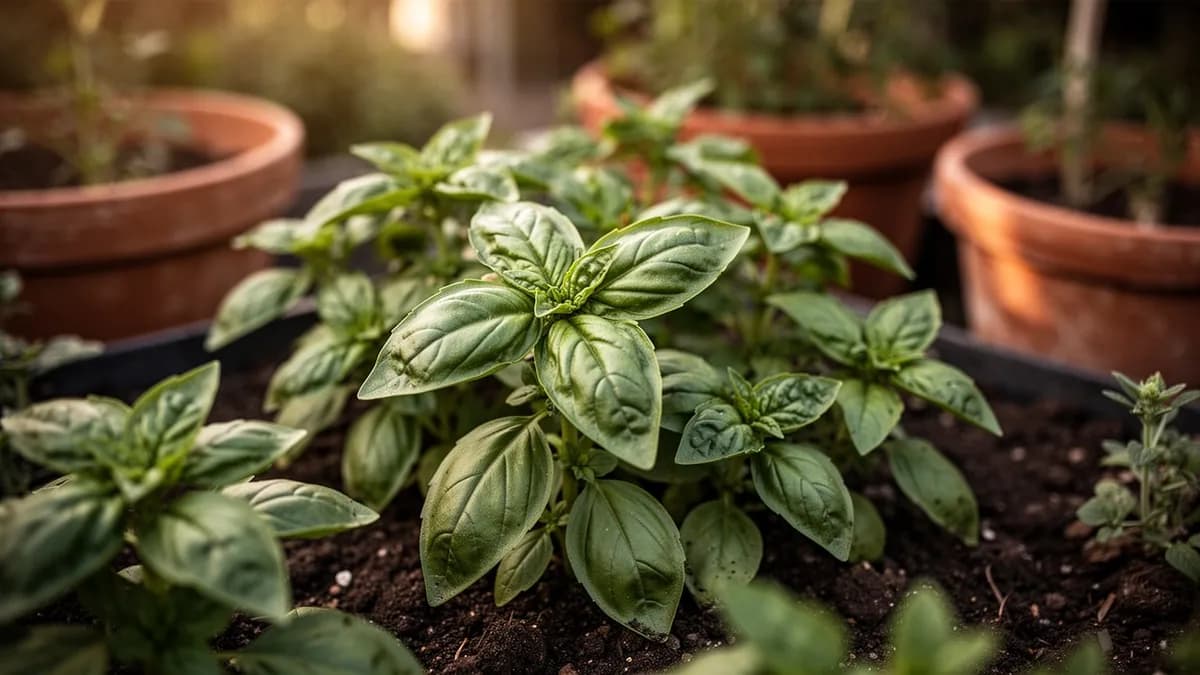
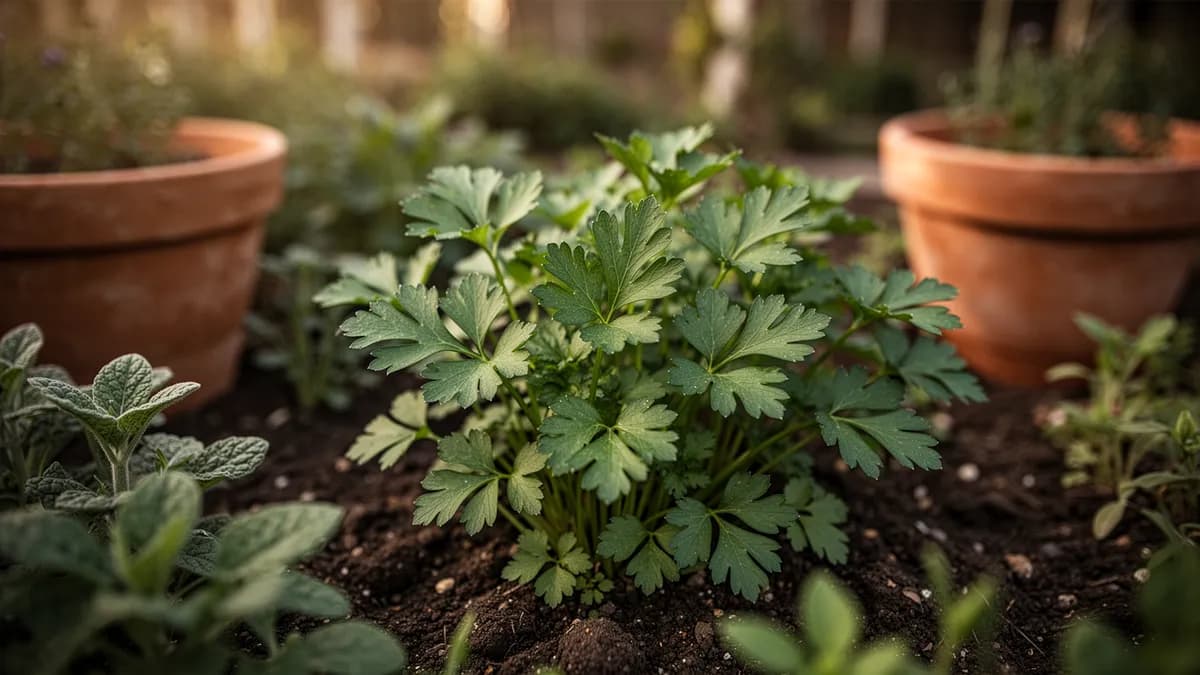
Ground cherries benefit from basil planted nearby, which helps repel aphids and flea beetles. Marigolds deter root-knot nematodes that can affect nightshade family crops. Parsley and dill attract beneficial parasitic wasps that prey on caterpillars and beetles. Avoid planting near tomatoes, peppers, and eggplant to reduce shared disease transmission. Nasturtiums serve as effective trap crops for aphids. Low-growing herbs like thyme and oregano make good ground cover between ground cherry plants.
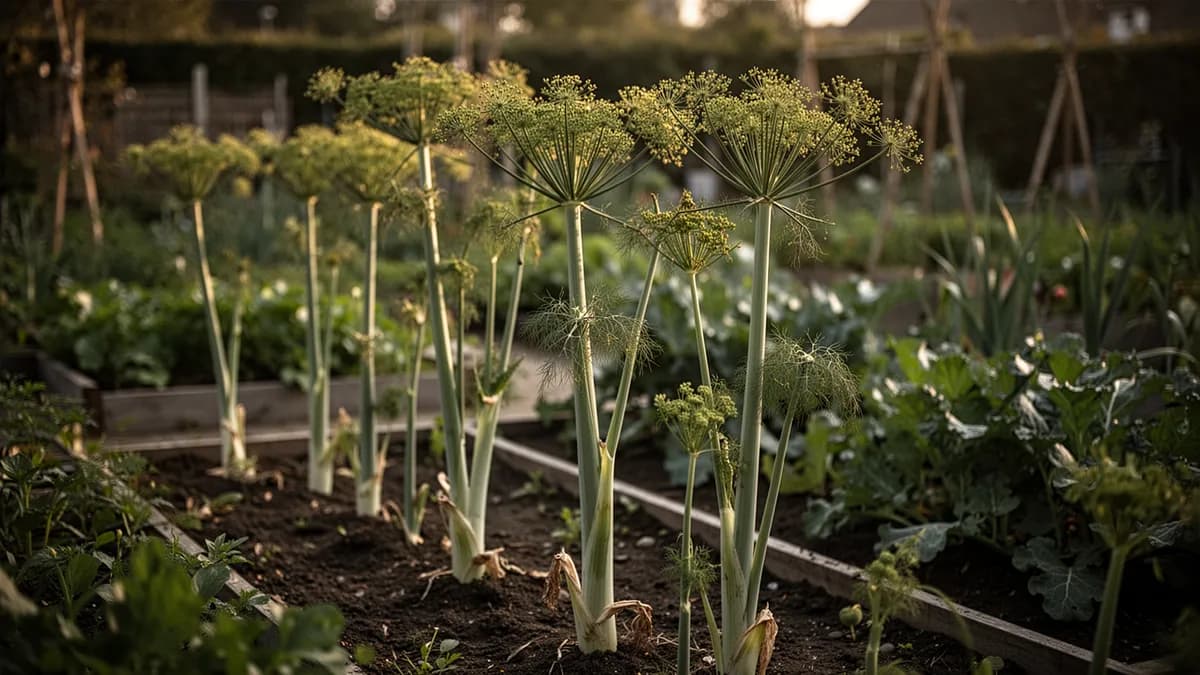
Basil belongs beside it. Fennel doesn't.
Old growers' knowledge, checked against Ground Cherry's real companion table below — test any plant you're growing.
Try Ground Cherry in a bed — right here
A real planner bed with Ground Cherry already in it. Tap a companion to place it and watch the pairing checks answer — green for good neighbours, red for a clash.


Related growing guides
Feed it well
Ground cherries grow well in average garden soil with a pH of 6.0 to 7.0 and moderate fertility. They tolerate poorer, sandier soils better than tomatoes and can produce reasonable crops with minimal amendment. Excessive nitrogen promotes lush foliage at the expense of fruit set and can delay ripening. Apply a balanced fertilizer at planting and side-dress once when fruiting begins. Mulch with straw to conserve moisture and make collecting dropped fruit easier. Avoid overly rich soil, which causes the plants to grow too large and leafy.
Ideal Temperature
Hardiness Zone Compatibility
From seed to harvest, stage by stage
Seed Starting
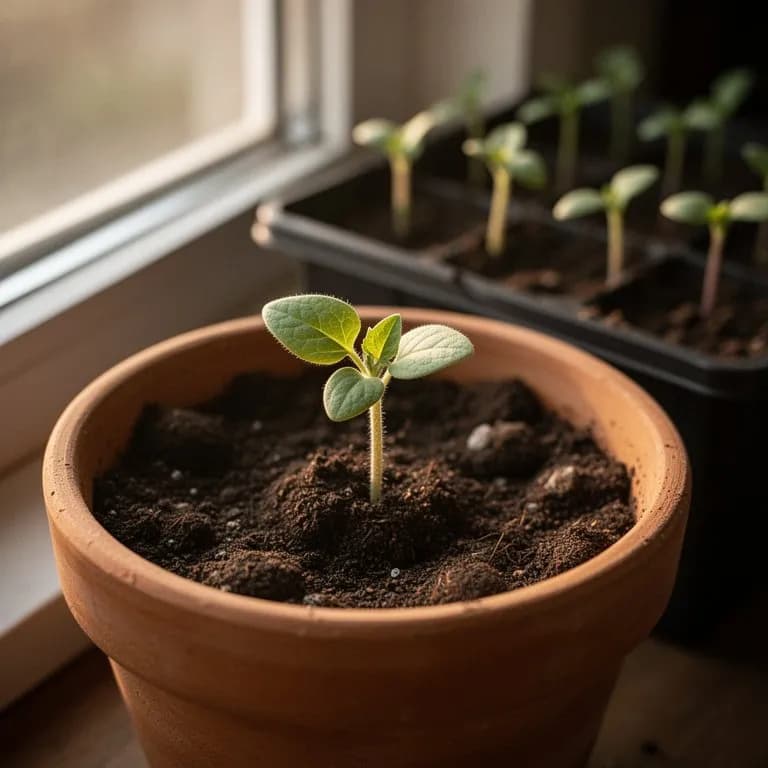
Ground cherry seeds are very small and benefit from surface-sowing or only the lightest covering of fine vermiculite. They germinate best at warm temperatures of 21-26°C (70-79°F), typically producing the first seedlings in 7-14 days. The tiny cotyledon leaves are oval and smooth, looking quite similar to tomato seedlings at this stage.
Seedling Development
True leaves emerge covered in fine, soft hairs giving them a slightly fuzzy texture. Seedlings grow moderately quickly in warm conditions and develop a branching taproot. Growth is compact at first but begins to spread as successive leaf pairs appear. At this stage seedlings are indistinguishable from cape gooseberry seedlings without a label.
Vegetative Growth and Transplanting
Plants grow into bushy, spreading specimens with a semi-prostrate habit. Unlike their cousin the cape gooseberry, ground cherries tend to grow lower and wider rather than tall and upright, spreading across the ground like a ground cover. Stems become semi-woody at the base. Harden off transplants thoroughly before moving outdoors.
Flowering
Small, nodding, bell-shaped yellow flowers with distinctive dark brownish-purple eye markings at the base appear at every leaf node along the branching stems. Flowers are self-fertile and require only vibration from wind or insects for pollination. Unlike cape gooseberry, ground cherry flowers appear earlier and more abundantly per plant, making it a faster-fruiting crop overall.
Fruit and Husk Development
After successful pollination, the calyx (the green leafy structure at the base of each flower) expands dramatically to envelope the growing fruit in a papery lantern-like husk. Fruits develop inside these protective coverings over 30-45 days, turning from pale green to golden-yellow as they ripen. The husk simultaneously transitions from green to a straw-tan color.
Harvest
Ripe fruits drop naturally from the plant in their papery husks, signaling readiness in the same way that almonds and pecans drop when ripe. Harvest is a continuous rolling process from midsummer through the first autumn frost, with the plant flowering and fruiting simultaneously. A single established plant can yield several hundred fruits over the season.
Use a heat mat set to 24°C (75°F) to accelerate and even out germination. Sow seeds thinly on the surface of moist seed-starting mix and cover with no more than 2-3 mm of fine vermiculite. Mist gently with a spray bottle to keep the surface moist without waterlogging. Cover trays with a clear dome or plastic wrap to retain humidity until germination.
Caring for Ground Cherry month by month
What to do each month for your Ground Cherry
October
You are hereHarvest intensifies as plants feel the approach of frost and set their remaining fruit. Before the first frost is forecast, cover plants with frost cloth to extend the season by 2-3 weeks. Collect all remaining fruits including those with still-green husks — they will ripen slowly indoors at room temperature over 1-2 weeks.
Know exactly what to do in your garden — every month
One email at the start of each month: what to sow, plant, and tackle right now — for your Ground Cherry and everything growing around it. Plus a short starter course that helps you dodge the classic mistakes.
- What to do, right now
- Matched to your season
- Starter course included
Harvesting Ground Cherry
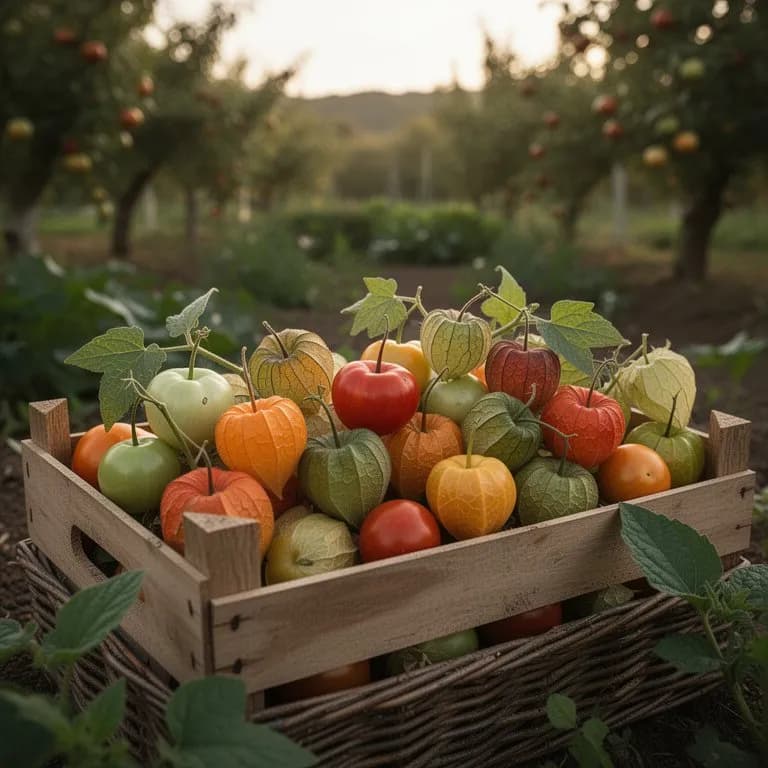
Ground cherries signal their ripeness by dropping to the ground in their papery husks, making harvest exceptionally easy. Simply collect the fallen husks from beneath the plant every few days. The fruit inside should be golden-yellow and slightly soft to the touch. Unripe green berries contain solanine and should not be eaten. Peel back the husk to check color before eating. The harvest period extends from midsummer through the first hard frost, with peak production in August and September. A single plant can produce hundreds of berries over the season.
assuming you plant when the window opens — set your real date
Pick Ground Cherry promptly and the plant keeps producing.
Storage & Preservation
Ground cherries are exceptional keepers when left in their papery husks, storing for two to three weeks at room temperature and up to three months in a cool location or refrigerator. The husk acts as a natural protective wrapper. For longer preservation, make ground cherry jam, which has a distinctive pineapple-vanilla flavor. The berries dry well in a dehydrator for use in trail mix and baking. They can be frozen after husking for smoothies and sauces. Ground cherry salsa and chutney are flavorful condiments.
What goes wrong — and the fix
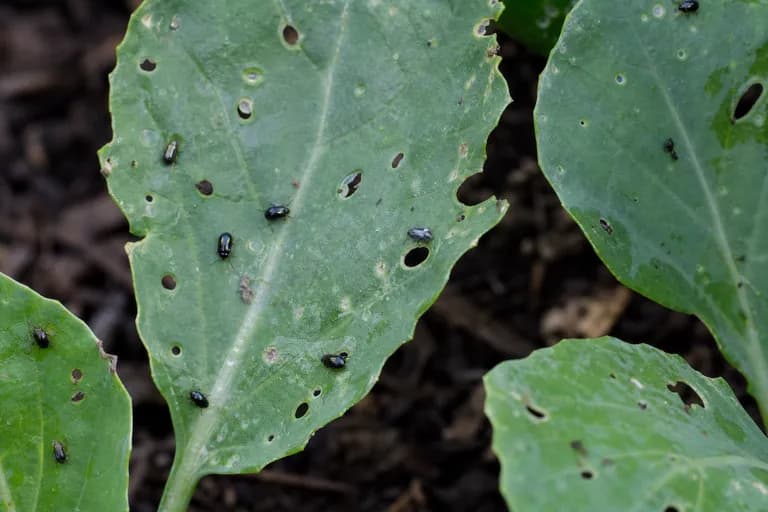
Flea Beetles
PestTiny round holes throughout leaves; worst on young transplants; plants may be stunted if damage is severe.
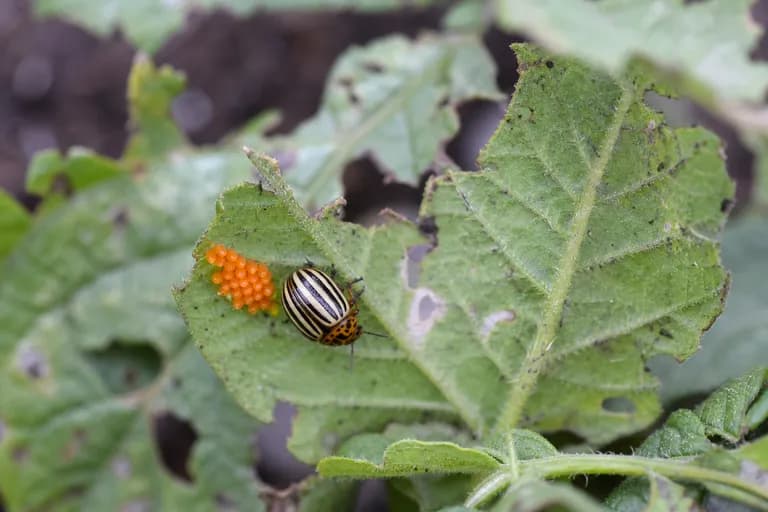
Colorado Potato Beetle
PestStriped adult beetles and red larvae defoliating plants; skeletonized leaves; reduced fruit production.
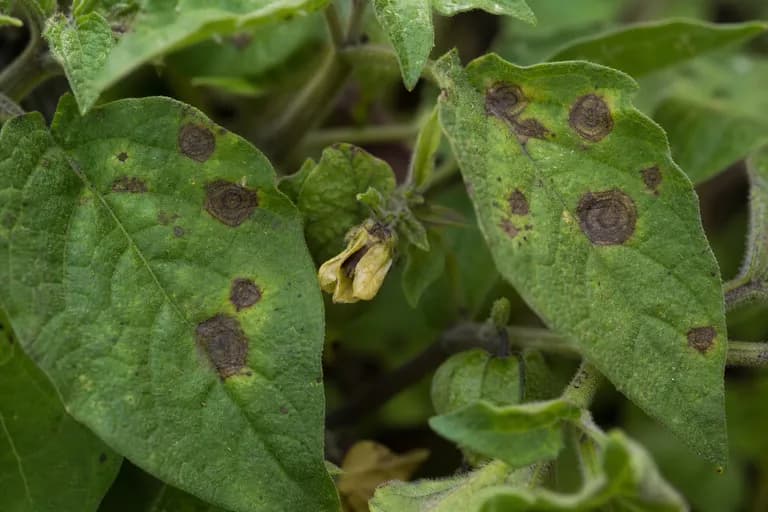
Alternaria Leaf Spot
DiseaseDark concentric-ringed spots on lower leaves; yellowing and progressive defoliation from the bottom up.
Troubleshooting Common Problems
The most common frustration is the long season required; in short-summer climates, fruits may not ripen before frost. Start seeds early indoors for the longest production window. The sprawling growth habit means fruit often hides under foliage and can be missed unless plants are checked regularly. Prolific self-seeding creates volunteer plants throughout the garden in subsequent years, which can be welcome or weedy depending on perspective. The green unripe berries contain solanine and are mildly toxic, requiring caution with young children. Late blight can affect plants in wet autumns.
Growing Tips
- Start seeds 8-10 weeks before your last expected frost date. Ground cherries have a long growing season from seed to harvest (70-90 days from transplant), so an early indoor start is important for maximizing your harvest window, particularly in zones with short summers.
- Ground cherries spread low and wide rather than growing tall, so allow generous spacing of at least 60-90 cm between plants. Their sprawling habit means that planting too closely leads to tangled, disease-prone growth and makes harvest difficult. Think of them as low, wide bushes rather than upright plants.
- Expect prolific self-seeding in subsequent years. Ground cherries drop many fruits that are never collected, and the seeds germinate reliably the following spring. Mark where your plants were so you recognize the volunteers, and thin them to desired spacing. Many gardeners find they never need to buy seeds again after the first year.
- Use low wire rings or tomato cages to keep the sprawling branches off the soil surface. Stems lying on moist ground are prone to fungal disease and make fruit collection difficult, as harvested fruits that drop get mixed with soil debris. Even a simple ring of wire fencing raised 30-40 cm above ground makes a significant difference.
- Avoid planting ground cherries in the same location as tomatoes, peppers, eggplant, or potatoes in consecutive years. As members of the same nightshade family, they share soil-borne diseases such as Verticillium and Fusarium wilt. Rotate ground cherries through a 3-4 year cycle with unrelated crops to prevent disease buildup.
- Save seeds easily by setting aside your sweetest, largest fruits. Cut them open, scoop the pulp into water, and stir to separate seeds from the gel. Pour off the floating debris and dry the sinking seeds on a paper towel for 1-2 weeks. Store in a labeled envelope in a cool, dry place. Germination rates remain high for 4-6 years.
- Ground cherries tolerate and even prefer slightly lean soil. Excessively fertile or heavily composted beds produce large, leafy plants with moderate fruit production. A moderate amount of balanced fertilizer or aged compost at planting, followed by potassium-rich tomato fertilizer once flowering begins, gives the best balance of plant health and fruit yield.
- Pay attention to the husk as a harvest guide. The fruit is not ready while the husk remains green, taut, and adhered to the plant. Harvest when the husk has turned tan or straw-colored, become papery and loose around the berry, and the fruit has dropped naturally to the ground or can be detached with the slightest touch. Green fruits contain mildly toxic glycoalkaloids.
- Ground cherries make an excellent companion plant near brassicas such as kale, cabbage, and broccoli, because their dense spreading foliage suppresses weeds around the base of taller plants. Their relationship with pollinators also benefits nearby crops. Avoid pairing them with fennel, which inhibits the growth of most nightshade family plants.
- For a sweeter, more intensely flavored fruit, allow the husked berries to rest at room temperature for 3-5 days after harvest before eating. Like tomatoes, ground cherries continue to develop flavor and sugar as they ripen off the plant. Refrigerating immediately after harvest halts this flavor development, so resist the temptation to chill them right away.
Grow your best Ground Cherry yet — and everything around it.
Start a free plan today. Lay out your beds, drop in your Ground Cherry, and let PlotMyGarden handle the timing, spacing, companions and reminders from seed to harvest basket.
Pick your Ground Cherry
Aunt Molly's
The most widely grown variety with sweet, intensely flavored golden berries; compact plants with heavy yields.
Cossack Pineapple
Noted for its exceptionally sweet pineapple-like flavor; slightly larger fruit than Aunt Molly's.
Goldie
A newer variety bred for larger fruit size and uniform ripening; excellent sweet flavor.
Mary's Niagara
A productive variety from the Niagara region with reliable performance in cooler growing seasons.
Ground cherries are a premium specialty item when found at farmers markets or gourmet grocers, typically priced at $5-10 per small punnet (150-200g). A single prolific plant yielding 300 or more berries represents an equivalent retail value of $75-150 or more. Starting from a $3-4 seed packet that provides 50+ seeds, the return on investment is extraordinary. The self-seeding habit of ground cherries means that in many gardens you effectively plant them only once — they return reliably year after year from dropped fruits, providing a permanent free crop with no recurring seed costs.
Quick recipes
Ground Cherry Jam
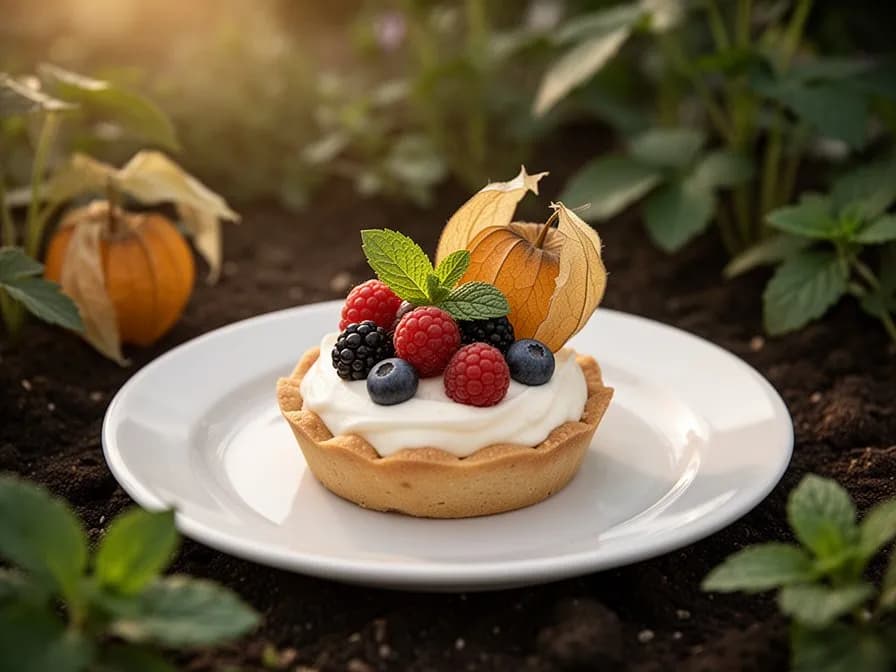
45 minA richly flavored, amber-golden jam with an unmistakable sweet-tropical aroma and a hint of vanilla. Ground cherries are naturally high in pectin and set beautifully without additional pectin. A small amount of lemon juice brightens the flavor and enhances the set. This jam is outstanding on sourdough toast, stirred into yogurt, or spooned over vanilla ice cream.
6 ingredients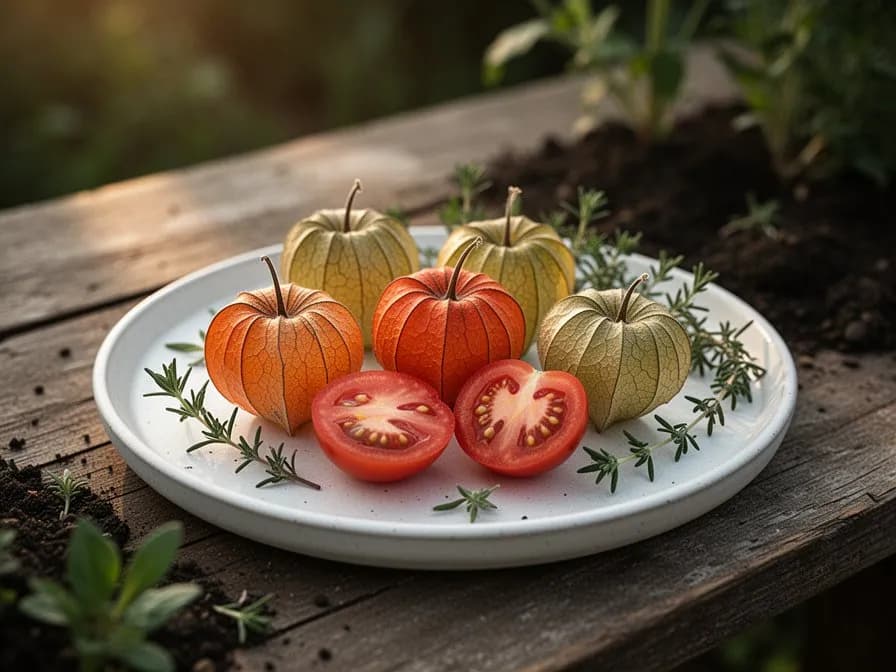
Heirloom Ground Cherry Pie
90 minA classic American heritage pie that turns ground cherries' natural caramel-vanilla flavor into a golden, bubbling filling under a flaky pastry lid. This recipe draws on Pennsylvania Dutch tradition and is one of the most delicious ways to use a bumper harvest. The filling thickens beautifully with the fruit's own natural pectin and a touch of cornstarch.
9 ingredientsGround Cherry Salsa with Jalapeño and Lime
15 minA bright, fresh salsa that uses ground cherries in place of tomatillos for a sweeter, more complex flavor. The natural acidity and sugar of ground cherries balance beautifully with jalapeño heat and lime juice. This salsa pairs beautifully with grilled fish tacos, roasted chicken, or simply as a dip with tortilla chips. No cooking required — just chop and combine.
8 ingredientsCulinary Uses
Ground cherries have a unique, complex flavor combining tropical pineapple sweetness with vanilla and a hint of tomato tartness. Eat them fresh as a snack, peeling back the husk for an instant treat. They are outstanding in pies and crumbles, either alone or mixed with apples. Ground cherry salsa is a unique twist on traditional versions, and the fruit makes exceptional chutney paired with warm spices. Toss into grain salads, scatter over ice cream, or bake into muffins. The jam is prized for its unusual and delightful tropical flavor.
What's inside
Health Benefits
- Ground cherries are a rich source of beta-carotene and vitamin A, providing approximately 14% of the daily recommended intake per 100g — essential for maintaining healthy vision, a robust immune response, and skin regeneration.
- They contain physalins, a class of bioactive withanolide compounds specific to the Physalis genus that have shown anti-inflammatory, antioxidant, and cytotoxic properties against certain cancer cell lines in laboratory studies, making them a subject of ongoing nutritional research.
- Their vitamin C content supports collagen formation, accelerates wound healing, enhances iron absorption from plant foods, and provides meaningful antioxidant protection against cellular oxidative stress.
- Ground cherries provide useful dietary fiber that feeds beneficial gut bacteria, supports regular bowel transit, and contributes to the feeling of satiety after eating — important for appetite management and metabolic health.
- They are a notable fruit source of niacin (vitamin B3), which supports energy metabolism, DNA repair mechanisms, and healthy neurotransmitter function in the nervous system.
- Their potassium content supports healthy blood pressure regulation by counteracting the effects of sodium, and contributes to proper muscle contraction and fluid balance throughout the body.
Where Ground Cherry comes from
Ground cherry (Physalis pruinosa) is a native North American species with deep roots in the agricultural traditions of Indigenous peoples across the eastern United States and Great Plains. Unlike its South American cousin the cape gooseberry (Physalis peruviana), ground cherry is truly a North American plant, found growing wild in disturbed soils, roadsides, and field margins from Ontario to Florida and west to the Dakotas. Archaeological evidence suggests that Native American groups including the Hopi, Zuni, Cherokee, and various Plains nations harvested and cultivated ground cherries for food long before European contact, using the fruit fresh, dried, and cooked into stews and sweet preparations.
European settlers encountered ground cherries within their first decades of arrival in North America and quickly recognized the plant's value. By the early 18th century, ground cherries appeared in American household gardens from New England to the Carolinas. Thomas Jefferson cultivated them at Monticello, and they featured in seed catalogs throughout the 19th century. The Pennsylvania Dutch and Amish communities of Pennsylvania and Ohio developed a particularly strong tradition around ground cherry preserves and pies, creating heirloom varieties and recipes that survive to this day. The variety Aunt Molly's ground cherry, still considered among the finest, traces its lineage to Polish immigrant communities in Pennsylvania who brought their own selected strains from Europe, where the plant had been introduced and naturalized by the 1600s.
Throughout the 20th century, ground cherries faded from mainstream American gardening as commercial food production became dominated by easily shippable, standardized fruits. However, their self-seeding nature and ease of growing kept them alive in heirloom and homesteading circles. The recent revival of interest in heritage vegetables, local food systems, and unusual flavors has brought ground cherries back to prominence. They now appear at farmers markets across the United States and Canada and have caught the attention of chefs who prize their unique flavor, natural packaging, and exceptional shelf life. In Europe, they are grown as a specialty crop in Poland, Germany, and France, where they are sometimes marketed as physalis or winter cherry.
Ground Cherry: did you know?
Fascinating facts about Ground Cherry
Ground cherries are one of North America's most underappreciated native fruits. Physalis pruinosa is indigenous to the eastern United States and was cultivated by Indigenous peoples of the Great Plains and Midwest long before European settlement. The Zuni, Hopi, and other Pueblo peoples considered it a valuable crop, and early European settlers quickly adopted it as a garden plant.
Ground Cherry questions, answered
When should I plant Ground Cherry?
What are good companion plants for Ground Cherry?
What hardiness zones can Ground Cherry grow in?
How much sun does Ground Cherry need?
How far apart should I space Ground Cherry?
What pests and diseases affect Ground Cherry?
How do I store Ground Cherry after harvest?
What are the best Ground Cherry varieties to grow?
What soil does Ground Cherry need?
How are ground cherries different from cape gooseberries?
Can I grow ground cherries in a container?
Are any parts of the ground cherry plant toxic?
Why are my ground cherry plants not producing fruit?
Do ground cherries really come back every year on their own?
What is the best way to use a large ground cherry harvest?
You just read the theory. Now grow it on autopilot.
Everything that makes Ground Cherry fiddly — the timing, the spacing, the companions, the harvest window — is exactly what PlotMyGarden handles for you, for every plant in your garden.
A plan that knows your weather
Set your location once. Get sow, feed and harvest dates built around your real last-frost date and live forecast — no more guessing from a generic seed packet.
From the “When to plant” sectionDrag-and-drop bed planner
Design beds on a grid. Every plant snaps to its proper spacing, and you can see your whole season laid out before you spend a cent on seed.
From the “Growing guide” sectionCompanion conflicts, caught early
200+ good-and-bad pairings checked live as you plant — so a season-wrecking mistake never makes it into the ground.
From the “Companions” sectionReminders you'll actually act on
“Water the beans.” “Pick today before it turns.” Timely, specific, and tied to the plants you're really growing.
From the “Harvest” sectionSuccession, scheduled
Want a harvest for six weeks, not six days? It spaces your sowings automatically and reminds you when each new block is due.
From the “When to plant” sectionA record that gets smarter
Every harvest you log teaches it your garden. Next year's plan starts from what actually worked in your soil, not a textbook's.
From the “Overview” sectionPlant these alongside Ground Cherry
More Berries
Keep Ground Cherry away from these
Grow your best Ground Cherry yet — and everything around it.
Start a free plan today. Lay out your beds, drop in your Ground Cherry, and let PlotMyGarden handle the timing, spacing, companions and reminders from seed to harvest basket.