Chinesischer Schnittlauch
Ein knoblauchgeschmackter Schnittlauch mit flachen, breiten Blättern, der in der chinesischen und koreanischen Küche für Teigtaschen, Pfannengerichte und Pfannkuchen unverzichtbar ist.





Auf dieser SeiteÜberblick
Chinesischer Schnittlauch im Überblick
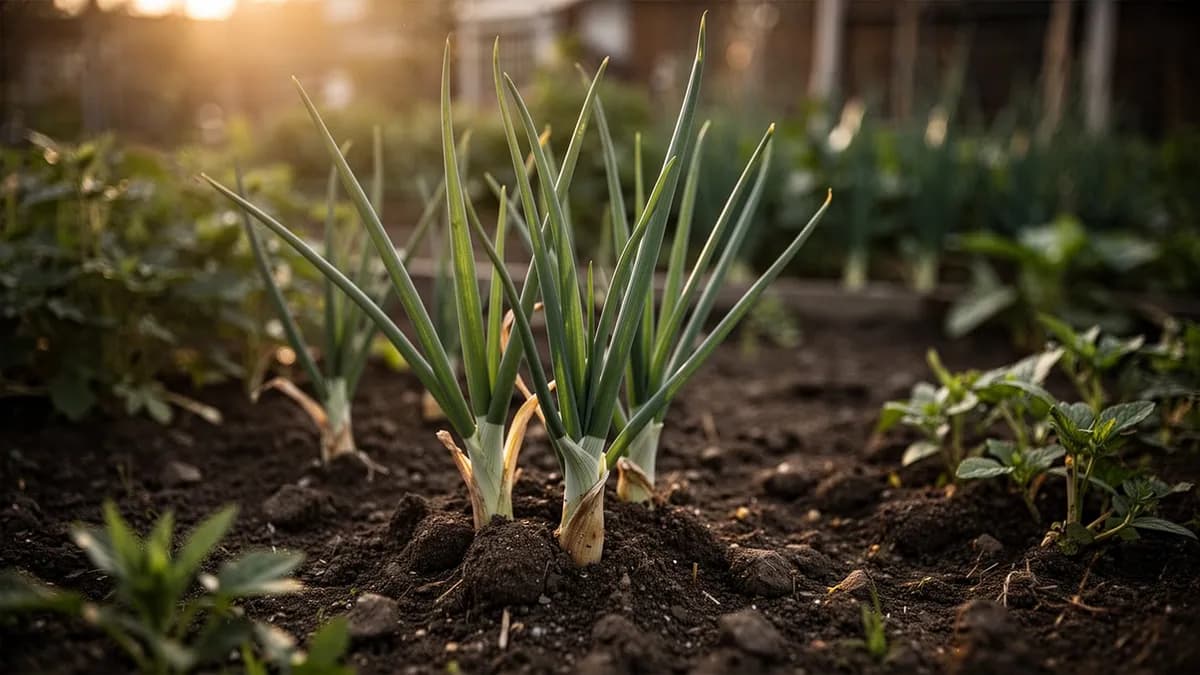
Ein knoblauchgeschmackter Schnittlauch mit flachen, breiten Blättern, der in der chinesischen und koreanischen Küche für Teigtaschen, Pfannengerichte und Pfannkuchen unverzichtbar ist. Im Gegensatz zu gewöhnlichem Schnittlauch haben diese Pflanzen einen ausgeprägten Knoblauchgeschmack statt eines Zwiebelgeschmacks. Die Pflanzen bilden attraktive weiße Blütendolden, die ebenfalls essbar sind und sich hervorragend als Garnierung eignen. Schneiden Sie die Blätter regelmäßig zurück, um zartes neues Wachstum zu fördern, und bleichen Sie Pflanzen unter einem Topf für gelben, besonders zarten Knoblauch-Schnittlauch.
Wann Chinesischer Schnittlauch pflanzen
Säen Sie Samen acht bis zehn Wochen vor dem letzten Frost in Anzuchtschalen oder Zellenplatten drinnen aus. Pflanzen Sie einen halben Zentimeter tief in feuchte Anzuchterde bei 18 bis 24 Grad Celsius. Die Keimung ist langsam und dauert vierzehn bis einundzwanzig Tage, also haben Sie Geduld und halten Sie die Erde gleichmäßig feucht. Verpflanzen Sie Sämlinge in Gruppen von vier bis sechs für ein volleres Erscheinungsbild. Für die Direktaussaat streuen Sie Samen im frühen Frühling auf vorbereiteten Boden und bedecken sie leicht. Chinesischer Schnittlauch etabliert sich im ersten Jahr langsam aus Samen, wird aber ab der zweiten Saison ein kräftiger Produzent.
Dein Chinesischer Schnittlauch-Jahr
Abgestimmt auf Zone 7 · typische Saison · Frost geht um den 2. Apr. und kehrt um den 1. Nov. zurück
Chinesischer Schnittlauch Mär – Mai pflanzen, Mai – Okt ernten. Beachte die Pflanzmethoden unten und wähle dein Klima für passende Zeiträume.
So baust du Chinesischer Schnittlauch an
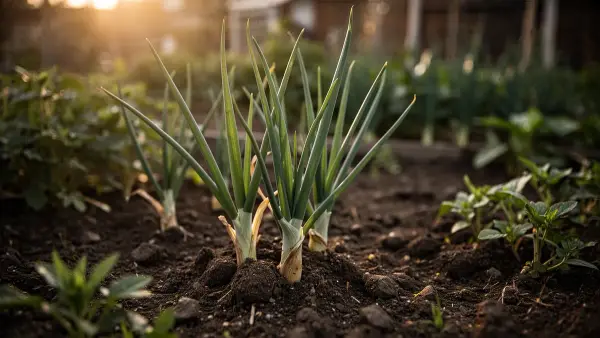
Säen Sie chinesische Schnittlauchsamen acht bis zehn Wochen vor dem letzten Frost drinnen aus, oder säen Sie im Frühling direkt, sobald der Boden 10 Grad Celsius erreicht. Die Samen keimen langsam in vierzehn bis einundzwanzig Tagen bei 18 bis 24 Grad. Säen Sie einen halben Zentimeter tief in Anzuchtschalen und halten Sie die Erde gleichmäßig feucht. Einmal etabliert, ist chinesischer Schnittlauch eine äußerst pflegeleichte Staude, die zuverlässig viele Jahre lang zurückkommt.
Verpflanzen Sie Setzlinge oder teilen Sie etablierte Horste im Frühling und halten Sie dabei einen Abstand von 30 bis 38 Zentimetern in reichhaltigem, gut durchlässigem Boden. Chinesischer Schnittlauch wächst in attraktiven Horsten, die sich wunderschön als essbare Zierpflanzenränder eignen. Er verträgt Halbschatten, entwickelt aber den besten Geschmack an der vollen Sonne mit mindestens sechs Stunden direktem Licht. Mulchen Sie um die Pflanzen herum, um Feuchtigkeit zu bewahren und Unkraut zu unterdrücken.
Gießen Sie 2,5 Zentimeter pro Woche während der Wachstumszeit. Schneiden Sie die Blätter alle vier bis sechs Wochen auf fünf Zentimeter über dem Boden zurück, um zartes neues Wachstum anzuregen. Entfernen Sie Blütenstiele, um die Energie in die Blattproduktion umzuleiten, es sei denn, Sie wünschen die essbaren Blüten oder Selbstaussaat. Chinesischer Schnittlauch kann sich durch Samen aggressiv ausbreiten, wenn die Blüten ausreifen. Teilen Sie Horste alle drei bis vier Jahre, um die Vitalität zu erhalten.
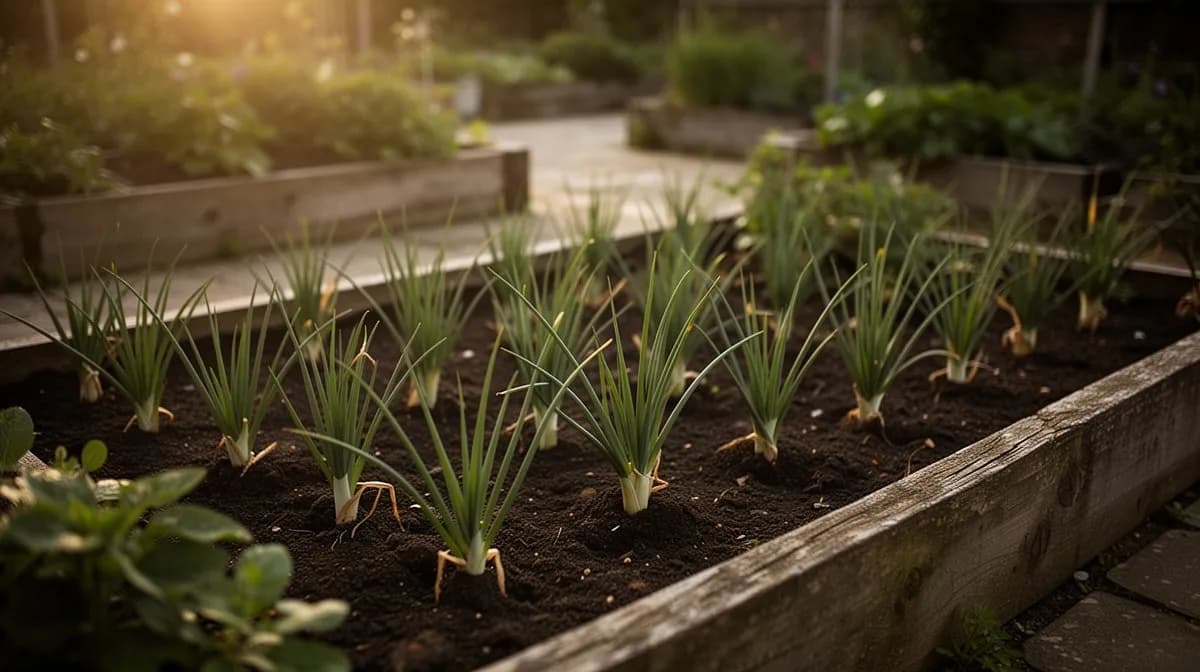
128 Pflanzen passen in ein Beet von 120 × 240 cm
Chinesischer Schnittlauch braucht 15 cm Platz pro Pflanze. Der Planer hält diesen Abstand für dich ein — jede Pflanze, jedes Beet.
Die besten Nachbarn für Chinesischer Schnittlauch
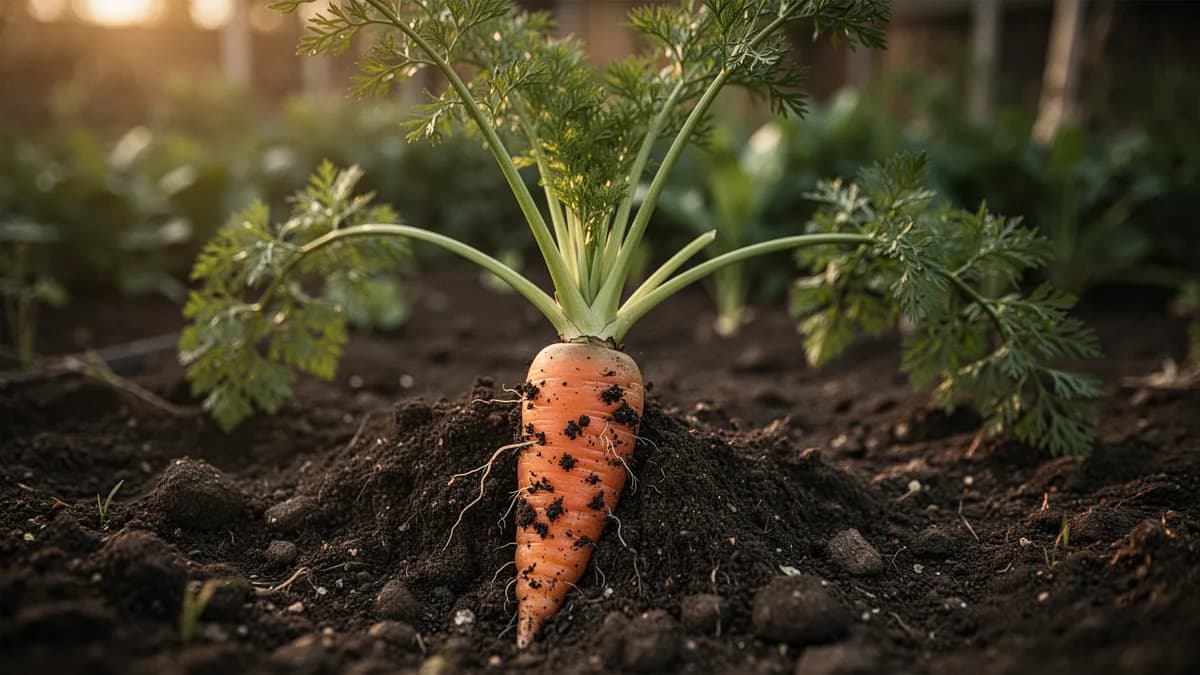
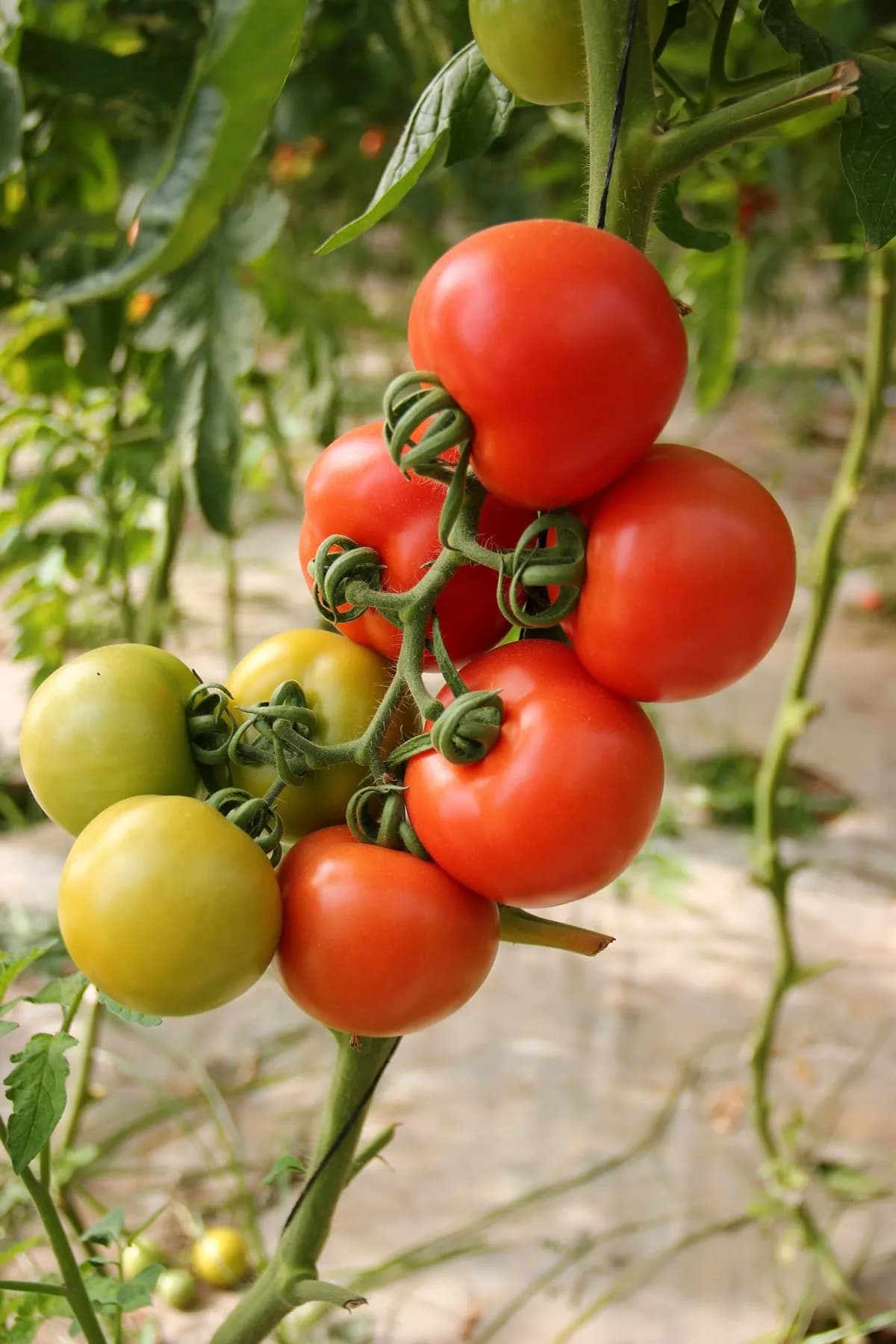
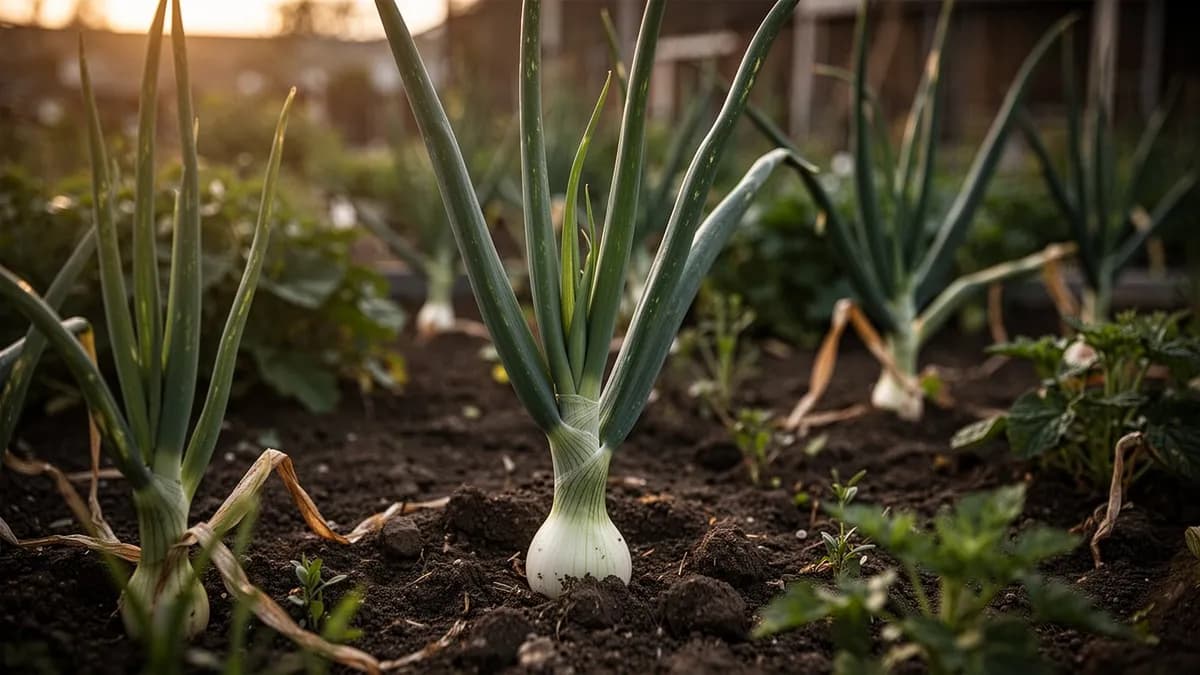
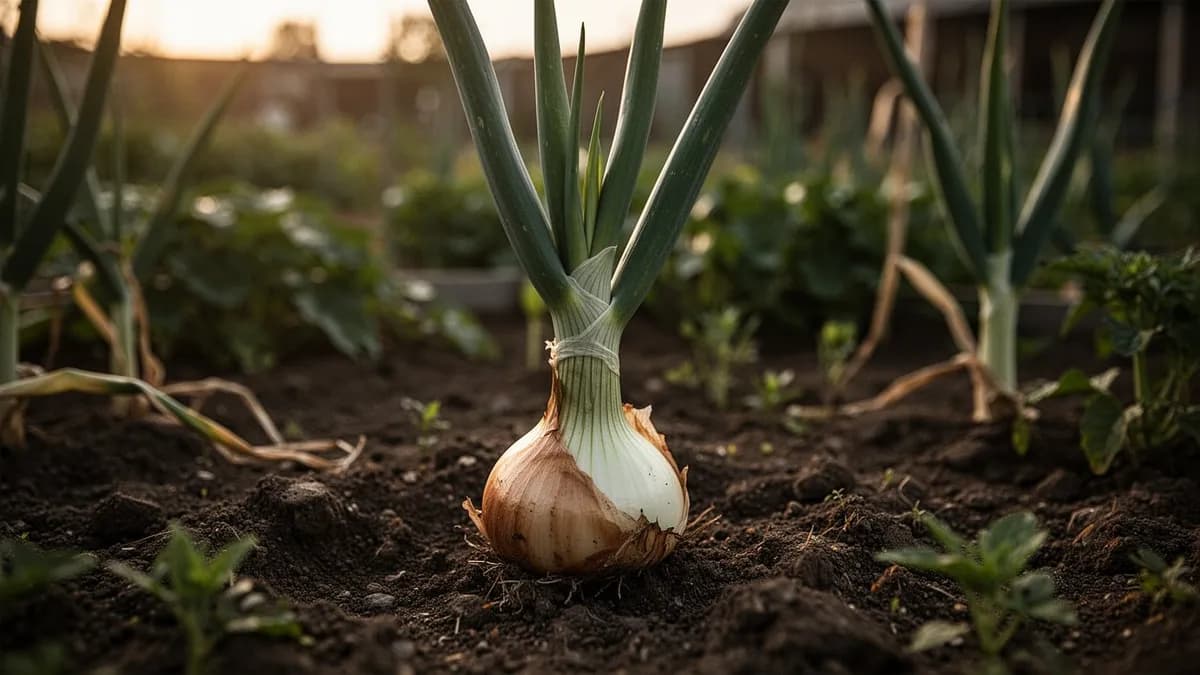
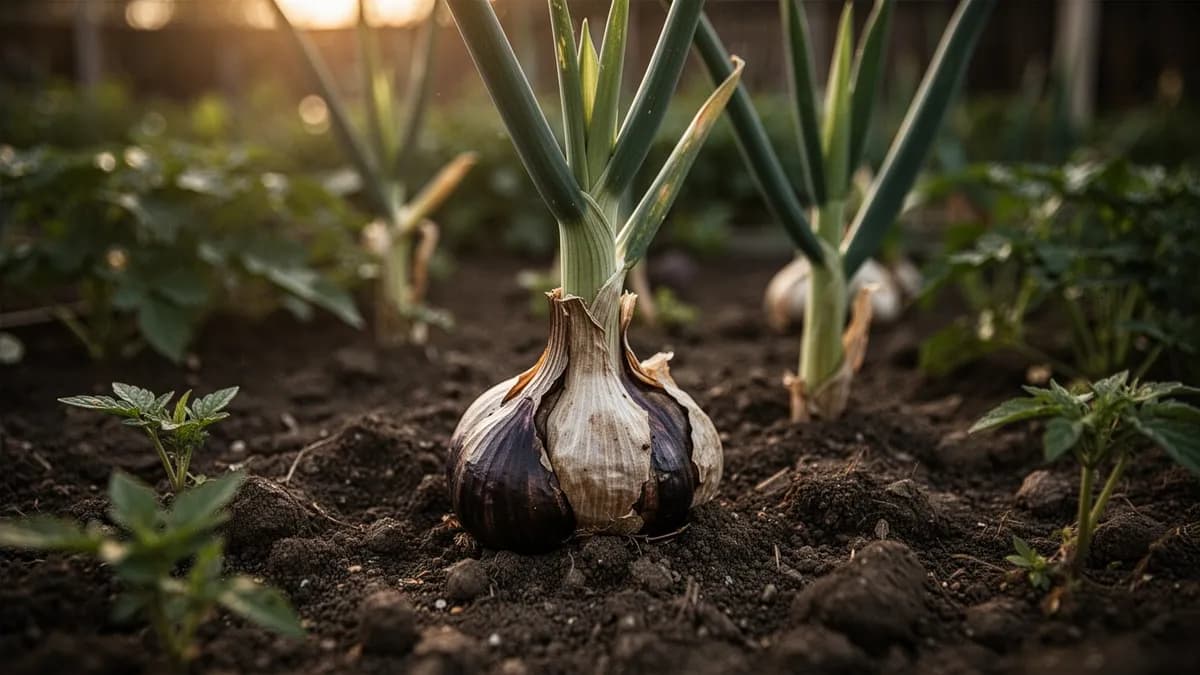
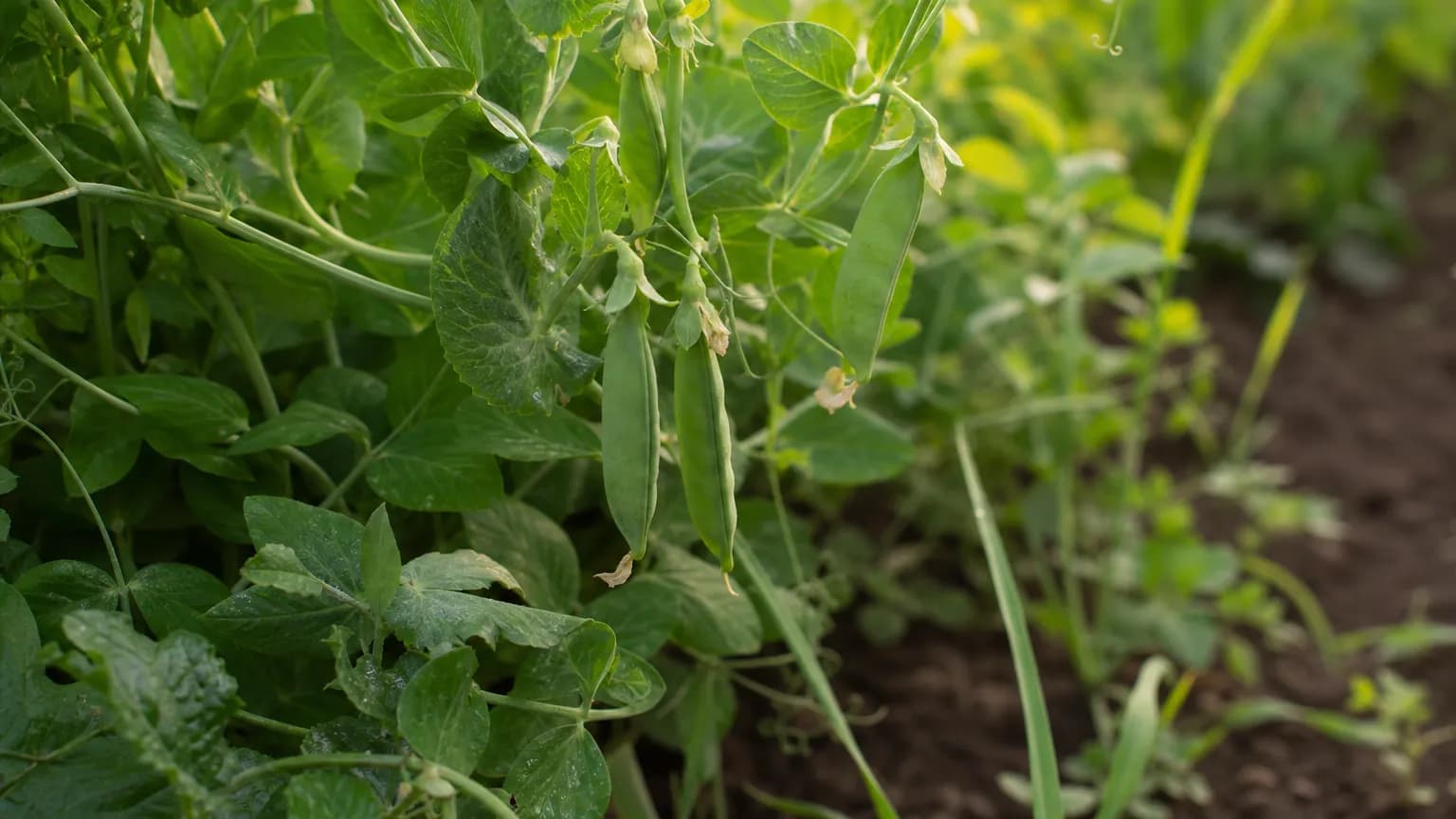
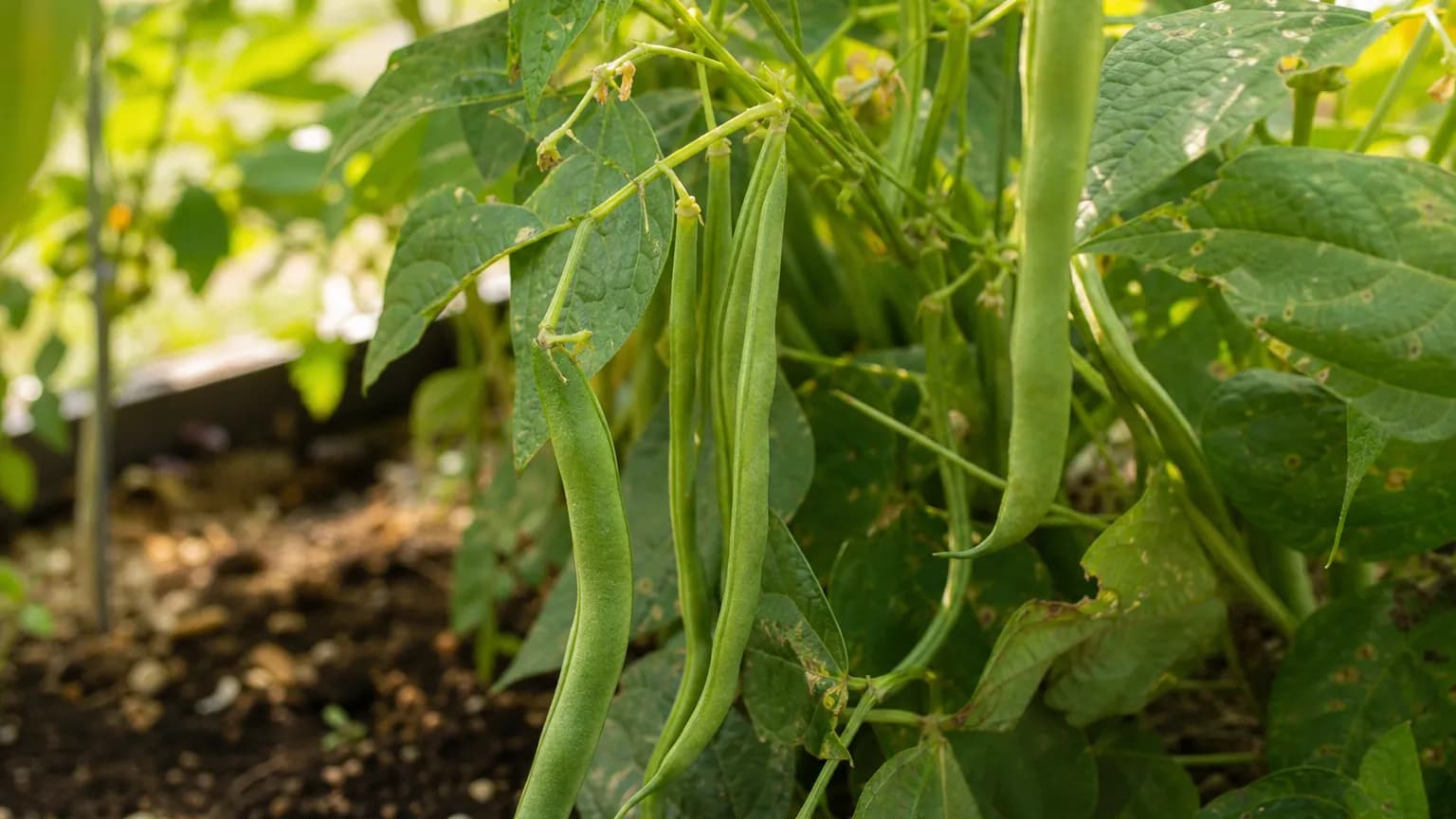
Chinesischer Schnittlauch ist eine hervorragende Begleitpflanze für Karotten und Tomaten, da sein Knoblauchduft die Möhrenfliege und Blattläuse abschreckt. Pflanzen Sie ihn als Rand um Gemüsebeete für dekorativen Reiz und Schädlingsabwehr. Die weißen Blüten ziehen nützliche Bestäuber und Raubinsekten an. Pflanzen Sie ihn zwischen Rosen, um Japankäfer und Blattläuse abzuschrecken. Vermeiden Sie das Pflanzen in der Nähe von Erbsen und Bohnen, da Lauchgewächse das Wachstum von Hülsenfrüchten hemmen können. Halten Sie Abstand zu anderen Lauchgewächsen, um gemeinsame Schädlings- und Krankheitsübertragungen zu reduzieren.
Karotte gehört daneben. Erbsen nicht.
Altes Gärtnerwissen, geprüft an der echten Nachbartabelle von Chinesischer Schnittlauch — teste jede Pflanze, die du anbaust.
Probiere Chinesischer Schnittlauch direkt hier im Beet
Ein echtes Planer-Beet, Chinesischer Schnittlauch steht schon drin. Tippe einen Begleiter an, platziere ihn und sieh, wie die Nachbarschaftsprüfung antwortet — grün für gute Nachbarn, rot bei Streit.


Passende Anbau-Ratgeber
Richtig düngen
Chinesischer Schnittlauch wächst am besten in fruchtbarem, gut durchlässigem Boden mit einem pH-Wert von 6,0 bis 7,0. Verbessern Sie die Pflanzfläche vor dem Anlegen neuer Pflanzen mit fünf bis acht Zentimetern reifem Kompost. Wenden Sie im frühen Frühling, wenn das Wachstum wieder einsetzt, einen ausgewogenen organischen Dünger an und ergänzen Sie nach jedem größeren Schnitt einen stickstoffreichen Dünger, um das Nachwachsen zu fördern. Mehrjährige Horste profitieren von einer jährlichen Kompostauflage im Frühling. Vermeiden Sie schwere Lehmböden, die übermäßige Feuchtigkeit zurückhalten und Wurzelfäule fördern. Ausreichend Phosphor unterstützt eine starke Wurzelentwicklung für langlebige mehrjährige Horste.
Ideale Temperatur
Winterhärtezone-Kompatibilität
Von der Saat zur Ernte, Schritt für Schritt
Samenkeimung
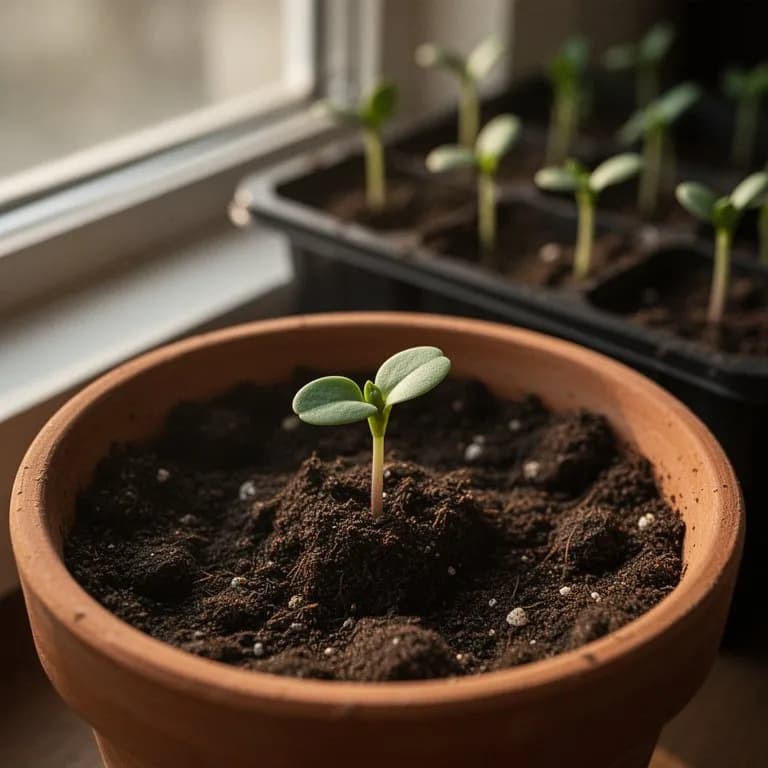
Chinesische Schnittlauchsamen sind klein, schwarz und eckig. Sie keimen langsam in warmem Boden und brauchen typischerweise 14-21 Tage, um aufzugehen. Das erste Wachstum erscheint als einzelner dünner, grasähnlicher Halm, der leicht mit einem Unkraut verwechselt werden kann. Samen benötigen Bodentemperaturen von mindestens 15°C für eine zuverlässige Keimung, wobei der optimale Bereich 20-25°C beträgt.
Sämlingsentwicklung
Zusätzliche dünne Blätter wachsen nach und nach vom zentralen Wachstumspunkt. Das Wachstum ist in dieser Phase langsam, da die Pflanze Energie in die Entwicklung eines starken Wurzelsystems investiert. Sämlinge sehen aus wie dünne Grasbüschel und sind so empfindlich, dass Unkräuter sie leicht überwuchern können, wenn sie unkontrolliert wachsen.
Vegetatives Wachstum
Die Pflanzen beginnen, die charakteristischen flachen, riemenförmigen Blätter mit zunehmender Geschwindigkeit zu produzieren. Der Horst wird dichter, da die Pflanze an ihrer Basis bestockt und von expandierenden Rhizomen mehrere Blatttriebe aussendet. Gegen Ende dieser Phase hat eine gesunde Pflanze 15-25 Blätter und das knoblauchartige Aroma wird deutlich, wenn das Laub berührt wird.
Erste Erntereife
Pflanzen erreichen erntbare Größe mit dichten Horsten von 20-40 Blättern, je 30-40 cm hoch. Die Blätter sind am zartesten und geschmackvollsten, bevor Blütenstiele erscheinen. Erstjahrspflanzen sollten leicht geerntet werden, um die weitere Wurzeletablierung zu ermöglichen, aber ab dem zweiten Jahr können alle 3-4 Wochen während der Wachstumssaison volle Ernten eingeholt werden.
Blüte
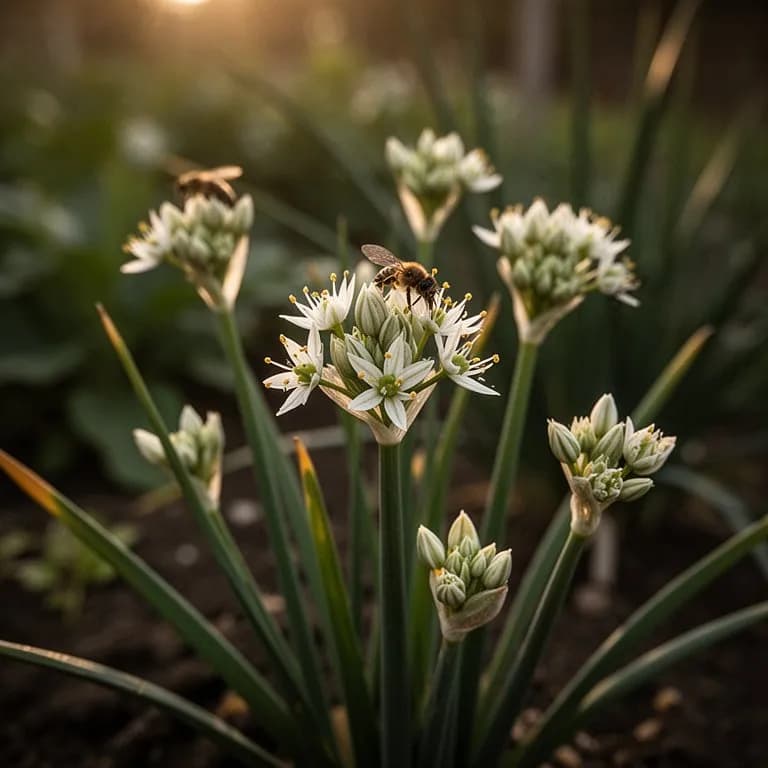
Steife, runde Blütenstiele ragen im Spätsommer über das Laub, jeder mit einem kugelförmigen Büschel weißer, sternförmiger Blüten. Die Blüten duften und ziehen große Mengen an Bienen und nützlichen Insekten an. Sobald die Blüte beginnt, nimmt die Blattqualität ab, da die Pflanze ihre Energie in die Samenproduktion lenkt.
Ruhe und Erneuerung
Nach dem Frost stirbt das Laub bis auf den Boden zurück und die Pflanze tritt in die Winterruhe ein. Das Rhizom-Wurzelsystem übersteht Temperaturen bis -30°C und speichert Energie für kräftiges Frühjahrsnachwachsen. Jedes Jahr weitet sich der Horst nach außen aus, wenn neue Rhizomteilungen entstehen, und etablierte Pflanzen kommen jeden folgenden Frühling früher und kräftiger heraus.
Säen Sie Samen 6 mm tief in feuchte Anzuchterde und halten Sie diese gleichmäßig feucht, aber nicht staunass. Bodenheizung durch eine Matte beschleunigt die Keimung erheblich. Haben Sie Geduld – langsame Keimung ist normal und kein Zeichen für Misserfolg.
Chinesischer Schnittlauch Monat für Monat pflegen
Was du jeden Monat für deine Chinesischer Schnittlauch tun solltest
Oktober
Aktueller MonatBewässerung reduzieren, wenn das Wachstum nachlässt. Verbleibende Blütenstiele und vergilbendes Laub entfernen. In Zonen 4-6 nach dem ersten starken Frost 5-8 cm Mulch zum Winterschutz auftragen. In milden Zonen können leichte Ernten bis in den Herbst fortgesetzt werden.
Immer wissen, was jetzt im Garten zu tun ist
Eine E-Mail zum Monatsanfang: was du jetzt säen, pflanzen und anpacken solltest — für deine Chinesischer Schnittlauch und alles, was drumherum wächst. Dazu ein kurzer Startkurs, der dich vor den klassischen Fehlern bewahrt.
- Was jetzt zu tun ist
- Passend zu deiner Saison
- Startkurs inklusive
Chinesischer Schnittlauch ernten
Beginnen Sie mit der Ernte von chinesischem Schnittlauch, wenn die Blätter 15 bis 20 Zentimeter hoch sind – typischerweise 50 bis 60 Tage nach der Aussaat beim ersten Schnitt. Schneiden Sie die Blätter mit einer sauberen Schere oder einem scharfen Messer fünf Zentimeter über dem Boden ab. Ernten Sie zuerst die äußeren Blätter oder schneiden Sie den gesamten Horst für die Massenernte. Die Pflanzen wachsen schnell nach und können alle drei bis vier Wochen in der Saison geschnitten werden. Die flachen Blätter werden am besten morgens nach dem Abtrocknen des Taus geerntet. Blütenknospen und offene Blüten sind ebenfalls essbar und können als Gourmet-Zutat geerntet werden.
angenommen, du pflanzt zu Beginn des Zeitraums — trage dein tatsächliches Datum ein
Ernte Chinesischer Schnittlauch zügig, dann trägt die Pflanze weiter.
Lagerung & Konservierung
Frischer chinesischer Schnittlauch hält sich im Kühlschrank bis zu einer Woche, in feuchte Papiertücher gewickelt und in einem verschlossenen Beutel. Zum Einfrieren die Blätter hacken und flach auf einem mit Backpapier ausgelegten Blech einfrieren, bevor sie für bis zu sechs Monate in Gefrierbeutel umgefüllt werden. Gefrorener Schnittlauch eignet sich gut für gekochte Gerichte wie Teigtaschen und Pfannengerichte. Gehackte Blätter bei 43 Grad Celsius trocknen für ein haltbares Gewürz. Chinesischer Schnittlauch kann auch in aromatischen Ölen und Essigen konserviert werden, wobei bei in Öl eingelegten Knoblauchgewächsen Vorsicht geboten ist, um das Botulismus-Risiko zu vermeiden.
Was schiefgeht — und die Lösung
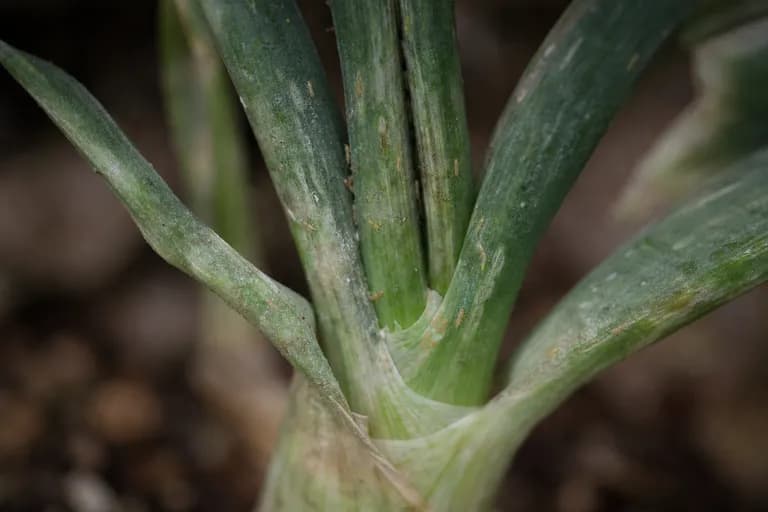
Zwiebelthrips
SchädlingSilbrige Streifen auf flachen Blättern, verzerrte Blattspitzen und verringerte Pflanzenvitalität durch winzige Insekten, die sich zwischen den Blattfalten ernähren.
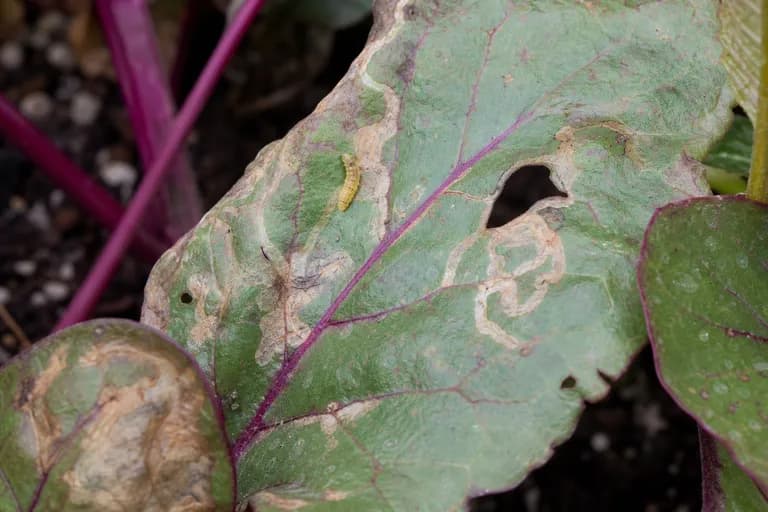
Minierfliege
SchädlingGewundene weiße Spuren in den Blättern, wo Larven durch das Gewebe tunneln, was die Photosynthese und die Pflanzengesundheit beeinträchtigt.
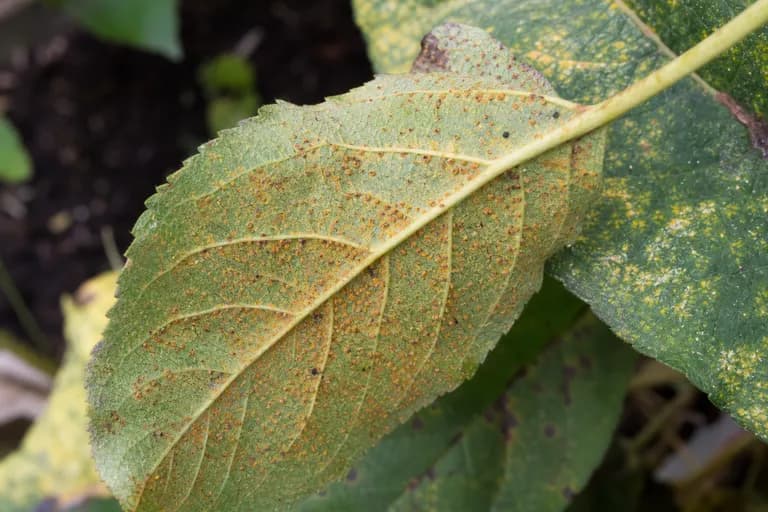
Rost
KrankheitOrange bis rotbraune Pusteln auf Blättern, vergilbendes Laub und geschwächte Pflanzen bei feuchten Bedingungen.
Fehlerbehebung bei häufigen Problemen
Chinesischer Schnittlauch kann durch üppige Selbstaussaat invasiv werden, wenn Blütenköpfe ausreifen und Samen verstreuen. Entfernen Sie verblühte Blüten regelmäßig oder schneiden Sie Stiele vor dem Samenansatz ab. Zähe, faserige Blätter entstehen durch seltene Ernte; schneiden Sie regelmäßig zurück, um zartes neues Wachstum anzuregen. Horste nehmen nach drei bis vier Jahren ohne Teilung ab; heben Sie sie aus, teilen und pflanzen Sie Abschnitte in aufgefrischter Erde neu. Gelbe Blätter können auf Stickstoffmangel nach starker Ernte hinweisen; wenden Sie flüssigen Dünger an, um das Nachwachsen zu unterstützen. Bei nassen Bedingungen kann Wurzelfäule entstehen; sorgen Sie für hervorragende Drainage.
Anbautipps
- Pflanzen Sie chinesischen Schnittlauch in Gruppen von 6-8 Sämlingen statt einzeln. Die Gruppierung schafft schneller einen erheblichen Horst, ermöglicht frühere Ernten und erzeugt eine attraktivere Gartenshow. Behandeln Sie jede Gruppe für Abstandszwecke als eine Einheit.
- Ernten Sie, indem Sie den gesamten Horst 3 cm über der Krone mit einer scharfen Schere oder einem Messer schneiden – reißen Sie nie einzelne Blätter ab, was den Wachstumspunkt beschädigt und Krankheiten begünstigt. Ein sauberer Schnitt heilt schnell und fördert gleichmäßiges Nachwachsen.
- Gießen und düngen Sie sofort nach jeder Ernte. Chinesischer Schnittlauch reagiert dramatisch auf Nachernteversorgung – eine Gabe stickstoffreichen flüssigen Düngers und tiefes Gießen kann die Nachwachszeit von 4 Wochen auf 3 Wochen verkürzen.
- Verhindern Sie aggressive Selbstaussaat, indem Sie Blütenstiele entfernen, bevor Samenkapseln reifen. Chinesischer Schnittlauch sät sich reichlich selbst aus und kann invasiv werden, wenn Blüten zur Samenbildung zugelassen werden. Ernten Sie stattdessen die Blütenknospen zum Kochen.
- Teilen Sie Horste alle 3-4 Jahre im frühen Frühling, wenn neues Wachstum beginnt. Graben Sie den gesamten Horst aus, teilen Sie ihn in Abschnitte von 8-12 Trieben und pflanzen Sie in gleicher Tiefe neu. Dies verhindert das Absterben der Mitte, das alte, überfüllte Horste befällt.
- Versuchen Sie, einen Horst zu bleichen, um gelben Schnittlauch (Jiu Huang) zu produzieren, eine Delikatesse in der kantonesischen Küche. Bedecken Sie einen etablierten Horst für 2-3 Wochen mit einem umgekippten Eimer oder einem lichtdichten Topf. Die Blätter wachsen blassgelb mit süßerem, milderem Geschmack. Lassen Sie den Horst 6-8 Wochen an der vollen Sonne erholen, bevor Sie erneut bleichen.
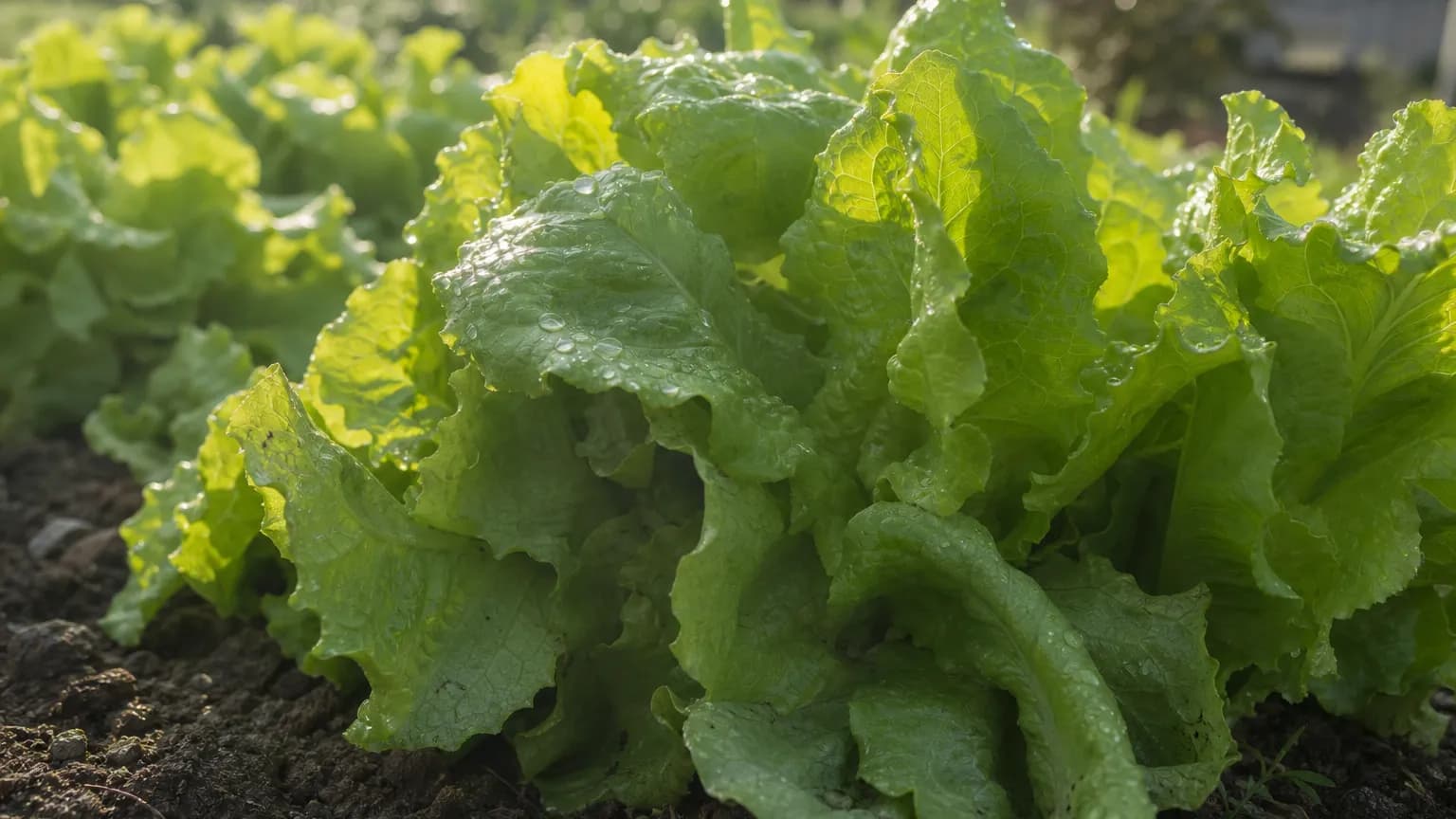
- Chinesischer Schnittlauch ist eine hervorragende Begleitpflanze im gesamten Gemüsegarten. Seine Schwefelverbindungen schrecken Blattläuse, Japankäfer und Möhrenfliegen ab. Pflanzen Sie ihn als Rand um Rosenbeete, in der Nähe von Obstbäumen oder zwischen Karotten- und Salatreichen.
- Für kontinuierliche Versorgung staffeln Sie Ihre Ernten über verschiedene Horste, anstatt alle auf einmal zu schneiden. Etablieren Sie 3-4 Horste und wechseln Sie die Ernten, sodass immer frische Blätter verfügbar sind, während andere Horste sich erholen und nachwachsen.
Bau deine beste Chinesischer Schnittlauch an — und alles drumherum.
Starte heute kostenlos. Lege deine Beete an, setze deine Chinesischer Schnittlauch ein und lass PlotMyGarden Timing, Abstände, Begleiter und Erinnerungen von der Saat bis zum Erntekorb übernehmen.
Finde deine Chinesischer Schnittlauch
Gewöhnlicher Chinesischer Schnittlauch
Standardsorte mit grünen Blättern und kräftigem Knoblauchgeschmack, die am weitesten verbreitete Form für kulinarische Zwecke.
Nira
Japanische Auswahl mit etwas breiteren Blättern und milderem Geschmack, beliebt für Gyoza-Füllungen und Yakisoba.
Gelber Schnittlauch (Jiu Cai Huang)
Gebleichter chinesischer Schnittlauch, der unter Abdeckung für blassgelbe, besonders zarte Blätter mit delikatem Geschmack angebaut wird.
Blühender Schnittlauch (Jiu Cai Hua)
Ausgewählt für reichliche Blütenstandsproduktion, als zarte Knospen zum Anbraten geerntet.
Chinesischer Schnittlauch ist ein Premiumkraut in asiatischen Lebensmittelgeschäften, typischerweise für 2-4 € pro kleines Bündel (100-150 g) verkauft, und in herkömmlichen Supermärkten noch teurer, wo er bis zu 5-6 € pro Bündel kosten kann. Ein einzelner etablierter Horst produziert das Äquivalent von 10-20 im Laden gekauften Bündeln pro Saison und liefert so frischen Schnittlauch im Wert von 25-80 € aus einem 2-3 € teuren Samentütchen oder einer kostenlosen Teilung aus dem Garten eines Nachbarn. Da die Pflanzen mehrjährig sind und sich jedes Jahr ausdehnen, ist der Lebenszeitwert außergewöhnlich – ein Horst kann 10-15 Jahre mit minimalem Aufwand produzieren und von einer einzigen Erstpflanzung aus hunderte Euro an frischem Schnittlauch liefern.
Schnelle Rezepte
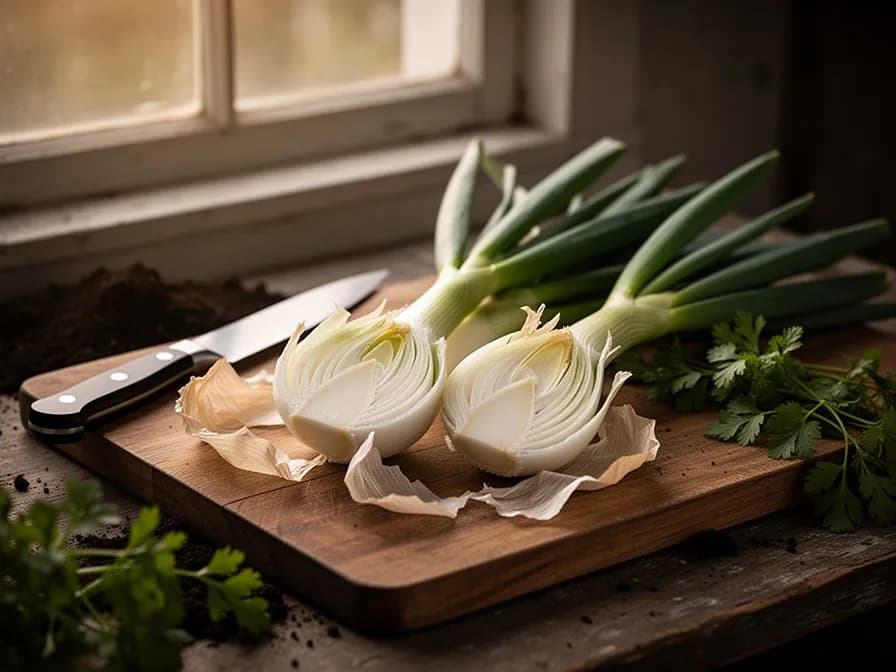
Chinesische Schnittlauch- und Schweinefleisch-Teigtaschen (Jiu Cai Jiao Zi)
45 Min.Das klassische chinesische Schnittlauchgericht – handgewickelte Teigtaschen gefüllt mit einer herzhaften Mischung aus fein gehacktem Schnittlauch, Hackfleisch vom Schwein, Ingwer und Sesamöl. In der Pfanne goldbraun gebraten und gedämpft, bis die Füllung saftig und aromatisch ist.
10 Zutaten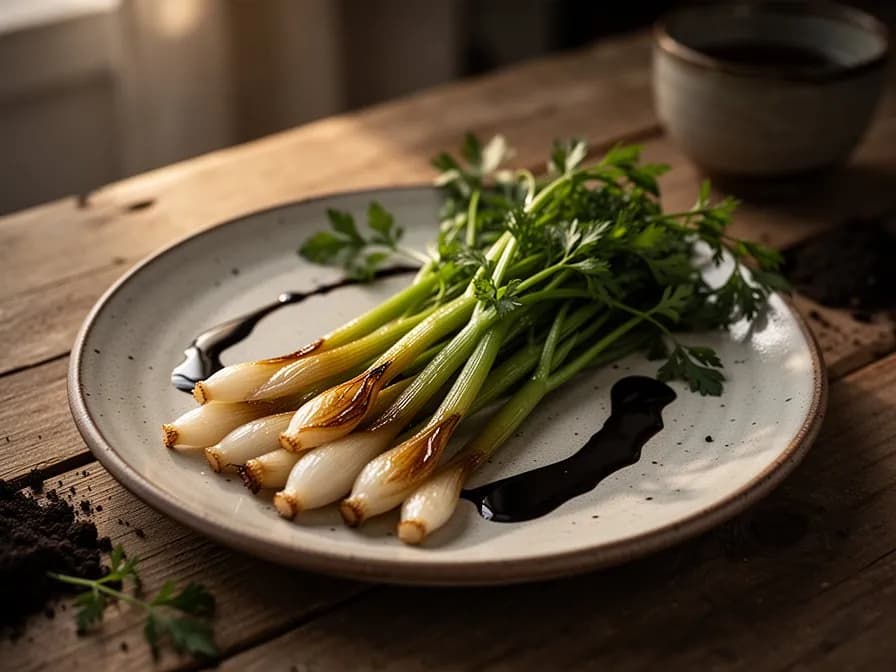
Gebratener chinesischer Schnittlauch mit Eiern
10 Min.Ein klassisches chinesisches Hausmannskostgericht, das in wenigen Min. zubereitet ist. Chinesischer Schnittlauch wird in 5-cm-Stücke geschnitten und mit leicht gerührten Eiern bei starker Hitze im Wok angebraten. Der süßliche Knoblauchduft des Schnittlauchs durchdringt die weichen, goldenen Eirührstücke.
6 ZutatenChinesische Schnittlauch-Pfannkuchen (Jiu Cai Bing)
30 Min.Knusprige, blättrige Fladenbrote, gefüllt mit einer großzügigen Füllung aus gehacktem chinesischen Schnittlauch und einem Hauch Sesam. Diese herzhaften Pfannkuchen sind ein beliebtes Straßenessen und Frühstücksgericht im gesamten Nordchina und Taiwan, mit einem befriedigenden Knacken außen und einem aromatischen, herzhaften Inneren.
8 ZutatenKulinarische Verwendung
Chinesischer Schnittlauch ist in der asiatischen Küche unverzichtbar und hat einen charakteristischen Knoblauch-Zwiebel-Geschmack. Hacken Sie ihn für Teigtaschen- und Potsticker-Füllungen, braten Sie ihn mit Eiern für ein klassisches chinesisches Frühstücksgericht an oder falten Sie ihn in herzhafte Pfannkuchen. Die flachen Blätter eignen sich gut in Suppen und Nudelgerichten. Blütenknospen sind eine Delikatesse, mit Schweinefleisch oder Garnelen angebraten. Gelber gebleichter Schnittlauch ist eine Premiumzutat in der kantonesischen Küche. Chinesischer Schnittlauch eignet sich auch für aromatische Kräuterbutter und Kräuteröle.
Was drinsteckt
Gesundheitsvorteile
- Reich an organoschwefligen Verbindungen ähnlich wie Knoblauch (insbesondere Allicin), die die Forschung mit antimikrobieller Aktivität, Herzkreislaufschutz und potenziellen Anti-Krebs-Eigenschaften durch die Induktion von Entgiftungsenzymen in Verbindung gebracht hat.
- Hervorragende Quelle für Vitamin A und Beta-Carotin, wobei 100 g über 50 % des täglichen Bedarfs liefern – entscheidend für die Aufrechterhaltung gesunder Sehkraft, die Unterstützung der Immunzellfunktion und den Schutz der Haut vor UV-Schäden.
- Enthält Vitamin C, das die Kollagenproduktion unterstützt, die Eisenaufnahme aus pflanzlichen Lebensmitteln verbessert und als wasserlösliches Antioxidans Zellen vor oxidativen Schäden schützt.
- Liefert außergewöhnlichen Vitamin-K-Gehalt (etwa 170 % TW pro 100 g), der für die ordnungsgemäße Blutgerinnung und die Aktivierung von Osteocalcin essenziell ist, einem Protein, das Kalzium ins Knochengewebe leitet.
- Die traditionelle chinesische Medizin hat chinesischen Schnittlauch seit Jahrtausenden zur Anregung der Durchblutung, Erwärmung des Körpers und Unterstützung der Verdauungsfunktion eingesetzt – moderne Forschung hat diese Verwendungen teilweise bestätigt, indem bioaktive Verbindungen mit gefäßerweiternden und verdauungsenzymstimulierenden Eigenschaften identifiziert wurden.
- Die Ballaststoffe und präbiotischen Verbindungen in chinesischem Schnittlauch unterstützen ein gesundes Darmmikrobiom, fördern eine regelmäßige Verdauung und können helfen, entzündliche Reaktionen im Magen-Darm-Trakt zu modulieren.
Woher Chinesischer Schnittlauch stammt
Chinesischer Schnittlauch (Allium tuberosum), auch Knoblauch-Schnittlauch oder Ku Chai genannt, ist in den Grasländern und Berghängen Zentral- und Ostasiens beheimatet, wobei das Ursprungszentrum in der Region des heutigen Mongolei, Nordchinas und Sibiriens vermutet wird. Archäologische Belege und alte Texte bestätigen seinen Anbau in China seit mindestens 3.000 Jahren, wo er sowohl als Nahrungspflanze als auch als Heilkraut geschätzt wurde. Das Shijing (Buch der Lieder), zusammengestellt um 600 v. Chr., erwähnt Schnittlauch als Opfergabe bei Ritualen, was auf seine kulturelle Bedeutung jenseits der Küche hinweist.
Von China aus verbreitete sich der Anbau entlang alter Handelsrouten und Migrationsmuster durch Ost- und Südostasien. Chinesischer Schnittlauch wurde zu einem Grundnahrungsmittel in der koreanischen Küche (Buchu), im japanischen Kochen (Nira) und in vietnamesischen Gerichten (Hẹ), wobei jede Kultur ihre eigenen charakteristischen Zubereitungen entwickelte. Koreanisches Schnittlauch-Kimchi (Buchu Kimchi), japanische Schnittlauch-Gyoza und vietnamesische Schnittlauch-Kuchen (Bánh Hẹ) spiegeln alle tief verwurzelte regionale Traditionen wider, die um dieses vielseitige Lauchgewächs aufgebaut wurden.
Chinesischer Schnittlauch gelangte im Mittelalter nach Europa, wahrscheinlich durch Seidenstraßen-Handelsverbindungen und klösterliche Kräutergärten eingeführt. Er wurde in europäischen Gärten hauptsächlich als Zier- und Heilpflanze und nicht als kulinarisches Grundnahrungsmittel angebaut. Die Pflanze wurde im 19. Jahrhundert von chinesischen Einwanderern in Nordamerika eingeführt, zunächst in Chinatown-Marktgärten entlang der Pazifikküste kultiviert. Heute wird chinesischer Schnittlauch kommerziell in China (mit Abstand der größte Produzent), Korea, Japan, Indien und zunehmend in westlichen Ländern angebaut, um asiatische Lebensmittelgeschäfte und das wachsende Interesse an vielfältigen Kräutern bei Hobbygärtnern zu bedienen.
Chinesischer Schnittlauch: Schon gewusst?
Faszinierende Fakten über Chinesischer Schnittlauch
Chinesischer Schnittlauch (Allium tuberosum) wird in China seit über 3.000 Jahren kultiviert, was ihn zu einem der ältesten kontinuierlich angebauten Gemüse in der Menschheitsgeschichte macht. Er wird in alten chinesischen Agrartexten aus der Zhou-Dynastie (1046-256 v. Chr.) erwähnt.
Chinesischer Schnittlauch: Fragen & Antworten
Wann sollte ich Chinesischer Schnittlauch pflanzen?
Was sind gute Begleitpflanzen für Chinesischer Schnittlauch?
In welchen Winterhärtezonen kann Chinesischer Schnittlauch wachsen?
Wie viel Sonne braucht Chinesischer Schnittlauch?
Welchen Abstand sollte ich zwischen Chinesischer Schnittlauch lassen?
Welche Schädlinge und Krankheiten befallen Chinesischer Schnittlauch?
Wie lagere ich Chinesischer Schnittlauch nach der Ernte?
Was sind die besten Chinesischer Schnittlauch-Sorten zum Anbauen?
Welchen Boden braucht Chinesischer Schnittlauch?
Was ist der Unterschied zwischen chinesischem Schnittlauch und gewöhnlichem Schnittlauch?
Wie verhindere ich, dass chinesischer Schnittlauch invasiv wird?
Kann ich chinesischen Schnittlauch im Winter drinnen anbauen?
Was ist gelber Schnittlauch und wie baue ich ihn an?
Warum sind meine chinesischen Schnittlauchblätter dünn und schwach?
Sind chinesische Schnittlauchblüten essbar?
Du hast die Theorie gelesen. Jetzt baue sie auf Autopilot an.
Alles, was Chinesischer Schnittlauch knifflig macht — das Timing, die Abstände, die Begleiter, das Erntefenster — genau das übernimmt PlotMyGarden für dich, für jede Pflanze im Garten.
Ein Plan, der dein Wetter kennt
Standort einmal festlegen. Aussaat-, Dünge- und Erntedaten rund um deinen echten letzten Frosttermin und die Live-Vorhersage — kein Raten mehr nach Saattüte.
Aus dem Abschnitt „Pflanzzeit“Beetplaner per Drag & Drop
Beete auf einem Raster gestalten. Jede Pflanze rastet im richtigen Abstand ein, und du siehst die ganze Saison, bevor du einen Cent für Saatgut ausgibst.
Aus dem Abschnitt „Anbau“Begleiter-Konflikte früh erkannt
Über 200 gute und schlechte Kombinationen werden beim Pflanzen live geprüft — so landet ein saisonruinierender Fehler nie in der Erde.
Aus dem Abschnitt „Begleiter“Erinnerungen, nach denen du wirklich handelst
„Gieß die Bohnen.“ „Heute ernten, bevor's umschlägt.“ Pünktlich, konkret und auf deine echten Pflanzen bezogen.
Aus dem Abschnitt „Ernte“Staffel-Aussaat, geplant
Sechs Wochen ernten statt sechs Tage? Die App verteilt deine Aussaaten automatisch und erinnert dich, wenn der nächste Satz fällig ist.
Aus dem Abschnitt „Pflanzzeit“Ein Verlauf, der schlauer wird
Jede protokollierte Ernte bringt der App deinen Garten bei. Der Plan fürs nächste Jahr startet bei dem, was in deinem Boden wirklich funktioniert hat.
Aus dem Abschnitt „Überblick“Pflanze diese neben Chinesischer Schnittlauch
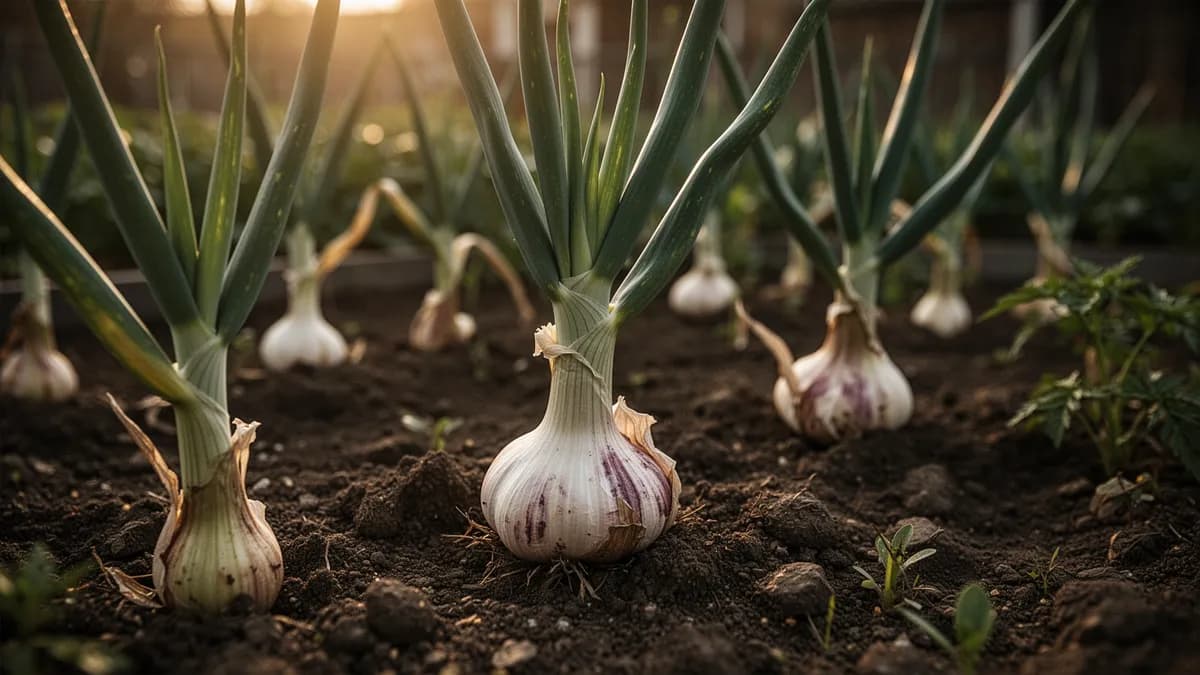
Weitere Lauchgewächse
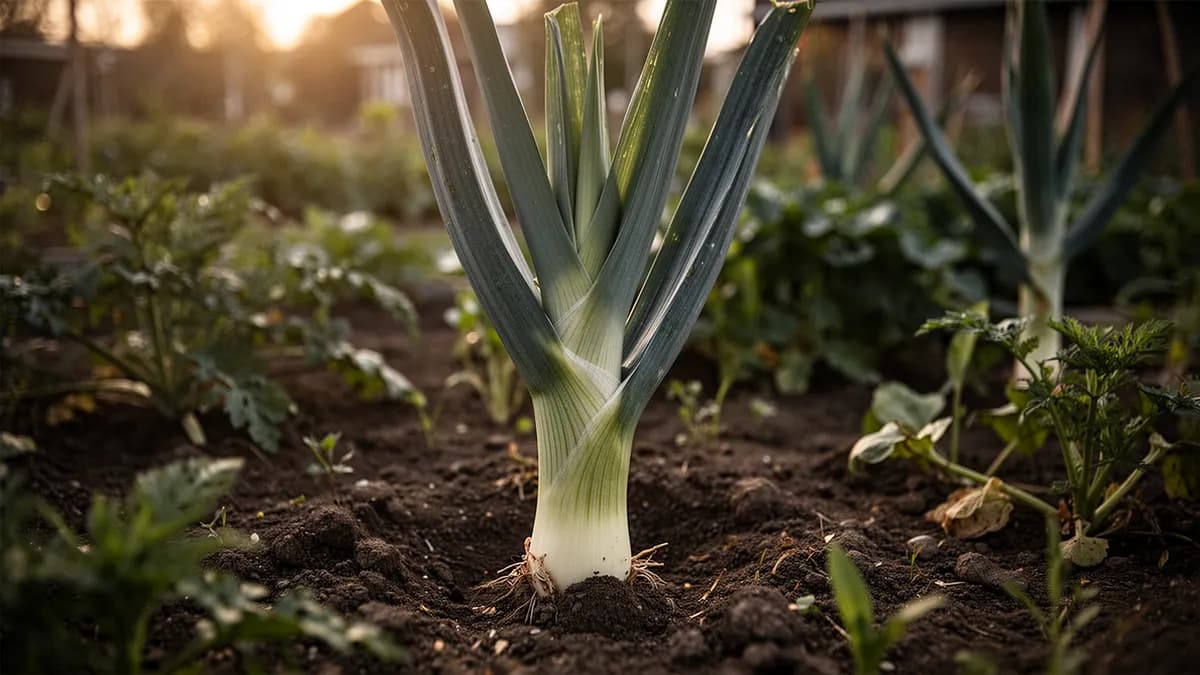
Halte Chinesischer Schnittlauch von diesen fern
Bau deine beste Chinesischer Schnittlauch an — und alles drumherum.
Starte heute kostenlos. Lege deine Beete an, setze deine Chinesischer Schnittlauch ein und lass PlotMyGarden Timing, Abstände, Begleiter und Erinnerungen von der Saat bis zum Erntekorb übernehmen.