Winterheckenzwiebel
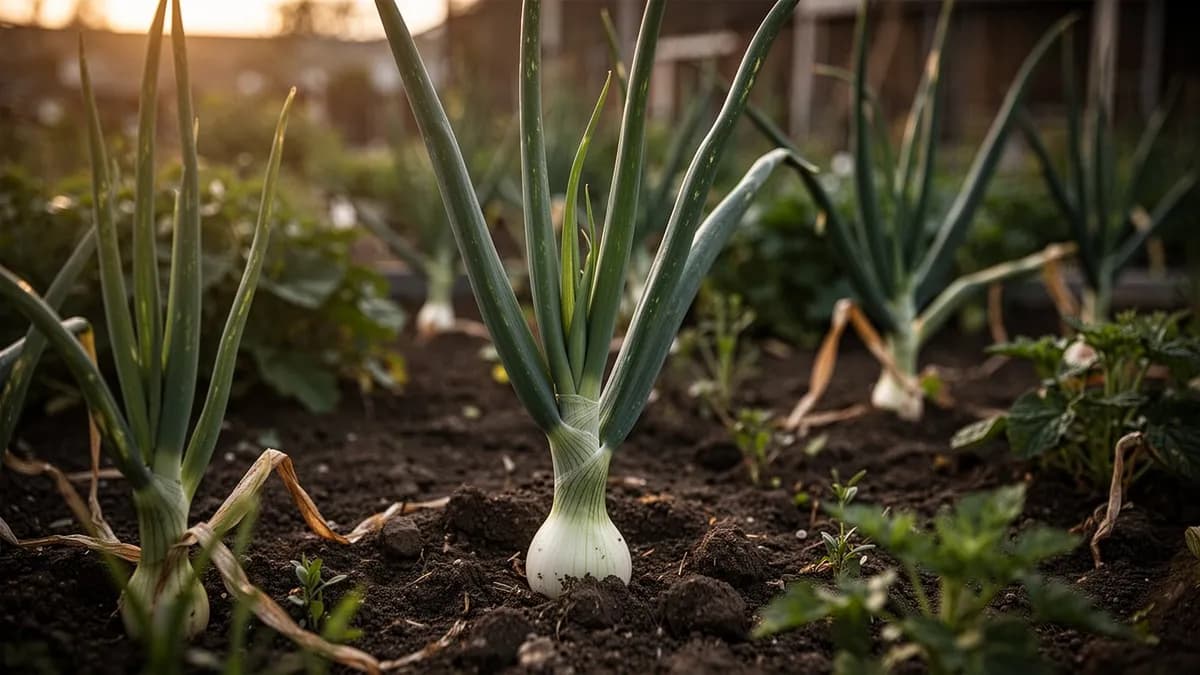
Eine mehrjährige Zwiebelart vom Lauchzwiebel-Typ, die Büschel schlanker grüner Stängel bildet, ohne eine Zwiebel auszubilden.





Auf dieser SeiteÜberblick
Winterheckenzwiebel im Überblick
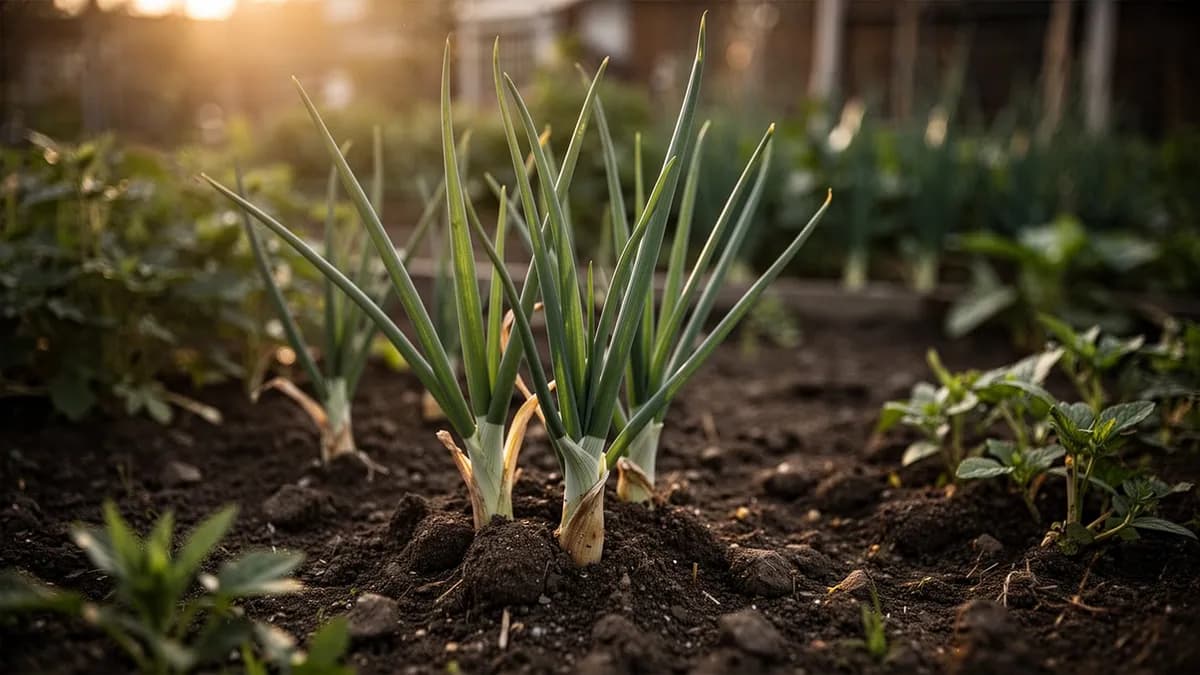
Eine mehrjährige Zwiebelart vom Lauchzwiebel-Typ, die Büschel schlanker grüner Stängel bildet, ohne eine Zwiebel auszubilden. Die Pflanzen vermehren sich durch Teilung an der Basis und bilden stetig wachsende Büschel, die in milden Klimazonen das ganze Jahr über geerntet werden können. Kälteresistenter und krankheitsfester als gewöhnliche Lauchzwiebeln, mit einem milderen, süßlicheren Geschmack. Büschel alle zwei bis drei Jahre teilen und neu pflanzen, um die Wuchskraft zu erhalten und Überfüllung zu vermeiden.
Wann Winterheckenzwiebel pflanzen
Samen vier bis sechs Wochen vor dem letzten Frost direkt ins Freie säen, einen halben Zentimeter tief in vorbereiteten Boden. Samen keimen in zehn bis vierzehn Tagen bei 10 bis 24 °C. Für einen früheren Start acht bis zehn Wochen vor der Umpflanzung drinnen in Zelltabletts oder Schalen säen. Sämlinge in Gruppen von drei bis fünf umsetzen für ein volleres Erscheinungsbild. Alle drei bis vier Wochen Folgesaaten anlegen für kontinuierliche Ernte. Samen können auch im Herbst für Überwinterungsernten in milden Klimazonen gestartet werden. Winterheckenzwiebeln säen sich bereitwillig selbst aus, wenn sie blühen dürfen.
Dein Winterheckenzwiebel-Jahr
Abgestimmt auf Zone 7 · typische Saison · Frost geht um den 2. Apr. und kehrt um den 1. Nov. zurück
Winterheckenzwiebel Mär – Apr, Aug – Sep pflanzen, Mai – Jul, Okt – Nov ernten. Beachte die Pflanzmethoden unten und wähle dein Klima für passende Zeiträume.
So baust du Winterheckenzwiebel an
Winterheckenzwiebelsamen vier bis sechs Wochen vor dem letzten Frost direkt ins Freie säen, da sie kühlen Boden und leichte Fröste vertragen. Samen einen halben Zentimeter tief in Reihen mit 15 bis 20 cm Abstand pflanzen oder breitflächig auf einem Beet verteilen. Die Keimung dauert zehn bis vierzehn Tage bei 10 bis 24 °C. Für eine kontinuierliche Versorgung alle drei bis vier Wochen von frühem Frühling bis frühem Herbst nachsäen.
Winterheckenzwiebeln gedeihen in gut vorbereiteten Beeten mit lockerem, nährstoffreichem Boden und gleichmäßiger Feuchtigkeit. Vor dem Pflanzen fünf Zentimeter reifen Kompost einarbeiten. Sämlinge auf fünf bis acht Zentimeter Abstand ausdünnen, sobald sie Bleistiftstärke erreichen, und die Ausdünnungen in der Küche verwenden. Diese vielseitigen Alliums wachsen gut in Gartenbeeten, Behältern und sogar Fensterkastenplantern. Sie eignen sich auch hervorragend als Beetrandpflanzen entlang von Wegen und zwischen höheren Kulturen.
Regelmäßig gießen, um den Boden gleichmäßig feucht, aber nicht wassergesättigt zu halten, etwa 2,5 cm pro Woche. Alle paar Wochen Erde an der Pflanzenbasis anhäufeln, um die weißen Stängel zu bleichen und den zarten essbaren Anteil zu verlängern. Winterheckenzwiebeln sind mehrjährig und überwintern in den meisten Klimazonen, um im Frühling kräftig wieder auszutreiben. Etablierte Büschel alle zwei bis drei Jahre teilen, um Überfüllung zu verhindern und kräftiges Wachstum zu erhalten. Im Frühling für etablierte mehrjährige Flächen eine leichte Kompostabdeckung auftragen.
288 Pflanzen passen in ein Beet von 120 × 240 cm
Winterheckenzwiebel braucht 10 cm Platz pro Pflanze. Der Planer hält diesen Abstand für dich ein — jede Pflanze, jedes Beet.
Die besten Nachbarn für Winterheckenzwiebel
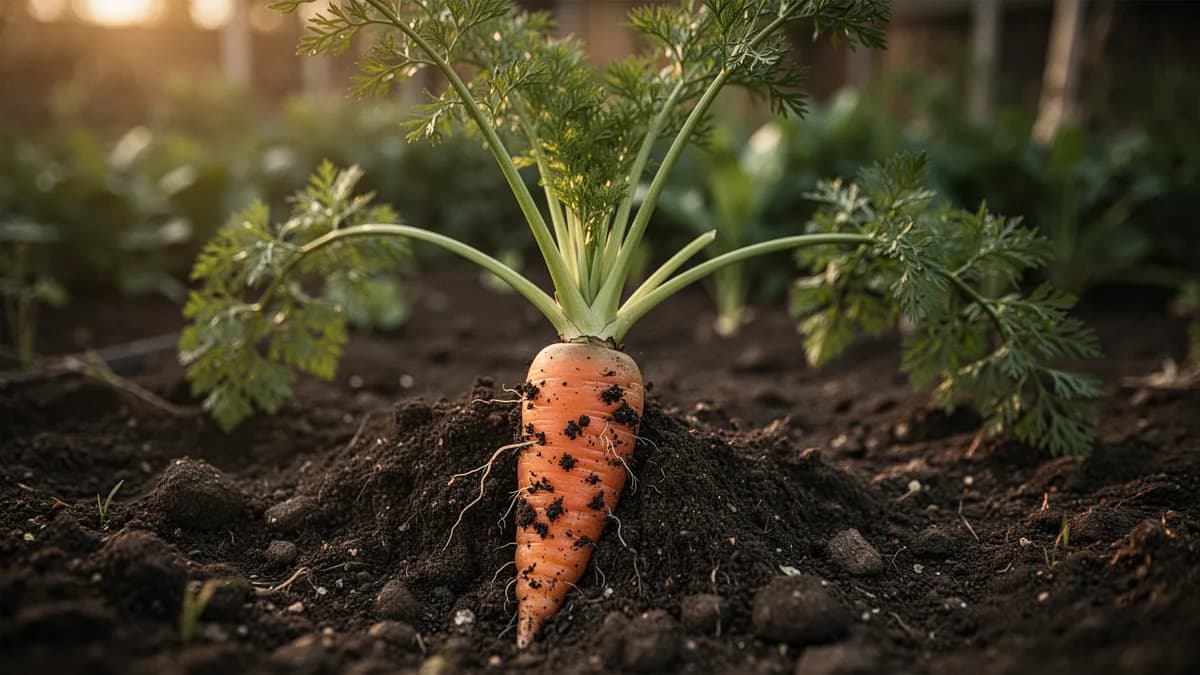
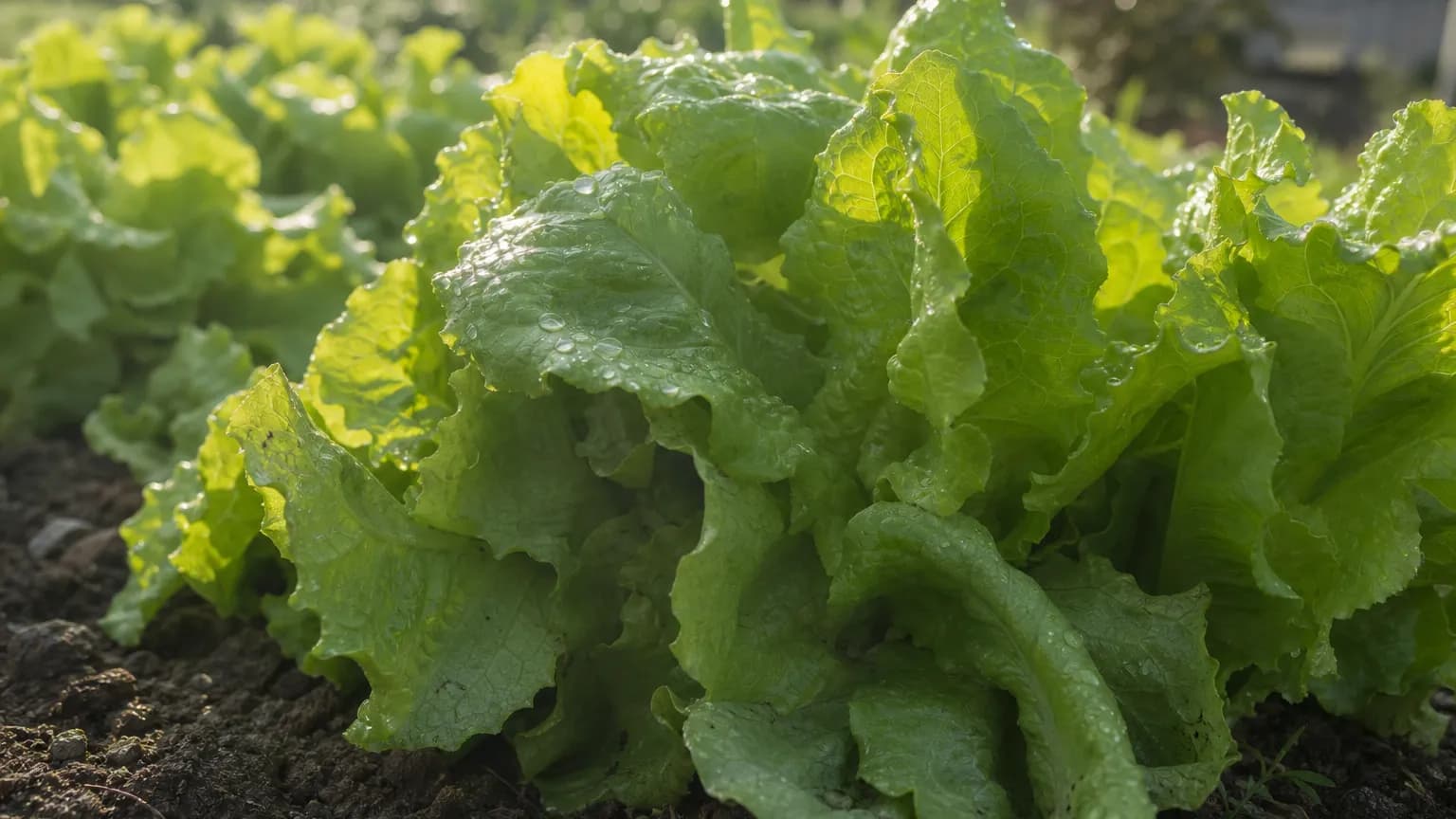
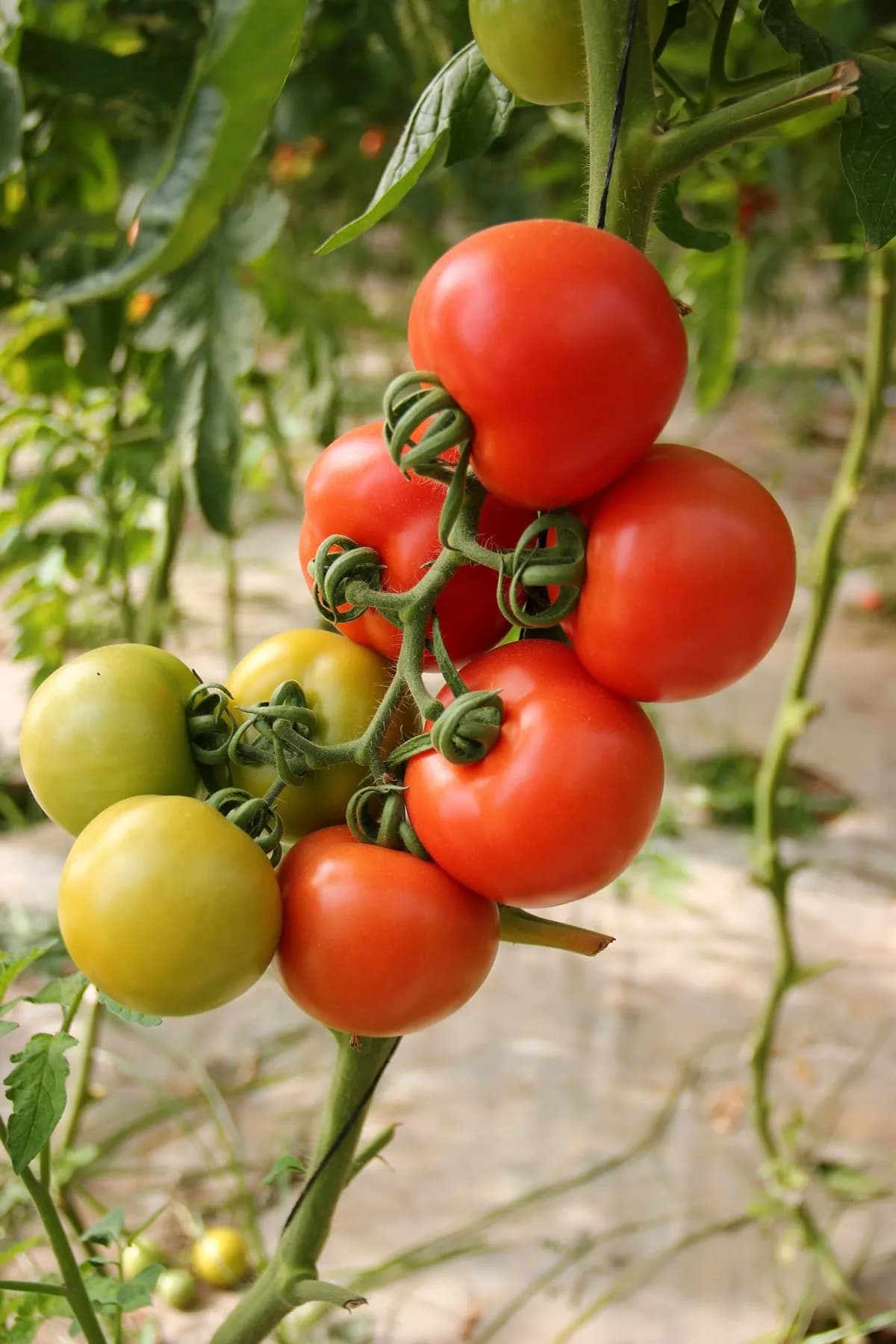
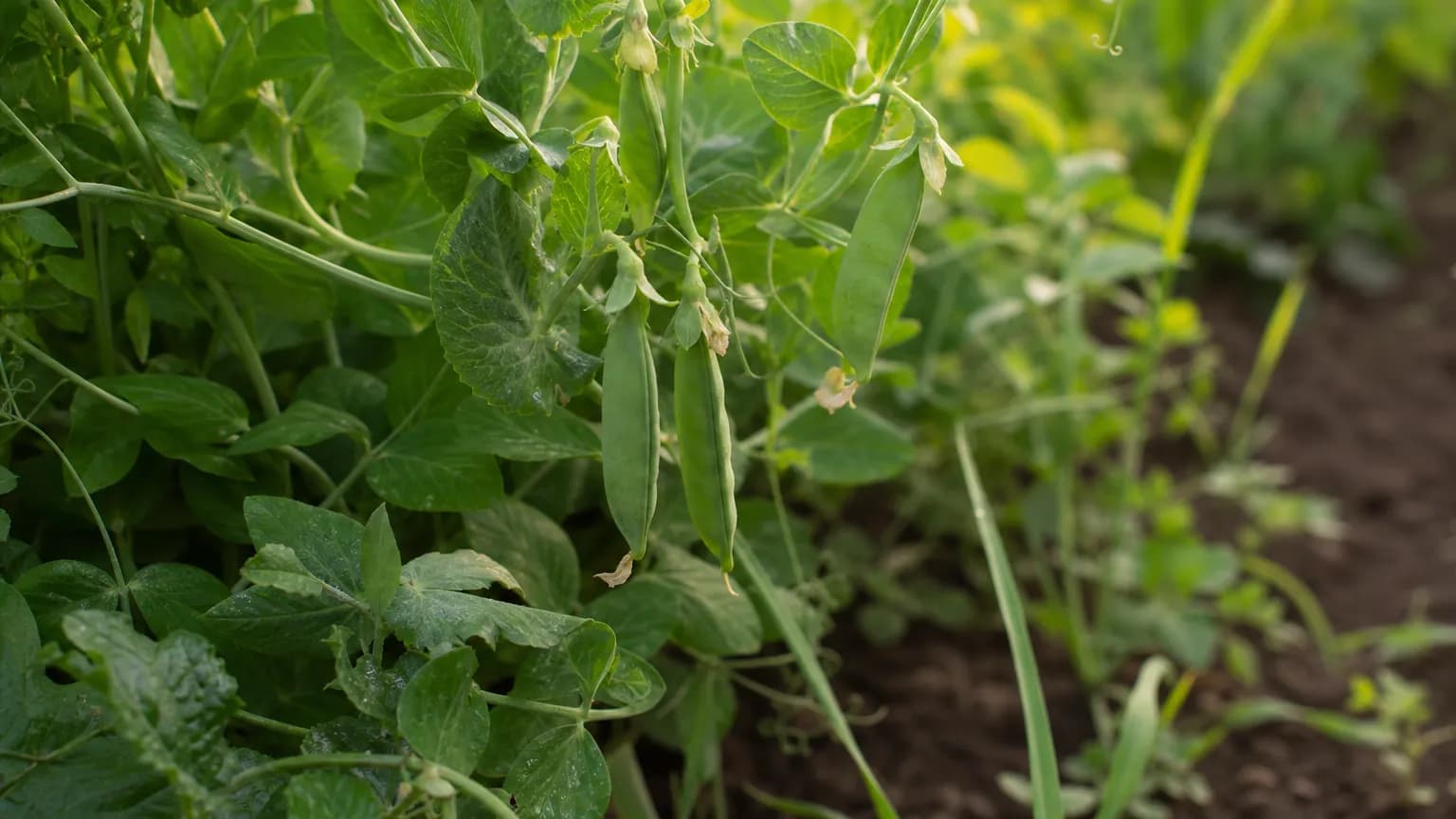
Winterheckenzwiebeln sind ausgezeichnete Begleitpflanzen für Karotten, da ihr Duft die Karottenfliege abschreckt. Neben Salat und anderem Blattgemüse pflanzen, wo sie helfen, Blattläuse zu vertreiben. Tomaten profitieren von Winterheckenzwiebeln in der Nachbarschaft, die bestimmte bodenbürtige Krankheiten reduzieren können. Ihre kompakte, aufrechte Wuchsform macht sie zu idealen Beetrandpflanzen, die Nachbarn nicht beschatten. Erbsen und Bohnen meiden, da Alliums das Hülsenfrucht-Wachstum durch chemische Wurzelwechselwirkungen hemmen können. Zwischen Kohlgewächsen einstreuen, um Kohlmotten abzuschrecken.
Karotte gehört daneben. Erbsen nicht.
Altes Gärtnerwissen, geprüft an der echten Nachbartabelle von Winterheckenzwiebel — teste jede Pflanze, die du anbaust.
Probiere Winterheckenzwiebel direkt hier im Beet
Ein echtes Planer-Beet, Winterheckenzwiebel steht schon drin. Tippe einen Begleiter an, platziere ihn und sieh, wie die Nachbarschaftsprüfung antwortet — grün für gute Nachbarn, rot bei Streit.


Passende Anbau-Ratgeber
Richtig düngen
Winterheckenzwiebeln bevorzugen lockeren, nährstoffreichen Boden mit einem pH-Wert von 6,0 bis 7,0 und guter Drainage. Vor dem Pflanzen fünf bis acht Zentimeter reifen Kompost einarbeiten. Bei der Pflanzung einen ausgewogenen Dünger ausbringen, dann alle drei bis vier Wochen während des aktiven Wachstums mit stickstoffreichem Dünger oder Komposttee nachdüngen, um eine üppige grüne Blattentwicklung zu fördern. Mehrjährige Flächen profitieren von einer Frühjahrsanwendung ausgewogenen organischen Düngers und einer frischen Schicht Kompostmulch. Frischen Mist vermeiden, der Zwiebelfliegen anziehen kann. Ausreichend Kalium fördert eine kräftige Wurzelentwicklung und Winterhärte.
Ideale Temperatur
Winterhärtezone-Kompatibilität
Von der Saat zur Ernte, Schritt für Schritt
Keimung
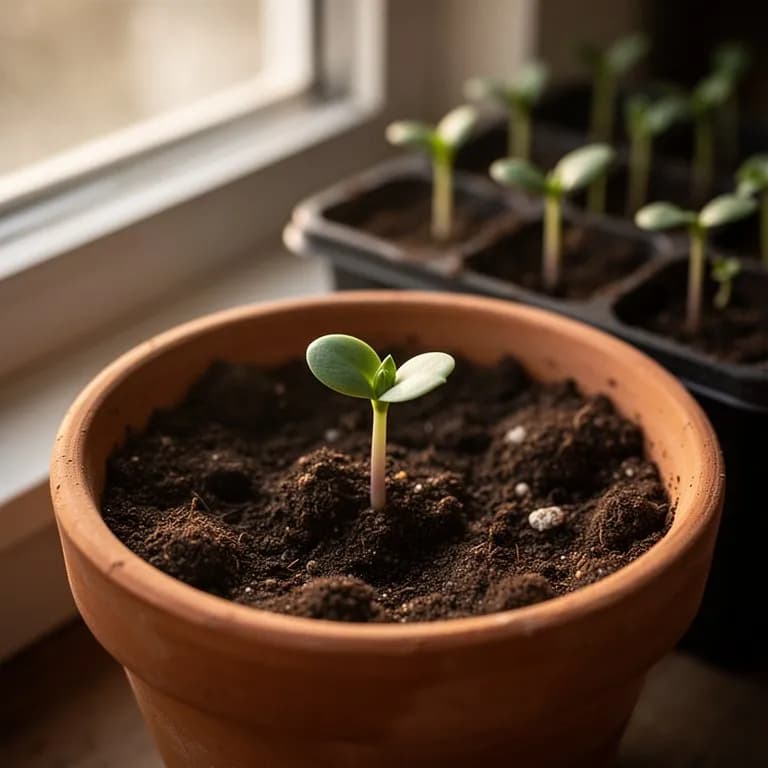
Samen keimen langsam und senden einen einzelnen dünnen, grasähnlichen Trieb aus, der sich in einer charakteristischen Schleife krümmt, bevor er sich aufrichtet. Die Keimung dauert 7–14 Tage und erfordert gleichmäßige Feuchtigkeit. Die winzigen Sämlinge werden leicht übersehen und in den ersten Tagen mit Gras verwechselt.
Sämlingsentwicklung
Dem ersten Einzelblatt folgen weitere hohle, röhrenförmige Blätter, die aus dem zentralen Wachstumspunkt austreten. Sämlinge bleiben in dieser Phase dünn und zart und verdicken sich allmählich, wenn sich das Wurzelsystem etabliert. Das Wachstum ist langsam, aber stetig.
Vegetatives Wachstum
Die Pflanzen treten in eine Phase stetiger Blattproduktion ein, neue hohle grüne Blätter hinzufügend, während der Schaft (weiße Basis) beginnt sich zu verdicken. Bestockungstriebe können sich an der Basis zu formen beginnen und bilden das charakteristische Stängelbüschel, das Winterheckenzwiebeln ihren Namen gibt. Die Pflanze entwickelt in dieser Phase ihren milden Zwiebelgeschmack.
Reife
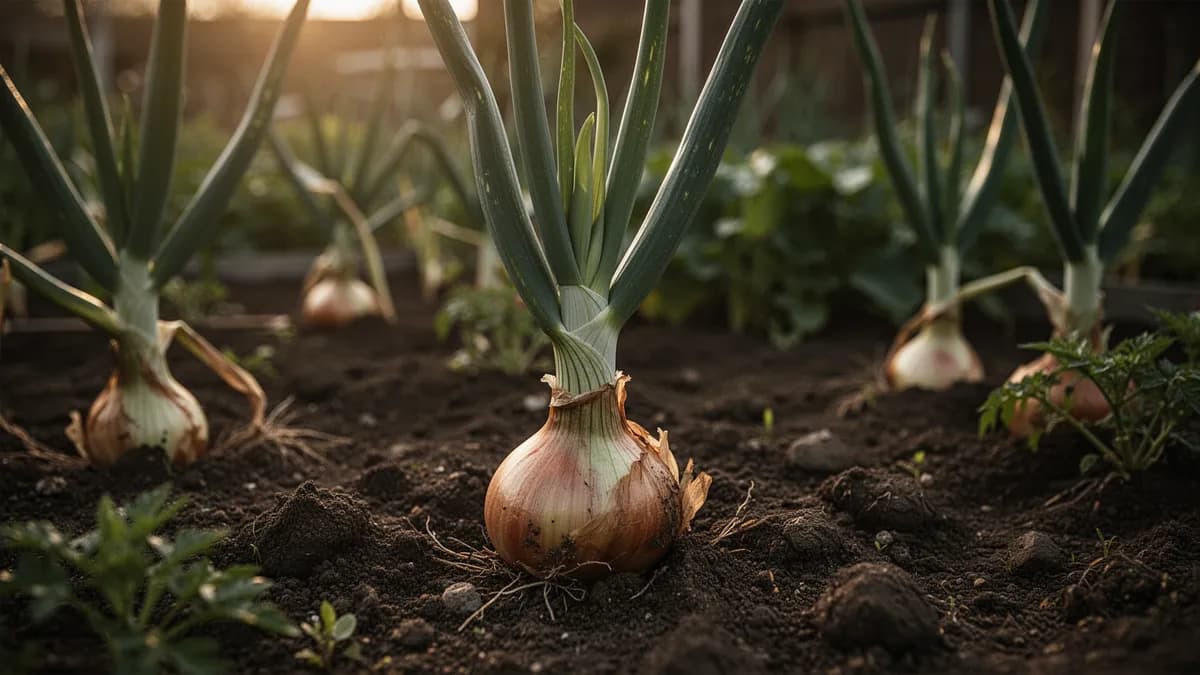
Pflanzen erreichen erntereife Größe mit 15–20 cm langen und 1–2 cm dicken Schäften. Der weiße Anteil erstreckt sich weit unter die Bodenlinie, wenn ordnungsgemäß angehäufelt. Mehrere Bestockungstriebe können ein enges Büschel gebildet haben. Blätter sind tiefgrün, aufrecht und hohl mit einem milden, stechenden Aroma wenn gequetscht.
Bestockung und Nachwuchs
Wenn ungeerntet gelassen, teilen sich Winterheckenzwiebeln weiter und bilden durch Bestockung zunehmend dichte Büschel. Mehrjährige Sorten können jahrelang bestehen und unbegrenzt neue Ableger produzieren. Pflanzen können im zweiten Jahr oder bei Temperaturstress versuchen zu schossen und einen runden Blütenstängel mit einem kugelförmigen weißen Blütenkopf austreiben.
Boden gleichmäßig feucht, aber nie wassergesättigt halten. Samen nur flach auf 5–10 mm Tiefe säen. Eine leichte Abdeckung mit Vermiculit hilft, Feuchtigkeit zu halten, ohne zu verkrusten. Bodentemperatur von 15–24 °C ergibt die besten Keimungsraten.
Winterheckenzwiebel Monat für Monat pflegen
Was du jeden Monat für deine Winterheckenzwiebel tun solltest
Oktober
Aktueller MonatHerbst-Winterheckenzwiebeln ernten. In kalten Klimazonen eine dicke Mulchschicht aus Stroh oder gehäckselten Blättern über mehrjährige Büschel und überwinternde Aussaaten auftragen. In milden Zonen wachsen Winterheckenzwiebeln ohne Schutz durch den Herbst.
Immer wissen, was jetzt im Garten zu tun ist
Eine E-Mail zum Monatsanfang: was du jetzt säen, pflanzen und anpacken solltest — für deine Winterheckenzwiebel und alles, was drumherum wächst. Dazu ein kurzer Startkurs, der dich vor den klassischen Fehlern bewahrt.
- Was jetzt zu tun ist
- Passend zu deiner Saison
- Startkurs inklusive
Winterheckenzwiebel ernten
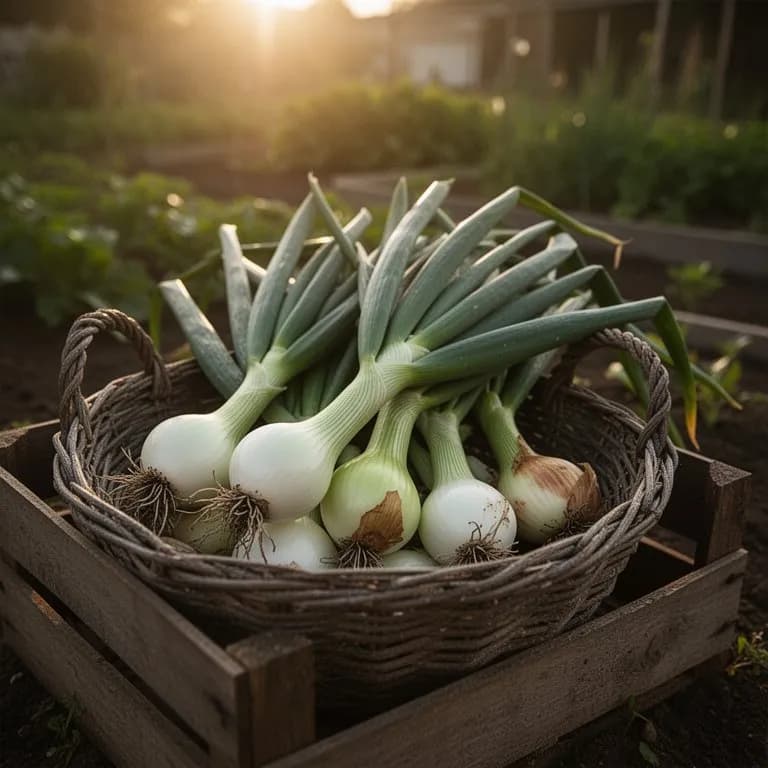
Mit der Ernte von Winterheckenzwiebeln beginnen, wenn die Stängel Bleistiftstärke erreichen, in der Regel 60 bis 70 Tage nach der Aussaat. Für die Ganzpflanzenernte ganze Büschel herausziehen und Wurzeln abschneiden. Für die Schnitt-und-komm-wieder-Ernte einzelne Stängel auf Bodenhöhe abschneiden und die Basis intakt lassen, um für mehrere Ernten pro Saison nachzuwachsen. Zuerst äußere Stängel ernten und das Zentrum weiter neue Triebe bilden lassen. In milden Klimazonen ganzjährig aus etablierten mehrjährigen Flächen ernten. Die weiße Basis hat einen milden, süßlichen Zwiebelgeschmack, während die grünen Spitzen einen frischen, grasigen Geschmack bieten.
angenommen, du pflanzt zu Beginn des Zeitraums — trage dein tatsächliches Datum ein
Ernte Winterheckenzwiebel zügig, dann trägt die Pflanze weiter.
Lagerung & Konservierung
Frische Winterheckenzwiebeln halten sich im Kühlschrank bis zu zwei Wochen, wenn sie in ein feuchtes Küchenpapier eingewickelt in einem Plastikbeutel aufbewahrt werden. Aufrecht in einem Glas Wasser auf der Theke aufstellen für einige Tage Frische. Zum Einfrieren grüne und weiße Teile in Scheiben schneiden und auf einem Tablett einzeln einfrieren, bevor sie in Beutel umgefüllt werden. Getrocknete Winterheckenzwiebelgrüns sind ein ausgezeichnetes Gewürz, wenn sie in dünnen Ringen bei 52 °C getrocknet werden. Eingelegte Winterheckenzwiebeln in Reisessig sind ein beliebtes asiatisches Kondiment, das sich monatelang im Kühlschrank hält.
Was schiefgeht — und die Lösung
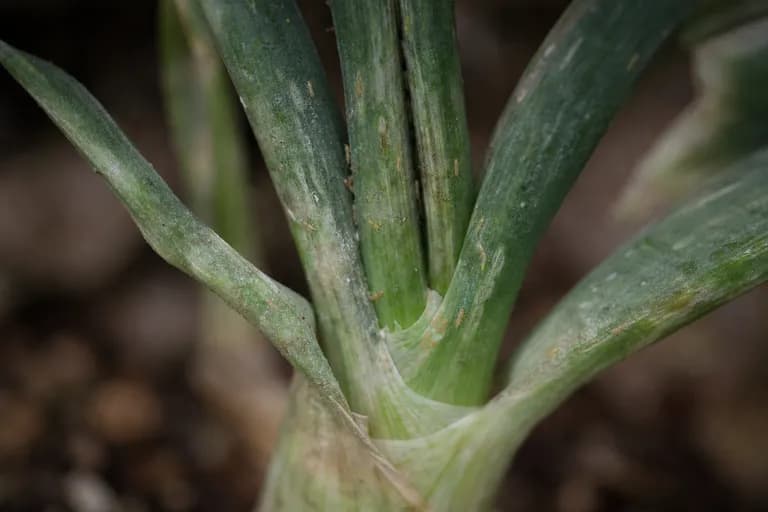
Zwiebelthrips
SchädlingSilbrig-weiße Streifen auf den Blättern, deformiertes Wachstum und verminderter Pflanzenwuchs durch winzige Insekten, die sich vom Blattgewebe ernähren.
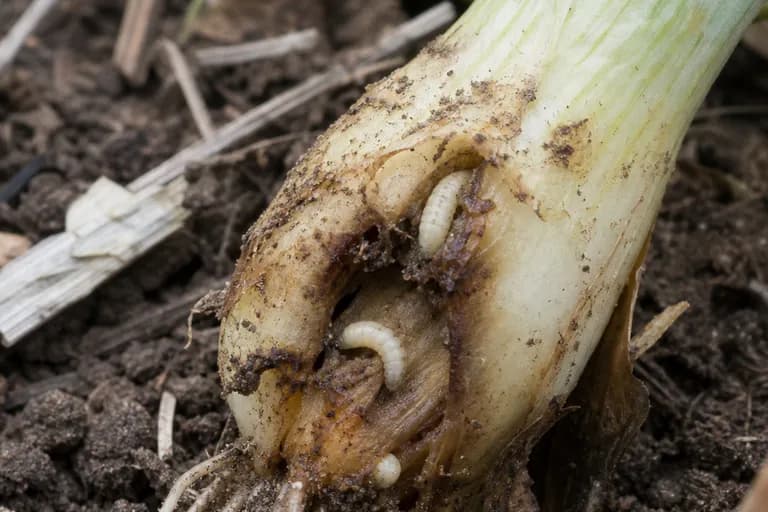
Zwiebelfliege
SchädlingWelke und vergilbende Blätter, weiche Fäulnis an der Basis und kleine weiße Larven im Stängel- und Wurzelbereich.
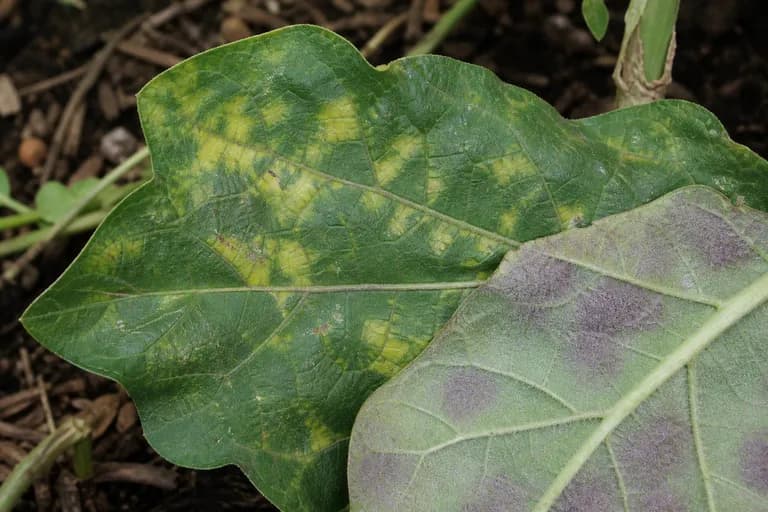
Falscher Mehltau
KrankheitHellgrüne bis gelbe Flecken auf den Blättern mit grau-violettem flaumigem Belag, absterbende Blattspitzen und gehemmtes Wachstum.
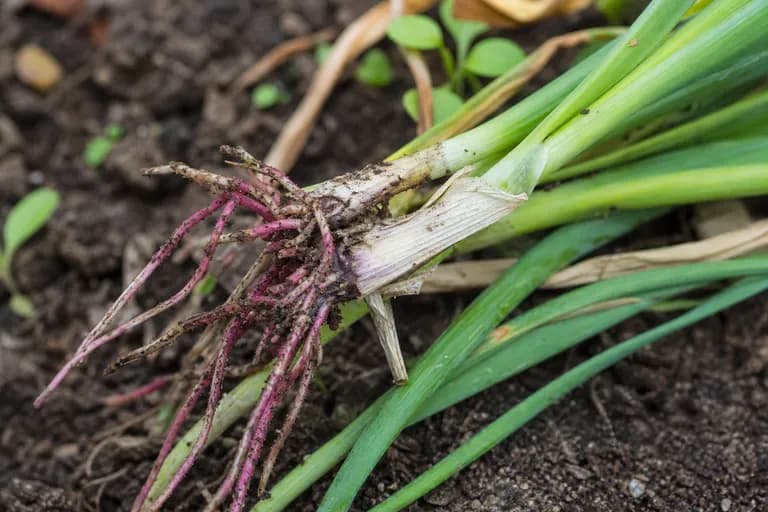
Pinkfäule
KrankheitWurzeln verfärben sich von rosa bis rot, dann dunkelbraun, gehemmtes Pflanzenwachstum und schließlich Absterben der Pflanze bei schwerem Befall.
Fehlerbehebung bei häufigen Problemen
Das Schossen zur Blüte mindert die Blattqualität und zeigt an, dass die Pflanze durch Hitze, Trockenheit oder Überfüllung gestresst ist. Blütenstängel umgehend entfernen und für gleichmäßige Feuchtigkeit sorgen. Überfüllte Büschel produzieren dünne, schwache Stängel; alle zwei bis drei Jahre teilen für beste Produktion. Gelbe oder blasse Blätter deuten auf Stickstoffmangel hin; flüssige Fischdüngeremulsion oder Komposttee auftragen. Weiche, faulende Basen deuten auf Zwiebelfliegen oder wassergesättigten Boden hin; Drainage verbessern und Vliesabdeckungen verwenden. Bei heißem Sommerwetter können Winterheckenzwiebeln in eine Ruhephase übergehen; im Herbst erneut gießen für neues Wachstum.
Anbautipps
- Alle 3–4 Wochen von frühem Frühling bis Spätsommer nachsäen für eine ganzjährige Versorgung. Winterheckenzwiebeln lagern sich nach der Ernte nicht gut, daher ist das Wachsen einer kontinuierlichen Pipeline kleiner Chargen weitaus besser als eine große Einzelpflanzung.
- Alle 2–3 Wochen Erde an der Pflanzenbasis anhäufeln während sie wachsen — das bleicht den Schaft und erzeugt den langen weißen Stängelanteil, der beim Kochen am meisten geschätzt wird. Ohne Anhäufeln erhält man hauptsächlich grüne Spitzen mit sehr kurzen weißen Abschnitten.
- In Gruppen von 4–6 Samen oder Sämlingen statt in einzelnen Reihen pflanzen für eine echte Büschelernte. Jede Gruppe wächst zu einem engen, attraktiven Bündel heran, das als eine Einheit gezogen werden kann und die im Supermarkt verkauften Bünde nachahmt.
- Winterheckenzwiebeln sind für ein Allium außergewöhnlich kälteresistent. Im Herbst aussäen für die frühestmögliche Frühjahresernte — überwinternde Pflanzen treiben Wochen neu aus, bevor Frühjahrsaussaaten überhaupt keimen, und liefern frische Zwiebeln, wenn sonst nichts bereit ist.
- Winterheckenzwiebeln zwischen Karotten, Salat und Kohlgewächsen einpflanzen. Ihr milder Alliumduft hilft, die Karottenfliege und Blattläuse abzuschrecken, und ihre aufrechte, schlanke Wuchsform nimmt fast keinen Platz zwischen den Reihen anderer Kulturen ein.
- Für mehrjährige Produktion einige Pflanzen jede Saison nicht ernten und sie zu großen Büscheln ausbestocken lassen. Diese Büschel alle 1–2 Jahre teilen und die Teilungen neu pflanzen — das liefert unbegrenzt kostenfreies Pflanzgut.
- Gleichmäßig gießen, aber das Blattwerk möglichst nicht benetzen, besonders unter feuchten Bedingungen. Winterheckenzwiebeln sind anfällig für Falschen Mehltau und Purpurfleckigkeit, wenn Blätter über längere Zeit nass bleiben. Tropfbewässerung oder morgendliches Gießen ist ideal.
- Durch Herausziehen ganzer Pflanzen oder durch Abschneiden einzelner äußerer Blätter 2–3 cm oberhalb der Basis ernten — die Pflanze treibt aus der Mitte nach. Dieser Schnitt-und-komm-wieder-Ansatz funktioniert gut für die grünen Spitzen und kann die Produktionslebensdauer einer einzelnen Pflanzung um Monate verlängern.
Bau deine beste Winterheckenzwiebel an — und alles drumherum.
Starte heute kostenlos. Lege deine Beete an, setze deine Winterheckenzwiebel ein und lass PlotMyGarden Timing, Abstände, Begleiter und Erinnerungen von der Saat bis zum Erntekorb übernehmen.
Finde deine Winterheckenzwiebel
Evergreen White
Klassische robuste Winterheckenzwiebel mit reinweißen Stielen und dunkelgrünen Spitzen, extrem kälteresistent und wuchskräftig.
Tokyo Long White
Japanische Sorte mit langen, schlanken weißen Schäften, die für die asiatische Küche geschätzt wird, schnell wachsend und hitzetolerant.
Parade
Hybride mit gleichmäßig dunkelgrünen Spitzen und leuchtend weißen Stielen, zuverlässige Produktion und ausgezeichnete Krankheitsresistenz.
Ishikura
Traditionelle japanische Sorte, die einzelne, lang-weiße Schäfte ohne Zwiebelbildung produziert, ideal zum Bleichen.
Red Beard
Auffällige Sorte mit rötlich gefärbten Stielen und grünen Spitzen, die optische Akzente mit mildem, süßlichem Geschmack setzt.
Winterheckenzwiebeln gehören zu den kosteneffektivsten Kulturen für den Eigenanbau. Eine einzige Samentüte für 2–3 Euro produziert 200–400 Pflanzen, und mehrjährige Sorten, die bestocken, liefern jahrelang Ernten aus einer einzigen Pflanzung. Im Laden gekaufte Lauchzwiebeln kosten 1–3 Euro pro kleines Bund (6–8 Stängel), daher ersetzt eine einzige 3-Meter-Reihe Einkäufe im Wert von 15–30 Euro. Der Eigenanbau bedeutet außerdem, dass die gesamte Pflanze einschließlich Wurzeln und äußerer Blätter geerntet werden kann, die für den Einzelhandel typischerweise abgeschnitten werden, was jeglichen Abfall eliminiert.
Schnelle Rezepte
Chinesische Lauchzwiebelpfannkuchen (Cong You Bing)
40 Min.Blättrig, knusprig und intensiv aromatisch — diese geschichteten Fladenbrote gehören zu den beliebtesten Straßengerichten Chinas. Der Teig wird mit Öl und gehackten Lauchzwiebeln ausgerollt, dann aufgerollt und flachgedrückt, um Dutzende hauchdünner Schichten zu erzeugen, die beim Hineinbeißen splittern.
7 Zutaten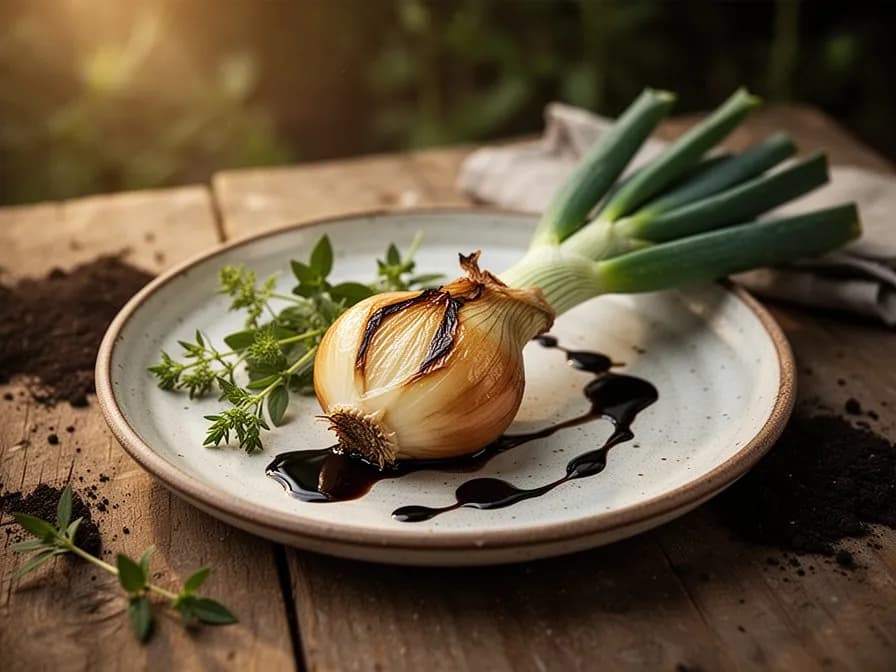
Japanische Negima-Yakitori
25 Min.Klassische japanische gegrillte Hähnchenspieße, die saftiges Oberschenkelfleisch abwechselnd mit Stücken Winterheckenzwiebel aufeinanderfolgen, die über Holzkohle karamellisieren und süßer werden. Die Tare-Glasur erzeugt einen lackierten, würzig-süßen Abschluss, der diese Spieße unwiderstehlich macht.
7 ZutatenLauchzwiebel-Ingwer-Öl-Nudeln
15 Min.Ein täuschend einfacher Shanghaier Klassiker, bei dem heißes Öl über einen Berg gehackter Lauchzwiebeln gegossen wird, um ihr Aroma freizusetzen, und dann mit Nudeln und Sojasoße vermischt wird. Das Zischen des Öls auf den Zwiebeln erzeugt ein Aroma, das die gesamte Küche erfüllt.
8 ZutatenKulinarische Verwendung
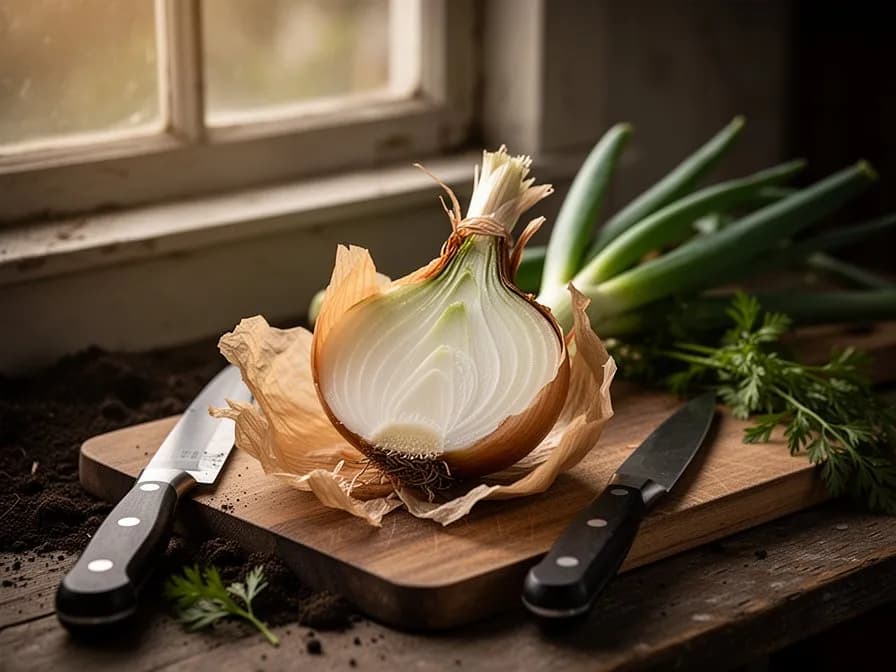
Winterheckenzwiebeln sind in der asiatischen Küche unverzichtbar und werden als Garnierung, Zutaten für Pfannengerichte und Würzmittel in der chinesischen, japanischen und koreanischen Küche eingesetzt. Dünn in Scheiben für Suppen, Nudelgerichte und Reisschalen schneiden. Ganze Büschel grillen, bis sie angeröstet sind, für eine süße, rauchige Beilage. Fein hacken für Pfannkuchen, Omeletts und Teigtaschenfüllungen. Die weißen Teile bieten milden Zwiebelgeschmack, während grüne Spitzen frische, grasige Noten liefern. Hervorragend roh in Salaten, Salsas und als frischer Belag für Tacos und Backkartoffeln.
Was drinsteckt
Gesundheitsvorteile
- Reich an Vitamin K — die grünen Spitzen liefern über 170 % des Tageswertes pro 100 g, essentiell für die Blutgerinnung, den Knochenstoffwechsel und die Kalziumregulation im gesamten Körper.
- Enthält Organosulfurverbindungen einschließlich Allicin und Allylsulfide, die antimikrobielle Eigenschaften gezeigt haben und dazu beitragen können, Blutdruck und LDL-Cholesterin zu senken.
- Gute Vitamin-C-Quelle mit 21 % des Tageswertes pro 100 g, wirkt als Antioxidans, das Zellen vor oxidativem Schaden schützt und die Immunsystemfunktion unterstützt.
- Die grünen Spitzen enthalten bedeutendes Beta-Carotin (Provitamin A), wichtig für die Augengesundheit, Hautintegrität und Immunfunktion — je dunkler die Blätter, desto höher die Konzentration.
- Liefert präbiotische Fructane (Inulin-Typ-Fasern), die nützliche Darmbakterien ernähren, die Verdauungsgesundheit unterstützen und möglicherweise die Mineralaufnahme im Darm verbessern.
- Enthält Quercetin und Kaempferol — Flavonoid-Antioxidantien, die auf ihre potenziell entzündungshemmenden Wirkungen und mögliche Rolle bei der Verringerung des Risikos von Herz-Kreislauf-Erkrankungen und bestimmten Krebsarten untersucht werden.
Woher Winterheckenzwiebel stammt
Winterheckenzwiebeln (Allium fistulosum) stammen aus dem nordwestlichen China und dem südlichen Sibirien, wo wilde Populationen noch in Gebirgsregionen wachsen. Archäologische und schriftliche Belege legen nahe, dass sie in China vor mindestens 2.000 Jahren erstmals kultiviert wurden, was sie zu einem der ältesten kontinuierlich angebauten Gemüse in Asien macht. Im Gegensatz zur gewöhnlichen Zwiebel (Allium cepa), die unabhängig in Zentralasien domestiziert wurde, wurden Winterheckenzwiebeln speziell für ihre grünen Spitzen und schlanken weißen Schäfte ausgewählt und nicht für die Zwiebelbildung.
Von China aus verbreiteten sich Winterheckenzwiebeln entlang alter Handelsrouten nach Japan, Korea und Südostasien und wurden tief in den kulinarischen und medizinischen Traditionen jeder Region verankert. In Japan führte selektive Züchtung über Jahrhunderte zu den langen, dickschaftigen 'Negi'-Sorten, die für Grill- und Eintopfgerichte geschätzt werden, während die koreanische Landwirtschaft Sorten entwickelte, die für die intensiven Aromen optimiert sind, die für Kimchi und fermentierte Zubereitungen benötigt werden. Jede ostasiatische Kochkultur entwickelte ihre eigenen charakteristischen Kultursorten, die an lokale Geschmäcker und Anbaubedingungen angepasst wurden.
Winterheckenzwiebeln erreichten Europa relativ spät im Vergleich zu Zwiebeln und kamen im 16. und 17. Jahrhundert über Handelsrouten an. Europäische Gärtner bauten sie zunächst als Neuheit an, übernahmen sie aber allmählich als zuverlässige Kühljahreszeit-Kultur, die frisches Alliumgrün liefern konnte, wenn Zwiebeln noch nicht bereit waren. In Amerika wurden sie als Scallions, Green Onions oder Spring Onions bekannt, je nach Region. Heute werden Winterheckenzwiebeln kommerziell auf jedem bewohnten Kontinent angebaut, wobei China, Japan und Südkorea die größten Produzenten bleiben. Moderne Züchtungsprogramme haben Sorten mit außergewöhnlicher Kältehärte, Krankheitsresistenz und verlängerten Erntezeiträumen entwickelt, aber der grundlegende Charakter dieser vielseitigen, einfach anzubauenden Alliumart ist im Wesentlichen so geblieben, wie er war, als chinesische Bauern ihn vor Jahrtausenden aus wilden Populationen auswählten.
Winterheckenzwiebel: Schon gewusst?
Faszinierende Fakten über Winterheckenzwiebel
Winterheckenzwiebeln (Allium fistulosum) sind genetisch verschieden von gewöhnlichen Zwiebeln (Allium cepa) und werden in Ostasien seit über 2.000 Jahren unabhängig kultiviert — sie bilden unabhängig von Tageslänge oder Anbaubedingungen niemals echte Zwiebeln.
Winterheckenzwiebel: Fragen & Antworten
Wann sollte ich Winterheckenzwiebel pflanzen?
Was sind gute Begleitpflanzen für Winterheckenzwiebel?
In welchen Winterhärtezonen kann Winterheckenzwiebel wachsen?
Wie viel Sonne braucht Winterheckenzwiebel?
Welchen Abstand sollte ich zwischen Winterheckenzwiebel lassen?
Welche Schädlinge und Krankheiten befallen Winterheckenzwiebel?
Wie lagere ich Winterheckenzwiebel nach der Ernte?
Was sind die besten Winterheckenzwiebel-Sorten zum Anbauen?
Welchen Boden braucht Winterheckenzwiebel?
Was ist der Unterschied zwischen Winterheckenzwiebeln, Scallions, Lauchzwiebeln und Frühlingszwiebeln?
Kann ich Winterheckenzwiebeln aus im Laden gekauften Lauchzwiebeln nachziehen?
Warum schossen meine Winterheckenzwiebeln und treiben Blütenstängel aus?
Wie erhalte ich lange weiße Schäfte bei meinen Winterheckenzwiebeln?
Sind Winterheckenzwiebeln mehrjährig — kommen sie jedes Jahr zurück?
Kann ich Winterheckenzwiebeln in Töpfen oder Behältern anbauen?
Du hast die Theorie gelesen. Jetzt baue sie auf Autopilot an.
Alles, was Winterheckenzwiebel knifflig macht — das Timing, die Abstände, die Begleiter, das Erntefenster — genau das übernimmt PlotMyGarden für dich, für jede Pflanze im Garten.
Ein Plan, der dein Wetter kennt
Standort einmal festlegen. Aussaat-, Dünge- und Erntedaten rund um deinen echten letzten Frosttermin und die Live-Vorhersage — kein Raten mehr nach Saattüte.
Aus dem Abschnitt „Pflanzzeit“Beetplaner per Drag & Drop
Beete auf einem Raster gestalten. Jede Pflanze rastet im richtigen Abstand ein, und du siehst die ganze Saison, bevor du einen Cent für Saatgut ausgibst.
Aus dem Abschnitt „Anbau“Begleiter-Konflikte früh erkannt
Über 200 gute und schlechte Kombinationen werden beim Pflanzen live geprüft — so landet ein saisonruinierender Fehler nie in der Erde.
Aus dem Abschnitt „Begleiter“Erinnerungen, nach denen du wirklich handelst
„Gieß die Bohnen.“ „Heute ernten, bevor's umschlägt.“ Pünktlich, konkret und auf deine echten Pflanzen bezogen.
Aus dem Abschnitt „Ernte“Staffel-Aussaat, geplant
Sechs Wochen ernten statt sechs Tage? Die App verteilt deine Aussaaten automatisch und erinnert dich, wenn der nächste Satz fällig ist.
Aus dem Abschnitt „Pflanzzeit“Ein Verlauf, der schlauer wird
Jede protokollierte Ernte bringt der App deinen Garten bei. Der Plan fürs nächste Jahr startet bei dem, was in deinem Boden wirklich funktioniert hat.
Aus dem Abschnitt „Überblick“Pflanze diese neben Winterheckenzwiebel
Weitere Lauchgewächse
Halte Winterheckenzwiebel von diesen fern
Gartenpläne mit Winterheckenzwiebel
Bau deine beste Winterheckenzwiebel an — und alles drumherum.
Starte heute kostenlos. Lege deine Beete an, setze deine Winterheckenzwiebel ein und lass PlotMyGarden Timing, Abstände, Begleiter und Erinnerungen von der Saat bis zum Erntekorb übernehmen.