Sweet Cherry
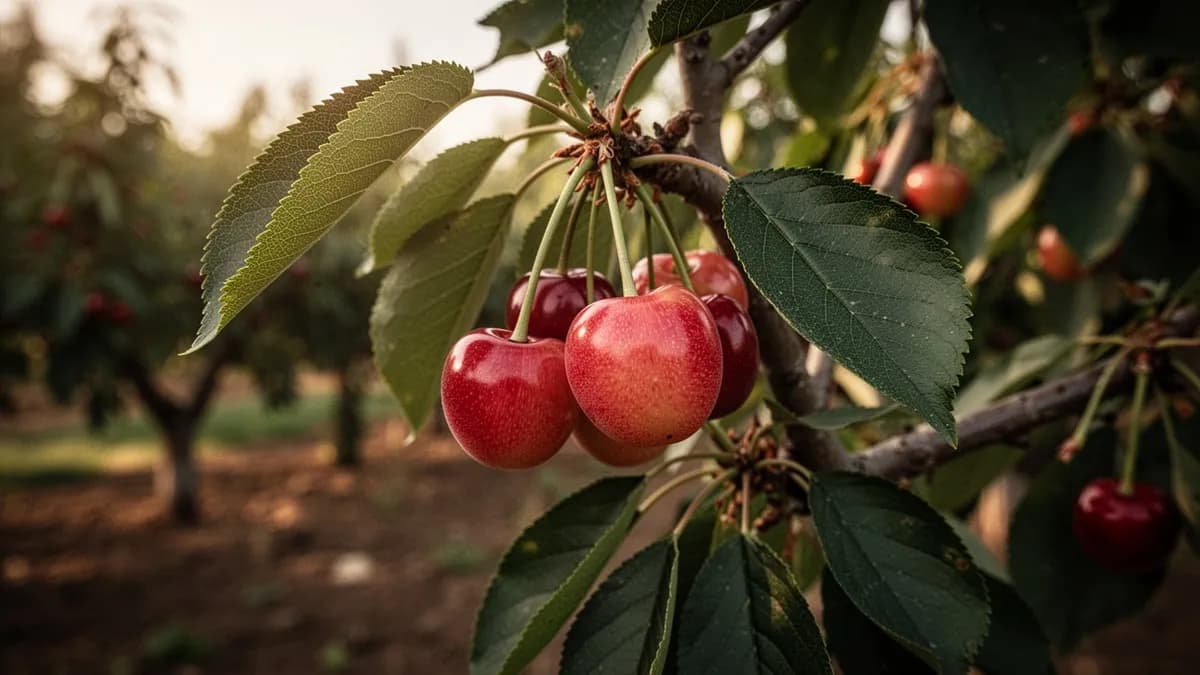
A full-sized sweet cherry tree producing plump, dark fruits for fresh eating, requiring a compatible pollinator variety nearby.





On this pageOverview
Meet Sweet Cherry
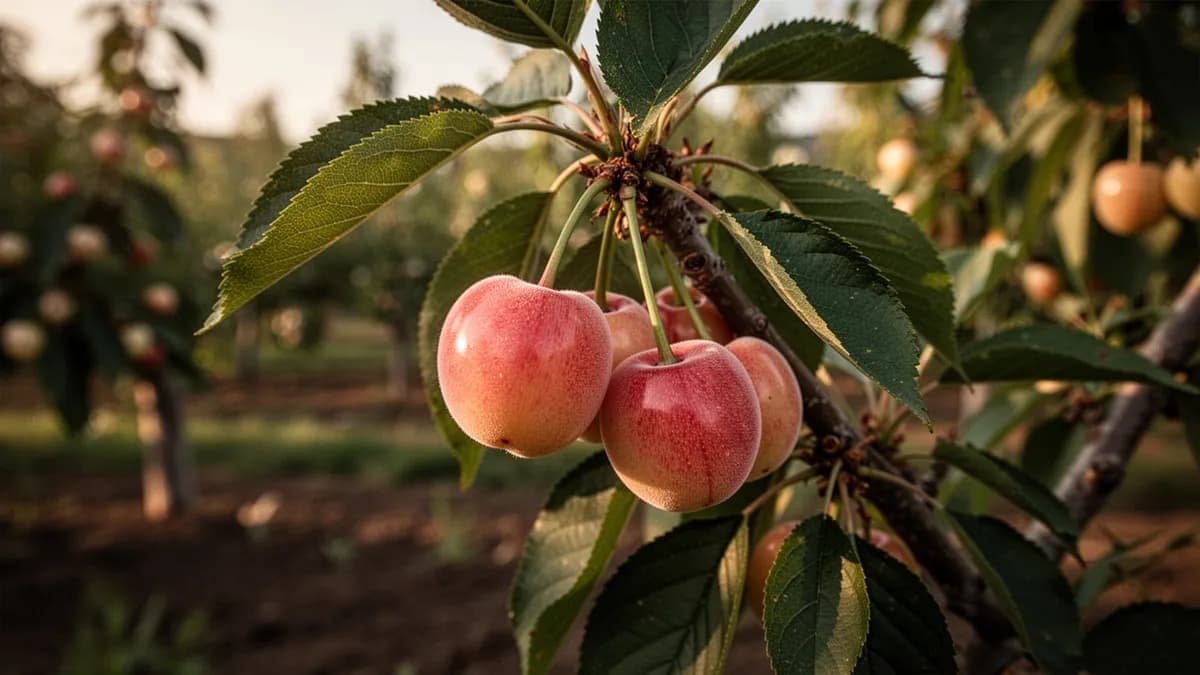
A full-sized sweet cherry tree producing plump, dark fruits for fresh eating, requiring a compatible pollinator variety nearby. Sweet cherries need well-drained soil and consistent spring moisture to prevent fruit cracking during the ripening period. Net trees as soon as fruit begins to color, as birds will strip a tree of ripe cherries within hours.
When to plant Sweet Cherry
Sweet cherry pits need 90 to 150 days of cold stratification. Seedlings are variable and rarely match parent quality. Purchase grafted trees on Mazzard for standard size, or Gisela 5 or 6 for semi-dwarf and dwarf trees. Gisela rootstocks produce earlier-bearing, smaller trees ideal for home gardens. Grafted trees bear in three to five years.
Your Sweet Cherry Year
Composed for Zone 7 · typical seasons · frost passes Apr 2, returns Nov 1
Plant Sweet Cherry Mar – Apr, pick Jun – Jul. Check the planting methods below and set your climate to personalize these windows.
How to grow Sweet Cherry
Sweet cherries grow in USDA zones 4 through 8, requiring 700 to 1200 chill hours. Plant bare-root trees in late winter in full sun with excellent drainage. Standard trees reach 25 to 35 feet, while dwarf Gisela rootstock trees stay 8 to 12 feet. Most sweet cherries require a compatible pollinator variety, so plant at least two different cultivars. Stella and Lapins are notable self-fertile exceptions.
Train to a central leader form. Prune minimally and only during dry summer weather, as cherries are susceptible to bacterial canker entering fresh cuts. Bird protection with netting is essential once fruit begins to color, as unprotected crops can be consumed by birds in a single day.
Water consistently during fruit development but avoid excessive moisture near harvest, which causes cracking. Rain during ripening splits fruit and invites rot. Rain covers or high tunnel protection eliminates this for serious growers. Fertilize lightly in spring with a balanced formula.
Sweet Cherry needs more room than a 4 × 8 ft bed gives
Each Sweet Cherry wants 360 cm of elbow room. The planner keeps that spacing for you — every plant, every bed.
Sweet Cherry's best neighbours
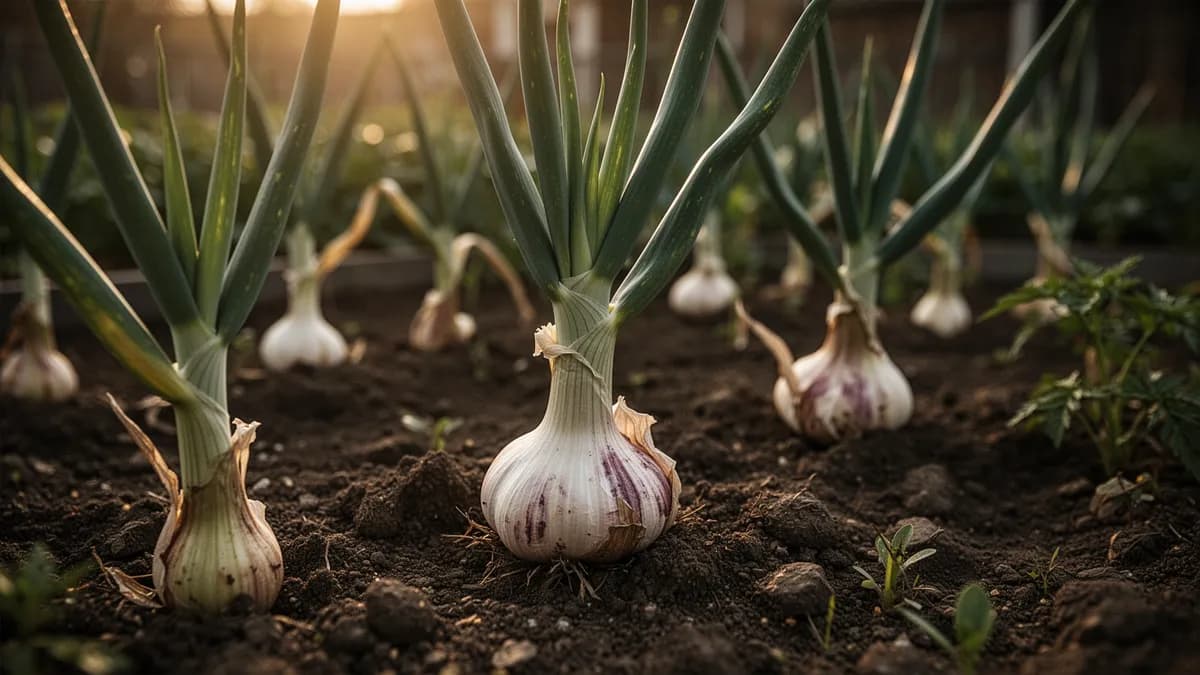
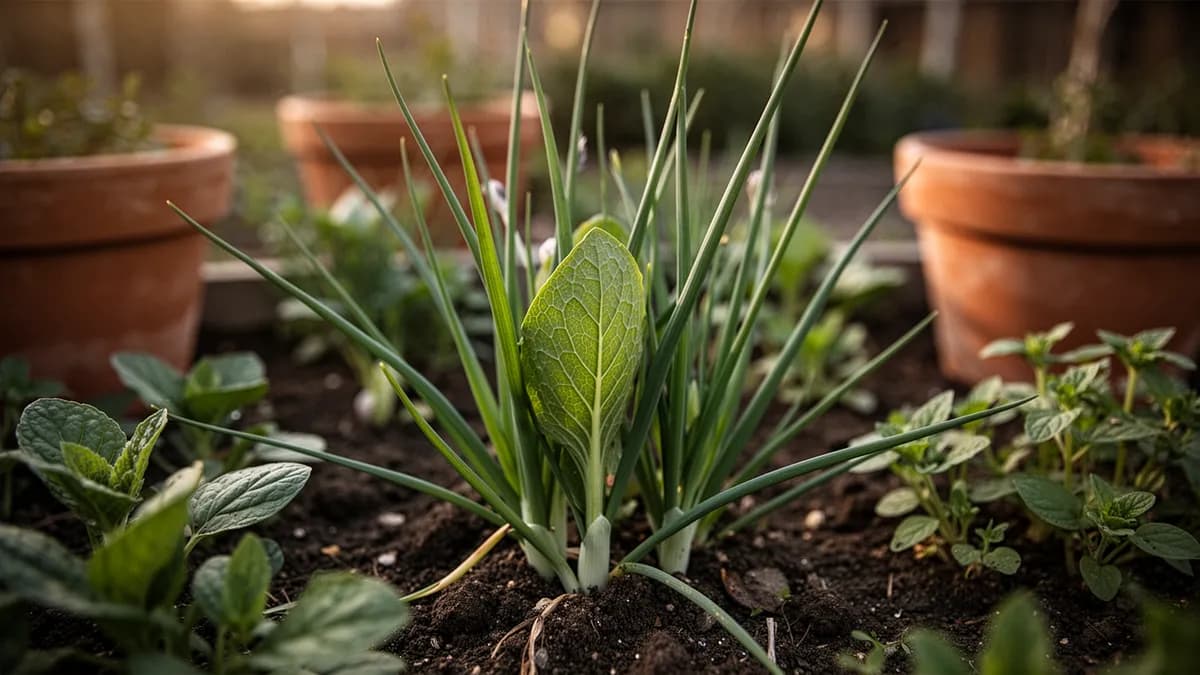
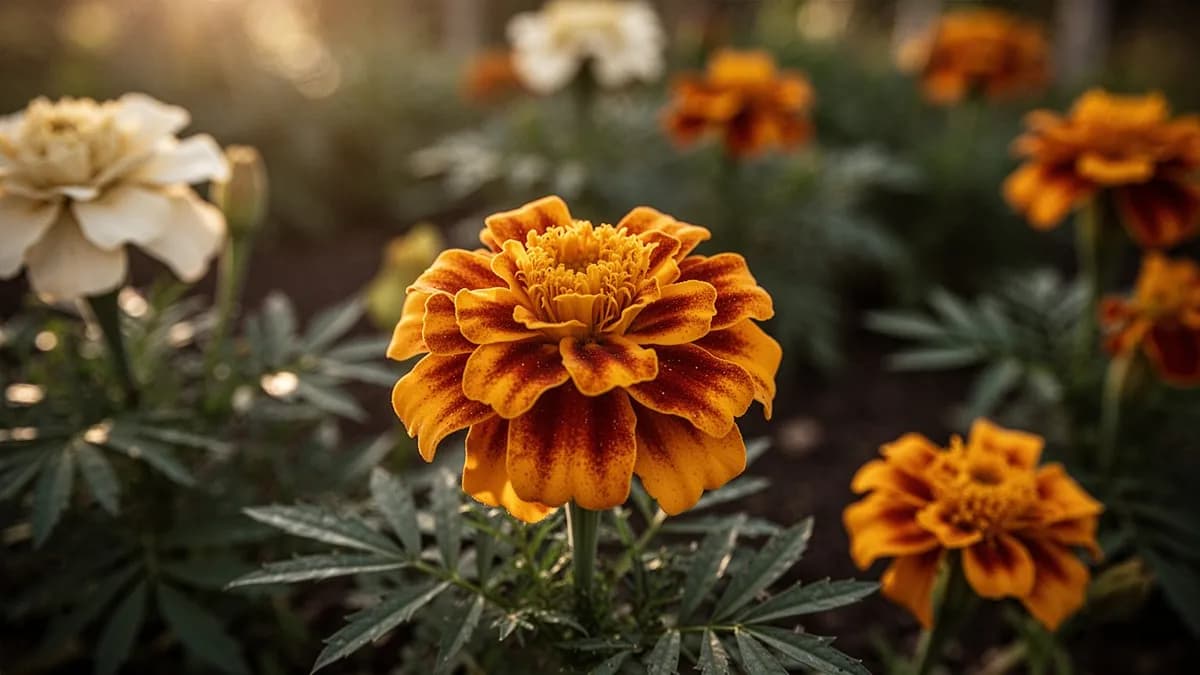
The most important companion is a compatible pollinator variety. Underplant with alliums to deter borers. Flowering herbs attract pollinators during bloom. Crimson clover and white clover fix nitrogen as ground covers. Avoid walnut trees. Tansy repels various flying insects.
Garlic belongs beside it. Walnut Tree doesn't.
Old growers' knowledge, checked against Sweet Cherry's real companion table below — test any plant you're growing.
Try Sweet Cherry in a bed — right here
A real planner bed with Sweet Cherry already in it. Tap a companion to place it and watch the pairing checks answer — green for good neighbours, red for a clash.


Related growing guides
Feed it well
Sweet cherries demand well-drained soil and will not tolerate waterlogging. Sandy loam with a pH of 6.0 to 7.0 is ideal. Plant on raised mounds on heavy clay. Apply balanced fertilizer lightly in early spring. Avoid excessive nitrogen. Potassium supports fruit quality. Maintain organic mulch around the drip line.
Ideal Temperature
Hardiness Zone Compatibility
From seed to harvest, stage by stage
Winter Dormancy and Planting
Sweet cherry trees spend winter in full dormancy, with all above-ground growth completely suspended. Below the soil line, roots remain mildly active when temperatures stay above 4°C, continuing to explore and establish. This rest period is not passive — the tree is quietly accumulating the chill hours it requires before it can break dormancy successfully. Most sweet cherry varieties need 700–1,000 hours below 7°C to stimulate uniform bud development. Insufficient chilling leads to erratic, staggered blossom and dramatically reduced fruit set. Bare-root trees transplant best during this dormant window.
Bud Break and Blossom
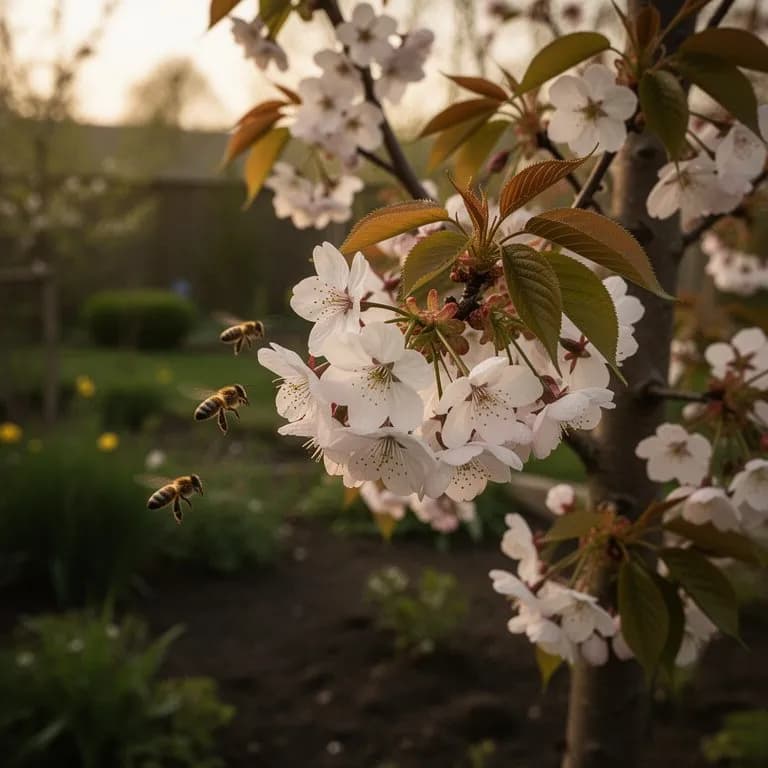
As accumulated chill hours are satisfied and soil temperatures rise in late winter to early spring, dormant buds swell and burst open into clouds of pure white blossom. Sweet cherry flowers open before the leaves emerge, creating a spectacular ornamental display that lasts 10–14 days. Every single flower that sets fruit must receive pollen from a compatible variety during this narrow window. Even one or two nights of frost at -1°C to -2°C during open blossom can destroy the majority of a crop, making this the highest-risk period of the cherry growing calendar.
Fruit Set and Early Fruitlet Development
After pollination, petals fall and tiny green fruitlets begin to swell at the base of each fertilised flower. The tree simultaneously pushes out its full leaf canopy, which drives photosynthesis and fuels rapid fruit growth. Unfertilised flowers and surplus fruitlets shed naturally in a self-thinning process during late spring. Unlike apples, sweet cherries do not require manual thinning — the tree adjusts its crop load automatically. The fruitlets at this stage are hard, bright green, and roughly pea-sized, with no discernible sweetness.
Rapid Sizing and Colour Development
Sweet cherries now enter their most dramatic growth phase, expanding visibly week on week as cells multiply and then rapidly inflate. Fruit transitions from hard and green through yellow-green and yellow-orange to its final mature colour — which ranges from bright golden-yellow in varieties like Rainier through scarlet-red to deep purple-black in varieties like Lapins and Sweetheart. Sugar accumulation accelerates sharply in the final two to three weeks before harvest. The tree is under peak demand for water and nutrients, and any shortfall during this period directly reduces final fruit size, firmness, and flavour.
Harvest
Sweet cherries ripen over a one to three week window that varies significantly by variety and season. Early varieties such as Burlat and Early Rivers ripen in late June; mid-season types like Stella and Van in mid-July; and late-season varieties like Lapins, Sweetheart, and Regina extend the harvest into late July and August. Unlike most other fruits, sweet cherries do not continue to ripen after picking — once detached from the tree they will soften and deteriorate but gain no additional sweetness. Timing of harvest is therefore critical: pick too early and the fruit is firm but bland; delay and birds, splitting, or brown rot claim the crop.
Post-Harvest Recovery and Summer Pruning
After harvest the tree redirects its considerable energy from fruit production back into vegetative growth and — critically — into forming the flower buds that will carry next year's entire crop. The leaves remain highly active through late summer and early autumn, photosynthesising to build the carbohydrate reserves the tree will rely upon through winter. This post-harvest period is the only recommended window for pruning sweet cherry trees, as warm, dry conditions allow wounds to seal rapidly before fungal and bacterial pathogens become active.
Leaf Senescence and Pre-Dormancy
As autumn shortens the days and night temperatures drop, the tree withdraws nutrients from its leaves back into the woody structure and root system, where they are stored as starch reserves for the coming spring growth flush. Leaves turn yellow and bronze before falling, exposing the clean branch architecture and the swelling flower buds set for the following season. Metabolic activity gradually decreases until the tree enters the full dormant state required for the next cycle of successful fruiting.
Plant bare-root sweet cherry trees from late autumn through late winter while fully dormant. Choose a sheltered, south-facing site in full sun with excellent free drainage — sweet cherries are among the most sensitive fruit trees to waterlogged soil. Spread roots naturally in a wide, shallow hole, set the graft union 5 cm above ground level, backfill with original soil, firm gently, and stake with a single post on the prevailing wind side. Apply a 10 cm mulch ring out to the drip line, keeping it 15 cm clear of the trunk.
Caring for Sweet Cherry month by month
What to do each month for your Sweet Cherry
October
You are hereRake and remove all fallen leaves from beneath and around the tree, disposing of them away from the garden or burning if facilities allow. Apply a generous mulch of well-rotted compost or bark chippings around the root zone before the first hard frosts arrive. Inspect bark carefully for canker lesions — sunken discoloured areas exuding amber gum — and remove affected wood with clean cuts 15 cm below visible staining.
Know exactly what to do in your garden — every month
One email at the start of each month: what to sow, plant, and tackle right now — for your Sweet Cherry and everything growing around it. Plus a short starter course that helps you dodge the classic mistakes.
- What to do, right now
- Matched to your season
- Starter course included
Harvesting Sweet Cherry
Sweet cherries ripen from late May through July. The fruit is ready when it reaches full color, feels firm but gives slightly, and has developed full sweetness. Pick with stems attached to prevent tearing and extend shelf life. Harvest in cool morning hours. Speed is essential as cherries deteriorate rapidly in heat.
assuming you plant when the window opens — set your real date
Pick Sweet Cherry promptly and the plant keeps producing.
Storage & Preservation
Fresh sweet cherries keep three to five days at room temperature and up to two weeks refrigerated with stems attached. Do not wash until ready to eat. Freeze pitted cherries on trays before bagging. Cherries can beautifully in light syrup. Dried cherries are premium for trail mixes and baking. Cherry preserves and juice are classic preparations. Cherry brandy and liqueur are traditional fermented products.
What goes wrong — and the fix
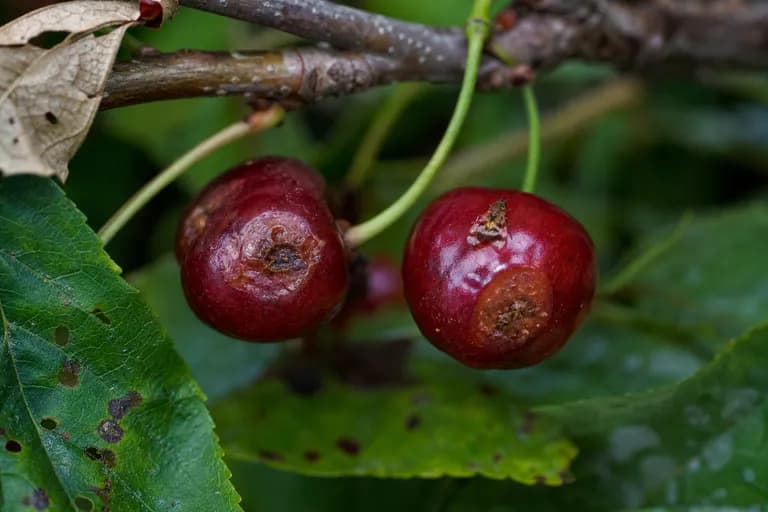
Cherry Fruit Fly
PestSmall dimples on fruit surface. Larvae feed inside, causing brown, mushy flesh around the pit.
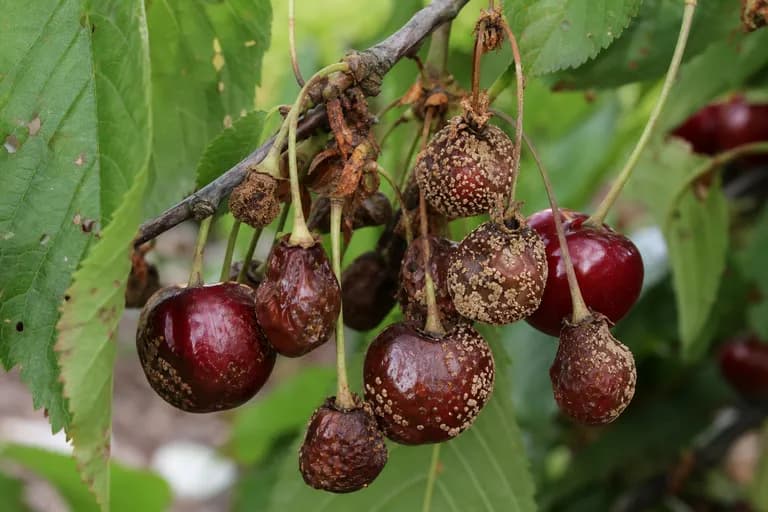
Brown Rot
DiseaseSoft, brown rot on ripening fruit with powdery tan spores. Blossom blight kills flower clusters during wet spring weather.
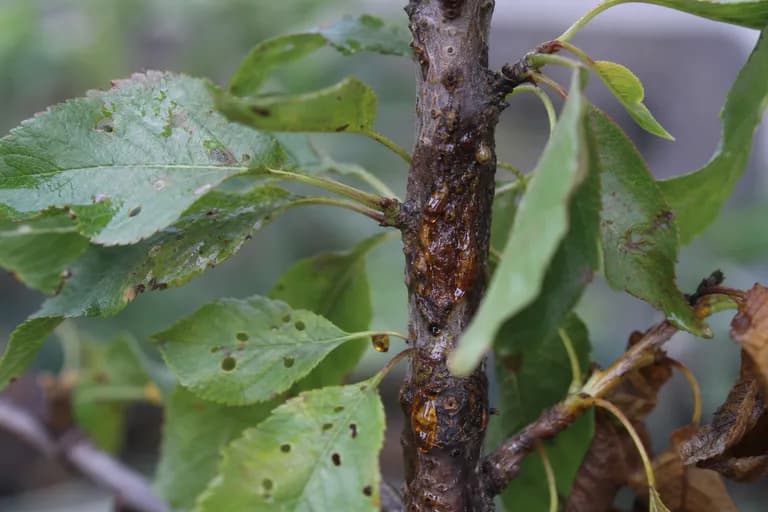
Bacterial Canker
DiseaseSunken, dark, oozing lesions on trunk and branches with amber gum exudation. Branch dieback and occasionally tree death.
Troubleshooting Common Problems
Rain cracking during ripening is the biggest problem. Rain covers or high tunnels solve this definitively. Bird predation can eliminate the crop overnight, making netting essential. Most varieties require a pollinator. Brown rot and bacterial canker are persistent diseases. Trees grow very large on standard rootstock, making management difficult without dwarfing rootstock.
Growing Tips
- Choose the planting site with exceptional care, as sweet cherries are the least forgiving of all orchard fruits when it comes to drainage and air circulation. They demand full sun for at least six hours daily, a sheltered position to protect blossom from wind and frost, and soil that drains freely — even briefly waterlogged roots can cause crown rot and sudden tree death within a single season.
- Select a self-fertile variety or plan for cross-pollination before buying. Most sweet cherry varieties — including traditional cultivars like Merton Glory, Van, and Stella in older catalogues — require a compatible pollinator variety flowering simultaneously within 15–20 metres. The most practical solution for smaller gardens is to choose a confirmed self-fertile modern variety such as Lapins, Sweetheart, Sunburst, or Celeste, which eliminates the need for a second tree entirely.
- Always choose a dwarfing or semi-dwarfing rootstock for garden use. Gisela 5 produces trees of 3–4 metres height — manageable for netting, ladder-free harvesting, and safe summer pruning. Colt produces a slightly larger 4–6 metre tree. Trees on their own roots or on standard rootstocks can reach 15–20 metres, making bird netting, pruning, and harvesting impossible without specialised equipment.
- Never prune sweet cherries in winter. This rule is the single most important distinction between sweet cherry care and the care of all other common orchard fruits. Pruning between October and March leaves large wounds exposed during cold, wet conditions when silver leaf disease (Chondrostereum purpureum) and bacterial canker (Pseudomonas syringae pv. morsprunorum) are most active and infectious. Prune exclusively in July and August, immediately after harvest, when wounds seal rapidly in warm, dry air.
- Erect bird netting over the entire canopy at least two weeks before the first expected colour change in the fruit — do not wait until you can see ripe or ripening cherries. Starlings, wood pigeons, and blackbirds can locate and strip a tree completely within a few hours of first fruit colouring. Use fine-mesh netting of 15–20 mm aperture and secure it tightly at the base to prevent birds entering from below. For dwarf trees a simple frame of bamboo canes or timber supports works well; for taller trees a permanent walk-in fruit cage is the most practical long-term investment.
- Maintain absolutely even soil moisture from fruit set through ripening. The primary cause of cherry fruit splitting — which ruins the fruit cosmetically, reduces shelf life to hours, and opens the flesh to brown rot infection — is rapid water uptake through the skin following a dry period. Drip irrigation lines or soaker hoses at the root zone are the ideal delivery method, providing slow, consistent moisture without wetting foliage or fruit surfaces. Never apply overhead irrigation once fruit begins colouring.
- Fan-training sweet cherries against a warm, south-facing wall or fence is one of the best approaches for smaller gardens. The reflected heat advances ripening by one to two weeks, the confined flat form makes annual netting and pruning straightforward, and the visual impact of white blossom against a warm wall in spring is among the most beautiful sights in the kitchen garden. Use a wall or fence at least 3–4 metres wide and 2.5 metres tall for best results.
- If gum exuding from the bark or from around old pruning wounds — amber or reddish-brown resinous beads or patches — is noticed, investigate promptly. Gummosis is the primary visible symptom of bacterial canker and physical damage, both of which can progress to become fatal if left untreated. Cut back to clean, pale wood at least 15 cm below any sign of brown staining in the inner tissue, and seal all large cuts immediately with a proprietary pruning compound or grafting wax to slow reinfection.
- Apply a generous top-dressing of well-rotted garden compost or manure around the drip line each autumn, working it lightly into the soil surface and keeping it 15 cm clear of the trunk. This feeds the soil biology, improves moisture retention through summer, and provides a slow-release source of nutrition. Avoid applying high-nitrogen fertilisers after midsummer, as they stimulate soft, sappy growth that is prone to disease entry and poor winter hardening.
- For reliable results in areas with cold, wet springs where pollinator activity during flowering is often poor, consider hand-pollinating on warm calm days when bees are flying by transferring pollen between open flowers using a small soft paintbrush or cotton bud. This takes no more than 15–20 minutes on a small tree and can meaningfully improve fruit set in difficult seasons, particularly for trees in the first few bearing years when a heavy crop is most important for establishing good fruiting habits.
Grow your best Sweet Cherry yet — and everything around it.
Start a free plan today. Lay out your beds, drop in your Sweet Cherry, and let PlotMyGarden handle the timing, spacing, companions and reminders from seed to harvest basket.
Pick your Sweet Cherry
Bing
The classic dark red sweet cherry with large fruit and rich flavor. Requires a pollinator. Ripens late June.
Stella
A self-fertile dark cherry with good size and flavor. Excellent for gardeners with room for only one tree.
Lapins
Large, self-fertile dark cherry with excellent flavor and crack resistance. One of the best for home gardens.
Sweetheart
Late-ripening, self-fertile cherry extending the season into mid-July. Bright red with firm texture and sweet flavor.
Fresh sweet cherries are consistently among the most expensive fruits available at retail — typically $5–$9 per pound in North America and £5–£9 per kilogram in the UK for premium quality during the brief peak season, rising steeply for early-season or imported varieties. A single semi-dwarf sweet cherry tree on Gisela 5 rootstock, costing $35–$80 to purchase, can yield 15–25 kg of fruit per season once established at around year 4–6, representing a retail value of $165–$560 per harvest at typical premium grocery prices. Over the 20–30 productive years of a well-maintained tree the cumulative saving versus buying equivalent quality fruit — which is almost always picked underripe for shipping durability — can easily exceed $3,000–$8,000. Home-grown cherries can be harvested at genuine peak ripeness, delivering flavour intensity and fragrance that commercially harvested fruit rarely achieves.
Quick recipes
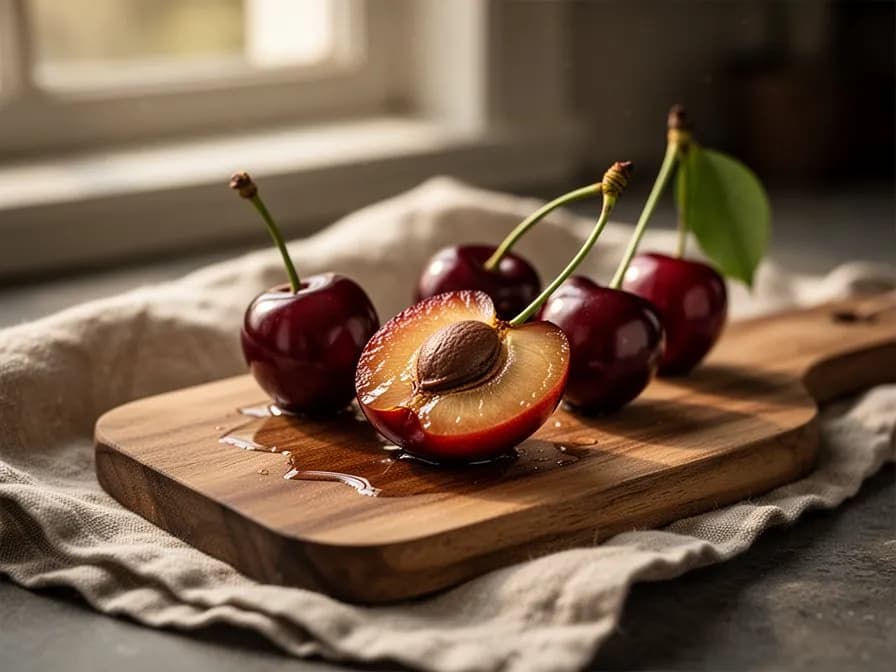
Classic French Cherry Clafoutis
15 minutes prep + 40 minutes bakingThe definitive vehicle for garden-fresh sweet cherries — a rustic baked custard from France's Limousin region where whole cherries are suspended in a light, vanilla-scented eggy batter. The result is golden and lightly crisp at the edges, soft and yielding in the centre, somewhere between a thick pancake, a flan, and a light soufflé. Traditionally made with unpitted cherries (the stones reportedly add a subtle almond note from the kernels), though pitting is more practical for serving. Dust generously with icing sugar and bring to the table warm from the oven.
10 ingredients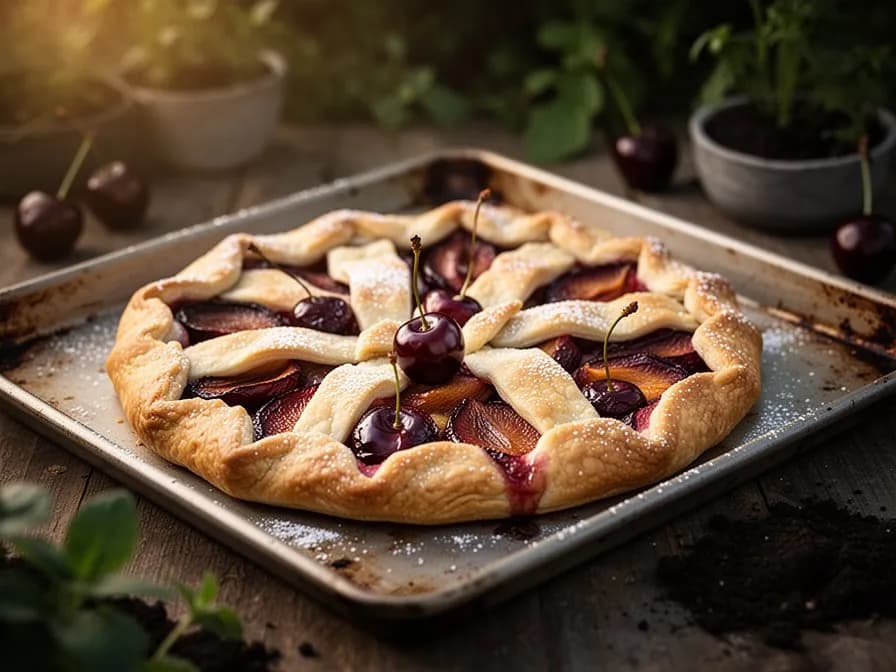
Sweet Cherry and Vanilla Jam
20 minutes prep + 25 minutes cookingA jewel-bright, intensely flavoured preserve that captures the peak of the cherry season in a jar. Sweet cherries have relatively low natural pectin, so this recipe uses lemon juice and jam sugar to achieve a good set while allowing the pure fruit flavour to dominate. The vanilla bean adds a subtle floral depth that elevates this above commercial cherry jam. Lovely on sourdough toast with butter, spooned over Greek yoghurt, or paired with a strong hard cheese on a cheese board.
5 ingredients
Cherry and Dark Chocolate Brownies
20 minutes prep + 25 minutes bakingA grown-up brownie that pairs the classic combination of cherries and dark chocolate in a dense, fudgy square. Fresh pitted sweet cherries are folded into the batter, where they soften and release their juices during baking, creating pockets of intense fruity sweetness against the bitter chocolate backdrop. Using cherries from the garden — fully ripe and picked that morning — transforms what is already an excellent recipe into something genuinely remarkable. Cut into squares while still slightly warm for the best texture.
9 ingredientsCulinary Uses
Sweet cherries are finest eaten fresh. They make superb preserves, pies, and clafoutis. Dried sweet cherries are premium for granola, chocolate bark, and baking. Cherry juice and smoothies showcase the rich flavor. Pair with dark chocolate and nuts for an elegant dessert. Sweet cherry compote transforms vanilla ice cream.
What's inside
Health Benefits
- Sweet cherries are among the richest dietary sources of anthocyanins — particularly cyanidin-3-glucoside — which are powerful antioxidants shown in multiple clinical trials to significantly reduce circulating markers of systemic inflammation, with potential long-term benefits for cardiovascular health and metabolic syndrome risk reduction.
- Regular cherry consumption has demonstrated clinically meaningful reductions in serum uric acid in several controlled studies, providing a well-evidenced dietary strategy for managing gout; participants consuming cherries or cherry extract experienced lower frequency and intensity of gout flare-ups compared to control groups.
- Sweet cherries contain natural melatonin alongside tryptophan — both compounds involved in regulating the sleep-wake cycle — and randomised trials using tart cherry products have shown improvements in sleep duration and quality, with the sweet cherry species sharing many of the same bioactive compounds.
- The anti-inflammatory flavonoids in sweet cherries, including quercetin and isoquercetin, have been shown in sports nutrition studies to reduce markers of exercise-induced muscle damage, delayed onset muscle soreness, and strength loss during recovery, positioning cherries as a practical and evidence-backed recovery food.
- With a glycaemic index of approximately 22 and meaningful dietary fibre content, sweet cherries produce a slow, moderate rise in blood glucose compared to many fruits and snack foods, making them a suitable choice for individuals managing blood sugar levels, insulin resistance, or type 2 diabetes.
- Emerging research on cherry polyphenols — including chlorogenic acid, anthocyanins, and hydroxycinnamic acid derivatives — suggests prebiotic-like effects on gut microbiota composition, with animal and in vitro studies indicating improved populations of beneficial bacteria such as Lactobacillus and Bifidobacterium, which may translate to broader metabolic and immune benefits.
Where Sweet Cherry comes from
The sweet cherry, Prunus avium, originated in the temperate forests of the region spanning modern-day Turkey, Georgia, Armenia, and northern Iran — the transitional zone between Europe and Asia where the Black Sea meets the Caucasus mountains. Archaeological evidence of wild cherry consumption stretches back at least 8,000–10,000 years, with cherry stones recovered from Neolithic and Bronze Age settlements across Europe and western Asia. The tree was so abundant in the ancient forests of what is now northern Turkey that the Greeks and Romans named a prominent coastal city after it: Cerasus, today's Giresun, on the Black Sea shore.
Roman statesman and general Lucullus is credited by ancient sources — most notably Pliny the Elder — with formally introducing grafted cultivated cherry trees from Cerasus to Rome around 74 BC following his military campaigns against Mithridates of Pontus. The Romans thereafter became enthusiastic cherry cultivators, selecting superior fruiting forms, practicing grafting to propagate them, and carrying the trees throughout their empire into Gaul, Britain, and the Germanic provinces. Roman legions appear to have served as the primary vehicle for spreading improved cherry varieties across northern and western Europe, with archaeobotanical evidence of cherry cultivation appearing in Roman-period layers at sites across Britain, France, and the Rhine valley.
Through the medieval period, Benedictine and Cistercian monasteries became the principal centres of cherry cultivation in Europe, maintaining extensive orchards and selecting progressively better-flavoured and more productive varieties. By the 16th century European herbalists and gardeners had documented dozens of named cultivars, and cherry growing had become a commercially significant industry across Germany, France, England, and the Low Countries.
European settlers brought cherry trees to the Americas in the 1600s, with Pilgrim colonists planting orchards in Massachusetts. The decisive development in American cherry history came in the 19th century when the Pacific Northwest — particularly Washington State's Yakima and Wenatchee valleys and Oregon's Willamette Valley — was identified as exceptionally suited to sweet cherry production. The region's warm, dry summers prevent fruit cracking and disease pressure, cold winters deliver the chill hours sweet cherries require, and the volcanic soils provide ideal mineral nutrition. Today Washington State produces more than 60 percent of the US crop, and the United States as a whole is the world's second largest producer after Turkey.
Contemporary breeding programs focus on developing self-fertile varieties that eliminate the historic requirement for two-tree cross-pollination, crack-resistant fruit suited to variable summer rainfall, and trees on ultra-dwarfing rootstocks such as Gisela 5 and Gisela 6 that make home cultivation, netting, and harvest practical at a scale of 3–4 metres rather than the 15–20 metres of traditional standard trees. Varieties such as Stella, Lapins, Sweetheart, Skeena, and Regina have transformed sweet cherry cultivation from a specialist's crop requiring large orchards into an achievable and highly rewarding project for any gardener with a sunny, sheltered site.
Sweet Cherry: did you know?
Fascinating facts about Sweet Cherry
The word 'cherry' almost certainly derives from the ancient city of Giresun on the Black Sea coast of modern Turkey — known in antiquity as Cerasus — from which the Roman general Lucullus reportedly introduced cultivated sweet cherry trees to Rome around 74 BC, though wild cherries were already well known across Europe.
Sweet Cherry questions, answered
When should I plant Sweet Cherry?
What are good companion plants for Sweet Cherry?
What hardiness zones can Sweet Cherry grow in?
How much sun does Sweet Cherry need?
How far apart should I space Sweet Cherry?
What pests and diseases affect Sweet Cherry?
How do I store Sweet Cherry after harvest?
What are the best Sweet Cherry varieties to grow?
What soil does Sweet Cherry need?
Why does my sweet cherry tree flower abundantly every year but produce very little or no fruit?
When should I prune my sweet cherry tree, and why is timing so critical?
My cherries crack and split just before I can pick them — what causes this and how do I prevent it?
What is the most effective way to protect sweet cherries from birds?
Can I grow a sweet cherry tree in a pot or container on a patio?
How do I deal with gum weeping from the bark of my sweet cherry tree?
You just read the theory. Now grow it on autopilot.
Everything that makes Sweet Cherry fiddly — the timing, the spacing, the companions, the harvest window — is exactly what PlotMyGarden handles for you, for every plant in your garden.
A plan that knows your weather
Set your location once. Get sow, feed and harvest dates built around your real last-frost date and live forecast — no more guessing from a generic seed packet.
From the “When to plant” sectionDrag-and-drop bed planner
Design beds on a grid. Every plant snaps to its proper spacing, and you can see your whole season laid out before you spend a cent on seed.
From the “Growing guide” sectionCompanion conflicts, caught early
200+ good-and-bad pairings checked live as you plant — so a season-wrecking mistake never makes it into the ground.
From the “Companions” sectionReminders you'll actually act on
“Water the beans.” “Pick today before it turns.” Timely, specific, and tied to the plants you're really growing.
From the “Harvest” sectionSuccession, scheduled
Want a harvest for six weeks, not six days? It spaces your sowings automatically and reminds you when each new block is due.
From the “When to plant” sectionA record that gets smarter
Every harvest you log teaches it your garden. Next year's plan starts from what actually worked in your soil, not a textbook's.
From the “Overview” sectionPlant these alongside Sweet Cherry
More Stone Fruits
Keep Sweet Cherry away from these
Grow your best Sweet Cherry yet — and everything around it.
Start a free plan today. Lay out your beds, drop in your Sweet Cherry, and let PlotMyGarden handle the timing, spacing, companions and reminders from seed to harvest basket.