Zedernbaum
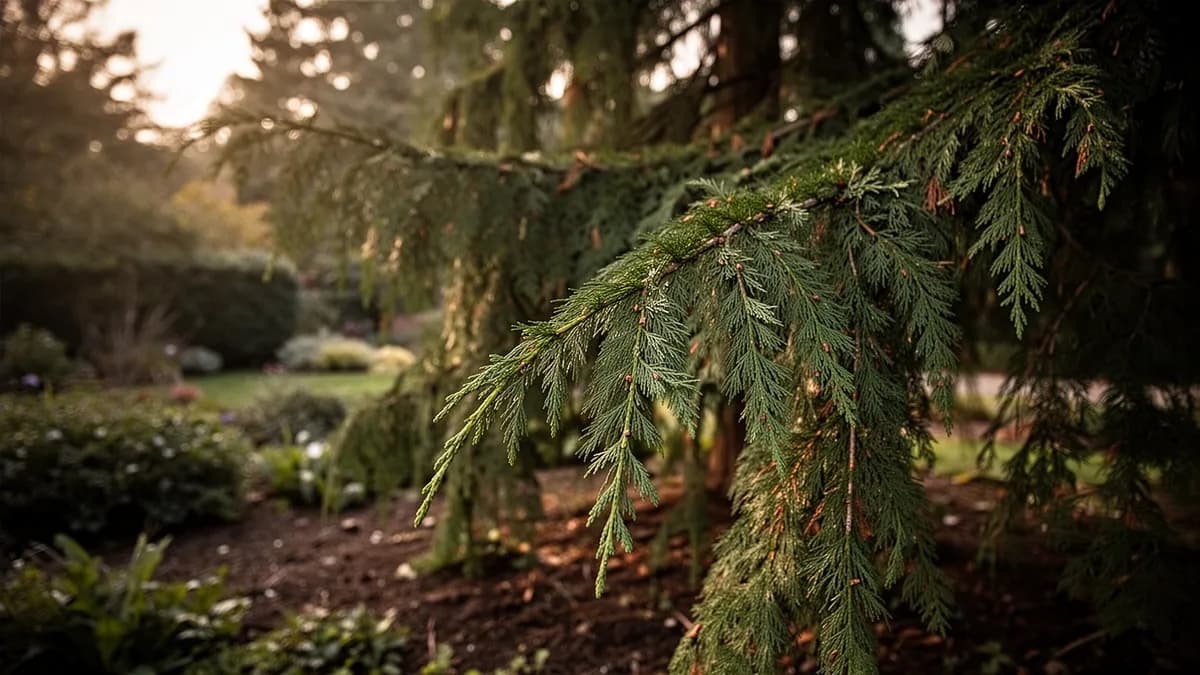
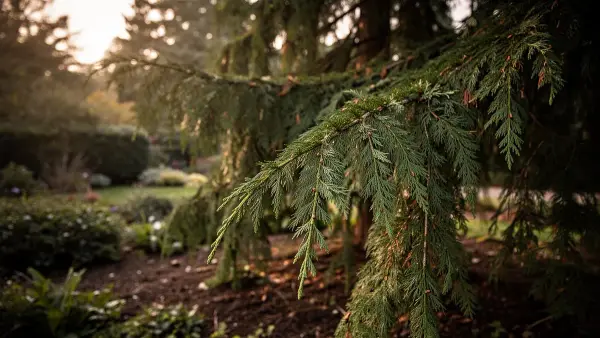
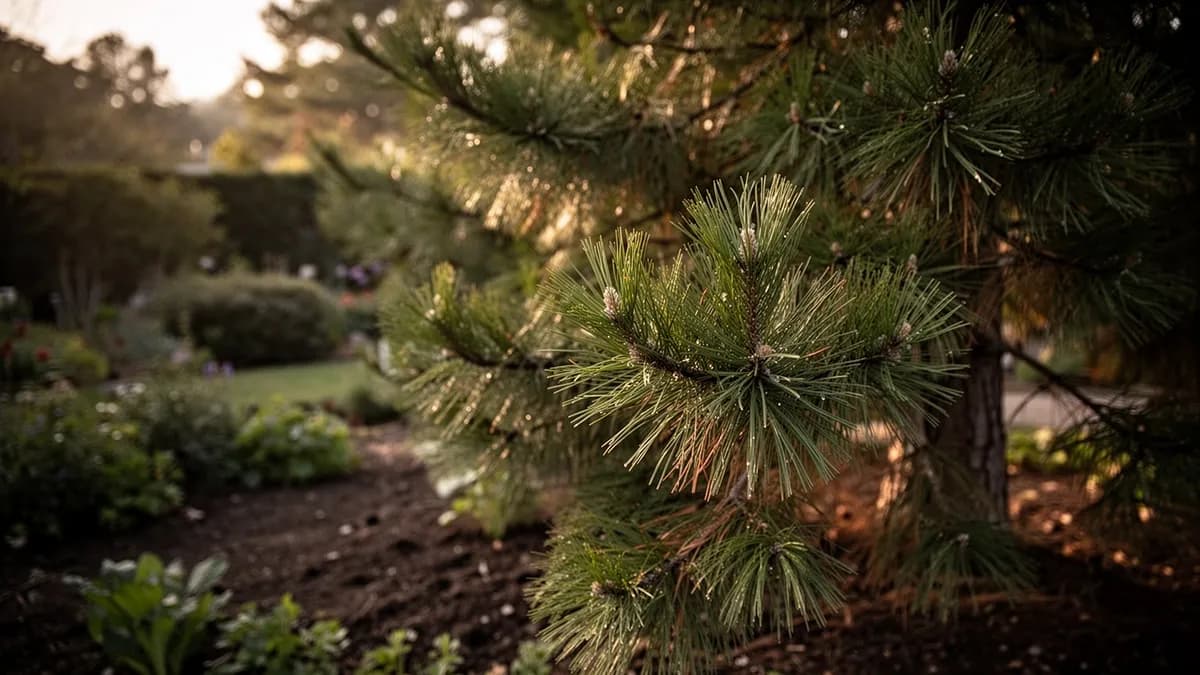
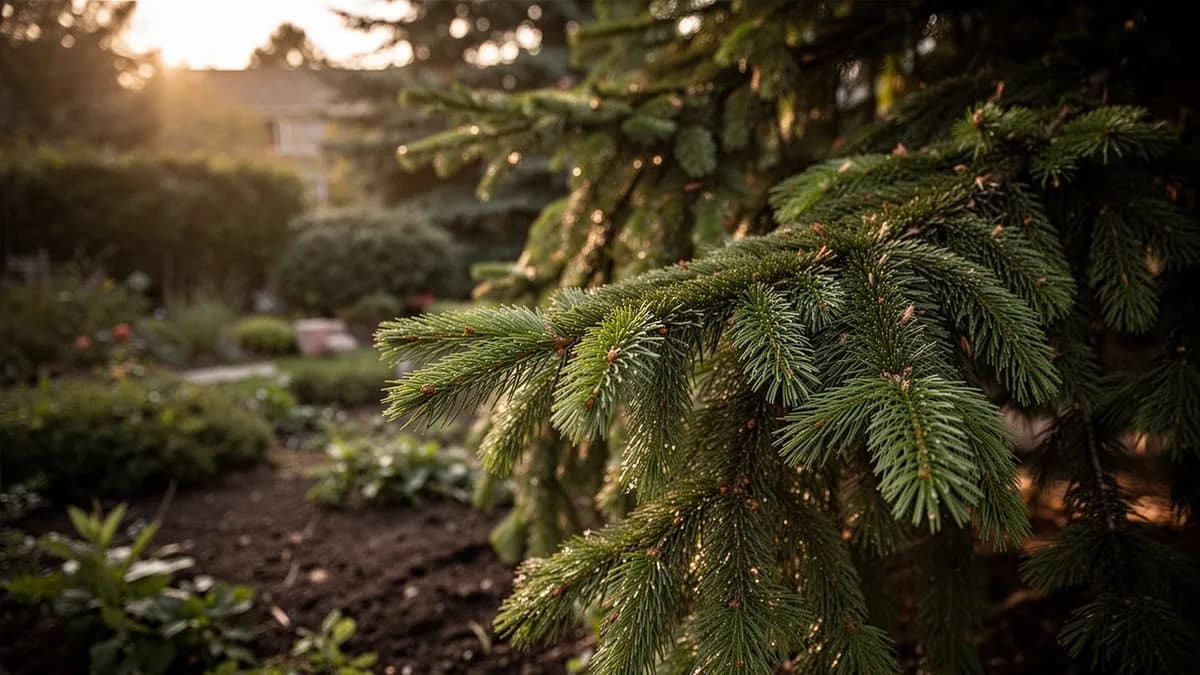
Eine majestätische Immergrünpflanze mit anmutig hängenden Astspitzen und einer stattlichen pyramidenförmigen Wuchsform, die im Alter breit ausladend wird.





Auf dieser SeiteÜberblick
Zedernbaum im Überblick
Eine majestätische Immergrünpflanze mit anmutig hängenden Astspitzen und einer stattlichen pyramidenförmigen Wuchsform, die im Alter breit ausladend wird. Deodar-Zedern sind wärmetoleranter als die meisten Nadelbäume und gedeihen in mediterranen und mild gemäßigten Klimazonen. Sie benötigen gut drainierte Böden und vertragen keine Staunässe, die Wurzelfäule und rasches Absterben verursacht. Das aromatische Holz ist von Natur aus widerstandsfähig gegen Verrottung und Insekten, weshalb Zedernholz seit Jahrtausenden als Baustoff geschätzt wird.
Wann Zedernbaum pflanzen
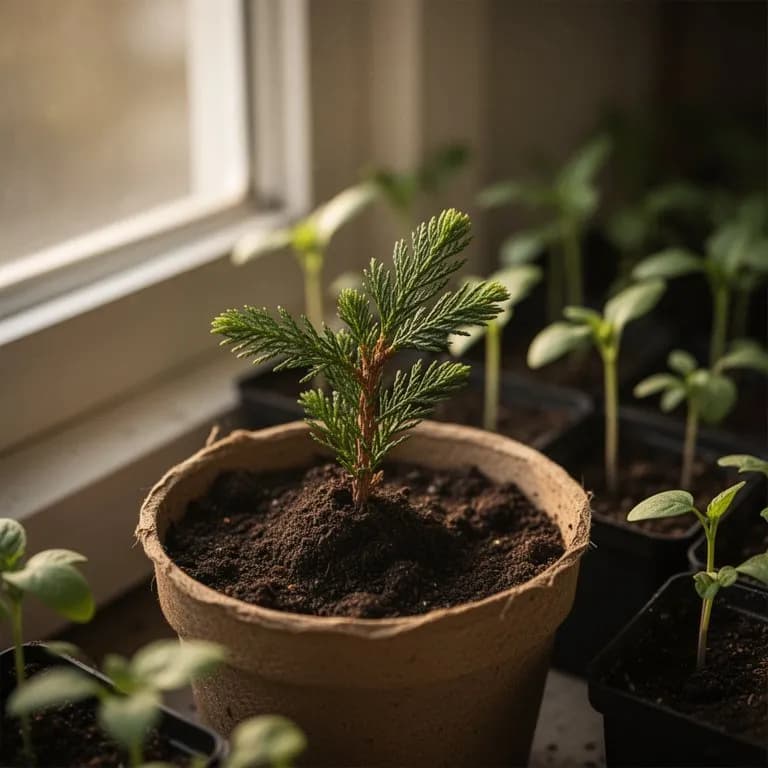
Zedernzapfen im Herbst sammeln, wenn sie beginnen, am Baum auseinanderzufallen. Echte Zedernzapfen zerfallen, daher vor dem vollständigen Öffnen eintüten. Samen 30 Tage lang in feuchtem Sand im Kühlschrank stratifizieren. Einen halben Zentimeter tief in gut drainiertes Saatsubstrat säen. Die Keimung dauert 3 bis 6 Wochen. Sämlinge wachsen anfänglich langsam. Benannte Sorten werden durch Veredelung auf Sämlingsunterlagen vermehrt.
Dein Zedernbaum-Jahr
Abgestimmt auf Zone 7 · typische Saison · Frost geht um den 2. Apr. und kehrt um den 1. Nov. zurück
Zedernbaum Mär – Apr, Okt – Nov pflanzen, — ernten. Beachte die Pflanzmethoden unten und wähle dein Klima für passende Zeiträume.
So baust du Zedernbaum an
Echte Zedern (Cedrus) sind majestätische Solitärbäume, die in Gebirgsregionen des Mittelmeerraums, des Himalayas und Nordafrikas beheimatet sind. Pflanzen Sie sie an sonnigen Standorten mit ausgezeichneter Drainage – Zedern sind nach der Etablierung extrem trockenheitsverträglich, überleben jedoch keine Staunässe. Halten Sie einen Abstand von 9 bis 12 Metern zu Gebäuden ein, um die enorme Ausbreitung im ausgewachsenen Zustand zu berücksichtigen.
In den ersten zwei Jahren gründlich, aber selten wässern. Einmal etabliert, benötigen Zedern selten zusätzliche Bewässerung, außer bei lang anhaltender Trockenheit. Sie sind weitgehend schädlingsresistent und benötigen minimalen Schnitt – entfernen Sie nur abgestorbene oder beschädigte Äste. Die anmutig hängenden Astspitzen der Deodar-Zeder sind ihr charakteristisches Ziermerkmal.
Für Zedernbaum ist ein Beet von 120 × 240 cm zu klein
Zedernbaum braucht 900 cm Platz pro Pflanze. Der Planer hält diesen Abstand für dich ein — jede Pflanze, jedes Beet.
Die besten Nachbarn für Zedernbaum
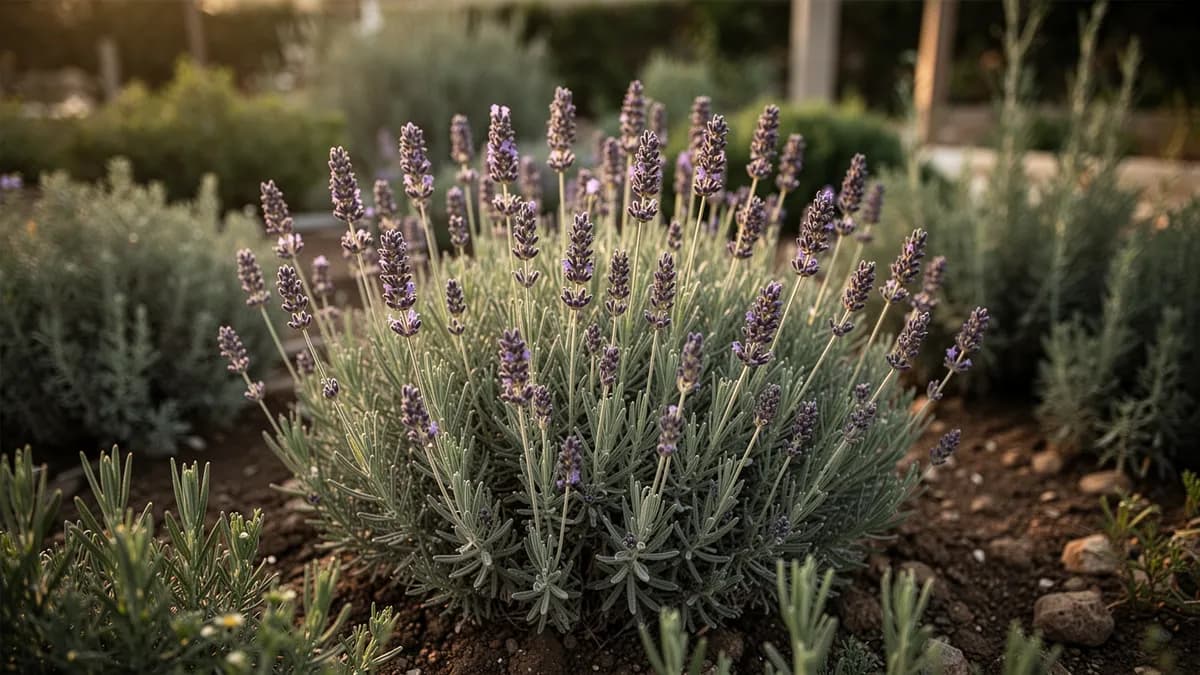
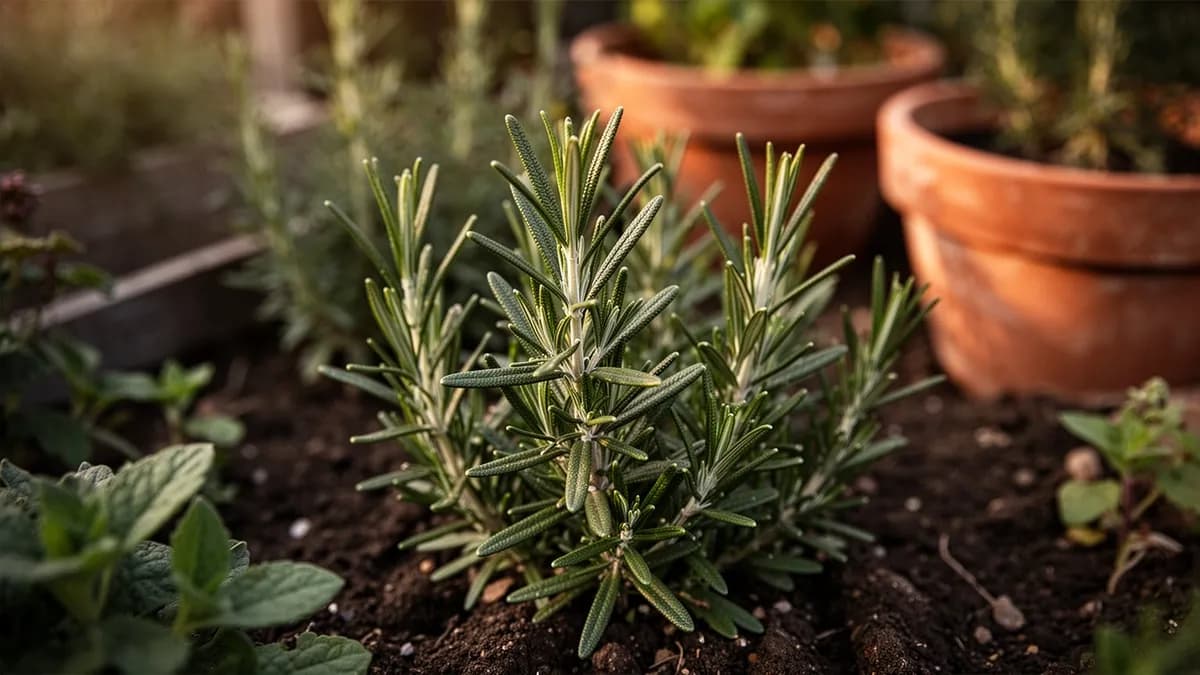
Trockenheitsresistente mediterrane Pflanzen wie Lavendel, Rosmarin und Heiligenkraut ergänzen Zedern perfekt. Ziergräser und trockenheitstolerante Bodendecker gedeihen in den trockenen Bedingungen unter Zedernkronen. Frühlingsblüher wie Narzissen und Krokusse naturalisieren sich gut. Feuchtigkeitsliebende Pflanzen vermeiden, die eine Bewässerung benötigen würden, die mit Zedern Vorliebe für trockene Bedingungen unverträglich ist.
Lavendel gehört daneben.
Altes Gärtnerwissen, geprüft an der echten Nachbartabelle von Zedernbaum — teste jede Pflanze, die du anbaust.
Probiere Zedernbaum direkt hier im Beet
Ein echtes Planer-Beet, Zedernbaum steht schon drin. Tippe einen Begleiter an, platziere ihn und sieh, wie die Nachbarschaftsprüfung antwortet — grün für gute Nachbarn, rot bei Streit.


Passende Anbau-Ratgeber
Richtig düngen
Echte Zedern gedeihen in gut drainiertem, leicht saurem bis neutralem Boden. Sie tolerieren arme, felsige und sandige Böden, überleben jedoch keine schwere Tonerde oder Staunässe. Minimale Düngung erforderlich – im Frühjahr einen langsam wirkenden Volldünger auf junge Bäume auftragen. Etablierte Zedern benötigen keine zusätzliche Nährstoffversorgung. Die flachen Saugwurzeln nicht durch Bodenbearbeitung stören.
Ideale Temperatur
Winterhärtezone-Kompatibilität
Von der Saat zur Ernte, Schritt für Schritt
Samenkeimung
Zedernsamen benötigen eine Kältestratifizierung von 30 bis 60 Tagen vor der Keimung. Samen werden in gut drainiertes Substrat gesät und bei etwa 4 Grad Celsius konstant feucht gehalten, bevor sie in wärmere Bedingungen umgestellt werden, um das Austreiben anzuregen.
Sämlingsestablierung
Sämlinge entwickeln eine einzelne Pfahlwurzel und einen schlanken Stängel mit weichen Jugendnadeln. Das Wachstum ist im ersten Jahr langsam und erreicht typischerweise 10 bis 15 Zentimeter Höhe. Der Sämling ist anfällig für Umfallkrankheit und übermäßige Feuchtigkeit.
Heisterwachstum
In den folgenden vier Jahren entwickelt die Zeder eine kegelförmige Wuchsform mit stufenförmiger Verzweigung. Das jährliche Wachstum steigt auf 20 bis 40 Zentimeter pro Jahr. Das Wurzelsystem dehnt sich erheblich aus, verankert den Baum gegen Wind und etabliert Trockenheitstoleranz.
Junger Baum
Zwischen dem fünften und zwanzigsten Jahr beschleunigt die Zeder ihr Wachstum auf 30 bis 60 Zentimeter pro Jahr. Die Krone füllt sich und die pyramidale Silhouette wird markant. Untere Äste können zur Aufastung geschnitten werden, ohne den Baum zu schädigen.
Ausgewachsenes Exemplar
Nach etwa 20 Jahren beginnt die Zeder ihre charakteristische flachkronige oder breit ausladende Krone zu entwickeln. Das Wachstumstempo verlangsamt sich, aber der Baum gewinnt an beeindruckendem Umfang. Ausgewachsene Exemplare von Cedrus libani können 35 bis 40 Meter Höhe erreichen mit einem Stammdurchmesser von über einem Meter.
Uralter Baum
Echte Zedern sind außergewöhnlich langlebig; einige Libanonzedern sind auf über 1000 Jahre dokumentiert. Uralte Exemplare entwickeln massive Stämme, dramatische horizontale Astarchitektur und werden zu wichtigen Lebensräumen für Vögel, Insekten und Flechten.
Samen 24 Stunden einweichen, bevor sie in feuchtem Sand in einem verschlossenen Beutel im Kühlschrank stratifiziert werden. Wöchentlich auf Schimmel prüfen und für Luftaustausch sorgen.
Zedernbaum Monat für Monat pflegen
Was du jeden Monat für deine Zedernbaum tun solltest
Oktober
Aktueller MonatIn kalten Klimazonen vor dem Gefrieren des Bodens eine letzte gründliche Bewässerung durchführen. Gefallenes Laub rund um die Stammbasis entfernen, um den Lebensraum für Pilzerreger zu reduzieren.
Immer wissen, was jetzt im Garten zu tun ist
Eine E-Mail zum Monatsanfang: was du jetzt säen, pflanzen und anpacken solltest — für deine Zedernbaum und alles, was drumherum wächst. Dazu ein kurzer Startkurs, der dich vor den klassischen Fehlern bewahrt.
- Was jetzt zu tun ist
- Passend zu deiner Saison
- Startkurs inklusive
Zedernbaum ernten
Zedernholz wird wegen seines aromatischen, von Natur aus fäulnisbeständigen Holzes für Terrassendielen, Zäune und Schrankauskleidungen geerntet. Zedernspäne und -hobelspäne werden als natürliches Mottenschutzmittel verwendet. Die Beeren der Östlichen Rotzeder werden in manchen Küchen verwendet, jedoch produzieren echte Zedern (Cedrus) keine essbaren Teile. Zedernzweige sind beliebt für Feiertagskränze und Dekorationen – selektiv von den unteren Ästen ernten.
angenommen, du pflanzt zu Beginn des Zeitraums — trage dein tatsächliches Datum ein
Ernte Zedernbaum zügig, dann trägt die Pflanze weiter.
Lagerung & Konservierung
Zedernholzspäne behalten ihre aromatischen Eigenschaften jahrelang, wenn sie in verschlossenen Beuteln aufbewahrt werden. Den Duft durch leichtes Abschleifen der Oberfläche auffrischen. Zedernzweige für Dekorationen halten 2 bis 3 Wochen, wenn sie kühl gelagert und gelegentlich besprüht werden. Zederisches ätherisches Öl wird aus Holzspänen destilliert und in dunklen Glasflaschen aufbewahrt.
Was schiefgeht — und die Lösung
Deodar-Rüsselkäfer
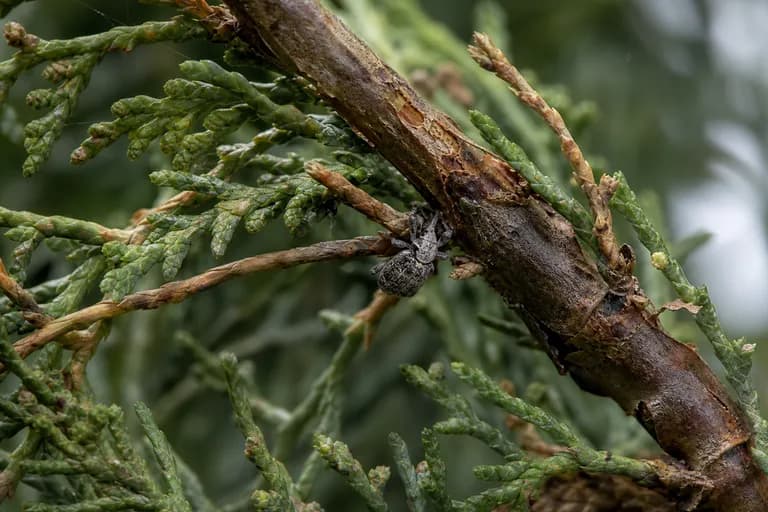
SchädlingAdulte Tiere fressen an der Rinde von Zweigen und verursachen Triebspitzensterben. Larven bohren sich in Äste und Stamm. Ringförmig abgenagte Äste welken und sterben ab.
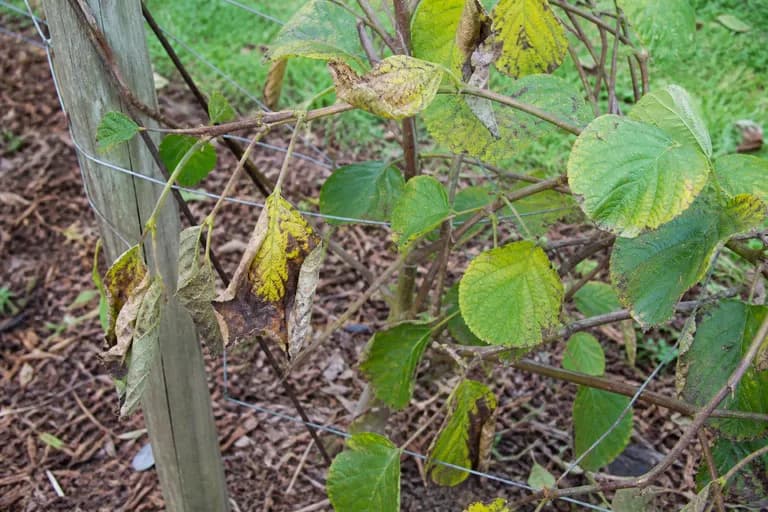
Wurzelfäule (Phytophthora)
KrankheitVergilbende Nadeln, lichter Kronenbereich, Aststerben. Dunkle, wassergetränkte Rinde an der Bodenlinie. Baum geht im Verlauf von Monaten bis Jahren ein.
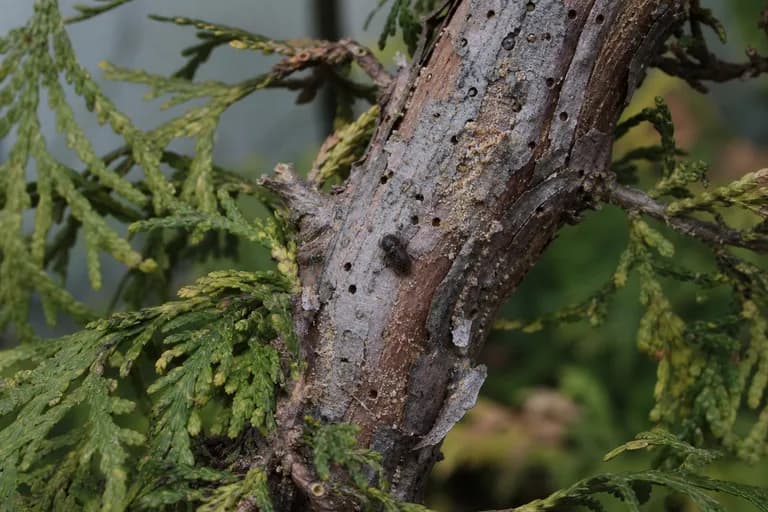
Zedernborkenkäfer
SchädlingKleine runde Löcher in der Rinde mit feinem Bohrmehl. Aststerben und Nadelvergilbung bei gestressten Bäumen.
Fehlerbehebung bei häufigen Problemen
Wurzelfäule durch schlechte Drainage ist die häufigste Todesursache bei Zedern. Sie sind schlecht an feuchte, südöstliche Klimazonen mit schwerer Tonerde angepasst. Astbruch durch schweren Schnee und Eis kann die Zierform beschädigen. Einige Zedern sind nur bedingt winterhart und können bei strengen Wintern am Rand ihres Verbreitungsgebiets Triebspitzenschäden erleiden.
Anbautipps
- Zedernbäume an vollsonnigen Standorten mit mindestens sechs Stunden direktem Sonnenlicht täglich pflanzen. Sie tolerieren leichten Nachmittagsschatten, werden aber an stark beschatteten Standorten dünn und etiolieren.
- Ausgezeichnete Bodendrainage sicherstellen, da echte Zedern in Staunässe sehr anfällig für Wurzelfäule sind. Schwere Tonböden vor dem Pflanzen mit grobem Sand und organischem Material verbessern.
- Zedernbäume mit einem Abstand von mindestens 10 bis 15 Metern zu Gebäuden und anderen großen Bäumen pflanzen, um ihre ausgewachsene Ausdehnung zu berücksichtigen, die 8 bis 12 Meter im Durchmesser erreichen kann.
- Neu gepflanzte Zedern in den ersten zwei Wachstumssaisonen einmal pro Woche gründlich wässern. Einmal etabliert, sind sie bemerkenswert trockenheitstolerant und benötigen selten zusätzliche Bewässerung.
- Starken Rückschnitt oder Kappung vermeiden, da dies die natürliche Form zerstört und zu Fäulnis führen kann. Nur abgestorbene, beschädigte oder kreuzende Äste entfernen und niemals den Leitast kappen.
- Junge Bäume in den ersten drei bis fünf Jahren bis zur Verhärtung der Rinde und dem Anwachsen der Krone über die Verbisshöhe mit Drahtkörben oder Abwehrsprays vor Wildverbiss schützen.
- Sauren bis neutralen pH-Mulch wie Kiefernrinde oder Holzschnitzel auftragen, um die leicht sauren Bodenbedingungen zu erhalten, die Zedern bevorzugen, idealerweise zwischen pH 5,5 und 7,0.
- Keinen übermäßigen Stickstoffdünger auftragen, der schwaches, saftiges Wachstum fördert, das anfällig für Schädlinge und Krankheiten ist. Eine Anwendung von ausgewogenem, langsam wirkendem Dünger im frühen Frühjahr ist ausreichend.
- Beim Umpflanzen von containergewachsenen Zedern kreisende Wurzeln am Boden des Wurzelballens sorgfältig entwirren, um eine Einschnürung beim Heranwachsen des Baumes zu verhindern.
- In Regionen mit starkem Nassschneefall Schnee sanft von den Ästen junger Zedern abbürsten, um Astbruch zu verhindern. Ausgewachsene Bäume entwickeln ausreichende Astfestigkeit, um normale Schneelasten zu tragen.
Bau deine beste Zedernbaum an — und alles drumherum.
Starte heute kostenlos. Lege deine Beete an, setze deine Zedernbaum ein und lass PlotMyGarden Timing, Abstände, Begleiter und Erinnerungen von der Saat bis zum Erntekorb übernehmen.
Finde deine Zedernbaum
Deodar-Zeder (Cedrus deodara)
Anmutig hängende Spitzen mit silbrig-blauen Nadeln. Die am weitesten verbreitete echte Zeder, die 15–21 Meter hoch wird. Am besten in den Zonen 7–9.
Atlaszeder (Cedrus atlantica)
Blaugrüne bis silbrige Nadeln an einem breit pyramidenförmigen Baum. Die Sorte Glauca Pendula ist eine auffällige Hängeform als Solitärpflanze.
Libanonzeder (Cedrus libani)
Die biblische Zeder mit einer massiven, flachkronigen ausladenden Krone im ausgewachsenen Zustand. Außerordentlich langlebig und majestätisch. Winterhart bis Zone 6.
Östliche Rotzeder (Juniperus virginiana)
Keine echte Zeder, wird aber weithin so genannt. Einheimischer nordamerikanischer Wacholder mit aromatischem Holz. Äußerst robust und anpassungsfähig.
Obwohl Zedernbäume keine nahrungsmittelproduzierenden Pflanzen sind, kann eine gut platzierte ausgewachsene Zeder die Heizkosten eines Hauses um 10 bis 15 Prozent senken, indem sie als Windschutz gegen kalte Winterwinde dient. Eine einzige große Zeder kann auch den Immobilienwert um schätzungsweise 4.600 bis 13.800 Euro steigern und ist damit eine der wertvollsten Landschaftsinvestitionen. Das langlebige Holz erzielt, wenn nachhaltig geerntet, Premiumpreise für Zäune, Terrassendielen und Gartenmöbel und hält oft 20 oder mehr Jahre ohne chemische Behandlung.
Schnelle Rezepte
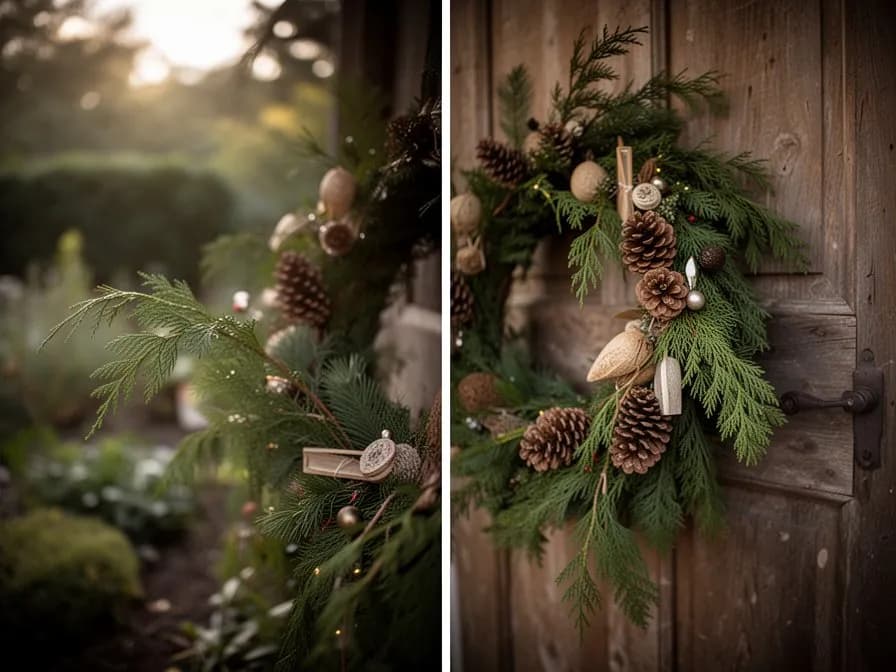
Aromatischer Zedernadeltee
10 Min.Ein duftendes Kräuteraufguss aus frischen Zedernadeln, das traditionell von indigenen Kulturen wegen seines angenehmen Aromas und seiner milden wärmenden Eigenschaften verwendet wird. Nur eindeutig identifizierte echte Zedernadeln verwenden und vor dem Verzehr einen Arzt konsultieren.
4 ZutatenZedernholz-Grillbrett-Vorbereitung
2 Stunden Einweichen plus 20 Min. GrillenObwohl kein Rezept, das Zeder als Zutat verwendet, verleihen Zedernholzbretter gegrilltem Fisch und Gemüse eine unverwechselbare rauchige Süße. Ein unbehandeltes Zederholzbrett gründlich einweichen, bevor Lebensmittel darauf über indirekter Hitze gegart werden.
4 Zutaten
Zedernholzsäckchen für die Wäscheaufbewahrung
15 Min.Ein praktisches Bastelprojekt mit Zedernholzspänen zum Schutz gelagerter Kleidung und Wäsche vor Motten und Muffigkeit. Die natürlichen Öle im Zedernholz schrecken Insekten ohne aggressive Chemikalien ab.
4 ZutatenWas drinsteckt
Gesundheitsvorteile
- Ätherisches Zedernöl enthält Cedrol und Alpha-Cedren, Verbindungen, die auf ihre beruhigende Wirkung auf das autonome Nervensystem und ihr Potenzial zur Verbesserung der Schlafqualität bei Aromatherapie-Anwendungen untersucht wurden.
- Die natürlichen antimikrobiellen Eigenschaften von Zedernholzölen wurden nachweislich das Wachstum mehrerer Bakterien und Pilze hemmen, weshalb Zeder traditionell für Lebensmittelvorratsschränke und Apothekerschränke gewählt wurde.
- Die Zeit zwischen Zedernbäumen setzt Personen Phytonciden aus, flüchtigen organischen Verbindungen, die vom Laub freigesetzt werden und laut Forschung die Immunfunktion unterstützen und Stresshormone reduzieren können.
- Zedernholzspäne und -öl dienen als natürliches Insektenschutzmittel, das gegen Motten, Mücken und andere Haushaltsschädlinge wirksam ist und die Abhängigkeit von synthetischen Chemikalien reduziert.
- Traditionelle Medizinsysteme einschließlich Ayurveda haben Rinden- und Ölpräparate von Cedrus deodara wegen ihrer entzündungshemmenden und schmerzlindernden Eigenschaften bei der Behandlung von Gelenkschmerzen und Atembeschwerden eingesetzt.
- Das dichte immergrüne Blätterdach von Zedernbäumen bietet erhebliche Luftqualitätsvorteile, indem es Feinstaub filtert und ganzjährig Sauerstoff produziert, was zu gesünderen städtischen und vorstädtischen Umgebungen beiträgt.
Woher Zedernbaum stammt
Echte Zedern der Gattung Cedrus sind in den Gebirgsregionen des westlichen Himalayas und des Mittelmeerraums beheimatet. Die vier anerkannten Arten belegen jeweils eigene geografische Verbreitungsgebiete: Cedrus libani wächst in den Bergen des Libanons, Syriens und der südlichen Türkei in Höhenlagen zwischen 1300 und 3000 Metern; Cedrus atlantica findet sich im Atlasgebirge Marokkos und Algeriens; Cedrus deodara ist im westlichen Himalaya von Ostafghanistan über Nordpakistan und Indien bis nach Westnepal beheimatet; und die seltene Cedrus brevifolia ist endemisch im Troodos-Gebirge auf Zypern. Diese Bäume haben die menschliche Zivilisation seit Jahrtausenden geprägt. Die Phönizier bauten ihre legendären Handelsschiffe aus libanesischer Zeder und ermöglichten so den Seehandel im antiken Mittelmeerraum. Ägyptische Pharaonen importierten Zedernholz für Tempel, Möbel und Schiffsbau bereits ab 3000 v. Chr., und das Gilgamesch-Epos, eines der ältesten Werke der Weltliteratur, beschreibt einen heiligen Zedernwald, der vom Dämon Humbaba bewacht wird. Die Römer holzten Zedernwälder umfangreich für Bau- und Marinezwecke ab und trugen zur dramatischen Entwaldung des Libanons bei, die sich durch die osmanische Zeit fortsetzte, als Bäume als Eisenbahnbrennstoff gefällt wurden. Zu Beginn des zwanzigsten Jahrhunderts waren nur noch kleine verstreute Haine der einst riesigen libanesischen Zedernwälder verblieben. Moderne Naturschutzbemühungen einschließlich Aufforstungsprogrammen, Schutzgebieten und internationaler Zusammenarbeit haben dazu beigetragen, die verbliebenen Bestände zu stabilisieren, obwohl der Klimawandel und veränderte Niederschlagsmuster anhaltende Bedrohungen für diese ikonischen Bäume in ihren natürlichen Verbreitungsgebieten darstellen.
Zedernbaum: Schon gewusst?
Faszinierende Fakten über Zedernbaum
Die Libanonzeder (Cedrus libani) wird in der Bibel über 70 Mal erwähnt und symbolisiert in der gesamten antiken Schrift Stärke, Schönheit und göttliche Schöpfung.
Zedernbaum: Fragen & Antworten
Wann sollte ich Zedernbaum pflanzen?
Was sind gute Begleitpflanzen für Zedernbaum?
In welchen Winterhärtezonen kann Zedernbaum wachsen?
Wie viel Sonne braucht Zedernbaum?
Welchen Abstand sollte ich zwischen Zedernbaum lassen?
Welche Schädlinge und Krankheiten befallen Zedernbaum?
Wie lagere ich Zedernbaum nach der Ernte?
Was sind die besten Zedernbaum-Sorten zum Anbauen?
Welchen Boden braucht Zedernbaum?
Was ist der Unterschied zwischen einer echten Zeder und einer falschen Zeder?
Wie schnell wachsen echte Zedernbäume?
Können Zedernbäume in Kübeln oder kleinen Gärten wachsen?
Sind Zedernbäume anfällig für ernsthafte Krankheiten oder Schädlinge?
Wann ist der beste Zeitpunkt, einen Zedernbaum zu pflanzen?
Wie lange leben Zedernbäume und wie groß werden sie?
Du hast die Theorie gelesen. Jetzt baue sie auf Autopilot an.
Alles, was Zedernbaum knifflig macht — das Timing, die Abstände, die Begleiter, das Erntefenster — genau das übernimmt PlotMyGarden für dich, für jede Pflanze im Garten.
Ein Plan, der dein Wetter kennt
Standort einmal festlegen. Aussaat-, Dünge- und Erntedaten rund um deinen echten letzten Frosttermin und die Live-Vorhersage — kein Raten mehr nach Saattüte.
Aus dem Abschnitt „Pflanzzeit“Beetplaner per Drag & Drop
Beete auf einem Raster gestalten. Jede Pflanze rastet im richtigen Abstand ein, und du siehst die ganze Saison, bevor du einen Cent für Saatgut ausgibst.
Aus dem Abschnitt „Anbau“Begleiter-Konflikte früh erkannt
Über 200 gute und schlechte Kombinationen werden beim Pflanzen live geprüft — so landet ein saisonruinierender Fehler nie in der Erde.
Aus dem Abschnitt „Begleiter“Erinnerungen, nach denen du wirklich handelst
„Gieß die Bohnen.“ „Heute ernten, bevor's umschlägt.“ Pünktlich, konkret und auf deine echten Pflanzen bezogen.
Aus dem Abschnitt „Ernte“Staffel-Aussaat, geplant
Sechs Wochen ernten statt sechs Tage? Die App verteilt deine Aussaaten automatisch und erinnert dich, wenn der nächste Satz fällig ist.
Aus dem Abschnitt „Pflanzzeit“Ein Verlauf, der schlauer wird
Jede protokollierte Ernte bringt der App deinen Garten bei. Der Plan fürs nächste Jahr startet bei dem, was in deinem Boden wirklich funktioniert hat.
Aus dem Abschnitt „Überblick“Pflanze diese neben Zedernbaum
Weitere Immergrüne
Bau deine beste Zedernbaum an — und alles drumherum.
Starte heute kostenlos. Lege deine Beete an, setze deine Zedernbaum ein und lass PlotMyGarden Timing, Abstände, Begleiter und Erinnerungen von der Saat bis zum Erntekorb übernehmen.