Holly Tree
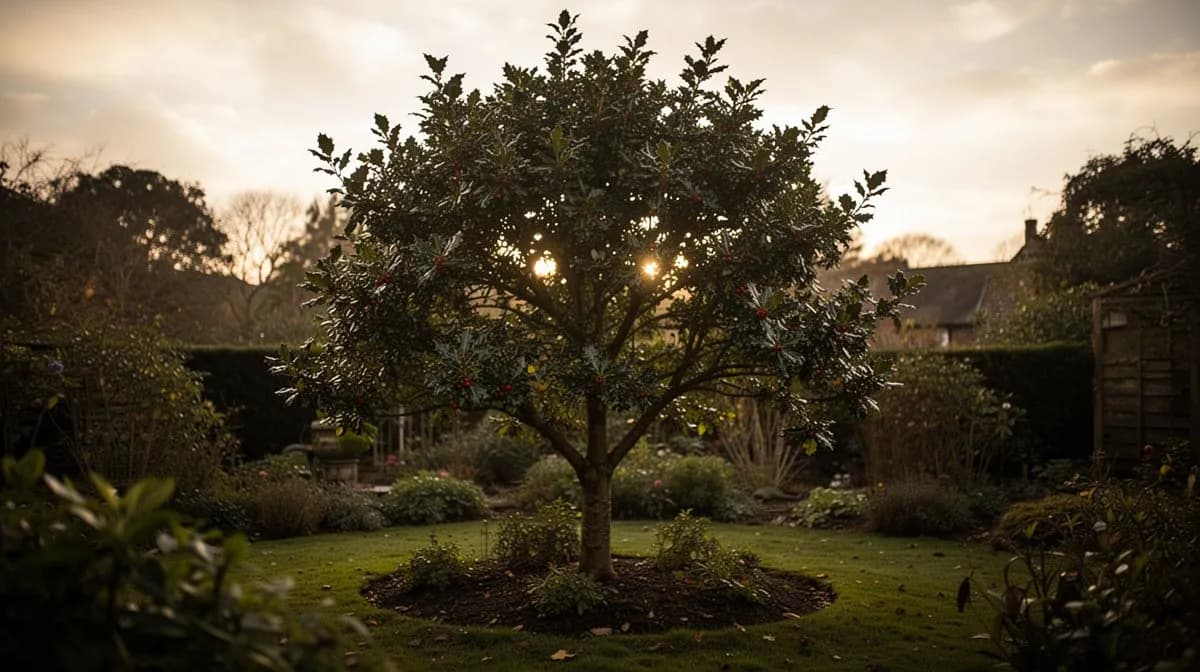
A dense evergreen tree or large shrub with glossy, spiny leaves and bright red berries that provide winter color and bird food.





On this pageOverview
Meet Holly Tree
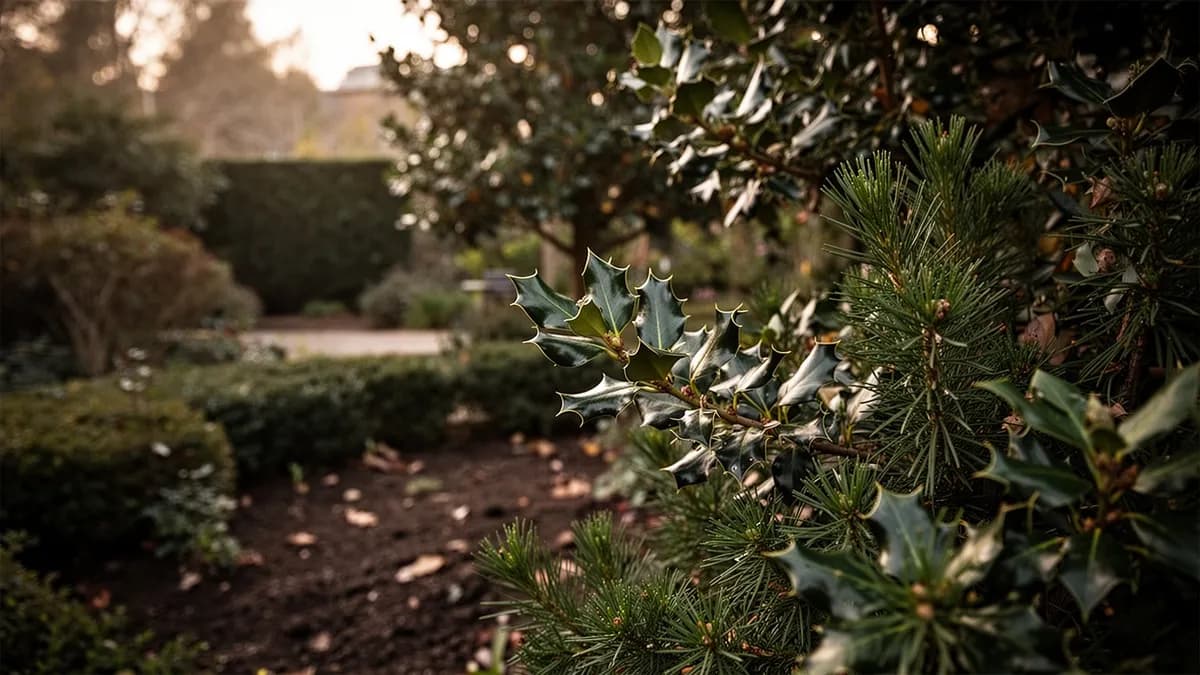
A dense evergreen tree or large shrub with glossy, spiny leaves and bright red berries that provide winter color and bird food. Holly is dioecious, so you need both male and female plants to produce the ornamental berries, with one male sufficient for several females. They tolerate heavy pruning and shearing, making them excellent hedges and topiary subjects. Holly prefers acidic, well-drained soil and benefits from a sheltered location protected from desiccating winter winds.
When to plant Holly Tree
Holly seeds have double dormancy requiring warm stratification (3 months) followed by cold stratification (3 months) before germination. This means seeds naturally take 18 months to sprout. Clean pulp from berries, warm-stratify in moist peat at 70°F, then cold-stratify at 40°F. Sow a quarter inch deep. Named cultivars are propagated by semi-hardwood cuttings in summer, which root readily with rooting hormone and bottom heat.
Your Holly Tree Year
Composed for Zone 7 · typical seasons · frost passes Apr 2, returns Nov 1
Plant Holly Tree Mar – Apr, Oct – Nov, pick Nov – Dec. Check the planting methods below and set your climate to personalize these windows.
How to grow Holly Tree
Hollies are versatile broadleaf evergreens used for hedging, screening, and specimen planting. They are dioecious — plant at least one male for every 5 to 8 females to ensure berry production. Choose cultivars that bloom at the same time for effective pollination.
Plant in spring or early fall in moist, acidic, well-drained soil. Hollies tolerate partial shade and actually prefer afternoon shade in hot climates. Water regularly during establishment. Hollies respond well to pruning and can be sheared into formal hedges or allowed to grow naturally. Prune in late winter before new growth begins.
Holly Tree needs more room than a 4 × 8 ft bed gives
Each Holly Tree wants 500 cm of elbow room. The planner keeps that spacing for you — every plant, every bed.
Holly Tree's best neighbours
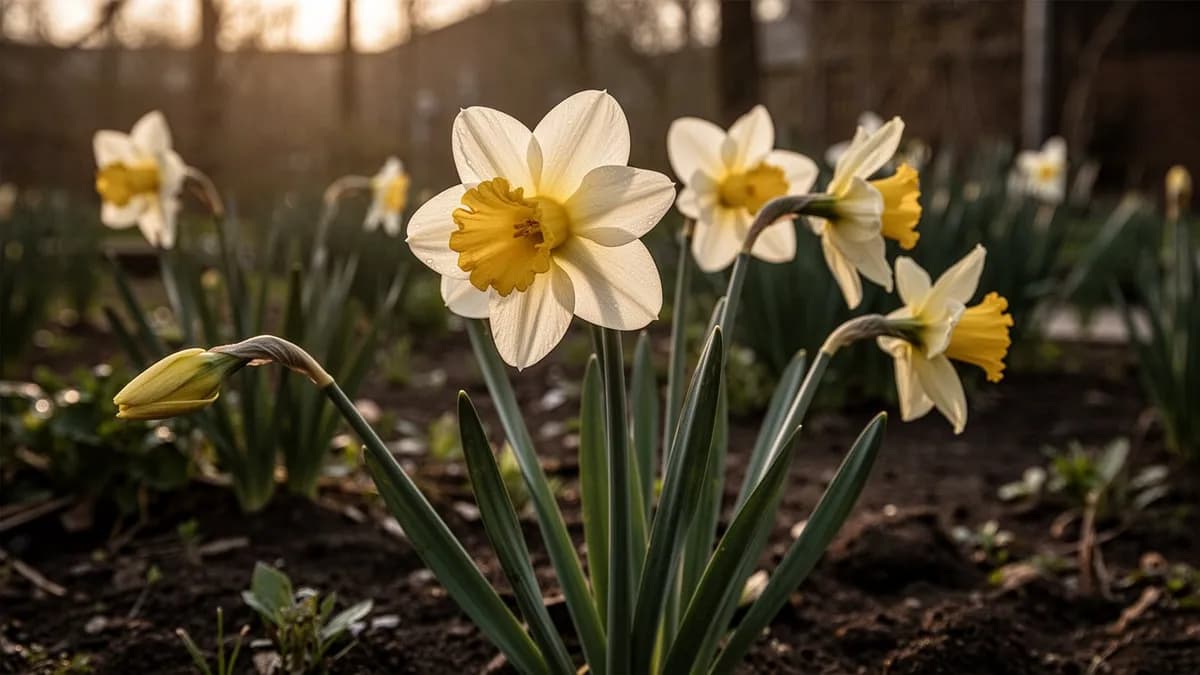
Acid-loving plants make ideal companions: azaleas, rhododendrons, hydrangeas, and ferns. Shade-tolerant groundcovers like pachysandra, vinca, and liriope fill in nicely under holly canopies. Spring bulbs including daffodils and snowdrops provide seasonal color. Plant male pollinators within 50 feet of female hollies for berry production.
Daffodil belongs beside it.
Old growers' knowledge, checked against Holly Tree's real companion table below — test any plant you're growing.
Try Holly Tree in a bed — right here
A real planner bed with Holly Tree already in it. Tap a companion to place it and watch the pairing checks answer — green for good neighbours, red for a clash.


Related growing guides
Feed it well
Hollies require acidic soil with pH 5.0 to 6.0. Amend alkaline soils with sulfur and peat moss. They prefer moist, well-drained conditions enriched with organic matter. Apply an acidifying evergreen fertilizer in early spring. Mulch with pine bark or acidic organic material. Iron chlorosis (yellow leaves with green veins) indicates soil pH is too high — apply chelated iron and sulfur amendments.
Ideal Temperature
Hardiness Zone Compatibility
From seed to harvest, stage by stage
Dormancy and Late Winter Rest
Holly is evergreen and retains its foliage through winter, but growth ceases entirely during the coldest months. The tree conserves energy while its thick, waxy cuticle protects leaves from frost desiccation. Red berries from the previous autumn may persist on female trees well into late winter, providing a vital food source for overwintering birds. Root activity is minimal but the tree is far from lifeless — internal hormonal shifts are preparing for the spring growth flush.
Spring Bud Break and New Growth
As temperatures consistently exceed 8-10°C, holly buds swell and burst into soft, pale green new leaves. This fresh growth is surprisingly tender and lacks the thick waxy cuticle of mature foliage. Spines on the new leaves are soft and flexible at first, hardening over several weeks as the leaf matures. Growth is concentrated at the branch tips, extending the canopy by 10-25 cm per season depending on the cultivar and growing conditions.
Flowering Period
Holly is dioecious — individual trees are either male or female, and both sexes must be present for berry production. Small, four-petalled white flowers appear in clusters in the leaf axils from late spring to early summer. Male flowers have four prominent stamens and produce pollen, while female flowers have a conspicuous green ovary at the centre. The flowers are sweetly scented and highly attractive to bees, hoverflies, and other pollinating insects. A single male tree can effectively pollinate several female trees within a radius of approximately 30-50 metres.
Berry Development and Summer Growth
Pollinated female flowers develop into small, round, green drupes that swell slowly through the summer months. Each berry contains two to four hard seeds (pyrenes) embedded in mealy flesh. The canopy continues to extend and the current season's leaves mature, developing their characteristic thick glossy cuticle and rigid spines. By late summer the tree has completed the bulk of its annual growth increment and begins redirecting resources into berry ripening and winter hardening.
Berry Ripening and Colour Change
From early to mid-autumn, holly berries undergo their dramatic colour transformation from green through yellowish-green to brilliant scarlet red (or orange, yellow, or black depending on species and cultivar). The colour change is triggered by cooler temperatures and shorter day lengths, which stimulate anthocyanin and carotenoid production in the berry skin. Ripe berries are firm, glossy, and strikingly vivid against the dark evergreen foliage. The tree enters a semi-dormant state as growth slows and resources are directed into cold-hardening tissues.
Full Berry Display and Winter Hardening
Holly reaches its peak ornamental value in early to midwinter, when the vivid red berries stand out brilliantly against the dark glossy foliage and the muted tones of the dormant winter garden. Birds including mistle thrushes, fieldfares, redwings, blackbirds, and waxwings are the primary consumers of holly berries, and a productive female tree may be stripped of berries within days once bird flocks discover them. The tree is fully winter-hardy in this phase and tolerates temperatures well below freezing.
Avoid pruning holly in deep winter as open wounds heal slowly in cold weather. Water container-grown holly during dry winter spells, as evergreen foliage continues to lose moisture through transpiration even when the soil surface appears damp. Protect young trees from prolonged hard frost with a wrap of horticultural fleece around the root zone.
Caring for Holly Tree month by month
What to do each month for your Holly Tree
October
You are hereBerries are colouring to full red. This is an excellent time to plant new holly — the soil is still warm, allowing root establishment before winter. Water new plantings well and mulch generously. Collect ripe berries for seed propagation — holly seeds require a prolonged stratification period of 12-18 months to germinate.
Know exactly what to do in your garden — every month
One email at the start of each month: what to sow, plant, and tackle right now — for your Holly Tree and everything growing around it. Plus a short starter course that helps you dodge the classic mistakes.
- What to do, right now
- Matched to your season
- Starter course included
Harvesting Holly Tree
Holly berries are TOXIC to humans and should never be eaten. Holly branches with berries are harvested in late fall and winter for holiday decorations. Cut branches with sharp pruners, selecting from interior growth to maintain the tree's shape. Harvest in the morning when berries are firmly attached. Wear gloves to protect hands from spiny leaves.
assuming you plant when the window opens — set your real date
Pick Holly Tree promptly and the plant keeps producing.
Storage & Preservation
Cut holly branches last 2 to 3 weeks in cool conditions. Keep stems in water and mist foliage regularly. For wreath-making, condition branches by soaking stem ends in warm water for several hours. Glycerin-preserved holly maintains its glossy appearance for months — split stem ends and place in a glycerin-water solution for several weeks until leaves feel waxy.
What goes wrong — and the fix
Holly Leaf Miner
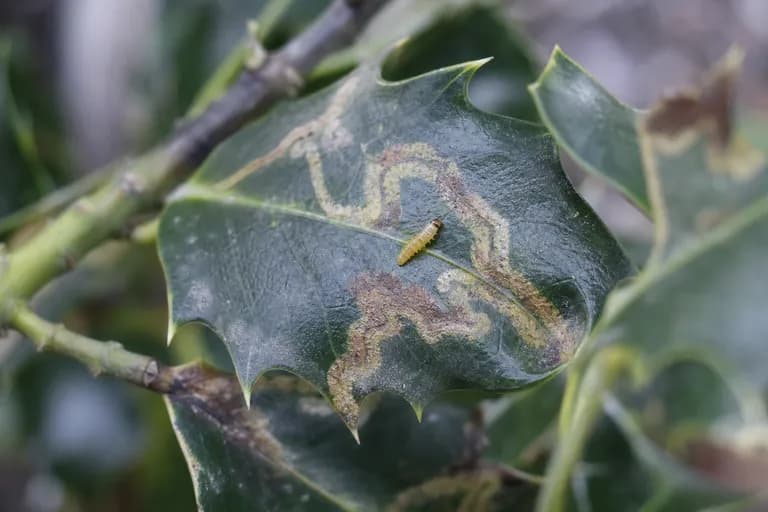
PestSerpentine yellow-brown mines between leaf surfaces. Mined areas become blistered and papery. Heavy infestations cause leaf drop.
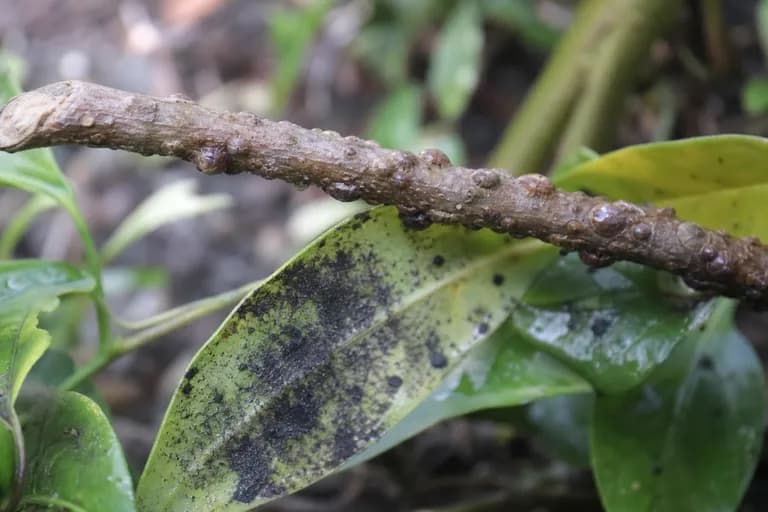
Scale Insects
PestSmall brown or white bumps on stems and leaf undersides. Honeydew and sooty mold on leaves. Weakened growth.
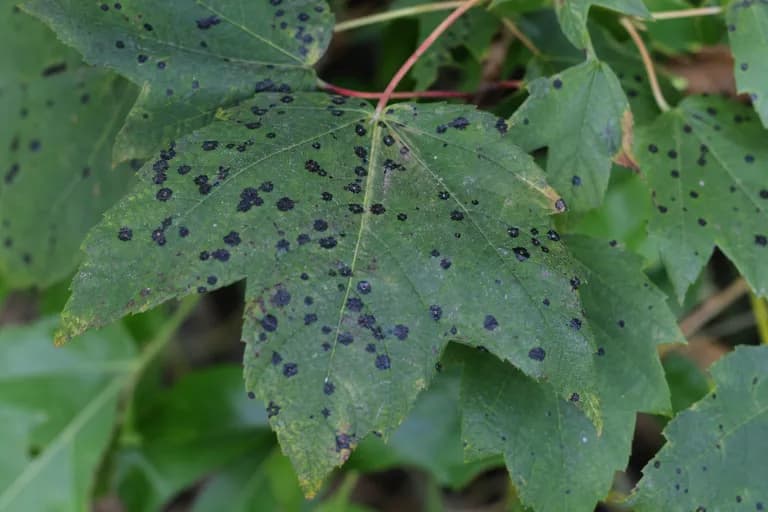
Tar Spot
DiseaseYellow spots on leaves that darken to black tar-like blotches. Mostly cosmetic but heavy infections cause premature leaf drop.
Troubleshooting Common Problems
Lack of berries is the most common complaint — usually caused by missing male pollinators or planting only one sex. Winter burn from drying winds browns exposed foliage. Iron chlorosis in alkaline soils causes yellow leaves. Spiny fallen leaves make cleanup difficult under the tree. Holly berries are toxic to humans and pets if ingested.
Growing Tips
- Holly is dioecious — you need both a male and a female plant to produce berries. When purchasing holly, always confirm the sex of the plant. A good ratio is one male tree for every three to five female trees, planted within 30-50 metres of each other. If space is extremely limited, choose the self-fertile cultivar Ilex aquifolium 'J.C. van Tol' which bears berries without a pollinator.
- Plant holly in well-drained but moisture-retentive soil enriched with organic matter. Holly tolerates a wide pH range from 5.0 to 7.5 but performs best in slightly acidic to neutral soil. Avoid waterlogged or heavily compacted sites. Holly thrives in both full sun and partial shade, though berry production is significantly heavier in sunnier positions.
- Holly is one of the finest hedging plants available for temperate gardens. Plant bare-root whips at 45-60 cm spacing for a dense hedge, or 30 cm for a very tight formal boundary. Trim annually in late August or September using hand shears — powered hedge trimmers shred the large leaves and create an unsightly brown-edged appearance.
- Young holly trees benefit from a sheltered position for their first two to three winters, as juvenile plants are more susceptible to frost damage and wind scorch than established specimens. Use a temporary windbreak screen or plant on the leeward side of existing trees or structures. Once established, holly is remarkably wind-tolerant and makes an excellent coastal garden plant.
- Water newly planted holly deeply and regularly for the first two growing seasons. Once established, holly is moderately drought-tolerant but will drop leaves and berries during prolonged dry periods. Apply a generous mulch of composted bark, leaf mould, or wood chips around the root zone to retain moisture and suppress weeds.
- Holly responds well to pruning and can be trained into formal shapes, topiary, and standards as well as informal hedges and screens. Prune in late summer after growth has hardened to minimise regrowth. Holly regenerates strongly from old wood, so even severely neglected or overgrown plants can be rejuvenated by cutting back hard over two to three years.
- Propagate holly from semi-ripe cuttings taken in late summer. Select current-season shoots approximately 10-15 cm long that are firm at the base, remove the lower leaves, dip the cut end in rooting hormone, and insert into a mix of perlite and peat in a cold frame. Holly cuttings are slow to root, often taking three to six months, so patience is essential.
- Holly leaf miner (Phytomyza ilicis) is the most common pest, creating yellow blotch mines in the leaves. Remove and destroy affected leaves in late spring before the adult flies emerge to reduce the population. Scale insects can also affect holly — treat with horticultural oil spray applied in late winter before new growth begins.
- Protect holly berries and bark from deer browsing in rural areas by installing tree guards around young specimens. Rabbits can also cause significant bark damage to young holly trunks in winter. Wire mesh guards around the trunk base to a height of 60 cm will prevent rabbit damage during the vulnerable establishment years.
- Holly grows well in containers for patios, courtyards, and formal entrance displays. Use a large container of at least 40 litres with good drainage, filled with a loam-based compost such as John Innes No. 3. Water regularly and feed with a balanced liquid fertilizer monthly during the growing season. Container holly may need winter protection in very cold climates as roots are more exposed to freezing temperatures than in-ground plants.
Grow your best Holly Tree yet — and everything around it.
Start a free plan today. Lay out your beds, drop in your Holly Tree, and let PlotMyGarden handle the timing, spacing, companions and reminders from seed to harvest basket.
Pick your Holly Tree
Nellie R. Stevens
One of the most popular landscape hollies with vigorous growth, heavy berry production, and good cold hardiness. Self-fruitful to a limited degree.
Blue Princess/Blue Prince
A matched pair producing abundant red berries on compact, cold-hardy plants. Blue-green foliage with excellent disease resistance.
Winterberry (Ilex verticillata)
Deciduous holly native to North America producing brilliant red berries on bare stems. Stunning winter display. Needs acidic, moist soil.
Sky Pencil (Ilex crenata)
Extremely narrow columnar Japanese holly ideal for tight spaces, containers, and formal gardens. No berries but excellent evergreen structure.
Holly is primarily an ornamental and hedging plant rather than a food crop, so cost savings are calculated differently than for edible plants. A mature holly hedge eliminates the need for expensive fence panels or walls — establishing a 10-metre holly hedge from bare-root whips costs approximately $80-150, compared to $500-2,000 for equivalent timber fencing that requires replacement every 10-15 years. Holly hedges last for generations with minimal maintenance. A well-grown specimen holly tree adds significant property value, with mature evergreen trees estimated to increase residential property values by 5-15 percent. Additionally, holly branches harvested for winter wreaths and decorations replace purchased arrangements costing $25-75 each, and propagating holly from cuttings rather than purchasing nursery plants saves $15-40 per plant.
Quick recipes
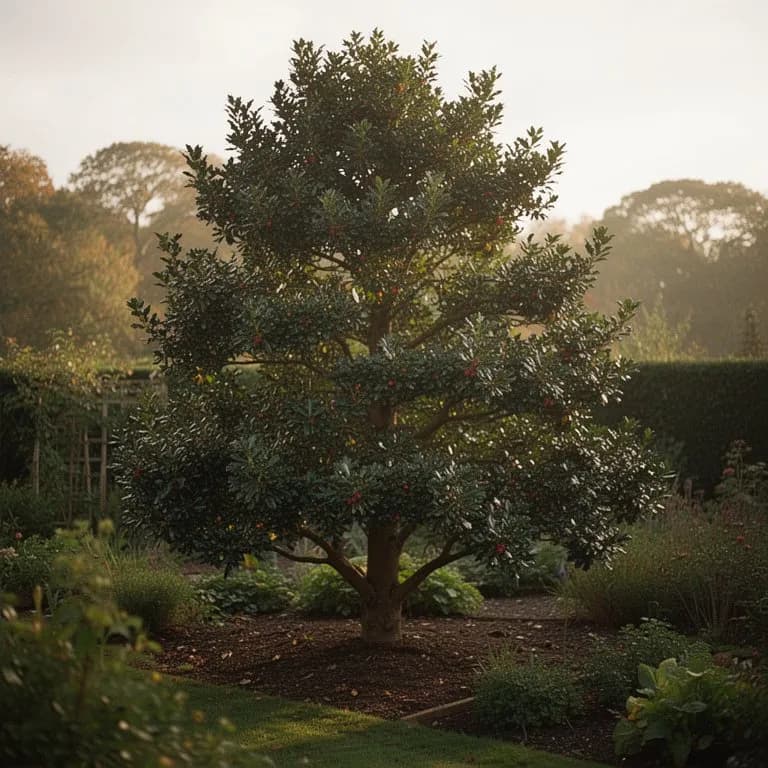
Holly Berry Winter Bird Cake
30 minutes plus chillingSince holly berries are toxic to humans, this recipe uses them as a decorative and nutritional element in homemade bird food cakes. Combining suet, seeds, and holly berries creates an attractive and energy-rich winter feeder that supports garden birds during the coldest months while making use of your holly harvest in a safe and practical way.
6 ingredientsHolly Leaf Infusion (Historical Herbal Tea)
15 minutesHistorically, dried holly leaves were brewed into a bitter infusion used as a folk remedy for fevers and joint pain across Europe. This preparation is included for historical interest only and is NOT recommended for consumption without consulting a qualified herbalist, as holly leaves contain compounds that may cause adverse effects. For a safe caffeinated holly tea, use commercially prepared Ilex vomitoria (yaupon holly) leaves instead.
4 ingredientsHolly-Themed Christmas Wreath Craft
45 minutesWhile holly berries cannot be eaten, freshly cut holly branches with berries make stunning natural winter decorations. This wreath-making guide uses freshly harvested holly along with other evergreens to create a traditional Christmas door wreath that lasts four to six weeks. Wear thick leather gloves when handling holly to avoid injury from the spiny leaves.
6 ingredientsWhat's inside
Health Benefits
- Holly berries and leaves of Ilex aquifolium are toxic to humans and offer no direct dietary health benefits — all parts of the English holly contain ilicin, saponins, and theobromine that cause gastrointestinal distress if ingested, and consumption should be strictly avoided
- The related species Ilex paraguariensis (yerba mate) is rich in polyphenols, xanthines, and saponins that have been associated with improved mental focus, increased metabolic rate, and antioxidant protection in clinical studies — demonstrating the medicinal potential within the broader holly genus
- Holly trees provide significant indirect health benefits through urban air quality improvement — as dense evergreens, they filter airborne particulate matter year-round, with studies showing that evergreen hedges can reduce roadside particulate exposure by up to 60 percent
- Dense holly hedging creates effective natural windbreaks and noise barriers around gardens and homes, reducing wind chill, lowering heating costs, and decreasing noise pollution by up to 6-10 decibels — all of which contribute to improved occupant wellbeing and comfort
- The presence of mature holly trees in gardens and parks has documented positive effects on mental health through biophilic engagement — the year-round green foliage and winter berry display provide psychological uplift during the darkest months when seasonal affective disorder is most prevalent
- Holly-rich gardens support biodiversity that contributes to ecosystem health — the berries feed dozens of bird species, the flowers provide early-season nectar for pollinators, and the dense canopy offers nesting sites, creating a functioning micro-ecosystem that supports natural pest control and pollination
Where Holly Tree comes from
Holly (Ilex aquifolium) is native to western and southern Europe, northwest Africa, and southwest Asia, where it grows as an understory tree in mixed deciduous and evergreen forests from sea level to approximately 2,000 metres elevation. The Ilex genus is ancient and remarkably diverse, comprising over 480 species distributed across every continent except Antarctica and Australia, making it one of the largest genera of woody plants on Earth. Fossil evidence of Ilex extends back to the Eocene epoch, approximately 50 million years ago, indicating that holly has been a component of temperate and subtropical forests since long before the current configuration of continents. Holly held profound symbolic significance in pre-Christian European culture. The Celts regarded holly as a sacred tree associated with the winter solstice and the Holly King, a mythological figure who ruled the dark half of the year. Romans exchanged holly branches as gifts during the Saturnalia festival in December, and Roman soldiers stationed in Britain adopted the native holly into their celebrations. When Christianity spread through Europe, holly was seamlessly absorbed into Christmas tradition. The spiny leaves were said to symbolize the crown of thorns, the red berries drops of blood, and the bitter bark the Passion. This Christian reinterpretation ensured holly's continued cultural prominence throughout the medieval period and beyond. In practical terms, holly has served humanity as a hedging plant, timber source, and livestock fodder for millennia. Dense holly hedges formed impenetrable stock barriers in the British countryside long before wire fencing existed, and in parts of upland Britain, holly leaves were historically harvested and fed to sheep and cattle during harsh winters when grass was unavailable. The genus Ilex extends far beyond European ornamental use. Ilex paraguariensis, native to subtropical South America, has been cultivated by the Guarani people for centuries as the source of yerba mate, a caffeinated infusion that is now consumed daily by millions of people across Argentina, Uruguay, Paraguay, and southern Brazil. Ilex vomitoria, the yaupon holly native to the southeastern United States, was similarly used by indigenous peoples to prepare a caffeinated ceremonial drink known as the black drink. Today, English holly and its hundreds of cultivated varieties are grown worldwide as ornamental trees, hedging plants, and components of formal and informal gardens in temperate climates across North America, Europe, New Zealand, and parts of East Asia.
Holly Tree: did you know?
Fascinating facts about Holly Tree
Holly has been a symbol of midwinter celebration for thousands of years — long before Christianity, Celtic and Roman cultures decorated their homes with holly boughs during the winter solstice festival of Saturnalia, believing the evergreen leaves promised the return of spring and offered protection against malevolent spirits.
Holly Tree questions, answered
When should I plant Holly Tree?
What are good companion plants for Holly Tree?
What hardiness zones can Holly Tree grow in?
How much sun does Holly Tree need?
How far apart should I space Holly Tree?
What pests and diseases affect Holly Tree?
How do I store Holly Tree after harvest?
What are the best Holly Tree varieties to grow?
What soil does Holly Tree need?
Are holly berries poisonous to humans and pets?
How do I tell whether my holly tree is male or female?
Why is my holly tree not producing berries?
Is holly related to yerba mate, and can I make tea from my garden holly?
How fast does holly grow, and how tall will it get?
When is the best time to prune holly and how should I do it?
You just read the theory. Now grow it on autopilot.
Everything that makes Holly Tree fiddly — the timing, the spacing, the companions, the harvest window — is exactly what PlotMyGarden handles for you, for every plant in your garden.
A plan that knows your weather
Set your location once. Get sow, feed and harvest dates built around your real last-frost date and live forecast — no more guessing from a generic seed packet.
From the “When to plant” sectionDrag-and-drop bed planner
Design beds on a grid. Every plant snaps to its proper spacing, and you can see your whole season laid out before you spend a cent on seed.
From the “Growing guide” sectionCompanion conflicts, caught early
200+ good-and-bad pairings checked live as you plant — so a season-wrecking mistake never makes it into the ground.
From the “Companions” sectionReminders you'll actually act on
“Water the beans.” “Pick today before it turns.” Timely, specific, and tied to the plants you're really growing.
From the “Harvest” sectionSuccession, scheduled
Want a harvest for six weeks, not six days? It spaces your sowings automatically and reminds you when each new block is due.
From the “When to plant” sectionA record that gets smarter
Every harvest you log teaches it your garden. Next year's plan starts from what actually worked in your soil, not a textbook's.
From the “Overview” sectionPlant these alongside Holly Tree
More Evergreens
Grow your best Holly Tree yet — and everything around it.
Start a free plan today. Lay out your beds, drop in your Holly Tree, and let PlotMyGarden handle the timing, spacing, companions and reminders from seed to harvest basket.