Enebro
Un perennifolio extremadamente versátil que va desde rastreros pegados al suelo hasta árboles columnares erguidos, todos notablemente tolerantes a la sequía y al frío.





En esta páginaResumen
Conoce Enebro
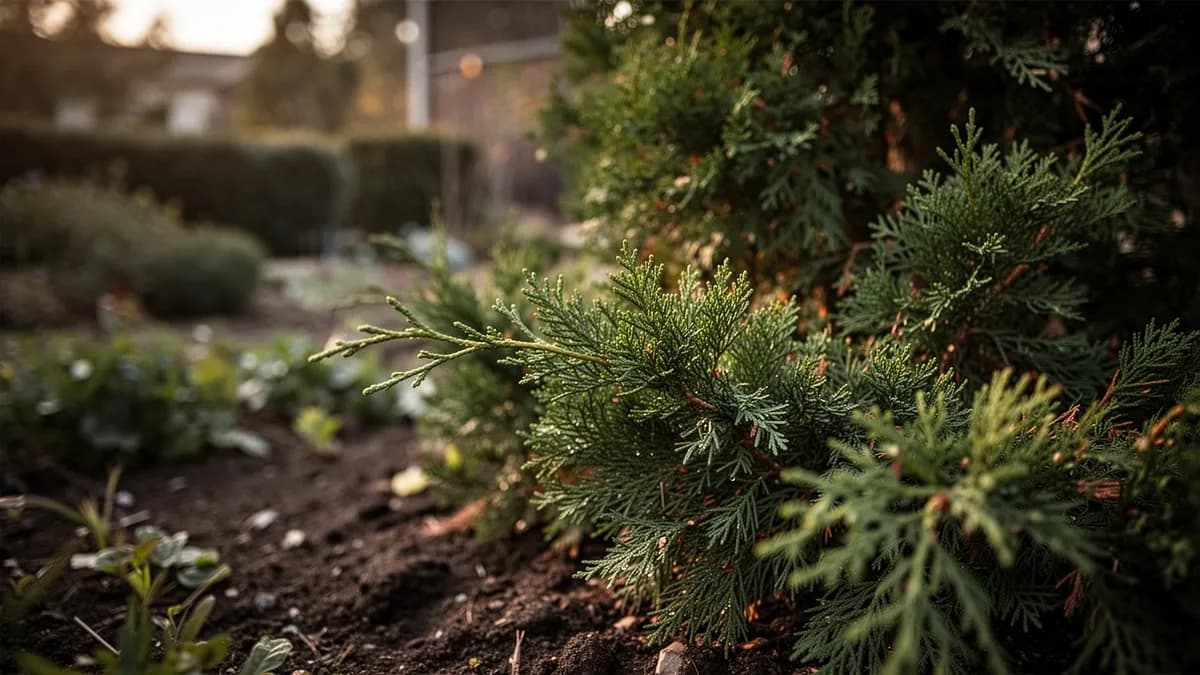
Un perennifolio extremadamente versátil que va desde rastreros pegados al suelo hasta árboles columnares erguidos, todos notablemente tolerantes a la sequía y al frío. Los enebros prosperan en suelos pobres, rocosos y alcalinos donde otras plantas tienen dificultades y necesitan un mantenimiento mínimo una vez establecidos. Los conos aromáticos tipo baya se usan para aromatizar la ginebra y diversas preparaciones culinarias. Evite plantar cerca de manzanos, ya que los enebros son huéspedes alternos de la enfermedad de roya del cedro y el manzano.
Cuándo plantar Enebro
Las bayas de enebro contienen de 1 a 3 semillas que requieren una estratificación extensa. Limpie las semillas de las bayas maduras y estratifique en cálido durante 60 a 90 días, luego en frío durante 90 a 120 días. La germinación es lenta e irregular. Los cultivares nombrados se propagan por esquejes de madera semidura tomados en otoño, que enraízan con hormona de enraizamiento y calor basal durante 8 a 12 semanas.
Tu año de Enebro
Ajustado a Zona 7 · temporada típica · la helada se va hacia el 2 abr y vuelve hacia el 1 nov
Planta Enebro Mar – Abr, Oct – Nov y cosecha Sep – Oct. Consulta los métodos de plantación y elige tu clima para adaptar los periodos.
Cómo cultivar Enebro
Los enebros son de los perennifolios más resistentes y adaptables, prosperando en suelos pobres, sequías, frío extremo y condiciones urbanas donde otras coníferas fallan. Plante a pleno sol en suelo bien drenado: los enebros toleran condiciones rocosas, arenosas y alcalinas pero no sobrevivirán con los pies encharcados.
Una vez establecidos, los enebros casi no necesitan cuidados. Son extremadamente tolerantes a la sequía y rara vez necesitan riego suplementario. Evite podar en la madera vieja desnuda ya que los enebros no pueden regenerar desde ramas sin hojas. Forme recortando selectivamente los extremos de las ramas. Mantenga los enebros alejados de los manzanos y perales de adorno para prevenir la enfermedad de roya del cedro y el manzano.
Para Enebro un bancal de 120 × 240 cm se queda corto
Cada Enebro pide 500 cm de margen. El planificador guarda ese marco por ti — cada planta, cada bancal.
Los mejores vecinos de Enebro
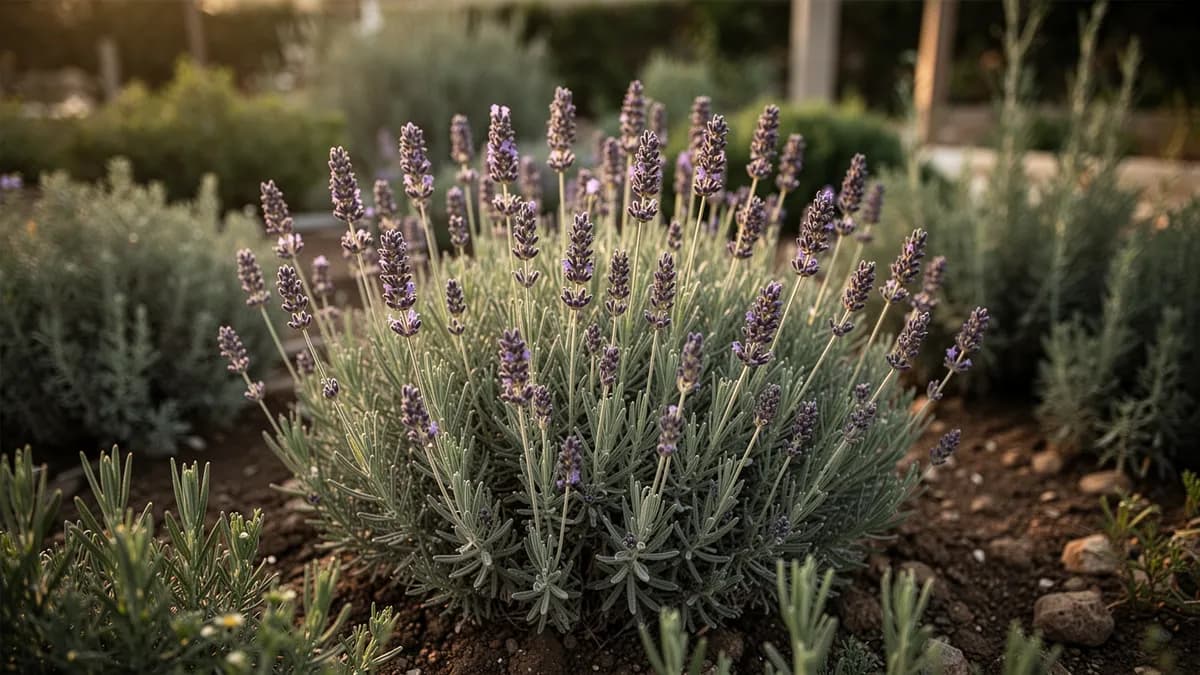
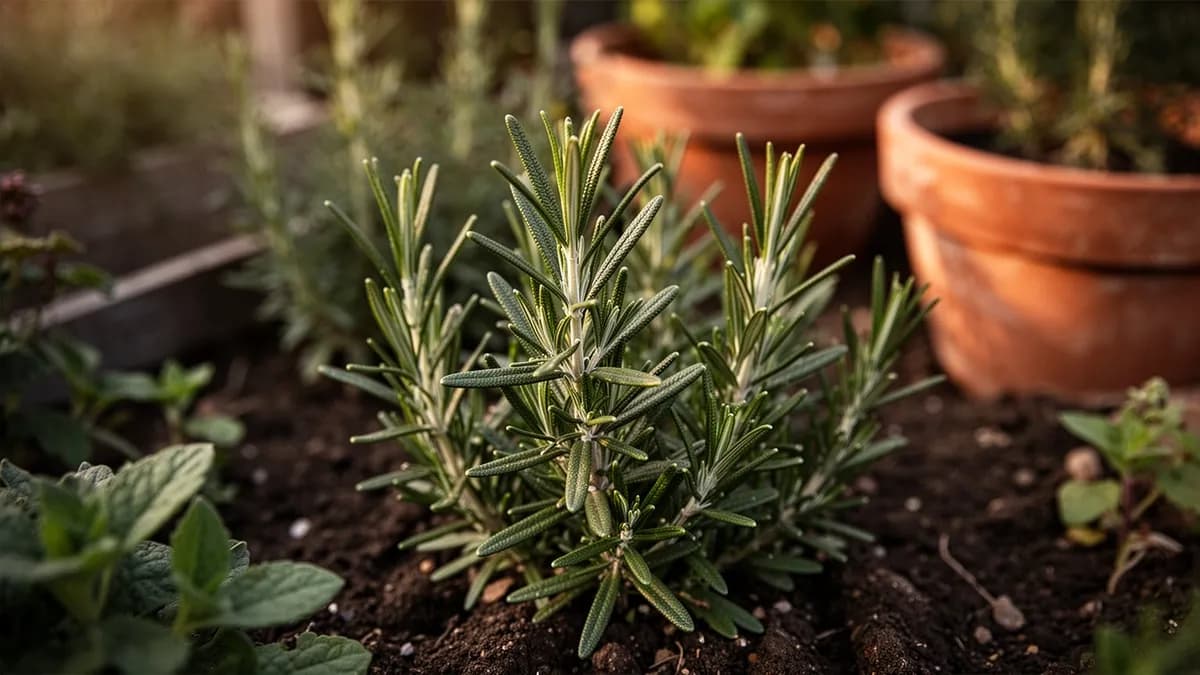
Las plantas tolerantes a la sequía complementan a los enebros: lavanda, romero, gramíneas ornamentales y sedum. Las plantas de jardín de rocalla como la sempervivum, el tomillo y el clavel prosperan en las mismas condiciones secas y pobres. NO plante cerca de manzanos, perales de adorno o majuelos por la transmisión de la enfermedad de roya del cedro y el manzano.
Lavanda va a su lado.
Saber de huerto de siempre, cotejado con la tabla real de Enebro — prueba cualquier planta que cultives.
Prueba Enebro en un bancal, aquí mismo
Un bancal real del planificador con Enebro ya plantado. Toca una planta compañera para colocarla y mira cómo responde la comprobación de vecinos: verde para buenos vecinos, rojo si hay conflicto.


Guías de cultivo relacionadas
Abónalo bien
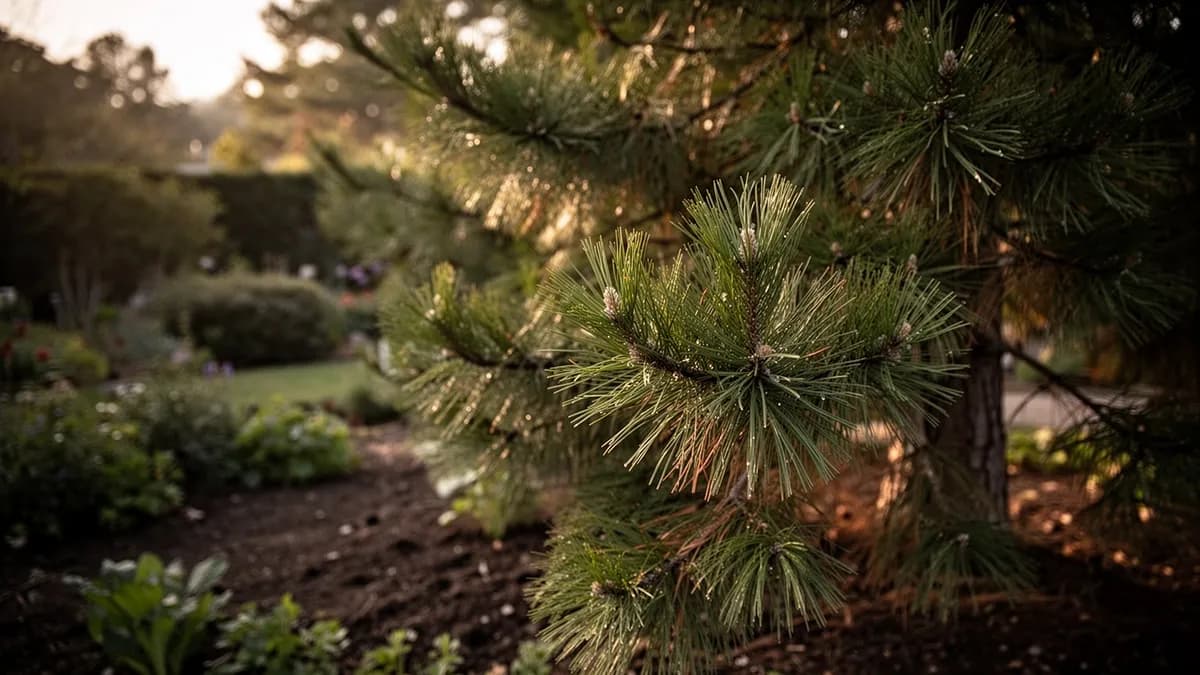
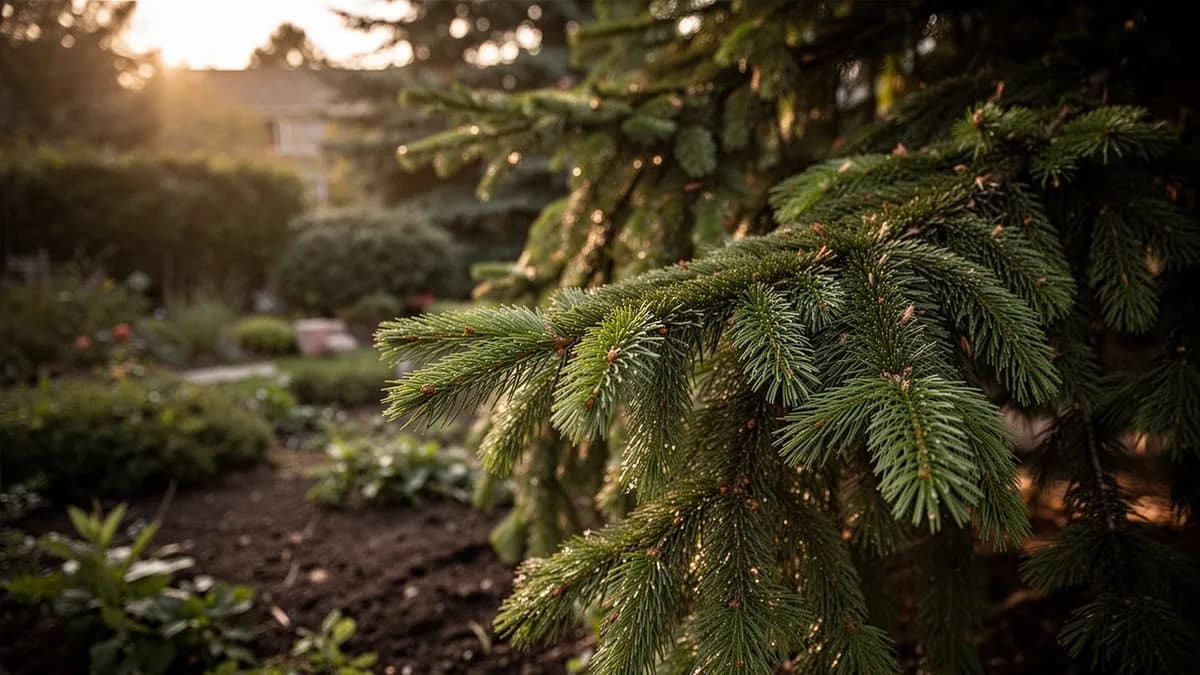
Los enebros prosperan en suelo pobre y bien drenado y en realidad rinden peor en condiciones ricas y húmedas que promueven enfermedades. Toleran pH de 5.5 a 8.0, una de las pocas coníferas que manejan el suelo alcalino. No se necesita fertilizante para las plantas establecidas. Los enebros jóvenes se benefician de una ligera aplicación de fertilizante equilibrado de liberación lenta en primavera. Nunca enmiende los hoyos de plantación con compost rico.
Temperatura ideal
Compatibilidad de zonas de rusticidad
De la semilla a la cosecha, etapa por etapa
Germinación de la semilla
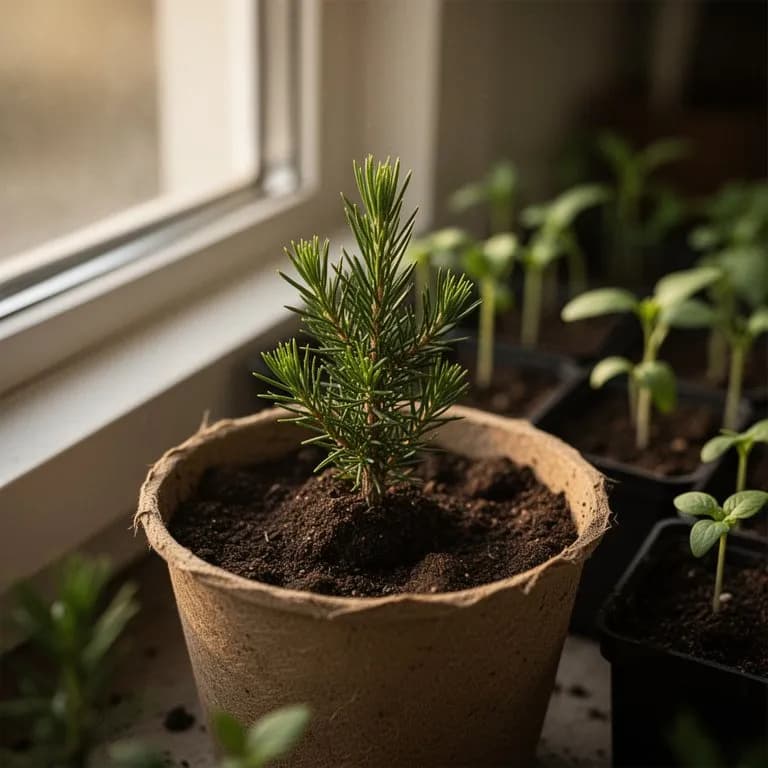
Las semillas de enebro requieren estratificación en frío durante 90 a 120 días antes de la germinación. Las semillas brotan lentamente y las tasas de germinación pueden ser bajas, haciendo que la paciencia sea esencial durante esta fase.
Establecimiento de la plántula
Las plántulas jóvenes emergen con suave follaje juvenil tipo aguja. El crecimiento es muy lento durante el primer año ya que la planta se concentra en desarrollar un profundo sistema de raíz pivotante que soportará la tolerancia a la sequía más adelante en su vida.
Crecimiento juvenil
El enebro joven desarrolla su forma característica durante los años dos y tres. El follaje comienza a pasar de agujas juveniles a hojas adultas tipo escama en muchas especies. El crecimiento permanece lento, añadiendo típicamente de 15 a 30 centímetros por año.
Madurez temprana y primera producción de bayas
Los enebros femeninos comienzan a producir sus primeros conos tipo baya alrededor de los años tres a siete. Tenga en cuenta que los enebros son dioicos, lo que significa que necesita plantas masculinas y femeninas para la producción de bayas. Los conos carnosos tardan de dos a tres años en madurar completamente en la rama.
Plena madurez y producción máxima
Los enebros maduros alcanzan su tamaño completo y producen abundantes cosechas de bayas. Los árboles pueden vivir cientos de años y volverse cada vez más productivos. La madera aromática y el follaje también se vuelven más resinosos y fragantes con la edad.
Etapa de legado
Los enebros antiguos desarrollan troncos característicamente retorcidos y nudosos con corteza exfoliante. Algunas especies pueden vivir más de 1.000 años. Los árboles continúan produciendo bayas y proporcionando un hábitat fundamental para aves y pequeños mamíferos a lo largo de su extendida vida.
Estratifique las semillas en arena húmeda en el refrigerador durante al menos tres meses antes de sembrar. Mantenga el sustrato consistentemente húmedo pero no encharcado.
Cuidar Enebro mes a mes
Qué hacer cada mes para tu Enebro
Octubre
Mes actualRecoja y seque las bayas cosechadas en una capa individual en un área fresca y bien ventilada. Plante nuevos ejemplares de enebro mientras el suelo todavía está cálido para un buen establecimiento de raíces.
Ten claro qué hacer en tu huerto, cada mes
Un correo al empezar cada mes: qué sembrar, plantar y hacer ahora mismo — para tu Enebro y todo lo que crece alrededor. Más un breve curso inicial para esquivar los errores clásicos.
- Qué hacer ahora mismo
- Ajustado a tu temporada
- Curso inicial incluido
Cosechar Enebro
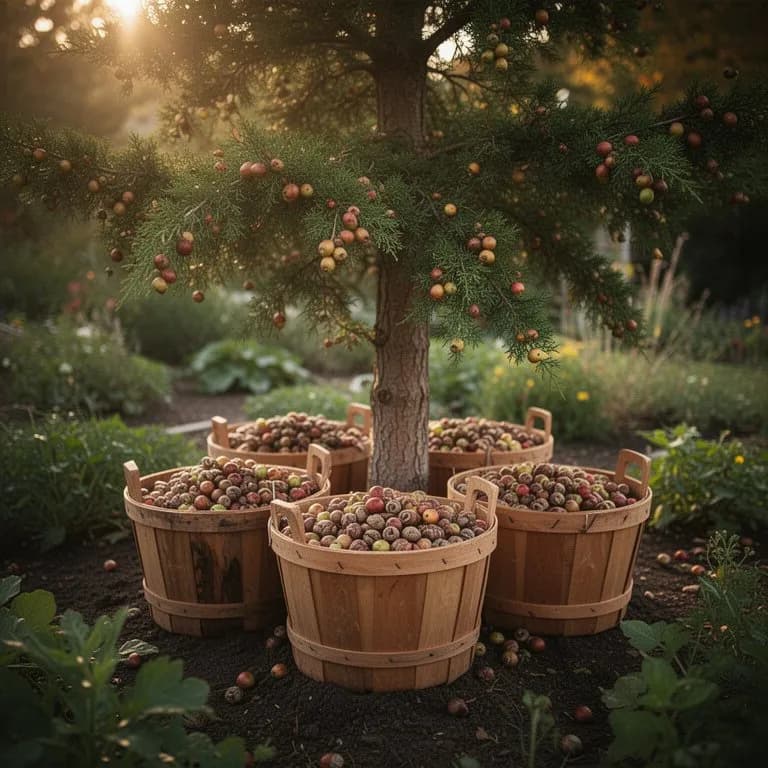
Las bayas de enebro son en realidad conos modificados que tardan de 2 a 3 años en madurar del verde al negro azulado. Coseche las bayas azules maduras en otoño colocando una sábana bajo las ramas y sacudiendo suavemente. Solo las plantas femeninas producen bayas. Las bayas de enebro son el saborizante esencial de la ginebra y se usan en platos europeos de carne. Coseche selectivamente para dejar suficiente para la fauna.
se supone que plantas al comenzar el periodo — indica tu fecha real
Cosecha Enebro a tiempo y la planta sigue produciendo.
Almacenamiento y conservación
Seque las bayas de enebro en rejillas en un lugar cálido y ventilado durante 2 a 3 semanas. Almacene las bayas secas en tarros de vidrio herméticos alejados de la luz: se conservan hasta 3 años. Aplaste o magullar las bayas justo antes de usar para liberar sus aceites aromáticos. Las bayas frescas se pueden congelar para uso posterior. Las astillas de madera de enebro se usan para ahumar carnes.
Qué falla — y cómo solucionarlo
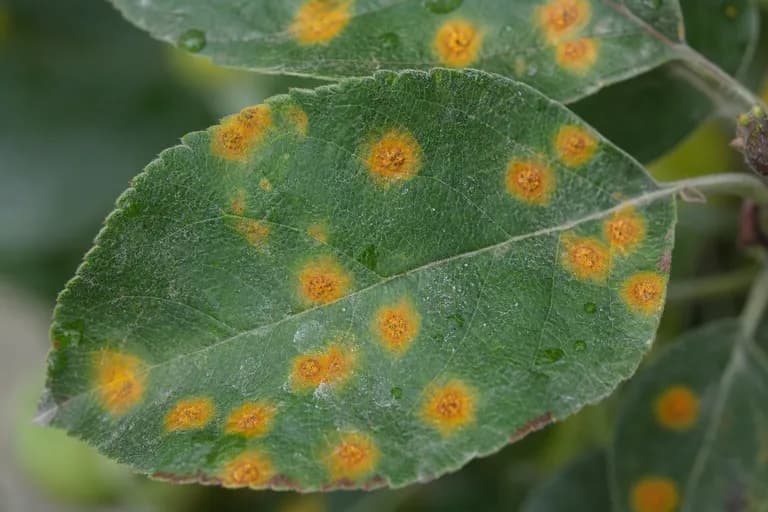
Roya del cedro y el manzano
EnfermedadAgallas gelatinosas de color naranja en las ramas del enebro en primavera. Enfermedad de huésped alterno que también afecta a los manzanos y perales con manchas naranja en las hojas.
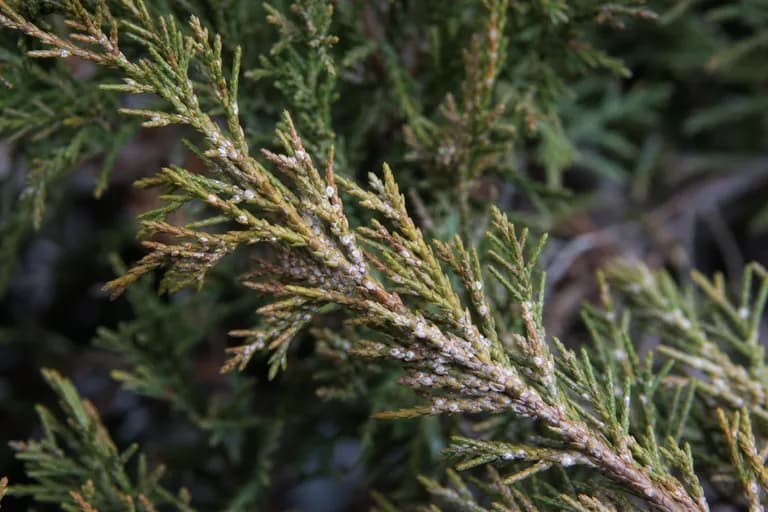
Cochinilla del enebro
PlagaPequeños bultos blancos o marrones que cubren las agujas y los tallos. Las agujas se vuelven amarillas y caen. Muerte regresiva de ramas en casos severos.
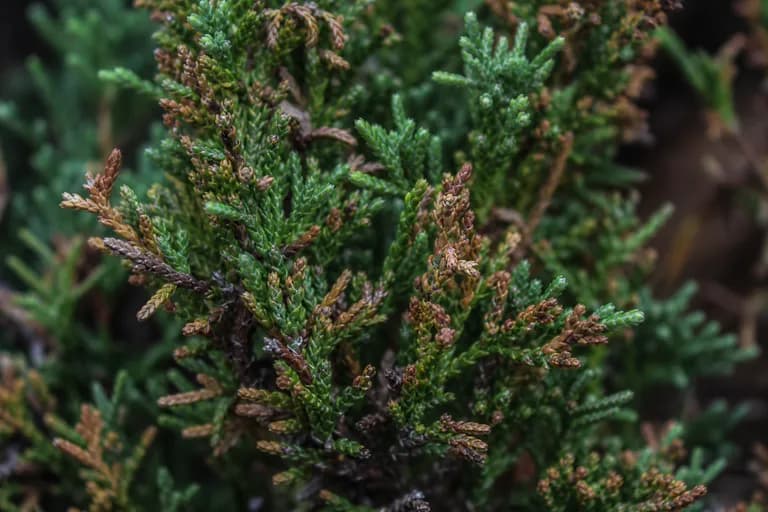
Tizón de puntas por Phomopsis
EnfermedadEl nuevo crecimiento se vuelve marrón y se riza en las puntas en primavera. Muerte regresiva progresiva de los extremos de las ramas. Más común en primaveras húmedas.
Solución de problemas comunes
La roya del cedro y el manzano es una preocupación seria cerca de los huertos de manzanas. El pardeamiento interior es la caída natural de agujas pero alarma a los nuevos jardineros. Las orugas defoliadoras (bagworms) pueden defoliar los enebros si no se controlan. Los ácaros araña causan bronceado en clima caluroso y seco. Los enebros no pueden regenerar desde la madera vieja: podar demasiado fuerte crea manchas desnudas permanentes.
Consejos de cultivo
- Plante el enebro a pleno sol para el mejor crecimiento y producción de bayas. Estos árboles toleran la sombra parcial pero se vuelven escasos y trepadores sin al menos seis horas de luz solar directa al día.
- Asegure un excelente drenaje del suelo ya que los enebros son muy susceptibles a la pudrición de raíces en condiciones encharcadas. Los suelos arenosos, de grava o rocosos son ideales. Enmiende los suelos de arcilla pesada con arena gruesa y grava antes de plantar.
- Compre plantas masculinas y femeninas si desea producción de bayas. Los enebros son dioicos, lo que significa que los árboles individuales son masculinos o femeninos. Pida a su vivero que identifique el sexo de las plantas.
- Espacie los árboles de enebro al menos de 2 a 4 metros de distancia dependiendo de la especie y el tamaño maduro. Un espaciado adecuado asegura una buena circulación de aire que ayuda a prevenir las enfermedades fúngicas.
- Riegue los enebros jóvenes regularmente durante sus primeras dos temporadas de crecimiento para ayudar a establecer un sistema de raíces profundo. Una vez establecidos, la mayoría de las especies son notablemente tolerantes a la sequía y rara vez necesitan riego suplementario.
- Evite plantar enebros cerca de manzanos o perales de adorno si la roya del cedro y el manzano es una preocupación en su región. Los enebros sirven como huésped alterno de esta enfermedad fúngica que puede dañar las cosechas de manzanas.
- Nunca pode las ramas de enebro hasta la madera desnuda ya que no regenerarán nuevo crecimiento desde los tallos viejos sin hojas. Siempre corte de vuelta a un punto donde permanezca follaje verde en la rama.
- Aplique grava o mantillo de piedra en lugar de astillas de madera o corteza alrededor de los enebros. Los mantillos minerales imitan mejor las condiciones naturales de crecimiento del árbol y evitan que la humedad se acumule contra el tronco.
- Proteja los enebros jóvenes del ramoneo de ciervos con cercado o sprays repelentes durante los primeros años. Aunque los enebros maduros son generalmente resistentes a los ciervos, el joven crecimiento tierno puede ser dañado.
- Coseche las bayas maduras sacudiendo suavemente las ramas sobre una lona o sábana a finales del otoño. Use guantes ya que algunas personas experimentan irritación de la piel del follaje resinoso y las bayas.
Cultiva tu mejor Enebro — y todo lo que la rodea.
Empieza un plan gratis hoy. Diseña tus bancales, coloca tu Enebro y deja que PlotMyGarden gestione el momento, el espaciado, las asociaciones y los recordatorios de la semilla a la cesta.
Elige tu Enebro
Enebro Blue Star
Arbusto redondeado y compacto con llamativas agujas plateadas azuladas que alcanza solo 60 a 90 cm. Excelente planta para jardines de rocalla y macetas.
Enebro Skyrocket
Forma columnar extremadamente estrecha que alcanza de 4.5 a 6 metros de alto pero solo 60 cm de ancho. Acento vertical perfecto para espacios reducidos.
Enebro Spartan
Forma piramidal densa y de color verde oscuro que alcanza de 4.5 a 6 metros. Excelente para setos formales y pantallas. Buena resistencia a enfermedades.
Enebro Bar Harbor
Enebro cobertor de suelo de baja expansión con follaje verde azulado que se vuelve púrpura en invierno. Excelente para taludes y control de erosión.
Un solo árbol de enebro femenino maduro puede producir varios cientos de gramos de bayas secas anualmente una vez establecido, con un valor de aproximadamente 10 a 20 euros al precio minorista de especias por año. Los enebros son extremadamente longevos y prácticamente libres de mantenimiento una vez establecidos, sin necesitar riego, poca o ninguna fertilización y poda mínima. Las bayas secas se conservan bien hasta tres años, y las ramas aromáticas pueden reemplazar las decoraciones perennifolias compradas durante la temporada navideña. Cultivar sus propios enebros también proporciona un suministro constante para infusiones de ginebra caseras, ahorrando significativamente en comparación con la compra de espíritus botánicos premium.
Recetas rápidas
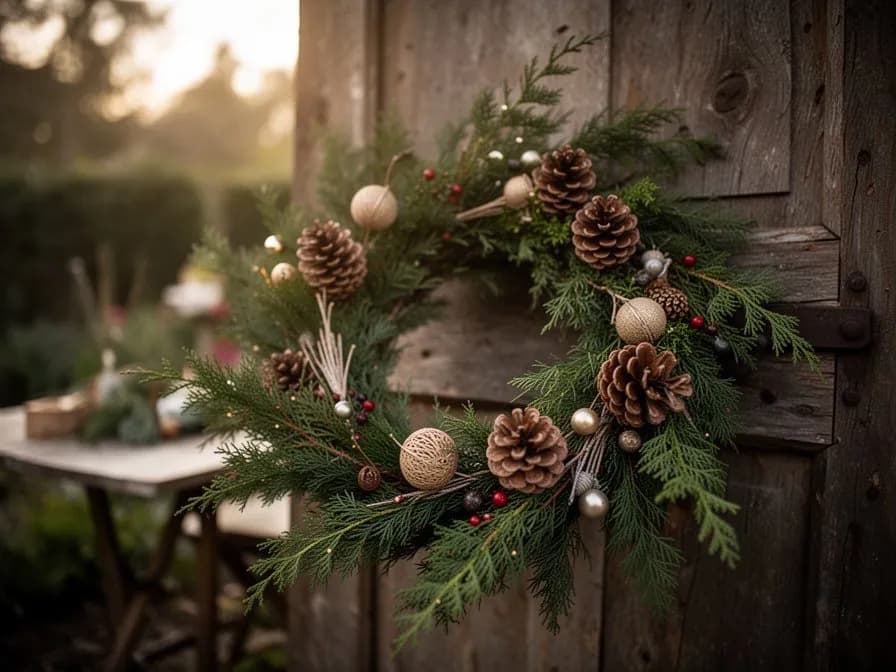
Venado con costra de bayas de enebro
25 minutos más 2 horas marinandoLas bayas de enebro trituradas combinadas con ajo, romero y pimienta negra crean una costra aromática para el lomo de venado a la sartén. El sabor de pino y resina del enebro complementa excepcionalmente las carnes de caza, cortando la riqueza mientras añade profundidad.
8 ingredientesInfusión casera de ginebra con enebro y cítricos
15 minutos más 48 horas de infusiónCree su propia infusión de ginebra botánica sumergiendo bayas de enebro trituradas con botánicos complementarios en un espíritu neutro. Esto produce un espíritu fragante y matizado perfecto para cócteles artesanales y hace un excelente regalo casero.
8 ingredientesChucrut con bayas de enebro
30 minutos más 3 a 4 semanas de fermentaciónChucrut al estilo alemán tradicional aromatizado con bayas de enebro, semillas de alcaravea y hojas de laurel. El enebro añade una sutil profundidad resinosa al repollo fermentado y ácido, creando un acompañamiento clásico para el cerdo y las salchichas.
6 ingredientesUsos culinarios
Juniper berries are the defining flavor of gin and are used throughout European cuisine. They pair excellently with game meats, pork, sauerkraut, and root vegetables. Crush berries before adding to braises and stews. Only common juniper (Juniperus communis) berries are used culinarily — some other species produce toxic berries.
Qué contiene
Beneficios para la salud
- Las bayas de enebro contienen potentes compuestos antioxidantes incluyendo flavonoides y polifenoles que pueden ayudar a proteger las células del daño oxidativo causado por los radicales libres.
- La medicina herbal tradicional ha usado durante mucho tiempo las preparaciones de bayas de enebro como diurético natural para apoyar la función renal y promover la salud del tracto urinario.
- Los aceites esenciales en las bayas de enebro, particularmente el alfa-pineno y el mirceno, han demostrado propiedades antiinflamatorias en estudios de laboratorio y pueden ayudar a reducir la inflamación.
- Los extractos de bayas de enebro han mostrado actividad antimicrobiana contra varias cepas de bacterias y hongos en entornos de investigación, apoyando su uso histórico como conservante.
- Los compuestos aromáticos en el enebro se han utilizado en aromaterapia para ayudar a aliviar el estrés, promover la relajación y apoyar la comodidad respiratoria cuando se difunden o inhalan.
- Las bayas de enebro contienen compuestos naturales que pueden apoyar una digestión saludable estimulando la producción de enzimas digestivas y reduciendo los gases y la hinchazón después de las comidas.
De dónde viene Enebro
El enebro (Juniperus) es un antiguo género de árboles y arbustos coníferos perennifolios perteneciente a la familia Cupressaceae de los cipreses. Con más de 60 especies reconocidas, los enebros se encuentran entre las coníferas más ampliamente distribuidas de la Tierra, encontrándose en todo el hemisferio norte desde el Círculo Ártico hasta el África tropical y América Central. El género ha existido durante millones de años, con evidencia fósil que data del período Triásico. El enebro común (Juniperus communis) tiene la distinción de tener el rango geográfico más amplio de cualquier planta leñosa, extendiéndose por América del Norte, Europa y Asia. A lo largo de la historia humana, el enebro ha tenido una importancia cultural, medicinal y culinaria significativa. Las antiguas civilizaciones incluyendo los egipcios, griegos y romanos usaban las bayas de enebro con fines medicinales y como especia. Las bayas se quemaban como incienso y se usaban en rituales de purificación en muchas culturas. Las tribus de nativos americanos usaban diversas especies de enebro para alimentación, medicina y propósitos ceremoniales, elaborando tés con el follaje y comiendo bayas durante los meses de invierno. El uso más famoso moderno de las bayas de enebro está en la producción de ginebra, una tradición que comenzó en los Países Bajos en el siglo XVI cuando los espíritus con sabor a enebro se vendían originalmente como medicina. Al médico holandés Franciscus Sylvius se le atribuye a menudo la creación del precursor de la ginebra moderna alrededor de 1550. El espíritu evolucionó de un tónico medicinal a una bebida popular que se extendió por Europa y eventualmente por todo el mundo. Hoy las bayas de enebro siguen siendo esenciales en la producción de ginebra premium y también se usan ampliamente en la cocina escandinava y centroeuropea, particularmente con carnes de caza, chucrut y guisos abundantes.
Enebro: ¿sabías que?
Datos fascinantes sobre Enebro
Las bayas de enebro son el ingrediente botánico clave que da a la ginebra su distintivo sabor a pino. La propia palabra ginebra (gin) se deriva de la palabra holandesa jenever, que proviene del latín juniperus.
Enebro: preguntas frecuentes
¿Cuándo debo plantar Enebro?
¿Cuáles son buenas plantas acompañantes para Enebro?
¿En qué zonas de rusticidad puede crecer Enebro?
¿Cuánto sol necesita Enebro?
¿A qué distancia debo espaciar Enebro?
¿Qué plagas y enfermedades afectan a Enebro?
¿Cómo almaceno Enebro después de la cosecha?
¿Cuáles son las mejores variedades de Enebro para cultivar?
¿Qué suelo necesita Enebro?
¿Cuánto tiempo tardan en madurar las bayas de enebro?
¿Puedo usar cualquier especie de enebro para cocinar y hacer ginebra?
¿Necesito más de un árbol de enebro para obtener bayas?
¿Cómo seco y almaceno las bayas de enebro después de la cosecha?
¿Son los enebros de bajo mantenimiento una vez establecidos?
¿Por qué mi enebro se está volviendo marrón y qué debo hacer?
Acabas de leer la teoría. Ahora cultívala en piloto automático.
Todo lo que hace que Enebro sea delicado — el momento, el espaciado, las asociaciones, la ventana de cosecha — es justo lo que PlotMyGarden resuelve por ti, para cada planta de tu huerto.
Un plan que conoce tu clima
Indica tu ubicación una vez. Recibe fechas de siembra, abonado y cosecha basadas en tu última helada real y el pronóstico en vivo — sin adivinar con un sobre genérico.
De la sección “Cuándo plantar”Planificador de bancales de arrastrar y soltar
Diseña bancales sobre una cuadrícula. Cada planta encaja con su espaciado correcto y ves toda la temporada antes de gastar un céntimo en semillas.
De la sección “Cultivo”Conflictos de asociación, detectados a tiempo
Más de 200 buenas y malas combinaciones comprobadas en vivo mientras plantas — para que un error que arruine la temporada nunca llegue a la tierra.
De la sección “Asociaciones”Recordatorios que sí vas a seguir
“Riega las judías.” “Recoge hoy antes de que se pase.” Oportunos, concretos y ligados a las plantas que de verdad cultivas.
De la sección “Cosecha”Escalonado, programado
¿Quieres cosechar seis semanas en vez de seis días? Reparte tus siembras automáticamente y te avisa cuando toca el siguiente lote.
De la sección “Cuándo plantar”Un registro que se vuelve más listo
Cada cosecha que registras le enseña tu huerto. El plan del año que viene parte de lo que de verdad funcionó en tu suelo, no en un manual.
De la sección “Resumen”Planta estos junto a Enebro
Más Perennifolios
Cultiva tu mejor Enebro — y todo lo que la rodea.
Empieza un plan gratis hoy. Diseña tus bancales, coloca tu Enebro y deja que PlotMyGarden gestione el momento, el espaciado, las asociaciones y los recordatorios de la semilla a la cesta.