Arborvitae
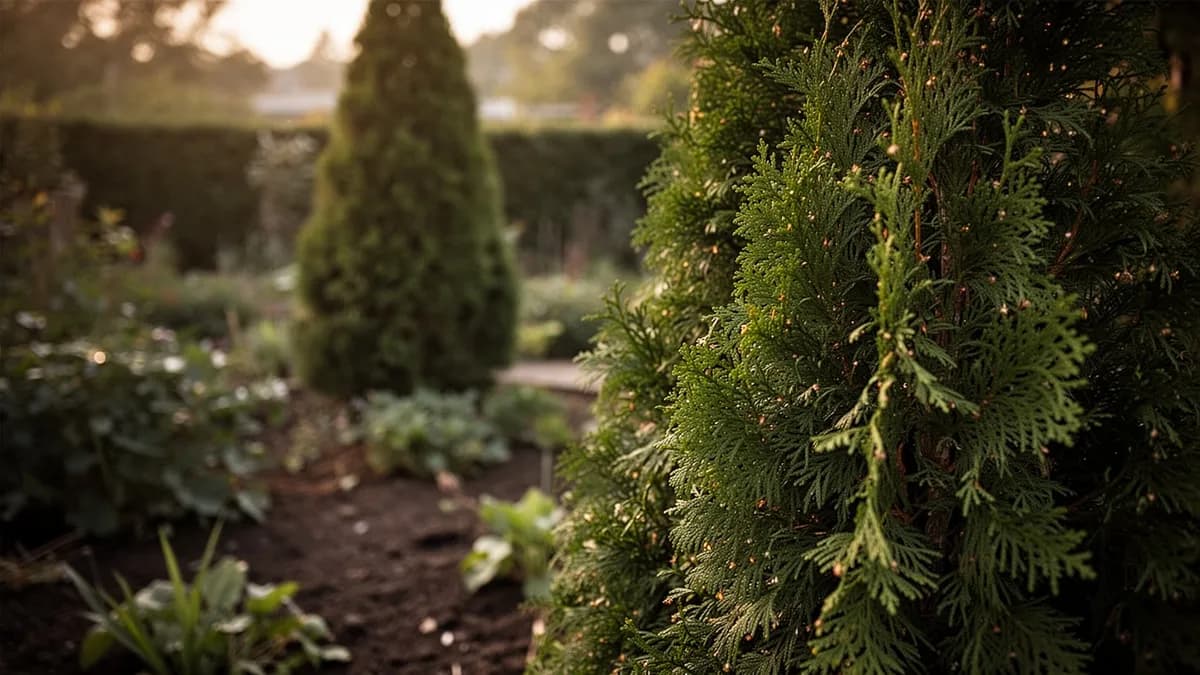
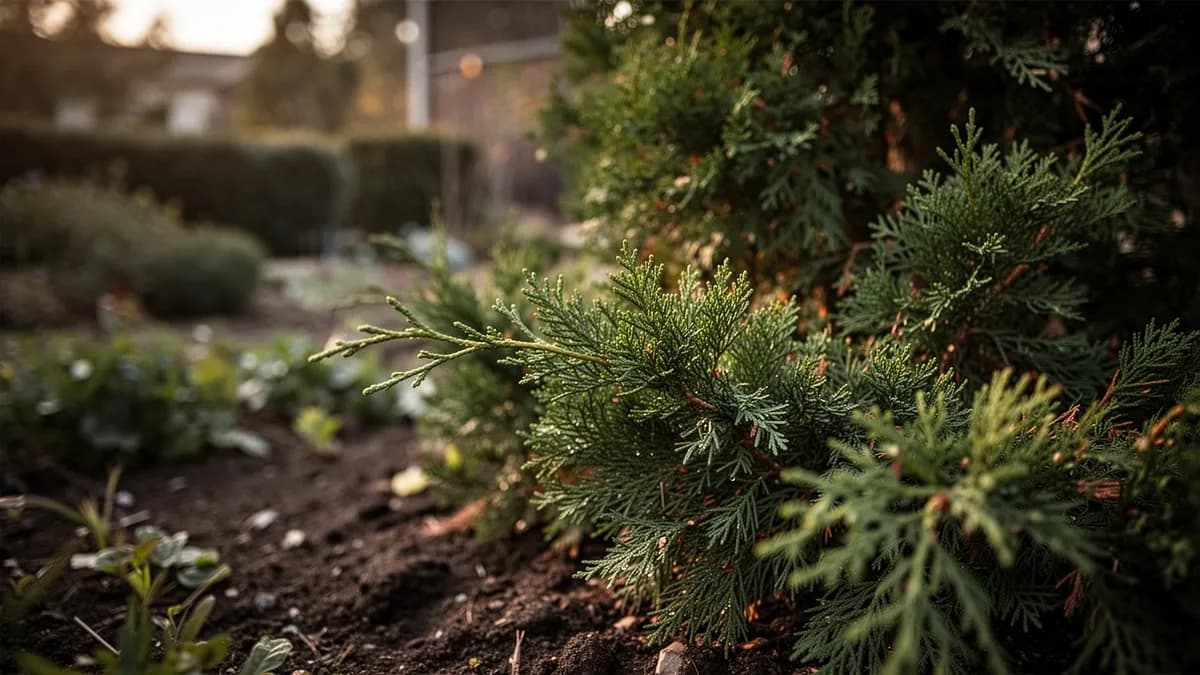
The most popular evergreen for privacy hedges, forming a dense column of flat, scale-like foliage that screens views year-round.





On this pageOverview
Meet Arborvitae
The most popular evergreen for privacy hedges, forming a dense column of flat, scale-like foliage that screens views year-round. Arborvitae are easy to grow in moist, well-drained soil and tolerate moderate shearing to maintain formal hedge shapes. They are susceptible to deer browsing and heavy snow or ice can splay open multi-stemmed specimens, so wrap loosely with burlap in heavy snow regions. The Emerald Green cultivar is the most widely planted for its compact columnar form and excellent winter color retention.
When to plant Arborvitae
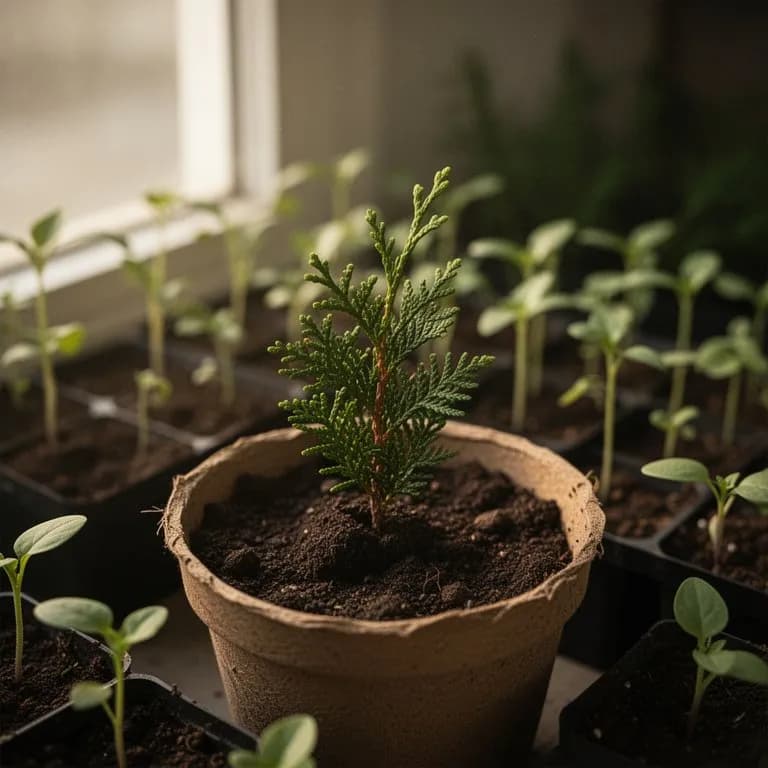
Arborvitae seeds require 30 to 60 days of cold stratification. Sow on the surface of moist seed mix and barely cover. Germination occurs in 2 to 4 weeks. Seedlings are slow-growing initially. Named cultivars are propagated by semi-hardwood cuttings taken in late summer or fall, which root readily with rooting hormone in a humid environment over 8 to 12 weeks.
Your Arborvitae Year
Composed for Zone 7 · typical seasons · frost passes Apr 2, returns Nov 1
Plant Arborvitae Mar – Apr, Oct – Nov, pick —. Check the planting methods below and set your climate to personalize these windows.
How to grow Arborvitae
Arborvitae are the go-to evergreen for privacy hedging, offering dense year-round screening with minimal maintenance. Plant in spring or early fall in moist, well-drained soil with full to partial sun. For hedges, space Emerald Green types 3 to 4 feet apart.
Water regularly during establishment — arborvitae are not drought-tolerant and need consistent moisture, especially in the first two years. Mulch to retain moisture. Wrap multi-stemmed cultivars with twine or burlap in winter to prevent snow splaying. Shear lightly in early summer to maintain shape but never cut into old brown wood.
Arborvitae needs more room than a 4 × 8 ft bed gives
Each Arborvitae wants 400 cm of elbow room. The planner keeps that spacing for you — every plant, every bed.
Arborvitae's best neighbours
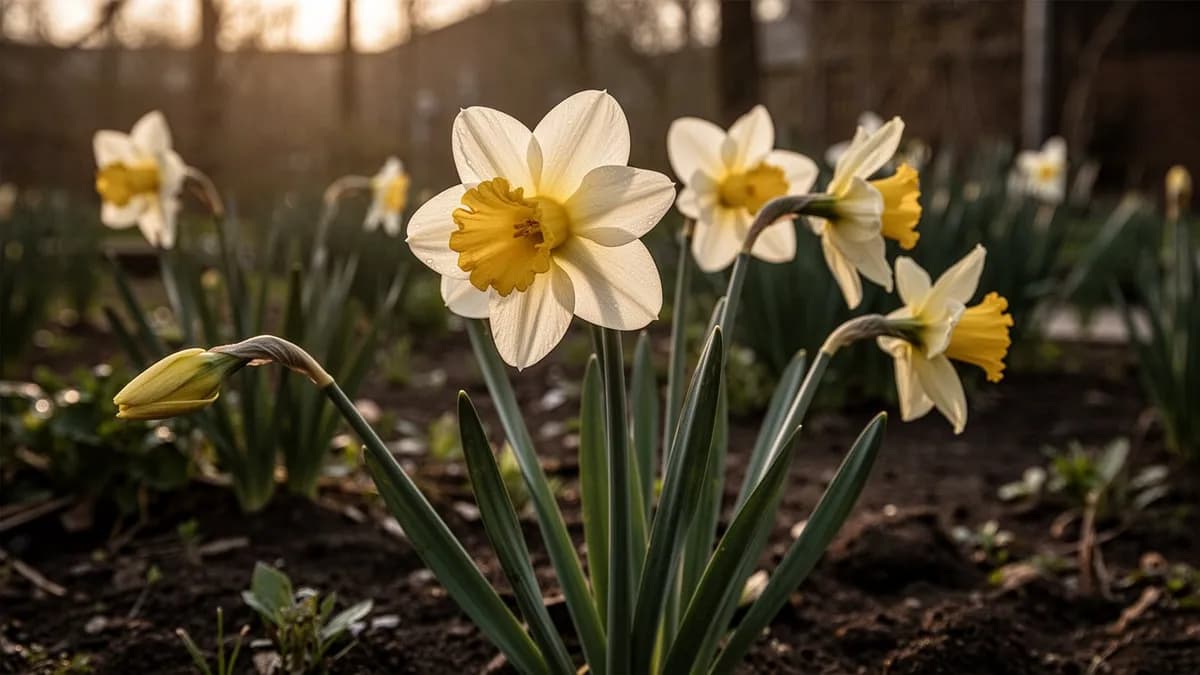
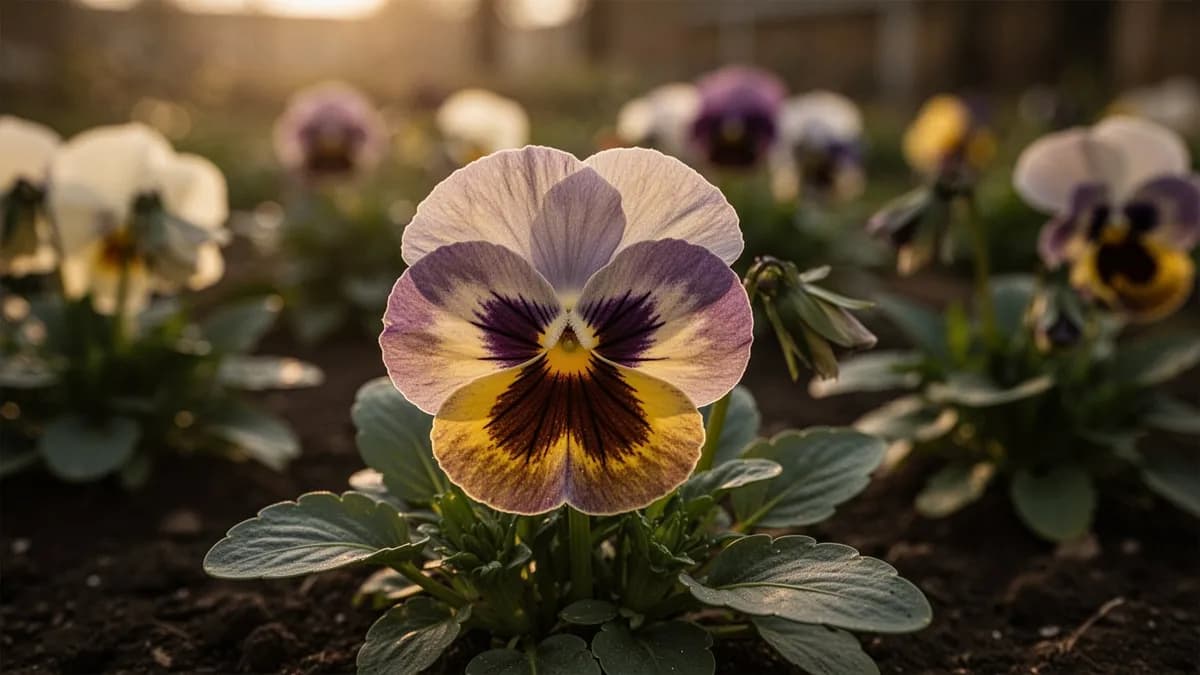
Low-growing perennials like hostas, daylilies, and coral bells grow well at the base of arborvitae hedges. Spring bulbs including daffodils and tulips provide seasonal color. Groundcovers like vinca and pachysandra fill gaps between hedge plants. Avoid aggressive spreaders that compete with the shallow root system.
Daffodil belongs beside it.
Old growers' knowledge, checked against Arborvitae's real companion table below — test any plant you're growing.
Try Arborvitae in a bed — right here
A real planner bed with Arborvitae already in it. Tap a companion to place it and watch the pairing checks answer — green for good neighbours, red for a clash.


Related growing guides
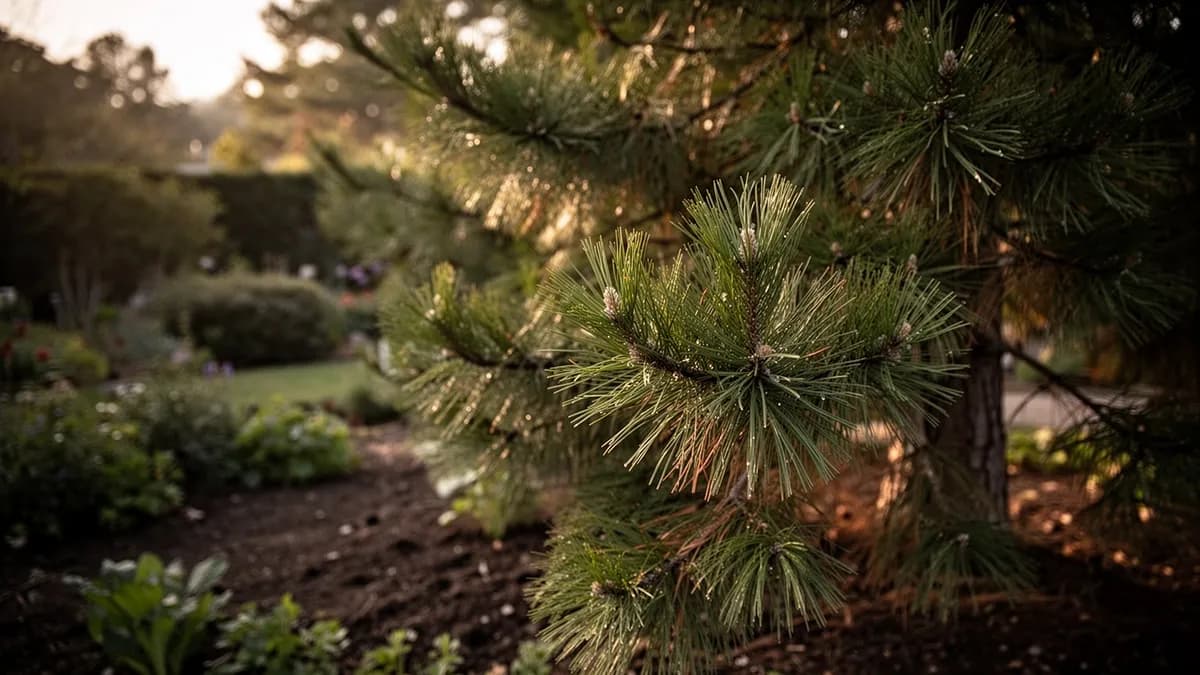
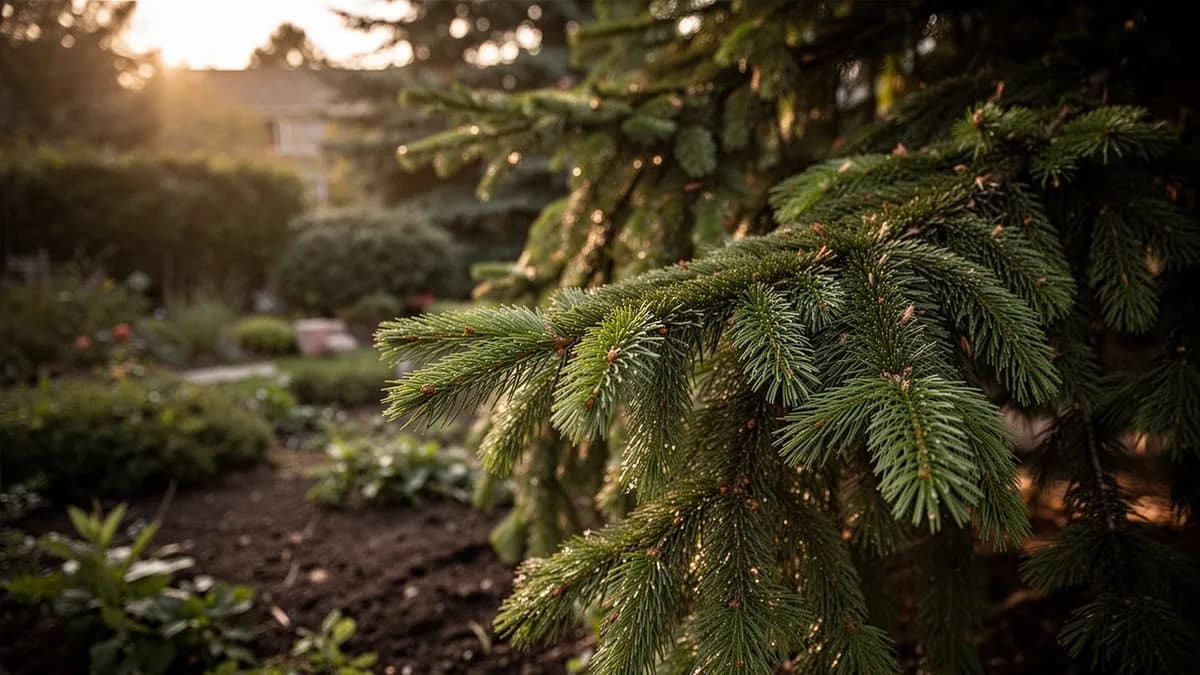
Feed it well
Arborvitae prefer moist, well-drained, slightly alkaline soil with pH 6.0 to 8.0. They tolerate a range of soil types but need consistent moisture. Apply balanced slow-release fertilizer in early spring. Mulch to conserve moisture and suppress weeds. Avoid planting in dry, exposed sites or areas with poor drainage.
Ideal Temperature
Hardiness Zone Compatibility
From seed to harvest, stage by stage
Seed Germination or Cutting Propagation
Arborvitae can be grown from seed after a 60-day cold stratification period, though most gardeners start with nursery transplants or semi-hardwood cuttings taken in late summer. Seeds are small, winged, and released from tiny woody cones. Germination is slow and irregular, often taking 30 to 60 days under optimal conditions of consistent moisture and temperatures around 15-21°C (59-70°F).
Seedling Establishment
Young arborvitae seedlings develop feathery juvenile foliage that is softer and more needle-like than the mature scale foliage. Root establishment is the primary focus during this phase as the seedling builds the foundation for decades of future growth. Growth is modest in the first year, typically 10-20 cm in height.
Juvenile Growth Phase
During years two through three, arborvitae transitions from juvenile to mature foliage, developing the characteristic flat sprays of overlapping scale-like leaves. Growth accelerates noticeably with some cultivars like Green Giant adding 60-90 cm per year. The conical or pyramidal form begins to define itself during this stage.
Active Vertical Growth
From years three through seven, arborvitae enters its most vigorous growth period. Fast-growing cultivars like Thuja standishii x plicata 'Green Giant' can reach 3-5 meters in this period. The tree fills out laterally, creating the dense screening effect that makes arborvitae so popular for hedging and windbreaks. The fibrous bark begins to develop its distinctive reddish-brown, shredding texture.
Mature Specimen
Arborvitae reaches landscape maturity between 7 and 15 years depending on cultivar, achieving its characteristic form and density. Species like Thuja occidentalis can ultimately reach 12-18 meters while compact cultivars like 'Smaragd' (Emerald Green) mature at 3-4 meters. The root system is well established and the tree becomes increasingly drought-tolerant though not drought-proof.
Long-Term Specimen
Arborvitae is remarkably long-lived, with some specimens of Thuja occidentalis in the wild exceeding 1,000 years. In landscape settings, well-maintained trees routinely live 50-150 years. At this stage the tree requires minimal care but benefits from periodic inspection and occasional corrective pruning. The trunk thickens and the bark develops deeply furrowed, fibrous ridges.
If starting from seed, cold-stratify seeds in damp sand in the refrigerator for 60 days before sowing. For cuttings, dip 15-20 cm semi-hardwood stems in rooting hormone and place in a perlite-peat mix under a humidity dome. Maintain consistent moisture without waterlogging.
Caring for Arborvitae month by month
What to do each month for your Arborvitae
October
You are hereFall is an excellent time to plant new arborvitae as cooler temperatures reduce transplant stress and roots continue growing in warm soil. Apply a final deep watering before the ground freezes. Add an extra layer of mulch to insulate roots for winter.
Know exactly what to do in your garden — every month
One email at the start of each month: what to sow, plant, and tackle right now — for your Arborvitae and everything growing around it. Plus a short starter course that helps you dodge the classic mistakes.
- What to do, right now
- Matched to your season
- Starter course included
Harvesting Arborvitae
Arborvitae are not harvested for food. Branches are occasionally used for holiday wreaths and garlands. The flat sprays of foliage make attractive filler material. Harvest selectively from the interior or lower portions to maintain screening function. Cedar leaf oil is distilled from the foliage of Thuja species for aromatherapy use.
assuming you plant when the window opens — set your real date
Pick Arborvitae promptly and the plant keeps producing.
Storage & Preservation
Cut arborvitae branches last 2 to 3 weeks when kept cool and misted. For wreath-making, condition cut stems in water overnight before assembling. Dried foliage quickly turns brown and is not suitable for preservation. Fresh branches can be refrigerated in plastic bags for up to a week before use in arrangements.
What goes wrong — and the fix
Bagworms
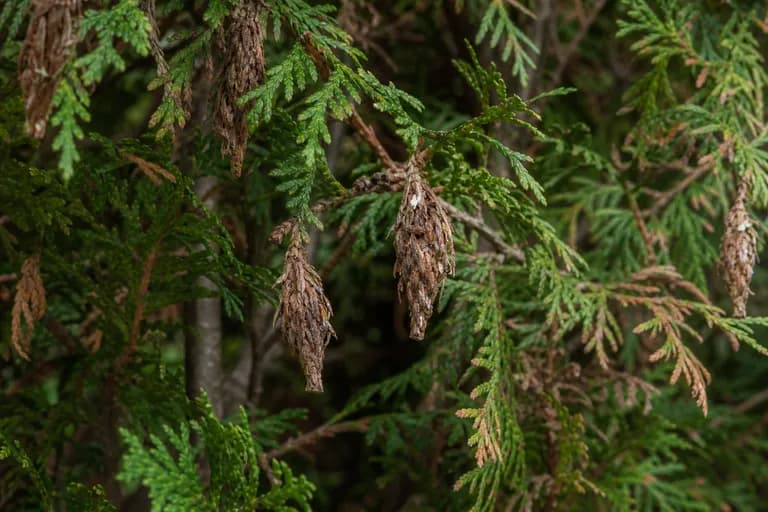
PestSpindle-shaped bags made of silk and plant debris hanging from branches. Inside, caterpillars feed on foliage. Severe infestations can defoliate and kill plants.
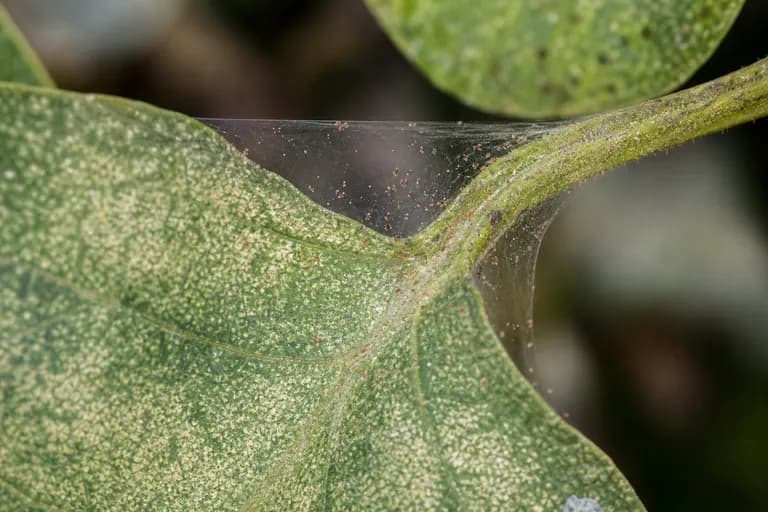
Spider Mites
PestFoliage turns bronze or gray-brown, especially on inner branches. Fine webbing visible. Worst in hot, dry weather.
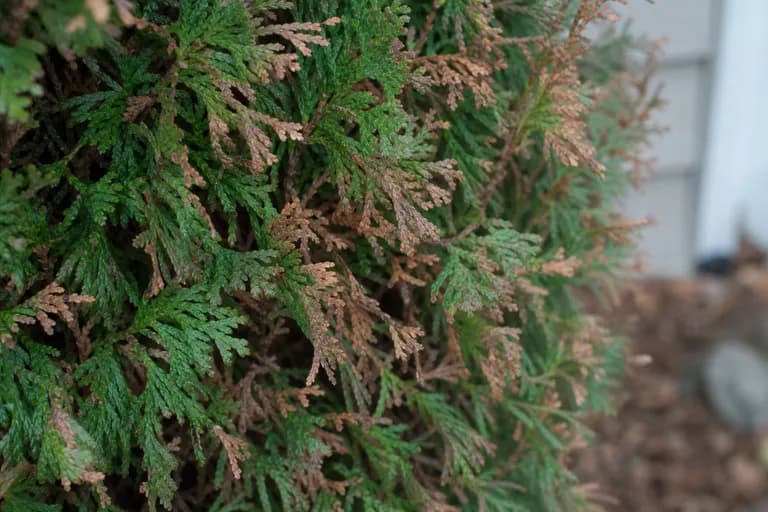
Leaf Blight (Didymascella)
DiseaseIndividual scale leaves turn brown and die. Progressive browning from interior outward. Most common in humid, shaded conditions.
Troubleshooting Common Problems
Deer browsing is the most frustrating problem — deer love arborvitae and can destroy hedges in a single winter. Heavy snow and ice splay open multi-stemmed plants. Interior browning is natural needle shedding but worries homeowners. Bagworms can defoliate and kill plants if unchecked. Spider mites cause bronzing in hot weather.
Growing Tips
- Plant arborvitae in spring or early fall to allow root establishment before extreme temperatures. Avoid midsummer planting as heat stress combined with transplant shock leads to high failure rates.
- Space hedging plants 60-90 cm apart for a dense screen with Emerald Green cultivars, or 150-180 cm apart for larger cultivars like Green Giant. Stagger in a double row for maximum privacy.
- Water deeply and consistently during the first two growing seasons. Arborvitae has a shallow, fibrous root system that is highly susceptible to drought stress. Provide 2.5 cm of water per week minimum.
- Apply 5-8 cm of organic mulch such as shredded bark or wood chips in a ring around each tree, extending to the drip line. Keep mulch at least 10 cm away from the trunk to prevent bark rot and rodent damage.
- Never prune arborvitae into bare wood — unlike yew and some other conifers, arborvitae cannot regenerate foliage from old wood. Always leave green growth on every branch when shaping.
- Protect arborvitae from deer, which consider them a preferred winter food source. Use deer netting, repellent sprays, or plant less palatable cultivars like Thuja plicata varieties in areas with heavy deer pressure.
- Tie columnar cultivars loosely with soft twine before winter to prevent heavy snow and ice from permanently splaying branches outward. Remove ties in spring once snow risk has passed.
- Feed annually in early spring with a slow-release granular fertilizer formulated for evergreens. Look for formulations containing iron, magnesium, and sulfur to maintain deep green foliage color.
- Avoid planting arborvitae in poorly drained or waterlogged sites. While they need consistent moisture, standing water around the roots causes root rot and rapid decline. Amend heavy clay soils with organic matter before planting.
- Monitor regularly for bagworms, which build distinctive spindle-shaped bags on branches. Handpick and destroy bags in late fall through early spring before larvae emerge, or apply Bacillus thuringiensis (Bt) spray when young caterpillars are active in early summer.
Grow your best Arborvitae yet — and everything around it.
Start a free plan today. Lay out your beds, drop in your Arborvitae, and let PlotMyGarden handle the timing, spacing, companions and reminders from seed to harvest basket.
Pick your Arborvitae
Emerald Green (Smaragd)
The most popular privacy hedge arborvitae with bright green foliage that holds color in winter. Compact pyramidal form to 15 feet tall and 4 feet wide.
Green Giant
Fast-growing hybrid reaching 40-60 feet. Excellent for large property screening. Disease and deer resistant. 3-5 feet of growth per year.
North Pole
Narrow columnar form to 15 feet tall and only 3-5 feet wide. Excellent for tight spaces. Good winter color retention.
Techny
Broad pyramidal form with dark green foliage. Better cold hardiness than Emerald Green. Good disease resistance. Mission arborvitae.
A well-placed arborvitae windbreak can reduce winter heating costs by 10-25 percent according to USDA studies on shelterbelts. A hedge of fast-growing cultivars like Green Giant purchased as small container plants at $15-25 each will reach effective screening height within 3-5 years, compared to $5,000-15,000 for a comparable wooden privacy fence that requires maintenance and eventual replacement. Arborvitae hedges also increase property values by 5-12 percent according to multiple real estate studies on mature landscape plantings.
Quick recipes
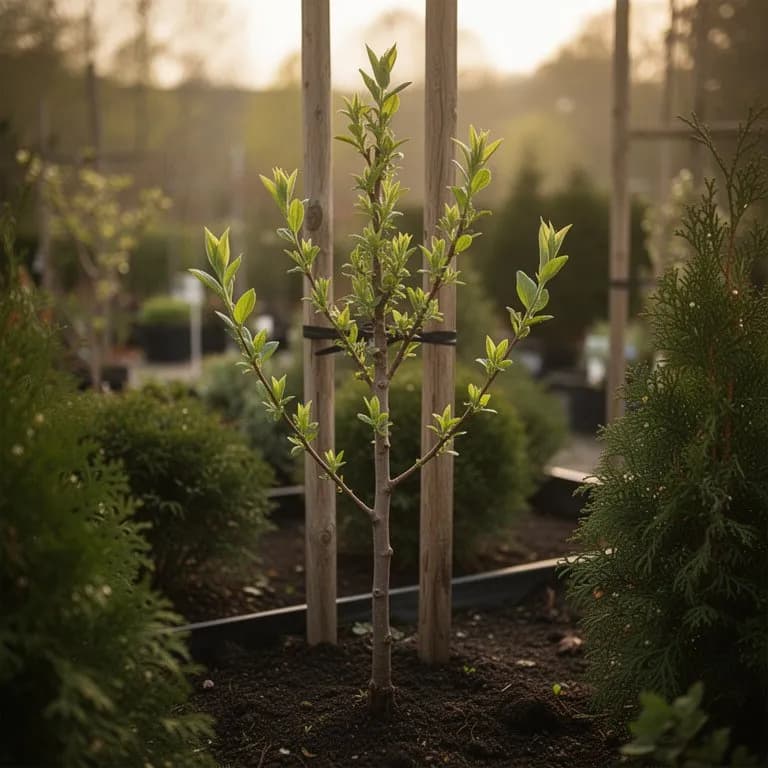
Arborvitae Foliage Wreath
45 minutesA classic evergreen wreath using fresh arborvitae sprays as the base. The flat, fan-shaped foliage of arborvitae makes it the ideal foundation greenery for holiday and seasonal wreaths, providing dense coverage and a pleasant cedar-like fragrance that lasts for weeks.
5 ingredients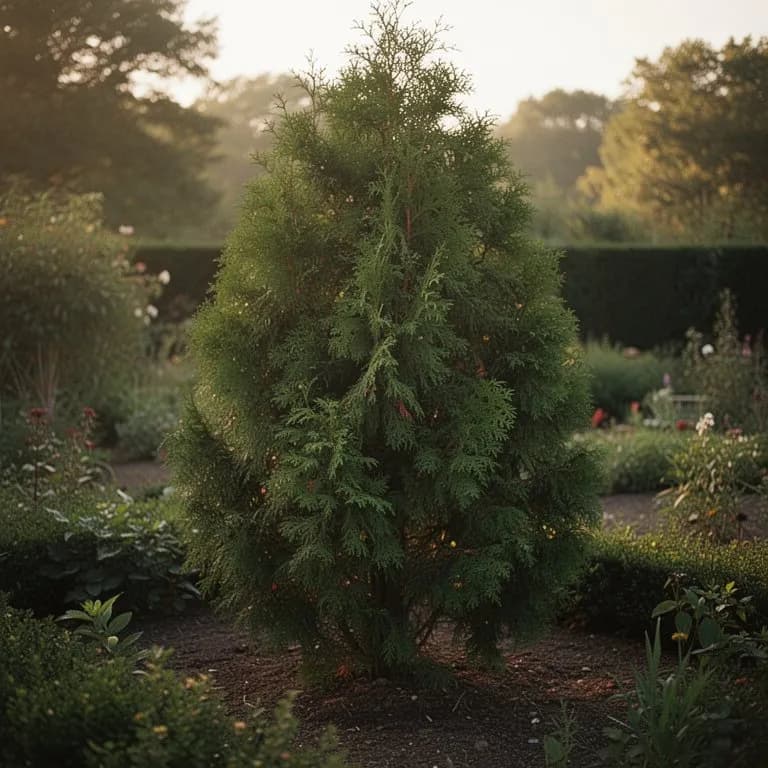
Arborvitae Sachets for Closets and Drawers
20 minutesSmall muslin sachets filled with dried arborvitae foliage provide a natural cedar-like scent that repels moths and other fabric-damaging insects from closets and drawers. The natural thujaplicins in arborvitae foliage have documented insect-repellent properties.
5 ingredients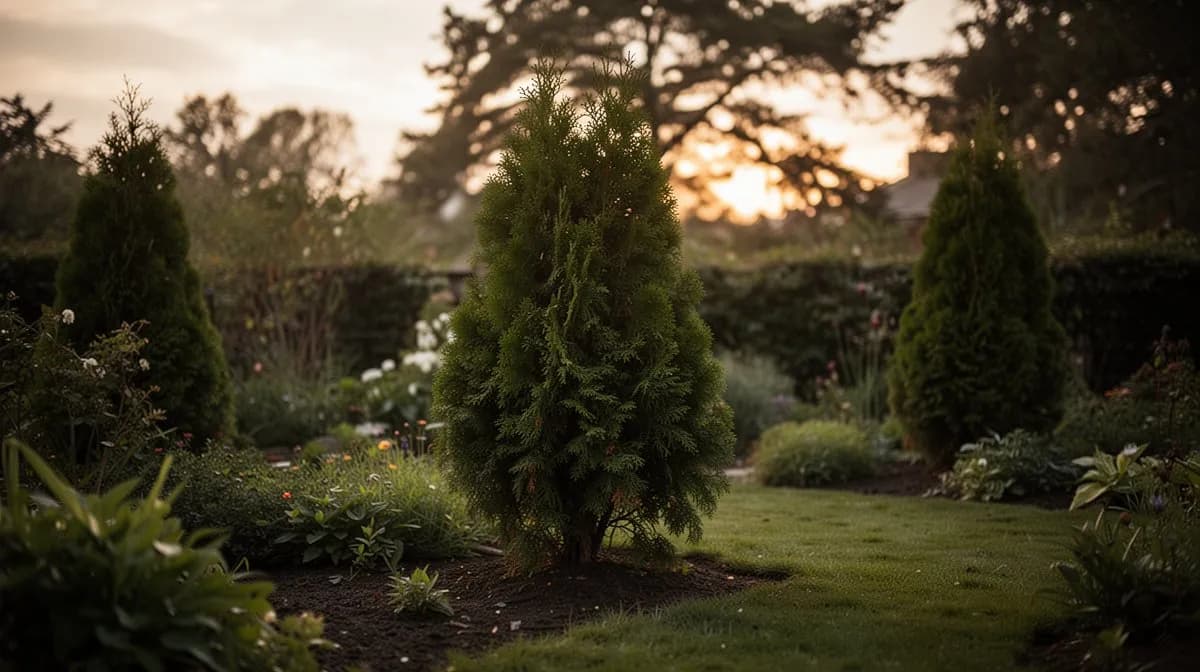
Arborvitae-Infused Garden Mulch Tea
15 minutes plus steepingA mild antifungal garden spray made by steeping arborvitae foliage in water. The natural thujaplicins leach into the solution creating a gentle foliar spray that may help suppress powdery mildew and other fungal issues on garden plants. This is a garden application, not for human consumption.
5 ingredientsWhat's inside
Health Benefits
- Arborvitae hedges and windbreaks significantly improve air quality by filtering particulate matter, trapping dust, and absorbing common air pollutants including sulfur dioxide and nitrogen oxides from vehicle exhaust
- The dense evergreen foliage provides year-round visual screening that has been shown in environmental psychology studies to reduce stress and improve mental well-being by creating a sense of privacy and enclosure in outdoor spaces
- Arborvitae windbreaks reduce winter wind speeds around homes by up to 60 percent, lowering heating energy consumption and reducing exposure to cold drafts that can exacerbate respiratory conditions
- The natural aromatic compounds released by arborvitae foliage, including alpha-thujone and beta-thujone, contribute to the phytoncide effect studied in forest bathing research, which has been linked to reduced cortisol levels and improved immune function
- Thuja essential oil has demonstrated antimicrobial and antifungal activity in laboratory studies, and has been used in traditional herbal medicine for supporting respiratory health and immune function under practitioner guidance
- Living arborvitae screens reduce noise pollution by absorbing and deflecting sound waves, with dense hedges capable of reducing perceived noise levels by 6-10 decibels, creating a measurably quieter home environment
Where Arborvitae comes from
Arborvitae (Thuja) is a genus of five species of coniferous evergreen trees belonging to the cypress family Cupressaceae. The genus is native to North America and eastern Asia, with its center of diversity split between these two regions. Thuja occidentalis (eastern or northern white cedar) is native to the northeastern United States and southeastern Canada, ranging from Nova Scotia west to Manitoba and south to the Appalachian highlands. Thuja plicata (western red cedar) dominates the temperate rainforests of the Pacific Northwest from Alaska to northern California. The Asian species, Thuja standishii (Japanese thuja) and Thuja koraiensis (Korean thuja), grow in the mountain forests of Japan and Korea respectively. The genus has an ancient lineage, with fossil evidence indicating that Thuja-like trees existed as far back as the Late Cretaceous period, roughly 70 million years ago. European contact with arborvitae is documented as early as the 1530s when Jacques Cartier's expedition to Canada learned from the Iroquois to brew a tea from the foliage to treat scurvy. Cartier brought specimens back to France, making Thuja occidentalis likely the first North American tree species introduced to European cultivation around 1536. King Francis I of France is said to have named it 'arbre de vie' (tree of life) in recognition of its medicinal value. By the 18th century, arborvitae was widely planted in European gardens and estates. The Victorian era saw an explosion of cultivar selection, with dozens of ornamental forms developed for shape, size, and foliage color. Today, arborvitae remains one of the most widely planted landscape evergreens in temperate climates worldwide, with over 300 named cultivars available commercially.
Arborvitae: did you know?
Fascinating facts about Arborvitae
Arborvitae literally means 'tree of life' in Latin, a name given by 16th-century French explorer Jacques Cartier after indigenous peoples used Thuja tea rich in vitamin C to cure his crew of scurvy during a harsh Canadian winter in 1536.
Arborvitae questions, answered
When should I plant Arborvitae?
What are good companion plants for Arborvitae?
What hardiness zones can Arborvitae grow in?
How much sun does Arborvitae need?
How far apart should I space Arborvitae?
What pests and diseases affect Arborvitae?
How do I store Arborvitae after harvest?
What are the best Arborvitae varieties to grow?
What soil does Arborvitae need?
Why is my arborvitae turning brown?
How fast do arborvitae grow?
How do I keep deer from eating my arborvitae?
Can arborvitae grow in shade?
When is the best time to plant arborvitae?
How far apart should I plant arborvitae for a privacy hedge?
You just read the theory. Now grow it on autopilot.
Everything that makes Arborvitae fiddly — the timing, the spacing, the companions, the harvest window — is exactly what PlotMyGarden handles for you, for every plant in your garden.
A plan that knows your weather
Set your location once. Get sow, feed and harvest dates built around your real last-frost date and live forecast — no more guessing from a generic seed packet.
From the “When to plant” sectionDrag-and-drop bed planner
Design beds on a grid. Every plant snaps to its proper spacing, and you can see your whole season laid out before you spend a cent on seed.
From the “Growing guide” sectionCompanion conflicts, caught early
200+ good-and-bad pairings checked live as you plant — so a season-wrecking mistake never makes it into the ground.
From the “Companions” sectionReminders you'll actually act on
“Water the beans.” “Pick today before it turns.” Timely, specific, and tied to the plants you're really growing.
From the “Harvest” sectionSuccession, scheduled
Want a harvest for six weeks, not six days? It spaces your sowings automatically and reminds you when each new block is due.
From the “When to plant” sectionA record that gets smarter
Every harvest you log teaches it your garden. Next year's plan starts from what actually worked in your soil, not a textbook's.
From the “Overview” sectionPlant these alongside Arborvitae
More Evergreens
Grow your best Arborvitae yet — and everything around it.
Start a free plan today. Lay out your beds, drop in your Arborvitae, and let PlotMyGarden handle the timing, spacing, companions and reminders from seed to harvest basket.