Fir Tree
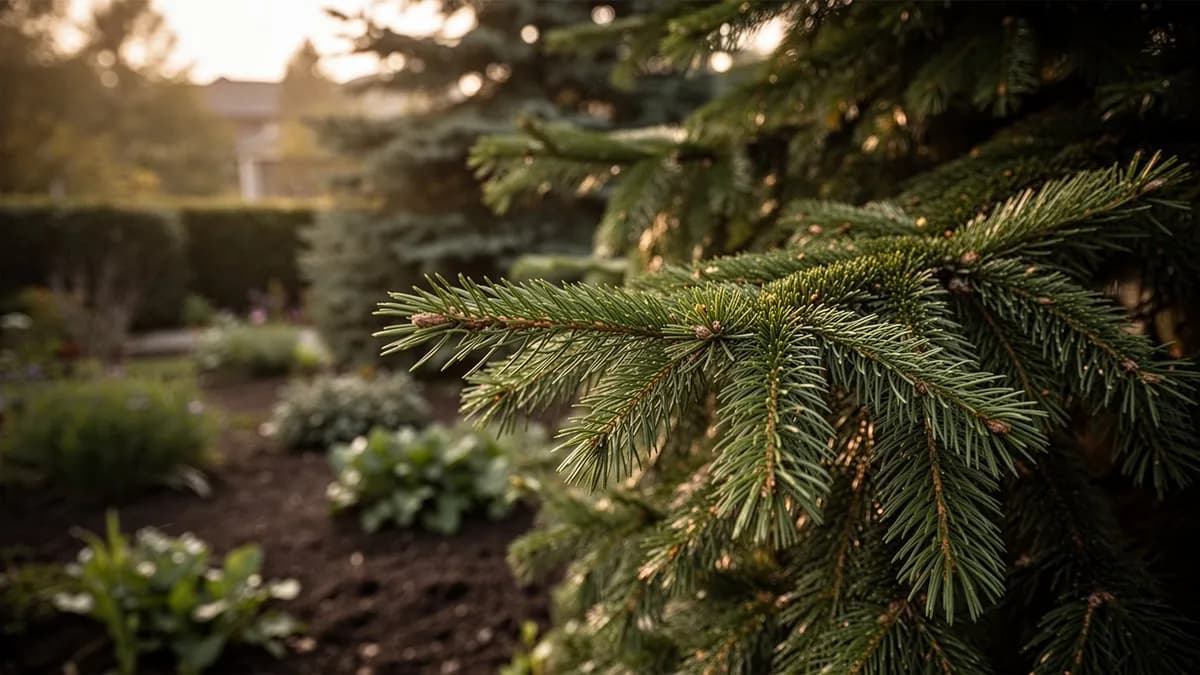
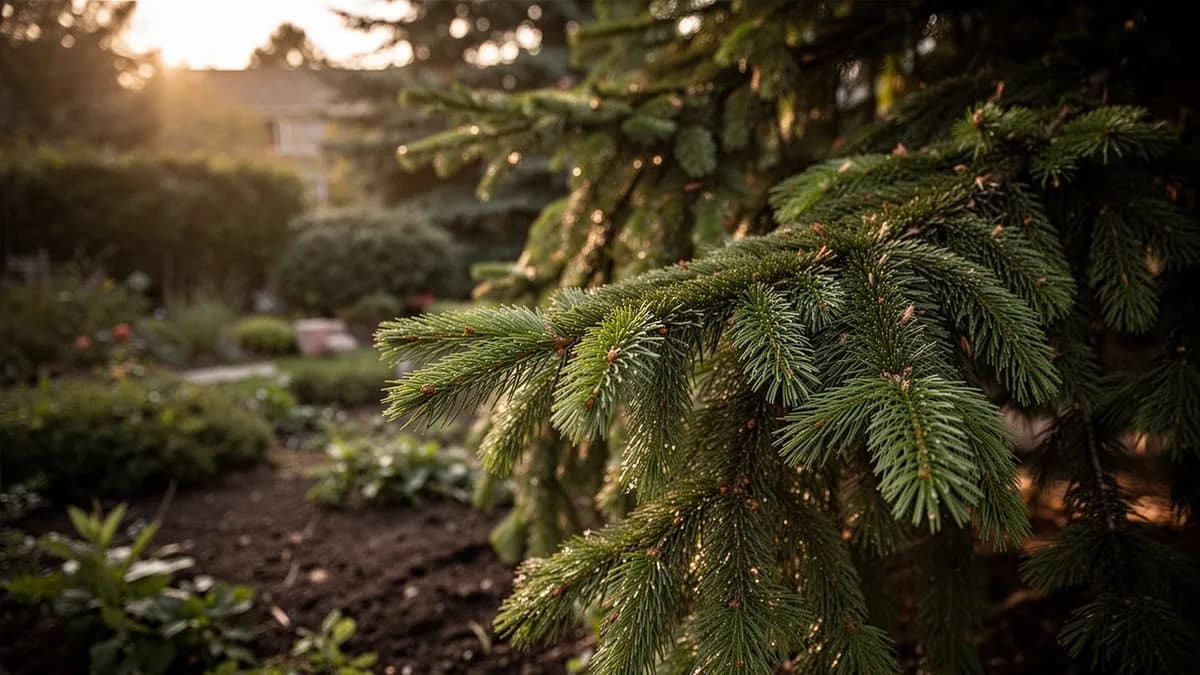
A symmetrical conifer with soft, fragrant needles and upright purple cones that disintegrate on the branch rather than falling whole.





On this pageOverview
Meet Fir Tree
A symmetrical conifer with soft, fragrant needles and upright purple cones that disintegrate on the branch rather than falling whole. Firs prefer cool, moist mountain conditions and suffer in hot, dry lowland climates with high humidity. Balsam fir is the traditional Christmas tree species, valued for its fragrance and needle retention. Plant in acidic, well-drained soil with consistent moisture and protection from drying winter winds.
When to plant Fir Tree
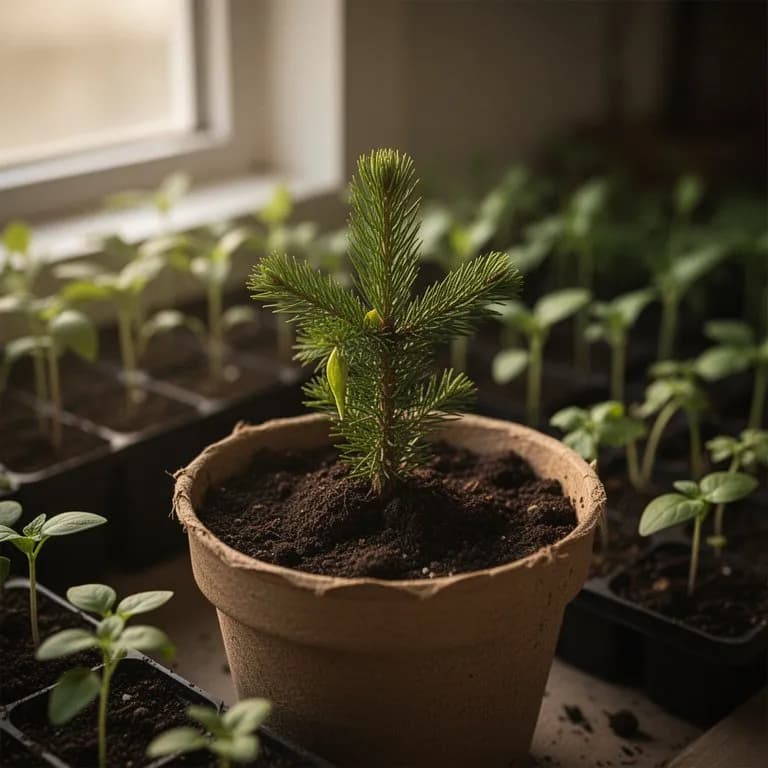
Collect fir cones in early fall before they disintegrate — bag them on the tree or place mesh bags around cones. Seeds are released as cone scales separate. Stratify seeds for 30 to 60 days in moist peat in the refrigerator. Sow on the surface of acidic seed mix. Germination occurs in 3 to 6 weeks. Fir seedlings grow slowly and need consistent moisture and shade for the first few years.
Your Fir Tree Year
Composed for Zone 7 · typical seasons · frost passes Apr 2, returns Nov 1
Plant Fir Tree Mar – Apr, Oct – Nov, pick —. Check the planting methods below and set your climate to personalize these windows.
How to grow Fir Tree
Firs are cool-climate conifers that thrive in moist mountain environments with cold winters and moderate summers. They struggle in hot, humid lowlands and are poor choices for zones above 6-7. Plant in spring in moist, well-drained, acidic soil with consistent moisture.
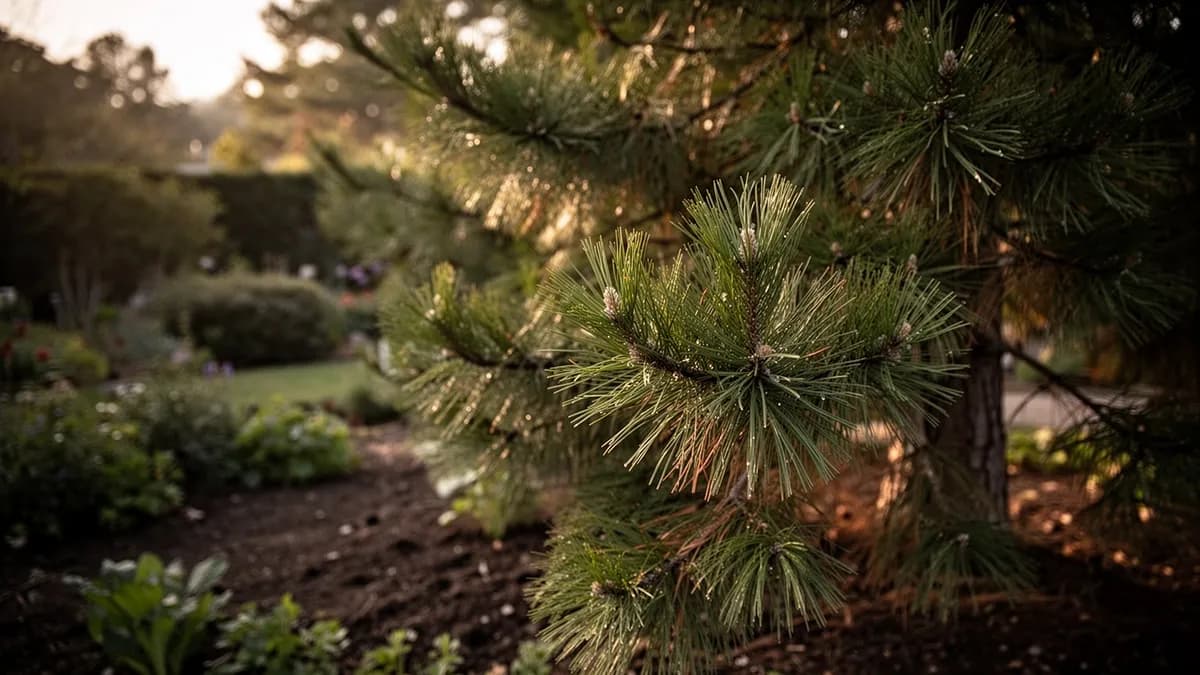
Firs require more moisture than pines or spruces and benefit from organic mulch over their shallow root systems. Avoid sites with drying winter winds. Minimal pruning needed — firs naturally maintain a symmetrical conical form. Their upright cones disintegrate on the branch, unlike pines and spruces whose cones fall whole.
Fir Tree needs more room than a 4 × 8 ft bed gives
Each Fir Tree wants 700 cm of elbow room. The planner keeps that spacing for you — every plant, every bed.
Fir Tree's best neighbours
Firs create ideal conditions for shade-loving, moisture-loving understory plants. Ferns, trillium, bunchberry, and woodland wildflowers thrive beneath fir canopies. Rhododendrons and azaleas share the preference for acidic, moist soil. Mosses and lichens naturally colonize fir forests. Avoid planting drought-tolerant species that prefer different conditions.
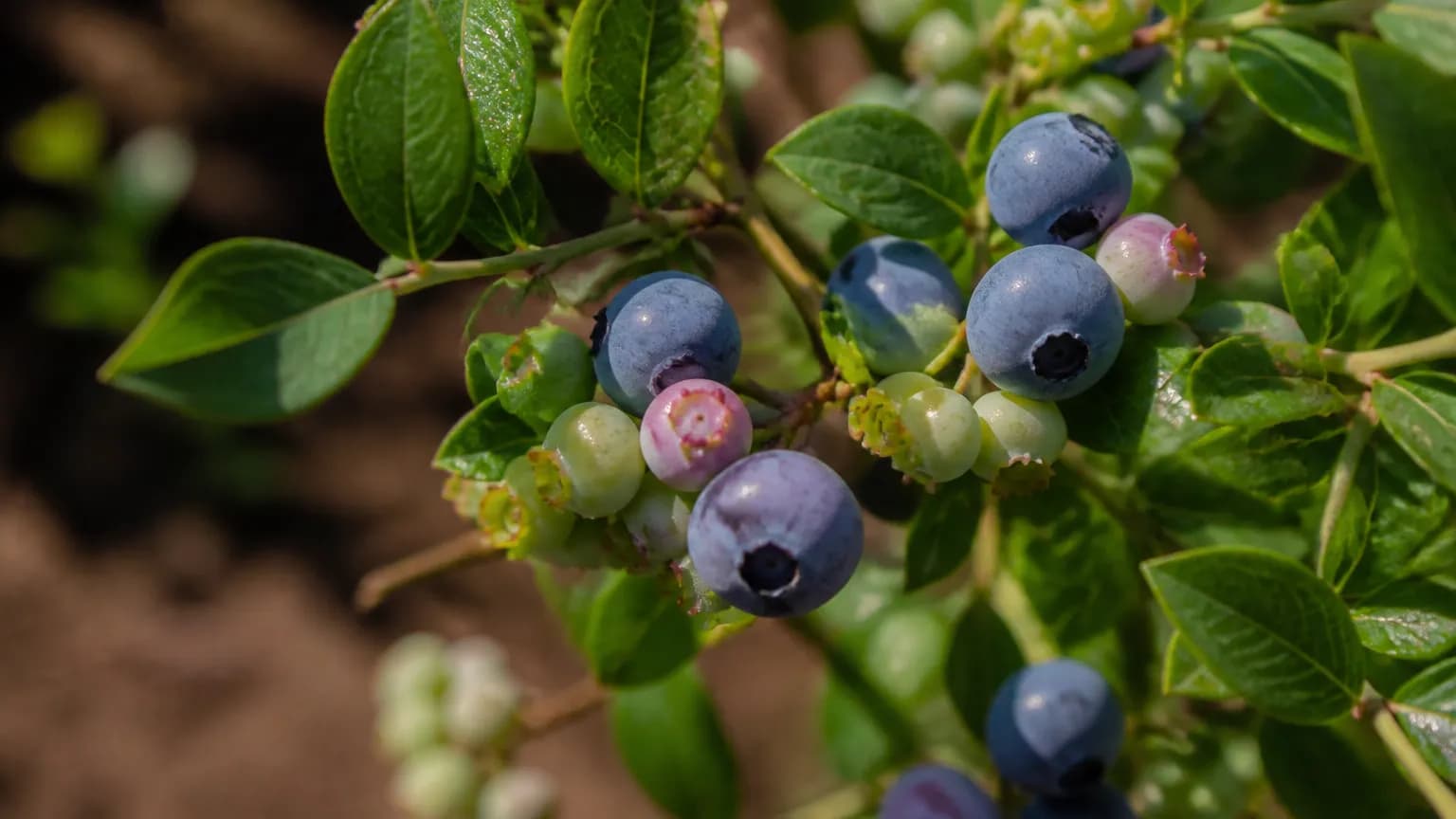
Blueberry belongs beside it.
Old growers' knowledge, checked against Fir Tree's real companion table below — test any plant you're growing.
Try Fir Tree in a bed — right here
A real planner bed with Fir Tree already in it. Tap a companion to place it and watch the pairing checks answer — green for good neighbours, red for a clash.


Related growing guides
Feed it well
Firs prefer moist, well-drained, acidic soil with pH 5.0 to 6.0 and high organic matter. They need more consistent moisture than pines. Mulch heavily with organic material to keep roots cool and moist. Apply acidifying fertilizer to young trees in spring. Avoid alkaline soils and dry sites. Firs benefit from sheltered locations with protection from hot afternoon sun in warmer zones.
Ideal Temperature
Hardiness Zone Compatibility
From seed to harvest, stage by stage
Seed Germination
Fir seeds require cold stratification for 30 to 60 days before germination. Seeds are sown shallowly in moist, acidic soil and kept cool. Germination rates vary by species but typically range from 30 to 50 percent.
Seedling Establishment
Seedlings emerge with a whorl of cotyledons and develop their first true needles within weeks. Growth is slow during the first year, typically reaching only 5 to 10 centimeters in height. Seedlings are vulnerable to damping off and direct sunlight.
Sapling Growth
Between years two and five, fir saplings accelerate their growth to 15 to 30 centimeters per year. The characteristic pyramidal shape begins to form with regular whorls of branches. Root systems deepen and spread to establish the tree in its site.
Juvenile Tree
From years five through fifteen, fir trees grow vigorously at 30 to 60 centimeters per year depending on species and conditions. The crown fills out and the trunk thickens. Trees begin to produce resin blisters on their smooth bark.
Mature Tree
Fir trees reach reproductive maturity between 20 and 40 years of age, producing upright cones on upper branches. Growth rate slows but trees continue to gain height and girth. Mature firs can reach 30 to 60 meters tall depending on species.
Old Growth
Old-growth fir trees can live for 200 to 300 years or more. The crown may flatten or become irregular with age. These ancient trees serve as critical habitat for wildlife including spotted owls, marbled murrelets, and numerous lichen and moss species.
Keep seeds consistently moist but not waterlogged, and maintain temperatures between 1 and 5 degrees Celsius during stratification.
Caring for Fir Tree month by month
What to do each month for your Fir Tree
October
You are hereApply a fresh layer of mulch before winter to insulate roots. Perform any necessary pruning of dead or crossing branches
Know exactly what to do in your garden — every month
One email at the start of each month: what to sow, plant, and tackle right now — for your Fir Tree and everything growing around it. Plus a short starter course that helps you dodge the classic mistakes.
- What to do, right now
- Matched to your season
- Starter course included
Harvesting Fir Tree
Fir boughs are harvested for holiday wreaths and garlands — their excellent needle retention makes them the preferred choice for decorations. Cut branches from the lower and interior of the tree to minimize visual impact. Balsam fir pillows are made by stuffing dried needles into fabric sachets for their distinctive fragrance. Fir resin can be tapped from bark blisters for traditional varnishes.
assuming you plant when the window opens — set your real date
Pick Fir Tree promptly and the plant keeps producing.
Storage & Preservation
Fir boughs last 3 to 4 weeks indoors when kept cool and misted regularly. Dried fir needles retain fragrance for months in sealed sachets. Fir balsam resin (Canada balsam) is collected from bark blisters and stored in glass containers for use as optical-grade cement and traditional varnish. Keep wreaths and garlands in a cool, shaded spot to maximize longevity.
What goes wrong — and the fix
Balsam Woolly Adelgid
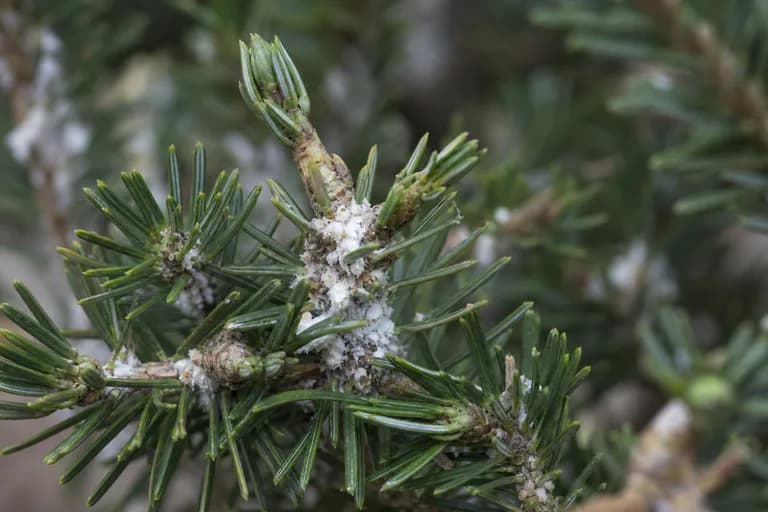
PestWhite woolly masses on bark and branch nodes. Trees develop swollen twig tips called gouting. Progressive dieback and death over several years.
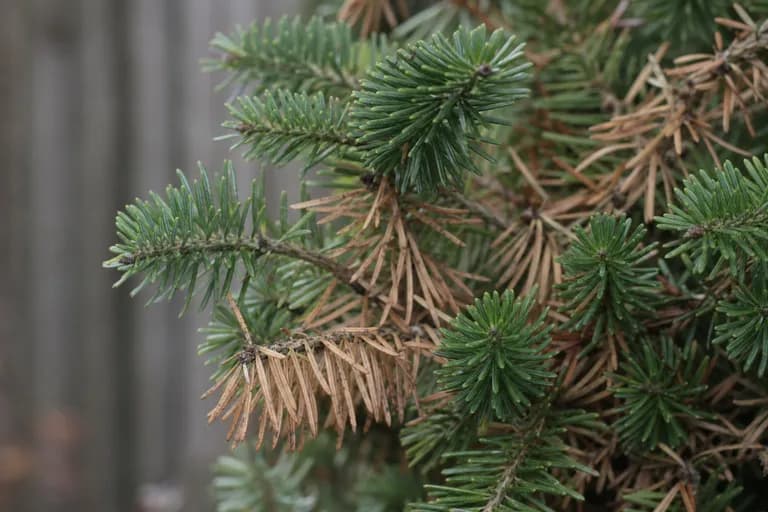
Needle Cast
DiseaseInner needles yellow and drop, leaving only current-year needles at branch tips. Tiny black fruiting bodies visible on fallen needles.
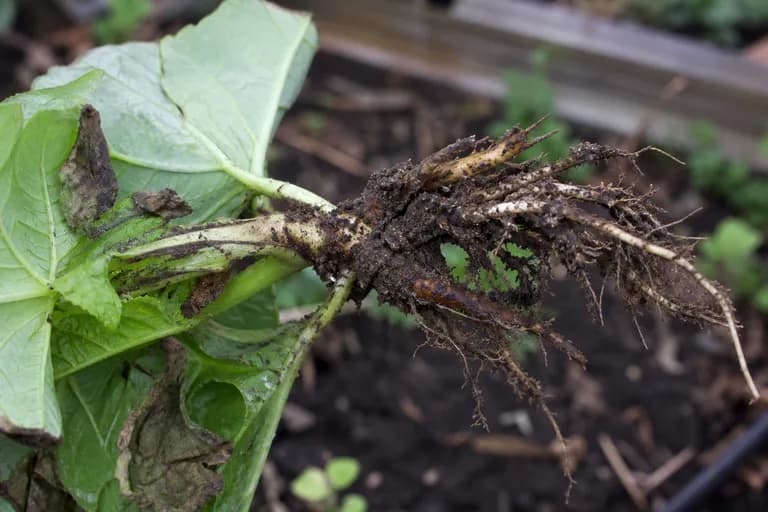
Root Rot
DiseaseYellowing, thinning canopy. Slow decline over months. Bark may darken at the base. Most common in poorly drained soil.
Troubleshooting Common Problems
Heat stress is the primary limitation — firs decline rapidly in hot, humid climates. Balsam woolly adelgid has devastated native fir populations in the eastern US. Shallow roots make firs vulnerable to windthrow and drought. Needle cast diseases thin the canopy in humid conditions. Firs are not tolerant of urban pollution, road salt, or soil compaction.
Growing Tips
- Select a planting site with partial shade to full sun and well-drained, slightly acidic soil with a pH between 5.0 and 6.5 for optimal fir tree growth.
- Avoid planting fir trees in heavy clay soils or areas with poor drainage, as they are highly susceptible to root rot caused by Phytophthora and Armillaria fungi.
- Water young fir trees deeply and consistently during their first three to five years of establishment, providing at least 2.5 centimeters of water per week during dry periods.
- Apply a 7 to 10 centimeter layer of organic mulch such as wood chips or pine needles around the base of the tree, keeping the mulch at least 15 centimeters away from the trunk to prevent bark rot.
- Fir trees generally do not require heavy fertilization. If growth is slow, apply a balanced slow-release fertilizer formulated for acid-loving plants in early spring before new growth begins.
- Avoid pruning fir trees heavily, as they do not regenerate well from old wood. Limit pruning to the removal of dead, damaged, or diseased branches during late winter dormancy.
- Protect young fir trees from browsing deer by installing tree tubes or fencing around the planting area, as deer frequently damage fir seedlings by rubbing antlers and browsing tender shoots.
- Monitor regularly for balsam woolly adelgid, an invasive insect pest that attacks fir species by feeding on bark tissue. Look for white woolly masses on the trunk and branches and treat infestations early with horticultural oil.
- When planting multiple fir trees, space them at least 3 to 5 meters apart to allow for adequate air circulation and to reduce competition for light, water, and nutrients as the trees mature.
- Consider the mature size of your chosen fir species before planting near structures or power lines, as many firs can exceed 30 meters in height and 6 meters in spread at maturity.
Grow your best Fir Tree yet — and everything around it.
Start a free plan today. Lay out your beds, drop in your Fir Tree, and let PlotMyGarden handle the timing, spacing, companions and reminders from seed to harvest basket.
Pick your Fir Tree
Balsam Fir (Abies balsamea)
Classic Christmas tree with outstanding fragrance and needle retention. Narrow pyramidal form to 60 feet. Cold-hardy to zone 3.
Fraser Fir (Abies fraseri)
The premier Christmas tree species with excellent shape, fragrance, and needle retention. Native to southern Appalachian mountains.
White Fir (Abies concolor)
The most heat-tolerant fir with beautiful blue-green needles up to 3 inches long. Grows to 60 feet. Hardy to zone 3.
Noble Fir (Abies procera)
Pacific Northwest native with stiff, blue-green needles. Excellent cut greenery with outstanding longevity. Large symmetrical form.
Growing your own fir tree from seed or seedling can save substantial costs compared to purchasing mature specimens, which often retail for 100 to 500 dollars or more depending on size and species. A single container seedling typically costs 5 to 15 dollars and will grow into a full-sized tree within 10 to 20 years. For Christmas tree growers, a plantation of fir trees can yield significant returns, as premium cut fir trees sell for 50 to 150 dollars each at retail. Additionally, homegrown fir needle tea and tip syrup provide free herbal remedies that would otherwise cost 10 to 25 dollars per package at specialty stores.
Quick recipes

Fir Needle Tea
10 minutesA refreshing and vitamin C-rich herbal tea made from fresh fir needles. This traditional woodland beverage has a mild citrusy and resinous flavor that is both warming and invigorating. Best enjoyed with a touch of honey.
4 ingredients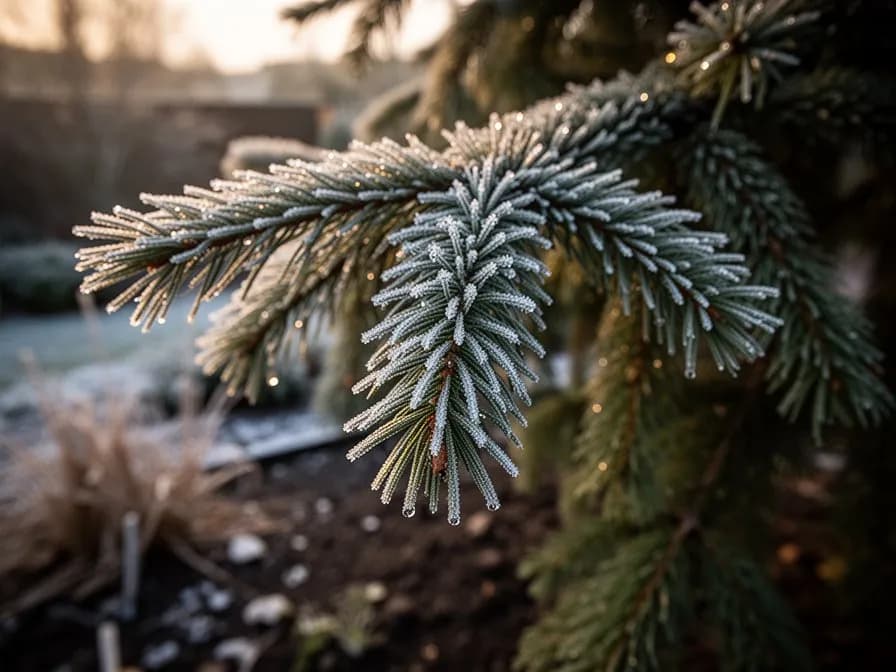
Fir Tip Syrup
30 minutes active, 3 weeks infusionA traditional European syrup made by layering fresh spring fir tips with sugar. The resulting amber syrup has a complex flavor profile combining notes of citrus, resin, and forest honey. Used as a cough remedy and dessert topping.
4 ingredientsFir-Infused Honey
15 minutes active, 2 weeks infusionAromatic honey infused with fresh fir needles and tips, producing a uniquely fragrant spread with subtle evergreen notes. Excellent drizzled over cheese, stirred into yogurt, or used as a glaze for roasted vegetables.
4 ingredientsWhat's inside
Health Benefits
- Fir needle tea provides a significant natural source of vitamin C, supporting immune function and helping prevent scurvy, as historically relied upon by indigenous communities during winter months.
- The essential oils found in fir needles, particularly alpha-pinene and beta-pinene, have demonstrated antimicrobial and anti-inflammatory properties in laboratory studies.
- Breathing the volatile organic compounds released by fir forests, a practice known as forest bathing or shinrin-yoku, has been associated with reduced cortisol levels, lower blood pressure, and improved mood.
- Fir resin has been used in traditional medicine as a topical antiseptic for minor wounds and skin irritations, with some studies supporting its antimicrobial activity against common bacteria.
- The aromatic compounds in fir essential oil are used in aromatherapy to promote respiratory health and may help clear congestion when used in steam inhalation.
- Spending time among fir trees and coniferous forests has been linked to increased natural killer cell activity in the immune system, according to research conducted in Japanese forest therapy programs.
Where Fir Tree comes from
Fir trees belong to the genus Abies in the family Pinaceae, encompassing approximately 48 to 56 species of evergreen conifers distributed across the mountainous regions of North and Central America, Europe, Asia, and North Africa. The genus has ancient origins dating back to the Cretaceous period, roughly 100 million years ago, making firs among the oldest lineages of living conifers. Fossil evidence suggests that fir trees once occupied a much broader range before being pushed into montane refugia by climatic shifts during the Tertiary and Quaternary periods. In Europe, the silver fir (Abies alba) has been culturally significant since antiquity, used by the Romans for shipbuilding and later becoming central to the Germanic tradition of decorating evergreen trees during winter solstice celebrations, a practice that evolved into the modern Christmas tree custom. In North America, indigenous peoples of the Pacific Northwest used grand fir and noble fir for medicinal purposes, crafting poultices from the resin to treat wounds and brewing needle infusions to combat scurvy. The balsam fir held spiritual significance for several First Nations, who burned its resin as incense during ceremonies. European colonists quickly recognized the commercial value of North American fir species, harvesting them extensively for timber, turpentine, and naval stores. During the nineteenth and twentieth centuries, silvicultural practices were developed to manage fir forests sustainably, though old-growth fir stands were heavily logged throughout the Pacific Northwest. Today, fir trees remain economically important for the timber industry and the Christmas tree trade, while also serving as keystone species in mountain forest ecosystems worldwide. Conservation efforts focus on protecting remaining old-growth fir forests and addressing threats from climate change, bark beetles, and invasive pests such as the balsam woolly adelgid.
Fir Tree: did you know?
Fascinating facts about Fir Tree
Fir trees are one of the few conifers whose cones stand perfectly upright on branches like candles, and the cones disintegrate on the tree rather than falling whole to the ground.
Fir Tree questions, answered
When should I plant Fir Tree?
What are good companion plants for Fir Tree?
What hardiness zones can Fir Tree grow in?
How much sun does Fir Tree need?
How far apart should I space Fir Tree?
What pests and diseases affect Fir Tree?
How do I store Fir Tree after harvest?
What are the best Fir Tree varieties to grow?
What soil does Fir Tree need?
How can I tell the difference between a fir tree and a spruce or pine tree?
How fast do fir trees grow and how tall will they get?
Can I grow a fir tree in a warm climate?
Why are the needles on my fir tree turning yellow or dropping?
Are fir trees safe to use for tea and cooking?
When is the best time to plant a fir tree?
You just read the theory. Now grow it on autopilot.
Everything that makes Fir Tree fiddly — the timing, the spacing, the companions, the harvest window — is exactly what PlotMyGarden handles for you, for every plant in your garden.
A plan that knows your weather
Set your location once. Get sow, feed and harvest dates built around your real last-frost date and live forecast — no more guessing from a generic seed packet.
From the “When to plant” sectionDrag-and-drop bed planner
Design beds on a grid. Every plant snaps to its proper spacing, and you can see your whole season laid out before you spend a cent on seed.
From the “Growing guide” sectionCompanion conflicts, caught early
200+ good-and-bad pairings checked live as you plant — so a season-wrecking mistake never makes it into the ground.
From the “Companions” sectionReminders you'll actually act on
“Water the beans.” “Pick today before it turns.” Timely, specific, and tied to the plants you're really growing.
From the “Harvest” sectionSuccession, scheduled
Want a harvest for six weeks, not six days? It spaces your sowings automatically and reminds you when each new block is due.
From the “When to plant” sectionA record that gets smarter
Every harvest you log teaches it your garden. Next year's plan starts from what actually worked in your soil, not a textbook's.
From the “Overview” sectionPlant these alongside Fir Tree
More Evergreens
Grow your best Fir Tree yet — and everything around it.
Start a free plan today. Lay out your beds, drop in your Fir Tree, and let PlotMyGarden handle the timing, spacing, companions and reminders from seed to harvest basket.