Danvers Carrot
typical season: sow Mar – Sep · harvest Jun – Nov · set your climate
A classic American carrot variety with a conical shape, broad shoulders, and excellent heat tolerance.
On this pageOverview
Meet Danvers Carrot
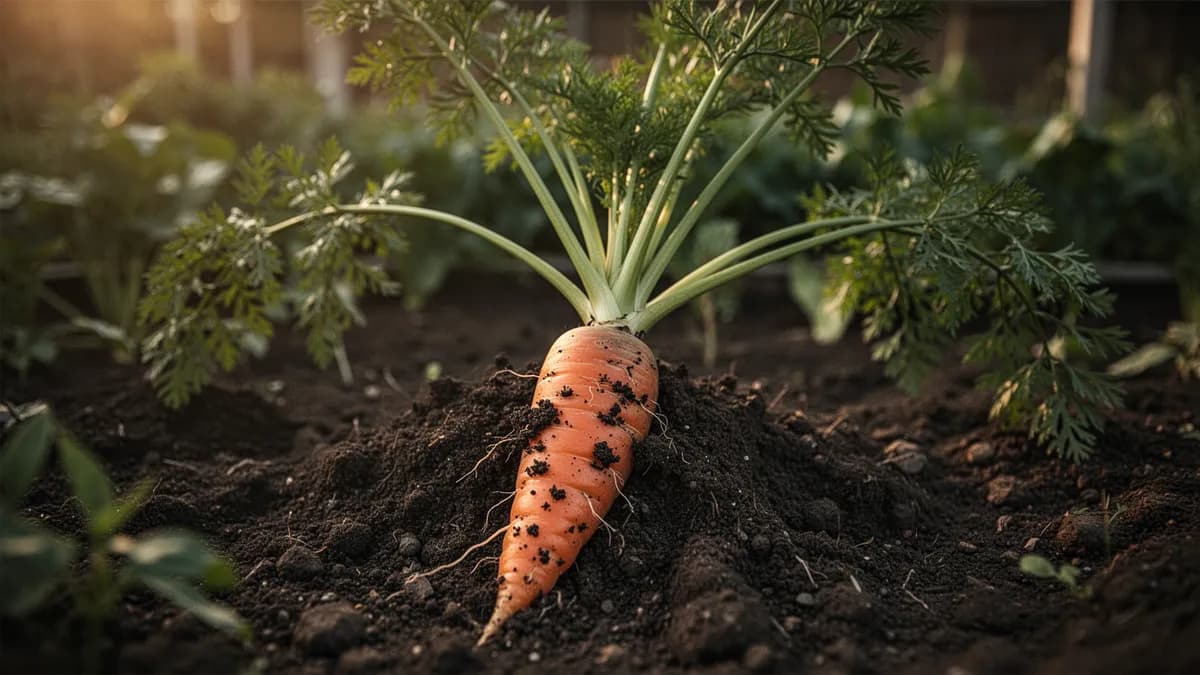
A classic American carrot variety with a conical shape, broad shoulders, and excellent heat tolerance. Danvers carrots were bred to perform well in the heavy soils of Massachusetts and are more forgiving of less-than-ideal growing conditions. The tapered roots store exceptionally well and develop a rich, sweet flavor when left in the ground into fall. Use for canning, storage, and fresh eating, and appreciate their adaptability to a wide range of soil types.
When to plant Danvers Carrot
Direct sow only; carrots do not transplant. Sow 1/4 inch deep 2-4 weeks before last frost. Mix tiny seeds with sand for even spacing. Keep soil surface moist for 10-21 day germination period. Thin progressively to 2-3 inches. Pelleted seeds reduce thinning labor. Succession sow every 3-4 weeks. Seeds remain viable for 3 years.
Your Danvers Carrot Year
Composed for Zone 7 · typical seasons · frost passes Apr 2, returns Nov 1
Plant Danvers Carrot Mar – May, Aug – Sep, pick Jun – Aug, Oct – Nov. Check the planting methods below and set your climate to personalize these windows.
Picking Danvers Carrot this season? Its next window opens Aug 1
One email a few days before it opens where you garden and one two weeks before it closes — then one when the first pick is due.
One email per milestone, never more than one a week. Unsubscribe with one tap. No account needed.
How to grow Danvers Carrot
Direct sow Danvers carrot seeds 1/4 inch deep, 2-4 weeks before last frost. Seeds germinate in 10-21 days at 55-75°F. Keep soil moist during germination. Thin to 2-3 inches apart. Danvers carrots tolerate heavier soils better than most varieties, making them ideal for gardens with clay or rocky conditions.
The tapered shape allows them to push through denser soil than cylindrical types. Still, working the soil to 10-12 inches deep improves root quality. Provide consistent moisture and avoid waterlogging. Side-dress lightly with low-nitrogen fertilizer at midseason.
Danvers types mature in 65-75 days and develop strong, robust flavor ideal for cooking. They hold well in the ground and store better than most varieties due to thick skin and dense flesh. Succession plant every 3-4 weeks for continuous harvest.
450 plants fit a 4 × 8 ft bed
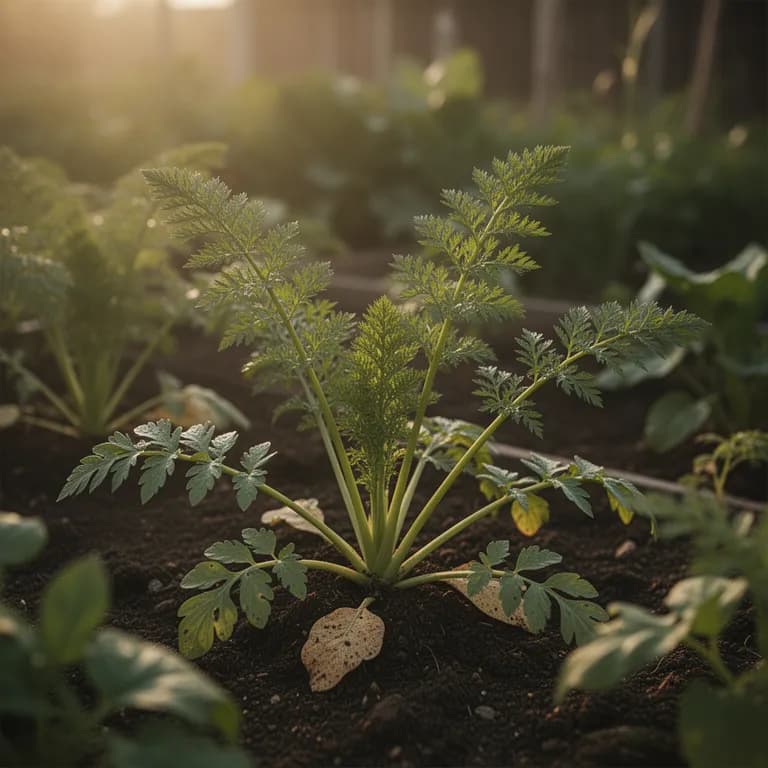
Each Danvers Carrot wants 8 cm of elbow room. The planner keeps that spacing for you — every plant, every bed.
Danvers Carrot's best neighbours
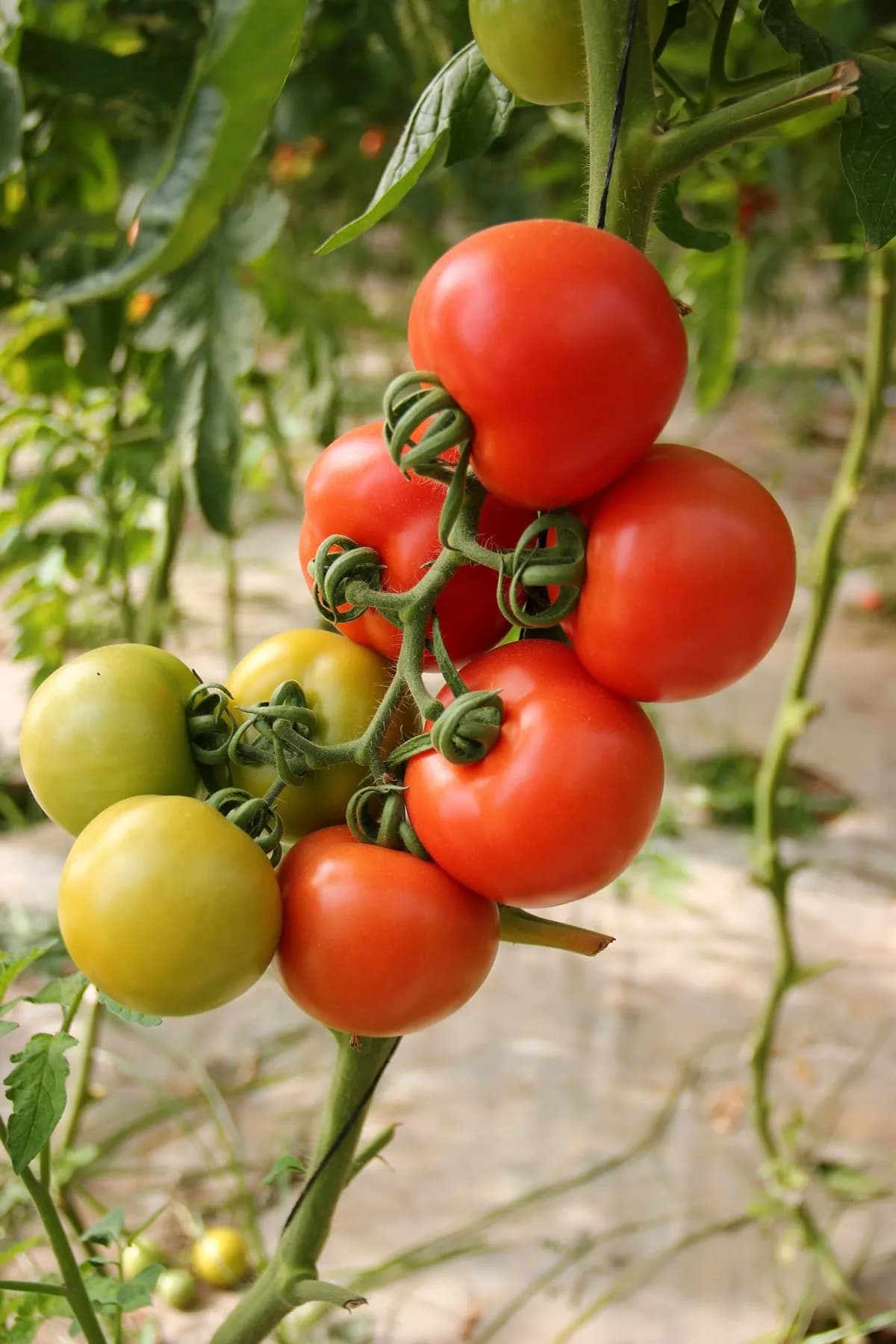
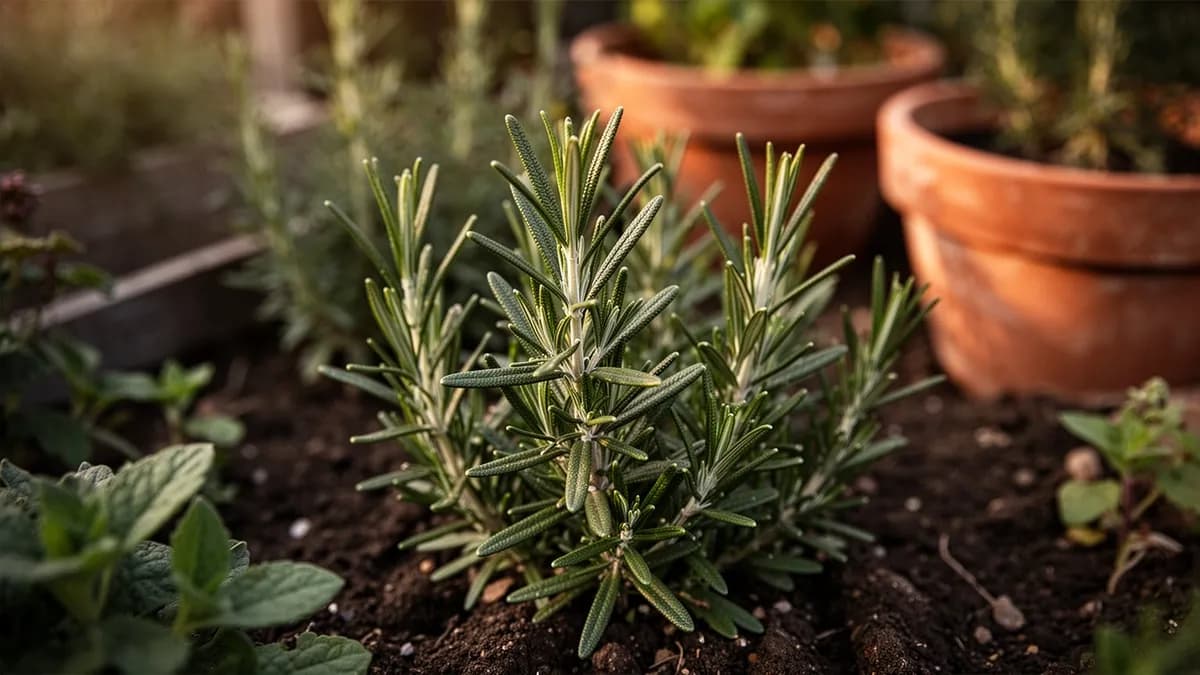
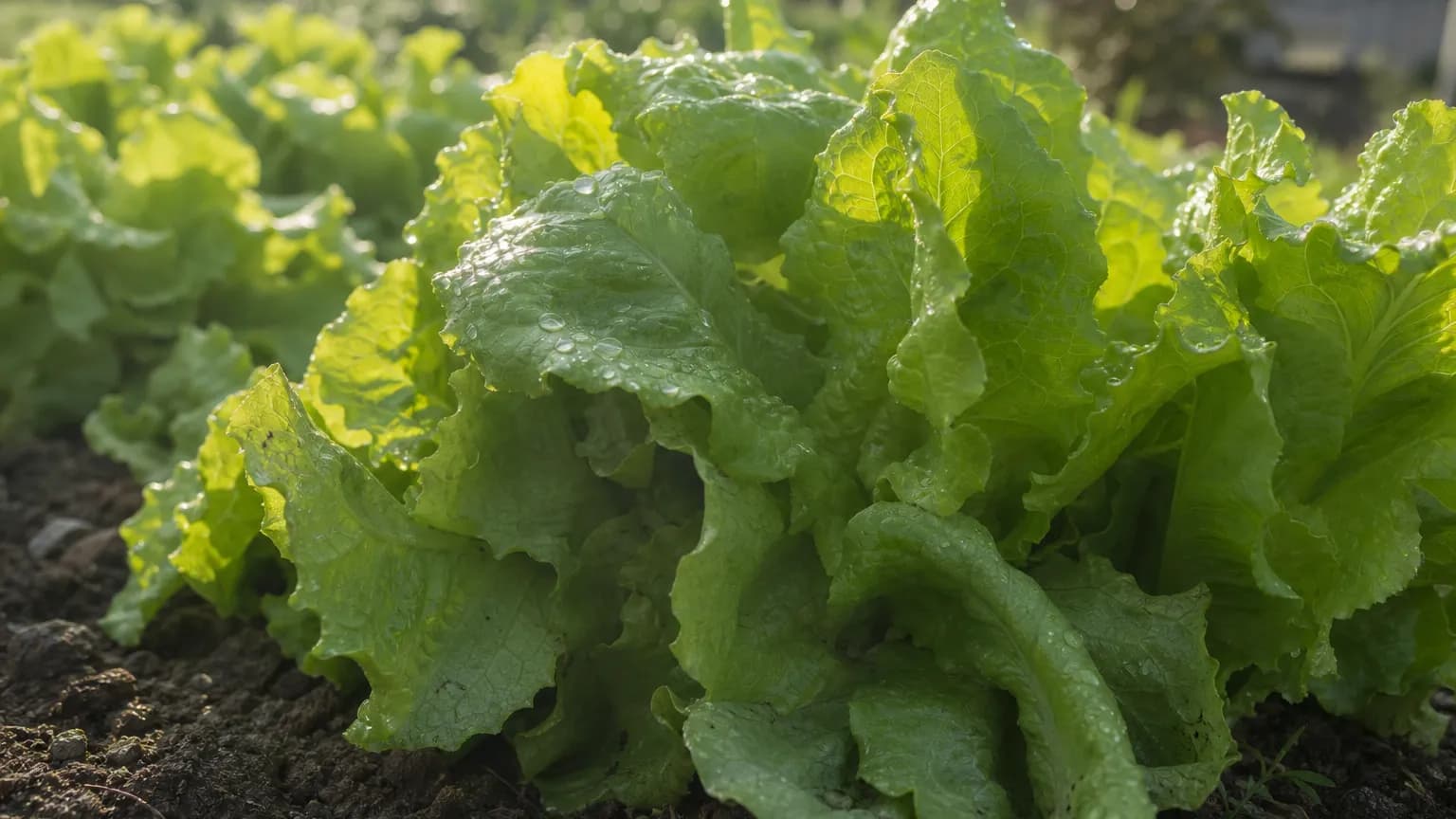
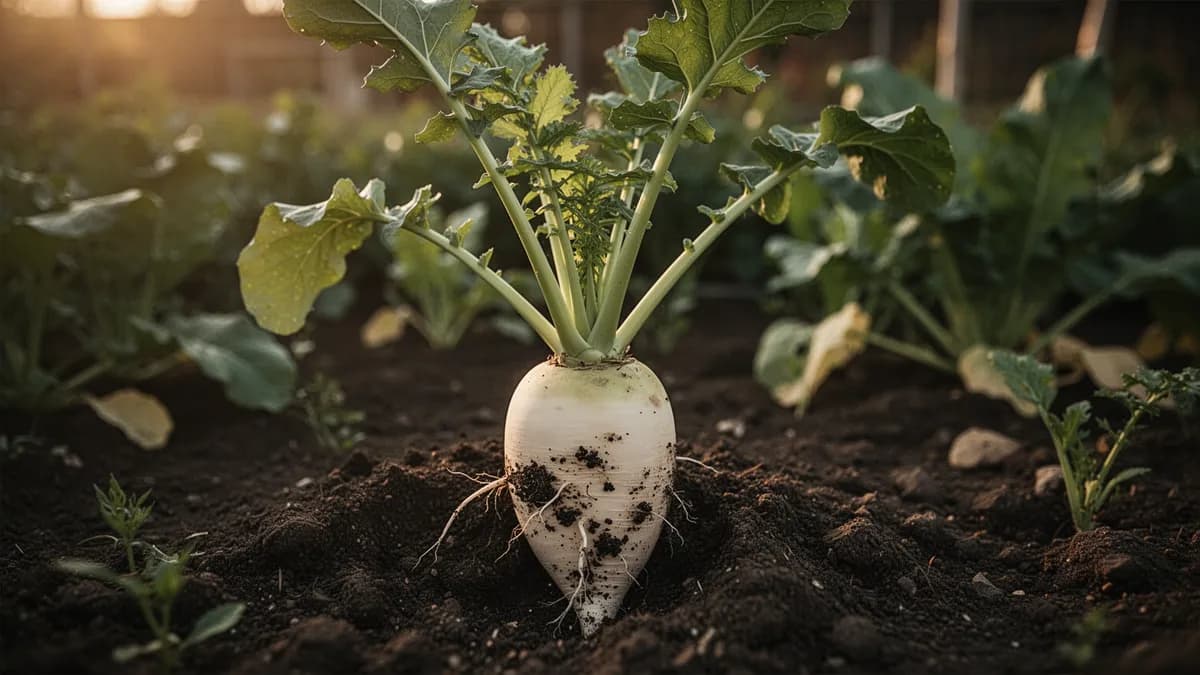
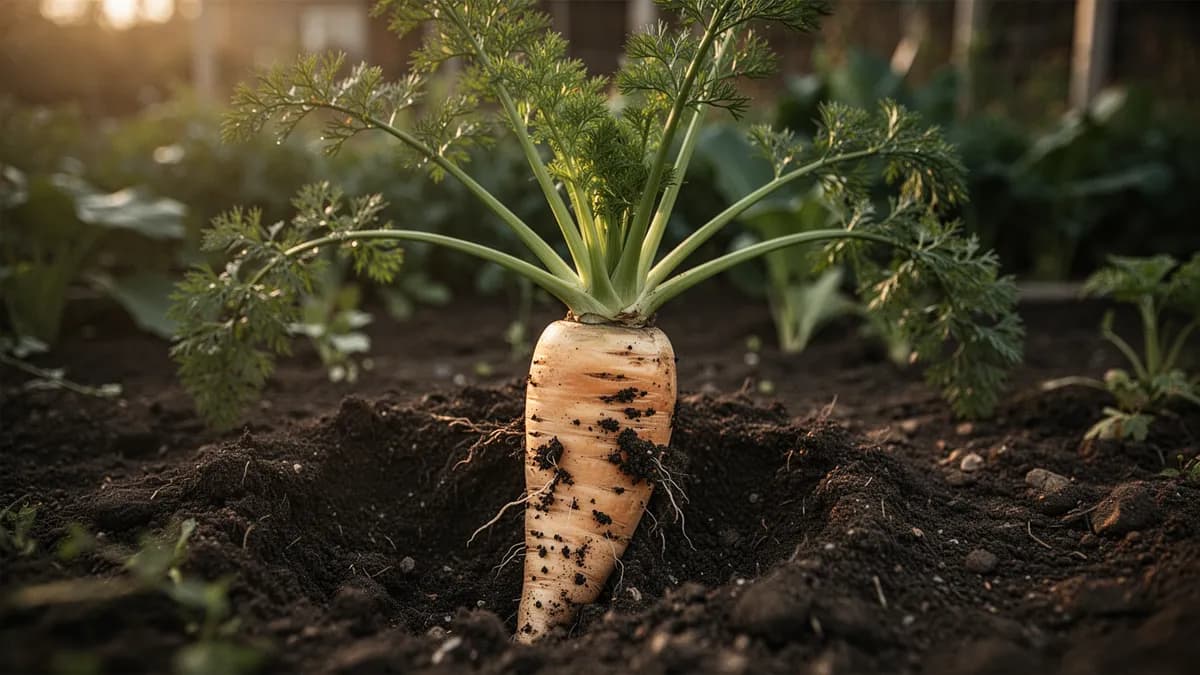
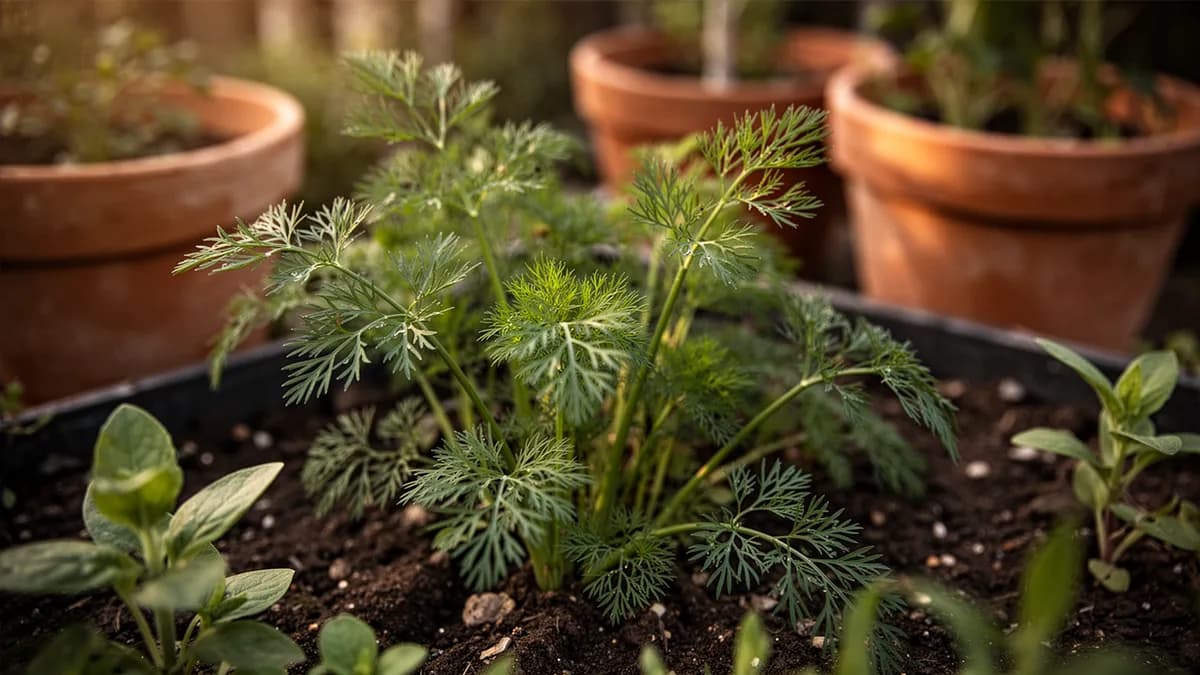
Danvers carrots grow well with onions, leeks, and chives that help mask carrot scent from rust flies. Tomatoes and rosemary are beneficial neighbors. Lettuce and radishes interplant well. Avoid dill and parsnips nearby. The tapered roots penetrate and loosen heavier soil, benefiting subsequent crops.
Tomato belongs beside it. Dill doesn't.
Old growers' knowledge, checked against Danvers Carrot's real companion table below — test any plant you're growing.
Related growing guides
Feed it well
Danvers carrots are more tolerant of heavy and imperfect soils than most carrot types. They grow in clay-loam soil that would cause other varieties to fork. Amending with compost and working soil to 10-12 inches still produces the best roots. Maintain pH at 6.0-6.8. Apply low-nitrogen fertilizer at planting. Avoid fresh manure.
Ideal Temperature
Hardiness Zone Compatibility
From seed to harvest, stage by stage
Germination
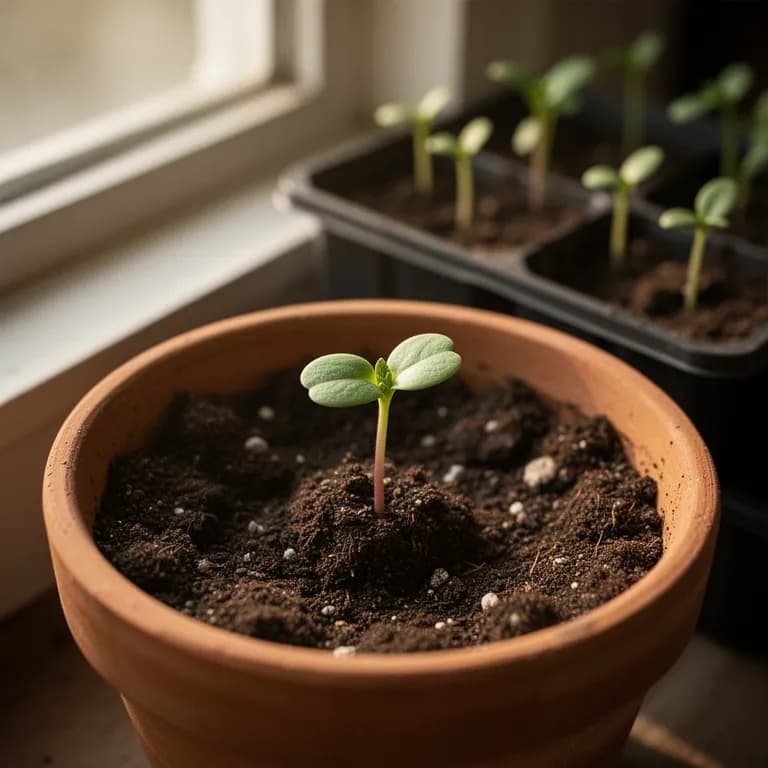
Tiny carrot seeds germinate slowly, requiring consistent moisture at the soil surface. The first sign is a thin, grass-like sprout that unfurls into a pair of narrow seed leaves (cotyledons). Germination takes 10-21 days at soil temperatures of 55-75°F, with the optimal range being 60-65°F.
Seedling Establishment
True leaves emerge with the characteristic feathery, compound appearance of carrot foliage. The taproot begins its downward journey, and seedlings must be thinned to 2-3 inches apart to prevent competition. At this stage, roots are thread-thin and white.
Root Development
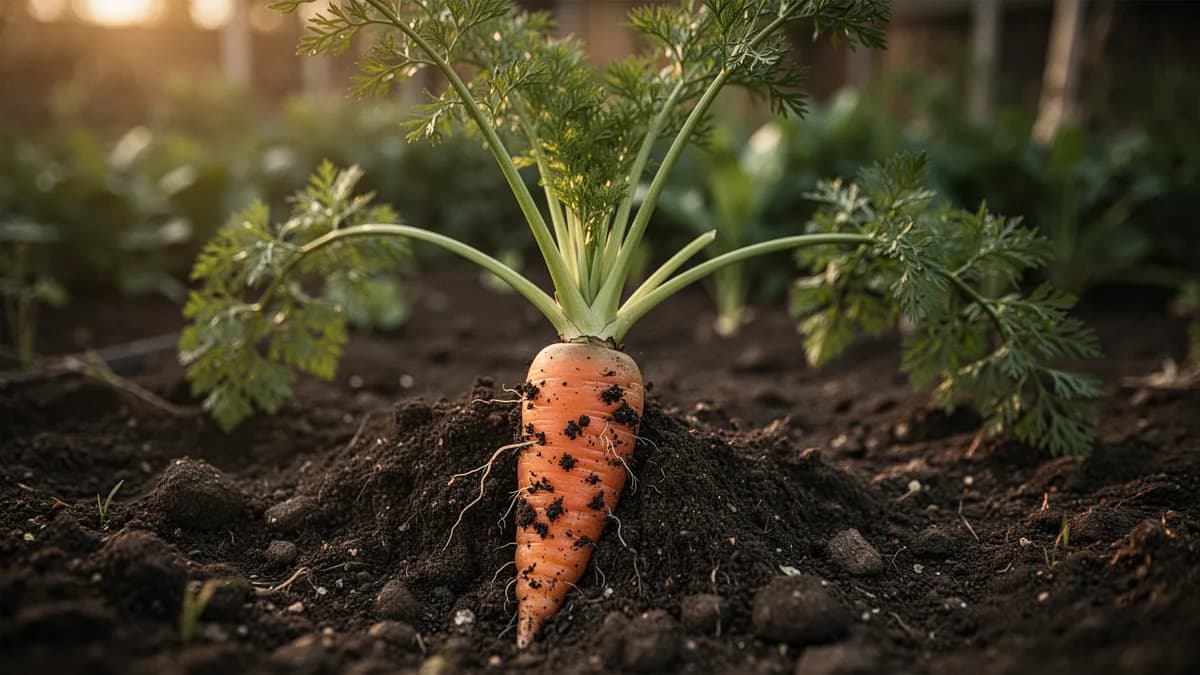
The taproot thickens rapidly, developing its characteristic Danvers conical shape with broad shoulders. The root transitions from white to pale orange as beta-carotene accumulates. Foliage grows vigorously, reaching 12-18 inches tall, and the root pushes downward to 6-8 inches.
Sizing and Coloring
Roots reach near-mature size with shoulders expanding to 1.5-2 inches across. The deep orange color intensifies as carotenoid compounds concentrate in the flesh. The distinctive Danvers taper becomes fully defined. Sugar content increases steadily, especially as nighttime temperatures cool.
Maturity and Harvest
Roots reach full size at 6-8 inches long with 1.5-2 inch shoulders. The Danvers variety holds well in the ground without becoming pithy or woody, allowing an extended harvest window. Flavor continues to improve with cool autumn temperatures as starches convert to sugars.
Keep the top inch of soil consistently moist — even a few hours of drying can kill emerging seedlings. Cover rows with a thin layer of vermiculite or a damp burlap strip to retain moisture without crusting.
Caring for Danvers Carrot month by month
What to do each month for your Danvers Carrot
October
You are hereHarvest remaining spring carrots for storage. Fall-sown Danvers continue developing roots as long as the ground remains unfrozen. Apply 6-8 inches of straw mulch over fall carrots for in-ground winter storage in zones 5-7.
Harvesting Danvers Carrot
Harvest Danvers carrots when roots are 6-8 inches long and shoulders are 1.5-2 inches across, typically 65-75 days from sowing. Loosen soil with a fork before pulling. Danvers stores well in the ground under mulch into early winter. The strong flavor becomes more pronounced with size and cold weather. Harvest greens as well for culinary use.
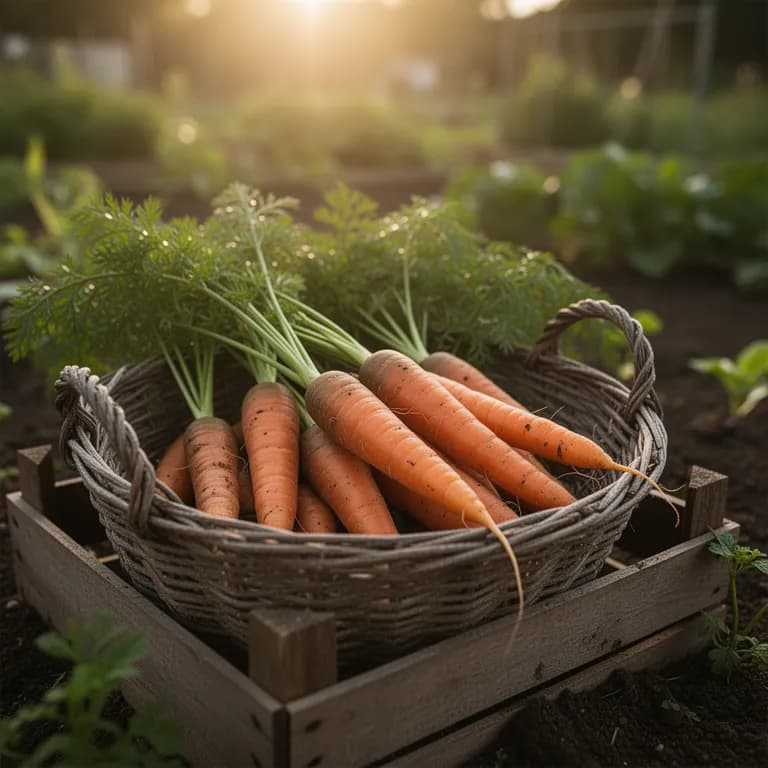
assuming you plant when the window opens — set your real date
Pick Danvers Carrot promptly and the plant keeps producing.
Storage & Preservation
Danvers are exceptional storage carrots. Remove tops and store in perforated bags in the refrigerator for 6-8 weeks, or pack in damp sand in a root cellar at 32-40°F for up to 5-6 months. The dense flesh and thick skin resist dehydration. Excellent for canning, freezing after blanching, and dehydrating. Traditional choice for carrot jam and pickled carrots.
What goes wrong — and the fix
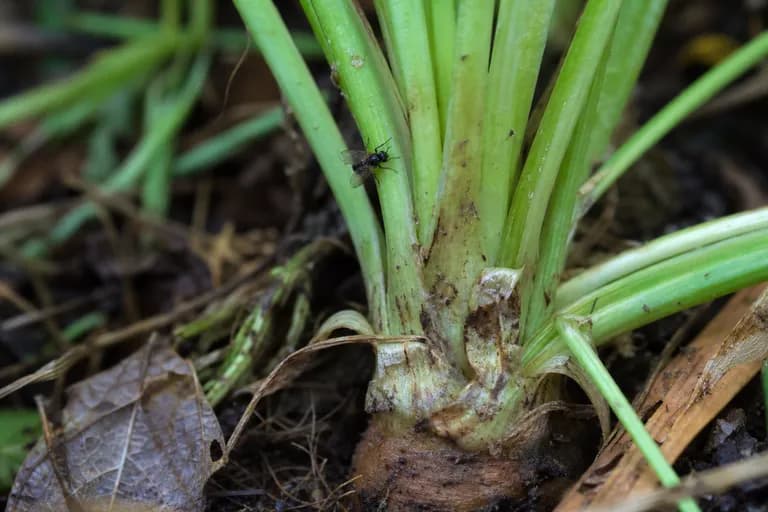
Carrot Rust Fly
PestRust-brown tunnels in roots, dark scarring on root surface, wilting foliage.
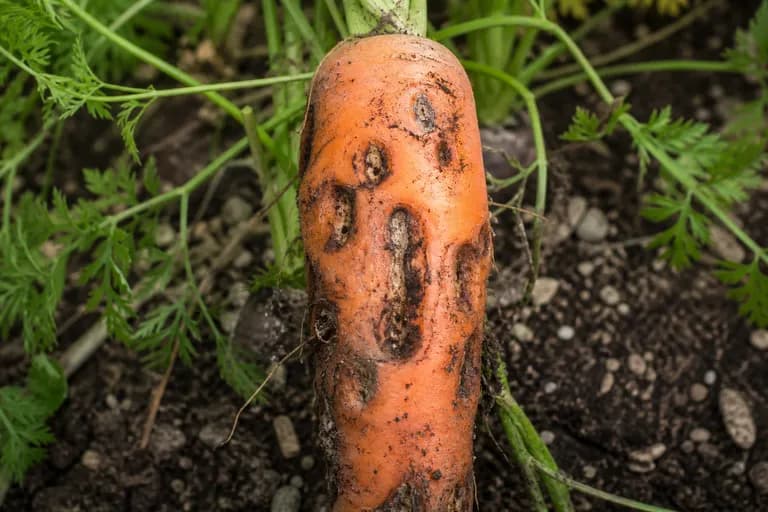
Cavity Spot
DiseaseOval, sunken lesions on root surfaces, dark brown spots that deepen over time.
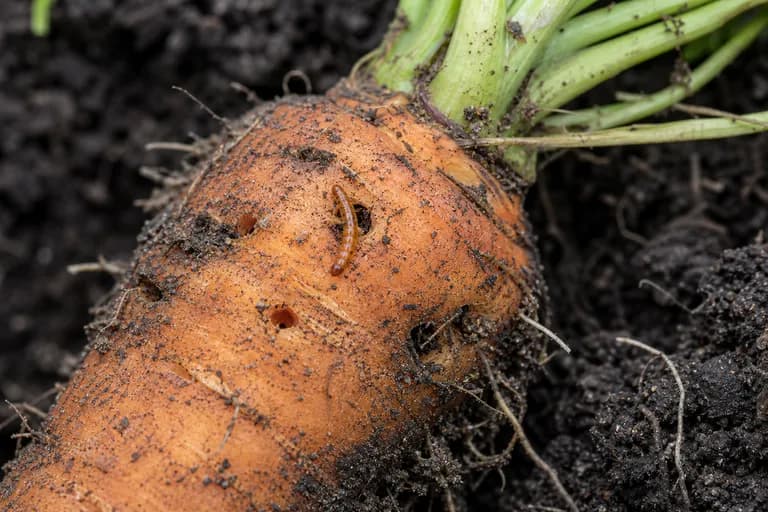
Wireworms
PestSmall round holes bored into roots, thin brown larvae visible in soil.
Troubleshooting Common Problems
While more soil-tolerant than most carrots, Danvers still fork in very rocky conditions. The strong flavor may be too intense for fresh eating compared to sweeter Nantes types. Green shoulders from sun exposure are common; hill soil over exposed roots. Slow germination requires patience and consistent moisture.
Growing Tips
- Never transplant carrots — always direct sow. Carrot taproots are extremely sensitive to disturbance, and transplanted carrots invariably produce forked, stunted, or misshapen roots regardless of how carefully they are handled.
- Prepare the soil deeply but avoid adding fresh manure or high-nitrogen amendments within 6 months of planting. Excess nitrogen causes hairy, forked roots with poor flavor, and fresh manure introduces pathogens that cause cavity spot and other root diseases.
- Mix tiny carrot seeds with fine sand or dry coffee grounds at a 4:1 ratio before sowing to achieve more even spacing and dramatically reduce the tedious work of thinning. Alternatively, use pelleted seeds for precise placement.
- Cover newly sown rows with a strip of burlap, lightweight row cover, or a thin layer of vermiculite to maintain surface moisture during the critical 10-21 day germination period. Remove burlap immediately when sprouts appear.
- Thin ruthlessly and early — crowded carrots produce thin, twisted roots that are useless in the kitchen. Thin to 2 inches at the first true leaf stage and to 3 inches a week later. Use scissors to snip unwanted seedlings rather than pulling, which disturbs neighboring roots.
- Hill soil over exposed carrot shoulders throughout the growing season. Green shoulders from sun exposure contain chlorophyll and bitter compounds that affect flavor. A 1-inch mounding of soil prevents this entirely.
- Succession plant every 3 weeks from early spring through midsummer for a continuous harvest from early summer through early winter. Danvers carrots are particularly well-suited to succession planting because they hold in the ground without becoming pithy.
- For the sweetest flavor, time your final sowing so carrots mature in cool autumn weather. Carrots exposed to temperatures below 10°C (50°F) convert stored starches to sugars as a natural antifreeze response, producing roots that taste almost candy-sweet.
Pick your Danvers Carrot
Danvers Half Long
The classic variety with 7-8 inch tapered roots. Strong flavor, excellent storage, reliable in heavy soil.
Danvers 126
Improved selection with more uniform roots and better disease resistance.
Yellowstone
Yellow-fleshed Danvers type with mild, sweet flavor. Adds color variety to carrot plantings.
A packet of Danvers carrot seeds costs $2-4 and contains 500-1,000 seeds — enough to plant a 15-meter (50-foot) row yielding 150-300 carrots worth $30-75 at organic grocery prices ($2-4 per pound). The real savings come from storage: Danvers carrots kept in a root cellar or under mulch provide fresh carrots for 5-6 months without any ongoing cost, replacing weekly purchases throughout fall and winter. Growing your own also eliminates the tasteless, rubbery quality of mass-produced carrots — homegrown Danvers pulled from cool soil are incomparably sweeter and more flavorful.
Quick recipes
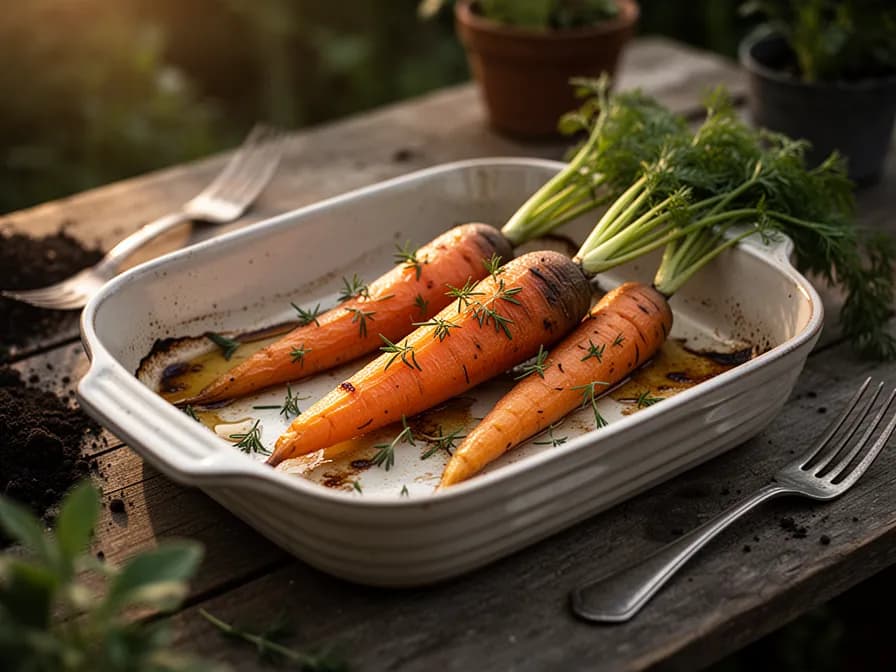
Honey-Roasted Danvers Carrots
35 minThick-cut Danvers carrots roasted at high heat until caramelized and tender, finished with a drizzle of honey and fresh thyme. The robust Danvers flavor intensifies beautifully with roasting, creating a side dish that converts even carrot skeptics.
7 ingredientsCreamy Danvers Carrot Soup
45 minA velvety, deeply flavored carrot soup that showcases the rich, full taste of Danvers carrots. Ginger and cumin add warmth, while a swirl of cream and toasted seeds provide an elegant finish.
10 ingredientsClassic Carrot Cake with Cream Cheese Frosting
75 minA moist, richly spiced carrot cake using freshly grated Danvers carrots for superior flavor and texture. The dense Danvers flesh grates beautifully and adds moisture and natural sweetness that store-bought carrots cannot match.
13 ingredientsCulinary Uses
Danvers carrots excel in cooked preparations where their robust flavor shines. Ideal for soups, stews, pot roasts, and braises. Make excellent carrot juice with rich, full flavor. Roast for caramelization. Traditional choice for canning and preserving. Grate into carrot cake and quick breads. The firm flesh holds shape well in cooked dishes.
What's inside
Health Benefits
- Exceptionally rich in beta-carotene, which the body converts to vitamin A — essential for maintaining healthy vision, immune function, and skin integrity. A single medium Danvers carrot provides over 200% of the daily recommended intake.
- Contains falcarinol and falcarindiol, polyacetylene compounds that have shown anti-inflammatory and potential anti-tumor properties in laboratory studies, with higher concentrations found in carrots grown in healthy, organic soil.
- The soluble fiber (pectin) in carrots slows digestion and helps regulate blood sugar levels after meals, giving carrots a low glycemic index of 39 despite their naturally sweet taste.
- Rich in lutein and zeaxanthin, carotenoid antioxidants that accumulate in the retina and help protect against age-related macular degeneration — the leading cause of vision loss in adults over 60.
- Provides potassium (320mg per 100g) that helps counterbalance dietary sodium, supporting healthy blood pressure and reducing cardiovascular disease risk when consumed as part of a vegetable-rich diet.
- Cooking carrots actually increases the bioavailability of beta-carotene by breaking down cell walls — lightly steamed or roasted Danvers carrots deliver significantly more absorbable nutrients than raw ones.
Where Danvers Carrot comes from
The Danvers carrot traces its origins to the town of Danvers, Massachusetts, where local market gardeners in the mid-19th century selectively bred a carrot suited to the region's heavy, stony soils. By 1871, the Danvers Half Long variety was formally introduced to the seed trade and quickly became one of the most popular carrots in America. Its conical, tapering shape allowed the root to push through dense clay and rocky ground that would cause longer, cylindrical varieties to fork and deform.
The broader story of carrot cultivation stretches back over 5,000 years to the highlands of Afghanistan and Persia (modern Iran), where wild Daucus carota was first domesticated — not for its root, but for its aromatic seeds and leaves. Early cultivated carrots were purple, yellow, and white. The orange carrot familiar today was developed by Dutch breeders in the 16th and 17th centuries through careful selection of yellow-rooted varieties with higher carotene content.
Danvers carrots represent an important chapter in American horticultural innovation. As the United States industrialized in the late 1800s, practical, adaptable vegetable varieties were in high demand for both home gardens and commercial production. The Danvers type filled this niche perfectly — it was reliable in imperfect soil, stored exceptionally well through New England winters in root cellars, and had a strong, satisfying flavor ideal for soups, stews, and canning. The variety remains commercially significant today, with Danvers 126 (an improved selection developed for more uniform roots and better disease resistance) still grown by market gardeners and home growers across North America who value its toughness, storage quality, and rich cooking flavor.
Danvers Carrot: did you know?
Fascinating facts about Danvers Carrot
The Danvers carrot was developed in Danvers, Massachusetts around 1871 specifically to grow in the town's heavy, rocky soil — making it one of the first American-bred carrot varieties and a landmark in vegetable breeding history.
Danvers Carrot questions, answered
When should I plant Danvers Carrot?
What are good companion plants for Danvers Carrot?
What hardiness zones can Danvers Carrot grow in?
How much sun does Danvers Carrot need?
How far apart should I space Danvers Carrot?
What pests and diseases affect Danvers Carrot?
How do I store Danvers Carrot after harvest?
What are the best Danvers Carrot varieties to grow?
What soil does Danvers Carrot need?
Why are my Danvers carrots forking or producing misshapen roots?
How do I get Danvers carrot seeds to germinate reliably?
When is the best time to harvest Danvers carrots for storage?
What makes Danvers different from Nantes or Imperator carrots?
Can I grow Danvers carrots in containers or raised beds?
Plant these alongside Danvers Carrot
More Root Vegetables
Keep Danvers Carrot away from these
Grow your best Danvers Carrot yet — and everything around it.
Start a free plan today. Lay out your beds, drop in your Danvers Carrot, and let PlotMyGarden handle the timing, spacing, companions and reminders from seed to harvest basket.
