Boneset
A native wetland perennial with distinctive perfoliate leaves through which the stem appears to grow, used traditionally for fever and flu.





On this pageOverview
Meet Boneset
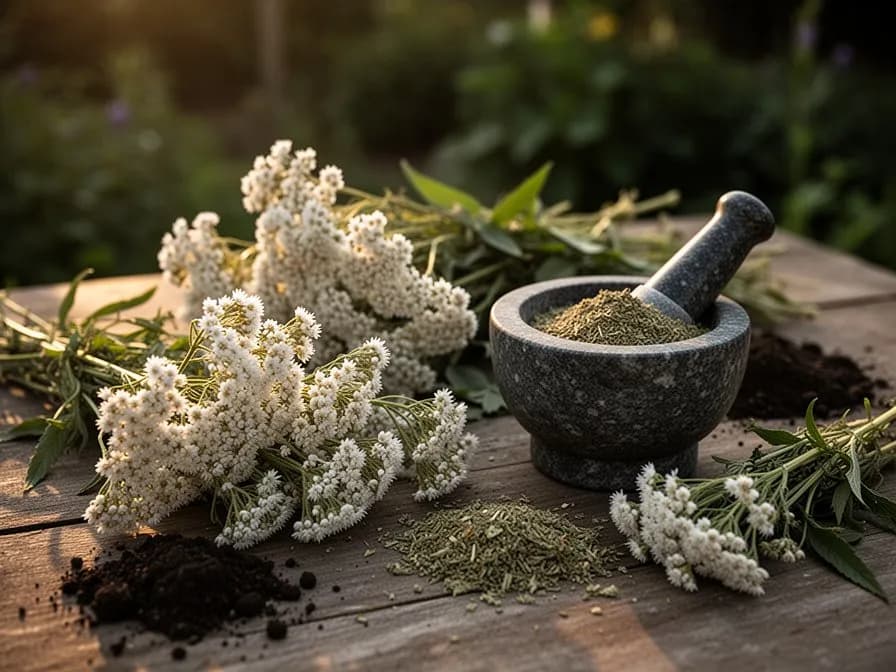
A native wetland perennial with distinctive perfoliate leaves through which the stem appears to grow, used traditionally for fever and flu. Boneset produces flat clusters of white flowers attractive to butterflies and beneficial insects in late summer. Grow in moist to wet soil in rain gardens or along pond edges where it naturalizes readily.
When to plant Boneset
Sow boneset seeds on the surface of moist seed-starting mix in autumn or early spring—seeds need light and cold stratification for germination. Alternatively, cold stratify seeds in the refrigerator for 4-6 weeks before spring sowing. Germination occurs in 2-4 weeks at 18-22°C. Seedlings grow slowly initially. Division of established clumps in spring is easier and provides faster results. Self-sown seedlings can be transplanted when small.
Your Boneset Year
Composed for Zone 7 · typical seasons · frost passes Apr 2, returns Nov 1
Plant Boneset Mar – May, pick Jul – Sep. Check the planting methods below and set your climate to personalize these windows.
How to grow Boneset
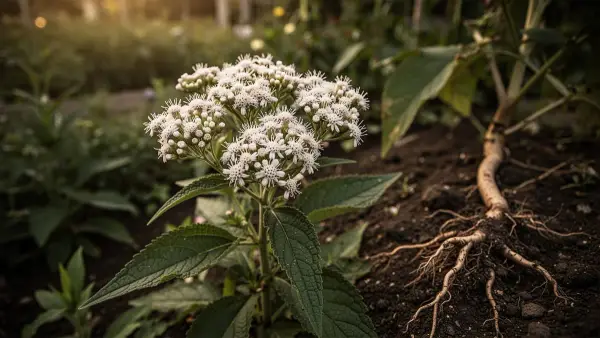
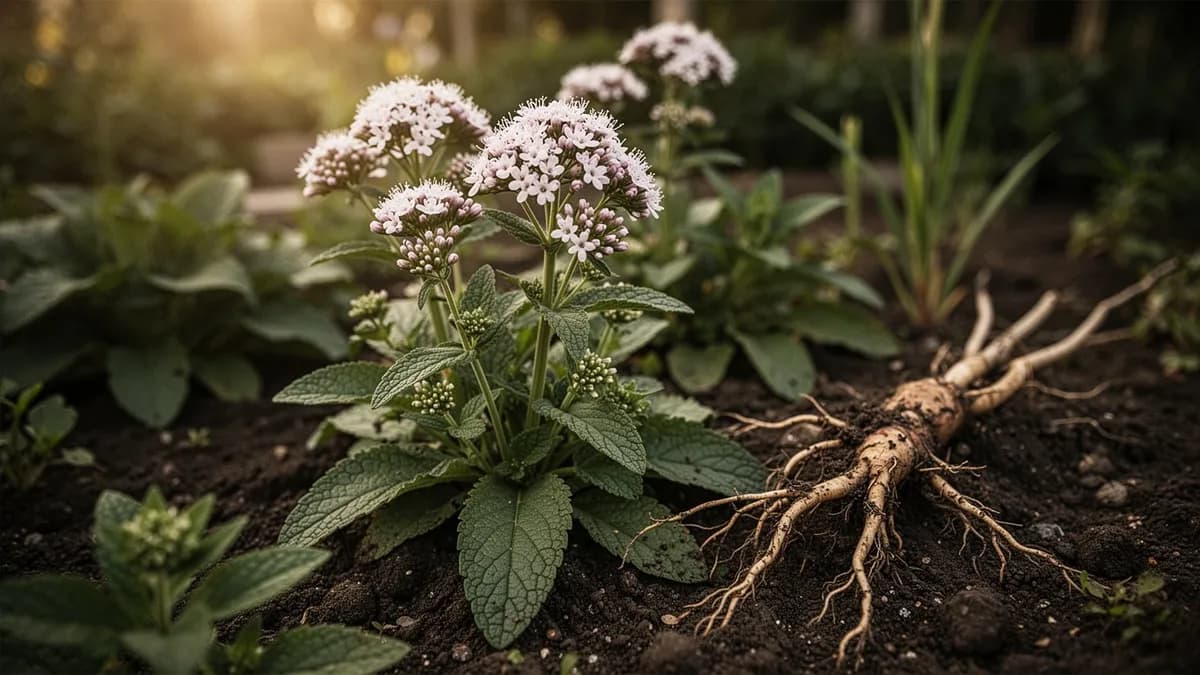
Boneset is a distinctive native wetland perennial easily recognized by its unique perfoliate leaves—pairs of lance-shaped leaves that join at the base, making the hairy stem appear to grow directly through them. Growing 90-150cm tall, it produces flat-topped clusters of fluffy white flowers in late summer that are magnets for butterflies and beneficial insects. Plant in partial shade with moist to wet soil, spacing 45cm apart.
This is a natural choice for rain gardens, pond margins, and wet meadows where it thrives in the consistently moist conditions most garden plants cannot tolerate. Boneset adapts to a range of soil types from clay to loam as long as moisture is consistently available. In drier garden settings, plant in a low area that collects rainwater or near downspouts.
Boneset spreads gradually by rhizomes and self-seeding to form attractive colonies. In wildflower gardens and naturalized areas, allow it to spread freely. For more formal settings, divide clumps every 3-4 years to maintain size. The late-season flowers provide crucial nectar for migrating butterflies and native pollinators when few other plants are blooming.
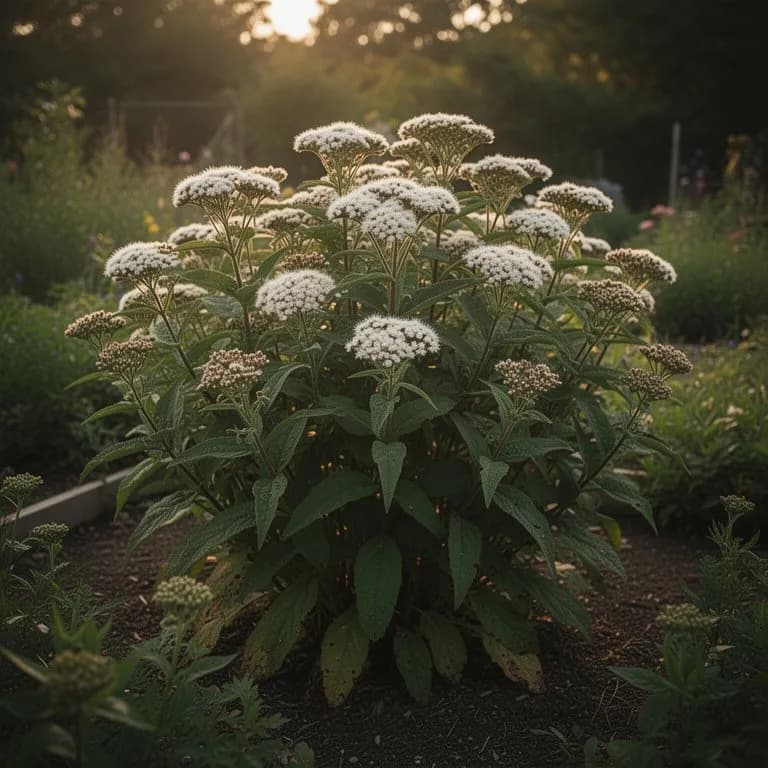
10 plants fit a 4 × 8 ft bed
Each Boneset wants 45 cm of elbow room. The planner keeps that spacing for you — every plant, every bed.
Boneset's best neighbours
Boneset excels in native rain gardens and wet meadow plantings alongside Joe Pye weed, ironweed, cardinal flower, and blue flag iris. The late-season white flowers attract dozens of butterfly species and provide vital nectar when few other plants are blooming. Excellent for wildlife habitat gardens. Plant along pond edges and stream banks where it helps stabilize soil while providing medicinal and ecological value.
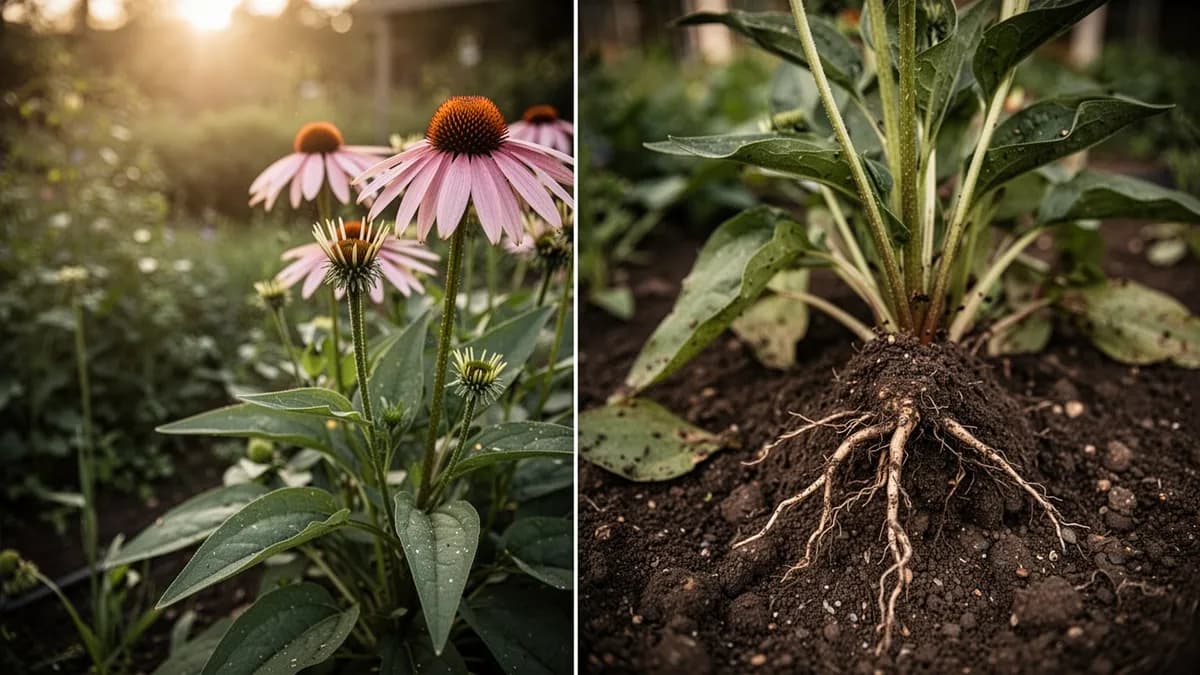
Echinacea belongs beside it.
Old growers' knowledge, checked against Boneset's real companion table below — test any plant you're growing.
Try Boneset in a bed — right here
A real planner bed with Boneset already in it. Tap a companion to place it and watch the pairing checks answer — green for good neighbours, red for a clash.


Related growing guides
Feed it well
Grow in moist to wet, average to rich soil with pH 5.5-7.0. Boneset thrives in the wet conditions of its native habitat—bog margins, stream banks, and wet meadows. No fertilization needed in naturally moist, organically rich soil. In drier garden settings, amend with compost and keep consistently moist. Excellent for rain gardens where it helps absorb and filter stormwater runoff while providing wildlife habitat.
Ideal Temperature
Hardiness Zone Compatibility
From seed to harvest, stage by stage
Seed Germination
Boneset seeds require cold stratification for 4-6 weeks before sowing. Surface-sow on moist soil as seeds need light to germinate. Germination is slow and irregular, typically taking 14-21 days at 65-70°F.
Seedling Establishment
Young seedlings develop their first true leaves with the characteristic opposite arrangement. Growth is slow during this stage as the plant focuses on establishing a strong root system in moist soil.
Vegetative Growth
The plant enters vigorous upright growth, sending up sturdy hairy stems to 3-5 feet tall. The distinctive perfoliate leaves become prominent, with pairs fusing at the base around the stem. The root system expands through short rhizomes.
Bud Formation
Flat-topped flower clusters begin forming at stem tips during midsummer. The branching inflorescence structure becomes visible as individual flower heads develop. This is an ideal window for a first harvest of leaves and stems.
Full Bloom
Dense corymbs of fuzzy white tubular flowers open from July through September, providing essential late-season nectar. Each flower head contains 9-23 disc florets. The plant is at peak medicinal potency during early bloom.
Seed Set and Dormancy
After pollination, small achenes with bristly pappus develop, allowing wind dispersal. The plant dies back to the ground after first frost, with the perennial root system remaining dormant through winter to re-emerge the following spring.
Keep soil consistently moist but not waterlogged. Do not cover seeds as they are light-dependent germinators.
Caring for Boneset month by month
What to do each month for your Boneset
October
You are hereOctober: Allow plants to die back naturally after frost. Divide established clumps every 3-4 years if they become overcrowded.
Know exactly what to do in your garden — every month
One email at the start of each month: what to sow, plant, and tackle right now — for your Boneset and everything growing around it. Plus a short starter course that helps you dodge the classic mistakes.
- What to do, right now
- Matched to your season
- Starter course included
Harvesting Boneset
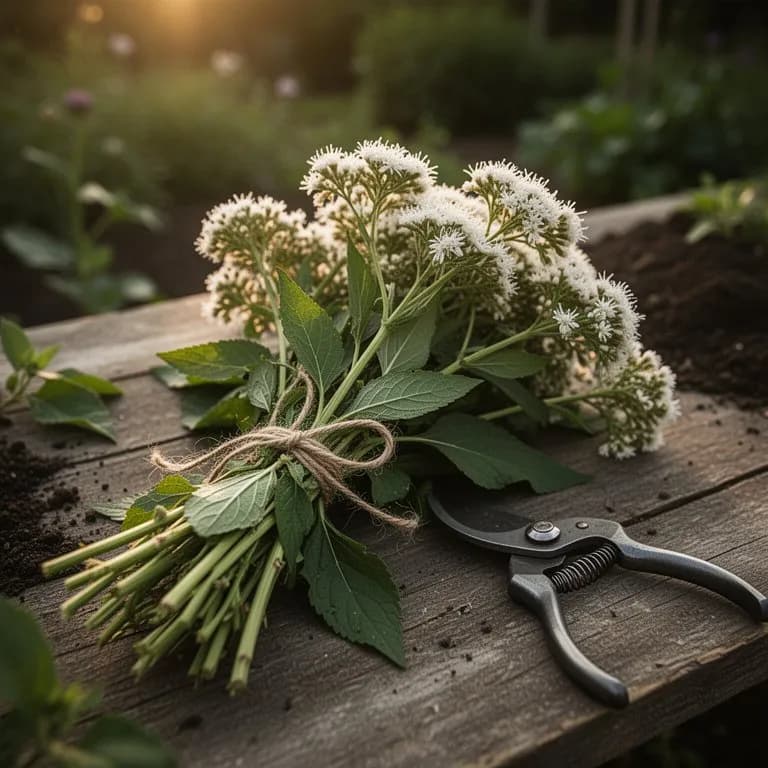
Harvest boneset flowering tops when flowers are in full bloom in late summer. Cut the upper 30-45cm of stems including flowers and leaves. Dry promptly by hanging small bundles in a warm, dark, well-ventilated area. The dried herb has a distinctly bitter taste that is characteristic of its traditional medicinal use. Fresh plant material is extremely bitter—drying does not significantly reduce the bitterness. Historical use was as a febrifuge (fever reducer) during influenza outbreaks.
assuming you plant when the window opens — set your real date
Pick Boneset promptly and the plant keeps producing.
Storage & Preservation
Dry boneset by hanging small bundles upside down in a warm, dark area for 1-2 weeks. Strip dried leaves and flowers from stems and store in airtight jars away from light for up to one year. The herb is traditionally prepared as a tea, though the extreme bitterness requires honey or other sweeteners. Tincture in alcohol for a more concentrated and palatable preparation. The dried herb retains its bitter active compounds well when stored properly.
What goes wrong — and the fix
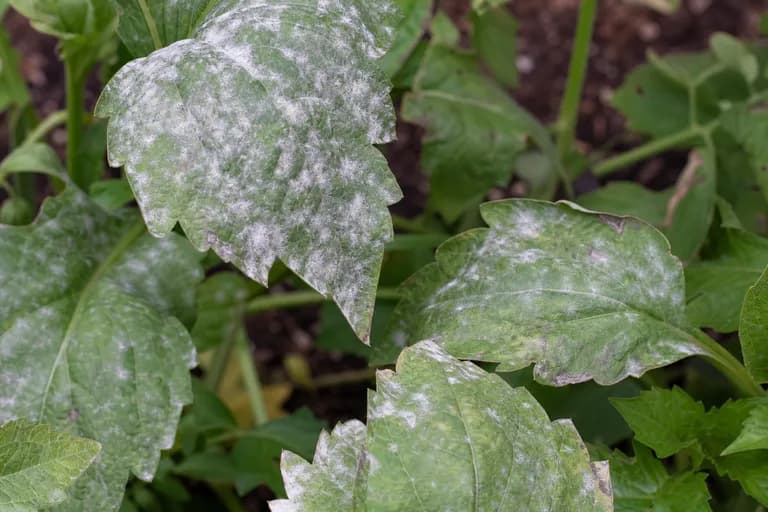
Powdery Mildew
DiseaseWhite powdery coating on leaves in late summer, especially when air circulation is poor.
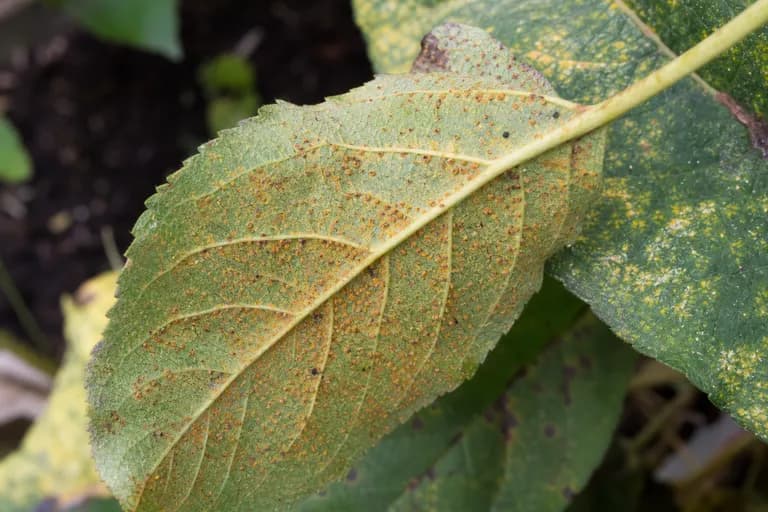
Rust
DiseaseOrange-brown pustules on leaf undersides, yellowing foliage. Occasional in humid conditions.
Troubleshooting Common Problems
Requires consistently moist soil—will not thrive in dry garden conditions. Can become floppy and fall over if grown in too much shade; provide at least a few hours of direct sun. May spread more than desired in ideal wet conditions; divide regularly to control. The extremely bitter taste surprises those unfamiliar with traditional bitter tonics. Late emerging in spring—mark locations to avoid accidental damage during early season garden work.
Growing Tips
- Boneset requires consistently moist to wet soil — plant it near a rain garden, pond edge, or low-lying area where water naturally collects after rain.
- Cold-stratify seeds for 4-6 weeks in a damp paper towel inside the refrigerator before sowing to break dormancy and improve germination rates.
- Surface-sow seeds and press gently into the soil without covering, as boneset seeds need exposure to light for successful germination.
- Space plants 18-24 inches apart to allow for mature spread, and plant in groups of three or more for a natural meadow appearance and better pollinator impact.
- Boneset thrives in full sun to part shade but produces the most flowers and strongest medicinal compounds in full sun with at least 6 hours of direct light daily.
- Mulch generously with 2-3 inches of organic material such as shredded leaves or wood chips to maintain the consistent soil moisture boneset demands.
- Divide established clumps every 3-4 years in early spring to maintain plant vigor and to propagate new plants for other areas of the garden.
- Avoid fertilizing with high-nitrogen feeds, which promote lanky growth and reduce the concentration of medicinal compounds in the foliage.
- Harvest aerial parts in the morning after dew has dried, cutting stems about one-third of the way down to allow the plant to regrow and potentially rebloom.
- Pair boneset with other native moisture-loving species like Joe-Pye weed, blue lobelia, and ironweed for a naturalized pollinator habitat that requires minimal care.
Grow your best Boneset yet — and everything around it.
Start a free plan today. Lay out your beds, drop in your Boneset, and let PlotMyGarden handle the timing, spacing, companions and reminders from seed to harvest basket.
Pick your Boneset
Eupatorium perfoliatum (Common Boneset)
The primary medicinal species with distinctive perfoliate leaves and white flower clusters. Native to eastern North America.
Eupatorium purpureum (Joe Pye Weed)
A related species with pink-purple flower clusters, also native and medicinal. Taller, growing to 2m.
A single established boneset plant produces abundant harvestable material each season, yielding enough dried herb for a full year of home use. Dried boneset herb retails for $8-15 per ounce from specialty herb suppliers, and ready-made tinctures cost $12-20 per bottle. One mature plant can easily provide 4-6 ounces of dried herb annually, representing $40-90 in savings. Because boneset is a low-maintenance perennial that spreads gently by rhizomes, your supply increases each year with virtually no additional cost.
Quick recipes
Traditional Boneset Fever Tea
15 minutesA classic bitter infusion used for centuries to support the body during colds and flu. The hot tea promotes sweating and is traditionally taken at the onset of symptoms. Use dried herb for a milder and safer preparation.
4 ingredientsBoneset Tincture
10 minutes active (4-6 weeks maceration)A concentrated liquid extract that preserves the medicinal properties of boneset for long-term storage. Tinctures offer precise dosing and are convenient when tea preparation is not practical. Use only dried plant material.
5 ingredients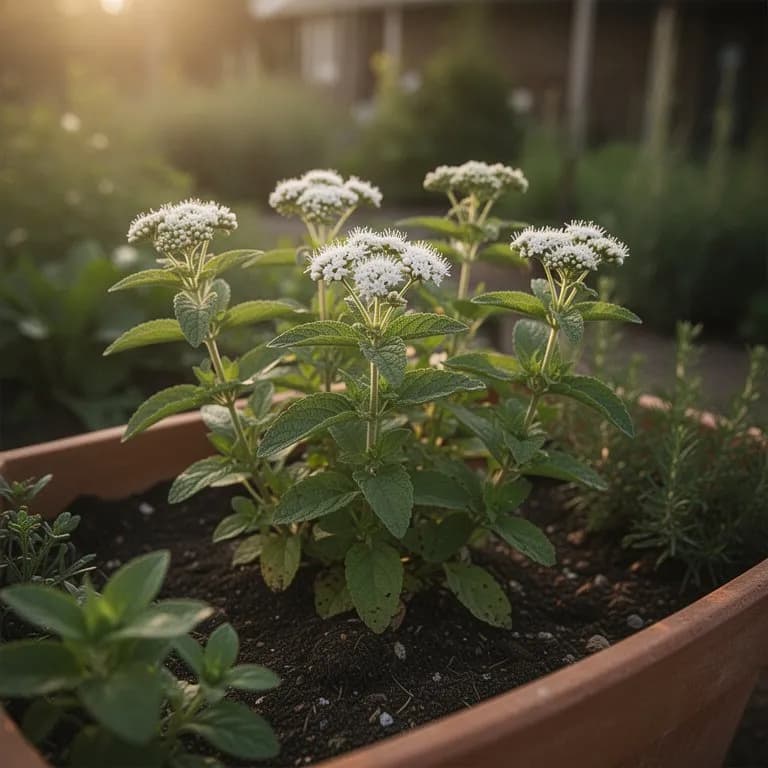
Boneset Herbal Poultice
20 minutesAn external application of boneset used traditionally to ease musculoskeletal discomfort and minor swelling. The warm poultice is applied directly to the affected area and left in place for 20-30 minutes.
4 ingredientsWhat's inside
Health Benefits
- Traditionally used as a febrifuge to reduce fevers by promoting perspiration during colds and influenza.
- Contains immunostimulatory polysaccharides that may support the immune system during acute upper respiratory infections.
- Sesquiterpene lactones in boneset have demonstrated anti-inflammatory properties in preliminary research.
- Used in traditional herbal medicine as a mild laxative and digestive bitter to stimulate appetite and support digestion.
- Applied externally as a poultice for musculoskeletal pain, sprains, and minor swelling in folk medicine traditions.
- Flavonoid compounds including quercetin and kaempferol contribute antioxidant activity that may help protect cells from oxidative stress.
Where Boneset comes from
Boneset (Eupatorium perfoliatum) is a perennial herb native to eastern North America, where it grows naturally in wet meadows, floodplains, stream margins, and low-lying woodlands from Nova Scotia south to Florida and west to the Great Plains. It has been one of the most important medicinal plants on the continent for centuries, deeply rooted in the healing traditions of numerous Indigenous peoples long before European contact.
Native American nations including the Cherokee, Iroquois, Delaware, Mohegan, and Menominee used boneset extensively as a febrifuge and remedy for colds, influenza, and general malaise. Infusions and decoctions of the leaves and flowering tops were administered to reduce fevers, ease body aches, and promote sweating during illness. The plant held such prominence that early European colonists quickly adopted it into their own herbal pharmacopeia after learning its uses from Indigenous healers.
By the 18th and 19th centuries, boneset had become perhaps the single most popular domestic remedy in rural North America. Bundles of the dried herb hung from rafters in farmhouses across the eastern states, ready to be brewed into the characteristically bitter tea at the first sign of fever or grippe. Its reputation was so widespread that it earned a place in the United States Pharmacopeia from 1820 to 1916 and was a staple of the Eclectic medical movement.
The common name derives from its use in treating "break-bone fever," a term for dengue fever and severe influenza that caused intense musculoskeletal pain. The doctrine of signatures also played a role: the perfoliate leaves, appearing as though the stem passes through a single joined leaf, suggested to early herbalists that the plant could help knit broken bones together. Today boneset is experiencing renewed interest as research explores its immunomodulatory compounds, and it is increasingly valued in native plant gardens for its outstanding pollinator support.
Boneset: did you know?
Fascinating facts about Boneset
The common name "boneset" comes from its historical use treating "break-bone fever" (dengue fever), which caused such severe muscle and joint pain that patients felt their bones were breaking.
Boneset questions, answered
When should I plant Boneset?
What are good companion plants for Boneset?
What hardiness zones can Boneset grow in?
How much sun does Boneset need?
How far apart should I space Boneset?
What pests and diseases affect Boneset?
How do I store Boneset after harvest?
What are the best Boneset varieties to grow?
What soil does Boneset need?
Is boneset safe to use at home?
When is the best time to harvest boneset for medicinal use?
Can boneset grow in normal garden soil?
Does boneset spread aggressively?
Why is my boneset tea so bitter?
How does boneset support pollinators?
You just read the theory. Now grow it on autopilot.
Everything that makes Boneset fiddly — the timing, the spacing, the companions, the harvest window — is exactly what PlotMyGarden handles for you, for every plant in your garden.
A plan that knows your weather
Set your location once. Get sow, feed and harvest dates built around your real last-frost date and live forecast — no more guessing from a generic seed packet.
From the “When to plant” sectionDrag-and-drop bed planner
Design beds on a grid. Every plant snaps to its proper spacing, and you can see your whole season laid out before you spend a cent on seed.
From the “Growing guide” sectionCompanion conflicts, caught early
200+ good-and-bad pairings checked live as you plant — so a season-wrecking mistake never makes it into the ground.
From the “Companions” sectionReminders you'll actually act on
“Water the beans.” “Pick today before it turns.” Timely, specific, and tied to the plants you're really growing.
From the “Harvest” sectionSuccession, scheduled
Want a harvest for six weeks, not six days? It spaces your sowings automatically and reminds you when each new block is due.
From the “When to plant” sectionA record that gets smarter
Every harvest you log teaches it your garden. Next year's plan starts from what actually worked in your soil, not a textbook's.
From the “Overview” sectionPlant these alongside Boneset
More Medicinal Herbs
Grow your best Boneset yet — and everything around it.
Start a free plan today. Lay out your beds, drop in your Boneset, and let PlotMyGarden handle the timing, spacing, companions and reminders from seed to harvest basket.