Angelica (Medicinal)
A stately biennial used medicinally as a digestive tonic and for respiratory support in Northern European herbal traditions.





On this pageOverview
Meet Angelica (Medicinal)
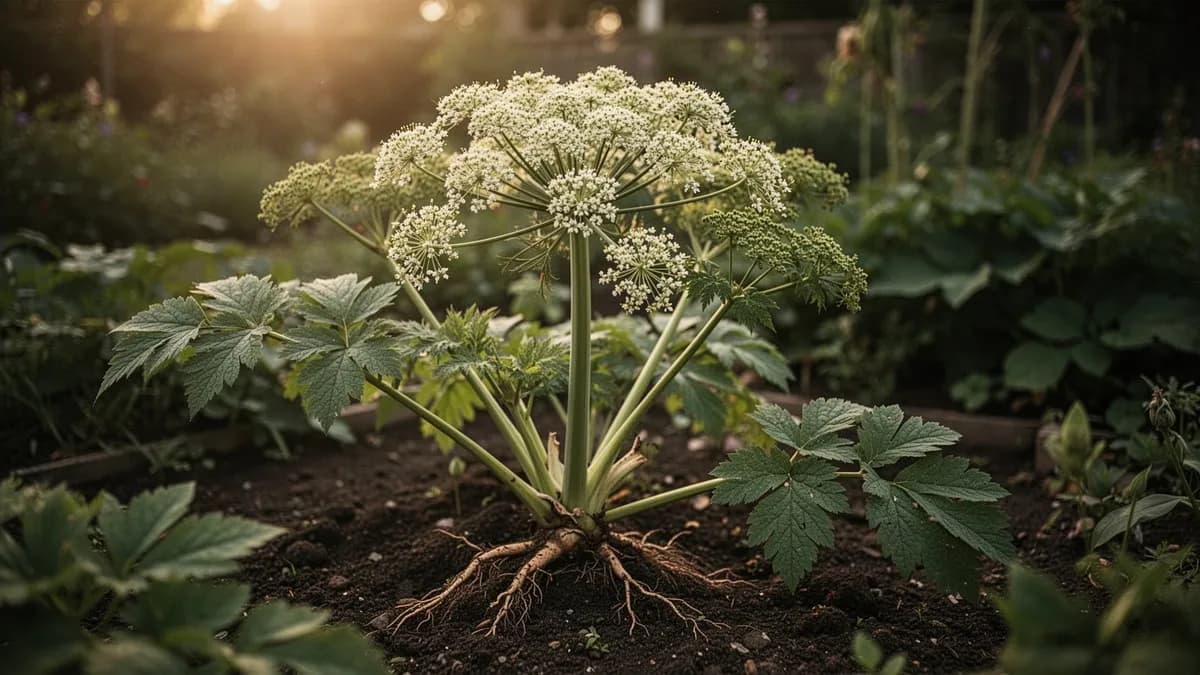
A stately biennial used medicinally as a digestive tonic and for respiratory support in Northern European herbal traditions. The roots, stems, leaves, and seeds all contain aromatic compounds used in teas, tinctures, and the liqueur Chartreuse. Plant in moist, rich soil with partial shade and allow it to self-sow for continuous production.
When to plant Angelica (Medicinal)
Sow angelica seeds fresh immediately after harvest for best germination—viability drops rapidly with storage. Press seeds onto the surface of moist, rich seed-starting mix and cover lightly. Cold stratification for 4-6 weeks improves germination of stored seed. Sow outdoors in autumn for natural chilling and spring emergence. Germination takes 2-4 weeks under optimal conditions. Once established, allow some plants to self-sow for a continuous supply. Division of young plants is possible but the deep taproot makes this difficult with mature specimens.
Your Angelica (Medicinal) Year
Composed for Zone 7 · typical seasons · frost passes Apr 2, returns Nov 1
Plant Angelica (Medicinal) Mar – Apr, pick May – Aug. Check the planting methods below and set your climate to personalize these windows.
How to grow Angelica (Medicinal)
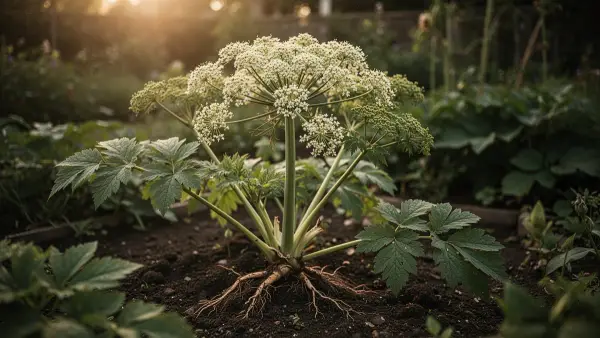
Angelica is a magnificent biennial or short-lived perennial that commands attention in the garden with its architectural stature, reaching up to 2 meters tall with bold, deeply divided leaves and large spherical umbels of greenish-white flowers. Plant in partial shade with rich, consistently moist soil, spacing 60cm apart for impressive specimen plants.
Provide deep, fertile, moisture-retentive soil heavily amended with compost. Angelica thrives in cool, damp conditions and struggles in hot, dry climates. Consistent moisture is essential—the large leaves transpire heavily and plants wilt quickly in drought. Mulch deeply to maintain cool, moist root conditions. Partial shade is ideal, especially in warmer zones.
As a biennial, angelica produces a rosette of leaves in its first year and flowers in the second year before dying. However, if flower stalks are cut before seeds mature, plants sometimes persist for additional years. Allow some plants to set seed for self-sowing, which maintains a continuous supply. Fresh seed sown immediately after ripening germinates best—stored angelica seed rapidly loses viability.
8 plants fit a 4 × 8 ft bed
Each Angelica (Medicinal) wants 60 cm of elbow room. The planner keeps that spacing for you — every plant, every bed.
Angelica (Medicinal)'s best neighbours
Angelica's impressive size provides shade and wind protection for smaller, shade-loving herbs planted nearby. The large flower umbels are exceptional insect attractors, drawing hoverflies, parasitic wasps, and other beneficial predators that provide biological pest control. Plant near vegetable gardens to boost pollinator activity. Pairs well with other moisture-loving herbs like lovage and sweet cicely in damp garden areas.
Lovage belongs beside it.
Old growers' knowledge, checked against Angelica (Medicinal)'s real companion table below — test any plant you're growing.
Try Angelica (Medicinal) in a bed — right here
A real planner bed with Angelica (Medicinal) already in it. Tap a companion to place it and watch the pairing checks answer — green for good neighbours, red for a clash.


Related growing guides
Feed it well
Grow in deep, rich, moisture-retentive soil with pH 5.5-7.0. Incorporate generous amounts of compost or well-rotted manure before planting. Feed with balanced fertilizer in spring and mid-season for maximum growth. Angelica is a heavy feeder with large leaves that demand consistent nutrition. In containers, use large pots (at least 40cm) with rich potting mix and feed regularly. Maintain consistent moisture without waterlogging.
Ideal Temperature
Hardiness Zone Compatibility
From seed to harvest, stage by stage
Seed Germination
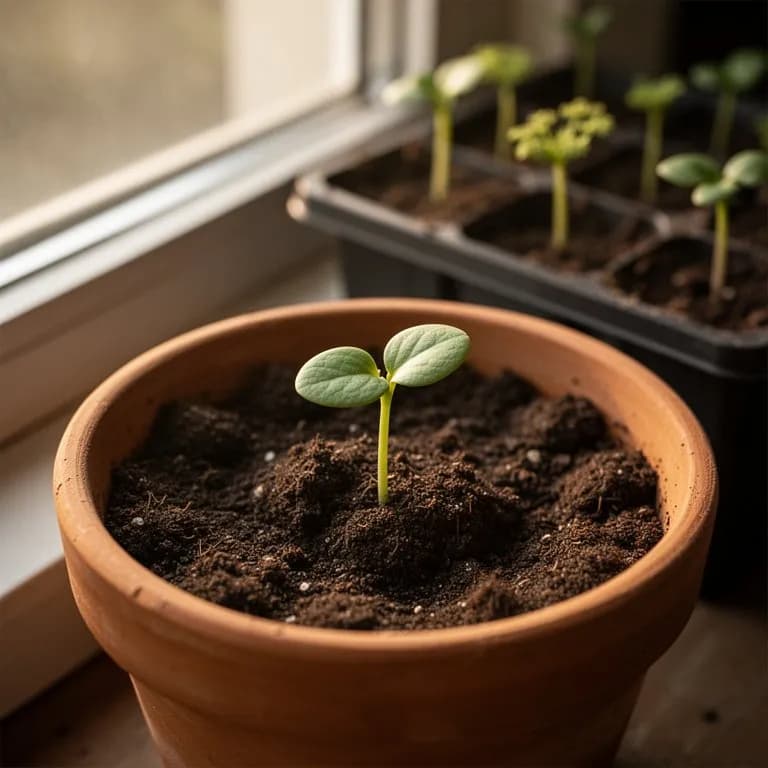
Angelica seeds require light and cold stratification to germinate reliably. Fresh seed is sown on the soil surface in autumn or early spring after 3-4 weeks of cold treatment in the refrigerator. Germination is slow and erratic, typically taking 14-28 days. Seeds must remain uncovered as light promotes germination. Only fresh seed should be used — viability drops dramatically within a few months of harvest.
Rosette Formation
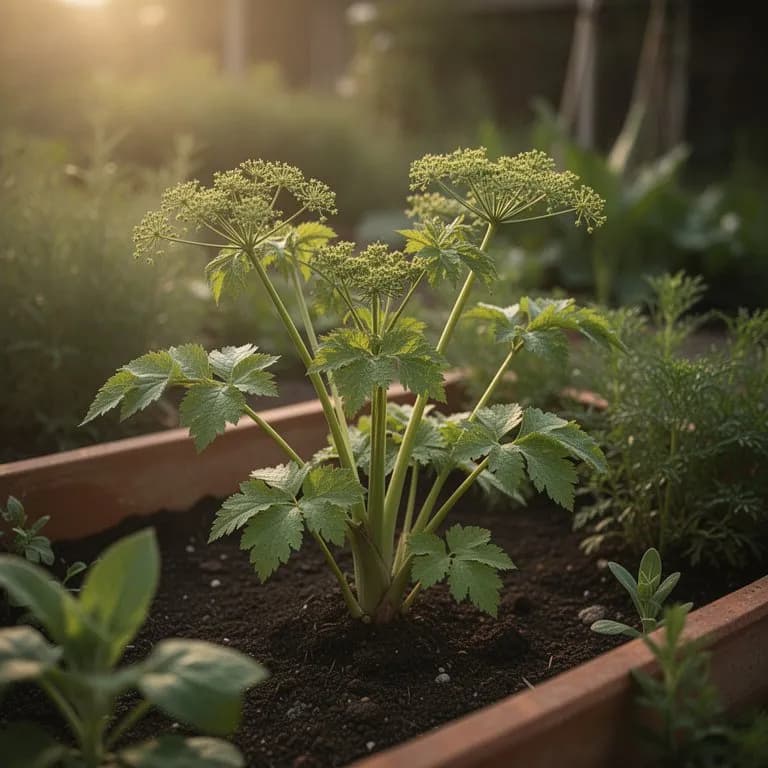
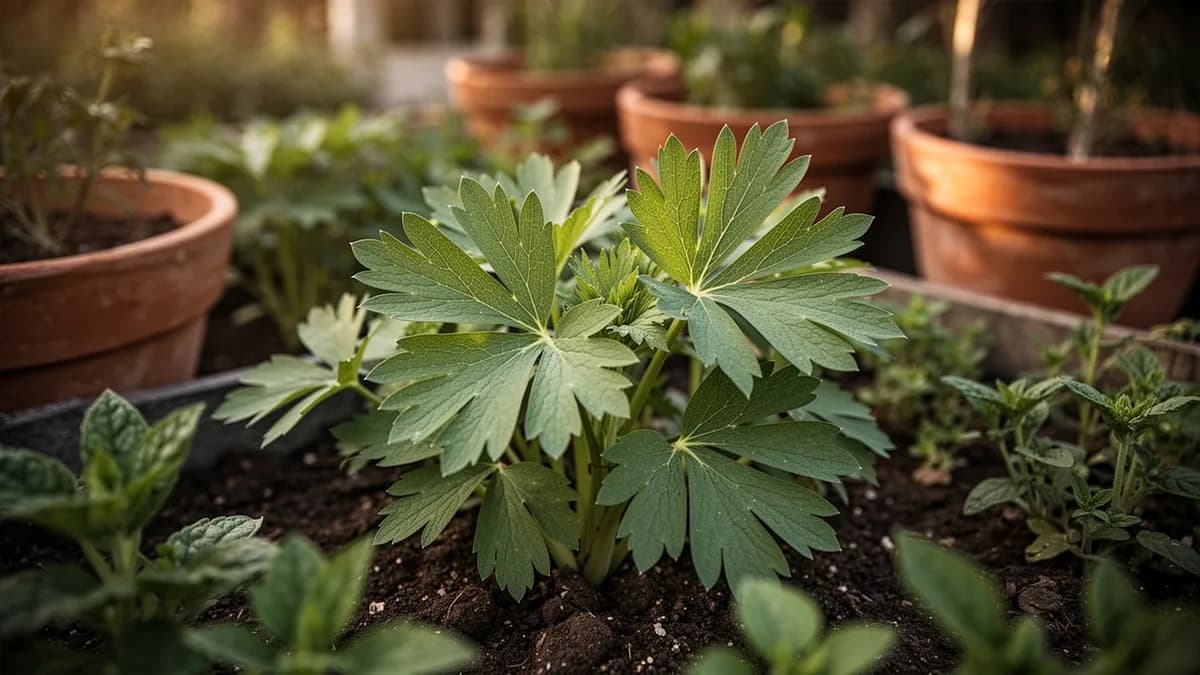
Seedlings develop a low rosette of compound leaves during their first season. The deeply divided, bright green leaves grow on long petioles radiating from a central crown. The root system develops rapidly, producing a thick, fleshy taproot that anchors the plant and stores energy for the following year's dramatic growth spurt. Plants remain relatively compact in their first year, typically reaching 30-60 cm in height.
Vegetative Growth
In its second year, angelica produces vigorous upright growth from the established rootstock. Thick, hollow stems emerge in spring and grow rapidly, bearing large bipinnate leaves that can span 60 cm across. The plant reaches 1-2 metres tall during this phase, forming an impressive architectural specimen. Stems develop their characteristic purplish flush and become increasingly sturdy as they elongate. This is the prime harvesting period for stems and leaves.
Flowering
Angelica produces spectacular large compound umbels of greenish-white to yellowish flowers at the top of tall stems, typically in its second or third summer. Each umbel can span 15-25 cm across and is composed of numerous tiny individual flowers arranged in a globe shape. The flowers are highly attractive to bees, hoverflies, and other beneficial pollinators. As a monocarpic plant, angelica typically dies after flowering and setting seed.
Seed Setting
After pollination, the flower umbels develop into clusters of flat, winged seeds (schizocarps) that ripen from green to pale brown over several weeks. Each umbel produces hundreds of seeds. As the seeds mature, the parent plant channels its remaining energy into seed production and gradually declines. The seeds detach when ripe and are dispersed by wind thanks to their papery wings.
Self-Seeding and Renewal
The parent plant dies after setting seed, completing its biennial (occasionally short-lived perennial) life cycle. However, angelica self-seeds readily in suitable conditions, and new seedlings often appear around the base of the spent plant the following spring. These volunteer seedlings can be thinned and transplanted to maintain a continuous supply. With staggered plantings, gardeners can ensure angelica is available every year.
Always use fresh seed harvested within the current season. Press seeds gently onto the surface of moist compost without covering them. Maintain consistent moisture with a mist sprayer and keep temperatures around 15-18°C (60-65°F). Cover trays loosely with clear plastic to retain humidity while allowing light through.
Caring for Angelica (Medicinal) month by month
What to do each month for your Angelica (Medicinal)
October
You are hereClear spent flowering plants that have completed their life cycle. Mulch around surviving non-flowering plants with a thick layer of compost or leaf mould to protect roots through winter and improve soil for the following year. Transplant self-sown seedlings to desired locations.
Know exactly what to do in your garden — every month
One email at the start of each month: what to sow, plant, and tackle right now — for your Angelica (Medicinal) and everything growing around it. Plus a short starter course that helps you dodge the classic mistakes.
- What to do, right now
- Matched to your season
- Starter course included
Harvesting Angelica (Medicinal)
Harvest angelica stems in the second year before flowering for candying—select thick, tender stems. Collect leaves throughout the growing season for teas and tinctures. Dig roots in autumn of the first year when they are at peak potency. Harvest seeds when they begin to turn brown on the umbel. All parts of angelica have medicinal and culinary value, each harvested at the optimal time. Caution: Do not confuse angelica with similar-looking poisonous umbellifers like giant hogweed or hemlock.
assuming you plant when the window opens — set your real date
Pick Angelica (Medicinal) promptly and the plant keeps producing.
Storage & Preservation
Dry angelica leaves and stems by hanging in a warm, dark, well-ventilated area. Slice roots thinly and dry in a dehydrator at low temperature. Store dried material in airtight jars away from light for up to one year. Roots and seeds retain potency best when stored whole and ground before use. Candy young stems in sugar syrup for cake decoration—this is the traditional use that made angelica famous in confectionery. Tincture roots in alcohol for the most concentrated long-term preparation.
What goes wrong — and the fix
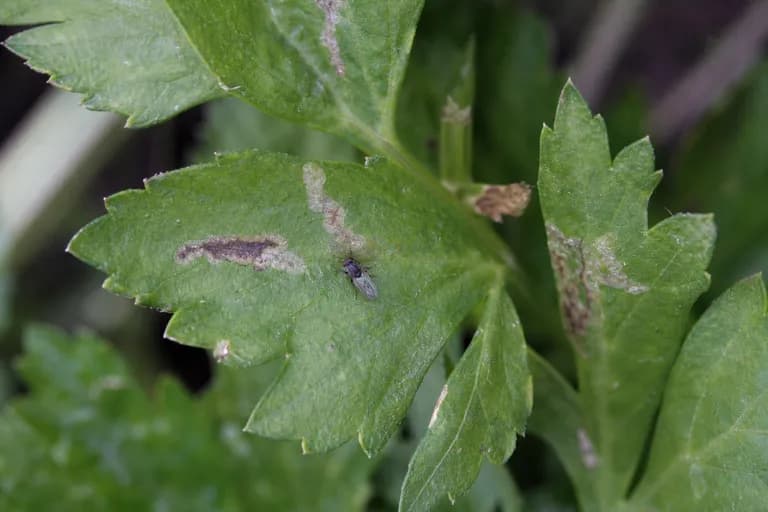
Celery Fly (Leaf Miner)
PestBrown blotches and tunnels within leaves created by fly larvae mining between leaf surfaces.
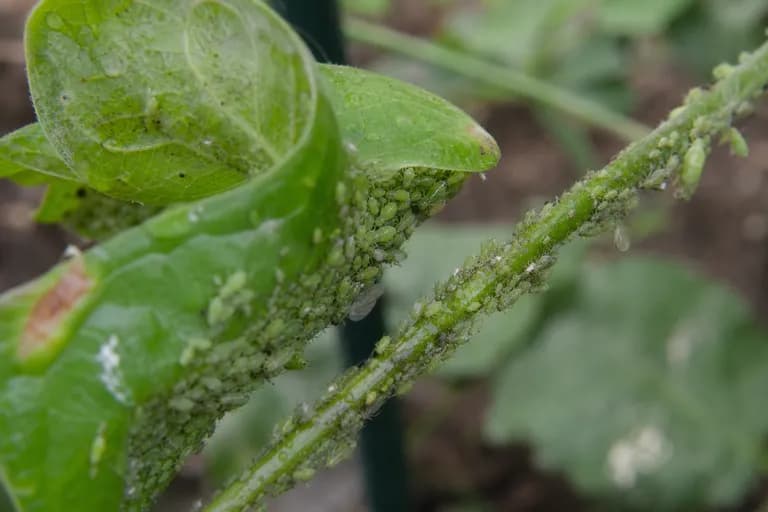
Aphids
PestDense colonies on flower umbels and young growth, sticky honeydew, possible sooty mold.
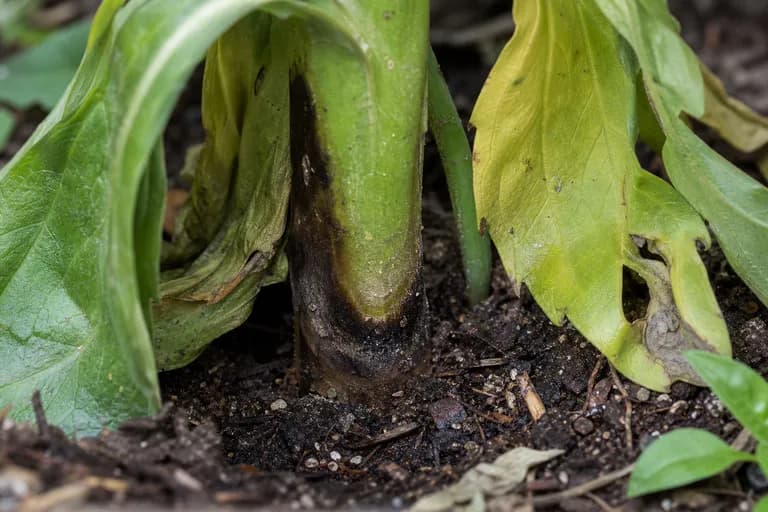
Crown Rot
DiseaseSoft, mushy tissue at the base of the plant, wilting despite moist soil, foul odor from rotting crown.
Troubleshooting Common Problems
Short seed viability is the biggest challenge—sow seeds fresh immediately after harvesting or within a few weeks. Stored seed germinates poorly. Bolting in the second year is natural and cannot be prevented indefinitely. Confusion with toxic look-alikes (hemlock, giant hogweed) is a safety concern—always grow from verified seed sources. Large plants may need staking in exposed positions. Heat stress in warm climates causes rapid decline; grow in the coolest garden microclimate.
Growing Tips
- Always use fresh seed — angelica seed viability drops sharply within a few months of harvest. If buying seed, check the harvest date and avoid packets more than one season old. The most reliable method is collecting your own seed and sowing it immediately in autumn for spring germination.
- Sow seeds on the soil surface and do not cover them. Angelica is a light-dependent germinator, meaning seeds require exposure to light to break dormancy. Covering them with compost or soil will drastically reduce germination rates even with fresh, viable seed.
- Choose a planting site with partial shade and consistently moist, fertile soil. Angelica is one of the rare culinary herbs that actually prefers shade to full sun. North-facing borders, the edges of woodland, and streamside locations mimic its natural habitat perfectly.
- Transplant seedlings while they are still small, ideally at the 3-4 true leaf stage. Angelica develops a deep, fleshy taproot very early that resents disturbance. Moving larger plants often results in transplant shock and poor establishment. Handle root balls carefully and plant without breaking or bending the taproot.
- Provide consistent moisture throughout the growing season. Angelica is a semi-aquatic plant in the wild, growing along riverbanks and in damp meadows. It will not tolerate drought, and dry conditions cause premature bolting, bitter-tasting stems, and reduced overall plant vigour.
- Remove flower stalks promptly in spring if you want to extend the plant's life beyond its natural biennial cycle. Angelica is monocarpic and dies after flowering, but preventing flowering can keep plants alive and productive for 3-4 years, significantly extending your harvest window.
- Mulch heavily around plants with compost, leaf mould, or straw to keep roots cool and moist. This mimics the rich, humus-laden forest floor where angelica grows naturally and reduces the need for constant watering while suppressing competing weeds.
- Be aware that angelica sap can cause phytophotodermatitis — a painful skin reaction when sap contacts skin and is then exposed to sunlight. Wear long sleeves and gloves when harvesting stems on sunny days, and wash skin thoroughly after handling fresh plant material.
- Encourage self-seeding by allowing at least one plant to flower and set seed each year. The resulting volunteer seedlings ensure a continuous supply without the need to purchase or stratify new seed. Thin self-sown seedlings to 60-90 cm apart in spring for well-spaced, vigorous plants.
- Companion plant angelica with other shade-tolerant herbs and woodland plants such as sweet cicely, lovage, chervil, and mint. These plants share similar growing requirements and create an attractive, productive herb garden in locations that would be unsuitable for sun-loving Mediterranean herbs.
Grow your best Angelica (Medicinal) yet — and everything around it.
Start a free plan today. Lay out your beds, drop in your Angelica (Medicinal), and let PlotMyGarden handle the timing, spacing, companions and reminders from seed to harvest basket.
Pick your Angelica (Medicinal)
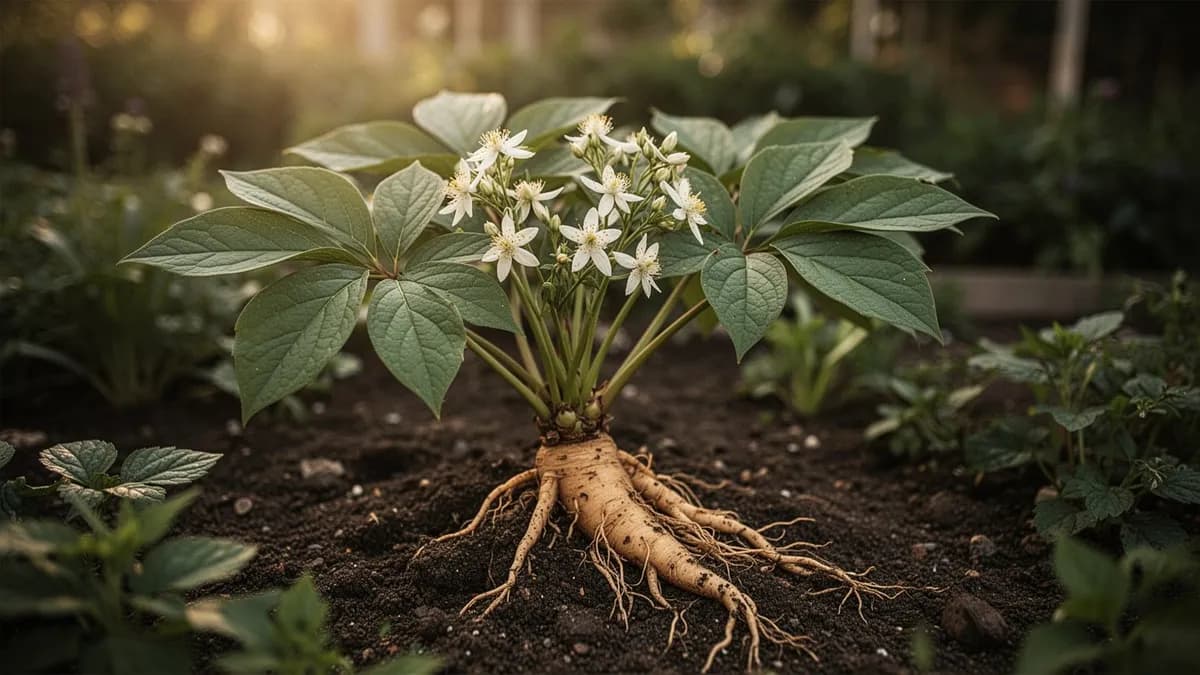
Angelica archangelica (Garden Angelica)
The primary medicinal and culinary species. Stately biennial to 2m with bold architectural presence.
Angelica sinensis (Dong Quai)
The Chinese medicinal species used extensively in traditional Chinese medicine for women's health.
Angelica gigas (Korean Angelica)
An ornamental species with dramatic dark purple flower umbels. Used in Korean traditional medicine.
Candied angelica stems sell for $15-30 per 100g at specialty confectionery shops, and fresh angelica is almost impossible to find in regular grocery stores. Dried angelica root for herbal preparations retails for $20-40 per pound from herbalist suppliers. A single packet of seeds ($3-5) or a nursery plant ($5-10) can produce enough fresh stems for several batches of candied angelica worth $50-100 at retail prices, plus leaves for teas and cooking. Once established, angelica self-seeds freely, providing a perpetual supply at no additional cost.
Quick recipes
Classic Candied Angelica Stems
45 min + dryingA traditional European confection that transforms fresh angelica stems into jewel-green crystallised sweets used to decorate cakes, trifles, and pastries. The gentle candying process preserves the herb's distinctive musky, juniper-like flavour in a sweet, chewy form that has graced European patisseries for centuries.
5 ingredientsAngelica and Rhubarb Compote
25 minA Scandinavian-inspired compote where angelica's aromatic warmth beautifully complements rhubarb's sharp tang. Young angelica stems add a subtle musky sweetness that allows you to use far less sugar than a standard rhubarb compote, creating a more complex and sophisticated flavour.
7 ingredientsAngelica Herb Tisane
10 minA soothing herbal tea brewed from fresh angelica leaves and stems, traditionally served across Northern Europe as a digestive aid after heavy meals. The infusion has a warm, slightly sweet, aromatic character reminiscent of celery, juniper, and anise — calming and restorative.
6 ingredientsCulinary Uses
Angelica has a long culinary history, especially in Scandinavian and French cuisine. Candy the thick stems in sugar syrup for traditional cake decoration—the bright green candied stems are classic on festive baked goods. Add young leaves to salads and rhubarb compote. The roots and seeds flavor gin, vermouth, Chartreuse, and other herbal liqueurs. Brew dried leaves and roots into a digestive tea. Cook young stems like celery in soups and stews.
What's inside
Health Benefits
- Long-established digestive tonic in European herbal medicine — angelica root and stem preparations stimulate appetite, relieve bloating, ease stomach cramps, and promote healthy digestion through their bitter and carminative compounds.
- Contains anti-inflammatory coumarins and furanocoumarins that have been studied for their potential to reduce inflammation and ease symptoms associated with arthritis and joint pain when consumed as a tea or tincture.
- Traditional respiratory remedy across Scandinavia and Northern Europe — angelica root tea has been used for centuries to relieve coughs, bronchial congestion, and cold symptoms, with the essential oils providing mild expectorant and warming effects.
- Rich in antioxidant compounds including chlorogenic acid, caffeic acid, and various flavonoids that help protect cells from oxidative stress and support overall immune function.
- Used in traditional European herbalism to support circulatory health — angelica was historically prescribed to improve peripheral circulation and warm cold extremities, with modern research confirming mild vasodilatory activity.
- Valued as a calming nervine herb that may help reduce anxiety and nervous tension. In Scandinavian folk medicine, angelica tea was traditionally served as a soothing evening drink to promote relaxation and restful sleep.
Where Angelica (Medicinal) comes from
Angelica archangelica is native to the cool, damp regions of Northern Europe and Subarctic Scandinavia, where it grows wild along riverbanks, in moist meadows, and on coastal cliffs from Iceland and Greenland through Norway, Sweden, Finland, and into northern Russia. It is one of the few aromatic herbs that evolved to thrive in cold climates with long summer days and short growing seasons, making it uniquely suited to the challenging conditions of the far north where Mediterranean herbs cannot survive.
The plant has been gathered and cultivated by Scandinavian and northern European peoples for well over a thousand years. The Sami people of Arctic Scandinavia used angelica extensively as both food and medicine, eating the peeled stems raw, cooking the roots, and using the plant in traditional healing practices. In Iceland, angelica was so highly valued that laws were enacted in the medieval period to protect wild stands and regulate their harvest — stealing angelica from another person's land was considered a punishable offence comparable to livestock theft.
Angelica entered the broader European pharmacopoeia during the Middle Ages, when it gained its angelic name from the legend of the Archangel Michael revealing its healing powers during the great plague epidemics. It became a cornerstone of monastic herb gardens across Europe, cultivated by Benedictine and Carthusian monks who used it in medicinal preparations and the complex herbal liqueurs — such as Chartreuse and Benedictine — that remain famous today. By the 16th and 17th centuries, angelica was one of the most widely prescribed medicinal herbs in Europe, used to treat digestive disorders, respiratory ailments, and infectious diseases.
Today, angelica is cultivated commercially in France (particularly in the Marais Poitevin region near Niort), Germany, Belgium, and across Scandinavia. The French city of Niort has been the European centre of candied angelica production since the 18th century. The herb remains important in artisanal liqueur production, confectionery, and herbal medicine, and has experienced a renaissance among contemporary herbalists and chefs rediscovering heritage European botanicals.
Angelica (Medicinal): did you know?
Fascinating facts about Angelica (Medicinal)
Angelica archangelica gets its name from a medieval legend claiming that the Archangel Michael appeared in a dream to reveal the plant as a cure for the plague — earning it the enduring title 'root of the Holy Ghost' across Europe during the Black Death of the 14th century.
Angelica (Medicinal) questions, answered
When should I plant Angelica (Medicinal)?
What are good companion plants for Angelica (Medicinal)?
What hardiness zones can Angelica (Medicinal) grow in?
How much sun does Angelica (Medicinal) need?
How far apart should I space Angelica (Medicinal)?
What pests and diseases affect Angelica (Medicinal)?
How do I store Angelica (Medicinal) after harvest?
What are the best Angelica (Medicinal) varieties to grow?
What soil does Angelica (Medicinal) need?
Is angelica the same plant as dong quai used in Chinese medicine?
Why did my angelica plant die after flowering — did I do something wrong?
Can I eat all parts of the angelica plant, and how do they taste?
How do I tell angelica apart from poisonous lookalikes like hemlock?
Can angelica grow in warm or Mediterranean climates?
When is the best time to harvest angelica stems for candying?
You just read the theory. Now grow it on autopilot.
Everything that makes Angelica (Medicinal) fiddly — the timing, the spacing, the companions, the harvest window — is exactly what PlotMyGarden handles for you, for every plant in your garden.
A plan that knows your weather
Set your location once. Get sow, feed and harvest dates built around your real last-frost date and live forecast — no more guessing from a generic seed packet.
From the “When to plant” sectionDrag-and-drop bed planner
Design beds on a grid. Every plant snaps to its proper spacing, and you can see your whole season laid out before you spend a cent on seed.
From the “Growing guide” sectionCompanion conflicts, caught early
200+ good-and-bad pairings checked live as you plant — so a season-wrecking mistake never makes it into the ground.
From the “Companions” sectionReminders you'll actually act on
“Water the beans.” “Pick today before it turns.” Timely, specific, and tied to the plants you're really growing.
From the “Harvest” sectionSuccession, scheduled
Want a harvest for six weeks, not six days? It spaces your sowings automatically and reminds you when each new block is due.
From the “When to plant” sectionA record that gets smarter
Every harvest you log teaches it your garden. Next year's plan starts from what actually worked in your soil, not a textbook's.
From the “Overview” sectionPlant these alongside Angelica (Medicinal)
More Medicinal Herbs
Grow your best Angelica (Medicinal) yet — and everything around it.
Start a free plan today. Lay out your beds, drop in your Angelica (Medicinal), and let PlotMyGarden handle the timing, spacing, companions and reminders from seed to harvest basket.