Lovage
A towering perennial herb reaching 6 feet with an intense celery-like flavor used in soups, stocks, and salads.





On this pageOverview
Meet Lovage
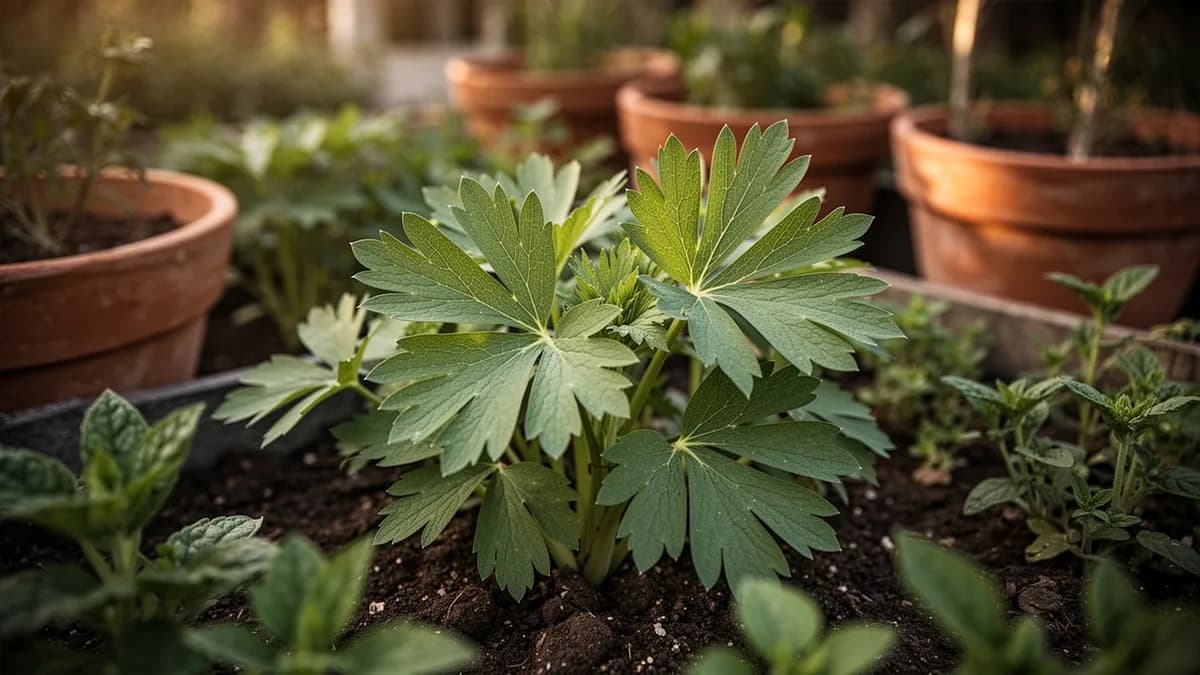
A towering perennial herb reaching 6 feet with an intense celery-like flavor used in soups, stocks, and salads. Lovage is one of the most productive herbs per plant, with every part being edible from leaves and stems to seeds and roots. One or two plants provide enough for most households, as the flavor is very concentrated.
When to plant Lovage
Lovage seeds require cold stratification for best germination. Sow seeds in moist seed-starting mix and refrigerate for 2-3 weeks before moving to a warm location at 60-70°F. Germination takes 10-20 days and can be irregular. Alternatively, direct-sow seeds outdoors in late summer or fall and allow natural winter cold to break dormancy. Sow seeds 1/4 inch deep and keep consistently moist. Thin seedlings to 24 inches apart once they have two sets of true leaves. Young plants grow slowly in the first year but establish vigorous growth from the second year onward.
Your Lovage Year
Composed for Zone 7 · typical seasons · frost passes Apr 2, returns Nov 1
Plant Lovage Mar – Apr, pick Apr – Sep. Check the planting methods below and set your climate to personalize these windows.
How to grow Lovage
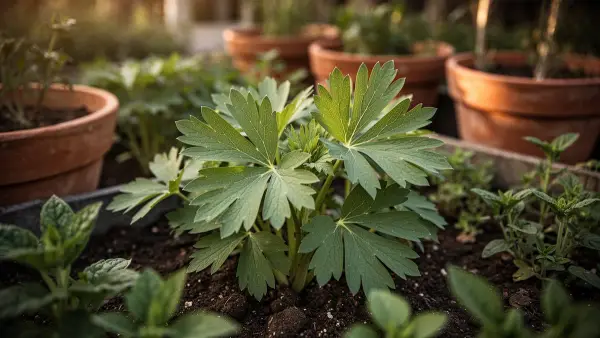
Lovage is best started from seed sown directly outdoors in late summer or early fall, as the seeds require a period of cold stratification to germinate reliably. Alternatively, sow seeds indoors in moist seed-starting mix, refrigerate for two weeks, then move to a warm location for germination in 10-20 days. Transplant seedlings or direct-sow in spring after stratification.
Choose a planting site with rich, deep, moisture-retentive soil in full sun to partial shade. Lovage develops a massive taproot and can grow 6 feet tall, so give plants ample space of at least 24 inches apart. Amend the planting area with generous amounts of compost or well-rotted manure to provide the rich conditions lovage demands.
Water regularly to keep soil consistently moist but not waterlogged. Lovage is a heavy feeder and benefits from a side-dressing of compost or balanced fertilizer in early spring as new growth emerges. Cut flower stalks before they set seed to redirect energy into leaf production, unless you want to harvest the celery-flavored seeds. Divide large clumps every 3-4 years in early spring to maintain vigor.
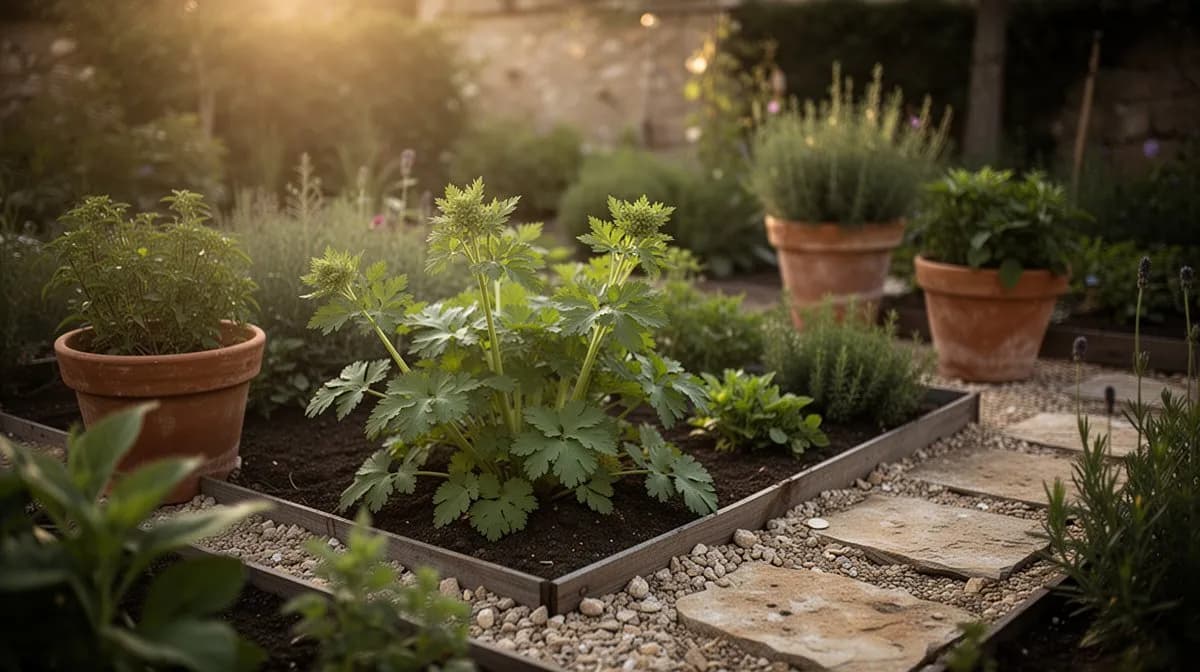
8 plants fit a 4 × 8 ft bed
Each Lovage wants 60 cm of elbow room. The planner keeps that spacing for you — every plant, every bed.
Lovage's best neighbours
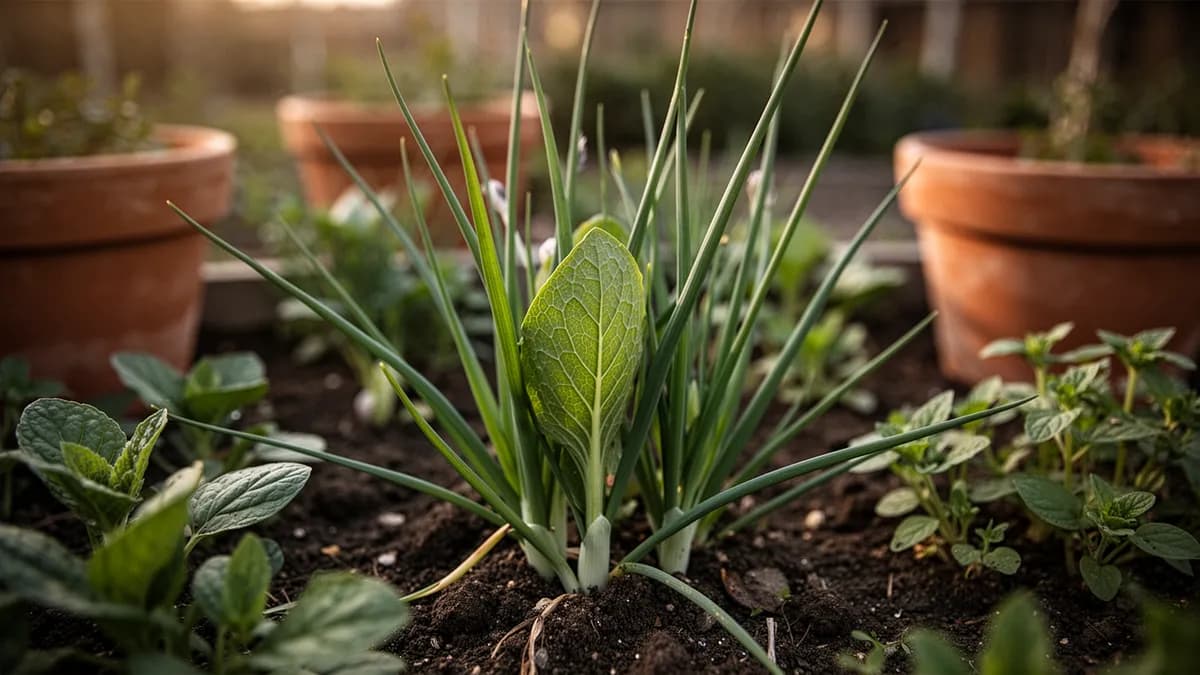
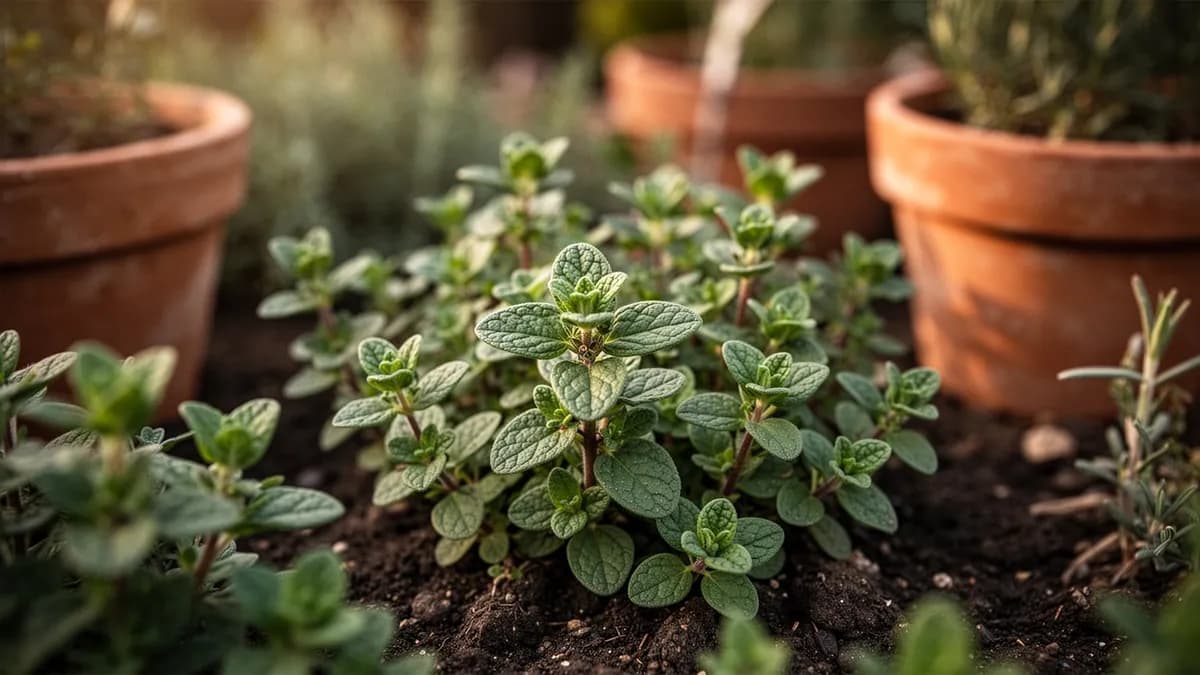
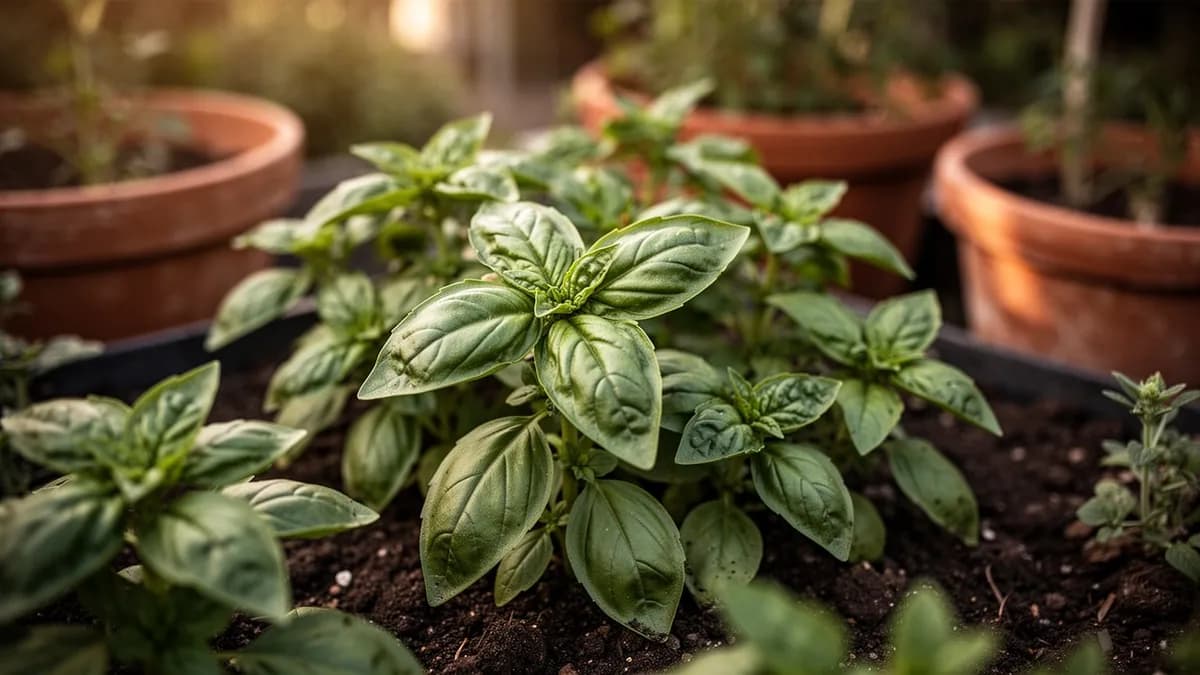
Lovage is an excellent companion for many garden vegetables due to its ability to attract beneficial insects with its umbel flowers. Plant near beans, tomatoes, and root vegetables. The tall stature of lovage provides natural shade for lettuce and other heat-sensitive crops planted on its north side. Lovage attracts parasitic wasps and other predatory insects that prey on common garden pests. Keep it at the back of beds due to its height and give it enough space so it does not shade sun-loving neighbors.
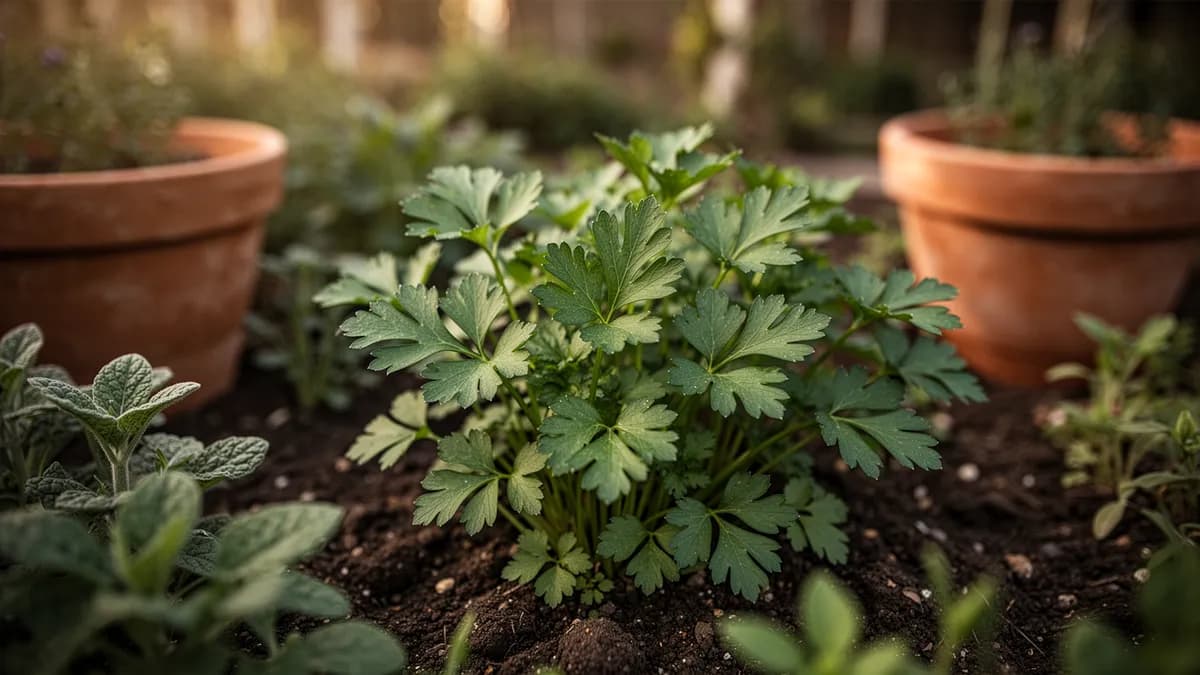
Parsley belongs beside it.
Old growers' knowledge, checked against Lovage's real companion table below — test any plant you're growing.
Try Lovage in a bed — right here
A real planner bed with Lovage already in it. Tap a companion to place it and watch the pairing checks answer — green for good neighbours, red for a clash.


Related growing guides
Feed it well
Lovage demands rich, deep, moisture-retentive soil with a pH of 6.0-7.0. Before planting, work in 4-6 inches of well-rotted compost or aged manure to a depth of at least 12 inches to accommodate the deep taproot. Side-dress with compost in early spring each year and feed with a balanced organic fertilizer monthly during the growing season. Lovage is a heavy feeder that rewards generous soil preparation with vigorous growth. Mulch with 2-3 inches of organic material to retain moisture and suppress weeds.
Ideal Temperature
Hardiness Zone Compatibility
From seed to harvest, stage by stage
Germination
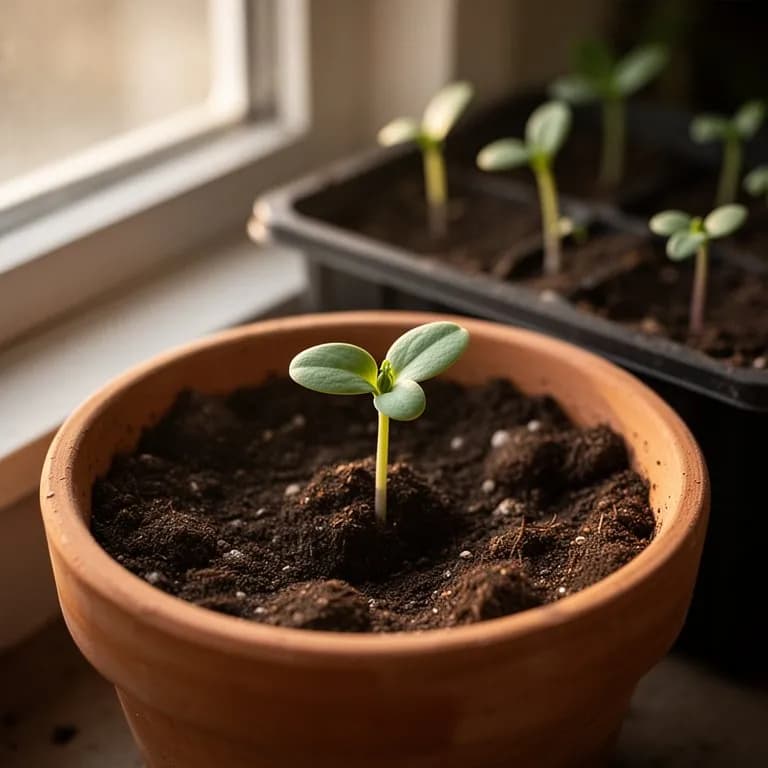
Lovage seeds are slow and somewhat erratic to germinate, typically taking 10-21 days in cool soil. The seeds require a period of cold stratification for best results and germinate most reliably when soil temperatures are between 15-20°C (59-68°F). Seedlings emerge with small, rounded cotyledon leaves followed by the first true leaves with their distinctive celery-like shape.
Seedling Establishment
Young lovage plants develop a rosette of deeply divided, glossy dark green leaves that closely resemble flat-leaf parsley or celery foliage. Growth is initially modest as the plant invests energy in developing its deep taproot system. By the end of this stage the plant typically has 6-10 leaves and stands 20-30 cm tall.
Vegetative Growth
Lovage enters a phase of vigorous upward growth, with hollow stems thickening and the plant rapidly gaining height. In its first year the plant typically reaches 60-90 cm. From the second year onward it can soar to 1.5-2 meters tall with thick, celery-like stems. The deeply divided, triangular leaves become larger and more complex as the plant matures, with a powerful celery-like aroma.
Flowering
From the second year onward, lovage sends up tall flower stalks topped with large, flat-topped compound umbels of tiny yellow-green flowers, typical of the Apiaceae family. The flower heads can span 10-15 cm across and are highly attractive to beneficial insects including hoverflies, lacewings, and parasitic wasps. Leaf production slows during flowering as the plant redirects energy to reproduction.
Seed Ripening
The small, ribbed seeds ripen from green to brown on the dried umbel heads. Each seed is crescent-shaped with prominent ridges and contains volatile oils that give it a warm, celery-like flavor. Seeds shatter easily when ripe and will self-sow around the parent plant if left to drop. The foliage begins to yellow and die back as autumn approaches.
Dormancy and Renewal
Lovage dies back completely to ground level in autumn and overwinters as a dormant rootstock. The thick, fleshy taproot stores energy for the following spring's explosive growth. The root system becomes larger and more vigorous each year, with well-established plants producing increasingly abundant harvests. Lovage is reliably hardy to -35°C (-31°F) and requires no winter protection in most climates.
Sow seeds 6mm deep in moist, well-prepared soil. Fresh seed germinates much better than older seed — viability drops significantly after one year. Cold-stratify seeds for 2-3 weeks in the refrigerator before sowing to improve germination rates. Keep soil consistently moist but never waterlogged during the germination period.
Caring for Lovage month by month
What to do each month for your Lovage
October
You are hereFoliage begins to yellow and die back naturally as temperatures drop. Cut back remaining stems to 5-10 cm above ground level. Apply a thick mulch of straw or shredded leaves over the crown in regions with harsh winters. Harvest roots now if desired — the flavor is best after the first frost.
Know exactly what to do in your garden — every month
One email at the start of each month: what to sow, plant, and tackle right now — for your Lovage and everything growing around it. Plus a short starter course that helps you dodge the classic mistakes.
- What to do, right now
- Matched to your season
- Starter course included
Harvesting Lovage
Begin harvesting lovage leaves once the plant is well-established, typically in its second year. Cut outer stems at the base, leaving the central growing point intact for continued production. Young leaves have the mildest flavor and are best for fresh use. Harvest stems for candying or using as celery substitutes when they are still tender and green. Seeds can be collected when they turn brown in late summer by cutting seed heads and drying them over a clean cloth. Roots are harvested in autumn of the second or third year for use in soups and medicinal preparations.
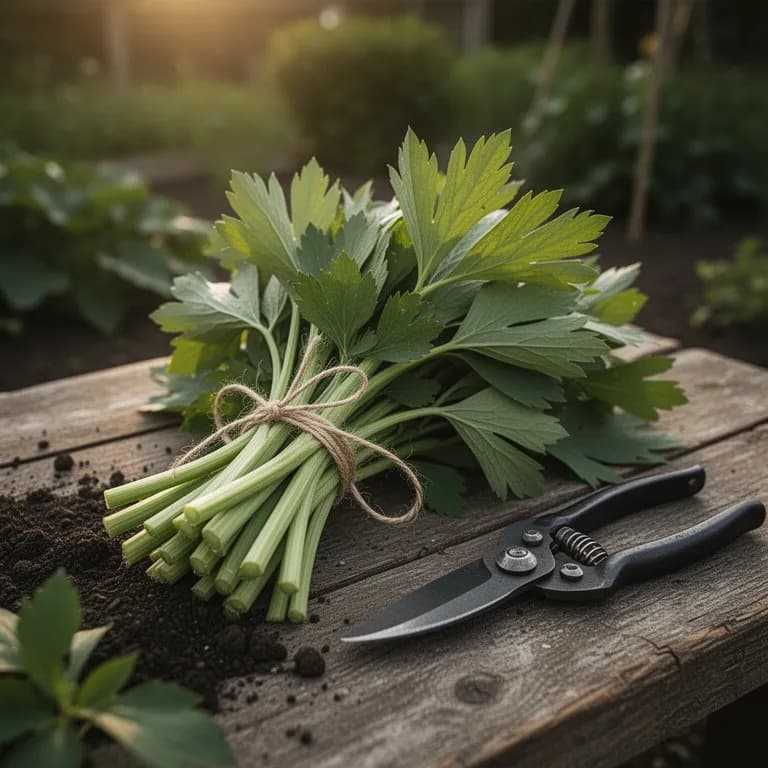
assuming you plant when the window opens — set your real date
Pick Lovage promptly and the plant keeps producing.
Storage & Preservation
Fresh lovage leaves keep in the refrigerator for up to one week wrapped in damp paper towels inside a sealed bag. Freeze chopped leaves in ice cube trays with water or olive oil for convenient year-round use. Lovage dries well when stems are hung upside down in a warm, well-ventilated area for 7-10 days. Store dried leaves in airtight glass jars away from light; they retain potency for up to one year. Lovage stems can be blanched and frozen for later use in soups and stocks. Seeds should be stored in a cool, dry place in sealed containers.
What goes wrong — and the fix
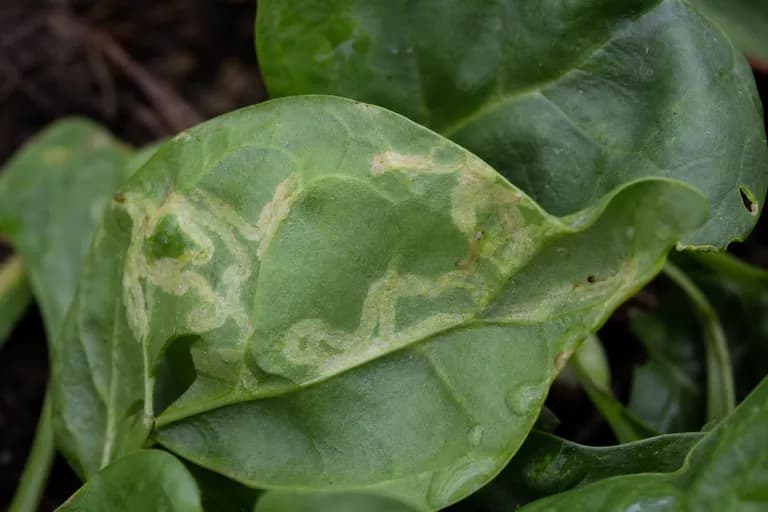
Leaf Miners
PestWinding, pale tunnels or blotches visible within leaf tissue, leaves become papery and brown in affected areas.
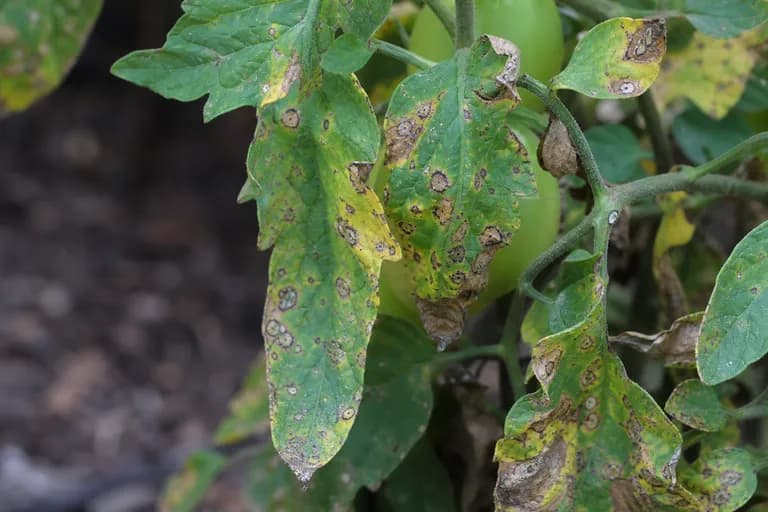
Septoria Leaf Spot
DiseaseSmall, dark brown spots with lighter centers appearing on lower leaves first, spreading upward in wet conditions.
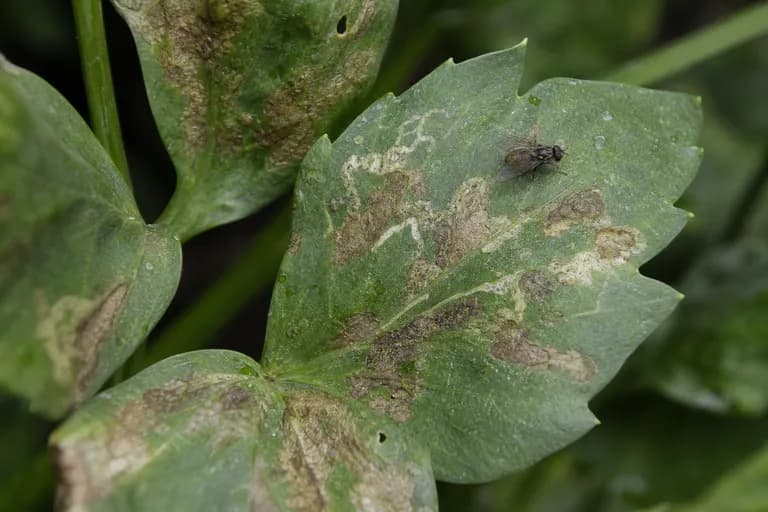
Celery Fly
PestBrown blistered patches on leaves caused by larvae mining between leaf surfaces, reduced plant vigor.
Troubleshooting Common Problems
Lovage's most common issue is overwhelming size in small gardens, as mature plants can reach 6 feet tall and 3 feet wide. Manage by harvesting aggressively and removing flower stalks. Hollow stems can break in strong winds, so provide a sheltered location or stake tall plants. Leaves may yellow if soil dries out during hot weather. Lovage can go dormant in midsummer heat; this is normal and the plant will regrow in cooler weather. Self-sowing can become a nuisance if seed heads are not removed before they mature.
Growing Tips
- Give lovage plenty of space — a mature plant can reach 2 meters tall and 1 meter wide, so plant it at the back of a border or in a dedicated spot where it will not shade out smaller herbs. Space plants at least 60 cm apart to allow for full development.
- Plant lovage in deep, rich, moisture-retentive soil for the best results. Unlike many Mediterranean herbs that prefer poor soil, lovage is a heavy feeder that rewards generous composting and consistent moisture with lush, abundant foliage and thicker stems.
- Start from divisions or nursery transplants rather than seed if you want to harvest in the first year. Seed-grown lovage takes a full season to establish and typically does not produce harvestable quantities until the second year.
- Use fresh seed for sowing — lovage seed viability declines rapidly after the first year. Stratify seeds in the refrigerator for 2-3 weeks before planting to break dormancy and improve germination rates significantly.
- Harvest leaves and stems from the outside of the plant, cutting stems at the base rather than stripping individual leaves. This encourages the plant to produce new growth from the center and maintains an attractive, productive shape throughout the season.
- Remove flower stalks as they appear to maximize leaf production, unless you want seeds for culinary use or propagation. Flowering redirects the plant's energy away from foliage and causes the remaining leaves to become tougher and more bitter.
- Cut the entire plant back to 15 cm above ground in midsummer if it becomes overgrown, leggy, or produces tough leaves. Water and feed well after cutting back, and fresh tender growth will regenerate within two to three weeks.
- Preserve the harvest by freezing chopped leaves in ice cube trays with water or oil, drying leaves at low temperature for winter use, or making lovage salt by blending fresh leaves with coarse salt and drying the mixture.
- Grow lovage in a large container (at least 40 cm deep and 30 cm wide) if garden space is limited. Use rich, moisture-retentive potting mix and water regularly — containerized lovage will be smaller than garden-grown plants but still highly productive.
- Companion plant lovage near beans, brassicas, and root vegetables — it attracts beneficial predatory insects with its umbel flowers and its deep roots help break up compacted subsoil, improving drainage and soil structure for neighboring plants.
Grow your best Lovage yet — and everything around it.
Start a free plan today. Lay out your beds, drop in your Lovage, and let PlotMyGarden handle the timing, spacing, companions and reminders from seed to harvest basket.
Pick your Lovage
Common Lovage
The standard species growing up to 6 feet tall with large, glossy, dark green celery-like leaves and a powerful celery-parsley flavor.
Magnus
A vigorous selection producing especially large, aromatic leaves on thick, hollow stems. Excellent for commercial herb production.
Mega
A compact variety reaching 3-4 feet, well-suited for smaller gardens while retaining the full intense flavor of standard lovage.
Fresh lovage is virtually impossible to find in conventional grocery stores and rarely appears even at specialty markets. When available at farmers markets or specialty herb suppliers, small bunches sell for $4-6. A single lovage plant costs $4-8 from a nursery or can be grown from seed for pennies, and because it is a long-lived perennial that returns larger and more productive each year, one plant provides a decade or more of harvests with no recurring cost. Growing lovage eliminates the need to buy celery solely for flavoring soups and stocks, saving $30-50 per year on celery purchases alone.
Quick recipes
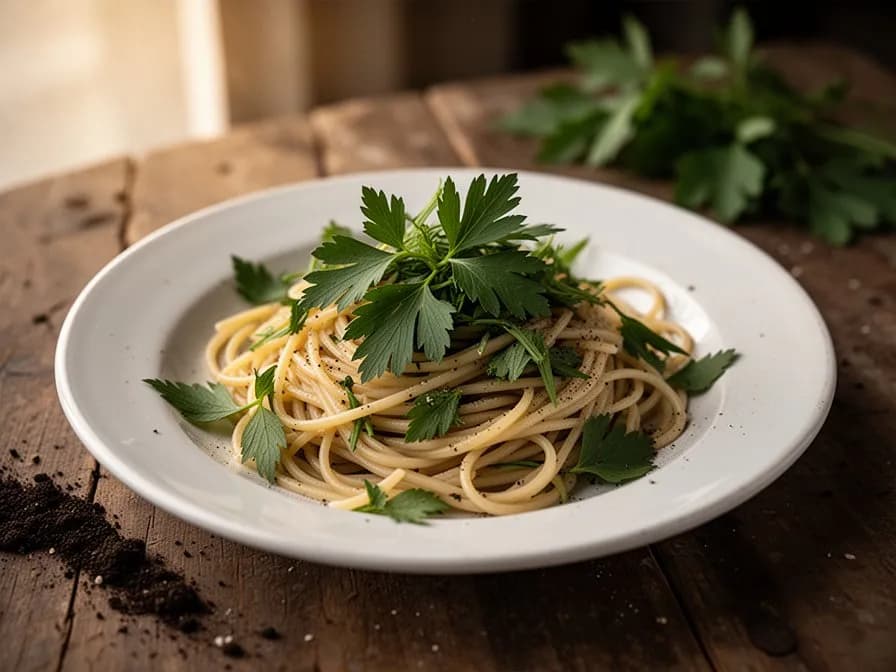
Lovage and Potato Soup
25 minA velvety, deeply savory soup that showcases lovage's intense celery flavor paired with the comforting richness of potatoes. This traditional Central European recipe is simple to prepare yet produces a remarkably complex, satisfying flavor that tastes like it simmered for hours.
9 ingredientsLovage Pesto
10 minA bold, aromatic pesto that replaces basil with lovage for a more robust, savory spread. The intense celery-like flavor of lovage creates a pesto that pairs beautifully with pasta, grilled meats, roasted vegetables, and crusty bread. Use sparingly — lovage is much stronger in flavor than basil.
7 ingredientsLovage Salt
10 min + drying timeAn intensely savory finishing salt that captures lovage's powerful flavor for year-round use. Sprinkle this aromatic green salt on eggs, potatoes, soups, grilled meats, and vegetables for an instant burst of herbal celery flavor. A wonderful way to preserve the summer harvest.
4 ingredientsCulinary Uses
Lovage leaves add an intense celery flavor to soups, stocks, stews, and potato dishes. Use sparingly as the flavor is much stronger than celery. Young leaves enliven green salads and compound butters. The hollow stems can be used as natural straws for Bloody Marys or chopped into salads. Seeds flavor breads, crackers, and pickling brines. Roots can be peeled and cooked as a root vegetable similar to parsnip.
What's inside
Health Benefits
- Rich in quercetin and other flavonoid antioxidants that help reduce inflammation, support cardiovascular health, and may lower the risk of chronic diseases including heart disease and certain cancers.
- Contains volatile oils including ligustilide and butylphthalide that have demonstrated anti-spasmodic properties, helping to relieve digestive cramps, bloating, and intestinal discomfort in traditional and modern herbal practice.
- Traditionally used as a natural diuretic to support kidney function and promote healthy urinary tract function — European herbal pharmacopoeias have long recognized lovage root preparations for treating mild urinary complaints.
- Excellent source of vitamin C, supporting immune system function, collagen synthesis, and iron absorption — particularly valuable when harvested early in the season as one of the first fresh herbs available from the garden.
- Contains coumarins and plant compounds that may improve blood circulation and have been studied for potential benefits in reducing blood clot formation and supporting peripheral vascular health.
- The essential oils in lovage have demonstrated antimicrobial activity against a range of bacteria and fungi in laboratory studies, supporting the herb's traditional use as a food preservative and digestive aid in pre-refrigeration cultures.
Where Lovage comes from
Lovage (Levisticum officinale) is native to the mountainous regions of southern Europe, particularly the Ligurian coast of Italy and the adjacent areas of southern France and the western Balkans, where it grows wild on rocky slopes and in alpine meadows up to 1,800 meters elevation. The plant belongs to the Apiaceae family alongside celery, parsley, and carrots, and its flavor profile — an intense, concentrated version of celery — reflects this close botanical kinship.
The ancient Greeks and Romans cultivated lovage extensively as both a culinary herb and a medicinal plant. The Roman cookbook attributed to Apicius mentions lovage (called 'ligusticum') as a frequent seasoning in sauces, stews, and vegetable dishes. Roman legions likely carried lovage throughout Europe as they expanded the empire, establishing the herb far beyond its natural Mediterranean range. Pliny the Elder documented its medicinal uses for digestive complaints and urinary conditions.
Lovage became one of the most important herbs of the medieval period. Charlemagne's decree of 812 AD specifically required its cultivation on all imperial estates, and Benedictine monks planted it in every monastery herb garden from Italy to Scandinavia. The plant's hardiness, productivity, and versatility made it indispensable — the leaves flavored soups and stews during months when fresh vegetables were scarce, the roots were eaten as a vegetable or dried for medicine, and the seeds were used as a warming spice.
Throughout the Renaissance and early modern period, lovage remained a kitchen garden staple across Central and Northern Europe. However, by the 20th century it had largely fallen from favor in English-speaking countries, displaced by commercially grown celery and convenience seasonings. Today, lovage is experiencing a quiet revival among gardeners, herbalists, and chefs who appreciate its extraordinary intensity of flavor, its ease of cultivation, and its role as one of the great forgotten herbs of the European culinary tradition.
Lovage: did you know?
Fascinating facts about Lovage
Lovage (Levisticum officinale) was so prized by medieval monks that it was grown in virtually every monastery garden in Europe — Charlemagne himself decreed in his Capitulare de Villis of 812 AD that lovage must be cultivated on all imperial estates throughout the Holy Roman Empire.
Lovage questions, answered
When should I plant Lovage?
What are good companion plants for Lovage?
What hardiness zones can Lovage grow in?
How much sun does Lovage need?
How far apart should I space Lovage?
What pests and diseases affect Lovage?
How do I store Lovage after harvest?
What are the best Lovage varieties to grow?
What soil does Lovage need?
What does lovage taste like?
Is lovage the same as celery?
How long does a lovage plant live?
Can I grow lovage in a container?
Why is my lovage turning yellow?
When is the best time to harvest lovage?
You just read the theory. Now grow it on autopilot.
Everything that makes Lovage fiddly — the timing, the spacing, the companions, the harvest window — is exactly what PlotMyGarden handles for you, for every plant in your garden.
A plan that knows your weather
Set your location once. Get sow, feed and harvest dates built around your real last-frost date and live forecast — no more guessing from a generic seed packet.
From the “When to plant” sectionDrag-and-drop bed planner
Design beds on a grid. Every plant snaps to its proper spacing, and you can see your whole season laid out before you spend a cent on seed.
From the “Growing guide” sectionCompanion conflicts, caught early
200+ good-and-bad pairings checked live as you plant — so a season-wrecking mistake never makes it into the ground.
From the “Companions” sectionReminders you'll actually act on
“Water the beans.” “Pick today before it turns.” Timely, specific, and tied to the plants you're really growing.
From the “Harvest” sectionSuccession, scheduled
Want a harvest for six weeks, not six days? It spaces your sowings automatically and reminds you when each new block is due.
From the “When to plant” sectionA record that gets smarter
Every harvest you log teaches it your garden. Next year's plan starts from what actually worked in your soil, not a textbook's.
From the “Overview” sectionPlant these alongside Lovage
More Culinary Herbs
Garden plans featuring Lovage
Grow your best Lovage yet — and everything around it.
Start a free plan today. Lay out your beds, drop in your Lovage, and let PlotMyGarden handle the timing, spacing, companions and reminders from seed to harvest basket.