Chocolate Vine (Akebia)
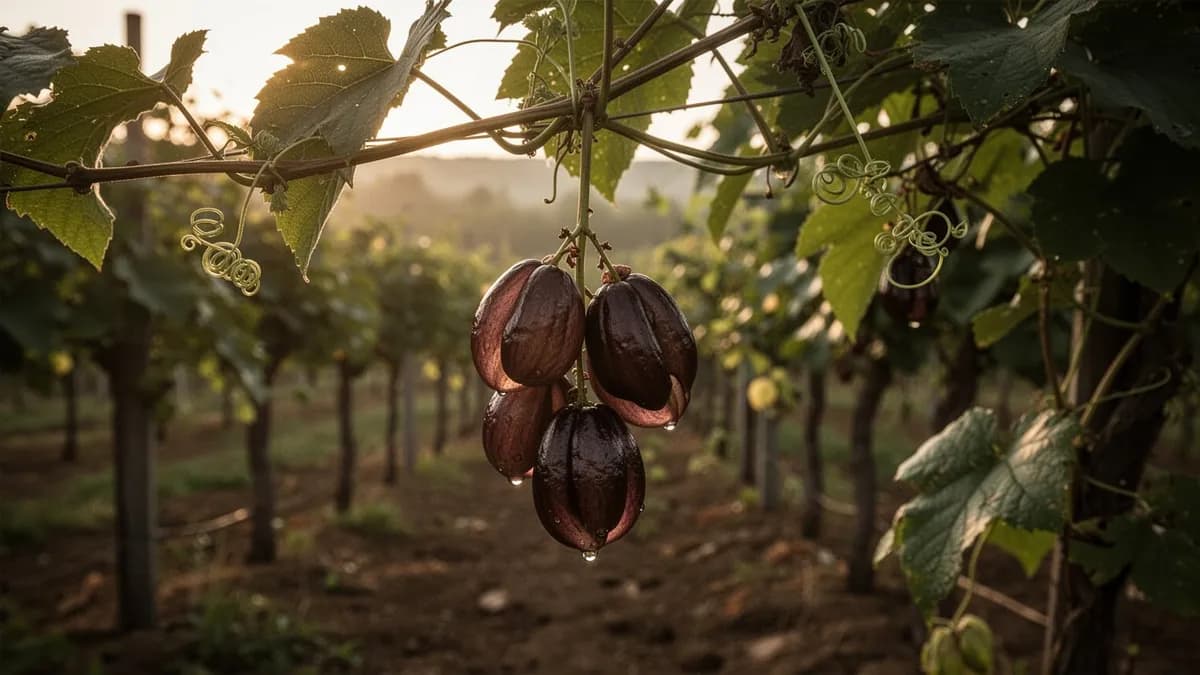
An unusual semi-evergreen vine producing chocolate-scented purple flowers followed by sausage-shaped fruits with sweet, translucent pulp.





On this pageOverview
Meet Chocolate Vine (Akebia)
An unusual semi-evergreen vine producing chocolate-scented purple flowers followed by sausage-shaped fruits with sweet, translucent pulp. The mild, gelatinous flesh has a subtle melon-like flavor and is eaten fresh in Japan and Korea. Plant two different clones for cross-pollination and be aware it can become invasive in mild climates.
When to plant Chocolate Vine (Akebia)
Akebia seeds require cold stratification for 60 to 90 days before germination. Collect seeds from ripe fruits in autumn, clean off the pulp, and store in moist sand in the refrigerator over winter. Sow stratified seeds in spring in a moist seed-starting mix, barely covering them. Germination is slow and irregular, taking two to eight weeks at 60 to 70 degrees Fahrenheit. Alternatively, propagate from semi-hardwood cuttings taken in summer or by layering established stems. Seedlings may take three to four years to begin flowering and fruiting.
Your Chocolate Vine (Akebia) Year
Composed for Zone 7 · typical seasons · frost passes Apr 2, returns Nov 1
Plant Chocolate Vine (Akebia) Mar – May, pick Sep – Oct. Check the planting methods below and set your climate to personalize these windows.
How to grow Chocolate Vine (Akebia)
Akebia thrives in partial shade to full sun and adapts to a wide range of soil types, though it prefers moist, well-drained soil enriched with organic matter. Plant in spring after the last frost, spacing vines at least 8 feet apart. Provide a sturdy trellis, arbor, or fence for the twining stems to climb, as mature vines can reach 20 to 40 feet in length.
Water regularly during the first growing season to establish a deep root system. Once established, akebia is moderately drought-tolerant but produces better fruit with consistent moisture. Feed with a balanced fertilizer in early spring and again after flowering. The vine is semi-evergreen in mild climates and fully deciduous in colder zones.
For fruit production, you must plant two genetically different clones for cross-pollination, as individual plants are self-incompatible. Prune annually in late winter to control vigorous growth and prevent the vine from becoming invasive. In warm climates, monitor spreading aggressively and remove unwanted suckers promptly.
Chocolate Vine (Akebia) needs more room than a 4 × 8 ft bed gives
Each Chocolate Vine (Akebia) wants 240 cm of elbow room. The planner keeps that spacing for you — every plant, every bed.
Chocolate Vine (Akebia)'s best neighbours
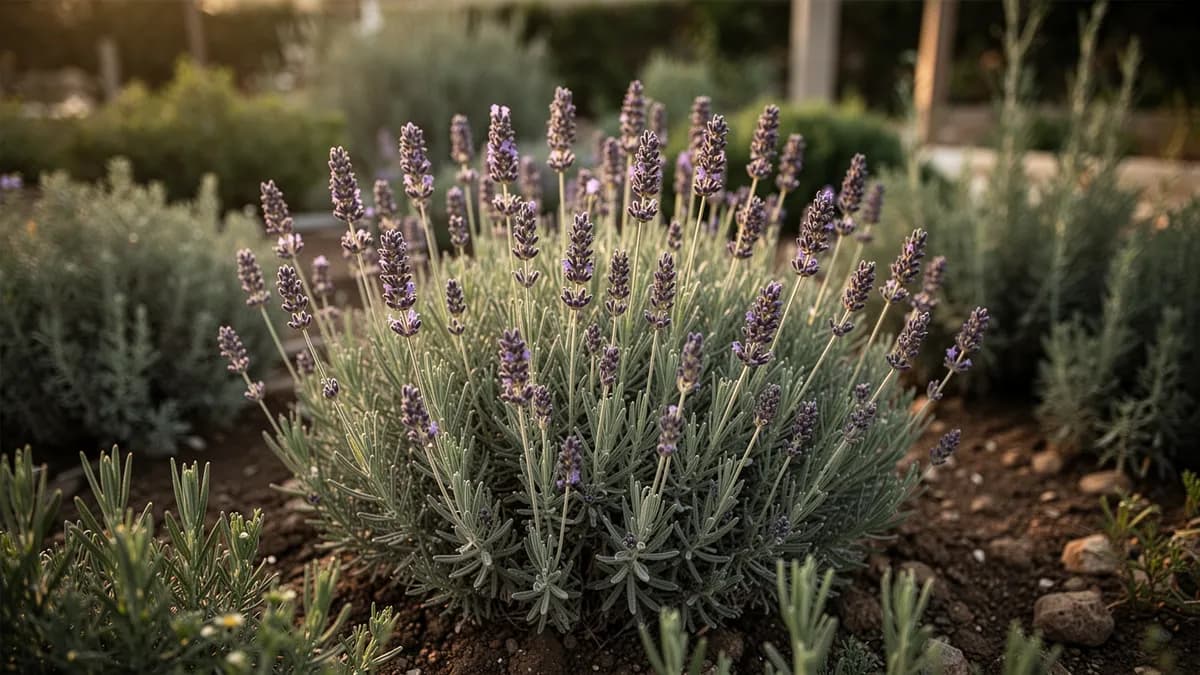
Akebia grows well alongside other climbing plants like clematis and honeysuckle when given adequate support. It pairs nicely with shade-tolerant understory plants like hostas, ferns, and astilbe beneath its canopy. Avoid planting near smaller shrubs or young trees that could be overwhelmed by its vigorous growth. Lavender planted nearby can attract additional pollinators to improve fruit set. Keep akebia away from other fruit vines to prevent competition.
Lavender belongs beside it.
Old growers' knowledge, checked against Chocolate Vine (Akebia)'s real companion table below — test any plant you're growing.
Try Chocolate Vine (Akebia) in a bed — right here
A real planner bed with Chocolate Vine (Akebia) already in it. Tap a companion to place it and watch the pairing checks answer — green for good neighbours, red for a clash.


Related growing guides
Feed it well
Akebia adapts to most soil types including clay, loam, and sandy soils, but performs best in moist, humus-rich, well-drained soil with a pH of 5.5 to 7.0. Work compost or well-rotted manure into the planting hole at installation. Apply a balanced slow-release fertilizer (10-10-10) in early spring as growth begins and again after flowering. Mulch around the base with organic matter to conserve moisture and suppress weeds. Avoid excessive nitrogen, which promotes leafy growth at the expense of flowering and fruiting.
Ideal Temperature
Hardiness Zone Compatibility
From seed to harvest, stage by stage
Dormant / Establishment
Newly planted akebia focuses energy on root establishment. Above-ground growth is minimal as the plant anchors itself. Semi-evergreen varieties may retain some foliage through winter.
Spring Flush
Rapid new growth erupts in spring. Bronze-tinted young leaves unfurl as the vine begins reaching for support. This is the most vigorous growth phase of the year.
Flowering
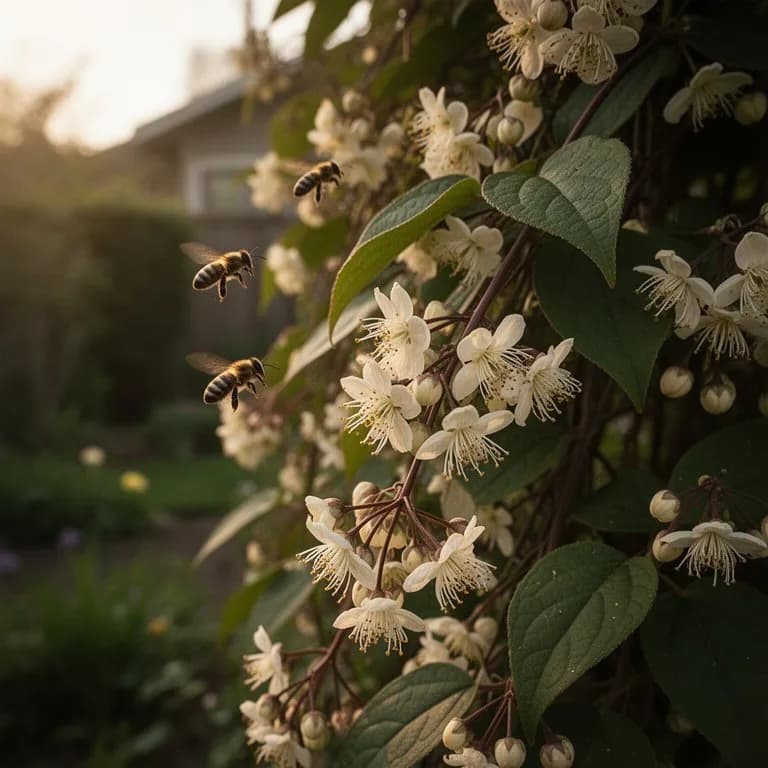
Small clusters of fragrant, chocolate-vanilla scented flowers appear in mid to late spring. Female flowers are larger and reddish-purple; male flowers are smaller and pale pink. Cross-pollination is needed for fruit set.
Summer Vegetative Growth
The vine puts on significant leafy growth through summer, filling its allotted space. Fruit, if pollinated, develops slowly and is hidden beneath the foliage.
Fruit Ripening
Fruits swell and change from green to purple-grey as autumn approaches. They are ready to harvest when the fruit begins to split along one side, revealing the sweet white interior.
Autumn Colour and Senescence
Deciduous forms develop soft yellow and bronze autumn tones before leaf drop. Semi-evergreen types thin their foliage but retain a proportion of leaves into winter.
Water consistently but avoid waterlogging. Do not fertilize during the first weeks after planting — let roots settle first.
Caring for Chocolate Vine (Akebia) month by month
What to do each month for your Chocolate Vine (Akebia)
October
You are hereComplete fruit harvest. Begin post-fruiting structural pruning to remove overcrowded stems and shape the vine for the following season.
Know exactly what to do in your garden — every month
One email at the start of each month: what to sow, plant, and tackle right now — for your Chocolate Vine (Akebia) and everything growing around it. Plus a short starter course that helps you dodge the classic mistakes.
- What to do, right now
- Matched to your season
- Starter course included
Harvesting Chocolate Vine (Akebia)
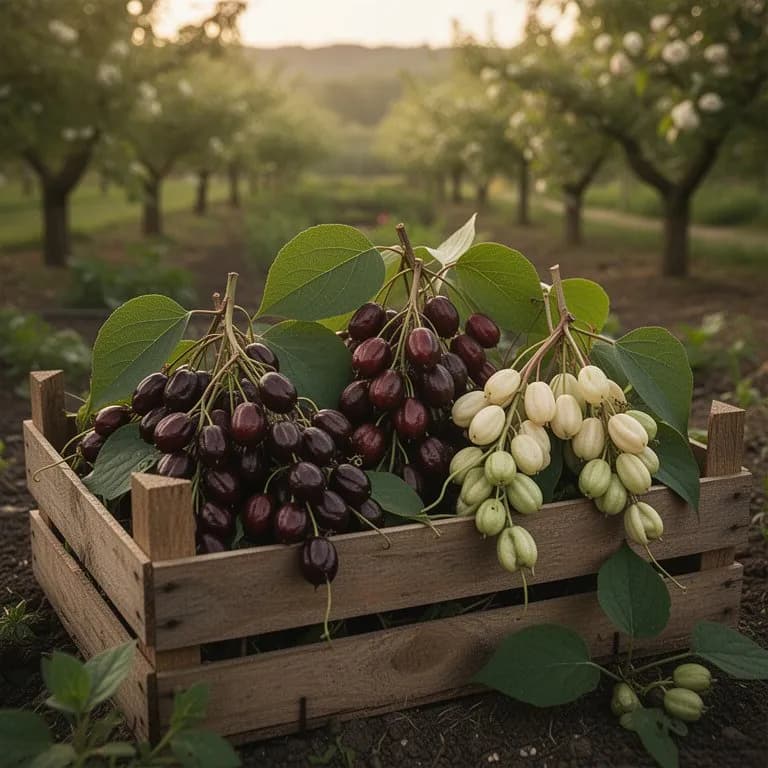
Akebia fruits ripen in autumn, typically September to October, when the thick purple skin splits open along one side to reveal the translucent white pulp inside. Harvest fruits as soon as the skin cracks, as the flesh deteriorates quickly once exposed. The gelatinous pulp is eaten fresh, scooped out with a spoon, and the numerous small black seeds are typically discarded. In Japan, the thick rind is also used as a vegetable, stuffed and cooked in various preparations. Fruits do not store well and should be consumed within a day or two of harvesting.
assuming you plant when the window opens — set your real date
Pick Chocolate Vine (Akebia) promptly and the plant keeps producing.
Storage & Preservation
Fresh akebia fruits are highly perishable and should be eaten within one to two days of harvest. Store briefly in the refrigerator in a single layer to prevent bruising. The pulp can be separated from seeds and frozen for later use in smoothies or desserts. The rind can be dried or pickled for culinary use. Some growers make akebia jelly or jam by straining the pulp to remove seeds and cooking with sugar and pectin. The flowers can also be dried for use in teas.
What goes wrong — and the fix
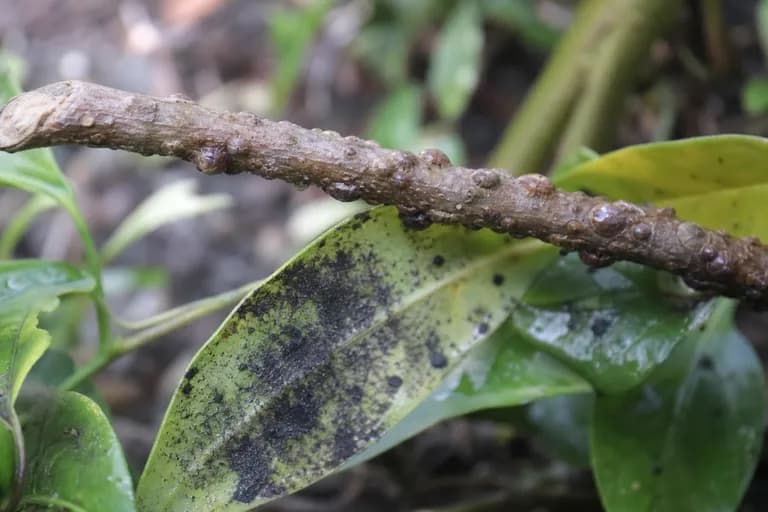
Scale Insects
PestSmall, bumpy, immobile insects on stems and leaves; sticky honeydew residue; sooty mold growth.
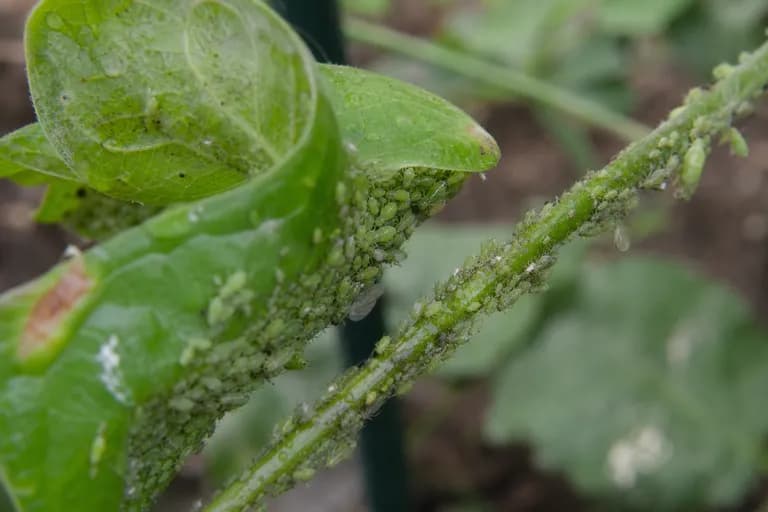
Aphids
PestClusters of small green or black insects on new growth; curling leaves; sticky honeydew.
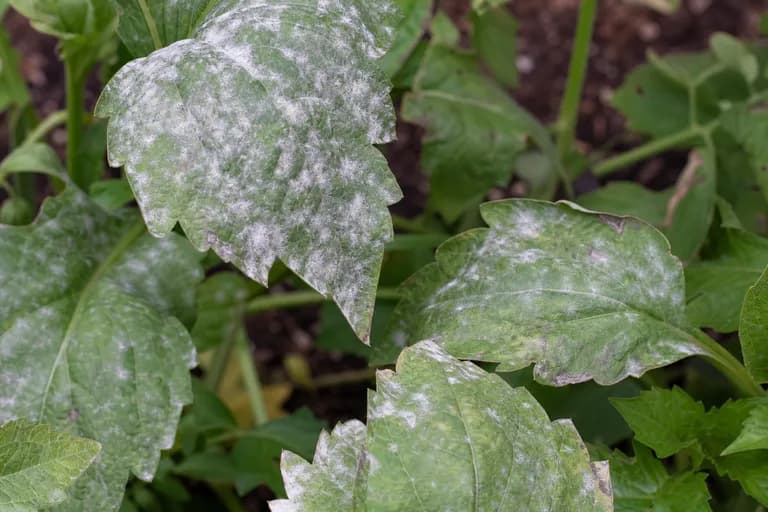
Powdery Mildew
DiseaseWhite, powdery coating on leaves and stems; distorted growth; premature leaf drop.
Troubleshooting Common Problems
The most significant challenge with akebia is its invasive potential in mild, moist climates where it can smother other vegetation. Regular, aggressive pruning is essential to keep it in bounds. Fruit set can be poor without proper cross-pollination from a genetically distinct clone. Birds and small mammals may consume fruits before harvest. In colder zones, late spring frosts can damage early flowers and reduce fruit production. The vine may also fail to fruit in deep shade despite growing well vegetatively.
Growing Tips
- Plant at least two different akebia varieties (e.g., Akebia quinata and Akebia trifoliata, or two different cultivars of the same species) within 5 meters of each other to ensure cross-pollination and reliable fruit set.
- Provide a strong, permanent support structure from the outset — akebia is vigorous and a mature vine can reach 8-10 meters in length, so a lightweight trellis that suits a young plant will be overwhelmed within a few seasons.
- In the first season, prioritize watering over fertilizing. Establishing a deep, healthy root system is more valuable than pushing rapid top growth in year one.
- Akebia tolerates partial shade but flowers and fruits far more prolifically in a position with at least 4-6 hours of direct sun daily — a south- or west-facing fence or wall is ideal in the northern hemisphere.
- Prune immediately after flowering in late spring to shape the vine and remove overcrowded stems. Avoid heavy autumn pruning as this removes the wood that will bear next year's flower buds.
- In USDA zones 4 and 5, apply a generous layer of organic mulch — straw, wood chip, or leaf mold — over the root zone before winter to protect roots from hard freezes, especially in the first two winters after planting.
- Hand pollination using a small soft paintbrush transferred from male to female flowers dramatically improves fruit set, particularly in cold or wet springs when insect pollinator activity is reduced.
- Akebia can become invasive in mild climates where it self-seeds freely. Deadhead any flowers that set fruit if you do not wish to harvest, or collect fallen fruits before seeds disperse to limit unwanted spread.
- If growing in a container, choose a pot of at least 50 liters and use a free-draining, loam-based compost. Container-grown plants will need more frequent watering and annual top-dressing with fresh compost.
- Young shoots of akebia harvested in early spring are edible and used in Japanese cuisine as a vegetable — a bonus harvest before the vine leafs out fully and long before the autumn fruits arrive.
Grow your best Chocolate Vine (Akebia) yet — and everything around it.
Start a free plan today. Lay out your beds, drop in your Chocolate Vine (Akebia), and let PlotMyGarden handle the timing, spacing, companions and reminders from seed to harvest basket.
Pick your Chocolate Vine (Akebia)
Akebia quinata
The most common species with five-leaflet leaves and chocolate-scented purple flowers, producing the largest and sweetest fruits.
Akebia trifoliata
Three-leaflet species with larger, more deeply colored fruits and slightly more vigorous growth habit.
Akebia x pentaphylla
A natural hybrid between quinata and trifoliata, combining characteristics of both parents with good fruit production.
Silver Bells
An ornamental cultivar selected for its prolific, fragrant white flowers, though it still produces fruit when cross-pollinated.
A single established akebia vine can produce between 5 and 20 fruits per season after maturity, with each fruit weighing 60-150g. In Japan, akebi fruits retail for the equivalent of USD 3-8 each at specialty or upscale grocery stores due to their limited seasonal availability and hand-harvested nature. Growing your own means accessing a gourmet, rarely-available fruit at the cost of the initial plant and basic maintenance. Beyond the fruit, akebia's vigorous growth as a privacy screen or pergola covering can eliminate the need for expensive structural plantings, with a single mature vine easily covering 20-30 square meters of fence or trellis that would otherwise require multiple shrubs or a constructed screen. The plant is also long-lived — a well-sited akebia can remain productive for decades with minimal inputs.
Quick recipes
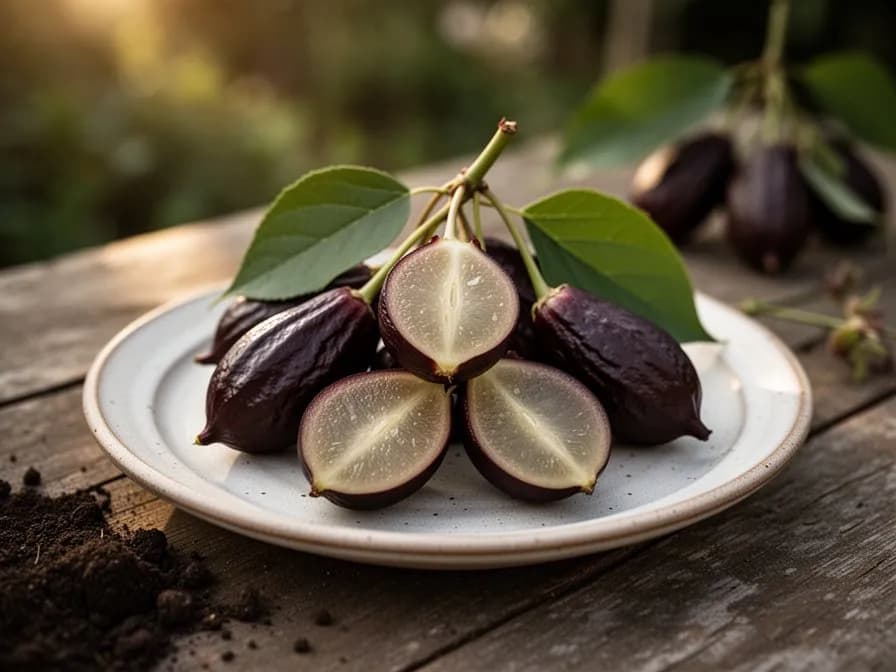
Akebi Miso Stuffed Skin
20 minutesA classic Japanese preparation where the lightly bitter akebia skin is stuffed with a savory miso and pork mixture and pan-fried until golden. The bitterness of the skin balances beautifully with the rich, salty filling.
7 ingredientsAkebia Fruit Sorbet
15 minutes (plus 3 hours freezing)The naturally sweet, lychee-like pulp of ripe akebia makes a delicate and unusual sorbet. The floral, tropical flavour needs little embellishment — just a squeeze of lime and a touch of honey.
5 ingredientsAkebia and Cream Cheese Tart
30 minutes (plus chilling)The sweet, translucent pulp of akebia is used as a topping for a simple no-bake cream cheese tart, where its delicate flavour shines against the rich, tangy base.
7 ingredientsCulinary Uses
The sweet, translucent pulp is eaten fresh in Japan and Korea, scooped directly from the split fruit. In Japanese cuisine, the thick rind is stuffed with miso-flavored meat mixtures and deep-fried or simmered. The young shoots and leaves are also edible and used as spring vegetables. The pulp can be made into jelly, jam, or used in desserts and beverages.
What's inside
Health Benefits
- Akebia fruit pulp contains flavonoids and polyphenolic compounds that act as antioxidants, helping to neutralize free radicals and reduce oxidative stress in the body.
- Traditional East Asian medicine has used akebia stem preparations (mu tong) as a diuretic and to support healthy urinary tract function, a use with longstanding ethnobotanical documentation.
- The fruit provides a naturally sweet snack with relatively low caloric density, making it a satisfying option for those managing calorie intake while still enjoying something sweet.
- Potassium content in akebia fruit supports cardiovascular health by helping to regulate blood pressure and maintain proper muscle and nerve function.
- The dietary fiber in akebia fruit contributes to digestive health, supporting regular bowel movements and feeding beneficial gut microbiota.
- Research into akebia plant compounds has identified triterpenoid saponins in the fruit skin that show preliminary anti-inflammatory activity in laboratory studies, suggesting potential therapeutic applications currently under scientific investigation.
Where Chocolate Vine (Akebia) comes from
Akebia quinata and its close relative Akebia trifoliata are native to the temperate forests of Japan, China, and Korea, where they twine through woodland edges and along the margins of streams and paths. In their native range they have been cultivated and appreciated for well over a thousand years, valued simultaneously as an ornamental vine, a source of wild-harvested edible fruit, and a medicinal plant used in traditional East Asian medicine. The fruits, known in Japanese as akebi, have long held a special place in the seasonal food culture of rural Japan, where families would forage them from the wild each autumn as one of the anticipated treats of the harvest season. The hollow, slightly bitter skin was repurposed as a vessel for savory fillings, creating a dish that is today considered a regional specialty of areas such as Yamagata Prefecture in northern Japan.
In China, various parts of the plant — including the stem, known as mu tong — have been used in traditional Chinese medicine for centuries, with recorded uses in texts dating back to classical pharmacopoeias. The plant was believed to promote circulation, reduce inflammation, and support urinary health, though modern use of mu tong preparations has become more cautious due to concerns about nephrotoxic compounds in some related Aristolochiaceae family members (akebia itself belongs to Lardizabalaceae and does not contain aristolochic acids).
Akebia was introduced to Western horticulture in the mid-19th century, arriving in Britain and Europe primarily as an ornamental curiosity. The renowned plant hunter Robert Fortune is credited with bringing it to Britain around 1845, and it quickly earned favour among Victorian gardeners for its elegant foliage, unusual flowers, and vigorous climbing habit. It was promoted in the horticultural press as both attractive and useful, though the fruit remained a novelty in Western gardens rather than a culinary staple. Today akebia is experiencing a revival of interest among edible-landscaping enthusiasts and permaculture designers who appreciate its ability to deliver both beauty and harvest from a single well-placed planting.
Chocolate Vine (Akebia): did you know?
Fascinating facts about Chocolate Vine (Akebia)
Akebia fruit is sometimes called 'chocolate vine fruit' in the West, though it actually tastes more like a sweet, tropical-scented lychee or melon than chocolate.
Chocolate Vine (Akebia) questions, answered
When should I plant Chocolate Vine (Akebia)?
What are good companion plants for Chocolate Vine (Akebia)?
What hardiness zones can Chocolate Vine (Akebia) grow in?
How much sun does Chocolate Vine (Akebia) need?
How far apart should I space Chocolate Vine (Akebia)?
What pests and diseases affect Chocolate Vine (Akebia)?
How do I store Chocolate Vine (Akebia) after harvest?
What are the best Chocolate Vine (Akebia) varieties to grow?
What soil does Chocolate Vine (Akebia) need?
Do I need two akebia plants to get fruit?
Is akebia invasive? Should I be concerned about it spreading?
When and how do I know when akebia fruit is ripe enough to harvest?
Can akebia survive cold winters? How cold-hardy is it really?
What does akebia fruit actually taste like?
How fast does akebia grow, and how large will it get?
You just read the theory. Now grow it on autopilot.
Everything that makes Chocolate Vine (Akebia) fiddly — the timing, the spacing, the companions, the harvest window — is exactly what PlotMyGarden handles for you, for every plant in your garden.
A plan that knows your weather
Set your location once. Get sow, feed and harvest dates built around your real last-frost date and live forecast — no more guessing from a generic seed packet.
From the “When to plant” sectionDrag-and-drop bed planner
Design beds on a grid. Every plant snaps to its proper spacing, and you can see your whole season laid out before you spend a cent on seed.
From the “Growing guide” sectionCompanion conflicts, caught early
200+ good-and-bad pairings checked live as you plant — so a season-wrecking mistake never makes it into the ground.
From the “Companions” sectionReminders you'll actually act on
“Water the beans.” “Pick today before it turns.” Timely, specific, and tied to the plants you're really growing.
From the “Harvest” sectionSuccession, scheduled
Want a harvest for six weeks, not six days? It spaces your sowings automatically and reminds you when each new block is due.
From the “When to plant” sectionA record that gets smarter
Every harvest you log teaches it your garden. Next year's plan starts from what actually worked in your soil, not a textbook's.
From the “Overview” sectionPlant these alongside Chocolate Vine (Akebia)
More Vine Fruits
Grow your best Chocolate Vine (Akebia) yet — and everything around it.
Start a free plan today. Lay out your beds, drop in your Chocolate Vine (Akebia), and let PlotMyGarden handle the timing, spacing, companions and reminders from seed to harvest basket.