Peacock Orchid
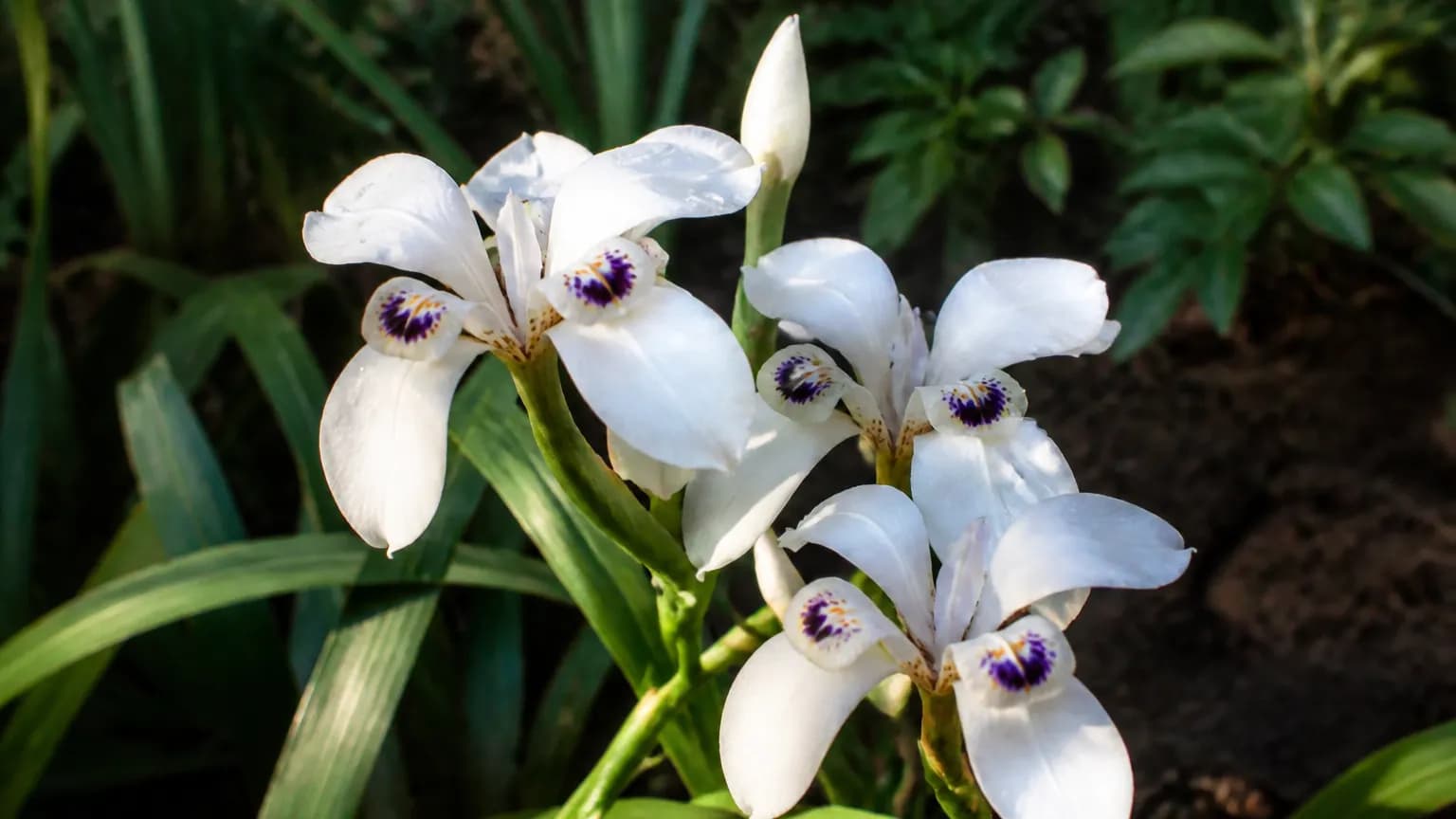
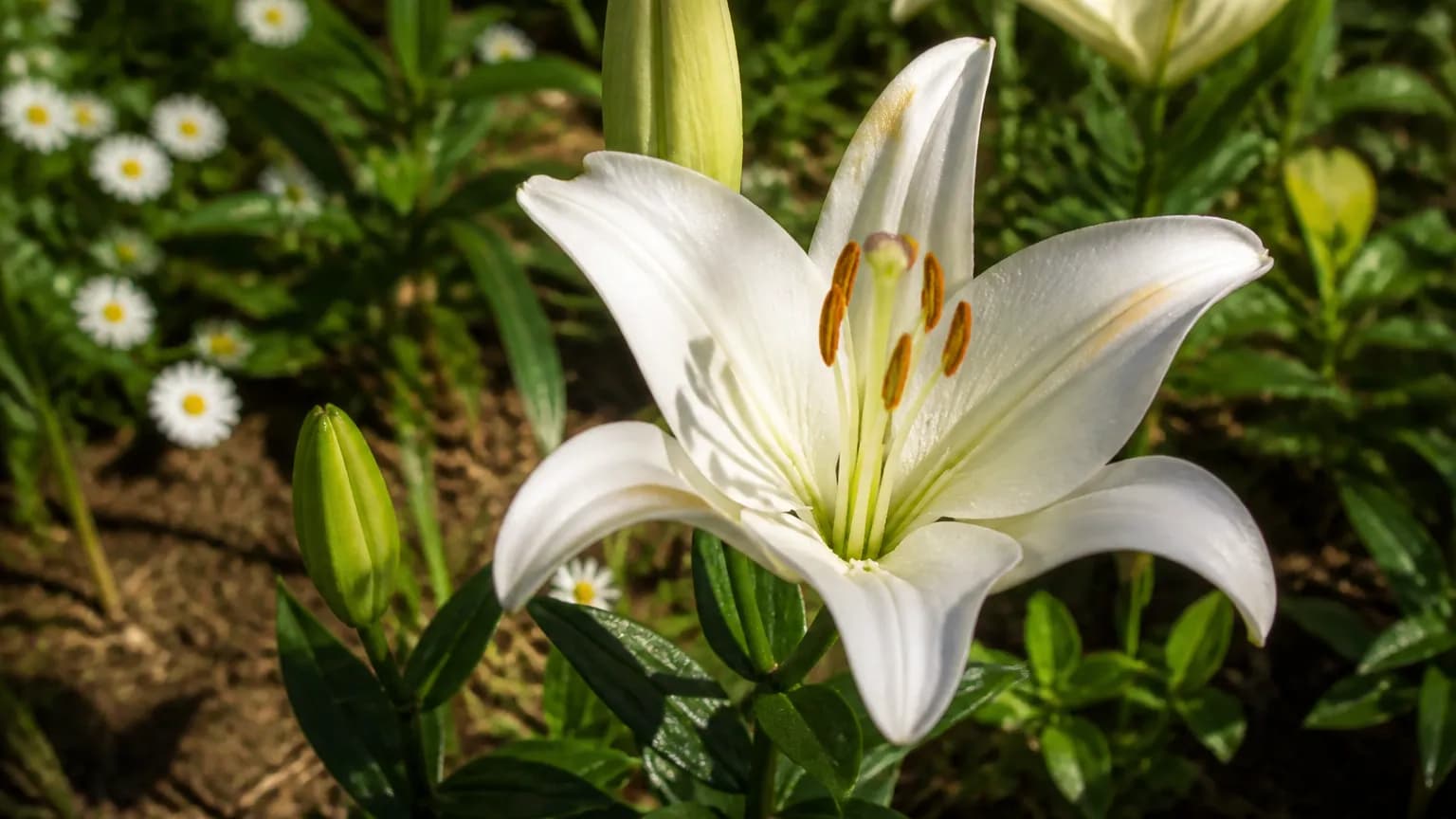
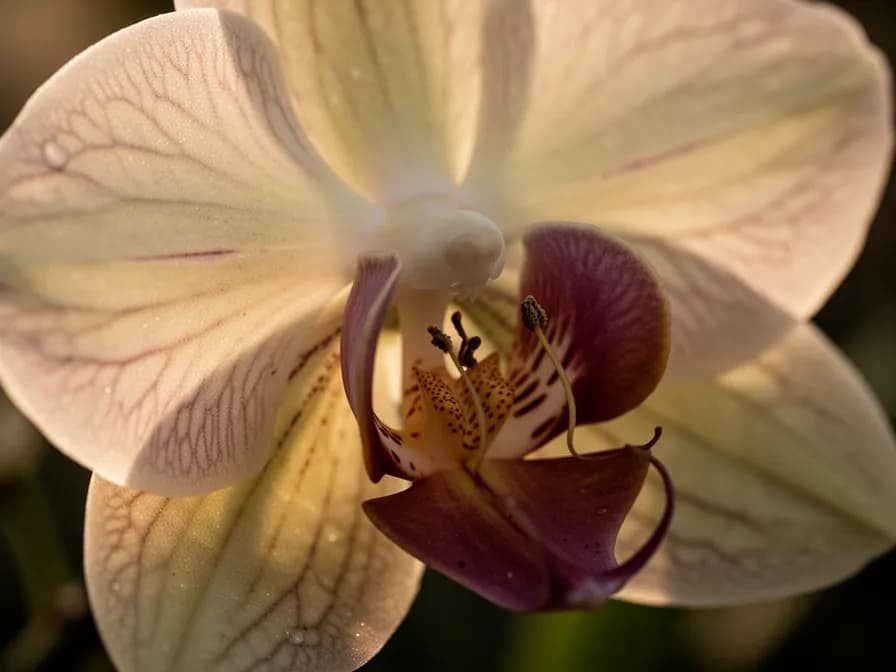
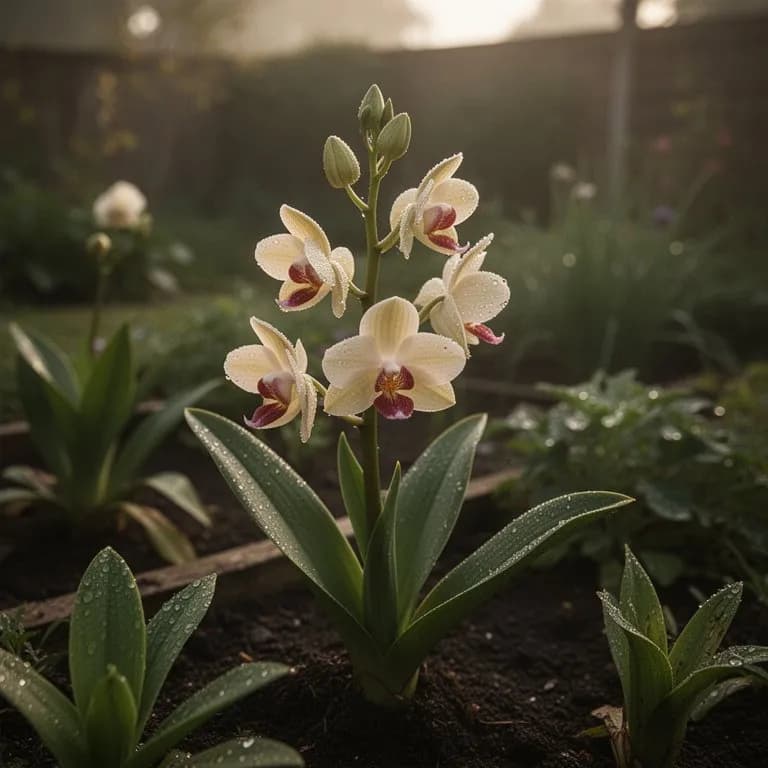
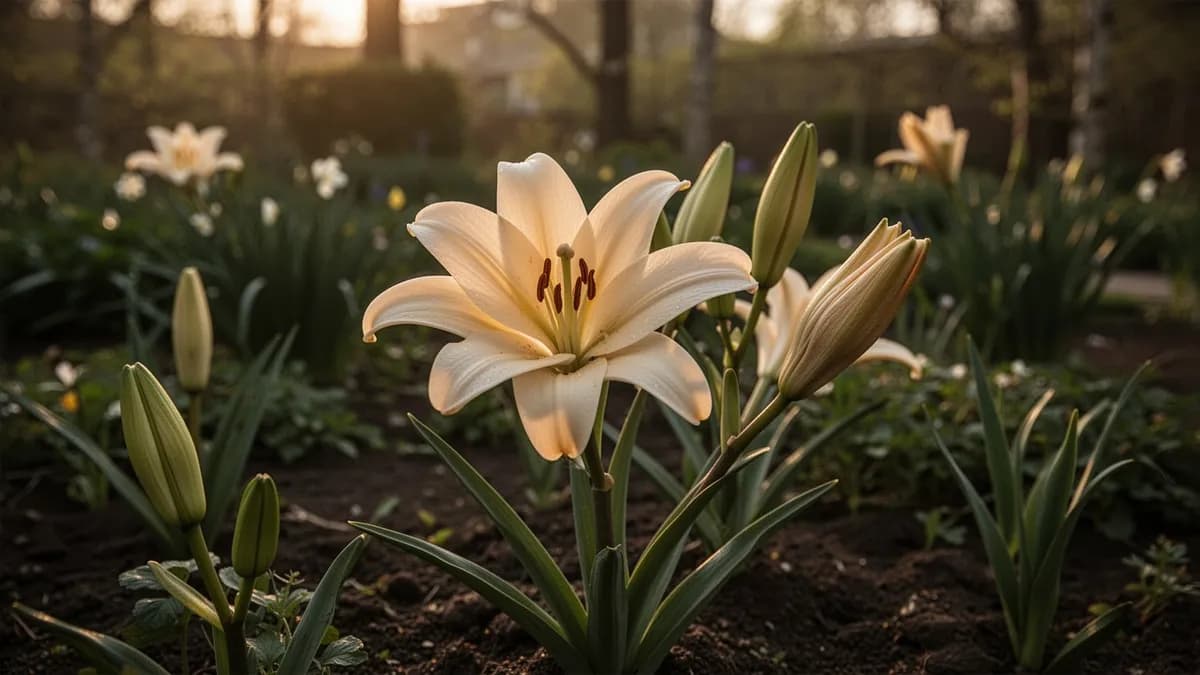
A graceful bulb with nodding, fragrant white flowers marked by deep maroon-purple blotches at the center, blooming in late summer.





On this pageOverview
Meet Peacock Orchid
A graceful bulb with nodding, fragrant white flowers marked by deep maroon-purple blotches at the center, blooming in late summer. Peacock orchid thrives in warm, sheltered spots and must be lifted and stored over winter in cold climates. Plant in groups of ten or more for a stunning, sweet-scented display.
When to plant Peacock Orchid
Peacock orchid is propagated primarily from corms rather than seed. Small cormlets produced around the mother corm can be grown on to flowering size in two to three years. Plant cormlets one to two inches deep in a nursery bed or deep containers with well-drained potting mix. Grow on with regular feeding through the season, lifting and storing each winter. Seeds can be sown in spring but take four to five years to reach flowering size.
Your Peacock Orchid Year
Composed for Zone 7 · typical seasons · frost passes Apr 2, returns Nov 1
Plant Peacock Orchid Apr – May, pick Aug – Sep. Check the planting methods below and set your climate to personalize these windows.
How to grow Peacock Orchid
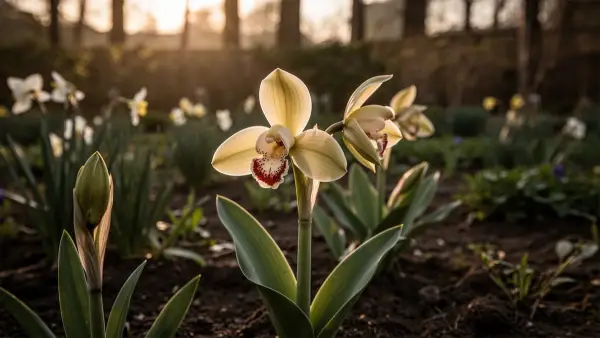
Plant peacock orchid corms in spring after all danger of frost has passed, setting them three to four inches deep and four to six inches apart in rich, well-drained soil. Choose a sheltered location in full sun, ideally against a south-facing wall where the reflected heat will encourage strong growth and prolific flowering. In zones below 7, start corms indoors in pots four to six weeks before the last frost to extend the growing season.
Water regularly during active growth, keeping the soil consistently moist but never waterlogged. Feed every two weeks with a dilute liquid fertilizer high in potassium once flower buds begin to form. Staking is rarely needed as the graceful stems are surprisingly sturdy despite their slender appearance.
In cold climates, dig corms after the first light frost has blackened the foliage. Cut the stems to two inches, brush off excess soil, and cure in a warm, dry location for two weeks. Store over winter in mesh bags filled with dry peat moss at 50 to 60 degrees Fahrenheit, checking monthly for signs of rot or desiccation.
200 plants fit a 4 × 8 ft bed
Each Peacock Orchid wants 12 cm of elbow room. The planner keeps that spacing for you — every plant, every bed.
Peacock Orchid's best neighbours
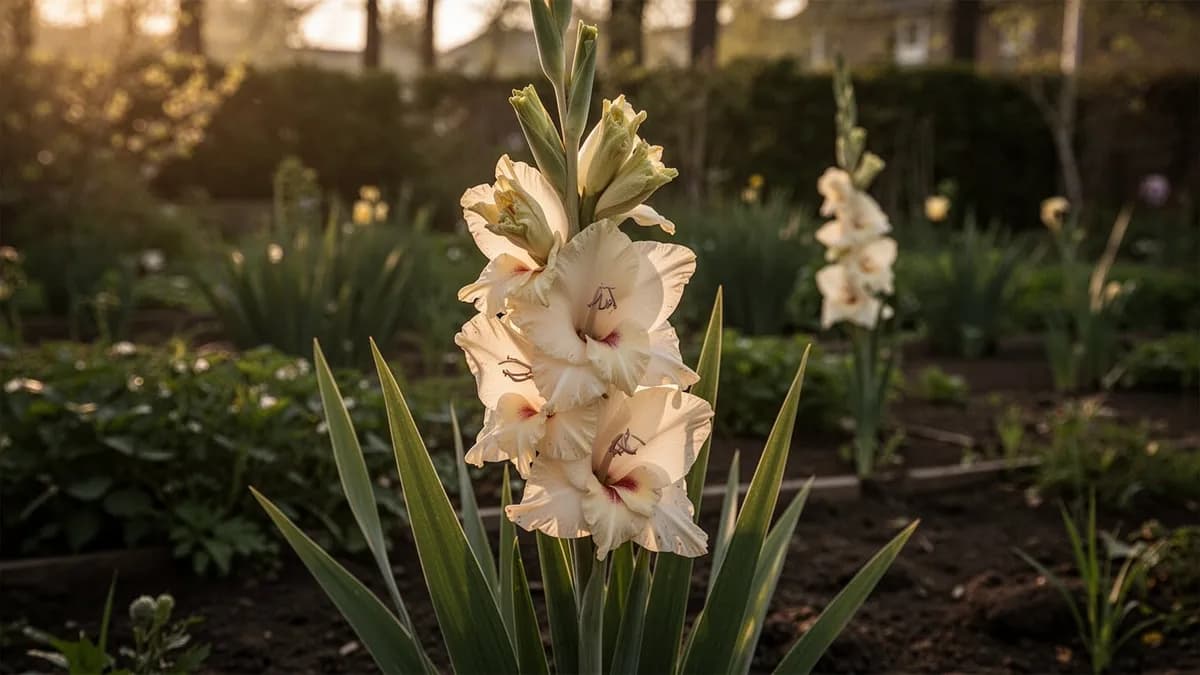
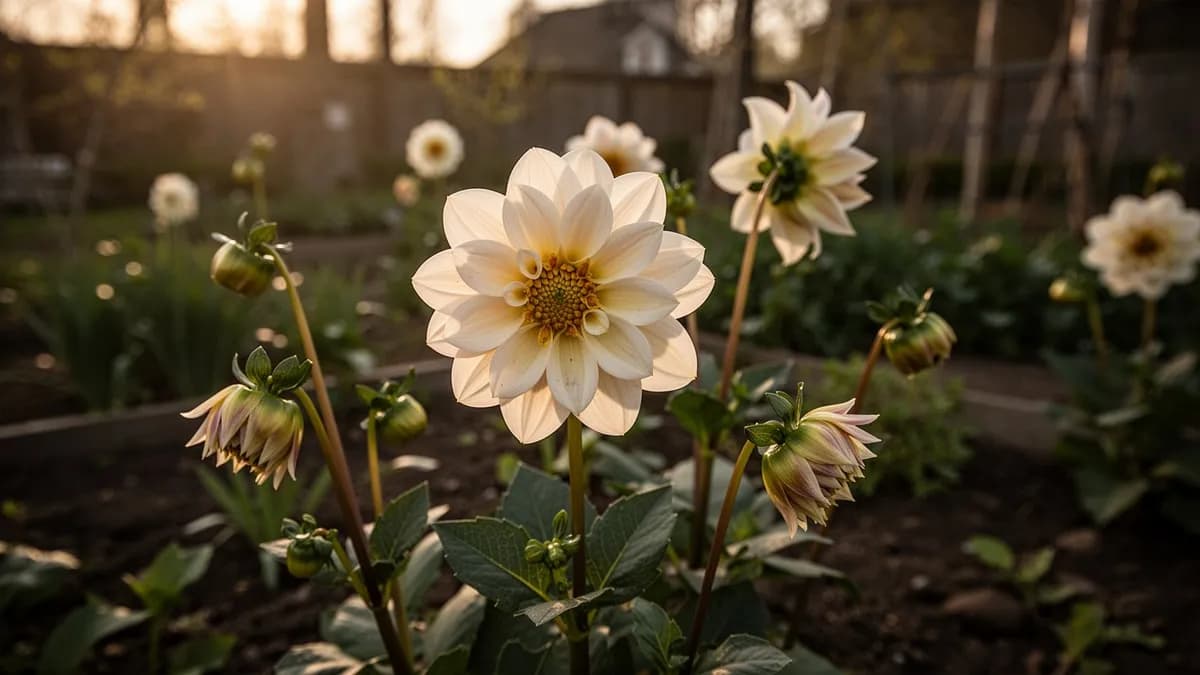
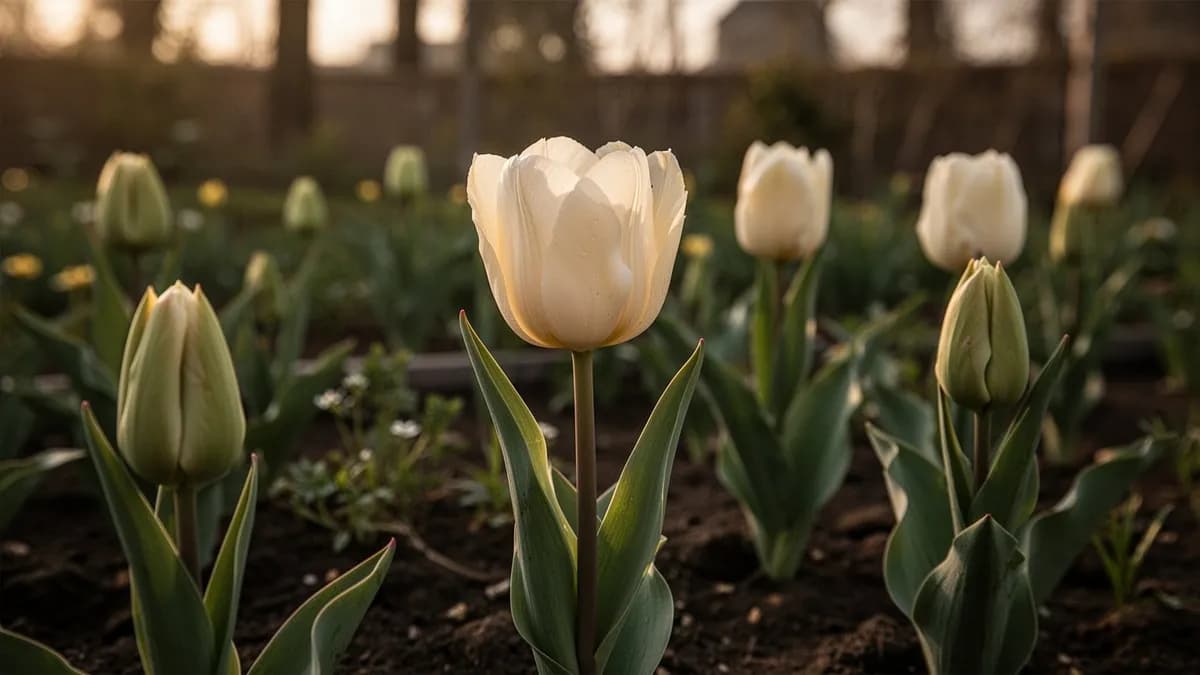
Peacock orchid pairs beautifully with other late-summer bloomers such as dahlias, gladiolus, and ornamental grasses that provide textural contrast. Plant in front of dark-leaved cannas or purple-foliage shrubs to highlight the white flowers. The fragrant blooms complement evening garden settings near patios and seating areas. Avoid planting near aggressive spreaders that might crowd out the delicate corms.
Gladiolus belongs beside it.
Old growers' knowledge, checked against Peacock Orchid's real companion table below — test any plant you're growing.
Try Peacock Orchid in a bed — right here
A real planner bed with Peacock Orchid already in it. Tap a companion to place it and watch the pairing checks answer — green for good neighbours, red for a clash.


Related growing guides
Feed it well
Peacock orchid thrives in fertile, humus-rich soil with excellent drainage and a pH of 6.0 to 7.0. Amend heavy clay with coarse sand and compost before planting. Apply a balanced granular fertilizer at planting time and switch to a high-potassium liquid feed every two weeks once buds appear. Avoid heavy nitrogen which promotes foliage at the expense of flowers. Mulch lightly with compost to conserve moisture during the growing season.
Ideal Temperature
Hardiness Zone Compatibility
From seed to harvest, stage by stage
Corm Planting
Acidanthera corms are planted in spring once all danger of frost has passed and soil temperatures have reached at least 15°C. Corms should be placed 10–15 cm deep and 10–15 cm apart in well-drained, fertile soil. In regions with short growing seasons (fewer than 120 frost-free days), corms can be started indoors in pots 4–6 weeks before the last expected frost date to extend the growing period. The corm contains stored energy from the previous growing season, and root initiation begins within 7–14 days when soil moisture and warmth are adequate.
Shoot Emergence
The first narrow, sword-shaped leaves push through the soil surface approximately two to three weeks after planting. Growth is initially slow as the root system establishes below ground, with the developing roots reaching 15–20 cm in length. The emerging shoots are pale green and gradually darken as chlorophyll production increases with light exposure. During this phase, the corm draws heavily on its stored carbohydrate reserves while simultaneously developing a new root plate that will sustain the plant through the growing season.
Vegetative Growth
The plant enters a vigorous growth phase, producing 6–8 narrow, pleated leaves that can reach 60–90 cm in height. The foliage grows in a fan-like arrangement characteristic of the Iridaceae family. During this period, the plant is actively photosynthesizing and channeling energy into developing the new replacement corm and small cormels at the base. The root system expands significantly, anchoring the tall foliage against wind. Adequate nutrition during this stage directly influences the number and quality of flower spikes produced later.
Flower Spike Development
A slender flower spike emerges from the center of the leaf fan, elongating over several weeks to reach 90–120 cm in total height. The spike carries 4–8 flower buds arranged alternately along the upper portion, each enclosed in a green spathe. As the buds mature, they swell noticeably and the spathe begins to split, revealing the white petal edges beneath. The spike often develops a graceful arching habit, giving the plant its characteristic elegant silhouette. This stage requires consistent moisture and adequate phosphorus to ensure strong bud development.
Flowering
The flowers open sequentially from the bottom of the spike upward, with each individual bloom lasting 3–5 days. Each flower is approximately 5–8 cm across, with six pointed white tepals and a striking deep maroon-purple blotch at the throat. The blooms emit a sweet, jasmine-like fragrance that is strongest in the evening, attracting nocturnal pollinators such as hawk moths. A single spike typically remains in flower for 2–3 weeks as successive buds open. In warm climates, flowering occurs from mid to late summer; in cooler regions with indoor starts, blooms may appear from late summer into early autumn.
Corm Ripening and Dormancy
After flowering, the foliage remains green for 6–8 weeks as the plant channels remaining energy into the replacement corm and developing cormels. The leaves gradually yellow and die back naturally as temperatures cool and day length shortens. The new corm, which has formed on top of the original planted corm, reaches full size and develops a protective papery tunic. In USDA zones 7 and below, corms must be lifted before the first hard frost and stored in a cool, dry location for replanting the following spring. In zones 8–10, corms may be left in the ground with a protective mulch layer.
Plant corms with the pointed end facing upward. Ensure the planting site receives full sun for at least 6–8 hours daily. Water lightly after planting and avoid overwatering until shoots emerge, as soggy conditions can cause corm rot.
Caring for Peacock Orchid month by month
What to do each month for your Peacock Orchid
October
You are hereFoliage yellows and dies back naturally. In zones 7 and below, lift corms after the first light frost. Cure lifted corms in a warm, dry area for one to two weeks. In zones 8–10, apply a 10–15 cm layer of protective mulch over the planting area.
Know exactly what to do in your garden — every month
One email at the start of each month: what to sow, plant, and tackle right now — for your Peacock Orchid and everything growing around it. Plus a short starter course that helps you dodge the classic mistakes.
- What to do, right now
- Matched to your season
- Starter course included
Harvesting Peacock Orchid
Cut peacock orchid stems for arrangements when the lowest flower on the spike has just opened and the upper buds are still closed. Cut in the early morning or late evening, placing stems immediately in lukewarm water. Remove any foliage that would sit below the waterline. The intensely sweet fragrance makes even a few stems highly effective in indoor arrangements, and blooms typically last five to seven days in a vase.
assuming you plant when the window opens — set your real date
From bulbs, tubers or cloves
Pick Peacock Orchid promptly and the plant keeps producing.
Storage & Preservation
Peacock orchid flowers do not dry well but the corms store successfully over winter. After lifting, cure corms in a warm, airy location for two to three weeks until the outer skin is papery. Remove the spent mother corm from the base and separate any small cormlets for growing on. Store in paper bags or mesh sacks with dry peat at 50 to 60 degrees Fahrenheit. Check monthly and discard any corms showing soft spots or mold.
What goes wrong — and the fix
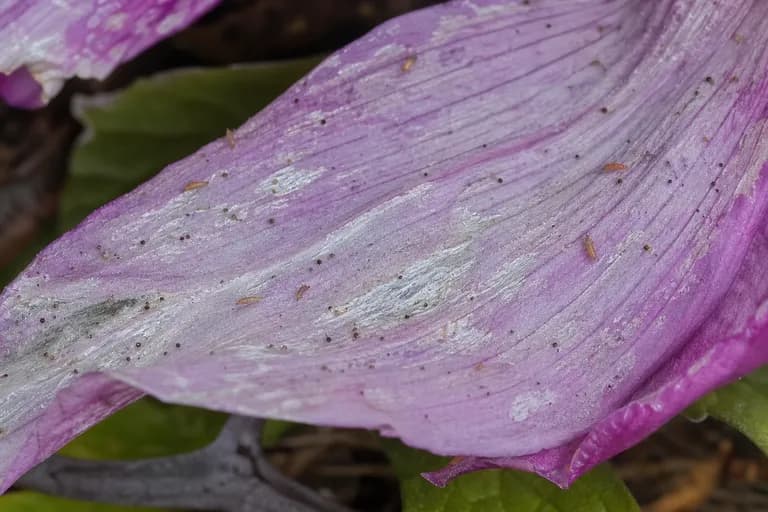
Thrips
PestSilver streaking on leaves and flower petals, distorted buds that fail to open properly, tiny dark insects visible in flower folds.
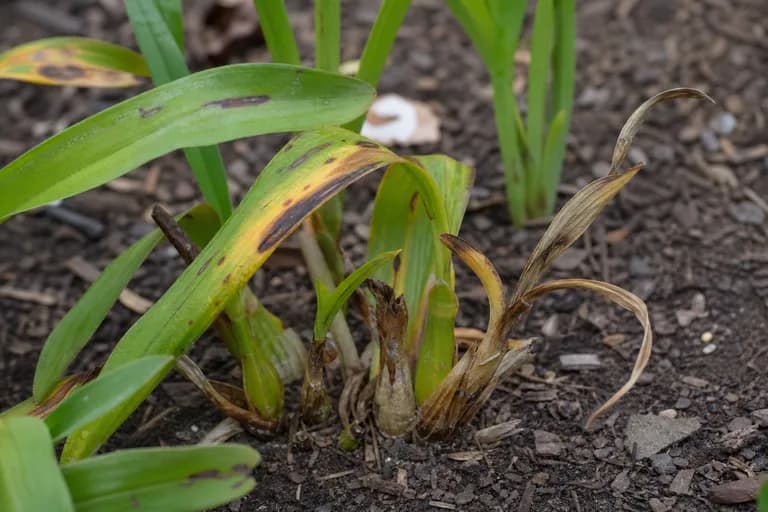
Fusarium Corm Rot
DiseaseBrown, sunken lesions on stored corms, yellowing and wilting of foliage during the growing season, stunted growth.
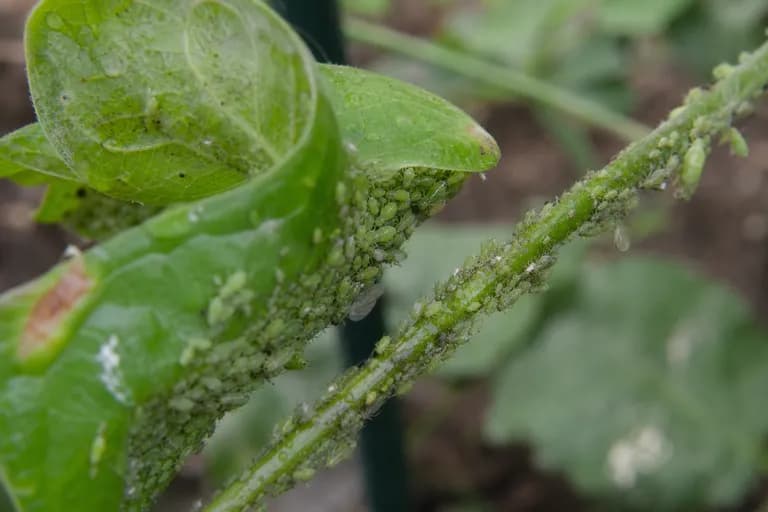
Aphids
PestClusters of small green insects on young shoots and flower buds, sticky honeydew residue, distorted new growth.
Troubleshooting Common Problems
The most frequent issue is failure to flower, usually caused by planting too late in the season or using undersized corms that need another year to reach blooming size. Cold, wet springs can delay emergence and cause corm rot before growth begins. In windy sites, the tall flower stems may lean or topple, though they rarely snap. Corms left in the ground in zones below 7 will not survive winter freezes.
Growing Tips
- Plant corms 10–15 cm deep and 10–15 cm apart in groups of at least 10–15 for the most visually impactful display. Scattered single plantings tend to look sparse and fail to create the dramatic effect this plant deserves.
- Start corms indoors in pots 4–6 weeks before your last frost date if your growing season is shorter than 120 days. This gives plants a head start and ensures flowers open before autumn frost arrives.
- Choose a planting location in full sun with at least 6–8 hours of direct sunlight daily. Acidanthera will tolerate light afternoon shade in hot climates, but flowering is reduced in anything less than full sun conditions.
- Ensure excellent drainage by amending heavy clay soils with generous amounts of coarse sand, perlite, or aged compost. Corms sitting in waterlogged soil are highly susceptible to fusarium rot and basal plate disease.
- Apply a balanced liquid fertilizer every 2–3 weeks during the growing season, switching to a high-phosphorus formula when the flower spike begins to emerge to support strong bud development and vivid flower coloring.
- Position plants near patios, seating areas, or open windows to take full advantage of the intoxicating evening fragrance. The sweet scent carries well on warm evening air and is strongest between dusk and midnight.
- In zones 7 and below, lift corms after the first light frost has killed the foliage. Cure them in a warm, well-ventilated spot for one to two weeks, then store in paper bags with dry peat moss or vermiculite at 10–15°C over winter.
- Deadhead spent flowers promptly but leave the green foliage intact for at least six weeks after the last bloom. The leaves are actively producing carbohydrates that fuel next year's replacement corm and cormel development.
- Combine Acidanthera with late-summer companions such as ornamental grasses, Russian sage, agastache, and low-growing sedums. The upright, airy habit of Acidanthera contrasts beautifully with mounding and flowing plant forms.
- Rotate planting locations every 2–3 years to reduce the risk of soil-borne diseases, particularly fusarium wilt and gladiolus rust. Avoid planting in beds that have recently grown other members of the Iridaceae family.
Grow your best Peacock Orchid yet — and everything around it.
Start a free plan today. Lay out your beds, drop in your Peacock Orchid, and let PlotMyGarden handle the timing, spacing, companions and reminders from seed to harvest basket.
Pick your Peacock Orchid
Murielae
The standard species with pure white petals marked by dramatic deep maroon-purple blotches, intensely fragrant and reaching two to three feet tall.
Zwanenburg
A vigorous selection with slightly larger flowers and stronger stems, excellent for cut flower production and garden display.
A pack of 25 Acidanthera corms typically costs between $8 and $15, and each corm produces 3–5 small cormels annually. Within three to four years, your original investment can multiply into 100 or more flowering-sized corms through natural propagation. Compared to purchasing premium cut flowers at $4–6 per stem from florists, a well-established Acidanthera patch producing 50–75 stems per season delivers $200–450 worth of exquisite, fragrant cut flowers each year, making it one of the most cost-effective summer-flowering bulbs for home gardeners.
Quick recipes
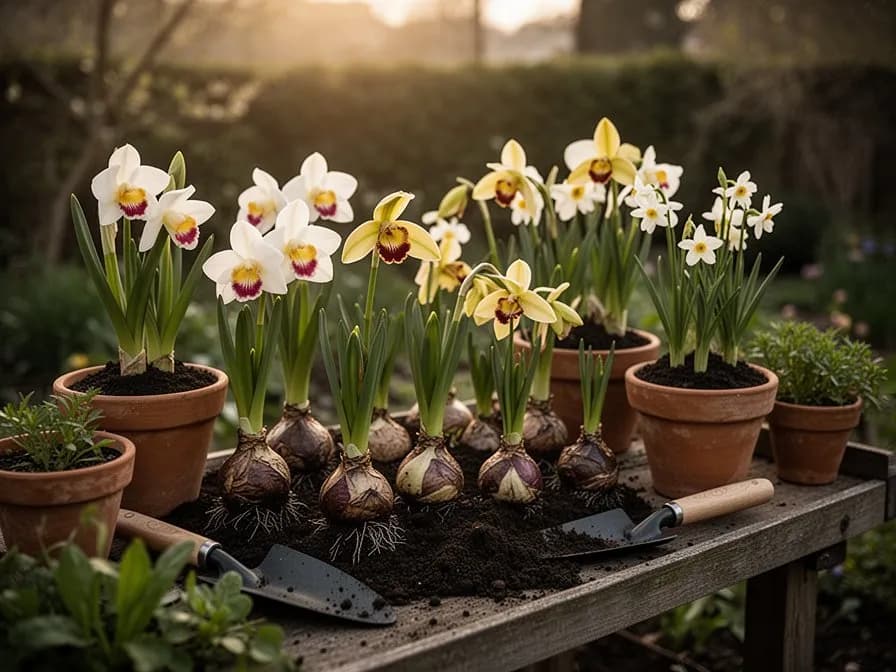
Fragrant Summer Bouquet Arrangement
15 minutesCreate a stunning and fragrant floral arrangement by combining freshly cut Acidanthera stems with complementary garden flowers. The sweet evening scent of Acidanthera pairs beautifully with roses and lavender for a romantic, perfumed display that fills an entire room with fragrance.
5 ingredientsDried Acidanthera Petal Potpourri
20 minutes active, 2 weeks dryingPreserve the delicate fragrance of Acidanthera by creating a natural potpourri from dried petals. The flowers retain a subtle sweet scent when dried and blend beautifully with other aromatic botanicals for sachets, bowls, or decorative displays throughout the home.
6 ingredientsPressed Acidanthera Flower Art
10 minutes active, 3–4 weeks pressingThe elegant star-shaped blooms of Acidanthera press beautifully due to their relatively flat flower structure and create stunning botanical art. The contrasting white petals and dark throat markings are preserved through pressing, making them ideal for framed artwork, greeting cards, or resin jewelry.
5 ingredientsWhat's inside
Health Benefits
- The sweet, jasmine-like fragrance of Acidanthera flowers has been associated with stress reduction and improved mood when used in garden settings and fresh-cut arrangements.
- Gardening activities involved in growing Acidanthera, including planting, weeding, and tending, provide moderate physical exercise that supports cardiovascular health and joint flexibility.
- The calming evening fragrance encourages time spent outdoors in the garden during late-summer evenings, promoting relaxation and improved sleep quality.
- Growing ornamental bulbs like Acidanthera fosters a sense of accomplishment and purpose, which studies have linked to improved mental well-being and reduced symptoms of anxiety.
- Tending a cutting garden that includes Acidanthera encourages regular outdoor activity and exposure to natural light, supporting vitamin D synthesis and circadian rhythm regulation.
- The process of lifting, storing, and replanting corms each year engages fine motor skills and seasonal planning, providing cognitive stimulation that benefits brain health across all age groups.
Where Peacock Orchid comes from
Acidanthera, now officially classified as Gladiolus murielae, is native to the mountainous regions of eastern Africa, particularly the highlands of Ethiopia, Eritrea, Malawi, Mozambique, Tanzania, and Zimbabwe. The plant thrives naturally in rocky grasslands and along stream margins at elevations between 1,500 and 2,500 meters, where it experiences a pronounced wet-dry seasonal cycle. Indigenous communities in these regions have long appreciated the plant for its striking beauty and sweet fragrance, occasionally incorporating the flowers into ceremonial and decorative uses. The species was first introduced to Western horticulture in the mid-nineteenth century when Scottish botanist John Hutton Balfour formally described it in 1844 under the genus Acidanthera, a name derived from the Greek words for pointed anther. The plant quickly gained popularity among Victorian-era gardeners, who cultivated it in heated greenhouses and conservatories across Britain and continental Europe. A hand-colored illustration appeared in Curtis's Botanical Magazine in 1896, further cementing its reputation as an exotic garden treasure. The specific epithet murielae honors Muriel Erskine, a plant collector who gathered specimens in East Africa during the early twentieth century. Throughout the twentieth century, taxonomists debated the plant's classification, eventually merging the genus Acidanthera into Gladiolus based on molecular and morphological evidence. Despite this reclassification, the name Acidanthera persists in horticultural commerce and among gardeners worldwide. Hybridizers have worked with the species to develop cultivars with larger flowers, stronger stems, and improved cold tolerance, broadening its range of cultivation from tropical and subtropical gardens to temperate regions where corms are lifted and stored over winter. Today, Acidanthera is celebrated globally as one of the most elegant and fragrant summer-flowering bulbs, valued equally in garden borders, container plantings, and as a superb cut flower.
Peacock Orchid: did you know?
Fascinating facts about Peacock Orchid
Despite being commonly called the peacock orchid, Acidanthera is not an orchid at all — it belongs to the iris family (Iridaceae) and is closely related to gladiolus.
Peacock Orchid questions, answered
When should I plant Peacock Orchid?
What are good companion plants for Peacock Orchid?
What hardiness zones can Peacock Orchid grow in?
How much sun does Peacock Orchid need?
How far apart should I space Peacock Orchid?
What pests and diseases affect Peacock Orchid?
How do I store Peacock Orchid after harvest?
What are the best Peacock Orchid varieties to grow?
What soil does Peacock Orchid need?
Is Acidanthera the same as gladiolus?
Can Acidanthera survive winter outdoors?
Why are my Acidanthera plants not flowering?
How do I propagate Acidanthera?
Are Acidanthera flowers good for cutting?
What pests and diseases affect Acidanthera?
You just read the theory. Now grow it on autopilot.
Everything that makes Peacock Orchid fiddly — the timing, the spacing, the companions, the harvest window — is exactly what PlotMyGarden handles for you, for every plant in your garden.
A plan that knows your weather
Set your location once. Get sow, feed and harvest dates built around your real last-frost date and live forecast — no more guessing from a generic seed packet.
From the “When to plant” sectionDrag-and-drop bed planner
Design beds on a grid. Every plant snaps to its proper spacing, and you can see your whole season laid out before you spend a cent on seed.
From the “Growing guide” sectionCompanion conflicts, caught early
200+ good-and-bad pairings checked live as you plant — so a season-wrecking mistake never makes it into the ground.
From the “Companions” sectionReminders you'll actually act on
“Water the beans.” “Pick today before it turns.” Timely, specific, and tied to the plants you're really growing.
From the “Harvest” sectionSuccession, scheduled
Want a harvest for six weeks, not six days? It spaces your sowings automatically and reminds you when each new block is due.
From the “When to plant” sectionA record that gets smarter
Every harvest you log teaches it your garden. Next year's plan starts from what actually worked in your soil, not a textbook's.
From the “Overview” sectionPlant these alongside Peacock Orchid
More Bulbs
Grow your best Peacock Orchid yet — and everything around it.
Start a free plan today. Lay out your beds, drop in your Peacock Orchid, and let PlotMyGarden handle the timing, spacing, companions and reminders from seed to harvest basket.