Tomate Pera Amarillo
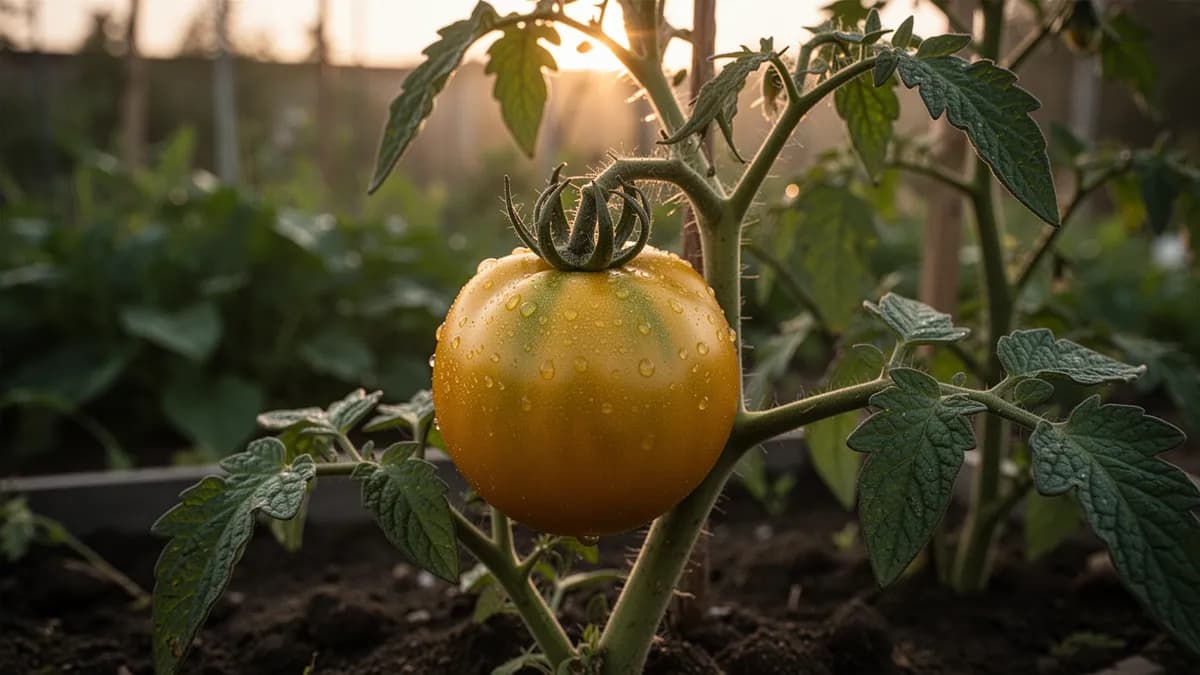
El tomate Pera Amarillo (Solanum lycopersicum) es una variedad reliquia documentada desde el siglo XVIII, apreciada por sus pequeños frutos en forma de pera de color amarillo brillante con un sabor suave, dulce y ligeramente afrutado.





En esta páginaResumen
Conoce Tomate Pera Amarillo
El tomate Pera Amarillo (Solanum lycopersicum) es una variedad reliquia documentada desde el siglo XVIII, apreciada por sus pequeños frutos en forma de pera de color amarillo brillante con un sabor suave, dulce y ligeramente afrutado. Es una planta extremadamente productiva y vigorosa que produce centenares de frutos durante toda la temporada.
Cuándo plantar Tomate Pera Amarillo
Sembrar en interior 6-8 semanas antes de la última helada en bandejas con sustrato para semilleros a 5 mm de profundidad. Mantener temperatura constante de 22-27 °C para germinación en 7-14 días. Trasplantar a macetas individuales cuando aparezcan las hojas verdaderas y endurecer progresivamente durante una semana antes de llevar al huerto.
Tu año de Tomate Pera Amarillo
Ajustado a Zona 7 · temporada típica · la helada se va hacia el 2 abr y vuelve hacia el 1 nov
Planta Tomate Pera Amarillo Feb – May y cosecha Jul – Sep. Consulta los métodos de plantación y elige tu clima para adaptar los periodos.
Cómo cultivar Tomate Pera Amarillo
El tomate Pera Amarillo es una variedad indeterminada muy vigorosa que puede alcanzar 2-2,5 metros de altura y requiere tutores robustos y pleno sol con al menos 6-8 horas de luz directa. Trasplante al exterior cuando las temperaturas nocturnas superen los 10 °C, dejando 60-70 cm entre plantas.
El riego debe ser regular y por goteo para mantener la humedad constante del suelo sin excesos que provoquen agrietamiento de los frutos. Pode los chupones laterales de forma moderada, permitiendo 2-3 tallos principales para maximizar la producción. Esta variedad es especialmente vigorosa y tiende a expandirse en todas direcciones, por lo que es fundamental guiar y atar los tallos regularmente.
Aplique fertilizante equilibrado cada dos semanas durante el crecimiento y reduzca el nitrógeno al iniciar la fructificación para evitar un exceso de follaje. Coloque acolchado orgánico alrededor de la base para conservar la humedad y prevenir enfermedades por salpicaduras del suelo al follaje.
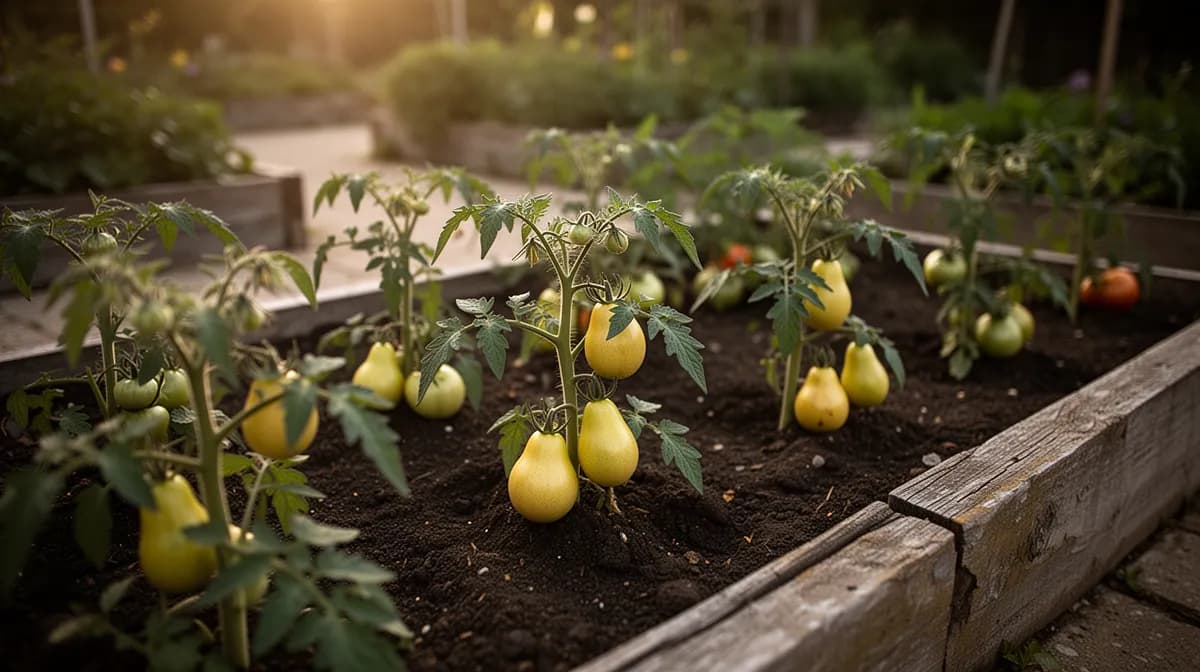
8 plantas caben en un bancal de 120 × 240 cm
Cada Tomate Pera Amarillo pide 60 cm de margen. El planificador guarda ese marco por ti — cada planta, cada bancal.
Los mejores vecinos de Tomate Pera Amarillo
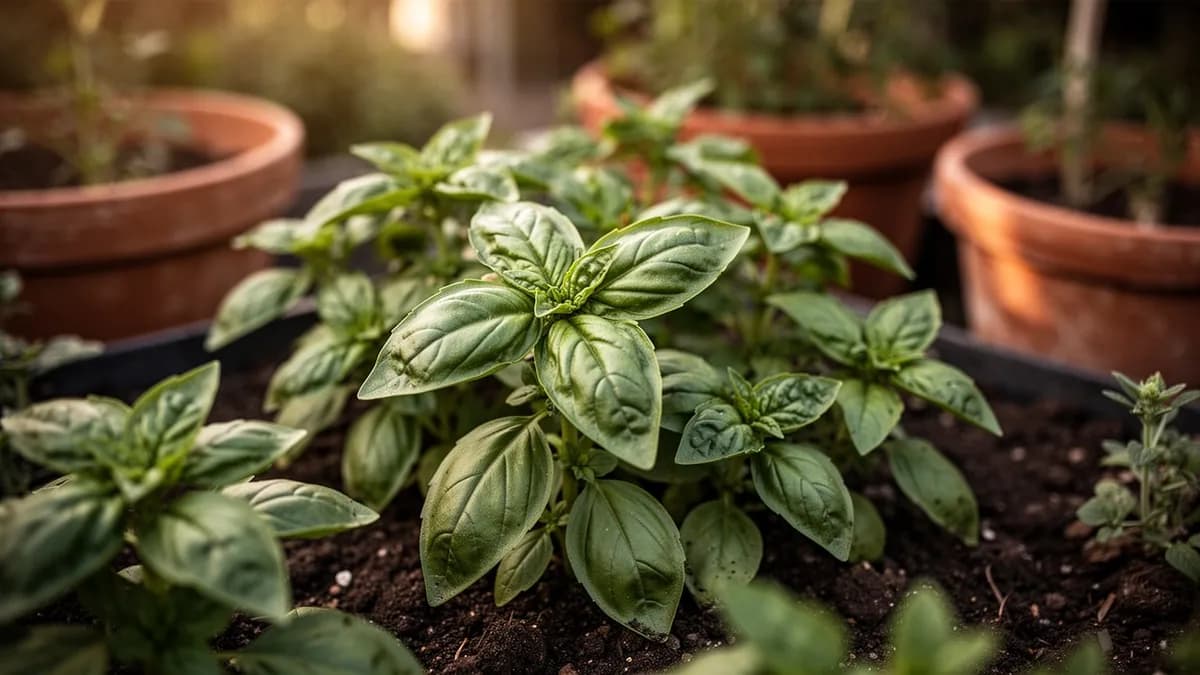
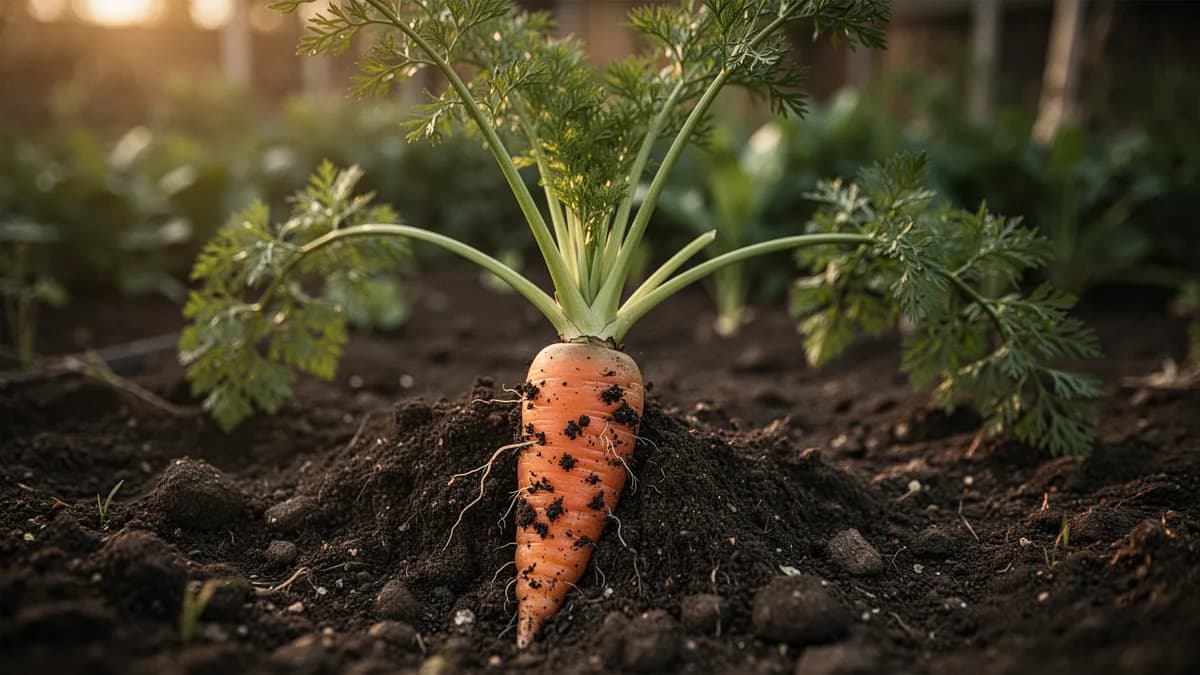
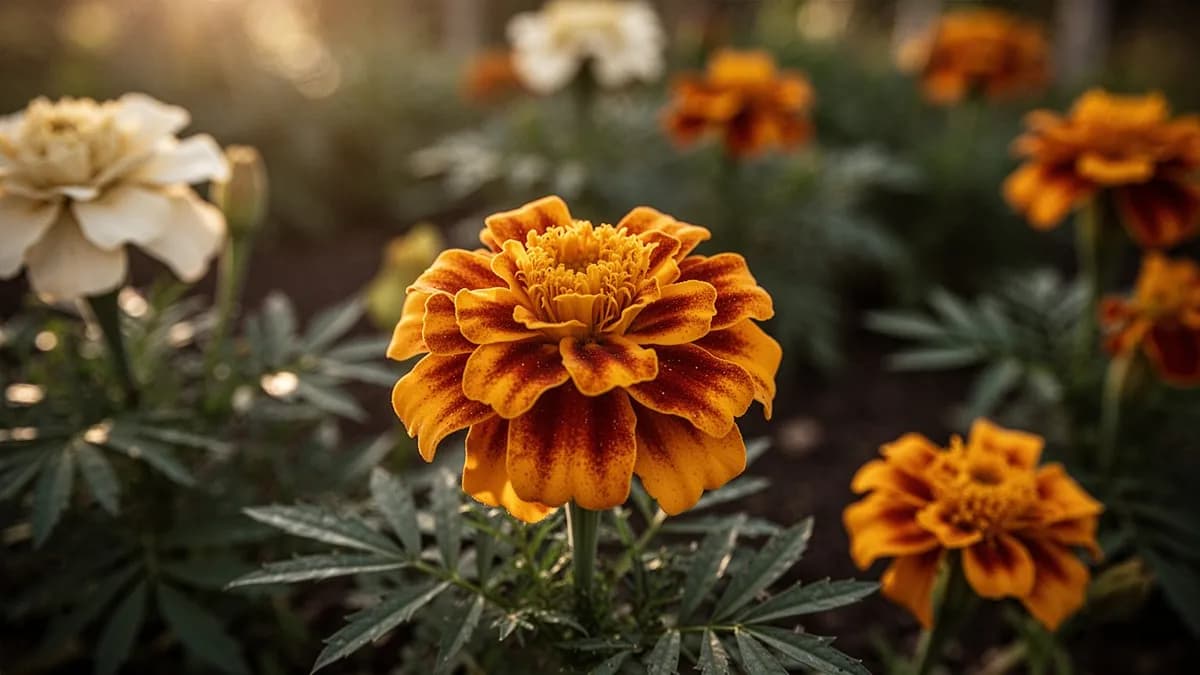
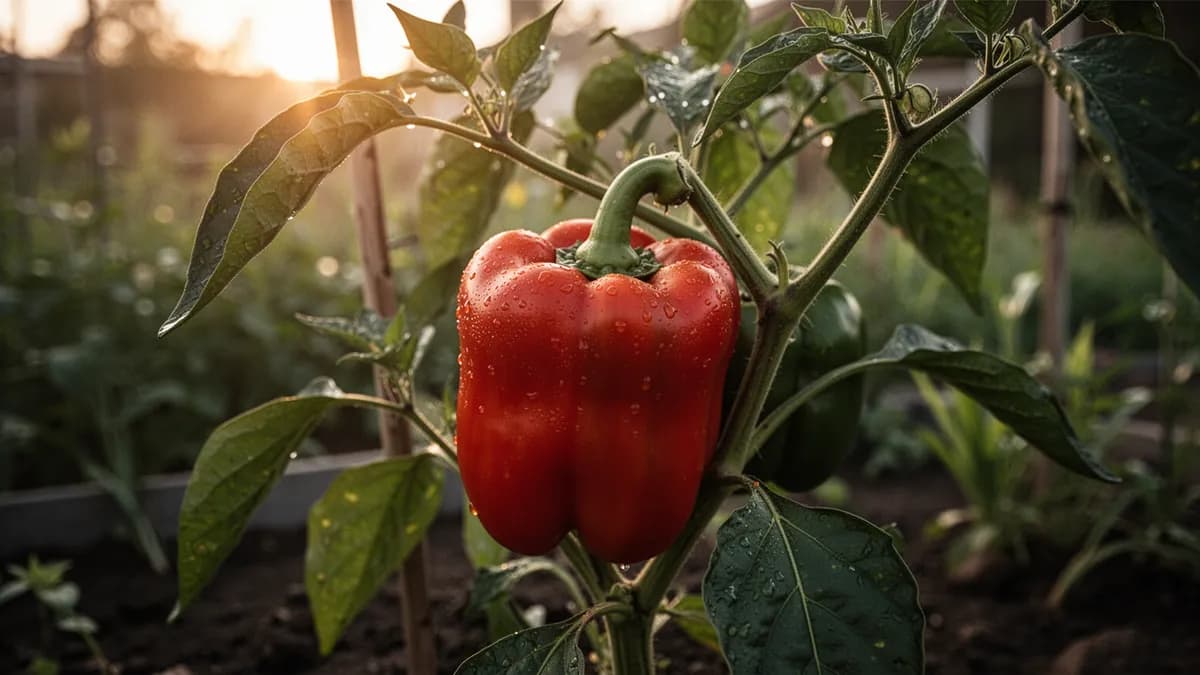
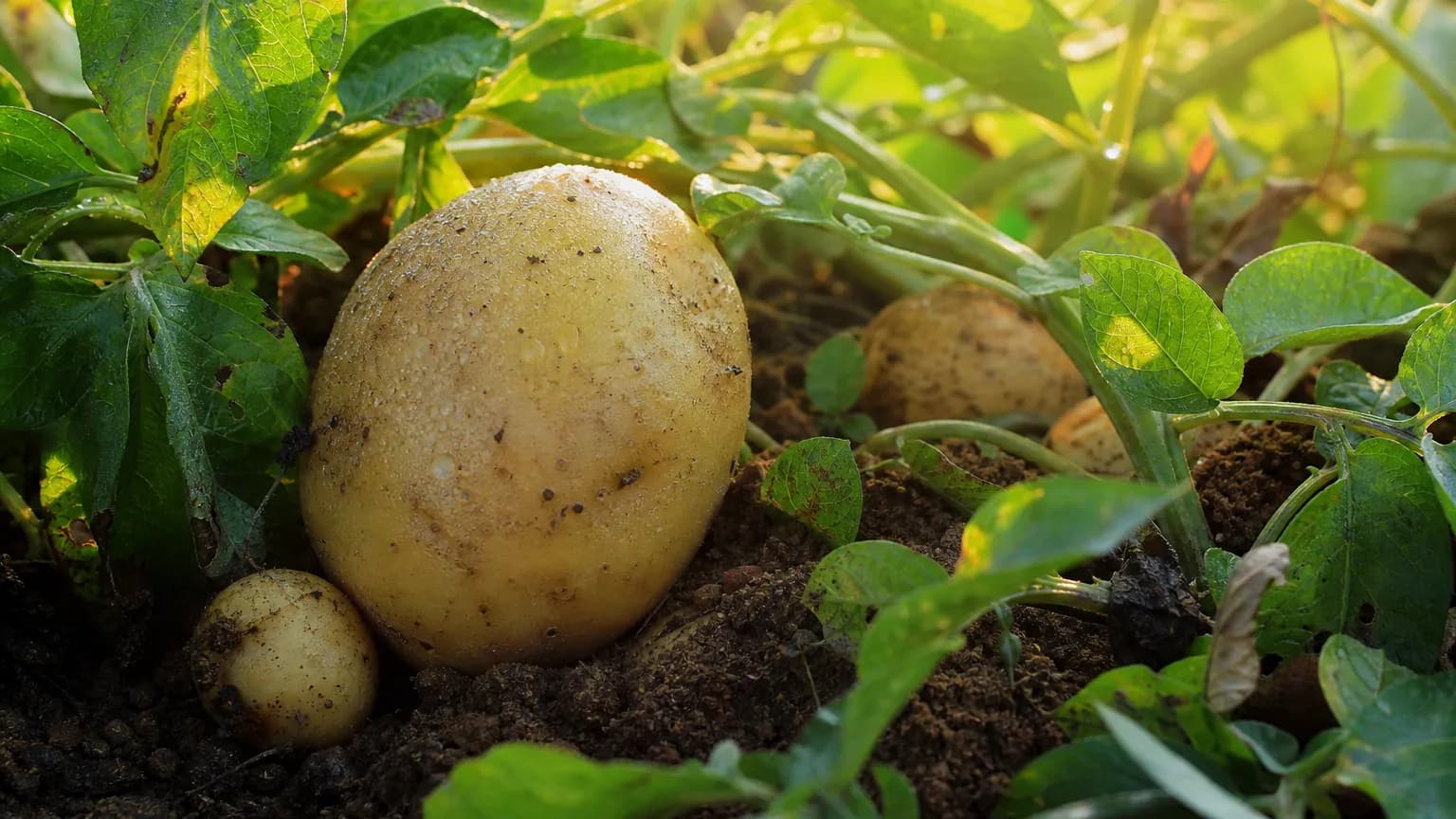
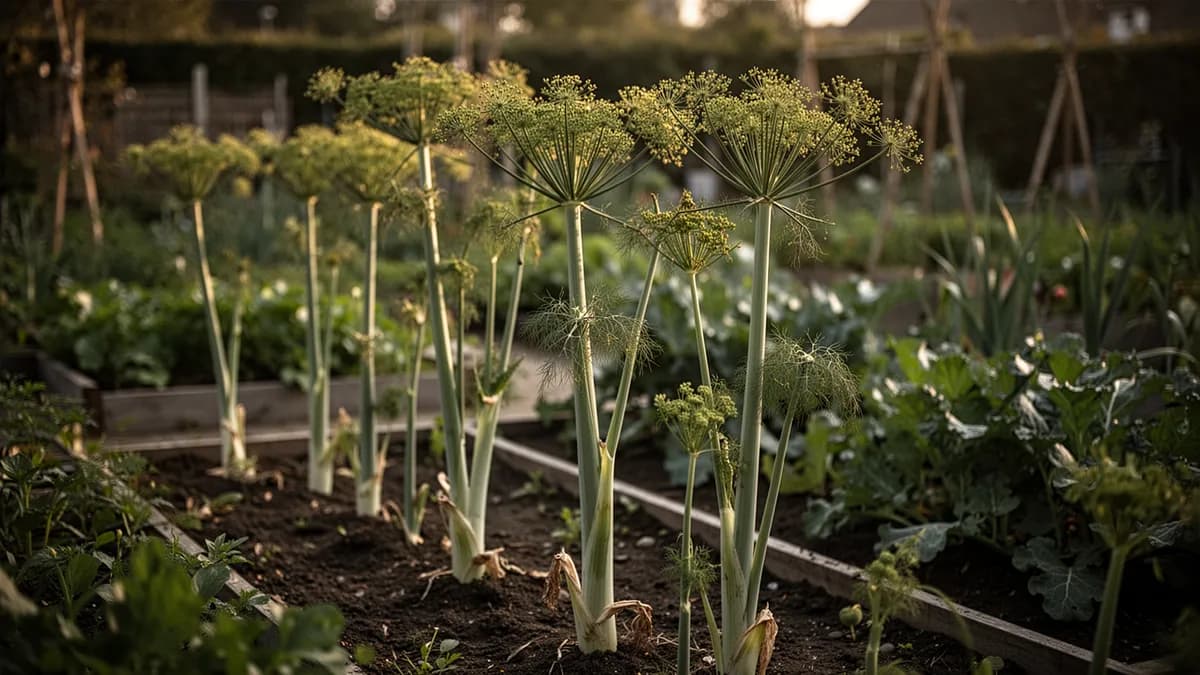
La albahaca y las zanahorias son sus compañeras ideales, formando una asociación clásica que repele plagas y mejora la salud general del cultivo. Los tagetes y las caléndulas atraen polinizadores y repelen nematodos del suelo, mientras que debe evitarse la cercanía con hinojo, eneldo maduro y patatas.
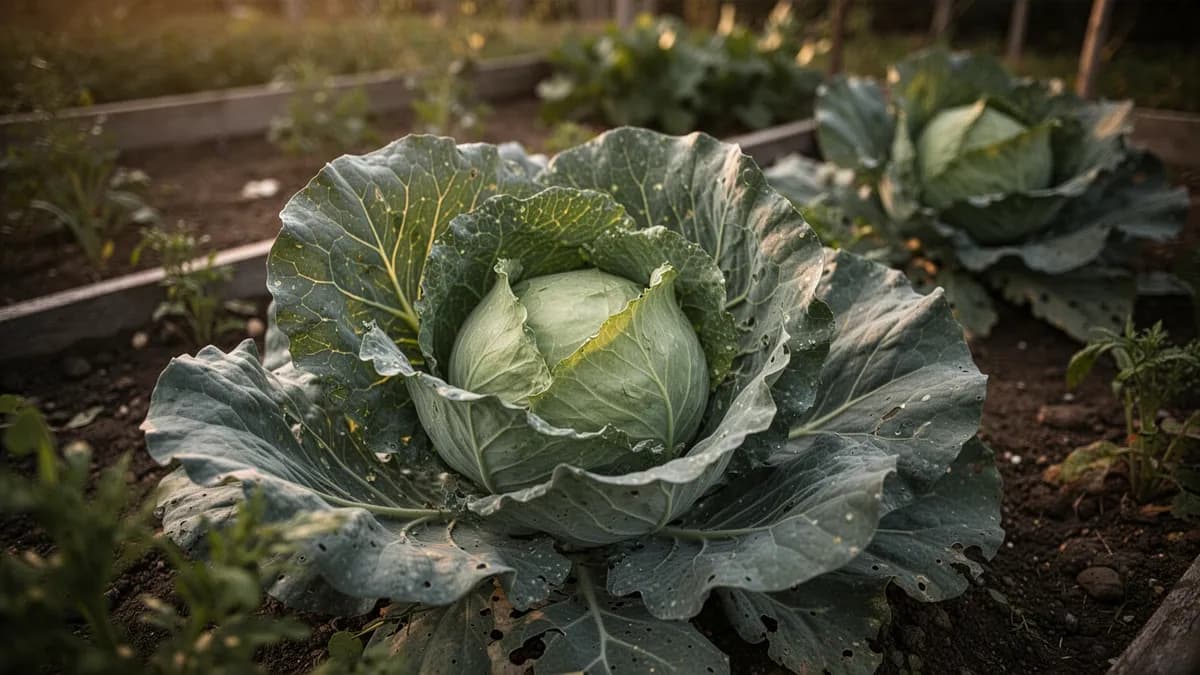
Albahaca va a su lado. Repollo no.
Saber de huerto de siempre, cotejado con la tabla real de Tomate Pera Amarillo — prueba cualquier planta que cultives.
Prueba Tomate Pera Amarillo en un bancal, aquí mismo
Un bancal real del planificador con Tomate Pera Amarillo ya plantado. Toca una planta compañera para colocarla y mira cómo responde la comprobación de vecinos: verde para buenos vecinos, rojo si hay conflicto.


Guías de cultivo relacionadas
Abónalo bien
Prospera en suelo fértil, bien drenado y rico en materia orgánica con pH entre 6,0 y 6,8. Incorpore compost maduro antes del trasplante y aplique fertilizante equilibrado cada dos semanas. Reduzca el aporte de nitrógeno durante la fructificación para concentrar azúcares y controlar el crecimiento vegetativo excesivo.
Temperatura ideal
Compatibilidad de zonas de rusticidad
De la semilla a la cosecha, etapa por etapa
Siembra
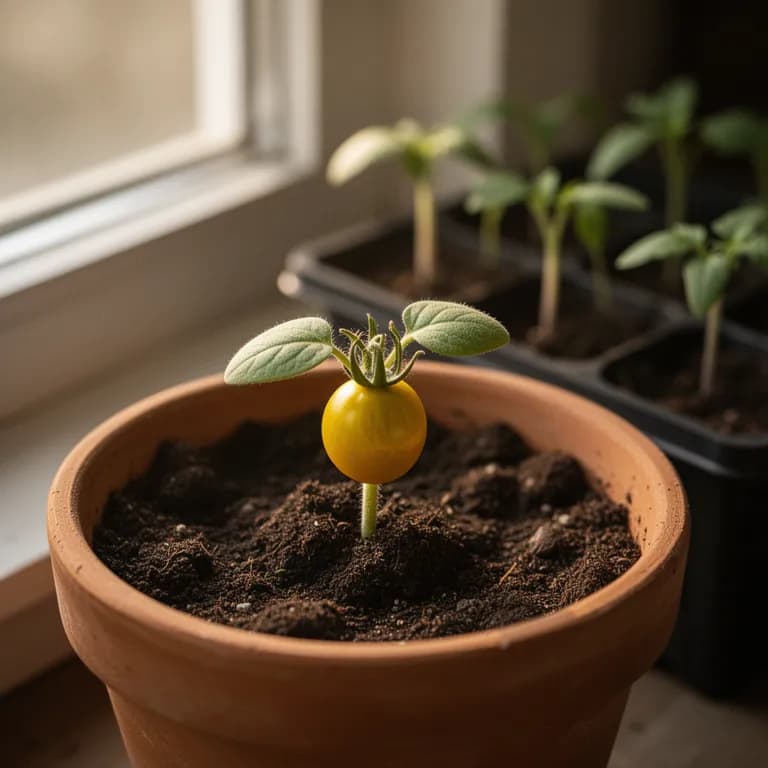
Las semillas germinan en condiciones cálidas y sacan un tallo fino rematado por dos cotiledones ovalados.
Desarrollo de plántulas
Aparecen las primeras hojas verdaderas y el tallo se engrosa mientras las plántulas ganan fuerza.
Crecimiento vegetativo
Después del trasplante, la planta establece su sistema radicular y crece con gran vigor.
Maduración del fruto
Los frutos pasan de verde a amarillo pálido y luego a un tono dorado intenso a medida que maduran.
Producción continua
La planta sigue floreciendo, cuajando frutos y madurando hasta las heladas.
Poscosecha
Después de la cosecha principal, la planta completa su ciclo de vida anual.
Comienza las semillas en interior 6-8 semanas antes de la última helada. Siembra a 0,6 cm de profundidad en un sustrato estéril para siembra. Proporciona 14-16 horas de luz intensa.
Cuidar Tomate Pera Amarillo mes a mes
Qué hacer cada mes para tu Tomate Pera Amarillo
Octubre
Mes actualFinal harvests in most zones. Pick all remaining fruits — even green ones will ripen on a sunny windowsill or in a paper bag with a ripe banana. Pull spent plants and compost healthy material. Save seeds from the best-flavored fruits for next year by fermenting in water for 2-3 days.
Ten claro qué hacer en tu huerto, cada mes
Un correo al empezar cada mes: qué sembrar, plantar y hacer ahora mismo — para tu Tomate Pera Amarillo y todo lo que crece alrededor. Más un breve curso inicial para esquivar los errores clásicos.
- Qué hacer ahora mismo
- Ajustado a tu temporada
- Curso inicial incluido
Cosechar Tomate Pera Amarillo
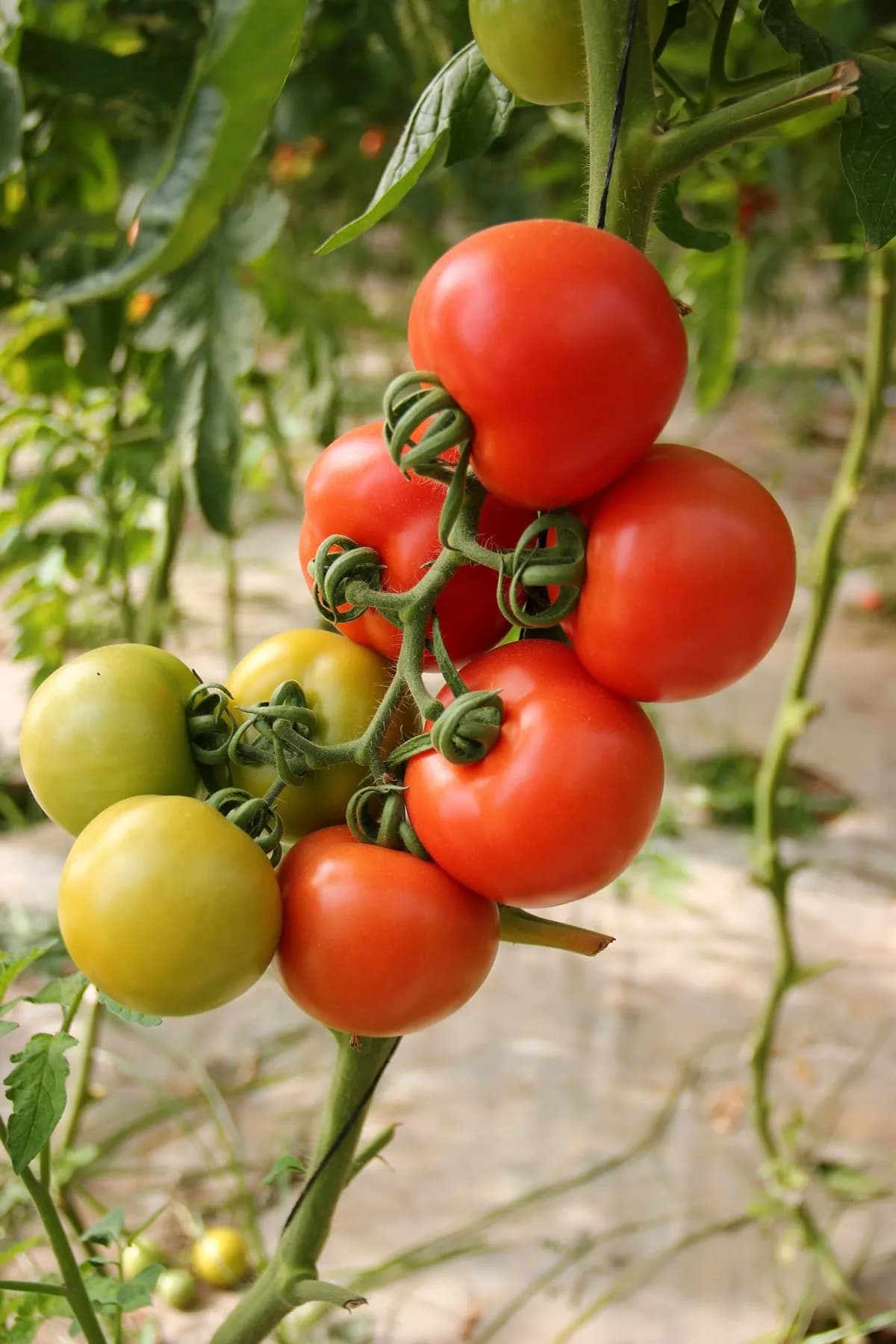
Los frutos se cosechan cuando alcanzan un color amarillo brillante uniforme y se desprenden fácilmente del racimo, generalmente entre 70 y 80 días después del trasplante. Coseche cada 2-3 días para estimular la producción continua; si se dejan demasiado tiempo en la planta tienden a caer y agrietarse.
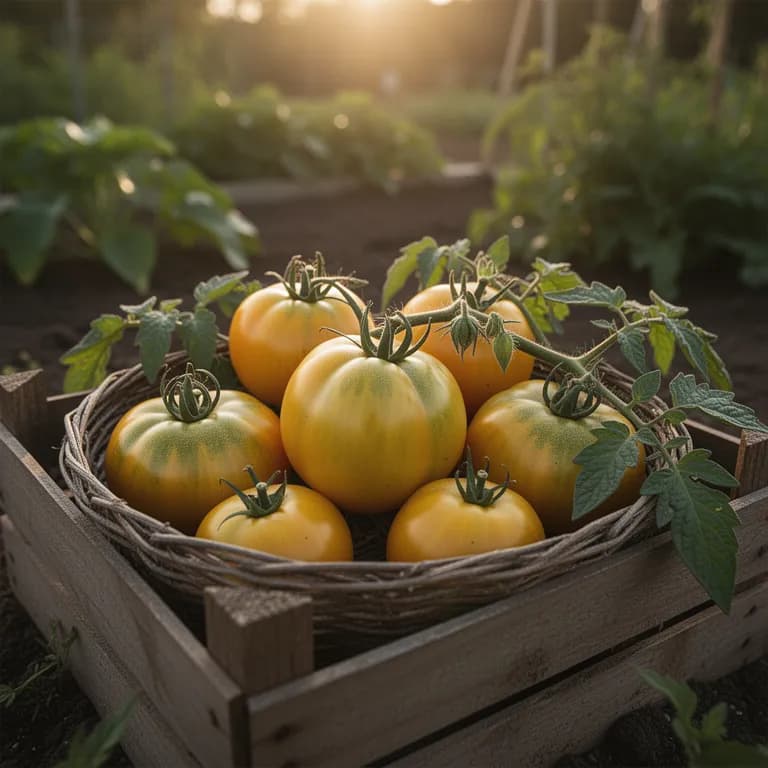
se supone que plantas al comenzar el periodo — indica tu fecha real
Cosecha cuando los frutos estén completamente amarillo dorado y se desprendan con un tirón suave.
Almacenamiento y conservación
Conservar a temperatura ambiente donde mantienen su calidad durante 5-7 días. No refrigerar para preservar su delicado sabor dulce y textura firme. Para conservación prolongada, son excelentes deshidratados enteros, en conserva con aceite de oliva y hierbas, o congelados para uso posterior en salsas y guisos.
Qué falla — y cómo solucionarlo
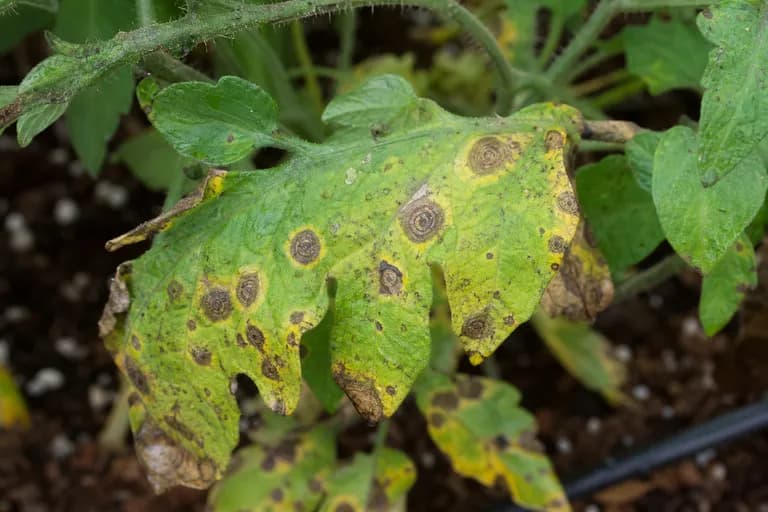
Tizón temprano
EnfermedadManchas marrones con anillos concéntricos típicos en las hojas inferiores que ascienden por la planta, causando defoliación progresiva y reducción de la producción.
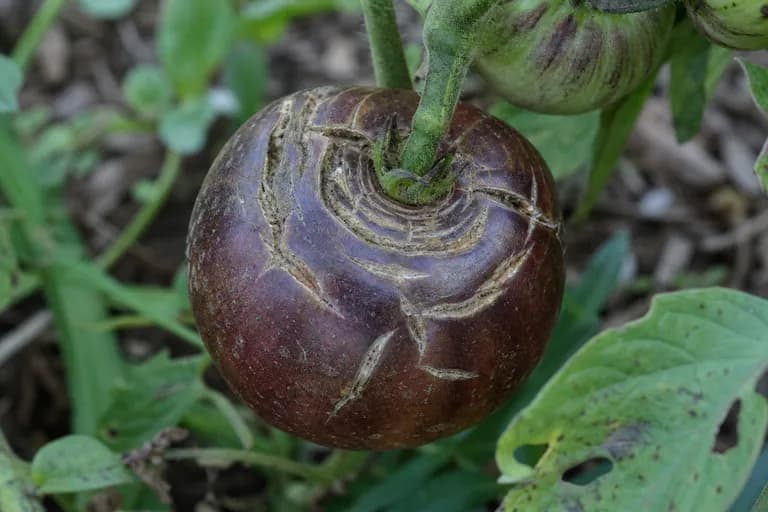
Mosca blanca
PlagaPequeños insectos blancos alados en el envés de las hojas que succionan la savia y secretan melaza, debilitando la planta y favoreciendo la aparición de fumagina negra.
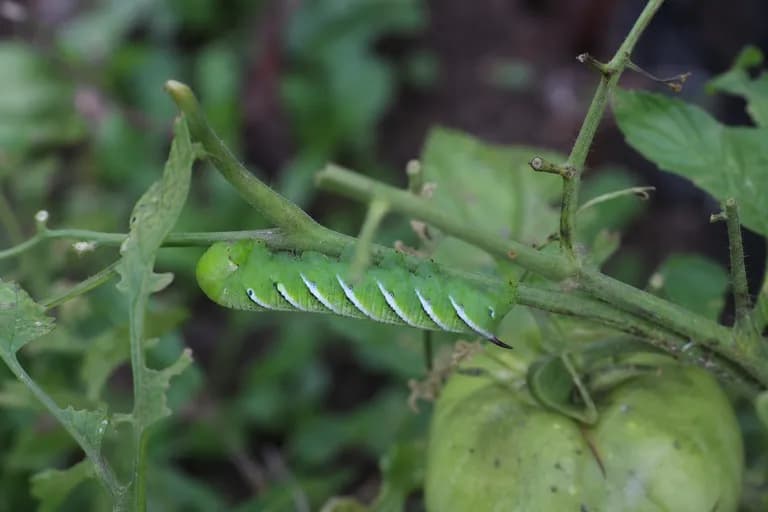
Fusarium
EnfermedadAmarillamiento unilateral de las hojas que comienza desde la base de la planta, marchitez progresiva y oscurecimiento de los vasos conductores visibles al cortar el tallo.
Solución de problemas comunes
Su vigor extraordinario puede resultar difícil de controlar, produciendo una maraña de tallos si no se poda y se guía regularmente a los tutores. La producción masiva de frutos puede agotar la planta si no se fertiliza adecuadamente, y los frutos maduros tienden a caer y agrietarse si no se cosechan con frecuencia.
Consejos de cultivo
- Plant deeply — bury at least two-thirds of the stem when transplanting. Every tiny hair on a buried tomato stem can develop into a root, creating a massive root system that supports the vigorous top growth Yellow Pear is known for.
- Provide serious support from day one. Yellow Pear is an extremely vigorous indeterminate variety that can easily reach 240 cm or more. Use 180-240 cm stakes, heavy-duty cages, or a strong trellis system — flimsy supports will collapse under the weight of a loaded plant by midsummer.
- Prune strategically but not excessively. Remove suckers below the first flower cluster and maintain 2-3 main stems. Over-pruning reduces Yellow Pear's legendary productivity, while no pruning creates an impenetrable jungle. Finding the middle ground is the key to this variety.
- Water consistently and deeply — 2.5-5 cm per week delivered at the soil level, never overhead. Yellow Pear's small fruits are especially prone to splitting after sudden heavy watering or rain following a dry spell. Drip irrigation and heavy mulch are the best defenses.
- Feed regularly but moderately. Too much nitrogen produces enormous leafy vines with delayed fruiting. Use a balanced fertilizer at transplant, then switch to a low-nitrogen, high-potassium formula (like 5-10-10) once flowering begins to maximize fruit production.
- Harvest at the peak of golden color when fruits detach from the vine with a gentle twist. Yellow Pear has a tendency to drop overripe fruit, so check plants every 1-2 days during peak production. Slightly underripe fruits will ripen beautifully on the kitchen counter.
- Manage the sprawl. Yellow Pear produces an extraordinary number of suckers and side shoots. Weekly pruning sessions during the growing season are essential to keep the plant focused, accessible, and well-ventilated. Neglecting pruning for even two weeks creates a tangled mess.
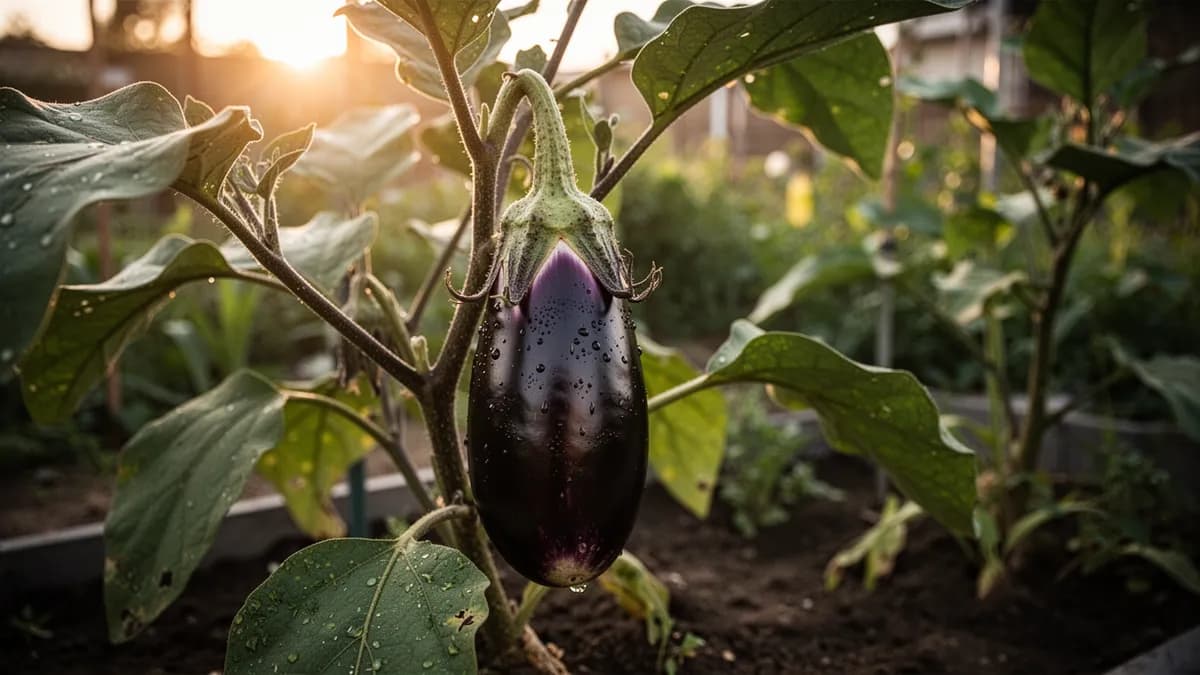
- Rotate your planting location annually. Tomatoes should not be planted in the same bed where tomatoes, peppers, eggplants, or potatoes grew in the previous 2-3 years. Soil-borne diseases like fusarium wilt, verticillium wilt, and early blight build up in soil where solanaceous crops are repeated.
Cultiva tu mejor Tomate Pera Amarillo — y todo lo que la rodea.
Empieza un plan gratis hoy. Diseña tus bancales, coloca tu Tomate Pera Amarillo y deja que PlotMyGarden gestione el momento, el espaciado, las asociaciones y los recordatorios de la semilla a la cesta.
Elige tu Tomate Pera Amarillo
Yellow Pear
La variedad reliquia original documentada desde 1805 con frutos de 15-25 g en forma de pera perfecta de color amarillo brillante. Extremadamente productiva, madura en 70-78 días.
Red Pear
Variante de forma idéntica en pera pero de color rojo intenso con sabor ligeramente más ácido y complejo. Misma productividad excepcional, madura en 72-80 días.
Yellow Pear Improved
Selección mejorada con mayor resistencia a enfermedades y frutos más uniformes de 20-30 g manteniendo la forma y dulzor clásicos. Madura en 70-75 días.
Beam's Yellow Pear
Variante con frutos ligeramente más grandes de 25-35 g y tonos amarillo-anaranjados, sabor dulce y afrutado con excelente producción continua. Madura en 75-80 días.
A single Yellow Pear plant from a nursery costs $3-5 (or pennies from seed) and can produce 300-500 fruits over a season. Cherry and specialty tomatoes retail for $4-7 per pint at grocery stores and $5-9 at farmers markets. Growing just 2-3 Yellow Pear plants can save $60-120 per season on fresh cherry tomatoes alone. The surplus is ideal for homemade quick pickles, dried tomatoes, and freezing for winter sauces — further multiplying your savings compared to buying specialty preserved tomato products.
Recetas rápidas
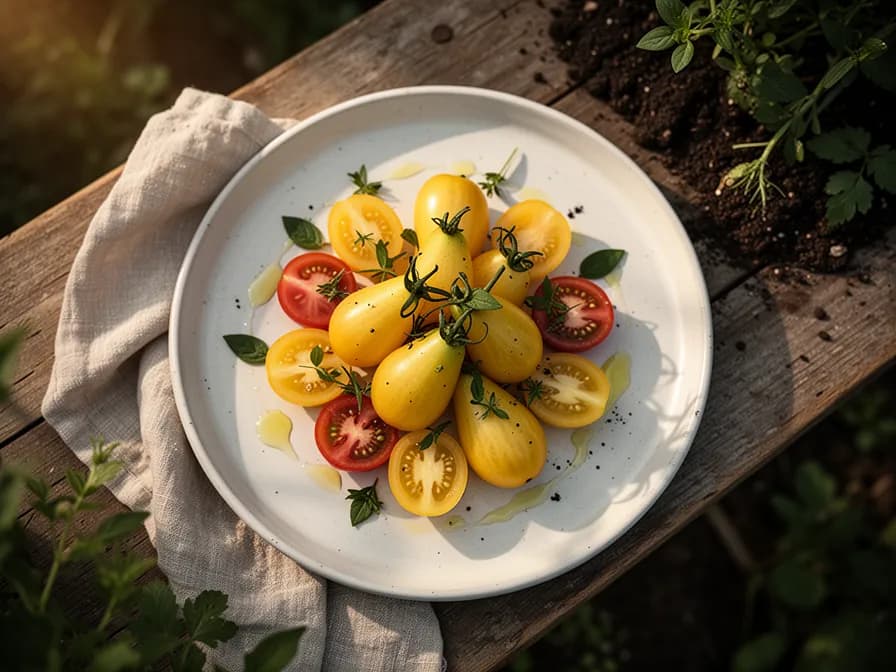
Yellow Pear Tomato Bruschetta
15 minA golden twist on the Italian classic — sweet Yellow Pear tomatoes halved and tossed with fresh basil, garlic, and good olive oil, then piled onto crusty toasted bread. The mild sweetness of Yellow Pear tomatoes makes this version more delicate and elegant than red tomato bruschetta.
7 ingredientesRoasted Yellow Pear Tomato Pasta
30 minWhole Yellow Pear tomatoes roasted at high heat until blistered and jammy, then tossed with pasta, garlic, and fresh herbs. Roasting concentrates the natural sugars and creates an intensely sweet, caramelized sauce without any added sugar.
7 ingredientesYellow Pear Tomato Quick Pickles
15 min + 24hr chillA tangy, sweet refrigerator pickle that preserves the summer harvest beautifully. These golden pickled tomatoes are stunning in salads, on cheese boards, or as a garnish for grilled meats and sandwiches.
9 ingredientesUsos culinarios
Es un tomate decorativo y delicioso ideal para ensaladas coloridas, brochetas de aperitivo y como guarnición en platos gourmet gracias a su forma elegante de pera. También es excelente para deshidratar entero como snack, en conservas artesanales con hierbas aromáticas y para preparar salsas suaves de color dorado.
Qué contiene
Beneficios para la salud
- Contains cis-lycopene, a highly bioavailable form of the powerful antioxidant that gives yellow tomatoes their golden color — studies suggest lycopene consumption is associated with reduced risk of cardiovascular disease and certain cancers.
- Lower acidity than red tomatoes due to reduced citric and malic acid content, making Yellow Pear tomatoes significantly easier to digest for people with acid reflux, GERD, or sensitive stomachs.
- Good source of vitamin C, providing about 17% of the daily value per 100g, which supports immune defense, collagen synthesis for healthy skin, and enhanced iron absorption from plant-based meals.
- Rich in beta-carotene, which the body converts to vitamin A — essential for maintaining healthy vision, supporting skin cell turnover, and regulating immune system function.
- High in potassium relative to sodium, contributing to healthy blood pressure regulation and cardiovascular function — a diet rich in potassium-containing foods like tomatoes is associated with lower stroke risk.
- Extremely low calorie density at just 18 calories per 100g while providing fiber, vitamins, and minerals, making Yellow Pear tomatoes an ideal high-volume, nutrient-dense snack for weight management.
De dónde viene Tomate Pera Amarillo
The Yellow Pear tomato (Solanum lycopersicum) is one of the oldest named heirloom tomato varieties in continuous cultivation. Its origins trace back to the wild tomato species of western South America — specifically the coastal deserts and Andean foothills of Peru, Ecuador, and northern Chile — where small-fruited, pear-shaped wild tomatoes still grow today. The pear shape seen in Yellow Pear is an ancestral trait found in several wild Solanum species, suggesting this variety may be closer to the original domesticated tomato forms than many modern cultivars.
Yellow Pear first appears in European horticultural records in the early 1800s. It was described by Bernard McMahon in his 1805 American seed catalog and was likely cultivated in both European and American gardens before that date. During the 18th and 19th centuries, tomatoes were still viewed with suspicion by many Europeans and Americans who considered them ornamental or even poisonous — small, sweet varieties like Yellow Pear were among the first to gain acceptance as edible garden plants precisely because their mild flavor and attractive appearance made them approachable. Thomas Jefferson grew pear-shaped yellow tomatoes at Monticello, and the variety became a fixture of American kitchen gardens throughout the 1800s.
As large-fruited, uniform red tomatoes came to dominate commercial agriculture in the 20th century, heirloom varieties like Yellow Pear were preserved primarily by home gardeners and seed savers. The variety experienced a major resurgence beginning in the 1980s and 1990s as the heirloom tomato movement gained momentum, driven by gardeners seeking flavor, diversity, and a connection to agricultural heritage. Today, Yellow Pear is one of the most widely grown heirloom tomatoes in the world, prized for its extraordinary productivity, sweet mild flavor, and the golden visual beauty it brings to gardens and plates alike. It remains a living link to the earliest days of tomato cultivation in the Americas.
Tomate Pera Amarillo: ¿sabías que?
Datos fascinantes sobre Tomate Pera Amarillo
Yellow Pear is one of the oldest tomato varieties still in cultivation today — it was first described in European botanical literature in 1805 and was likely grown in American gardens as early as the late 1700s, making it a true heirloom with over two centuries of continuous cultivation.
Tomate Pera Amarillo: preguntas frecuentes
¿Cuándo debo plantar Tomate Pera Amarillo?
¿Cuáles son buenas plantas acompañantes para Tomate Pera Amarillo?
¿En qué zonas de rusticidad puede crecer Tomate Pera Amarillo?
¿Cuánto sol necesita Tomate Pera Amarillo?
¿A qué distancia debo espaciar Tomate Pera Amarillo?
¿Qué plagas y enfermedades afectan a Tomate Pera Amarillo?
¿Cómo almaceno Tomate Pera Amarillo después de la cosecha?
¿Cuáles son las mejores variedades de Tomate Pera Amarillo para cultivar?
¿Qué suelo necesita Tomate Pera Amarillo?
Why are my Yellow Pear tomatoes splitting and cracking?
How do I control the massive growth of my Yellow Pear plant?
Are Yellow Pear tomatoes good for cooking or only fresh eating?
Can I save seeds from my Yellow Pear tomatoes?
Why is my Yellow Pear plant producing lots of flowers but few fruits?
How does Yellow Pear compare to other cherry tomato varieties?
Acabas de leer la teoría. Ahora cultívala en piloto automático.
Todo lo que hace que Tomate Pera Amarillo sea delicado — el momento, el espaciado, las asociaciones, la ventana de cosecha — es justo lo que PlotMyGarden resuelve por ti, para cada planta de tu huerto.
Un plan que conoce tu clima
Indica tu ubicación una vez. Recibe fechas de siembra, abonado y cosecha basadas en tu última helada real y el pronóstico en vivo — sin adivinar con un sobre genérico.
De la sección “Cuándo plantar”Planificador de bancales de arrastrar y soltar
Diseña bancales sobre una cuadrícula. Cada planta encaja con su espaciado correcto y ves toda la temporada antes de gastar un céntimo en semillas.
De la sección “Cultivo”Conflictos de asociación, detectados a tiempo
Más de 200 buenas y malas combinaciones comprobadas en vivo mientras plantas — para que un error que arruine la temporada nunca llegue a la tierra.
De la sección “Asociaciones”Recordatorios que sí vas a seguir
“Riega las judías.” “Recoge hoy antes de que se pase.” Oportunos, concretos y ligados a las plantas que de verdad cultivas.
De la sección “Cosecha”Escalonado, programado
¿Quieres cosechar seis semanas en vez de seis días? Reparte tus siembras automáticamente y te avisa cuando toca el siguiente lote.
De la sección “Cuándo plantar”Un registro que se vuelve más listo
Cada cosecha que registras le enseña tu huerto. El plan del año que viene parte de lo que de verdad funcionó en tu suelo, no en un manual.
De la sección “Resumen”Planta estos junto a Tomate Pera Amarillo
Más Solanáceas
Mantén Tomate Pera Amarillo lejos de estos
Diseños de jardín con Tomate Pera Amarillo
Cultiva tu mejor Tomate Pera Amarillo — y todo lo que la rodea.
Empieza un plan gratis hoy. Diseña tus bancales, coloca tu Tomate Pera Amarillo y deja que PlotMyGarden gestione el momento, el espaciado, las asociaciones y los recordatorios de la semilla a la cesta.