Tomate Corazón de Buey
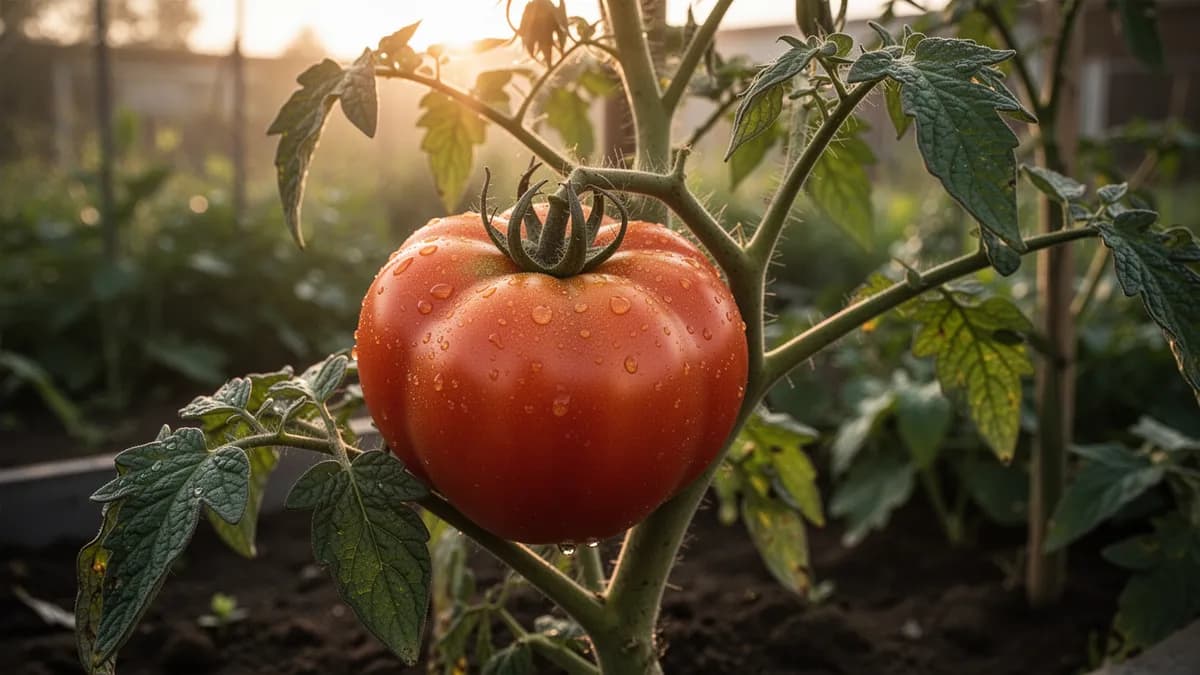
El tomate Corazón de Buey (Solanum lycopersicum) es una variedad reliquia de origen italiano apreciada mundialmente por su forma característica de corazón invertido y su pulpa extraordinariamente carnosa con muy pocas semillas.





En esta páginaResumen
Conoce Tomate Corazón de Buey
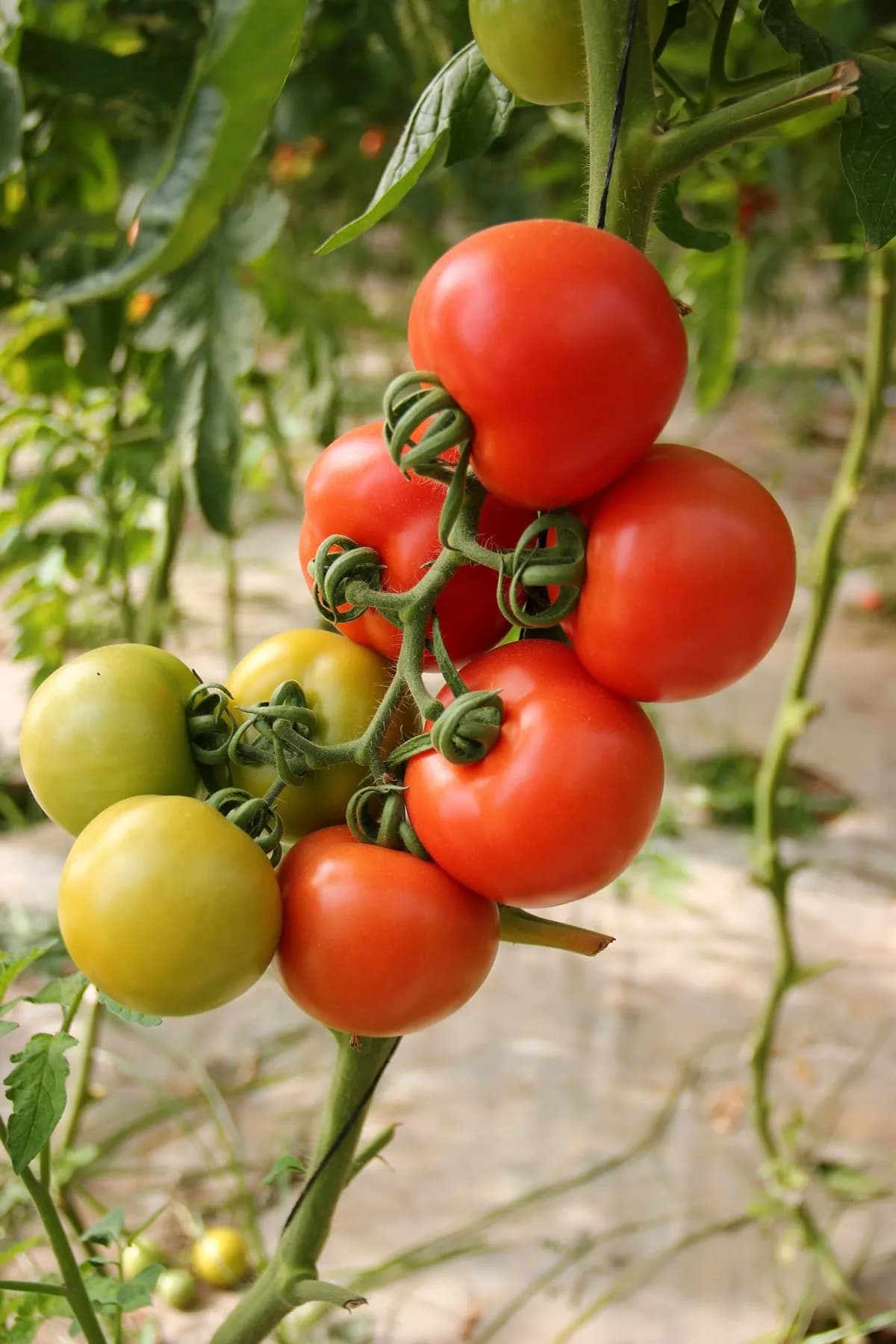
El tomate Corazón de Buey (Solanum lycopersicum) es una variedad reliquia de origen italiano apreciada mundialmente por su forma característica de corazón invertido y su pulpa extraordinariamente carnosa con muy pocas semillas. Produce frutos grandes de 200-500 g con un sabor dulce, suave y equilibrado que lo convierte en uno de los tomates más valorados para consumo en fresco.
Cuándo plantar Tomate Corazón de Buey
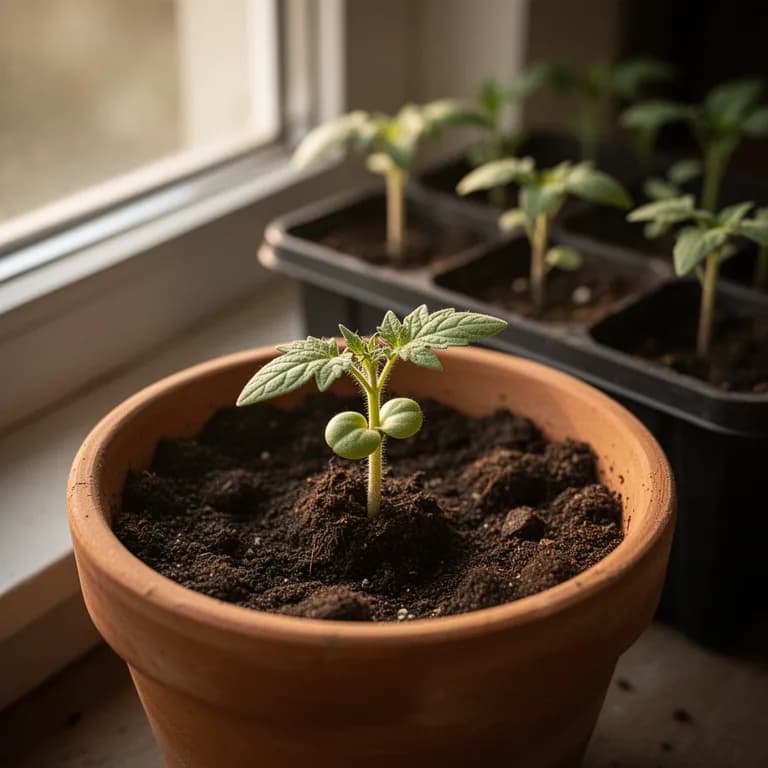
Sembrar en interior 6-8 semanas antes de la última helada, en bandejas con sustrato fino a una profundidad de 5-6 mm y temperatura constante de 22-27 °C. La germinación ocurre en 7-14 días. Trasplantar a macetas individuales al desarrollar las primeras hojas verdaderas y endurecer gradualmente exponiéndolas al exterior durante períodos crecientes antes del trasplante definitivo.
Tu año de Tomate Corazón de Buey
Ajustado a Zona 7 · temporada típica · la helada se va hacia el 2 abr y vuelve hacia el 1 nov
Planta Tomate Corazón de Buey Feb – May y cosecha Jul – Sep. Consulta los métodos de plantación y elige tu clima para adaptar los periodos.
Cómo cultivar Tomate Corazón de Buey
El tomate Corazón de Buey necesita pleno sol con al menos 8 horas de luz directa y un suelo profundamente preparado con abundante materia orgánica. Trasplante las plántulas al exterior cuando las temperaturas nocturnas superen los 12 °C, dejando una separación de 60-70 cm entre plantas para permitir una buena ventilación.
Al ser una variedad indeterminada vigorosa, requiere tutores robustos instalados desde el trasplante. El riego debe ser profundo, regular y preferiblemente por goteo para mantener la humedad uniforme y evitar el agrietamiento de los frutos. Pode los chupones laterales semanalmente y limite los racimos a 3-4 frutos para obtener tomates de mayor tamaño y calidad.
Fertilice cada dos semanas con un abono equilibrado durante el crecimiento vegetativo y cambie a una fórmula rica en potasio al inicio de la floración. Aplique un acolchado orgánico grueso alrededor de la base para mantener la humedad constante y prevenir salpicaduras de tierra que podrían transmitir enfermedades fúngicas al follaje.
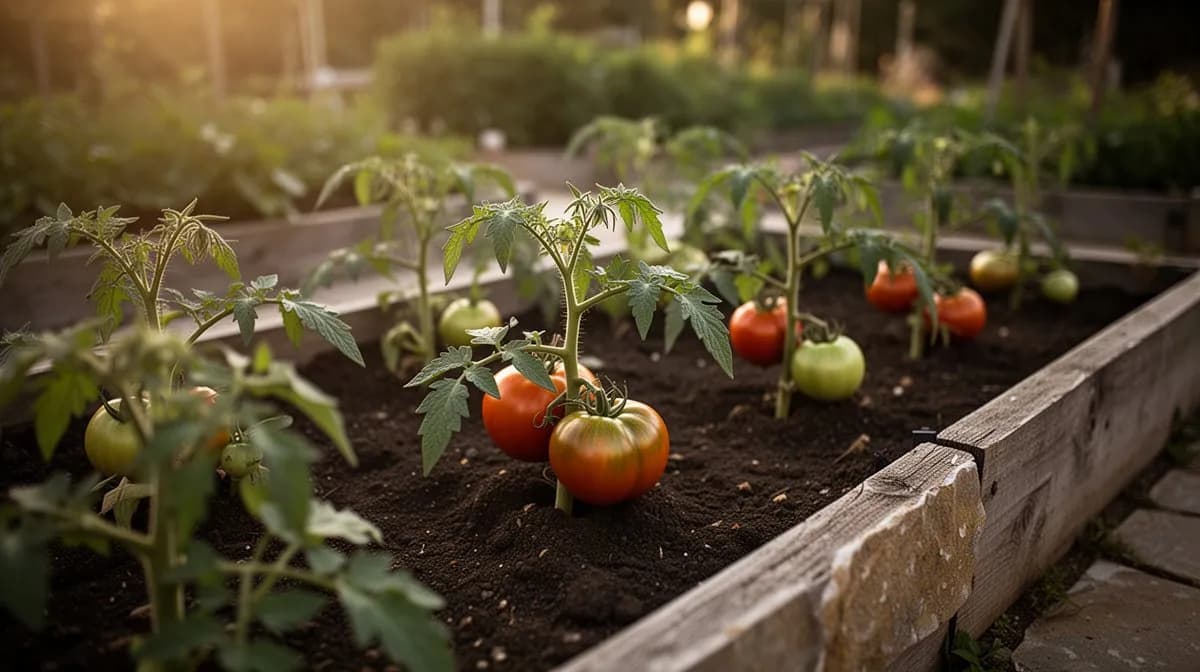
3 plantas caben en un bancal de 120 × 240 cm
Cada Tomate Corazón de Buey pide 70 cm de margen. El planificador guarda ese marco por ti — cada planta, cada bancal.
Los mejores vecinos de Tomate Corazón de Buey
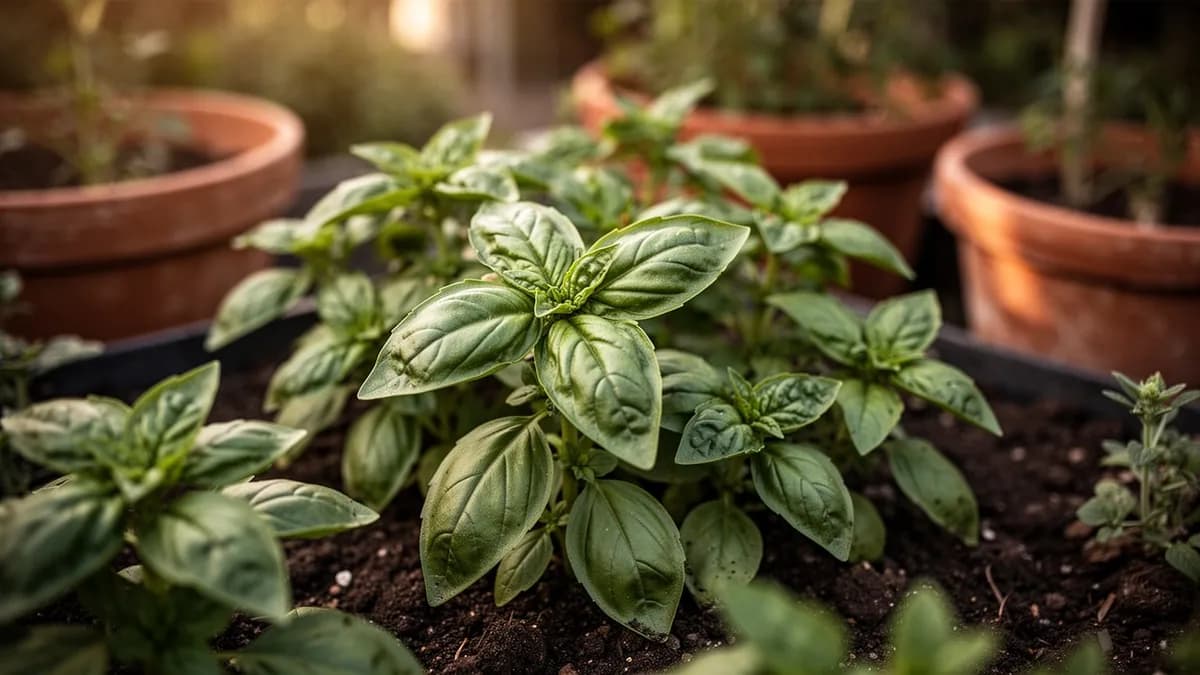
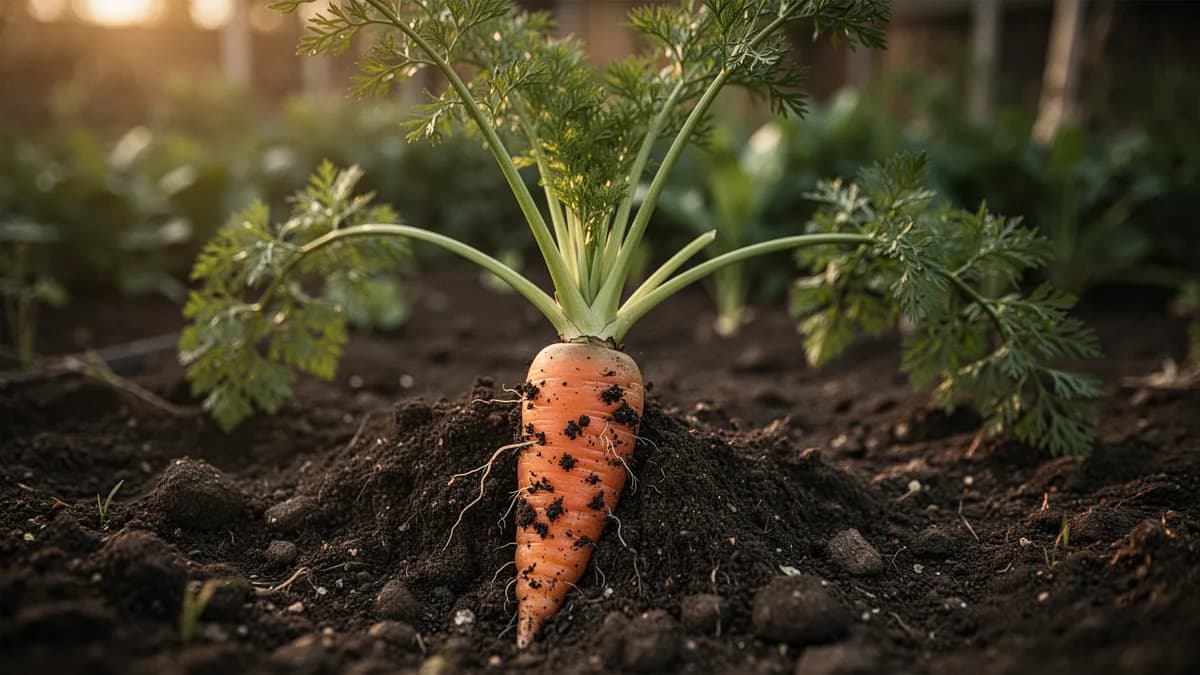
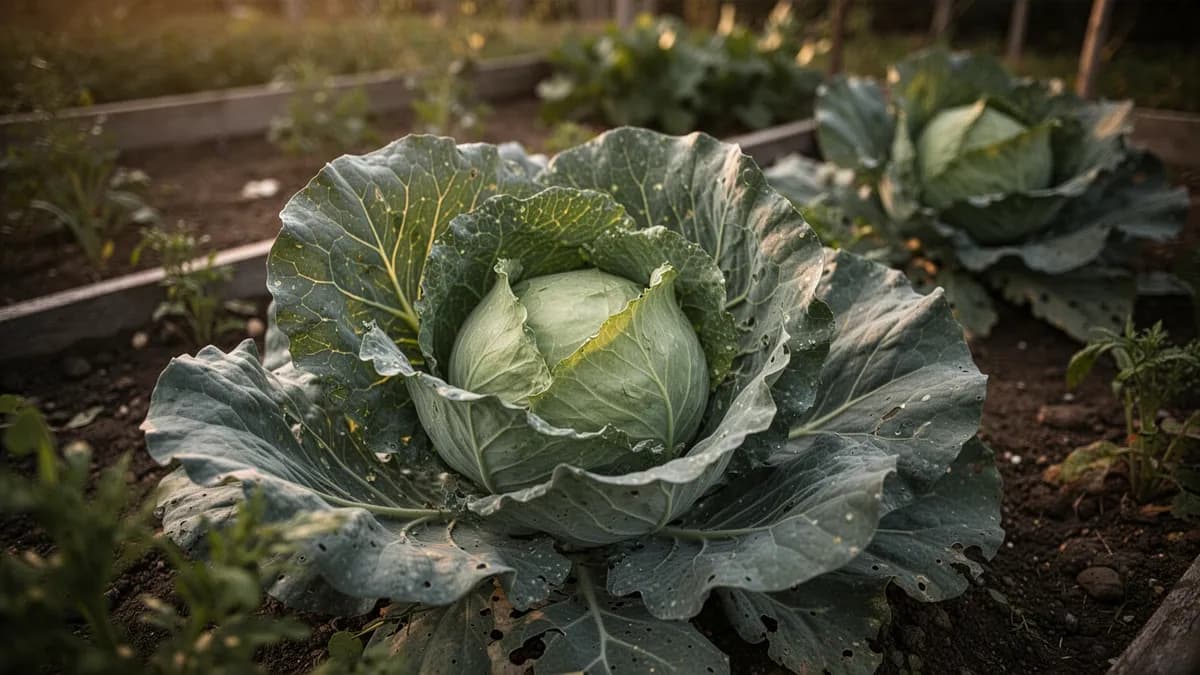
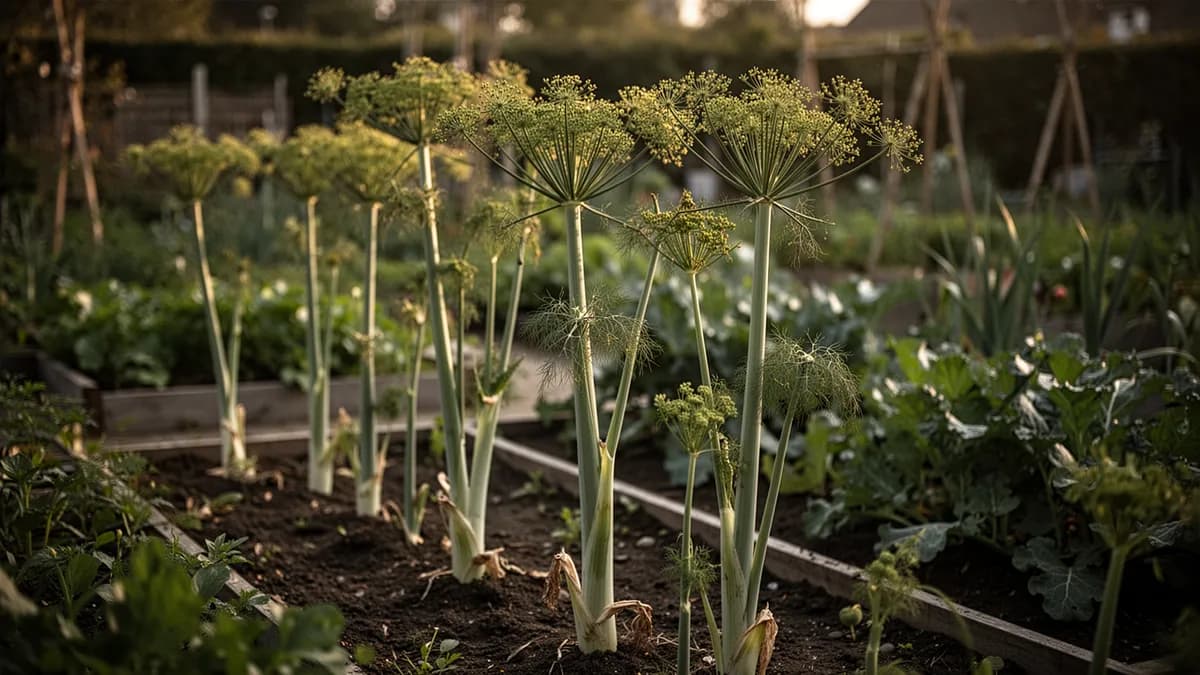
La albahaca es su compañera tradicional por excelencia, mejorando el sabor y repeliendo plagas según la cultura hortícola italiana. Las zanahorias, los tagetes y el perejil son asociaciones beneficiosas, mientras que debe evitarse plantar cerca de hinojo, coles y patatas que pueden competir o transmitir enfermedades.
Albahaca va a su lado. Repollo no.
Saber de huerto de siempre, cotejado con la tabla real de Tomate Corazón de Buey — prueba cualquier planta que cultives.
Prueba Tomate Corazón de Buey en un bancal, aquí mismo
Un bancal real del planificador con Tomate Corazón de Buey ya plantado. Toca una planta compañera para colocarla y mira cómo responde la comprobación de vecinos: verde para buenos vecinos, rojo si hay conflicto.


Guías de cultivo relacionadas

Abónalo bien
Requiere un suelo profundo, fértil y bien drenado con pH entre 6,0 y 6,8, enriquecido con abundante compost y harina de hueso para aportar fósforo. Aplique un fertilizante equilibrado durante el crecimiento y cambie a uno rico en potasio durante la fructificación para mejorar el sabor y la firmeza de los frutos.
Temperatura ideal
Compatibilidad de zonas de rusticidad
De la semilla a la cosecha, etapa por etapa
Siembra
Las semillas germinan en condiciones cálidas y húmedas. Las plántulas pequeñas emergen con cotiledones lisos y se benefician de un calor de fondo constante.
Desarrollo de plántula
Se desarrollan las hojas verdaderas, el tallo se engrosa y el sistema radicular crece rápidamente. Las plántulas deben trasplantarse a tiempo para que no se queden sin espacio.
Crecimiento vegetativo
Después del trasplante al exterior, las plantas indeterminadas crecen con vigor y pronto necesitan soporte. Siguen creciendo y hay que guiarlas por el peso de los frutos.
Floración y cuajado
Aparecen racimos de flores amarillas y el cuajado depende de temperaturas favorables. La vibración del viento y las abejas ayudan a la polinización.
Desarrollo del fruto
Los frutos verdes se agrandan durante varias semanas y desarrollan la forma de corazón característica con una punta en el extremo floral. Son grandes, densos y carnosos.
Maduración y cosecha
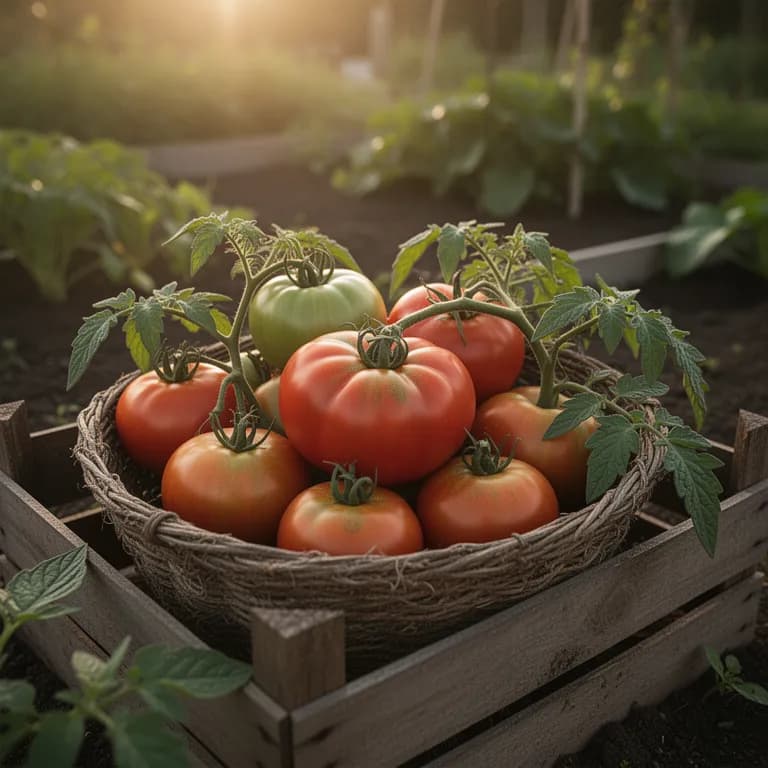
Los frutos maduran desde el extremo floral hacia arriba y la cosecha es continua hasta las heladas. Hay que recogerlos con cuidado porque el peso puede romper los tallos.
Usa una mezcla estéril para semilleros y mantenla uniformemente húmeda. La luz intensa ayuda a evitar plántulas largas y débiles.
Cuidar Tomate Corazón de Buey mes a mes
Qué hacer cada mes para tu Tomate Corazón de Buey
Octubre
Mes actualHarvest remaining fruits before first frost. Pick mature green tomatoes and ripen indoors in a paper bag with a banana. Remove spent plants and compost only disease-free material. Note which varieties performed best for next year's planning.
Ten claro qué hacer en tu huerto, cada mes
Un correo al empezar cada mes: qué sembrar, plantar y hacer ahora mismo — para tu Tomate Corazón de Buey y todo lo que crece alrededor. Más un breve curso inicial para esquivar los errores clásicos.
- Qué hacer ahora mismo
- Ajustado a tu temporada
- Curso inicial incluido
Cosechar Tomate Corazón de Buey
Los frutos se cosechan cuando alcanzan un color rosado-rojo intenso y uniforme y ceden ligeramente a la presión del dedo, generalmente entre 80 y 90 días después del trasplante. Corte el pedúnculo con tijeras afiladas dejando un pequeño tallo para prolongar la conservación y evitar heridas de entrada para patógenos.
se supone que plantas al comenzar el periodo — indica tu fecha real
Sacude suavemente los tallos con flores por la mañana para mejorar la polinización. Evita los fertilizantes con mucho nitrógeno durante la floración.
Almacenamiento y conservación
Conservar a temperatura ambiente en lugar fresco y ventilado, consumiendo en un plazo de 3-5 días dado su alto contenido en jugo y piel relativamente fina. Para conservación prolongada, se pueden preparar salsas frescas para congelar, deshidratar en rodajas gruesas o elaborar conservas de tomate triturado envasado al vacío.
Qué falla — y cómo solucionarlo

Mildiu
EnfermedadManchas amarillentas en el haz de las hojas con eflorescencia grisácea en el envés que se expanden rápidamente en condiciones de humedad elevada y temperaturas frescas.
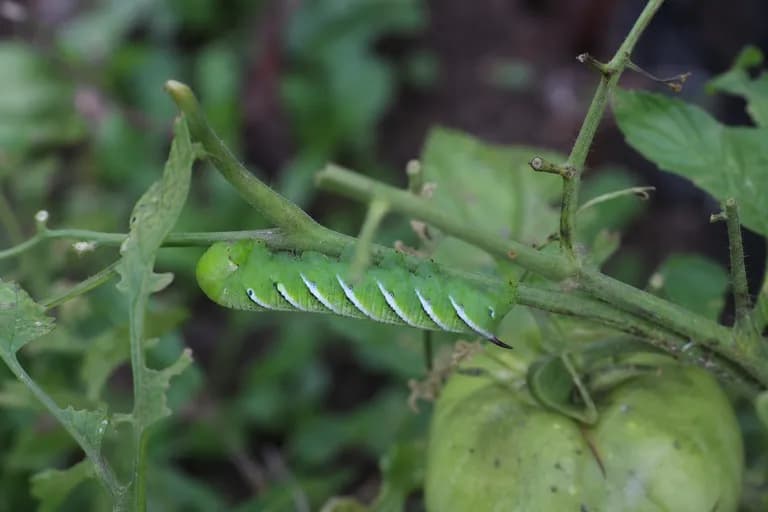
Pulgón verde
PlagaColonias densas de pequeños insectos verdes en brotes tiernos y envés de hojas que succionan la savia, provocando enrollamiento foliar y secreción de melaza pegajosa.
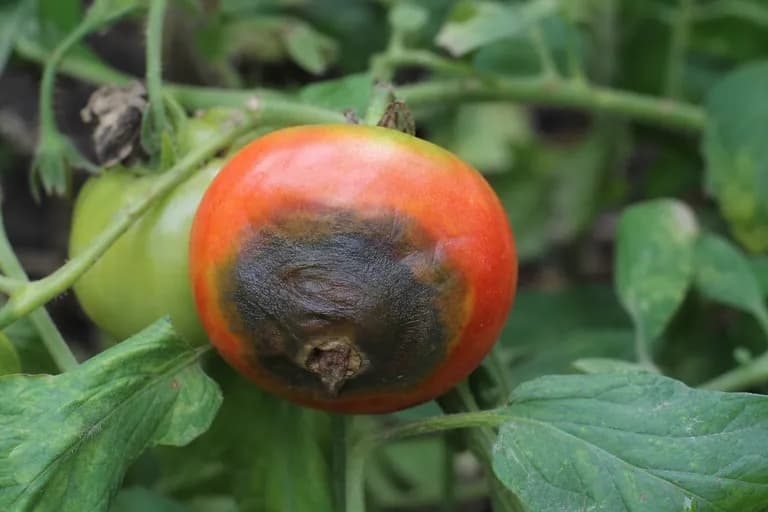
Podredumbre apical
EnfermedadMancha oscura y hundida en la base del fruto que se agranda y ennegrece, afectando especialmente a los frutos más grandes y provocando su inutilización.
Solución de problemas comunes
El agrietamiento de frutos es el problema más habitual y se produce por fluctuaciones bruscas en el aporte de agua, especialmente tras períodos secos seguidos de riego abundante. La podredumbre apical afecta con frecuencia a los frutos más grandes debido a su alta demanda de calcio durante el crecimiento rápido.
Consejos de cultivo
- Start seeds indoors 6-8 weeks before last frost without exception. Oxheart tomatoes need a long season to produce their large fruits — direct-sowing outdoors wastes precious weeks and results in far fewer ripe tomatoes before autumn frost arrives.
- Bury transplants deep — two-thirds of the stem should be underground. Tomatoes produce adventitious roots along buried stems, creating a massive root system that dramatically improves drought resistance and nutrient uptake for these heavy-feeding, large-fruited plants.
- Prune to 2-3 main stems for the largest individual fruits. Remove all suckers below the first flower cluster and selectively thin suckers above. Unpruned oxheart vines waste energy on excessive foliage and produce smaller, later-ripening fruits.
- Water deeply and consistently — 2.5-5 cm per week delivered at the base, never overhead. Inconsistent watering is the primary cause of blossom end rot and fruit cracking in large-fruited varieties like oxhearts. Drip irrigation or soaker hoses are ideal.
- Support is critical. Oxheart fruits are heavy and the indeterminate vines grow tall. Use sturdy 180 cm stakes, heavy-gauge wire cages, or a string trellis system. Flimsy tomato cages from garden centers will collapse under the weight of a loaded oxheart plant.
- Mulch heavily with 5-8 cm of straw, shredded leaves, or grass clippings once the soil has warmed above 18°C (65°F). Mulch regulates soil moisture, suppresses weeds, and prevents soil-borne disease spores from splashing onto lower leaves during rain.
- Feed every 2-3 weeks during fruit development with a low-nitrogen, high-potassium fertilizer (like 5-10-10 or tomato-specific blends). Excessive nitrogen produces lush foliage but delays fruiting and reduces fruit quality in oxheart varieties.
- Remove lower leaves up to 30 cm from the ground once plants are established. This improves air circulation, reduces humidity around the base, and prevents the most common fungal diseases (early blight, Septoria leaf spot) from gaining a foothold through soil splash.
Cultiva tu mejor Tomate Corazón de Buey — y todo lo que la rodea.
Empieza un plan gratis hoy. Diseña tus bancales, coloca tu Tomate Corazón de Buey y deja que PlotMyGarden gestione el momento, el espaciado, las asociaciones y los recordatorios de la semilla a la cesta.
Elige tu Tomate Corazón de Buey
Cuor di Bue
La variedad italiana original con frutos en forma de corazón perfecto de 200-400 g y pulpa excepcionalmente densa y dulce. Indeterminada, madura en 80-85 días.
Anna Russian
Variedad reliquia rusa con frutos en forma de corazón alargado de color rosado intenso y sabor complejo agridulce. Muy productiva, madura en 70-80 días.
Hungarian Heart
Variedad húngara que produce enormes frutos acorazonados de hasta 500 g con pulpa roja densa y sabor intenso ideal para salsas. Madura en 85-90 días.
Oxheart Pink
Selección de frutos rosados de forma acorazonada clásica con muy pocas semillas y pulpa cremosa de sabor suave y dulce. Madura en 80-90 días.
A single oxheart tomato plant costing $3-5 (or pennies from saved seed) can produce 4-7 kg of premium heirloom tomatoes over a season. Comparable heirloom oxheart tomatoes sell for $6-12 per pound at farmers markets and specialty grocers — when available at all. Growing just 4 plants can yield 16-28 kg of fruit, worth $200-600 at retail prices. The true savings are even greater when you consider that the dense, meaty flesh of oxheart tomatoes reduces to premium-quality pasta sauce at roughly twice the efficiency of standard varieties — a single plant can produce 15-20 jars of sauce that would cost $5-8 each at artisan shops.
Recetas rápidas
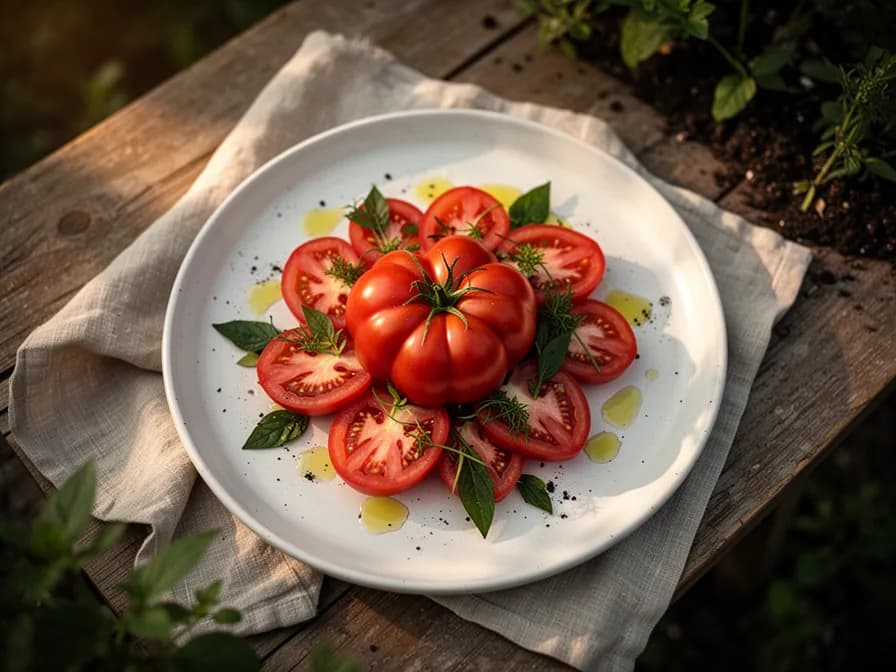
Classic Oxheart Caprese Salad
10 minThe dense, meaty flesh of oxheart tomatoes makes them the ultimate caprese variety — thick slices that hold their shape and deliver intense tomato flavor. This simple preparation lets the quality of your homegrown tomatoes shine.
6 ingredientesSlow-Roasted Oxheart Tomato Sauce
90 minOxheart tomatoes are a sauce maker's dream — their dense, nearly seedless flesh reduces into a thick, rich sauce with minimal cooking time and no need to strain out seeds or excess liquid. One batch freezes beautifully for winter pasta nights.
8 ingredientesStuffed Oxheart Tomatoes
45 minThe large cavity and sturdy walls of oxheart tomatoes make them perfect vessels for stuffing. Filled with herbed rice and baked until tender, these are a stunning side dish or vegetarian main course straight from the garden.
8 ingredientesUsos culinarios
Es el tomate por excelencia para la ensalada caprese italiana con mozzarella fresca y albahaca, gracias a sus gruesas rodajas carnosas con mínima cantidad de semillas. También es ideal en carpaccios de tomate, sándwiches gourmet, relleno al horno y para elaborar salsas frescas de textura densa y sabor concentrado.
Qué contiene
Beneficios para la salud
- Exceptionally rich in lycopene, the carotenoid pigment responsible for the red color — lycopene is one of the most studied dietary antioxidants, with research linking regular consumption to reduced risk of prostate cancer and cardiovascular disease. Cooking tomatoes in olive oil dramatically increases lycopene absorption.
- Good source of vitamin C (16% DV per 100g), essential for immune defense, collagen synthesis for healthy skin and joints, and enhanced iron absorption from plant-based foods.
- Contains significant beta-carotene (converted to vitamin A in the body), supporting eye health, immune function, and cellular repair — the deeper the red color, the higher the beta-carotene content.
- Provides potassium (7% DV per 100g), a critical mineral for maintaining healthy blood pressure, proper muscle and nerve function, and fluid balance throughout the body.
- Rich in the antioxidant compound alpha-tomatine, which has demonstrated anti-inflammatory and anti-cancer properties in laboratory studies — green and partially ripe tomatoes contain the highest concentrations.
- High water content (approximately 95%) combined with low calorie density (18 calories per 100g) makes tomatoes an excellent food for hydration and weight management while still delivering substantial micronutrient value.
De dónde viene Tomate Corazón de Buey
The oxheart tomato (Solanum lycopersicum) traces its ancestry to the wild tomatoes of western South America, where small, berry-sized fruits grew in the Andes mountains of modern-day Peru and Ecuador. Spanish conquistadors brought tomatoes to Europe in the early 1500s, where centuries of selective breeding in Mediterranean kitchen gardens gradually produced larger, more diverse fruit shapes. The distinctive heart-shaped form that defines oxheart tomatoes emerged primarily in Italy, where gardeners in the fertile regions of Emilia-Romagna, Campania, and Liguria selected for large fruits with dense, meaty flesh ideal for sauces, salads, and eating fresh with olive oil and salt.
The Italian 'Cuore di Bue' (Bull's Heart) became the archetypal oxheart variety by the mid-1800s and remains a cornerstone of Italian heirloom tomato culture. As Italian and Eastern European immigrants spread across the globe in the late 19th and early 20th centuries, they carried their prized oxheart seeds with them, establishing these varieties in gardens from Argentina to Australia to North America. In Russia and Eastern Europe, oxheart tomatoes took on particular importance during the Soviet era, when household garden plots (dachas) were essential for family food security. Gardeners in these regions developed extraordinary diversity — varieties like Anna Russian, Hungarian Heart, and Kosovo — each adapted to local growing conditions and preserved through decades of careful seed saving.
Today, oxheart tomatoes are experiencing a renaissance among home gardeners and small-scale farmers who value flavor over the shipping durability prized by industrial agriculture. Their thin skin and heavy fruit make them poor candidates for long-distance transport, which is precisely why the best oxheart tomatoes are found in backyard gardens rather than supermarket shelves. Modern seed companies now offer dozens of oxheart varieties ranging from classic pink-red to golden yellow, deep purple, and even green-striped forms, all sharing the characteristic heart shape and dense, meaty, nearly seedless flesh that has made this tomato type a gardener's treasure for nearly two centuries.
Tomate Corazón de Buey: ¿sabías que?
Datos fascinantes sobre Tomate Corazón de Buey
Oxheart tomatoes get their name from their distinctive shape — a large, elongated heart form with a pointed blossom end that closely resembles an anatomical beef heart. Some individual fruits can weigh over 700g (1.5 lbs), rivaling beefsteak varieties in sheer size.
Tomate Corazón de Buey: preguntas frecuentes
¿Cuándo debo plantar Tomate Corazón de Buey?
¿Cuáles son buenas plantas acompañantes para Tomate Corazón de Buey?
¿En qué zonas de rusticidad puede crecer Tomate Corazón de Buey?
¿Cuánto sol necesita Tomate Corazón de Buey?
¿A qué distancia debo espaciar Tomate Corazón de Buey?
¿Qué plagas y enfermedades afectan a Tomate Corazón de Buey?
¿Cómo almaceno Tomate Corazón de Buey después de la cosecha?
¿Cuáles son las mejores variedades de Tomate Corazón de Buey para cultivar?
¿Qué suelo necesita Tomate Corazón de Buey?
Why are my oxheart tomatoes misshapen or have catfacing?
How do I prevent blossom end rot on my oxheart tomatoes?
Can I save seeds from my oxheart tomatoes?
Why are my oxheart tomato plants producing flowers but no fruit?
How do I know when oxheart tomatoes are ripe enough to pick?
Are oxheart tomatoes good for canning and making sauce?
Acabas de leer la teoría. Ahora cultívala en piloto automático.
Todo lo que hace que Tomate Corazón de Buey sea delicado — el momento, el espaciado, las asociaciones, la ventana de cosecha — es justo lo que PlotMyGarden resuelve por ti, para cada planta de tu huerto.
Un plan que conoce tu clima
Indica tu ubicación una vez. Recibe fechas de siembra, abonado y cosecha basadas en tu última helada real y el pronóstico en vivo — sin adivinar con un sobre genérico.
De la sección “Cuándo plantar”Planificador de bancales de arrastrar y soltar
Diseña bancales sobre una cuadrícula. Cada planta encaja con su espaciado correcto y ves toda la temporada antes de gastar un céntimo en semillas.
De la sección “Cultivo”Conflictos de asociación, detectados a tiempo
Más de 200 buenas y malas combinaciones comprobadas en vivo mientras plantas — para que un error que arruine la temporada nunca llegue a la tierra.
De la sección “Asociaciones”Recordatorios que sí vas a seguir
“Riega las judías.” “Recoge hoy antes de que se pase.” Oportunos, concretos y ligados a las plantas que de verdad cultivas.
De la sección “Cosecha”Escalonado, programado
¿Quieres cosechar seis semanas en vez de seis días? Reparte tus siembras automáticamente y te avisa cuando toca el siguiente lote.
De la sección “Cuándo plantar”Un registro que se vuelve más listo
Cada cosecha que registras le enseña tu huerto. El plan del año que viene parte de lo que de verdad funcionó en tu suelo, no en un manual.
De la sección “Resumen”Planta estos junto a Tomate Corazón de Buey
Más Solanáceas
Mantén Tomate Corazón de Buey lejos de estos
Diseños de jardín con Tomate Corazón de Buey
Cultiva tu mejor Tomate Corazón de Buey — y todo lo que la rodea.
Empieza un plan gratis hoy. Diseña tus bancales, coloca tu Tomate Corazón de Buey y deja que PlotMyGarden gestione el momento, el espaciado, las asociaciones y los recordatorios de la semilla a la cesta.