Acelga
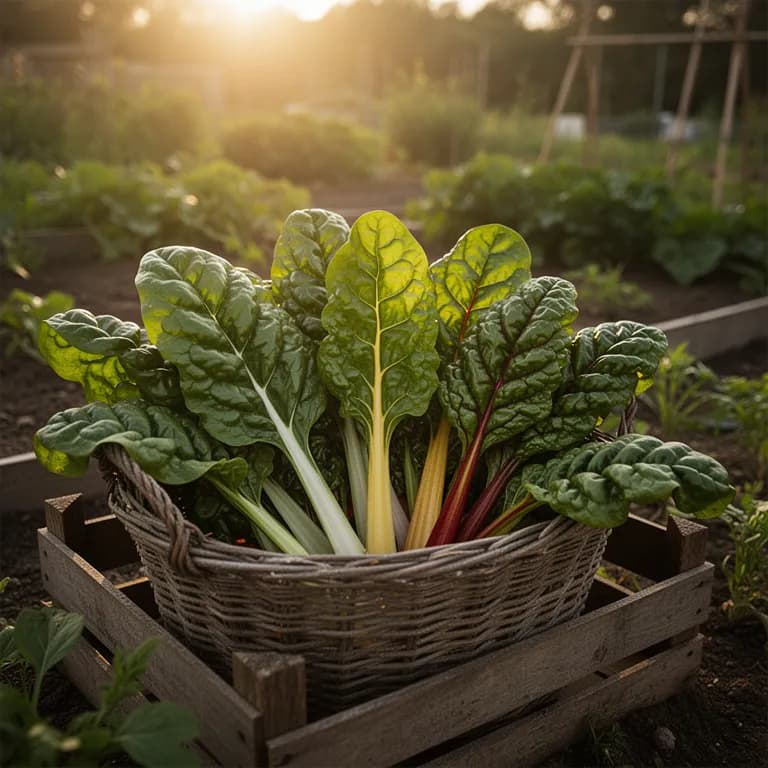
Una verdura de hoja con tallos coloridos y sabor a nuez.





En esta páginaResumen
Conoce Acelga
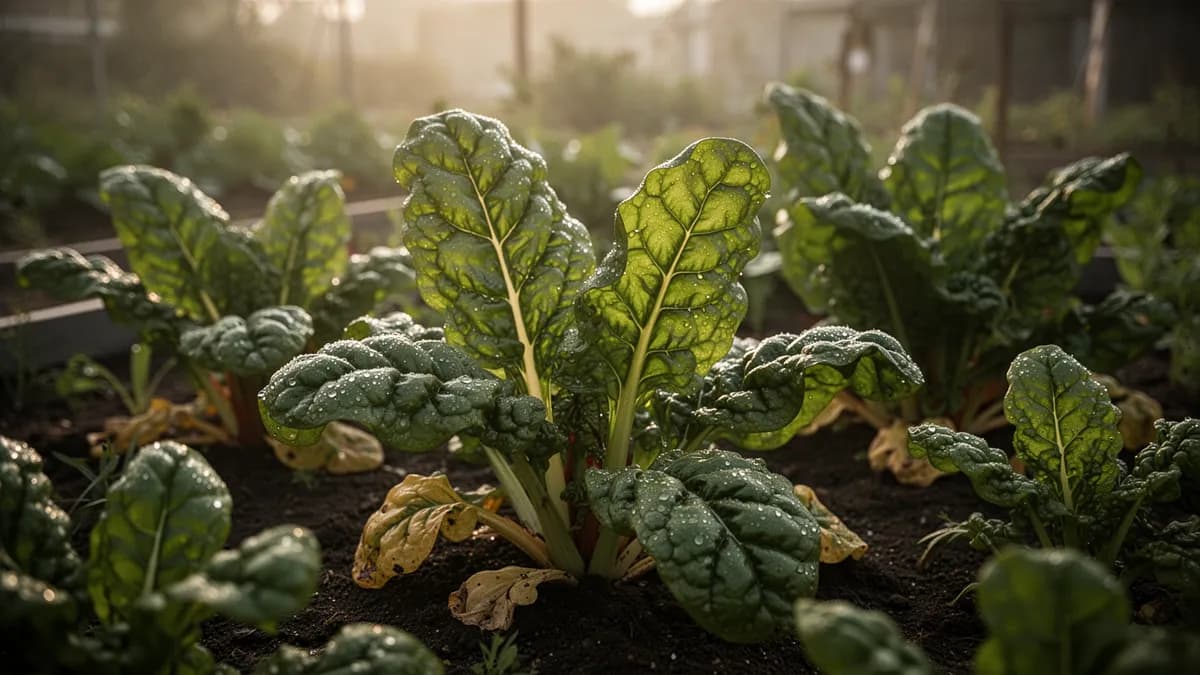
Una verdura de hoja con tallos coloridos y sabor a nuez. La acelga tolera el calor y es fácil de cultivar.
Cuándo plantar Acelga
Siembre directamente.
Tu año de Acelga
Ajustado a Zona 7 · temporada típica · la helada se va hacia el 2 abr y vuelve hacia el 1 nov
Planta Acelga Mar – May, Ago – Sep y cosecha Jun – Ago, Oct – Nov. Consulta los métodos de plantación y elige tu clima para adaptar los periodos.
Cómo cultivar Acelga
La acelga puede sembrarse a principios de primavera. Siembre semillas 1 cm de profundidad, 15 cm aparte.
Riegue regularmente. Coseche hojas exteriores para producción continua.
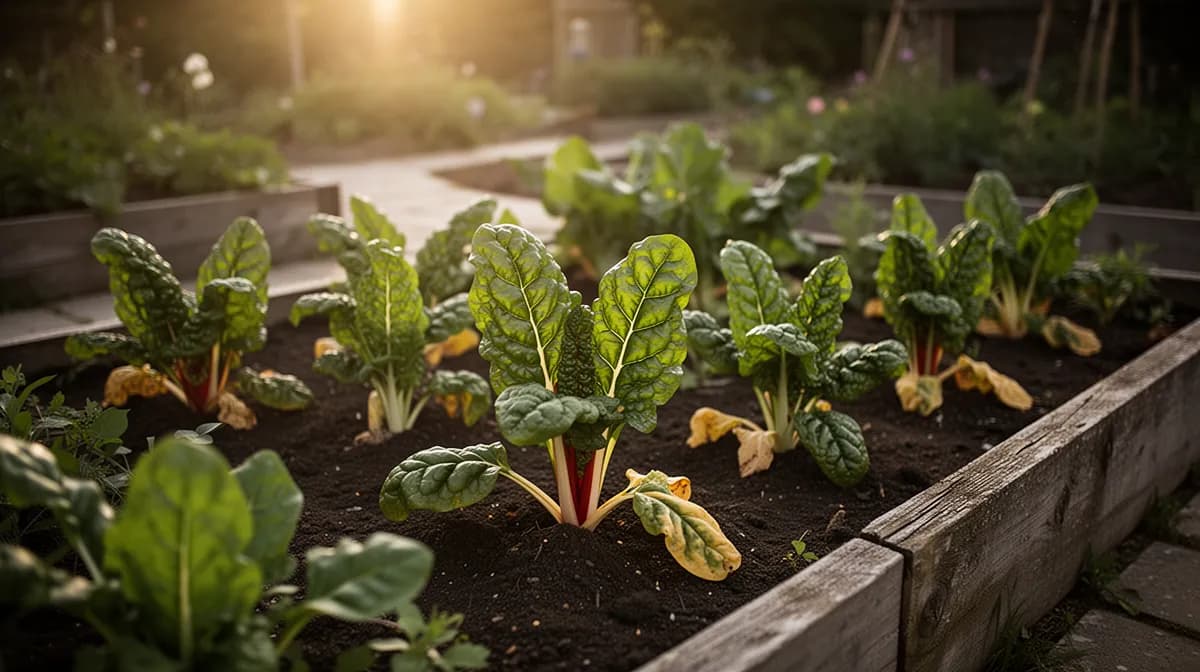
32 plantas caben en un bancal de 120 × 240 cm
Cada Acelga pide 30 cm de margen. El planificador guarda ese marco por ti — cada planta, cada bancal.
Los mejores vecinos de Acelga
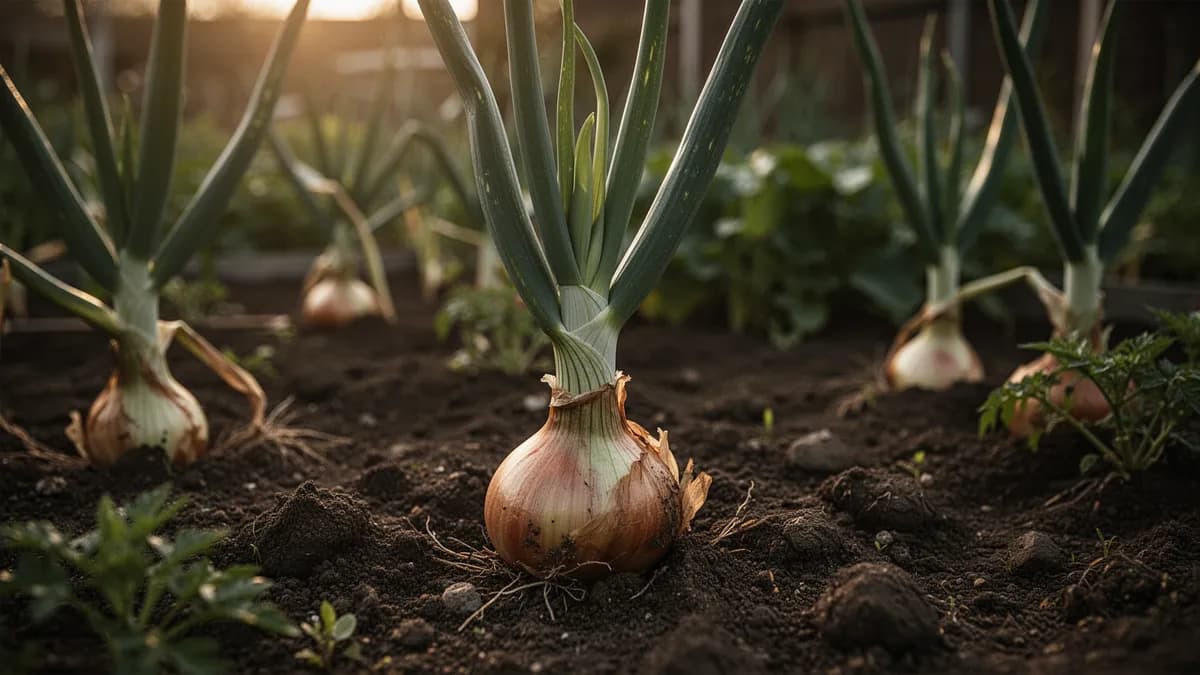
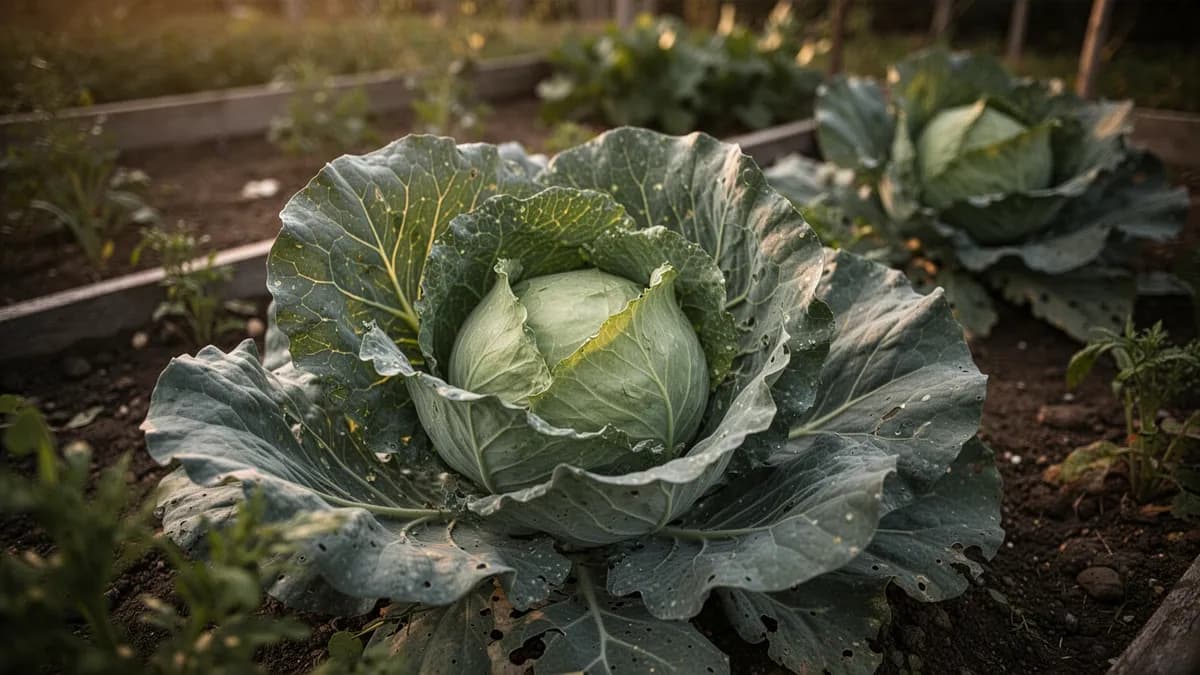
Col y cebollas son buenos compañeros.
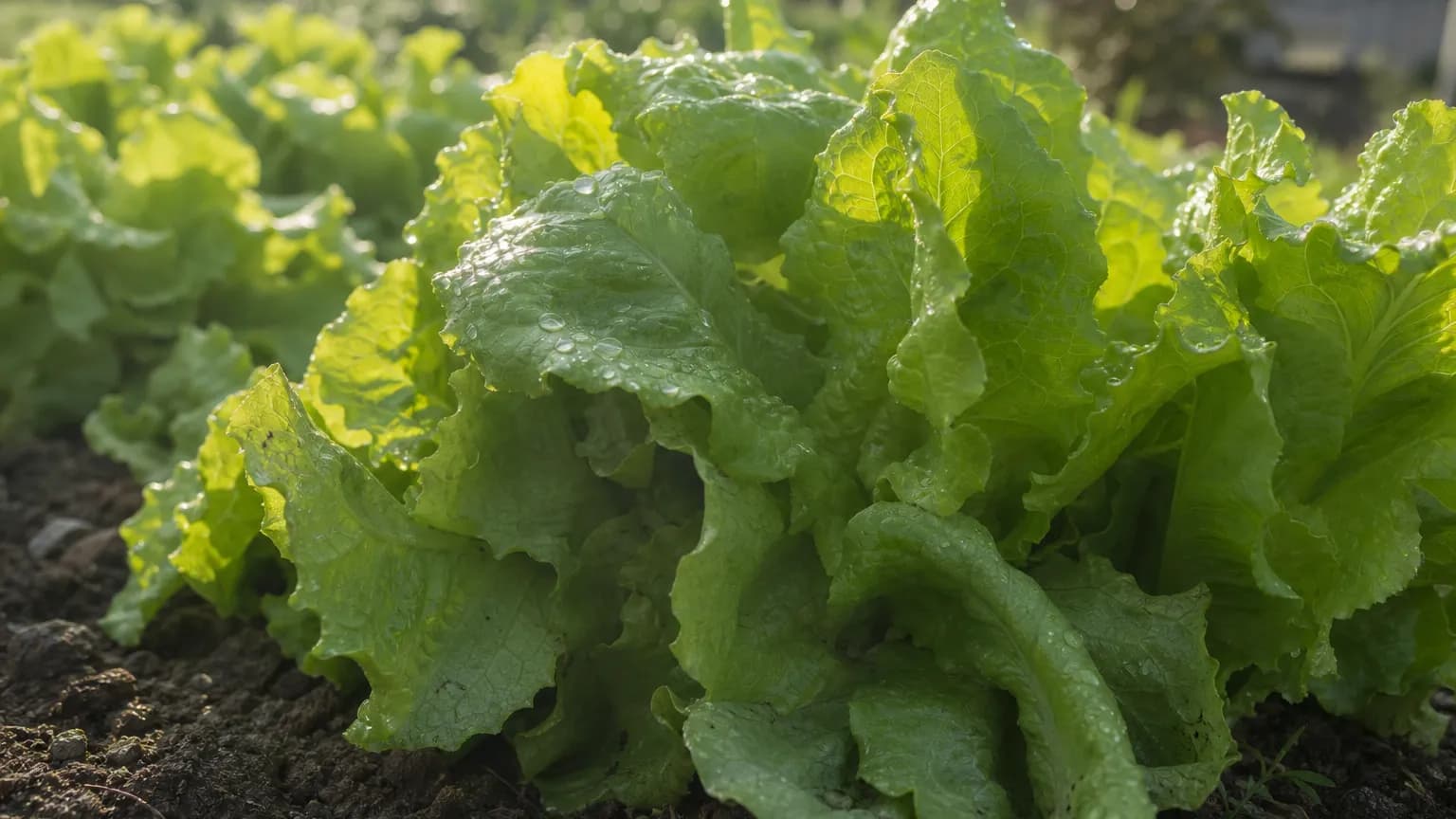
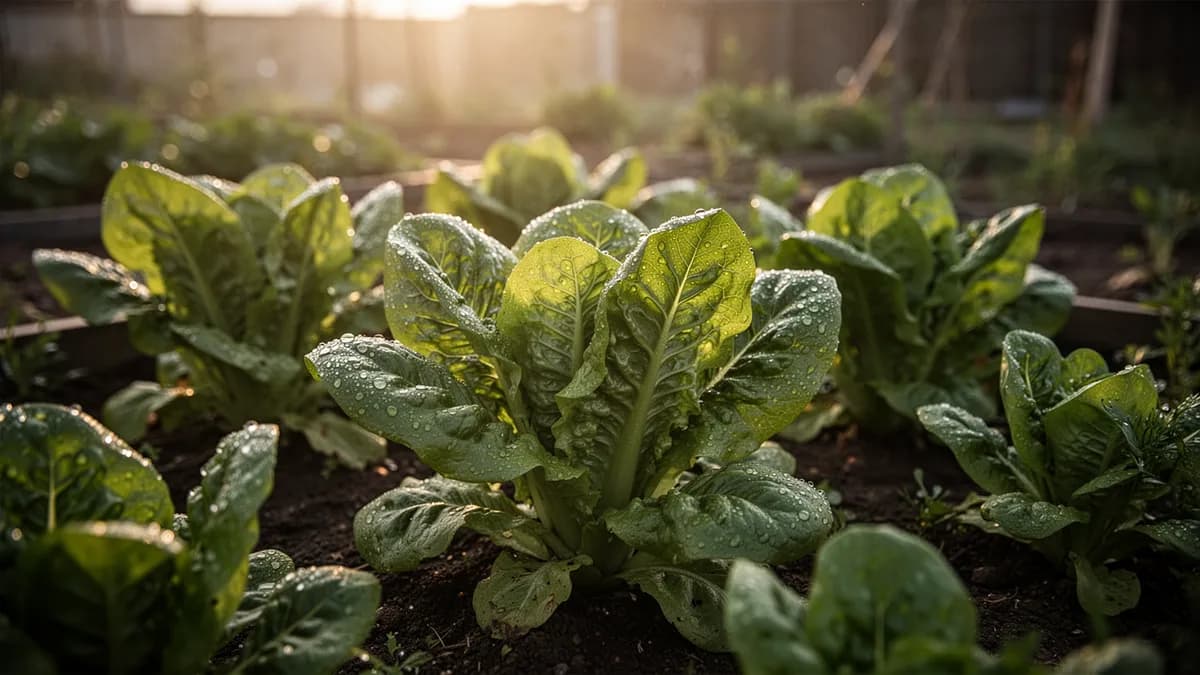
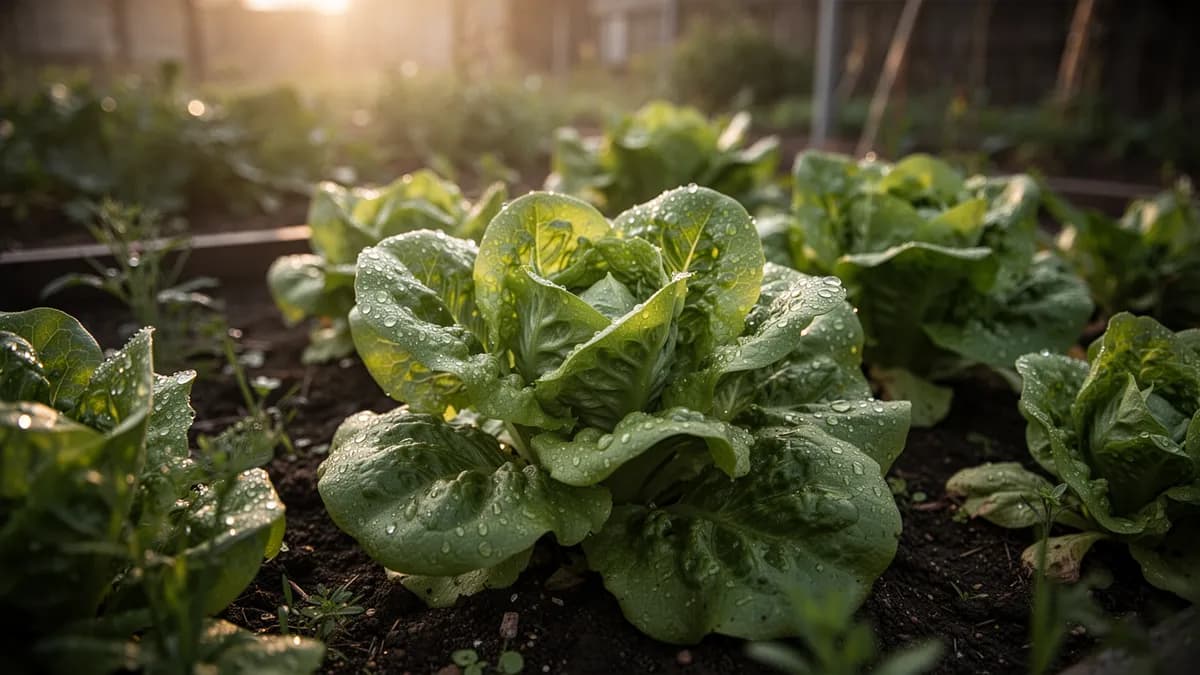
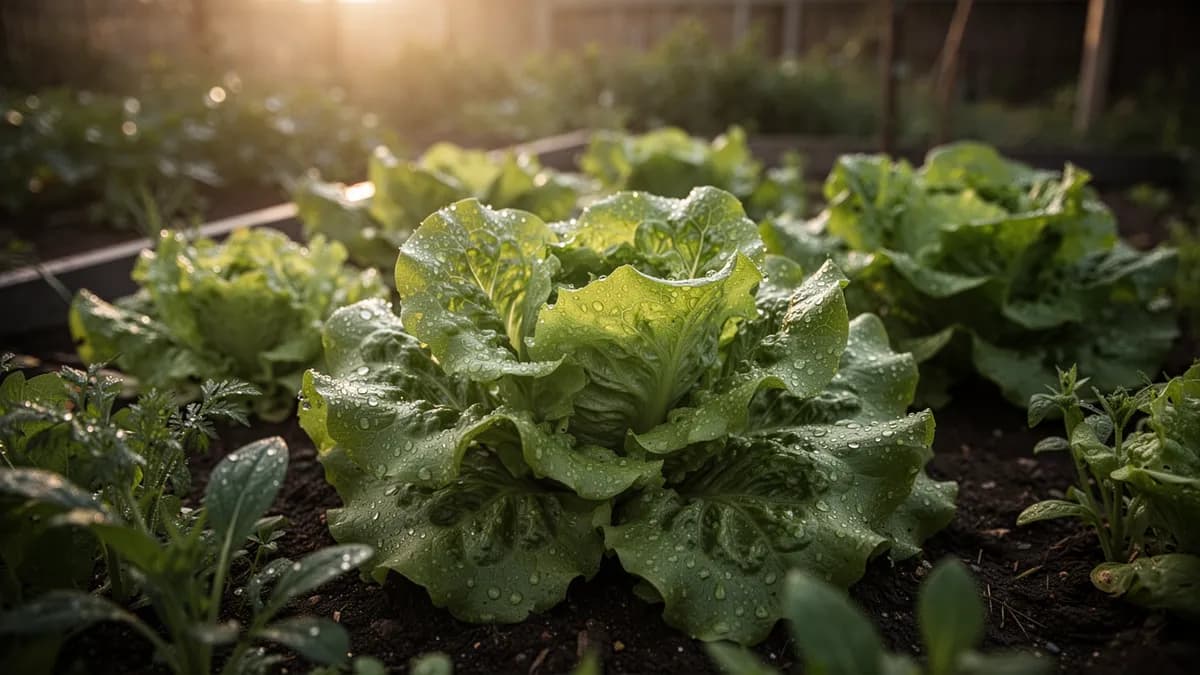
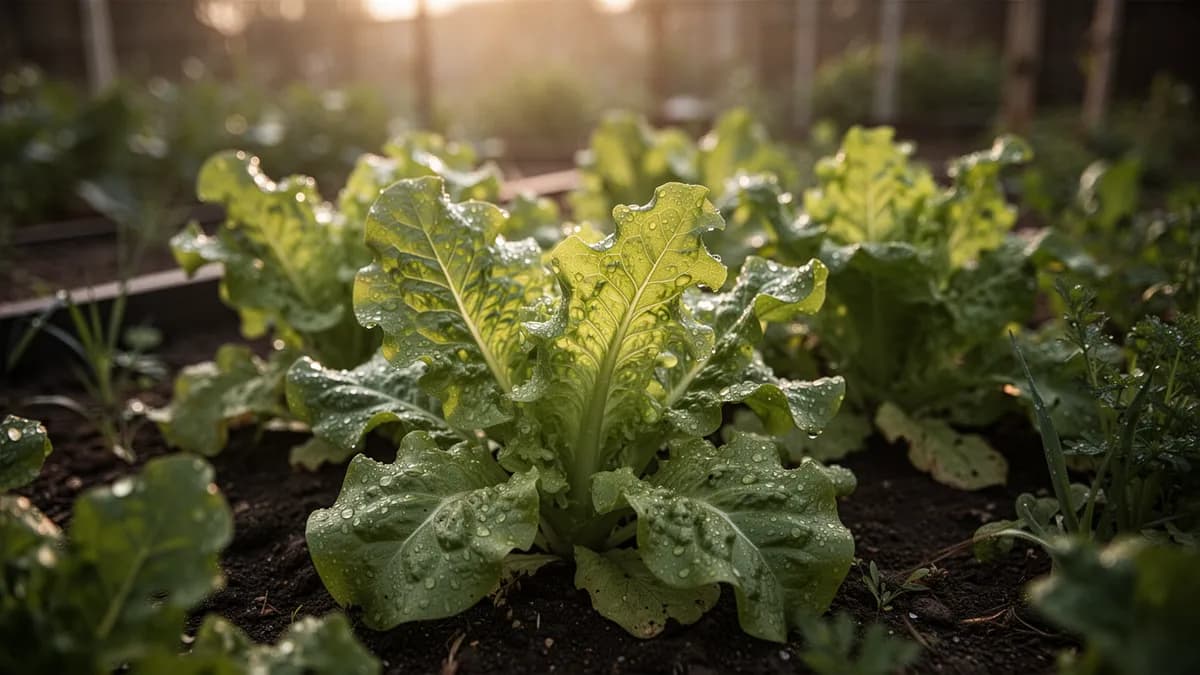
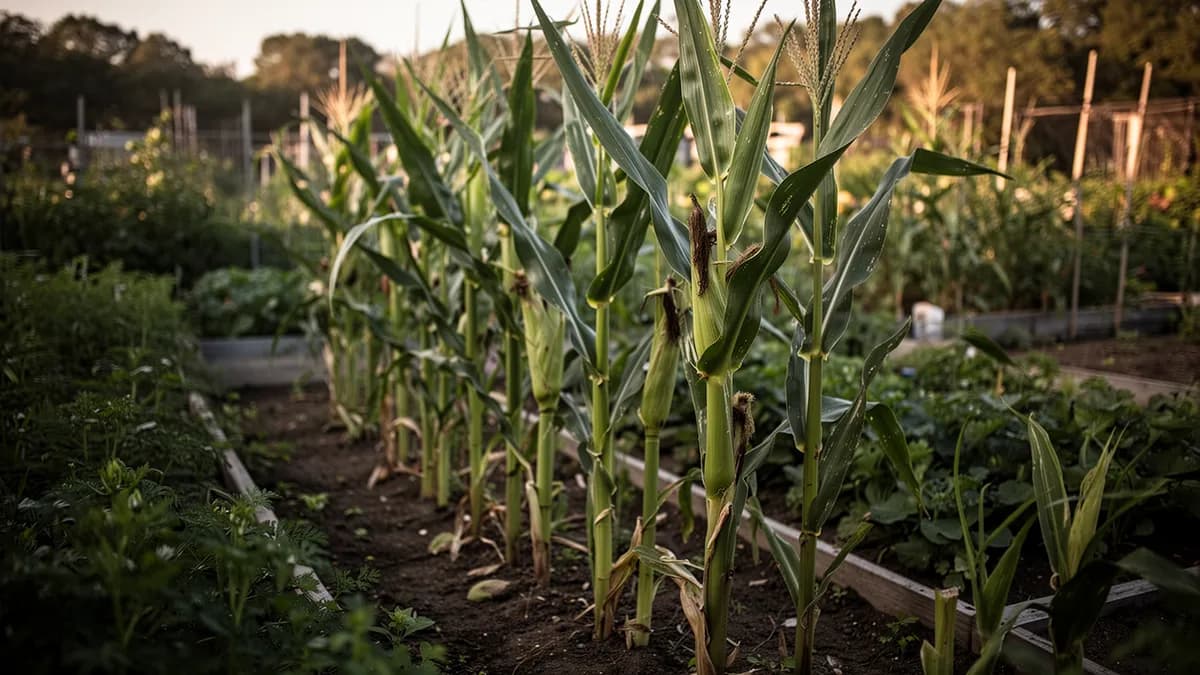
Lechuga va a su lado. Maíz no.
Saber de huerto de siempre, cotejado con la tabla real de Acelga — prueba cualquier planta que cultives.
Prueba Acelga en un bancal, aquí mismo
Un bancal real del planificador con Acelga ya plantado. Toca una planta compañera para colocarla y mira cómo responde la comprobación de vecinos: verde para buenos vecinos, rojo si hay conflicto.


Guías de cultivo relacionadas
Abónalo bien
Suelo rico en nutrientes con pH 6,0-7,0.
Temperatura ideal
Compatibilidad de zonas de rusticidad
De la semilla a la cosecha, etapa por etapa
Germinación de la semilla
Cada glomérulo multigermen se hincha y se abre, emitiendo 2-4 diminutas plántulas. Las primeras estructuras en emerger son los cotiledones, estrechos y en forma de correa. Durante esta fase las raíces se establecen en los 5-8 cm superiores del suelo.
Desarrollo de plántula
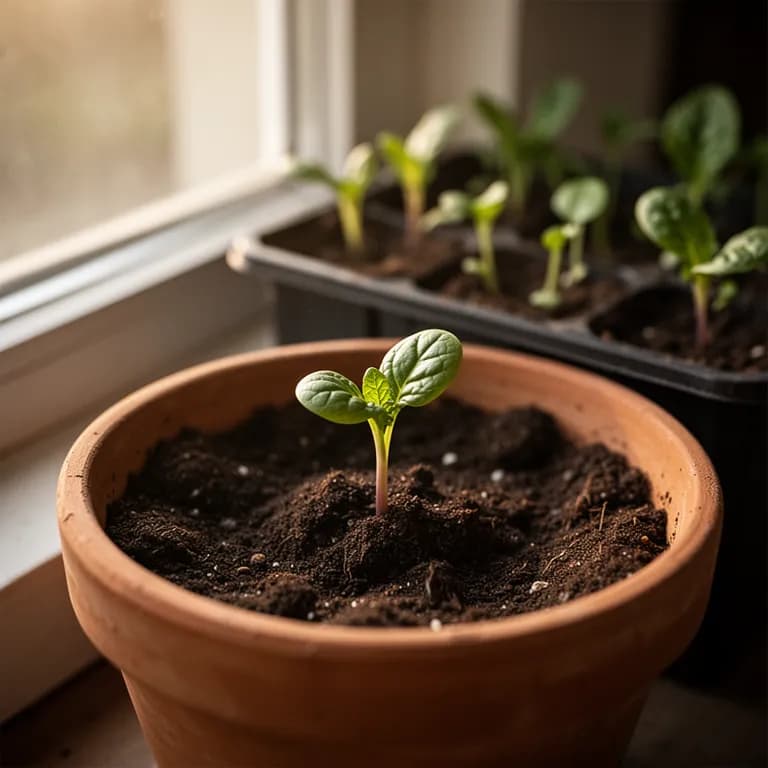
Aparecen las hojas verdaderas con sus láminas anchas y ligeramente rugosas características. El color del tallo ya es visible incluso en esta etapa temprana — rojo, amarillo, naranja o blanco según la variedad. El sistema radicular se profundiza y la planta acumula las reservas de energía necesarias para una rápida producción de hojas.
Crecimiento vegetativo
La planta entra en una fase de producción foliar vigorosa, generando nuevas hojas desde la corona central en una disposición en roseta. Las hojas se vuelven más grandes y los tallos se engrosan, desarrollando su coloración completa. El sistema radicular alcanza su profundidad madura de 15-30 cm.
Primera cosecha
Las hojas exteriores alcanzan 20-25 cm de largo y están listas para la primera cosecha cortar-y-volver. La planta es ahora una roseta bien establecida con 8-12 hojas de tamaño completo. Los tallos son gruesos, crujientes y con la máxima intensidad de color.
Producción continua
Con cosechas regulares, la planta entra en un ciclo de producción sostenida, generando continuamente nuevas hojas desde el centro mientras se cosechan las exteriores. Una planta sana produce 1-2 hojas nuevas por semana en clima cálido. El sabor puede endulzarse tras las heladas ligeras del otoño.
Invernada o espigado
Como planta bienal, la acelga completa su ciclo de vida en dos años. En climas templados (zonas 7+), las plantas invernan y reanudan el crecimiento a principios de primavera. En la segunda primavera, los días más largos desencadenan el espigado — del centro emerge un tallo floral alto y la planta produce pequeñas flores verdosas y semillas antes de morir.
Mantén el semillero uniformemente húmedo pero no encharcado. Si siembras directamente, una capa ligera de vermiculita sobre las semillas ayuda a conservar la humedad. Aclara a una plántula por glomérulo en cuanto aparezcan las primeras hojas verdaderas.
Cuidar Acelga mes a mes
Qué hacer cada mes para tu Acelga
Octubre
Mes actualHarvest intensifies as chard sweetens after the first light frosts. In zones 6 and colder, install cold frames or hoop tunnels over fall plantings for winter harvest. Apply a thick layer of straw mulch around plant bases for insulation.
Ten claro qué hacer en tu huerto, cada mes
Un correo al empezar cada mes: qué sembrar, plantar y hacer ahora mismo — para tu Acelga y todo lo que crece alrededor. Más un breve curso inicial para esquivar los errores clásicos.
- Qué hacer ahora mismo
- Ajustado a tu temporada
- Curso inicial incluido
Cosechar Acelga
Coseche hojas exteriores cuando tienen 20-30 cm de largo.
se supone que plantas al comenzar el periodo — indica tu fecha real
Hojas exteriores de 20-25 cm; la planta tiene 8-12 hojas completas.
Almacenamiento y conservación
Dura 3-5 días en refrigerador.
Qué falla — y cómo solucionarlo
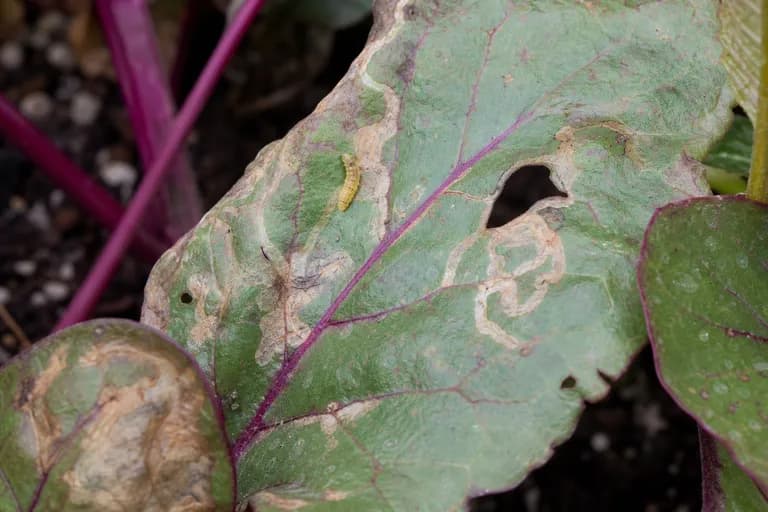
Minador de hojas
PlagaTúneles en hojas.
Solución de problemas comunes
Puede espigar con calor.
Consejos de cultivo
- Swiss chard is one of the most forgiving leafy greens for beginners. It tolerates partial shade (4-6 hours of sun), handles heat without bolting, survives light frost, and recovers quickly from neglect — making it an ideal first crop for new gardeners.
- Soak chard seeds in warm water for 24 hours before planting. Each seed cluster contains multiple embryos, so always thin to one seedling per station. Failure to thin is the most common beginner mistake and results in weak, overcrowded plants.
- Water consistently — 2.5-4 cm (1-1.5 inches) per week delivered at the soil level via drip irrigation or soaker hose. Overhead watering promotes Cercospora leaf spot, the most common chard disease. Mulch heavily to maintain even soil moisture.
- Feed every 3-4 weeks with a nitrogen-rich fertilizer like fish emulsion, blood meal, or compost tea. Chard is a heavy feeder that produces better with regular, moderate feeding rather than a single large application at planting.
- Harvest using the cut-and-come-again method: always take outer leaves first, cutting 3-5 cm above the soil line, and never remove more than one-third of the plant at once. This keeps the central growing point productive for months.
- Swiss chard is stunning in ornamental borders, containers, and edible landscapes. Bright Lights and Peppermint varieties rival many flowers for visual impact and can be planted among perennials and annuals for dual-purpose garden beds.
- For the longest harvest season, make two sowings — one in early spring and one in midsummer. The spring sowing produces through summer, while the fall crop produces the sweetest leaves and can overwinter in mild climates or under protection.
- Floating row covers installed at planting time are the single most effective defense against leaf miners, which are Swiss chard's most troublesome pest. The covers physically exclude the flies from laying eggs on the leaves without reducing light or airflow.
Cultiva tu mejor Acelga — y todo lo que la rodea.
Empieza un plan gratis hoy. Diseña tus bancales, coloca tu Acelga y deja que PlotMyGarden gestione el momento, el espaciado, las asociaciones y los recordatorios de la semilla a la cesta.
Elige tu Acelga
Bright Lights
Tallos coloridos. 60 días.
A single packet of Swiss chard seeds ($2-4) grows 30-50 plants, each producing $8-15 worth of organic greens over the season. Just 4-6 plants provide a continuous supply of fresh greens for a family from late spring through fall — equivalent to buying $50-100 worth of organic chard at grocery prices of $3-5 per bunch. The ornamental value of rainbow varieties adds further value as edible landscaping.
Recetas rápidas
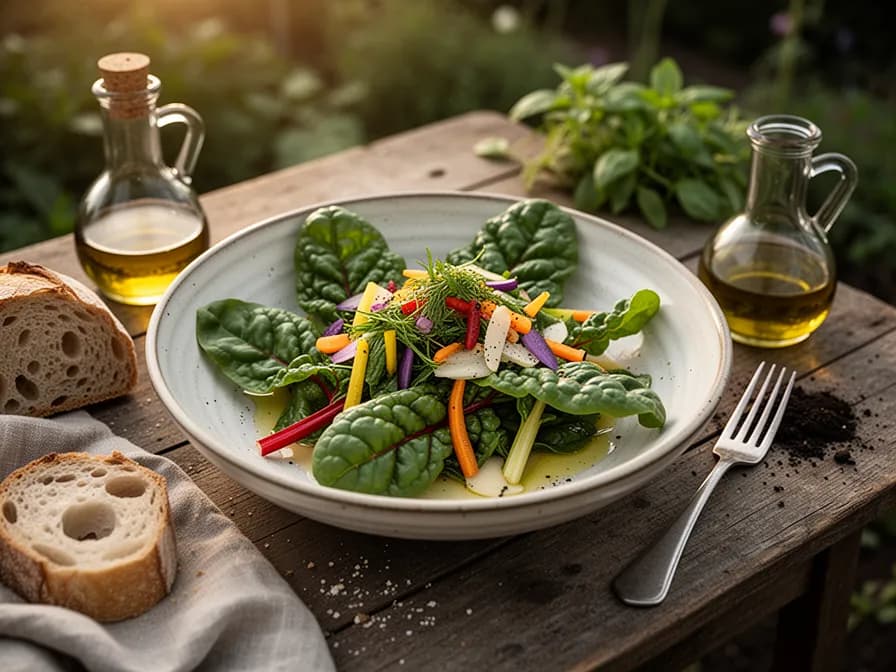
Garlic Sauteed Swiss Chard
10 minThe quintessential way to prepare Swiss chard — quick, simple, and utterly delicious. Vibrant stems and tender leaves sauteed with garlic, finished with a squeeze of lemon. Ready in minutes and pairs with virtually any main course.
7 ingredientesSwiss Chard and White Bean Soup
30 minA hearty, nourishing one-pot soup that makes the most of Swiss chard's earthy flavor. Tender white beans, aromatic vegetables, and ribbons of chard in a savory broth — comfort food that is as nutritious as it is satisfying.
8 ingredientesSwiss Chard Stem Pickles
20 minA stunning quick pickle that transforms colorful chard stems into a crunchy, tangy condiment. The stems retain their vibrant red, orange, and yellow hues in the brine, making them as beautiful as they are delicious on sandwiches and charcuterie boards.
8 ingredientesUsos culinarios
Al vapor, salteado o en sopas.
Qué contiene
Beneficios para la salud
- Swiss chard is one of the top dietary sources of Vitamin K1, with a single cooked cup providing over 700% of the daily value — critical for proper blood clotting, bone metabolism, and cardiovascular health.
- Exceptionally rich in Vitamin A as beta-carotene, supporting healthy vision, robust immune function, and skin cell regeneration. One cup of cooked chard delivers over 200% of the daily recommended intake.
- Contains powerful betalain antioxidants — the same pigments that give beet roots their color — which research has linked to reduced inflammation, improved detoxification enzyme activity, and protection against oxidative stress.
- An excellent plant-based source of magnesium (29% DV per cooked cup), a mineral involved in over 300 enzymatic reactions including energy production, muscle relaxation, and nervous system regulation.
- Provides significant bioavailable iron (22% DV per cooked cup) alongside Vitamin C, which enhances non-heme iron absorption — making chard particularly valuable for vegetarians and vegans at risk of iron deficiency.
- Rich in dietary nitrates, which the body converts to nitric oxide — a molecule that helps relax blood vessels, improve blood flow, and may contribute to healthy blood pressure levels when consumed as part of a regular diet.
De dónde viene Acelga
Swiss chard traces its ancestry to the wild sea beet (Beta vulgaris subsp. maritima), a hardy coastal plant native to the shores of the Mediterranean Sea, Atlantic coast of Europe, and western Asia. Archaeological evidence suggests that humans first harvested wild sea beet leaves as a foraged green as early as 2,000 BCE in the eastern Mediterranean. Unlike the modern beet, which was selectively bred for its swollen root, chard was developed along a separate breeding line that favored large, tender leaves and thick, fleshy stalks. The ancient Greeks and Romans cultivated chard extensively — Aristotle described both light and dark varieties in the 4th century BCE, and the Roman naturalist Pliny the Elder recommended chard as a medicinal plant.
During the Middle Ages, chard remained an important garden vegetable across southern Europe, particularly in Italy, France, and Spain, where it featured prominently in peasant and monastic cooking. Arab traders and agriculturalists spread improved chard varieties eastward through North Africa and into the Middle East, where it became a staple in stews, savory pies, and stuffed dishes. The Swiss botanist Karl Heinrich Emil Koch gave the plant its common English name in the 19th century when he catalogued it to differentiate it from French spinach varieties — leading to the enduring misconception that the vegetable has Swiss origins.
Today, Swiss chard is grown worldwide in temperate and subtropical climates, valued both as a nutritious food crop and as an ornamental garden plant. The development of rainbow and multi-colored varieties like Bright Lights (which won the All-America Selections award in 1998) transformed chard from a humble cooking green into a star of edible landscaping. It is now widely used in farm-to-table cuisine, featured in seed catalogs as a dual-purpose ornamental-edible plant, and recognized as one of the most nutrient-dense vegetables available. Major production regions include Italy, the United States (particularly California), Turkey, and Egypt.
Acelga: ¿sabías que?
Datos fascinantes sobre Acelga
Swiss chard is not actually from Switzerland — the name was coined by a 19th-century Swiss botanist named Karl Heinrich Emil Koch who catalogued the plant to distinguish it from French spinach varieties. The vegetable likely originated in the Mediterranean region.
Acelga: preguntas frecuentes
¿Cuándo debo plantar Acelga?
¿Cuáles son buenas plantas acompañantes para Acelga?
¿En qué zonas de rusticidad puede crecer Acelga?
¿Cuánto sol necesita Acelga?
¿A qué distancia debo espaciar Acelga?
¿Qué plagas y enfermedades afectan a Acelga?
¿Cómo almaceno Acelga después de la cosecha?
¿Cuáles son las mejores variedades de Acelga para cultivar?
¿Qué suelo necesita Acelga?
Is Swiss chard the same as silverbeet?
Can I eat Swiss chard raw?
Why is my Swiss chard bolting?
How do I grow Swiss chard in containers?
What is the difference between Swiss chard and spinach?
Can Swiss chard survive frost?
Acabas de leer la teoría. Ahora cultívala en piloto automático.
Todo lo que hace que Acelga sea delicado — el momento, el espaciado, las asociaciones, la ventana de cosecha — es justo lo que PlotMyGarden resuelve por ti, para cada planta de tu huerto.
Un plan que conoce tu clima
Indica tu ubicación una vez. Recibe fechas de siembra, abonado y cosecha basadas en tu última helada real y el pronóstico en vivo — sin adivinar con un sobre genérico.
De la sección “Cuándo plantar”Planificador de bancales de arrastrar y soltar
Diseña bancales sobre una cuadrícula. Cada planta encaja con su espaciado correcto y ves toda la temporada antes de gastar un céntimo en semillas.
De la sección “Cultivo”Conflictos de asociación, detectados a tiempo
Más de 200 buenas y malas combinaciones comprobadas en vivo mientras plantas — para que un error que arruine la temporada nunca llegue a la tierra.
De la sección “Asociaciones”Recordatorios que sí vas a seguir
“Riega las judías.” “Recoge hoy antes de que se pase.” Oportunos, concretos y ligados a las plantas que de verdad cultivas.
De la sección “Cosecha”Escalonado, programado
¿Quieres cosechar seis semanas en vez de seis días? Reparte tus siembras automáticamente y te avisa cuando toca el siguiente lote.
De la sección “Cuándo plantar”Un registro que se vuelve más listo
Cada cosecha que registras le enseña tu huerto. El plan del año que viene parte de lo que de verdad funcionó en tu suelo, no en un manual.
De la sección “Resumen”Planta estos junto a Acelga
Más Hortalizas de hoja
Mantén Acelga lejos de estos
Diseños de jardín con Acelga
Cultiva tu mejor Acelga — y todo lo que la rodea.
Empieza un plan gratis hoy. Diseña tus bancales, coloca tu Acelga y deja que PlotMyGarden gestione el momento, el espaciado, las asociaciones y los recordatorios de la semilla a la cesta.