Hojas de Mostaza
Una verdura de hoja con sabor picante.





En esta páginaResumen
Conoce Hojas de Mostaza
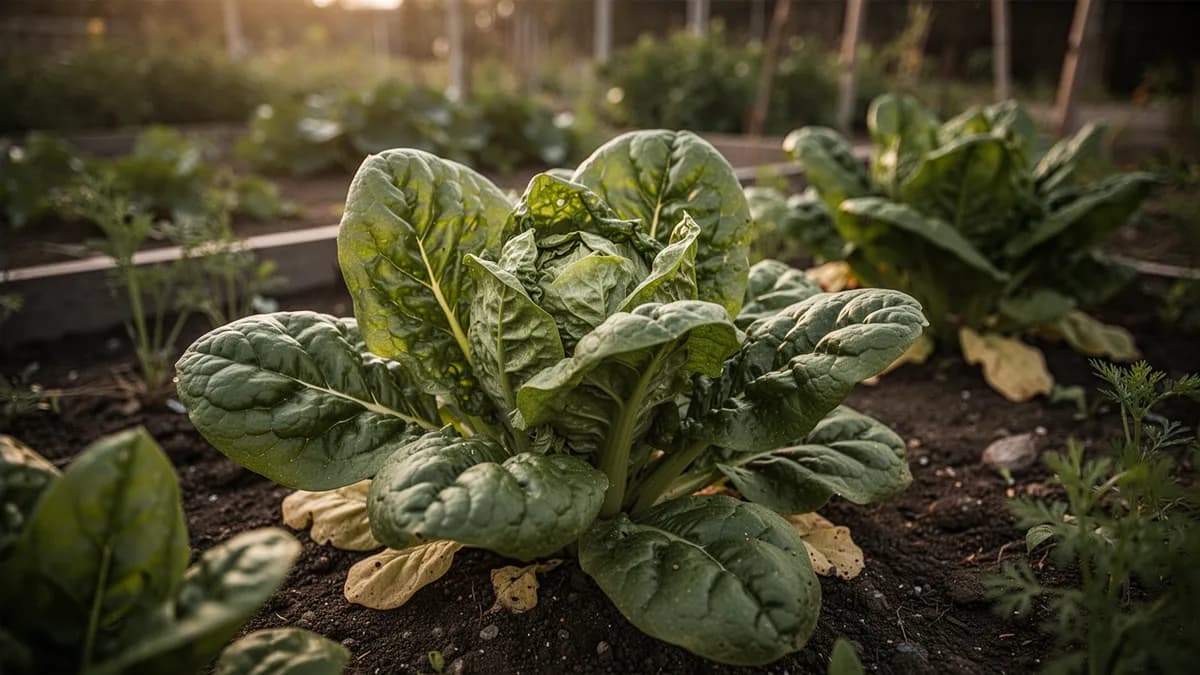
Una verdura de hoja con sabor picante. Crecimiento rápido y muy nutritiva.
Cuándo plantar Hojas de Mostaza
Siembre directamente en el exterior en primavera u otoño. Para cosecha continua, resiembre en tandas cada 2-3 semanas. También puede sembrarse en interior y trasplantar.
Tu año de Hojas de Mostaza
Ajustado a Zona 7 · temporada típica · la helada se va hacia el 2 abr y vuelve hacia el 1 nov
Planta Hojas de Mostaza Mar – Abr, Ago – Sep y cosecha May – Jun, Oct – Nov. Consulta los métodos de plantación y elige tu clima para adaptar los periodos.
Cómo cultivar Hojas de Mostaza
Elija un lugar con sol pleno o semisombra y suelo moderadamente fértil con pH 6,0-7,5. No necesita enmiendas especiales, aunque agradece algo de compost.
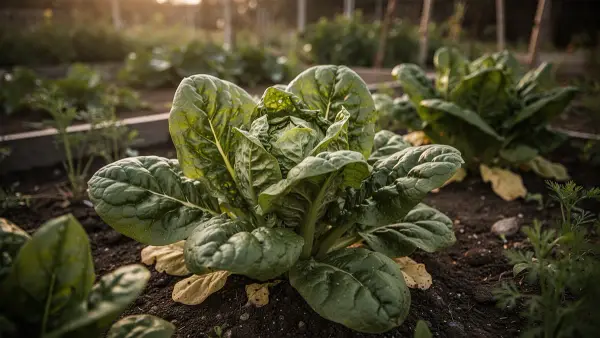
Siembre semillas directamente en el exterior a 0,5 cm de profundidad en primavera u otoño, en hileras o dispersas. El crecimiento es muy rápido: 30-40 días hasta la cosecha. Resiembre cada 2-3 semanas para producción continua.
Riegue regularmente para mantener el suelo húmedo. En verano, proporcione sombra parcial para retrasar el espigado. No requiere abonado intensivo.
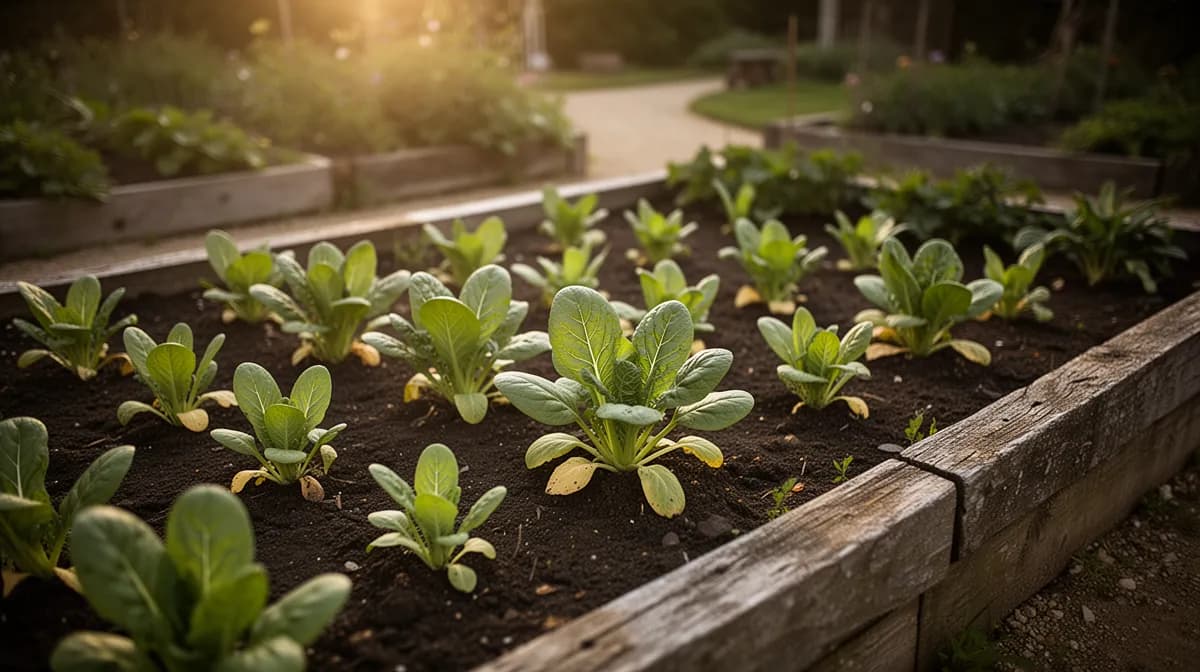
72 plantas caben en un bancal de 120 × 240 cm
Cada Hojas de Mostaza pide 20 cm de margen. El planificador guarda ese marco por ti — cada planta, cada bancal.
Los mejores vecinos de Hojas de Mostaza
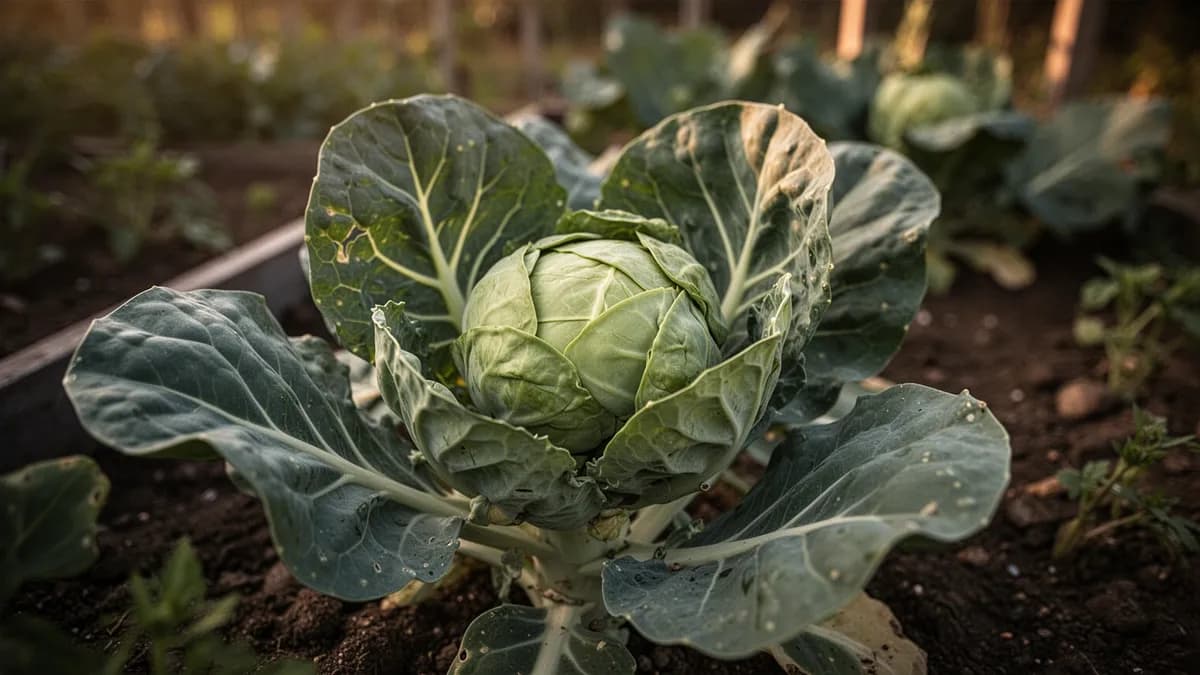
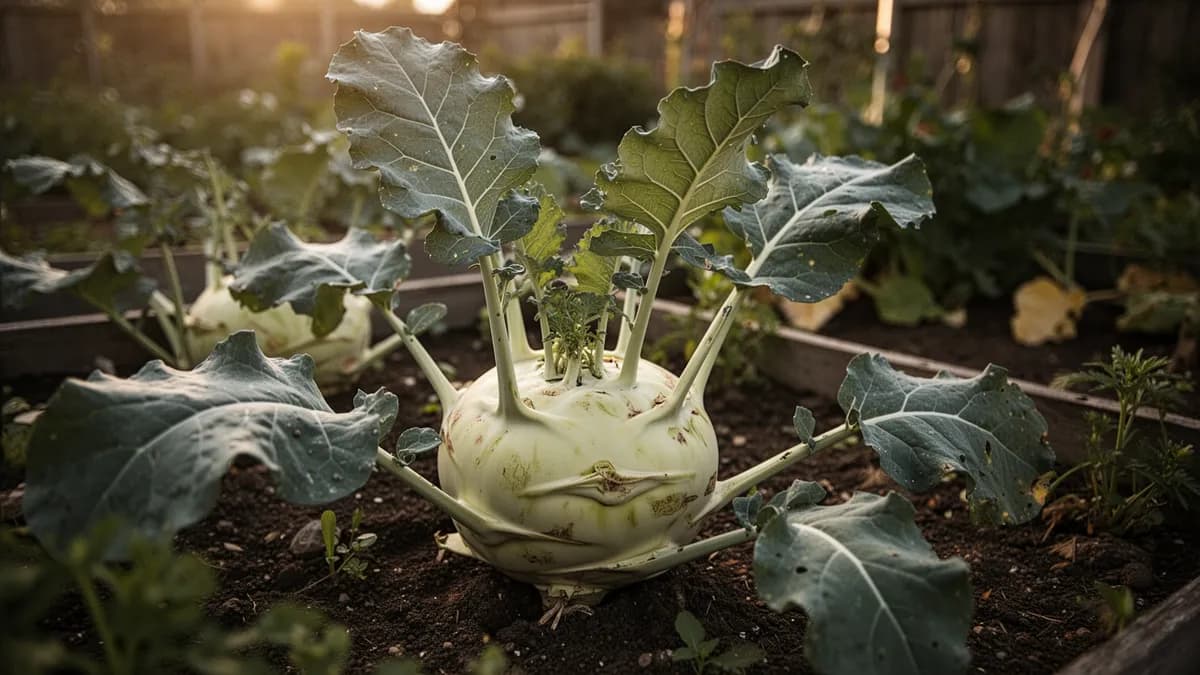
Se asocia bien con col, guisantes y zanahorias. Puede usarse como cultivo trampa para alejar plagas de otras hortalizas más valiosas.
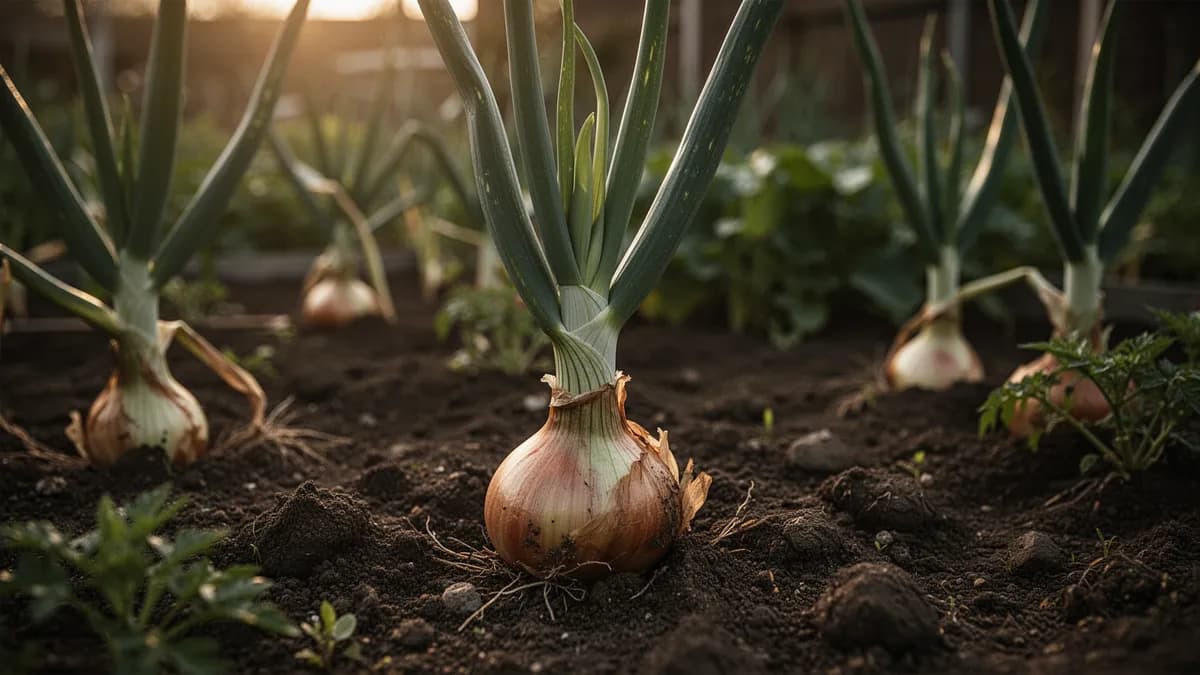
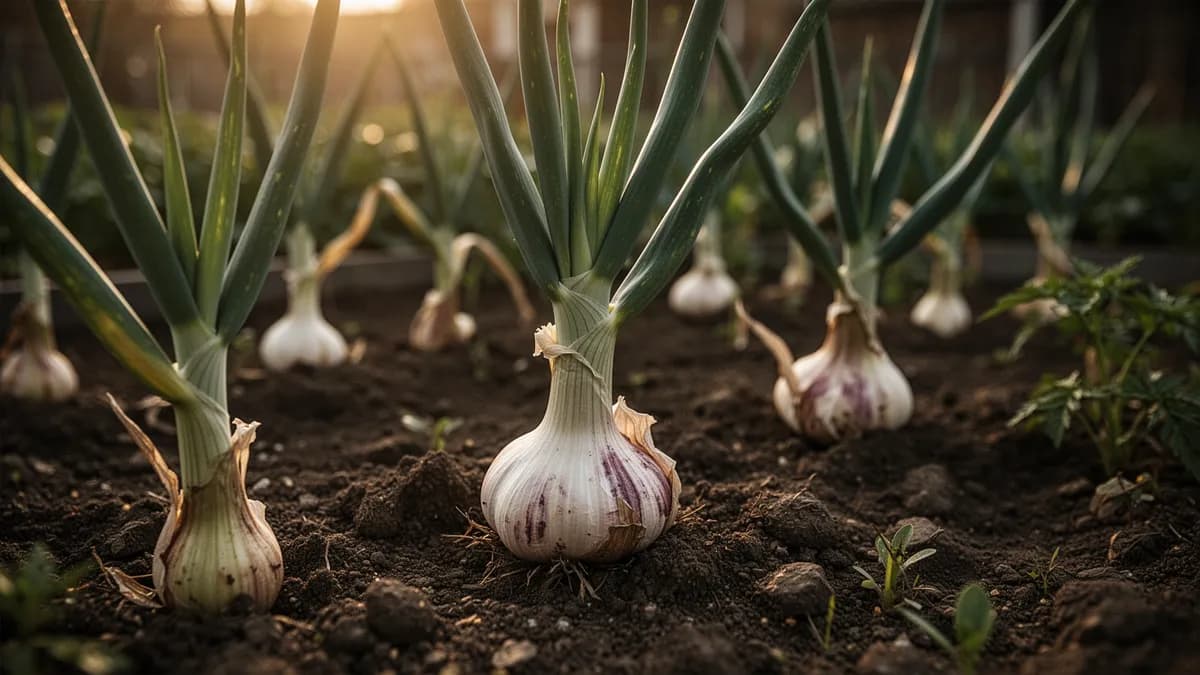
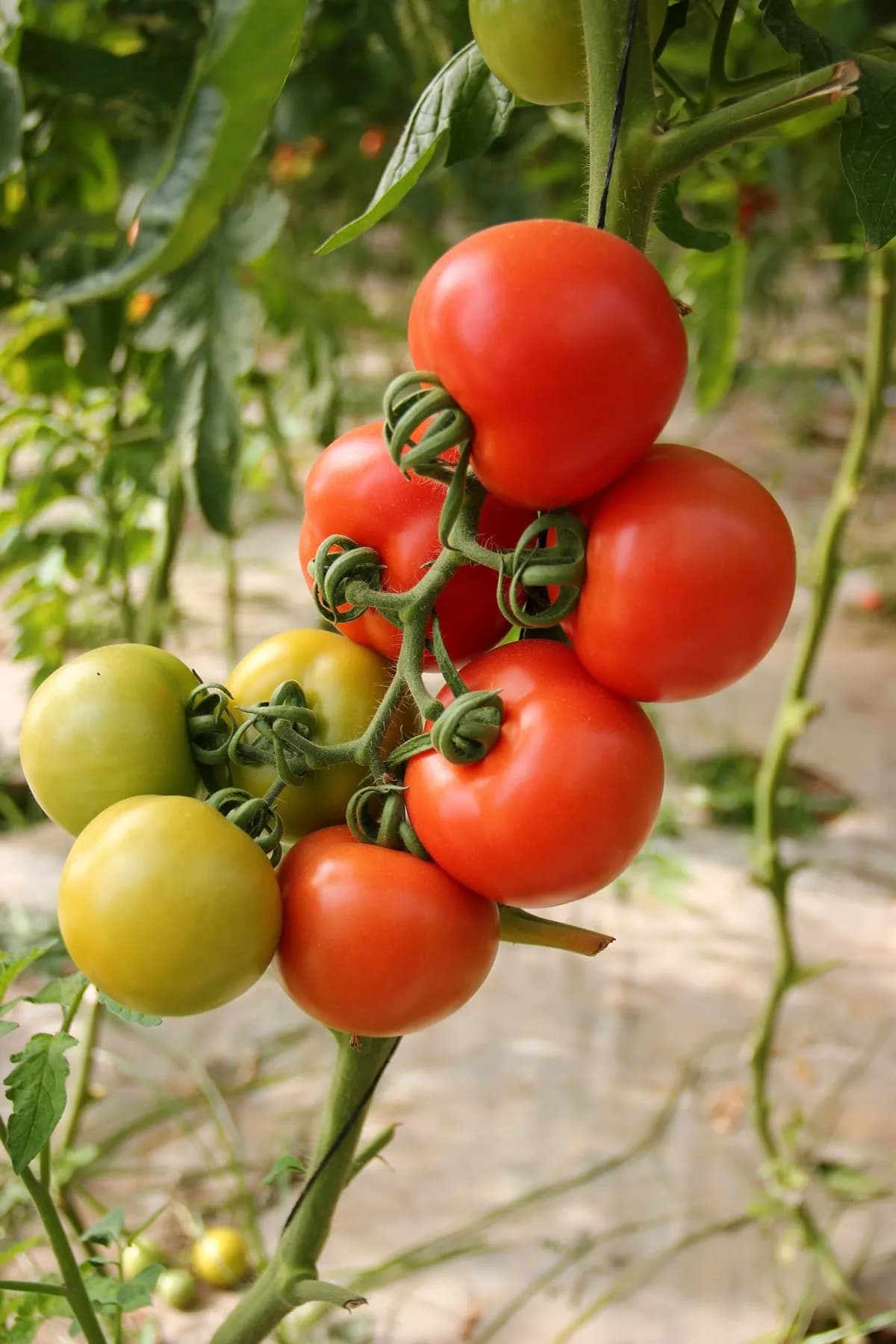
Cebolla va a su lado. Tomate no.
Saber de huerto de siempre, cotejado con la tabla real de Hojas de Mostaza — prueba cualquier planta que cultives.
Prueba Hojas de Mostaza en un bancal, aquí mismo
Un bancal real del planificador con Hojas de Mostaza ya plantado. Toca una planta compañera para colocarla y mira cómo responde la comprobación de vecinos: verde para buenos vecinos, rojo si hay conflicto.


Guías de cultivo relacionadas
Abónalo bien
Se adapta a suelos de fertilidad media con pH 6,0-7,5. Un poco de compost al sembrar es suficiente. El exceso de nitrógeno produce hojas amargas y espigado prematuro.
Temperatura ideal
Compatibilidad de zonas de rusticidad
De la semilla a la cosecha, etapa por etapa
Germinación
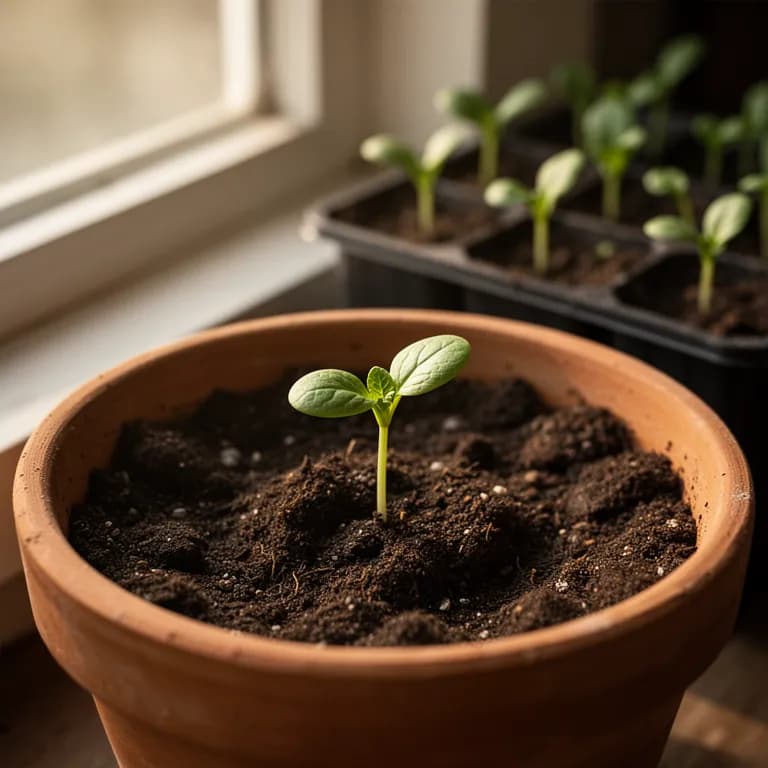
Las diminutas semillas de mostaza germinan con rapidez extraordinaria, a menudo en 4-7 días incluso en suelo fresco de tan solo 7°C. Los pequeños cotiledones redondeados asoman por la superficie del suelo y se abren para mostrar las primeras hojas verdes. La mostaza es una de las brassicas de germinación más rápida.
Desarrollo de plántulas
Las hojas verdaderas aparecen con las primeras pistas de la forma distintiva de cada variedad: bordes aserrados en los tipos rizados, láminas más anchas en las de hoja lisa. Las plántulas crecen rápidamente en clima fresco y empiezan a desarrollar sus característicos compuestos de sabor picante (glucosinolatos).
Crecimiento rápido de hojas
Las plantas entran en una fase de producción vigorosa de hojas, añadiendo hojas nuevas cada pocos días. El tamaño y el color se intensifican: las variedades rojas y moradas desarrollan una pigmentación más profunda a medida que bajan las temperaturas. El sistema radicular se establece en los primeros 15-20 cm del suelo.
Cosecha madura
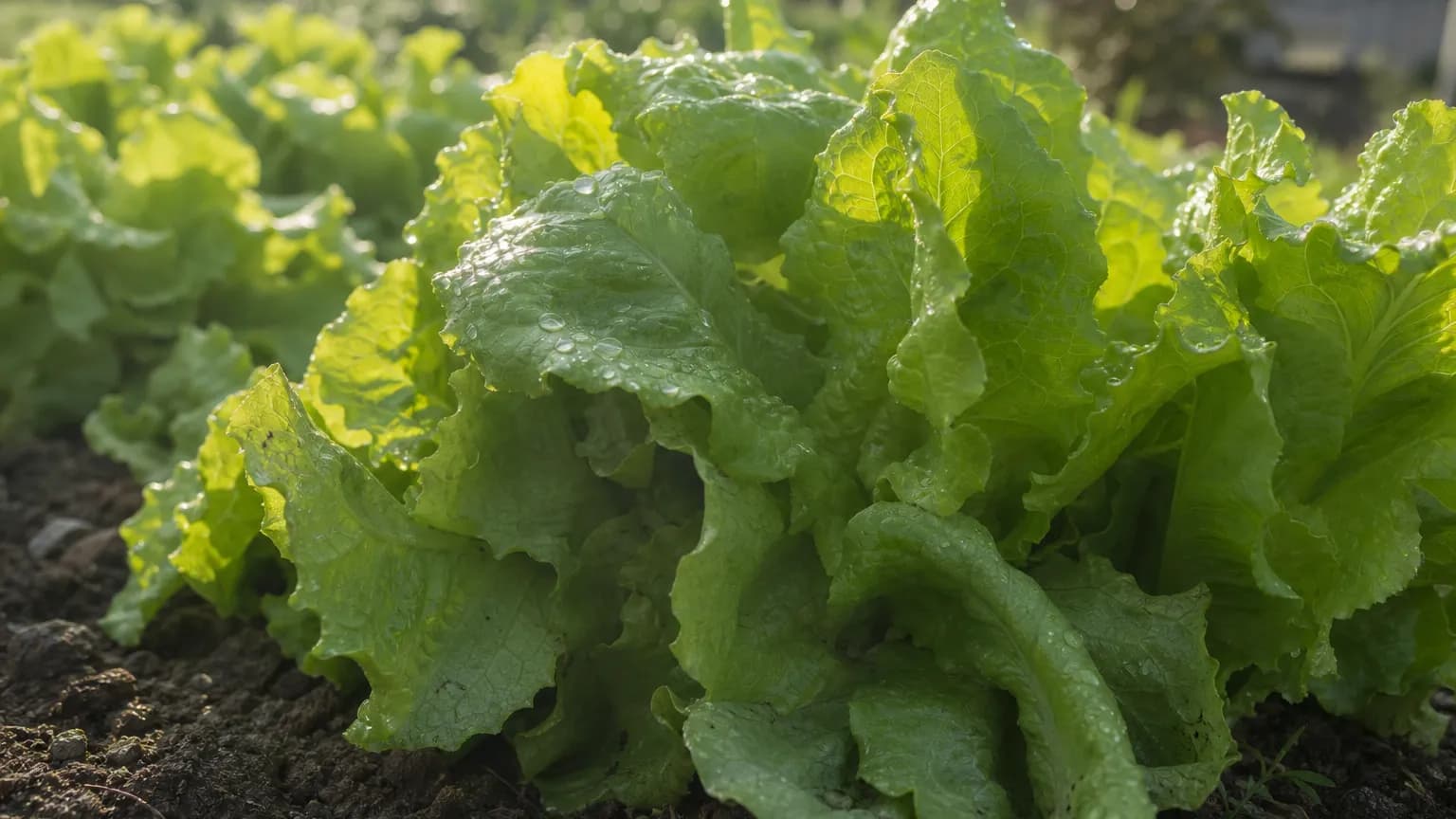
Las plantas alcanzan su tamaño completo con hojas grandes y anchas de 30-45 cm, según la variedad. La roseta de hojas es densa y productiva. El sabor está en su punto óptimo: picante, pero aún no amargo. Esta es la principal ventana de cosecha para cocinar.
Espigado y formación de semillas
Provocada por el alargamiento de los días y el aumento de las temperaturas, la planta emite un tallo floral central con racimos de pequeñas flores amarillas de cuatro pétalos típicas de la familia Brassica. Las hojas se vuelven intensamente picantes y más duras. Las flores atraen polinizadores y se desarrollan en vainas de semillas delgadas (silicuas).
Mantén el suelo uniformemente húmedo, pero no empapado, durante la germinación. Las semillas son muy pequeñas, así que siémbralas de forma superficial, a solo 6 mm de profundidad. Una ligera capa de vermiculita sobre las semillas ayuda a conservar la humedad de la superficie sin formar costra.
Cuidar Hojas de Mostaza mes a mes
Qué hacer cada mes para tu Hojas de Mostaza
Octubre
Mes actualPeak fall harvest month. Mustard greens improve in flavor after light frost, which converts starches to sugars. Harvest generously — the plants are at their best now. Mulch around plants to extend the season in colder zones.
Ten claro qué hacer en tu huerto, cada mes
Un correo al empezar cada mes: qué sembrar, plantar y hacer ahora mismo — para tu Hojas de Mostaza y todo lo que crece alrededor. Más un breve curso inicial para esquivar los errores clásicos.
- Qué hacer ahora mismo
- Ajustado a tu temporada
- Curso inicial incluido
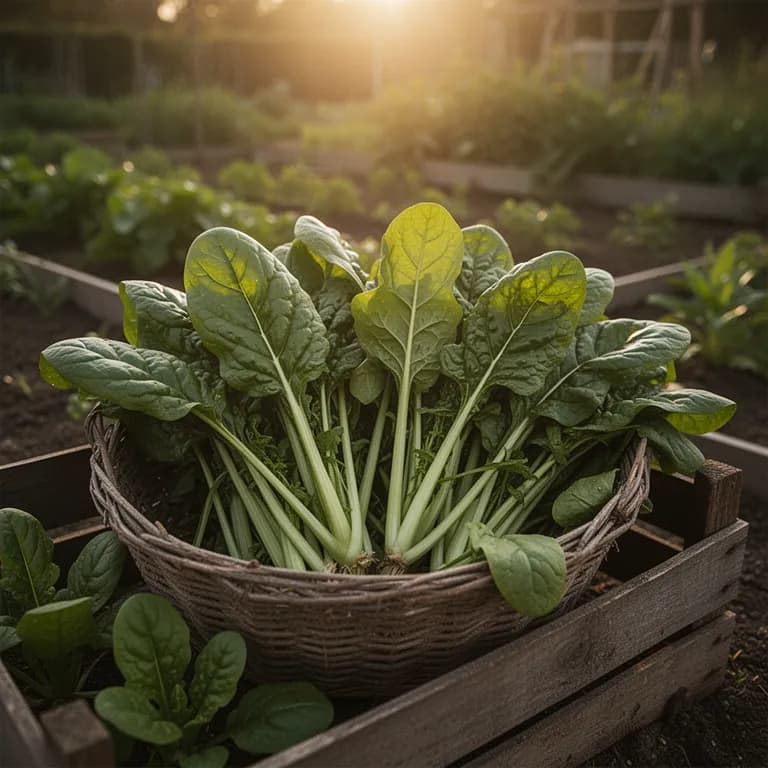
Cosechar Hojas de Mostaza
Coseche hojas baby a los 20-25 días para ensaladas mixtas. Para hojas adultas espere 30-45 días. Corte las hojas exteriores dejando el corazón para continuar la producción.
se supone que plantas al comenzar el periodo — indica tu fecha real
Empieza a cosechar hojas tiernas tan pronto como 21 días después de la siembra, o espera 40-50 días para hojas de tamaño completo.
Almacenamiento y conservación
Conserve en bolsa hermética en el refrigerador hasta 5 días. Lave y seque completamente antes de guardar para prolongar la frescura.
Qué falla — y cómo solucionarlo
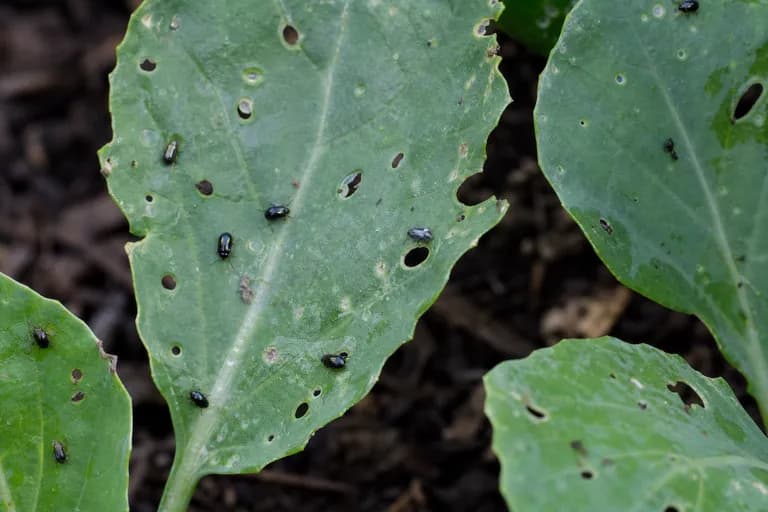
Pulgas saltadoras
PlagaPequeños agujeros redondos en las hojas que pueden ser numerosos en plantas jóvenes.
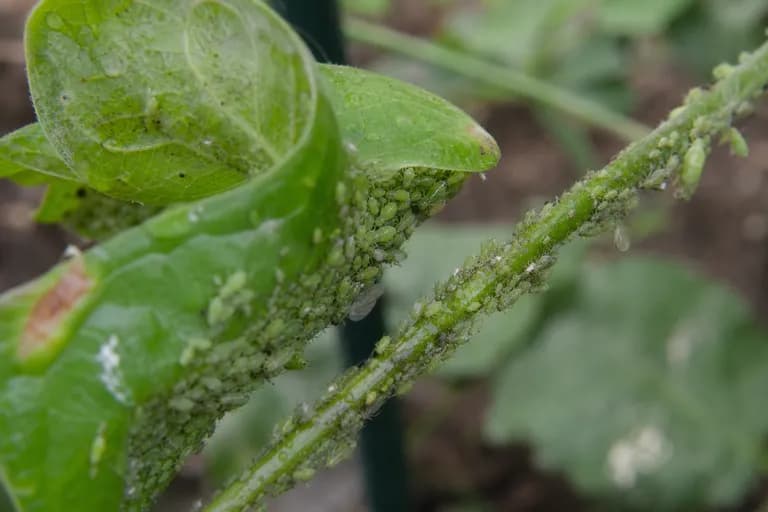
Pulgones
PlagaColonias en el envés de hojas que causan amarillamiento y deformación.
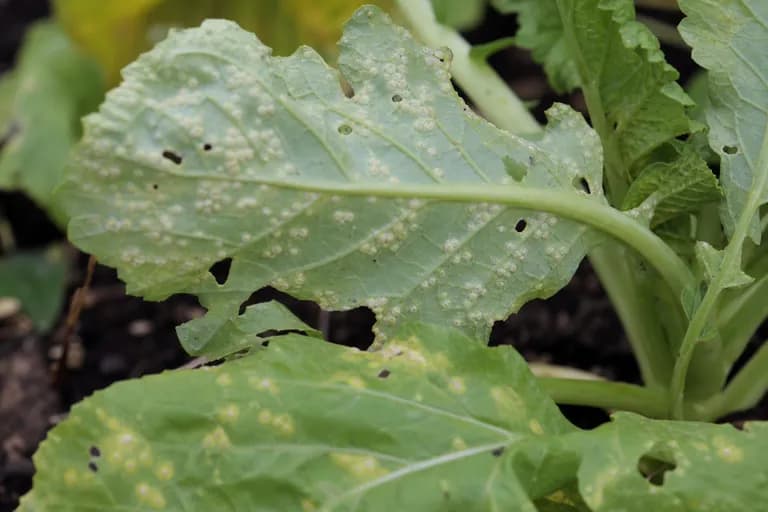
Mildiu
EnfermedadZonas polvoriosas blancas en las hojas con posterior amarillamiento.
Solución de problemas comunes
Las altas temperaturas provocan el espigado rápido haciendo las hojas extremadamente amargas. Es mucho mejor cultivarla en primavera temprana o otoño.
Consejos de cultivo
- Sow seeds shallowly — just 6mm (1/4 inch) deep. Mustard seeds are small and seedlings struggle to emerge from deeper planting. Press seeds gently into moist soil and cover with a thin layer of fine compost or vermiculite.
- Succession sow every 2-3 weeks for continuous harvest rather than planting one large batch. This prevents the feast-or-famine cycle where all plants bolt simultaneously, leaving you with nothing.
- Harvest outer leaves first, working inward, and always leave the central growing point intact. This cut-and-come-again method can triple your total yield from each plant compared to a single full harvest.
- Provide afternoon shade in warm weather using shade cloth (30-50%) or by planting on the east side of taller crops like tomatoes or corn. Even a few degrees of cooling can delay bolting by weeks.
- Water consistently to keep leaves mild and tender. Drought-stressed mustard greens develop an aggressively hot, bitter flavor that many find unpleasant. Mulch heavily to maintain even soil moisture.
- Mix varieties for visual interest and culinary diversity. Plant Red Giant, Green Wave, and Mizuna together — they mature at similar rates but offer dramatically different leaf shapes, colors, and flavor intensities.
- Use mustard greens as a biofumigant cover crop. When the growing season ends, chop plants finely and till them into the soil. The glucosinolates released as the plant matter decomposes naturally suppress soilborne diseases and nematodes.
- Interplant mustard greens with slower-growing vegetables like broccoli, cabbage, or Brussels sprouts. The mustard greens will be harvested and cleared before the larger brassicas need the space, effectively doubling your bed productivity.
Cultiva tu mejor Hojas de Mostaza — y todo lo que la rodea.
Empieza un plan gratis hoy. Diseña tus bancales, coloca tu Hojas de Mostaza y deja que PlotMyGarden gestione el momento, el espaciado, las asociaciones y los recordatorios de la semilla a la cesta.
Elige tu Hojas de Mostaza
Red Giant
Hojas grandes de color rojo-morado intenso con sabor picante pronunciado. Madura en 45 días.
Green Wave
Hojas verde brillante con bordes rizados y sabor suave. Muy rápida, 45 días.
Golden Frill
Hojas amarillas con bordes muy rizados, aspecto decorativo y sabor suave. Ideal para ensaladas.
Mustard green seeds are among the cheapest vegetable seeds available — a $2-3 packet contains hundreds of seeds sufficient for multiple sowings. Fresh mustard greens sell for $3-5 per bunch at grocery stores and $4-7 at farmers markets. A single $2 seed packet, succession sown across spring and fall, can easily produce 10-15 kg of greens worth $60-120 at retail prices. The cost per serving from homegrown mustard greens is essentially zero after the initial seed investment. Specialty varieties like mizuna and Red Giant command even higher prices at market.
Recetas rápidas
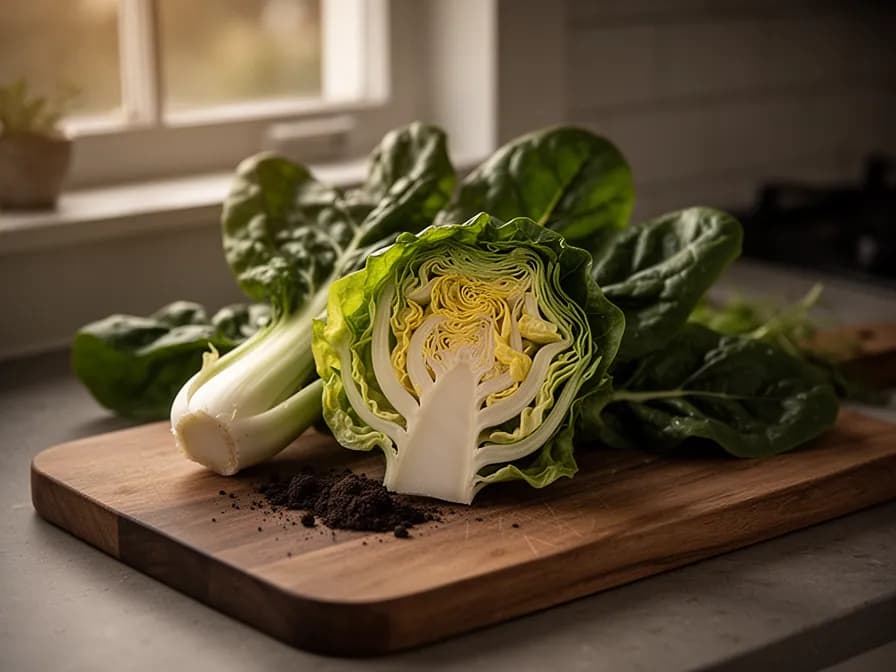
Garlic Sesame Stir-Fried Mustard Greens
15 minA classic Asian preparation that tames the peppery bite of mustard greens while preserving their vibrant color and nutritional value. The high-heat wok cooking creates slightly charred edges with a tender center — the perfect balance of smoky, garlicky, and spicy.
8 ingredientesSouthern-Style Braised Mustard Greens
45 minSlow-braised in a savory pot liquor with smoked ham hock, this traditional Southern preparation transforms peppery mustard greens into a meltingly tender, deeply flavored side dish. The braising liquid (pot likker) is rich enough to drink on its own with cornbread.
9 ingredientesMustard Green and White Bean Soup
30 minA hearty, nutrient-dense soup where the peppery bite of mustard greens cuts through the creamy richness of white beans and Parmesan broth. This one-pot meal comes together quickly and tastes even better the next day as the flavors meld.
9 ingredientesUsos culinarios
Las hojas jóvenes son excelentes en ensaladas mixtas por su picante característico. Las hojas maduras se saltean con ajo, se añaden a sopas o se preparan al vapor como espinacas.
Qué contiene
Beneficios para la salud
- Mustard greens are among the most nutrient-dense foods on earth, scoring higher than kale on the Aggregate Nutrient Density Index (ANDI). Just one cup of cooked mustard greens provides over 500% of the daily value for vitamin K, critical for bone health and proper blood clotting.
- The glucosinolates in mustard greens, particularly sinigrin, are converted to allyl isothiocyanate during digestion — a compound extensively researched for its ability to inhibit cancer cell growth, especially in bladder, colon, and lung cancers.
- Exceptionally high in beta-carotene (provitamin A), providing over 200% of the daily value per 100g. Beta-carotene supports eye health, skin integrity, and immune function, and acts as a powerful fat-soluble antioxidant.
- Rich in calcium (115mg per 100g) with relatively low oxalate content compared to spinach, making the calcium more bioavailable. Regular consumption supports bone density, particularly important for those who do not consume dairy.
- Contains significant anti-inflammatory compounds including vitamin C, beta-carotene, and isothiocyanates that work synergistically to reduce chronic inflammation — a root factor in heart disease, diabetes, and autoimmune conditions.
- High in dietary fiber (3.2g per 100g) that supports digestive health, feeds beneficial gut bacteria, and helps regulate cholesterol levels. The soluble fiber component may help moderate post-meal blood sugar spikes.
De dónde viene Hojas de Mostaza
Mustard greens (Brassica juncea) originated in the Himalayan region of Central Asia, likely arising as a natural hybrid between Brassica rapa (turnip/field mustard) and Brassica nigra (black mustard) thousands of years ago. Archaeological evidence and ancient texts indicate cultivation in India dating back at least 5,000 years, where the plant was valued for its leaves, seeds, and oil. From the Indian subcontinent, mustard greens spread along trade routes to China, where they became a foundational ingredient in regional cuisines — particularly in Sichuan and Cantonese cooking — and were developed into dozens of distinct varieties including gai choy, mizuna, and tatsoi.
Mustard greens reached the Mediterranean basin via Persian and Arab traders, where they integrated into European gardening traditions. The Romans cultivated mustard primarily for its seeds as a condiment, but the leafy greens were also consumed. In Africa, mustard greens became widely cultivated across the continent, and enslaved Africans brought their culinary knowledge of cooking greens to the American South. There, mustard greens joined collards, turnip greens, and kale as essential components of Southern soul food tradition, slow-braised with smoked pork and served with cornbread — a culinary practice that endures as a cornerstone of Southern cooking today.
Today, India and China are the world's largest producers of Brassica juncea, grown both for oil seed production and as a leafy vegetable. In the United States, mustard greens are commercially grown across the Southeast and are increasingly popular nationwide as interest in diverse leafy greens expands beyond conventional lettuce and spinach. Modern breeding has produced an enormous range of varieties — from the giant, ruffled leaves of Southern Giant Curled to the delicate, deeply cut foliage of Japanese mizuna — each suited to different culinary traditions and growing conditions.
Hojas de Mostaza: ¿sabías que?
Datos fascinantes sobre Hojas de Mostaza
Mustard greens (Brassica juncea) are the same species that produces brown mustard seeds — the leaves, seeds, and even the oil are all used in different cuisines around the world, making it one of the most versatile crop plants on earth.
Hojas de Mostaza: preguntas frecuentes
¿Cuándo debo plantar Hojas de Mostaza?
¿Cuáles son buenas plantas acompañantes para Hojas de Mostaza?
¿En qué zonas de rusticidad puede crecer Hojas de Mostaza?
¿Cuánto sol necesita Hojas de Mostaza?
¿A qué distancia debo espaciar Hojas de Mostaza?
¿Qué plagas y enfermedades afectan a Hojas de Mostaza?
¿Cómo almaceno Hojas de Mostaza después de la cosecha?
¿Cuáles son las mejores variedades de Hojas de Mostaza para cultivar?
¿Qué suelo necesita Hojas de Mostaza?
Why do my mustard greens taste so hot and bitter?
How do I prevent my mustard greens from bolting so quickly?
Can I eat mustard greens raw, or do they need to be cooked?
What is the difference between mustard greens, mizuna, and gai choy?
Are mustard greens and mustard seed from the same plant?
Can I grow mustard greens in containers?
Acabas de leer la teoría. Ahora cultívala en piloto automático.
Todo lo que hace que Hojas de Mostaza sea delicado — el momento, el espaciado, las asociaciones, la ventana de cosecha — es justo lo que PlotMyGarden resuelve por ti, para cada planta de tu huerto.
Un plan que conoce tu clima
Indica tu ubicación una vez. Recibe fechas de siembra, abonado y cosecha basadas en tu última helada real y el pronóstico en vivo — sin adivinar con un sobre genérico.
De la sección “Cuándo plantar”Planificador de bancales de arrastrar y soltar
Diseña bancales sobre una cuadrícula. Cada planta encaja con su espaciado correcto y ves toda la temporada antes de gastar un céntimo en semillas.
De la sección “Cultivo”Conflictos de asociación, detectados a tiempo
Más de 200 buenas y malas combinaciones comprobadas en vivo mientras plantas — para que un error que arruine la temporada nunca llegue a la tierra.
De la sección “Asociaciones”Recordatorios que sí vas a seguir
“Riega las judías.” “Recoge hoy antes de que se pase.” Oportunos, concretos y ligados a las plantas que de verdad cultivas.
De la sección “Cosecha”Escalonado, programado
¿Quieres cosechar seis semanas en vez de seis días? Reparte tus siembras automáticamente y te avisa cuando toca el siguiente lote.
De la sección “Cuándo plantar”Un registro que se vuelve más listo
Cada cosecha que registras le enseña tu huerto. El plan del año que viene parte de lo que de verdad funcionó en tu suelo, no en un manual.
De la sección “Resumen”Planta estos junto a Hojas de Mostaza
Más Crucíferas
Mantén Hojas de Mostaza lejos de estos
Diseños de jardín con Hojas de Mostaza
Cultiva tu mejor Hojas de Mostaza — y todo lo que la rodea.
Empieza un plan gratis hoy. Diseña tus bancales, coloca tu Hojas de Mostaza y deja que PlotMyGarden gestione el momento, el espaciado, las asociaciones y los recordatorios de la semilla a la cesta.