Clavelina anual
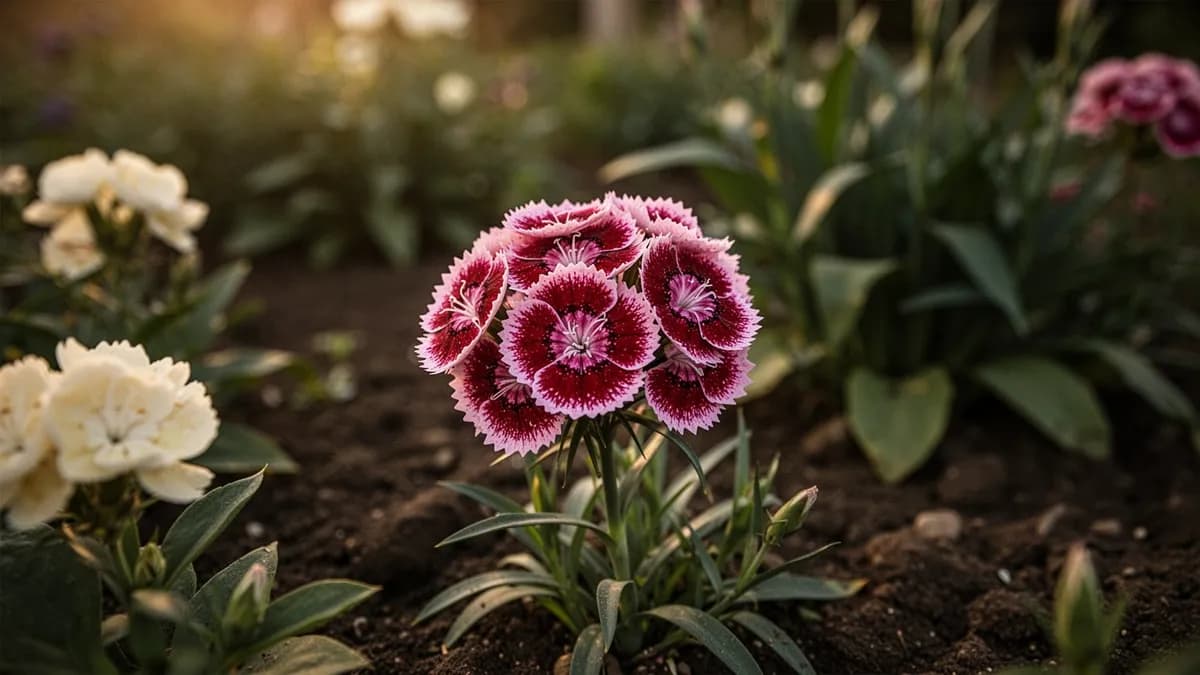
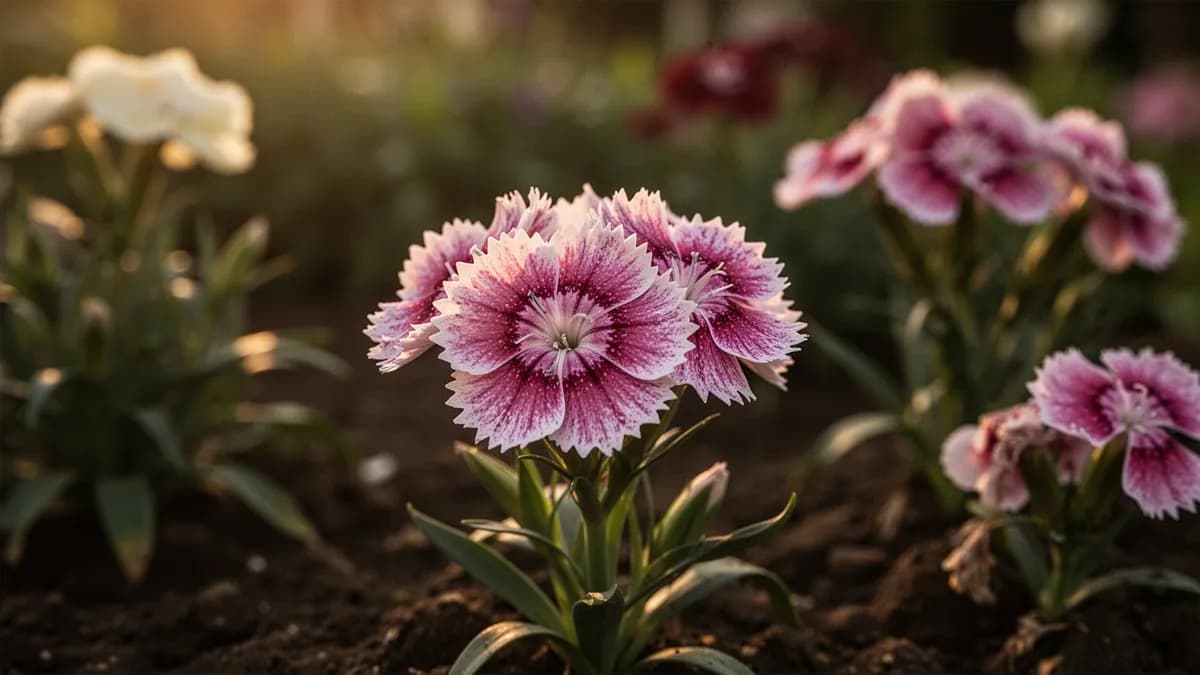
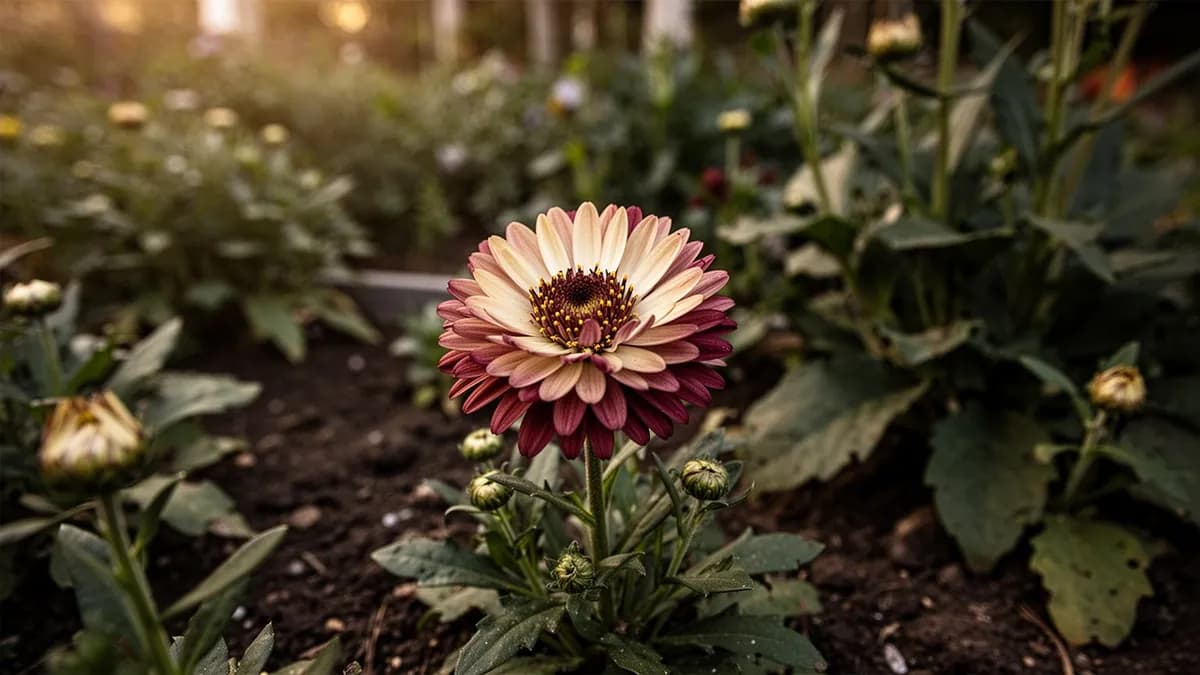
Una anual compacta con flores rizadas y fragantes, en tonos rosa, rojo y blanco, a menudo con un centro contrastado.





En esta páginaResumen
Conoce Clavelina anual
Una anual compacta con flores rizadas y fragantes, en tonos rosa, rojo y blanco, a menudo con un centro contrastado. La clavelina anual prospera con tiempo fresco y suelo ligeramente alcalino, y florece con abundancia en primavera y otoño. Quite las flores marchitas con regularidad y recorte las plantas después del primer pico de floración para estimular nuevas tandas de flores.
Cuándo plantar Clavelina anual
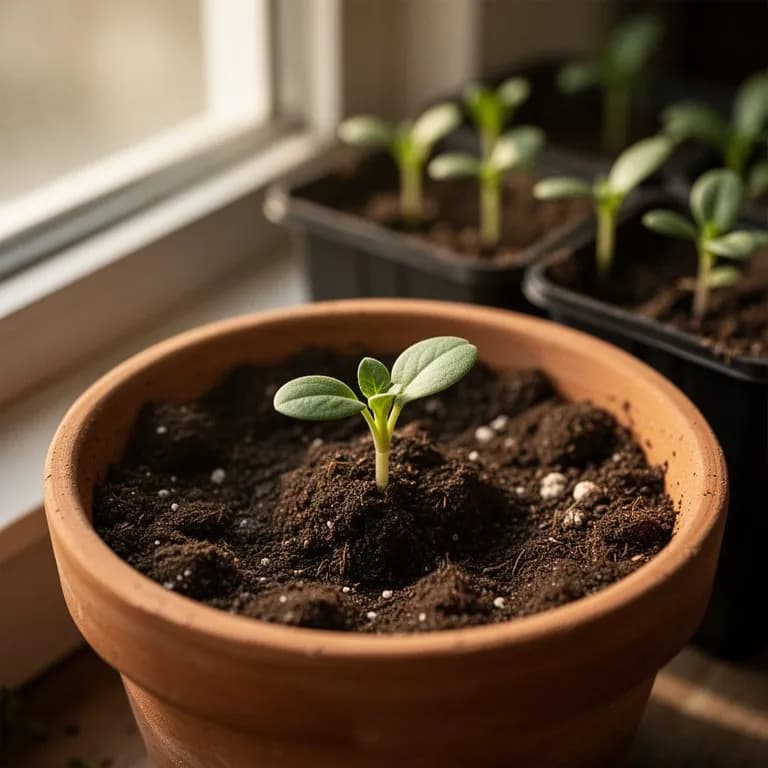
Siembre las semillas en interior entre 6 y 8 semanas antes de la última helada para obtener una floración temprana, o siémbrelas al aire libre después de que el suelo se caliente. Presione las semillas sobre la superficie del sustrato sin cubrirlas, ya que necesitan luz para germinar. Mantenga el medio a unos 18 a 21 °C y una humedad constante. Las plántulas crecen mejor con mucha luz y deben endurecerse antes del trasplante. También puede sembrar directamente en otoño en zonas suaves.
Tu año de Clavelina anual
Ajustado a Zona 7 · temporada típica · la helada se va hacia el 2 abr y vuelve hacia el 1 nov
Planta Clavelina anual Mar – Abr, Sep y cosecha May – Jul. Consulta los métodos de plantación y elige tu clima para adaptar los periodos.
Cómo cultivar Clavelina anual
La clavelina anual prospera a pleno sol y en un suelo bien drenado y ligeramente alcalino. Prepare los bancales incorporando compost y una pizca de cal si el suelo es ácido, buscando un pH de 6.5 a 7.5. Plante trasplantes o siembre directamente a comienzos de la primavera o a comienzos del otoño, dejando entre 20 y 25 cm entre plantas. Las semillas necesitan luz para germinar, así que presiónelas sobre la superficie del suelo sin cubrirlas.
Riegue con regularidad hasta que las plantas se establezcan y, después, reduzca a un riego moderado, dejando que los dos o tres centímetros superiores del suelo se sequen entre riegos. Las clavelinas son sensibles al exceso de riego y al suelo encharcado, lo que provoca pudrición de raíces. Aplique una capa de mantillo de unos cinco centímetros alrededor de las plantas para conservar la humedad y regular la temperatura del suelo, manteniéndola alejada de los tallos.
Quite las flores marchitas de forma continua para fomentar una floración prolongada durante toda la temporada. Cuando el primer pico de floración decaiga, recorte las plantas en un tercio para estimular una nueva oleada de crecimiento y flores. Abone cada cuatro a seis semanas con un fertilizante equilibrado de liberación lenta. En regiones con inviernos suaves, la clavelina anual puede sobrevivir y volver a florecer la primavera siguiente.
36 plantas caben en un bancal de 120 × 240 cm
Cada Clavelina anual pide 25 cm de margen. El planificador guarda ese marco por ti — cada planta, cada bancal.
Los mejores vecinos de Clavelina anual
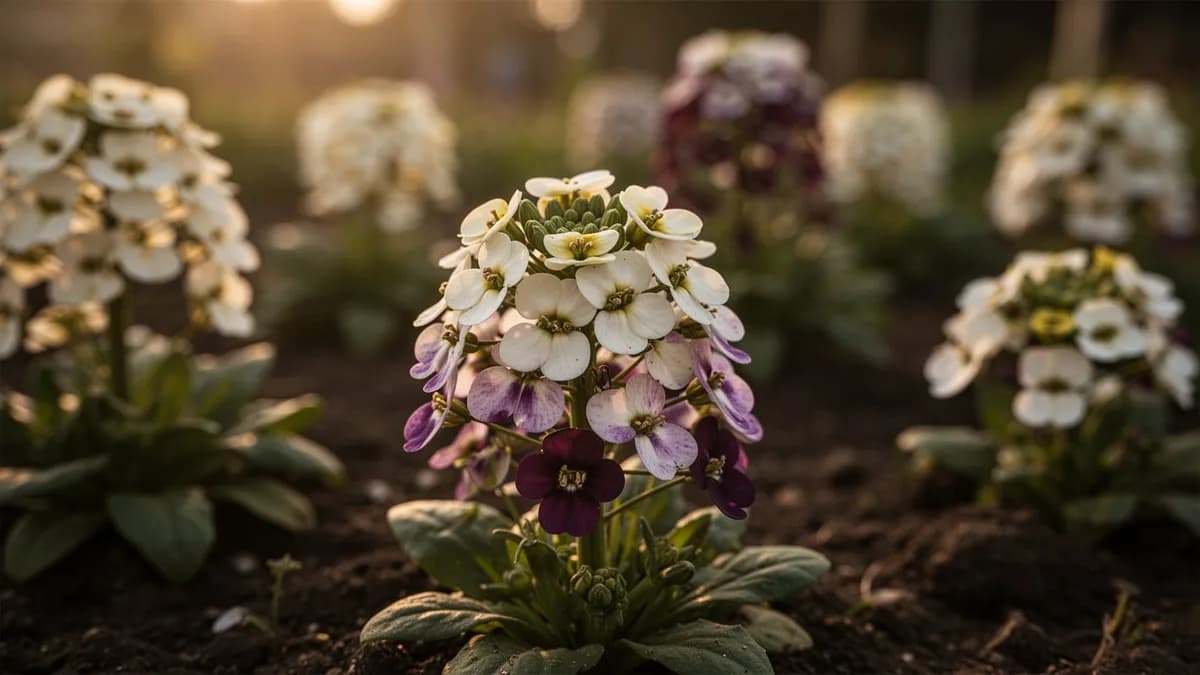
La clavelina anual combina bien con pensamientos, alyssum y boca de dragón. Su tamaño pequeño la hace ideal para el borde frontal de parterres, macetas mixtas y jardines de temporada fresca. También se ve muy bien junto a plantas de floración más suave como lobelia o verbena, donde aporta un toque especiado y rizado. Evite plantarla junto a especies que requieran mucha agua.
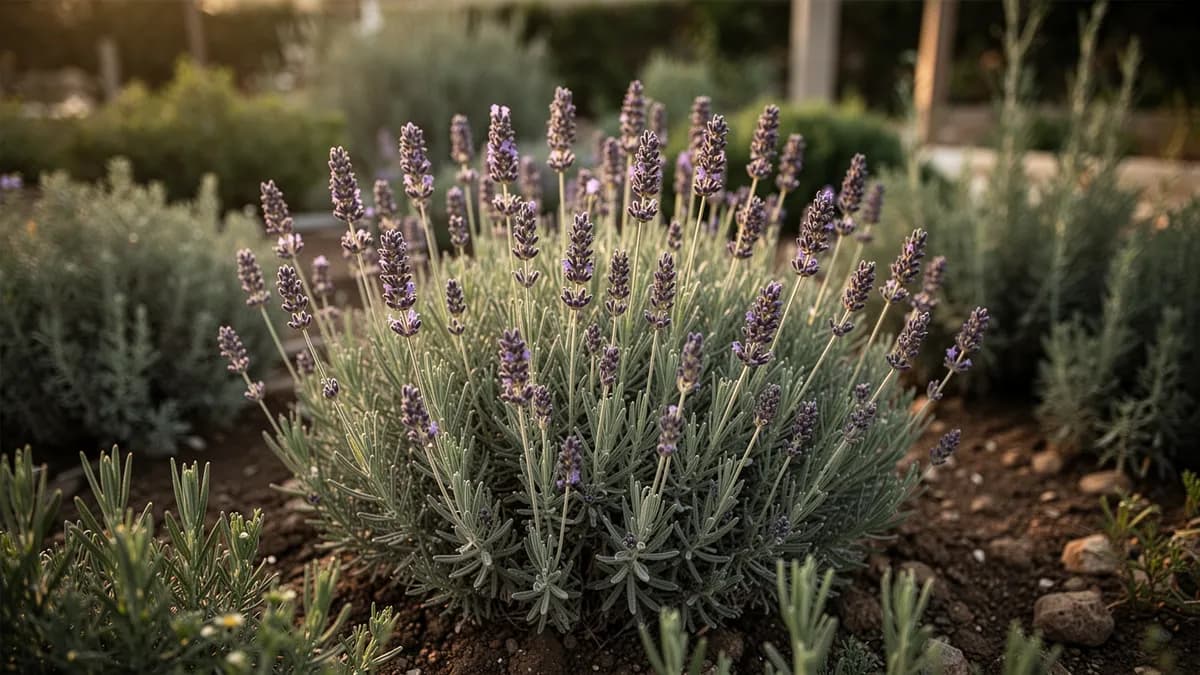
Lavanda va a su lado.
Saber de huerto de siempre, cotejado con la tabla real de Clavelina anual — prueba cualquier planta que cultives.
Prueba Clavelina anual en un bancal, aquí mismo
Un bancal real del planificador con Clavelina anual ya plantado. Toca una planta compañera para colocarla y mira cómo responde la comprobación de vecinos: verde para buenos vecinos, rojo si hay conflicto.


Guías de cultivo relacionadas
Abónalo bien
La clavelina anual prospera en un suelo bien drenado y ligeramente alcalino, con un pH de 6.5 a 7.5. Si el suelo es ácido, incorpore algo de cal antes de plantar. Un fertilizante equilibrado de liberación lenta al momento de la plantación suele bastar. Evite el exceso de nitrógeno, que favorece el crecimiento blando y reduce la floración. En macetas, use un sustrato ligero con buen drenaje y abone con suavidad cada pocas semanas.
Temperatura ideal
Compatibilidad de zonas de rusticidad
De la semilla a la cosecha, etapa por etapa
Germinación de las semillas
Las semillas de dianthus germinan con facilidad en 7–14 días cuando se siembran en la superficie de un sustrato de siembra húmedo y bien drenado a 15–21 °C. Necesitan luz para germinar, así que presiónalas suavemente sobre la superficie sin cubrirlas. Mantén una humedad uniforme con una cubierta o film plástico hasta que aparezcan los brotes.
Desarrollo de las plántulas
Las plántulas desarrollan sus primeros pares de hojas estrechas y opuestas con un característico color verde azulado. El crecimiento es moderado en esta etapa. Proporciona luz intensa durante al menos 10–12 horas al día y mantén una buena circulación de aire para evitar problemas fúngicos.
Crecimiento vegetativo y formación de la roseta
Las plantas forman montículos densos y acolchados de follaje verde plateado. Las hojas estrechas y lanceoladas aparecen en pares opuestos a lo largo de los tallos. Las raíces se expanden rápidamente durante esta fase, estableciendo la base fuerte necesaria para una floración abundante. Las variedades perennes comienzan a desarrollar la corona leñosa que sostendrá la planta durante años.
Formación de capullos
Los tallos florales se alargan por encima del montículo de follaje, y cada uno termina en capullos hinchados encerrados en un cáliz tubular. A medida que se desarrollan los pétalos, los capullos van mostrando color en las puntas. La planta dirige una gran cantidad de energía a la reproducción durante esta fase, y comienza a desarrollarse el característico aroma a clavo.
Plena floración
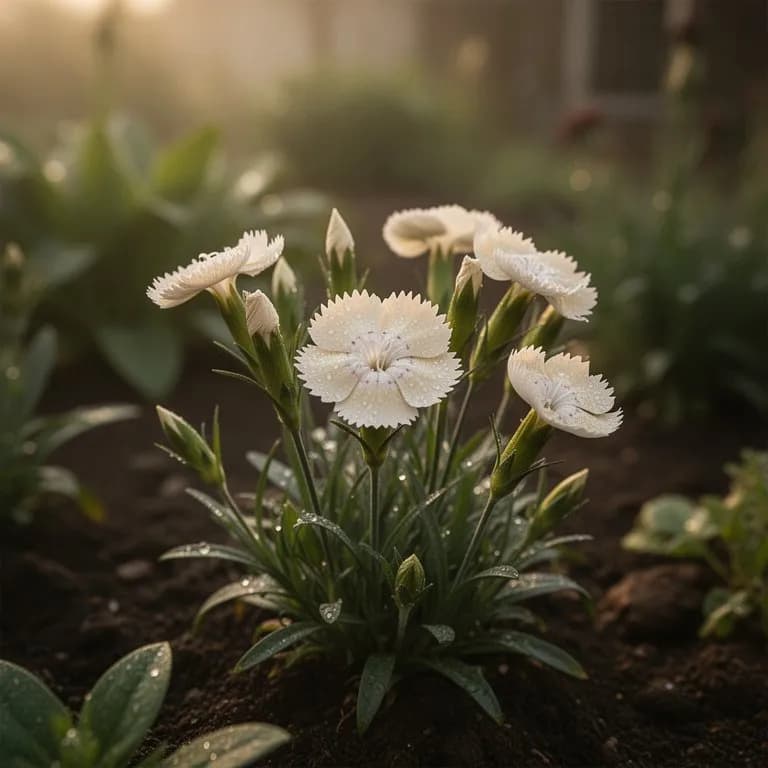
Las flores se abren por completo y muestran sus pétalos festoneados o aserrados en tonos rosa, rojo, blanco, salmón y bicolores. Muchas variedades presentan una zona central más oscura en contraste. El aroma especiado, parecido al clavo, alcanza su punto máximo. Según la variedad y el clima, la floración puede durar 4–8 semanas, y cada flor individual permanece abierta 7–10 días.
Posfloración y recorte
Después del primer gran florecimiento, se desarrollan vainas de semillas donde no se retiraron las flores marchitas. El montículo de follaje puede verse cansado y alargado. Recortar la planta entre un tercio y la mitad rejuvenece el follaje y a menudo estimula una segunda floración más ligera a finales del verano o principios del otoño.
Latencia invernal
Las variedades perennes de dianthus conservan su follaje perenne o semiperenne durante el invierno, formando alfombras bajas de hojas verde plateadas. El crecimiento se ralentiza drásticamente y la planta conserva energía en su sistema radicular y en la corona leñosa. La mayoría de los clavelinas de jardín son resistentes a las zonas USDA 3–9 según la especie y la variedad.
Mantén el medio de cultivo constantemente húmedo pero no encharcado. El riego por abajo ayuda a prevenir la caída de plántulas en estas plántulas pequeñas y delicadas.
Cuidar Clavelina anual mes a mes
Qué hacer cada mes para tu Clavelina anual
Octubre
Mes actualReduce watering as growth slows. Clean up spent flower stems and remove any diseased foliage. Apply a thin layer of gravel mulch around plant bases to improve winter drainage. Transplant any divisions or cuttings to their permanent positions before the ground freezes.
Ten claro qué hacer en tu huerto, cada mes
Un correo al empezar cada mes: qué sembrar, plantar y hacer ahora mismo — para tu Clavelina anual y todo lo que crece alrededor. Más un breve curso inicial para esquivar los errores clásicos.
- Qué hacer ahora mismo
- Ajustado a tu temporada
- Curso inicial incluido
Cosechar Clavelina anual
Corte los tallos de clavelina para ramos cuando las flores estén aproximadamente a medio abrir, eligiendo tallos con varios capullos para una exposición más larga. Corte por la mañana y colóquelos enseguida en agua fresca. Quite las flores marchitas del jardín cortando justo por encima de un nudo foliar para favorecer la refloración. Para guardar semillas, deje algunas flores en la planta hasta que las cápsulas se sequen y se tornen marrones, y después recójalas y guárdelas en un lugar fresco y seco.
se supone que plantas al comenzar el periodo — indica tu fecha real
Cosecha cuando las flores estén completamente abiertas y perfumadas.
Almacenamiento y conservación
Las clavelinas recién cortadas duran de siete a diez días en un florero con agua limpia y conservante floral. Recorte los tallos y cambie el agua cada dos o tres días. Las flores de clavelina pueden secarse al aire colgando pequeños ramos boca abajo en un lugar oscuro y bien ventilado durante dos semanas. Las flores secas conservan su aroma especiado y gran parte de su color.
Qué falla — y cómo solucionarlo
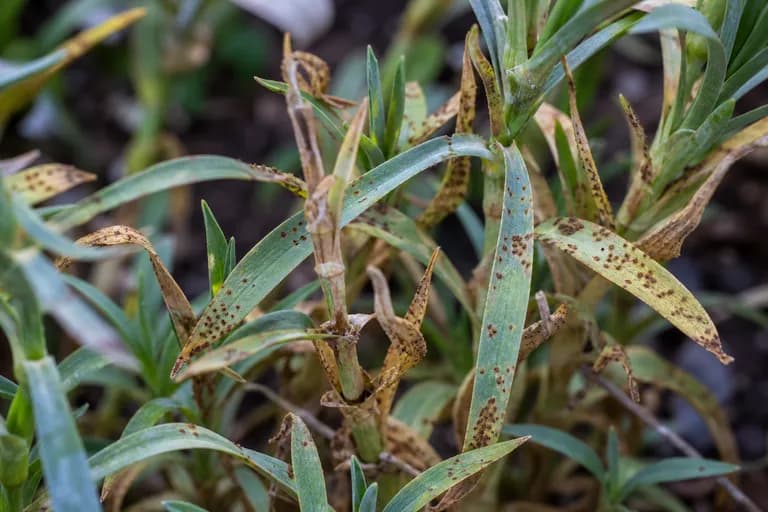
Pulgones
PlagaGrupos de pequeños insectos verdes o rosados en tallos y brotes, melaza pegajosa y crecimiento nuevo deformado.
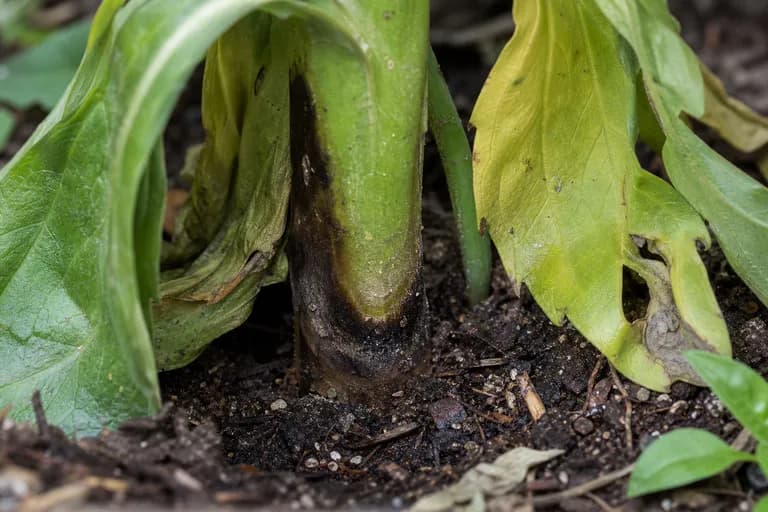
Podredumbre de la corona
EnfermedadLas plantas se marchitan de repente a pesar de tener humedad suficiente. La base de los tallos se vuelve marrón y blanda, a menudo con hilos fúngicos blancos visibles.
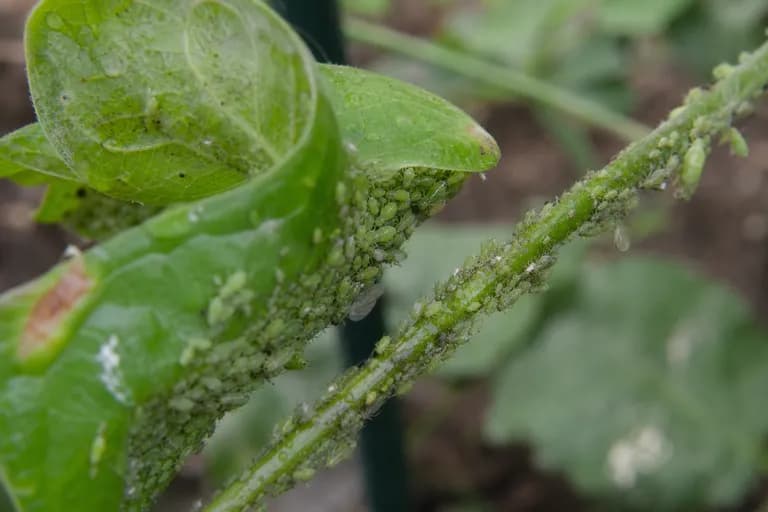
Roya
EnfermedadPústulas anaranjadas o marrones en el envés de las hojas, follaje amarillento y caída prematura de hojas.
Araña roja
PlagaPunteado fino en las hojas, telarañas diminutas entre tallos y hojas, y hojas que se tornan bronceadas o amarillas en tiempo caluroso y seco.
Solución de problemas comunes
El problema más frecuente es la podredumbre de raíces o de la corona por exceso de agua o mal drenaje. También puede aparecer roya en condiciones húmedas y con poca circulación de aire. Si las plantas se vuelven alargadas y poco compactas, suele deberse a demasiado nitrógeno o a insuficiente luz. Quite las flores marchitas con regularidad para prolongar la floración y evitar que la planta agote su energía en la formación de semillas.
Consejos de cultivo
- Dianthus demands excellent drainage above all else. Plant in raised beds, rock gardens, or amend heavy clay soil generously with coarse sand, perlite, and fine gravel to prevent root and crown rot.
- Maintain a slightly alkaline soil pH between 6.5 and 7.5 for optimal growth. Dianthus evolved on limestone soils and benefits from an annual light application of garden lime if your soil is naturally acidic.
- Full sun with at least 6 hours of direct light daily is essential for compact growth and abundant flowering. In hot southern climates, provide light afternoon shade to protect plants from heat stress and extend the bloom period.
- Deadhead spent flowers consistently by cutting stems back to just above a leaf node. This single practice is the most effective way to encourage continuous blooming and prevent the plant from expending energy on seed production.
- Water at the base of plants rather than overhead to keep foliage dry and prevent fungal diseases like botrytis, rust, and leaf spot. Dianthus prefers to stay on the drier side and is more likely to die from overwatering than drought.
- Shear plants back by one-third to one-half after the main bloom period ends in midsummer. This rejuvenation pruning promotes fresh, compact foliage growth and often triggers a rewarding second flush of flowers in early autumn.
- Propagate perennial varieties by stem cuttings taken in early summer from non-flowering shoots. Cut 8-10 cm pieces, strip the lower leaves, dip in rooting hormone, and insert into a gritty propagating mix. Roots form in 3-4 weeks.
- Layer low-growing pinks by pinning a stem to the ground and covering a section with soil while keeping the tip exposed. Roots develop along the buried stem in 6-8 weeks, after which the new plant can be severed and transplanted.
- Avoid heavy nitrogen fertilizers, which produce lush foliage at the expense of flowers. Instead, apply a balanced slow-release fertilizer at half strength in early spring, or top-dress with a thin layer of compost and bone meal.
- When harvesting petals for culinary use, always remove the bitter white base (heel) at the bottom of each petal before eating. Only use flowers from plants that have not been treated with pesticides or systemic insecticides.
Cultiva tu mejor Clavelina anual — y todo lo que la rodea.
Empieza un plan gratis hoy. Diseña tus bancales, coloca tu Clavelina anual y deja que PlotMyGarden gestione el momento, el espaciado, las asociaciones y los recordatorios de la semilla a la cesta.
Elige tu Clavelina anual
Telstar
Plantas compactas de floración temprana con flores rizadas en una amplia gama de colores vivos.
Diana Series
Serie muy uniforme y baja, ideal para macetas y borduras, con flores sencillas o semidobles.
China Pinks
Selecciones tradicionales con flores fragantes en tonos rosas y rojos, de porte compacto y floración fiable.
Ideal Select
Variedad vigorosa con floración abundante y colores intensos, excelente para corte y para jardín.
A packet of dianthus seeds costs $2-4 and yields 50-100 plants, while a single nursery-grown perennial pink costs $5-10. Once established, perennial varieties live 3-5 years or longer and can be easily propagated by division, layering, or stem cuttings at no cost. Edible flower petals sell for $15-30 per ounce at specialty stores and farmers markets, while a small bed of 10-15 dianthus plants can produce several ounces of petals per season for culinary use. As cut flowers, dianthus stems retail for $5-12 per bunch, and a well-maintained planting provides dozens of bouquets throughout the growing season. Over a five-year period, a modest dianthus border can save $200-500 compared to purchasing equivalent cut flowers and edible petals.
Recetas rápidas
Dianthus Petal Salad with Citrus Vinaigrette
15 minutesA stunning garden-to-table salad featuring fresh dianthus petals scattered over mixed greens with a bright citrus dressing. The petals contribute a mild, spicy-sweet flavor reminiscent of clove and nutmeg that pairs beautifully with the tangy vinaigrette. Always remove the bitter white base (heel) of each petal before using.
9 ingredientesGillyflower Syrup
20 minutes + overnight infusionA historically inspired floral syrup based on medieval recipes for gillyflower cordial. This fragrant, clove-scented syrup transforms cocktails, sparkling water, pancakes, and desserts with its delicate pink color and spicy-sweet flavor. Use only unsprayed, organically grown dianthus petals.
6 ingredientesDianthus Petal Infused Vinegar
10 minutes + 2 weeks infusionA beautiful rose-hued vinegar infused with the spicy fragrance of dianthus petals, continuing a tradition that dates back to 17th-century English kitchens. This aromatic vinegar is perfect for dressing salads, deglazing pans, or adding a floral note to marinades and shrub cocktails.
5 ingredientesUsos culinarios
Dianthus petals have a sweet, mildly spicy clove-like flavor that makes them a traditional garnish for cakes, salads, and desserts. Remove the bitter white base of each petal before eating. The petals can be crystallized with egg white and sugar for cake decorations, steeped in wine or vinegar to make floral condiments, or added to sugar to create scented baking sugar. Use only garden-grown flowers that have not been treated with pesticides.
Qué contiene
Beneficios para la salud
- Dianthus petals contain eugenol, a compound with well-documented anti-inflammatory and mild analgesic properties that has been used in traditional medicine for centuries to relieve toothaches and muscle pain.
- The anthocyanin pigments in pink and red dianthus petals act as antioxidants, helping to neutralize free radicals and potentially reducing oxidative stress linked to chronic diseases.
- Dianthus flower tea has been used in traditional Chinese medicine (known as 'qu mai') as a gentle diuretic to support kidney and urinary tract health for over a thousand years.
- The essential oils in dianthus flowers, particularly eugenol and benzoic acid derivatives, possess antimicrobial properties that have been shown to inhibit the growth of certain bacteria and fungi in laboratory studies.
- Infusions made from dianthus petals have a long history of use as a digestive aid in European herbalism, helping to calm an unsettled stomach, reduce bloating, and ease mild nausea after meals.
- Aromatherapy practitioners use the warm, spicy-sweet scent of dianthus flowers to promote relaxation and reduce stress, as the clove-like fragrance of eugenol has been associated with calming effects on the nervous system.
De dónde viene Clavelina anual
Dianthus is a genus of approximately 340 species in the family Caryophyllaceae, native primarily to Europe and Asia with a few species extending into northern Africa. The genus has its center of diversity in the Mediterranean basin, particularly in the mountainous regions of southern Europe, where species have adapted to rocky limestone slopes, alpine meadows, and coastal cliffs. Archaeological and literary evidence confirms that dianthus has been cultivated for well over 2,000 years. The ancient Greeks and Romans grew carnations (Dianthus caryophyllus) for garlands, ceremonial wreaths, and medicinal purposes. Greek botanist Theophrastus gave the genus its poetic name meaning 'divine flower,' reflecting the high esteem in which these fragrant blooms were held. During the medieval period, monks cultivated dianthus in monastery gardens across Europe, valuing the flowers for both their beauty and their practical uses in flavoring food and beverages. The petals, with their distinctive clove-like taste from the compound eugenol, were steeped in wine and ale, earning the common name 'sops in wine.' By the Renaissance, dianthus breeding had become a serious pursuit in the Netherlands, France, and England. The Elizabethan era saw gillyflowers, as they were known, become essential cottage garden plants. Sweet William (Dianthus barbatus) gained popularity in the 16th century as a hardy biennial with showy flower clusters. The 18th and 19th centuries brought an explosion of carnation breeding, particularly in France and Italy, producing the large, double-flowered florist carnations we recognize today. Meanwhile, the smaller alpine pinks (Dianthus alpinus, D. gratianopolitanus) were collected by plant hunters and became treasured rock garden specimens. The development of perpetual-flowering carnation varieties in the 19th century transformed the cut flower industry. Today, dianthus remains one of the most versatile and widely grown ornamental genera, with modern breeding programs producing compact, long-blooming garden varieties that combine the fragrance and charm of heirloom pinks with improved disease resistance and extended flowering seasons.
Clavelina anual: ¿sabías que?
Datos fascinantes sobre Clavelina anual
The name 'dianthus' comes from the Greek words 'dios' (divine) and 'anthos' (flower), meaning 'flower of the gods,' a name bestowed by the botanist Theophrastus around 300 BCE.
Clavelina anual: preguntas frecuentes
¿Cuándo debo plantar Clavelina anual?
¿Cuáles son buenas plantas acompañantes para Clavelina anual?
¿En qué zonas de rusticidad puede crecer Clavelina anual?
¿Cuánto sol necesita Clavelina anual?
¿A qué distancia debo espaciar Clavelina anual?
¿Qué plagas y enfermedades afectan a Clavelina anual?
¿Cómo almaceno Clavelina anual después de la cosecha?
¿Cuáles son las mejores variedades de Clavelina anual para cultivar?
¿Qué suelo necesita Clavelina anual?
Are dianthus petals really edible, and what do they taste like?
What is the difference between pinks, carnations, and Sweet William?
How do I keep my dianthus blooming all summer long?
Why are my dianthus plants dying in the center of the clump?
Can I grow dianthus in containers on a balcony or patio?
How do I propagate dianthus from cuttings successfully?
Acabas de leer la teoría. Ahora cultívala en piloto automático.
Todo lo que hace que Clavelina anual sea delicado — el momento, el espaciado, las asociaciones, la ventana de cosecha — es justo lo que PlotMyGarden resuelve por ti, para cada planta de tu huerto.
Un plan que conoce tu clima
Indica tu ubicación una vez. Recibe fechas de siembra, abonado y cosecha basadas en tu última helada real y el pronóstico en vivo — sin adivinar con un sobre genérico.
De la sección “Cuándo plantar”Planificador de bancales de arrastrar y soltar
Diseña bancales sobre una cuadrícula. Cada planta encaja con su espaciado correcto y ves toda la temporada antes de gastar un céntimo en semillas.
De la sección “Cultivo”Conflictos de asociación, detectados a tiempo
Más de 200 buenas y malas combinaciones comprobadas en vivo mientras plantas — para que un error que arruine la temporada nunca llegue a la tierra.
De la sección “Asociaciones”Recordatorios que sí vas a seguir
“Riega las judías.” “Recoge hoy antes de que se pase.” Oportunos, concretos y ligados a las plantas que de verdad cultivas.
De la sección “Cosecha”Escalonado, programado
¿Quieres cosechar seis semanas en vez de seis días? Reparte tus siembras automáticamente y te avisa cuando toca el siguiente lote.
De la sección “Cuándo plantar”Un registro que se vuelve más listo
Cada cosecha que registras le enseña tu huerto. El plan del año que viene parte de lo que de verdad funcionó en tu suelo, no en un manual.
De la sección “Resumen”Planta estos junto a Clavelina anual
Más Perennes
Diseños de jardín con Clavelina anual
Cultiva tu mejor Clavelina anual — y todo lo que la rodea.
Empieza un plan gratis hoy. Diseña tus bancales, coloca tu Clavelina anual y deja que PlotMyGarden gestione el momento, el espaciado, las asociaciones y los recordatorios de la semilla a la cesta.