Berza
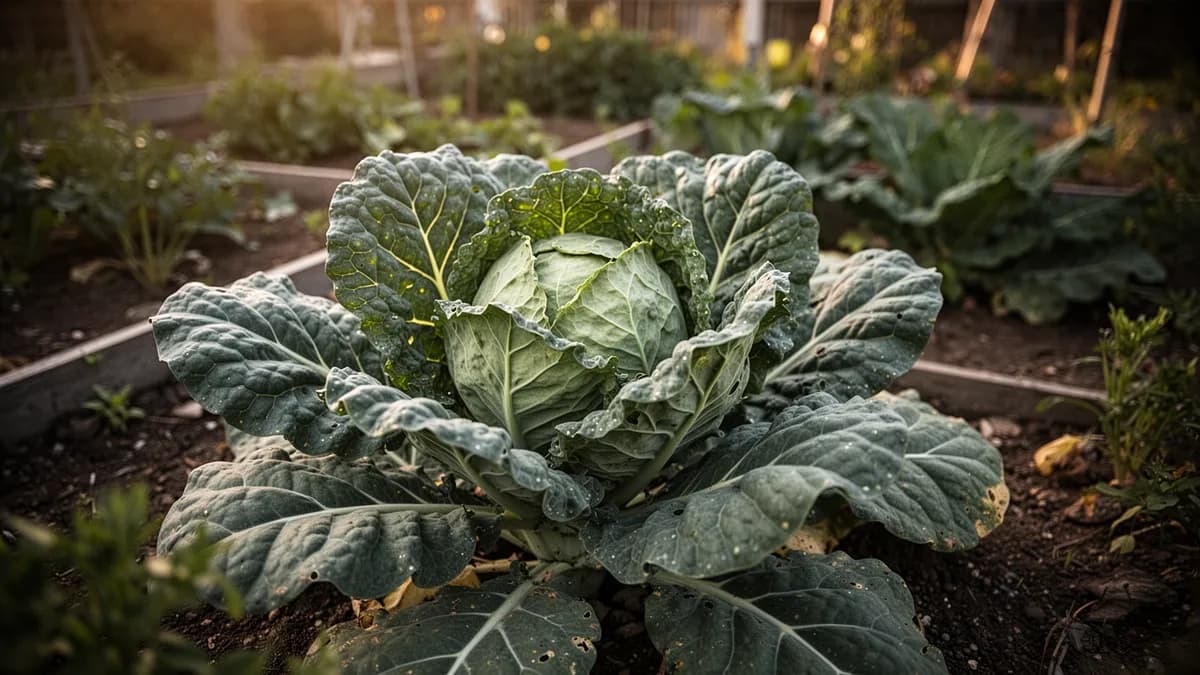
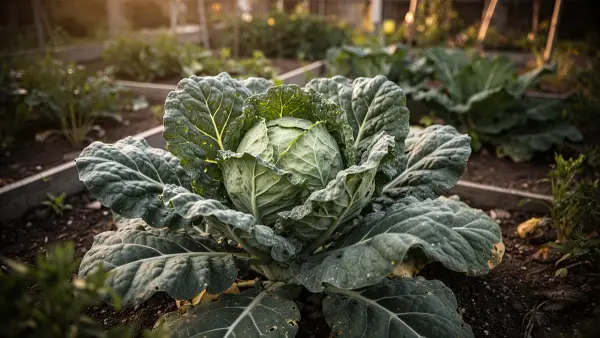
Una verdura de hoja con hojas grandes y verde oscuro.





En esta páginaResumen
Conoce Berza
Una verdura de hoja con hojas grandes y verde oscuro. Muy nutritiva y resistente al frío.
Cuándo plantar Berza
Siembre directamente en primavera o a finales de verano, o trasplante plántulas de 4-6 semanas. En climas cálidos, siembre en otoño para cosechar en invierno y primavera.
Tu año de Berza
Ajustado a Zona 7 · temporada típica · la helada se va hacia el 2 abr y vuelve hacia el 1 nov
Planta Berza Mar – Abr, Jul – Ago y cosecha Jun – Ago, Oct – Dic. Consulta los métodos de plantación y elige tu clima para adaptar los periodos.
Cómo cultivar Berza
Elija un lugar con sol pleno o semisombra y suelo bien drenado con pH 6,0-7,5. Enmiende con compost abundante antes de plantar, ya que la berza es una planta muy exigente en nutrientes.
Siembre semillas a 1 cm de profundidad y 30-45 cm de separación en primavera o finales de verano. También puede trasplantar plántulas de 4-6 semanas. Las heladas leves mejoran notablemente el sabor dulce de las hojas.
Riegue de forma regular y profunda. Abone con fertilizante nitrogenado cada 3-4 semanas durante el crecimiento. Retire hojas amarillas para estimular nueva producción.
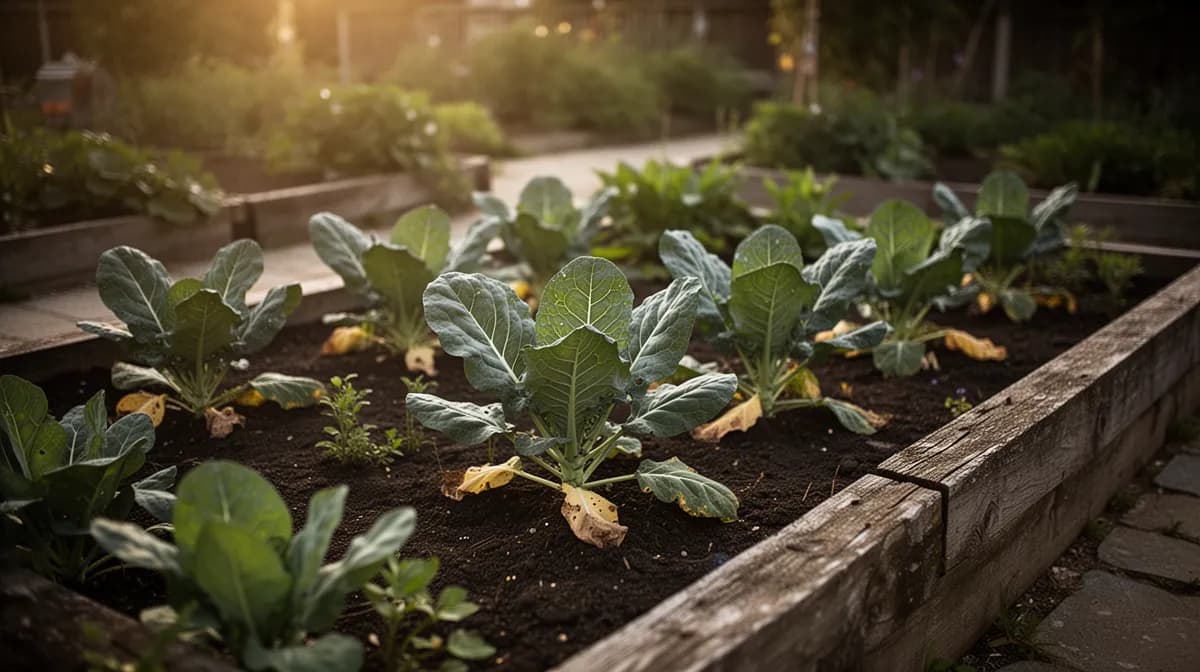
10 plantas caben en un bancal de 120 × 240 cm
Cada Berza pide 45 cm de margen. El planificador guarda ese marco por ti — cada planta, cada bancal.
Los mejores vecinos de Berza
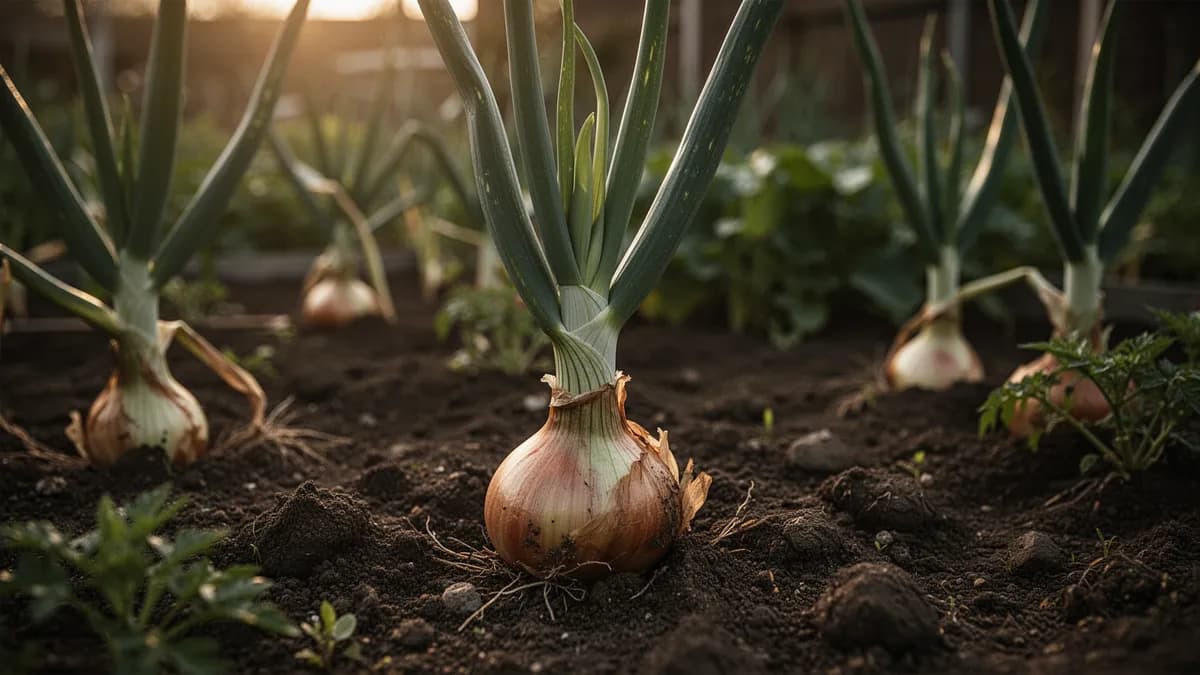
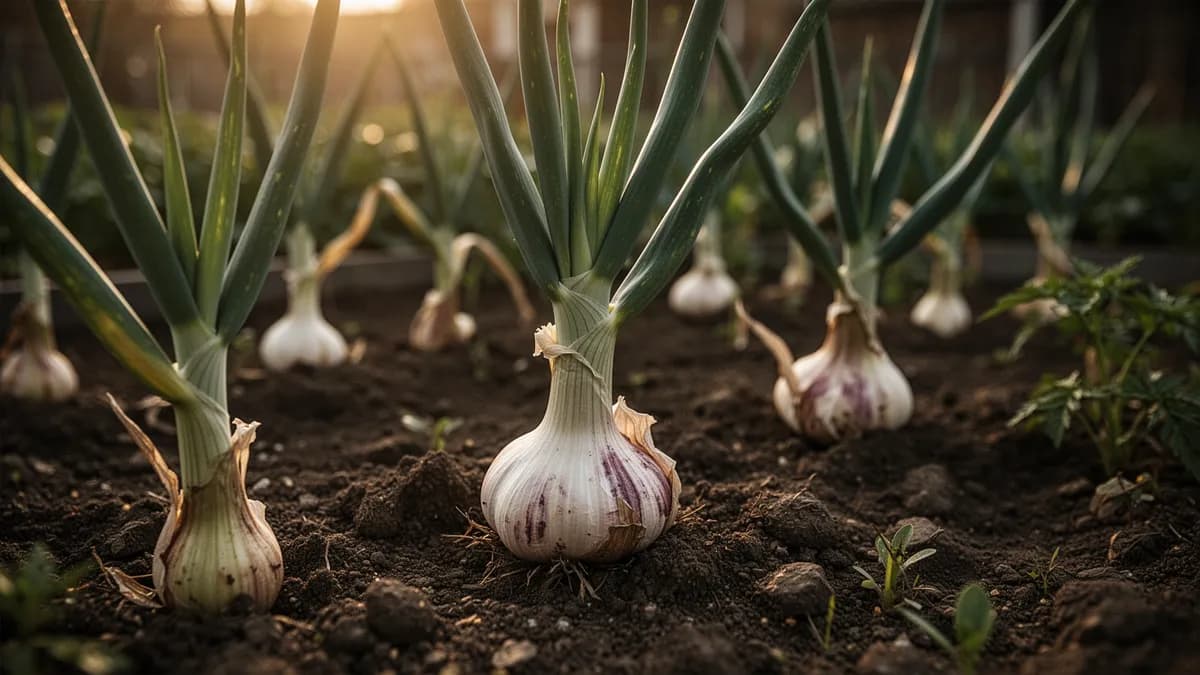
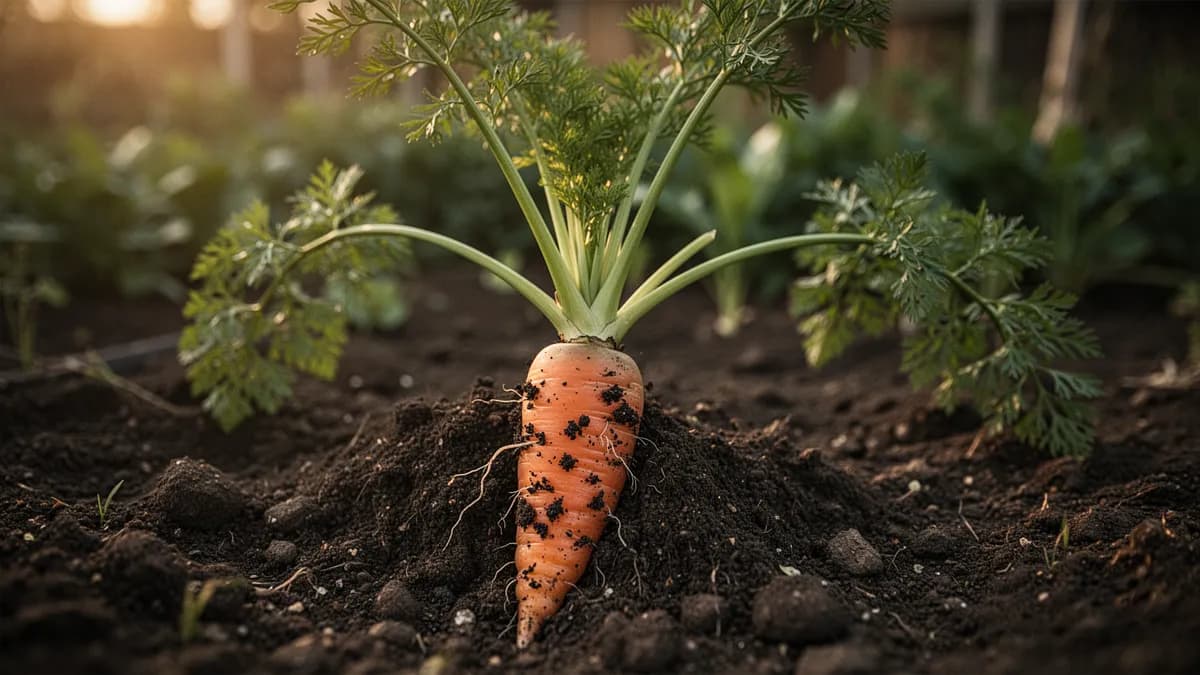
El eneldo y la menta repelen plagas. Se asocia bien con cebollas y zanahorias. Evite plantar junto a otras coles en el mismo lugar varios años seguidos.
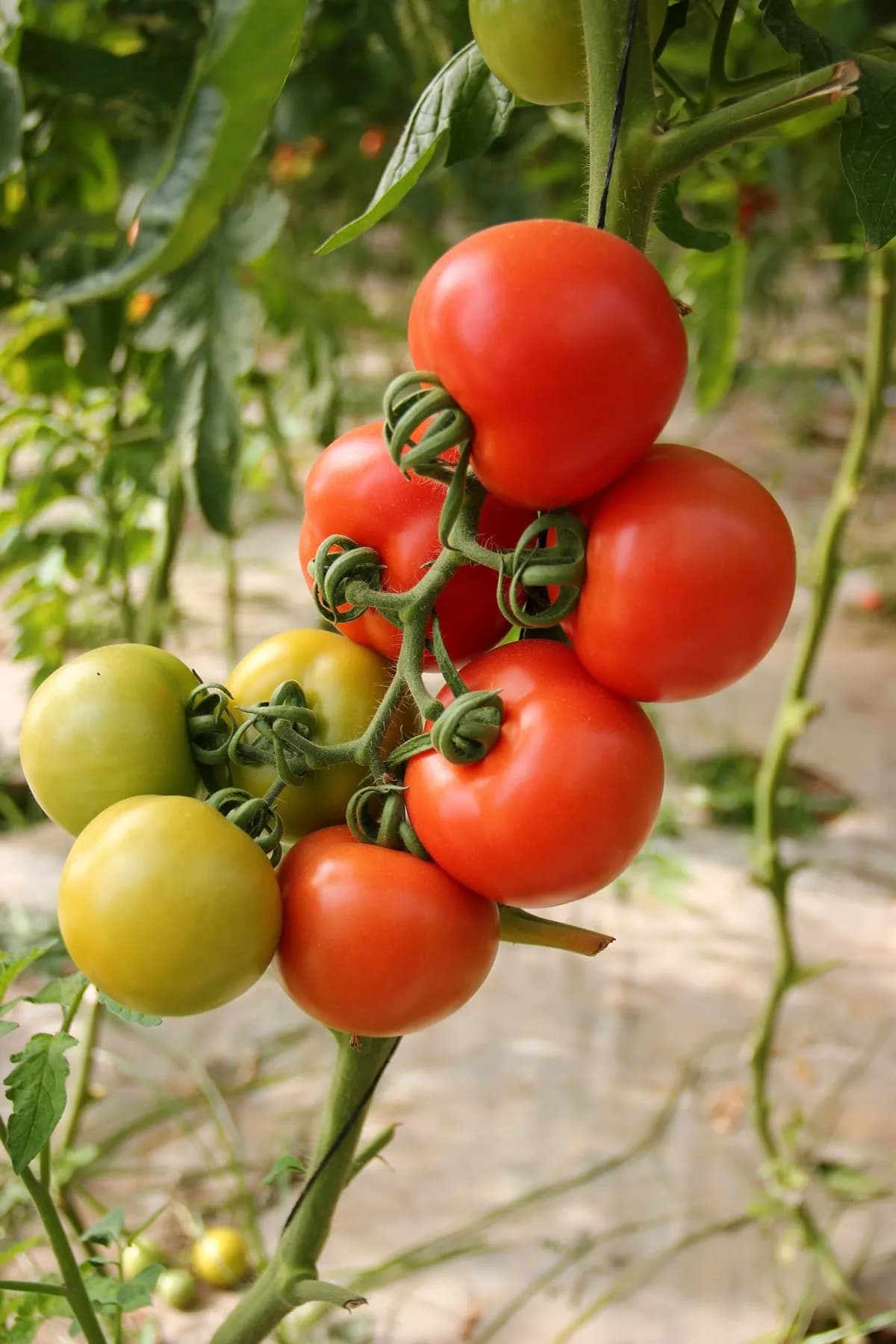
Cebolla va a su lado. Tomate no.
Saber de huerto de siempre, cotejado con la tabla real de Berza — prueba cualquier planta que cultives.
Prueba Berza en un bancal, aquí mismo
Un bancal real del planificador con Berza ya plantado. Toca una planta compañera para colocarla y mira cómo responde la comprobación de vecinos: verde para buenos vecinos, rojo si hay conflicto.


Guías de cultivo relacionadas
Abónalo bien
Requiere suelo profundo y fértil con pH 6,0-7,5, enriquecido con abundante compost y estiércol maduro. Abone mensualmente con fertilizante rico en nitrógeno.
Temperatura ideal
Compatibilidad de zonas de rusticidad
De la semilla a la cosecha, etapa por etapa
Germinación de las semillas
Las semillas germinan en 5-10 días en un suelo húmedo y bien drenado. La plántula emerge con dos cotiledones redondeados que se parecen muy poco al follaje maduro.
Desarrollo de las plántulas
Aparecen las primeras hojas verdaderas con la forma lisa y ovalada característica y el color verde azulado. El tallo se engrosa y el sistema radicular se expande rápidamente.
Crecimiento vegetativo
La planta entra en una fase de producción rápida de hojas, generando hojas grandes, en forma de pala, desde un punto de crecimiento central sobre un tallo robusto y erecto.
Fase de cosecha
Las hojas exteriores alcanzan el tamaño de cosecha y la planta entra en una fase de producción sostenida.
Invernada y dulzura por las heladas
Las collard greens están entre las brassicas más resistentes al frío, y la exposición a las heladas mejora el sabor al convertir los almidones en azúcares.
Espigado y producción de semillas
En la segunda primavera, o durante el calor del verano del primer año, la planta emite un tallo floral central con pequeñas flores amarillas y después forma vainas de semillas.
Mantenga el suelo constantemente húmedo, pero no encharcado, durante la germinación. Una capa ligera de vermiculita ayuda a conservar la humedad y permite el paso de la luz.
Cuidar Berza mes a mes
Qué hacer cada mes para tu Berza
Octubre
Mes actualFlavor improves significantly as night temperatures drop. Harvest generously after the first light frosts. Apply a thick straw mulch around plant bases to protect roots as winter approaches. Remove any yellowing lower leaves.
Ten claro qué hacer en tu huerto, cada mes
Un correo al empezar cada mes: qué sembrar, plantar y hacer ahora mismo — para tu Berza y todo lo que crece alrededor. Más un breve curso inicial para esquivar los errores clásicos.
- Qué hacer ahora mismo
- Ajustado a tu temporada
- Curso inicial incluido
Cosechar Berza
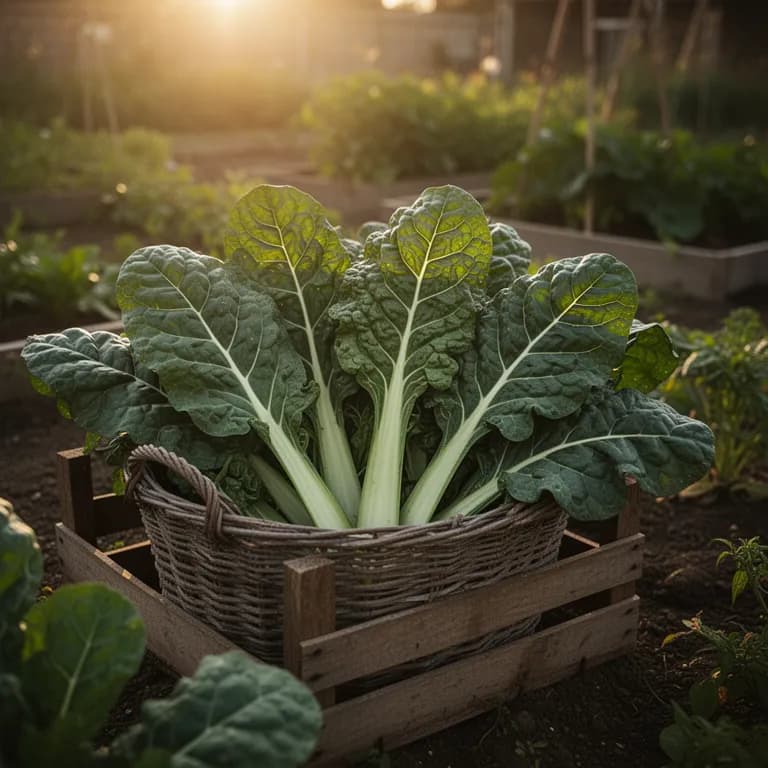
Coseche las hojas exteriores más grandes de abajo hacia arriba cuando alcancen 20-25 cm. Deje las hojas centrales para continuar la producción. La cosecha puede durar toda la temporada.
se supone que plantas al comenzar el periodo — indica tu fecha real
Empiece a cosechar cuando las hojas sean lo bastante grandes para usar, por lo general 60-75 días después de la siembra.
Almacenamiento y conservación
Conserve en bolsa de plástico en el refrigerador hasta 1 semana. Blanquee y congele para conservación a largo plazo. También puede saltear y congelar.
Qué falla — y cómo solucionarlo
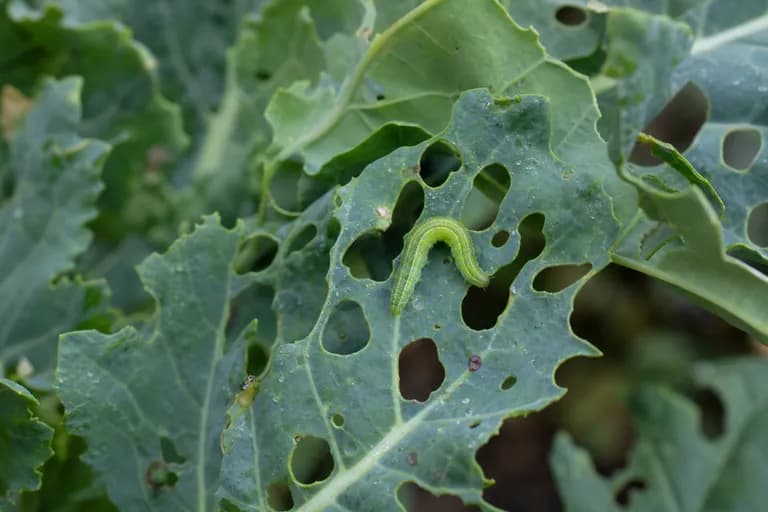
Gusano de la col
PlagaOrugas que perforan y devoran las hojas, dejando el nervio central intacto.
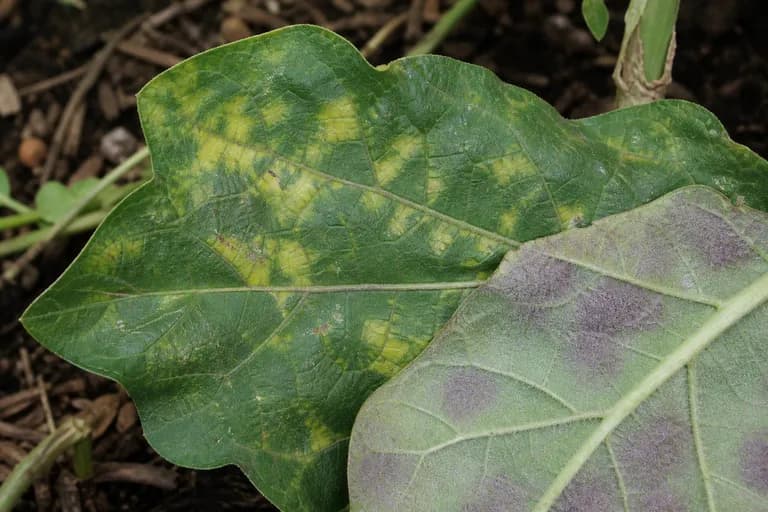
Mosca de la col
PlagaLarvas en las raíces que causan marchitamiento y amarillamiento.
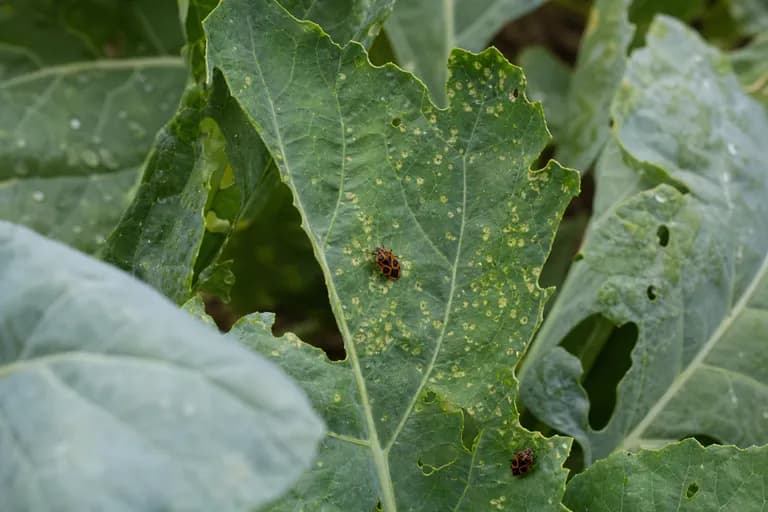
Mildiu
EnfermedadPolvo blanco en la parte superior de las hojas con zonas amarillentas.
Solución de problemas comunes
El calor extremo del verano puede provocar el espigado y hojas amargas. La falta de nitrógeno causa amarillamiento. Las heladas intensas pueden dañar las plantas jóvenes.
Consejos de cultivo
- Collards are the most heat-tolerant brassica, but flavor is best in cool weather. For the sweetest leaves, time your main planting so the harvest window falls after the first autumn frosts, when cold triggers natural sugar production in the leaves.
- Harvest using the 'cut and come again' method — always pick outer leaves first while leaving the central growing point and at least 5-6 inner leaves intact. This allows the plant to continue generating new leaves from the center for months of continuous production.
- Remove the thick central rib from mature collard leaves before cooking for more even texture. Stack leaves, roll them into a tight cigar shape, and slice crosswise into thin ribbons (chiffonade) for the fastest, most even cooking.
- Collards are heavy feeders that benefit from nitrogen-rich amendments every 4-6 weeks. Side-dress with compost, blood meal, or fish emulsion to sustain the rapid leaf production needed for regular harvesting.
- For grain-free wraps, blanch whole leaves in boiling water for 30 seconds to soften them, then immediately plunge into ice water. Shave the thick center rib flat with a paring knife so the leaf rolls without cracking. These prepped leaves keep refrigerated for 3-4 days.
- In zones 7-11, plant collards in late summer for a fall and winter harvest that extends through spring. Overwintered collards produce the sweetest, most tender leaves of the entire year thanks to months of cold exposure.
- Interplant collards with onions, garlic, or aromatic herbs like thyme and rosemary to help mask the brassica scent from cabbage moths and other pests. Floating row covers installed at transplanting provide the most reliable pest protection.
- Collards can tolerate partial shade (4-6 hours of sun), though full sun produces the sturdiest plants and the largest leaves. In hot southern gardens, afternoon shade actually benefits collards by reducing heat stress and improving leaf tenderness.
Cultiva tu mejor Berza — y todo lo que la rodea.
Empieza un plan gratis hoy. Diseña tus bancales, coloca tu Berza y deja que PlotMyGarden gestione el momento, el espaciado, las asociaciones y los recordatorios de la semilla a la cesta.
Elige tu Berza
Georgia Southern
Variedad tradicional tolerante al calor con hojas grandes de sabor suave. Madura en 75 días.
Vates
Muy resistente al frío y al calor, hojas azul-verdosas de textura lisa. Madura en 75 días.
Champion
Hojas grandes y tiernas con producción abundante. Tolerante a múltiples condiciones climáticas.
A packet of collard green seeds costs $2-4 and can produce 50+ plants. Fresh organic collard greens sell for $3-5 per bunch at grocery stores and farmers markets. A single plant producing 30-50 leaves over the season replaces 5-8 store-bought bunches worth $15-40. Growing just 4-6 plants from a single seed packet can save $60-200 per season on fresh greens alone, with virtually zero waste since you harvest only what you need each week.
Recetas rápidas
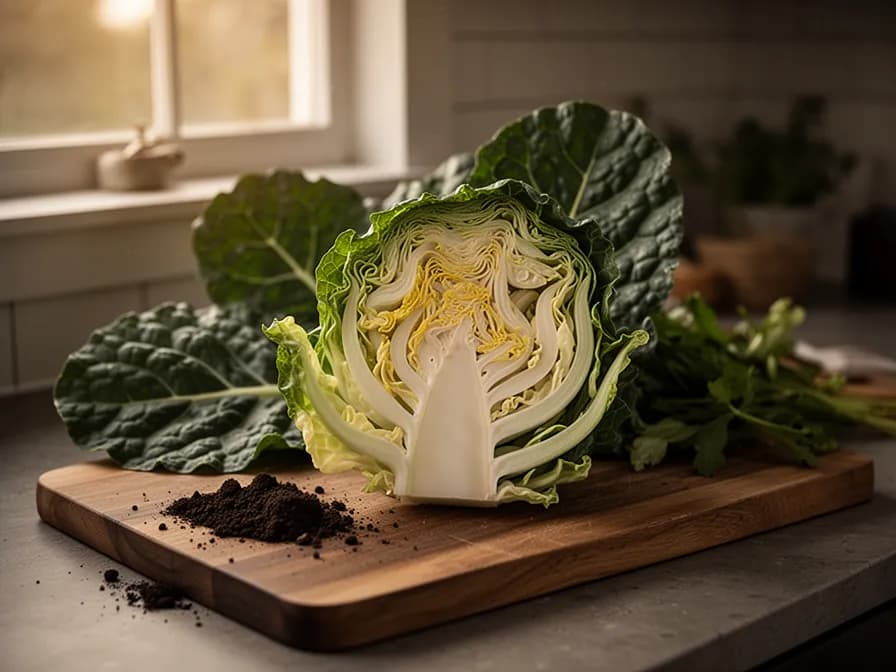
Southern-Style Braised Collard Greens
90 minThe quintessential Southern preparation — collard leaves slowly simmered with smoked ham hock until silky tender, developing deep, savory flavor. The resulting pot liquor is rich in nutrients and traditionally sopped up with cornbread.
9 ingredientesCollard Green Wraps with Hummus and Vegetables
15 minLarge collard leaves blanched briefly and used as grain-free wraps filled with creamy hummus, fresh vegetables, and your choice of protein. A light, nutritious lunch that showcases collard leaves' natural flexibility and mild flavor.
8 ingredientesGarlic-Sauteed Collard Greens with Lemon
15 minA quick weeknight side dish — collard ribbons sauteed with garlic and finished with bright lemon juice. This method produces tender greens with a slight bite in a fraction of the time needed for traditional braising.
7 ingredientesUsos culinarios
Tradicional en la cocina sureña americana, guisada lentamente con tocino o jamón. También excelente al vapor, salteada con ajo o en sopas y guisos.
Qué contiene
Beneficios para la salud
- Collard greens are one of the best plant-based sources of calcium, providing 232mg per cooked cup — critical for bone density, muscle function, and nerve signaling, especially for those avoiding dairy products.
- Exceptionally rich in vitamin K1, with one cooked cup providing over 800% of the daily value — essential for proper blood clotting and for directing calcium into bones rather than arteries.
- Contains high levels of glucosinolates including sulforaphane and indole-3-carbinol, sulfur compounds studied extensively for their potential to support the body's natural detoxification processes and reduce cancer risk.
- The combination of soluble and insoluble fiber (4g per cooked cup) supports digestive health, feeds beneficial gut bacteria, and may help lower LDL cholesterol by binding bile acids in the intestine.
- Rich in lutein and zeaxanthin, carotenoid antioxidants that accumulate in the retina and are associated with reduced risk of age-related macular degeneration and cataracts.
- Provides significant anti-inflammatory compounds including vitamin C, beta-carotene, and kaempferol, which may help reduce chronic inflammation linked to heart disease, arthritis, and metabolic disorders.
De dónde viene Berza
Collard greens (Brassica oleracea var. viridis) are among the most ancient cultivated forms of the cabbage family, likely originating in the eastern Mediterranean region over 2,000 years ago. Unlike heading cabbages, collards retain the loose-leaf growth habit of the wild ancestor plant. Ancient Greeks and Romans cultivated various forms of non-heading brassicas, and the plant gradually spread across Europe through trade and migration. The name 'collard' is a corruption of the Anglo-Saxon word 'colewort,' meaning simply 'cabbage plant.'
Collard greens arrived in the American South during the colonial era, brought by English and Scottish settlers in the 1600s. The plant found ideal growing conditions in the warm, humid Southern climate and quickly became a garden staple. Enslaved Africans, who had deep traditions of cooking leafy greens in their homeland, adopted collards and transformed them through slow-braising techniques with smoked pork and spices. This cooking tradition became a cornerstone of African American cuisine and, more broadly, of Southern soul food — the slow-cooked pot of collard greens served with cornbread remains one of the most culturally resonant dishes in American food history.
Collard greens hold particular significance as a symbol of African American resilience and cultural continuity. They are traditionally served on New Year's Day throughout the South, where the green leaves are said to represent money and good fortune for the coming year. Today, collards are gaining renewed popularity beyond the South as a nutritional powerhouse, with their exceptional calcium, vitamin K, and fiber content attracting health-conscious consumers worldwide. They are grown commercially across the southeastern United States, with Georgia, South Carolina, and Alabama leading production, and are increasingly popular in farmers markets and CSA boxes nationwide.
Berza: ¿sabías que?
Datos fascinantes sobre Berza
Collard greens are one of the oldest members of the cabbage family, with evidence of cultivation dating back over 2,000 years to ancient Greece, where they were valued both as food and medicine — Hippocrates reportedly prescribed them for digestive ailments.
Berza: preguntas frecuentes
¿Cuándo debo plantar Berza?
¿Cuáles son buenas plantas acompañantes para Berza?
¿En qué zonas de rusticidad puede crecer Berza?
¿Cuánto sol necesita Berza?
¿A qué distancia debo espaciar Berza?
¿Qué plagas y enfermedades afectan a Berza?
¿Cómo almaceno Berza después de la cosecha?
¿Cuáles son las mejores variedades de Berza para cultivar?
¿Qué suelo necesita Berza?
When should I harvest collard greens for the best flavor?
Can collard greens survive winter, and will they regrow in spring?
How do I prevent my collard greens from becoming tough and bitter?
Are collard green stems edible, or should I remove them?
How many collard green plants do I need for a family?
Can I grow collard greens in containers?
Acabas de leer la teoría. Ahora cultívala en piloto automático.
Todo lo que hace que Berza sea delicado — el momento, el espaciado, las asociaciones, la ventana de cosecha — es justo lo que PlotMyGarden resuelve por ti, para cada planta de tu huerto.
Un plan que conoce tu clima
Indica tu ubicación una vez. Recibe fechas de siembra, abonado y cosecha basadas en tu última helada real y el pronóstico en vivo — sin adivinar con un sobre genérico.
De la sección “Cuándo plantar”Planificador de bancales de arrastrar y soltar
Diseña bancales sobre una cuadrícula. Cada planta encaja con su espaciado correcto y ves toda la temporada antes de gastar un céntimo en semillas.
De la sección “Cultivo”Conflictos de asociación, detectados a tiempo
Más de 200 buenas y malas combinaciones comprobadas en vivo mientras plantas — para que un error que arruine la temporada nunca llegue a la tierra.
De la sección “Asociaciones”Recordatorios que sí vas a seguir
“Riega las judías.” “Recoge hoy antes de que se pase.” Oportunos, concretos y ligados a las plantas que de verdad cultivas.
De la sección “Cosecha”Escalonado, programado
¿Quieres cosechar seis semanas en vez de seis días? Reparte tus siembras automáticamente y te avisa cuando toca el siguiente lote.
De la sección “Cuándo plantar”Un registro que se vuelve más listo
Cada cosecha que registras le enseña tu huerto. El plan del año que viene parte de lo que de verdad funcionó en tu suelo, no en un manual.
De la sección “Resumen”Planta estos junto a Berza
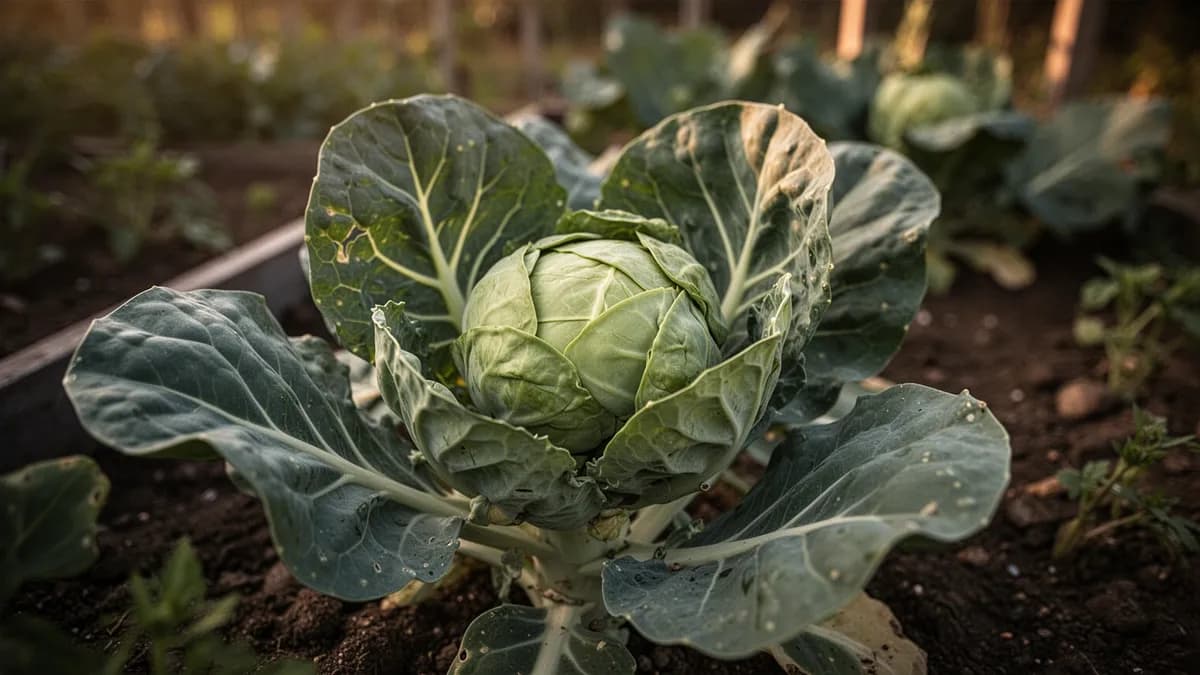
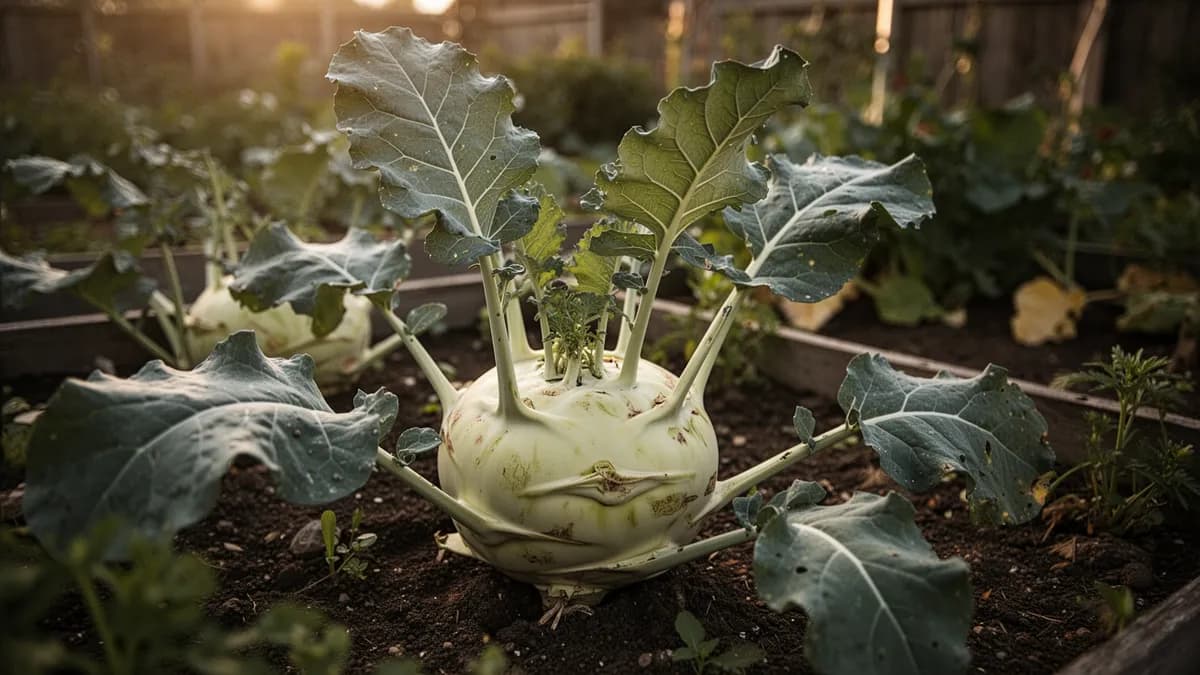
Más Crucíferas
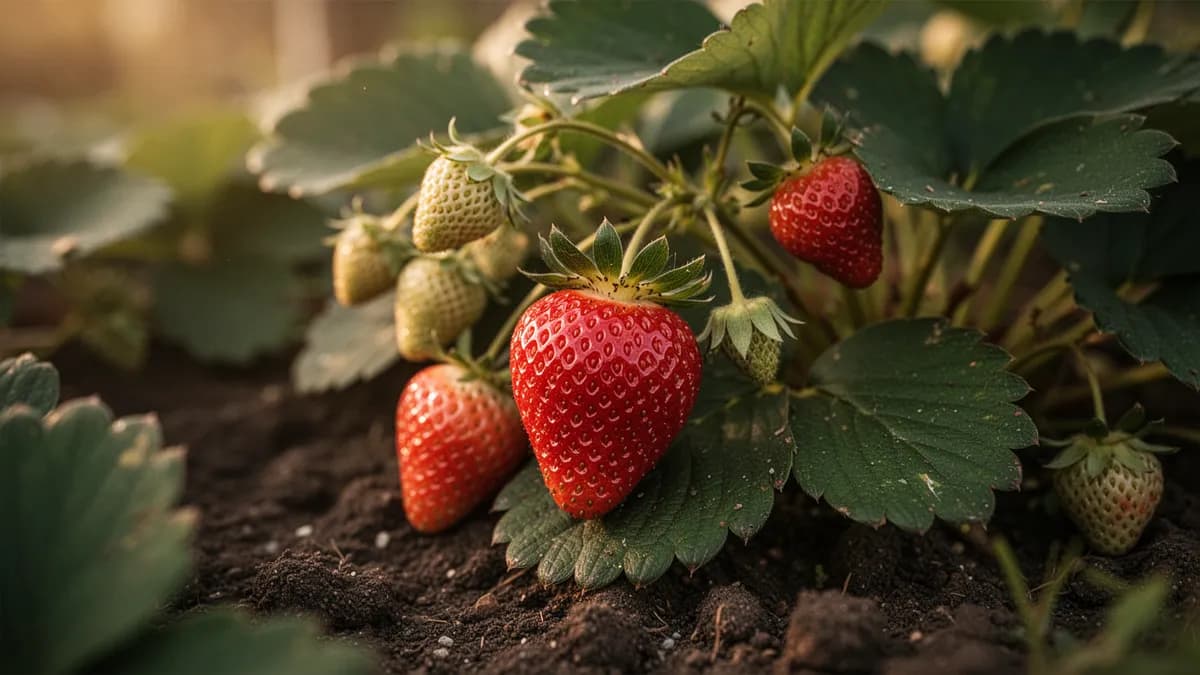
Mantén Berza lejos de estos
Diseños de jardín con Berza
Cultiva tu mejor Berza — y todo lo que la rodea.
Empieza un plan gratis hoy. Diseña tus bancales, coloca tu Berza y deja que PlotMyGarden gestione el momento, el espaciado, las asociaciones y los recordatorios de la semilla a la cesta.