Remolacha Dorada
Una hermosa variedad de remolacha amarillo-dorada que no tiñe como las remolachas rojas y tiene un sabor más suave y dulce.





En esta páginaResumen
Conoce Remolacha Dorada
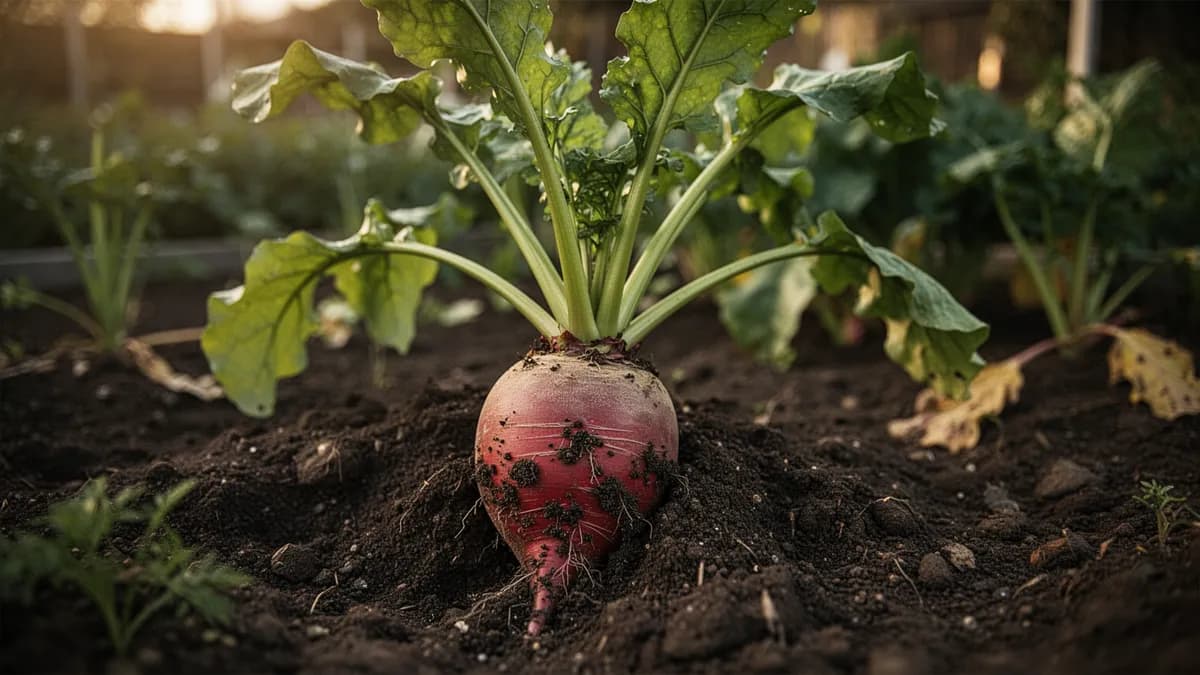
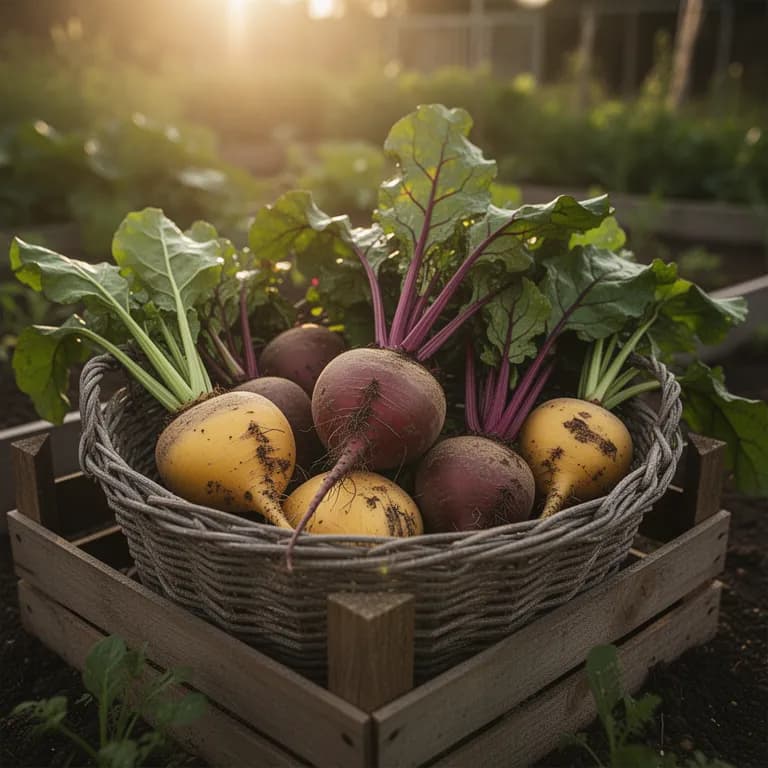
Una hermosa variedad de remolacha amarillo-dorada que no tiñe como las remolachas rojas y tiene un sabor más suave y dulce. Las remolachas doradas son maravillosas asadas para resaltar su dulzura natural, y añaden color vibrante a ensaladas sin sangrar sobre otros ingredientes. Tienden a germinar un poco más lentamente que las variedades rojas, así que tenga paciencia con la emergencia. Las hojas son igualmente deliciosas y más suaves que las partes superiores de remolacha roja, haciéndolas agradables crudas en ensaladas.
Cuándo plantar Remolacha Dorada
Siembre directamente a 1 cm de profundidad 2-4 semanas antes de la última helada. Remoje semillas 24 horas antes de plantar para mejorar la germinación. Cada racimo de semillas produce múltiples plántulas; raclare a 8-10 cm de distancia. Siembre sucesivamente cada 3 semanas para cosecha continua. Para cultivos de otoño, siembre 10-12 semanas antes de la primera helada. Las semillas permanecen viables por 4 años.
Tu año de Remolacha Dorada
Ajustado a Zona 7 · temporada típica · la helada se va hacia el 2 abr y vuelve hacia el 1 nov
Planta Remolacha Dorada Mar – May, Ago – Sep y cosecha Jun – Ago, Oct – Nov. Consulta los métodos de plantación y elige tu clima para adaptar los periodos.
Cómo cultivar Remolacha Dorada
Siembre semillas de remolacha dorada directamente a 1 cm de profundidad, 2-4 semanas antes de la última helada. Las semillas germinan en 7-14 días a 10-24°C. Las semillas de remolacha son realmente racimos que contienen múltiples embriones, así que raclare a 8-10 cm de distancia cuando las plántulas alcancen 5 cm de altura. Espacie hileras a 30-45 cm de separación.
Las remolachas doradas crecen mejor en temperaturas frescas entre 13-21°C pero toleran más calor que las variedades rojas. Proporcione humedad consistente para desarrollo uniforme de raíz. Acolche para mantener suelo fresco y húmedo. Abono lateral con fertilizante equilibrado una vez a mitad de temporada. Evite nitrógeno pesado, que promueve crecimiento de hojas sobre desarrollo de raíces.
Las remolachas doradas maduran en 55-65 días y no sangran su color como las remolachas rojas, haciéndolas ideales para ensaladas y platos de colores claros. Las raíces dorado-naranjas son más dulces y suaves que las variedades rojas. Coseche cuando las raíces tienen 5-8 cm de diámetro para las raíces más tiernas y dulces. Las hojas también son excelentes y se pueden cosechar mientras la planta crece.
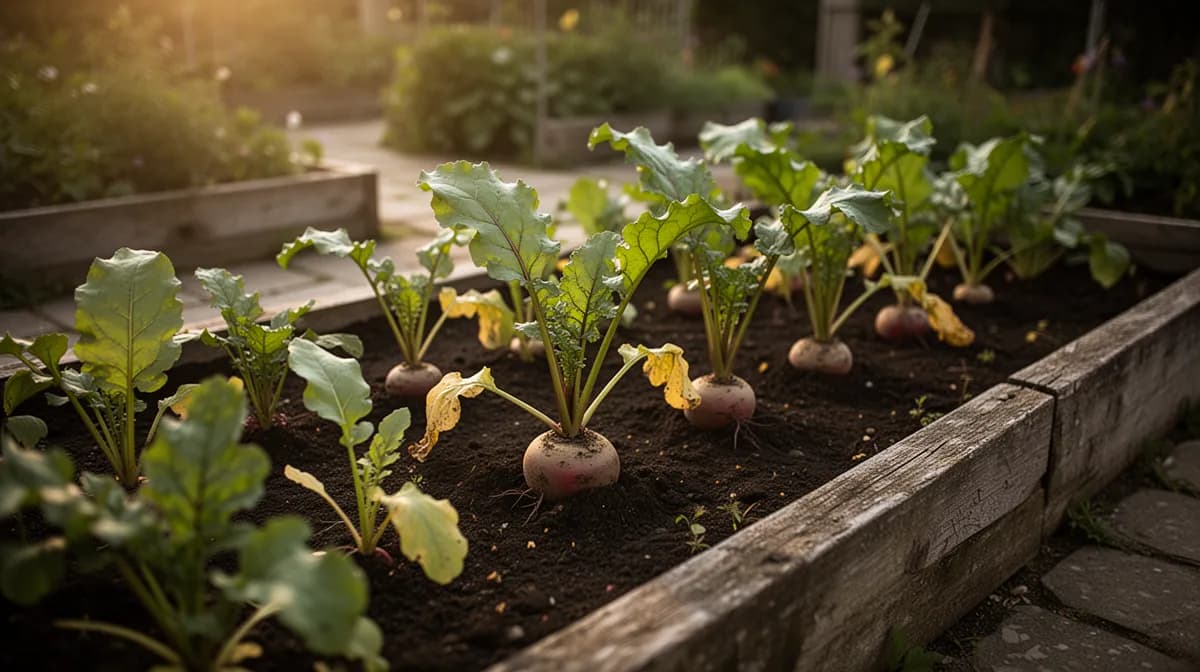
288 plantas caben en un bancal de 120 × 240 cm
Cada Remolacha Dorada pide 10 cm de margen. El planificador guarda ese marco por ti — cada planta, cada bancal.
Los mejores vecinos de Remolacha Dorada
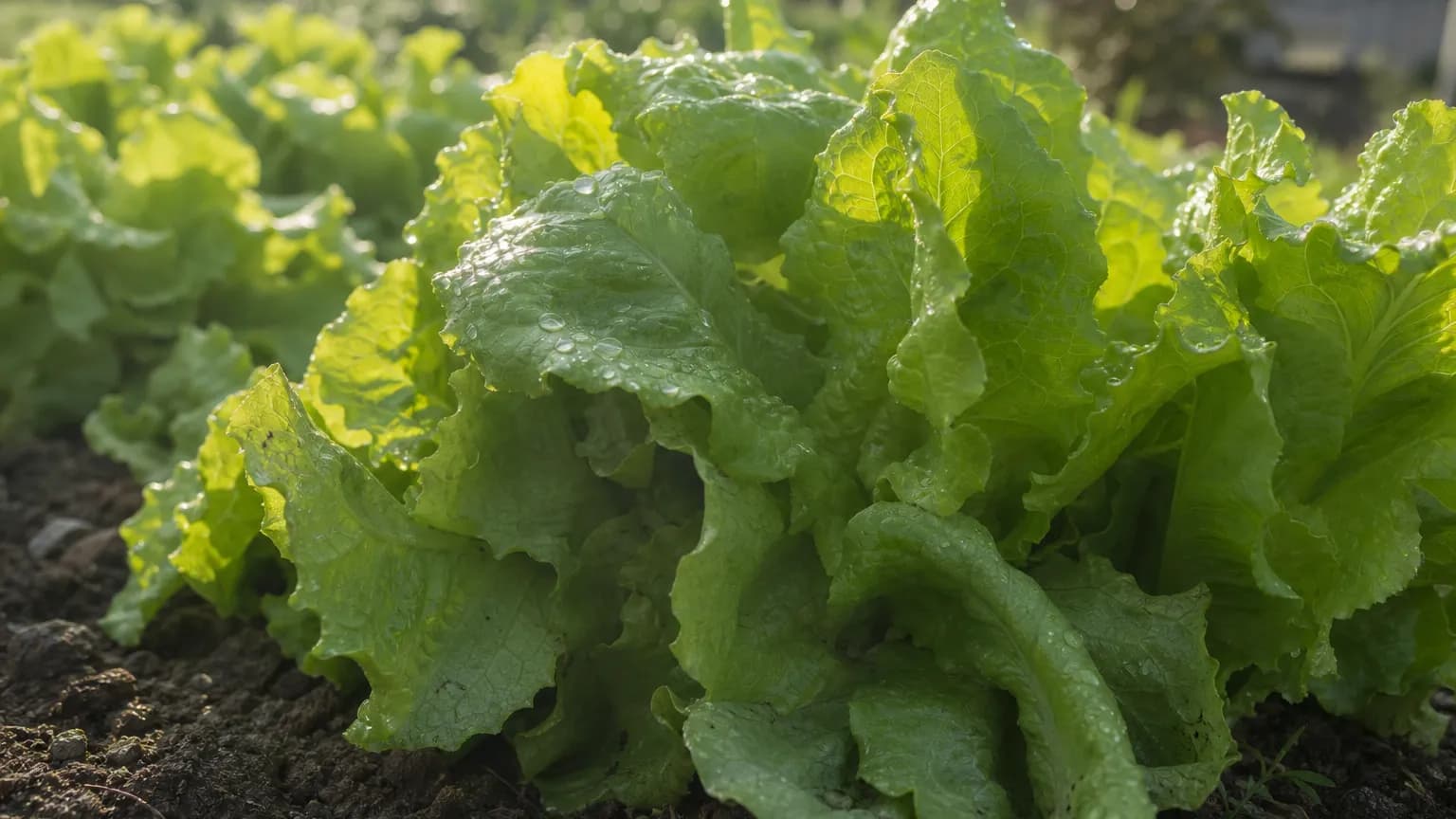
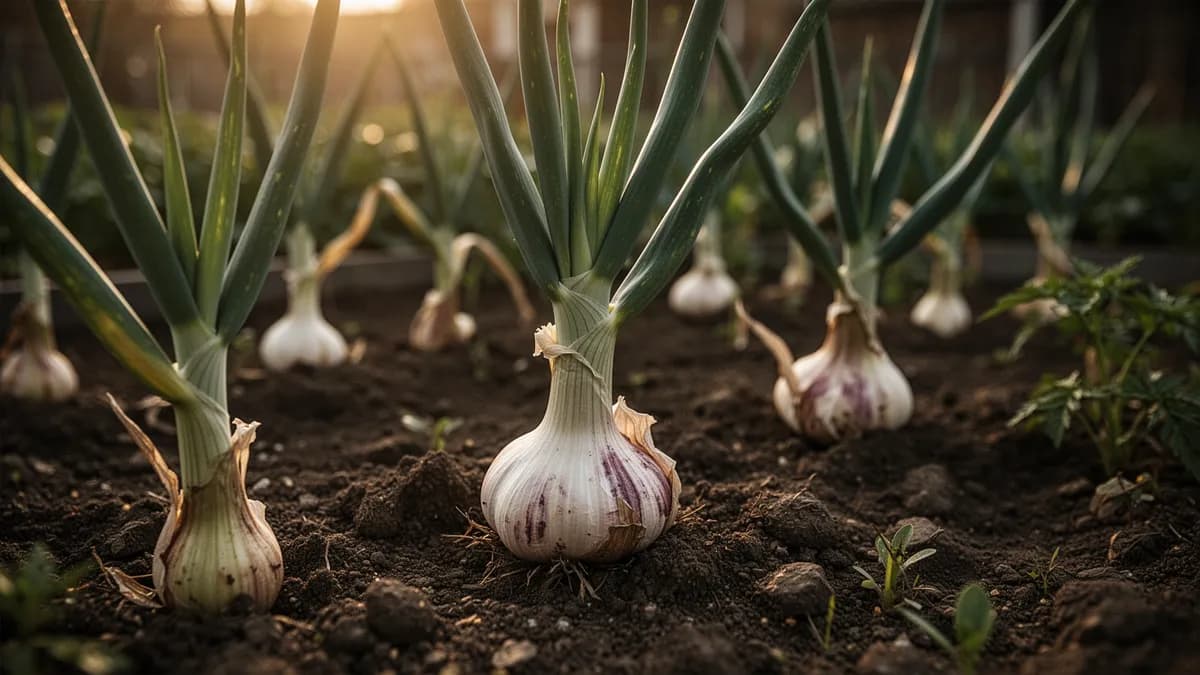
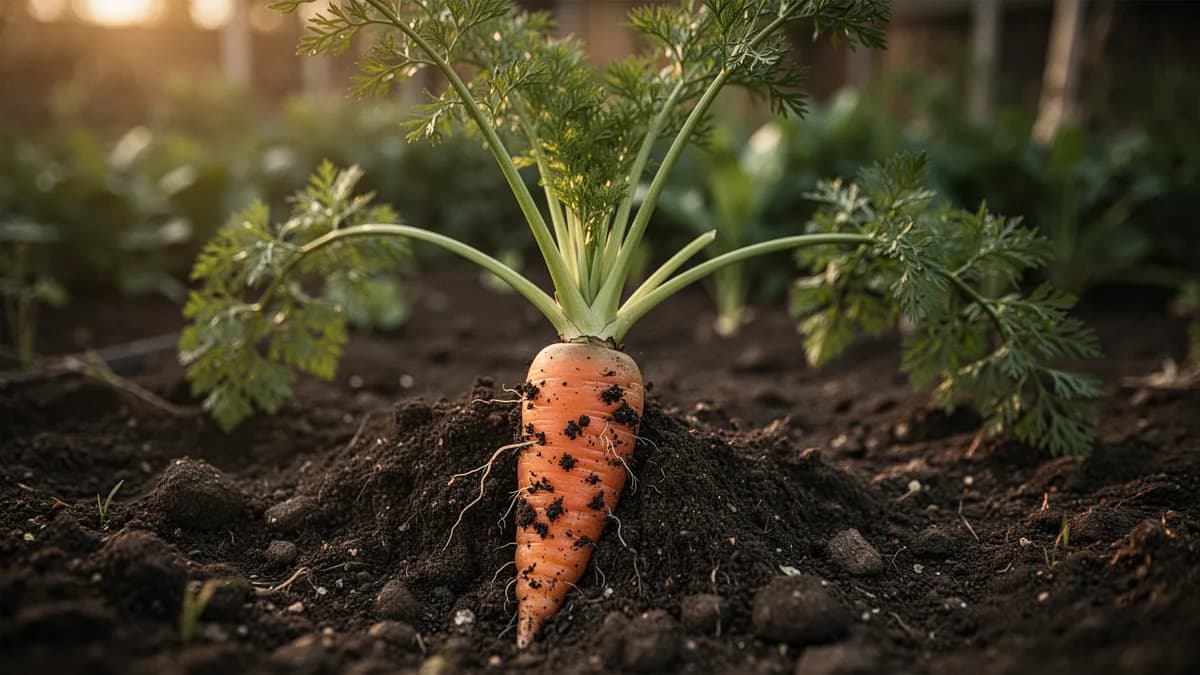
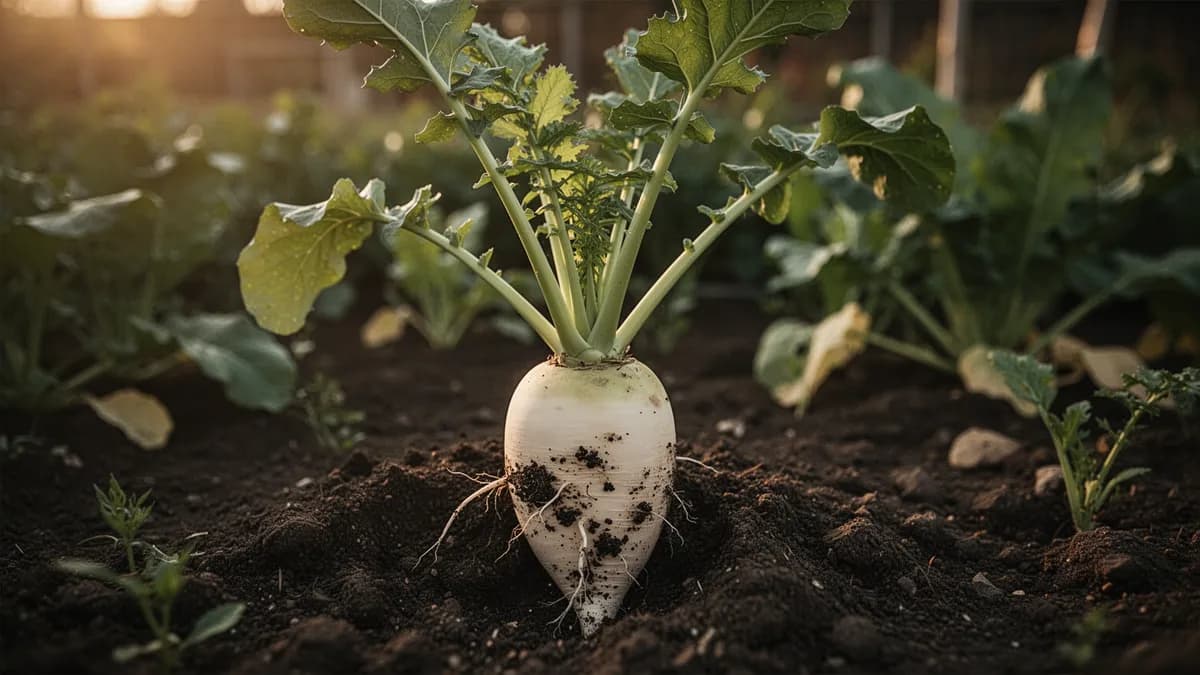
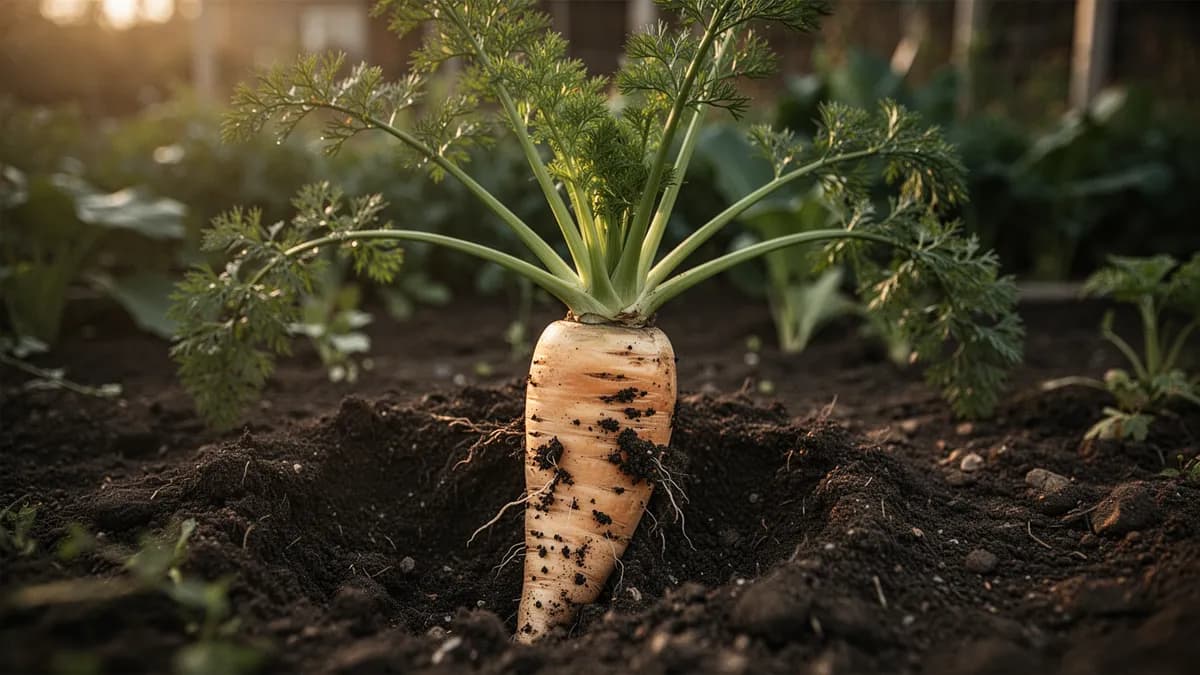
Las remolachas doradas crecen bien con cebollas, ajo, lechuga y brassicas. Evite plantar cerca de judías trepadoras, que pueden atrofiar el crecimiento de la remolacha. Las hojas coloridas añaden interés ornamental a los jardines de vegetales. Los rábanos sirven como buenos marcadores de hileras. Las remolachas siguen bien a cultivos fijadores de nitrógeno como guisantes y frijoles, beneficiándose del nitrógeno residual del suelo.
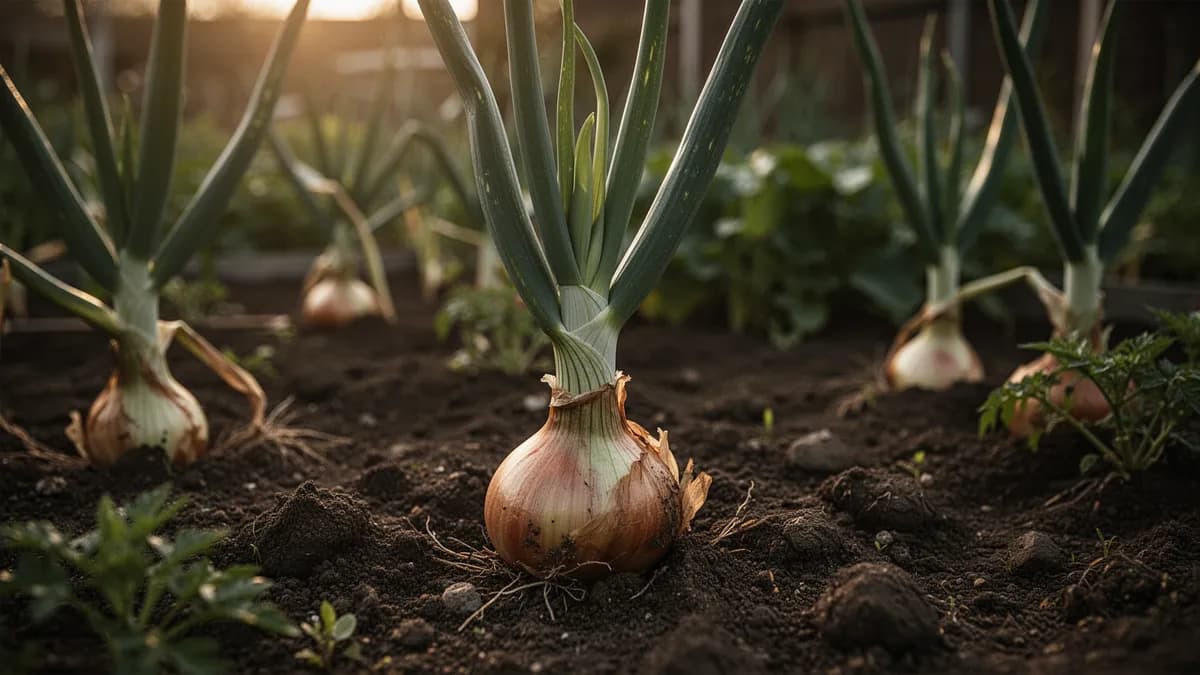
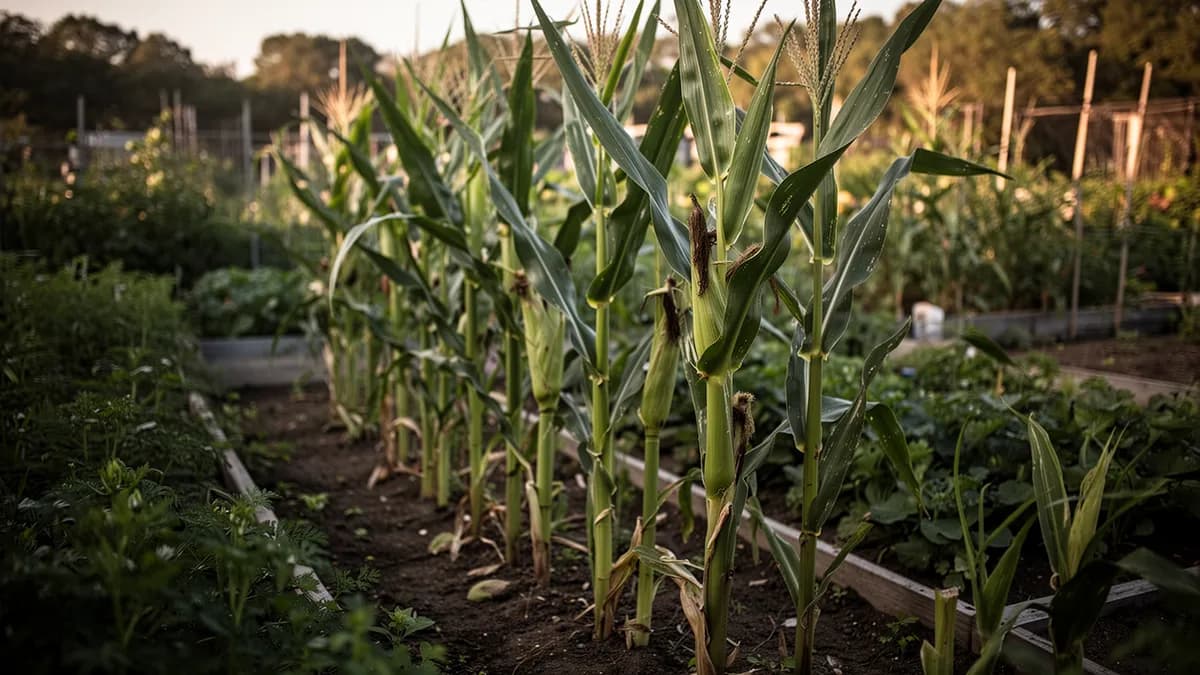
Cebolla va a su lado. Maíz no.
Saber de huerto de siempre, cotejado con la tabla real de Remolacha Dorada — prueba cualquier planta que cultives.
Prueba Remolacha Dorada en un bancal, aquí mismo
Un bancal real del planificador con Remolacha Dorada ya plantado. Toca una planta compañera para colocarla y mira cómo responde la comprobación de vecinos: verde para buenos vecinos, rojo si hay conflicto.


Guías de cultivo relacionadas
Abónalo bien
Las remolachas doradas prefieren suelo suelto, bien drenado con un pH de 6.0-7.0. Enmiende con compost antes de plantar. Aplique fertilizante equilibrado al sembrar y abono lateral una vez a mitad de temporada. La deficiencia de boro causa manchas negras internas; asegure micronutrientes adecuados. Evite estiércol fresco. La humedad consistente produce raíces suaves y bien formadas. Los bancales elevados son ideales para suelos pesados o arcillosos.
Temperatura ideal
Compatibilidad de zonas de rusticidad
De la semilla a la cosecha, etapa por etapa
Germinación
Las semillas de remolacha dorada son grupos multigermen con 2-4 embriones. La germinación es más lenta que la de las variedades rojas y suele tardar 7-14 días en suelo cálido.
Desarrollo de plántulas
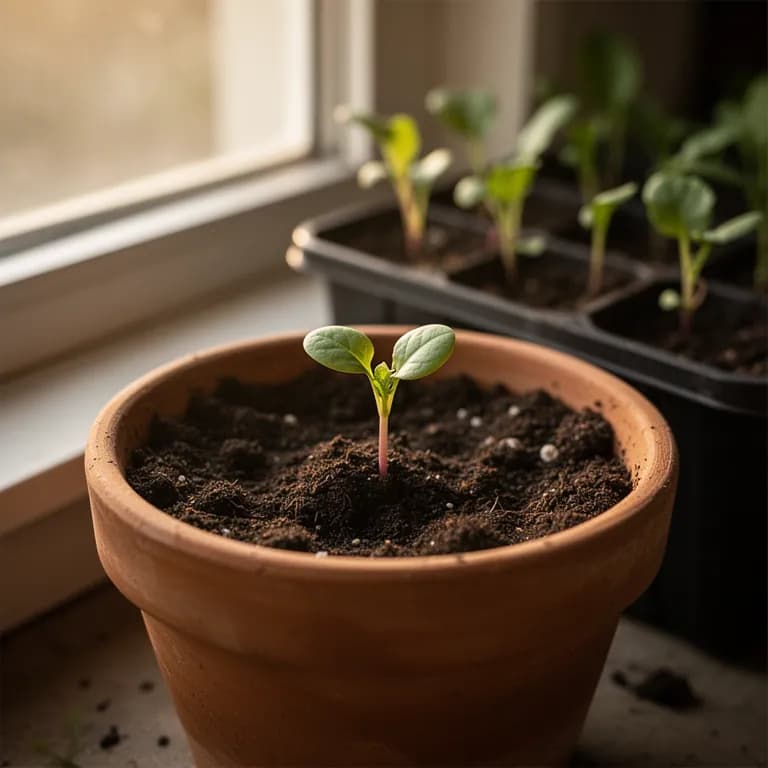
Se desarrollan las hojas verdaderas y de cada grupo de semillas emergen varias plántulas. La raíz pivotante empieza a establecerse mientras la planta pasa de los cotiledones al follaje verde brillante.
Crecimiento de hojas
La planta forma una roseta de hojas que impulsa el desarrollo de la raíz. La raíz empieza a engrosar justo debajo de la superficie del suelo mientras la remolacha pasa de una raíz pivotante delgada a un bulbo reconocible.
Engrosamiento de la raíz
La raíz se engrosa rápidamente hasta formar la característica remolacha redonda de color amarillo anaranjado. Los hombros pueden sobresalir ligeramente del nivel del suelo mientras el interior desarrolla su sabor dulce y suave.
Ventana de cosecha
Las raíces están listas para cosechar cuando miden 5-8 cm de ancho, y la ventana de cosecha es más amplia que la de las variedades rojas. Las hojas pueden cosecharse de forma continua mientras la planta crece.
Remoja las semillas en agua tibia durante 12-24 horas antes de sembrar para ablandar la cubierta corchosa y mejorar la germinación. Mantén la tierra uniformemente húmeda, pero no empapada.
Cuidar Remolacha Dorada mes a mes
Qué hacer cada mes para tu Remolacha Dorada
Octubre
Mes actualHarvest fall beets as they reach ideal size. Light frost actually improves sweetness as the plant converts starches to sugars. Apply a thick mulch layer over remaining beets in zones 5-7 to extend the harvest window into early winter.
Ten claro qué hacer en tu huerto, cada mes
Un correo al empezar cada mes: qué sembrar, plantar y hacer ahora mismo — para tu Remolacha Dorada y todo lo que crece alrededor. Más un breve curso inicial para esquivar los errores clásicos.
- Qué hacer ahora mismo
- Ajustado a tu temporada
- Curso inicial incluido
Cosechar Remolacha Dorada
Coseche remolachas doradas cuando las raíces tienen 5-8 cm de diámetro, típicamente 55-65 días después de la siembra. Afloje suavemente el suelo con un tenillo antes de tirar. Las remolachas doradas se pueden dejar en el suelo más tiempo que los tipos rojos sin volverse leñosas. Recorte las partes superiores a 2.5 cm pero no corte en la raíz o sangrará ligeramente. Las hojas son comestibles y nutritivas; coseche hojas jóvenes durante toda la temporada de crecimiento.
se supone que plantas al comenzar el periodo — indica tu fecha real
Cosecha cuando las raíces tengan 5-8 cm de diámetro, normalmente 55-65 días después de la siembra.
Almacenamiento y conservación
Almacene remolachas doradas sin lavar en bolsas de plástico perforadas en el refrigerador por 2-3 semanas. Para almacenamiento a largo plazo, mantenga en una bodega a 0-4°C en arena húmeda por hasta 4 meses. Las remolachas doradas se pueden asar y congelar, encurtir en vinagre o enlatar. La cualidad de no sangrar las hace ideales para encurtir en salmueras de color claro. Las hojas de remolacha deben usarse dentro de pocos días o escaldar y congelar.
Qué falla — y cómo solucionarlo
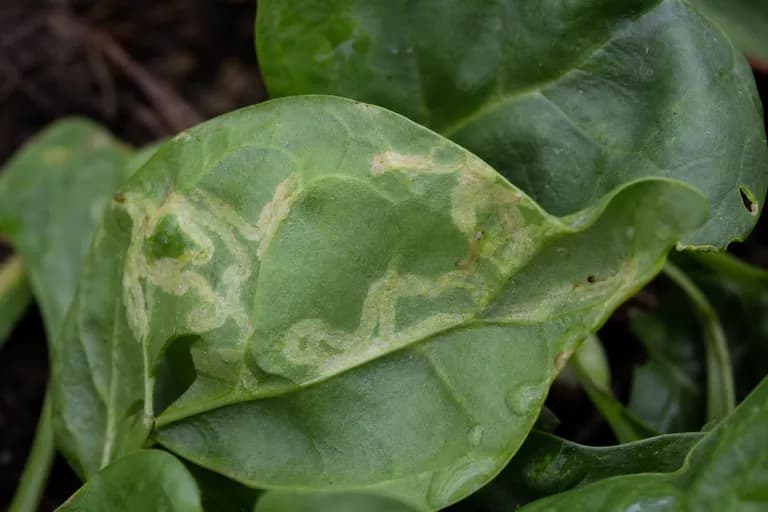
Minadores de hojas
PlagaSenderos sinuosos blanco-marrones dentro de hojas, tejido foliar ampollado.
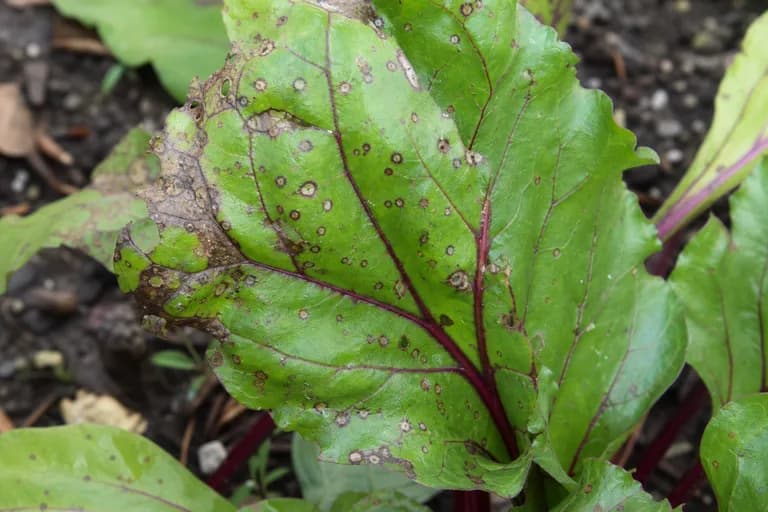
Mancha foliar por Cercospora
EnfermedadManchas pequeñas y redondas con centros grises y bordes marrones en hojas.
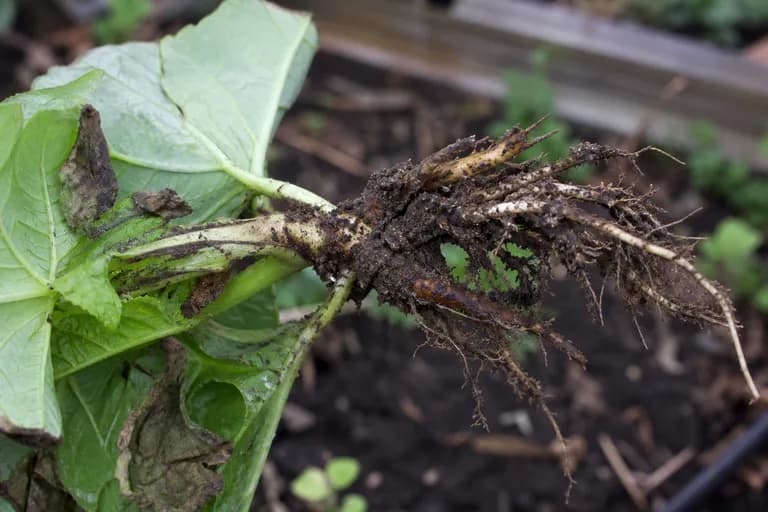
Pudrición de raíz
EnfermedadRaíces suaves y decoloradas, plantas marchitas, pobre crecimiento en condiciones encharcadas.
Solución de problemas comunes
Las tasas de germinación más bajas que las remolachas rojas son comunes; siembre semillas extra. Raíces leñosas y fibrosas se desarrollan cuando las plantas se dejan demasiado tiempo o se cultivan en clima cálido. Manchas negras internas indican deficiencia de boro; aplique bórax. Agrietamiento por riego irregular. Espigado en rachas frías prolongadas debajo de 4°C cuando las plantas son jóvenes. El color pálido hace que el daño del suelo y los túneles de plagas sean menos visibles que en remolachas rojas.
Consejos de cultivo
- Pre-soak seeds for 12-24 hours before planting — this is especially important for golden varieties, which have notoriously lower germination rates (often 60-70%) compared to red beets (80-90%). Soaking softens the corky seed coat and can improve germination by 15-20 percentage points.
- Sow extra seeds and thin aggressively. Because golden beet germination is unreliable, plant seeds 2-3 cm apart and thin to 8-10 cm after emergence. Use scissors to snip unwanted seedlings at soil level rather than pulling them, which disturbs the roots of neighboring plants.
- Maintain absolutely consistent soil moisture during root development. Irregular watering causes growth rings, cracking, and woody texture in the roots. Drip irrigation on a timer is ideal. Mulch with 5-8 cm of straw or shredded leaves to buffer moisture fluctuations.
- Grow golden beets in cool seasons only — spring and fall. Roots that develop during sustained heat above 30°C (85°F) are often woody, bitter, and pale rather than vibrant golden-orange. In hot climates, fall crops sown in August-September produce far better results than spring plantings.
- Harvest at 5-8 cm (2-3 inches) diameter for the best combination of sweetness and tenderness. Unlike red beets, golden varieties are somewhat forgiving if left a few days past peak, but roots larger than 10 cm begin to develop a fibrous core.
- Do not neglect the greens — they are a bonus crop worth growing the plant for on their own. Begin harvesting outer leaves once the plant has 8-10 leaves, taking no more than a third at a time. Golden beet greens have a milder, less metallic flavor than red beet greens and are excellent raw in salads.
- Boron deficiency causes internal black spots (black heart) in beet roots and is more common in alkaline or sandy soils. If you have experienced this problem, dissolve 1 tablespoon of borax in 4 liters of water and apply along the row at planting time — a small amount prevents the issue entirely.
- For the most vivid golden color in the harvested roots, ensure adequate potassium in the soil. Betaxanthin pigment production is enhanced by sufficient potassium. A light application of potassium sulfate or wood ash at planting supports both color development and overall root quality.
Cultiva tu mejor Remolacha Dorada — y todo lo que la rodea.
Empieza un plan gratis hoy. Diseña tus bancales, coloca tu Remolacha Dorada y deja que PlotMyGarden gestione el momento, el espaciado, las asociaciones y los recordatorios de la semilla a la cesta.
Elige tu Remolacha Dorada
Touchstone Gold
La remolacha dorada estándar con raíces redondas y uniformes y sabor dulce y suave. Excelente germinación.
Boldor
Raíces naranja-dorado brillantes con piel suave. Sabor muy dulce y atractivo en platos asados.
Golden Detroit
Versión dorada de la clásica remolacha Detroit. Raíces redondas con color dorado profundo y rendimiento confiable.
Golden beets command a premium at grocery stores and farmers markets, typically $4-6 per bunch (3-4 beets with greens) compared to $2-3 for standard red beets. A single packet of seeds ($3-5) produces 50-100 plants over the season through succession sowing, yielding $60-150 worth of golden beets at retail prices. The greens alone — sold as specialty salad greens for $5-8 per bag — add substantial additional value. Growing your own also guarantees the freshest possible greens, which wilt within days of harvest and are rarely available at peak quality in stores.
Recetas rápidas
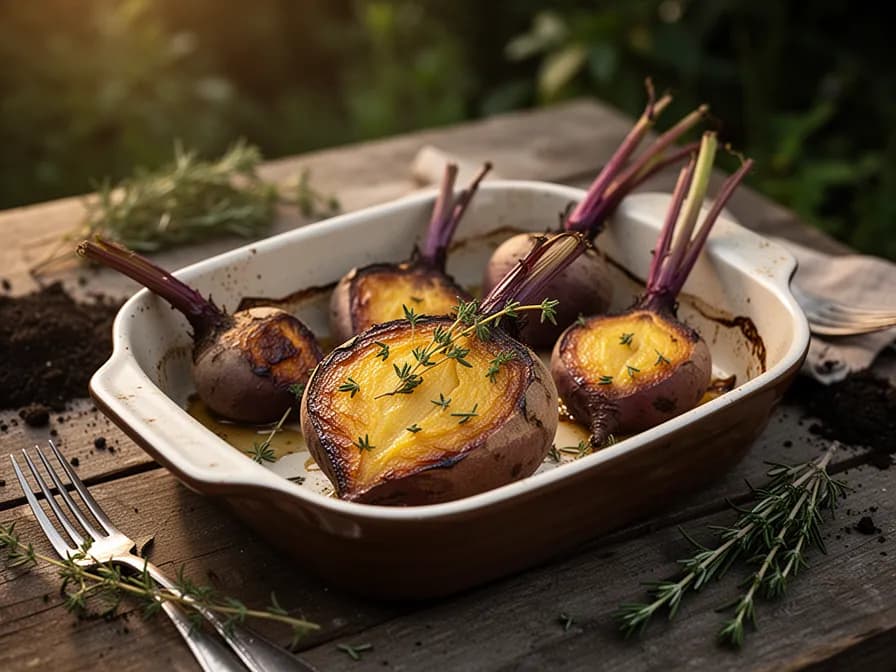
Roasted Golden Beets with Goat Cheese and Walnuts
50 minGolden beets roasted until caramelized and tender, then paired with creamy goat cheese, toasted walnuts, and a drizzle of honey. The golden color stays vibrant without staining the other ingredients — a beautiful and elegant side dish or light meal.
8 ingredientesRaw Golden Beet and Apple Slaw
15 minA crisp, refreshing slaw showcasing the sweet, mild flavor of raw golden beets. Paired with tart green apple and dressed in citrus vinaigrette, this no-cook dish highlights the non-staining advantage of golden beets in raw preparations.
8 ingredientesGolden Beet Soup with Ginger
40 minA silky, vibrant golden soup that looks like liquid sunshine. The natural sweetness of golden beets pairs beautifully with warm ginger and a touch of cream. Serve hot in winter or chilled in summer for a stunning starter course.
8 ingredientesUsos culinarios
Las remolachas doradas brillan en platos donde su color vibrante y cualidad de no teñir son valorados. Ase hasta caramelizar para un acompañamiento dulce. Corte crudo en ensaladas sin teñir otros ingredientes. Encurtir como una hermosa verdura preservada dorada. Haga puré en sopa de remolacha dorada. Añada a cuencos de granos y ensaladas compuestas. El sabor más dulce y suave atrae a quienes encuentran las remolachas rojas demasiado terrosas.
Qué contiene
Beneficios para la salud
- Golden beets contain betaxanthins, yellow-orange pigments with documented anti-inflammatory and antioxidant properties that may help reduce oxidative stress linked to chronic diseases including cardiovascular disease and certain cancers.
- Rich in dietary nitrates that the body converts to nitric oxide, a molecule that relaxes blood vessels and lowers blood pressure. Multiple clinical studies have shown that beet consumption can reduce systolic blood pressure by 4-10 mmHg.
- Excellent source of folate (vitamin B9), essential for DNA synthesis and repair, red blood cell formation, and neural tube development during pregnancy. A single serving provides approximately 20% of the recommended daily intake.
- The fiber in golden beets (2.8g per 100g) supports digestive health by promoting regular bowel movements, feeding beneficial gut bacteria, and helping to regulate cholesterol levels through bile acid binding.
- Contains manganese, an essential trace mineral that supports bone formation, blood clotting, and the metabolism of amino acids, carbohydrates, and cholesterol. One serving provides about 16% of the daily value.
- The combination of betalain pigments, vitamin C, and other polyphenols in golden beets supports liver detoxification pathways, particularly the phase 2 conjugation reactions that help the body eliminate metabolic waste products.
De dónde viene Remolacha Dorada
The wild ancestor of all cultivated beets, Beta vulgaris subsp. maritima (sea beet), is a coastal plant native to the Mediterranean basin, the Atlantic coast of Europe, and parts of western Asia. Sea beet grows wild on beaches, salt marshes, and coastal cliffs from the Canary Islands to southern Scandinavia, and its tough, glossy leaves were gathered as food by humans for thousands of years before any root cultivation began.
The ancient Greeks and Romans grew beets primarily as a leaf vegetable — the roots of early cultivated forms were thin and fibrous, not the swollen globes we know today. Aristotle described red and dark-colored chard-like beets around 350 BCE, and Theophrastus noted both light and dark varieties. The Romans were likely the first to select for enlarged roots, but even Roman beets were long and turnip-shaped rather than round. The round beet shape familiar today did not become standard until the 16th-17th century in northern Europe.
Golden and yellow beet varieties appear in European horticultural records from the 1500s, with Italian and German gardeners documenting yellow-rooted forms alongside the more common red. However, golden beets remained a niche crop due to their consistently lower germination rates and slightly less vigorous growth compared to red varieties. The Burpee's Golden variety, introduced in 1828, was one of the first widely named golden cultivars in the English-speaking world.
In the 20th century, golden beets remained primarily a curiosity grown by heirloom enthusiasts and European market gardeners. Their modern resurgence began in the late 1990s and accelerated through the 2000s as chefs and home cooks discovered their non-staining quality, milder flavor, and visual appeal in composed salads and roasted vegetable dishes. Modern varieties like Touchstone Gold and Boldor offer dramatically improved germination rates and more uniform roots compared to older golden cultivars. Today, golden beets are a staple at farmers markets and are increasingly available in mainstream grocery stores, prized for their versatility and beauty.
Remolacha Dorada: ¿sabías que?
Datos fascinantes sobre Remolacha Dorada
Golden beets get their vibrant yellow-orange color from betaxanthins, a different class of pigment than the betacyanins (betalains) that make red beets red. Because betaxanthins are water-soluble but far less intensely pigmented, golden beets famously do not stain hands, cutting boards, or clothing the way red beets do.
Remolacha Dorada: preguntas frecuentes
¿Cuándo debo plantar Remolacha Dorada?
¿Cuáles son buenas plantas acompañantes para Remolacha Dorada?
¿En qué zonas de rusticidad puede crecer Remolacha Dorada?
¿Cuánto sol necesita Remolacha Dorada?
¿A qué distancia debo espaciar Remolacha Dorada?
¿Qué plagas y enfermedades afectan a Remolacha Dorada?
¿Cómo almaceno Remolacha Dorada después de la cosecha?
¿Cuáles son las mejores variedades de Remolacha Dorada para cultivar?
¿Qué suelo necesita Remolacha Dorada?
Why are my golden beet seeds not germinating well?
Do golden beets taste different from red beets?
Can I really use golden beet greens in salads?
Why are my golden beets pale instead of vibrant golden-orange?
How do golden beets compare to red beets nutritionally?
Can I grow golden beets in containers?
Acabas de leer la teoría. Ahora cultívala en piloto automático.
Todo lo que hace que Remolacha Dorada sea delicado — el momento, el espaciado, las asociaciones, la ventana de cosecha — es justo lo que PlotMyGarden resuelve por ti, para cada planta de tu huerto.
Un plan que conoce tu clima
Indica tu ubicación una vez. Recibe fechas de siembra, abonado y cosecha basadas en tu última helada real y el pronóstico en vivo — sin adivinar con un sobre genérico.
De la sección “Cuándo plantar”Planificador de bancales de arrastrar y soltar
Diseña bancales sobre una cuadrícula. Cada planta encaja con su espaciado correcto y ves toda la temporada antes de gastar un céntimo en semillas.
De la sección “Cultivo”Conflictos de asociación, detectados a tiempo
Más de 200 buenas y malas combinaciones comprobadas en vivo mientras plantas — para que un error que arruine la temporada nunca llegue a la tierra.
De la sección “Asociaciones”Recordatorios que sí vas a seguir
“Riega las judías.” “Recoge hoy antes de que se pase.” Oportunos, concretos y ligados a las plantas que de verdad cultivas.
De la sección “Cosecha”Escalonado, programado
¿Quieres cosechar seis semanas en vez de seis días? Reparte tus siembras automáticamente y te avisa cuando toca el siguiente lote.
De la sección “Cuándo plantar”Un registro que se vuelve más listo
Cada cosecha que registras le enseña tu huerto. El plan del año que viene parte de lo que de verdad funcionó en tu suelo, no en un manual.
De la sección “Resumen”Planta estos junto a Remolacha Dorada
Más Hortalizas de raíz
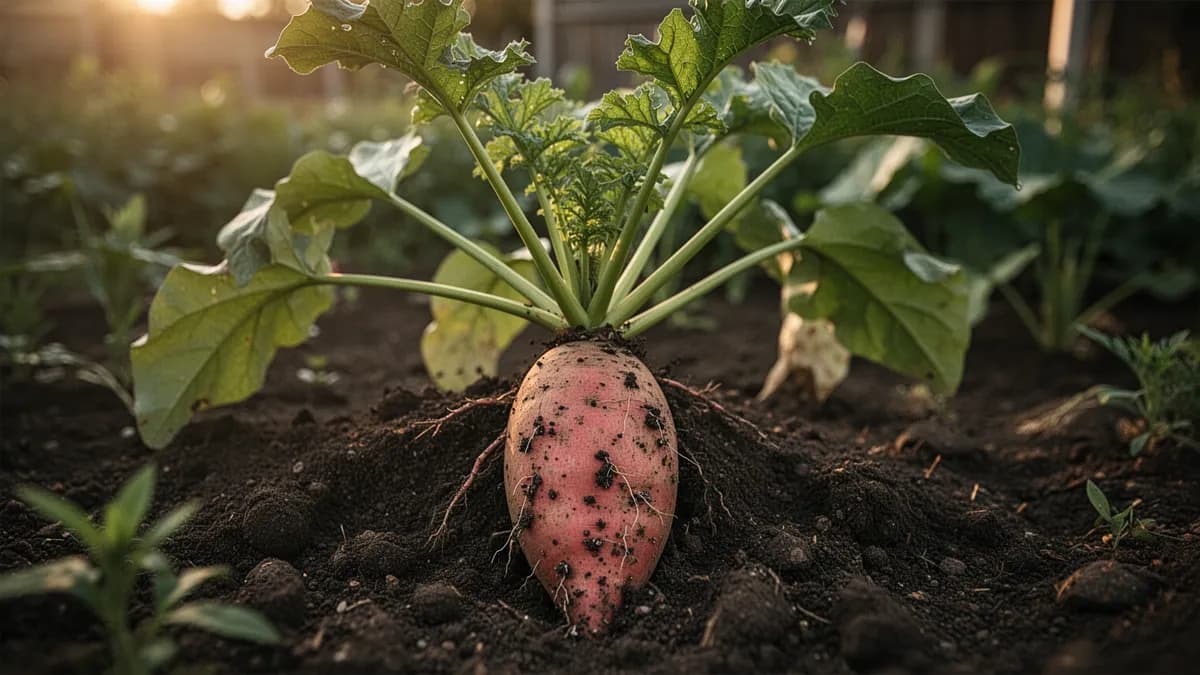
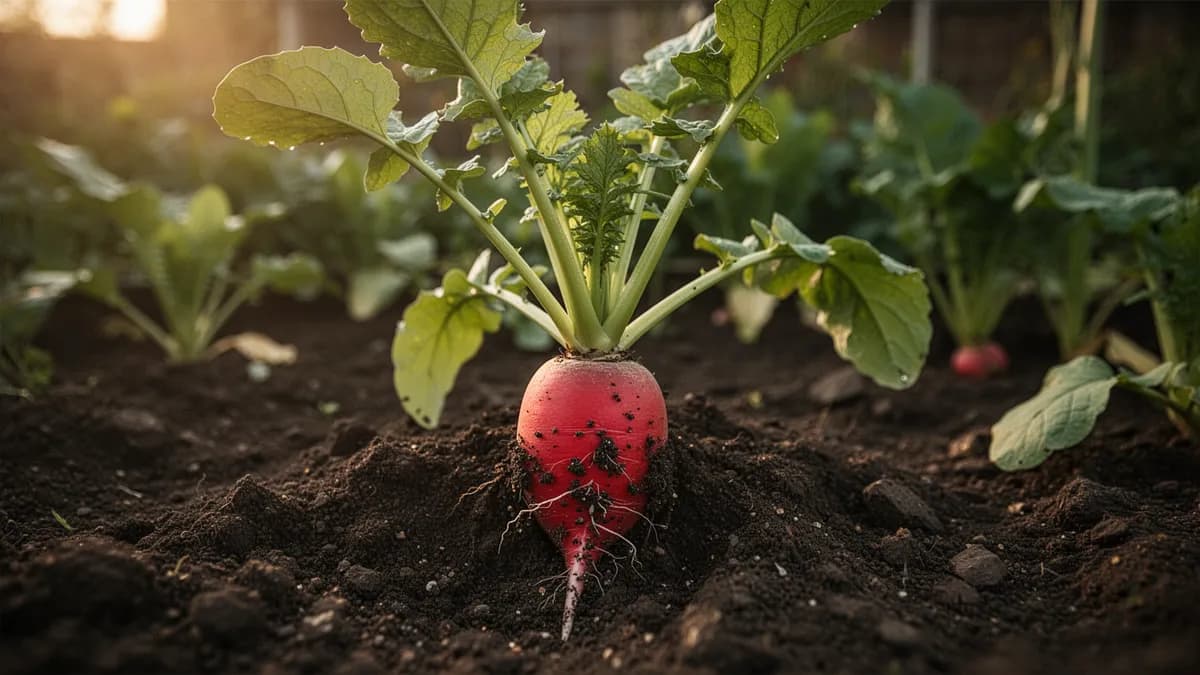
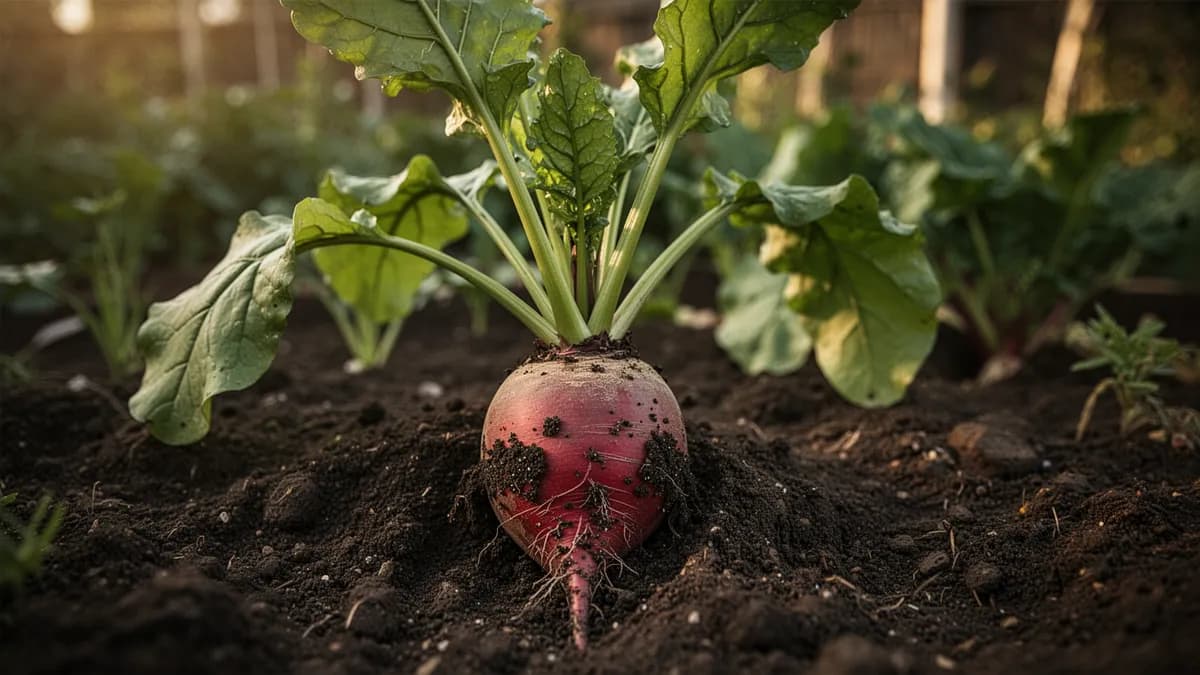
Mantén Remolacha Dorada lejos de estos
Diseños de jardín con Remolacha Dorada
Cultiva tu mejor Remolacha Dorada — y todo lo que la rodea.
Empieza un plan gratis hoy. Diseña tus bancales, coloca tu Remolacha Dorada y deja que PlotMyGarden gestione el momento, el espaciado, las asociaciones y los recordatorios de la semilla a la cesta.