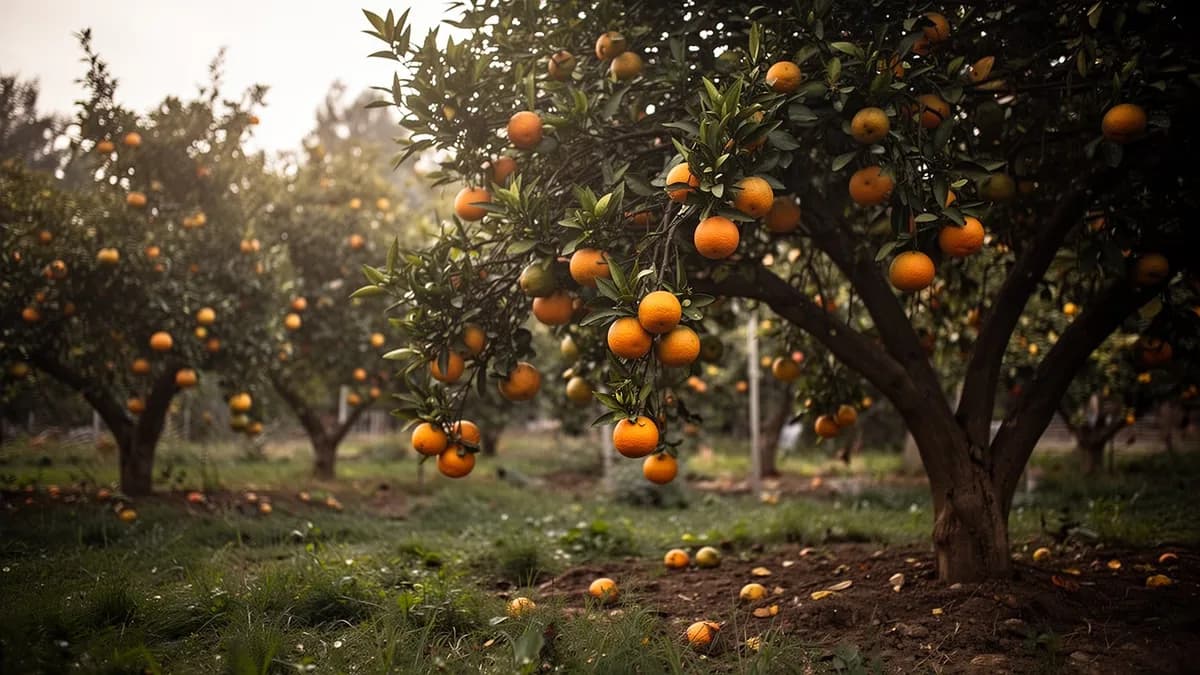
Orange Tree
Citrus sinensis
At a Glance
It's planting season for Orange Tree! Start planning your garden now.
A classic evergreen citrus tree producing sweet, juicy fruits that hang on the tree for months after ripening without losing quality. Orange trees need consistent watering, full sun, and regular citrus fertilizer applications throughout the growing season. They are self-fertile but produce more heavily with warm days and cool nights during fruit development. Protect from hard freezes and watch for citrus greening disease, which is spread by the Asian citrus psyllid.
Planting & Harvest Calendar
Growth Stages
From Seed to Harvest
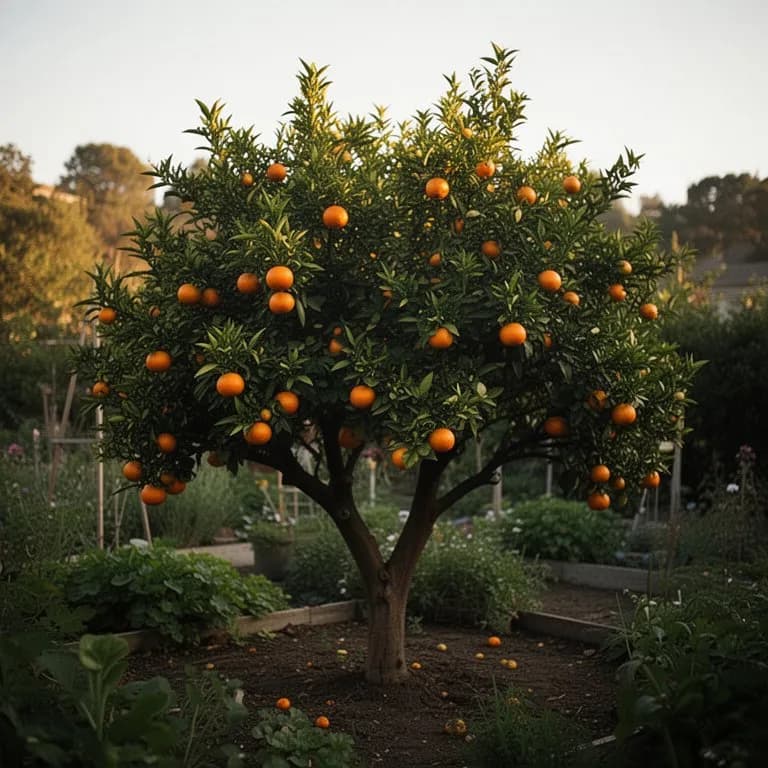
Transplant Establishment
Days 0–90
A grafted nursery tree focuses on anchoring its root system into the surrounding soil. Top growth is minimal during this period as the tree directs energy underground. Leaves may appear slightly wilted for the first few weeks as roots recover from transplant shock.
💡 Care Tip
Water deeply two to three times per week for the first three months. Stake the trunk loosely to prevent wind rock while roots establish. Avoid fertilizing for the first six weeks to prevent root burn.
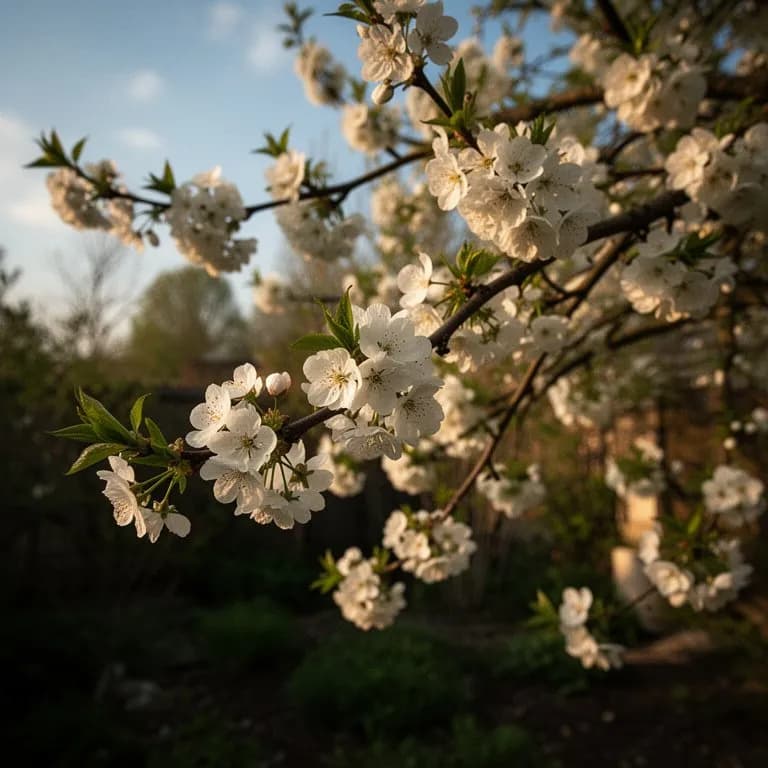
Spring blossoms fill the garden with an unmistakable sweet citrus fragrance
Monthly Care Calendar
What to do each month for your Orange Tree
April
You are hereNo specific care tasks for this month.
Did You Know?
Fascinating facts about Orange Tree
Brazil produces roughly 15 million tonnes of oranges per year, nearly a quarter of the global total, with the vast majority processed into frozen concentrate for export rather than eaten fresh.
Orange trees thrive in warm climates with full sun, well-drained soil, and protection from freezing temperatures. Choose a south-facing location with wind protection. In borderline zones, plant near a building or wall that provides radiant heat. Space trees 20 to 25 feet apart for standard varieties and 8 to 12 feet for dwarfs. Orange trees can be grown in large containers in cooler climates and brought indoors during winter.
Plant container-grown orange trees in spring when temperatures consistently stay above 60 degrees Fahrenheit. Set the graft union 4 to 6 inches above soil level to prevent scion rooting. Water deeply at planting and apply a 3-inch mulch layer. During the first two years, water regularly to establish a strong root system. Established trees need deep watering every 1 to 2 weeks depending on soil type and weather.
Feed orange trees with citrus-specific fertilizer three to four times per year, from late winter through early fall. Prune only to remove dead wood, suckers below the graft union, and crossing branches. Orange trees develop a naturally rounded canopy that requires minimal shaping. Monitor for citrus greening disease, an incurable bacterial infection spread by the Asian citrus psyllid, and control psyllid populations proactively.
The sweet orange (Citrus sinensis) is one of the most economically important fruit crops in human history, yet it has never been found growing wild. Modern genetic analysis confirms it is an ancient stabilized hybrid, most likely arising from crosses between the pomelo (Citrus maxima) and the mandarin (Citrus reticulata) in the subtropical forests of southern China and northeast India. Archaeological and literary evidence suggests oranges were cultivated in China as early as 2500 BCE, where they were initially valued as much for their fragrant blossoms and ornamental beauty as for their edible fruit.
The orange's westward migration followed the great trade routes of antiquity. Arab merchants carried citrus to Persia, the eastern Mediterranean, and North Africa between the 9th and 11th centuries, though the varieties they introduced were primarily bitter oranges (Citrus aurantium), used in cooking, medicine, and perfumery. The Moors planted extensive citrus gardens in southern Spain, and the city of Seville became synonymous with the bitter marmalade orange that still bears its name.
Sweet oranges arrived in Europe much later. Portuguese navigators returning from voyages to India and China in the late 15th and early 16th centuries brought back superior sweet varieties that rapidly displaced the bitter orange for fresh consumption. Portugal's role was so significant that in many languages the word for orange derives from Portuguese — naranja in Spanish, arancia in Italian, and laranja in Portuguese itself. The Portuguese also established orange cultivation in Brazil, which would eventually grow to become the world's dominant producer.
Spanish explorers and missionaries introduced citrus to the Americas beginning with Columbus's second voyage in 1493. Within two centuries, feral orange groves had spread across the Caribbean, Mexico, and into Florida. California's citrus industry took hold in the mid-19th century, and by the early 20th century, the United States was among the leading orange producers globally. Today oranges are cultivated commercially in every continent except Antarctica, with annual global production exceeding 70 million tonnes and the fruit remaining the world's most widely consumed citrus.
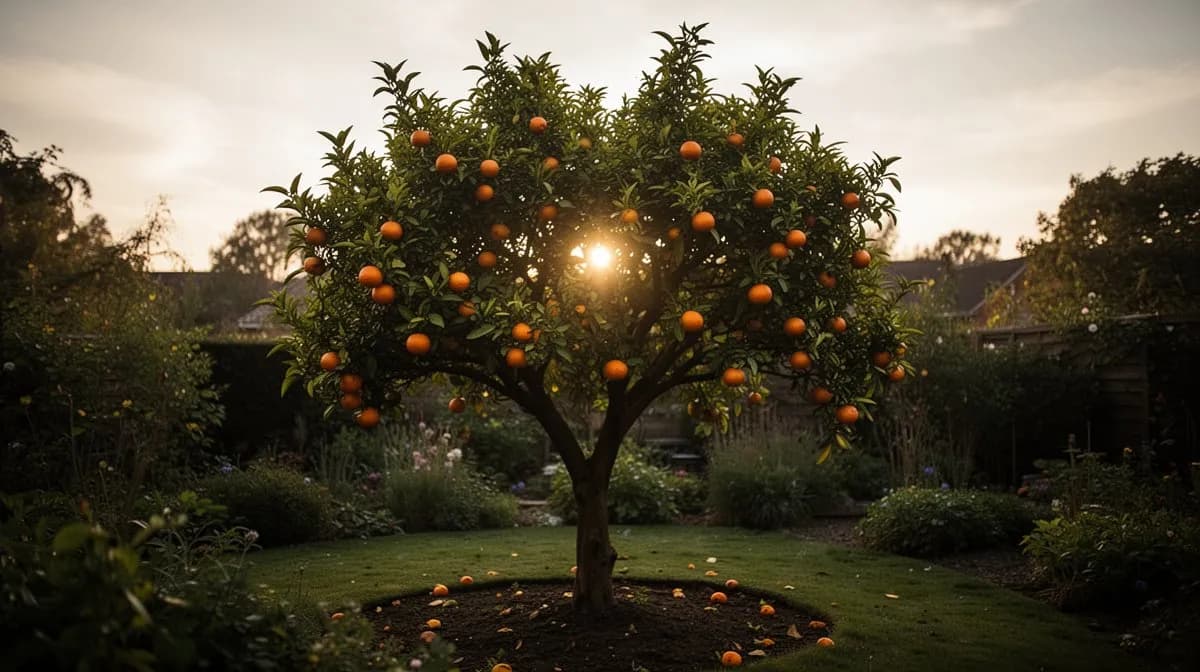
A well-established orange tree develops a dense, rounded canopy that provides both fruit and shade
Orange trees are propagated by budding onto disease-resistant rootstock. Sour orange, Carrizo citrange, and Swingle citrumelo are common rootstocks chosen for their disease resistance and soil adaptability. Purchase certified disease-free grafted trees from reputable nurseries. Seed-grown oranges take 7 to 15 years to fruit and may produce thorny trees with inferior fruit. Container-grown grafted trees can be planted anytime when temperatures are warm enough.
Orange trees prefer well-drained loamy soil with a pH of 5.5 to 6.5. Amend alkaline soil with sulfur to lower pH. Apply citrus fertilizer containing nitrogen, potassium, and essential micronutrients including iron, zinc, and manganese three to four times per year. Yellowing leaves with green veins indicate iron deficiency, common in alkaline soils. Apply chelated iron as a foliar spray or soil drench. Avoid excessive nitrogen in late summer, which can delay fruit ripening.
Check Your Zone
See if Orange Tree is suitable for your location.
10°C – 35°C
50°F – 95°F
Orange trees perform best in the 15°C to 30°C range. They require warm summers to develop sweet, juicy fruit and benefit from mild winters with nighttime lows of 5°C to 13°C to trigger dormancy and subsequent spring flowering. Sustained temperatures below -2°C cause leaf damage, and hard freezes below -5°C can kill branches or entire young trees. At the other extreme, prolonged heat above 38°C may cause blossom and fruit drop. Container-grown trees should be moved to a frost-free location when temperatures approach freezing.
Common issues affecting Orange Tree and how to prevent and treat them organically.
Citrus greening disease is the most devastating threat, with no cure available. Control the psyllid vector aggressively. Yellow leaves can indicate nutrient deficiency, overwatering, or root rot. Fruit drop in spring is normal as trees shed excess fruit they cannot support. Creasing or splitting of fruit results from irregular watering patterns. Sunburn on fruit and bark occurs when shade-providing canopy is suddenly reduced by heavy pruning or wind damage.
Plant basil, lavender, and marigolds near orange trees to attract pollinators and beneficial insects. Nasturtiums make a colorful, pest-repelling ground cover. Other citrus varieties planted nearby share similar care requirements. Leguminous cover crops between orchard rows fix nitrogen and improve soil structure. Avoid planting tall trees that would shade the orange tree canopy.
- 1Purchase grafted trees from a certified nursery to ensure varietal accuracy, disease-free stock, and fruiting within three to five years. Seedling-grown trees may take ten years or more to produce fruit and the quality is unpredictable.
- 2Select a planting site with full sun exposure of at least six to eight hours daily. In cooler regions, position the tree against a south-facing wall to benefit from radiated warmth and wind protection.
- 3Prepare the planting hole at least twice the width of the root ball but no deeper. Orange trees should be planted at the same soil level as they were in the nursery pot, with the graft union clearly above the soil surface.
- 4Ensure excellent drainage by amending heavy clay soils with coarse sand, perlite, and generous amounts of organic compost. Raised beds or mounded planting works well in areas with poor natural drainage.
- 5Water deeply and infrequently rather than lightly and often. Established in-ground trees benefit from a thorough soaking every seven to ten days during the growing season. Allow the top few centimeters of soil to dry between waterings.
- 6Feed with a dedicated citrus fertilizer that includes micronutrients such as iron, manganese, zinc, and magnesium. Apply three times per year: in early spring, early summer, and early autumn. Supplement container trees with liquid citrus feed every two weeks during active growth.
- 7Protect young trees from frost with horticultural fleece, burlap wraps, or even incandescent string lights draped through the canopy, which generate enough warmth to raise the microclimate by a few critical degrees on cold nights.
- 8Prune lightly after harvest, removing only dead, diseased, or crossing branches. Orange trees fruit on mature wood and do not require the aggressive pruning regimes used for deciduous fruit trees. An open, goblet-shaped canopy allows good light penetration and air circulation.
- 9Monitor regularly for common pests including citrus scale, aphids, citrus leafminer, and spider mites. Horticultural oil sprays applied in late winter smother overwintering pests. Neem oil is effective against active infestations of soft-bodied insects during the growing season.
- 10For container cultivation, choose a pot at least 50 centimeters in diameter with large drainage holes. Use a loam-based potting mix specifically formulated for citrus. Repot every two to three years into a slightly larger container, refreshing the top layer of compost annually.
Oranges are ripe when they reach full color, though in tropical climates the fruit may remain green even when sweet and mature. Taste-test for sweetness and flavor before harvesting the whole tree. Oranges can remain on the tree for weeks or even months after ripening without deteriorating in quality, essentially using the tree as natural cold storage. Clip fruit from the tree with pruning shears to avoid tearing bark. Navel oranges ripen in winter, while Valencia oranges mature in spring and summer.
Fresh oranges keep for 2 to 3 weeks at room temperature and up to 2 months refrigerated. Juice oranges and freeze the juice in containers or ice cube trays for year-round use. Orange marmalade is a classic preserve made from the peel and juice. Dehydrated orange slices make attractive garnishes and snacks. Candied orange peel is a traditional confection. Orange zest can be dried and stored for months for use in baking.
Plan your garden with ease
Love growing Orange Tree? Use our free garden planner to design your beds, track planting dates, and get personalized care reminders.
Nutritional Info
Per 100g serving
62
Calories
Health Benefits
- One medium orange delivers over 100% of the recommended daily vitamin C intake, supporting immune defense and collagen production
- Contains the flavonoid hesperidin, studied for its potential to improve blood vessel function and reduce inflammation
- Provides 3.1 grams of dietary fiber including soluble pectin, which aids digestion and helps regulate cholesterol
- A good source of folate (about 10% DV), critical for DNA synthesis and especially important during pregnancy
- Delivers thiamine (vitamin B1) and small amounts of calcium, supporting energy metabolism and bone health
- High water content of roughly 87% makes oranges an excellent hydrating snack with low caloric density
- The natural sugars are paired with fiber and organic acids, resulting in a moderate glycemic index of approximately 40
💰 Why Grow Your Own?
A single mature orange tree in a favorable climate can produce 150 to 300 fruit annually. With supermarket prices for quality oranges ranging from $0.75 to $1.50 each, and organic oranges costing even more, one productive tree can generate $110 to $450 worth of fruit per year. Over its productive lifespan of 30 to 50 years or more, that represents a return of several thousand dollars from an initial investment of $30 to $80 for a grafted nursery tree. Beyond the financial calculation, home-grown oranges picked at peak ripeness offer a level of freshness, flavor, and nutritional potency that store-bought fruit, often harvested weeks or months earlier and shipped thousands of kilometers, simply cannot match.
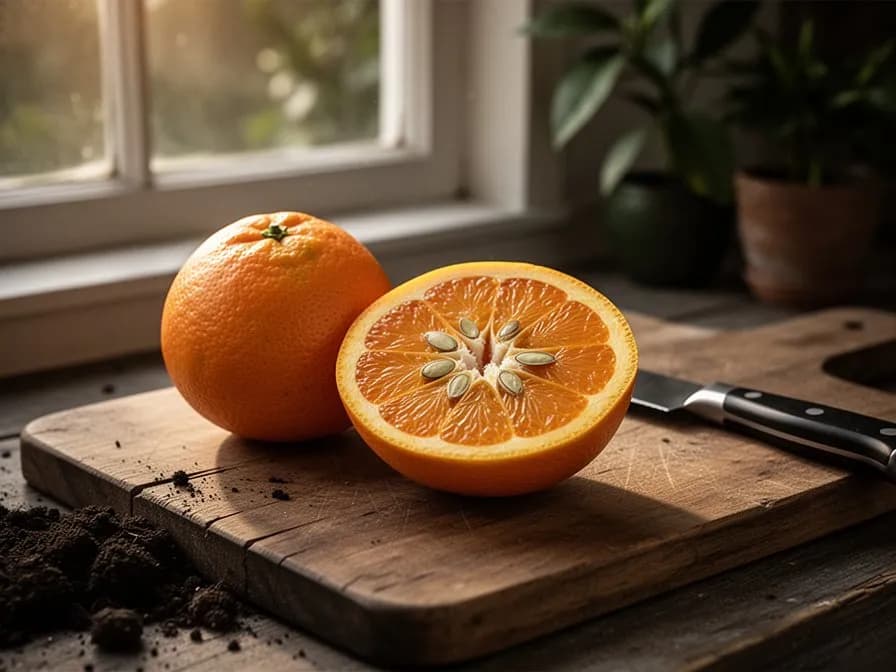
Each segment is packed with juice, natural sugars, and over a full day's vitamin C
Quick Recipes
Simple recipes using fresh Orange Tree
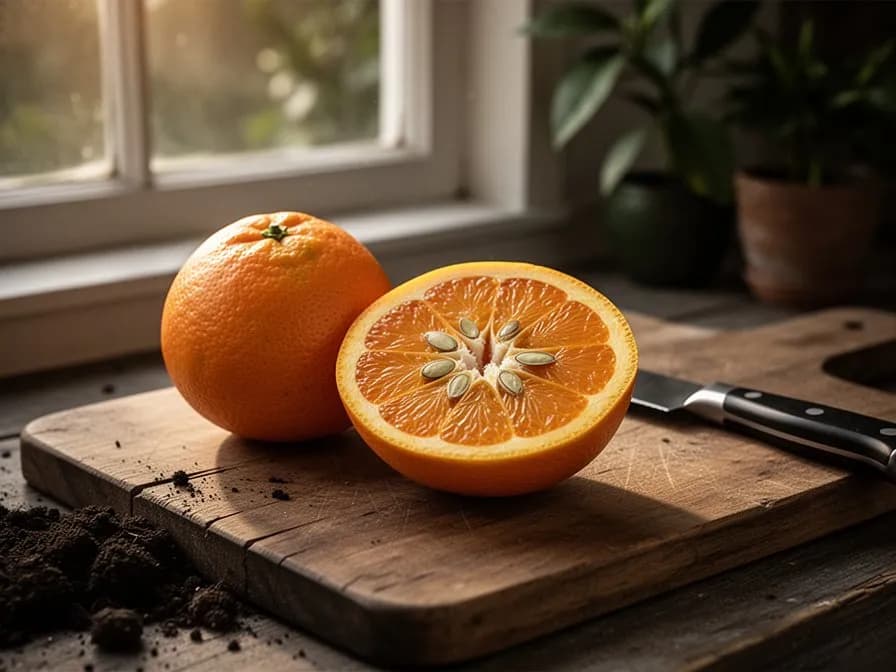
Orange Vinaigrette Dressing
5 minutesA bright, tangy dressing perfect for green salads, grain bowls, or grilled vegetables. Whisk together fresh-squeezed orange juice with olive oil, Dijon mustard, and a splash of white wine vinegar. Season with salt, pepper, and a pinch of cumin for depth. Stores well in the refrigerator for up to a week.
Orange and Almond Cake
80 minutesA flourless cake that uses whole boiled oranges for intense citrus flavor and moisture. Boil two whole oranges for 90 minutes until completely soft, then blend to a smooth puree. Mix with ground almonds, eggs, sugar, and baking powder. Bake at 170°C for 50 to 60 minutes. The result is a dense, fragrant, naturally gluten-free cake that improves over a day or two.
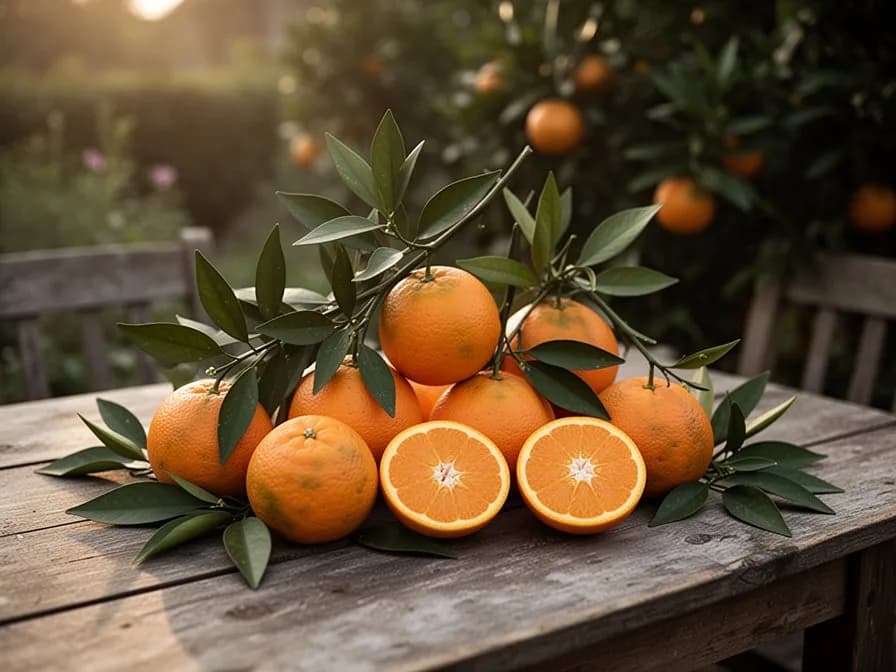
Citrus and Herb Roasted Chicken
90 minutesStuff a whole chicken with quartered oranges, garlic cloves, and fresh thyme sprigs. Rub the outside with olive oil, salt, pepper, and smoked paprika. Roast at 190°C, basting occasionally with the pan juices, until the skin is golden and the internal temperature reaches 74°C. The orange steam inside keeps the meat incredibly moist while perfuming it with citrus.
Home-grown oranges make exceptional marmalade with peel you know is pesticide-free
Yield & Spacing Calculator
See how many Orange Tree plants fit in your garden bed based on the recommended 600cm spacing.
0
Orange Tree plants in a 4×4 ft bed
0 columns × 0 rows at 600cm spacing
Popular Varieties
Some of the most popular orange tree varieties for home gardeners, each with unique characteristics.
Washington Navel
The classic seedless eating orange with easy-peeling skin and sweet, rich flavor. Best for fresh eating. Ripens in winter.
Valencia
The premier juice orange with thin skin, few seeds, and outstanding juice quality. Ripens in spring and summer, extending the orange season.
Cara Cara
Pink-fleshed navel orange with berry-like overtones and lower acidity than standard navels. Beautiful color and excellent fresh-eating quality.
Blood Orange (Moro)
Striking deep red flesh with raspberry-like flavor notes. Requires cool nights for best color development. Exceptional in salads and cocktails.
Trovita
Thin-skinned, juicy orange that tolerates more heat and less humidity than navels. Good choice for hot inland areas and desert climates.
Oranges are among the most versatile citrus fruits, enjoyed fresh, juiced, and in countless recipes. Orange juice is the world's most popular fruit juice. The zest adds bright flavor to baked goods, marinades, and sauces. Blood oranges add dramatic color to salads, cocktails, and desserts. Oranges pair well with chocolate, vanilla, cinnamon, and duck. They are rich in vitamin C, folate, and potassium. Dried orange slices make beautiful and edible garnishes.
When should I plant Orange Tree?
Plant Orange Tree in March, April, May. It takes approximately 1095 days to reach maturity, with harvest typically in November, December, January, February, March.
What are good companion plants for Orange Tree?
Orange Tree grows well alongside Basil, Lavender, Marigold. Companion planting can improve growth, flavor, and natural pest control.
What hardiness zones can Orange Tree grow in?
Orange Tree thrives in USDA hardiness zones 9 through 12. With greenhouse protection, it may be grown in zones 7 through 13.
How much sun does Orange Tree need?
Orange Tree requires Full Sun (6-8h+). This means at least 6-8 hours of direct sunlight daily.
How far apart should I space Orange Tree?
Space Orange Tree plants 600cm (236 inches) apart for optimal growth and air circulation.
What pests and diseases affect Orange Tree?
Common issues include Citrus Greening (HLB), Citrus Scale, Citrus Root Rot, Citrus Leaf Miner. Prevention through good garden practices like crop rotation, proper spacing, and companion planting is the best approach. See the detailed pests and diseases section above for symptoms, prevention, and treatment for each.
How do I store Orange Tree after harvest?
Fresh oranges keep for 2 to 3 weeks at room temperature and up to 2 months refrigerated. Juice oranges and freeze the juice in containers or ice cube trays for year-round use. Orange marmalade is a classic preserve made from the peel and juice. Dehydrated orange slices make attractive garnishes and ...
What are the best Orange Tree varieties to grow?
Popular varieties include Washington Navel, Valencia, Cara Cara, Blood Orange (Moro), Trovita. Each has unique characteristics suited to different growing conditions and culinary preferences. See the varieties section above for detailed descriptions.
What soil does Orange Tree need?
Orange trees prefer well-drained loamy soil with a pH of 5.5 to 6.5. Amend alkaline soil with sulfur to lower pH. Apply citrus fertilizer containing nitrogen, potassium, and essential micronutrients including iron, zinc, and manganese three to four times per year. Yellowing leaves with green veins i...
How long does it take for an orange tree to bear fruit?
A grafted orange tree from a reputable nursery typically produces its first fruit within three to five years of planting. The initial crop is usually small, perhaps 10 to 30 fruit, with yields increasing steadily each year as the tree matures. Full production capacity is generally reached around year eight to twelve. Trees grown from seed take significantly longer, often seven to fifteen years, and the resulting fruit may not resemble the parent variety in taste or quality.
Why is my orange tree dropping fruit before it ripens?
Some fruit drop is entirely natural. Citrus trees commonly shed a proportion of developing fruitlets in early summer, a phenomenon known as June drop, as the tree self-regulates the crop load it can support. However, excessive drop can indicate inconsistent watering causing moisture stress, nutrient deficiency particularly potassium or nitrogen, extreme heat above 38°C during fruit development, pest damage from fruit flies or other insects, or root problems from overwatering and poor drainage. Consistent deep irrigation, regular balanced fertilization, and mulching to stabilize soil conditions will minimize abnormal fruit drop.
What is the best orange variety for growing in a container?
Several varieties perform well in containers. Dwarf Washington Navel is a classic choice producing large, seedless, easy-to-peel fruit on a compact tree. Trovita is tolerant of less-than-ideal conditions and produces sweet, juicy fruit reliably. Calamondin, while more sour than a true sweet orange, is exceptionally ornamental and cold-hardy. For blood oranges, Moro on dwarfing rootstock works well in pots. The key to container success is choosing a tree grafted onto a dwarfing rootstock such as Flying Dragon trifoliate, using a large pot with excellent drainage, and providing consistent feeding and watering.
Do orange trees need a pollination partner to produce fruit?
No, most sweet orange varieties are self-fertile and do not require a second tree for cross-pollination. A single tree will set fruit on its own, pollinated by wind and visiting insects. In fact, many popular varieties such as Navel oranges are parthenocarpic, meaning they can set fruit without pollination at all, which is why Navel oranges are seedless. However, having pollinating insects visit the blossoms can improve fruit set and yield. If growing indoors or in a greenhouse where pollinators are absent, gently brushing a soft paintbrush across open flowers can help transfer pollen.
How do I prevent and treat citrus greening disease?
Citrus greening, also called Huanglongbing or HLB, is the most devastating citrus disease worldwide. It is caused by a bacterium spread by the Asian citrus psyllid insect. Symptoms include asymmetric yellowing of leaves, misshapen and bitter fruit that remains partly green, and gradual tree decline. There is currently no cure. Prevention is the best strategy: purchase certified disease-free nursery stock, inspect trees regularly for psyllid insects, control psyllid populations with targeted insecticides or biological controls, and remove and destroy any trees confirmed to be infected to prevent spread to healthy trees in the area.
Can I grow an orange tree from a seed I saved from a store-bought orange?
You can, but there are important caveats. Seeds from most orange varieties will germinate readily if planted fresh in moist potting mix and kept warm. However, seedling trees take seven to fifteen years to fruit, the resulting fruit quality is unpredictable and often inferior to the parent, and seedling trees grow much larger than grafted varieties, making them impractical for small gardens or containers. Additionally, seedling trees lack the disease resistance and environmental adaptations provided by specialized rootstocks used in grafted trees. Growing from seed can be a fun educational project, but for reliable fruit production, a grafted nursery tree is strongly recommended.
Ready to Grow Orange Tree?
Add Orange Tree to your garden plan and start designing your perfect layout.

Vladimir Kusnezow
Gardener and Software Developer
Zone 6b gardener. Growing vegetables and fruits in soil and hydroponics for 6 years. I built PlotMyGarden to plan my own gardens.
Jump to Section