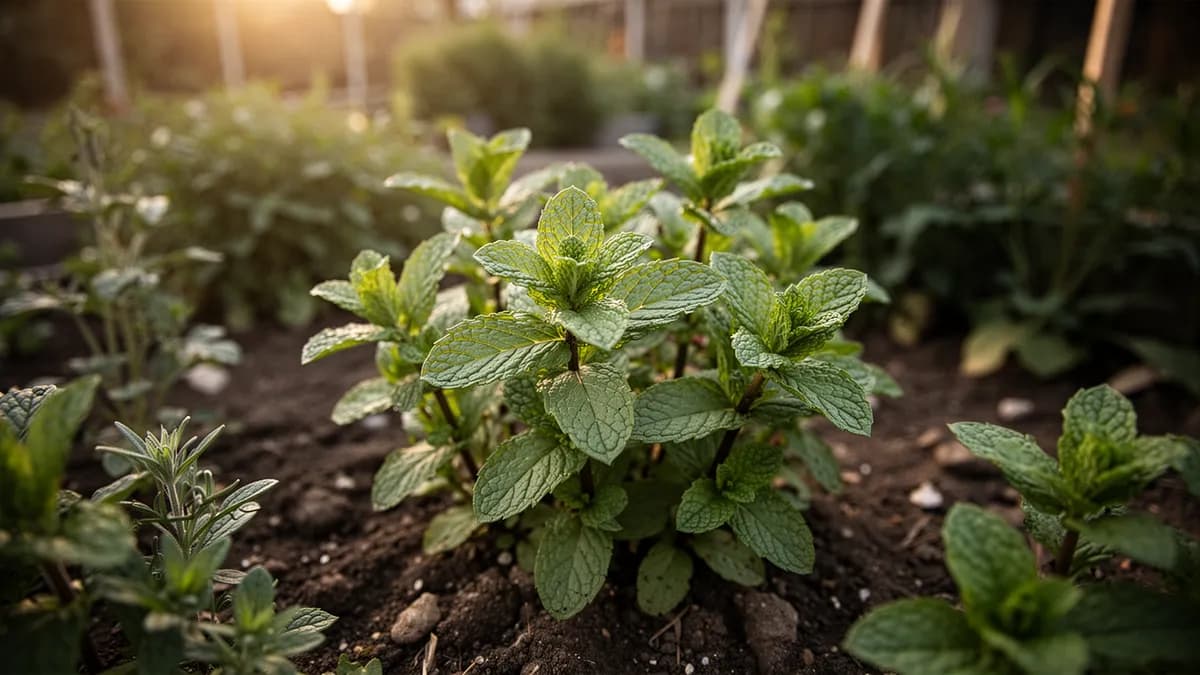
Mint
Mentha spicata
At a Glance
It's planting season for Mint! Start planning your garden now.
A vigorous spreading herb best grown in containers to prevent its aggressive runners from overtaking the garden. Mint tolerates partial shade and consistently moist soil better than most herbs, making it ideal for damp, shaded areas. Dozens of varieties are available including spearmint, peppermint, chocolate mint, and apple mint, each with distinct flavor nuances. Harvest frequently by cutting stems just above a leaf node to encourage bushy regrowth and use fresh in teas, cocktails, and salads.
Planting & Harvest Calendar
Growth Stages
From Seed to Harvest
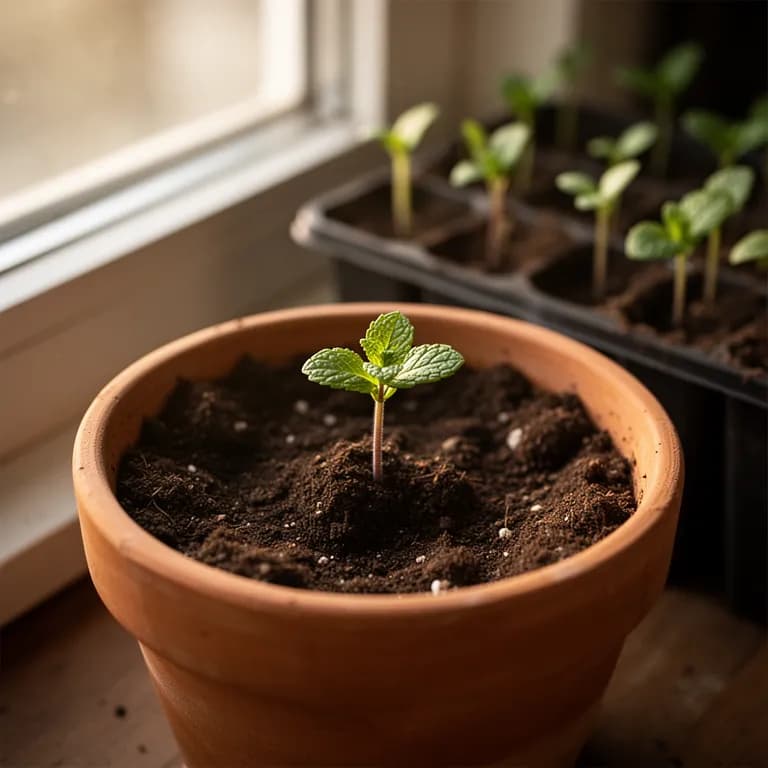
Propagation
Days 0–14
Mint is most commonly started from cuttings or root divisions rather than seed. Place stem cuttings in water until roots develop, or divide an established plant's root ball. Seeds are tiny and germinate irregularly over 10-14 days.
💡 Care Tip
Keep soil consistently moist and warm at 18-21°C. Cover seed trays with plastic wrap to maintain humidity until germination occurs.
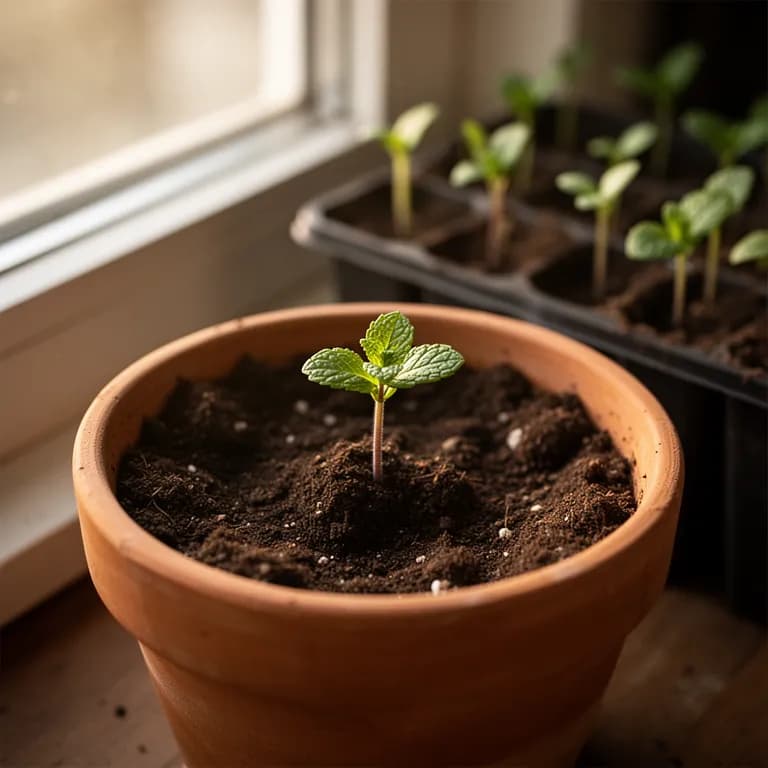
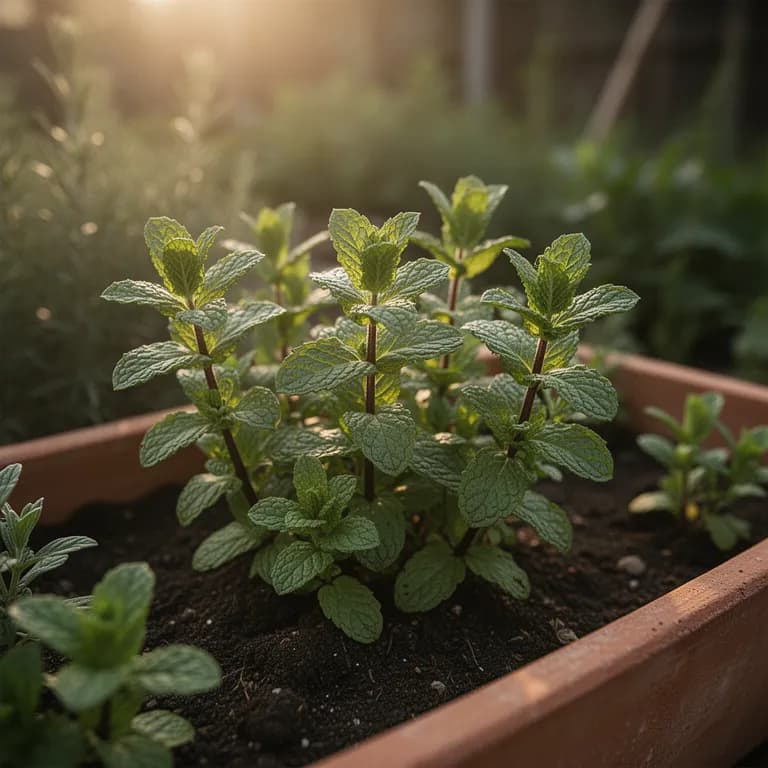
Mint seedlings developing their first set of aromatic true leaves
Monthly Care Calendar
What to do each month for your Mint
May
You are hereBegin regular harvesting once plants reach 15 cm. Water consistently to keep soil evenly moist. Monitor for aphids on tender new growth and treat with a strong water spray.
Did You Know?
Fascinating facts about Mint
Mint has been cultivated for over 3,500 years and was found in Egyptian tombs dating back to 1000 BCE, where it was likely used for its fragrance and medicinal properties.
Mint is best started from transplants, runners, or root divisions rather than seed, as seed-grown plants are often variable in quality and take longer to establish. Plant in spring after the last frost in a location with morning sun and afternoon shade. The most critical decision is containment: plant mint in containers, or sink a bottomless pot or root barrier at least 12 inches deep into the garden bed to prevent its aggressive runners from spreading.
Prepare soil by working in generous amounts of compost to create rich, moisture-retentive conditions. Mint prefers a slightly acidic to neutral pH of 6.0-7.0 and consistently moist soil. Space plants 18-24 inches apart, though they will quickly fill in any gaps. Water regularly, as mint is one of the few herbs that genuinely dislikes dry conditions.
Cut plants back to ground level in late fall or early spring to remove dead growth and encourage vigorous new shoots. Divide clumps every 2-3 years to prevent congestion and maintain flavor quality. Feed monthly during the growing season with a balanced liquid fertilizer. In hot climates, provide afternoon shade to prevent wilting and leaf scorch.
Spearmint (Mentha spicata) is native to Europe and southern temperate Asia, with its origins likely in the Mediterranean region and the Balkans. It is one of the oldest cultivated herbs in human history, with archaeological evidence suggesting its use in ancient civilizations stretching back millennia. The ancient Egyptians valued mint highly, and traces of the herb have been discovered in tombs dating to approximately 1000 BCE, where it was placed alongside other precious offerings. Greek and Roman cultures embraced mint enthusiastically, weaving it into their mythology, medicine, and daily life. Hippocrates and other early physicians prescribed mint preparations for digestive ailments, and Roman naturalist Pliny the Elder documented its medicinal uses extensively. The Romans are credited with spreading mint cultivation throughout their empire, introducing it to Britain and other parts of northern Europe where it naturalized readily in the temperate climate. During the Middle Ages, mint became a staple of monastic herb gardens across Europe, valued both as a medicinal plant and a strewing herb to freshen the air in homes and churches. Medieval herbalists recommended mint for everything from headaches to insect bites. The herb arrived in North America with the earliest European colonists and quickly became established, both in cultivation and as a naturalized wild plant. By the 18th century, commercial mint farming had begun in earnest, particularly in England and later in the American Midwest. Today, the United States, India, and China are the largest producers of mint globally. Spearmint remains one of the most widely grown and recognized herbs worldwide, found in kitchen gardens, commercial farms, and wild landscapes on every inhabited continent.
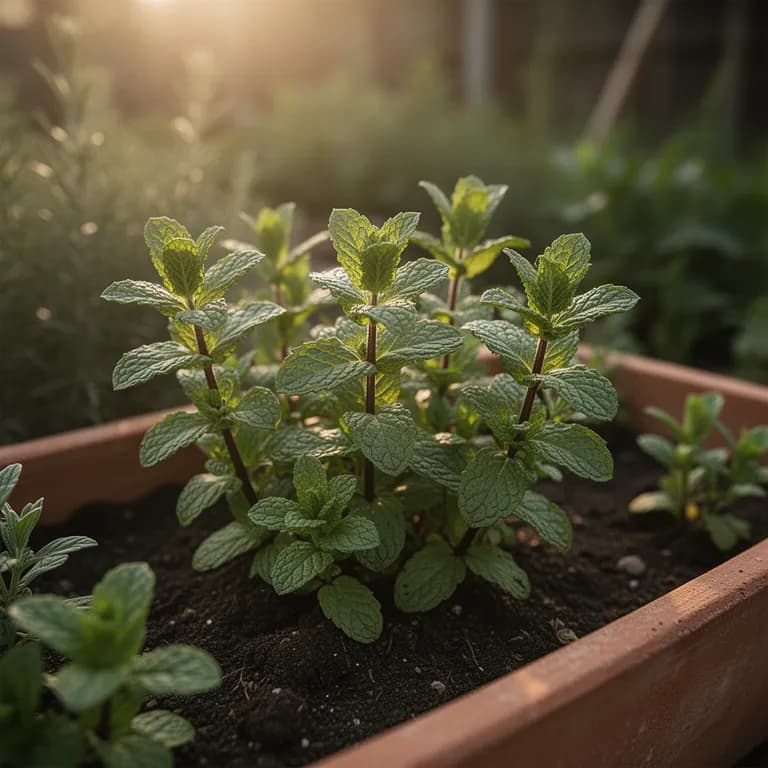
The characteristic pointed, serrated leaves that give spearmint its name
While mint can be grown from seed, results are often variable and slow compared to vegetative propagation. If starting from seed, sow indoors 8-10 weeks before the last frost. Press tiny seeds onto the surface of moist starting mix without covering. Germination takes 10-15 days at 65-70°F. Keep soil consistently moist. The preferred method is root division: dig up a section of established mint with roots attached and replant. Alternatively, root 4-inch stem cuttings in water; roots appear in 7-10 days.
Mint thrives in rich, moist, well-drained soil with a pH of 6.0-7.0. Unlike most herbs, mint appreciates fertile soil amended with generous compost. Work in 3-4 inches of compost before planting. Feed monthly during the growing season with a balanced liquid fertilizer or side-dress with compost. Mint is a heavy feeder compared to other herbs and benefits from regular nutrition. In containers, use a high-quality potting mix and fertilize every 2-3 weeks during active growth. Ensure consistent moisture without waterlogging.
Check Your Zone
See if Mint is suitable for your location.
13°C – 21°C
55°F – 70°F
Mint thrives in cool to moderate temperatures between 13-21°C (55-70°F). It tolerates light frost and can survive winter temperatures down to -30°C when dormant, making it reliably hardy in USDA zones 3-11. Growth slows significantly above 30°C, and plants may wilt or develop scorched leaves in prolonged heat without adequate moisture and shade.
Common issues affecting Mint and how to prevent and treat them organically.
The biggest challenge with mint is controlling its aggressive spread through underground runners. Always plant in containers or use root barriers buried 12 inches deep. Leggy, sparse growth results from insufficient light; provide at least 4-6 hours of sun daily. Yellowing leaves often indicate overwatering, poor drainage, or nutrient deficiency. Mint rust causes orange pustules on leaves and requires cutting plants to ground level. Flavor loss in established patches occurs when plants become overcrowded; divide every 2-3 years to rejuvenate.
Mint's strong menthol scent repels aphids, flea beetles, cabbage moths, and ants, making it useful near brassicas and tomatoes. However, mint's aggressive spreading habit means it should always be contained when planted near other crops. The flowers attract beneficial hoverflies and predatory wasps. Mint reportedly improves the vigor and flavor of nearby cabbages and tomatoes. Avoid planting near parsley and chamomile, as they can compete poorly against mint's vigorous root system.
- 1Always grow mint in containers or install root barriers at least 30 cm deep to prevent it from taking over your garden through aggressive underground stolons.
- 2Harvest mint by cutting stems just above a leaf node, which encourages two new branches to grow from that point, doubling your plant's productivity.
- 3Plant mint in partial shade for the best leaf flavor and essential oil production. Full sun is tolerated but may cause leaves to become tough and less aromatic.
- 4Water mint consistently to keep the soil evenly moist but not waterlogged. Mint is one of the few herbs that actually prefers more moisture than most.
- 5Propagate new plants easily by placing 10 cm stem cuttings in a glass of water on a windowsill. Roots will develop within 7-10 days.
- 6Cut back the entire plant to about 5 cm above the soil line two or three times during the growing season to promote vigorous, bushy regrowth with tender new leaves.
- 7Watch for mint rust, identified by small orange pustules on leaf undersides. Remove and destroy affected stems immediately and avoid overhead watering to prevent spread.
- 8Grow different mint varieties in separate containers to prevent cross-pollination and hybridization, which can result in plants with unpredictable and often inferior flavors.
- 9Refresh container-grown mint every two to three years by dividing the root ball, discarding the woody center, and replanting vigorous outer sections in fresh potting mix.
- 10Freeze mint leaves in ice cube trays with a splash of water or olive oil to preserve the fresh flavor for winter cooking and drinks throughout the year.
Begin harvesting mint once plants are 4-6 inches tall, typically 3-4 weeks after planting. Cut stems just above a leaf node to encourage branching. For the most intense flavor, harvest in the morning after dew dries. Regular harvesting 2-3 times per month keeps plants bushy and productive. Just before flowering, cut the entire plant back by two-thirds for a large harvest, as flavor peaks at this stage. Plants will quickly regrow for subsequent harvests throughout the season.
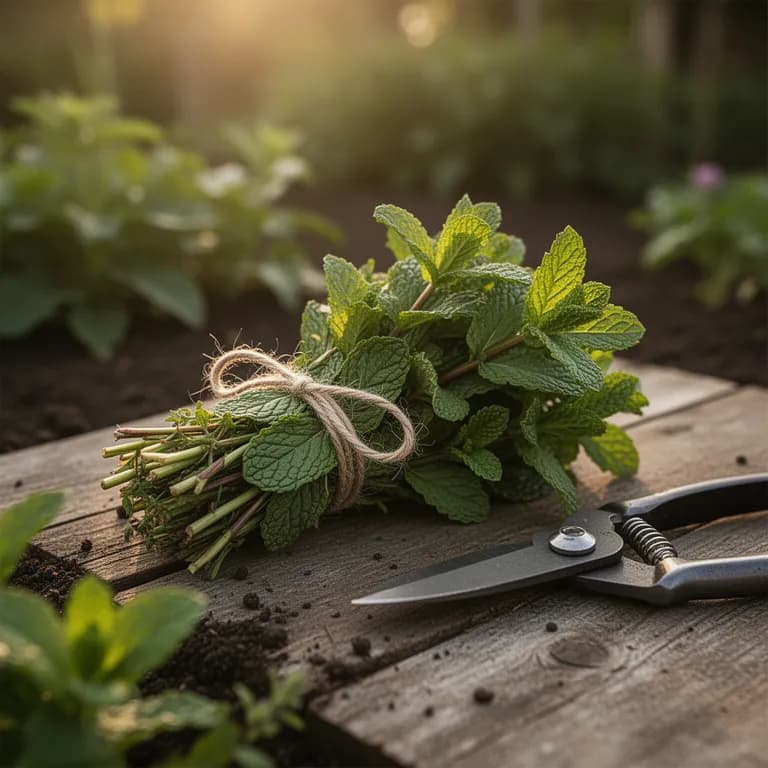
Regular harvesting encourages bushier growth and more flavorful leaves
Fresh mint stays vibrant for up to a week when stored with stems in a glass of water at room temperature, loosely covered with a plastic bag. For refrigerator storage, wrap sprigs in a damp paper towel inside a sealed bag. Freeze whole leaves on a baking sheet, then transfer to freezer bags for year-round use. Mint dries easily by hanging bundles in a warm, dark area for 1-2 weeks, though dried mint loses some brightness compared to fresh. Mint-infused simple syrup, frozen in ice cube trays, is convenient for cocktails and beverages.
Plan your garden with ease
Love growing Mint? Use our free garden planner to design your beds, track planting dates, and get personalized care reminders.
Nutritional Info
Per 100g serving
70
Calories
Health Benefits
- Excellent source of vitamin A with over 4,200 IU per 100g of fresh leaves
- Provides 53% of daily vitamin C needs per 100g serving
- Rich in manganese, supporting bone health and metabolism
- Contains rosmarinic acid, a powerful antioxidant compound
- Good source of dietary fiber at 8g per 100g
- Low in calories at only 70 kcal per 100g of fresh leaves
💰 Why Grow Your Own?
A single mint plant costs around $3-5 and can provide an unlimited supply of fresh mint for years. Store-bought fresh mint typically costs $2-4 per small package, and dried mint runs $5-8 per jar. A well-maintained mint plant can easily save $50-80 per year for regular mint users, and since mint spreads aggressively, you can share divisions with friends and neighbors at no cost.
Quick Recipes
Simple recipes using fresh Mint
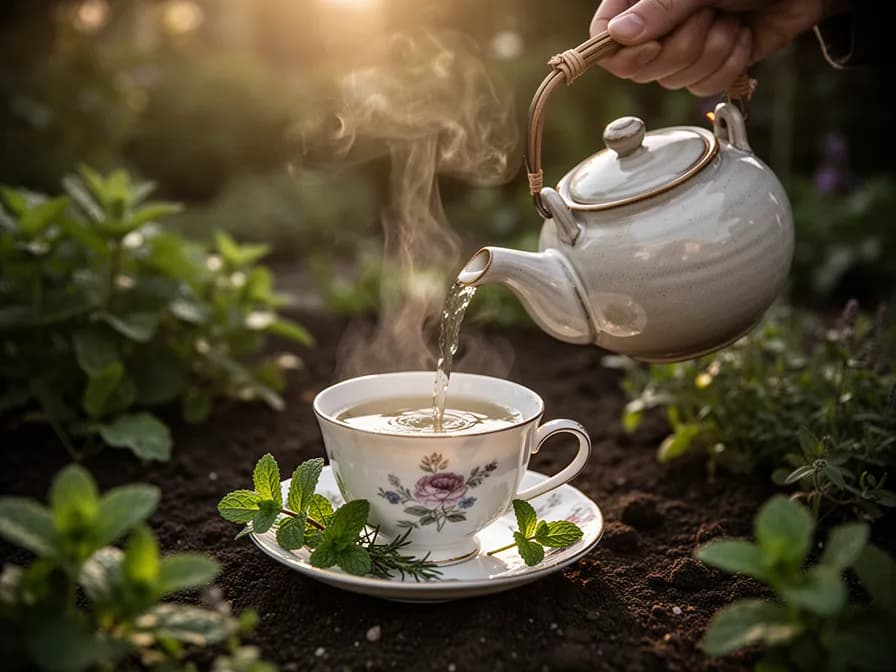
Classic Fresh Mint Tea
5 minutesA simple, refreshing herbal tea made with freshly picked spearmint leaves. Naturally caffeine-free and perfect served hot or iced. The gentle sweetness of spearmint makes added sugar optional.
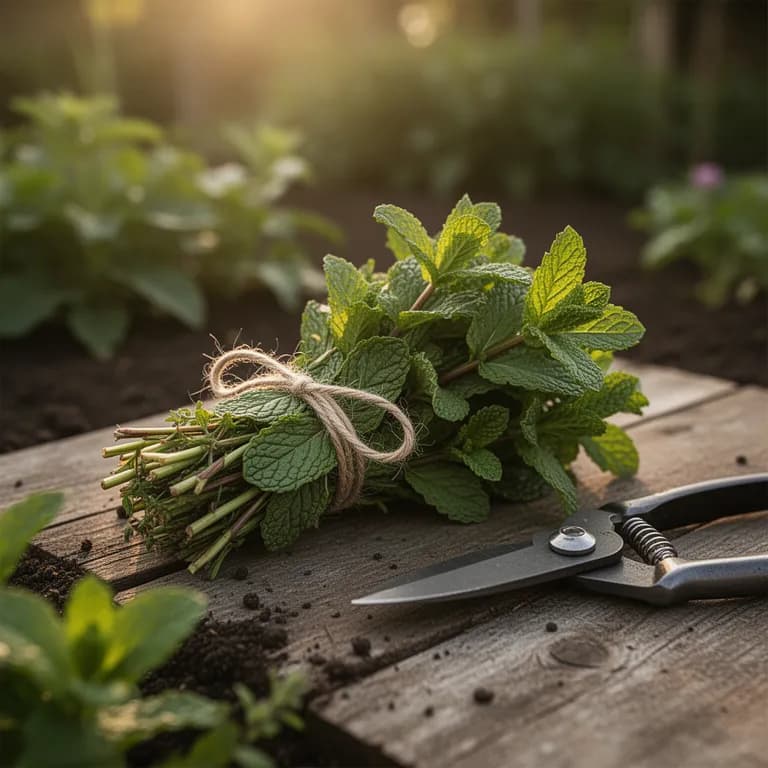
Mint Chimichurri Sauce
10 minutesA vibrant herb sauce that pairs beautifully with grilled lamb, roasted vegetables, or as a marinade. The mint adds a fresh twist to the classic Argentinian condiment.
Watermelon Mint Salad
10 minutesA cooling summer salad that combines sweet watermelon with fresh mint and tangy feta cheese. Perfect as a side dish for barbecues or a light refreshing snack on hot days.
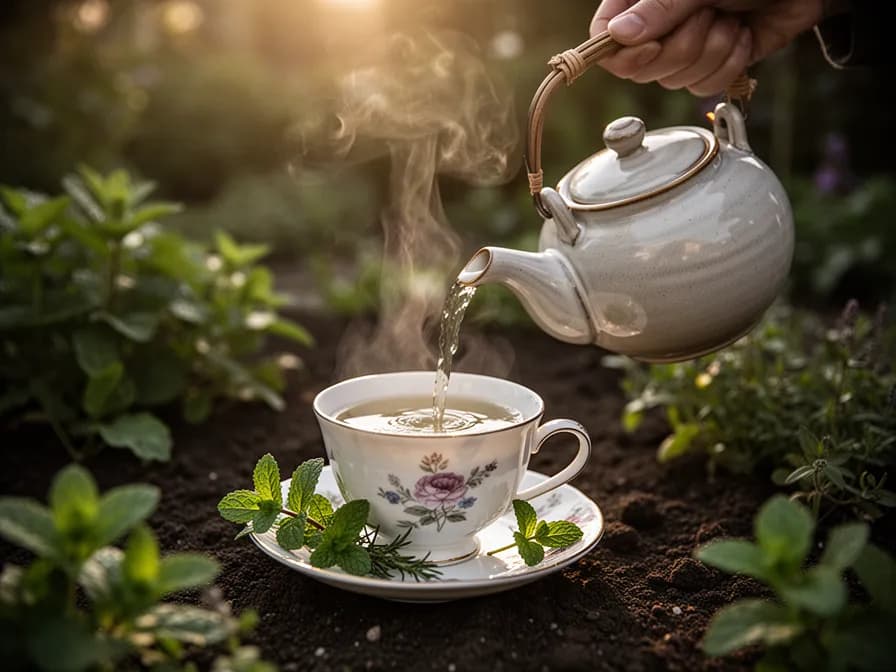
Fresh mint tea is one of the simplest and most refreshing uses for your harvest
Yield & Spacing Calculator
See how many Mint plants fit in your garden bed based on the recommended 45cm spacing.
4
Mint plants in a 4×4 ft bed
2 columns × 2 rows at 45cm spacing
Popular Varieties
Some of the most popular mint varieties for home gardeners, each with unique characteristics.
Spearmint
The most common culinary mint with a sweet, mild flavor. Ideal for teas, mojitos, tabbouleh, and general cooking. Less menthol than peppermint.
Peppermint
A natural hybrid with high menthol content and intense cooling flavor. Excellent for tea, chocolate pairings, and digestive remedies.
Chocolate Mint
Features dark stems and a subtle chocolate undertone beneath the classic mint flavor. Outstanding in desserts, ice cream, and hot cocoa.
Apple Mint
Rounded, fuzzy leaves with a fruity apple-mint flavor. Milder and sweeter than spearmint, excellent in fruit salads and cold drinks.
Moroccan Mint
A spearmint variety with exceptionally sweet flavor, traditionally used in Moroccan mint tea. Compact growth and strong resistance to bolting.
Mint is essential in Middle Eastern tabbouleh, Vietnamese spring rolls, and Indian chutneys. It brightens cocktails like mojitos and juleps, and elevates iced teas and lemonades. Pair mint with lamb, peas, new potatoes, and summer fruits. Chocolate mint enhances desserts and hot beverages. Add fresh mint at the end of cooking to preserve its volatile oils. Mint is also widely used in yogurt sauces, raita, and tzatziki.
When should I plant Mint?
Plant Mint in March, April, May. It takes approximately 30 days to reach maturity, with harvest typically in May, June, July, August, September, October.
What are good companion plants for Mint?
Mint grows well alongside Tomato, Cabbage, Peas. Companion planting can improve growth, flavor, and natural pest control.
What hardiness zones can Mint grow in?
Mint thrives in USDA hardiness zones 3 through 10. With greenhouse protection, it may be grown in zones 1 through 11.
How much sun does Mint need?
Mint requires Partial Sun (3-6h). This means 3-6 hours of sunlight, ideally morning sun with afternoon shade.
How far apart should I space Mint?
Space Mint plants 45cm (18 inches) apart for optimal growth and air circulation.
What pests and diseases affect Mint?
Common issues include Mint Rust, Verticillium Wilt, Spider Mites, Flea Beetles. Prevention through good garden practices like crop rotation, proper spacing, and companion planting is the best approach. See the detailed pests and diseases section above for symptoms, prevention, and treatment for each.
How do I store Mint after harvest?
Fresh mint stays vibrant for up to a week when stored with stems in a glass of water at room temperature, loosely covered with a plastic bag. For refrigerator storage, wrap sprigs in a damp paper towel inside a sealed bag. Freeze whole leaves on a baking sheet, then transfer to freezer bags for year...
What are the best Mint varieties to grow?
Popular varieties include Spearmint, Peppermint, Chocolate Mint, Apple Mint, Moroccan Mint. Each has unique characteristics suited to different growing conditions and culinary preferences. See the varieties section above for detailed descriptions.
What soil does Mint need?
Mint thrives in rich, moist, well-drained soil with a pH of 6.0-7.0. Unlike most herbs, mint appreciates fertile soil amended with generous compost. Work in 3-4 inches of compost before planting. Feed monthly during the growing season with a balanced liquid fertilizer or side-dress with compost. Min...
Why is my mint plant getting leggy and sparse instead of bushy?
Leggy mint is usually caused by insufficient light or infrequent harvesting. Move the plant to a spot receiving at least 4-6 hours of sunlight daily, and harvest regularly by pinching or cutting stems above leaf nodes. This stimulates lateral branching and creates a fuller, bushier plant. Cutting the entire plant back to 5 cm above soil level a few times per season also helps rejuvenate sparse growth.
How do I stop mint from spreading and taking over my garden?
The most reliable method is to grow mint exclusively in containers with drainage holes, placed on paving or a saucer to prevent roots from escaping through the drainage. If planting in the ground, sink a bottomless container or rigid barrier at least 30 cm deep around the planting area. Regularly check for and remove any runners that escape the barrier. Some gardeners also grow mint in raised beds lined with landscape fabric.
Can I grow mint indoors year-round?
Yes, mint grows well indoors with adequate light. Place it on a bright windowsill receiving at least 4-6 hours of direct sunlight, or supplement with a grow light. Use a pot with good drainage and keep the soil consistently moist. Indoor mint may become leggy in winter due to lower light levels, so harvest frequently and rotate the pot for even growth. Mist the leaves occasionally to increase humidity.
What is the difference between spearmint and peppermint?
Spearmint (Mentha spicata) has pointed, serrated leaves with a sweet, mild flavor and lower menthol content. Peppermint (Mentha x piperita) is actually a hybrid of spearmint and water mint, with rounder, darker leaves and a much stronger, sharper menthol flavor. Spearmint is preferred for cooking and mojitos, while peppermint is more common in teas, candies, and medicinal applications. Peppermint also tends to grow taller and has purplish stems.
Why do my mint leaves have orange spots on the underside?
Orange or rust-colored spots on mint leaf undersides indicate mint rust, a fungal disease caused by Puccinia menthae. Remove and destroy all affected stems immediately. Avoid overhead watering which spreads the spores, and improve air circulation around plants. In severe cases, cut the entire plant to ground level and allow fresh, healthy growth to emerge. Prevent recurrence by thinning dense growth and avoiding wet foliage.
When is the best time to harvest mint for the strongest flavor?
Harvest mint in the morning after the dew has dried but before the heat of the day, when essential oil concentration is highest. The best flavor comes from leaves harvested just before the plant begins to flower, typically in early to mid-summer. Young leaves at the stem tips are more flavorful than older leaves lower on the plant. Regular harvesting throughout the season keeps the plant producing tender, aromatic new growth.
Ready to Grow Mint?
Add Mint to your garden plan and start designing your perfect layout.

Vladimir Kusnezow
Gardener and Software Developer
Zone 6b gardener. Growing vegetables and fruits in soil and hydroponics for 6 years. I built PlotMyGarden to plan my own gardens.
Jump to Section