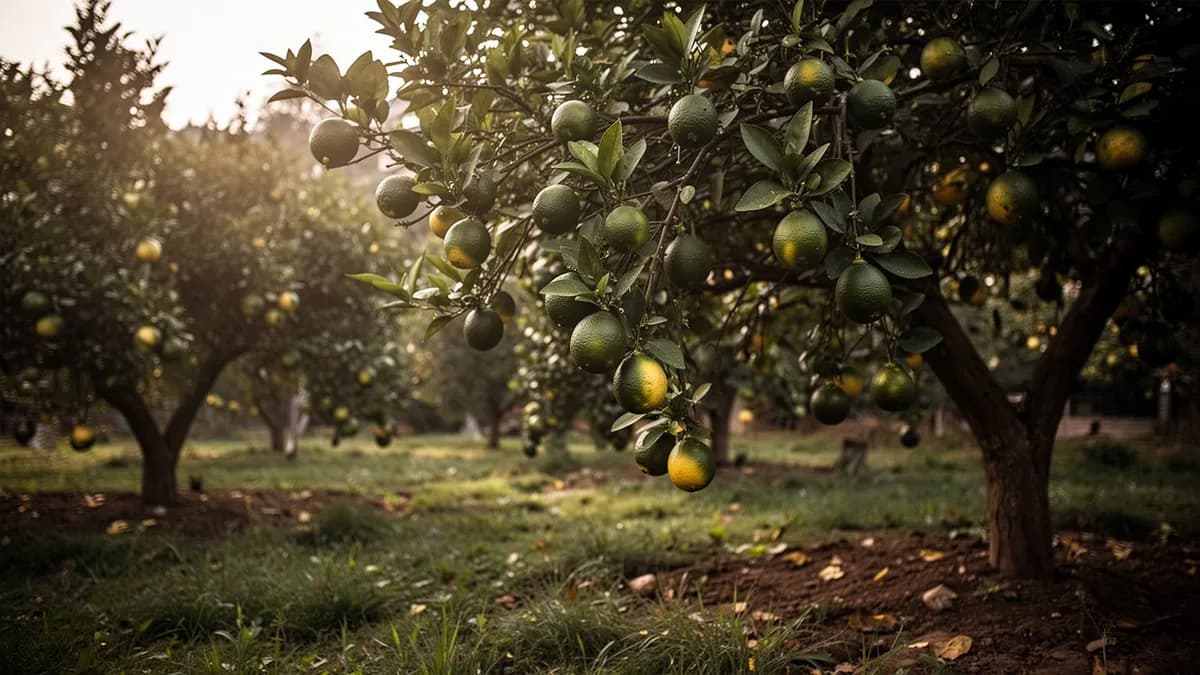
Lime Tree
Citrus aurantiifolia
At a Glance
It's planting season for Lime Tree! Start planning your garden now.
A compact evergreen citrus tree that produces tart, aromatic fruits year-round in warm climates. Key limes are smaller and more flavorful while Persian limes are larger and seedless, both thriving in the same conditions. Lime trees are among the most cold-sensitive citrus and should be container-grown in any area with frost risk. Feed regularly with high-nitrogen citrus fertilizer and maintain consistent moisture for continuous fruit production.
Planting & Harvest Calendar
Growth Stages
From Seed to Harvest
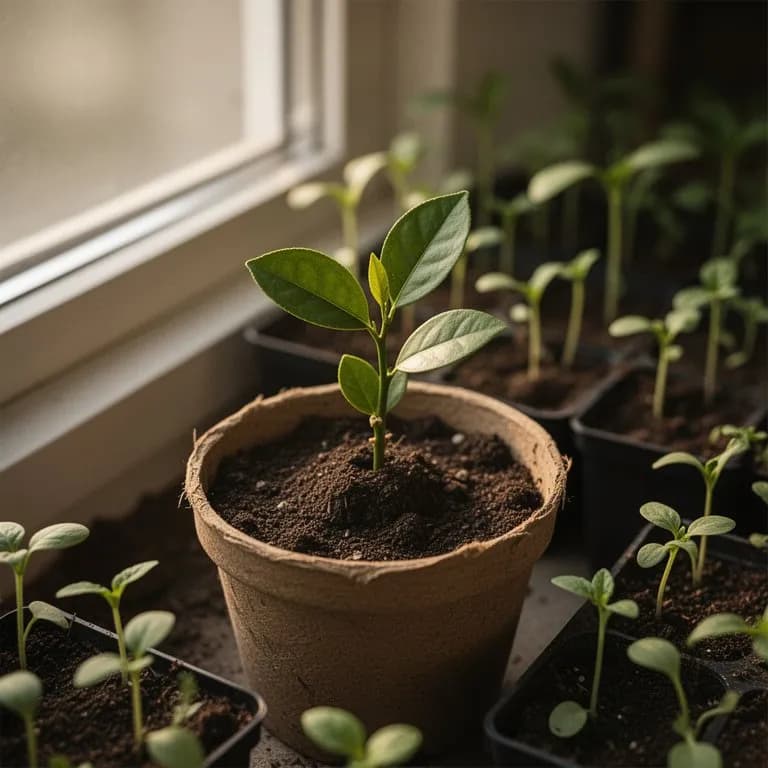
Germination & Seedling
Days 0–60
Lime seeds germinate in 2 to 4 weeks when kept warm and moist. Seedlings develop their first pair of true leaves within 6 to 8 weeks. Most growers prefer to start with grafted nursery stock rather than seed, as seed-grown trees can take 5 to 8 years to fruit.
💡 Care Tip
Keep the soil consistently moist but never waterlogged. Provide bottom heat of 24 to 29 degrees Celsius for optimal germination rates.
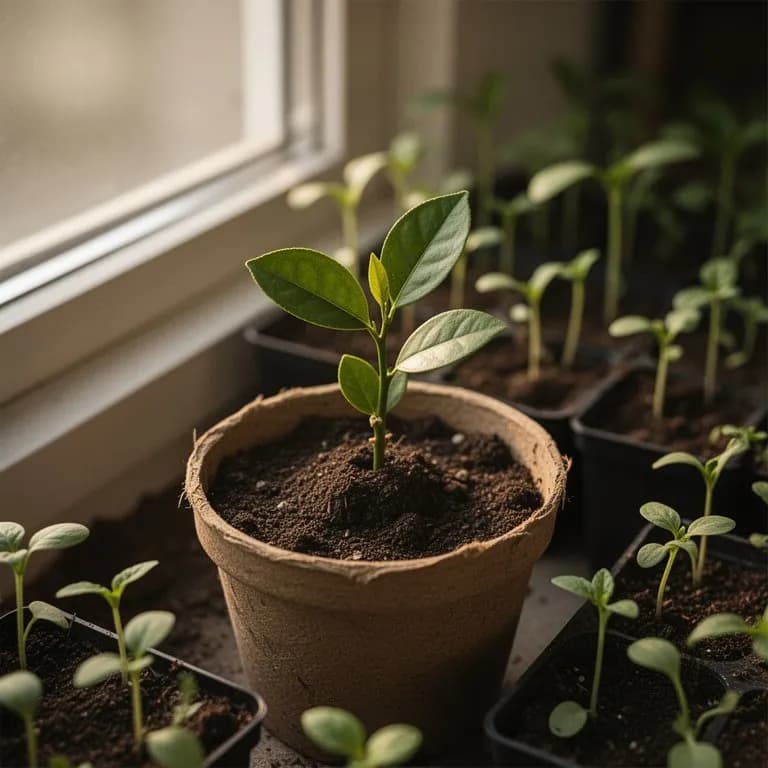
A healthy lime tree seedling ready for transplanting
Monthly Care Calendar
What to do each month for your Lime Tree
May
You are hereFlowering typically begins this month in temperate climates. Ensure consistent moisture to prevent flower drop. Avoid pruning during active bloom. Hand-pollinate indoor trees by gently transferring pollen between flowers using a small soft brush.
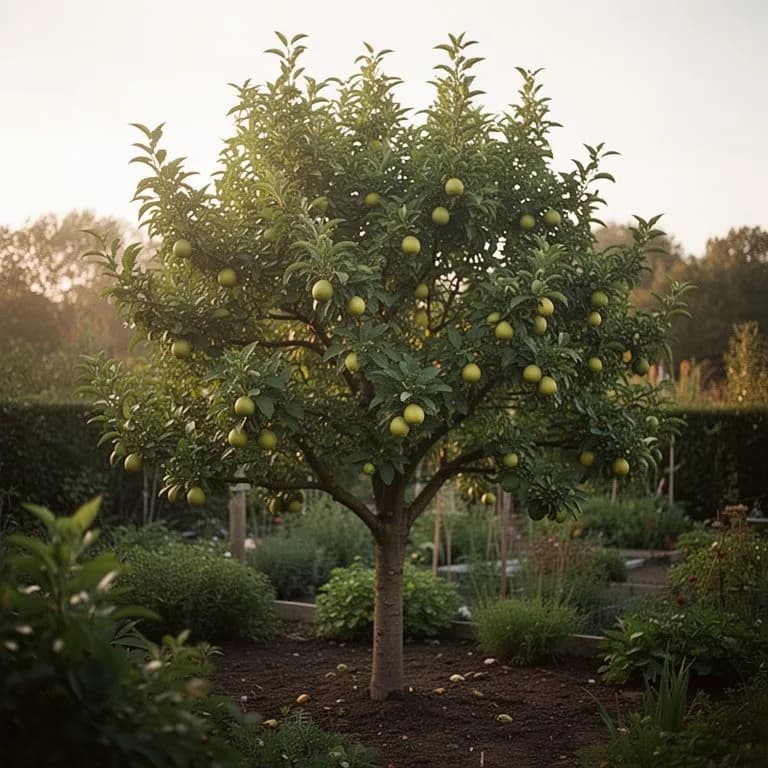
In cold climates, bring container lime trees indoors before the first frost
Did You Know?
Fascinating facts about Lime Tree
British sailors were nicknamed 'Limeys' because the Royal Navy required all ships to carry limes starting in 1867 to prevent scurvy during long voyages, though lemons were actually more effective at the time.
Lime trees thrive in full sun with at least 8 hours of direct light daily and well-drained, slightly acidic soil with a pH of 6.0 to 7.0. In frost-prone areas, grow limes in containers using a high-quality citrus potting mix so they can be moved indoors when temperatures drop below 50 degrees Fahrenheit. Plant in-ground trees in spring after all frost danger has passed, spacing them 12 to 15 feet apart. Protect from cold winds by planting near a south-facing wall or fence.
Water deeply and regularly during the growing season, allowing the top inch of soil to dry between waterings. Lime trees are sensitive to both drought and waterlogging. Feed every 4 to 6 weeks from spring through fall with a citrus-specific fertilizer high in nitrogen, and supplement with chelated iron and zinc if leaves show yellowing between veins. Maintain a 3-inch layer of organic mulch around the base, keeping it away from the trunk.
Prune lime trees lightly to remove dead wood, crossing branches, and suckers growing below the graft union. Container-grown limes should be repotted every 2 to 3 years, moving up one pot size. Watch for cold damage and prune frost-killed wood in spring after new growth reveals the extent of the damage. Lime trees flower and fruit year-round in tropical conditions, often carrying blooms and ripe fruit simultaneously.
The lime tree (Citrus aurantiifolia) traces its origins to Southeast Asia, most likely the Malaysian archipelago and the surrounding tropical regions of the Indo-Malayan realm. Archaeological and genetic evidence suggests that limes were among the earliest citrus species cultivated by humans, with records of their use dating back over 4,000 years in ancient Indian and Chinese civilizations. Arab traders played a crucial role in spreading lime cultivation westward along the spice routes, introducing the fruit to Persia, the eastern Mediterranean, and North Africa during the medieval period. By the 10th century, lime trees were well established in the gardens of Egypt and the Moorish kingdoms of North Africa and Iberia. The Spanish and Portuguese explorers of the 15th and 16th centuries carried lime seeds to the Caribbean, Central America, and South America, where the trees flourished in the tropical climate and quickly became naturalized. The Florida Keys became a significant lime-growing region, giving rise to the famous Key lime variety that remains central to American culinary culture. Throughout the Age of Sail, limes and other citrus fruits gained enormous importance as a remedy for scurvy, the debilitating disease caused by vitamin C deficiency that plagued long-distance sailors. The British Royal Navy's adoption of lime juice rations in the 19th century led to the enduring nickname 'Limeys' for British sailors. Today, India, Mexico, China, and Brazil are the world's largest lime producers, with annual global production exceeding 19 million metric tonnes. The lime remains one of the most widely used citrus fruits in global cuisine, essential to the culinary traditions of Mexico, Thailand, Vietnam, India, and the Middle East.
Lime trees are best propagated by grafting or purchasing grafted nursery stock, as seed-grown trees may not come true to variety and take many years to fruit. Most commercial lime trees are budded onto trifoliate orange or sour orange rootstock for cold hardiness and disease resistance. Plant container-grown trees at any time in frost-free climates, or in spring in borderline zones. Stem cuttings from semi-hardwood growth can root under mist with rooting hormone, though grafted trees are preferred for predictable performance.
Lime trees prefer slightly acidic, well-drained sandy loam with a pH of 6.0 to 7.0. Amend heavy clay soils with coarse sand and organic matter to improve drainage, or plant in raised beds. Apply citrus-specific fertilizer with an NPK ratio emphasizing nitrogen, such as 8-3-9, every 6 to 8 weeks during the growing season. Supplement with chelated iron, manganese, and zinc to prevent micronutrient deficiencies common in alkaline soils. Reduce feeding in winter when growth slows.
Check Your Zone
See if Lime Tree is suitable for your location.
16°C – 35°C
61°F – 95°F
Lime trees thrive in warm tropical and subtropical climates with temperatures between 16 and 35 degrees Celsius. They are the most cold-sensitive of all common citrus species, suffering leaf damage at temperatures below 2 degrees Celsius and potentially fatal trunk damage below minus 3 degrees Celsius. Optimal fruit production occurs when daytime temperatures range between 25 and 32 degrees Celsius with warm nights above 18 degrees Celsius. In cooler climates, lime trees grow successfully in containers that can be moved indoors during winter, provided they receive at least 6 to 8 hours of direct sunlight and are kept in rooms above 15 degrees Celsius.
Common issues affecting Lime Tree and how to prevent and treat them organically.
Leaf drop is often caused by overwatering, cold stress, or sudden changes in environment, especially when moving container trees indoors. Yellow leaves with green veins indicate iron chlorosis from high soil pH. Failure to fruit usually results from insufficient light, cold temperatures, or lack of nutrients. Thorny growth from below the graft union should be removed promptly, as it saps energy from the fruiting canopy and will not produce quality fruit.
Plant basil, lavender, and marigolds near lime trees to attract pollinators and repel common pests. Nasturtiums serve as trap crops for aphids, drawing them away from citrus foliage. Lemongrass and society garlic planted around the drip line help deter citrus-damaging insects. Avoid planting grass directly under lime trees, as it competes aggressively for water and nutrients. A living mulch of white clover can fix nitrogen while suppressing weeds beneath the canopy.
- 1Choose a grafted lime tree from a reputable nursery rather than growing from seed. Grafted trees fruit within 2 to 3 years, while seed-grown trees can take 5 to 8 years and may not produce true-to-type fruit.
- 2Plant in well-draining slightly acidic soil with a pH between 6.0 and 7.0. Lime trees are highly susceptible to root rot in waterlogged conditions, so amend heavy clay soil with generous amounts of coarse sand and organic compost before planting.
- 3Water deeply but infrequently, allowing the top 2 to 3 inches of soil to dry between waterings. Lime trees prefer consistent moisture but will develop root rot if kept in soggy soil. Established trees typically need watering every 5 to 7 days in summer.
- 4Feed with a citrus-specific fertilizer containing micronutrients such as iron, zinc, manganese, and magnesium every 6 to 8 weeks during the growing season from March through September. Citrus trees are heavy feeders and deficiencies cause yellowing leaves and poor fruit set.
- 5Provide full sun exposure of at least 6 to 8 hours of direct sunlight daily. In extremely hot climates with temperatures above 38 degrees Celsius, light afternoon shade can help prevent leaf scorch and sunburned fruit.
- 6For container growing, use a pot at least 45 centimeters in diameter with excellent drainage holes. Use a mix of quality potting soil and perlite in a 3 to 1 ratio. Repot every 2 to 3 years, stepping up one container size each time.
- 7Prune lime trees in late winter or early spring before new growth begins. Remove dead, damaged, and crossing branches to maintain an open canopy shape. Suckers growing below the graft union must be removed immediately as they will not produce quality fruit.
- 8Protect lime trees from cold weather by covering with frost cloth, using outdoor string lights for gentle warmth, or moving container trees indoors when temperatures are forecast to drop below 4 degrees Celsius. Even brief exposure to freezing temperatures can cause significant damage.
- 9Monitor regularly for common citrus pests including aphids, scale insects, spider mites, and citrus leaf miners. Treat infestations early with horticultural oil or insecticidal soap. Avoid broad-spectrum insecticides that kill beneficial predatory insects.
- 10Mulch around the base of the tree with a 7 to 10 centimeter layer of wood chips or shredded bark to retain moisture, suppress weeds, and regulate soil temperature. Keep mulch at least 15 centimeters away from the trunk to prevent collar rot.
Pick limes when they reach full size and yield slightly to gentle pressure. Key limes turn pale yellow when fully ripe, while Persian limes are harvested green for best acidity and flavor. Fruit left on the tree too long becomes yellow and loses tartness. Use clippers to cut fruit from the branch to avoid tearing bark. Lime trees produce fruit year-round in warm climates, with the heaviest crop typically in summer months.
Mature limes are firm, glossy, and deep green when ready to pick
Fresh limes keep at room temperature for about a week and in the refrigerator for 3 to 4 weeks. Store in a plastic bag in the crisper drawer to prevent drying out. Juice can be frozen in ice cube trays for long-term storage up to 6 months. Zest can be dried or frozen separately. Limes can be preserved in salt for use in North African and Middle Eastern cooking, or made into lime curd, marmalade, or pickled limes.
Plan your garden with ease
Love growing Lime Tree? Use our free garden planner to design your beds, track planting dates, and get personalized care reminders.
Nutritional Info
Per 100g serving
30
Calories
Health Benefits
- Exceptionally rich in vitamin C, providing nearly a third of the daily requirement from a single fruit
- Contains flavonoids including hesperidin and naringenin, which have antioxidant and anti-inflammatory properties
- Very low in calories at just 30 per fruit, making limes ideal for adding flavor without adding significant calories
- Provides small but meaningful amounts of B vitamins including folate, B6, and thiamin
- Contains citric acid which may help improve iron absorption from plant-based foods when consumed together
- Rich in limonene and other terpenes that are being researched for potential health-promoting effects
💰 Why Grow Your Own?
A single mature lime tree can produce 30 to 50 pounds of fruit annually, equivalent to approximately 200 to 350 individual limes. At average grocery store prices of $0.50 to $0.75 per lime, a home-grown tree can save you $100 to $260 per year in lime purchases alone. Container-grown lime trees typically cost $30 to $60 at nurseries and begin producing within 2 to 3 years, meaning the tree pays for itself quickly. Beyond the fruit, you also gain access to fresh lime leaves and zest, which are expensive specialty items when purchased separately.
Quick Recipes
Simple recipes using fresh Lime Tree
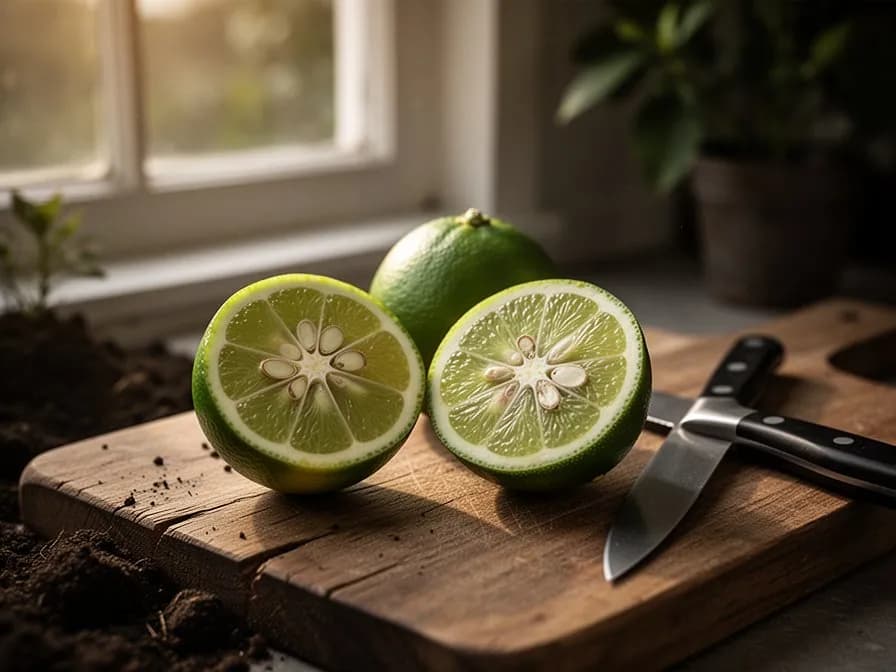
Classic Fresh Lime Agua Fresca
10 minutesA refreshing Mexican-inspired lime drink that balances tart citrus with just enough sweetness. This simple beverage is perfect for hot days and can be made in large batches for gatherings. Adjust the sugar to taste or substitute with honey or agave for a different flavor profile.
Zesty Lime and Herb Grilled Chicken Marinade
15 minutes plus 2 hours marinatingThis vibrant marinade transforms ordinary chicken into a deeply flavored centerpiece. The lime juice tenderizes the meat while infusing it with bright citrus notes that pair beautifully with the garlic and fresh herbs. Works wonderfully on chicken thighs, breasts, or even whole spatchcocked chicken.
Quick Lime Curd
25 minutesA silky, tangy lime curd that is perfect as a spread on toast, a filling for tarts, or a topping for yogurt and pavlova. This recipe captures the vibrant flavor of fresh limes in a luscious, spoonable form. The curd keeps refrigerated for up to two weeks and can also be frozen for longer storage.
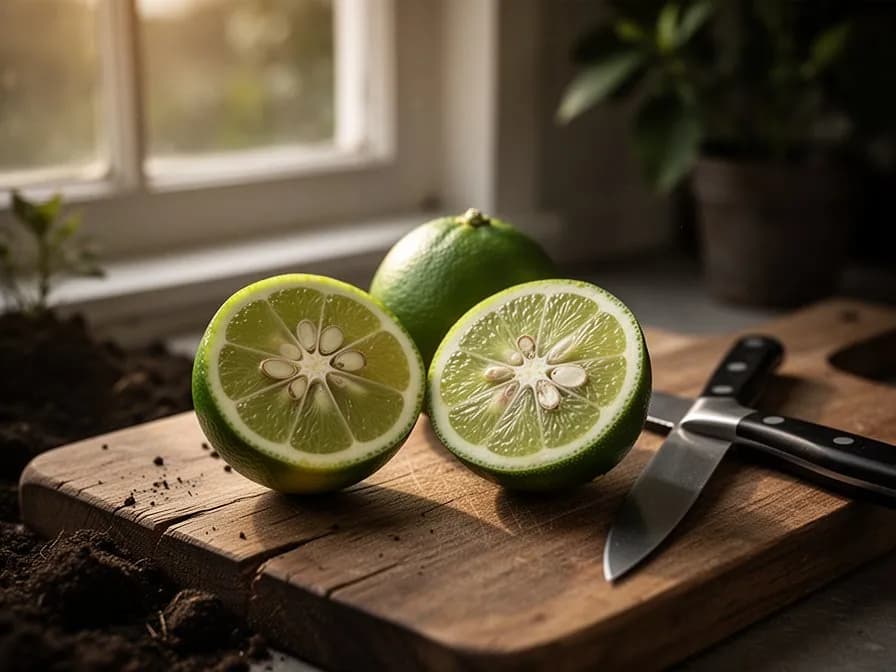
Home-grown limes are more aromatic and juicy than store-bought varieties
Yield & Spacing Calculator
See how many Lime Tree plants fit in your garden bed based on the recommended 500cm spacing.
0
Lime Tree plants in a 4×4 ft bed
0 columns × 0 rows at 500cm spacing
Popular Varieties
Some of the most popular lime tree varieties for home gardeners, each with unique characteristics.
Persian (Bearss)
The standard grocery store lime, seedless with thick skin and reliable production. More cold-tolerant than Key lime and produces larger fruit on a vigorous tree.
Key (Mexican)
Small, aromatic fruits with intense flavor and thin skin preferred for Key lime pie and cocktails. More cold-sensitive but prized for superior taste.
Kaffir (Makrut)
Grown primarily for its intensely aromatic double leaves used in Thai and Southeast Asian cuisine. Small bumpy fruits yield fragrant zest.
Finger Lime
An Australian native producing elongated fruit filled with caviar-like juice vesicles. A gourmet specialty gaining popularity among chefs and home growers.
Limes are essential in Mexican, Thai, Vietnamese, and Caribbean cuisines. The juice brightens ceviches, curries, cocktails, and marinades. Zest adds intense citrus flavor to desserts and sauces. Key limes are the traditional choice for Key lime pie. Lime leaves from Makrut varieties are indispensable in Southeast Asian soups and curries. Dried limes are a staple seasoning in Persian and Iraqi cooking.
When should I plant Lime Tree?
Plant Lime Tree in March, April, May. It takes approximately 730 days to reach maturity, with harvest typically in January, February, March, April, May, June, July, August, September, October, November, December.
What are good companion plants for Lime Tree?
Lime Tree grows well alongside Basil, Lavender, Marigold. Companion planting can improve growth, flavor, and natural pest control.
What hardiness zones can Lime Tree grow in?
Lime Tree thrives in USDA hardiness zones 9 through 12. With greenhouse protection, it may be grown in zones 7 through 13.
How much sun does Lime Tree need?
Lime Tree requires Full Sun (6-8h+). This means at least 6-8 hours of direct sunlight daily.
How far apart should I space Lime Tree?
Space Lime Tree plants 500cm (197 inches) apart for optimal growth and air circulation.
What pests and diseases affect Lime Tree?
Common issues include Citrus Leafminer, Citrus Canker, Scale Insects. Prevention through good garden practices like crop rotation, proper spacing, and companion planting is the best approach. See the detailed pests and diseases section above for symptoms, prevention, and treatment for each.
How do I store Lime Tree after harvest?
Fresh limes keep at room temperature for about a week and in the refrigerator for 3 to 4 weeks. Store in a plastic bag in the crisper drawer to prevent drying out. Juice can be frozen in ice cube trays for long-term storage up to 6 months. Zest can be dried or frozen separately. Limes can be preserv...
What are the best Lime Tree varieties to grow?
Popular varieties include Persian (Bearss), Key (Mexican), Kaffir (Makrut), Finger Lime. Each has unique characteristics suited to different growing conditions and culinary preferences. See the varieties section above for detailed descriptions.
What soil does Lime Tree need?
Lime trees prefer slightly acidic, well-drained sandy loam with a pH of 6.0 to 7.0. Amend heavy clay soils with coarse sand and organic matter to improve drainage, or plant in raised beds. Apply citrus-specific fertilizer with an NPK ratio emphasizing nitrogen, such as 8-3-9, every 6 to 8 weeks duri...
Why is my lime tree dropping its leaves?
Leaf drop in lime trees is most commonly caused by sudden changes in temperature, overwatering or underwatering, insufficient light, or transplant shock. If the tree was recently moved or repotted, some leaf drop is normal and the tree should recover within a few weeks. Check that the soil is draining properly and that the tree is not sitting in standing water. Indoor lime trees often drop leaves in winter due to low humidity and insufficient light. Increase humidity with a pebble tray or humidifier and ensure the tree receives at least 6 hours of bright light daily.
Can I grow a lime tree indoors year-round?
Yes, lime trees can be grown indoors year-round with proper care, though they do best when moved outdoors during warm summer months. For successful indoor growing, place the tree near a south-facing window that receives at least 6 to 8 hours of direct sunlight, or supplement with a full-spectrum grow light. Maintain indoor temperatures above 15 degrees Celsius and humidity above 40 percent. Dwarf varieties such as Bearss or Improved Meyer lime are best suited for indoor cultivation as they stay compact and fruit reliably in containers.
How do I know when my limes are ready to pick?
Limes are harvested green, unlike most citrus. A lime is ready to pick when it has reached full size for its variety (typically 3 to 5 centimeters in diameter for Key limes and 5 to 7 centimeters for Persian limes), the skin is glossy and smooth, and the fruit gives slightly when gently squeezed. If a lime turns yellow, it is overripe and will have less acidity and tartness. Cut the fruit from the tree with small pruning shears rather than pulling to avoid damaging the branch.
Why is my lime tree not producing fruit?
Several factors can prevent fruiting. The most common cause is insufficient age. Grafted trees take 2 to 3 years to fruit, while seed-grown trees may take 5 to 8 years. Other causes include inadequate sunlight (limes need at least 6 hours of direct sun), over-fertilization with nitrogen which promotes leaf growth at the expense of flowers, insufficient watering during fruit set causing flower drop, or lack of pollinators for indoor trees. Try hand-pollinating indoor trees by transferring pollen between flowers with a small paintbrush.
What causes yellow leaves on my lime tree?
Yellowing leaves on lime trees can indicate several issues depending on the pattern. If older leaves at the base turn uniformly yellow, the tree likely needs more nitrogen. Yellowing between the veins while veins stay green (interveinal chlorosis) typically indicates iron or manganese deficiency, especially in alkaline soil. Overwatering also causes general yellowing accompanied by leaf drop. Test your soil pH and adjust if it is above 7.0. Apply chelated iron and a complete citrus fertilizer with micronutrients. Ensure the pot or planting site drains freely.
How cold-hardy are lime trees compared to other citrus?
Lime trees are the least cold-hardy of all commonly grown citrus species. They begin suffering leaf damage at approximately 2 degrees Celsius and can experience fatal trunk damage at minus 3 degrees Celsius. By comparison, lemons tolerate brief dips to minus 2 degrees, oranges to minus 4 degrees, and the hardiest citrus varieties like kumquats can survive temperatures down to minus 10 degrees. If you live in USDA zones 9b or below, lime trees should be grown exclusively in containers that can be brought indoors during cold weather.
Ready to Grow Lime Tree?
Add Lime Tree to your garden plan and start designing your perfect layout.

Vladimir Kusnezow
Gardener and Software Developer
Zone 6b gardener. Growing vegetables and fruits in soil and hydroponics for 6 years. I built PlotMyGarden to plan my own gardens.
Jump to Section