Flageolet Bean
Phaseolus vulgaris
At a Glance
It's planting season for Flageolet Bean! Start planning your garden now.
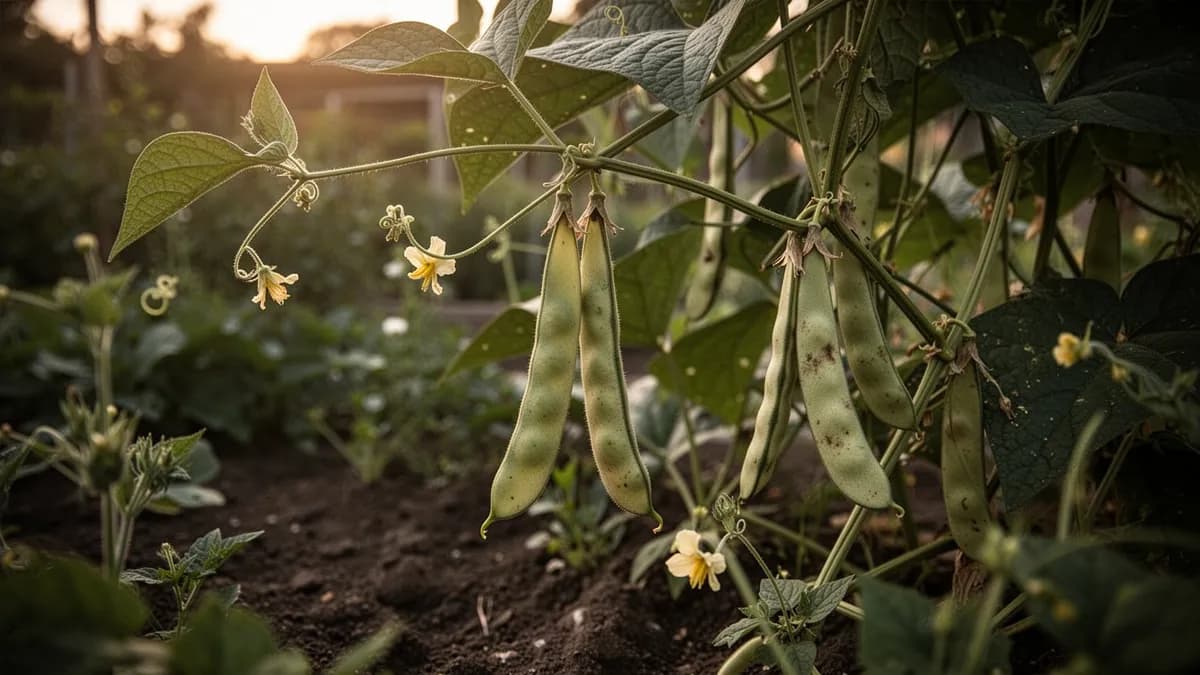
A prized French shell bean with small, pale green seeds and a delicate, creamy flavor considered the finest accompaniment to lamb. Traditionally harvested as fresh shell beans before fully drying, which preserves the subtle green color and tender texture. Plants are bush types that benefit from rich soil and consistent watering during pod development. One of the most expensive dried beans in the market, making home growing exceptionally rewarding.
Planting & Harvest Calendar
Growth Stages
From Seed to Harvest
Seed Sowing
Days 0–10
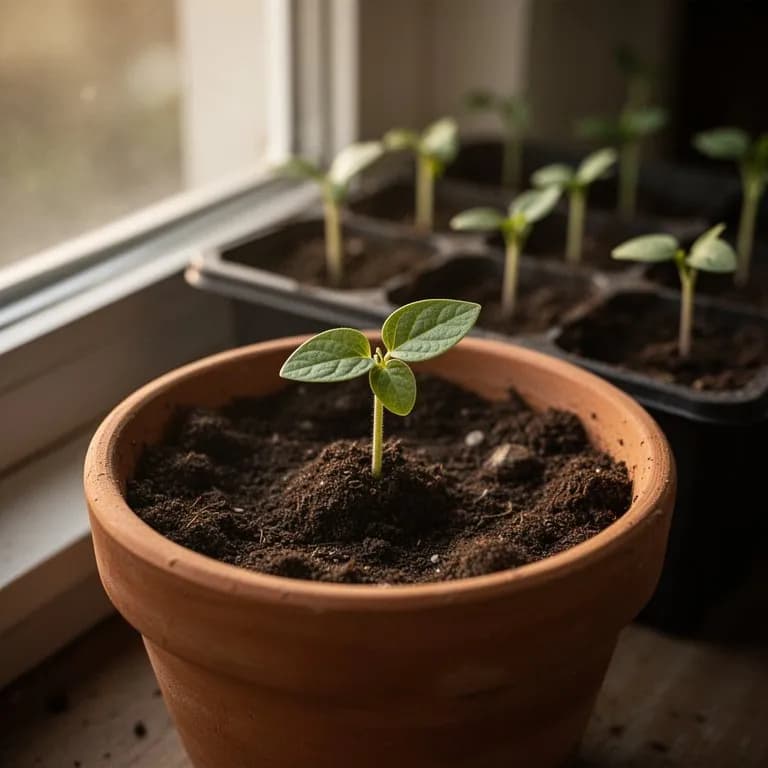
Seeds are sown directly into warm, well-drained soil after all danger of frost has passed. The pale, kidney-shaped seeds absorb moisture rapidly and the radicle root emerges within 3-5 days, followed by the cotyledons breaking through the soil surface. Soil temperatures of at least 16°C (60°F) are needed for reliable germination.
💡 Care Tip
Do not soak flageolet bean seeds before planting — unlike many beans, their thin seed coat absorbs water quickly and pre-soaking can cause splitting. Plant 3-4 cm deep and 15 cm apart in rows spaced 45 cm apart.
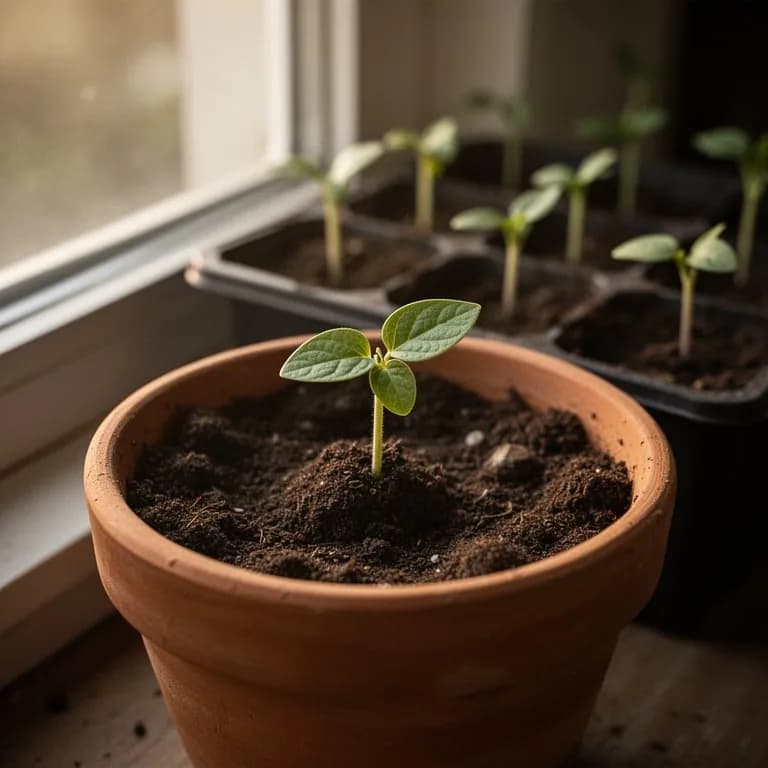
Flageolet bean seedlings emerge quickly in warm soil, showing their characteristic pale green cotyledons
Monthly Care Calendar
What to do each month for your Flageolet Bean
May
You are herePrimary sowing month for most zones. Direct-sow seeds 3-4 cm deep and 15 cm apart in rows 45 cm apart. Make a second sowing 2-3 weeks after the first for an extended harvest. Water gently after planting and keep soil evenly moist.
Did You Know?
Fascinating facts about Flageolet Bean
Flageolet beans were developed in France in 1832 by Gabriel Chevrier, a farmer near Arpajon south of Paris, who discovered that harvesting common beans at the semi-mature stage produced an exceptionally tender, delicately flavored bean with a pale jade-green color unlike any other variety.
Flageolet beans are gourmet French shell beans that require careful timing for the best results. Direct sow seeds one to two inches deep and four inches apart after the last frost when soil reaches 60 degrees. Space rows 18 to 24 inches apart. Seeds germinate in seven to ten days. Plants grow as compact bushes about 18 inches tall.
Provide rich, well-amended soil and consistent moisture throughout the growing season. Flageolets are more demanding than standard dried beans and benefit from richer soil conditions. Mulch to maintain even soil moisture and suppress weeds. Water regularly during flowering and pod development for the best bean size and quality. As nitrogen fixers, they need no additional nitrogen but appreciate phosphorus and potassium.
The key to great flageolets is harvesting at the right moment. Pick when pods are plump and beginning to lighten from green to yellowish but before they fully dry. At this stage, the beans inside are pale green, tender, and have their most delicate flavor. This is the traditional fresh shell bean stage that makes flageolets so prized in French cuisine. For dried storage, allow some pods to dry fully on the vine.
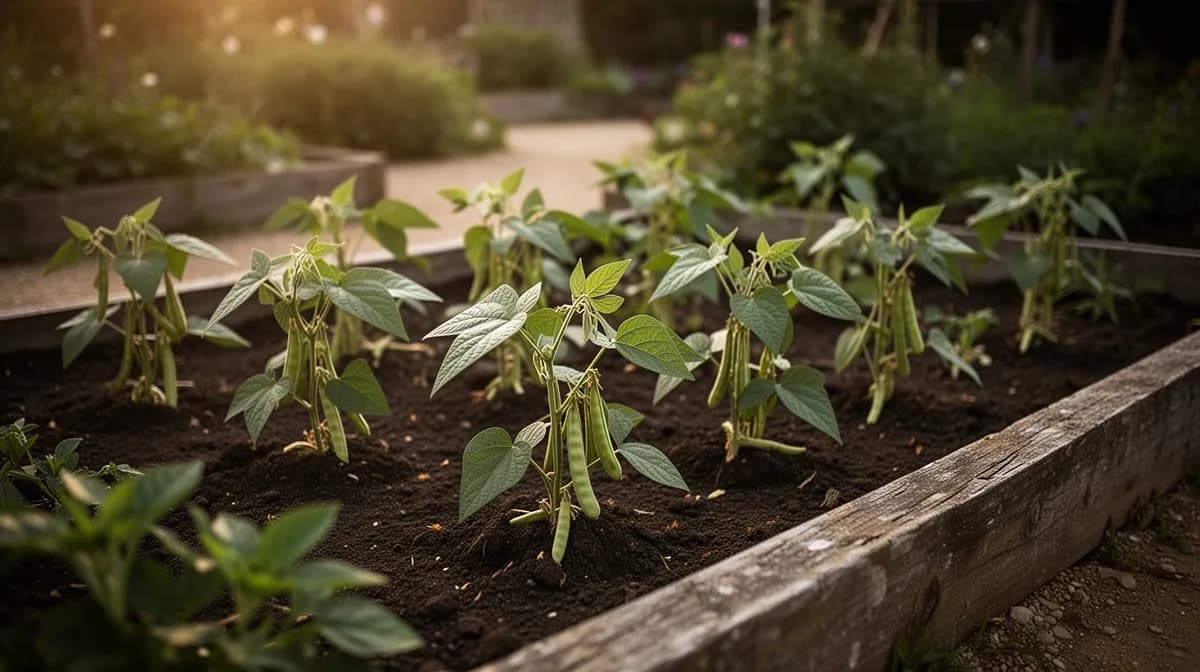
Flageolet beans thrive in a warm, sunny garden bed with well-drained fertile soil
The flageolet bean (Phaseolus vulgaris) is not a wild species but a deliberately cultivated variety developed in France in the early 19th century. In 1832, Gabriel Chevrier, a farmer in the town of Brétigny-sur-Orge near Arpajon in the Île-de-France region south of Paris, began experimenting with harvesting common kidney beans at an earlier stage of maturity — before the pods had fully dried on the vine. He discovered that beans picked at this semi-mature 'shelling' stage had an exceptionally delicate texture, a subtle and refined flavor, and a beautiful pale jade-green color that set them apart from any bean known at the time. Chevrier selected and stabilized this trait over successive generations, creating the variety that still bears his name: the Chevrier Vert.
The flageolet quickly became one of the most prized ingredients in French cuisine. By the mid-19th century, it had established itself as the essential accompaniment to roast leg of lamb — a pairing so iconic that it became synonymous with French Sunday family cooking and holiday feasting. The bean's delicate, almost creamy flavor and its ability to absorb the juices of roasted meats without becoming mushy made it the preferred legume of French chefs from humble home kitchens to the grandest Parisian restaurants. The Arpajon region became famous for its flageolet production, and an annual bean fair celebrating the harvest drew visitors from across the country.
Today, flageolet beans remain a cornerstone of French gastronomy, though production has expanded beyond the Paris region to include growing areas in Brittany, the Loire Valley, and parts of northern France. The Chevrier Vert remains the most sought-after variety, prized for its superior color retention and flavor. Flageolet cultivation has also spread to parts of California, where the Mediterranean-like climate produces excellent results. Despite this expansion, demand consistently outstrips supply, and genuine French-grown flageolets command premium prices in specialty markets worldwide.
Direct sow flageolet seeds after the last frost when soil reaches 60 degrees. Plant one to two inches deep and four inches apart. Do not start indoors. Soak seeds overnight before planting. Seeds germinate in seven to ten days. Save seed by allowing some pods to dry fully on the vine and selecting the best beans for next year. True French flageolet varieties are worth preserving as seed sources can be limited.
Flageolets prefer rich, well-drained soil with a pH of 6.0 to 7.0. Unlike many beans that tolerate poor soil, flageolets benefit from generous compost amendments and good fertility. Apply phosphorus and potassium at planting. As nitrogen fixers, they need no nitrogen fertilizer. Consistent moisture is critical for developing plump, tender beans at the fresh shell stage.
Check Your Zone
See if Flageolet Bean is suitable for your location.
18°C – 28°C
64°F – 82°F
Flageolet beans prefer moderate warmth and do not tolerate extremes as well as some other bean types. Seeds will not germinate in soil below 16°C (60°F), and seedlings are killed by frost. The ideal growing range is 18-28°C (65-82°F) — warm enough for steady growth but not so hot that flowers drop or pods develop too quickly. Temperatures consistently above 32°C (90°F) cause flower abortion and poor pod fill. Cool nights between 15-18°C (59-65°F) actually improve bean quality and color retention.
Common issues affecting Flageolet Bean and how to prevent and treat them organically.
The main challenge is timing the harvest correctly. Beans harvested too early are underdeveloped, while those left too long lose their prized green color and tender texture. Seed availability can be limited for true French flageolet varieties, so save your own seed from the best plants. In humid climates, fungal diseases can reduce quality. Consistent moisture is more important for flageolets than for standard dry beans.
Flageolets fix nitrogen and benefit neighboring crops. Plant alongside corn and tomatoes for mutual benefit. Avoid alliums which inhibit legume growth. Herbs like thyme and summer savory complement flageolets in the garden and kitchen. Follow with heavy-feeding crops to utilize residual nitrogen. Marigolds planted nearby help repel bean beetles.
- 1Harvest timing is everything with flageolets. The window between 'too young' and 'too mature' is only about 7-10 days per planting. Shell a test pod every other day once pods feel plump — the beans should be pale jade-green, tender when pressed with a fingernail, and swollen to about 75% of their full dried size.
- 2Make successive sowings every 2-3 weeks from late spring through midsummer. This is the single most important technique for a reliable flageolet harvest, as each planting has a narrow ideal harvest window and staggered sowings ensure a steady supply of beans at the perfect stage.
- 3Do not over-fertilize. Flageolet beans, like all legumes, fix atmospheric nitrogen through symbiotic bacteria in their root nodules. Excess nitrogen from fertilizer promotes lush foliage at the expense of pods and can actually inhibit nitrogen fixation by the roots.
- 4Water consistently but never overhead during flowering and pod development. Wet foliage invites rust, anthracnose, and white mold — the three most damaging diseases of flageolet beans. Drip irrigation or soaker hoses at the base of plants are ideal.
- 5Rotate your bean planting location every year and never grow legumes in the same spot more than once every 3-4 years. This breaks disease cycles for soil-borne pathogens like Fusarium wilt and white mold that devastate bean crops.
- 6If you want to dry flageolets for storage, leave the pods on the plant slightly longer until they have turned pale yellow but are not yet brittle and cracking. Shell promptly and finish drying indoors on screens in a warm, well-ventilated space — never in direct sunlight, which bleaches the green color.
- 7Inoculate seeds with Rhizobium legume inoculant before planting if your garden has not grown beans or peas in the past 2-3 years. This ensures the nitrogen-fixing bacteria colonize the roots quickly, improving plant health and reducing the need for supplemental feeding.
- 8Companion plant flageolets with carrots, celery, or summer savory — the French tradition of planting savory alongside beans is not just culinary but practical, as the herb's strong scent helps repel bean beetles and aphids.
The timing of flageolet harvest is critical for the prized delicate green beans. Pick when pods are plump and just beginning to lighten from green to pale yellow. Shell immediately and you will find the characteristic pale green beans with tender texture. For dried flageolets, allow pods to dry further on the vine until papery. Dried flageolets lose some of their green color but retain excellent flavor. Check plants daily during the harvest window as conditions change quickly.
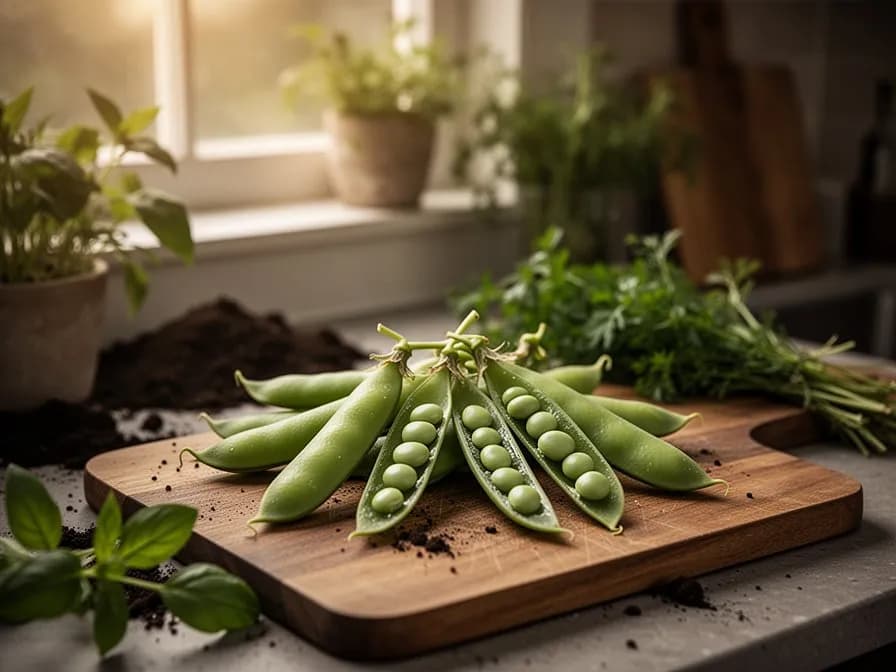
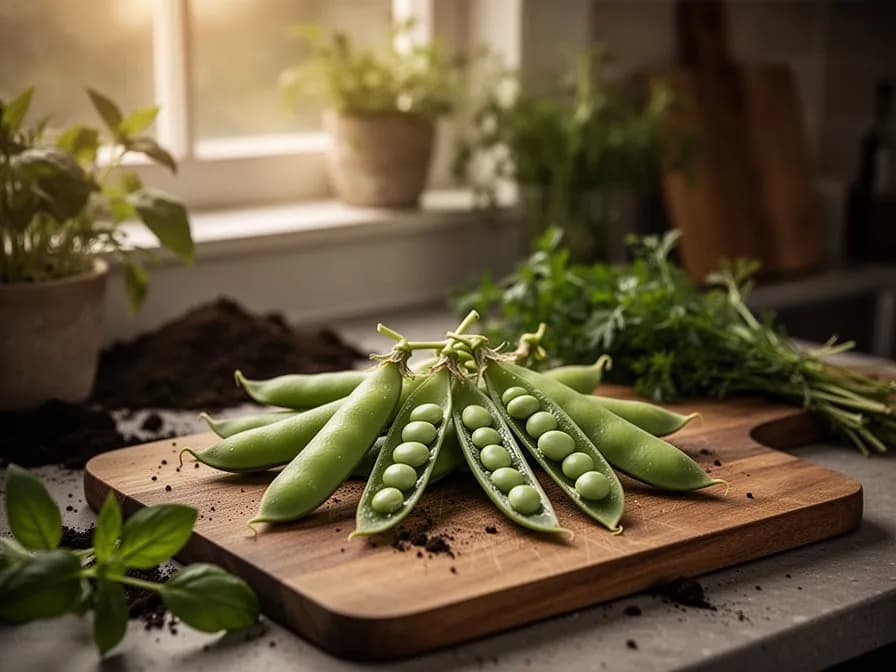
Freshly shelled flageolets reveal their prized pale jade-green color — the hallmark of this French classic
Fresh shell flageolets keep in the refrigerator for up to five days. For freezing, blanch shelled beans for one minute and freeze immediately for up to twelve months. Dried flageolets store in airtight containers for up to two years. These are among the most expensive dried beans commercially, making home-grown and preserved flageolets especially valuable. Cooked beans freeze well in their cooking liquid.
Plan your garden with ease
Love growing Flageolet Bean? Use our free garden planner to design your beds, track planting dates, and get personalized care reminders.
Nutritional Info
Per 100g serving
128
Calories
Health Benefits
- Exceptional source of plant-based protein at 8.8g per 100g cooked — flageolet beans provide a complete amino acid profile when paired with grains, making them ideal for vegetarian and vegan diets
- Outstanding fiber content at 7.5g per 100g cooked (30% DV), supporting digestive health, cholesterol reduction, and steady blood sugar regulation
- Rich in folate (B9), providing approximately 35% of the daily value per 100g cooked — essential for DNA synthesis, cell division, and critical during pregnancy
- Excellent source of iron at 2.5mg per 100g cooked (14% DV), supporting oxygen transport and energy metabolism — pair with vitamin C foods to maximize absorption
- High in potassium (508mg per 100g, 15% DV) and magnesium, supporting cardiovascular health, healthy blood pressure, and proper muscle function
- Among the most easily digestible beans — flageolets produce significantly less intestinal gas than other legumes due to their lower oligosaccharide content, earning them the French nickname 'the bean of beauty'
💰 Why Grow Your Own?
Dried flageolet beans are among the most expensive common legumes, costing $8-14 per pound at specialty grocery stores and up to $18-24 per pound for imported French-grown Chevrier Vert varieties. A single $3-4 seed packet grows 20-30 plants that can produce 2-4 kg of dried beans — equivalent to $35-110 worth of store-bought flageolets. Fresh shelled flageolets are virtually impossible to buy in most markets outside of France, making home-growing the only realistic way to experience this delicacy at its absolute best.
Even after drying, flageolet beans retain a subtle greenish tint that distinguishes them from other white beans
Quick Recipes
Simple recipes using fresh Flageolet Bean
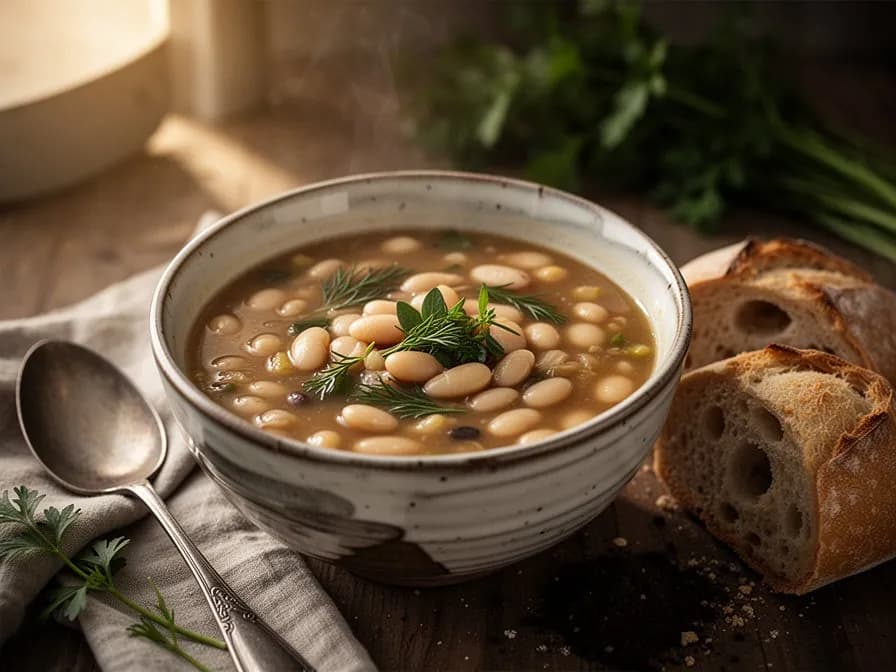
Classic Flageolets à la Bretonne
45 minThe quintessential French preparation — creamy flageolet beans braised with aromatic vegetables, tomato, and fresh herbs. This is the traditional accompaniment to roast leg of lamb and the dish that elevated flageolets to their legendary status in French gastronomy.
Flageolet Bean Salad with Dijon Vinaigrette
20 minAn elegant, refreshing salad that showcases the delicate flavor and creamy texture of flageolet beans. Tossed with shallots, fresh herbs, and a sharp Dijon mustard vinaigrette, this is a staple of French bistro cuisine and a perfect summer side dish.
Creamy Flageolet Bean and Herb Purée
30 minA velvety, luxurious purée that rivals the best mashed potatoes as a side dish. The natural creaminess of flageolet beans makes this silky smooth without added cream, and fresh herbs give it a vibrant, elegant character worthy of a fine dining plate.
Flageolet beans are the classic accompaniment to roast lamb and a prized ingredient in refined cassoulet
Yield & Spacing Calculator
See how many Flageolet Bean plants fit in your garden bed based on the recommended 15cm spacing.
64
Flageolet Bean plants in a 4×4 ft bed
8 columns × 8 rows at 15cm spacing
Popular Varieties
Some of the most popular flageolet bean varieties for home gardeners, each with unique characteristics.
Chevrier Vert
The classic French flageolet with pale green beans and delicate, creamy flavor. The traditional accompaniment to roast lamb.
Flambo
Improved variety with higher yields and disease resistance while maintaining the prized pale green color and tender texture.
Elsa
White-seeded flageolet variety with similar creamy texture. Slightly milder flavor than green types.
Flageolets are the classic French accompaniment to roast leg of lamb. Simmer slowly with garlic, thyme, and a splash of cream for a luxurious side dish. Add to cassoulet and other French braised dishes. Toss warm beans with olive oil, lemon, and fresh herbs for an elegant salad. Puree into a smooth, delicate soup. Their subtle, creamy flavor pairs beautifully with lamb, pork, and fish.
When should I plant Flageolet Bean?
Plant Flageolet Bean in May, June. It takes approximately 90 days to reach maturity, with harvest typically in August, September.
What are good companion plants for Flageolet Bean?
Flageolet Bean grows well alongside Corn, Tomato. Companion planting can improve growth, flavor, and natural pest control.
What hardiness zones can Flageolet Bean grow in?
Flageolet Bean thrives in USDA hardiness zones 4 through 10. With greenhouse protection, it may be grown in zones 2 through 11.
How much sun does Flageolet Bean need?
Flageolet Bean requires Full Sun (6-8h+). This means at least 6-8 hours of direct sunlight daily.
How far apart should I space Flageolet Bean?
Space Flageolet Bean plants 15cm (6 inches) apart for optimal growth and air circulation.
What pests and diseases affect Flageolet Bean?
Common issues include Bean Rust, Mexican Bean Beetle, Anthracnose. Prevention through good garden practices like crop rotation, proper spacing, and companion planting is the best approach. See the detailed pests and diseases section above for symptoms, prevention, and treatment for each.
How do I store Flageolet Bean after harvest?
Fresh shell flageolets keep in the refrigerator for up to five days. For freezing, blanch shelled beans for one minute and freeze immediately for up to twelve months. Dried flageolets store in airtight containers for up to two years. These are among the most expensive dried beans commercially, makin...
What are the best Flageolet Bean varieties to grow?
Popular varieties include Chevrier Vert, Flambo, Elsa. Each has unique characteristics suited to different growing conditions and culinary preferences. See the varieties section above for detailed descriptions.
What soil does Flageolet Bean need?
Flageolets prefer rich, well-drained soil with a pH of 6.0 to 7.0. Unlike many beans that tolerate poor soil, flageolets benefit from generous compost amendments and good fertility. Apply phosphorus and potassium at planting. As nitrogen fixers, they need no nitrogen fertilizer. Consistent moisture ...
What is the difference between flageolet beans and other white beans like cannellini or navy beans?
Flageolet beans are harvested at the semi-mature shelling stage before they fully dry on the vine, which gives them their signature pale jade-green color, delicate creamy texture, and refined subtle flavor. Cannellini and navy beans are allowed to dry completely on the plant before harvest, resulting in a denser, starchier texture and more robust, earthy flavor. Flageolets are also smaller and more elongated than cannellini, cook faster, and produce significantly less digestive gas due to lower oligosaccharide content.
Can I grow flageolet beans from dried beans purchased at the grocery store?
It is possible but not recommended. Grocery-store dried flageolets may be several years old and have reduced germination rates. More importantly, they may not be a true flageolet variety — some commercial products are simply immature navy or kidney beans sold under the flageolet name. For reliable results and authentic Chevrier-type plants, purchase seeds from a reputable seed company that sells named flageolet varieties like Chevrier Vert, Elsa, or Flambeau.
Do flageolet beans need a trellis or support structure?
No. True flageolet varieties are compact bush beans that grow 40-50 cm (16-20 inches) tall and are completely self-supporting. They do not climb or vine. This makes them one of the easiest beans to grow in terms of garden infrastructure — simply sow, maintain, and harvest without any staking, netting, or trellis construction.
Why are my flageolet beans white instead of green after drying?
The pale green color of flageolets comes from residual chlorophyll in the seed coat, and it fades if the beans are harvested too late or dried improperly. Harvest when pods are yellow-green (not fully brown and dry), shell promptly, and dry indoors in a warm, well-ventilated area away from direct sunlight. Sun exposure bleaches the green color rapidly. Even properly handled dried flageolets will be a much paler green than fresh-shelled ones — a subtle sage-green tint rather than bright jade.
How long do dried flageolet beans keep, and do they need to be soaked before cooking?
Properly dried flageolet beans stored in airtight glass jars in a cool, dark place will keep for 1-2 years, though they are best used within the first year when their color, flavor, and cooking quality are at their peak. Older beans take progressively longer to cook and lose their green tint. Soaking overnight (8-12 hours) in cold water reduces cooking time from about 90 minutes to 45-60 minutes and produces a more evenly cooked, creamier result. Unlike larger beans, flageolets can also be cooked without soaking in about 75-90 minutes if needed.
When is the best time to harvest flageolet beans for fresh eating versus drying?
For fresh shelling beans (the classic French flageolet experience), harvest when pods have turned from bright green to pale yellow-green and the beans inside feel plump and tender — about 75-85 days after sowing. The beans should be pale jade-green and yield slightly when pressed with a fingernail. For drying, leave pods on the plant an additional 7-10 days until they are pale yellow and papery but not yet cracking open. Shell and finish drying indoors. Fresh-shelled flageolets have a superior flavor and texture that dried beans cannot fully replicate, even after soaking and long cooking.
Ready to Grow Flageolet Bean?
Add Flageolet Bean to your garden plan and start designing your perfect layout.

Vladimir Kusnezow
Gardener and Software Developer
Zone 6b gardener. Growing vegetables and fruits in soil and hydroponics for 6 years. I built PlotMyGarden to plan my own gardens.
Jump to Section