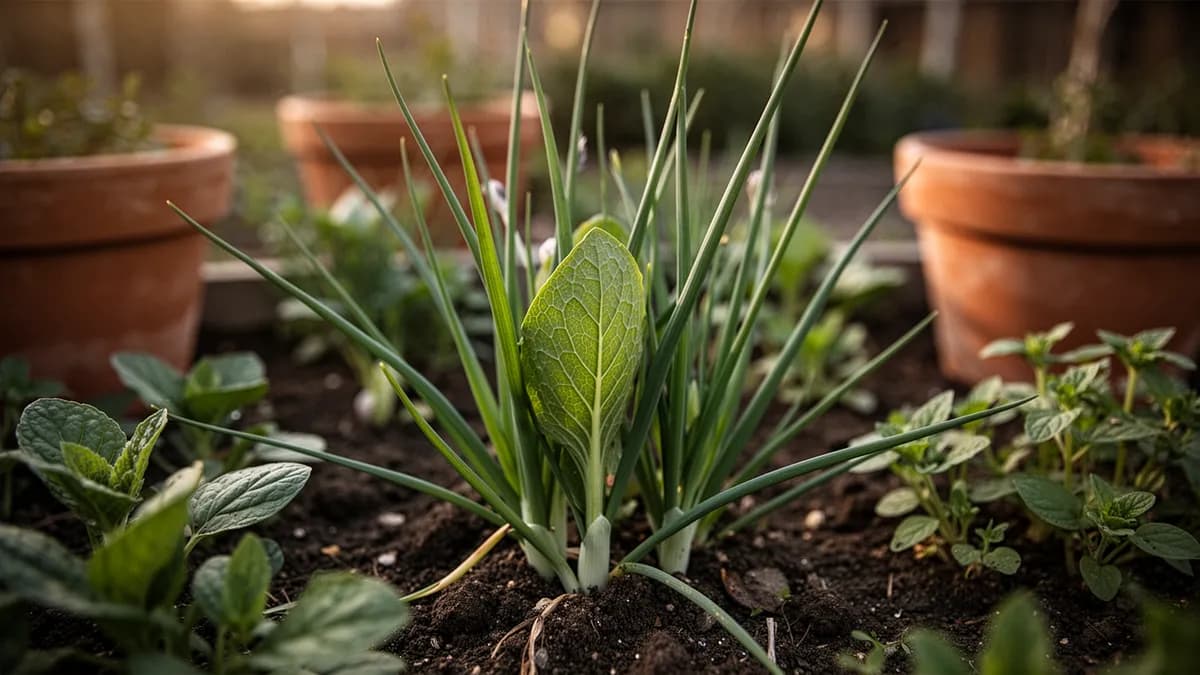
Chives
Allium schoenoprasum
At a Glance
It's planting season for Chives! Start planning your garden now.
A clump-forming perennial allium with mild onion-flavored hollow leaves and edible purple flowers that brighten garden borders. Divide clumps every three to four years in spring to maintain vigor and prevent overcrowding in the bed. Chives are among the easiest herbs to grow and tolerate a wide range of conditions, including containers on windowsills for year-round snipping. Use the fresh-cut leaves as a finishing garnish on soups, eggs, potatoes, and cream cheese for a gentle onion kick.
Planting & Harvest Calendar
Growth Stages
From Seed to Harvest
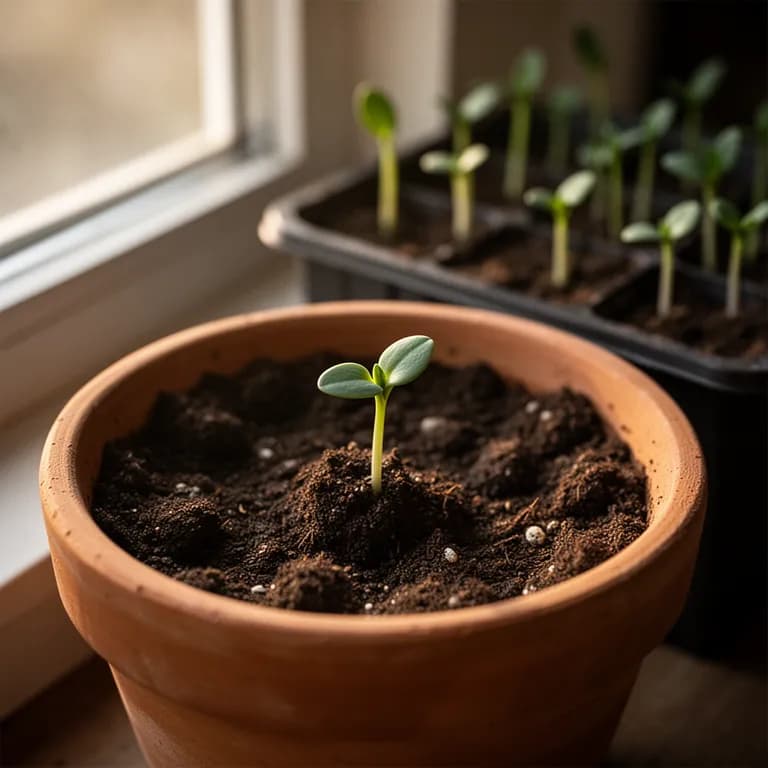
Seed Germination
Days 0–14
Chive seeds are small and black, requiring consistent moisture and temperatures between 15-20°C to germinate. Seeds are typically sown 6mm deep in fine seed-starting mix. Germination can be slow and uneven, so patience is essential during this stage.
💡 Care Tip
Keep the soil consistently moist but not waterlogged. Cover seed trays with a humidity dome or plastic wrap to maintain moisture levels until sprouts appear.
Monthly Care Calendar
What to do each month for your Chives
May
You are hereHarvest regularly by snipping leaves to within 5cm of the soil. Apply a balanced organic fertilizer. Watch for and enjoy the first flower buds forming.
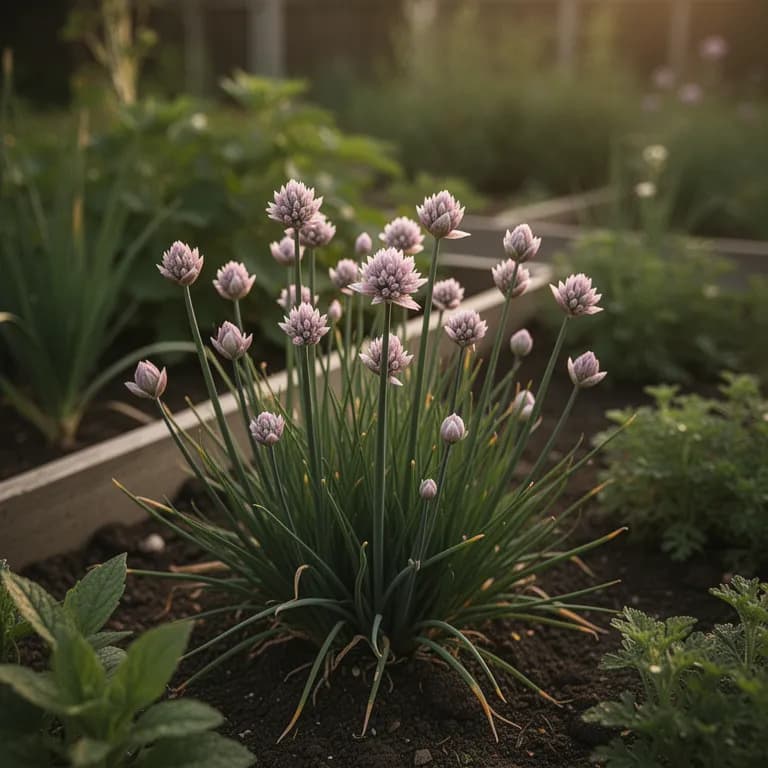
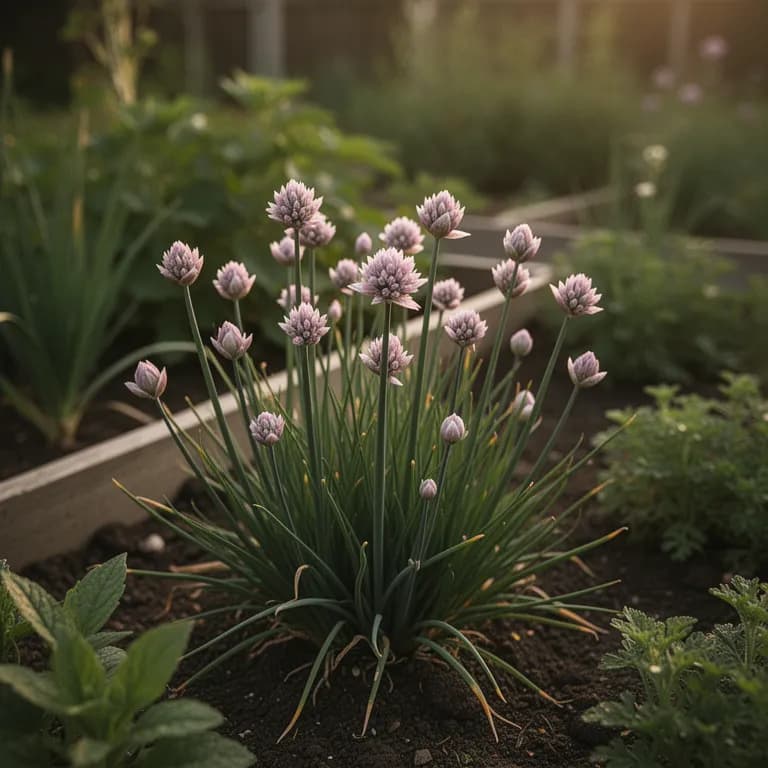
The iconic lavender-purple globe-shaped flowers of chives, which are both ornamental and edible.
Did You Know?
Fascinating facts about Chives
Chives have been cultivated for over 5,000 years, making them one of the oldest known herbs used by humans.
Start chives from seed indoors 8-10 weeks before the last frost, or sow directly outdoors in early spring. Seeds germinate in 7-14 days at 60-70°F. Sow seeds 1/4 inch deep and keep soil consistently moist. Transplant seedlings outdoors in clumps of 4-6 plants spaced 8-12 inches apart for a fuller appearance from the start.
Chives grow well in a wide range of conditions but perform best in full sun to light shade with rich, well-drained soil and a pH of 6.0-7.0. Work in 2-3 inches of compost before planting. Unlike most herbs, chives appreciate reasonably fertile soil and regular moisture. They adapt well to containers, raised beds, and border plantings, making them one of the most versatile herbs for any garden.
Water regularly during dry periods and apply a balanced liquid fertilizer monthly during the growing season. Cut flower heads after blooming to prevent self-seeding, unless you want plants to spread naturally. Divide large clumps every 3-4 years in spring by digging up the entire clump, separating it into sections of 8-10 bulbs each, and replanting. This reinvigorates growth and expands your chive patch. In late fall, chives die back to the ground and return vigorously each spring.
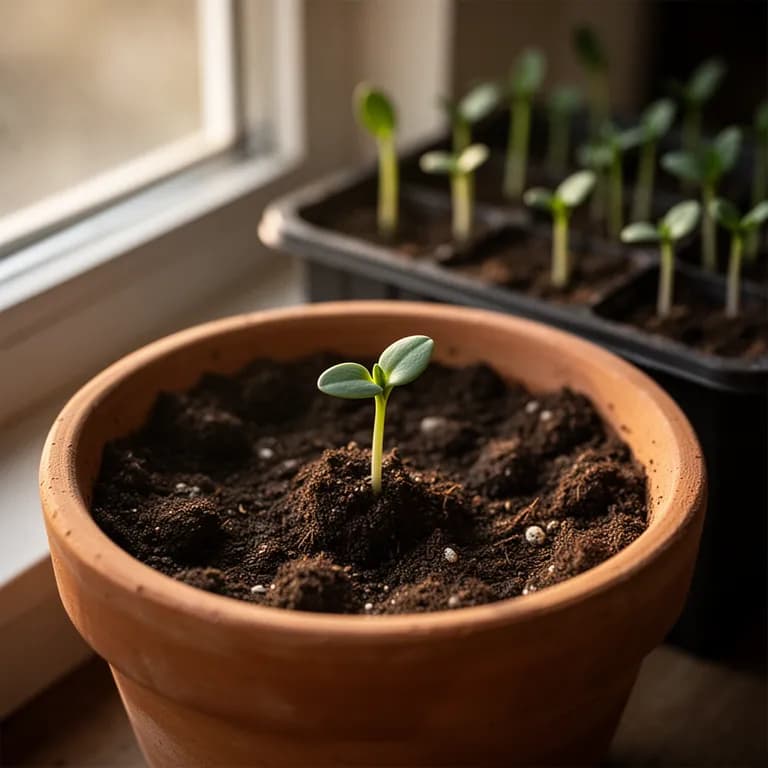
Chive seedlings sprouting in early spring, showing their characteristic thin, grass-like leaves.
Chives (Allium schoenoprasum) are native to the temperate and northern regions of Europe, Asia, and North America, making them one of the few alliums with a truly circumpolar natural distribution. Archaeological evidence suggests that chives were gathered and used by ancient peoples across multiple continents for thousands of years before formal cultivation began. The earliest records of deliberate chive cultivation come from China, where they have been grown and used in cooking and traditional medicine for over 5,000 years. Chinese herbalists valued chives for their supposed ability to improve digestion and promote blood circulation. The ancient Romans were familiar with chives, though they did not cultivate them as extensively as other alliums. It was during the medieval period in Europe that chives became a widely cultivated garden herb. Monks in monastery gardens grew chives both for the kitchen and for their reputed medicinal properties, including their use as a mild antiseptic and appetite stimulant. The name 'chive' derives from the Latin word 'cepa,' meaning onion, which passed through Old French as 'cive' before arriving at the modern English form. By the 16th century, chives were a staple of European kitchen gardens and featured prominently in French cuisine, where they remain one of the essential 'fines herbes' alongside parsley, tarragon, and chervil. European settlers brought chives to North America, where they quickly naturalized and also encountered the wild native populations already thriving across the continent. Today, chives are grown worldwide in home gardens, commercial herb farms, and indoor hydroponic systems. Their ornamental purple flowers, ease of cultivation, and reliable perennial nature have ensured their enduring popularity across centuries and continents.
Sow chive seeds indoors 8-10 weeks before the last frost. Plant seeds 1/4 inch deep in moist seed-starting mix, spacing them about 1/4 inch apart. Seeds germinate in 7-14 days at 60-70°F. Transplant seedlings in small clumps of 4-6 plants for a fuller immediate appearance. Alternatively, direct-sow outdoors in early spring as soon as soil can be worked. Chive seeds remain viable for about 1-2 years, so use fresh seed for best germination. Division of established clumps in spring is the easiest propagation method.
Chives grow best in rich, well-drained soil with a pH of 6.0-7.0. Unlike many herbs, chives appreciate fertile soil and benefit from regular feeding. Work in 2-3 inches of compost before planting and side-dress with compost or balanced granular fertilizer in early spring. Apply liquid fertilizer monthly during the growing season for continuous production. In containers, use quality potting mix and fertilize every 2-3 weeks. Adequate nutrition produces thicker, more flavorful leaves and stronger plants.
Check Your Zone
See if Chives is suitable for your location.
5°C – 30°C
41°F – 86°F
Chives are remarkably cold-hardy perennials that tolerate temperatures down to -30°C when dormant. Active growth is best between 15-25°C. They can handle light frosts and continue growing in cool weather, but leaf quality declines in sustained heat above 30°C. Providing afternoon shade in hot climates helps maintain tender, flavorful foliage throughout summer.
Common issues affecting Chives and how to prevent and treat them organically.
Thin, weak leaves typically result from overcrowding; divide clumps every 3-4 years to rejuvenate growth. Yellowing foliage may indicate poor drainage or nitrogen deficiency. Failure to flower is common with frequent harvesting, which is actually desirable for leaf production. If self-seeding becomes a nuisance, deadhead flowers immediately after blooming. Garlic chives can become quite aggressive self-seeders if not managed. Indoor chives need strong light; a sunny south-facing window or grow light produces the best results.
Chives repel aphids, Japanese beetles, and carrot flies through their sulfur-containing compounds, making them excellent companions for carrots, tomatoes, and roses. Rose growers traditionally underplant with chives to help prevent black spot and repel aphids. The purple flowers attract pollinators and beneficial insects to the garden. Chives also reportedly improve the flavor and growth of nearby carrots and tomatoes. Avoid planting near peas and beans, as alliums can inhibit their growth.
- 1Start chive seeds indoors 6-8 weeks before the last frost for a head start, or direct sow outdoors in mid-spring once soil temperatures reach 15°C.
- 2Plant chives in full sun for the best flavor and production, though they will tolerate partial shade with slightly reduced yields.
- 3Use the cut-and-come-again harvesting method: snip leaves to about 5cm above soil level and allow them to regrow fully before the next harvest.
- 4Divide overcrowded clumps every 3-4 years in spring or autumn to maintain vigor and prevent the center of the clump from dying out.
- 5Grow chives near roses, tomatoes, and carrots as companion plants to help deter aphids, Japanese beetles, and carrot rust flies.
- 6For a continuous indoor supply, pot up a small division in autumn, let it experience a few weeks of cold to break dormancy, then bring it to a bright windowsill.
- 7Remove flower stalks at the base if you want to maximize leaf production, or leave some flowers for pollinators and to harvest the edible blossoms.
- 8Water chives deeply but infrequently, allowing the top 2-3cm of soil to dry between waterings. Overwatering promotes root rot and fungal diseases.
- 9Apply a thin layer of compost around the base of clumps each spring to provide slow-release nutrients throughout the growing season.
- 10If chive leaves develop orange-brown pustules, this is likely chive rust. Remove and destroy affected foliage, improve air circulation, and avoid overhead watering.
Begin harvesting chives when leaves reach 6-8 inches tall. Cut leaves with scissors about 2 inches above the soil line rather than pulling, which can damage the bulb. Harvest from the outside of the clump first. Chives regrow quickly and can be harvested every 3-4 weeks throughout the season. The edible purple flowers can be harvested when fully open and used as a garnish or infused in vinegar. Regular harvesting keeps plants productive and prevents flowering, which temporarily reduces leaf quality.
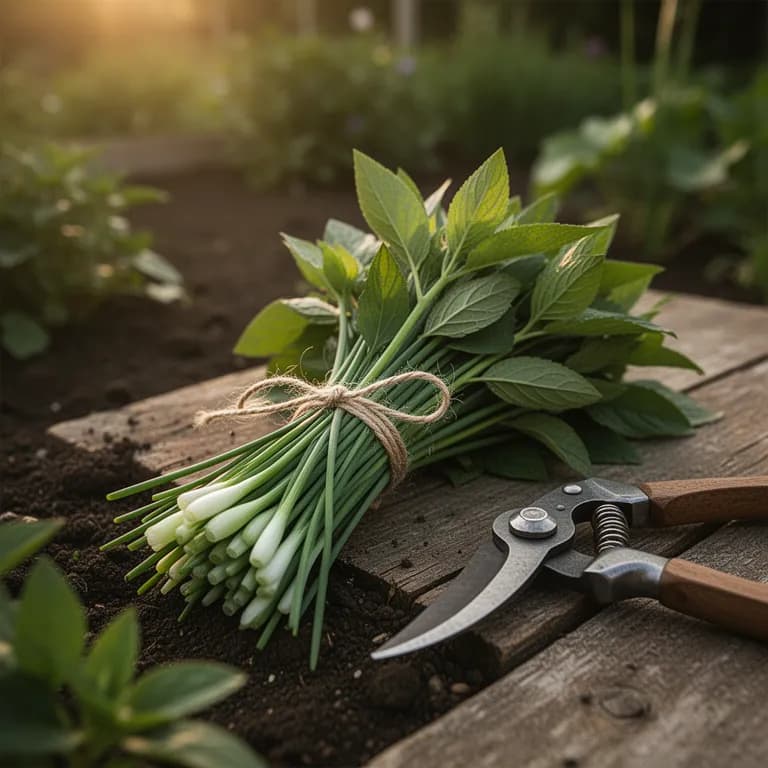
Freshly snipped chive stems ready for culinary use, cut about two inches above the base.
Fresh chives are best used immediately but keep for about a week in the refrigerator wrapped in a damp paper towel inside a sealed bag. Chives do not dry well, as they lose most of their flavor and become papery. Freezing is the best preservation method: chop chives finely and freeze in ice cube trays with a small amount of water. Alternatively, spread chopped chives on a baking sheet to freeze individually before transferring to freezer bags. Chive blossom vinegar is an elegant preservation method that creates a beautiful pink-hued vinegar.
Plan your garden with ease
Love growing Chives? Use our free garden planner to design your beds, track planting dates, and get personalized care reminders.
Nutritional Info
Per 100g serving
3
Calories
Health Benefits
- Very low in calories at only 3 kcal per tablespoon of chopped chives
- Good source of vitamin A (218 IU per tablespoon), supporting eye health and immune function
- Contains vitamin C (5.8 mg per tablespoon) for antioxidant protection
- Provides vitamin K, important for blood clotting and bone health
- Contains allicin and other organosulfur compounds with anti-inflammatory and antimicrobial properties
- Rich in quercetin, a flavonoid antioxidant linked to reduced risk of heart disease
💰 Why Grow Your Own?
A single chive plant costs around $3-5 at a nursery and will produce abundantly for many years as a perennial. A typical household uses about $2-4 worth of store-bought chives per month. One well-maintained clump can yield the equivalent of $25-50 worth of grocery store chives annually, and since clumps can be divided every few years, your initial investment multiplies into numerous plants over time. Growing your own also eliminates the waste common with store-bought packages, where unused portions often wilt before being used.
Quick Recipes
Simple recipes using fresh Chives
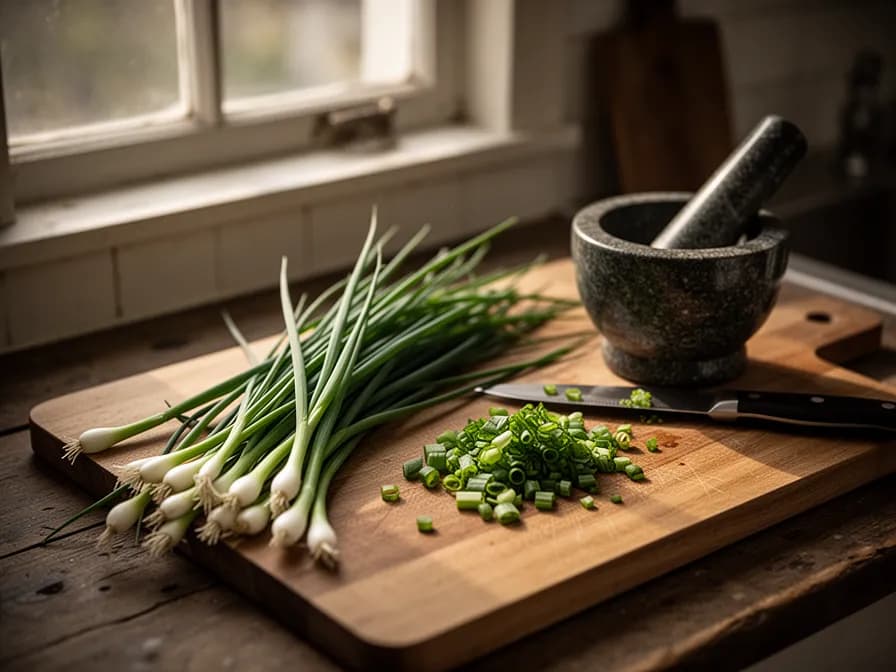
Classic Chive Cream Cheese Spread
5 minutesA simple, versatile spread perfect for bagels, crackers, or as a dip for vegetables. The fresh chives add a gentle onion flavor that elevates plain cream cheese into something special.
Chive Blossom Vinegar
10 minutes plus 2 weeks infusingA beautifully pink-hued vinegar infused with chive blossoms that makes a lovely salad dressing base or a unique homemade gift. The blossoms impart a delicate onion flavor and a stunning natural color.
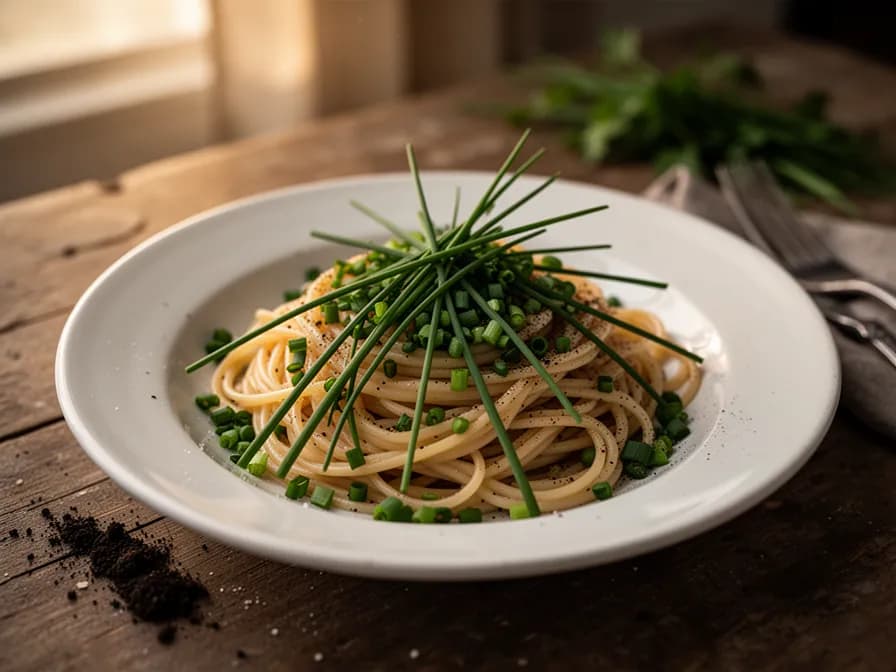
Chive and Potato Soup
30 minutesA comforting, creamy soup where chives take center stage rather than playing a supporting role. Served hot or chilled, this simple soup highlights the herb's clean, mild onion flavor beautifully.
Yield & Spacing Calculator
See how many Chives plants fit in your garden bed based on the recommended 15cm spacing.
64
Chives plants in a 4×4 ft bed
8 columns × 8 rows at 15cm spacing
Popular Varieties
Some of the most popular chives varieties for home gardeners, each with unique characteristics.
Common Chives
The standard garden chive with thin hollow leaves and purple pompom flowers. Hardy, reliable, and the most widely grown variety for general culinary use.
Garlic Chives (Allium tuberosum)
Flat, broader leaves with a mild garlic flavor and white star-shaped flowers. Essential in Asian cooking, particularly Chinese and Korean cuisine.
Siberian Chives
An extremely cold-hardy variety with slightly thicker, more robust leaves. Excellent for northern gardens and produces larger blue-purple flowers.
Fine-Leaved Chives
Delicate, thin-leaved variety with a refined mild flavor. Ideal for garnishing and dishes where a subtle onion note is desired without overwhelming other flavors.
Chives provide a delicate onion flavor as a finishing herb added at the end of cooking or raw as a garnish. They are classic on baked potatoes, in omelets, and mixed into cream cheese or sour cream. Snip chives over soups, salads, and fish dishes. The edible purple blossoms add color and mild onion flavor to salads and make stunning chive blossom vinegar. Garlic chives are essential in Chinese dumpling fillings, scallion pancakes, and Korean pajeon.
When should I plant Chives?
Plant Chives in March, April, May. It takes approximately 60 days to reach maturity, with harvest typically in April, May, June, July, August, September, October.
What are good companion plants for Chives?
Chives grows well alongside Carrot, Tomato, Rose, Parsley. Companion planting can improve growth, flavor, and natural pest control.
What hardiness zones can Chives grow in?
Chives thrives in USDA hardiness zones 3 through 10. With greenhouse protection, it may be grown in zones 1 through 11.
How much sun does Chives need?
Chives requires Full Sun (6-8h+). This means at least 6-8 hours of direct sunlight daily.
How far apart should I space Chives?
Space Chives plants 15cm (6 inches) apart for optimal growth and air circulation.
What pests and diseases affect Chives?
Common issues include Onion Thrips, Downy Mildew, Rust. Prevention through good garden practices like crop rotation, proper spacing, and companion planting is the best approach. See the detailed pests and diseases section above for symptoms, prevention, and treatment for each.
How do I store Chives after harvest?
Fresh chives are best used immediately but keep for about a week in the refrigerator wrapped in a damp paper towel inside a sealed bag. Chives do not dry well, as they lose most of their flavor and become papery. Freezing is the best preservation method: chop chives finely and freeze in ice cube tra...
What are the best Chives varieties to grow?
Popular varieties include Common Chives, Garlic Chives (Allium tuberosum), Siberian Chives, Fine-Leaved Chives. Each has unique characteristics suited to different growing conditions and culinary preferences. See the varieties section above for detailed descriptions.
What soil does Chives need?
Chives grow best in rich, well-drained soil with a pH of 6.0-7.0. Unlike many herbs, chives appreciate fertile soil and benefit from regular feeding. Work in 2-3 inches of compost before planting and side-dress with compost or balanced granular fertilizer in early spring. Apply liquid fertilizer mon...
What is the difference between common chives and garlic chives?
Common chives (Allium schoenoprasum) have round, hollow leaves with a mild onion flavor and purple globe-shaped flowers. Garlic chives (Allium tuberosum) have flat, solid leaves with a distinct garlic flavor and white star-shaped flowers. Both are perennial and easy to grow, but they are different species with different culinary applications.
Can I grow chives indoors year-round?
Yes, chives grow well indoors in a pot on a bright windowsill that receives at least 6 hours of sunlight daily. However, chives naturally go dormant in winter, so indoor plants may benefit from a 6-8 week cold period in a refrigerator or unheated garage to simulate winter dormancy before bringing them back to warmth for renewed growth.
How often should I harvest chives?
You can harvest chives every 3-4 weeks during the growing season once the plants are established. Cut leaves to about 5cm above soil level using clean scissors or a sharp knife. Avoid harvesting more than one-third of the clump at a time, and allow the plant to fully regrow before cutting again to maintain plant health.
Are chive flowers edible?
Absolutely. Chive flowers are fully edible and have a mild, sweet onion flavor that is slightly milder than the leaves. They can be separated into individual florets and scattered over salads, used to garnish soups, or infused in vinegar to create a beautifully pink chive blossom vinegar. Harvest flowers when they are freshly opened for the best flavor.
Why are my chive leaves turning yellow?
Yellow chive leaves can be caused by several factors: overwatering or poor drainage leading to root rot, nutrient deficiency (especially nitrogen), overcrowding from clumps that need division, or natural autumn die-back as the plant enters dormancy. Check soil moisture first, ensure good drainage, and if the clump is more than 3 years old, consider dividing it in spring.
Do chives spread aggressively in the garden?
Chives spread moderately through both underground bulb division and self-seeding. They are not as aggressive as mint, but left unchecked they can form large patches over several years. To control spread, deadhead flowers before they set seed and divide clumps regularly. Growing chives in containers is another effective way to keep them contained.
Ready to Grow Chives?
Add Chives to your garden plan and start designing your perfect layout.

Vladimir Kusnezow
Gardener and Software Developer
Zone 6b gardener. Growing vegetables and fruits in soil and hydroponics for 6 years. I built PlotMyGarden to plan my own gardens.
Jump to Section