Ylang-Ylang
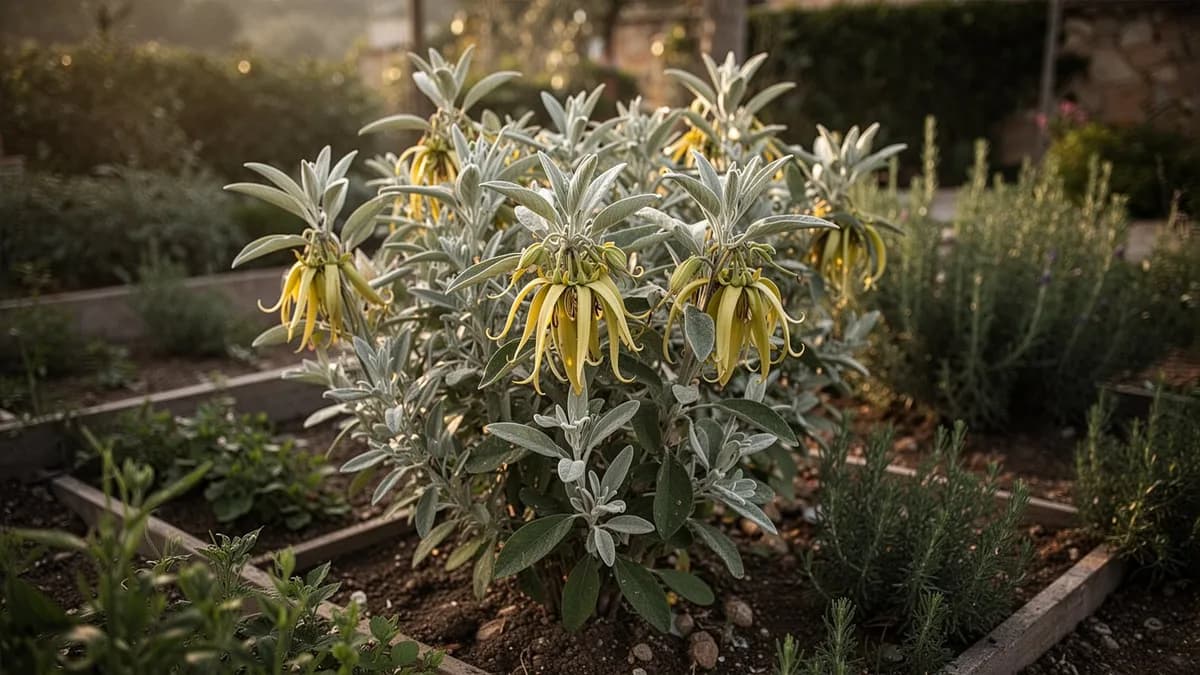
Ein tropischer Baum mit herabhängenden gelbgrünen Blüten und einem der betörendsten Düfte der Parfümwelt.





Auf dieser SeiteÜberblick
Ylang-Ylang im Überblick
Ein tropischer Baum mit herabhängenden gelbgrünen Blüten und einem der betörendsten Düfte der Parfümwelt. Ylang-Ylang-Blüten werden durch Wasserdampfdestillation zu ätherischem Öl verarbeitet, das ein Schlüsselbestandteil von Chanel No. 5 und vielen Luxusparfüms ist. Nur in tropischen Klimazonen oder beheizten Wintergärten kultivierbar, da ganzjährige Wärme über 15 Grad Celsius erforderlich ist.
Wann Ylang-Ylang pflanzen
Ylang-Ylang kann aus frischem Saatgut gezogen werden, das leicht keimt. Das Fruchtfleisch von frischen Beeren entfernen und sofort in 1 cm Tiefe in feuchten, warmen Kompost säen. Bei 25–30 °C und gleichmäßiger Feuchtigkeit halten. Die Keimung dauert 2–8 Wochen. Samen verlieren schnell ihre Keimfähigkeit und müssen innerhalb weniger Wochen nach der Ernte ausgesät werden. Sämlinge wachsen bei warmen Bedingungen schnell. Halbverholzte Stecklinge von ausgereiften Bäumen können mit Bodenwärme und Feuchtigkeit ebenfalls bewurzelt werden, wobei die Erfolgsquote mäßig ist.
Dein Ylang-Ylang-Jahr
Abgestimmt auf Zone 7 · typische Saison · Frost geht um den 2. Apr. und kehrt um den 1. Nov. zurück
Ylang-Ylang Apr – Jun pflanzen, Jan – Dez ernten. Beachte die Pflanzmethoden unten und wähle dein Klima für passende Zeiträume.
So baust du Ylang-Ylang an
Ylang-Ylang ist ein schnell wachsender tropischer Baum, der in seinem natürlichen Lebensraum 20–30 Meter erreichen kann, aber in Kultur durch regelmäßigen Rückschnitt typischerweise auf 3–5 Meter gehalten wird. Der Baum produziert ganzjährig unter tropischen Bedingungen herabhängende, tentakelartige gelbgrüne Blüten, die jeweils einen intensiv süßen, exotischen Duft verströmen, der sich nachts verstärkt.
In tropischen Regionen (Zonen 10–12) an einem vollsonnigen Standort mit nährstoffreichem, gut durchlässigem Boden pflanzen. Ylang-Ylang wächst schnell und beginnt innerhalb von 2–3 Jahren nach der Pflanzung zu blühen. Während der Etablierung regelmäßig gießen, aber reduzieren, sobald sich das tiefe Wurzelsystem entwickelt hat. Der Baum verträgt kurze Trockenperioden, gedeiht aber am besten bei gleichmäßiger Feuchtigkeit.
In gemäßigten Klimazonen in großen Kübeln in einem beheizten Gewächshaus oder Wintergarten kultivieren und ganzjährig Temperaturen über 15 °C aufrechterhalten. Durch Rückschnitt auf handhabbare Größe halten – Ylang-Ylang reagiert gut auf Formschnitt und kann sogar durch regelmäßiges Schneiden als großer, buschiger Strauch gehalten werden. Hohe Luftfeuchtigkeit ist wichtig; regelmäßig besprühen oder eine Feuchtigkeitsschale verwenden. Die Blütenbildung erfolgt am ausgereiften Holz, daher sollten einige Äste vor dem Schnitt ausreifen.
Für Ylang-Ylang ist ein Beet von 120 × 240 cm zu klein
Ylang-Ylang braucht 300 cm Platz pro Pflanze. Der Planer hält diesen Abstand für dich ein — jede Pflanze, jedes Beet.
Passende Anbau-Ratgeber
Richtig düngen
Ylang-Ylang benötigt nährstoffreichen, gut durchlässigen Boden mit einem pH-Wert von 5,5–7,0. In Kübeln hochwertigen Universalkompost mit 20 % Perlit für die Drainage mischen. Während der Wachstumsperiode monatlich mit einem ausgewogenen Flüssigdünger düngen. In tropischen Gärten zweimal jährlich mit Kompost mulchen. Der Baum ist ein mäßiger bis starker Zehrer, der großzügige Nährstoffversorgung mit üppigerer Blüte belohnt.
Ideale Temperatur
Winterhärtezone-Kompatibilität
Von der Saat zur Ernte, Schritt für Schritt
Samenkeimung
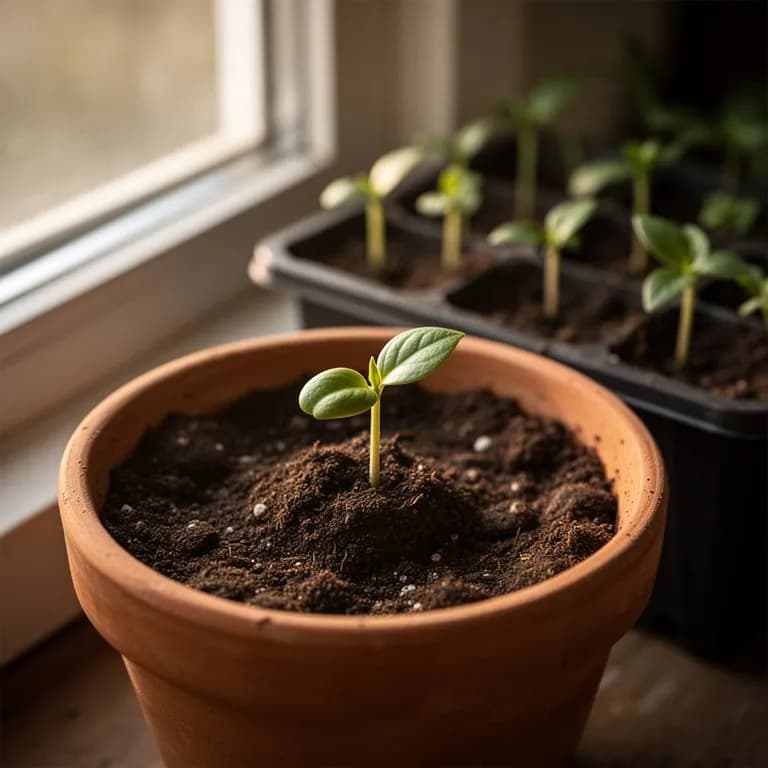
Ylang-Ylang-Samen haben eine harte Außenschale und profitieren davon, vor der Aussaat 24 Stunden in warmem Wasser eingeweicht zu werden. Samen etwa 1 cm tief in eine warme, feuchte, gut durchlässige Aussaatmischung pflanzen und Temperaturen von 24–30 °C aufrechterhalten. Die Keimung ist langsam und unregelmäßig und dauert oft 2–4 Wochen; die Keimrate verbessert sich mit Bodenwärme und gleichmäßiger Luftfeuchtigkeit.
Sämlingsetablierung
Junge Sämlinge erscheinen mit einfachen, glänzenden ovalen Blättern und einem einzelnen schlanken Stängel. Das Wachstum ist bei warmen Bedingungen und hoher Luftfeuchtigkeit mäßig schnell. Sämlinge sind in dieser empfindlichen Phase anfällig für kalte Zugluft, trockene Luft und direkte Nachmittagssonne.
Jugendliches vegetatives Wachstum
Der junge Baum entwickelt einen kräftigen Hauptstamm mit horizontaler Verzweigung und großen, wechselständigen glänzenden Blättern von bis zu 20 cm Länge. Das Wachstum ist unter idealen Bedingungen schnell, wobei der Baum pro Jahr 60–90 cm an Höhe zulegt. Die Krone nimmt ihre charakteristische ausladende, leicht hängende Form an.
Vorblüte-Reifung
Der Baum entwickelt weiter seine Verzweigungsstruktur und das dichte Blätterdach. Die Rinde wird strukturierter und holziger. Unter idealen tropischen Bedingungen können einige Bäume gegen Ende dieser Phase ihre ersten Blütenknospen bilden, obwohl viele 2–3 Jahre von der Aussaat bis zur ersten Blüte benötigen.
Erste Blüte
Büschel hängender Blüten erscheinen entlang der Äste, zunächst grün und allmählich beim Reifen gelb werdend. Die Blüten verströmen ihren berauschenden Duft am intensivsten in den Abend- und frühen Morgenstunden. Jede Blüte hat 6 lange, schmale, sich rollende Blütenblätter, die anmutig herabhängen.
Reife Produktion
Ein gut etablierter Ylang-Ylang-Baum blüht in tropischen Klimazonen üppig und nahezu ununterbrochen, mit Spitzenproduktion während der warmen, feuchten Jahreszeit. Ausgereifte Bäume können 9–11 kg frische Blüten pro Jahr produzieren. Der Baum entwickelt eine schöne offene Krone mit anmutig hängenden Ästen voller duftender Blüten.
Aussaatschalen mit einer transparenten Feuchtigkeitshaube abdecken und an einen warmen Ort ohne direkte Sonneneinstrahlung stellen. Das Substrat gleichmäßig feucht, aber nicht nass halten. Geduld haben, da die Keimung unvorhersehbar sein kann.
Ylang-Ylang Monat für Monat pflegen
Was du jeden Monat für deine Ylang-Ylang tun solltest
Oktober
Aktueller MonatKübelbäume ins Haus bringen, bevor die Nachttemperaturen unter 10 °C fallen. An den hellsten verfügbaren Standort stellen, idealerweise in der Nähe eines Südfensters. Bewässerung an die langsamere Wachstumsrate im Innenbereich anpassen, aber die Luftfeuchtigkeit über 50 % halten.
Immer wissen, was jetzt im Garten zu tun ist
Eine E-Mail zum Monatsanfang: was du jetzt säen, pflanzen und anpacken solltest — für deine Ylang-Ylang und alles, was drumherum wächst. Dazu ein kurzer Startkurs, der dich vor den klassischen Fehlern bewahrt.
- Was jetzt zu tun ist
- Passend zu deiner Saison
- Startkurs inklusive
Ylang-Ylang ernten
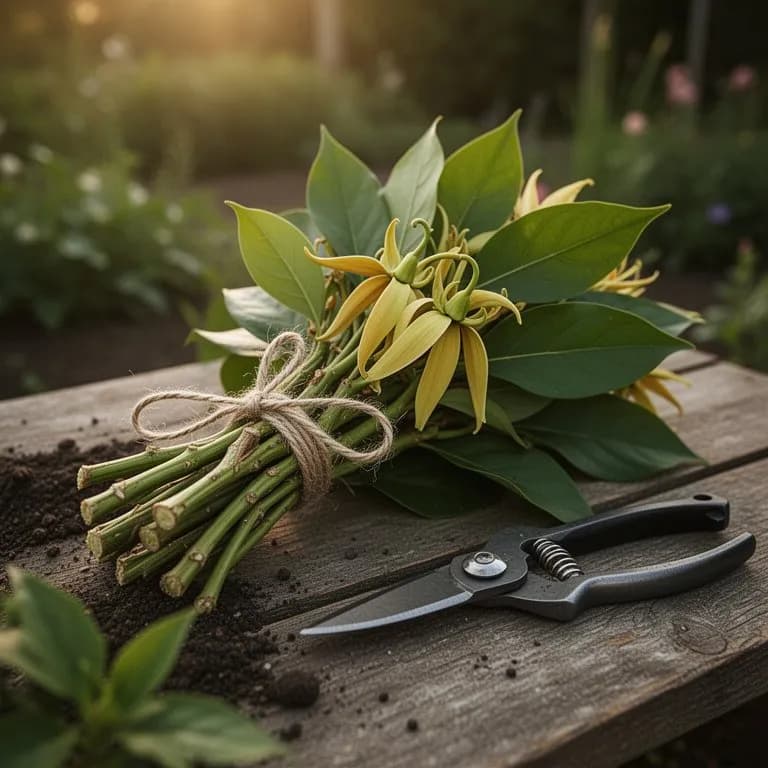
Ylang-Ylang-Blüten am frühen Morgen ernten, wenn ihr Duft am intensivsten ist. Die Blüten sind erntereif, wenn sie sich von grün zu gelbgrün verfärben und leicht herabhängen. Einzelne Blüten vorsichtig von Hand pflücken, um Quetschungen zu vermeiden, die die Qualität des ätherischen Öls beeinträchtigen. Für das feinste Öl der Qualitätsstufe Extra Blüten ernten, die gerade voll erblüht sind und noch leicht gelbgrün erscheinen.
angenommen, du pflanzt zu Beginn des Zeitraums — trage dein tatsächliches Datum ein
Ernte Ylang-Ylang zügig, dann trägt die Pflanze weiter.
Lagerung & Konservierung
Ylang-Ylang-Blüten sind äußerst verderblich und sollten unmittelbar nach der Ernte destilliert oder getrocknet werden. Für den Hausgebrauch die Blüten zügig auf Gittern in einem warmen, gut belüfteten Bereich trocknen. Getrocknete Blüten behalten etwas Duft, sind aber weit weniger aromatisch als frische. Für die beste Dufterhaltung frische Blüten sofort nach dem Pflücken in ein Trägeröl (Jojoba oder Kokos) einlegen – das Öl fängt die flüchtigen Aromen wunderbar ein. Frische Blüten können auch in Wasserschalen schwimmend für kurzfristigen Duftgenuss verwendet werden.
Was schiefgeht — und die Lösung
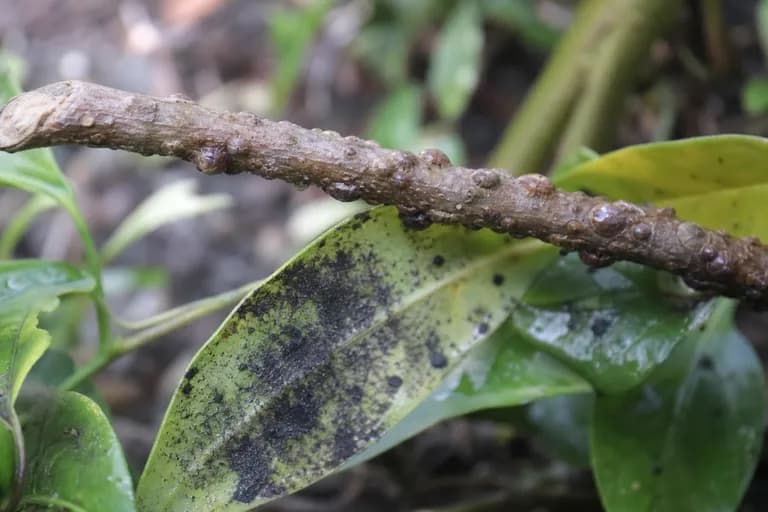
Schildläuse
SchädlingBraune oder weiße Erhebungen an Stängeln und Blattunterseiten. Honigtau und Rußtaupilz auf den Blättern. Häufig bei Gewächshauspflanzen.
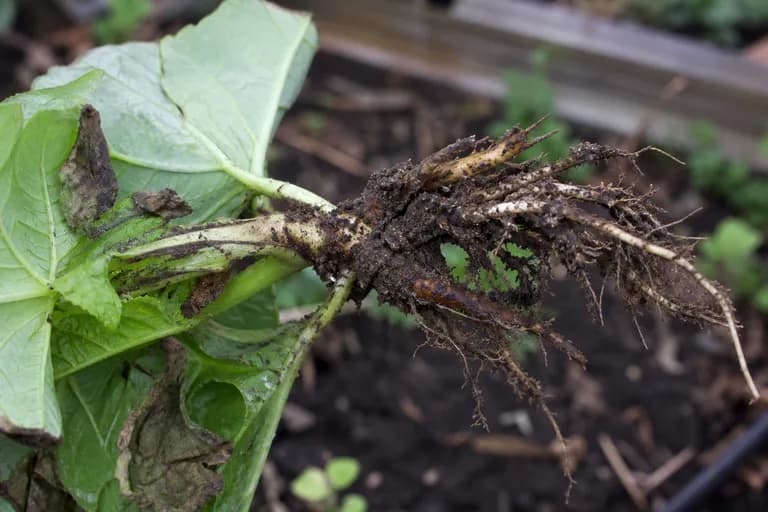
Wurzelfäule
KrankheitVergilbende Blätter, Welken, weiche braune Wurzeln. Verursacht durch Überwässerung und schlechte Drainage, besonders in Kübeln.
Fehlerbehebung bei häufigen Problemen
Kälteempfindlichkeit ist die größte Einschränkung – Ylang-Ylang überlebt Temperaturen unter 10 °C über längere Zeiträume nicht. In gemäßigten Klimazonen ist die Kultur im beheizten Gewächshaus zwingend erforderlich. Ausbleibende Blüte deutet meist darauf hin, dass der Baum zu jung ist (2–3 Jahre abwarten), zu kalt steht oder zu stark zurückgeschnitten wurde. Die herabfallenden, unordentlichen Blüten und die breite Krone können auf kleinem Raum unpraktisch sein. Wintergarten-Exemplare blühen möglicherweise nicht so üppig wie tropische Freilandbäume.
Anbautipps
- Ylang-Ylang benötigt konstante Wärme über 15 °C zu jeder Zeit. In gemäßigten Klimazonen in einem großen Kübel kultivieren, der vor dem Temperaturrückgang im Herbst ins Haus gebracht werden kann. In der Nähe des hellsten verfügbaren Fensters aufstellen oder im Winter mit Pflanzenlampen ergänzen.
- Nährstoffreichen, humusreichen Boden bereitstellen, der Feuchtigkeit hält und gleichzeitig gut abfließt. Eine Mischung aus hochwertigem Pflanzkompost, Perlit und Kokosfaser zu gleichen Teilen ergibt ein ideales Substrat für die Kübelkultur.
- Hohe Luftfeuchtigkeit von 60–80 % um den Baum aufrechterhalten, besonders bei Zimmerkultur. Eine mit Wasser gefüllte Kieselschale unter den Topf stellen, mit anderen Tropenpflanzen gruppieren oder einen Luftbefeuchter in der Nähe betreiben, um braune Blattspitzen zu vermeiden.
- Gleichmäßig gießen, um den Boden feucht, aber nie staunass zu halten. Ylang-Ylang verträgt Trockenheit nicht gut, und trockener Boden führt zu Blattfall, schlechter Blüte und allgemeinem Verfall. Bei warmem Wetter alle zwei bis drei Tage die Bodenfeuchtigkeit prüfen.
- Während der aktiven Wachstumsperiode monatlich mit einem ausgewogenen Flüssigdünger in halber Konzentration düngen. Sobald der Baum zu blühen beginnt, auf eine kaliumreiche Formulierung umstellen, um die fortlaufende Blütenproduktion zu unterstützen.
- Regelmäßig beschneiden, um die Größe zu kontrollieren, besonders bei Kübelbäumen. Ylang-Ylang reagiert gut auf Rückschnitt und kann durch jährliches Schneiden auf 2–3 Meter Höhe gehalten werden. Blüten bilden sich am ausgereiften Holz, daher nicht zu viele ältere Äste auf einmal entfernen.
- Vor direkter Mittagssonne schützen, wenn Kübelbäume im Frühling erstmals nach draußen gestellt werden. Über zwei Wochen schrittweise an volle Sonne gewöhnen, um Sonnenbrand an den Blättern zu vermeiden. Ausgewachsene Bäume in tropischen Gärten gedeihen in voller Sonne mit etwas Nachmittagsschatten.
- Für die beste Erfolgsquote im Sommer halbverholzte Stecklinge zur Vermehrung nehmen. Stecklinge von 15–20 cm Länge verwenden, untere Blätter entfernen, in Bewurzelungshormon tauchen und in eine warme, feuchte Vermehrungsumgebung mit Bodenwärme setzen.
- Auf häufige Schädlinge wie Schildläuse, Wollläuse und Spinnmilben achten, besonders bei Zimmerbäumen im Winter. Regelmäßige Kontrolle der Blattunterseiten und Stängelansätze hilft, Befälle frühzeitig zu erkennen, bevor sie sich ausbreiten.
- In tropischen Gärten Ylang-Ylang dort pflanzen, wo sein Abendduft genossen werden kann, etwa in der Nähe einer Terrasse, eines Schlafzimmerfensters oder eines Sitzplatzes im Freien. Der Duft wird von warmen Abendbriesen gut getragen und ist nach Sonnenuntergang am stärksten.
Bau deine beste Ylang-Ylang an — und alles drumherum.
Starte heute kostenlos. Lege deine Beete an, setze deine Ylang-Ylang ein und lass PlotMyGarden Timing, Abstände, Begleiter und Erinnerungen von der Saat bis zum Erntekorb übernehmen.
Finde deine Ylang-Ylang
Cananga odorata var. genuina
Die echte Ylang-Ylang-Sorte, die kommerziell für die Produktion ätherischer Öle angebaut wird. Erzeugt den feinsten, komplexesten Duft. Langsamer wachsend als die Art.
Cananga odorata (Standard)
Die typische Form, auch Cananga genannt. Schneller wachsend mit etwas weniger raffiniertem Duft als var. genuina. Dennoch sehr aromatisch.
Ein junger Ylang-Ylang-Baum kostet 15–30 € in einer Spezialgärtnerei, und obwohl er tropische Bedingungen benötigt, kann ein einzelner ausgewachsener Baum im richtigen Klima jährlich 9–20 kg frische Blüten produzieren. Reines Ylang-Ylang-Ätherischöl kostet im Einzelhandel 15–40 € pro 15-ml-Flasche, und selbst hergestellte Ölauszüge und Blütenwasser bieten eine luxuriöse Alternative zu einem Bruchteil der Kosten. Selbst als Kübelpflanze in gemäßigten Klimazonen produziert ein gesunder Ylang-Ylang-Baum genügend Blüten für den persönlichen Aromatherapie-Gebrauch, selbst hergestellte Hautpflegeprodukte und duftende Aufgüsse, was potenziell 100–250 € pro Jahr an ätherischen Ölen und natürlichen Parfümerie-Zutaten einsparen kann.
Schnelle Rezepte
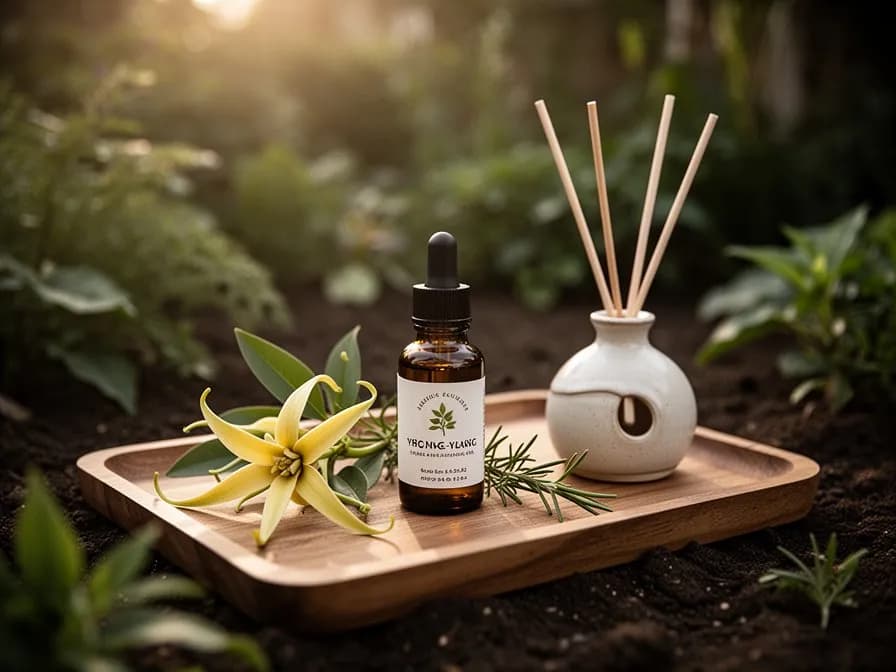
Ylang-Ylang-Massageöl
10 Min. + 2 Wochen ZiehzeitEin luxuriös duftendes Körperöl, hergestellt durch Einlegen frischer Ylang-Ylang-Blüten in ein Trägeröl. Diese traditionelle Zubereitung von den Philippinen ergibt ein reichhaltig duftendes Öl, perfekt für Massage, Hautpflege oder als Badezusatz. Das langsame Einlegen fängt die volle Komplexität des Blütendufts ein.
5 ZutatenYlang-Ylang-Blütentee
15 Min.Ein beruhigender und aromatischer Kräutertee aus frischen oder getrockneten Ylang-Ylang-Blütenblättern. Dieser wohltuende Aufguss hat einen zarten blumigen Geschmack und wird traditionell am Abend genossen, um Entspannung und erholsamen Schlaf zu fördern. Die dezente Süße der Blüten bedeutet, dass wenig bis kein zusätzlicher Süßstoff benötigt wird.
5 ZutatenYlang-Ylang-Raum- und Wäschespray
5 Min.Ein natürliches, chemiefreies Raumspray, das den romantischen, exotischen Duft von Ylang-Ylang einfängt. Diese einfache Zubereitung ist eine ausgezeichnete Alternative zu synthetischen Lufterfrischern und kann auf Kissen und Bettwäsche gesprüht werden, um eine beruhigende Atmosphäre vor dem Schlafengehen zu schaffen. Die Kombination mit Vanille und Zitrus rundet den Duft wunderbar ab.
6 ZutatenWas drinsteckt
Gesundheitsvorteile
- Ylang-Ylang-Aromatherapie hat klinisch nachweislich den Blutdruck und die Herzfrequenz gesenkt, wobei Studien eine signifikante Abnahme des systolischen Blutdrucks nach Inhalation des ätherischen Öls zeigten.
- Die Verbindungen Linalool und Benzylacetat im Ylang-Ylang-Öl haben dokumentierte anxiolytische Wirkungen und helfen, Stress- und Angstgefühle bei Verwendung in Diffusion oder topischer Anwendung zu reduzieren.
- Forschungsergebnisse deuten darauf hin, dass Ylang-Ylang-Ätherischöl antimikrobielle Eigenschaften besitzt, die gegen mehrere Bakterien- und Pilzstämme wirksam sind, die häufig Hautinfektionen verursachen.
- Die traditionelle Verwendung von Ylang-Ylang zur Förderung erholsamen Schlafs wird durch Studien gestützt, die seine sedierende Wirkung auf das autonome Nervensystem zeigen und dabei helfen, rasende Gedanken zu beruhigen und Schlaflosigkeit zu lindern.
- Die entzündungshemmenden Verbindungen im Ylang-Ylang-Öl, insbesondere Beta-Caryophyllen, haben sich bei der Reduzierung von Entzündungsmarkern als vielversprechend erwiesen und können leichte Hautirritationen und Rötungen lindern.
- Ylang-Ylang-Öl, topisch in einem Trägeröl aufgetragen, wird traditionell zur Regulierung der Talgproduktion verwendet, was es zu einem beliebten natürlichen Inhaltsstoff sowohl für fettige als auch für trockene Hautpflegeroutinen macht.
Woher Ylang-Ylang stammt
Ylang-Ylang (Cananga odorata) stammt aus den tropischen Regenwäldern Südostasiens, wobei sein Ursprungszentrum die Philippinen, Indonesien, Malaysia und Teile Nordaustraliens umfasst. Der Baum gedeiht in warmen, feuchten Tieflandwäldern in Höhenlagen unter 600 Metern, wo er als Teil des Unterholzes oder entlang von Flussufern und Waldrändern wächst. Seit Jahrhunderten hat Ylang-Ylang eine tiefe kulturelle Bedeutung in seinem gesamten Verbreitungsgebiet. Auf den Philippinen werden die Blüten seit vorkolonialer Zeit zu Girlanden und Leis für zeremonielle Anlässe, religiöse Feste und Hochzeitsfeiern geflochten. Der Tagalog-Name Ilang-Ilang, von dem der gebräuchliche Name abstammt, spiegelt die Verehrung wider, die diese Kulturen seinem außergewöhnlichen Duft entgegenbrachten. Spanische Kolonisatoren auf den Philippinen waren von dem Duft fasziniert und begannen im 18. Jahrhundert, die Blüten und das rohe Öl nach Europa zu exportieren, wo es schnell bei Parfümeuren Anklang fand. Die moderne Ylang-Ylang-Ätherischölindustrie geht auf die Mitte des 19. Jahrhunderts zurück, als französische Kolonisten den Baum auf den Inseln Réunion, Madagaskar und den Komoren im Indischen Ozean einführten. Die vulkanischen Böden und das tropische Klima dieser Inseln erwiesen sich als ideal für den Anbau, und kommerzielle Plantagen wurden angelegt, um die wachsende europäische Parfümindustrie zu versorgen. Zu Beginn des 20. Jahrhunderts waren die Komoren zum weltweit dominierenden Produzenten von Ylang-Ylang-Öl geworden – eine Position, die sie bis heute innehaben. Das ätherische Öl erlangte weltweite Berühmtheit, als Ernest Beaux es 1921 als zentrale Note in Chanel No. 5 aufnahm und damit Ylang-Ylangs Status als einen der wichtigsten Duftstoffe in der Parfümerie festigte. In traditionellen Medizinsystemen Südostasiens wurde Ylang-Ylang zur Behandlung verschiedener Beschwerden eingesetzt, darunter Bluthochdruck, Hautinfektionen, Angstzustände und Verdauungsstörungen. Heute wird der Baum kommerziell in den gesamten Tropen angebaut, von den Inseln des Indischen Ozeans bis nach Mittelamerika und in den Pazifik, und sein ätherisches Öl bleibt unverzichtbar für die globale Duft- und Aromatherapieindustrie.
Ylang-Ylang: Schon gewusst?
Faszinierende Fakten über Ylang-Ylang
Ylang-Ylang bedeutet in der Tagalog-Sprache der Philippinen Blume der Blumen, wo der Baum seit Jahrhunderten wegen seiner außergewöhnlich duftenden Blüten kultiviert wird.
Ylang-Ylang: Fragen & Antworten
Wann sollte ich Ylang-Ylang pflanzen?
In welchen Winterhärtezonen kann Ylang-Ylang wachsen?
Wie viel Sonne braucht Ylang-Ylang?
Welchen Abstand sollte ich zwischen Ylang-Ylang lassen?
Welche Schädlinge und Krankheiten befallen Ylang-Ylang?
Wie lagere ich Ylang-Ylang nach der Ernte?
Was sind die besten Ylang-Ylang-Sorten zum Anbauen?
Welchen Boden braucht Ylang-Ylang?
Kann ich Ylang-Ylang in einem nicht-tropischen Klima anbauen?
Wie lange dauert es, bis Ylang-Ylang aus Samen blüht?
Wann ist die beste Zeit, Ylang-Ylang-Blüten zu ernten?
Ist Ylang-Ylang-Ätherischöl sicher für die Hautanwendung?
Warum werden die Blätter meines Ylang-Ylang-Baums gelb und fallen ab?
Welche Begleitpflanzen gedeihen gut mit Ylang-Ylang?
Du hast die Theorie gelesen. Jetzt baue sie auf Autopilot an.
Alles, was Ylang-Ylang knifflig macht — das Timing, die Abstände, die Begleiter, das Erntefenster — genau das übernimmt PlotMyGarden für dich, für jede Pflanze im Garten.
Ein Plan, der dein Wetter kennt
Standort einmal festlegen. Aussaat-, Dünge- und Erntedaten rund um deinen echten letzten Frosttermin und die Live-Vorhersage — kein Raten mehr nach Saattüte.
Aus dem Abschnitt „Pflanzzeit“Beetplaner per Drag & Drop
Beete auf einem Raster gestalten. Jede Pflanze rastet im richtigen Abstand ein, und du siehst die ganze Saison, bevor du einen Cent für Saatgut ausgibst.
Aus dem Abschnitt „Anbau“Begleiter-Konflikte früh erkannt
Über 200 gute und schlechte Kombinationen werden beim Pflanzen live geprüft — so landet ein saisonruinierender Fehler nie in der Erde.
Aus dem Abschnitt „Begleiter“Erinnerungen, nach denen du wirklich handelst
„Gieß die Bohnen.“ „Heute ernten, bevor's umschlägt.“ Pünktlich, konkret und auf deine echten Pflanzen bezogen.
Aus dem Abschnitt „Ernte“Staffel-Aussaat, geplant
Sechs Wochen ernten statt sechs Tage? Die App verteilt deine Aussaaten automatisch und erinnert dich, wenn der nächste Satz fällig ist.
Aus dem Abschnitt „Pflanzzeit“Ein Verlauf, der schlauer wird
Jede protokollierte Ernte bringt der App deinen Garten bei. Der Plan fürs nächste Jahr startet bei dem, was in deinem Boden wirklich funktioniert hat.
Aus dem Abschnitt „Überblick“Weitere Duftkräuter
Bau deine beste Ylang-Ylang an — und alles drumherum.
Starte heute kostenlos. Lege deine Beete an, setze deine Ylang-Ylang ein und lass PlotMyGarden Timing, Abstände, Begleiter und Erinnerungen von der Saat bis zum Erntekorb übernehmen.