Sweet Woodruff
A shade-loving ground cover herb with whorled leaves and tiny white flowers, traditionally used to flavor German May wine.





On this pageOverview
Meet Sweet Woodruff
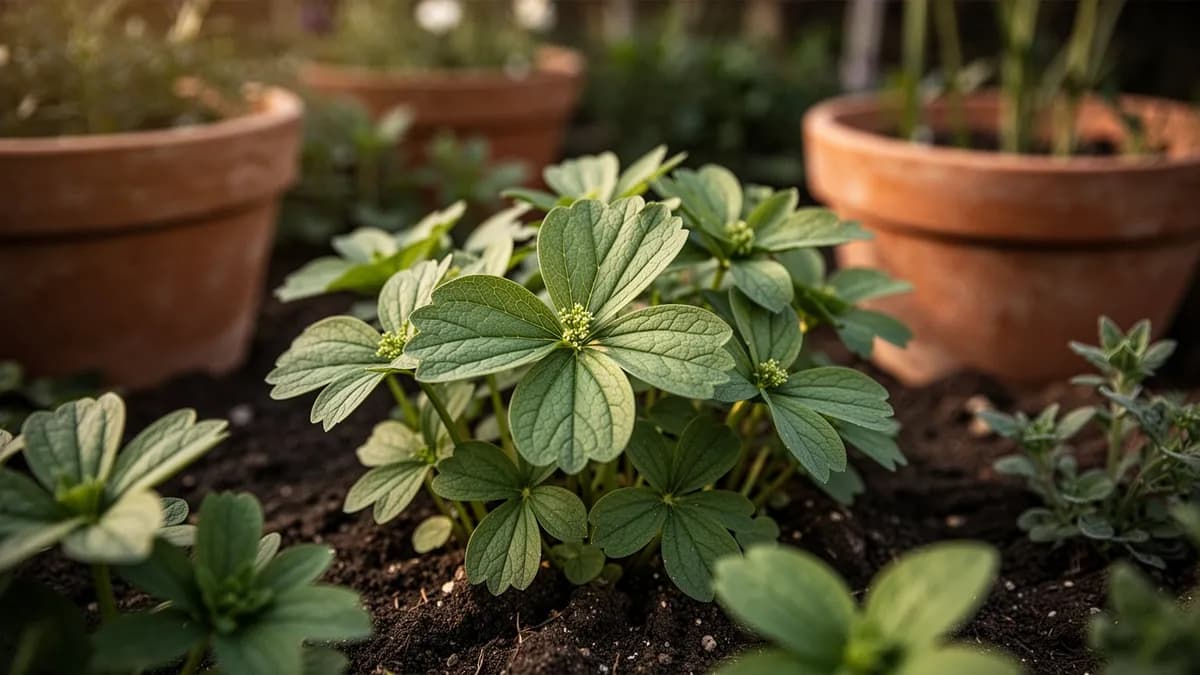
A shade-loving ground cover herb with whorled leaves and tiny white flowers, traditionally used to flavor German May wine. The dried leaves develop a sweet vanilla-like coumarin scent used in potpourris and beverages. Sweet woodruff is one of the few herbs that thrives in deep shade, making it ideal under trees and shrubs.
When to plant Sweet Woodruff
Sweet woodruff seeds require cold stratification for reliable germination. Sow fresh seeds outdoors in autumn for natural winter chilling and spring germination. Alternatively, mix seeds with moist sand and refrigerate for 4-6 weeks before spring sowing. Press seeds onto moist seed-starting mix surface—do not cover deeply. Germination is slow and erratic over weeks to months. Division of established plants in spring or autumn is far easier and provides instant ground cover. Stem cuttings taken in early summer also root well in moist soil.
Your Sweet Woodruff Year
Composed for Zone 7 · typical seasons · frost passes Apr 2, returns Nov 1
Plant Sweet Woodruff Mar – Apr, Sep – Oct, pick May – Jul. Check the planting methods below and set your climate to personalize these windows.
How to grow Sweet Woodruff
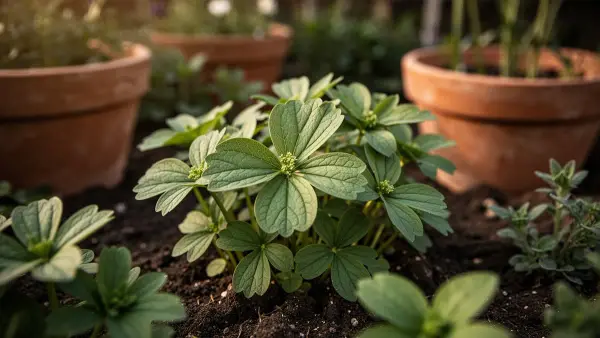
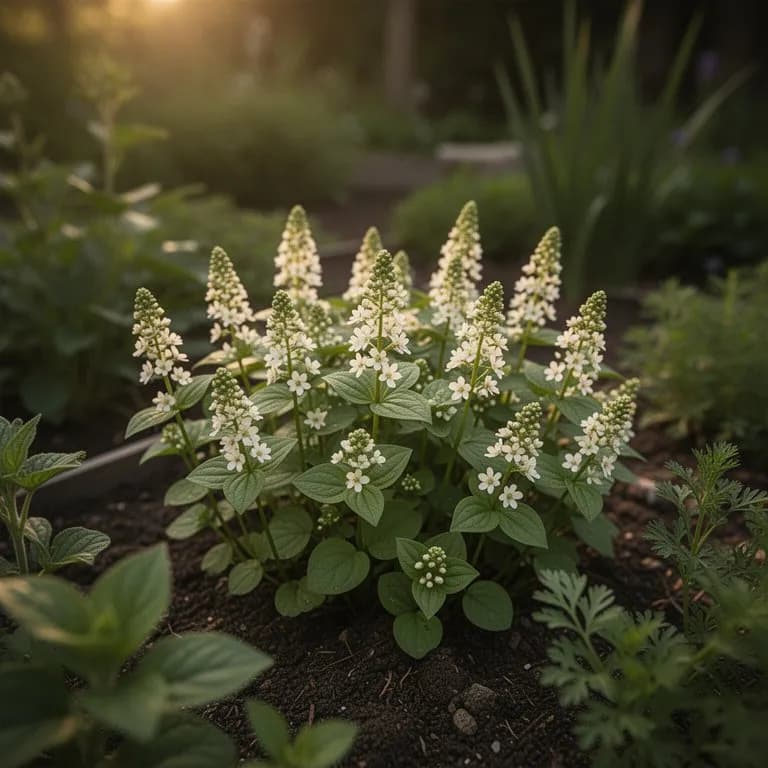
Sweet woodruff is a charming shade-loving ground cover with whorled emerald leaves and delicate white star-shaped flowers in late spring. It is one of the very few herbs that actually thrives in deep shade, making it invaluable for woodland gardens and areas under trees and shrubs. Plant in partial to full shade with moist, humus-rich soil, spacing 20cm apart.
Provide rich, moisture-retentive soil amended with plenty of leaf mold, compost, or aged bark. Sweet woodruff spreads by creeping underground stems (rhizomes) and can form an attractive, weed-suppressing carpet in shady areas. In ideal conditions it spreads enthusiastically and may need containment—but this is a feature for those wanting ground cover.
The plant remains low (15-20cm tall) and develops its characteristic vanilla-sweet coumarin scent primarily when the leaves are dried or wilted. This scent is the key ingredient in traditional German Maibowle (May wine), a springtime punch. Fresh plants have little aroma; it is the drying process that releases the sweet hay-like fragrance. Water regularly in dry spells, as sweet woodruff does not tolerate drought.
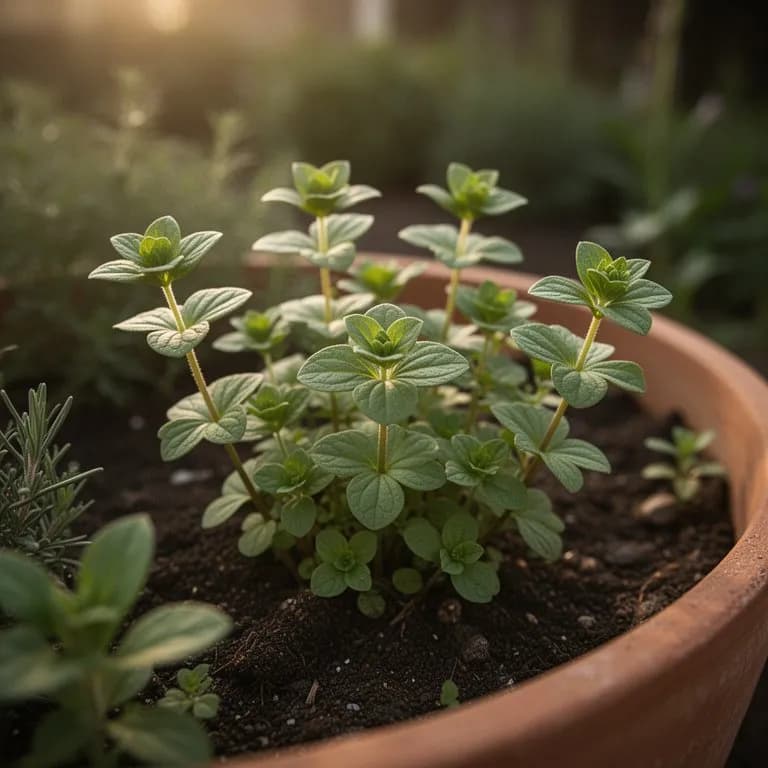
72 plants fit a 4 × 8 ft bed
Each Sweet Woodruff wants 20 cm of elbow room. The planner keeps that spacing for you — every plant, every bed.
Sweet Woodruff's best neighbours
Sweet woodruff is an excellent shade ground cover that suppresses weeds beneath trees, shrubs, and tall perennials. Plant under roses, fruit trees, and woodland plants where it creates an attractive, fragrant carpet. It grows well with hostas, ferns, astilbes, and other shade-loving plants. The spreading habit fills in bare soil quickly, reducing erosion on shaded slopes. The white spring flowers brighten dark garden corners.
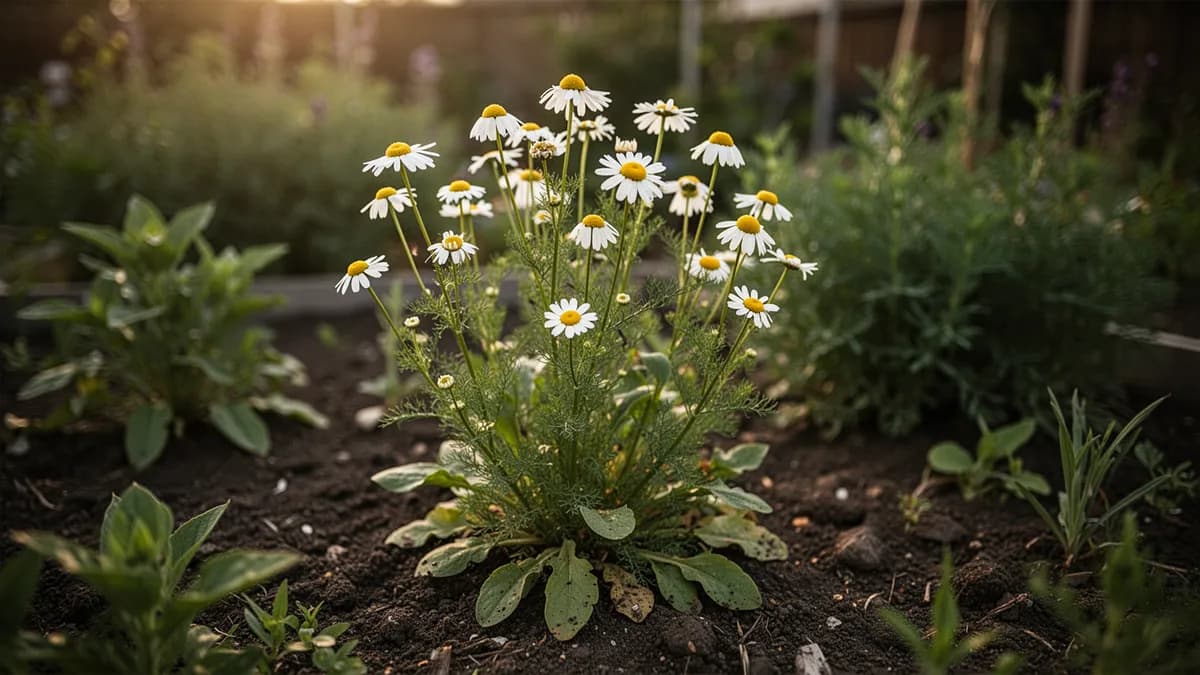
Chamomile belongs beside it.
Old growers' knowledge, checked against Sweet Woodruff's real companion table below — test any plant you're growing.
Try Sweet Woodruff in a bed — right here
A real planner bed with Sweet Woodruff already in it. Tap a companion to place it and watch the pairing checks answer — green for good neighbours, red for a clash.


Related growing guides
Feed it well
Grow in rich, humus-laden, moisture-retentive soil with pH 5.5-7.0. Mimic woodland floor conditions by amending with leaf mold, aged bark, and compost. Sweet woodruff is not a heavy feeder once established—an annual top-dressing of leaf mold or compost in spring provides adequate nutrition. In containers, use a peat-based or bark-based potting mix kept consistently moist. The plant benefits from the acidic conditions found naturally under trees.
Ideal Temperature
Hardiness Zone Compatibility
From seed to harvest, stage by stage
Dormancy & Emergence
Sweet woodruff breaks winter dormancy as soil temperatures rise above 5°C (41°F) in early spring. New shoots push up from the creeping rhizomatous root system, unfurling tightly rolled leaf whorls. Plants started from seed require cold stratification of 4-6 weeks before germination, which is slow and erratic — division or transplanting is far more reliable.
Vegetative Growth
Stems elongate rapidly to 15-25 cm tall, with whorls of six to eight lance-shaped leaves developing at each node along square stems. The plant spreads laterally through underground stolons, sending up new shoots at regular intervals to form an increasingly dense mat. Foliage is bright green and aromatic when crushed.
Flowering
Loose clusters of tiny, four-petaled white flowers appear at the stem tips from late April through May. Each flower is only 4-6 mm across but the massed effect creates a frothy white layer above the green foliage. Flowers are lightly fragrant and attract small pollinators including bees and hoverflies. This is the traditional harvest time for Maibowle.
Summer Maintenance
After flowering, the plant continues to spread vegetatively through the summer, filling gaps and thickening the ground cover mat. Foliage remains attractive in shade but may look tired or brown in hot, dry conditions or where exposed to direct afternoon sun. Small round seed capsules develop from pollinated flowers.
Autumn Decline
Growth slows as temperatures drop and day length shortens. Foliage may yellow slightly in late autumn before dying back to the ground after the first hard frosts. The root system remains alive underground, storing energy for the following spring. In mild-winter regions (zones 8-9), some semi-evergreen foliage may persist through winter.
Winter Dormancy
The plant is fully dormant with no above-ground growth visible. The rhizomatous root system overwinters safely beneath the soil surface, tolerating temperatures down to -30°C (-22°F). This period of cold exposure is essential for the plant — sweet woodruff requires winter chill to flower properly the following spring.
Clear away any remaining winter leaf litter from the planting area to allow emerging shoots to receive light. If starting from seed, sow in autumn and leave pots outdoors over winter for natural cold stratification. Keep the soil consistently moist during emergence.
Caring for Sweet Woodruff month by month
What to do each month for your Sweet Woodruff
October
You are hereAllow fallen leaves to remain over sweet woodruff plantings as natural winter mulch. Growth slows and foliage may begin to yellow. Make final divisions for the season. Harvest late-season stems for drying if desired — autumn-dried stems also contain coumarin, though less than spring-harvested material.
Know exactly what to do in your garden — every month
One email at the start of each month: what to sow, plant, and tackle right now — for your Sweet Woodruff and everything growing around it. Plus a short starter course that helps you dodge the classic mistakes.
- What to do, right now
- Matched to your season
- Starter course included
Harvesting Sweet Woodruff
Harvest sweet woodruff leaves and flowering stems in late spring during or just after flowering when coumarin content is highest. Cut whole stems and gather in loose bundles. For May wine, wilt fresh stems for a few hours before adding to white wine—this begins the coumarin release. For dried use, spread stems in a single layer in a warm, dark area. The sweet vanilla-hay scent develops and intensifies as leaves dry, reaching full fragrance in 2-3 days of drying.
assuming you plant when the window opens — set your real date
Pick Sweet Woodruff promptly and the plant keeps producing.
Storage & Preservation
Dry sweet woodruff by spreading stems in a warm, dark, well-ventilated area for 1-2 weeks. The sweet coumarin scent develops during drying and intensifies over the first few weeks of storage. Store dried woodruff in airtight jars away from light for up to one year. Use in sachets, potpourri, and as a moth repellent in clothes drawers. For May wine, semi-wilted fresh material is preferred over fully dried. Keep dried bundles intact for crafting fragrant herbal wreaths.
What goes wrong — and the fix
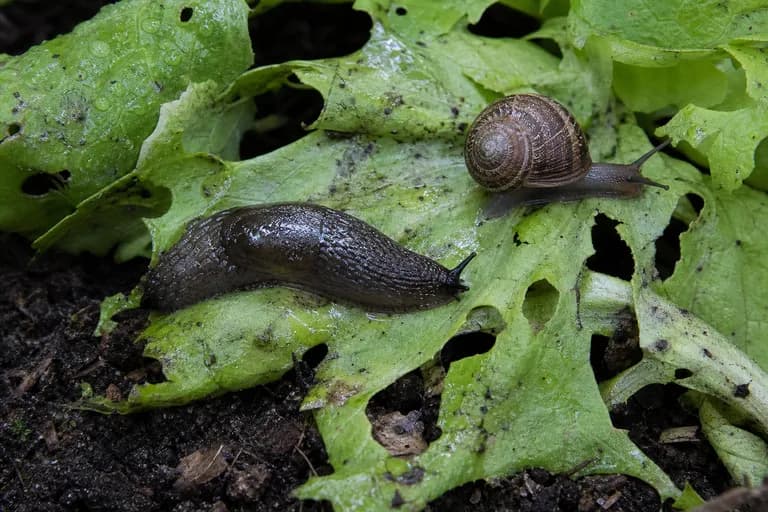
Slugs and Snails
PestHoles in leaves, slime trails on foliage. The moist, shady habitat sweet woodruff prefers is also ideal slug territory.
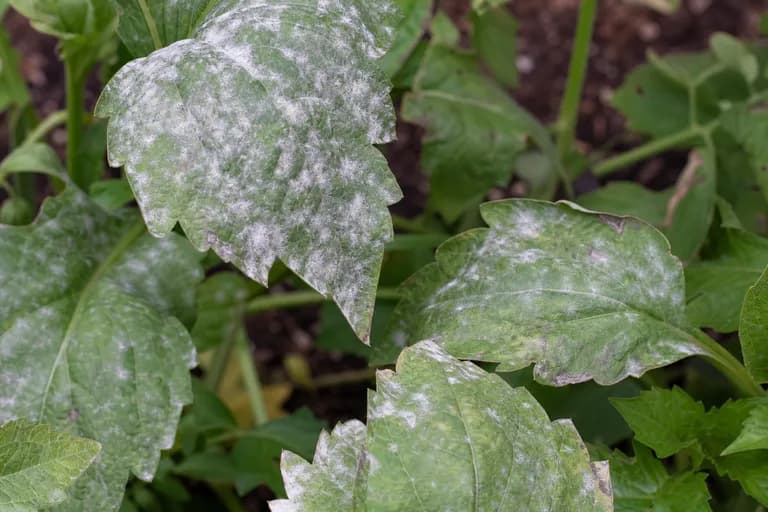
Powdery Mildew
DiseaseWhite powdery coating on leaves in late summer when conditions are humid with poor air circulation.
Troubleshooting Common Problems
Spreading too aggressively is the most common complaint in ideal conditions—use root barriers or grow in containers to limit spread. In too much sun, leaves scorch and turn yellow; ensure adequate shade. Drought stress causes rapid wilting and browning—never let soil dry out. Plants look dormant and unpromising in winter but reliably return each spring. The coumarin in sweet woodruff can cause headaches if consumed in excessive quantities—use in moderation.
Growing Tips
- Sweet woodruff demands shade — this is non-negotiable. Full sun will scorch the foliage, cause browning, and eventually kill the plant. Dappled shade beneath deciduous trees, north-facing walls, or the shadow side of buildings provides ideal conditions. Morning sun with afternoon shade is acceptable in cool climates.
- Start with divisions or nursery transplants rather than seed. Sweet woodruff seed requires extended cold stratification and germinates erratically over weeks to months. Divisions establish quickly and begin spreading within their first season, saving you an entire year of waiting.
- Amend the soil generously with leaf mold, compost, or well-rotted bark before planting. Sweet woodruff naturally grows in humus-rich woodland soil and performs poorly in heavy clay or sandy mineral soil. Aim for a loose, moisture-retentive, slightly acidic medium.
- Space transplants 20-30 cm apart for ground cover. The plants will fill in the gaps within one to two growing seasons through underground stolons. Closer spacing gives faster coverage but is not necessary for established plantings.
- Water consistently during the first year while roots establish, and during dry spells thereafter. Sweet woodruff is not drought-tolerant and will thin out, brown, and retreat if the soil dries out completely. A 5 cm mulch of shredded leaves helps retain soil moisture.
- Harvest flowering stems in May for the strongest coumarin fragrance. Cut stems with scissors, leaving at least 5 cm of growth at the base. The signature sweet scent develops only after cutting — wilt stems for several hours or overnight before using in recipes.
- Control spread by installing a simple root barrier (a strip of landscape edging buried 15 cm deep) around the planting if you want to contain it. Without barriers, sweet woodruff will gradually colonize all suitable shaded ground, though it is easy to pull from areas where it is unwanted.
- Combine sweet woodruff with other shade-loving plants for a layered woodland garden. Hostas, ferns, hellebores, epimedium, brunnera, and astilbe are all excellent companions that share similar cultural requirements and create beautiful textural contrasts.
- Do not fertilize established sweet woodruff. In its native woodland habitat, the plant receives all the nutrients it needs from decomposing leaf litter. Excessive fertilizer — especially nitrogen — produces leggy, floppy growth with less fragrance. Annual top-dressing with leaf mold is sufficient.
- Sweet woodruff is virtually pest- and disease-free. Its only significant enemy is drought and excessive sun. If plants look stressed, the cause is almost always too much heat, too much light, or insufficient moisture rather than any pest or pathogen.
Grow your best Sweet Woodruff yet — and everything around it.
Start a free plan today. Lay out your beds, drop in your Sweet Woodruff, and let PlotMyGarden handle the timing, spacing, companions and reminders from seed to harvest basket.
Pick your Sweet Woodruff
Galium odoratum (Sweet Woodruff)
The only species used culinarily and in crafts. No named cultivars exist. Wild plants are uniform in character.
Galium mollugo (Hedge Bedstraw)
A related species with similar whorled leaves but without the sweet coumarin scent. Used in traditional herbal medicine.
Sweet woodruff is rarely sold fresh in grocery stores or markets, making it essentially impossible to buy for culinary use — growing your own is the only practical way to enjoy Maibowle, woodruff syrup, and other traditional recipes. A single potted plant ($4-8) will spread to cover a full square meter within 2-3 years, providing an abundant annual harvest of aromatic stems. Dried sweet woodruff, when available from specialty herb shops, costs $15-30 per 100g. A well-established garden planting easily yields 200-400g of fresh stems per season for drying, representing $30-120 in retail value — all from plants that require no fertilizer, no pest control, and minimal watering once established in appropriate shade.
Quick recipes

Traditional German Maibowle (May Wine Punch)
15 min + 30 min steepingThe classic springtime punch that has been the centerpiece of German May Day celebrations for centuries. Fresh sweet woodruff sprigs are steeped in dry white wine to infuse their ethereal coumarin fragrance, then combined with sparkling wine and strawberries for an elegant, refreshing punch.
6 ingredientsSweet Woodruff Syrup for Cocktails and Desserts
20 min + coolingA versatile aromatic syrup that captures sweet woodruff's distinctive vanilla-hay fragrance for year-round use. Drizzle over panna cotta, stir into sparkling water for a herbal soda, or use as a base for Berliner Weisse beer. The emerald green color fades to golden as the syrup cools.
5 ingredientsSweet Woodruff Panna Cotta
20 min + 4 hours chillingA silky Italian-inspired dessert infused with the subtle vanilla and fresh-hay aroma of sweet woodruff. The delicate herbal flavor pairs beautifully with the cream, creating an elegant spring dessert that is simple to make but impressive to serve.
7 ingredientsCulinary Uses
Sweet woodruff is the essential flavoring for traditional German Maibowle (May wine)—wilted sprigs are steeped in white wine with strawberries to celebrate spring. The coumarin gives a sweet, vanilla-hay flavor to beverages and desserts. Use in moderation, as excessive coumarin consumption is not recommended. Infuse in sugar for baking, add to fruit punches and lemonade, or steep in cream for panna cotta and custards. Also used to flavor jellies, sorbets, and herbal liqueurs.
What's inside
Health Benefits
- Contains coumarin, a naturally occurring compound with documented anti-inflammatory properties that may help reduce swelling and discomfort when consumed in traditional culinary preparations like herbal teas and May wine.
- Traditionally used in European folk medicine as a mild sedative and sleep aid — sprigs placed in pillows or brewed as evening tea were believed to promote restful sleep, a use supported by coumarin's mild calming effects.
- Contains asperuloside, an iridoid glycoside with anti-inflammatory and mild diuretic properties that has been studied for its potential role in supporting kidney and urinary tract health.
- Used historically as a digestive tonic to relieve bloating, stomach cramps, and mild digestive discomfort. Traditional herbalists prescribed sweet woodruff tea after meals to ease digestion.
- The tannins present in sweet woodruff have mild astringent properties that may support wound healing when applied externally as a poultice — a traditional use in European herbal medicine for minor cuts and skin irritation.
- Modern research has explored coumarin derivatives for their potential anti-tumor and vascular health properties, though sweet woodruff itself should be enjoyed as a culinary herb rather than used as a medicine without professional guidance.
Where Sweet Woodruff comes from
Sweet woodruff (Galium odoratum) is native to the woodlands and forests of Europe, North Africa, and western Asia, where it grows naturally as an understory ground cover beneath deciduous and mixed forests from Scandinavia south to the Mediterranean and east to Siberia. Its natural habitat — the cool, moist, humus-rich floor of beech and oak forests — reveals everything about its garden requirements.
The herb has been used by humans for well over a thousand years. Medieval European records describe sweet woodruff being gathered from woodlands for strewing on floors, stuffing into mattresses, and hanging in homes to repel moths and freshen the air. Monastery herbalists cultivated it in physic gardens for its reputed ability to treat liver and stomach complaints, and as a mild sedative when placed inside pillows. The German common name 'Waldmeister' (master of the forest) reflects both its woodland origins and its historical importance.
Sweet woodruff's most celebrated cultural role is in the German tradition of Maibowle, or May wine. Since at least the 13th century, sprigs of the herb have been steeped in Rhenish white wine with sugar and strawberries to create a fragrant punch served on Walpurgis Night and May Day. This tradition became so deeply embedded in German culture that Maibowle remains a seasonal fixture in homes, restaurants, and public festivals throughout Germany, Austria, and Switzerland. The Berliner Weisse beer, traditionally served 'mit Schuss' (with a dash of woodruff syrup), is another beloved German use of the herb.
Sweet woodruff was introduced to North American gardens by European settlers in the 18th and 19th centuries and has naturalized in parts of the northeastern United States and Pacific Northwest. It is valued today primarily as an ornamental shade ground cover, though interest in its culinary and aromatic uses has been revived by the craft cocktail movement and the broader renaissance in herbal traditions.
Sweet Woodruff: did you know?
Fascinating facts about Sweet Woodruff
Sweet woodruff develops its characteristic vanilla-like fragrance only after the leaves are cut and begin to wilt. The living plant is nearly scentless — the aroma comes from coumarin, a chemical compound that forms as the plant tissue dries and breaks down, the same compound that gives freshly mown hay its sweet smell.
Sweet Woodruff questions, answered
When should I plant Sweet Woodruff?
What are good companion plants for Sweet Woodruff?
What hardiness zones can Sweet Woodruff grow in?
How much sun does Sweet Woodruff need?
How far apart should I space Sweet Woodruff?
What pests and diseases affect Sweet Woodruff?
How do I store Sweet Woodruff after harvest?
What are the best Sweet Woodruff varieties to grow?
What soil does Sweet Woodruff need?
Is sweet woodruff safe to eat and use in recipes?
Why does my sweet woodruff not have any scent?
Will sweet woodruff become invasive in my garden?
Can I grow sweet woodruff in containers or pots?
When and how should I harvest sweet woodruff?
What are the best companion plants for sweet woodruff?
You just read the theory. Now grow it on autopilot.
Everything that makes Sweet Woodruff fiddly — the timing, the spacing, the companions, the harvest window — is exactly what PlotMyGarden handles for you, for every plant in your garden.
A plan that knows your weather
Set your location once. Get sow, feed and harvest dates built around your real last-frost date and live forecast — no more guessing from a generic seed packet.
From the “When to plant” sectionDrag-and-drop bed planner
Design beds on a grid. Every plant snaps to its proper spacing, and you can see your whole season laid out before you spend a cent on seed.
From the “Growing guide” sectionCompanion conflicts, caught early
200+ good-and-bad pairings checked live as you plant — so a season-wrecking mistake never makes it into the ground.
From the “Companions” sectionReminders you'll actually act on
“Water the beans.” “Pick today before it turns.” Timely, specific, and tied to the plants you're really growing.
From the “Harvest” sectionSuccession, scheduled
Want a harvest for six weeks, not six days? It spaces your sowings automatically and reminds you when each new block is due.
From the “When to plant” sectionA record that gets smarter
Every harvest you log teaches it your garden. Next year's plan starts from what actually worked in your soil, not a textbook's.
From the “Overview” sectionPlant these alongside Sweet Woodruff
More Culinary Herbs
Grow your best Sweet Woodruff yet — and everything around it.
Start a free plan today. Lay out your beds, drop in your Sweet Woodruff, and let PlotMyGarden handle the timing, spacing, companions and reminders from seed to harvest basket.