Winged Bean
An extraordinary tropical legume where every part of the plant is edible, from the four-winged pods to the leaves, flowers, and tuberous roots.





On this pageOverview
Meet Winged Bean
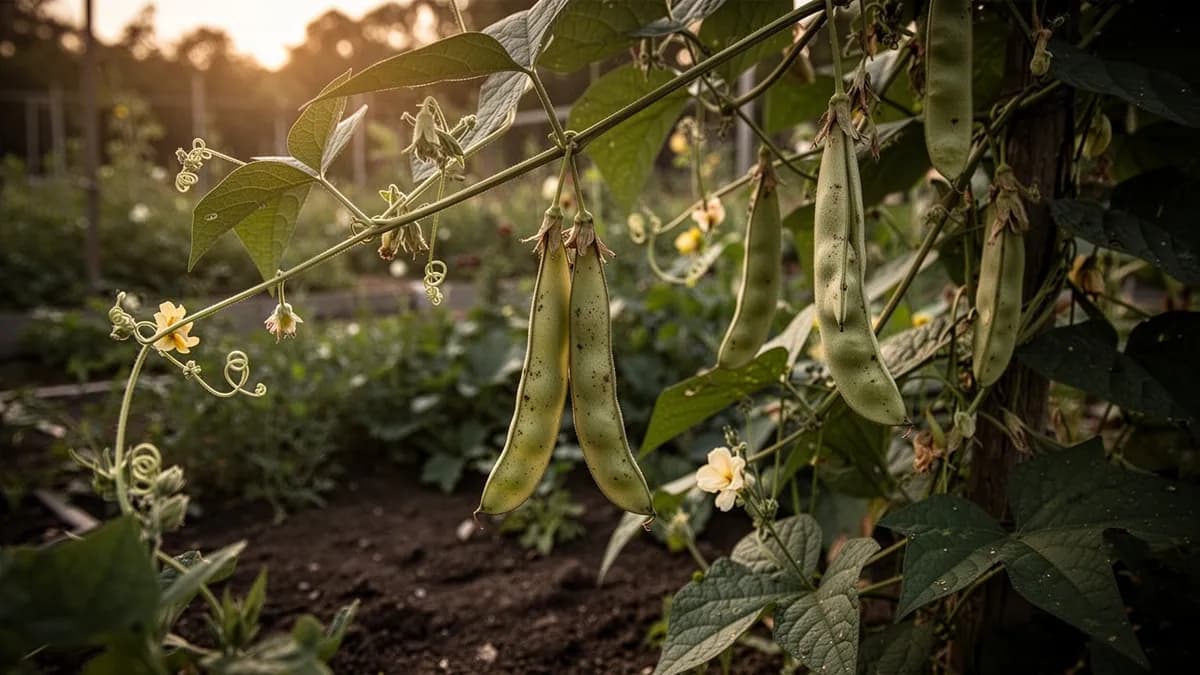
An extraordinary tropical legume where every part of the plant is edible, from the four-winged pods to the leaves, flowers, and tuberous roots. Young pods have a flavor reminiscent of asparagus and green beans, and the frilly wings add a unique texture to stir-fries. Plants are vigorous climbers that need short day length to flower in temperate zones, often not producing pods until late summer. In tropical climates, tubers can also be harvested and cooked like potatoes for a complete food source.
When to plant Winged Bean
Winged bean seeds have a hard coat that benefits from scarification before planting. Nick the seed coat with a file opposite the hilum or soak in warm water for 24 hours to improve germination. Sow seeds 1-2 inches deep in warm soil after all frost danger has passed. Seeds germinate in 10-21 days at 75-85°F soil temperature. In temperate climates, start indoors in individual biodegradable pots 4-6 weeks before transplanting to avoid root disturbance. Inoculate seeds with cowpea-type Rhizobium for nitrogen fixation. Space transplants 12-18 inches apart along trellising.
Your Winged Bean Year
Composed for Zone 7 · typical seasons · frost passes Apr 2, returns Nov 1
Plant Winged Bean May – Jun, pick Aug – Oct. Check the planting methods below and set your climate to personalize these windows.
How to grow Winged Bean
Winged bean is a tropical vine that requires warm temperatures and specific daylength conditions to flower and produce pods. In tropical regions near the equator, plants flower naturally under short-day conditions. In temperate zones, flowering may be delayed until late summer when days shorten, or use day-neutral varieties. Sow seeds directly after frost danger passes and soil warms to 70°F, planting 1-2 inches deep and 12-18 inches apart.
Provide strong trellising at least 6-8 feet tall, as vines are vigorous climbers that produce heavy foliage and pods. Water consistently, providing 1-1.5 inches per week, with increased irrigation during flowering and pod development. As a nitrogen-fixing legume, winged bean requires minimal nitrogen but benefits from phosphorus and potassium applications. Mulch heavily to maintain soil moisture and suppress weeds around the base of plants.
For leaf harvest, begin picking young tender leaves when plants are well-established. Flowers can be harvested as they appear and used in salads. For pod production, allow plants to flower and set pods, harvesting when pods are 6-8 inches long and still tender. In tropical regions, the tuberous roots can be dug after the plant dies back, providing an additional starchy food source similar to potatoes.
32 plants fit a 4 × 8 ft bed
Each Winged Bean wants 30 cm of elbow room. The planner keeps that spacing for you — every plant, every bed.
Winged Bean's best neighbours
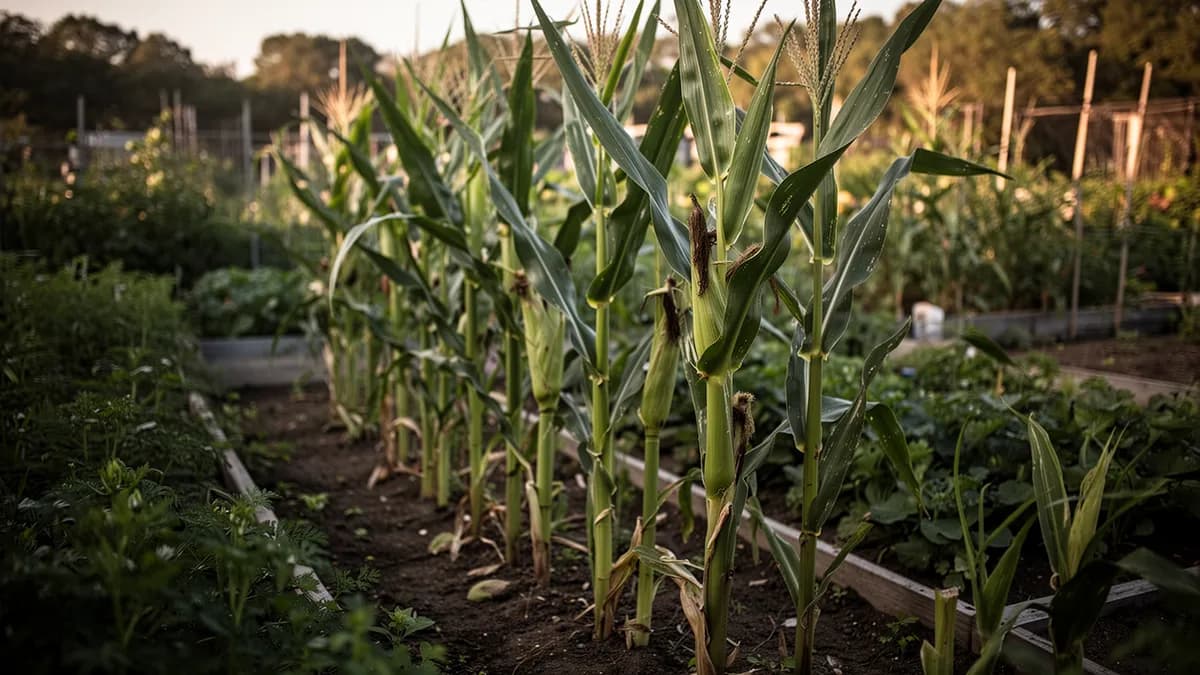
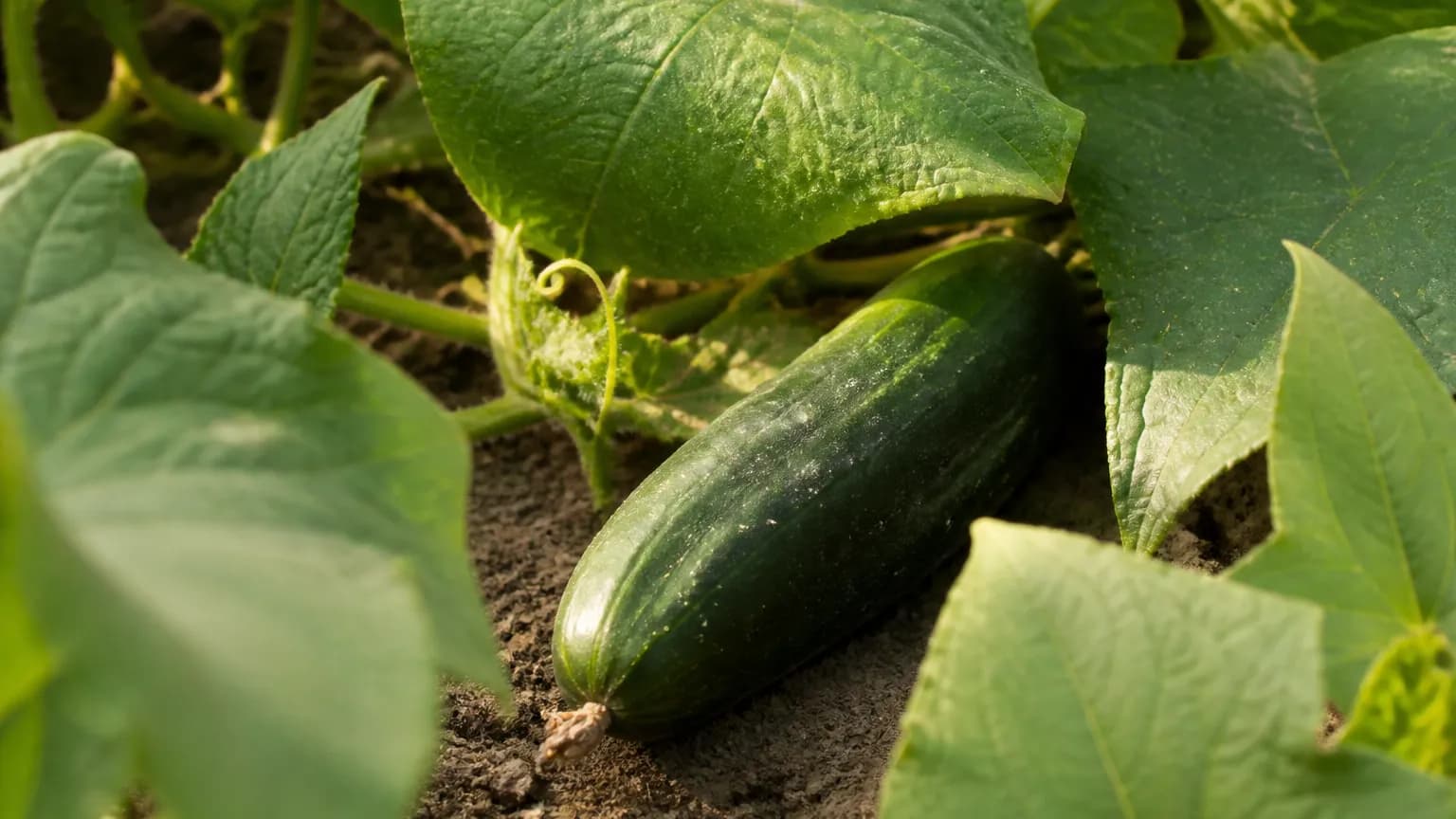
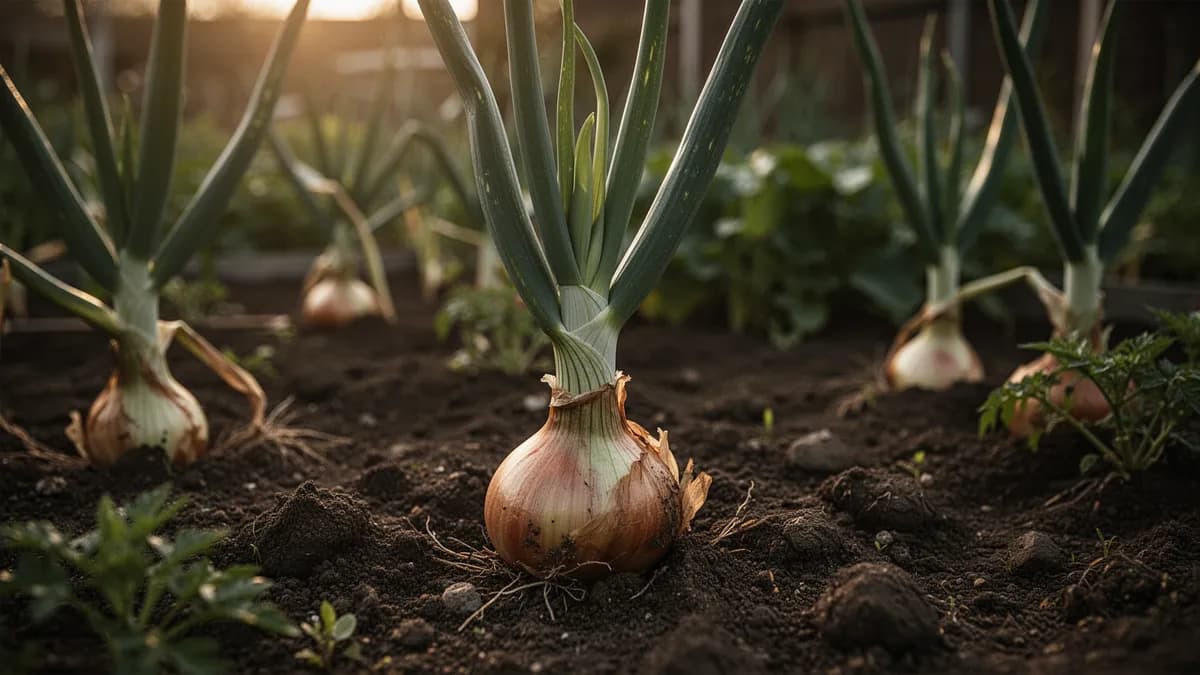
Winged bean grows well with corn, which provides natural trellising support for the climbing vines. Interplanting with cucumbers or other cucurbits makes efficient use of space as they occupy different vertical zones. As a nitrogen fixer, winged bean enriches soil for subsequent crops. Avoid planting near alliums like onions which can inhibit nitrogen-fixing bacteria. Marigolds planted nearby help deter aphids and other pests. In tropical polyculture systems, winged bean thrives under the partial shade of banana or papaya plants.
Corn belongs beside it. Onion doesn't.
Old growers' knowledge, checked against Winged Bean's real companion table below — test any plant you're growing.
Try Winged Bean in a bed — right here
A real planner bed with Winged Bean already in it. Tap a companion to place it and watch the pairing checks answer — green for good neighbours, red for a clash.


Related growing guides
Feed it well
Winged bean prefers well-drained, fertile loamy soil with a pH of 5.5-7.0. Inoculate seeds with appropriate Rhizobium strain for optimal nitrogen fixation. Apply a balanced fertilizer low in nitrogen at planting, with supplemental phosphorus and potassium to support pod and tuber development. Side-dress with compost during the growing season. For tuber production, ensure loose, deep soil that allows roots to expand. Avoid heavy clay soils that impede tuber growth and cause waterlogging during rainy seasons.
Ideal Temperature
Hardiness Zone Compatibility
From seed to harvest, stage by stage
Seed Starting
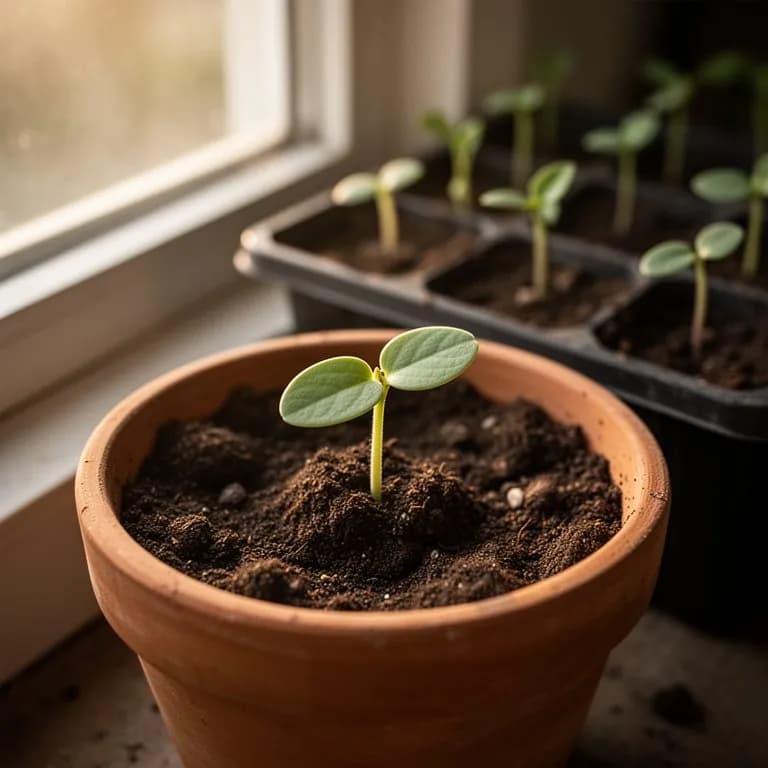
Winged bean seeds are large and kidney-shaped with a hard coat that benefits from pre-soaking. Germination takes 7-14 days in warm soil. The first structure to emerge is a sturdy hypocotyl that lifts the cotyledons above the soil surface. Seeds require soil temperatures of at least 20°C (68°F) for reliable germination, and perform best at 25-30°C (77-86°F).
Seedling Growth
True trifoliate leaves develop rapidly, each consisting of three broad leaflets on a long petiole. The stem begins its characteristic twining behavior, spiraling around any available support. Root nodules start forming where nitrogen-fixing rhizobium bacteria colonize the roots, visible as small pinkish bumps if you gently uncover a root.
Vigorous Vine Growth
Vines enter a rapid climbing phase, producing abundant foliage and branching laterally. The plant can grow 3-4 meters tall under ideal tropical conditions. Dense trifoliate leaves create a lush canopy. Underground, the root system expands and nitrogen-fixing nodules become fully active, supplying much of the plant's own nitrogen needs.
Flowering
Beautiful butterfly-shaped flowers appear in racemes of 2-10 blooms, ranging in color from pale blue to lavender to deep purple depending on variety. Winged bean is a short-day plant in the tropics, meaning flowering is triggered when day length shortens below approximately 12 hours. In temperate regions, this can delay flowering until late summer or early autumn. Flowers are self-pollinating but benefit from bee visits.
Pod Development
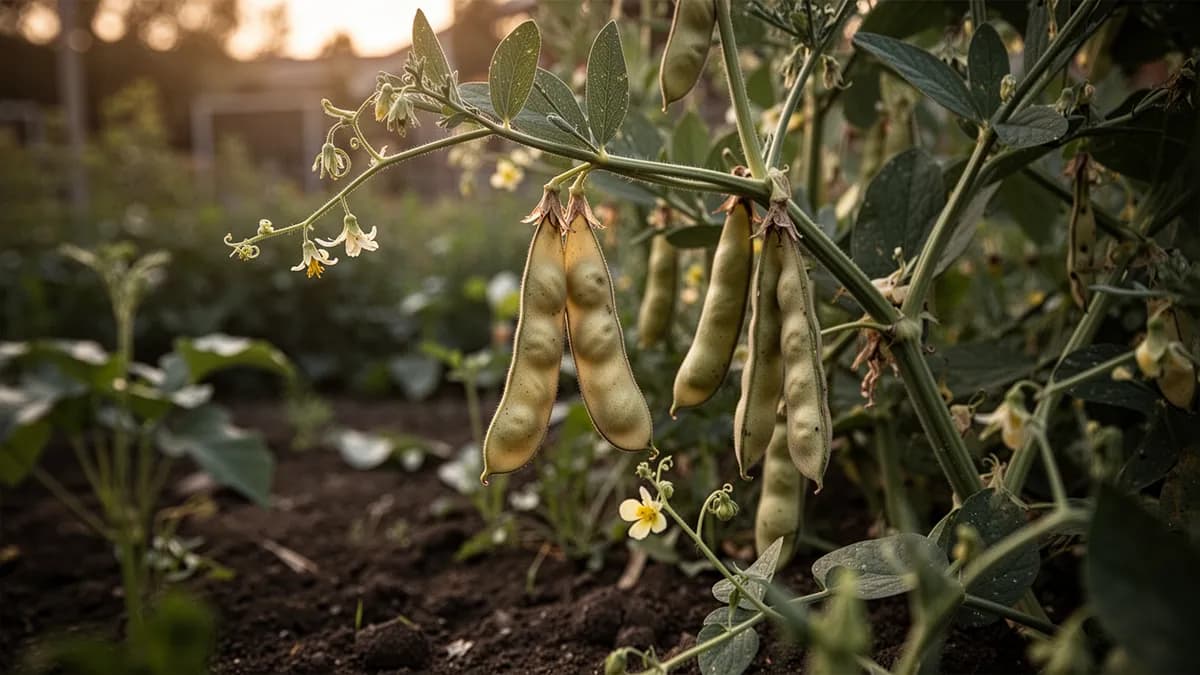
Pods develop quickly from pollinated flowers, elongating into their distinctive shape with four longitudinal winged ridges running the full length. Young pods are tender, crisp, and ready for harvest at 10-15 cm. Left to mature, pods reach 15-25 cm and seeds swell to fill the pod, eventually drying to hard brown seeds at full maturity.
Continued Harvest and Tuber Formation
The plant continues producing flowers and pods for 6-10 weeks under favorable conditions. Meanwhile, tuberous roots develop underground — these swollen, protein-rich tubers can be harvested at the end of the season. As the plant matures, allow some pods to ripen fully on the vine for seed saving. Tubers reach harvestable size of 5-15 cm after 4-5 months of growth.
Soak seeds in warm water for 12-24 hours before planting to soften the seed coat and speed germination. Inoculate with cowpea-type rhizobium bacteria if winged beans have not been grown in your soil before — this dramatically improves the plant's nitrogen-fixing ability. Plant seeds 2-3 cm deep directly into warm soil or in deep 10 cm pots for transplanting.
Caring for Winged Bean month by month
What to do each month for your Winged Bean
October
You are hereContinue harvesting pods. Allow some pods to mature fully on the vine for seed saving — mature pods turn brown and dry. As the growing season winds down, reduce watering to encourage tuber development underground.
Know exactly what to do in your garden — every month
One email at the start of each month: what to sow, plant, and tackle right now — for your Winged Bean and everything growing around it. Plus a short starter course that helps you dodge the classic mistakes.
- What to do, right now
- Matched to your season
- Starter course included
Harvesting Winged Bean
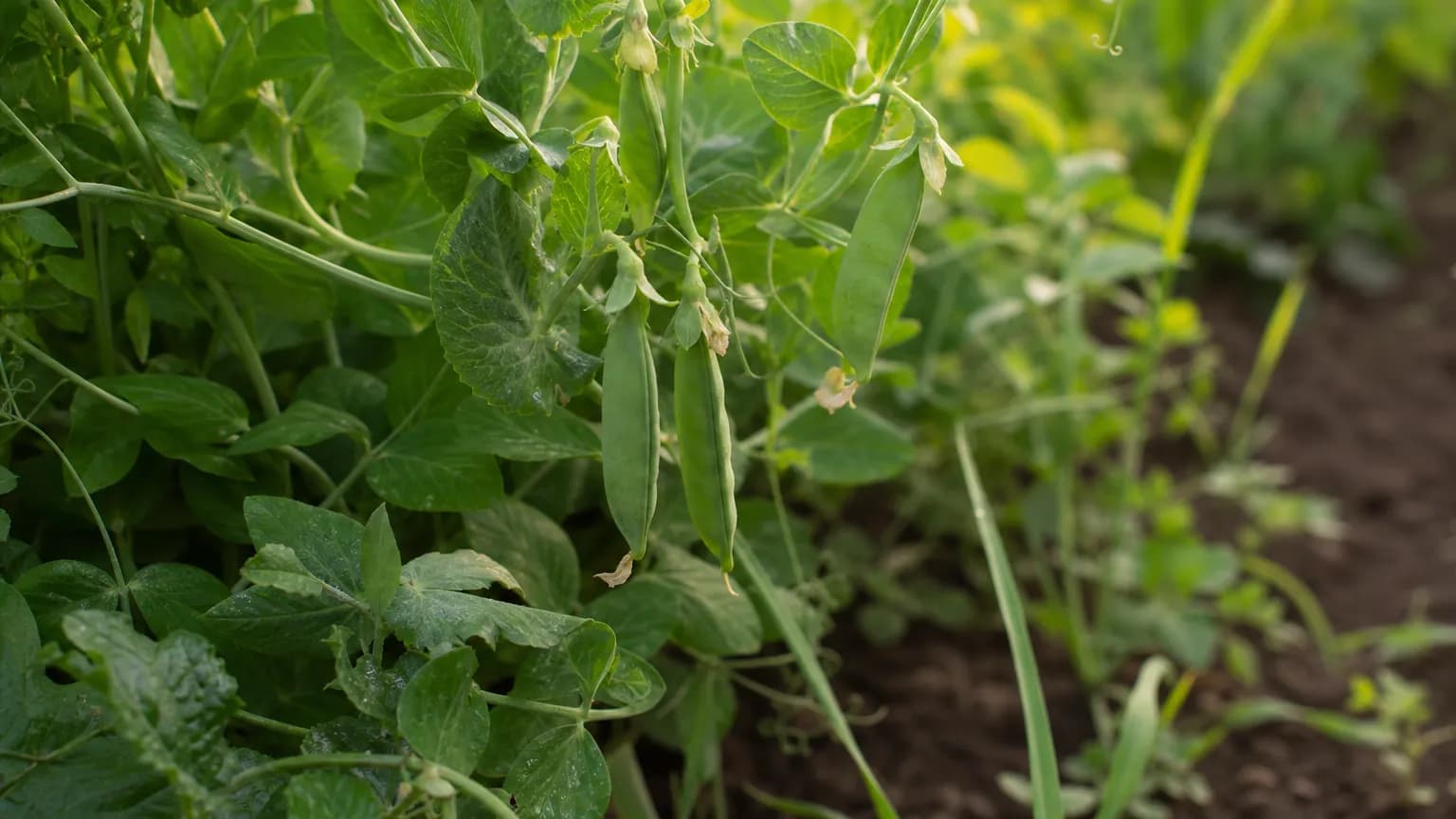
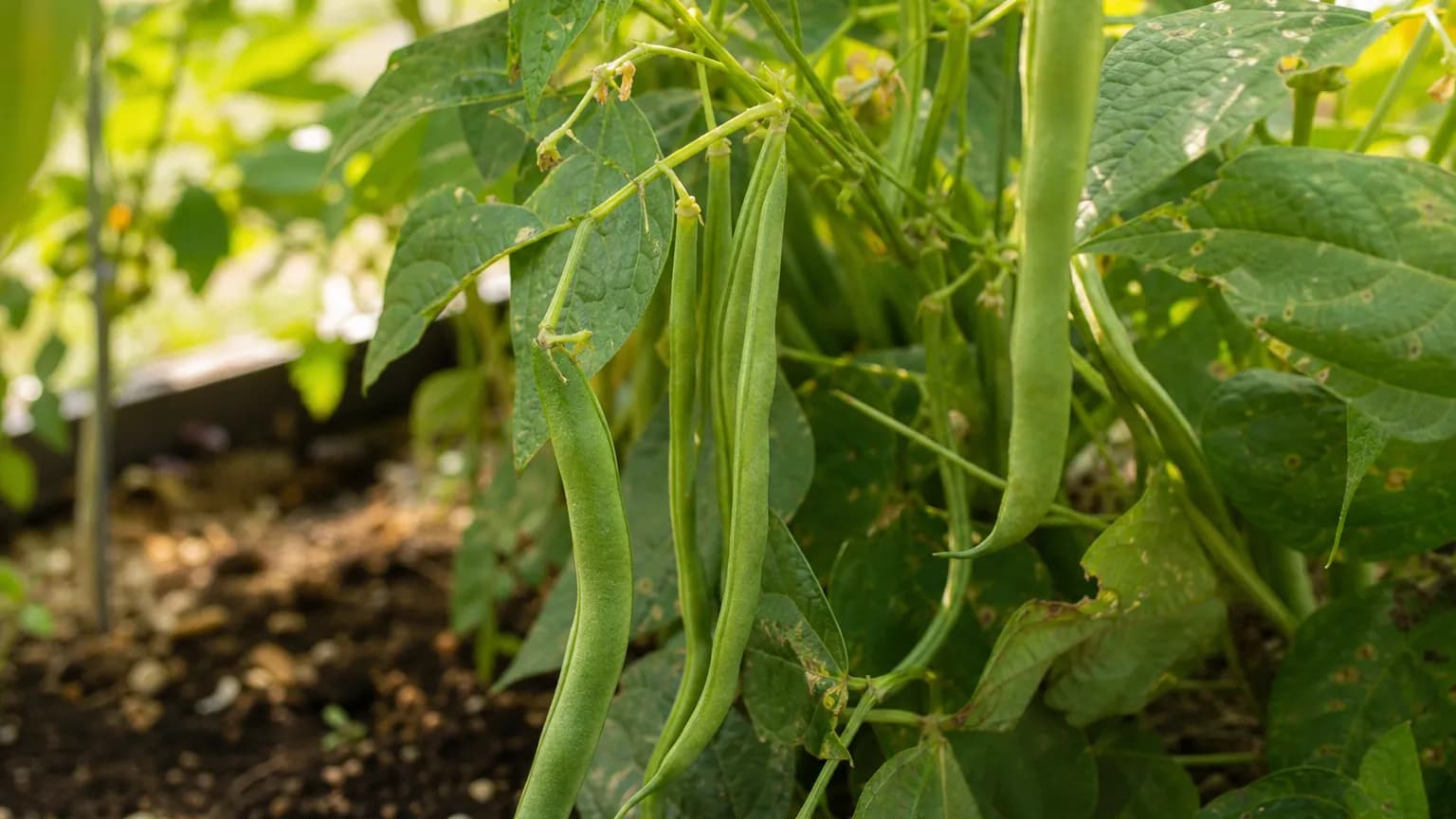
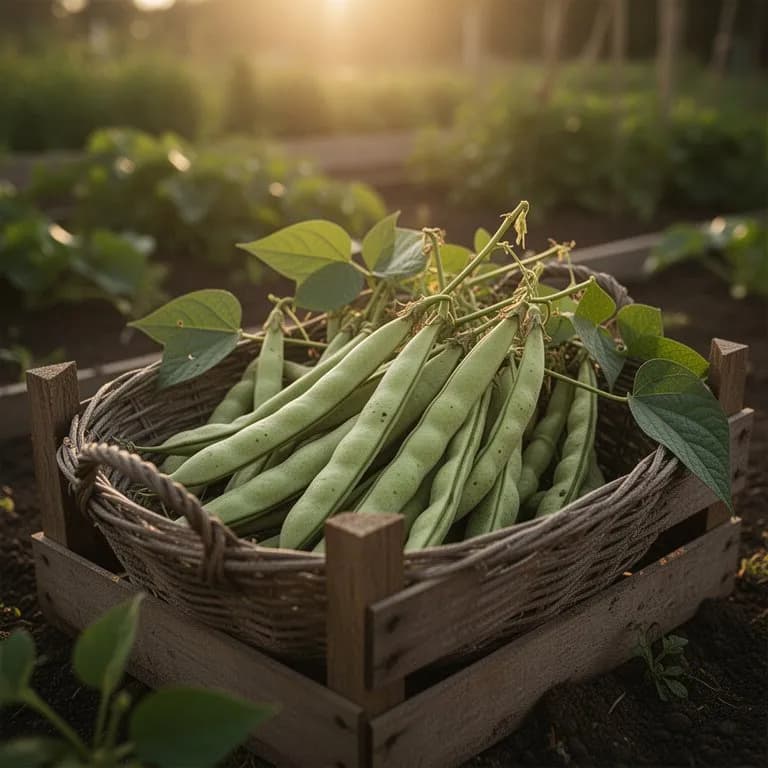
Winged bean offers multiple harvests from a single plant. Pick young pods when 6-8 inches long and wings are still soft and tender, typically 10-14 days after flowering. Pods become tough and fibrous if left too long. Harvest leaves as needed, selecting young tender growth from the top of vines. Flowers can be picked as they open for fresh use in salads. For dry seed production, leave pods on the vine until fully brown and dry. In tropical climates, dig tuberous roots after the above-ground plant dies back, typically yielding 1-3 pounds of starchy tubers per plant.
assuming you plant when the window opens — set your real date
Pick Winged Bean promptly and the plant keeps producing.
Storage & Preservation
Fresh winged bean pods are best used within 2-3 days of harvest, stored in the refrigerator in a perforated plastic bag. Pods can be blanched and frozen for longer storage of up to 6 months. Young leaves wilt quickly and should be used the day of harvest. Dried seeds store well for 1-2 years in airtight containers in cool, dry conditions. Tubers should be stored like potatoes in a cool, dark, well-ventilated area for up to 2 weeks. For seed saving, allow pods to fully dry on the vine before harvesting and cleaning.
What goes wrong — and the fix
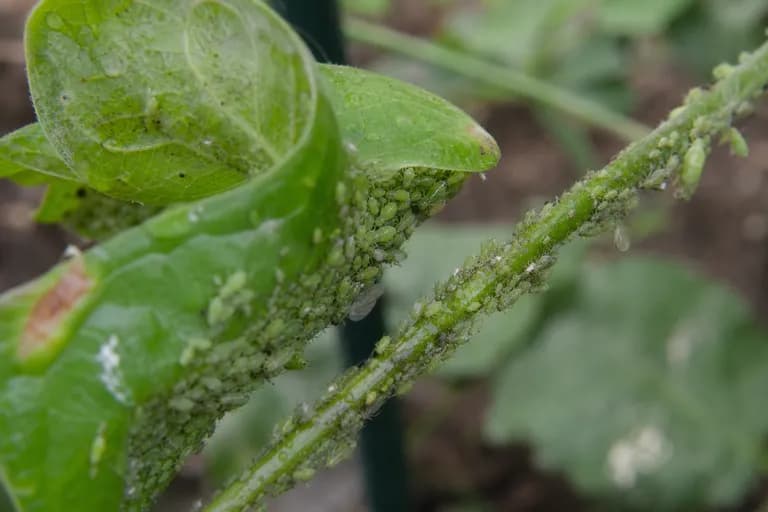
Aphids
PestClusters of small green or black insects on growing tips and undersides of leaves, sticky honeydew, curled leaves.
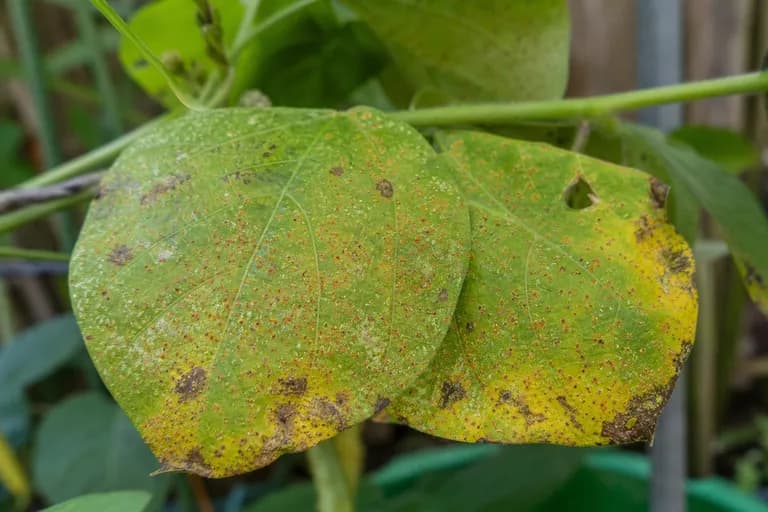
False Rust
DiseaseOrange-brown pustules on leaf undersides, yellowing leaves, premature defoliation in severe cases.
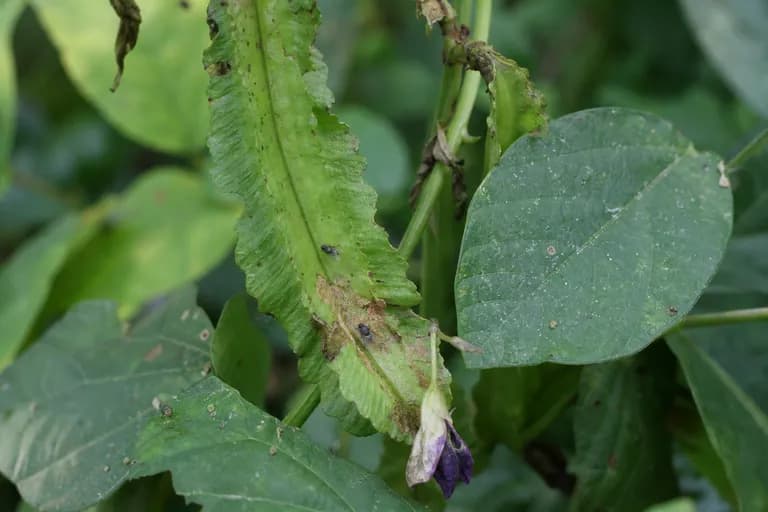
Bean Pod Fly
PestSmall dark flies around plants, larvae tunneling inside pods, scarred and distorted pods, premature pod drop.
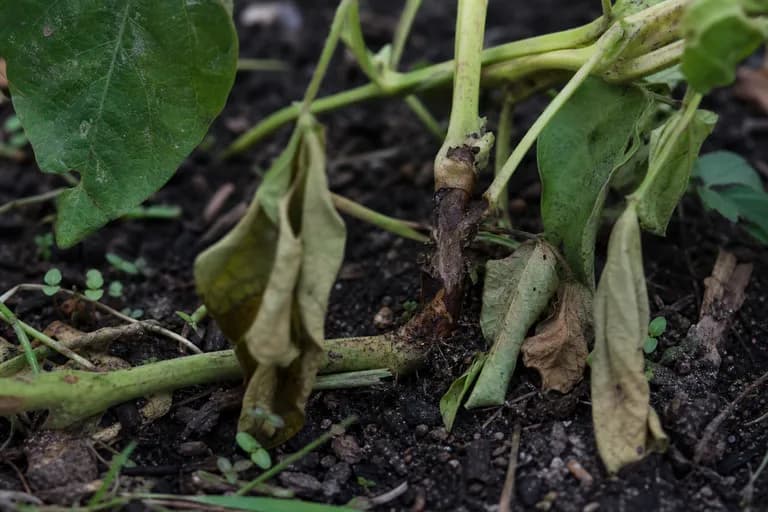
Collar Rot
DiseaseDark brown lesion at base of stem, plant wilting despite adequate water, eventual plant death.
Troubleshooting Common Problems
The most frustrating issue in temperate climates is late or absent flowering due to daylength sensitivity, with many varieties requiring short days to initiate flowers. Day-neutral varieties help solve this problem. Excessive nitrogen promotes vine growth at the expense of pods and tubers. Pods become tough and stringy very quickly once past optimal harvest stage, requiring daily checks during peak production. Spider mites can be problematic in hot, dry conditions. Poor pollination leads to misshapen pods with few seeds.
Growing Tips
- Inoculate seeds with cowpea-type rhizobium bacteria before first-time planting. Winged bean is a legume that forms a symbiosis with nitrogen-fixing bacteria in root nodules — without the right bacteria present in your soil, the plant loses its ability to produce its own nitrogen and will require much more fertilizer to perform well.
- Build a sturdy trellis at least 2-3 meters tall before planting. Winged bean is a vigorous twining climber that needs strong vertical support. Bamboo teepees, cattle panels, sturdy netting, or string trellises all work well. The vine becomes heavy with foliage and pods, so lightweight supports will fail.
- Be aware of photoperiod sensitivity. Traditional tropical winged bean varieties only flower when day length drops below approximately 12 hours — in temperate regions above 25 degrees latitude, this means no flowers until late summer or autumn, which may not leave enough time for a good pod harvest before frost. Seek out day-neutral or long-day-adapted varieties bred for temperate growing.
- Harvest pods young and often for the best eating quality. Pods at 10-15 cm are tender, crisp, and sweet. Once pods exceed 20 cm, the wings become tough and fibrous, and the seeds inside begin to harden. Regular picking every 2-3 days stimulates the plant to keep producing.
- Do not over-fertilize with nitrogen. As a nitrogen-fixing legume, winged bean produces much of its own nitrogen through root nodule bacteria. Excess nitrogen fertilizer actually suppresses nodule formation and wastes money. A light application of phosphorus and potassium at planting is usually sufficient.
- Harvest the bonus crops. Beyond pods, winged bean offers edible young leaves (cook like spinach), flowers (add fresh to salads), tender shoot tips (stir-fry), and tuberous roots (peel and boil or roast like potato). Using all these parts maximizes the plant's extraordinary productivity.
- Water consistently but ensure good drainage. Winged bean thrives in humid tropical conditions with regular rainfall, but standing water around the roots causes rot. Raised beds or mounded rows work well in areas with heavy rainfall or clay soils.
- Save seeds from your healthiest, most productive plants. Allow a few pods to mature fully on the vine until they turn brown and dry. Shell out the large seeds and dry them completely before storing in a cool, dry place. Winged bean seeds remain viable for 2-3 years and a single pod contains 8-15 seeds — more than enough for next season.
Grow your best Winged Bean yet — and everything around it.
Start a free plan today. Lay out your beds, drop in your Winged Bean, and let PlotMyGarden handle the timing, spacing, companions and reminders from seed to harvest basket.
Pick your Winged Bean
Chimbu
High-yielding variety from Papua New Guinea, produces long tender pods, excellent for tropical gardens.
Day Neutral
Bred for temperate climates, flowers regardless of daylength, allowing pod production in longer summers.
UPS 99
Indonesian selection with high tuber production, dual-purpose variety for pods and root harvest.
SLS 47
Sri Lankan variety with high protein seeds and good pod quality, widely adapted to tropical lowlands.
Winged bean seeds from specialty suppliers cost $4-8 per packet, but a single plant produces abundant seeds for saving — one successful crop provides a lifetime supply of planting stock. Fresh winged beans are rare and expensive outside of Asian markets, selling for $6-12 per pound where available. Growing 4-6 plants can produce 6-18 kg of fresh pods, worth $80-200 at market prices. The bonus harvest of tuberous roots, edible leaves, and flowers adds further value. As a nitrogen-fixing legume, winged bean also enriches your soil, reducing fertilizer costs for subsequent crops.
Quick recipes
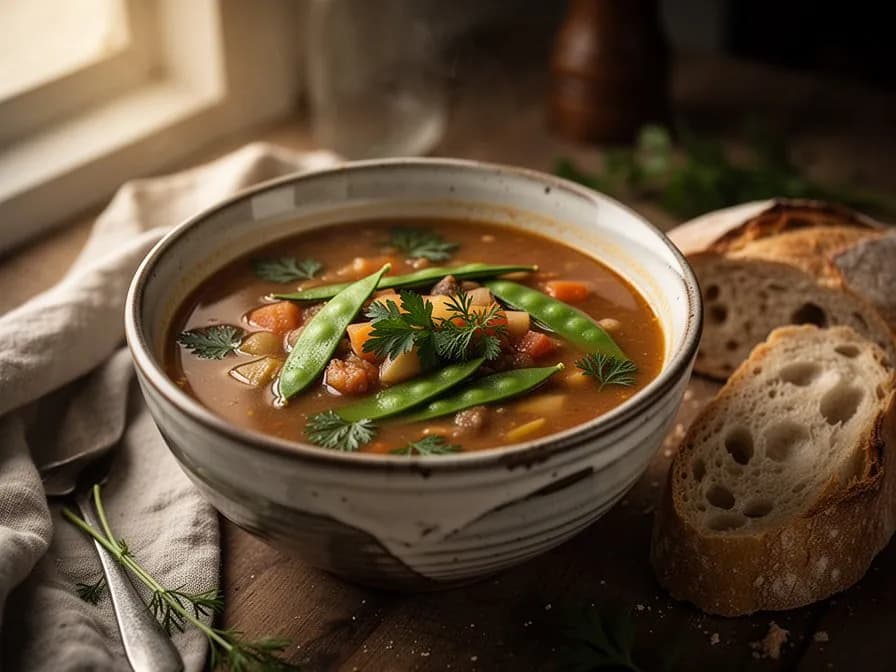
Stir-Fried Winged Beans with Garlic and Shrimp Paste
15 minA classic Southeast Asian preparation where crisp young winged bean pods are sliced and flash-fried with pungent shrimp paste, garlic, and chili. The pods retain their distinctive crunch and absorb the savory umami flavors beautifully.
8 ingredientsKerabu Kacang Botol (Malaysian Winged Bean Salad)
20 minA vibrant Malaysian salad where thinly sliced raw or blanched winged beans are tossed with toasted coconut, dried shrimp, lime, and chili. This refreshing dish showcases the pod's natural crunch and mild, asparagus-like sweetness.
8 ingredientsWinged Bean and Coconut Curry
30 minA mild and creamy Sri Lankan-inspired curry where winged bean pods simmer gently in spiced coconut milk until tender but still slightly crisp. The pods absorb the fragrant curry sauce while maintaining their unique winged shape.
10 ingredientsCulinary Uses
Winged bean is one of the most versatile food plants in the tropics. Young pods are sliced and stir-fried, steamed, or added to curries and salads, offering a crisp texture similar to green beans with a nutty flavor. Flowers are edible raw in salads or lightly sauteed. Young leaves are cooked like spinach. Mature seeds are roasted, boiled, or ground into flour with protein content rivaling soybeans. Tubers are boiled, roasted, or fried like potatoes, with a sweet, nutty flavor.
What's inside
Health Benefits
- Winged bean pods provide approximately 3g of protein per 100g — higher than most green vegetables — while mature seeds rival soybeans with 30-37% protein content, making this plant an outstanding protein source for plant-based diets.
- Rich in vitamin C, providing 20% of the daily value per 100g of young pods, supporting immune defense, collagen production, and enhanced absorption of plant-based iron from the same meal.
- Contains significant iron and calcium compared to other green vegetables, addressing two nutrients commonly lacking in tropical diets and plant-based eating patterns.
- The tuberous roots provide an exceptionally high protein content for a root vegetable at 10-15% by dry weight, offering a unique combination of starchy energy and protein in a single food.
- High in dietary fiber that supports digestive regularity, feeds beneficial gut bacteria, and helps moderate blood sugar response after meals — particularly valuable when pods are consumed with their crunchy wings intact.
- Contains a broad spectrum of B vitamins including thiamine, riboflavin, and niacin that support energy metabolism, along with antioxidant compounds including phenolic acids and flavonoids that may help reduce oxidative stress and inflammation.
Where Winged Bean comes from
Winged bean (Psophocarpus tetragonolobus) is native to the humid tropics of Southeast Asia and Papua New Guinea, where it has been cultivated for thousands of years. The plant's wild ancestors are believed to have originated in the region spanning from Madagascar through tropical Asia to Papua New Guinea. Archaeological evidence from the New Guinea highlands suggests that winged bean was among the earliest cultivated plants in Melanesia, with a history of cultivation stretching back at least 5,000 years. It was a staple crop of highland peoples long before the arrival of sweet potato and other now-common tropical crops.
Throughout Southeast Asia, winged bean has been deeply integrated into traditional agriculture and cuisine for centuries. In Myanmar, Thailand, Malaysia, Indonesia, the Philippines, and Papua New Guinea, every part of the plant is used — young pods in stir-fries and curries, mature seeds as a protein source, leaves as a cooked green, flowers in salads, and tuberous roots as a starchy vegetable. The plant thrives in the hot, humid conditions of the tropics and fixes its own nitrogen, making it an ideal crop for smallholder farmers with limited access to fertilizers.
Winged bean gained international attention in 1975 when the United States National Academy of Sciences published 'The Winged Bean: A High-Protein Crop for the Tropics,' which highlighted its extraordinary nutritional profile and potential to address protein malnutrition in developing countries. This report triggered a wave of research and development programs across tropical Africa, Asia, and Latin America during the 1970s and 1980s. While the initial enthusiasm for winged bean as a global protein solution faded as the challenges of large-scale cultivation became apparent — particularly its short-day flowering requirement that limits it to tropical latitudes — the plant remains an important crop in its traditional growing regions. Today, renewed interest in diverse and sustainable food systems has brought winged bean back into the spotlight as a climate-resilient, nutrient-dense crop with untapped potential.
Winged Bean: did you know?
Fascinating facts about Winged Bean
Winged bean has been called the 'one species supermarket' because almost every part of the plant is edible — the young pods, mature seeds, tender leaves, flowers, shoots, and even the protein-rich tuberous roots can all be eaten, making it one of the most completely edible crop plants on Earth.
Winged Bean questions, answered
When should I plant Winged Bean?
What are good companion plants for Winged Bean?
What hardiness zones can Winged Bean grow in?
How much sun does Winged Bean need?
How far apart should I space Winged Bean?
What pests and diseases affect Winged Bean?
How do I store Winged Bean after harvest?
What are the best Winged Bean varieties to grow?
What soil does Winged Bean need?
Why isn't my winged bean flowering?
Can I grow winged bean in a temperate climate?
What do winged bean tubers taste like and how do I cook them?
Is winged bean really as nutritious as soybean?
How do I harvest winged beans without damaging the vine?
Can I eat winged bean leaves and flowers?
You just read the theory. Now grow it on autopilot.
Everything that makes Winged Bean fiddly — the timing, the spacing, the companions, the harvest window — is exactly what PlotMyGarden handles for you, for every plant in your garden.
A plan that knows your weather
Set your location once. Get sow, feed and harvest dates built around your real last-frost date and live forecast — no more guessing from a generic seed packet.
From the “When to plant” sectionDrag-and-drop bed planner
Design beds on a grid. Every plant snaps to its proper spacing, and you can see your whole season laid out before you spend a cent on seed.
From the “Growing guide” sectionCompanion conflicts, caught early
200+ good-and-bad pairings checked live as you plant — so a season-wrecking mistake never makes it into the ground.
From the “Companions” sectionReminders you'll actually act on
“Water the beans.” “Pick today before it turns.” Timely, specific, and tied to the plants you're really growing.
From the “Harvest” sectionSuccession, scheduled
Want a harvest for six weeks, not six days? It spaces your sowings automatically and reminds you when each new block is due.
From the “When to plant” sectionA record that gets smarter
Every harvest you log teaches it your garden. Next year's plan starts from what actually worked in your soil, not a textbook's.
From the “Overview” sectionPlant these alongside Winged Bean
More Legumes
Keep Winged Bean away from these
Grow your best Winged Bean yet — and everything around it.
Start a free plan today. Lay out your beds, drop in your Winged Bean, and let PlotMyGarden handle the timing, spacing, companions and reminders from seed to harvest basket.