Weißer Salbei
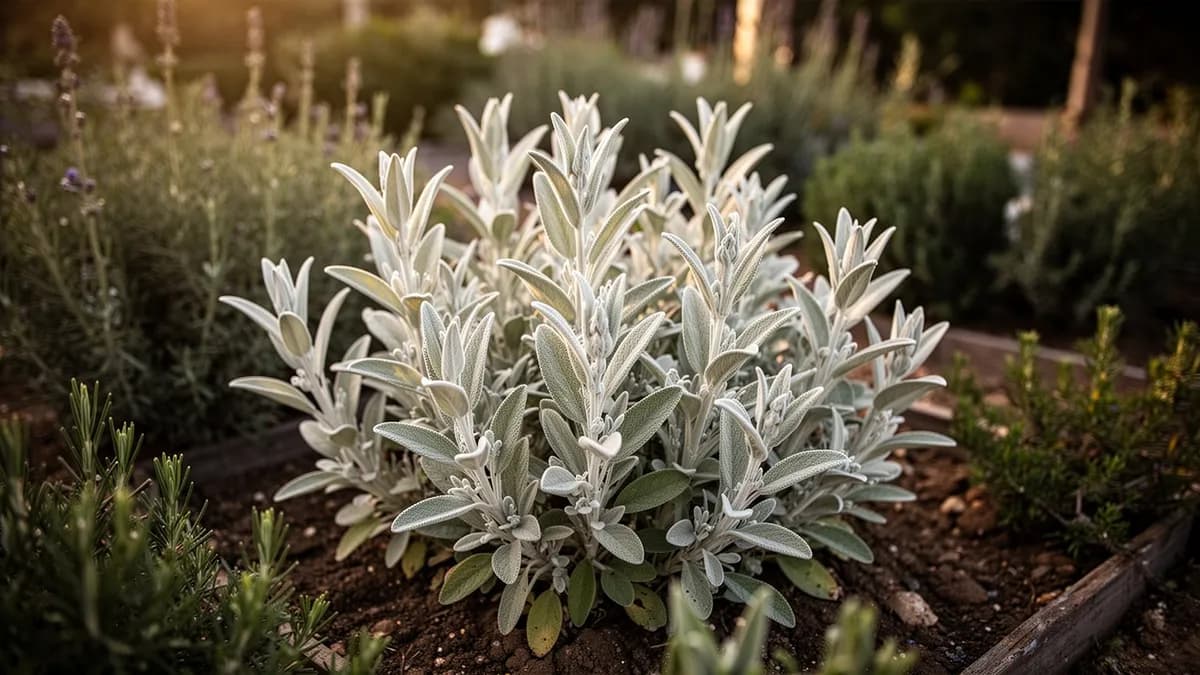
Eine auffallend schöne kalifornische Wildpflanze mit großen, weiß-filzigen Blättern, die einen intensiv aromatischen, harzigen Duft verströmen.





Auf dieser SeiteÜberblick
Weißer Salbei im Überblick
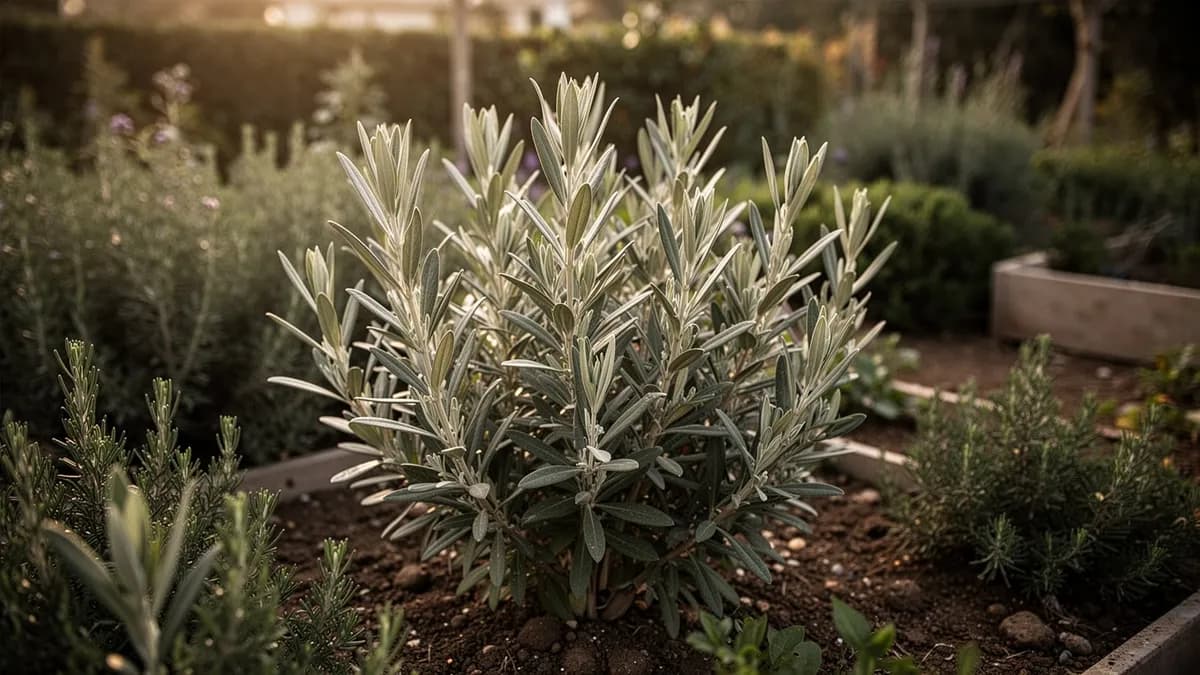
Eine auffallend schöne kalifornische Wildpflanze mit großen, weiß-filzigen Blättern, die einen intensiv aromatischen, harzigen Duft verströmen. Weißer Salbei wird traditionell in Räucherzeremonien der amerikanischen Ureinwohner verwendet, und die getrockneten Blätter verbrennen mit einem charakteristischen reinigenden Rauch. Pflanzen Sie ihn in voller Sonne mit ausgezeichneter Drainage und minimaler Bewässerung nach dem Anwachsen, da er äußerst trockenheitsverträglich ist.
Wann Weißer Salbei pflanzen
Weißer Salbei kann aus Samen gezogen werden, aber die Keimung ist langsam und erfordert Geduld. Säen Sie im Herbst oder frühen Frühling auf die Oberfläche von kaum feuchtem, kiesigem Kompost. Die Samen benötigen möglicherweise eine Rauchbehandlung oder Anritzen, um die Keimruhe zu brechen – das Einweichen in verdünnter Flüssigrauch-Lösung für 24 Stunden verbessert die Keimung. Bei 15–20 °C mit guter Beleuchtung halten. Die Keimung dauert 2–6 Wochen und ist oft unregelmäßig. Stängelstecklinge, die im Herbst von halbreifem Holz genommen werden, bewurzeln sich mit Bodenwärme, wobei die Erfolgsquote variiert. Pflanzen brauchen lange bis zur erntefähigen Größe – rechnen Sie mit 2–3 Jahren.
Dein Weißer Salbei-Jahr
Abgestimmt auf Zone 7 · typische Saison · Frost geht um den 2. Apr. und kehrt um den 1. Nov. zurück
Weißer Salbei Mär – Mai pflanzen, Jun – Sep ernten. Beachte die Pflanzmethoden unten und wähle dein Klima für passende Zeiträume.
So baust du Weißer Salbei an
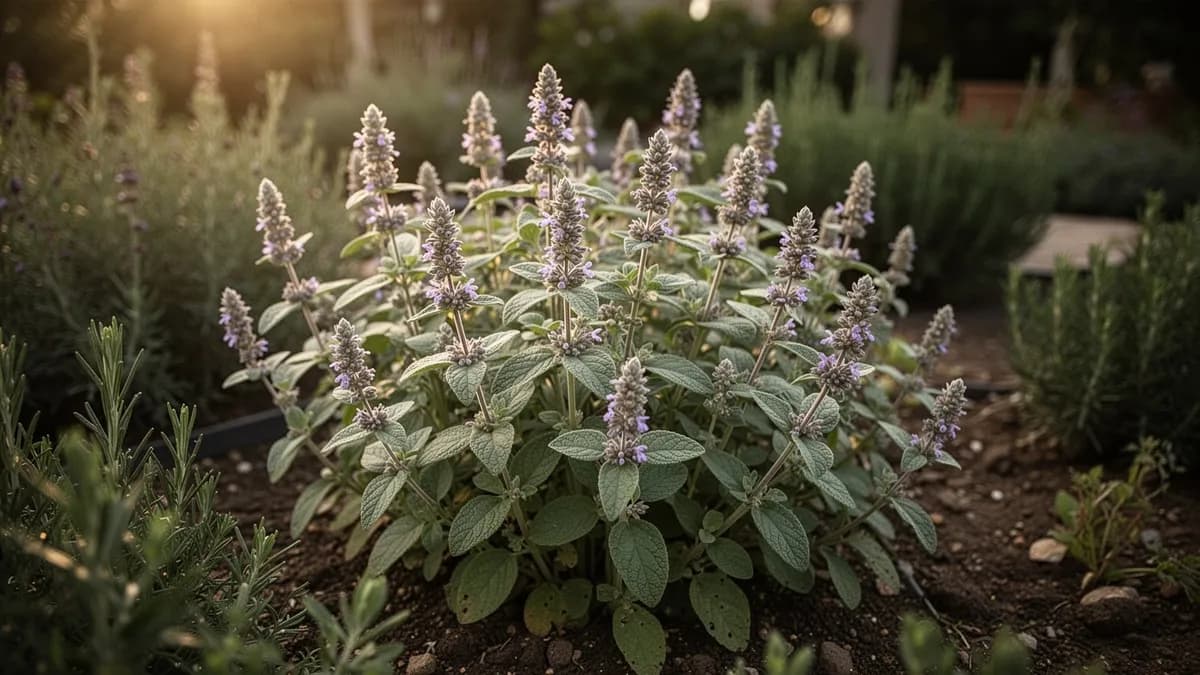
Weißer Salbei ist ein auffallend schöner, immergrüner Strauch, der in der Küstensalbeistrauchvegetation Südkaliforniens beheimatet ist und 90–150 cm hoch wird, mit großen, weiß-filzigen, aromatischen Blättern. Die gesamte Pflanze ist mit feinen weißen Härchen bedeckt, die ihr ein geisterhaftes, leuchtendes Aussehen verleihen. Im Frühling erscheinen Ähren mit weißen bis lavendelfarbenen Blüten, die für Bienen sehr attraktiv sind.
Pflanzen Sie ihn in voller Sonne mit magerem, extrem gut durchlässigem Boden. Weißer Salbei ist an heiße, trockene Sommer und milde, feuchte Winter angepasst – das klassische mediterrane Klimamuster. In seinem natürlichen Verbreitungsgebiet erhält er von Mai bis Oktober fast keinen Regen. Übermäßiges Gießen und schlechte Drainage sind die Hauptursachen für Misserfolge. In Regionen mit Sommerregen sind Hochbeete mit kiesigem, schnell drainierendem Boden unerlässlich.
Nach dem Anwachsen ist Weißer Salbei außergewöhnlich trockenheitsverträglich und sollte im Sommer selten gegossen werden. Tatsächlich wird sommerliches Gießen die Pflanze wahrscheinlich durch Wurzelfäule in warmem, nassem Boden abtöten. Lassen Sie den Boden zwischen den Wassergaben vollständig austrocknen. Schneiden Sie nach der Blüte leicht zurück, um die Form zu erhalten, aber vermeiden Sie Schnitte in altes, kahles Holz. Weißer Salbei wächst langsam bis mäßig schnell und kann unter geeigneten Bedingungen Jahrzehnte überdauern.
8 Pflanzen passen in ein Beet von 120 × 240 cm
Weißer Salbei braucht 60 cm Platz pro Pflanze. Der Planer hält diesen Abstand für dich ein — jede Pflanze, jedes Beet.
Die besten Nachbarn für Weißer Salbei
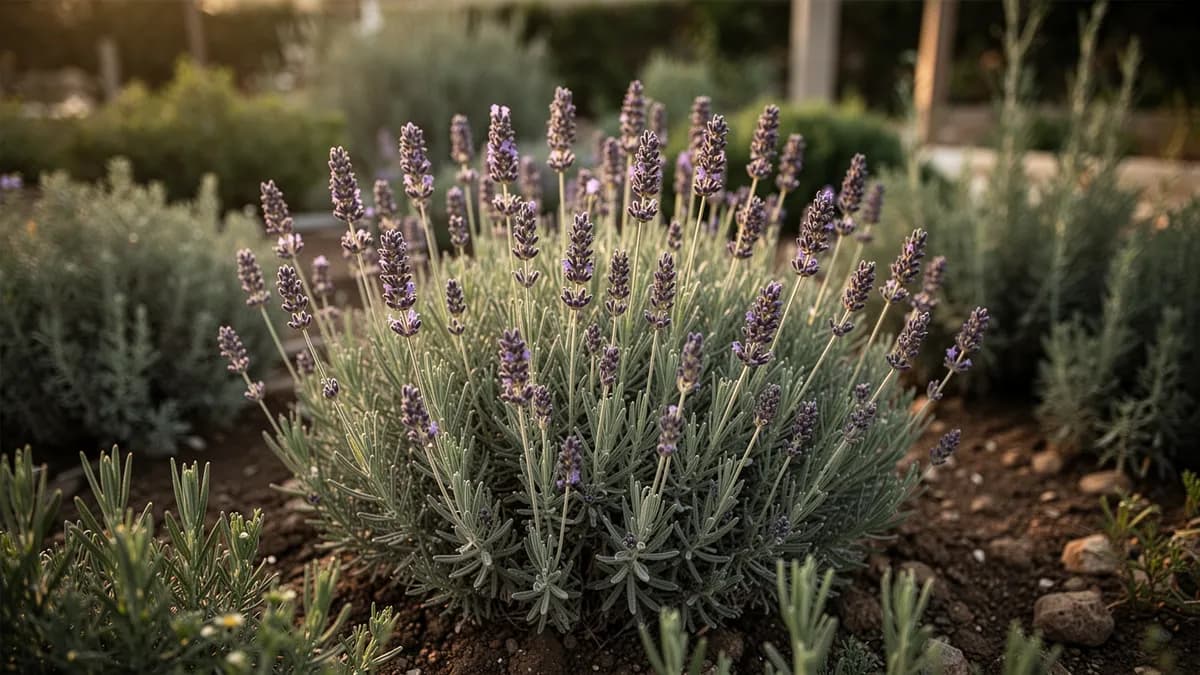
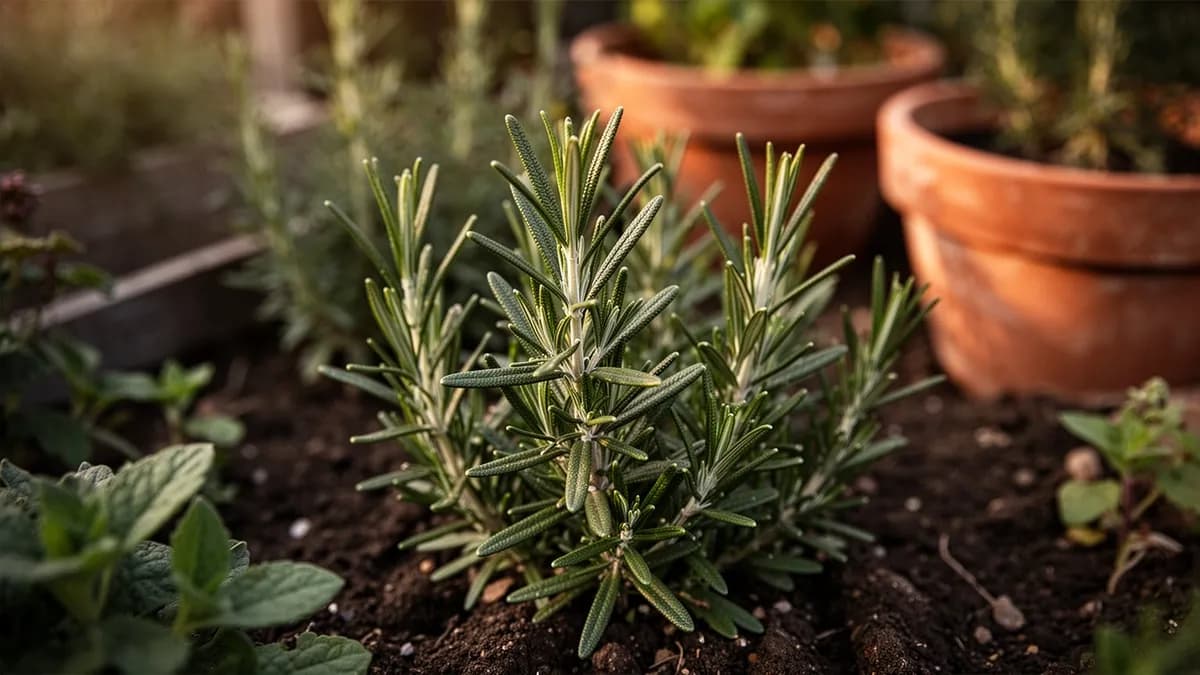
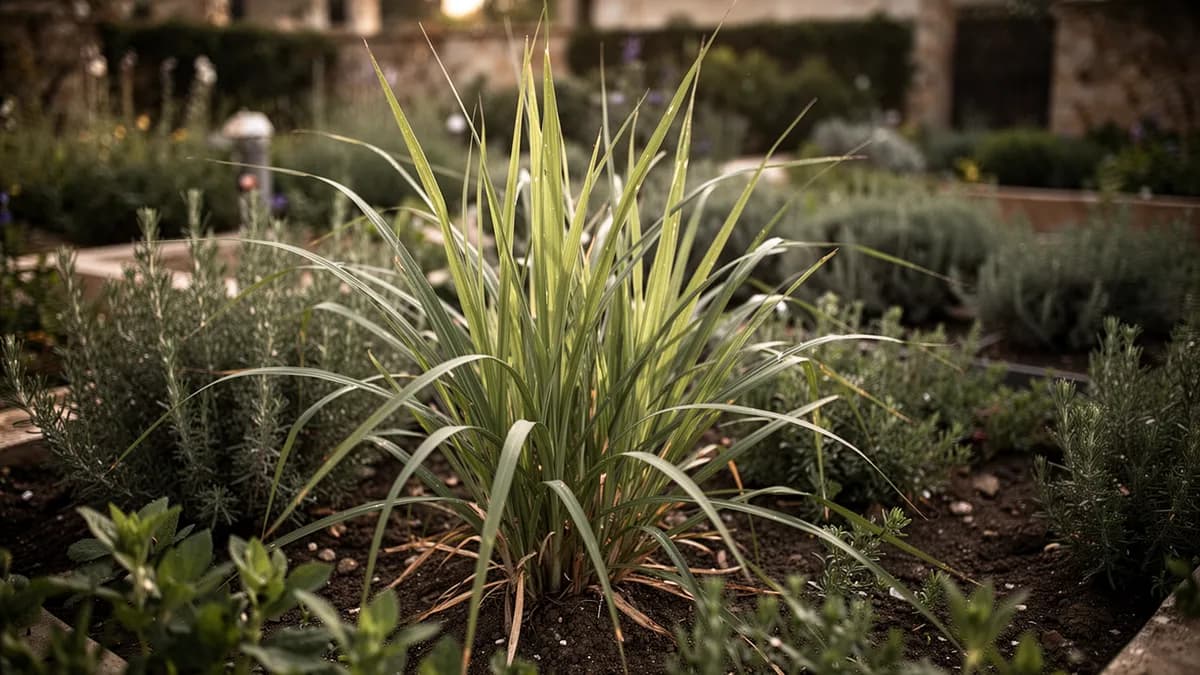
Weißer Salbei wird am besten zusammen mit anderen kalifornischen Wildpflanzen angebaut, die an dieselben trockenen Bedingungen angepasst sind, wie Cleveland-Salbei, Buchweizen, Kalifornischer Mohn und Manzanita. In Gärten mit mediterranem Klima passt er zu Rosmarin, Lavendel und anderen trockenheitsverträglichen Aromapflanzen. Das markante weiße Laub bildet einen atemberaubenden Kontrast zu dunklerlaubigen Begleitpflanzen.
Lavendel gehört daneben.
Altes Gärtnerwissen, geprüft an der echten Nachbartabelle von Weißer Salbei — teste jede Pflanze, die du anbaust.
Probiere Weißer Salbei direkt hier im Beet
Ein echtes Planer-Beet, Weißer Salbei steht schon drin. Tippe einen Begleiter an, platziere ihn und sieh, wie die Nachbarschaftsprüfung antwortet — grün für gute Nachbarn, rot bei Streit.


Passende Anbau-Ratgeber
Richtig düngen
Weißer Salbei verlangt außergewöhnlich gut durchlässigen, mageren Boden mit einem pH-Wert von 6,5–8,5. Sandige, kiesige oder verwitterte Granitböden sind ideal. Niemals mit reichem Kompost oder organischem Material verbessern – dies ahmt die kargen, mineralischen Böden seines natürlichen Chaparral-Lebensraums nach. Kein Dünger ist nötig oder erwünscht. In nicht-mediterranen Klimazonen in Töpfen mit einer Mischung aus 60 % Kies, 20 % Sand und 20 % lehmbasiertem Kompost anbauen.
Ideale Temperatur
Winterhärtezone-Kompatibilität
Von der Saat zur Ernte, Schritt für Schritt
Samenkeimung
Weiße-Salbei-Samen sind bekannt für ihre langsame und unregelmäßige Keimung. Säen Sie die Samen auf die Oberfläche einer gut durchlässigen, sandigen Aussaatmischung und drücken Sie sie leicht an, ohne sie zu bedecken. Die Samen benötigen Licht zum Keimen und Temperaturen zwischen 18–24 °C. Die Keimung dauert typischerweise 14–30 Tage bei Quoten oft unter 40 %.
Keimlingsentwicklung
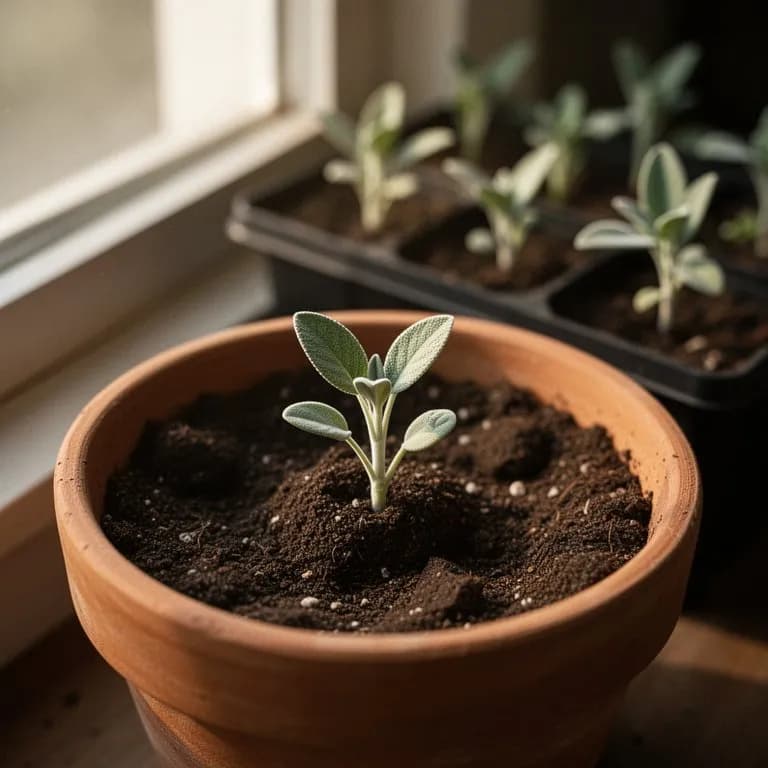
Winzige Keimlinge entwickeln ihre ersten echten Blätter, die anfangs grün sind und allmählich die charakteristische weiß-silberne Beschichtung entwickeln. Das Wachstum ist in dieser Phase extrem langsam. Keimlinge sind empfindlich und anfällig für Umfallkrankheit bei zu feuchten Bedingungen.
Jugendwachstum
Die junge Pflanze beginnt, ihre holzige Basis und Verzweigungsstruktur zu entwickeln. Die Blätter werden größer und nehmen ihr volles silbrig-weißes Erscheinungsbild an, wenn die Trichomdichte zunimmt. Die Pflanze bildet eine kompakte Rosette, bevor sie beginnt, sich nach außen und oben zu verzweigen.
Vegetative Reife
Die Pflanze erreicht eine beachtliche Größe von 60–150 cm Höhe und Breite und bildet einen abgerundeten, strauchigen Hügel. Die ätherischen Öle in den Blättern verstärken sich erheblich. Die holzige Basis verdickt sich und die Pflanze entwickelt ein tiefes Pfahlwurzelsystem, das an das Überleben langer Trockenperioden angepasst ist.
Blüte
Typischerweise im zweiten oder dritten Jahr treibt Weißer Salbei dramatische Blütenstängel, die 1–1,5 Meter hoch werden können. Die Stängel tragen Quirle aus weißen bis blass-lavendelfarbenen Röhrenblüten, die sich nacheinander von der Basis nach oben öffnen und wochenlang Nektar liefern. Weißer Salbei ist eine wichtige Bestäuberpflanze für einheimische Bienen.
Etablierte Staude
Eine vollständig etablierte Weiße-Salbei-Pflanze ist ein markantes Landschaftsexemplar. Das silbrige Laub bietet ganzjähriges visuelles Interesse und die Pflanze wird zunehmend trockenheitsverträglich. Unter idealen Bedingungen kann Weißer Salbei 15–20 Jahre oder länger leben, obwohl Gartenexemplare oft kürzere Lebensspannen haben.
Stratifizieren Sie die Samen 2–4 Wochen im Kühlschrank vor der Aussaat, um die Keimrate zu verbessern. Halten Sie die Oberfläche mit einem feinen Sprühnebel feucht, anstatt stark zu gießen, was die winzigen Samen verdrängen kann. Bodenwärme durch eine Heizmatte kann helfen.
Weißer Salbei Monat für Monat pflegen
Was du jeden Monat für deine Weißer Salbei tun solltest
Oktober
Aktueller MonatBereiten Sie Pflanzen auf den Winter vor, indem Sie herabgefallene Pflanzenreste um die Basis entfernen. Tragen Sie eine leichte Kies- oder Granitgranulatmulchschicht auf, um die Drainage rund um die Krone zu verbessern. Verwenden Sie keinen organischen Mulch nahe am Stängel, da er Feuchtigkeit speichert und Fäulnis fördert.
Immer wissen, was jetzt im Garten zu tun ist
Eine E-Mail zum Monatsanfang: was du jetzt säen, pflanzen und anpacken solltest — für deine Weißer Salbei und alles, was drumherum wächst. Dazu ein kurzer Startkurs, der dich vor den klassischen Fehlern bewahrt.
- Was jetzt zu tun ist
- Passend zu deiner Saison
- Startkurs inklusive
Weißer Salbei ernten
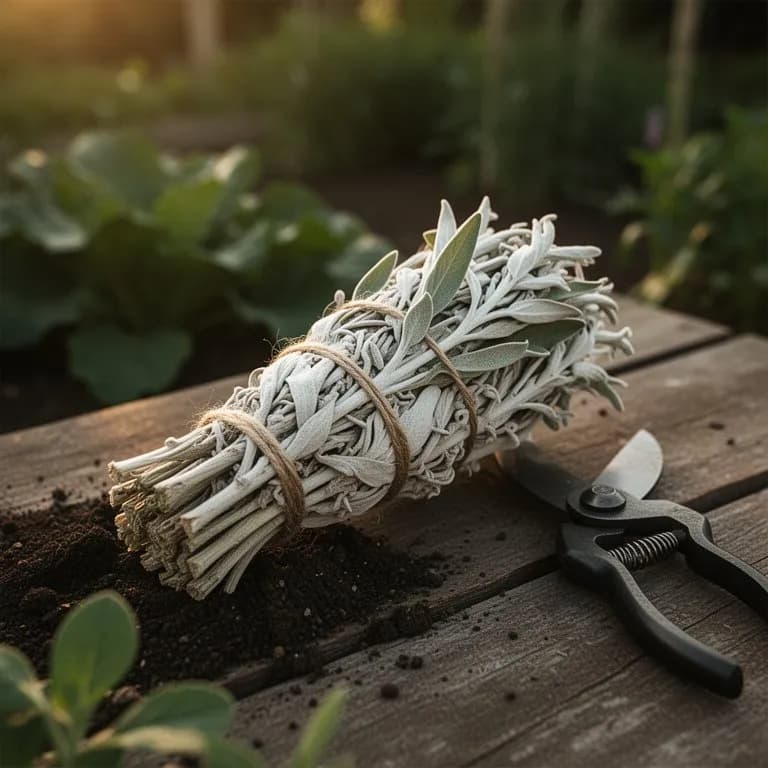
Ernten Sie jederzeit Blätter des Weißen Salbeis von etablierten Pflanzen, indem Sie einzelne Blätter oder kleine Zweige nehmen. Zum Bündeln schneiden Sie Zweige von 15–20 cm Länge und binden Sie diese fest mit Baumwollschnur zu Räucherbündeln zusammen. Die Blätter sind bei heißem Wetter am aromatischsten, wenn der Gehalt an ätherischen Ölen seinen Höhepunkt erreicht. Ernten Sie morgens, nachdem der Tau getrocknet ist. Bedenken Sie, dass wilde Populationen des Weißen Salbeis übermäßig geerntet werden – der eigene Anbau ist die ethische und nachhaltige Wahl.
angenommen, du pflanzt zu Beginn des Zeitraums — trage dein tatsächliches Datum ein
Ernte Weißer Salbei zügig, dann trägt die Pflanze weiter.
Lagerung & Konservierung
Trocknen Sie Blätter auf Gittern oder als gebundene Bündel in einem warmen, dunklen, gut belüfteten Bereich. Weißer Salbei trocknet schnell in 5–7 Tagen. Die getrockneten Blätter behalten ihren intensiven harzigen Duft über Jahre. Lagern Sie lose getrocknete Blätter in Papiertüten oder Glasgefäßen. Fertige Räucherbündel sollten vor Gebrauch oder Lagerung vollständig getrocknet werden (2–3 Wochen). Beim Verbrennen erzeugt getrockneter Weißer Salbei einen dichten, aromatischen weißen Rauch mit einem charakteristischen reinigenden Duft.
Was schiefgeht — und die Lösung
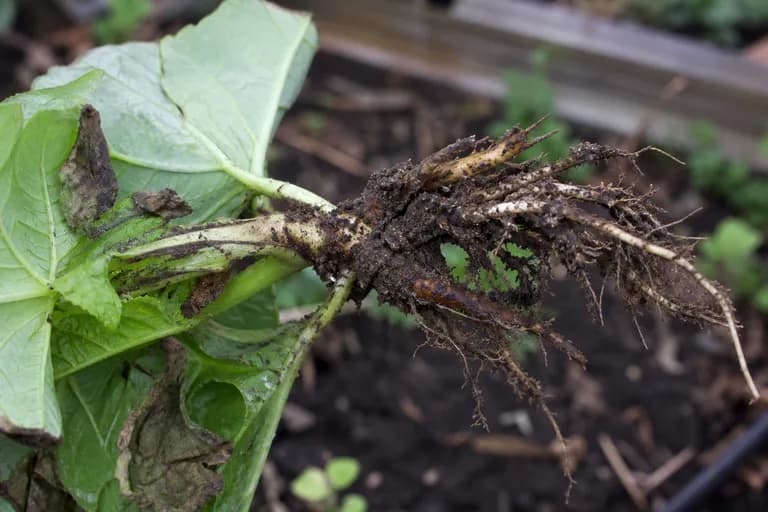
Wurzelfäule
KrankheitWelken trotz nassem Boden, weiche geschwärzte Stängelbasen, allgemeiner Pflanzenverfall. Fast immer verursacht durch übermäßige Feuchtigkeit, besonders sommerliche Bewässerung.
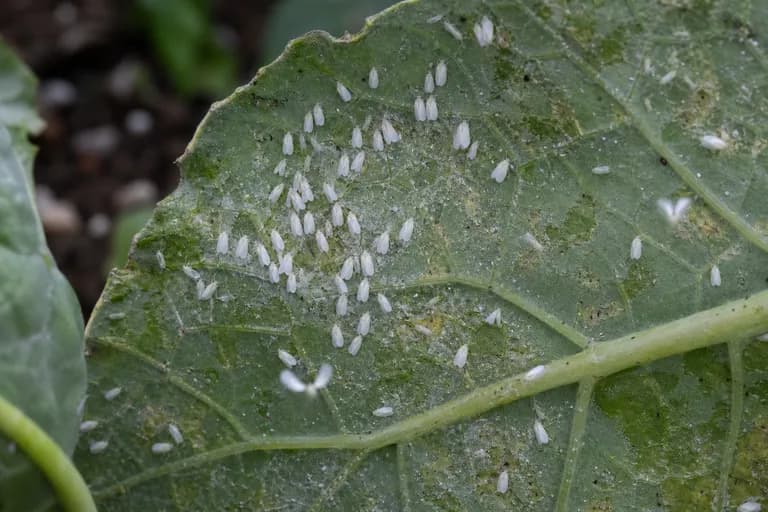
Weiße Fliegen
SchädlingKleine weiße Insekten, die von den Blattunterseiten auffliegen, wenn sie gestört werden. Häufiger bei gestressten Pflanzen.
Fehlerbehebung bei häufigen Problemen
Sommerliche Bewässerung ist der Hauptkiller des Weißen Salbeis – stellen Sie das Gießen ein, sobald die Pflanzen etabliert sind. In feuchten Klimazonen ist Weißer Salbei sehr schwer anzubauen; die Kombination aus Sommerregen und Luftfeuchtigkeit fördert Wurzelfäule und Pilzkrankheiten. Winterkälte unter -10 °C kann Pflanzen schädigen oder abtöten. Langsames Wachstum ist normal. Die Pflanze lässt sich nach dem Anwachsen aufgrund einer tiefen Pfahlwurzel nur schwer umpflanzen – pflanzen Sie sie frühzeitig an ihren endgültigen Standort.
Anbautipps
- Pflanzen Sie Weißen Salbei am sonnigsten verfügbaren Standort mit mindestens 8 Stunden direktem Sonnenlicht täglich. Volle, intensive Sonne produziert die aromatischsten Blätter mit der höchsten Konzentration an ätherischen Ölen und dem weißesten Laub.
- Drainage ist der absolut wichtigste Faktor für das Überleben des Weißen Salbeis. Verbessern Sie schwere oder lehmige Böden großzügig mit grobem Sand, Perlit, Bimsstein oder Granitgranulat, um die schnell drainierenden Bedingungen zu schaffen, die diese Pflanze verlangt. Hochbeete sind ideal in Gebieten mit schwerem Boden.
- Gießen Sie nach dem Anwachsen sparsam. Weißer Salbei ist daran angepasst, in seinem natürlichen Lebensraum allein vom Winterregen zu überleben. Übermäßiges Gießen, besonders im Sommer, ist der Hauptkiller des Weißen Salbeis in Kultur. Lassen Sie den Boden zwischen den Wassergaben vollständig austrocknen.
- Düngen Sie Weißen Salbei nicht. Diese Pflanze hat sich in mageren, nährstoffarmen Böden entwickelt und gedeiht bei zusätzlicher Düngung tatsächlich schlechter. Überschüssiger Stickstoff produziert schlaksiges, schwaches Wachstum mit reduziertem Gehalt an ätherischen Ölen und erhöhter Anfälligkeit für Wurzelfäule.
- Stratifizieren Sie Samen 2–4 Wochen kalt vor der Aussaat, um die Keimruhe zu brechen und die Keimraten zu verbessern. Alternativ können Sie Samen im Herbst im Freien säen und die natürliche Winterkälte die Stratifikation übernehmen lassen. Erwarten Sie bestenfalls Keimraten von 30–50 %.
- Verwenden Sie Kies, Granitgranulat oder Steinmulch anstelle von organischem Mulch rund um Weiße-Salbei-Pflanzen. Organische Mulche halten Feuchtigkeit an Krone und Stängel und schaffen ideale Bedingungen für tödliche Wurzel- und Kronenfäule bei dieser trockenheitsangepassten Art.
- Ernten Sie nachhaltig, indem Sie niemals mehr als ein Drittel des Laubs der Pflanze auf einmal entfernen. Lassen Sie zwischen den Ernten mehrere Wochen Nachwachszeit. Dies stellt sicher, dass die Pflanze genügend Blattfläche für die Photosynthese und weiteres gesundes Wachstum behält.
- Vermehren Sie Weißen Salbei durch Halbholzstecklinge im Spätsommer für zuverlässigere Ergebnisse als bei samengewachsenen Pflanzen. Nehmen Sie 10–15 cm Stecklinge vom diesjährigen Wachstum, entfernen Sie die unteren Blätter, tauchen Sie sie in Bewurzelungshormon und bewurzeln Sie sie in einer Perlit-Sand-Mischung.
- Sorgen Sie für ausgezeichnete Luftzirkulation um die Pflanze, indem Sie Exemplare mindestens 90–120 cm auseinander pflanzen. Gute Belüftung reduziert das Risiko von Pilzkrankheiten und ahmt die offenen, windigen Bedingungen des Küstensalbeistrauch-Lebensraums nach, in dem sich Weißer Salbei entwickelt hat.
- Schützen Sie junge Pflanzen während ihres ersten Winters mit Vlies oder einem temporären Unterstand, wenn die Temperaturen regelmäßig unter -3 °C fallen. Sobald Pflanzen nach 2–3 Jahren ein tiefes Wurzelsystem aufgebaut haben, werden sie deutlich frosttoleranter.
Bau deine beste Weißer Salbei an — und alles drumherum.
Starte heute kostenlos. Lege deine Beete an, setze deine Weißer Salbei ein und lass PlotMyGarden Timing, Abstände, Begleiter und Erinnerungen von der Saat bis zum Erntekorb übernehmen.
Finde deine Weißer Salbei
Salvia apiana (Standard)
Der echte kalifornische Weiße Salbei mit großen, weiß-filzigen Blättern und intensivem aromatischem Duft. Die Art, die traditionell zum Räuchern verwendet wird.
Salvia apiana x S. clevelandii Hybriden
Hybridselektionen, die den Duft des Weißen Salbeis mit der Gartenanpassungsfähigkeit des Cleveland-Salbeis kombinieren. Etwas leichter außerhalb Kaliforniens anzubauen.
Eine Weiße-Salbei-Pflanze kostet 5–10 € in einer Wildpflanzengärtnerei und benötigt nach dem Anwachsen in geeigneten Klimazonen praktisch kein Wasser, keinen Dünger und keine Pflege. Kommerziell geerntete getrocknete Weiße-Salbei-Bündel werden für 8–15 € pro Stück verkauft, und eine einzige ausgewachsene Pflanze kann genug Material für 10–20 Bündel pro Jahr produzieren. Für diejenigen, die regelmäßig Weißen Salbei für aromatische Zwecke kaufen, spart der eigene Anbau 80–200 € jährlich und gewährleistet eine nachhaltige, pestizidfreie Quelle. Die Pflanze steigert auch den Landschaftswert als trockenheitsverträgliche Zierpflanze und kann möglicherweise die Wasserkosten in xeriscapierten Gärten senken.
Schnelle Rezepte
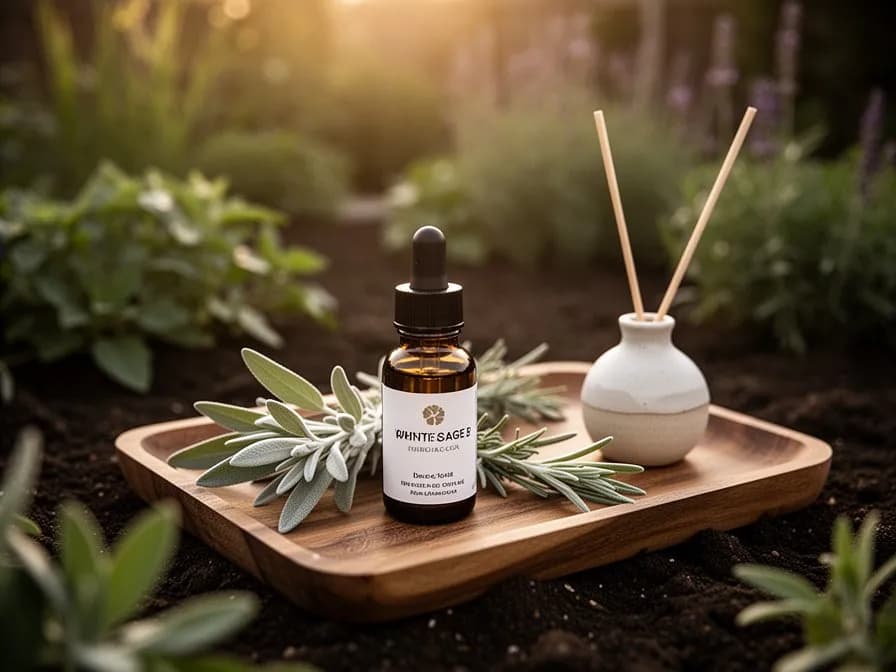
Weißer-Salbei-Tee mit Honig
10 Min.Ein beruhigender, aromatischer Kräuteraufguss aus frischen oder getrockneten Weißen-Salbei-Blättern. Der Tee hat einen unverwechselbar sauberen, leicht harzigen Geschmack mit Noten von Eukalyptus und Kampfer. Traditionell zur Unterstützung der Atemwegsgesundheit und zur Linderung von Halsschmerzen verwendet, ist er ein tief wärmendes und stärkendes Getränk.
5 ZutatenMit Weißem Salbei aromatisiertes Olivenöl
15 Min. plus 1 Woche ZiehzeitEin duftendes Öl, das das einzigartige aromatische Profil des Weißen Salbeis einfängt. Verwenden Sie es als Finish-Öl über geröstetem Gemüse, gegrilltem Fleisch oder knusprigem Brot. Der warme, kräuterige Geschmack verleiht einfachen Gerichten Tiefe und Komplexität und ist eine ausgezeichnete Basis für Salatdressings.
5 Zutaten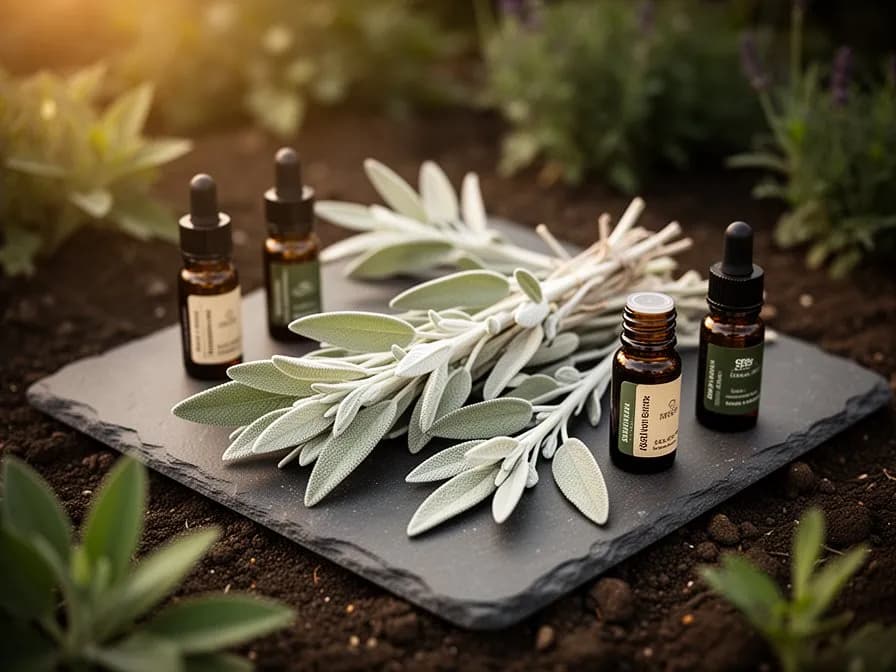
Räucherbündel aus Weißem Salbei
20 Min. plus 2–3 Wochen TrocknungszeitSelbst angebaute Weiße-Salbei-Bündel zur aromatischen Verwendung im Haus. Das Ernten und Trocknen eigener Räucherstäbchen gewährleistet ein nachhaltig gewonnenes Produkt und liefert ein intensiv duftendes Bündel. Verwenden Sie sie, um Räume auf natürliche Weise zu erfrischen und den beruhigenden, sauberen Duft des Weißen Salbeis zu genießen.
5 ZutatenWas drinsteckt
Gesundheitsvorteile
- Enthält Eucalyptol und Kampfer, Verbindungen mit dokumentierten abschwellenden und schleimlösenden Eigenschaften, die die Atemwegsgesundheit unterstützen, wenn sie als Dampf eingeatmet oder als Tee konsumiert werden
- Reich an Rosmarinsäure, einem starken Antioxidans und entzündungshemmenden Wirkstoff, der helfen kann, Entzündungen im gesamten Körper zu reduzieren und vor Zellschäden zu schützen
- Die traditionelle Verwendung als antimikrobielles Mittel wird durch moderne Forschung gestützt, die zeigt, dass Extrakte des Weißen Salbeis gegen mehrere verbreitete Bakterien und Pilze wirksam sind
- Die aromatischen Verbindungen im Weißen Salbei wurden auf ihre beruhigende Wirkung auf das Nervensystem untersucht, wobei vorläufige Forschungsergebnisse Vorteile bei der Stressreduzierung und Stimmungsverbesserung nahelegen
- Enthält Flavonoide und Phenolsäuren, die die Herz-Kreislauf-Gesundheit unterstützen können, indem sie oxidativen Stress auf Blutgefäße reduzieren und eine gesunde Durchblutung fördern
- Die historische Verwendung als Verdauungshilfe steht im Einklang mit den karminativen und krampflösenden Eigenschaften seiner ätherischen Ölverbindungen, die helfen können, Blähungen und Verdauungsbeschwerden zu lindern
Woher Weißer Salbei stammt
Weißer Salbei (Salvia apiana) stammt aus den Küstensalbeistrauch- und Chaparral-Ökosystemen Südkaliforniens und des nordwestlichen Baja Mexico, wo er sich über Jahrtausende entwickelt hat, um im mediterranen Klima der Region mit heißen, trockenen Sommern und kühlen, feuchten Wintern zu gedeihen. Die Pflanze kommt hauptsächlich unterhalb von 1.500 Metern Höhe vor und wächst in gut durchlässigen, sandigen oder felsigen Böden von Santa Barbara County südwärts durch San Diego County und auf die Halbinsel Baja California.
Seit Tausenden von Jahren hat Weißer Salbei eine tiefgreifende Bedeutung für die indigenen Völker Südkaliforniens. Die Nationen der Chumash, Cahuilla, Kumeyaay, Tongva und Luiseño entwickelten alle umfangreiches Wissen über die Verwendung der Pflanze. Die Samen waren eine wichtige Nahrungsquelle, die zu einem Mehl namens Pinole gemahlen und mit Wasser oder anderen Körnern gemischt wurde. Die Blätter wurden medizinisch als Tee bei Erkältungen und Fieber, als Umschlag für Wunden und als Augenwaschung verwendet. Die zeremonielle Verwendung von Weißem-Salbei-Rauch zur spirituellen Reinigung und Läuterung ist tief in den spirituellen Traditionen der amerikanischen Ureinwohner verwurzelt und hat bis heute heilige Bedeutung.
Spanische Missionare und frühe kalifornische Siedler begegneten dem Weißen Salbei in den gesamten Küstenregionen und dokumentierten seine aromatischen Qualitäten, obwohl er hauptsächlich mit indigenem Wissen und Wildsammlung verbunden blieb und nicht formell kultiviert wurde. Die Pflanze erhielt breitere Aufmerksamkeit während der Wildpflanzenbewegung des 20. Jahrhunderts, als Gärtner ihren Wert als trockenheitsverträgliches Landschaftsexemplar erkannten.
In den letzten Jahrzehnten hat die steigende kommerzielle Nachfrage nach Räucherbündeln aus Weißem Salbei enormen Druck auf Wildpopulationen ausgeübt. Wilderei auf öffentlichem Land und in indigenen Sammelgebieten ist zu einem ernsthaften Naturschutzproblem geworden, wobei einige Populationen erheblich dezimiert wurden. Dies hat zu Forderungen geführt, kultiviertem Weißen Salbei den Vorzug vor wild gesammeltem Material zu geben, und das Interesse am Anbau der Pflanze in Hausgärten gesteigert. Heute ist Weißer Salbei in Wildpflanzengärtnereien im gesamten Westen der Vereinigten Staaten erhältlich und wird in Gärten mit mediterranem Klima weltweit sowohl als Landschaftszierpflanze als auch als nachhaltig bezogenes aromatisches Kraut angebaut.
Weißer Salbei: Schon gewusst?
Faszinierende Fakten über Weißer Salbei
Weißer Salbei produziert eine so dichte Trichomschicht auf seinen Blättern, dass die Pflanze aus der Ferne fast weiß erscheint, was sowohl zum Trivialnamen als auch zum Artepitheton ‚apiana' führte, das sich auf Bienen bezieht.
Weißer Salbei: Fragen & Antworten
Wann sollte ich Weißer Salbei pflanzen?
Was sind gute Begleitpflanzen für Weißer Salbei?
In welchen Winterhärtezonen kann Weißer Salbei wachsen?
Wie viel Sonne braucht Weißer Salbei?
Welchen Abstand sollte ich zwischen Weißer Salbei lassen?
Welche Schädlinge und Krankheiten befallen Weißer Salbei?
Wie lagere ich Weißer Salbei nach der Ernte?
Was sind die besten Weißer Salbei-Sorten zum Anbauen?
Welchen Boden braucht Weißer Salbei?
Ist es schwierig, Weißen Salbei aus Samen zu ziehen?
Kann ich Weißen Salbei außerhalb Kaliforniens anbauen?
Wie ernte ich Weißen Salbei nachhaltig?
Warum stirbt mein Weißer Salbei trotz regelmäßigem Gießen?
Ist es legal, wilden Weißen Salbei zu ernten?
Welche Begleitpflanzen passen gut zum Weißen Salbei?
Du hast die Theorie gelesen. Jetzt baue sie auf Autopilot an.
Alles, was Weißer Salbei knifflig macht — das Timing, die Abstände, die Begleiter, das Erntefenster — genau das übernimmt PlotMyGarden für dich, für jede Pflanze im Garten.
Ein Plan, der dein Wetter kennt
Standort einmal festlegen. Aussaat-, Dünge- und Erntedaten rund um deinen echten letzten Frosttermin und die Live-Vorhersage — kein Raten mehr nach Saattüte.
Aus dem Abschnitt „Pflanzzeit“Beetplaner per Drag & Drop
Beete auf einem Raster gestalten. Jede Pflanze rastet im richtigen Abstand ein, und du siehst die ganze Saison, bevor du einen Cent für Saatgut ausgibst.
Aus dem Abschnitt „Anbau“Begleiter-Konflikte früh erkannt
Über 200 gute und schlechte Kombinationen werden beim Pflanzen live geprüft — so landet ein saisonruinierender Fehler nie in der Erde.
Aus dem Abschnitt „Begleiter“Erinnerungen, nach denen du wirklich handelst
„Gieß die Bohnen.“ „Heute ernten, bevor's umschlägt.“ Pünktlich, konkret und auf deine echten Pflanzen bezogen.
Aus dem Abschnitt „Ernte“Staffel-Aussaat, geplant
Sechs Wochen ernten statt sechs Tage? Die App verteilt deine Aussaaten automatisch und erinnert dich, wenn der nächste Satz fällig ist.
Aus dem Abschnitt „Pflanzzeit“Ein Verlauf, der schlauer wird
Jede protokollierte Ernte bringt der App deinen Garten bei. Der Plan fürs nächste Jahr startet bei dem, was in deinem Boden wirklich funktioniert hat.
Aus dem Abschnitt „Überblick“Pflanze diese neben Weißer Salbei
Weitere Duftkräuter
Bau deine beste Weißer Salbei an — und alles drumherum.
Starte heute kostenlos. Lege deine Beete an, setze deine Weißer Salbei ein und lass PlotMyGarden Timing, Abstände, Begleiter und Erinnerungen von der Saat bis zum Erntekorb übernehmen.