Lemon Thyme
A citrus-scented thyme variety with a bright lemon flavor that pairs beautifully with fish, poultry, and vegetables.





On this pageOverview
Meet Lemon Thyme
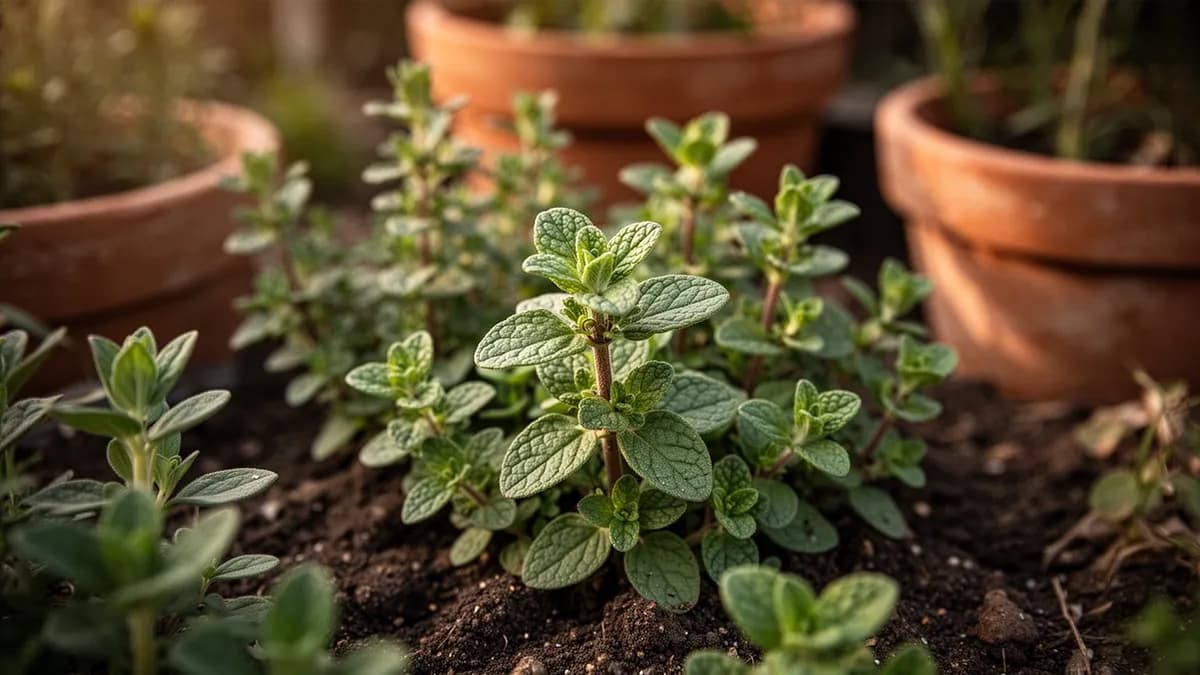
A citrus-scented thyme variety with a bright lemon flavor that pairs beautifully with fish, poultry, and vegetables. The small variegated leaves have golden edges that make it an attractive edging plant in herb gardens. Grow in lean, well-drained soil with full sun and shear after flowering to keep plants compact.
When to plant Lemon Thyme
Lemon thyme is best propagated by stem cuttings or division rather than seed. Seeds are available but produce variable plants, many lacking the strong citrus character. If starting from seed, sow indoors 6-8 weeks before the last frost on the surface of moist seed mix. Seeds need light and warmth (65-70°F) to germinate in 14-21 days. For reliable results, take 3-4 inch cuttings from an established plant in late spring, root in perlite under a dome, and transplant once well-rooted in 3-4 weeks.
Your Lemon Thyme Year
Composed for Zone 7 · typical seasons · frost passes Apr 2, returns Nov 1
Plant Lemon Thyme Mar – May, pick Jan – Dec. Check the planting methods below and set your climate to personalize these windows.
How to grow Lemon Thyme
Start lemon thyme from nursery transplants, stem cuttings, or root divisions rather than seed, as seed-grown plants are variable and may lack strong lemon fragrance. Take 3-4 inch cuttings from new growth in late spring, strip lower leaves, and root in moist perlite under a humidity dome. Roots form in 2-4 weeks. Division of established clumps in spring is the easiest propagation method.
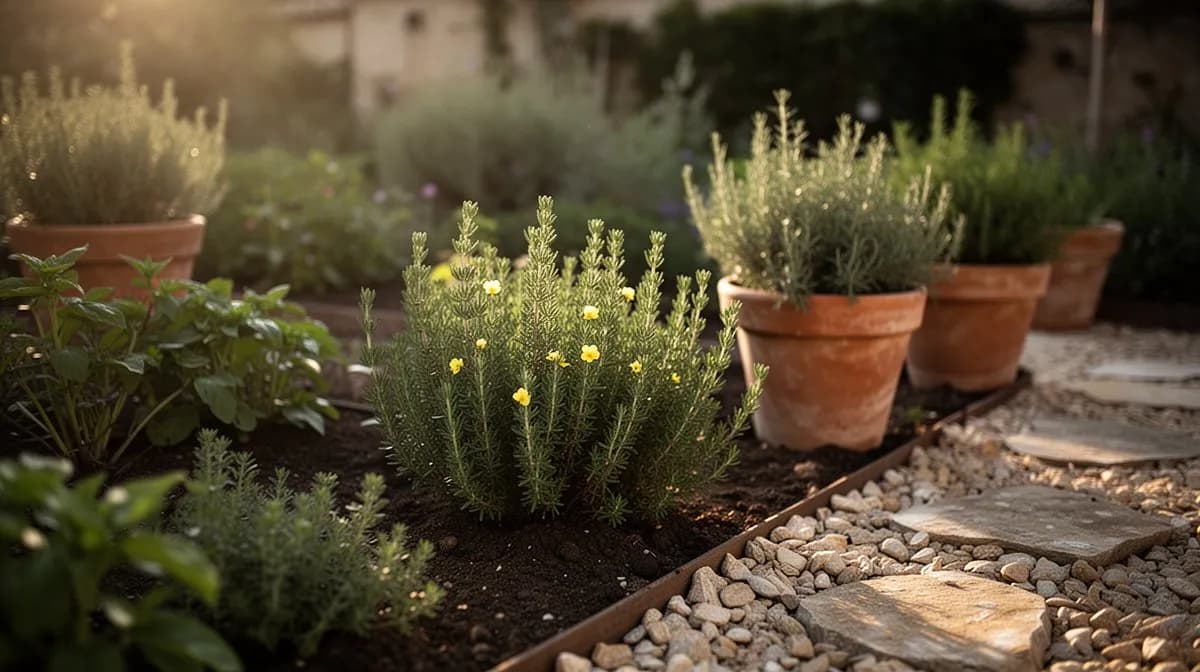
Plant in full sun with lean, sharply drained soil at a pH of 6.0-8.0. Lemon thyme is tolerant of poor, rocky, and alkaline soils and actually produces more aromatic foliage under lean conditions. Space plants 12-15 inches apart. The low, mounding growth habit reaches 6-12 inches tall and makes an attractive edging for herb gardens and pathways.
Water sparingly once established, as lemon thyme is quite drought-tolerant and prone to root rot in wet conditions. Shear plants lightly after the flush of pink flowers in early summer to encourage dense, bushy regrowth and prevent the center from becoming woody and bare. In zones 5-6, a light winter mulch of gravel or evergreen boughs provides protection without trapping excess moisture around the crown.
36 plants fit a 4 × 8 ft bed
Each Lemon Thyme wants 25 cm of elbow room. The planner keeps that spacing for you — every plant, every bed.
Lemon Thyme's best neighbours
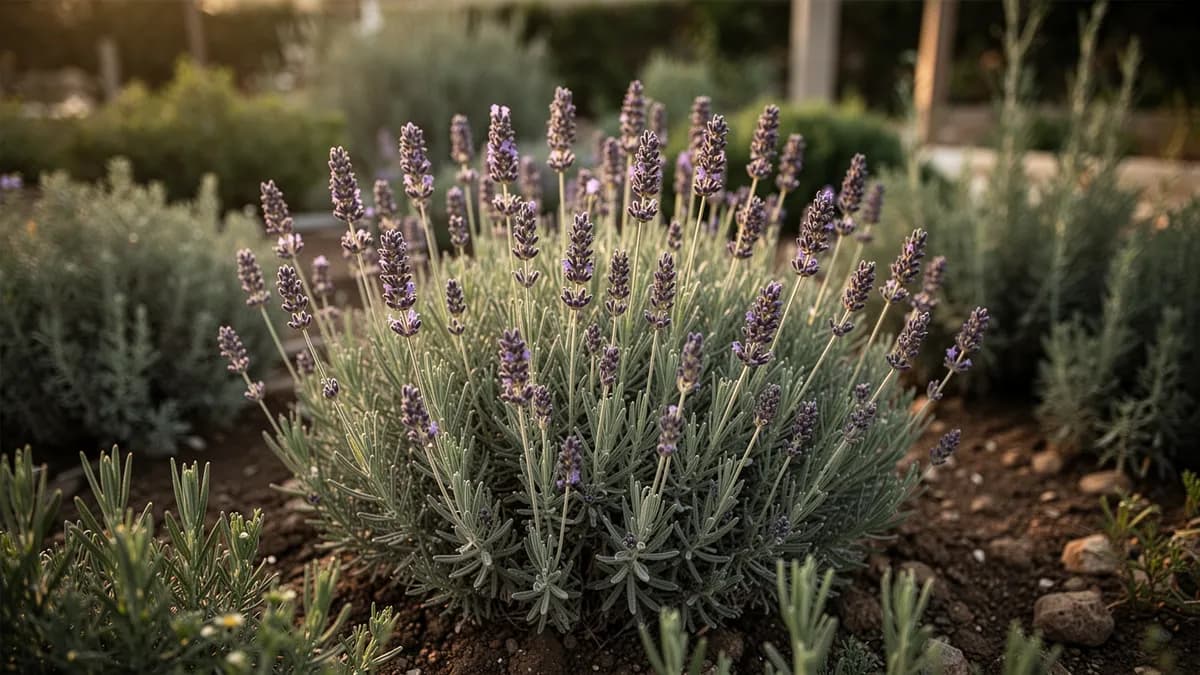
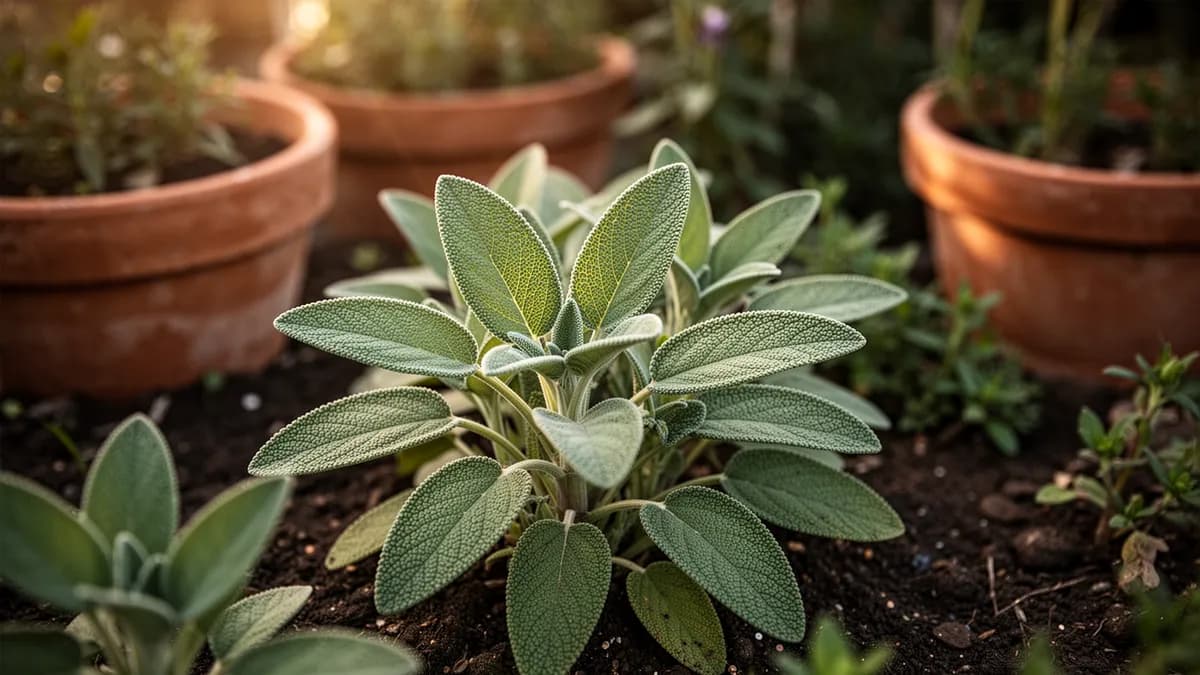
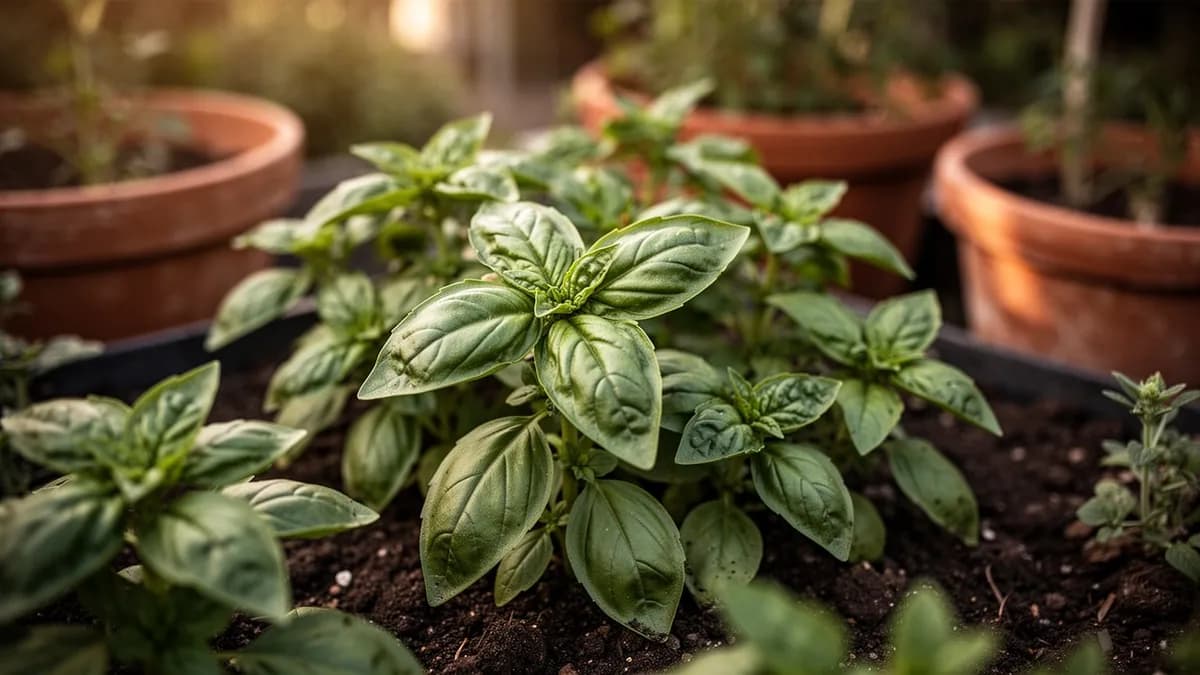
Lemon thyme shares the same companion planting benefits as common thyme, deterring cabbage worms, whiteflies, and other garden pests with its aromatic essential oils. Plant near brassicas, carrots, and strawberries for pest protection. It grows well alongside rosemary, sage, and lavender in drought-tolerant herb gardens. The low mounding habit makes it an excellent living border for vegetable beds. Avoid planting near moisture-loving herbs like basil and cilantro that need more frequent watering.
Rosemary belongs beside it. Basil doesn't.
Old growers' knowledge, checked against Lemon Thyme's real companion table below — test any plant you're growing.
Try Lemon Thyme in a bed — right here
A real planner bed with Lemon Thyme already in it. Tap a companion to place it and watch the pairing checks answer — green for good neighbours, red for a clash.


Related growing guides
Feed it well
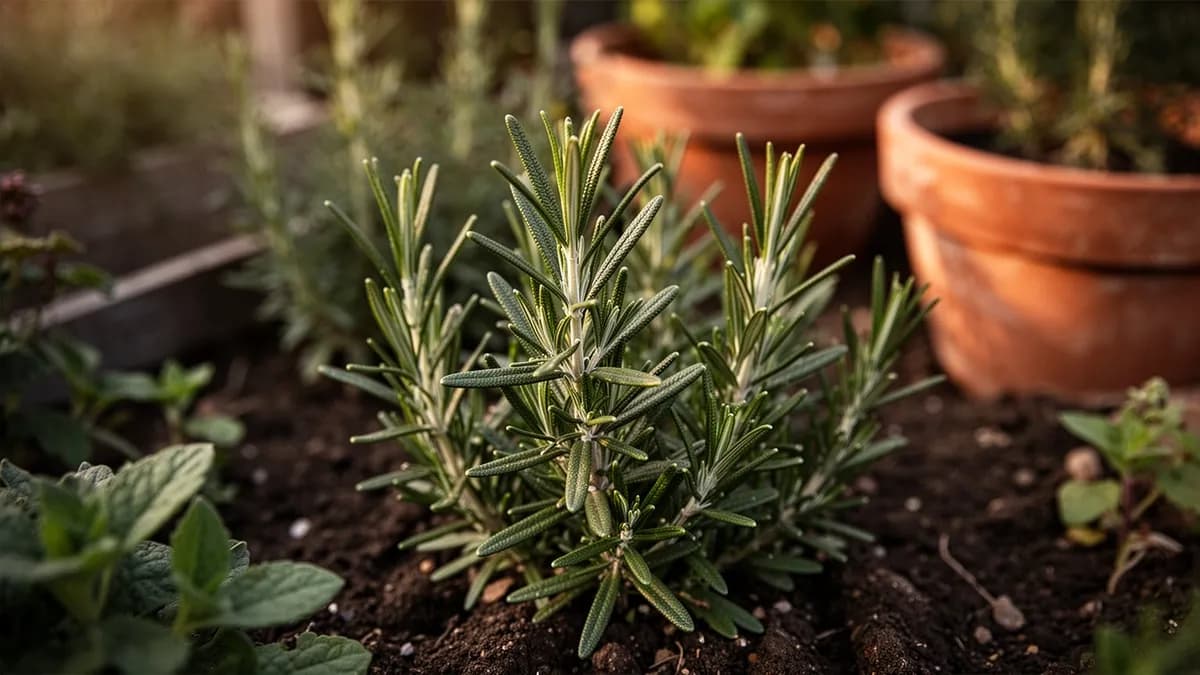
Lemon thyme thrives in lean, well-drained to dry soil with a pH of 6.0-8.0. Sandy, rocky, or gravelly soil suits it perfectly. Avoid rich, organic-heavy soil that retains moisture and promotes soft growth. A single light feeding with balanced granular fertilizer in early spring is sufficient. Over-fertilizing produces lush but less aromatic foliage with reduced essential oil content. Gravel or stone mulch is preferred over organic mulch to keep the crown dry and prevent rot. In containers, use a gritty, fast-draining mix with minimal peat.
Ideal Temperature
Hardiness Zone Compatibility
From seed to harvest, stage by stage
Seed Germination
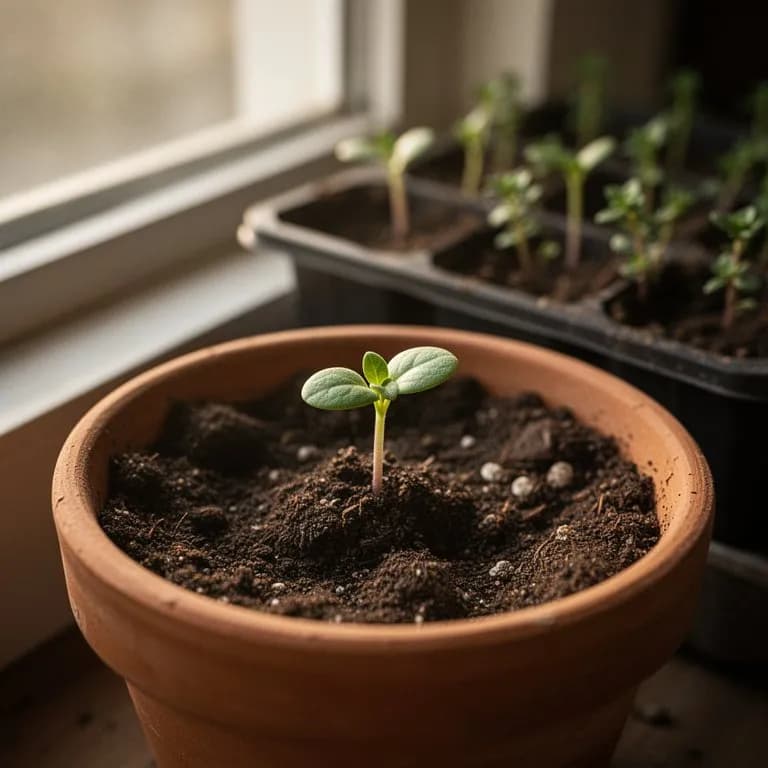
Lemon thyme seeds are extremely small — nearly dust-like — and require light to germinate. Seeds are surface-sown and pressed gently into moist growing medium without covering. Germination is slow and uneven, typically taking 14-21 days at temperatures of 18-24°C (65-75°F). The first visible growth is a pair of minuscule cotyledon leaves barely 2mm across.
Seedling Development
Seedlings develop their first pairs of true leaves, which are tiny, oval, and already carry the characteristic lemon-citrus fragrance when touched. Growth is very slow during this phase — lemon thyme seedlings are among the slowest-growing herb seedlings. Stems begin to develop a slightly woody base even at this early stage.
Vegetative Growth
Plants establish a low, spreading mound of aromatic foliage, growing outward rather than upward. The stems become increasingly woody at the base while producing soft, green, leafy growth at the tips. The plant develops a dense, mat-forming habit and may spread 30-40 cm wide while remaining only 15-30 cm tall. The essential oil content increases during warm, sunny weather.
Flowering
Dense clusters of tiny tubular flowers appear at the stem tips, ranging from pale pink to soft lavender. The flowers are extremely attractive to honeybees, bumblebees, and beneficial insects. Flowering typically occurs from early to midsummer and lasts 4-6 weeks. The plant remains fragrant and usable during flowering, though leaf production slows.
Maturity and Overwintering
As a perennial subshrub, lemon thyme enters a semi-dormant phase in autumn and winter. Growth slows dramatically and the plant may lose some leaves in cold climates. The woody stems persist through winter and new growth emerges from the base and along stems in spring. Established plants become increasingly drought-tolerant and aromatic with age.
Do not cover seeds with soil — they need light to germinate. Mist the surface gently to keep it moist without displacing the tiny seeds. Cover trays with clear plastic or glass to maintain humidity. Bottom heat from a seedling mat speeds germination significantly.
Caring for Lemon Thyme month by month
What to do each month for your Lemon Thyme
October
You are hereClean up any dead or straggly growth. In zones 5-6, prepare winter protection by mounding gravel or coarse sand around the base of the plant to improve drainage through winter. Pot up a small division or rooted cutting to grow indoors on a bright windowsill for fresh winter harvests.
Know exactly what to do in your garden — every month
One email at the start of each month: what to sow, plant, and tackle right now — for your Lemon Thyme and everything growing around it. Plus a short starter course that helps you dodge the classic mistakes.
- What to do, right now
- Matched to your season
- Starter course included
Harvesting Lemon Thyme
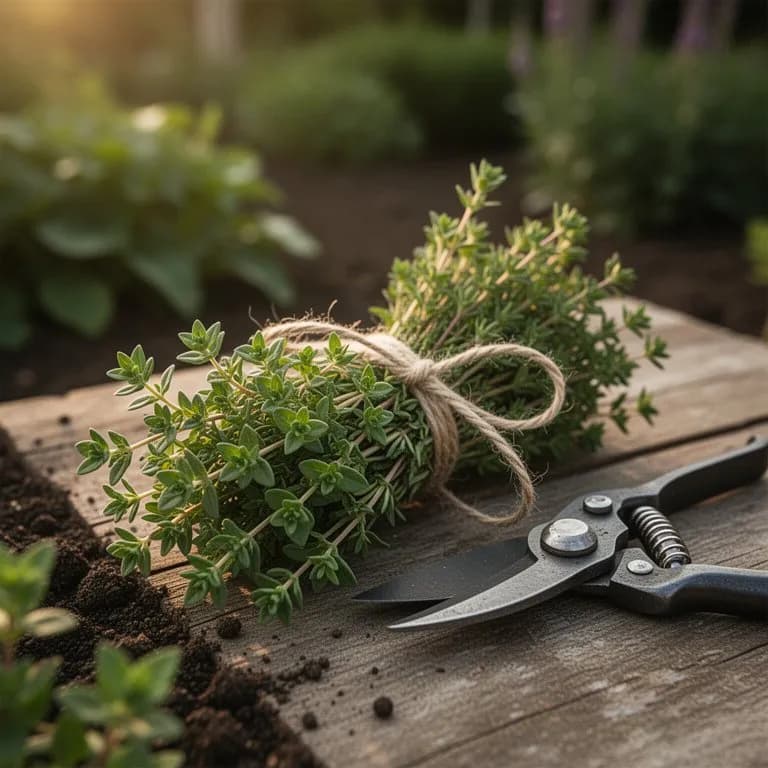
Harvest lemon thyme sprigs throughout the growing season by snipping 3-4 inch stem tips. The strongest lemon aroma develops just before flowering in early summer. Harvest in the morning when essential oils are most concentrated. Cut stems rather than pulling leaves to avoid damaging the plant. Regular light harvesting encourages bushy growth and prevents woodiness. After the major flowering period, shear the entire plant back by one-third to stimulate fresh, tender growth with renewed citrus fragrance.
assuming you plant when the window opens — set your real date
Pick Lemon Thyme promptly and the plant keeps producing.
Storage & Preservation
Fresh lemon thyme keeps for about one week in the refrigerator wrapped in a damp paper towel inside a sealed bag. Dry sprigs by hanging small bundles in a warm, dark location for 1-2 weeks; lemon thyme retains its citrus aroma reasonably well when dried, though fresh is always more vibrant. Store dried leaves in airtight jars away from light. Freeze sprigs directly in freezer bags for convenient use in cooking. Lemon thyme-infused honey and vinegar are excellent ways to capture the herb's unique citrus-thyme character.
What goes wrong — and the fix
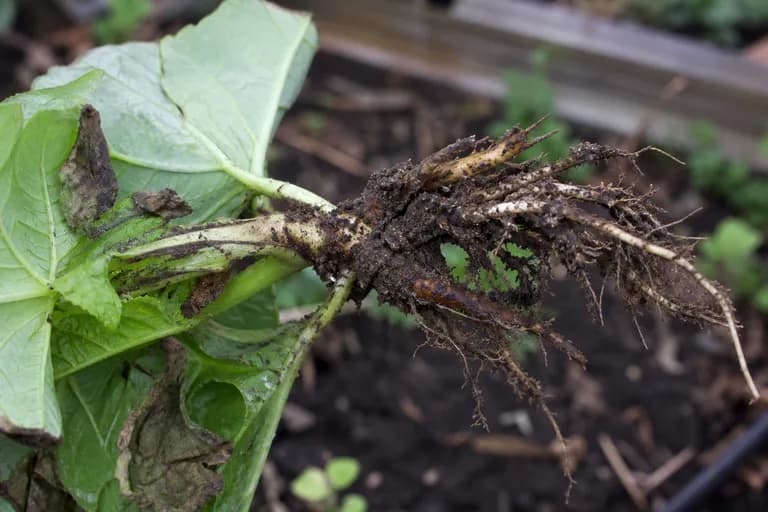
Root Rot
DiseaseBrown, mushy roots, yellowing foliage, wilting despite moist soil, gradual dieback of branches.
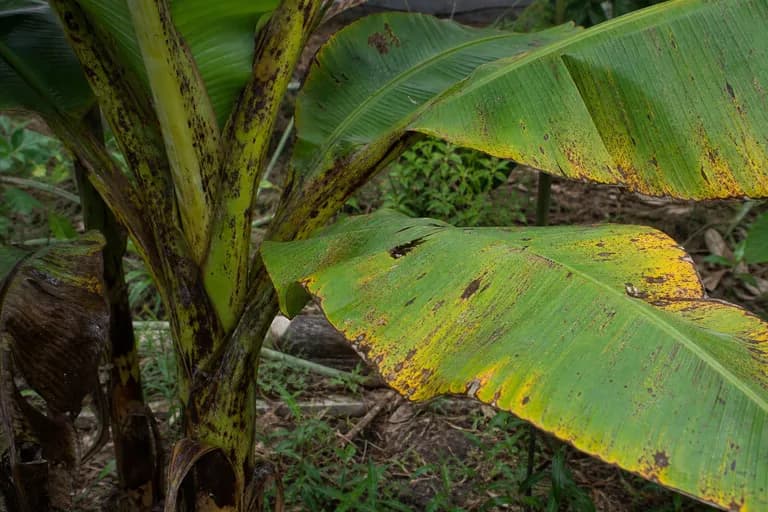
Fungal Leaf Spot
DiseaseSmall dark spots on leaves, premature leaf drop, reduced vigor especially in humid or wet conditions.
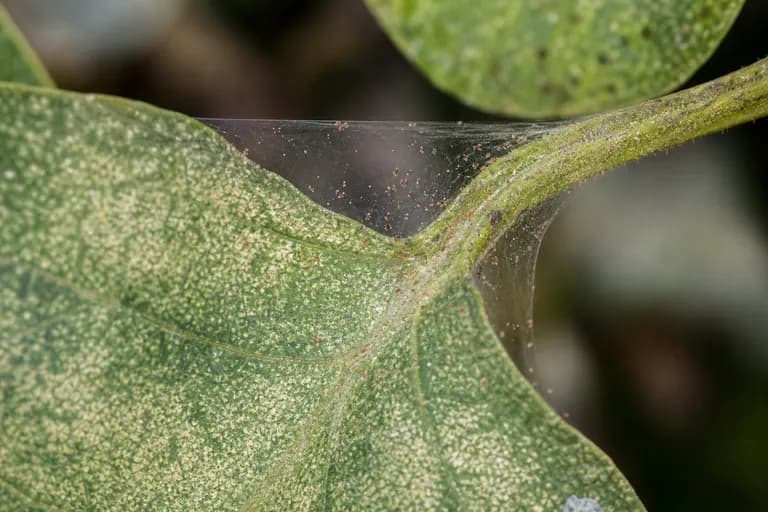
Spider Mites
PestFine stippling and bronzing of leaves, tiny webs between branch tips, overall dull appearance.
Troubleshooting Common Problems
Lemon thyme's main enemy is wet, poorly drained soil, which causes root rot and crown death. Always prioritize drainage over fertility. The variegated forms (golden and silver) may revert to plain green leaves if grown in too much shade; full sun intensifies the colorful variegation. Plants become woody and sparse in the center after 3-4 years; rejuvenate by dividing and replanting, or shear heavily after flowering. In humid climates, fungal diseases are more common, so maintain wide spacing and avoid overhead watering.
Growing Tips
- Drainage is everything for lemon thyme. Amend heavy clay soil generously with coarse sand, perlite, or fine gravel before planting. Raised beds and containers with drainage holes are ideal. A lean, gritty soil produces a more compact, aromatic plant than rich garden soil, which causes leggy, floppy growth.
- Start with transplants or stem cuttings rather than seeds for fastest results. Lemon thyme seeds germinate slowly and unevenly, and named cultivars like golden or silver variegated forms do not come true from seed. A single purchased plant can be multiplied into many through cuttings and divisions.
- Take 7-10 cm stem cuttings from semi-ripe (current season) growth in summer. Strip leaves from the lower half, dip in rooting hormone, and insert into a gritty mix of equal parts perlite and peat. Roots develop in 3-4 weeks. This is the most reliable way to propagate named lemon thyme varieties.
- Full sun is non-negotiable — lemon thyme needs at least 6-8 hours of direct sunlight daily to develop full flavor and essential oil content. In partial shade, plants become lanky and lose their intense citrus fragrance. South-facing positions against a warm wall are ideal in cooler climates.
- Water deeply but infrequently. Allow the soil to dry out between waterings — lemon thyme evolved in Mediterranean climates with dry summers and can handle drought far better than overwatering. Wet roots in poorly drained soil lead to root rot and rapid plant death.
- Prune plants back by one-third after the main flowering period in midsummer. This prevents the center from becoming woody and bare, encourages a fresh flush of aromatic new growth, and maintains a compact, attractive shape. Never cut into old brown woody stems — always leave some green growth.
- Lemon thyme is an outstanding container herb. Use a terracotta pot with drainage holes and a gritty, free-draining potting mix. Containers allow you to move plants to the sunniest spot and bring them indoors before frost in marginal climates.
- Harvest regularly by snipping the top third of stems with scissors or pinching off sprigs. Frequent light harvesting promotes branching and a denser, bushier plant. Avoid harvesting more than one-third of the plant at any one time to ensure rapid recovery.
- Companion plant lemon thyme near roses, brassicas, and tomatoes. Its aromatic oils are believed to help deter cabbage moths, aphids, and whiteflies. The flowers attract beneficial predatory insects like hoverflies and parasitic wasps that help control garden pests naturally.
- Divide established plants every 3-4 years in spring to rejuvenate them. Lift the entire plant, pull apart into sections ensuring each has roots and green growth, and replant immediately in fresh, well-drained soil. This prevents the woody, bare-centered decline that old thyme plants develop.
Grow your best Lemon Thyme yet — and everything around it.
Start a free plan today. Lay out your beds, drop in your Lemon Thyme, and let PlotMyGarden handle the timing, spacing, companions and reminders from seed to harvest basket.
Pick your Lemon Thyme
Golden Lemon Thyme
Features bright gold-edged variegated leaves with a strong lemon scent. As ornamental as it is useful, creating a glowing border in herb gardens.
Silver Queen Lemon Thyme
A silver-variegated form with cream-edged leaves and a pronounced citrus fragrance. More subtle color than golden varieties but equally aromatic.
Lime Thyme
A related citrus thyme with a distinct lime rather than lemon character. Smaller leaves and a more compact growth habit than standard lemon thyme.
Fresh lemon thyme sells for $3-5 per small clamshell package (about 15-20g) at grocery stores, and dried lemon thyme costs $6-12 per ounce at specialty spice shops. A single $3-5 transplant produces fresh herb for 4-6 years, yielding the equivalent of $60-150 worth of store-bought fresh herb over its lifetime. Growing your own also means harvesting at peak freshness and essential oil content — a significant quality advantage over the days-old sprigs sold in plastic packaging at supermarkets.
Quick recipes

Lemon Thyme Herbal Tea
10 minA calming, caffeine-free herbal infusion with a naturally bright citrus flavor. Fresh lemon thyme sprigs are steeped in hot water to release their aromatic oils, creating a soothing tea traditionally used to ease coughs, aid digestion, and promote relaxation before sleep.
4 ingredientsLemon Thyme Roasted Chicken
75 minA classic herb-roasted chicken where lemon thyme provides a bright, aromatic citrus flavor that permeates the meat during roasting. Sprigs are tucked under the skin and inside the cavity alongside lemon halves, creating a beautifully fragrant and golden-skinned bird.
7 ingredientsLemon Thyme Shortbread Cookies
40 minButtery, crumbly shortbread infused with finely chopped fresh lemon thyme leaves and a touch of lemon zest. The herb adds a sophisticated, aromatic citrus note that elevates simple shortbread into an elegant treat perfect for afternoon tea or gifting.
6 ingredientsCulinary Uses
Lemon thyme adds a bright citrus-herbal note to fish, chicken, and vegetable dishes. It is outstanding with grilled or roasted seafood, lemon-butter sauces, and light cream soups. Use it in marinades for lamb and pork where its dual lemon-thyme character replaces two separate herbs. Lemon thyme is excellent in herbal teas, infused oils, and compound butters. It also pairs beautifully with berries and stone fruits in desserts, jams, and sorbets.
What's inside
Health Benefits
- Contains thymol and citral, two powerful essential oil compounds with well-documented antimicrobial and antifungal properties — lemon thyme tea has been used traditionally for centuries to soothe sore throats, ease coughs, and support respiratory health during colds and flu.
- Rich in vitamin C (160mg per 100g of fresh leaves), providing potent antioxidant protection that supports immune function, collagen synthesis for skin health, and enhanced iron absorption from plant-based foods.
- Contains the flavonoid antioxidants apigenin and luteolin, which research suggests may have anti-inflammatory, neuroprotective, and calming effects — potentially contributing to the traditional use of thyme tea as a mild relaxant and sleep aid.
- Provides a concentrated source of vitamin A as beta-carotene (4751 IU per 100g), supporting healthy vision, skin integrity, and immune cell function with regular dietary use.
- The essential oil compounds in lemon thyme have demonstrated carminative (gas-relieving) and antispasmodic properties in traditional herbalism, making lemon thyme tea a gentle digestive aid after meals.
- Contains significant iron (17.4mg per 100g) and manganese (1.7mg per 100g) — while culinary portions are small, regular use as a seasoning and tea herb contributes meaningfully to micronutrient intake over time.
Where Lemon Thyme comes from
Lemon thyme (Thymus citriodorus) is a naturally occurring hybrid, believed to have originated from a cross between common thyme (Thymus vulgaris) and large thyme (Thymus pulegioides) somewhere in the western Mediterranean region. While the exact time and place of its emergence are lost to history, lemon-scented thyme varieties have been documented in European herbalist literature since at least the 16th century, with early references appearing in the works of herbalists who distinguished it from common thyme by its pronounced citrus aroma and slightly broader leaves.
The broader genus Thymus has ancient roots in human civilization stretching back thousands of years. The ancient Egyptians valued thyme species for embalming preparations, while the Greeks and Romans used them extensively in cooking, medicine, and religious ceremonies. Thyme was among the first herbs carried to the New World by European colonists, and various species quickly naturalized across temperate North America. Lemon thyme gained particular popularity in English cottage gardens during the 17th and 18th centuries, where it was prized both as a culinary herb and as a fragrant ornamental border plant.
Modern cultivar development has produced several distinctive lemon thyme varieties. The golden-variegated form, often sold as Thymus citriodorus 'Aureus,' features yellow-edged leaves and became a favorite of Victorian-era gardeners. Silver-variegated forms with cream-edged foliage emerged later and are widely grown as ornamental ground covers. Despite this cultivar diversity, all lemon thyme varieties share the characteristic citral-rich essential oil profile that distinguishes them from common thyme.
Today, lemon thyme is cultivated commercially in southern France, Spain, and increasingly in California and Oregon for both fresh market sales and essential oil production. It remains one of the most popular herbs in home gardens worldwide, valued equally by cooks for its versatile citrus-herb flavor and by gardeners for its drought tolerance, pollinator appeal, and year-round ornamental beauty as a fragrant evergreen ground cover.
Lemon Thyme: did you know?
Fascinating facts about Lemon Thyme
Lemon thyme (Thymus citriodorus) gets its distinctive citrus scent from citral, the same aromatic compound responsible for the fragrance of lemongrass, lemon verbena, and lemon balm — making it a hardy perennial alternative to these often tender citrus-scented herbs.
Lemon Thyme questions, answered
When should I plant Lemon Thyme?
What are good companion plants for Lemon Thyme?
What hardiness zones can Lemon Thyme grow in?
How much sun does Lemon Thyme need?
How far apart should I space Lemon Thyme?
What pests and diseases affect Lemon Thyme?
How do I store Lemon Thyme after harvest?
What are the best Lemon Thyme varieties to grow?
What soil does Lemon Thyme need?
What is the difference between lemon thyme and regular thyme?
Can lemon thyme survive winter outdoors?
How do I dry lemon thyme and does it keep its flavor?
Why is my lemon thyme turning woody and losing leaves in the center?
Can I grow lemon thyme indoors year-round?
Is lemon thyme safe for pets?
You just read the theory. Now grow it on autopilot.
Everything that makes Lemon Thyme fiddly — the timing, the spacing, the companions, the harvest window — is exactly what PlotMyGarden handles for you, for every plant in your garden.
A plan that knows your weather
Set your location once. Get sow, feed and harvest dates built around your real last-frost date and live forecast — no more guessing from a generic seed packet.
From the “When to plant” sectionDrag-and-drop bed planner
Design beds on a grid. Every plant snaps to its proper spacing, and you can see your whole season laid out before you spend a cent on seed.
From the “Growing guide” sectionCompanion conflicts, caught early
200+ good-and-bad pairings checked live as you plant — so a season-wrecking mistake never makes it into the ground.
From the “Companions” sectionReminders you'll actually act on
“Water the beans.” “Pick today before it turns.” Timely, specific, and tied to the plants you're really growing.
From the “Harvest” sectionSuccession, scheduled
Want a harvest for six weeks, not six days? It spaces your sowings automatically and reminds you when each new block is due.
From the “When to plant” sectionA record that gets smarter
Every harvest you log teaches it your garden. Next year's plan starts from what actually worked in your soil, not a textbook's.
From the “Overview” sectionPlant these alongside Lemon Thyme
More Culinary Herbs
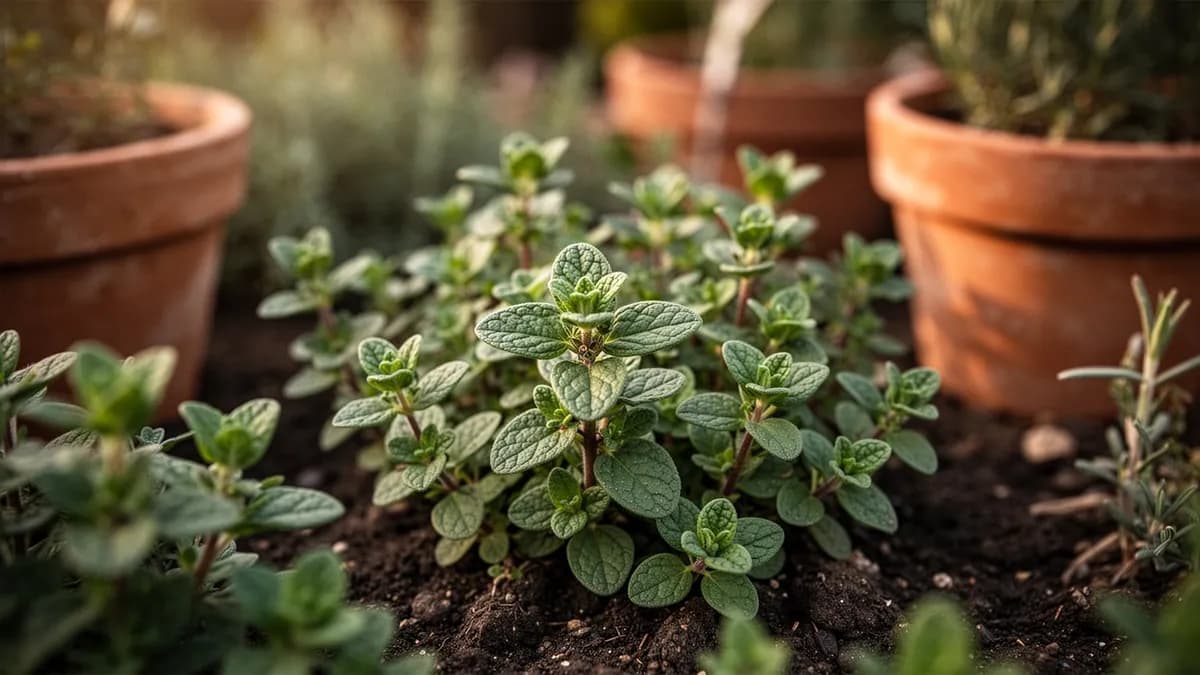
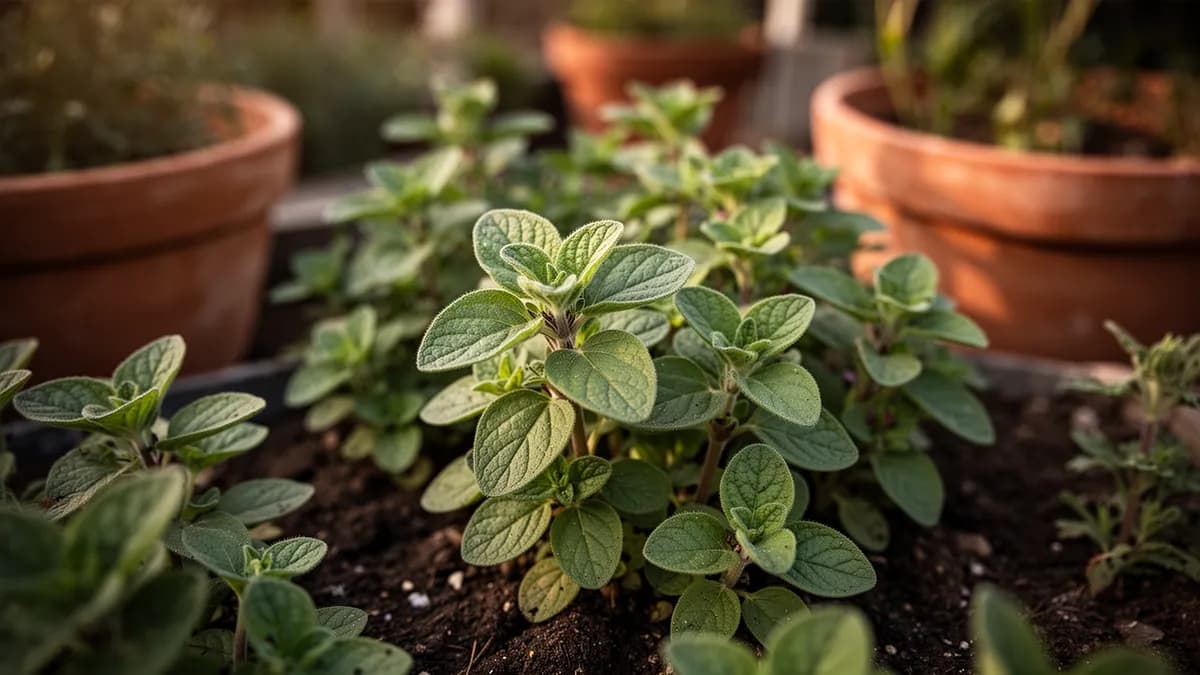
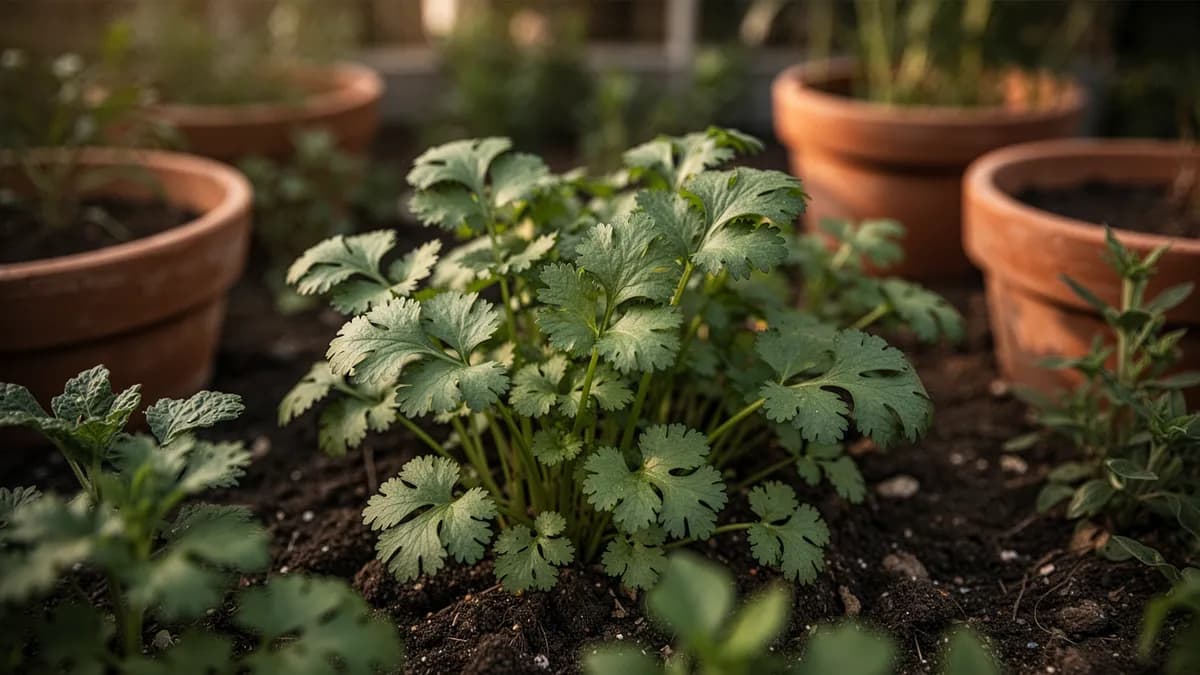
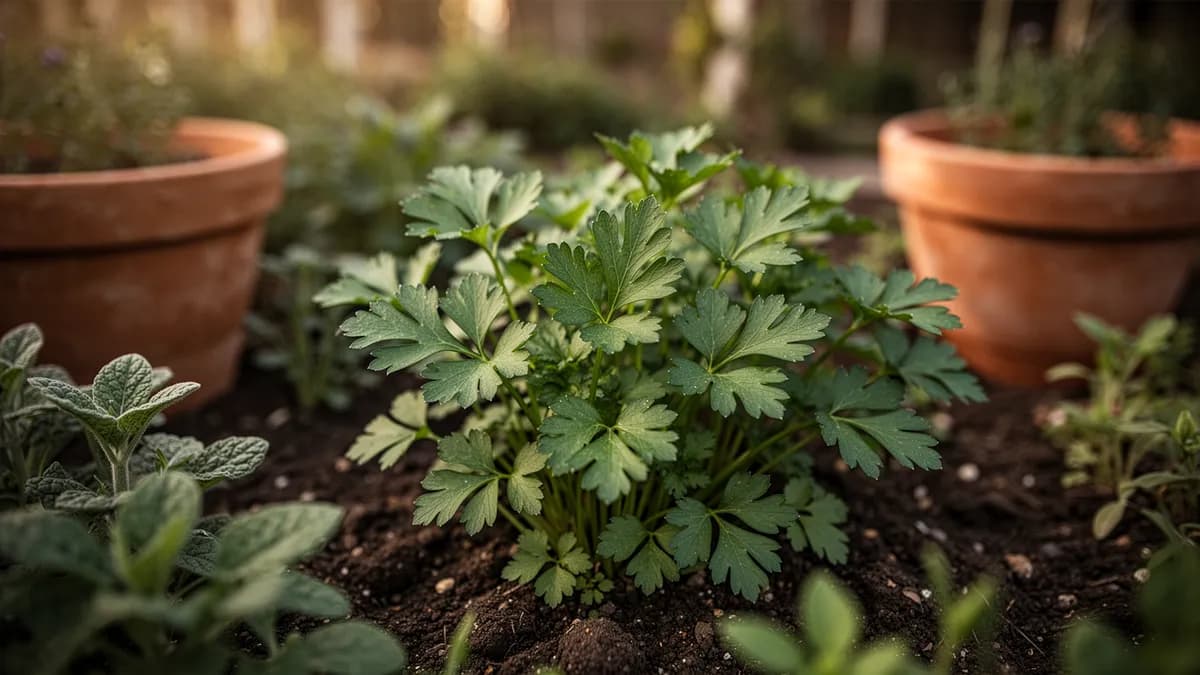
Keep Lemon Thyme away from these
Garden plans featuring Lemon Thyme
Grow your best Lemon Thyme yet — and everything around it.
Start a free plan today. Lay out your beds, drop in your Lemon Thyme, and let PlotMyGarden handle the timing, spacing, companions and reminders from seed to harvest basket.