Tarragon
A perennial herb with slender, aromatic leaves offering a distinctive anise-like flavor essential to French cuisine.





On this pageOverview
Meet Tarragon
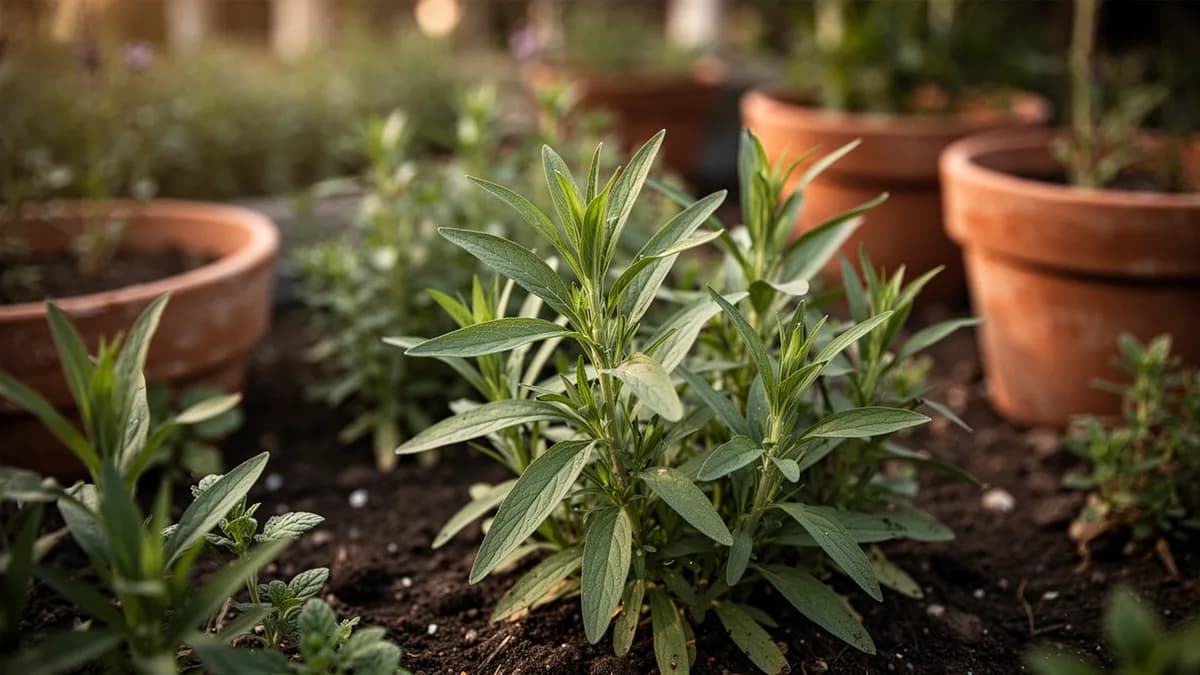
A perennial herb with slender, aromatic leaves offering a distinctive anise-like flavor essential to French cuisine. Choose French tarragon propagated by cuttings or division, as it does not set viable seed and is far superior in flavor to Russian tarragon. Grow in well-drained soil and moderate sunlight, and divide plants every few years to maintain vigor and prevent the center from dying out. The leaves are best used fresh in bearnaise sauce, chicken dishes, vinaigrettes, and compound butters.
When to plant Tarragon
True French tarragon cannot be grown from seed, as it does not produce viable seed. Any tarragon seed for sale is Russian tarragon, which is vastly inferior in flavor. Propagate French tarragon by root division in early spring, separating established clumps into sections with several healthy roots each. Alternatively, take 4-6 inch stem cuttings from new growth in late spring, dip in rooting hormone, and root in moist perlite. Cuttings typically root in 3-4 weeks under warm, humid conditions.
Your Tarragon Year
Composed for Zone 7 · typical seasons · frost passes Apr 2, returns Nov 1
Plant Tarragon Mar – May, pick May – Sep. Check the planting methods below and set your climate to personalize these windows.
How to grow Tarragon
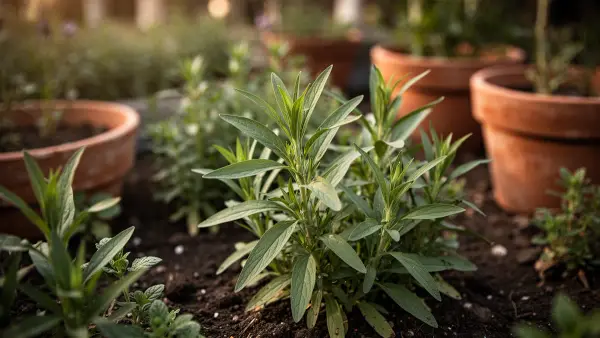
French tarragon must be propagated vegetatively from cuttings or root divisions, as it does not produce viable seed. Purchase plants from reputable nurseries and verify you are getting true French tarragon (Artemisia dracunculus var. sativa) by tasting a leaf, which should have a distinctive anise-licorice flavor with a slight tongue-numbing quality. Russian tarragon (sold from seed) is vastly inferior in flavor.
Plant in spring after the last frost, spacing plants 18-24 inches apart in well-drained soil with full sun to light afternoon shade. Tarragon prefers a neutral to slightly alkaline pH of 6.5-7.5 and moderately fertile soil. Avoid heavy clay or waterlogged conditions, which cause root rot. Raised beds provide the drainage tarragon needs.
Water moderately, allowing soil to dry somewhat between waterings. Tarragon does not tolerate wet feet but also dislikes prolonged drought. Cut plants back by half in midsummer to encourage a flush of tender, flavorful new growth. In fall, cut stems to 3-4 inches and mulch heavily with straw in zones 5-6 for winter protection. Divide plants every 3-4 years in spring to prevent the center from dying out and maintain plant vigor.
10 plants fit a 4 × 8 ft bed
Each Tarragon wants 45 cm of elbow room. The planner keeps that spacing for you — every plant, every bed.
Tarragon's best neighbours
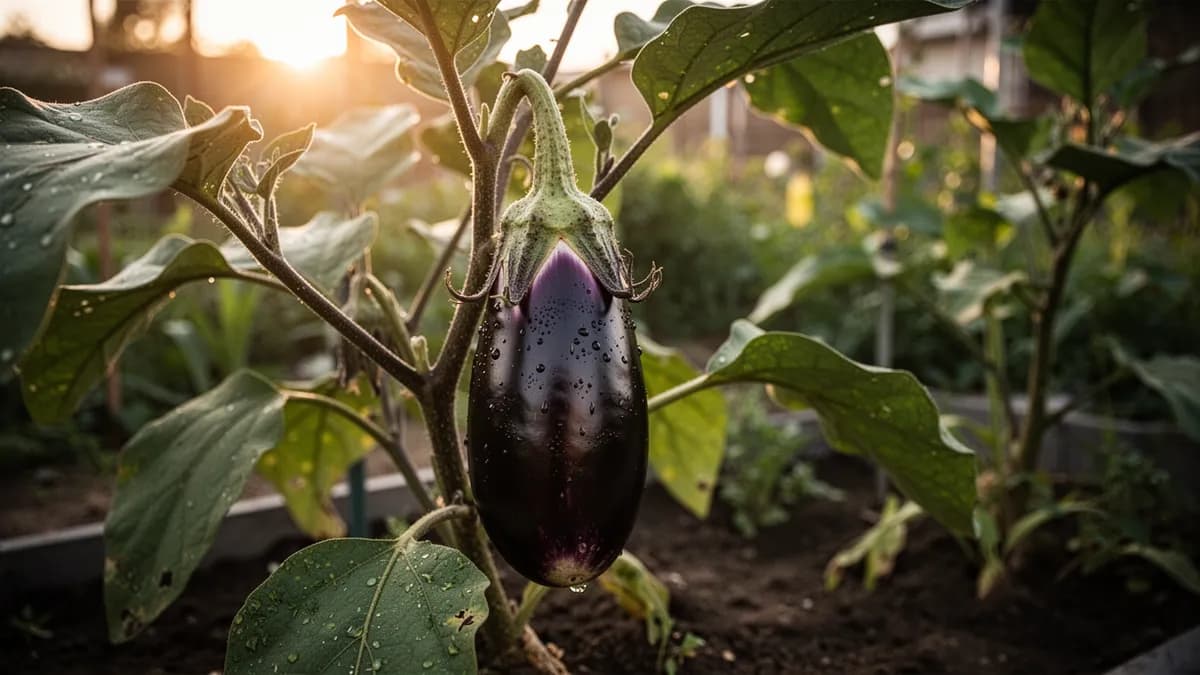
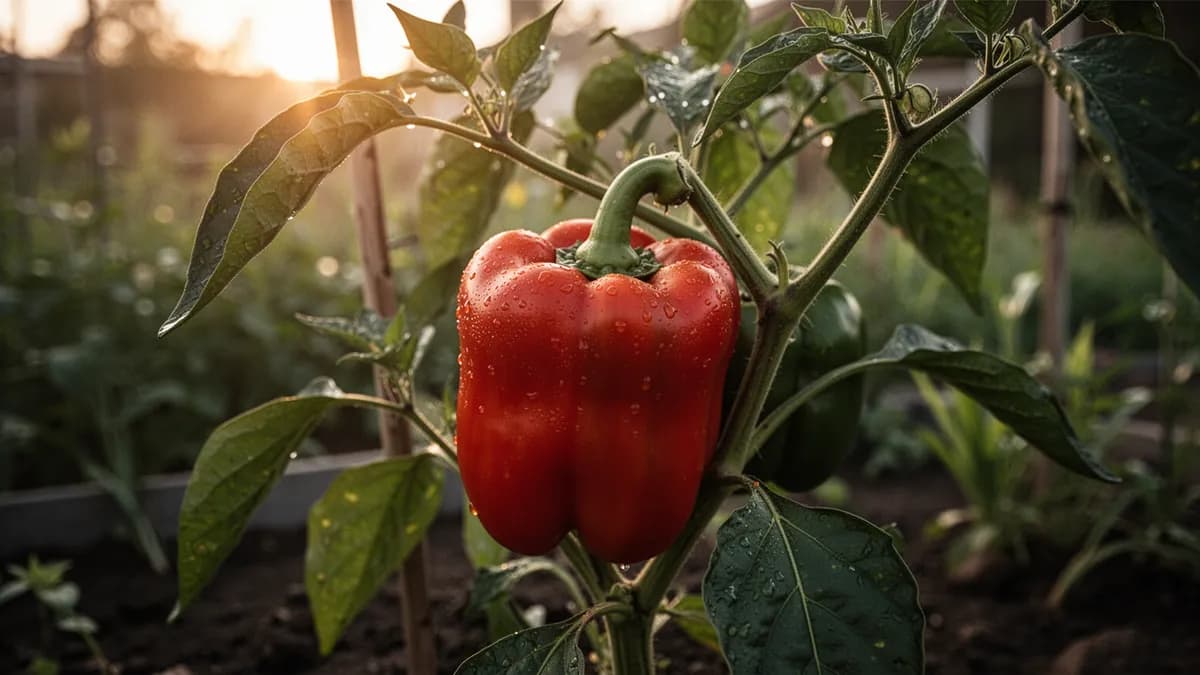
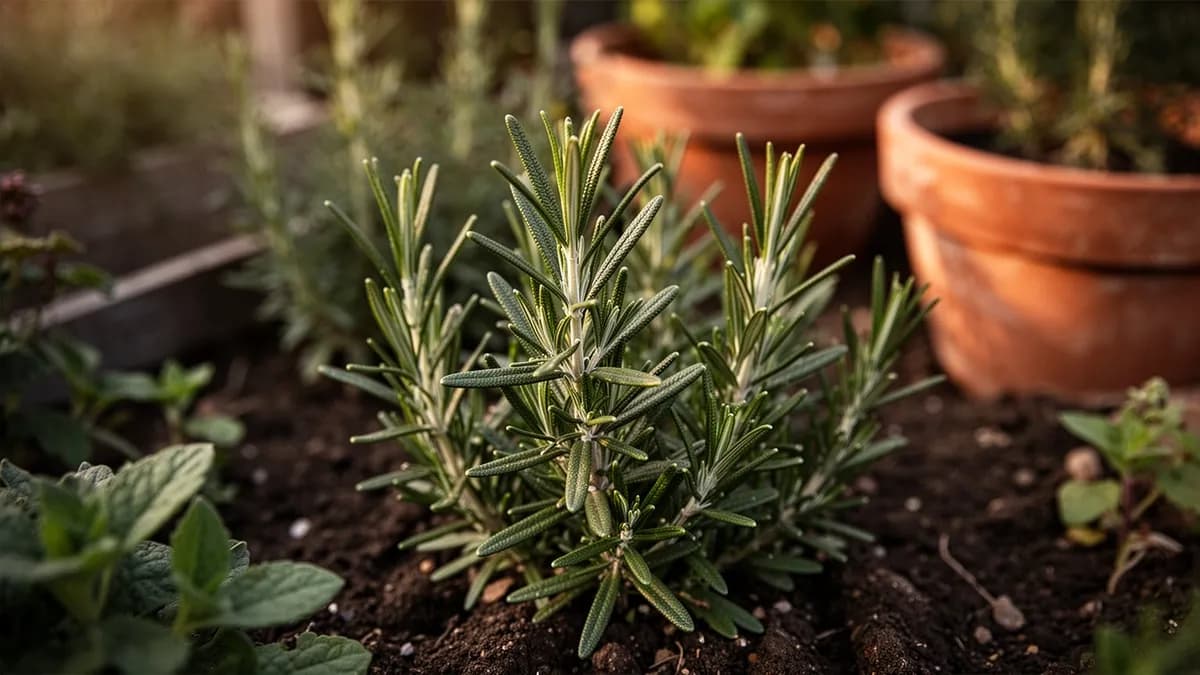
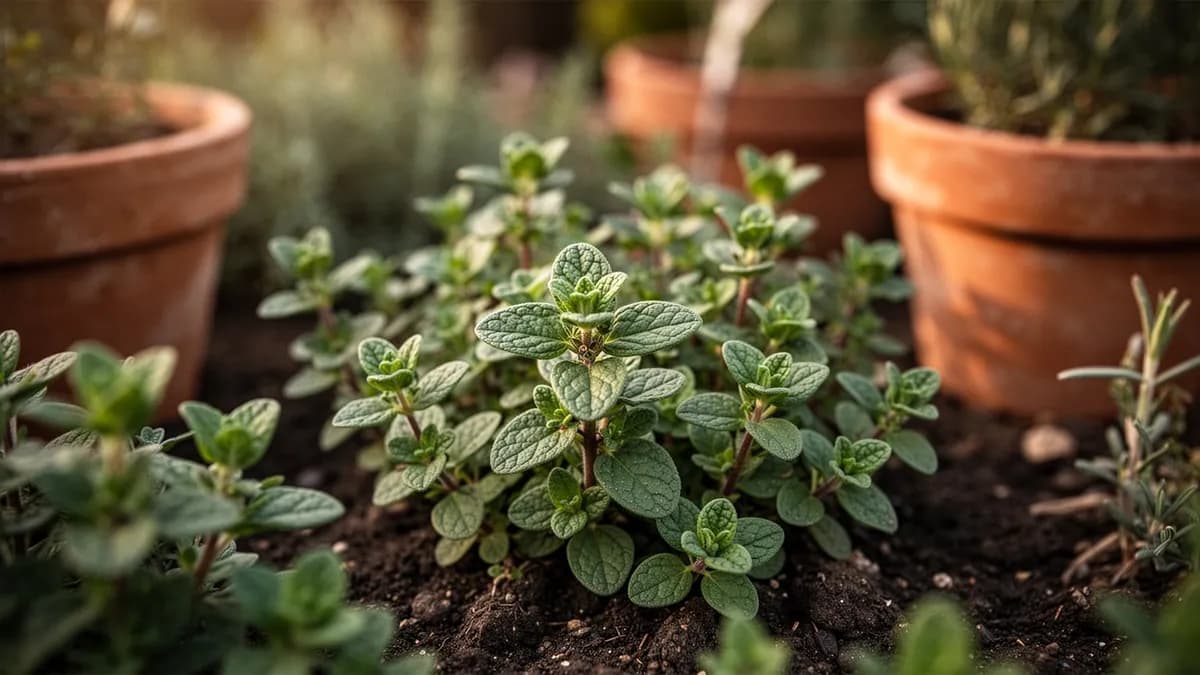
Tarragon is said to enhance the growth and flavor of vegetables planted nearby, earning it a reputation as a beneficial companion throughout the garden. Its aromatic oils may help repel some pest insects. Plant near eggplant and peppers, which benefit from tarragon's presence. Tarragon grows well alongside other perennial herbs in a dedicated herb bed. Avoid planting near fennel, which may negatively interact with tarragon and reduce the vigor of both plants.
Eggplant belongs beside it. Fennel doesn't.
Old growers' knowledge, checked against Tarragon's real companion table below — test any plant you're growing.
Try Tarragon in a bed — right here
A real planner bed with Tarragon already in it. Tap a companion to place it and watch the pairing checks answer — green for good neighbours, red for a clash.


Related growing guides
Feed it well
Tarragon prefers well-drained, moderately fertile soil with a pH of 6.5-7.5. Sandy loam amended with a modest amount of compost is ideal. Avoid heavy clay or waterlogged conditions. Tarragon is a light to moderate feeder; a single application of balanced slow-release fertilizer in early spring is usually sufficient. Over-fertilizing produces rapid but less flavorful growth. In containers, use a well-draining potting mix and fertilize monthly with diluted liquid fertilizer during active growth.
Ideal Temperature
Hardiness Zone Compatibility
From seed to harvest, stage by stage
Propagation
French tarragon rarely produces viable seeds, so propagation is done through stem cuttings or root divisions taken from an established plant in spring.
Establishment
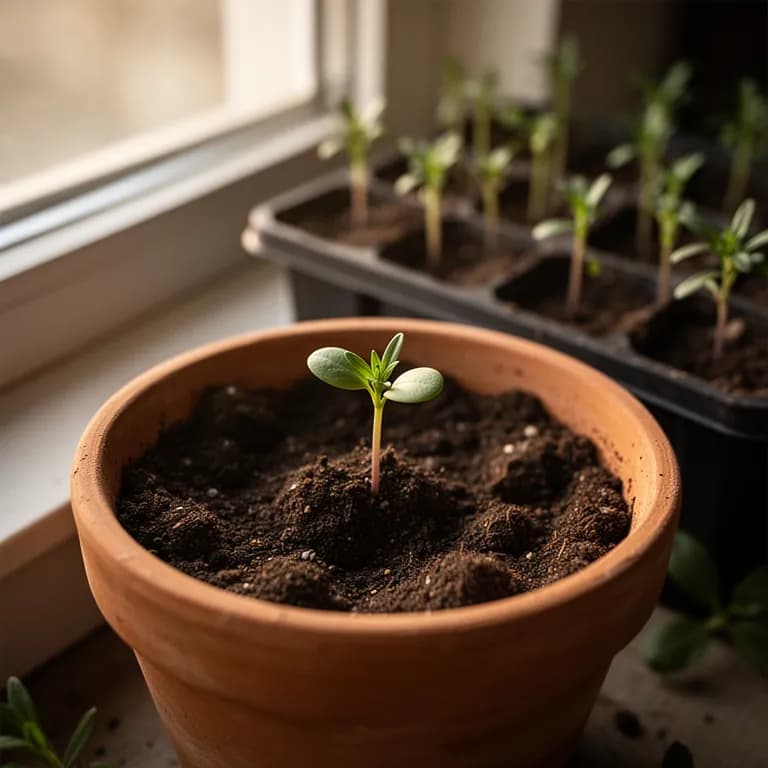
Rooted cuttings develop their initial root system and produce the first sets of true leaves. Growth is slow but steady during this phase.
Vegetative Growth
The plant enters a rapid growth phase, sending up multiple slender stems covered with aromatic, lance-shaped leaves. The root system expands vigorously.
Mature Harvest Phase
Plants reach 60-90 cm in height with dense foliage ideal for repeated harvesting. Leaf flavor intensity peaks just before any flower buds appear.
Flowering
Small, greenish-yellow flower buds may appear in late summer. French tarragon flowers are typically sterile and do not produce viable seed.
Dormancy
As temperatures drop in autumn, tarragon foliage dies back to the ground. The plant enters a winter dormancy period, with the root crown surviving underground.
Take 10-15 cm stem cuttings from new growth and root them in moist perlite or vermiculite under a humidity dome.
Caring for Tarragon month by month
What to do each month for your Tarragon
October
You are hereAllow the foliage to die back naturally. Pot up a small division and bring it indoors for a windowsill herb supply through winter.
Know exactly what to do in your garden — every month
One email at the start of each month: what to sow, plant, and tackle right now — for your Tarragon and everything growing around it. Plus a short starter course that helps you dodge the classic mistakes.
- What to do, right now
- Matched to your season
- Starter course included
Harvesting Tarragon
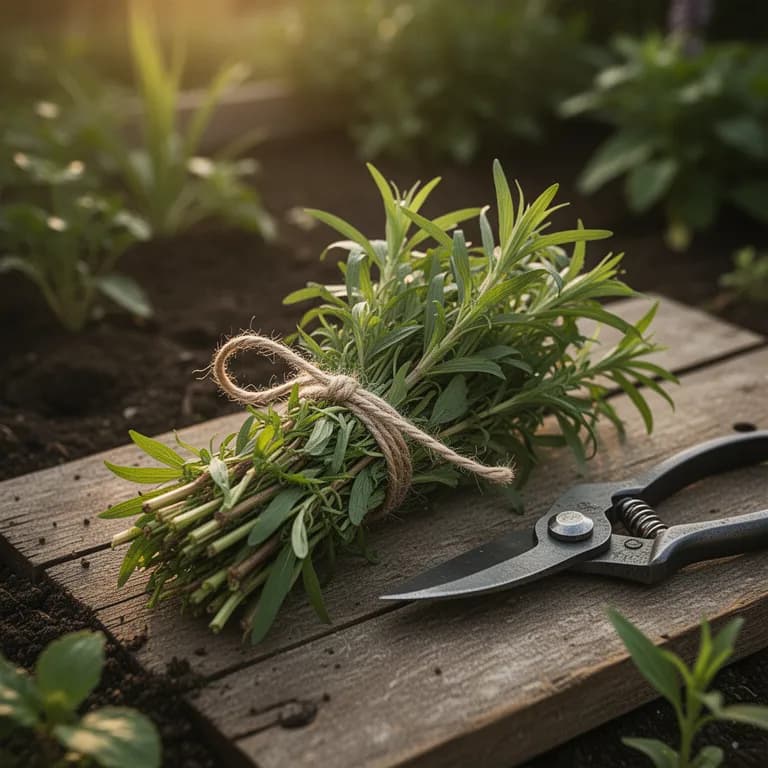
Begin harvesting tarragon once plants are well-established, typically in late spring of the first year. Cut 6-8 inch stem tips in the morning for the best flavor. Harvest regularly to encourage new growth, taking up to one-third of the plant at a time. The most intensely flavored leaves grow in the first flush of spring and after a midsummer cutback. French tarragon flavor deteriorates when dried, so use fresh whenever possible. A second major harvest can be taken before the first frost in fall.
assuming you plant when the window opens — set your real date
Begin harvesting once plants are well established and stems reach 15-20 cm, typically in late spring of the first full year. Flavor peaks in the first spring flush and again after a midsummer cutback, just before any flower buds form.
Storage & Preservation
Fresh tarragon keeps for 4-5 days in the refrigerator, wrapped in a damp paper towel in a sealed bag. Because French tarragon loses much of its distinctive flavor when dried, freezing is the preferred preservation method. Freeze whole sprigs in freezer bags, or chop leaves and freeze in ice cube trays with water or oil. Tarragon vinegar is the classic preservation technique: pack fresh sprigs into a bottle of white wine vinegar and steep for 2-4 weeks. Tarragon butter freezes beautifully and provides year-round access to the flavor.
What goes wrong — and the fix
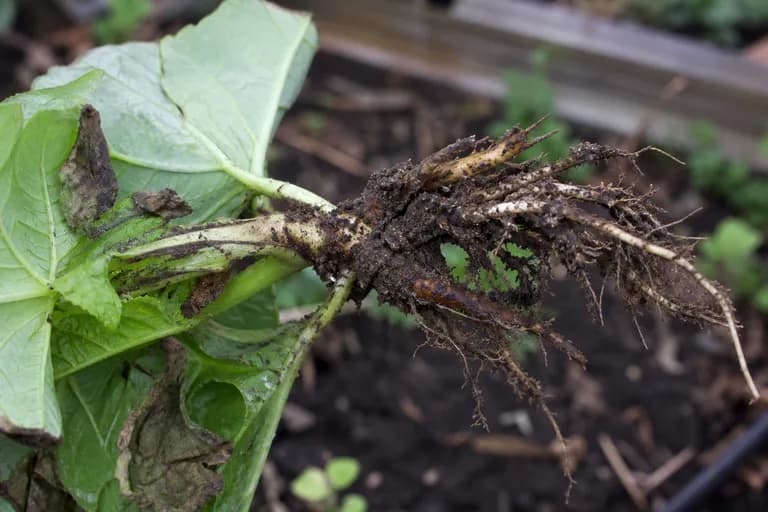
Root Rot
DiseaseYellowing and wilting foliage, mushy brown roots, progressive plant decline, especially in wet soils.
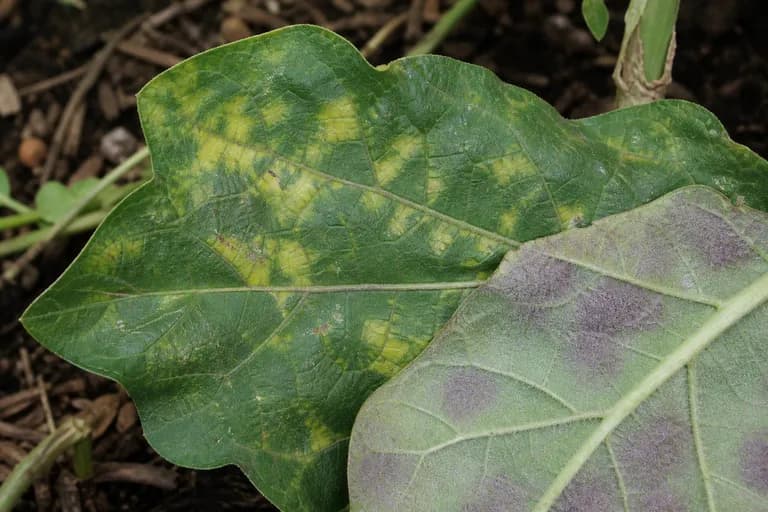
Downy Mildew
DiseaseYellow patches on upper leaf surfaces, grey fuzzy growth underneath, leaf drop.
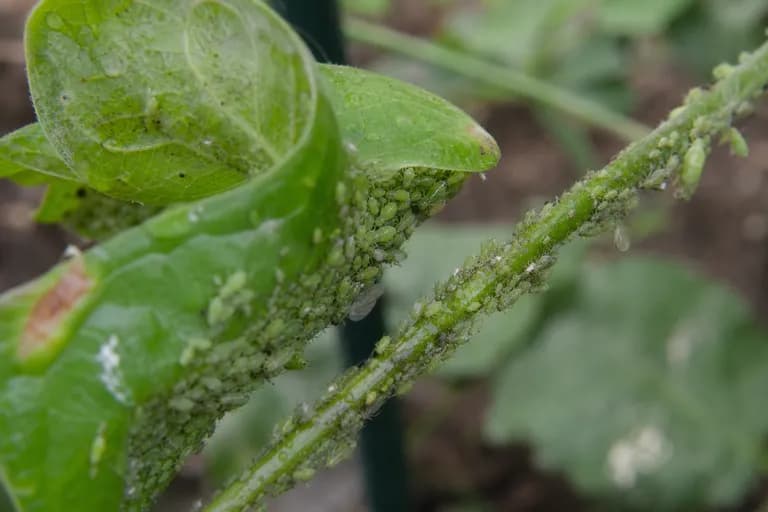
Aphids
PestClusters of small insects on new growth, curled distorted leaves, sticky residue.
Troubleshooting Common Problems
The most common problem is accidentally growing Russian tarragon instead of French, which lacks the distinctive anise flavor. Always taste before buying and purchase only from reputable sources. Dying centers in older plants indicate the need for division every 3-4 years. Root rot from wet winter conditions is the primary cause of plant loss; ensure excellent drainage and apply winter mulch in cold zones. Tarragon can be slow to emerge in spring; mark its location to avoid accidentally disturbing the crown.
Growing Tips
- Always purchase French tarragon (Artemisia dracunculus var. sativa) rather than Russian tarragon. Verify by tasting a leaf at the nursery — true French tarragon has a sweet, complex anise flavor, while Russian tarragon tastes bland and slightly bitter.
- Plant tarragon in a location with full sun and excellent drainage. This herb is native to dry steppes and will quickly succumb to root rot in heavy, waterlogged clay soils. Amend clay with coarse sand and compost before planting.
- Avoid over-fertilizing tarragon. Rich soil actually diminishes the essential oil concentration in the leaves, resulting in weaker flavor. A single light application of compost in spring is sufficient for the entire season.
- Divide established plants every 3-4 years in early spring to prevent the center from becoming woody and unproductive. Discard the old central portion and replant the vigorous outer sections.
- Water deeply but infrequently, allowing the top 3-5 cm of soil to dry out between waterings. Tarragon is drought-tolerant once established and strongly prefers slightly dry conditions over constant moisture.
- Harvest tarragon in the morning after the dew has dried but before the midday heat, when essential oil concentration in the leaves is at its peak. Cut whole stems rather than picking individual leaves.
- Preserve surplus tarragon by freezing rather than drying. Frozen tarragon retains far more of its delicate anise flavor than dried. Freeze whole sprigs in ziplock bags or chop leaves into ice cube trays with olive oil.
- Grow tarragon in containers if you have heavy clay soil or live in a region with wet winters. Use a terracotta pot with drainage holes and a gritty, well-draining potting mix amended with extra perlite.
- Pinch off flower buds as soon as they appear to keep the plant focused on producing flavorful leaves. Allowing tarragon to flower diverts energy from foliage and can cause the leaves to become bitter.
- In cold climates (USDA zones 4-5), apply a thick 10-15 cm mulch of straw or shredded leaves over the root zone after the first hard frost to protect the crown from freeze-thaw cycles through winter.
Grow your best Tarragon yet — and everything around it.
Start a free plan today. Lay out your beds, drop in your Tarragon, and let PlotMyGarden handle the timing, spacing, companions and reminders from seed to harvest basket.
Pick your Tarragon
French Tarragon
The only variety worth growing for culinary purposes, with an intense anise-licorice flavor. Must be propagated vegetatively, as it does not produce viable seed.
Russian Tarragon
A seed-grown variety that is hardier but dramatically less flavorful than French tarragon. Has a bitter, grassy taste and is generally not recommended for cooking.
Mexican Tarragon (Tagetes lucida)
A tender perennial marigold relative with anise flavor similar to French tarragon. Thrives in hot climates where French tarragon struggles, with pretty yellow flowers.
A single French tarragon plant costs around $4-6 at a nursery and produces abundant fresh leaves for 3-5 years with proper care. Fresh tarragon at grocery stores sells for $3-5 per small packet (about 15g). One healthy plant yields 200-400g of fresh tarragon per season, representing $40-130 in retail value annually. Over a 4-year lifespan with periodic division, a single original plant can produce multiple new plants, multiplying your savings considerably.
Quick recipes
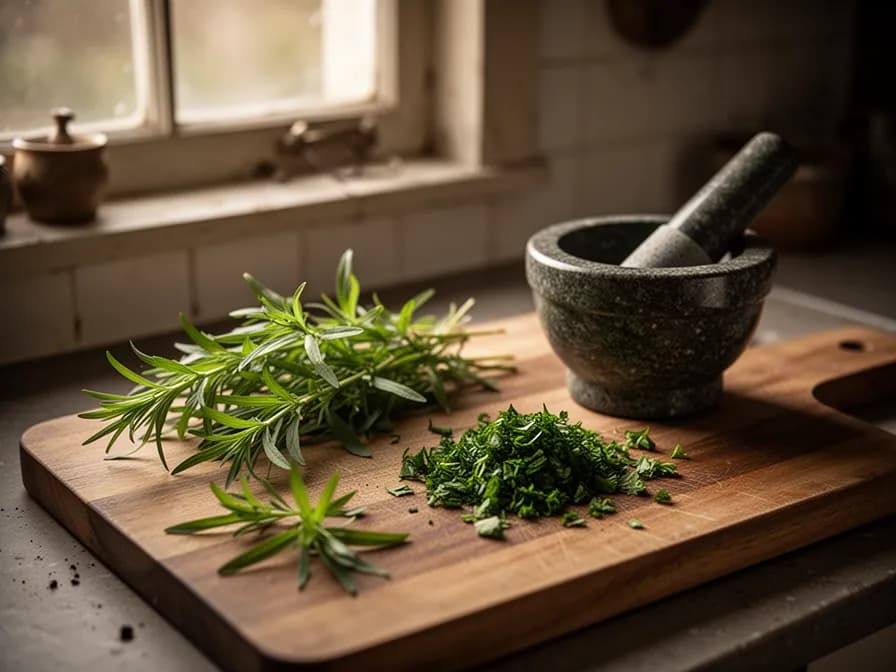
Classic Tarragon Chicken
40 minutesTender pan-seared chicken breasts finished in a creamy tarragon sauce with a hint of white wine and Dijon mustard. This quintessential French dish showcases tarragon's elegant anise flavor.
8 ingredients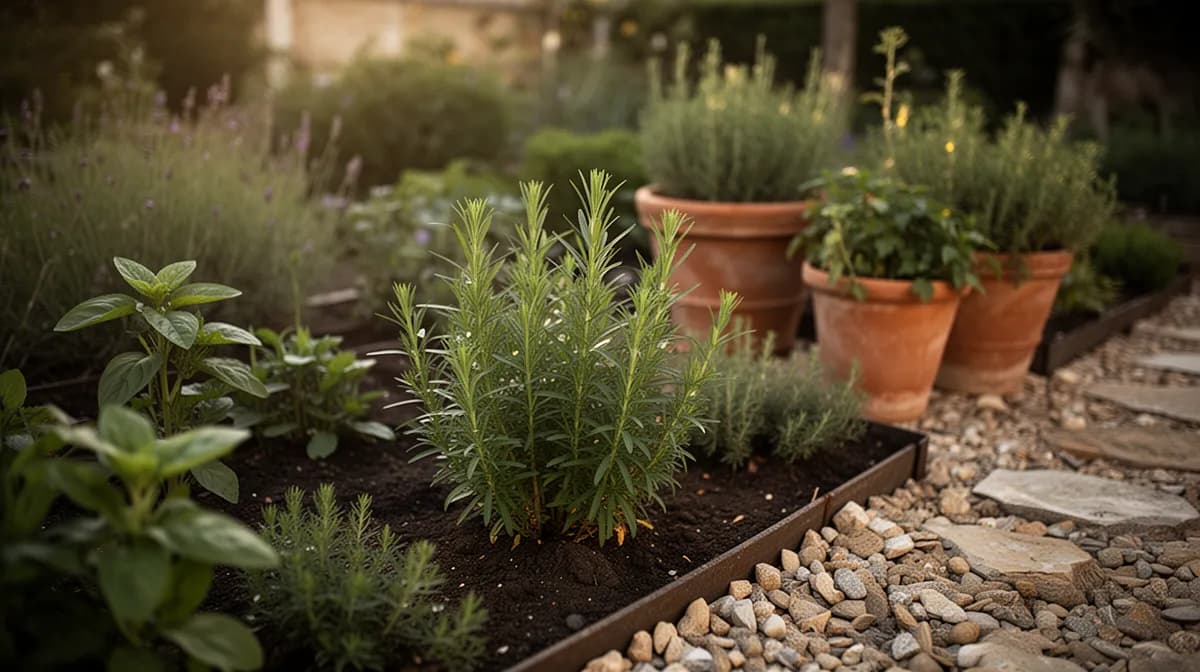
Homemade Tarragon Vinegar
10 minutes active (2 weeks infusion)A beautifully aromatic infused vinegar that captures the essence of fresh tarragon. Use it in vinaigrettes, marinades, and sauces throughout the year as a way to preserve summer's harvest.
5 ingredients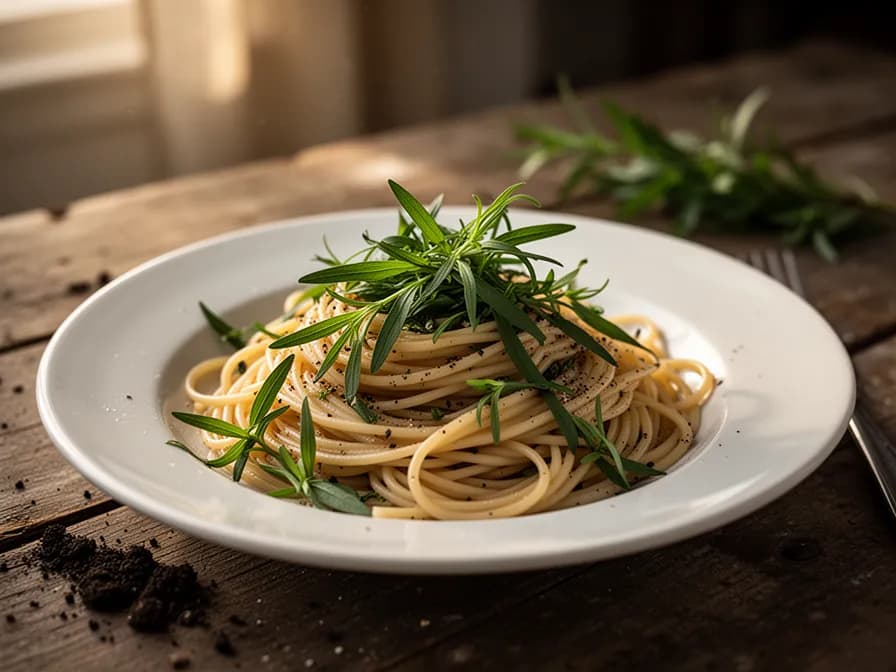
Tarragon Compound Butter
10 minutesA versatile herb butter that melts over grilled steaks, fish, or roasted vegetables, releasing a burst of fresh tarragon flavor. Rolls freeze beautifully for up to three months.
6 ingredientsCulinary Uses
French tarragon is one of the four fines herbes of classic French cuisine, alongside chives, chervil, and parsley. It is essential in bearnaise sauce, tarragon chicken, and tarragon vinaigrette. The subtle anise-licorice flavor pairs beautifully with eggs, fish, shellfish, and poultry. Use fresh leaves in compound butters, cream sauces, and salad dressings. Add tarragon at the end of cooking to preserve its delicate flavor, which breaks down with prolonged heat.
What's inside
Health Benefits
- Acts as a natural digestive aid by stimulating bile production and soothing the stomach, traditionally used to relieve bloating, indigestion, and loss of appetite.
- Contains eugenol, a compound with mild analgesic properties that has been used historically to alleviate toothache pain and reduce oral inflammation.
- Rich in antioxidant polyphenols that help neutralize free radicals and may reduce oxidative stress associated with chronic disease and cellular aging.
- May support healthy blood sugar regulation, as studies suggest tarragon extract can improve insulin sensitivity and help maintain stable glucose levels.
- Provides anti-inflammatory compounds that may help reduce pain and swelling associated with arthritis and other inflammatory conditions.
- Contains nutrients that support cardiovascular health, including potassium for blood pressure regulation and rutin for capillary wall strength.
Where Tarragon comes from
French tarragon (Artemisia dracunculus var. sativa) is a perennial herb native to the vast temperate steppes of Central Asia, with its ancestral range spanning from southern Siberia through Mongolia and into western China. The wild species, known as Russian tarragon, still grows across these grasslands, though it lacks the refined flavor of its French cultivar cousin. The plant's journey westward likely began along ancient trade routes, arriving in the Middle East and Mediterranean basin well before the Common Era. Arab physicians documented its medicinal properties as early as the 10th century, recommending it as a remedy for digestive complaints, toothache, and insomnia. Tarragon reached the royal gardens of France in the 16th century, where it was enthusiastically adopted by court chefs who recognized its extraordinary culinary potential. The herb quickly became indispensable in French haute cuisine, earning a permanent place among the fines herbes. By the 17th century, tarragon had spread throughout European kitchen gardens and was being cultivated in monastery herb plots from Spain to England. Thomas Jefferson grew tarragon at Monticello in the late 18th century, helping to introduce the herb to American gardening traditions. The distinction between French and Russian tarragon became critically important to cooks and gardeners alike, as the Russian variety, while easier to grow from seed, delivers a far less aromatic and somewhat bitter flavor compared to the sweet, anise-scented French cultivar. Today, French tarragon remains one of the most valued culinary herbs worldwide, essential to classic preparations such as bearnaise sauce, tarragon chicken, and fines herbes blends. Its cultivation requires some care, as the sterile French variety must be propagated vegetatively, but dedicated gardeners consider the effort well worthwhile for the incomparable flavor it brings to the kitchen.
Tarragon: did you know?
Fascinating facts about Tarragon
The name 'tarragon' derives from the French 'estragon,' which in turn comes from the Latin 'dracunculus' meaning 'little dragon,' possibly because its coiled root system resembles a serpent.
Tarragon questions, answered
When should I plant Tarragon?
What are good companion plants for Tarragon?
What hardiness zones can Tarragon grow in?
How much sun does Tarragon need?
How far apart should I space Tarragon?
What pests and diseases affect Tarragon?
How do I store Tarragon after harvest?
What are the best Tarragon varieties to grow?
What soil does Tarragon need?
What is the difference between French tarragon and Russian tarragon?
Why can't I grow French tarragon from seed?
How do I overwinter French tarragon in cold climates?
How often should I harvest tarragon and how much can I take?
My tarragon plant is becoming woody and less productive. What should I do?
Can I grow French tarragon indoors year-round?
You just read the theory. Now grow it on autopilot.
Everything that makes Tarragon fiddly — the timing, the spacing, the companions, the harvest window — is exactly what PlotMyGarden handles for you, for every plant in your garden.
A plan that knows your weather
Set your location once. Get sow, feed and harvest dates built around your real last-frost date and live forecast — no more guessing from a generic seed packet.
From the “When to plant” sectionDrag-and-drop bed planner
Design beds on a grid. Every plant snaps to its proper spacing, and you can see your whole season laid out before you spend a cent on seed.
From the “Growing guide” sectionCompanion conflicts, caught early
200+ good-and-bad pairings checked live as you plant — so a season-wrecking mistake never makes it into the ground.
From the “Companions” sectionReminders you'll actually act on
“Water the beans.” “Pick today before it turns.” Timely, specific, and tied to the plants you're really growing.
From the “Harvest” sectionSuccession, scheduled
Want a harvest for six weeks, not six days? It spaces your sowings automatically and reminds you when each new block is due.
From the “When to plant” sectionA record that gets smarter
Every harvest you log teaches it your garden. Next year's plan starts from what actually worked in your soil, not a textbook's.
From the “Overview” sectionPlant these alongside Tarragon
More Culinary Herbs
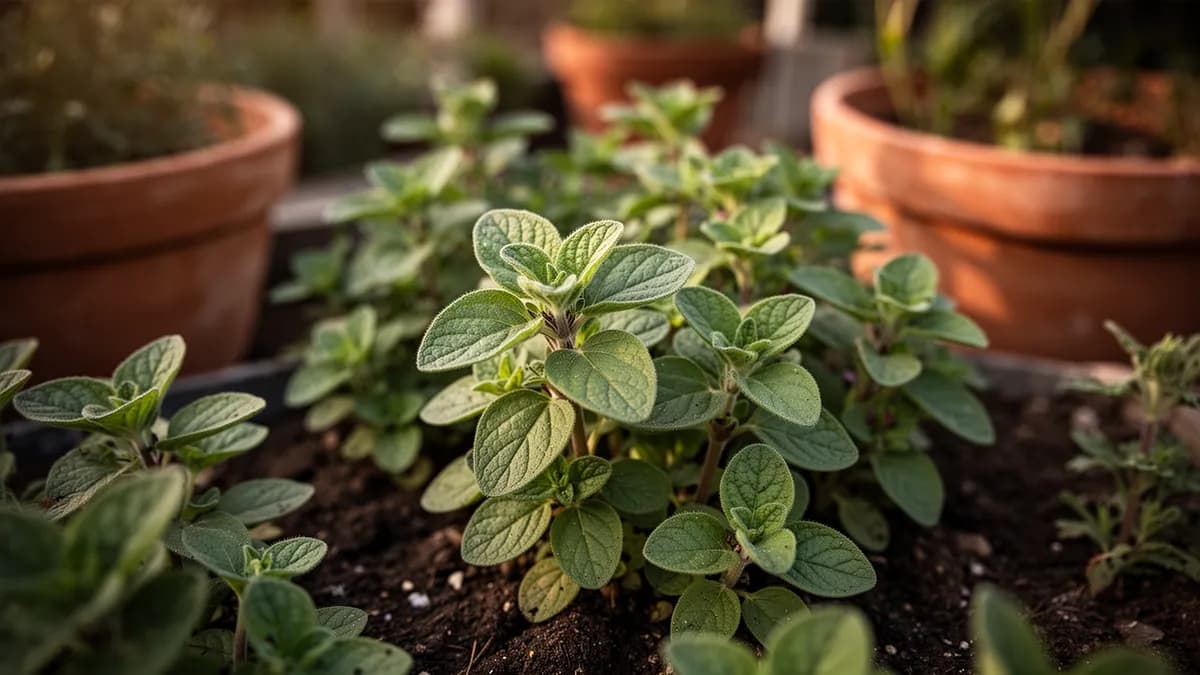
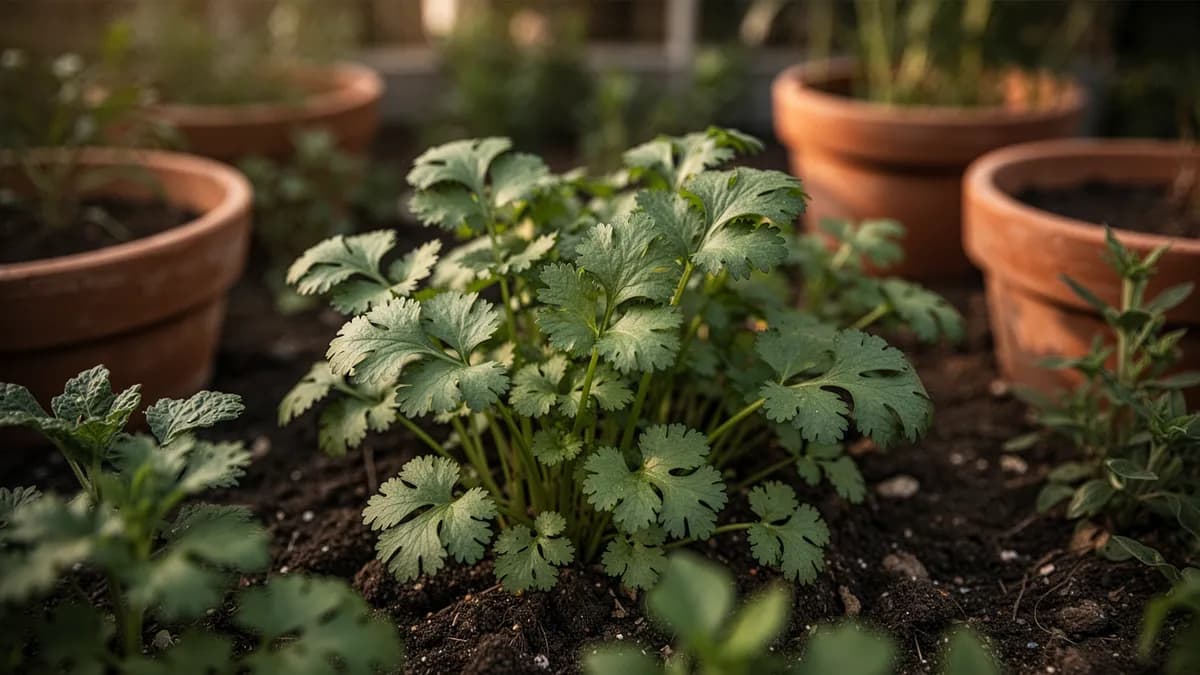
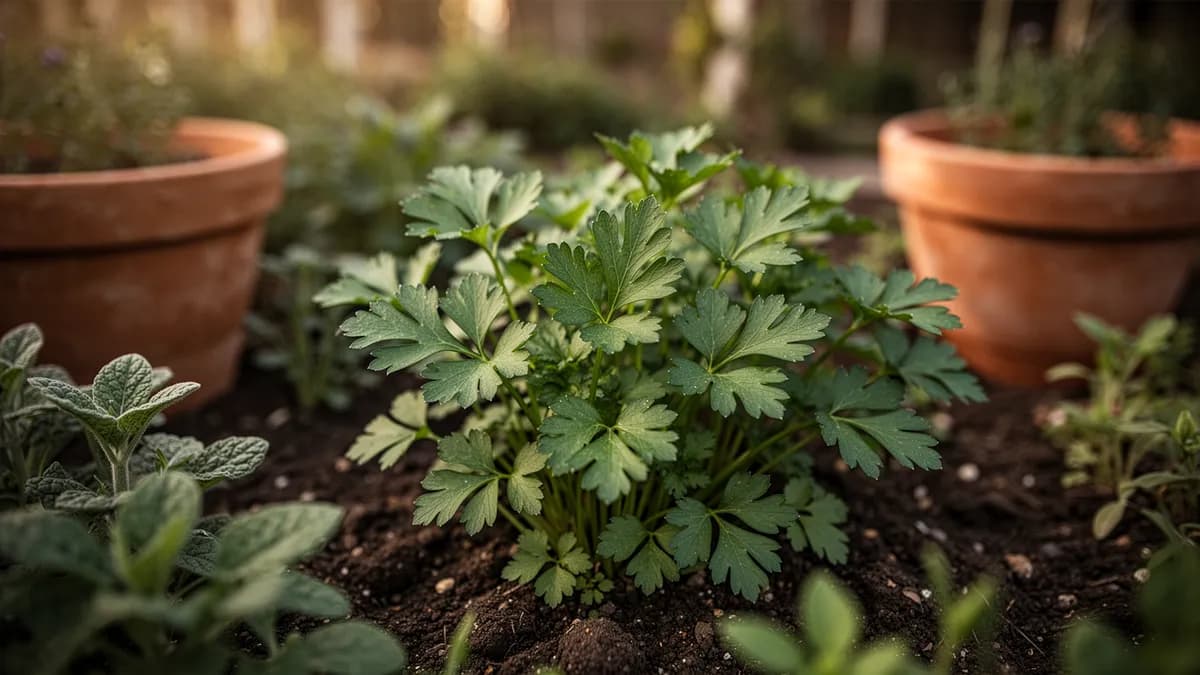
Keep Tarragon away from these
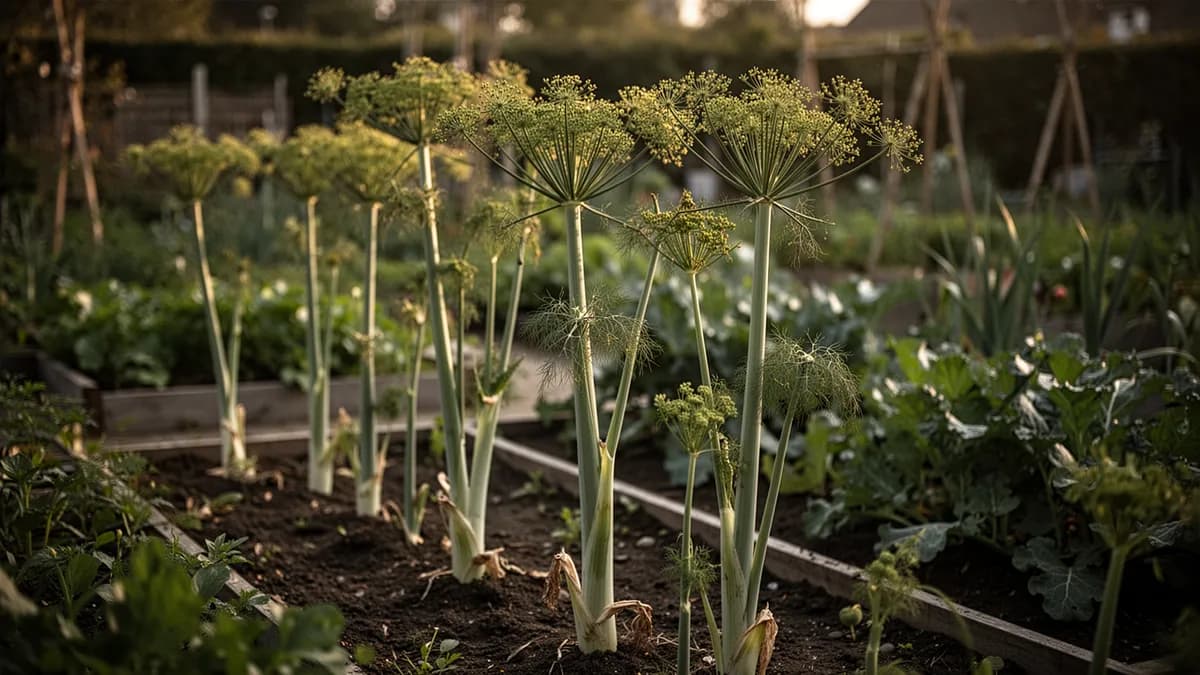
Garden plans featuring Tarragon
Grow your best Tarragon yet — and everything around it.
Start a free plan today. Lay out your beds, drop in your Tarragon, and let PlotMyGarden handle the timing, spacing, companions and reminders from seed to harvest basket.