Calabaza Espagueti
La calabaza espagueti (Cucurbita pepo) es una variedad única cuya pulpa se separa en hebras similares a espaguetis al cocinarla, ofreciendo una alternativa baja en carbohidratos a la pasta.





En esta páginaResumen
Conoce Calabaza Espagueti
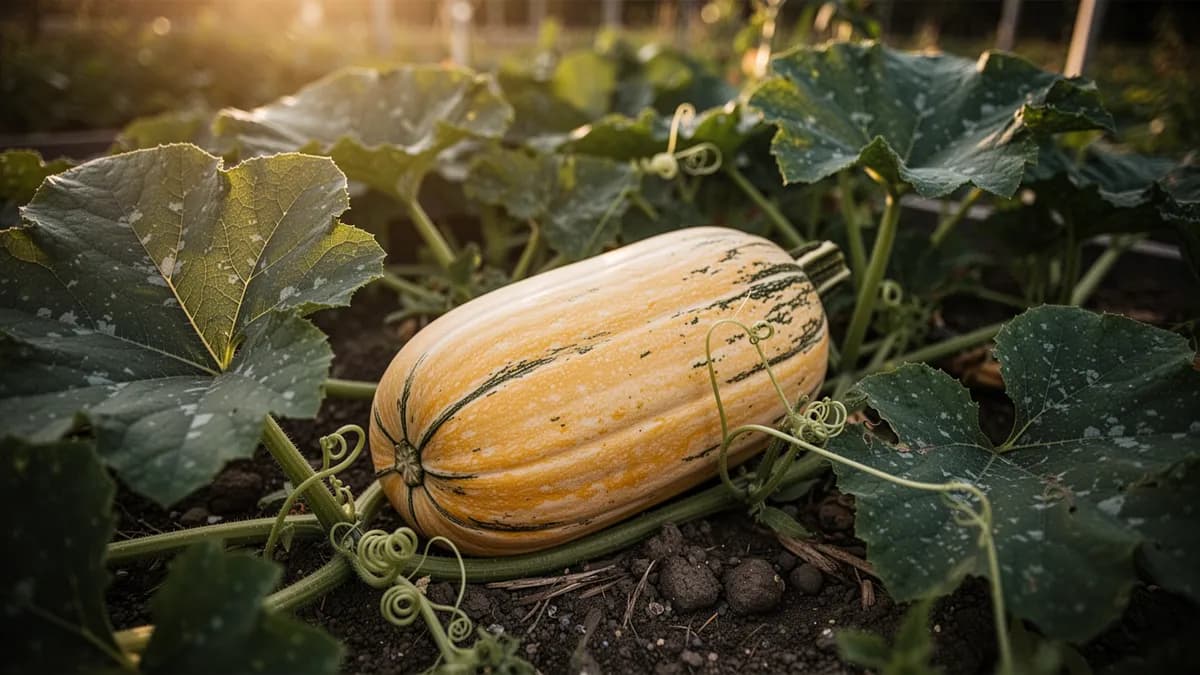
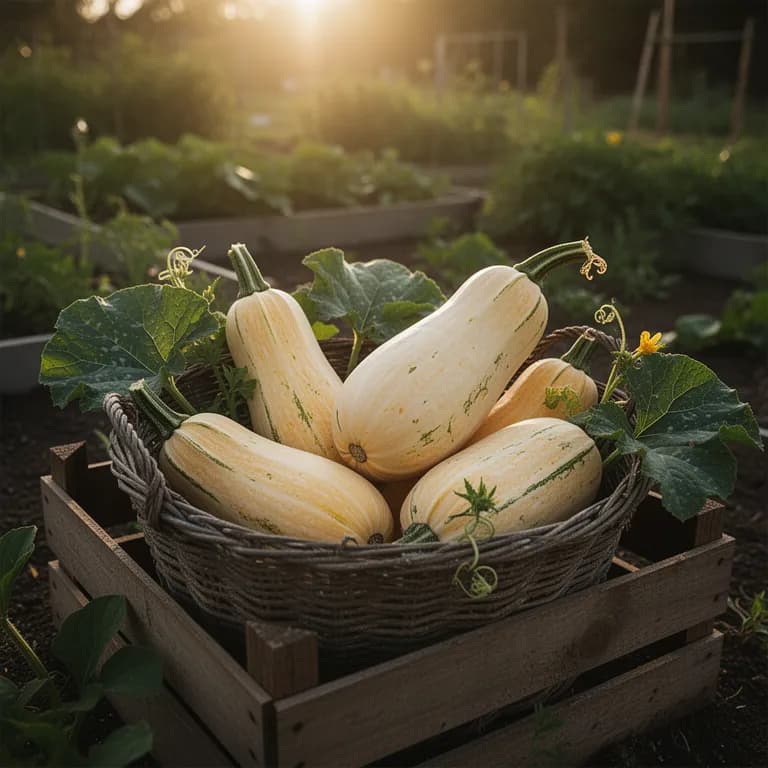
La calabaza espagueti (Cucurbita pepo) es una variedad única cuya pulpa se separa en hebras similares a espaguetis al cocinarla, ofreciendo una alternativa baja en carbohidratos a la pasta. Sus frutos ovalados de 20-30 cm pesan 1-3 kg y maduran de verde a amarillo dorado, conservándose durante meses en almacenamiento adecuado.
Cuándo plantar Calabaza Espagueti
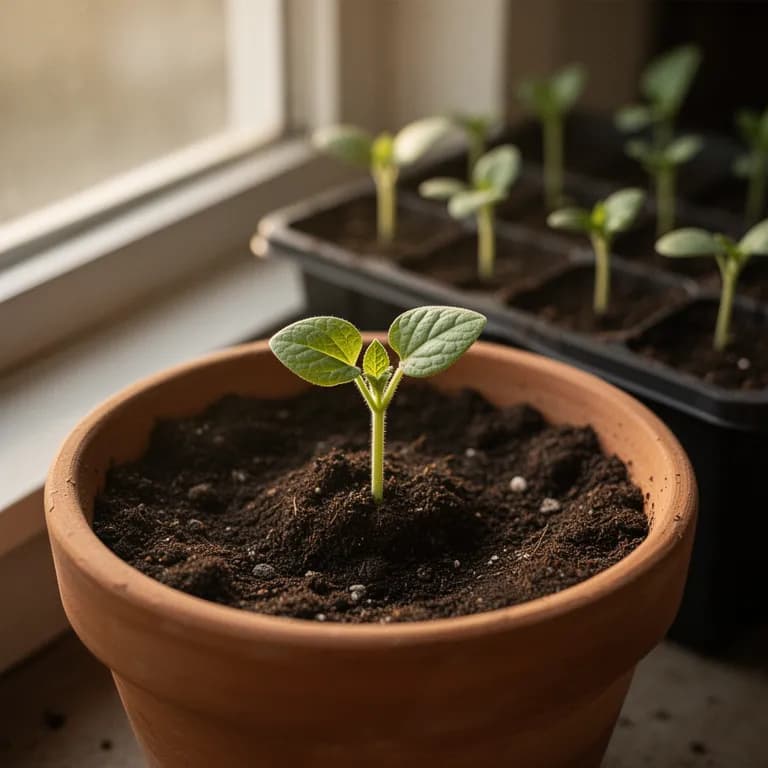
Siembre directamente en el suelo a 2 cm de profundidad en montículos cuando la temperatura supere 18 °C. Para adelantar, inicie 3-4 semanas antes en macetas de turba de 8-10 cm para no perturbar las raíces al trasplantar. Germinación en 7-10 días a 21-27 °C.
Tu año de Calabaza Espagueti
Ajustado a Zona 7 · temporada típica · la helada se va hacia el 2 abr y vuelve hacia el 1 nov
Planta Calabaza Espagueti May – Jun y cosecha Sep – Oct. Consulta los métodos de plantación y elige tu clima para adaptar los periodos.
Cómo cultivar Calabaza Espagueti
Siembre directamente en el suelo cuando la temperatura supere 18 °C, o inicie en interiores 3-4 semanas antes en macetas de turba para evitar la perturbación de las raíces. Plante 2-3 semillas a 2 cm de profundidad en montículos espaciados 90-120 cm, aclarando a la planta más vigorosa.
Las enredaderas son extensas y necesitan 2-3 m² de espacio por planta. Riegue profundamente con 3-4 cm semanales, preferiblemente en la base para evitar oídio en las hojas. Aplique acolchado de paja bajo los frutos para evitar pudrición por contacto con el suelo húmedo.
Fertilice al plantar con compost y aplique abono rico en potasio cuando comiencen a formarse los frutos. Los frutos maduran en 80-100 días y están listos cuando la piel se endurece y adquiere un color amarillo dorado uniforme. Limite a 3-4 frutos por planta para obtener calabazas de buen tamaño.
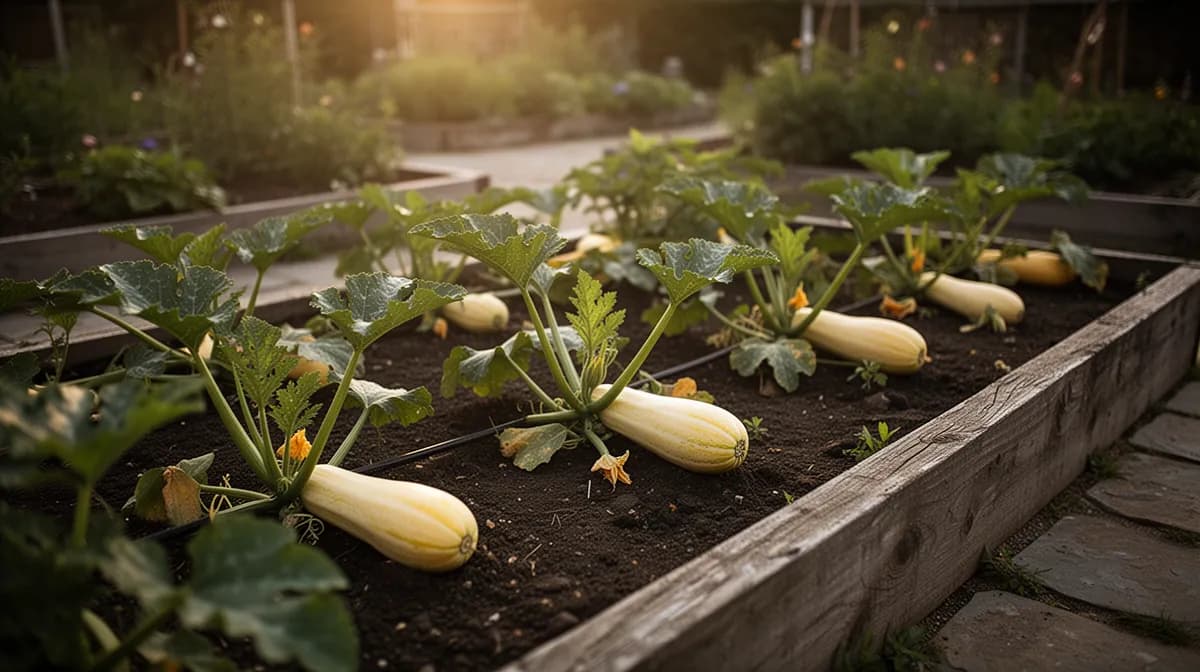
2 plantas caben en un bancal de 120 × 240 cm
Cada Calabaza Espagueti pide 120 cm de margen. El planificador guarda ese marco por ti — cada planta, cada bancal.
Los mejores vecinos de Calabaza Espagueti
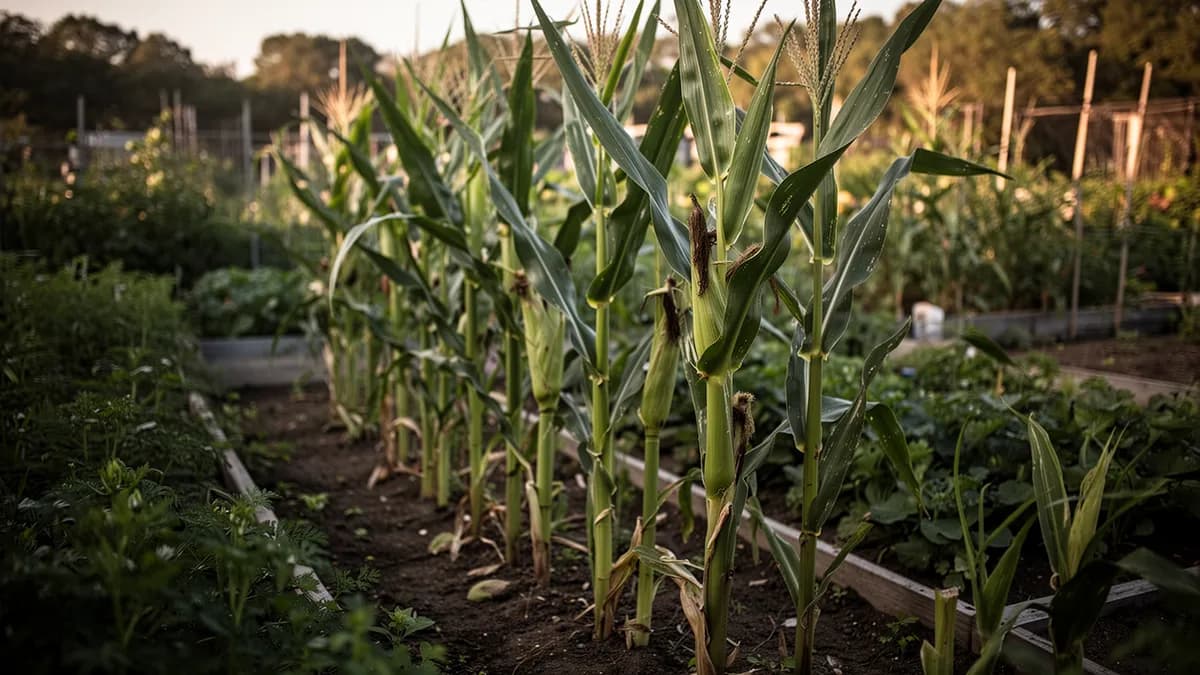
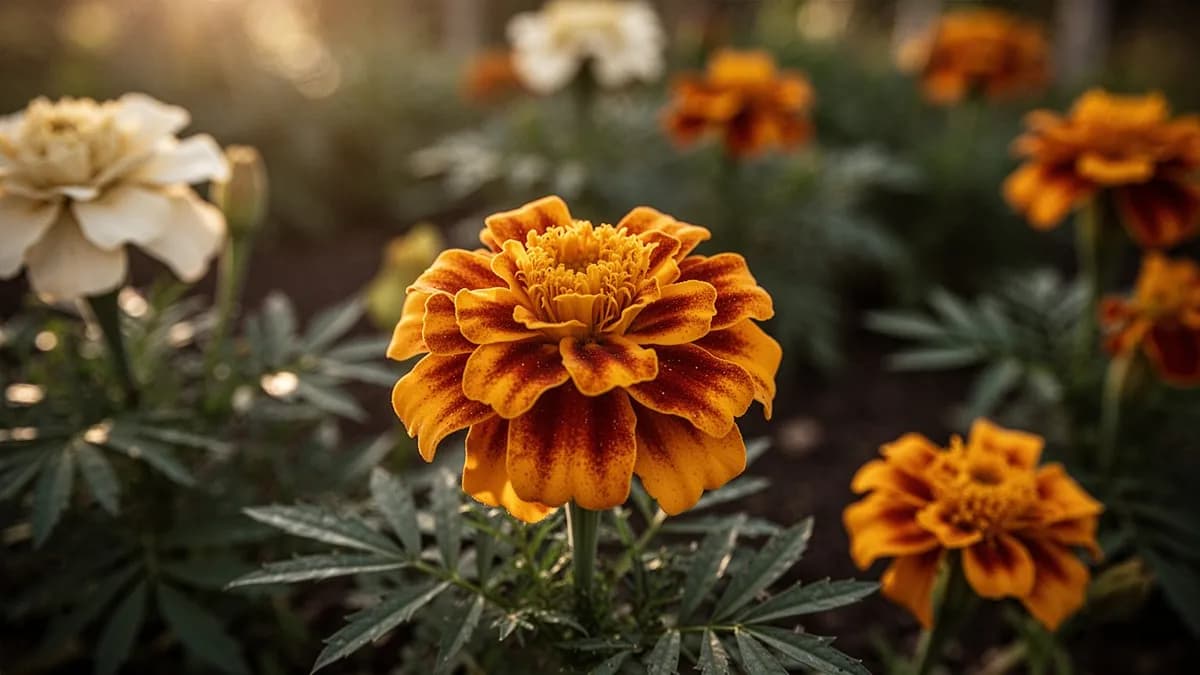
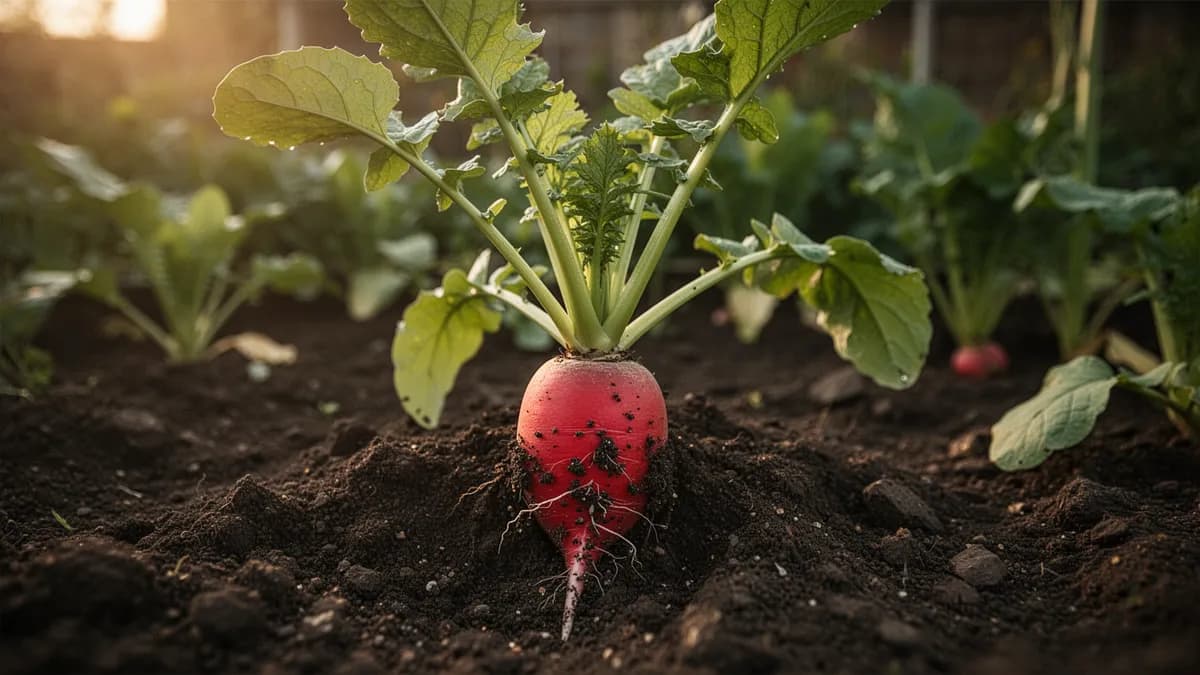
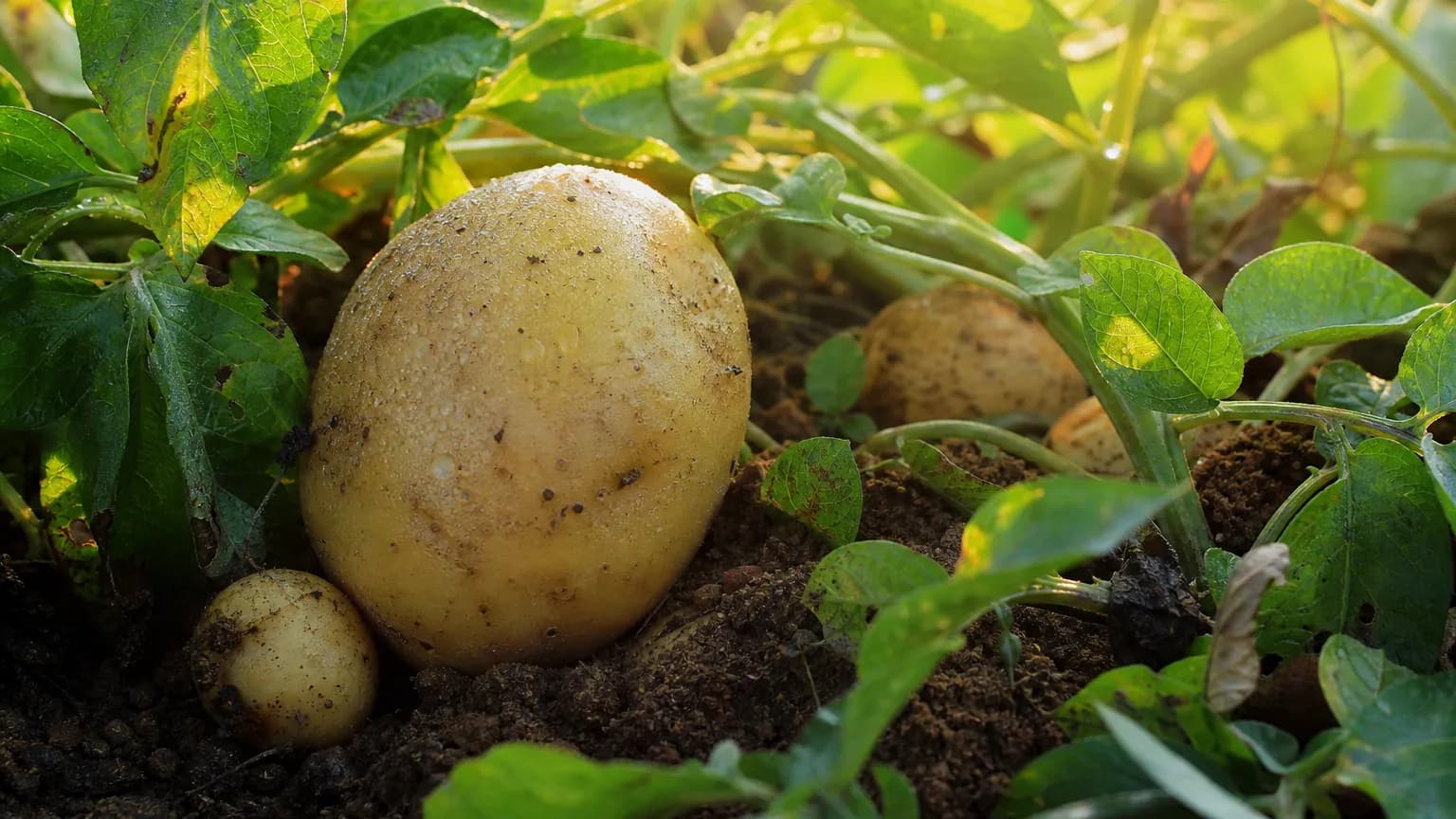
Crece bien junto a maíz y frijoles en el sistema tradicional de milpa. Las capuchinas atraen pulgones lejos de las calabazas. Los rábanos sembrados entre montículos aprovechan el espacio antes de que las enredaderas lo cubran. Evite plantar junto a patatas.
Maíz va a su lado. Papa no.
Saber de huerto de siempre, cotejado con la tabla real de Calabaza Espagueti — prueba cualquier planta que cultives.
Prueba Calabaza Espagueti en un bancal, aquí mismo
Un bancal real del planificador con Calabaza Espagueti ya plantado. Toca una planta compañera para colocarla y mira cómo responde la comprobación de vecinos: verde para buenos vecinos, rojo si hay conflicto.


Guías de cultivo relacionadas
Abónalo bien
Suelos ricos, profundos y bien drenados con pH 6,0-7,0. Enmiende generosamente con compost maduro antes de plantar. Fertilice con abono rico en potasio durante la formación de frutos. Evite exceso de nitrógeno que favorece enredaderas en detrimento de frutos.
Temperatura ideal
Compatibilidad de zonas de rusticidad
De la semilla a la cosecha, etapa por etapa
Inicio de semillas
Las semillas germinan en suelo cálido en 7-14 días. En zonas de temporada corta, siembra en interior 3-4 semanas antes de la última helada en macetas grandes de turba para evitar daños en las raíces durante el trasplante.
Establecimiento de las guías
Las guías comienzan su fase de expansión vigorosa, creciendo varios centímetros por día en clima cálido. El sistema radicular profundo se establece rápidamente y se desarrollan hojas grandes y lobuladas para favorecer la fotosíntesis.
Floración
Aparecen grandes flores amarillo dorado; primero se abren las masculinas y después las femeninas, identificables por la pequeña hinchazón en la base. La polinización por abejas es esencial para el cuajado de frutos.
Desarrollo del fruto
Las flores femeninas polinizadas se convierten en frutos verdes de rápido crecimiento. La calabaza adquiere su forma oblonga característica y empieza a engordar, alcanzando su tamaño completo en 3-4 semanas tras la polinización.
Maduración
Los frutos pasan de verdes a amarillo dorado intenso a medida que maduran. La corteza se endurece progresivamente y la pulpa desarrolla su característica textura en hebras tipo espagueti. El tallo se vuelve seco y corchoso.
Cosecha y curado
Los frutos están listos cuando tienen un amarillo intenso uniforme, una corteza dura que no se hunde y un tallo seco y corchoso. Una helada ligera endulza la pulpa, pero cosecha antes de una helada fuerte. Cúrala al sol durante 10-14 días para prolongar su vida de almacenamiento.
Siembra directa después de que haya pasado todo peligro de heladas y el suelo esté uniformemente cálido. Siembra 2-3 semillas por montículo, a 2,5 cm de profundidad, y aclara dejando la plántula más fuerte cuando aparezcan las hojas verdaderas.
Cuidar Calabaza Espagueti mes a mes
Qué hacer cada mes para tu Calabaza Espagueti
Octubre
Mes actualComplete harvest before hard frost. Cure remaining fruits for 10-14 days. Move cured squash to cool (10-13°C), dry storage location. Clean up garden beds.
Ten claro qué hacer en tu huerto, cada mes
Un correo al empezar cada mes: qué sembrar, plantar y hacer ahora mismo — para tu Calabaza Espagueti y todo lo que crece alrededor. Más un breve curso inicial para esquivar los errores clásicos.
- Qué hacer ahora mismo
- Ajustado a tu temporada
- Curso inicial incluido
Cosechar Calabaza Espagueti
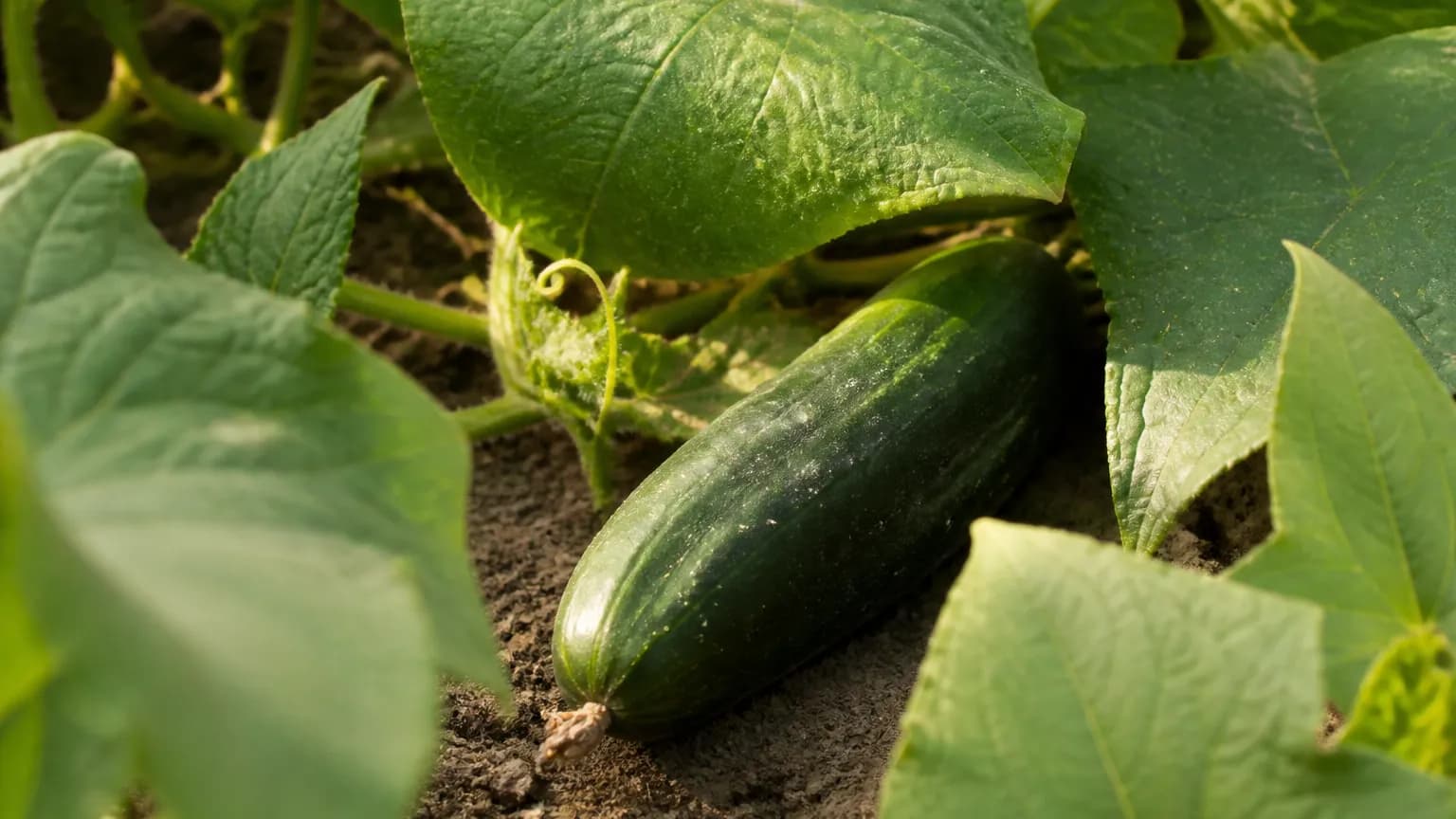
Coseche cuando la piel sea amarillo dorado uniforme, dura al presionar con la uña, y el pedúnculo esté seco y corchoso, unos 80-100 días tras la siembra. Corte dejando 5-7 cm de pedúnculo para prolongar el almacenamiento. Cure al sol durante 1-2 semanas antes de almacenar.
se supone que plantas al comenzar el periodo — indica tu fecha real
Cuando la corteza se vuelva uniformemente amarillo intenso, esté lo bastante dura como para que una uña no la marque y el tallo esté seco y corchoso
Almacenamiento y conservación
Las calabazas espagueti curadas se conservan en un lugar fresco y seco (10-15 °C) durante 2-3 meses. La pulpa cocida en hebras puede congelarse en porciones durante 6-8 meses. También se puede enlatar al baño maría o deshidratar.
Qué falla — y cómo solucionarlo
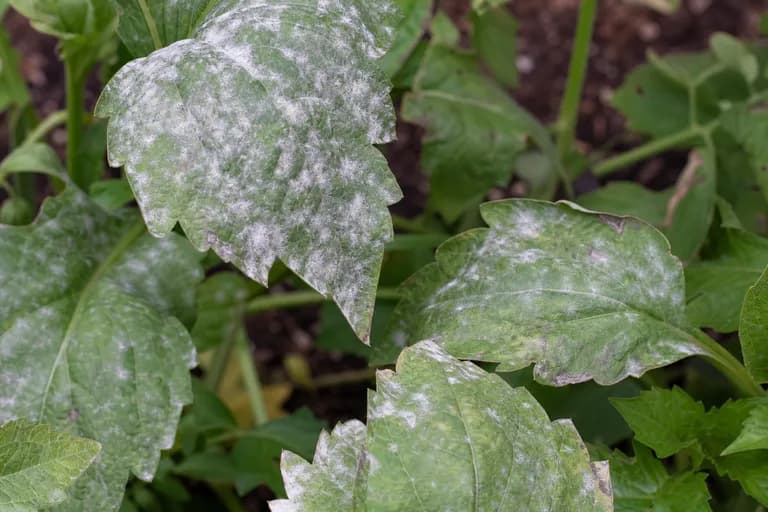
Oídio (Podosphaera xanthii)
EnfermedadPolvo blanco harinoso en la superficie de las hojas que progresa a necrosis y defoliación.
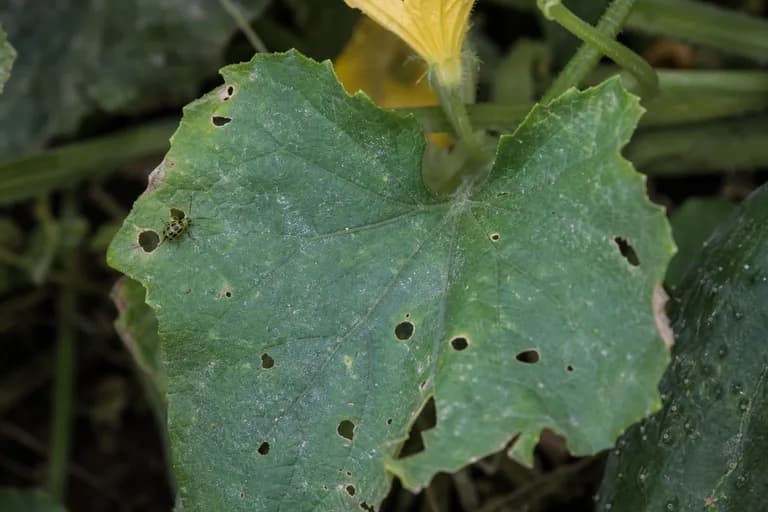
Escarabajo del pepino (Diabrotica undecimpunctata)
PlagaAgujeros en hojas y flores, transmisión de marchitez bacteriana de planta a planta.
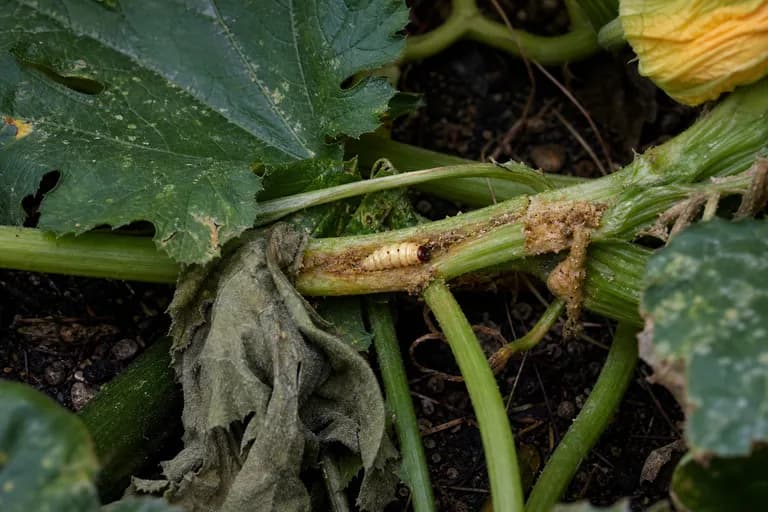
Barrenador de la vid (Melittia cucurbitae)
PlagaMarchitez repentina de secciones de la enredadera, excremento verde-amarillento en la base del tallo, larvas dentro del tallo.
Solución de problemas comunes
El oídio es el problema más común en calabazas espagueti, especialmente a finales de verano. Las enredaderas requieren mucho espacio y pueden invadir áreas vecinas. Los frutos que tocan el suelo húmedo tienden a pudrirse por la base. La polinización insuficiente produce frutos deformes.
Consejos de cultivo
- Start seeds indoors in zones with fewer than 100 frost-free days — spaghetti squash needs 90-100 days to mature, and cold soil delays germination significantly. Use large peat pots to avoid disturbing sensitive roots.
- Build planting hills 30-45 cm high enriched with generous amounts of compost — squash are heavy feeders and the mounded soil warms faster in spring while providing excellent drainage.
- Train vines vertically on a sturdy trellis or fence to save space in smaller gardens — support developing fruits with fabric slings (old t-shirts work perfectly) tied to the trellis structure.
- Hand-pollinate if you have fewer than 3-4 plants or during rainy weather when bees are inactive — transfer pollen from male flowers (thin stem, no swelling) to female flowers (small fruit at base) using a small paintbrush in the morning.
- Stop watering 1-2 weeks before harvest to concentrate sugars in the flesh and strengthen the rind for storage — this makes the strands firmer and more flavorful.
- Never cut the stem shorter than 5 cm when harvesting — a short or broken stem creates an entry point for bacteria that causes storage rot. If the stem breaks, use that fruit first.
- Cure harvested squash in direct sun at 24-29°C for 10-14 days to harden the rind before moving to cool storage — this simple step can double the storage life from 6 weeks to 3 months.
- To cut open a raw spaghetti squash safely, microwave the whole fruit for 3-5 minutes first or roast it whole at 190°C for 10-15 minutes — this softens the notoriously hard rind and makes cutting much safer.
Cultiva tu mejor Calabaza Espagueti — y todo lo que la rodea.
Empieza un plan gratis hoy. Diseña tus bancales, coloca tu Calabaza Espagueti y deja que PlotMyGarden gestione el momento, el espaciado, las asociaciones y los recordatorios de la semilla a la cesta.
Elige tu Calabaza Espagueti
Vegetable Spaghetti
La variedad clásica con frutos ovalados de 20-25 cm, piel amarillo dorado y hebras doradas. Madura en 90-100 días.
Hasta La Pasta
Variedad mejorada con hebras más largas y firmes, mejor textura de pasta. Frutos más uniformes. Madura en 85 días.
Orangetti F1
Variedad con pulpa de color naranja intenso, más rica en betacaroteno y sabor más dulce. Frutos más pequeños. Madura en 80 días.
Small Wonder
Variedad compacta con frutos individuales de 500-800 g, perfectos para una porción. Ideal para espacios pequeños. Madura en 80 días.
Spaghetti squash sells for $1.50-3 per pound at grocery stores and $2-4 per pound at farmers markets. A single $2-3 seed packet plants 4-6 hills, yielding 16-36 squash worth $48-216 at retail. With 2-3 months of storage life, home-grown spaghetti squash provides a continuous supply of healthy pasta alternatives from harvest through early winter — a significant savings over buying weekly.
Recetas rápidas
Classic Spaghetti Squash with Marinara
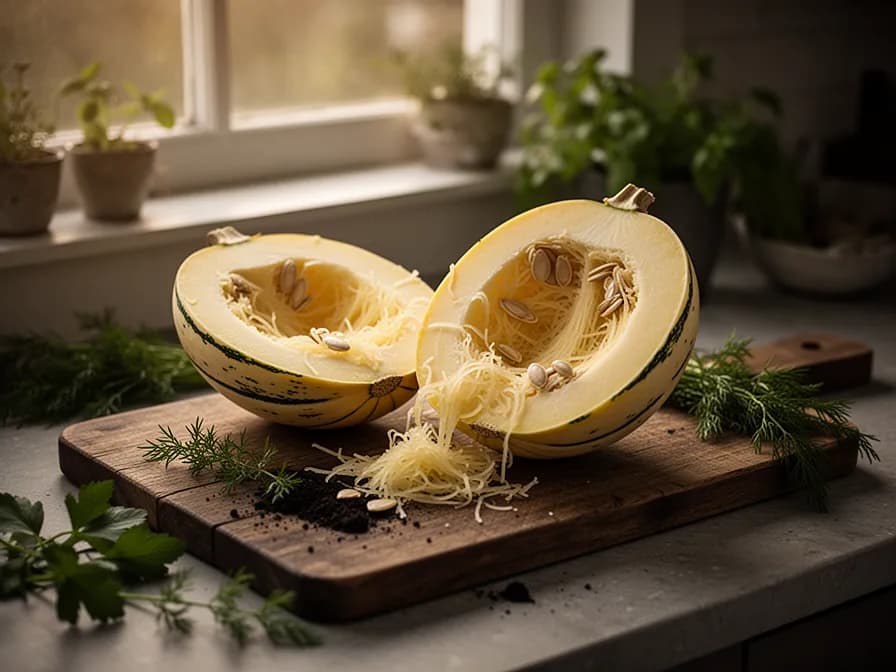
45 minThe quintessential spaghetti squash preparation — roasted until perfectly tender, then scraped into golden strands and topped with homemade marinara sauce and fresh Parmesan. A satisfying low-carb pasta alternative.
7 ingredientesStuffed Spaghetti Squash Boats
55 minRoasted spaghetti squash halves filled with a savory mixture of Italian sausage, spinach, sun-dried tomatoes, and mozzarella — a complete one-dish meal that is as beautiful as it is delicious.
7 ingredientesAsian Sesame Spaghetti Squash
40 minSpaghetti squash strands tossed with a vibrant sesame-ginger sauce, crisp vegetables, and topped with sesame seeds — proof that these versatile strands work beautifully beyond Italian flavors.
8 ingredientesUsos culinarios
La calabaza espagueti se cocina entera o en mitades al horno hasta que la pulpa se separe en hebras con un tenedor. Las hebras se sirven como sustituto de pasta con salsa de tomate, pesto, boloñesa o alfredo. También se gratina con queso, se añade a sopas o se saltea con verduras como acompañamiento bajo en carbohidratos.
Qué contiene
Beneficios para la salud
- One of the lowest-calorie vegetable substitutes for pasta at only 42 calories per cup compared to 220 calories for wheat pasta — a 80% calorie reduction that supports weight management without sacrificing meal satisfaction.
- Contains B vitamins including niacin, B6, and pantothenic acid that support energy metabolism, nervous system function, and the production of red blood cells.
- Provides manganese (7% DV per cup), an essential trace mineral that supports bone density, blood sugar regulation, and the function of the antioxidant enzyme superoxide dismutase.
- The high water content (92%) and fiber create excellent satiety, helping to control appetite and reduce overall caloric intake when used as a pasta replacement.
- Contains beta-carotene and other carotenoids that function as antioxidants, protecting cells from oxidative damage and supporting immune function.
- Naturally gluten-free and low in FODMAPs, making spaghetti squash suitable for people with celiac disease, gluten sensitivity, or irritable bowel syndrome — a truly inclusive food.
De dónde viene Calabaza Espagueti
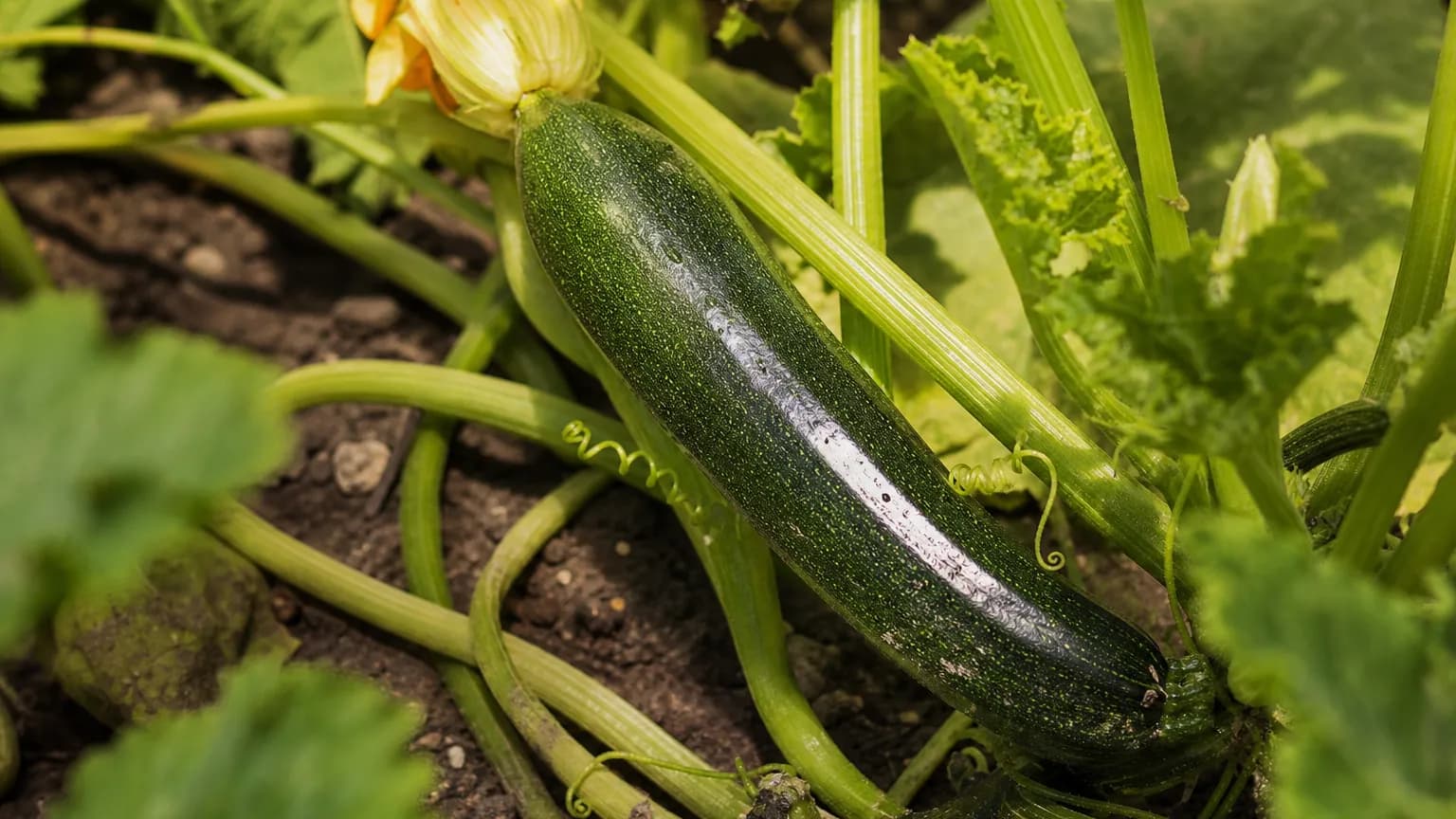
Spaghetti squash (Cucurbita pepo) belongs to the same species as zucchini, acorn squash, and most summer squash, though its unique strand-forming flesh sets it apart from all its relatives. The species originated in Central America and southern Mexico, where it was domesticated by indigenous peoples at least 8,000-10,000 years ago alongside corn and beans as part of the foundational Three Sisters agricultural system.
The specific spaghetti-strand trait appears to be a relatively modern selection, with the variety gaining recognition in Asia (particularly Japan and China) during the early to mid-20th century, where it was known as 'kinshi uri' (gold thread melon). The variety reached the United States in the 1930s through seed exchanges, but remained a curiosity known mainly to adventurous gardeners for decades.
Spaghetti squash exploded in popularity during the 1970s and 1980s American health food movement, when it was championed as a natural, low-calorie alternative to pasta. By the 1990s, it had become a mainstream grocery store staple and one of the most popular winter squash varieties in North America. The rise of low-carb and gluten-free diets in the 2000s and 2010s further cemented its status. Today, new varieties like Orangetti (orange-fleshed, higher in beta-carotene) and Hasta La Pasta (compact bush habit) continue to expand its appeal for both gardeners and health-conscious cooks.
Calabaza Espagueti: ¿sabías que?
Datos fascinantes sobre Calabaza Espagueti
Spaghetti squash gets its name from the remarkable flesh that naturally separates into spaghetti-like strands when cooked — this unique trait is caused by a genetic mutation that makes the flesh cells elongated and loosely connected rather than forming the dense, solid flesh of other squash varieties.
Calabaza Espagueti: preguntas frecuentes
¿Cuándo debo plantar Calabaza Espagueti?
¿Cuáles son buenas plantas acompañantes para Calabaza Espagueti?
¿En qué zonas de rusticidad puede crecer Calabaza Espagueti?
¿Cuánto sol necesita Calabaza Espagueti?
¿A qué distancia debo espaciar Calabaza Espagueti?
¿Qué plagas y enfermedades afectan a Calabaza Espagueti?
¿Cómo almaceno Calabaza Espagueti después de la cosecha?
¿Cuáles son las mejores variedades de Calabaza Espagueti para cultivar?
¿Qué suelo necesita Calabaza Espagueti?
How do I know when spaghetti squash is ripe and ready to harvest?
Why are my spaghetti squash strands mushy instead of firm?
Can I grow spaghetti squash in containers?
How long does spaghetti squash store after harvest?
Why are my spaghetti squash plants producing flowers but no fruit?
Is spaghetti squash actually healthier than regular pasta?
Acabas de leer la teoría. Ahora cultívala en piloto automático.
Todo lo que hace que Calabaza Espagueti sea delicado — el momento, el espaciado, las asociaciones, la ventana de cosecha — es justo lo que PlotMyGarden resuelve por ti, para cada planta de tu huerto.
Un plan que conoce tu clima
Indica tu ubicación una vez. Recibe fechas de siembra, abonado y cosecha basadas en tu última helada real y el pronóstico en vivo — sin adivinar con un sobre genérico.
De la sección “Cuándo plantar”Planificador de bancales de arrastrar y soltar
Diseña bancales sobre una cuadrícula. Cada planta encaja con su espaciado correcto y ves toda la temporada antes de gastar un céntimo en semillas.
De la sección “Cultivo”Conflictos de asociación, detectados a tiempo
Más de 200 buenas y malas combinaciones comprobadas en vivo mientras plantas — para que un error que arruine la temporada nunca llegue a la tierra.
De la sección “Asociaciones”Recordatorios que sí vas a seguir
“Riega las judías.” “Recoge hoy antes de que se pase.” Oportunos, concretos y ligados a las plantas que de verdad cultivas.
De la sección “Cosecha”Escalonado, programado
¿Quieres cosechar seis semanas en vez de seis días? Reparte tus siembras automáticamente y te avisa cuando toca el siguiente lote.
De la sección “Cuándo plantar”Un registro que se vuelve más listo
Cada cosecha que registras le enseña tu huerto. El plan del año que viene parte de lo que de verdad funcionó en tu suelo, no en un manual.
De la sección “Resumen”Planta estos junto a Calabaza Espagueti
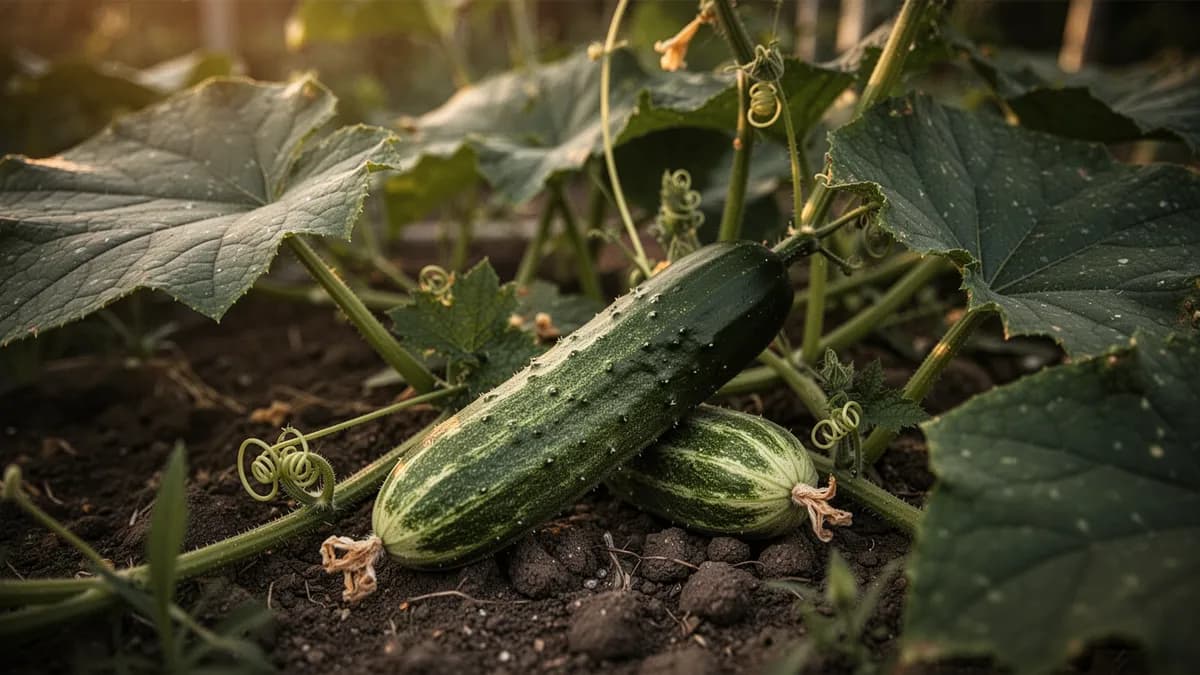
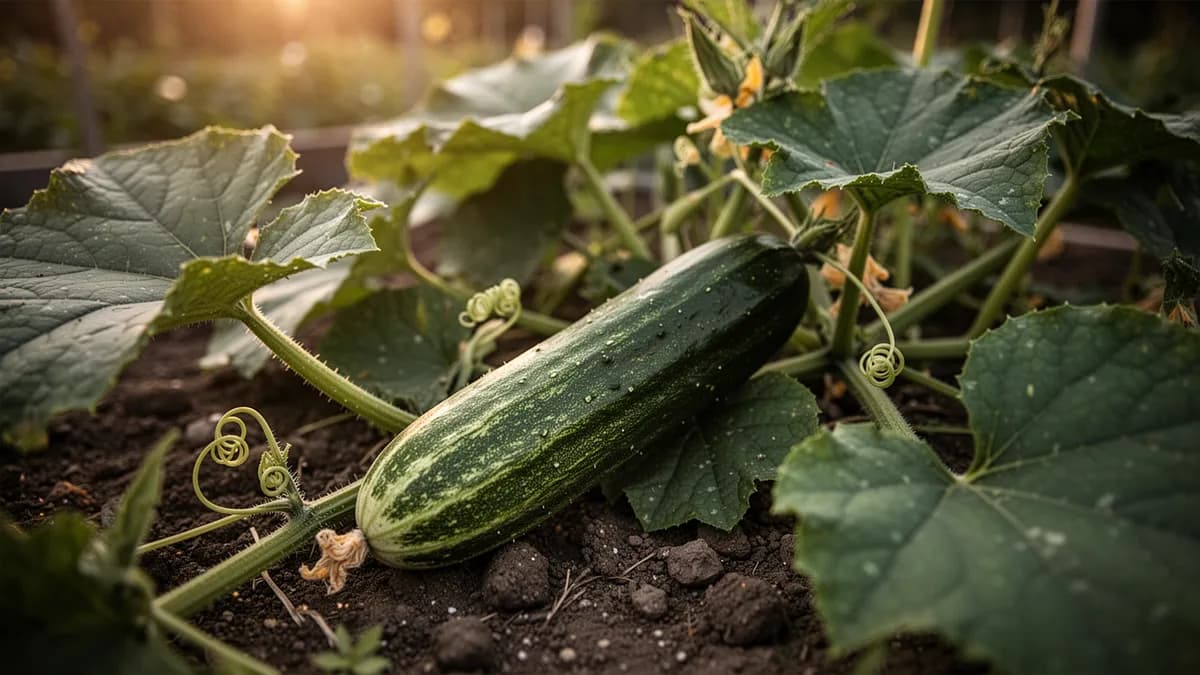
Más Cucurbitáceas
Mantén Calabaza Espagueti lejos de estos
Diseños de jardín con Calabaza Espagueti
Cultiva tu mejor Calabaza Espagueti — y todo lo que la rodea.
Empieza un plan gratis hoy. Diseña tus bancales, coloca tu Calabaza Espagueti y deja que PlotMyGarden gestione el momento, el espaciado, las asociaciones y los recordatorios de la semilla a la cesta.