Pimpinela
La pimpinela (Sanguisorba minor) es una hierba perenne originaria de Europa y Asia occidental, apreciada por su delicado sabor a pepino fresco.





En esta páginaResumen
Conoce Pimpinela
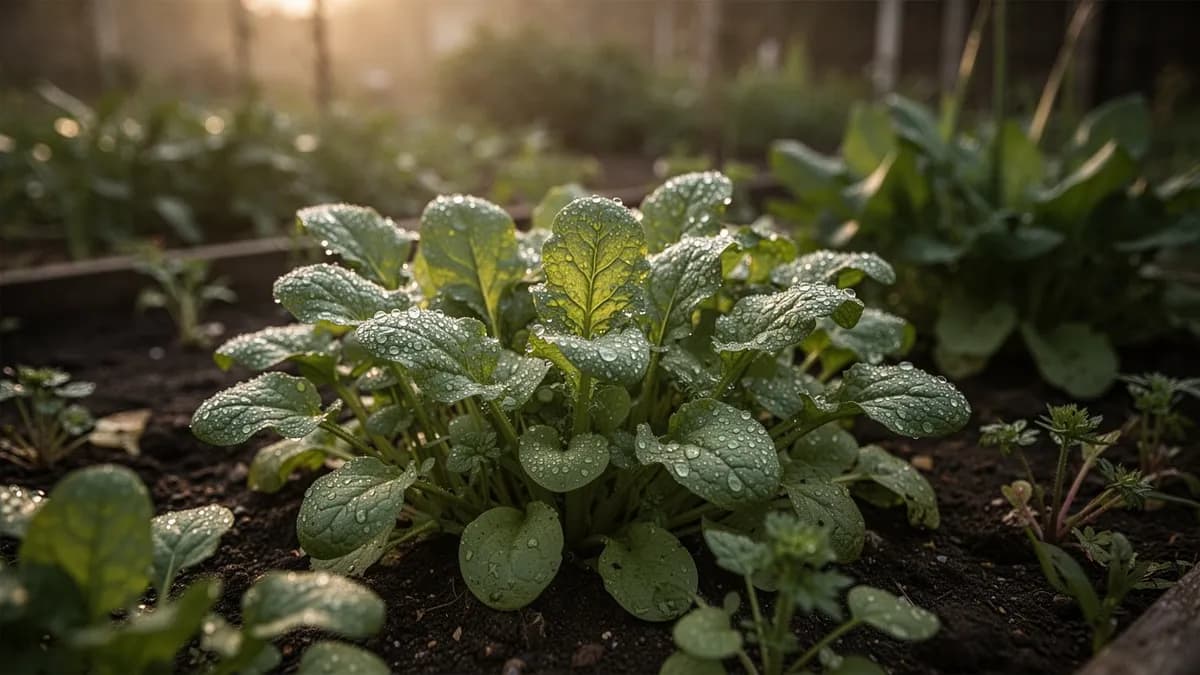
La pimpinela (Sanguisorba minor) es una hierba perenne originaria de Europa y Asia occidental, apreciada por su delicado sabor a pepino fresco. Sus hojas compuestas de bordes dentados forman rosetas atractivas que la convierten en una planta ornamental además de culinaria, y permanece verde durante gran parte del invierno en climas templados.
Cuándo plantar Pimpinela
Siembre las semillas directamente en el exterior a principios de primavera o en otoño, a una profundidad de 0,5-1 cm. La germinación tarda entre 8 y 14 días a temperaturas de 15-20 °C. También puede iniciarse en bandejas de semillero y trasplantar cuando las plántulas tengan 4-5 hojas verdaderas. La pimpinela se autosiembra con facilidad una vez establecida, por lo que puede naturalizarse en el jardín.
Tu año de Pimpinela
Ajustado a Zona 7 · temporada típica · la helada se va hacia el 2 abr y vuelve hacia el 1 nov
Planta Pimpinela Mar – Abr, Sep y cosecha Abr – Jul, Oct – Nov. Consulta los métodos de plantación y elige tu clima para adaptar los periodos.
Cómo cultivar Pimpinela
La pimpinela es una planta extremadamente fácil de cultivar que prospera en casi cualquier tipo de suelo, incluso los pobres y calcáreos. Prefiere una ubicación a pleno sol o sombra parcial ligera, con un pH entre 6,0 y 7,5. Es una planta perenne que se naturaliza fácilmente y puede sembrarse sola en el jardín.
Siembre las semillas a principios de primavera u otoño, a una profundidad de 0,5-1 cm y con una separación de 30-40 cm entre plantas. La germinación ocurre en 8-14 días. También puede dividir plantas establecidas en primavera u otoño para obtener nuevos ejemplares más rápidamente.
Una vez establecida, la pimpinela requiere muy pocos cuidados. Riegue moderadamente y pode regularmente las flores para estimular la producción continua de hojas tiernas. Si se dejan las flores, la planta se autosiembra con facilidad. Recorte la planta a nivel del suelo a finales de invierno para renovar el follaje en primavera.
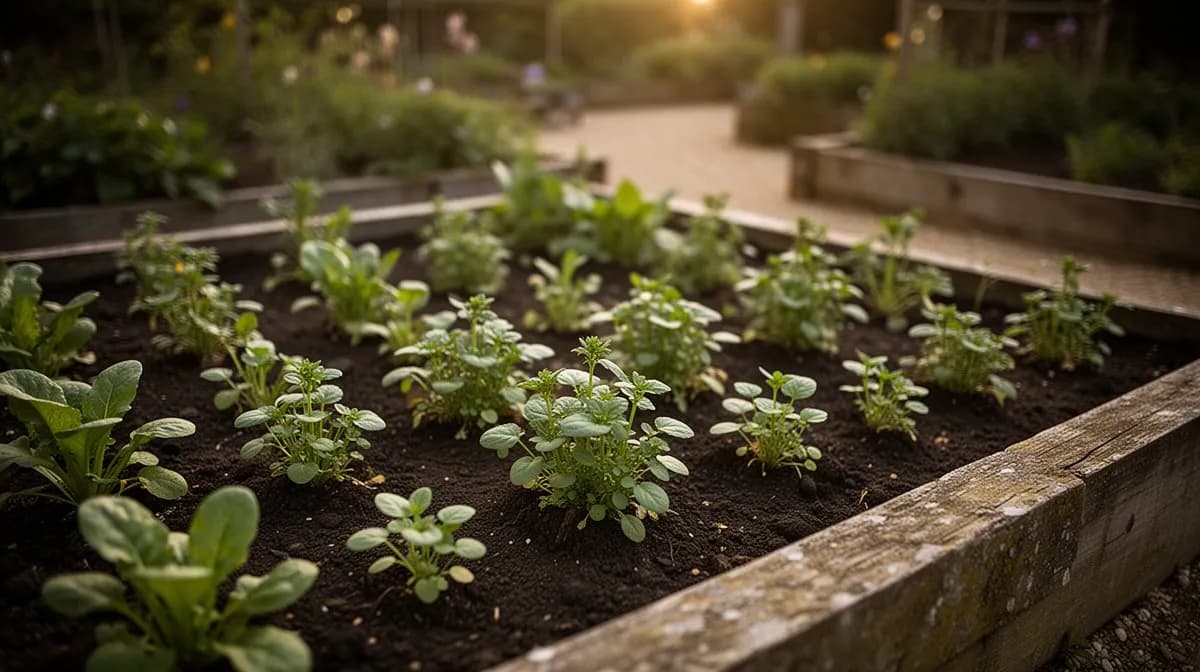
36 plantas caben en un bancal de 120 × 240 cm
Cada Pimpinela pide 25 cm de margen. El planificador guarda ese marco por ti — cada planta, cada bancal.
Los mejores vecinos de Pimpinela
La pimpinela es una buena compañera para la mayoría de las hortalizas, ya que sus flores atraen polinizadores beneficiosos al huerto. Combina bien con tomillo, orégano y otras hierbas mediterráneas. Evite plantarla en zonas con riego excesivo, ya que prefiere condiciones ligeramente secas.
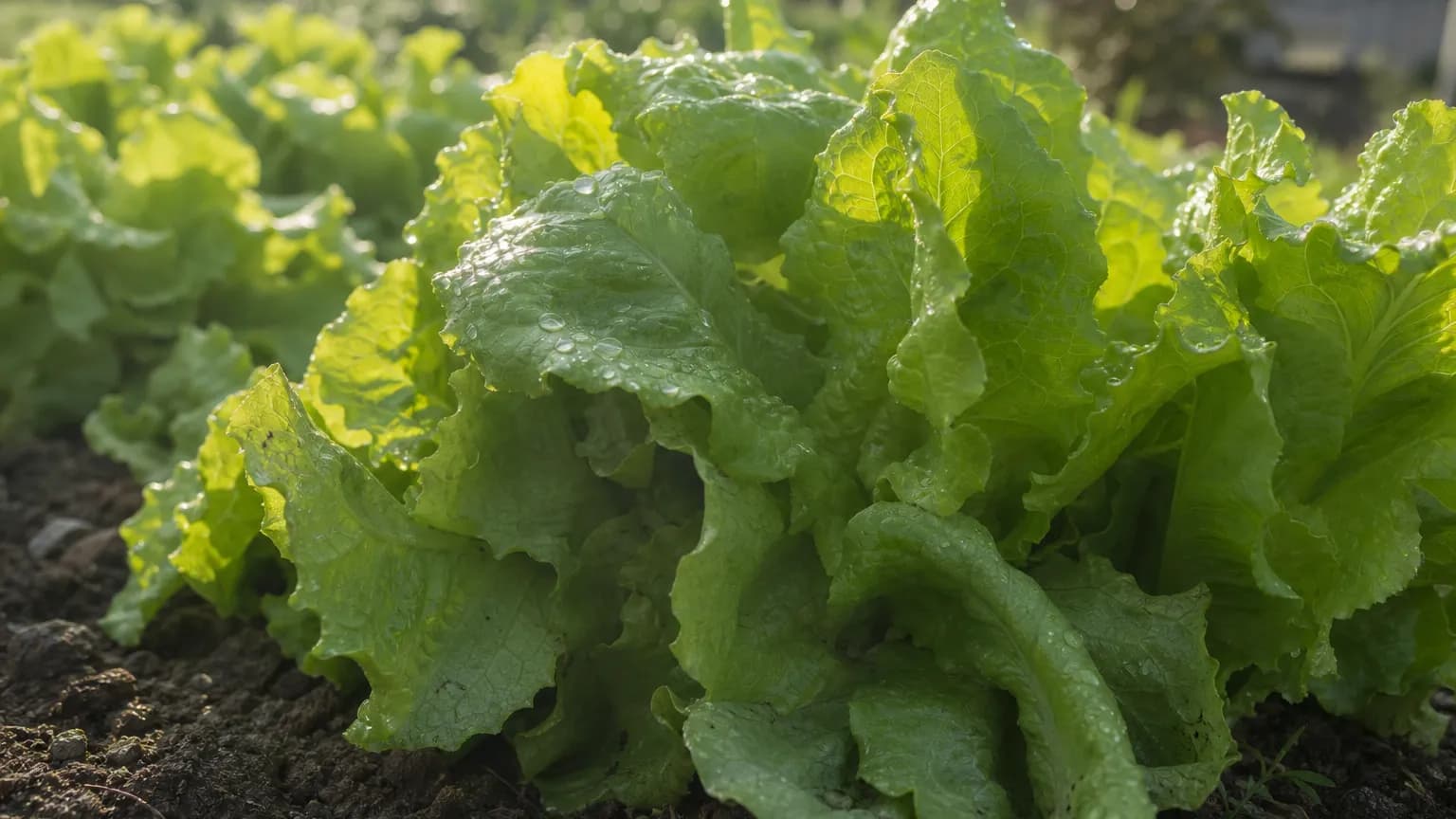
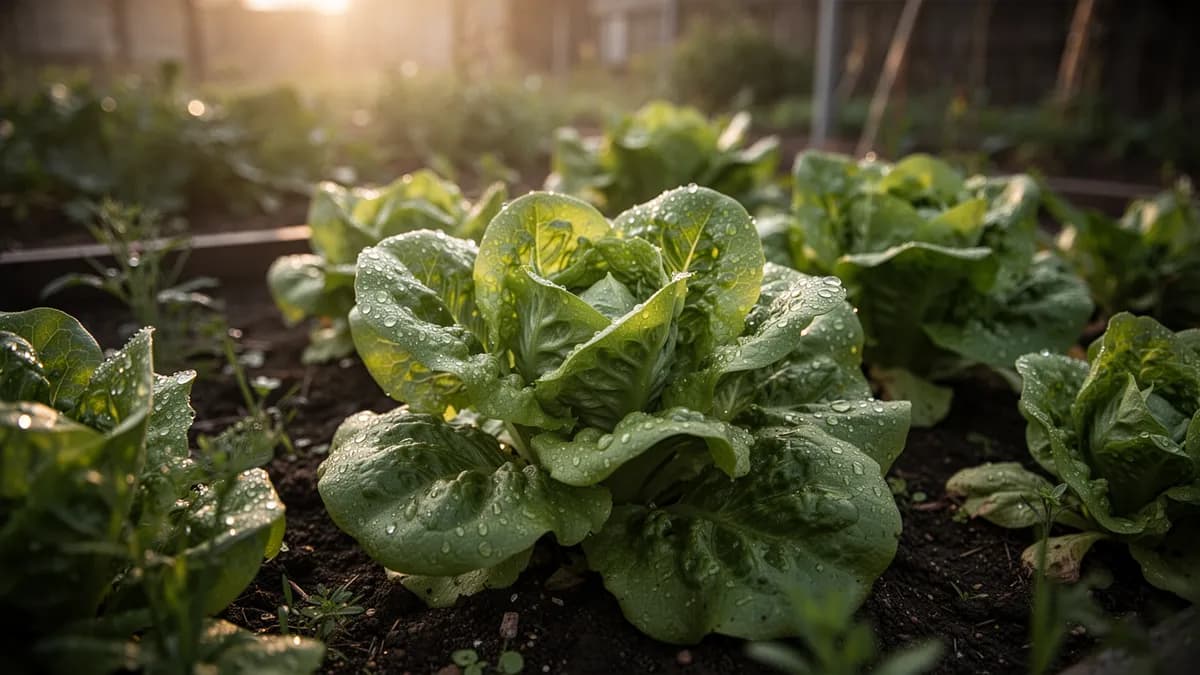
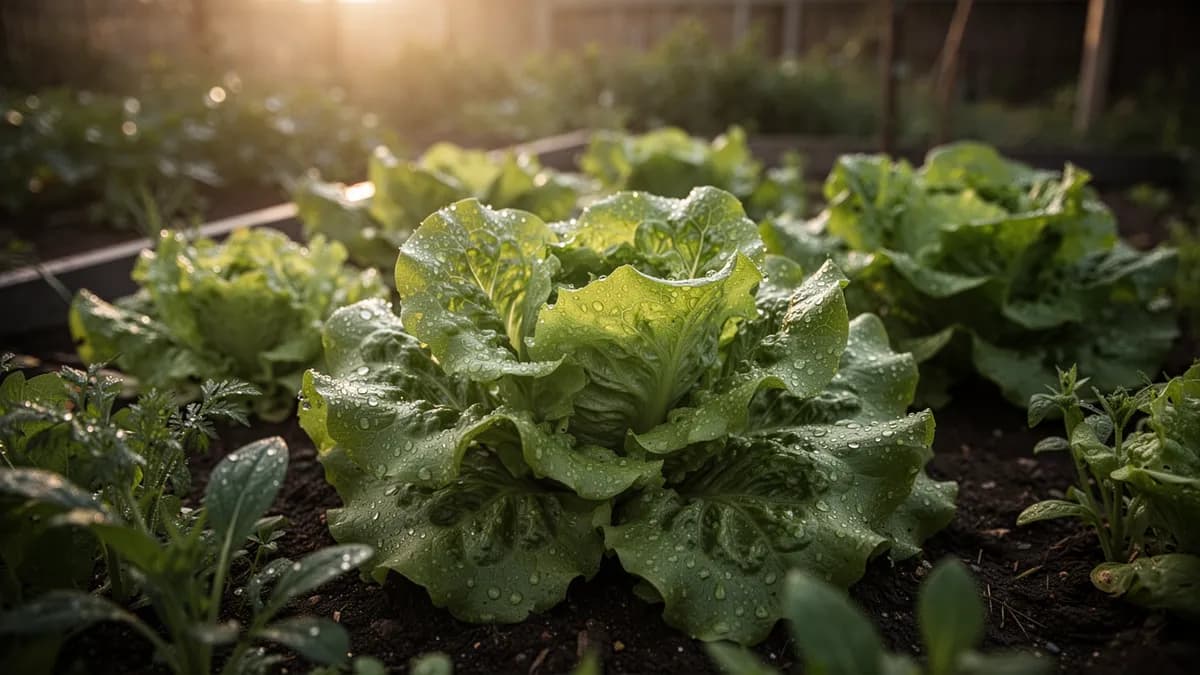
Lechuga va a su lado.
Saber de huerto de siempre, cotejado con la tabla real de Pimpinela — prueba cualquier planta que cultives.
Prueba Pimpinela en un bancal, aquí mismo
Un bancal real del planificador con Pimpinela ya plantado. Toca una planta compañera para colocarla y mira cómo responde la comprobación de vecinos: verde para buenos vecinos, rojo si hay conflicto.


Guías de cultivo relacionadas
Abónalo bien
La pimpinela prospera en casi cualquier tipo de suelo, desde arcillosos hasta arenosos, y tolera bien los suelos calcáreos y pobres. El pH ideal está entre 6,0 y 7,5. No requiere fertilización abundante; una aplicación ligera de compost en primavera es suficiente. El exceso de nutrientes produce hojas menos aromáticas.
Temperatura ideal
Compatibilidad de zonas de rusticidad
De la semilla a la cosecha, etapa por etapa
Germinación
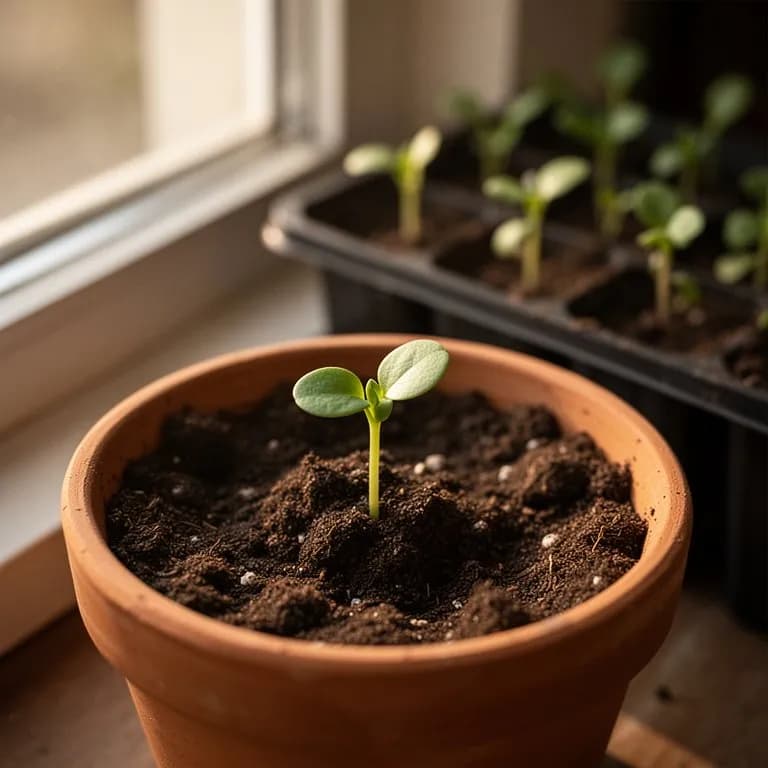
Las semillas germinan en temperaturas de suelo frescas a moderadas, normalmente en 7-14 días. Las pequeñas semillas acanaladas producen primero cotiledones redondeados y después el primer par de hojuelas verdaderas con sus característicos bordes dentados. La germinación es más fiable en primavera o a principios de otoño, cuando la temperatura del suelo es de 10-20 °C (50-68 °F).
Formación de roseta
La planta desarrolla su característica roseta baja de hojas compuestas pinnadas. Cada hoja consta de 4-12 pares de pequeñas hojuelas redondeadas y dentadas dispuestas a lo largo de un tallo central. La roseta se mantiene compacta y pegada al suelo, alcanzando normalmente 15-20 cm de ancho. El follaje verde azulado tiene un aspecto delicado, parecido al de un helecho.
Producción activa de hojas
La roseta alcanza su tamaño الكامل de 25-40 cm de ancho y produce continuamente hojas nuevas desde el centro. Este es el principal periodo de cosecha, cuando las hojas son más tiernas y el sabor a pepino está en su punto máximo. La planta desarrolla un sistema de raíces profundo y ramificado que la hace extraordinariamente resistente a la sequía.
Floración
Tallos florales erectos y delgados crecen hasta 40-60 cm de alto, cada uno rematado por una pequeña cabeza floral redonda con forma de dedal. Las diminutas flores se abren desde la base de la cabeza hacia arriba: las inferiores son femeninas (con estigmas carmesí plumosos), las medias son hermafroditas y las superiores masculinas (con anteras amarillas colgantes). Esta disposición inusual favorece la polinización cruzada por el viento.
Formación de semillas y renovación
Si se deja florecer, se forman pequeños aquenios dentro del cáliz endurecido de cuatro ángulos. Las semillas se desprenden con facilidad y se resiembran abundantemente en condiciones favorables. La roseta original puede volverse algo leñosa en la base después de la floración, pero regenera rápidamente nuevo crecimiento basal cuando se corta con fuerza.
Invernada
Como vivaz perenne y resistente de hoja perenne, la pimpinela conserva su follaje durante el invierno en la mayoría de los climas y sigue produciendo pequeños brotes nuevos incluso en los meses más fríos. La planta soporta con fiabilidad hasta -30 °C (-22 °F) y ofrece hojas frescas cuando casi nada más está disponible en el jardín.
Siembra las semillas superficialmente — solo a 3-6 mm de profundidad — y mantén el suelo constantemente húmedo hasta la germinación. Las semillas necesitan luz para germinar, así que no las entierres demasiado. Aclara las plántulas a 25-30 cm de distancia cuando tengan dos pares de hojas verdaderas.
Cuidar Pimpinela mes a mes
Qué hacer cada mes para tu Pimpinela
Octubre
Mes actualContinue harvesting fresh leaves — flavor is excellent in cool autumn weather. Transplant any self-sown seedlings to desired locations. Plants require no special winter preparation as they are hardy to at least -30°C (-22°F).
Ten claro qué hacer en tu huerto, cada mes
Un correo al empezar cada mes: qué sembrar, plantar y hacer ahora mismo — para tu Pimpinela y todo lo que crece alrededor. Más un breve curso inicial para esquivar los errores clásicos.
- Qué hacer ahora mismo
- Ajustado a tu temporada
- Curso inicial incluido
Cosechar Pimpinela
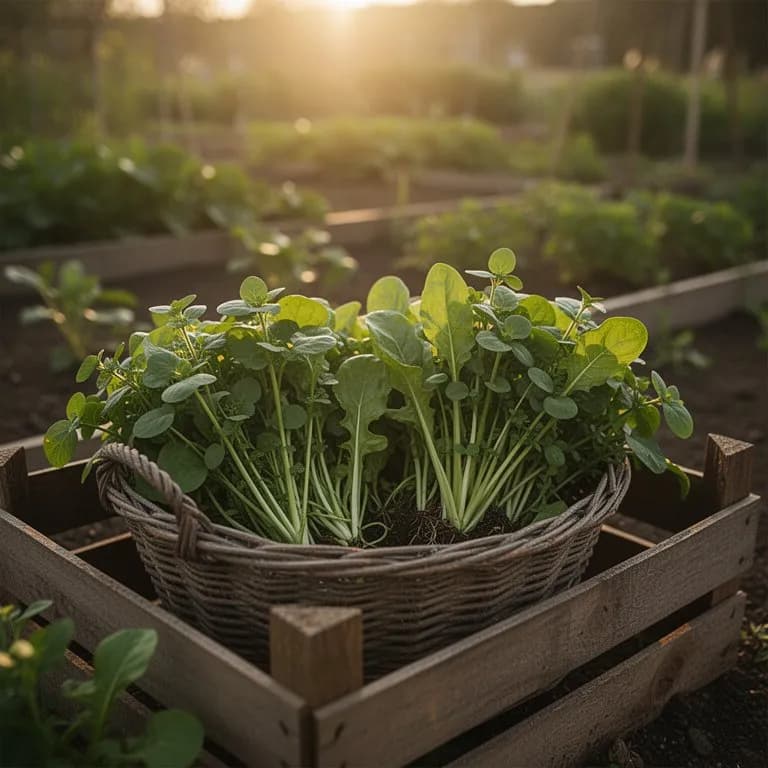
Coseche las hojas jóvenes de forma continua cortándolas desde el exterior de la roseta. Las hojas más tiernas tienen el mejor sabor a pepino; las hojas maduras se vuelven amargas. Comience la cosecha cuando la planta tenga al menos 6-8 hojas bien formadas y corte regularmente para estimular el rebrote.
se supone que plantas al comenzar el periodo — indica tu fecha real
Cosecha las hojas jóvenes según las necesites una vez que la roseta tenga al menos 8-10 hojas; las hojas de hasta unos 10 cm de largo tienen mejor sabor.
Almacenamiento y conservación
Las hojas frescas se conservan 3-5 días en el refrigerador envueltas en un paño húmedo. La pimpinela pierde mucho sabor al secarse, por lo que es preferible usarla fresca. Para conservar su aroma, congele las hojas picadas en cubitos de hielo con agua o aceite de oliva.
Qué falla — y cómo solucionarlo
Pulgones (Aphididae)
PlagaColonias de insectos verdes o negros en los brotes tiernos y el envés de las hojas. Causan enrollamiento foliar y producen melaza pegajosa que atrae hongos.
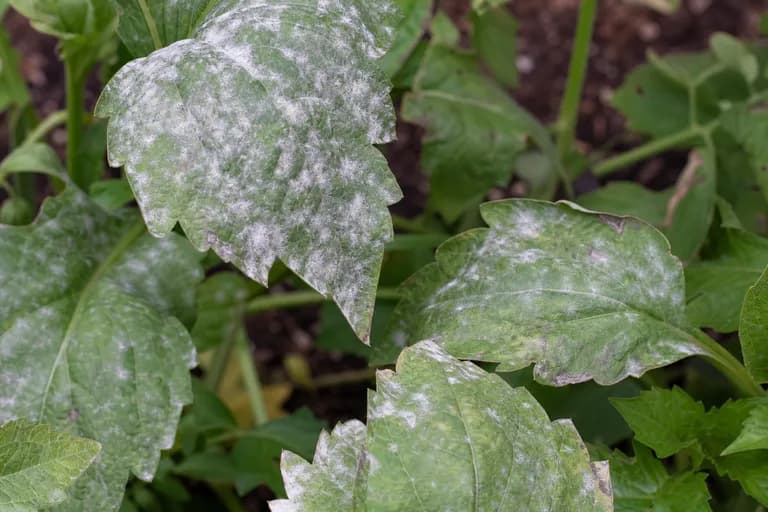
Oídio (Erysiphaceae)
EnfermedadPolvo blanquecino que recubre las hojas, especialmente en condiciones de alta humedad y temperaturas moderadas. Las hojas afectadas se deforman y pierden vigor.
Solución de problemas comunes
El principal desafío es evitar la floración excesiva, ya que las hojas se vuelven amargas una vez que la planta está en plena floración. Pode las flores regularmente para mantener la producción de hojas tiernas. En climas muy calurosos, las hojas pueden volverse duras y amargas durante el verano; proporcione sombra parcial en estas condiciones.
Consejos de cultivo
- Start with seeds or nursery plants — salad burnet is one of the easiest herbs to grow from seed and germinates reliably in cool soil. Sow directly in the garden in early spring or autumn, pressing seeds lightly into the surface since they benefit from light to germinate.
- Choose a spot with full sun to partial shade and well-drained soil. Salad burnet actually thrives in poor, chalky, or alkaline soils where many other herbs struggle — rich soil produces lush but less flavorful leaves. Avoid heavy clay that stays waterlogged.
- Remove flower stems the moment they appear. Flowering causes the leaves to become noticeably bitter and the plant to become tall and leggy. Consistent deadheading keeps the rosette compact, attractive, and productive throughout the season.
- Harvest by picking the youngest outer leaves and working inward, always leaving the growing center intact. Young leaves have the best cucumber flavor — older, larger leaves become progressively tougher and more astringent.
- Cut the entire plant back hard to 5-8 cm above ground in midsummer if it becomes leggy or bitter from heat. Water well afterward and fresh, tender regrowth will appear within 2-3 weeks, providing excellent autumn harvests.
- Be aware that salad burnet self-sows enthusiastically. Remove spent flower heads before seeds drop if you want to control its spread. Alternatively, embrace the self-sowing habit as a way to establish a permanent, self-renewing herb patch.
- Use salad burnet as an ornamental edging plant along garden paths and borders — the compact blue-green rosettes are attractive year-round and release a pleasant scent when brushed against. It is beautiful combined with thyme, lavender, and other Mediterranean herbs.
- In containers, use a gritty, well-drained potting mix and a pot at least 20 cm deep to accommodate the taproot. Salad burnet performs well in containers on a sunny balcony or patio and requires less watering than most potted herbs due to its drought tolerance.
Cultiva tu mejor Pimpinela — y todo lo que la rodea.
Empieza un plan gratis hoy. Diseña tus bancales, coloca tu Pimpinela y deja que PlotMyGarden gestione el momento, el espaciado, las asociaciones y los recordatorios de la semilla a la cesta.
Elige tu Pimpinela
Sanguisorba minor
La especie tipo, robusta y fiable, con rosetas de hojas compuestas de sabor fresco a pepino. Perenne, alcanza 40-60 cm de altura. Primera cosecha a los 60 días.
Small Burnet
Variedad compacta ideal para macetas y bordes de jardín. Hojas especialmente tiernas y aromáticas. Excelente para cultivo en espacios reducidos.
Sanguisorba officinalis
La pimpinela mayor, prima de la menor, con flores rojo oscuro muy ornamentales. Más grande y vigorosa, también comestible pero con sabor más suave.
Salad burnet is rarely sold in grocery stores, making it nearly impossible to buy fresh — when it does appear at specialty markets or farmers markets, small bunches command $3-5. A single plant costs $3-5 at a nursery or just pennies from seed, and because it is a hardy perennial that self-sows freely, one initial planting provides fresh cucumber-flavored herbs for years without any additional cost. Growing your own eliminates the need to buy fresh cucumbers solely for garnishing or flavoring drinks and salads, saving an additional $15-25 per season on cucumber purchases.
Recetas rápidas
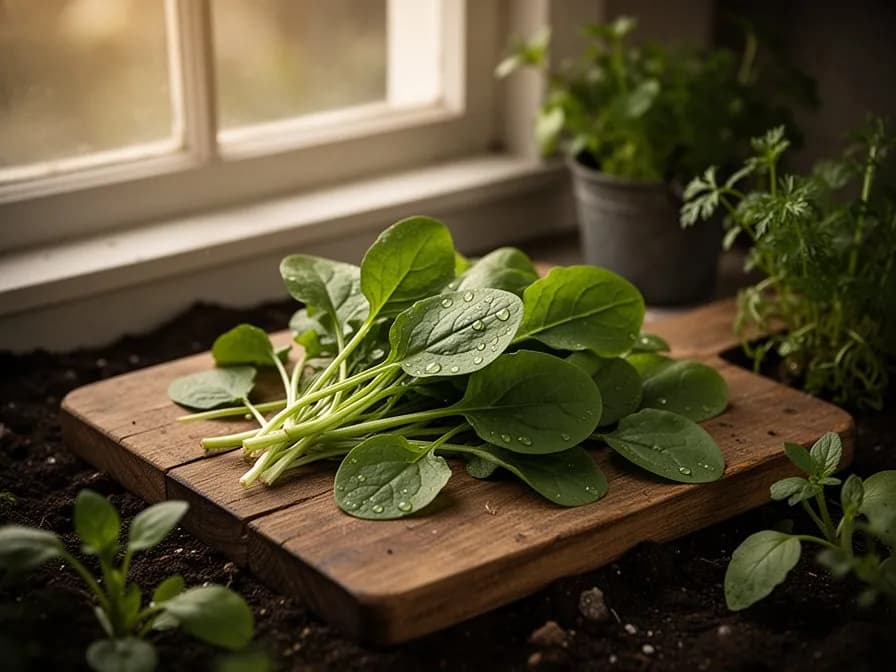
Salad Burnet Cucumber Water
5 minAn elegantly refreshing infused water that captures salad burnet's signature cucumber essence without any actual cucumbers. Simply steep sprigs in chilled water for a sophisticated drink that has been enjoyed since Elizabethan times as a cooling summer beverage.
5 ingredientesSalad Burnet Herb Butter
10 minA delicate compound butter infused with salad burnet's cucumber-nutty flavor — perfect melted over grilled fish, spread on fresh bread, or tossed with steamed new potatoes. The subtle flavor pairs beautifully with other mild herbs like chervil and dill.
5 ingredientes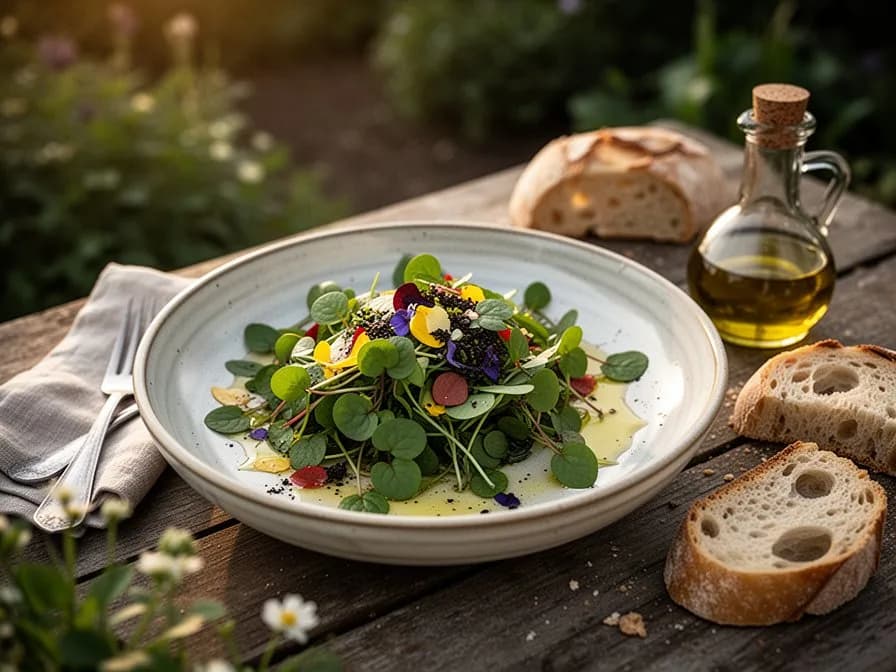
Spring Herb Salad with Salad Burnet
10 minA classic European herb salad showcasing salad burnet alongside other tender spring greens. The cucumber flavor of the burnet leaves pairs perfectly with a light vinaigrette, making this salad taste remarkably fresh and garden-pure.
8 ingredientesUsos culinarios
La pimpinela es una hierba clásica en la cocina francesa e italiana. Sus hojas frescas aportan un sabor refrescante a pepino en ensaladas verdes, sopas frías y salsas. Se utiliza para aromatizar vinagres, mantequillas de hierbas y bebidas como el agua aromatizada o el vino blanco. También es un ingrediente tradicional de la salsa verde de Frankfurt.
Qué contiene
Beneficios para la salud
- Exceptionally high in vitamin C — historically one of the most important anti-scorbutic herbs in European medicine, used by soldiers and sailors to prevent and treat vitamin C deficiency during long campaigns and voyages.
- Rich in tannins with natural astringent properties that have been used for centuries to treat minor wounds, skin irritations, and digestive complaints — modern studies confirm the tannins have genuine antibacterial and anti-inflammatory activity.
- Contains flavonoids and phenolic compounds with antioxidant properties that help protect cells from oxidative damage and may reduce the risk of chronic inflammatory diseases.
- The leaves have mild diuretic properties traditionally used in herbal medicine to support kidney function and reduce water retention without the harshness of pharmaceutical diuretics.
- Good source of beta-carotene and vitamin A, supporting healthy vision, immune function, and skin cell renewal — particularly valuable as a winter source of these nutrients when other fresh greens are scarce.
- Traditional European herbalism uses salad burnet tea as a digestive tonic to soothe upset stomachs, reduce bloating, and promote healthy digestion after heavy meals.
De dónde viene Pimpinela
Salad burnet (Sanguisorba minor) is native to western, central, and southern Europe, as well as parts of western Asia and northwest Africa, where it grows wild in dry grasslands, chalky meadows, and limestone hillsides. The plant thrives in poor, alkaline soils and has been gathered from the wild since prehistory — archaeological evidence suggests it was among the herbs used by Neolithic peoples in Europe.
The Romans cultivated salad burnet as both a salad herb and a medicinal plant, and Roman soldiers reportedly drank burnet-infused wine before battle, believing it would protect them from excessive bleeding if wounded. This military association persisted through the Middle Ages, when crusaders carried the herb on campaigns and battlefield surgeons applied poultices of crushed burnet leaves to wounds. The plant's Latin name Sanguisorba — literally 'blood absorber' — speaks directly to this longstanding medicinal reputation.
Salad burnet became a staple of medieval European herb gardens, valued both for its cucumber-flavored leaves in salads and its medicinal properties. The great herbalist John Gerard wrote in 1597 that it was 'a capital wound herb' and recommended it for both culinary and therapeutic use. It was a fixture of Elizabethan knot gardens, where its compact rosette form made it ideal for edging. English colonists brought salad burnet to North America in the 1600s, and Thomas Jefferson cultivated it at Monticello in the late 1700s.
While salad burnet fell out of mainstream culinary use during the 20th century — displaced by the year-round availability of fresh cucumbers — it has never disappeared entirely. It remains common in traditional European kitchen gardens, particularly in Italy, France, and Germany. Today, the herb is enjoying renewed interest among permaculture practitioners, who value its drought tolerance, nitrogen-fixing ability, and role as a pollinator plant, and among chefs rediscovering heritage herbs for modern cuisine.
Pimpinela: ¿sabías que?
Datos fascinantes sobre Pimpinela
Salad burnet (Sanguisorba minor) gets its genus name from the Latin 'sanguis' (blood) and 'sorbere' (to absorb), reflecting centuries of use as a wound herb — medieval physicians applied crushed leaves to cuts and battlefield injuries believing the tannins would staunch bleeding.
Pimpinela: preguntas frecuentes
¿Cuándo debo plantar Pimpinela?
¿Cuáles son buenas plantas acompañantes para Pimpinela?
¿En qué zonas de rusticidad puede crecer Pimpinela?
¿Cuánto sol necesita Pimpinela?
¿A qué distancia debo espaciar Pimpinela?
¿Qué plagas y enfermedades afectan a Pimpinela?
¿Cómo almaceno Pimpinela después de la cosecha?
¿Cuáles son las mejores variedades de Pimpinela para cultivar?
¿Qué suelo necesita Pimpinela?
What does salad burnet taste like?
Is salad burnet the same as great burnet?
Can salad burnet survive winter outdoors?
Why do my salad burnet leaves taste bitter instead of like cucumber?
How do I use salad burnet in cooking?
Does salad burnet spread aggressively in the garden?
Acabas de leer la teoría. Ahora cultívala en piloto automático.
Todo lo que hace que Pimpinela sea delicado — el momento, el espaciado, las asociaciones, la ventana de cosecha — es justo lo que PlotMyGarden resuelve por ti, para cada planta de tu huerto.
Un plan que conoce tu clima
Indica tu ubicación una vez. Recibe fechas de siembra, abonado y cosecha basadas en tu última helada real y el pronóstico en vivo — sin adivinar con un sobre genérico.
De la sección “Cuándo plantar”Planificador de bancales de arrastrar y soltar
Diseña bancales sobre una cuadrícula. Cada planta encaja con su espaciado correcto y ves toda la temporada antes de gastar un céntimo en semillas.
De la sección “Cultivo”Conflictos de asociación, detectados a tiempo
Más de 200 buenas y malas combinaciones comprobadas en vivo mientras plantas — para que un error que arruine la temporada nunca llegue a la tierra.
De la sección “Asociaciones”Recordatorios que sí vas a seguir
“Riega las judías.” “Recoge hoy antes de que se pase.” Oportunos, concretos y ligados a las plantas que de verdad cultivas.
De la sección “Cosecha”Escalonado, programado
¿Quieres cosechar seis semanas en vez de seis días? Reparte tus siembras automáticamente y te avisa cuando toca el siguiente lote.
De la sección “Cuándo plantar”Un registro que se vuelve más listo
Cada cosecha que registras le enseña tu huerto. El plan del año que viene parte de lo que de verdad funcionó en tu suelo, no en un manual.
De la sección “Resumen”Planta estos junto a Pimpinela
Más Hortalizas de hoja
Cultiva tu mejor Pimpinela — y todo lo que la rodea.
Empieza un plan gratis hoy. Diseña tus bancales, coloca tu Pimpinela y deja que PlotMyGarden gestione el momento, el espaciado, las asociaciones y los recordatorios de la semilla a la cesta.