Purple Sage
An ornamental sage cultivar with striking purple-flushed foliage that retains the same culinary value as common sage.





On this pageOverview
Meet Purple Sage
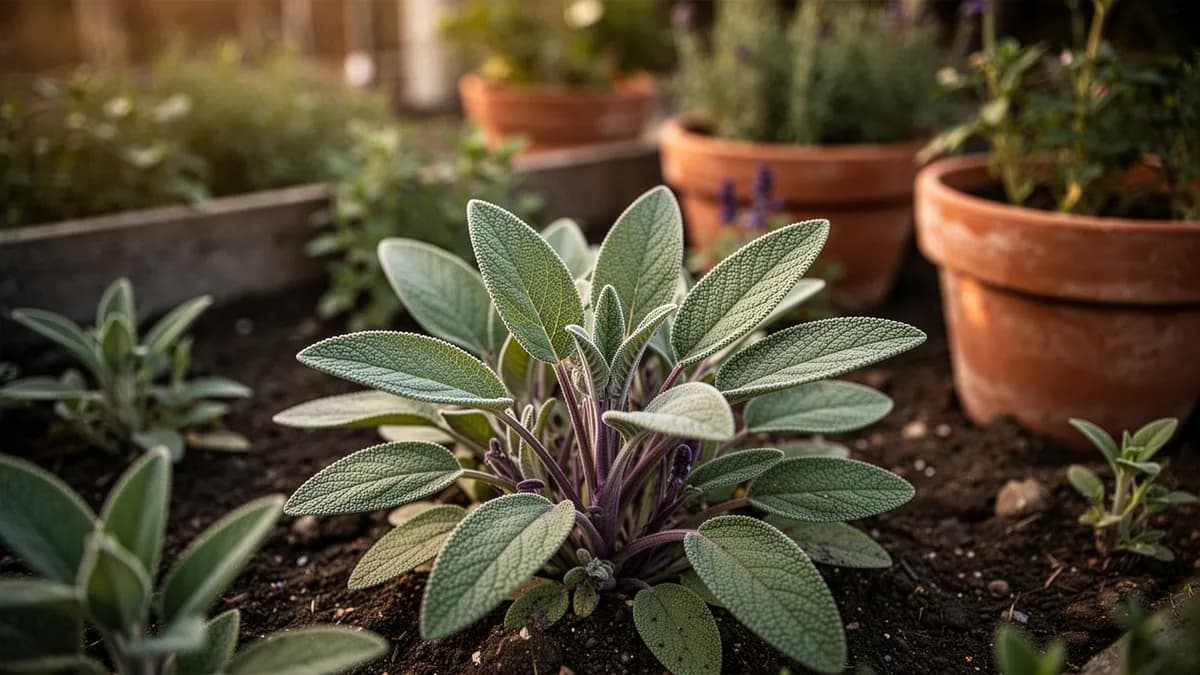
An ornamental sage cultivar with striking purple-flushed foliage that retains the same culinary value as common sage. The dusky purple-grey leaves add visual interest to herb gardens while providing warm, savory flavor. Slightly less hardy than green sage, so provide winter protection in colder zones.
When to plant Purple Sage
Purple sage does not come true from seed, so propagation is done through cuttings or layering. Take 3-4 inch softwood cuttings in late spring or early summer from new growth. Strip lower leaves and dip cut ends in rooting hormone. Insert into moist perlite or a sand-peat mix and keep humid with a plastic dome. Cuttings root in 3-4 weeks. Alternatively, layer stems by pinning a low branch to the ground, covering with soil, and severing from the parent plant once rooted. Division of established clumps in spring also works well.
Your Purple Sage Year
Composed for Zone 7 · typical seasons · frost passes Apr 2, returns Nov 1
Plant Purple Sage Mar – May, pick Jan – Dec. Check the planting methods below and set your climate to personalize these windows.
How to grow Purple Sage
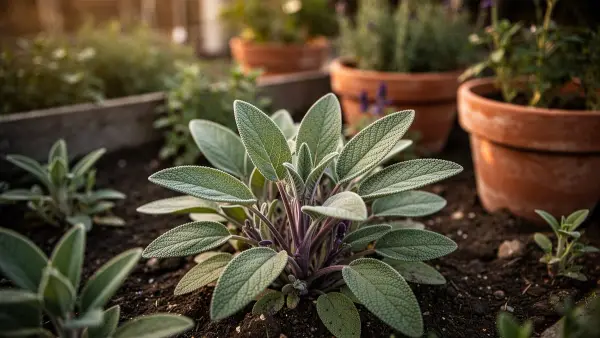
Purple sage is a woody perennial cultivar of common sage (Salvia officinalis) prized for its ornamental purple-flushed leaves. It shares most growing requirements with common sage but is slightly less cold-hardy. Plant in full sun in well-drained, lean soil. Purchase nursery plants or propagate from cuttings, as purple sage does not come true from seed.
Space plants 18-24 inches apart in soil with excellent drainage. Purple sage is drought-tolerant once established and actually produces more vibrant color in lean, slightly stressed conditions. Avoid rich, heavily amended soil, which promotes lush green growth at the expense of the purple coloration. Water sparingly once plants are established.
Prune plants back by one-third in early spring to maintain a compact shape and prevent the woody base from becoming bare and leggy. Purple sage may be less vigorous than green sage varieties and tends to grow slightly more slowly. In zones 5-6, provide winter protection with mulch or evergreen boughs. Replace plants every 4-5 years as they become woody and less productive.
8 plants fit a 4 × 8 ft bed
Each Purple Sage wants 55 cm of elbow room. The planner keeps that spacing for you — every plant, every bed.
Purple Sage's best neighbours
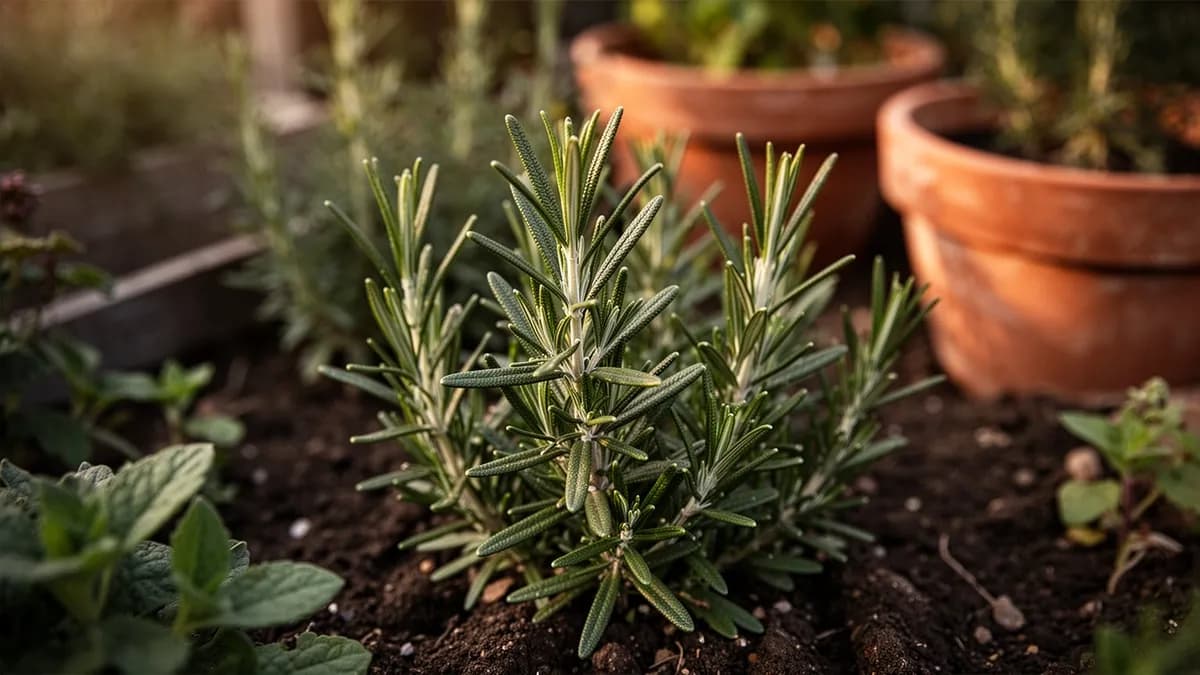
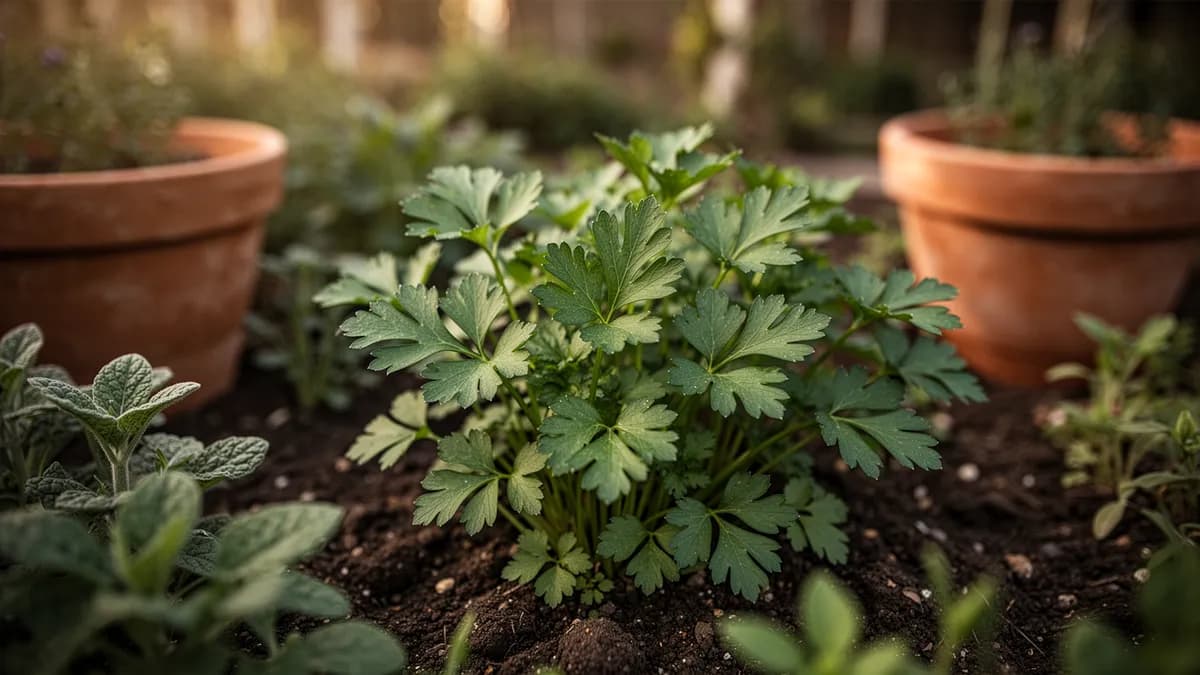
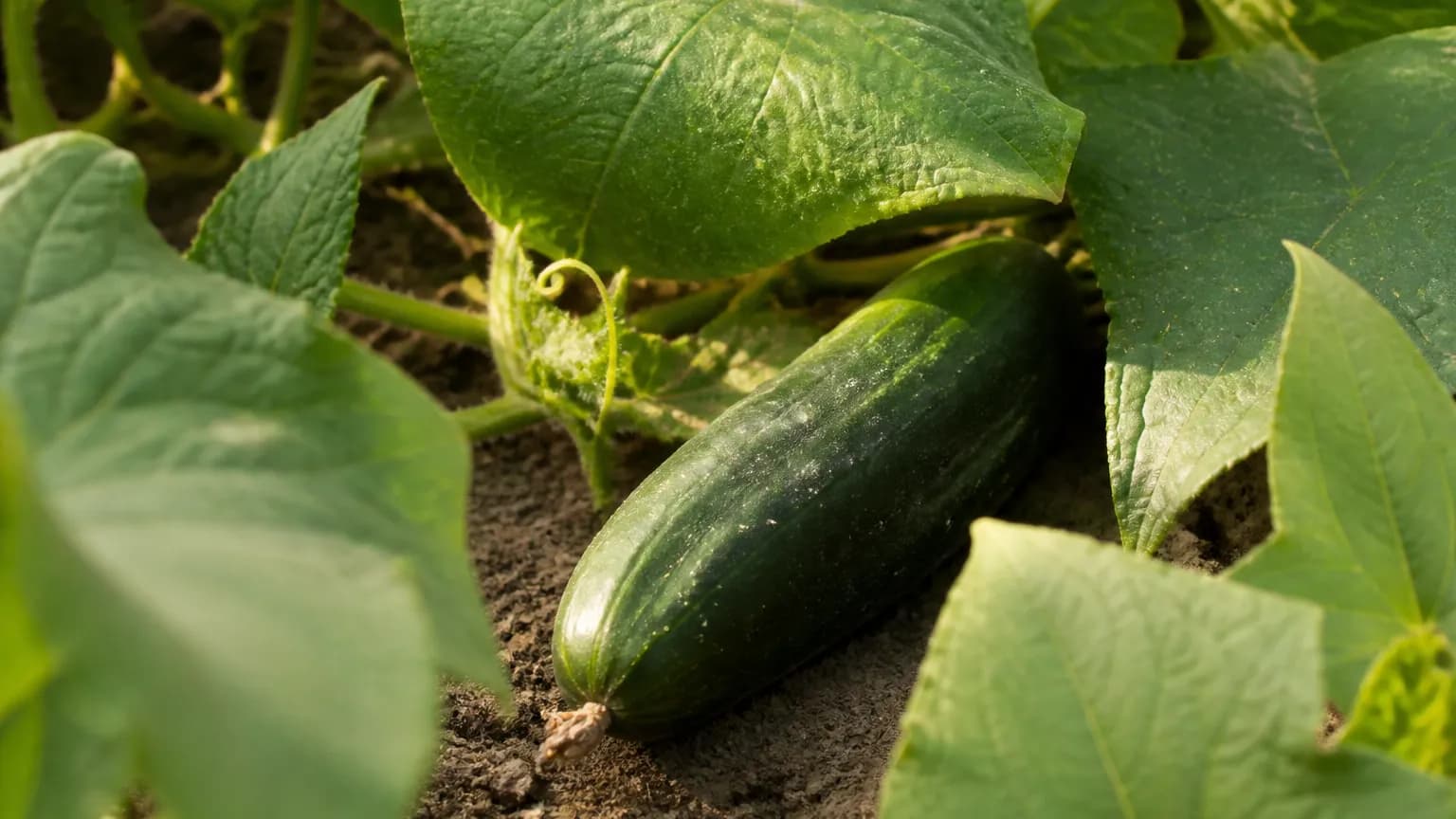
Purple sage shares the pest-deterrent properties of all sage varieties. Its strong aromatic oils repel cabbage moths, carrot flies, and many other common garden pests. Plant near cabbage family crops, carrots, and strawberries for protection. The ornamental purple foliage makes it an attractive edging plant in vegetable gardens. Avoid planting near basil and cucumbers, which prefer moist conditions that conflict with sage's need for dry soil. Pairs well with rosemary and thyme in Mediterranean herb gardens.
Rosemary belongs beside it. Basil doesn't.
Old growers' knowledge, checked against Purple Sage's real companion table below — test any plant you're growing.
Try Purple Sage in a bed — right here
A real planner bed with Purple Sage already in it. Tap a companion to place it and watch the pairing checks answer — green for good neighbours, red for a clash.


Related growing guides
Feed it well
Purple sage requires well-drained, lean to moderately fertile soil with a pH of 6.0-7.0. Excellent drainage is essential; amend heavy clay with perlite, coarse sand, or gravel. Rich soil diminishes the purple leaf color, so avoid heavy compost applications. A light top-dressing of compost in spring is sufficient. Do not fertilize heavily, as this promotes soft, green growth that is less ornamental and less flavorful. In containers, use a gritty, well-drained mix similar to those used for succulents.
Ideal Temperature
Hardiness Zone Compatibility
From seed to harvest, stage by stage
Seed Germination
Purple sage seeds are slow and somewhat erratic germinators, typically taking 14-21 days to emerge. The tiny seeds require light for germination and should be surface-sown or barely covered with a fine layer of vermiculite. Seedlings first appear as a pair of small, rounded cotyledon leaves that show little hint of the purple coloration to come.
Seedling Development
True leaves begin to emerge and the characteristic purple-grey coloration gradually develops. The first true leaves are small, oval, and softly textured with a fine pebbly surface. Growth is slow at this stage as the plant establishes its root system. The woody base of the stem begins to form as the seedling matures.
Vegetative Growth
The plant grows into a bushy, rounded sub-shrub 40-60 cm tall and wide. Leaves develop their full purple-grey coloration with a distinctive velvety texture from the dense covering of fine hairs. Stems become semi-woody at the base while remaining herbaceous at the tips. The plant produces abundant aromatic foliage rich in essential oils.
Flowering
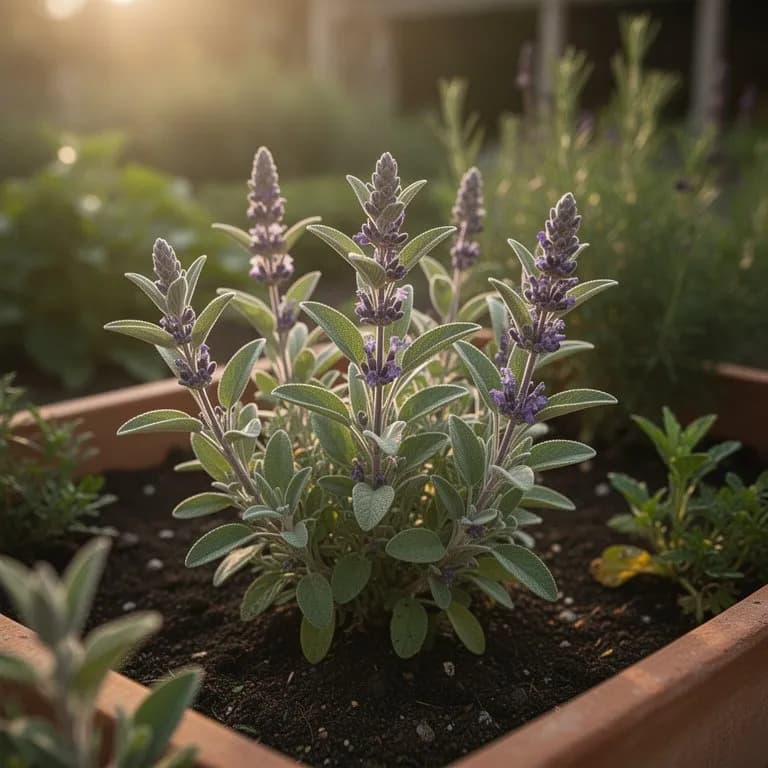
In its second year or later, purple sage sends up upright flower spikes bearing whorls of tubular violet-blue flowers. Each spike carries 6-10 whorls of flowers that open progressively from the bottom upward over 2-3 weeks. The flowers are highly attractive to bees, butterflies, and hummingbirds, making purple sage an excellent pollinator plant.
Maturation and Harvest
The plant reaches full maturity as a semi-evergreen sub-shrub, maintaining foliage through mild winters but dying back in colder regions. Established plants develop a thick woody base and can live 4-6 years with proper care. Leaves can be harvested year-round in mild climates, with peak essential oil content occurring just before flowering in early summer.
Sow seeds on the surface of moist, well-drained seed-starting mix and press gently — do not bury them. Maintain temperatures of 18-21°C (65-70°F) and keep consistently moist but not waterlogged. A humidity dome speeds germination. Alternatively, start from cuttings or nursery transplants for faster and more reliable results.
Caring for Purple Sage month by month
What to do each month for your Purple Sage
October
You are hereGrowth slows as temperatures drop. Stop harvesting heavily to allow remaining growth to harden before winter. In zones 5-7, apply a thick mulch of straw, pine needles, or dry leaves over the crown after the first hard frost. Move container-grown plants to a sheltered spot against a south-facing wall or bring indoors to a sunny windowsill.
Know exactly what to do in your garden — every month
One email at the start of each month: what to sow, plant, and tackle right now — for your Purple Sage and everything growing around it. Plus a short starter course that helps you dodge the classic mistakes.
- What to do, right now
- Matched to your season
- Starter course included
Harvesting Purple Sage
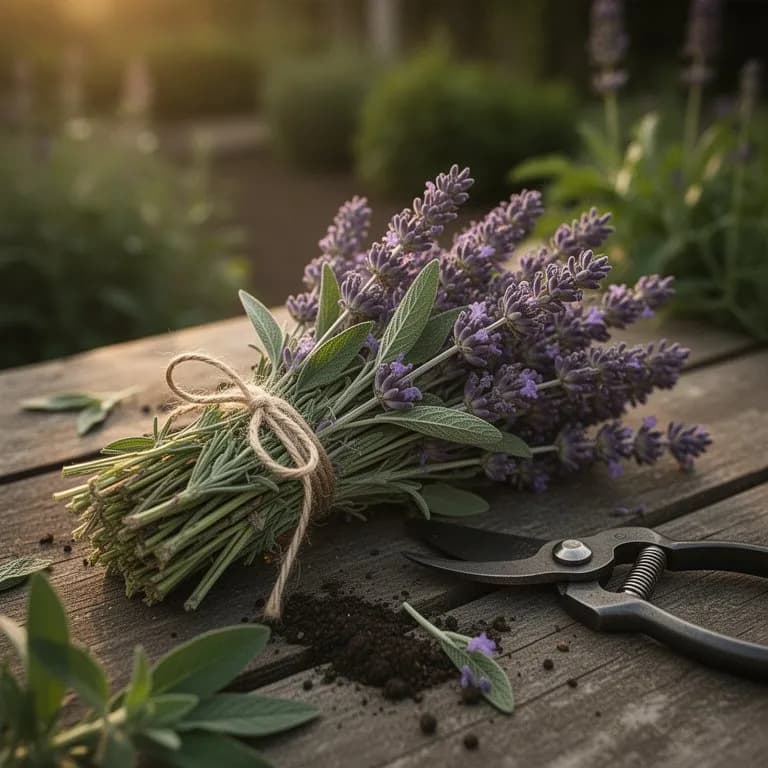
Harvest purple sage leaves anytime during the growing season by snipping individual leaves or cutting stem tips. The flavor is identical to common sage, with the same warm, earthy, slightly peppery taste. Young leaves at the stem tips have the best flavor and most vibrant purple color. Avoid harvesting more than one-third of the plant at once to maintain vigor. In fall, do a final harvest before hard frosts but leave enough foliage to protect the plant through winter. The purple leaves make particularly beautiful fresh garnishes.
assuming you plant when the window opens — set your real date
Pick Purple Sage promptly and the plant keeps producing.
Storage & Preservation
Store fresh purple sage wrapped in slightly damp paper towels in the refrigerator for up to two weeks. The sturdy leaves dry exceptionally well, retaining both their color and flavor. Hang small bundles upside down in a warm, airy space for 1-2 weeks, or use a dehydrator at 95°F. Dried purple sage leaves maintain a dusky purple-grey appearance that is visually striking in spice jars. Freeze individual leaves on a baking sheet, then store in airtight bags for up to 6 months.
What goes wrong — and the fix
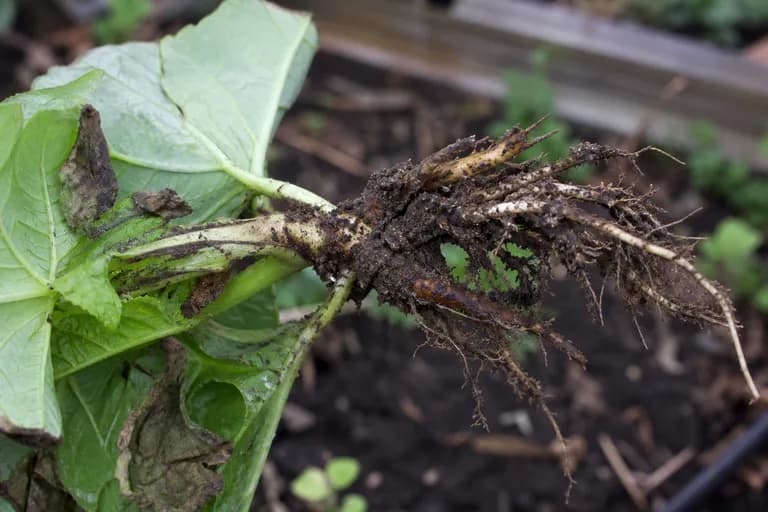
Root Rot
DiseaseWilting despite moist soil, yellowing and drooping leaves, mushy stem base, plant collapse.
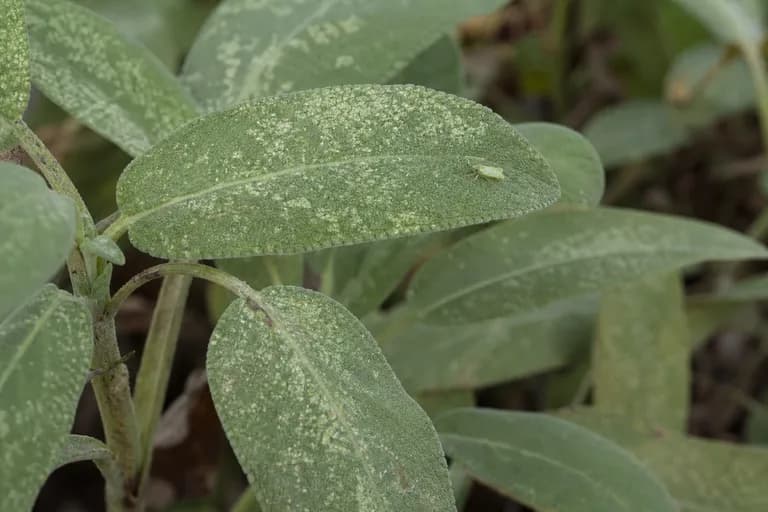
Sage Leafhopper
PestWhite stippling on leaf surfaces, tiny wedge-shaped insects on leaf undersides, reduced vigor.
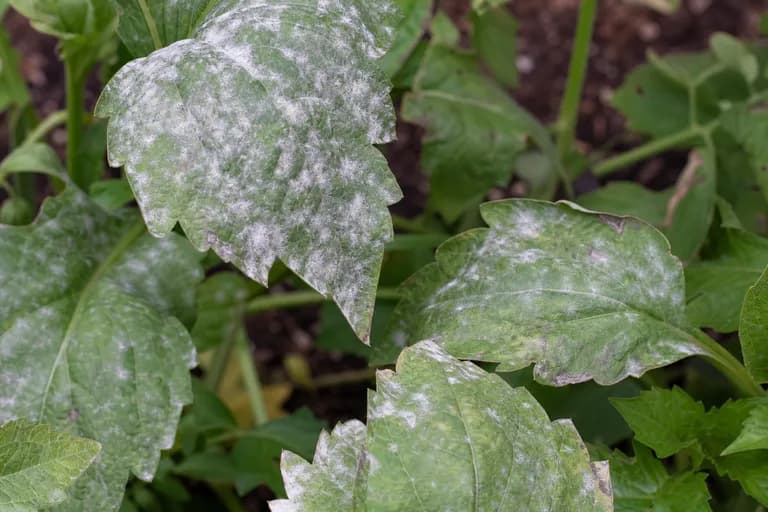
Powdery Mildew
DiseaseWhite powdery coating on leaves, distorted new growth, premature leaf drop.
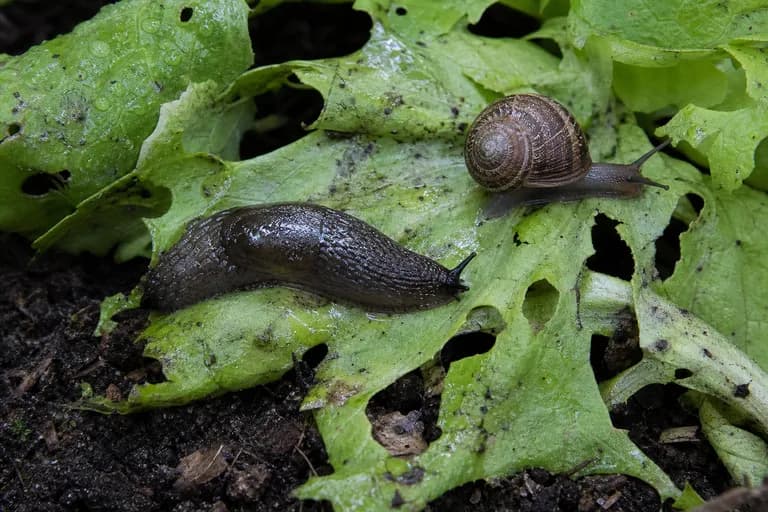
Slugs and Snails
PestIrregular holes in leaves, slime trails on foliage and surrounding soil, damage worst on young plants.
Troubleshooting Common Problems
Purple sage reverting to green coloring is usually caused by overly rich soil, excessive fertilizer, or insufficient light. Ensure full sun exposure for the deepest purple tones. Woody, bare stems at the base develop if plants are not pruned annually in spring. Purple sage is slightly less cold-hardy than common green sage, so mulch well in zone 5 and provide wind protection. Poor drainage is the primary killer, especially during wet winter months. Plants may need replacing every 4-5 years as they become increasingly woody.
Growing Tips
- Plant purple sage in the sunniest, most well-drained spot in your garden. Full sun (6-8 hours minimum) is essential for developing the deepest purple leaf color and strongest essential oil concentration. In partial shade, leaves tend to revert toward grey-green and flavor becomes milder.
- Drainage is the single most critical factor for purple sage survival. Amend heavy clay or compacted soil with generous amounts of coarse sand, gravel, or perlite before planting. In wet climates, plant in raised beds or mounds to keep the crown above standing water. More sage plants die from root rot than from cold.
- Water deeply but infrequently once established. Purple sage is a Mediterranean herb adapted to dry summers and prefers to dry out completely between waterings. Overwatering causes root rot, yellowing leaves, and loss of essential oil potency. In most climates, established plants need supplemental water only during extended dry spells.
- Prune established plants hard in late spring, cutting back to about 15 cm above the woody base. This prevents the leggy, sparse growth habit that develops when sage plants are left unpruned. Never cut into old, bare wood — always leave some green growth on each stem to ensure the plant can regenerate.
- Take stem cuttings in late summer as insurance against winter loss. Cut 8-10 cm non-flowering shoot tips, strip the lower leaves, dip in rooting hormone, and insert into a mix of perlite and peat. Cuttings root in 3-4 weeks under a humidity dome and produce larger, faster-establishing plants than seed-grown specimens.
- Avoid high-nitrogen fertilizers, which produce lush but flavorless growth. Purple sage thrives in lean, slightly alkaline soil (pH 6.0-7.0) with minimal feeding. A light top-dressing of compost in spring and a sprinkle of wood ash or lime to maintain alkaline pH is all that is needed.
- Grow purple sage alongside other Mediterranean herbs — rosemary, thyme, lavender, and oregano — as they all share the same requirements for full sun, lean soil, and excellent drainage. This companion grouping creates a low-maintenance herb garden that looks and smells spectacular.
- Mulch with gravel, stone chips, or coarse sand rather than organic mulch like bark or straw. Organic mulches hold moisture against the crown and stems, promoting rot in humid weather. Mineral mulches reflect heat and light upward onto the foliage, mimicking the rocky Mediterranean hillsides where sage evolved.
- In zones 5-6, protect purple sage through winter by mounding coarse gravel or grit over the crown after the first hard frost, and ensuring the planting site has sharp drainage. Winter wet is far more lethal than winter cold for sage — a dry plant at -15°C survives better than a wet plant at -5°C.
- Harvest sage leaves in the morning after the dew has dried but before the midday heat — this is when essential oil content is at its daily peak. Cut whole sprigs rather than picking individual leaves, always cutting just above a leaf node to encourage branching and regrowth.
Grow your best Purple Sage yet — and everything around it.
Start a free plan today. Lay out your beds, drop in your Purple Sage, and let PlotMyGarden handle the timing, spacing, companions and reminders from seed to harvest basket.
Pick your Purple Sage
Purpurascens
The standard purple sage with deep purple-grey foliage. The most widely available and reliably colorful cultivar.
Purple Rain
A newer selection with more intense purple coloring and improved cold hardiness. Compact growth habit.
Tricolor
A related variegated sage with purple, green, and cream leaves. Less hardy but stunningly ornamental.
Fresh sage sells for $2-4 per small bunch (8-12 sprigs) at grocery stores, and dried sage costs $5-10 per ounce for organic varieties. A single purple sage plant, costing $4-8 as a nursery transplant, produces abundant fresh leaves from spring through fall and can live for 4-6 years — easily providing $50-100 worth of fresh sage per season. Dried sage from your own garden is far more aromatic and flavorful than commercial dried sage, which often sits in warehouses for months or years before reaching store shelves. Purple sage also doubles as a premium ornamental plant, replacing decorative shrubs that provide no culinary value.
Quick recipes
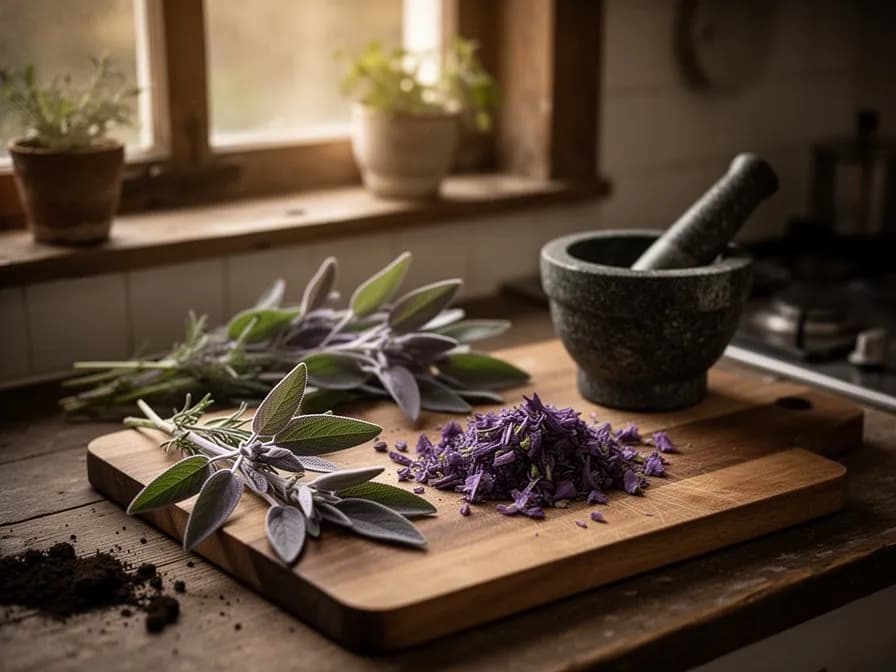
Brown Butter Sage Sauce for Pasta
10 minThe quintessential sage recipe — whole purple sage leaves fried until crispy in golden-brown nutty butter, creating an effortlessly elegant sauce for fresh pasta, gnocchi, or ravioli. The purple leaves turn beautifully dark and lacy when fried, adding visual drama to the dish.
6 ingredients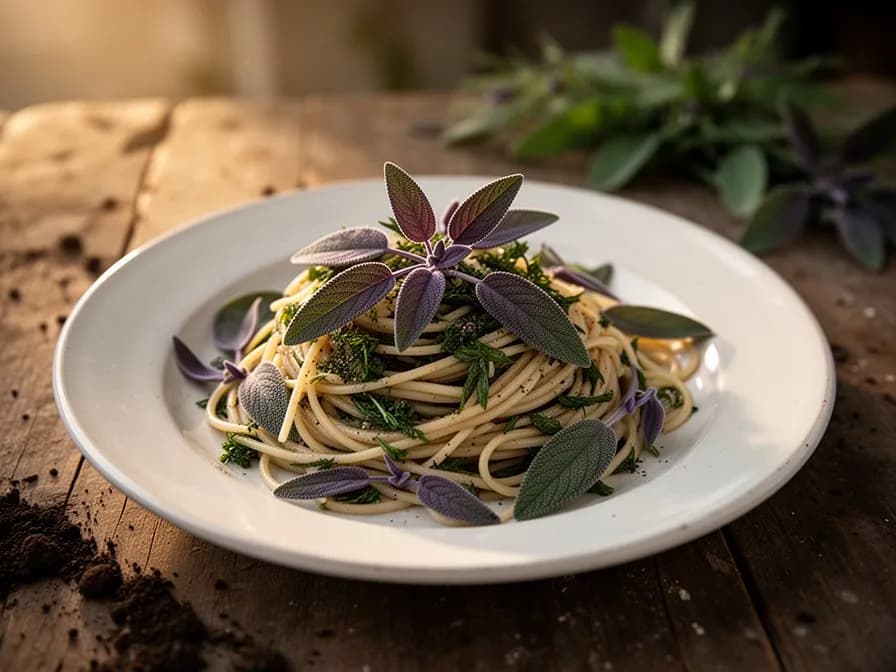
Sage and Honey Herbal Tea
5 minA soothing herbal infusion traditionally used to ease sore throats and support digestion. Fresh purple sage leaves release their aromatic essential oils into hot water, creating a calming, slightly peppery tea with a beautiful amber color and complex herbal flavor.
5 ingredientsSage and Parmesan Focaccia Topping
15 minTransform simple focaccia into a showpiece by pressing whole purple sage leaves into the dough before baking. The leaves crisp up in olive oil while imparting a savory, aromatic flavor that pairs perfectly with flaky sea salt and aged Parmesan.
6 ingredientsCulinary Uses
Purple sage is fully interchangeable with common sage in all recipes. Its warm, savory flavor enhances poultry stuffing, sausages, pork, and bean dishes. Use in brown butter sauce for pasta and gnocchi. Purple leaves make visually stunning fresh sage garnishes, especially when fried until crisp. The purple color fades during cooking but adds drama to fresh applications. Infuse into vinegar for a beautiful purple-tinged sage vinegar.
What's inside
Health Benefits
- Contains rosmarinic acid and carnosic acid — powerful antioxidant compounds that research suggests may support cognitive function, memory retention, and neuroprotection against age-related cognitive decline.
- Traditional remedy for menopausal hot flashes, with multiple clinical studies confirming that sage leaf extract can significantly reduce the frequency and intensity of hot flashes and night sweats in menopausal women.
- Strong antimicrobial and anti-inflammatory properties make sage tea an effective natural gargle for sore throats, mouth ulcers, and gum inflammation — a use supported by centuries of folk medicine and modern research.
- Rich in vitamin K, essential for proper blood clotting and bone mineralization — regular dietary use of sage contributes meaningfully to daily vitamin K intake, supporting long-term bone health.
- Sage extracts have demonstrated blood-sugar-lowering effects in clinical studies, with some research showing that sage tea consumption can improve fasting blood glucose and lipid profiles in type 2 diabetes patients.
- Contains thujone and camphor compounds with natural digestive-stimulant properties, traditionally used to relieve bloating, gas, and indigestion — sage tea after meals is a time-honored European digestive remedy.
Where Purple Sage comes from
Purple sage (Salvia officinalis 'Purpurascens') is a cultivated variety of common garden sage, whose wild ancestor originated in the northern Mediterranean basin, particularly the coastal regions of present-day Croatia, Greece, Turkey, and southern Italy. Common sage (Salvia officinalis) has been collected and used by humans since at least the Neolithic period, with evidence of its use found in ancient settlements throughout the Mediterranean. The ancient Egyptians valued sage for medicinal purposes, and the Greeks and Romans elevated it to the status of a sacred herb associated with wisdom, health, and longevity.
The Romans were instrumental in spreading sage cultivation throughout their empire, bringing it to Gaul, the Iberian Peninsula, and eventually Britain. During the Middle Ages, sage became one of the most essential plants in monastic herb gardens across Europe, cultivated for medicinal teas, culinary seasoning, and as a strewing herb to freshen air in homes and churches. Charlemagne himself ordered sage to be grown in all imperial gardens in his Capitulare de Villis of 812 CE, recognizing its importance to public health and household economy.
The purple-leaved cultivar 'Purpurascens' was selected and stabilized by European gardeners over centuries of cultivation, prized for its ornamental beauty as well as its culinary value. Unlike many ornamental herb varieties, purple sage retains excellent flavor and aroma, making it a true dual-purpose plant. It became especially popular in English cottage gardens and formal knot gardens during the Elizabethan and Stuart periods, when herbs were central to both kitchen and apothecary. The cultivar was formally described and named in the horticultural literature by the 19th century and has since become one of the most widely grown sage varieties worldwide.
Today, purple sage is cultivated across temperate regions on every continent. It thrives in Mediterranean, oceanic, and continental climates and is grown commercially for dried herb production, essential oil extraction, and as an ornamental landscape plant. Its hardiness, drought tolerance, and striking appearance have made it a staple of modern herb gardens, pollinator-friendly plantings, and xeriscaping designs from California to Australia to the south of France.
Purple Sage: did you know?
Fascinating facts about Purple Sage
Purple sage (Salvia officinalis 'Purpurascens') gets its striking violet-purple foliage from high concentrations of anthocyanin pigments in its leaves — the same compounds responsible for the color of blueberries, red cabbage, and red wine.
Purple Sage questions, answered
When should I plant Purple Sage?
What are good companion plants for Purple Sage?
What hardiness zones can Purple Sage grow in?
How much sun does Purple Sage need?
How far apart should I space Purple Sage?
What pests and diseases affect Purple Sage?
How do I store Purple Sage after harvest?
What are the best Purple Sage varieties to grow?
What soil does Purple Sage need?
Does purple sage taste different from common green sage?
Why is my purple sage turning green?
How long does a purple sage plant live?
Can I grow purple sage indoors?
Is purple sage safe for pets?
When is the best time to harvest purple sage for drying?
You just read the theory. Now grow it on autopilot.
Everything that makes Purple Sage fiddly — the timing, the spacing, the companions, the harvest window — is exactly what PlotMyGarden handles for you, for every plant in your garden.
A plan that knows your weather
Set your location once. Get sow, feed and harvest dates built around your real last-frost date and live forecast — no more guessing from a generic seed packet.
From the “When to plant” sectionDrag-and-drop bed planner
Design beds on a grid. Every plant snaps to its proper spacing, and you can see your whole season laid out before you spend a cent on seed.
From the “Growing guide” sectionCompanion conflicts, caught early
200+ good-and-bad pairings checked live as you plant — so a season-wrecking mistake never makes it into the ground.
From the “Companions” sectionReminders you'll actually act on
“Water the beans.” “Pick today before it turns.” Timely, specific, and tied to the plants you're really growing.
From the “Harvest” sectionSuccession, scheduled
Want a harvest for six weeks, not six days? It spaces your sowings automatically and reminds you when each new block is due.
From the “When to plant” sectionA record that gets smarter
Every harvest you log teaches it your garden. Next year's plan starts from what actually worked in your soil, not a textbook's.
From the “Overview” sectionPlant these alongside Purple Sage
More Culinary Herbs
Keep Purple Sage away from these
Garden plans featuring Purple Sage
Grow your best Purple Sage yet — and everything around it.
Start a free plan today. Lay out your beds, drop in your Purple Sage, and let PlotMyGarden handle the timing, spacing, companions and reminders from seed to harvest basket.