Jack-o-Lantern Pumpkin
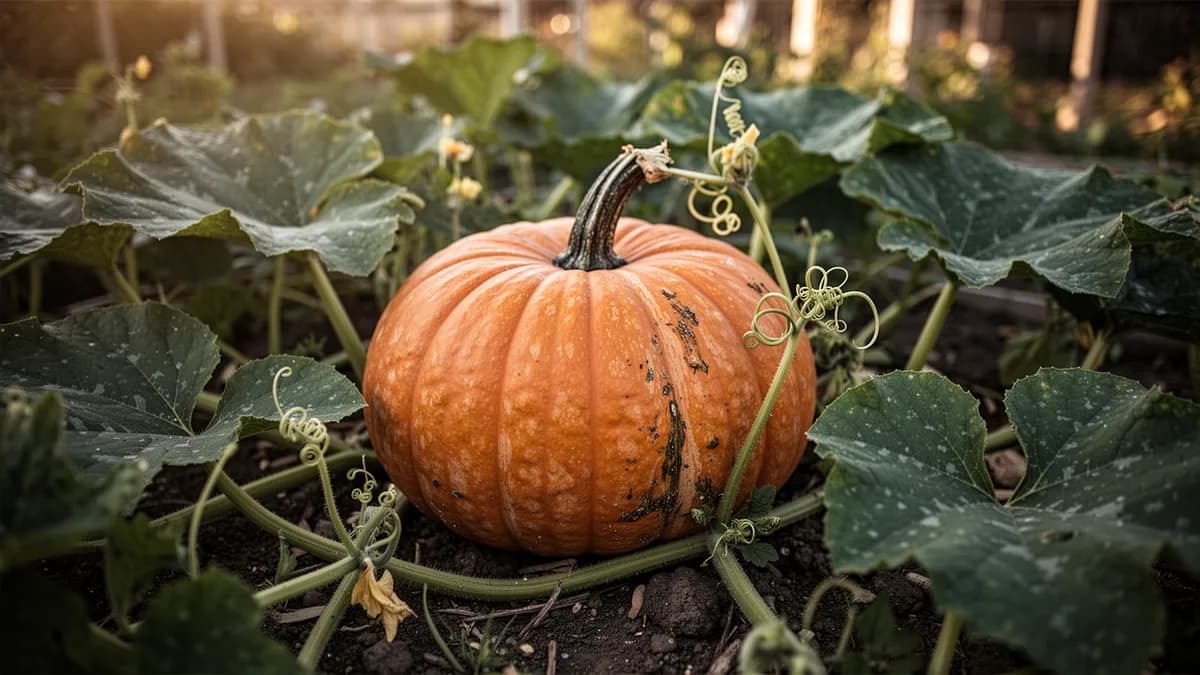
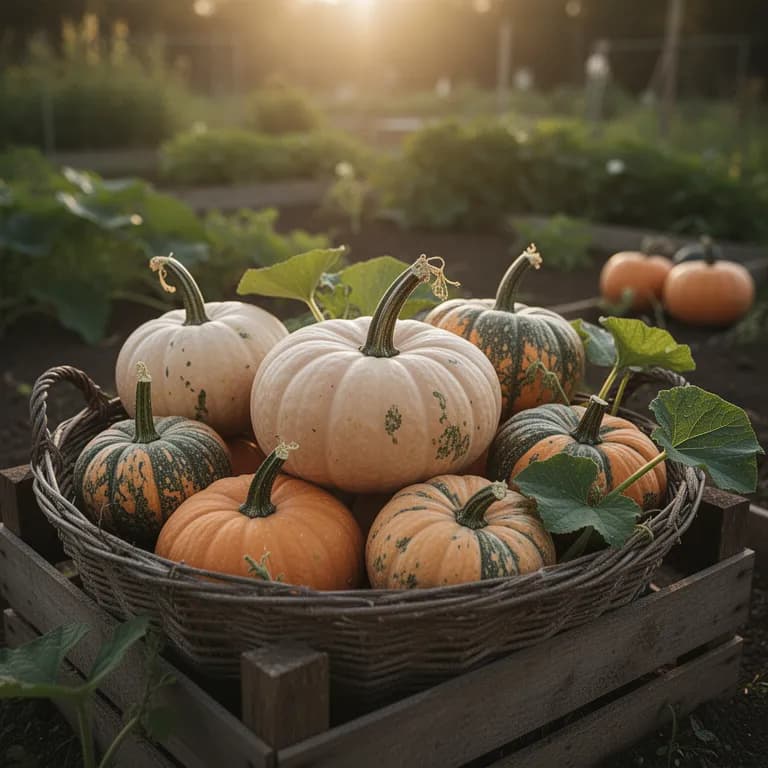
A classic orange carving pumpkin bred for smooth, round shape and a flat bottom that sits upright on a porch.





On this pageOverview
Meet Jack-o-Lantern Pumpkin
A classic orange carving pumpkin bred for smooth, round shape and a flat bottom that sits upright on a porch. Jack-o-lantern pumpkins have thinner walls and more fibrous flesh than sugar pumpkins, making them easier to carve but less ideal for cooking. Plant in late spring to have pumpkins ready by early October, and avoid letting vines dry out during fruit development. Handle harvested pumpkins carefully to avoid bruising that leads to premature rotting before the holiday season arrives.
When to plant Jack-o-Lantern Pumpkin
Direct sow jack-o-lantern pumpkin seeds 1 inch deep after soil reaches 70°F. Time planting so fruits mature by late October for Halloween. In short-season areas, start indoors 3-4 weeks before the last frost in large peat pots at 75-85°F. Germination takes 7-10 days. Thin to one seedling per pot. Harden off for one week before transplanting after frost danger passes. Space plants 4-6 feet apart in enriched hills. For precise Halloween timing, count back the days-to-maturity plus 2 weeks for curing.
Your Jack-o-Lantern Pumpkin Year
Composed for Zone 7 · typical seasons · frost passes Apr 2, returns Nov 1
Plant Jack-o-Lantern Pumpkin May – Jun, pick Sep – Oct. Check the planting methods below and set your climate to personalize these windows.
How to grow Jack-o-Lantern Pumpkin
Jack-o-lantern pumpkins are the classic orange carving pumpkins, bred for their smooth round shape, flat bottom for stable displays, and thin walls that are easy to carve. They typically weigh 10-20 pounds and mature in 90-110 days. Direct sow seeds 1 inch deep after soil reaches 70°F, spacing plants 4-6 feet apart. Start indoors 3-4 weeks early in short-season areas.
Grow on hills of enriched soil with plenty of room for the vigorous vines that spread 10-15 feet. Water deeply with 1-1.5 inches per week during active growth. Black plastic mulch warms soil and suppresses weeds. Reduce watering as fruits mature to develop a hard, long-lasting shell for autumn displays.
Each plant produces 2-4 pumpkins depending on variety and growing conditions. Bee pollination is essential for fruit set. For perfectly round, flat-bottomed pumpkins, position developing fruits gently and place a board or straw underneath to prevent bottom rot. Time plantings to mature in October for Halloween displays. Count back from your desired harvest date using the days-to-maturity listed on the seed packet, typically planting in late May to early July depending on your climate.
Jack-o-Lantern Pumpkin needs more room than a 4 × 8 ft bed gives
Each Jack-o-Lantern Pumpkin wants 150 cm of elbow room. The planner keeps that spacing for you — every plant, every bed.
Jack-o-Lantern Pumpkin's best neighbours
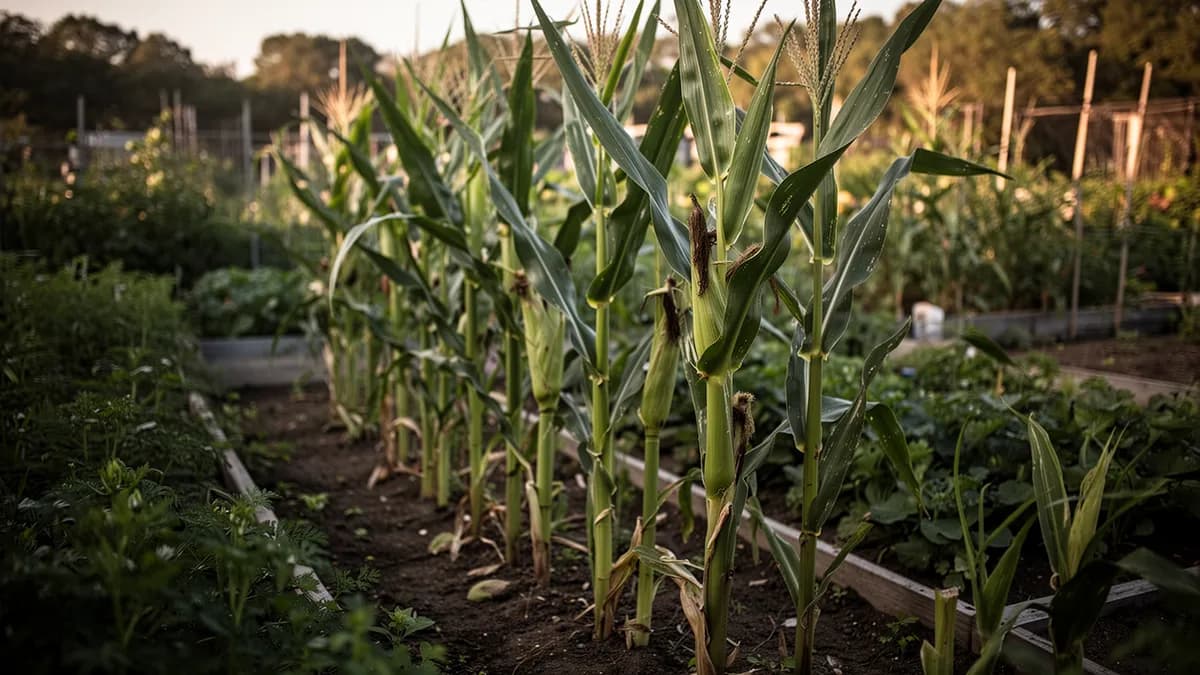
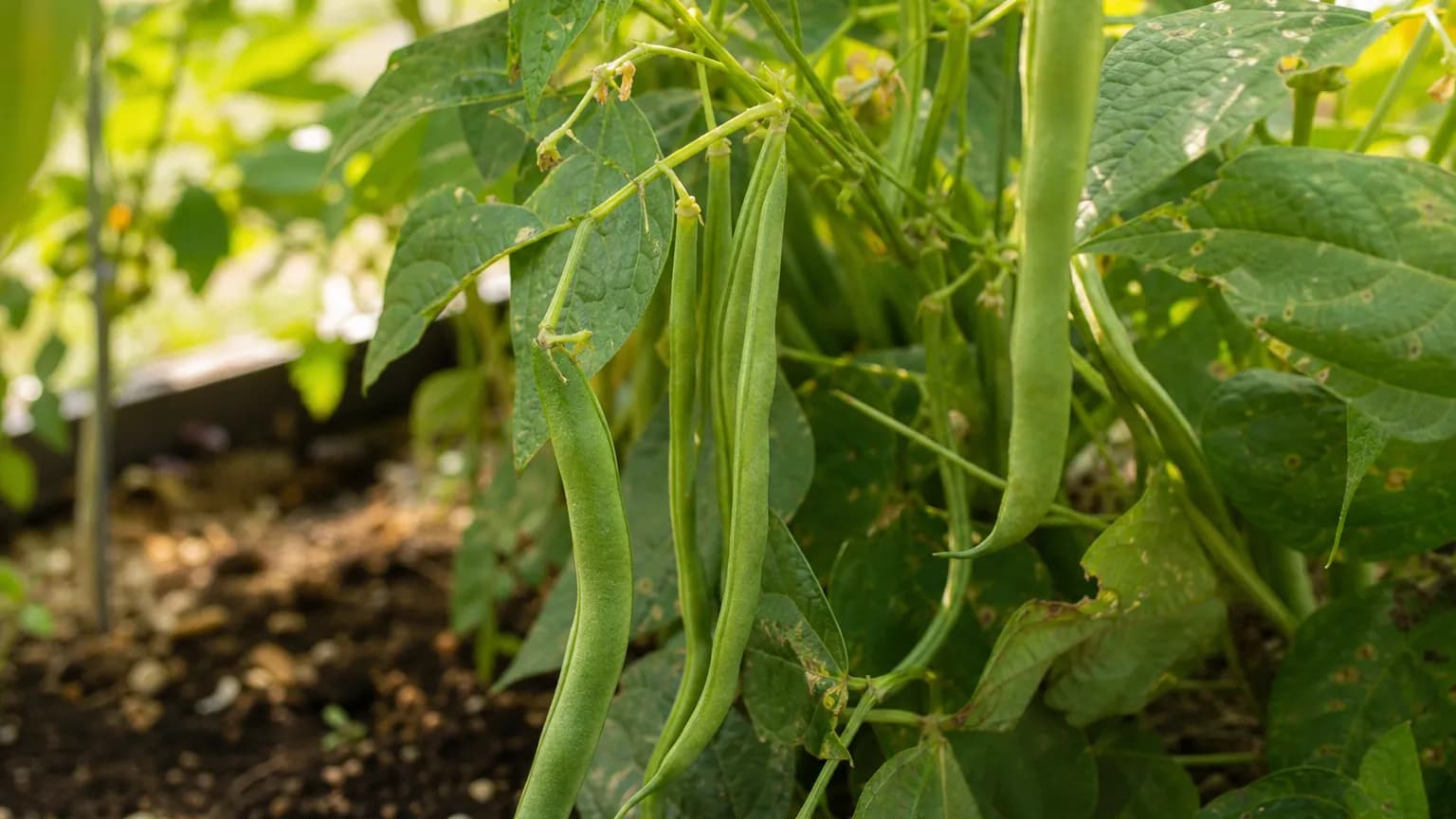
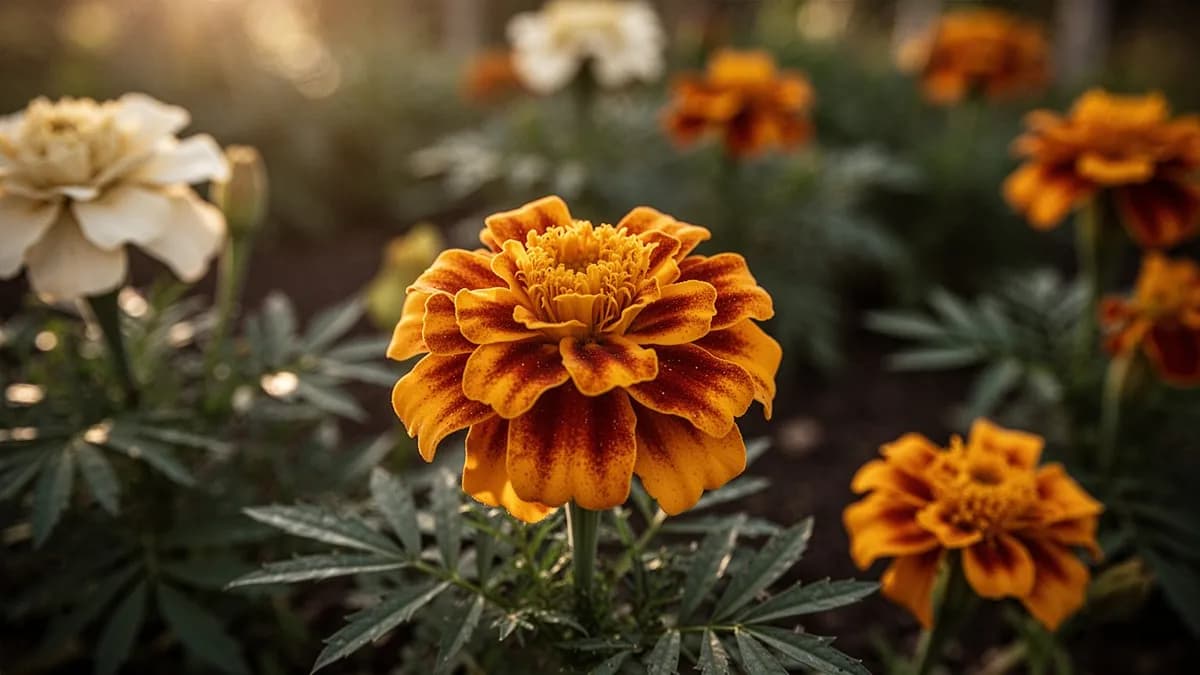
Jack-o-lantern pumpkins work well in the Three Sisters arrangement with corn and beans, though they need substantial space. Corn provides wind protection for the large leaves. Nasturtiums and marigolds deter pests while borage attracts pollinators. Sunflowers along the garden edge bring in bees for improved fruit set. Radishes interplanted may deter vine borers. Avoid planting near potatoes. Allow vines to sprawl into grassy areas or pathways if garden space is limited.
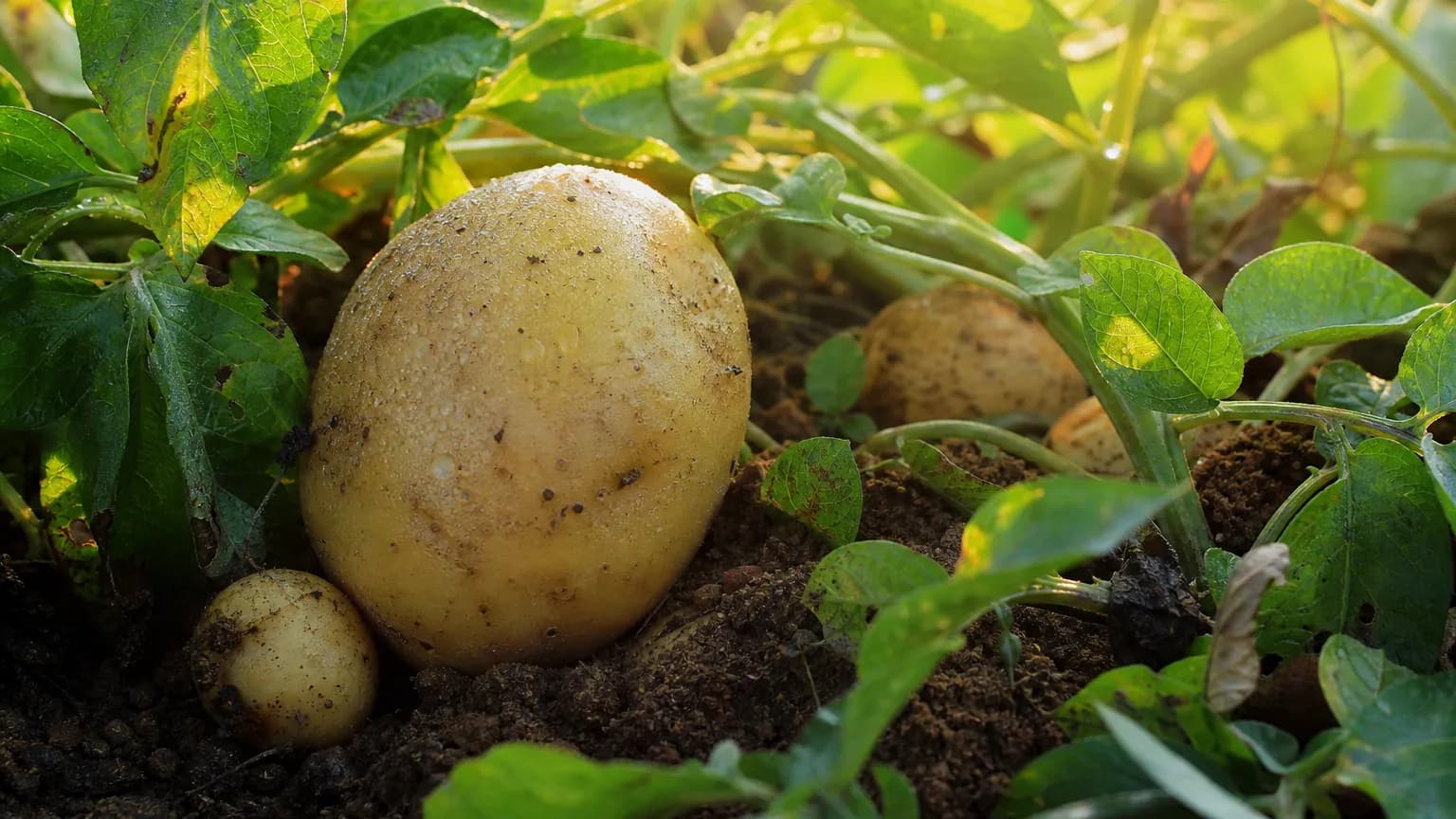
Corn belongs beside it. Potato doesn't.
Old growers' knowledge, checked against Jack-o-Lantern Pumpkin's real companion table below — test any plant you're growing.
Try Jack-o-Lantern Pumpkin in a bed — right here
A real planner bed with Jack-o-Lantern Pumpkin already in it. Tap a companion to place it and watch the pairing checks answer — green for good neighbours, red for a clash.


Related growing guides
Feed it well
Jack-o-lantern pumpkins need rich, well-drained soil with a pH of 6.0-6.8. Build planting hills with generous compost and aged manure. Apply balanced fertilizer at planting and side-dress when vines begin running. Switch to potassium-rich fertilizer when fruits develop to support rind hardness and storage quality. Avoid excessive nitrogen which produces lush vines but fewer, thinner-walled fruits. Deep, fertile soil supports the extensive root system and vigorous vine growth needed for good pumpkin production.
Ideal Temperature
Hardiness Zone Compatibility
From seed to harvest, stage by stage
Seed Germination
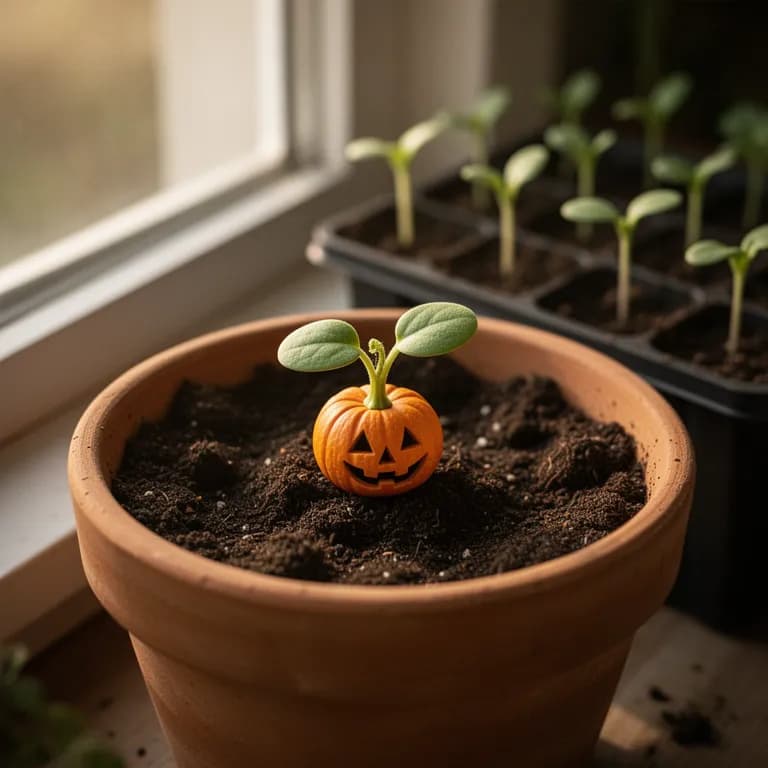
Pumpkin seeds germinate rapidly in warm, moist soil. The large seed splits open and sends down a thick white taproot, followed by a sturdy hypocotyl that pushes two oversized cotyledon leaves above the soil surface. Germination requires soil temperatures of at least 16°C (60°F) and occurs most quickly at 27-32°C (80-90°F), typically within 5-10 days.
Seedling Establishment
True leaves develop with the characteristic deeply lobed, rough-textured shape. The stem thickens and begins to sprawl outward. The root system expands rapidly, establishing a wide network of lateral roots and a deep taproot to support the plant's enormous water and nutrient demands.
Vine Growth
The plant enters explosive vegetative growth, sending out long vines with tendrils that anchor to anything they contact. Vines can extend 15-30 cm per day in hot weather, eventually reaching 4-6 meters in length. Large, bristly leaves provide a dense canopy that shades out weeds. Secondary vines branch from the main runner.
Flowering and Pollination
Large, bright orange-yellow flowers appear — male flowers on long thin stems come first, followed 7-10 days later by female flowers identifiable by the small round ovary at their base. Each flower opens at dawn and closes by midday. Successful pollination requires bee visits transferring pollen from male to female flowers during this narrow morning window.
Fruit Development
Once pollinated, the small green ovary behind the female flower swells rapidly into a recognizable pumpkin shape. The fruit grows quickly for 3-4 weeks, gaining several pounds per week. The exterior transitions from dark green to lighter green, then begins developing orange coloring as the fruit reaches full size of 25-35 cm in diameter.
Ripening and Harvest
The pumpkin transitions to its final deep orange color as sugars and carotenoids develop in the rind and flesh. The stem connecting the fruit to the vine begins to dry and turn corky brown. The rind hardens until it cannot be dented with a fingernail. The fruit typically weighs 4-8 kg (8-18 lbs) at maturity.
Plant seeds 2.5 cm deep in pre-warmed soil. Sow 2-3 seeds per hill and thin to the strongest seedling after emergence. Do not start seeds too early indoors — pumpkins resent root disturbance and transplant poorly if rootbound.
Caring for Jack-o-Lantern Pumpkin month by month
What to do each month for your Jack-o-Lantern Pumpkin
October
You are hereHarvest pumpkins when fully orange with hard rinds and dry, corky stems. Cut stems with pruners leaving a 10 cm handle. Cure in a warm (27°C), dry location for 10 days. After curing, store in a cool (10-15°C), dry place for up to 3 months.
Know exactly what to do in your garden — every month
One email at the start of each month: what to sow, plant, and tackle right now — for your Jack-o-Lantern Pumpkin and everything growing around it. Plus a short starter course that helps you dodge the classic mistakes.
- What to do, right now
- Matched to your season
- Starter course included
Harvesting Jack-o-Lantern Pumpkin
Harvest jack-o-lantern pumpkins when the rind is fully orange, hard, and resistant to scratching with a fingernail. The stem should be dry and corky. Tap the pumpkin for a hollow sound. Cut from the vine with pruners leaving a 3-4 inch stem for carrying and display. Never carry pumpkins by the stem as it may break off, leading to rapid decay. Harvest before hard frost. For Halloween timing, calculate planting date by counting backwards from late October using the variety's days-to-maturity.
assuming you plant when the window opens — set your real date
Pick Jack-o-Lantern Pumpkin promptly and the plant keeps producing.
Storage & Preservation
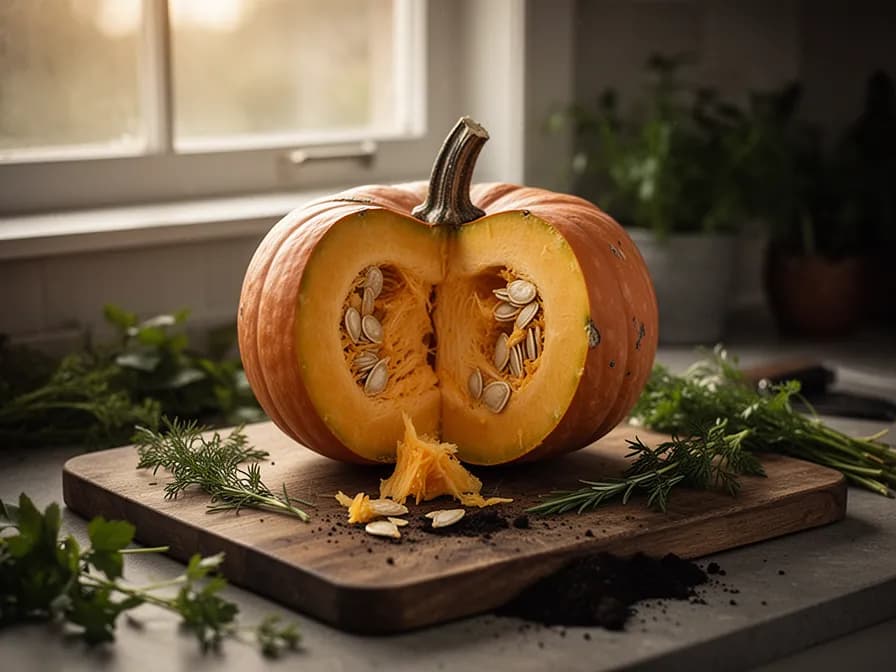
Whole jack-o-lantern pumpkins keep for 2-3 months in a cool, dry location after curing in sun for 10 days. For carving at Halloween, fresh-from-garden pumpkins with intact stems last longest. Once carved, extend display life by coating cut edges with petroleum jelly and spraying with diluted bleach water to prevent mold. Uncarved pumpkins make excellent compost. The flesh is edible but thinner and less sweet than pie pumpkins; roast and puree for soups or bread. Seeds are excellent roasted with salt and seasonings.
What goes wrong — and the fix
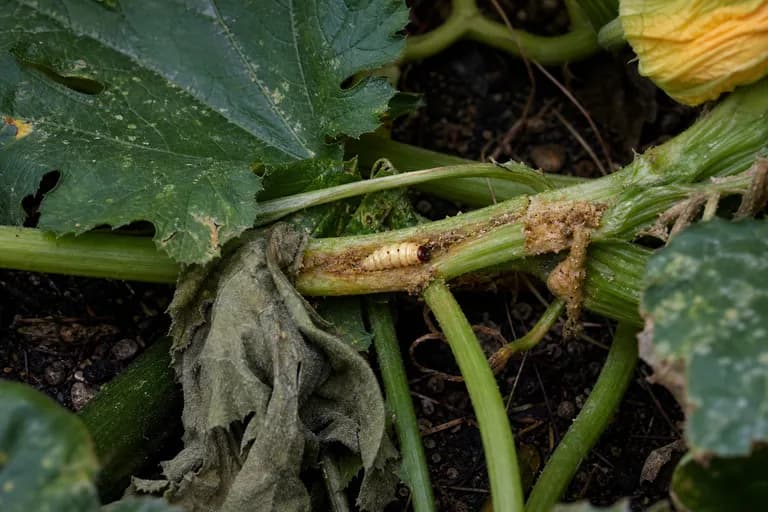
Squash Vine Borer
PestSudden vine wilting, sawdust-like frass at stem base, larvae boring inside hollow stems.
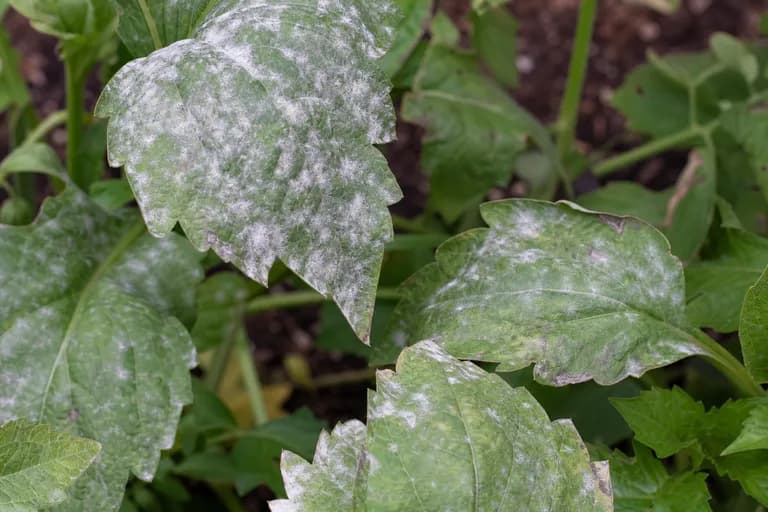
Powdery Mildew
DiseaseWhite powdery coating spreading across leaves, reducing plant vigor in the critical late-season ripening period.
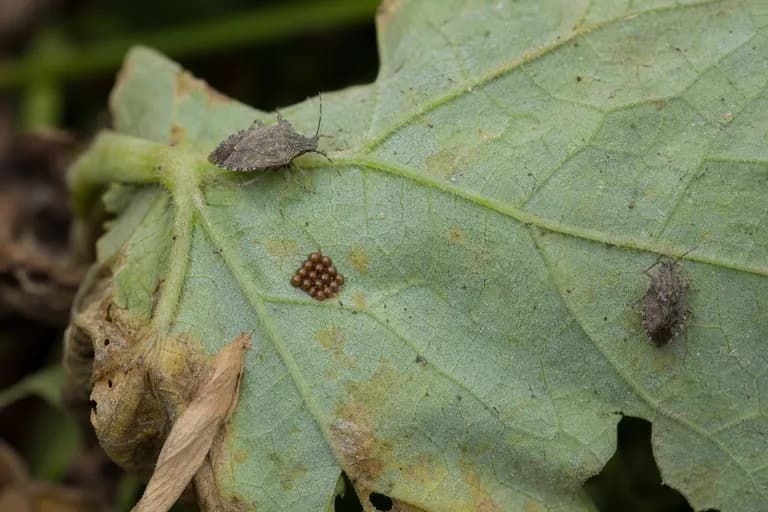
Squash Bug
PestShield-shaped brown adults and gray nymphs feeding on leaves causing wilting, eggs in bronze rows on leaf undersides.
Troubleshooting Common Problems
Timing the harvest for Halloween is the most common challenge. Calculate planting dates carefully using the variety's days to maturity. Green patches on otherwise orange pumpkins indicate insufficient sunlight reaching the fruit; gently rotate fruits for even coloring. Soft spots develop from ground contact in wet conditions; elevate fruits on straw. Vine borers can kill plants before fruits mature; start preventive measures early. Stem breakage during harvest or transport leads to rapid decay; always handle by the base, not the stem.
Growing Tips
- Build mounded hills rather than planting in flat ground. Mounding soil 25-30 cm high improves drainage, warms the root zone faster in spring, and prevents the crown rot that kills pumpkins planted in waterlogged soil.
- Time your planting backward from your target harvest date. For Halloween pumpkins, count back 100-120 days from early October — this typically means planting in mid-June in most zones, not the earliest possible date.
- Pollination is the single biggest failure point for home pumpkin growers. If you see small fruits yellowing and falling off, poor pollination is almost certainly the cause. Learn to hand-pollinate as insurance — it takes 30 seconds per flower and dramatically improves fruit set.
- Water at the soil level with drip irrigation or soaker hoses, never overhead. Wet foliage is the primary trigger for powdery mildew, the most common and damaging pumpkin disease. Water deeply 2-3 times per week rather than lightly every day.
- Limit each vine to 2-3 developing fruits if you want full-sized carving pumpkins. Once your desired number of pumpkins are set and growing, pinch off any new female flowers and trim vine tips to redirect all the plant's energy into sizing up the existing fruits.
- Slide a piece of cardboard, a wooden shingle, or a thick layer of straw beneath each developing pumpkin. Direct soil contact causes bottom rot, discoloration, and insect damage that ruins the fruit for carving and shortens storage life.
- Monitor aggressively for powdery mildew starting in mid-summer. At the first sign of white powdery spots on leaves, spray with a solution of 1 tablespoon potassium bicarbonate per liter of water. Preventive weekly spraying from July onward is even more effective than reactive treatment.
- Cure pumpkins after harvest by holding them at 27-29°C (80-85°F) with good air circulation for 10 days. Curing heals any stem cuts or skin scratches and dramatically extends storage life — properly cured Jack-o-Lantern pumpkins can last 2-3 months in cool dry storage.
Grow your best Jack-o-Lantern Pumpkin yet — and everything around it.
Start a free plan today. Lay out your beds, drop in your Jack-o-Lantern Pumpkin, and let PlotMyGarden handle the timing, spacing, companions and reminders from seed to harvest basket.
Pick your Jack-o-Lantern Pumpkin
Howden
The standard jack-o-lantern pumpkin with deep orange color, sturdy handle stem, and classic round shape. 15-20 pounds.
Connecticut Field
Historic open-pollinated variety with slightly flattened shape and good orange color. Versatile for both carving and cooking.
Magic Lantern
Improved hybrid with very uniform round shape, dark orange color, and strong stem. Excellent for retail and carving.
Racer
Early-maturing variety ready in 85 days, ideal for northern gardens. Good size and shape for carving with strong stems.
Autumn Gold
Turns orange early even before fully mature, useful for early fall displays. Round shape with good carving characteristics.
A single seed packet ($3-5) can produce 6-10 pumpkin vines, each yielding 3-5 pumpkins. With Jack-o-Lantern pumpkins selling for $5-15 each at pumpkin patches and grocery stores in autumn, a small home patch of 3-4 vines can easily produce $50-150 worth of pumpkins. Beyond carving, the edible flesh yields several batches of soup, puree, and baked goods that would cost $20-40 to buy as canned pumpkin. Roasted seeds from a single large pumpkin replace a $4-6 bag of store-bought pepitas.
Quick recipes
Classic Roasted Pumpkin Soup
45 minSilky, golden pumpkin soup made by roasting pumpkin wedges until caramelized and blending with aromatics. Roasting intensifies the natural sweetness and produces a deeper, more complex flavor than boiling. A swirl of cream and toasted pumpkin seeds finish each bowl.
10 ingredientsSpiced Roasted Pumpkin Seeds
30 minThe best part of carving a pumpkin — crispy roasted seeds seasoned with olive oil and your choice of spices. Rinsing and drying the seeds thoroughly before roasting is the key to achieving maximum crunch. Customize with sweet or savory seasonings.
6 ingredientsPumpkin and Sage Pasta
35 minCubes of roasted pumpkin tossed with browned butter, crispy fried sage leaves, and Parmesan over your favorite pasta. The combination of nutty browned butter and earthy sage is the classic Italian pairing for winter squash — simple but deeply satisfying.
8 ingredientsCulinary Uses
While primarily grown for carving, jack-o-lantern pumpkins are fully edible. The flesh is thinner and less sweet than pie pumpkins but works well in soups, stews, and curries when enhanced with spices and sweetener. Roast chunks with olive oil and sage for a simple side dish. Puree into pumpkin soup for Halloween dinner. The abundant seeds are the real culinary prize; clean, season with salt, garlic, or cinnamon sugar, and roast at 300°F for a nutritious snack. Pumpkin shell halves serve as rustic soup bowls.
What's inside
Health Benefits
- Pumpkin flesh is one of the richest food sources of beta-carotene, which the body converts to vitamin A — essential for maintaining healthy vision, immune defense, and skin cell turnover. A single cup of cooked pumpkin provides over 200% of the daily recommended vitamin A.
- Pumpkin seeds (pepitas) are among the best plant-based sources of magnesium, providing about 37% of the daily value per 30g serving — magnesium supports over 300 enzymatic reactions including energy production, muscle function, and nervous system regulation.
- The seeds contain high levels of zinc, which plays a critical role in immune function, wound healing, and testosterone production. A 30g serving provides about 14% of the daily value for zinc.
- Pumpkin flesh is rich in potassium, supporting healthy blood pressure regulation and reducing the risk of stroke. Its high water content and low calorie density make it an excellent food for hydration and weight management.
- The carotenoids lutein and zeaxanthin found in pumpkin accumulate in the macula of the eye and act as natural blue-light filters, helping protect against age-related macular degeneration and cataracts.
- Pumpkin seed oil has been studied for its potential to support prostate health and urinary function in men, with several clinical trials showing improvement in symptoms of benign prostatic hyperplasia.
Where Jack-o-Lantern Pumpkin comes from
The Jack-o-Lantern pumpkin (Cucurbita pepo) descends from wild gourds native to Central America and southern North America. Archaeological evidence from the Oaxaca Valley in Mexico places pumpkin cultivation at 8,000-10,000 years ago, making it one of the earliest domesticated crops in the Americas — predating the domestication of corn and beans by several thousand years. Early pumpkins were small, hard-shelled, and bitter, valued primarily for their nutritious seeds rather than their flesh. Over millennia of selection by indigenous farmers across the Americas, larger, sweeter-fleshed varieties developed.
Native American peoples cultivated pumpkins extensively and relied on them as a critical staple food that could be dried and stored for winter consumption. The Three Sisters planting system — growing pumpkins with corn and climbing beans — was one of the most sophisticated companion planting techniques in agricultural history. European explorers encountered pumpkins throughout the New World and brought seeds back to Europe in the 16th century, where the crop quickly spread across the continent and into Asia and Africa.
The specific association of pumpkins with Halloween and the Jack-o-Lantern tradition has roots in Celtic and Irish folklore. The legend of 'Stingy Jack,' a trickster who was condemned to roam the earth with only a carved turnip lantern, inspired the Irish custom of carving frightening faces into root vegetables on All Hallows' Eve. When waves of Irish immigration brought this tradition to North America in the 19th century, the abundant native pumpkin replaced the turnip as the carving medium of choice. Today, the United States produces over 700,000 tonnes of pumpkins annually, with Illinois leading production, and the Jack-o-Lantern pumpkin remains the most iconic variety for both carving and autumn decoration.
Jack-o-Lantern Pumpkin: did you know?
Fascinating facts about Jack-o-Lantern Pumpkin
The Jack-o-Lantern tradition originated in Ireland, where turnips and beets were originally carved with scary faces and lit with embers to ward off evil spirits on All Hallows' Eve. When Irish immigrants arrived in North America, they discovered that the native pumpkin was far larger and easier to carve, and the tradition shifted to pumpkins permanently.
Jack-o-Lantern Pumpkin questions, answered
When should I plant Jack-o-Lantern Pumpkin?
What are good companion plants for Jack-o-Lantern Pumpkin?
What hardiness zones can Jack-o-Lantern Pumpkin grow in?
How much sun does Jack-o-Lantern Pumpkin need?
How far apart should I space Jack-o-Lantern Pumpkin?
What pests and diseases affect Jack-o-Lantern Pumpkin?
How do I store Jack-o-Lantern Pumpkin after harvest?
What are the best Jack-o-Lantern Pumpkin varieties to grow?
What soil does Jack-o-Lantern Pumpkin need?
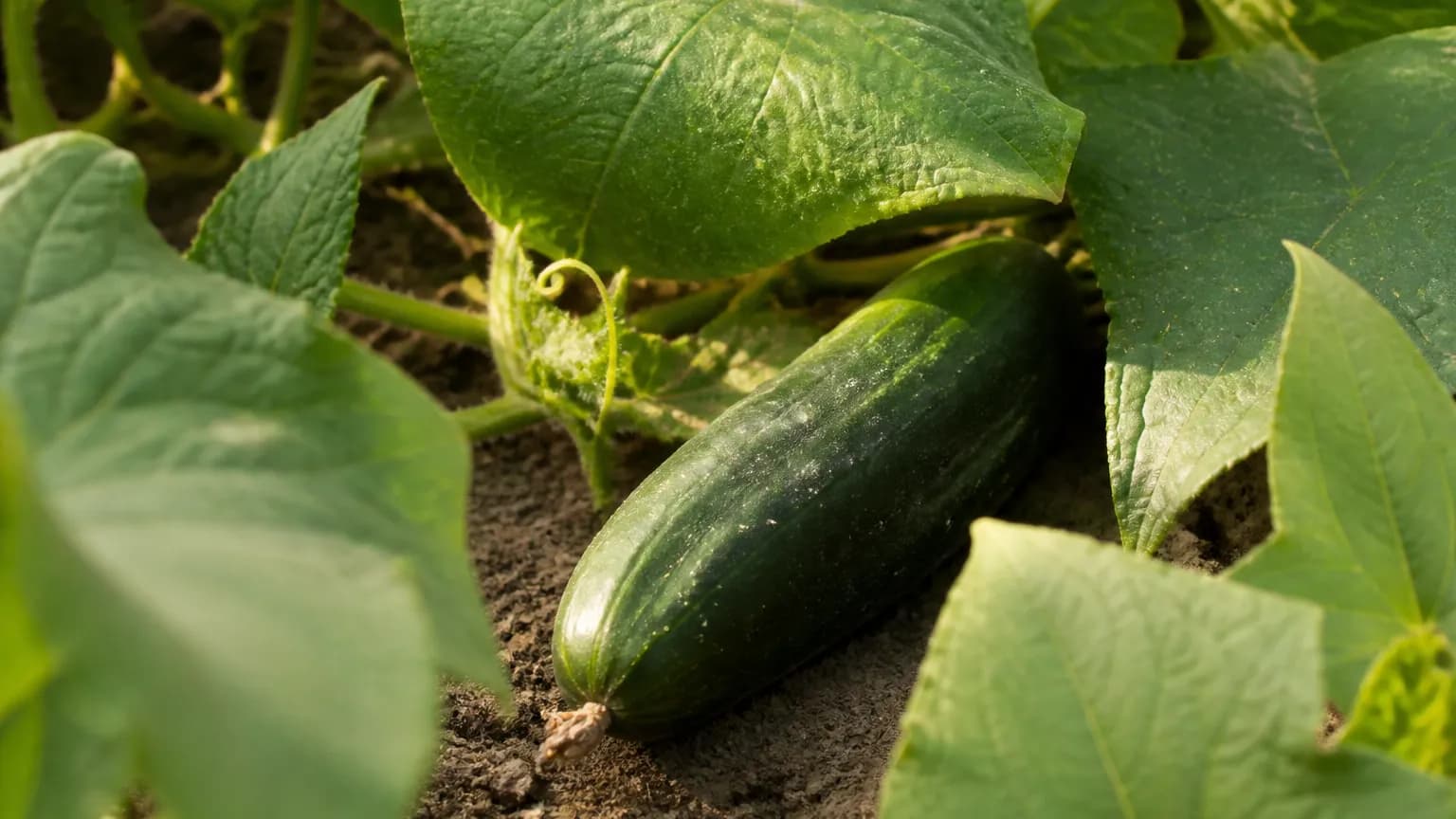
How much space do Jack-o-Lantern pumpkins need to grow?
Why are my baby pumpkins turning yellow and falling off the vine?
When exactly should I harvest my pumpkins for Halloween?
Can I eat Jack-o-Lantern pumpkins or are they just for carving?
How do I prevent powdery mildew on my pumpkin plants?
How do I store pumpkins to make them last as long as possible?
You just read the theory. Now grow it on autopilot.
Everything that makes Jack-o-Lantern Pumpkin fiddly — the timing, the spacing, the companions, the harvest window — is exactly what PlotMyGarden handles for you, for every plant in your garden.
A plan that knows your weather
Set your location once. Get sow, feed and harvest dates built around your real last-frost date and live forecast — no more guessing from a generic seed packet.
From the “When to plant” sectionDrag-and-drop bed planner
Design beds on a grid. Every plant snaps to its proper spacing, and you can see your whole season laid out before you spend a cent on seed.
From the “Growing guide” sectionCompanion conflicts, caught early
200+ good-and-bad pairings checked live as you plant — so a season-wrecking mistake never makes it into the ground.
From the “Companions” sectionReminders you'll actually act on
“Water the beans.” “Pick today before it turns.” Timely, specific, and tied to the plants you're really growing.
From the “Harvest” sectionSuccession, scheduled
Want a harvest for six weeks, not six days? It spaces your sowings automatically and reminds you when each new block is due.
From the “When to plant” sectionA record that gets smarter
Every harvest you log teaches it your garden. Next year's plan starts from what actually worked in your soil, not a textbook's.
From the “Overview” sectionPlant these alongside Jack-o-Lantern Pumpkin
More Cucurbits
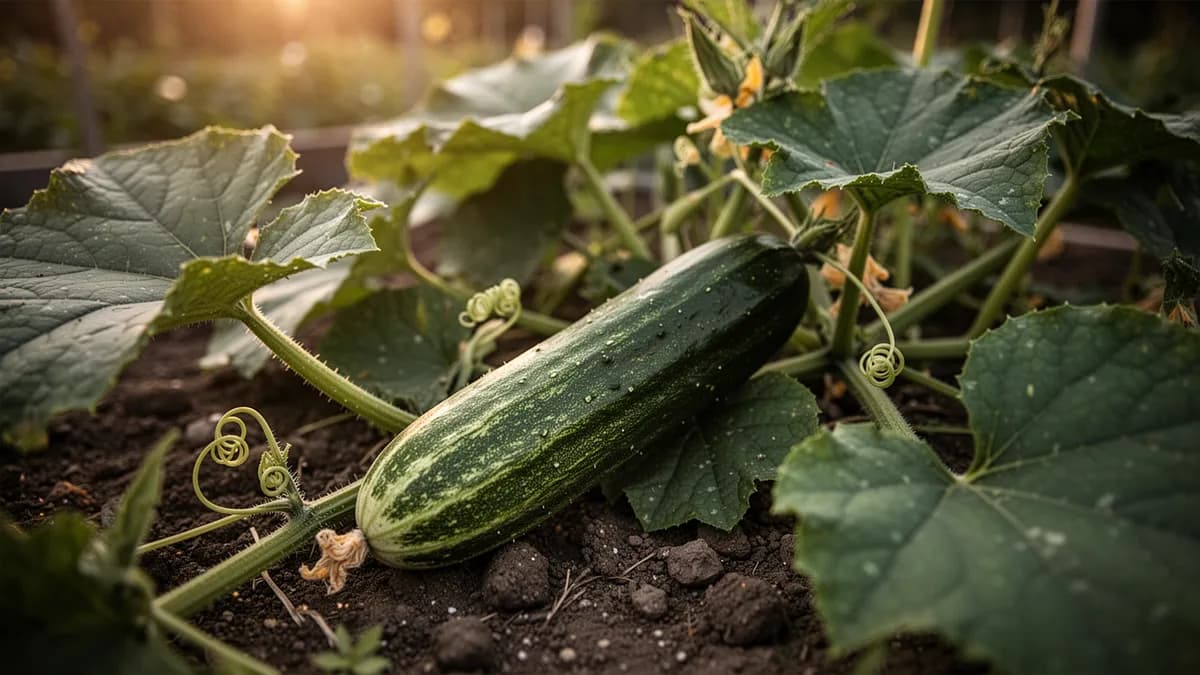
Keep Jack-o-Lantern Pumpkin away from these
Grow your best Jack-o-Lantern Pumpkin yet — and everything around it.
Start a free plan today. Lay out your beds, drop in your Jack-o-Lantern Pumpkin, and let PlotMyGarden handle the timing, spacing, companions and reminders from seed to harvest basket.