Plum Tree
A productive stone fruit tree available in European and Japanese varieties, with European types being best for drying into prunes.





On this pageOverview
Meet Plum Tree
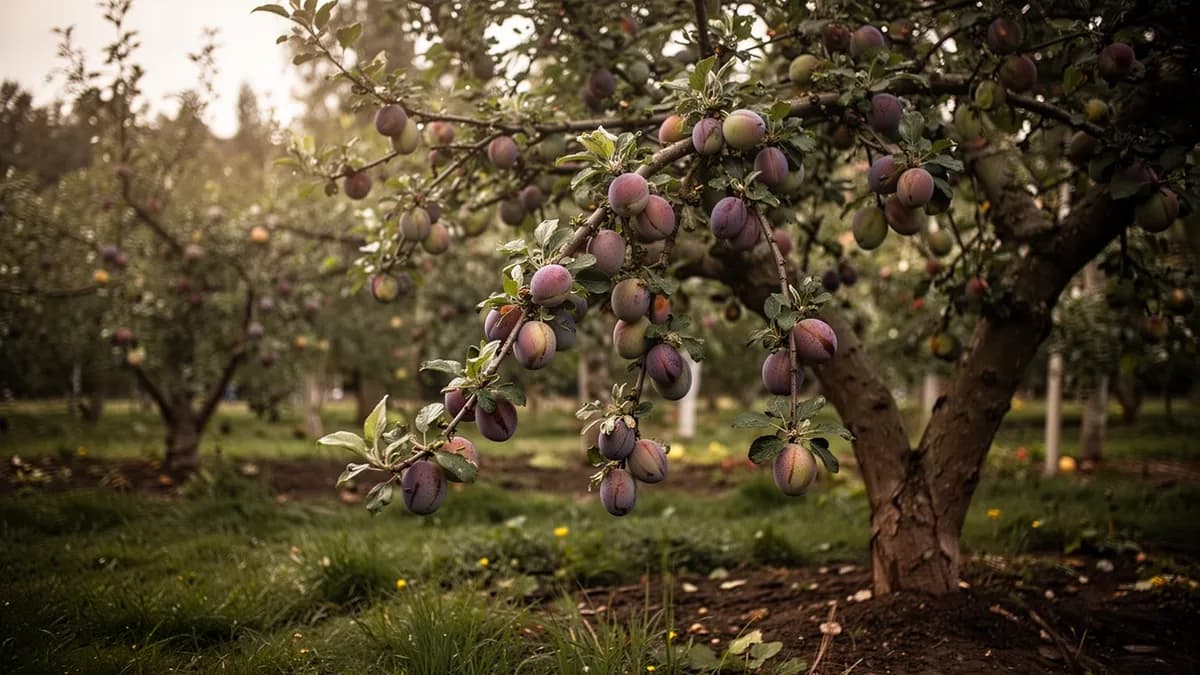
A productive stone fruit tree available in European and Japanese varieties, with European types being best for drying into prunes. Many plum varieties require a cross-pollinator, so check compatibility before purchasing. Thin fruit clusters in early summer to prevent branch breakage and improve fruit size. Plum trees are relatively low-maintenance compared to other stone fruits but should be monitored for plum curculio and black knot fungus.
When to plant Plum Tree
Plum trees are propagated by budding or grafting named varieties onto compatible rootstock. Myrobalan plum rootstock is common for standard trees, while St. Julien A provides semi-dwarfing. Purchase grafted bare-root trees and plant in late winter while dormant. Plum pits can be cold-stratified and grown, but seedlings are highly variable and may not produce quality fruit. European plums typically bear in 4 to 5 years on grafted trees, Japanese types in 3 to 4 years.
Your Plum Tree Year
Composed for Zone 7 · typical seasons · frost passes Apr 2, returns Nov 1
Plant Plum Tree Mar – Apr, Nov, pick Jul – Sep. Check the planting methods below and set your climate to personalize these windows.
How to grow Plum Tree
Select a site with full sun and well-drained soil with a pH of 6.0 to 7.0. European plums are more cold-hardy and upright, while Japanese plums bloom earlier and are better suited to milder climates. Because many varieties need cross-pollination, plant at least two compatible cultivars within 50 feet of each other. Space standard trees 20 feet apart and dwarf varieties 10 to 12 feet apart.
Plant bare-root plum trees in late winter or early spring while dormant. Set the graft union 2 to 3 inches above the soil line and water deeply at planting. Apply a 3-inch layer of organic mulch around the base, avoiding contact with the trunk. Water regularly during the first growing season, providing about 1 inch per week. Plum trees establish more quickly than most stone fruits and often begin bearing within 3 to 4 years.
Prune European plums to a central leader shape and Japanese plums to an open vase form. Remove water sprouts, crossing branches, and dead wood in late winter. Thin heavy fruit clusters in early summer to one fruit every 4 to 6 inches to prevent branch breakage, improve fruit size, and reduce the tendency toward biennial bearing. Monitor for black knot disease, removing infected branches promptly.
Plum Tree needs more room than a 4 × 8 ft bed gives
Each Plum Tree wants 500 cm of elbow room. The planner keeps that spacing for you — every plant, every bed.
Plum Tree's best neighbours
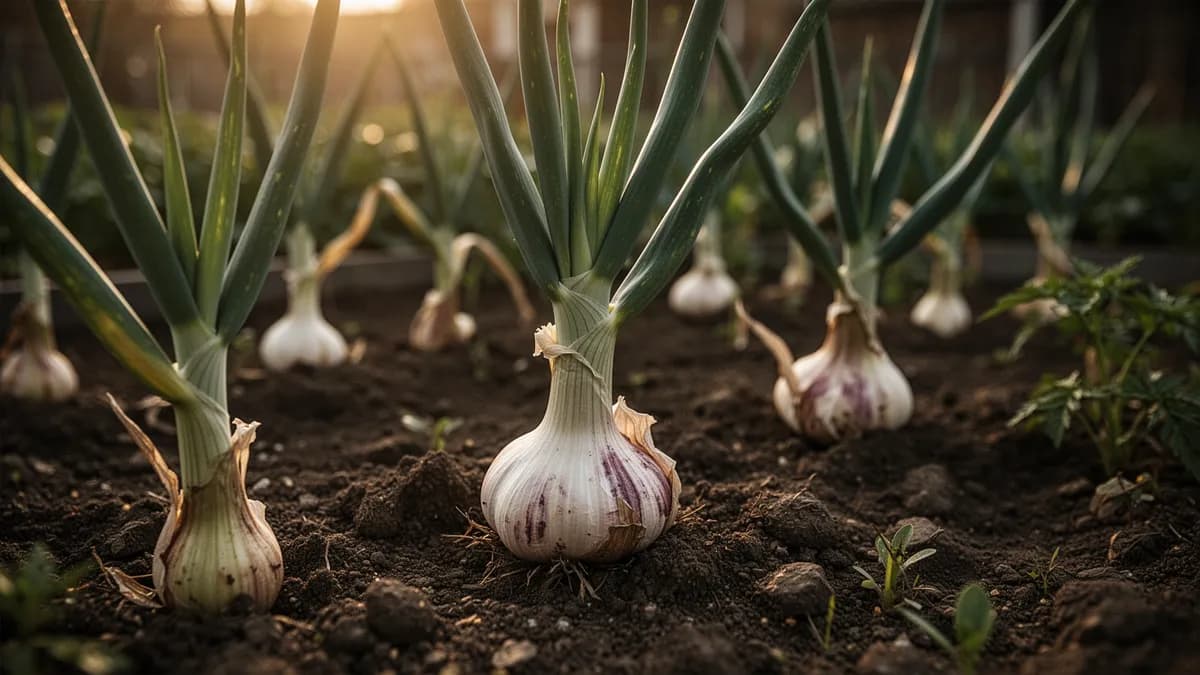
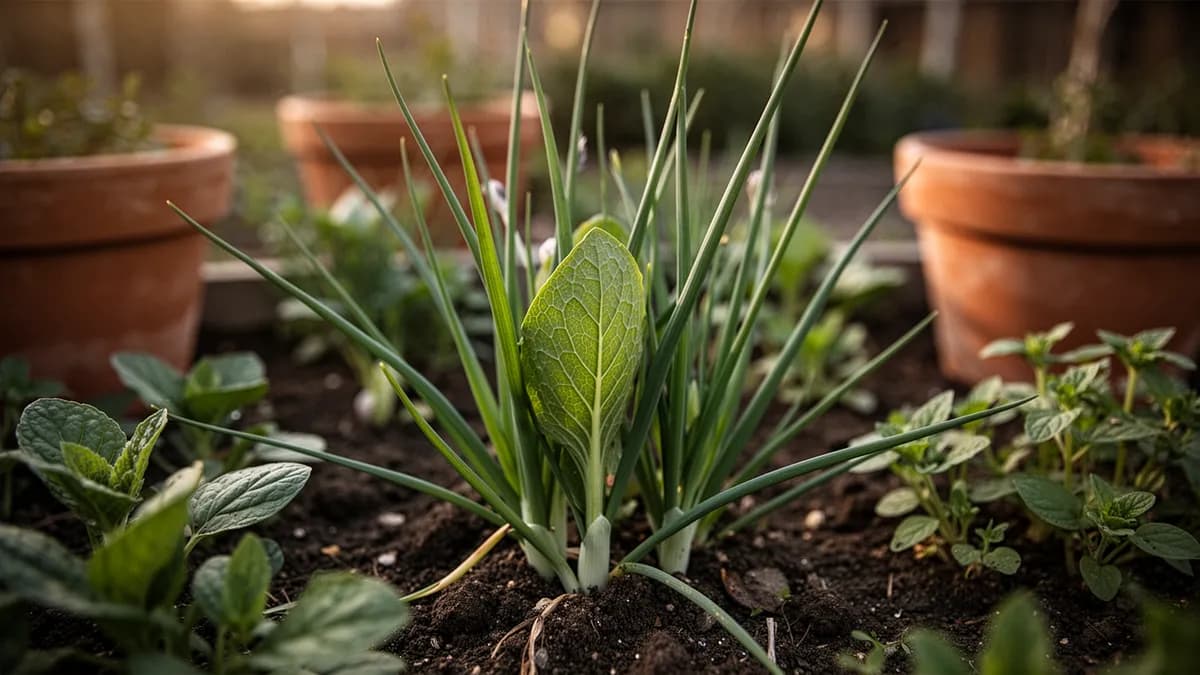
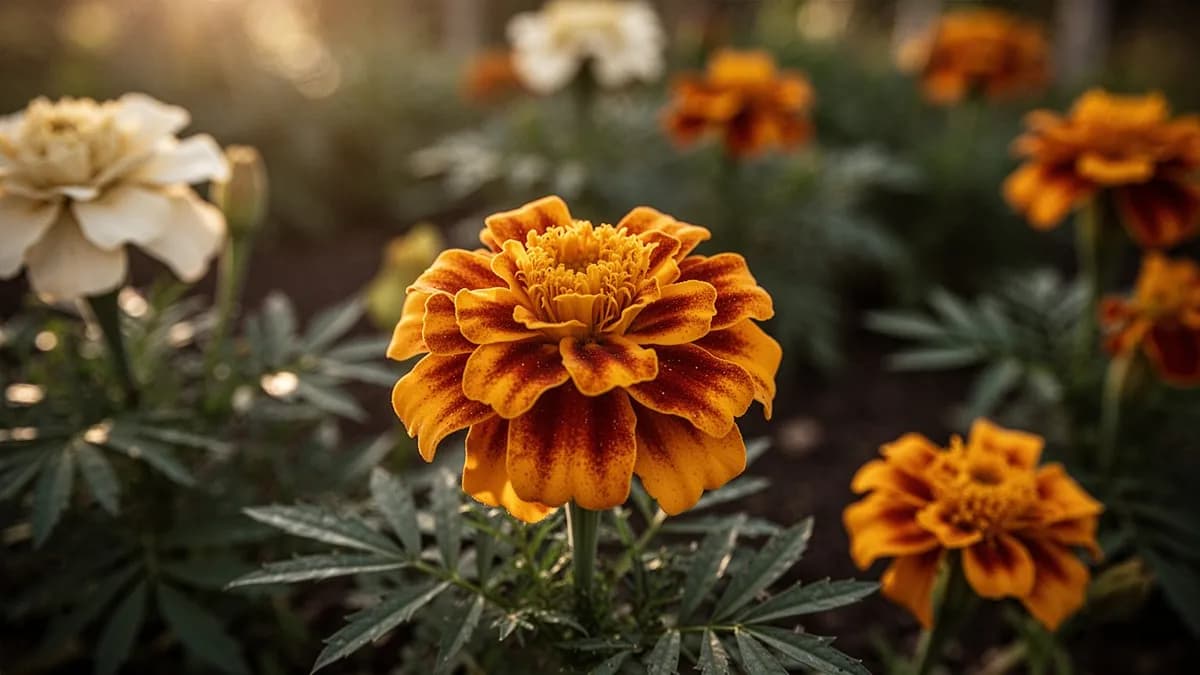
Garlic, chives, and alliums planted beneath plum trees deter borers and aphids. Marigolds and calendula attract beneficial insects. White clover between rows fixes nitrogen and provides pollinator habitat. Avoid planting nightshades near plum trees. Comfrey is an excellent companion, its deep roots mining nutrients and its leaves providing potassium-rich mulch when cut.
Garlic belongs beside it. Walnut Tree doesn't.
Old growers' knowledge, checked against Plum Tree's real companion table below — test any plant you're growing.
Try Plum Tree in a bed — right here
A real planner bed with Plum Tree already in it. Tap a companion to place it and watch the pairing checks answer — green for good neighbours, red for a clash.


Related growing guides
Feed it well
Plum trees grow in a wide range of well-drained soils with a pH of 6.0 to 7.0. European plums tolerate heavier clay better than Japanese types. Apply a balanced 10-10-10 fertilizer in early spring, about 1 cup per year of tree age up to 6 cups maximum. Excessive nitrogen promotes soft growth susceptible to disease and delays fruit ripening. Supplement with potassium for better fruit quality and winter hardiness.
Ideal Temperature
Hardiness Zone Compatibility
From seed to harvest, stage by stage
Dormancy
The plum tree is leafless and resting during winter. Chill hours accumulate during this period, which is essential for proper bud break in spring. European plums typically require 700 to 1000 chill hours below 7 degrees Celsius.
Bud Break and Bloom
Flower buds swell and open into clusters of white blossoms. This stage is critical for pollination. European plums bloom in early to mid spring, typically before Japanese varieties. Bees and other pollinators are essential for fruit set.
Fruit Set and Development
Pollinated flowers develop into small green fruitlets. The tree naturally sheds some fruit in the June drop, but heavy-setting varieties may need manual thinning to 5-8 centimeters between fruits. Leaves fully expand and photosynthesis fuels rapid growth.
Fruit Ripening
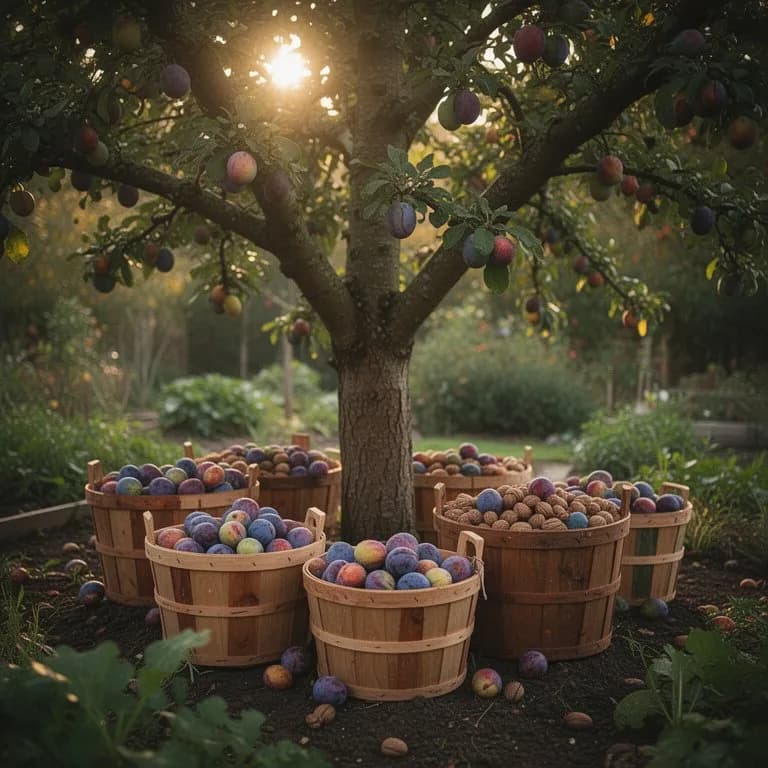
Plums increase in size and begin to change color from green to their mature shade of purple, blue, yellow, or red depending on variety. Sugar content rises and acidity decreases as the fruit approaches maturity. European plums typically ripen from late July through September.
Harvest
Fruit reaches full maturity and peak flavor. Harvest European plums when they separate easily from the branch with a gentle twist. Unlike Japanese varieties, European plums can often be left on the tree slightly longer without becoming overripe.
Post-Harvest and Leaf Fall
After harvest, the tree begins preparing for dormancy. Leaves change color to yellow and eventually drop. The tree redirects energy into root growth and stores carbohydrates in the trunk and branches for next season. This is an important recovery period.
Perform structural pruning during late dormancy before buds swell. Remove dead, crossing, or inward-growing branches to maintain an open vase shape that allows sunlight and airflow.
Caring for Plum Tree month by month
What to do each month for your Plum Tree
October
You are hereRake up and dispose of fallen leaves to reduce overwintering fungal spores, especially if brown rot or leaf curl were issues.. Apply grease bands around the trunk to prevent wingless winter moth females from climbing up to lay eggs in the canopy.. Plant new bare-root plum trees from late October onward while the soil is still warm enough for root establishment.
Know exactly what to do in your garden — every month
One email at the start of each month: what to sow, plant, and tackle right now — for your Plum Tree and everything growing around it. Plus a short starter course that helps you dodge the classic mistakes.
- What to do, right now
- Matched to your season
- Starter course included
Harvesting Plum Tree
European plums are ripe when they soften slightly, develop a powdery bloom, and separate easily from the stem. They can be picked slightly firm for drying into prunes. Japanese plums ripen when they develop full color and yield to gentle pressure but still have some firmness. Taste-test for sweetness before harvesting the whole tree. Pick with stems attached to extend shelf life. Plums ripen over 2 to 3 weeks, requiring multiple pickings.
assuming you plant when the window opens — set your real date
Pick Plum Tree promptly and the plant keeps producing.
Storage & Preservation
Fresh plums keep for 1 to 2 weeks refrigerated. European plums are traditionally dried into prunes, which keep for months at room temperature. Halve, pit, and place cut-side up in a dehydrator at 135 degrees for 18 to 24 hours. Plums make excellent jam, preserves, and chutney. Japanese plums freeze well when halved and pitted. Plum butter is a traditional European preserve cooked slowly until thick and spreadable.
What goes wrong — and the fix
Black Knot
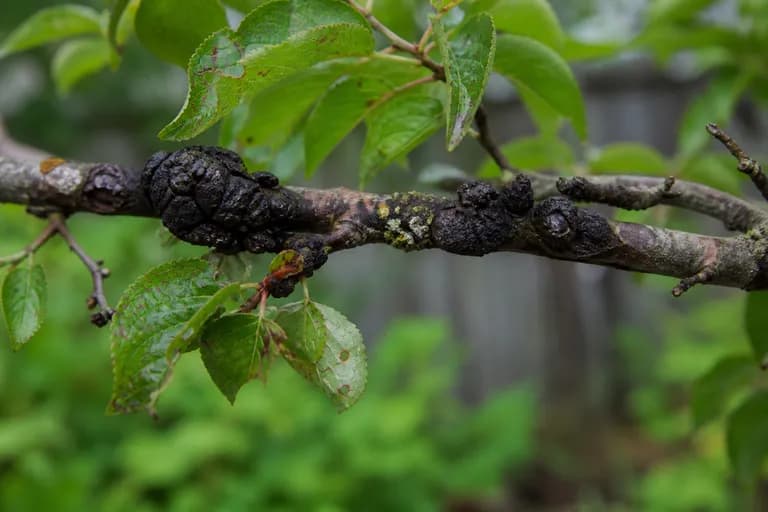
DiseaseHard, black, irregular swellings on branches and twigs that enlarge each year. Severely infected branches become girdled and die.
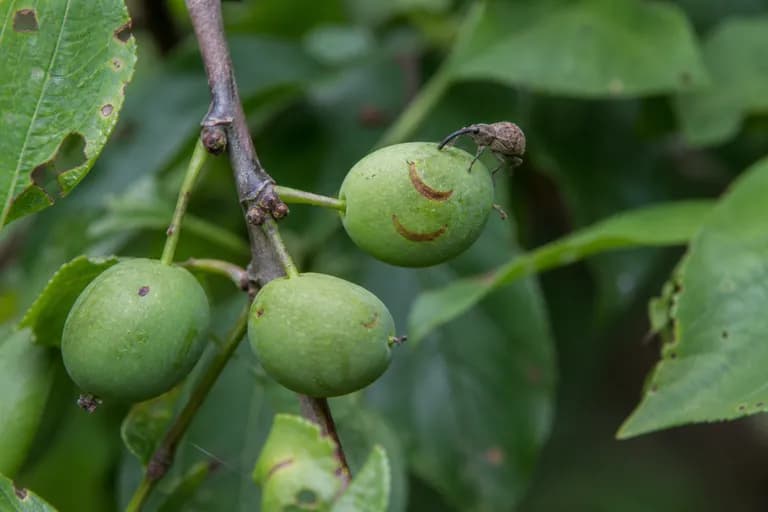
Plum Curculio
PestCrescent-shaped scars on developing fruit from egg laying. Larvae feed inside fruit, causing premature drop and wormy plums.
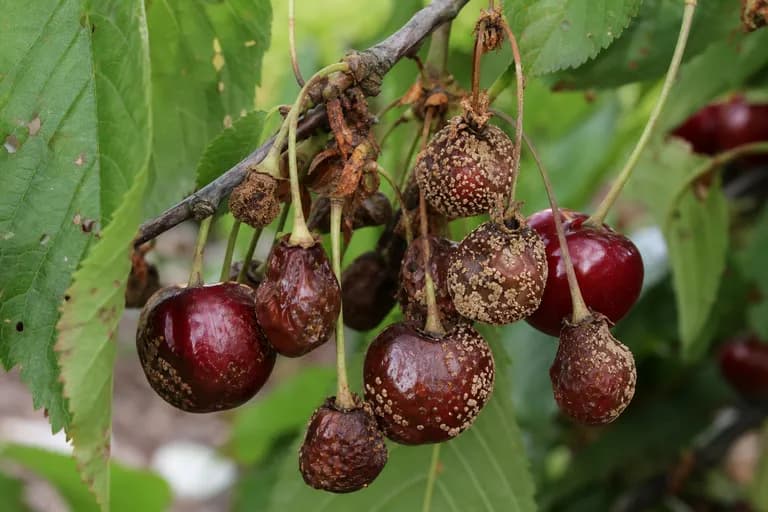
Brown Rot
DiseaseFuzzy brown mold on ripening fruit. Blossoms wilt and turn brown. Infected fruit mummifies and persists on branches.
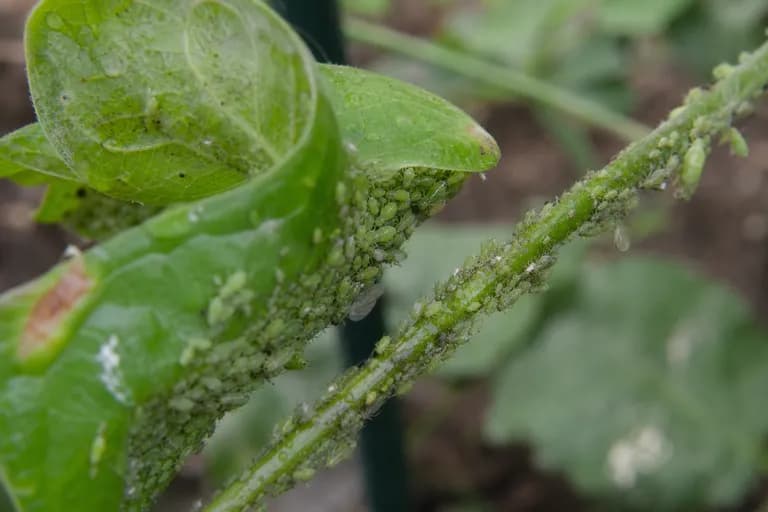
Aphids
PestCurled, distorted new growth. Colonies of small green or black insects on leaf undersides. Sticky honeydew on leaves.
Troubleshooting Common Problems
Black knot disease is the most serious ongoing challenge, requiring vigilant pruning and removal of infected wood. Fruit cracking from heavy rain near harvest affects thin-skinned Japanese varieties more than European types. Heavy fruit set leading to branch breakage is common when thinning is neglected. Poor pollination causes light crops in varieties that are not self-fertile. Bacterial leaf spot causes defoliation in warm, humid climates.
Growing Tips
- Plant plum trees in a sheltered, sunny position that receives at least six hours of direct sunlight daily. South or southwest-facing slopes are ideal because they warm up earlier in spring while providing some protection from cold north winds.
- Choose a well-drained soil with a pH between 6.0 and 7.0. Plum trees are less tolerant of waterlogged conditions than some other fruit trees, and standing water around the roots can quickly lead to root rot and tree decline.
- If your chosen variety is not self-fertile, plant a compatible pollination partner within 15 meters to ensure good fruit set. Popular self-fertile varieties include Victoria, Stanley, and Italian Prune for those with space for only one tree.
- Water newly planted trees deeply once a week during their first two growing seasons to establish a strong root system. Reduce watering frequency for established trees but provide deep irrigation during prolonged dry spells, especially while fruit is developing.
- Apply a 7 to 10 centimeter layer of organic mulch around the base of the tree each spring, keeping it at least 10 centimeters away from the trunk to prevent bark rot. Wood chips, straw, or well-rotted compost all work well.
- Prune European plums in late winter or very early spring while the tree is still dormant. Aim for an open center or modified central leader shape that allows sunlight to penetrate the canopy and air to circulate freely, reducing disease pressure.
- Thin fruit aggressively after the natural June drop, leaving 5 to 8 centimeters between individual plums. This prevents branch breakage, improves fruit size and sweetness, and reduces the tendency toward alternate bearing in subsequent years.
- Monitor for brown rot, the most common plum disease, by inspecting fruit regularly from mid-summer onward. Remove and destroy any fruit showing circular brown lesions or grey mold, and clear mummified fruit from the tree and ground in autumn.
- Protect ripening fruit from birds by draping the tree with netting when plums begin to change color. Secure the netting at the base of the trunk to prevent birds from accessing fruit from below.
- Feed established trees with a balanced organic fertilizer in early spring as buds begin to swell, and apply a potassium-rich feed after harvest to support next season's fruit bud formation and help new wood harden before winter.
Grow your best Plum Tree yet — and everything around it.
Start a free plan today. Lay out your beds, drop in your Plum Tree, and let PlotMyGarden handle the timing, spacing, companions and reminders from seed to harvest basket.
Pick your Plum Tree
Stanley
The classic European prune plum with dark blue skin and sweet, dense yellow flesh. Self-fertile, reliable, and ideal for drying, canning, and fresh eating.
Santa Rosa
Luther Burbank's famous Japanese plum with reddish-purple skin and sweet-tart amber flesh. Partially self-fertile but crops better with a pollinator.
Italian Prune
Traditional European plum producing oval, dark purple fruit with firm, sweet flesh that dries beautifully. Self-fertile and very productive.
Shiro
Japanese plum with translucent yellow skin and mild, sweet, juicy flesh. Very productive and one of the best pollinators for other Japanese varieties.
Damson
Small, tart European plum prized for jam, gin, and traditional damson cheese. Extremely cold-hardy, self-fertile, and almost care-free.
A single established plum tree can produce 25 to 50 kilograms of fruit annually for decades. With fresh organic plums typically priced at 4 to 7 dollars per kilogram at farmers markets, one productive tree can yield fruit worth 100 to 350 dollars per season. Surplus plums can be dried into prunes, made into jam, or frozen, further extending their value. After the initial investment of roughly 25 to 50 dollars for a bare-root tree and a few years of patience while it matures, a plum tree can provide free fruit for 30 years or more with minimal ongoing cost beyond basic care and occasional organic treatments.
Quick recipes
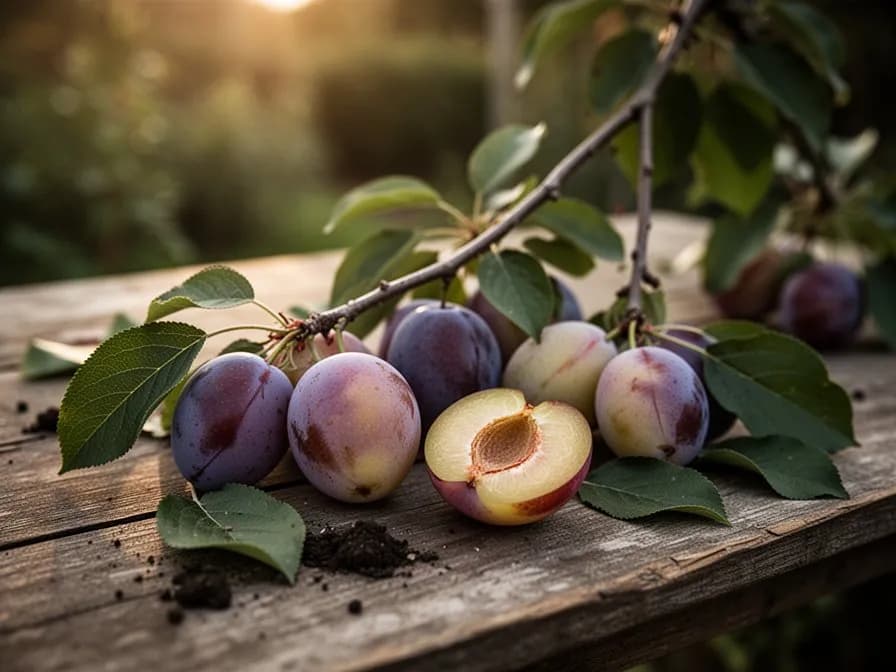
Classic Plum Jam
45 minutesA traditional preserve that captures the rich, sweet-tart flavor of ripe plums. This jam sets beautifully thanks to the natural pectin in plum skins and is perfect spread on toast, scones, or used as a filling for pastries.
4 ingredientsRoasted Plum and Walnut Salad
25 minutesWarm roasted plums paired with crunchy walnuts, peppery arugula, and tangy goat cheese create an elegant salad that works as a starter or light lunch. The heat of roasting concentrates the plums natural sweetness.
7 ingredients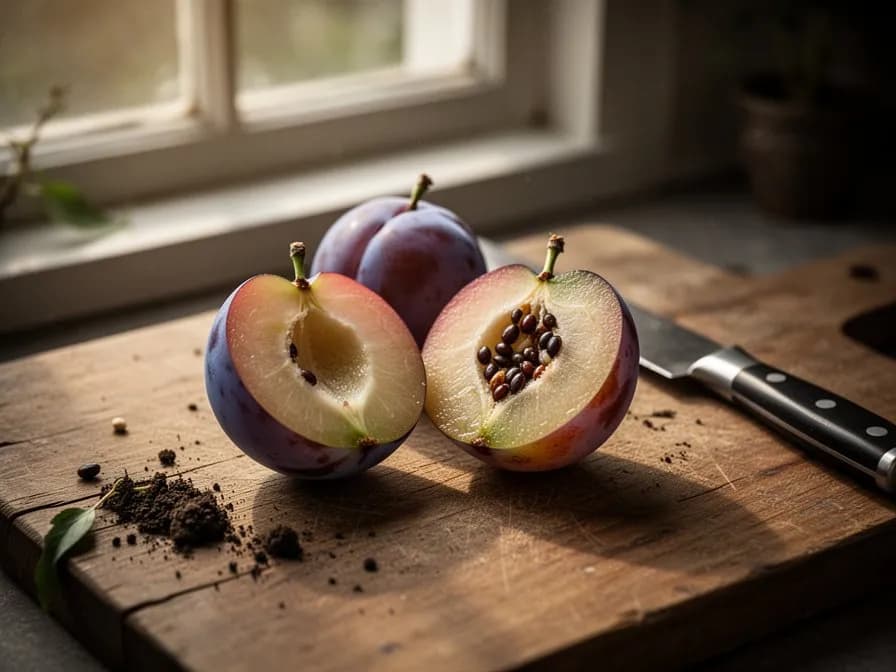
Plum Crumble
50 minutesA comforting baked dessert featuring tender spiced plums beneath a crisp, buttery oat topping. Serve warm with vanilla ice cream or custard for a satisfying end to an autumn meal.
7 ingredientsCulinary Uses
European plums are the classic choice for drying into prunes, making jam, and baking in tarts and cakes. Japanese plums are best eaten fresh or used in salads and salsas. Damsons are prized for rich plum jam, damson gin, and the traditional British preserve called damson cheese. Plums pair well with cinnamon, ginger, star anise, and duck. They are a good source of fiber, vitamin C, and potassium.
What's inside
Health Benefits
- Plums are rich in antioxidants, especially anthocyanins and phenolic compounds, that help neutralize free radicals and may reduce the risk of chronic diseases including heart disease and certain cancers.
- The soluble fiber in plums, particularly pectin, helps lower LDL cholesterol levels by binding to bile acids in the digestive tract and promoting their excretion from the body.
- Regular consumption of plums and prunes has been associated with improved bone health in multiple studies, likely due to their content of vitamin K, potassium, and boron, which support calcium retention.
- Dried plums contain sorbitol and chlorogenic acid, both of which contribute to their well-documented ability to promote healthy digestion and relieve occasional constipation naturally.
- The low glycemic index of fresh plums makes them a satisfying fruit choice that helps maintain stable blood sugar levels, which is beneficial for metabolic health and weight management.
- Plums provide a meaningful amount of vitamin C per serving, an essential nutrient that supports immune system function, aids iron absorption, and contributes to healthy skin through collagen synthesis.
Where Plum Tree comes from
The European plum (Prunus domestica) is believed to have originated as a natural hybrid between the cherry plum (Prunus cerasifera) and the blackthorn or sloe (Prunus spinosa) in the region surrounding the Caucasus Mountains and the shores of the Caspian Sea. Archaeological evidence suggests that plums were among the earliest fruits gathered by humans, with dried plum remains found at Neolithic sites across Europe and western Asia. The Romans played a significant role in spreading plum cultivation throughout their empire, introducing improved varieties to Britain, Gaul, and the Iberian Peninsula. Pliny the Elder documented several named plum varieties in his Natural History, indicating that selective breeding was already underway by the first century CE. During the medieval period, monasteries became important centers for preserving and improving fruit tree varieties, and plums were widely grown in monastic orchards across France, Germany, and England. The Crusades brought additional varieties from the Middle East back to Europe, enriching the genetic pool. By the Renaissance, plum cultivation had become highly refined, particularly in France, where the Agen region developed a thriving industry producing dried prunes from the Prune d'Ente variety that continues to this day. European colonists carried plum trees to North America in the seventeenth century, where they encountered native wild plum species already cultivated by Indigenous peoples. The nineteenth and twentieth centuries saw extensive breeding programs that produced many of the modern dessert and culinary varieties grown today, including popular cultivars like Victoria, Stanley, and Italian Prune. Today, the leading producers of European plums include China, Romania, Serbia, and the United States, with California being the dominant production region in North America.
Plum Tree: did you know?
Fascinating facts about Plum Tree
Plums are one of the oldest cultivated fruits in the world, with archaeological evidence of their cultivation dating back over 2000 years to the region around the Caucasus Mountains and the Caspian Sea.
Plum Tree questions, answered
When should I plant Plum Tree?
What are good companion plants for Plum Tree?
What hardiness zones can Plum Tree grow in?
How much sun does Plum Tree need?
How far apart should I space Plum Tree?
What pests and diseases affect Plum Tree?
How do I store Plum Tree after harvest?
What are the best Plum Tree varieties to grow?
What soil does Plum Tree need?
How long does it take for a plum tree to bear fruit?
Do I need two plum trees for pollination?
Why is my plum tree dropping fruit before it ripens?
What is the best way to store fresh plums?
How do I prevent brown rot on my plum tree?
Can I grow a plum tree in a container?
You just read the theory. Now grow it on autopilot.
Everything that makes Plum Tree fiddly — the timing, the spacing, the companions, the harvest window — is exactly what PlotMyGarden handles for you, for every plant in your garden.
A plan that knows your weather
Set your location once. Get sow, feed and harvest dates built around your real last-frost date and live forecast — no more guessing from a generic seed packet.
From the “When to plant” sectionDrag-and-drop bed planner
Design beds on a grid. Every plant snaps to its proper spacing, and you can see your whole season laid out before you spend a cent on seed.
From the “Growing guide” sectionCompanion conflicts, caught early
200+ good-and-bad pairings checked live as you plant — so a season-wrecking mistake never makes it into the ground.
From the “Companions” sectionReminders you'll actually act on
“Water the beans.” “Pick today before it turns.” Timely, specific, and tied to the plants you're really growing.
From the “Harvest” sectionSuccession, scheduled
Want a harvest for six weeks, not six days? It spaces your sowings automatically and reminds you when each new block is due.
From the “When to plant” sectionA record that gets smarter
Every harvest you log teaches it your garden. Next year's plan starts from what actually worked in your soil, not a textbook's.
From the “Overview” sectionPlant these alongside Plum Tree
More Fruit Trees
Keep Plum Tree away from these
Grow your best Plum Tree yet — and everything around it.
Start a free plan today. Lay out your beds, drop in your Plum Tree, and let PlotMyGarden handle the timing, spacing, companions and reminders from seed to harvest basket.