Jalapeño-Paprika
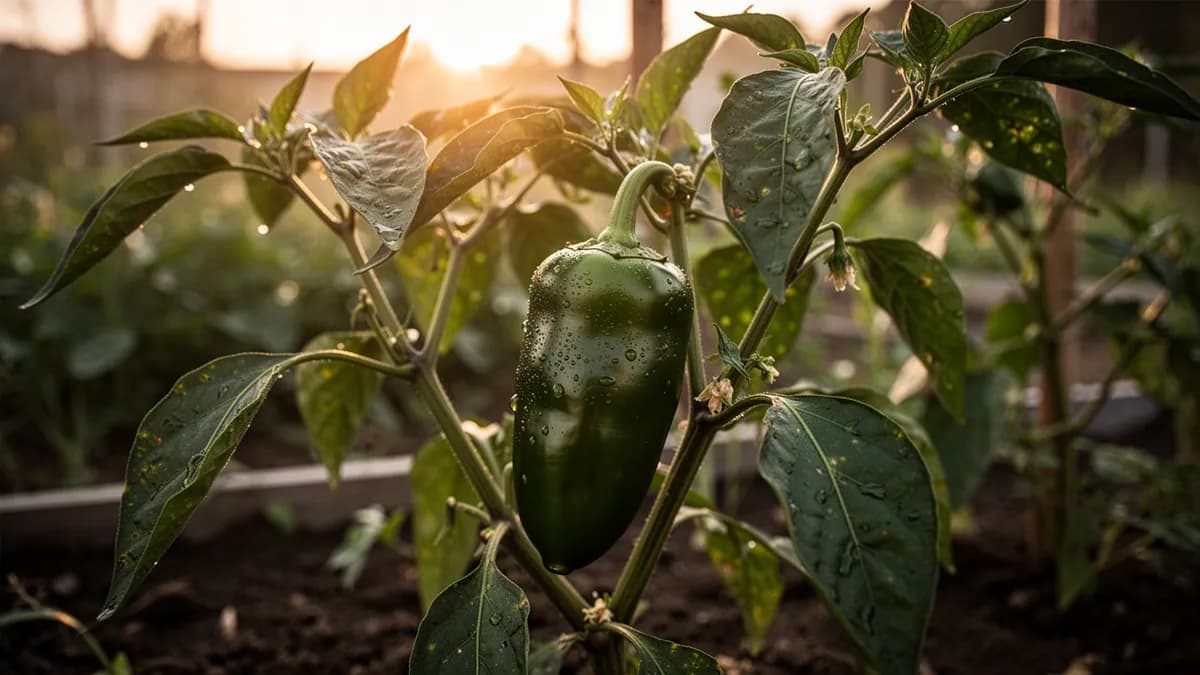
Eine beliebte mittelscharfe Chilischote, die dickwandige Früchte hervorbringt, die sich hervorragend frisch, eingelegt oder zu Chipotles geräuchert eignen.





Auf dieser SeiteÜberblick
Jalapeño-Paprika im Überblick
Eine beliebte mittelscharfe Chilischote, die dickwandige Früchte hervorbringt, die sich hervorragend frisch, eingelegt oder zu Chipotles geräuchert eignen. Die Pflanzen sind kompakt und ertragreich, was sie bestens für den Anbau in Kübeln auf Terrassen und Balkonen geeignet macht. Ernten Sie grüne Früchte für eine frische, lebhafte Schärfe oder lassen Sie die Früchte rot ausreifen, um eine süßere, komplexere Würze zu erhalten. Die charakteristischen Korkstreifen auf der Schale deuten auf eine reife, aromatische Paprika hin.
Wann Jalapeño-Paprika pflanzen
Beginnen Sie mit der Jalapeño-Aussaat 8–10 Wochen vor dem letzten Frosttermin im Haus. Säen Sie die Samen 6 mm tief in sterile Anzuchterde und halten Sie die Bodentemperatur mit einer Wärmematte bei 24–29 °C (75–85 °F). Die Keimung erfolgt nach 10–14 Tagen. Stellen Sie nach dem Auflaufen der Keimlinge 14–16 Stunden starkes Kunstlicht bereit und halten Sie die Lampen 5–8 cm über den Pflanzen. Topfen Sie die Sämlinge in einzelne 8-cm-Töpfe um, sobald die ersten echten Blätter erscheinen. Härten Sie die Setzlinge über 7–10 Tage ab, indem Sie die Zeit im Freien schrittweise verlängern, bevor Sie sie in den Garten pflanzen. Warten Sie, bis die Bodentemperatur 18 °C (65 °F) erreicht hat und alle Frostgefahr vorüber ist.
Dein Jalapeño-Paprika-Jahr
Abgestimmt auf Zone 7 · typische Saison · Frost geht um den 2. Apr. und kehrt um den 1. Nov. zurück
Jalapeño-Paprika Feb – Mai pflanzen, Jul – Sep ernten. Beachte die Pflanzmethoden unten und wähle dein Klima für passende Zeiträume.
So baust du Jalapeño-Paprika an
Jalapeño-Paprika gehören zu den am einfachsten anzubauenden scharfen Paprikasorten und belohnen Gärtner mit einer stetigen Ernte vom Hochsommer bis zum Herbst. Beginnen Sie 8–10 Wochen vor dem letzten Frost mit der Anzucht im Haus, indem Sie die Samen 6 mm tief in warme Anzuchterde bei 24–29 °C (75–85 °F) aussäen. Die Keimlinge erscheinen nach 10–14 Tagen und sollten unter kräftigem Licht herangezogen werden, um Vergeilung zu vermeiden. Pflanzen Sie die Setzlinge ins Freiland, sobald die Nachttemperaturen dauerhaft über 13 °C (55 °F) liegen, mit einem Abstand von 40–50 cm an einem sonnigen Standort.
Jalapeños bevorzugen nährstoffreiche, gut durchlässige Erde, die mit Kompost und einem ausgewogenen Langzeitdünger angereichert ist. Gießen Sie gründlich, aber lassen Sie die Bodenoberfläche zwischen den Wassergaben leicht abtrocknen, da zu nasse Bedingungen Wurzelfäule begünstigen. Gleichmäßige Feuchtigkeit während der Fruchtbildung ist wichtig, um Blütenabwurf und Blütenendfäule zu verhindern. Mulchen Sie rund um die Pflanzen, um die Feuchtigkeit zu halten und die Bodentemperatur zu regulieren.
Ernten Sie regelmäßig, sobald die Früchte 7–10 cm lang sind, um die fortlaufende Produktion anzuregen. Typischerweise bringen die Pflanzen 25–35 Schoten pro Saison hervor. Für schärfere Paprika lassen Sie die Früchte Korkstreifen entwickeln (kleine hellbraune Streifen auf der Schale) und reifen Sie diese rot aus. Das Entfernen der ersten Blüten kann eine stärkere Pflanzenstruktur fördern, bevor Sie die Fruchtbildung zulassen.
18 Pflanzen passen in ein Beet von 120 × 240 cm
Jalapeño-Paprika braucht 40 cm Platz pro Pflanze. Der Planer hält diesen Abstand für dich ein — jede Pflanze, jedes Beet.
Die besten Nachbarn für Jalapeño-Paprika
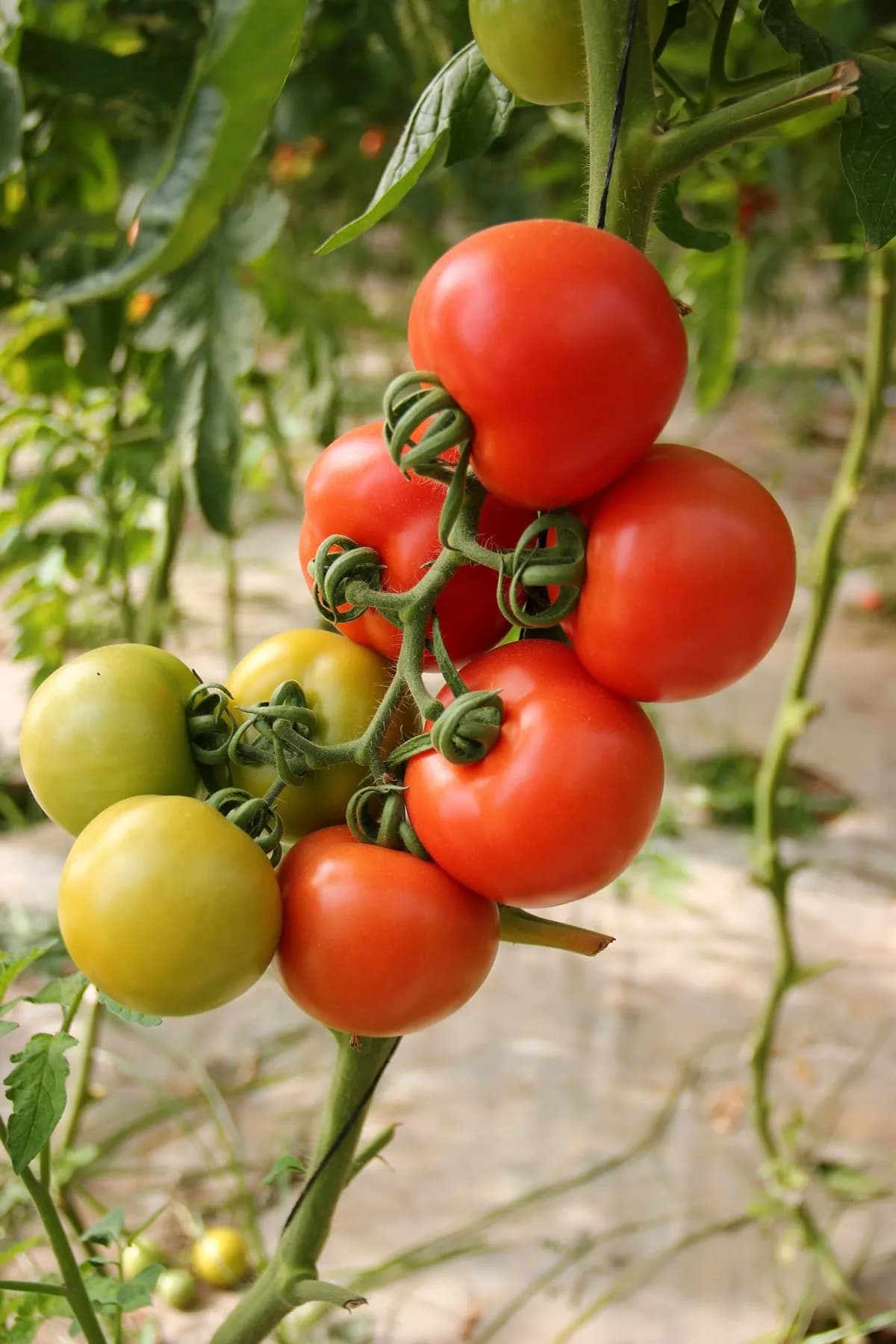
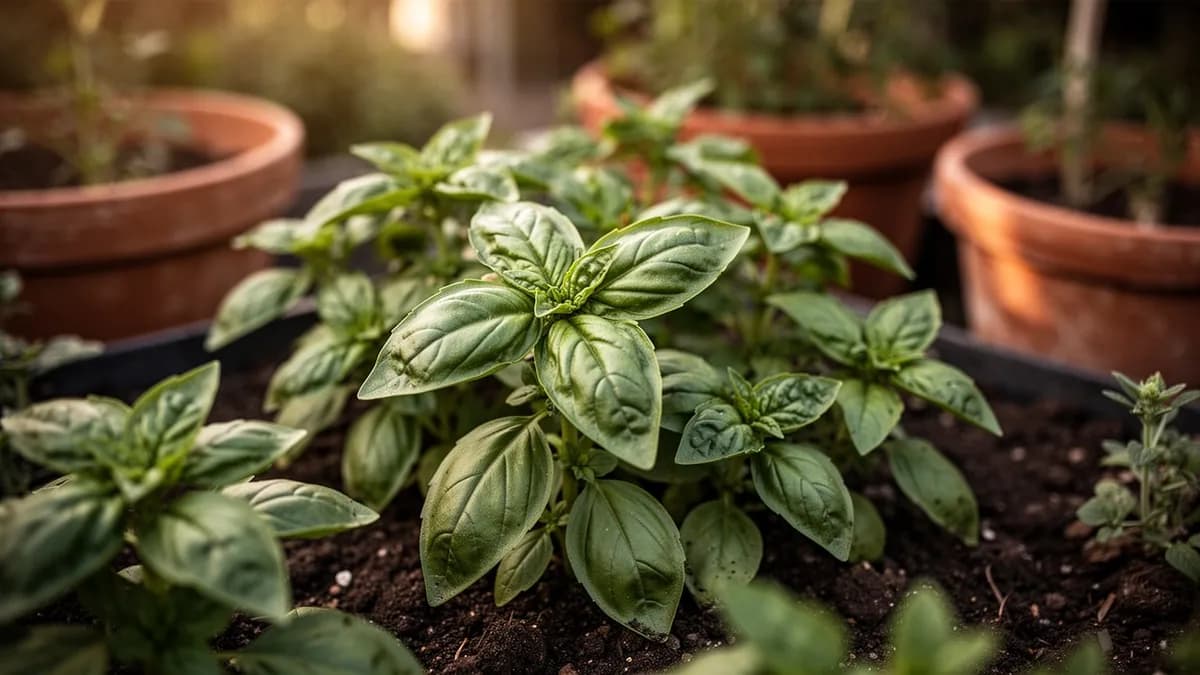
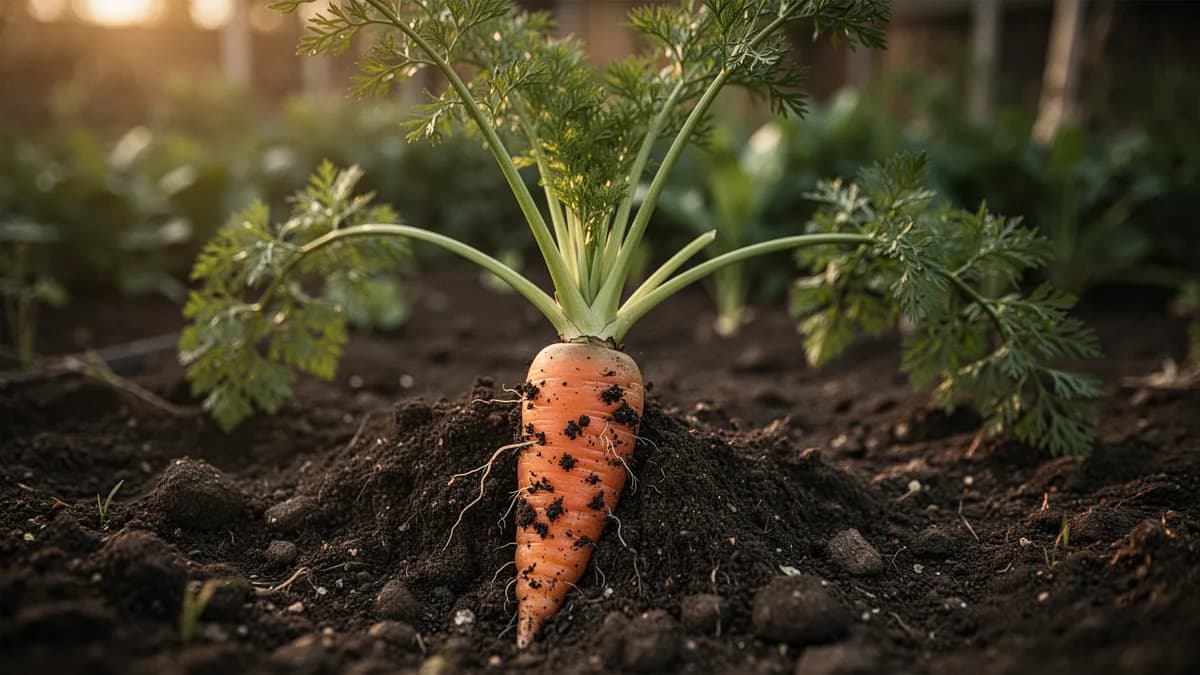
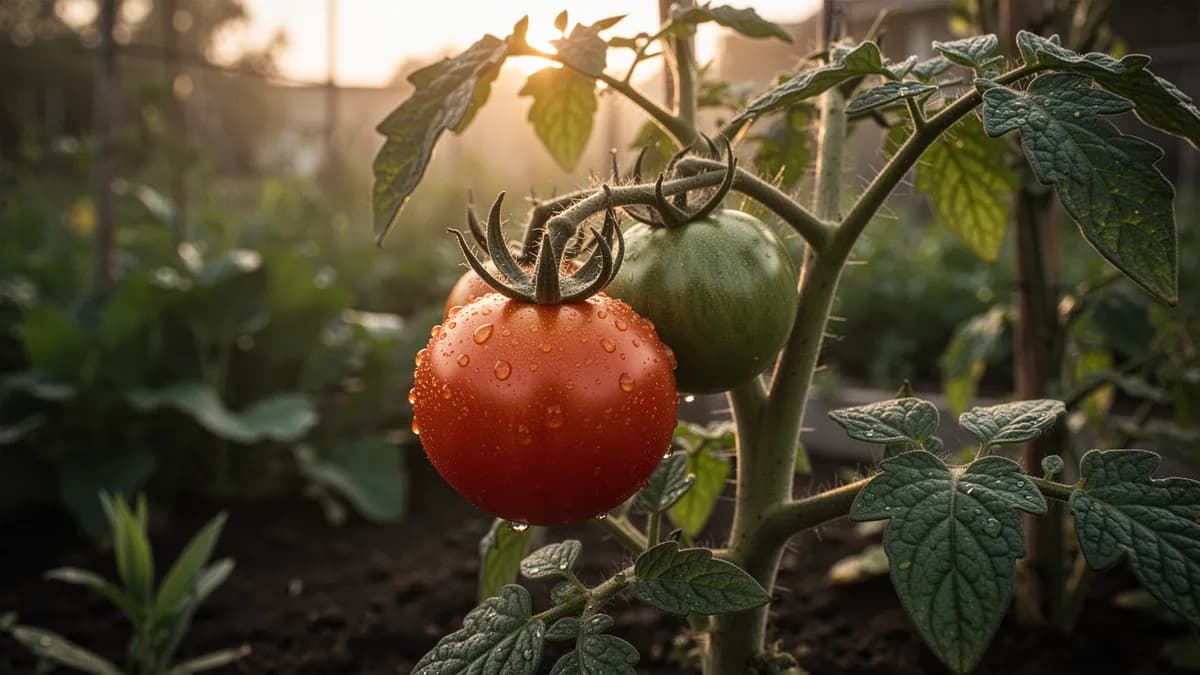
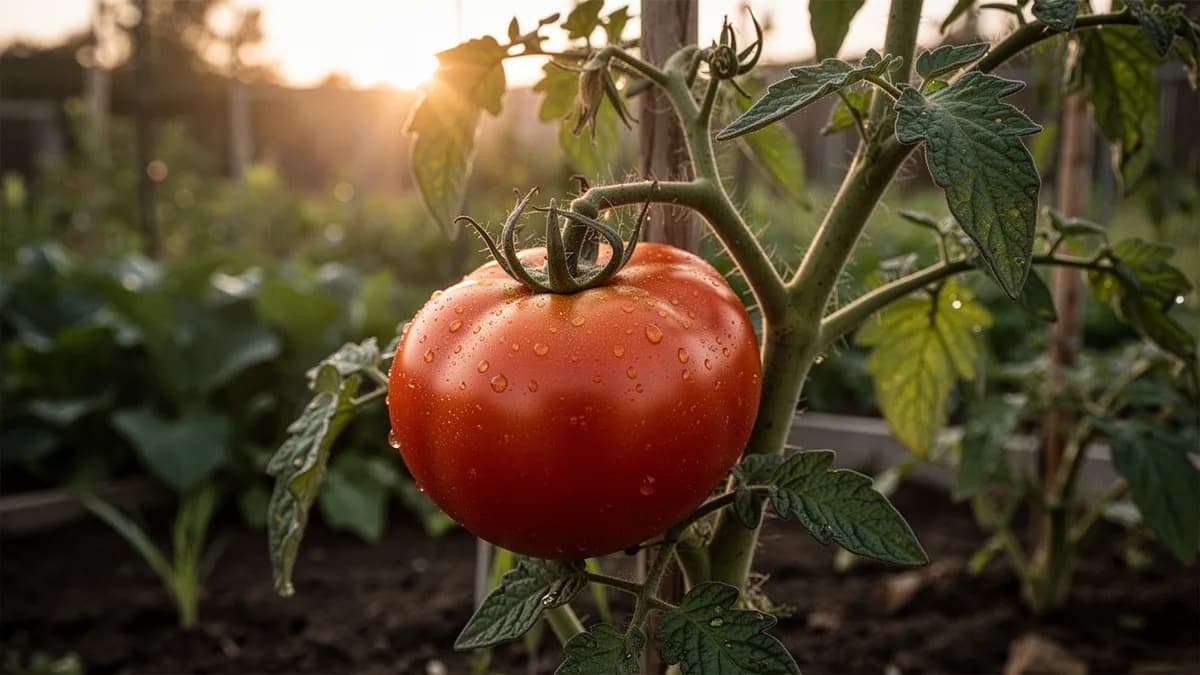
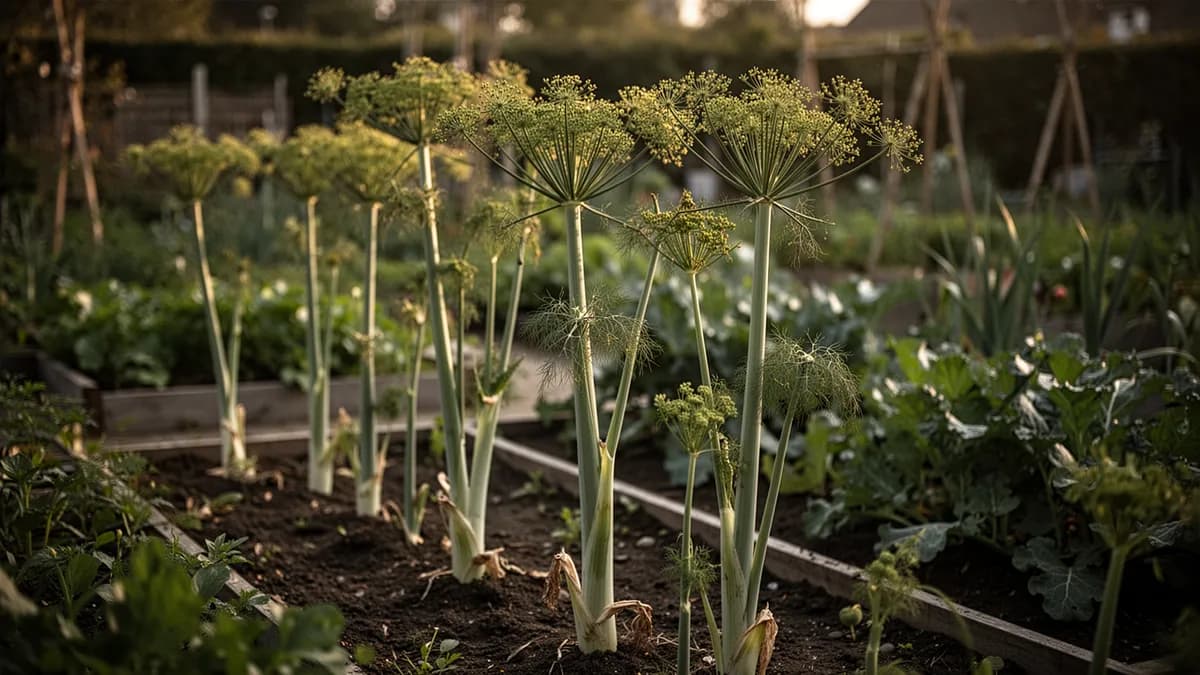
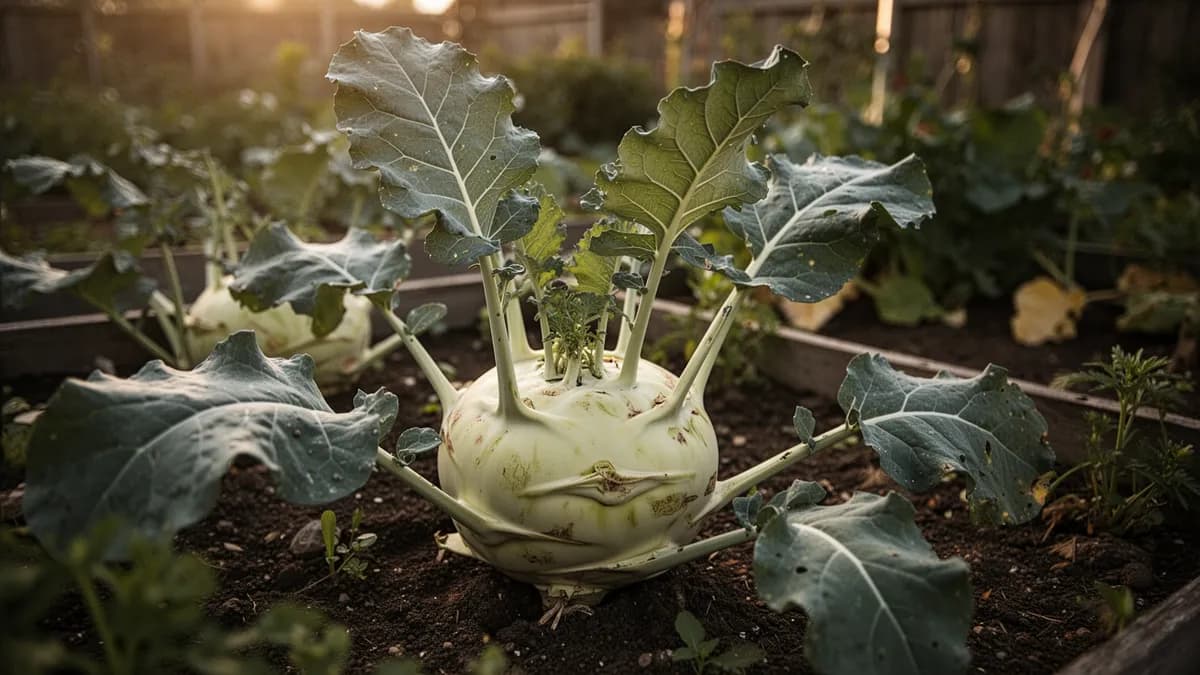
Jalapeños gedeihen gut neben Tomaten, da beide ähnliche Wachstumsbedingungen teilen und die Paprikapflanzen vom Teilschatten der höheren Tomatenpflanzen während der intensiven Nachmittagssonne profitieren können. Basilikum in der Nähe soll den Geschmack der Paprika verbessern und wehrt Blattläuse sowie Spinnmilben ab. Möhren und Petersilie locken Nützlinge an, die Paprikaschädlinge bekämpfen. Tagetes schrecken Nematoden und Weiße Fliegen ab, wenn sie als Randbepflanzung eingesetzt werden. Vermeiden Sie das Pflanzen in der Nähe von Fenchel, der das Wachstum der meisten Nachtschattengewächse hemmt, und halten Sie Abstand zu Kohlrabi und anderen Kohlgewächsen.
Tomate gehört daneben. Fenchel nicht.
Altes Gärtnerwissen, geprüft an der echten Nachbartabelle von Jalapeño-Paprika — teste jede Pflanze, die du anbaust.
Probiere Jalapeño-Paprika direkt hier im Beet
Ein echtes Planer-Beet, Jalapeño-Paprika steht schon drin. Tippe einen Begleiter an, platziere ihn und sieh, wie die Nachbarschaftsprüfung antwortet — grün für gute Nachbarn, rot bei Streit.


Passende Anbau-Ratgeber
Richtig düngen
Jalapeños gedeihen in gut durchlässiger, lehmiger Erde mit einem pH-Wert von 6,0–6,8, angereichert mit Kompost. Arbeiten Sie vor der Pflanzung einen ausgewogenen Dünger (10-10-10) in den Boden ein. Geben Sie beim Auspflanzen einen Teelöffel Knochenmehl in jedes Pflanzloch für die Phosphorversorgung. Sobald die Blüte beginnt, wechseln Sie zu einem stickstoffarmen, phosphor- und kaliumreichen Dünger (5-10-10), um die Fruchtbildung zu fördern. Vermeiden Sie übermäßigen Stickstoff, der üppiges Blattwerk produziert, aber die Paprikaproduktion verzögert und verringert. Düngen Sie alle 3–4 Wochen während der Wachstumssaison mit Kompost oder flüssigem Seetangdünger nach.
Ideale Temperatur
Winterhärtezone-Kompatibilität
Von der Saat zur Ernte, Schritt für Schritt
Aussaat
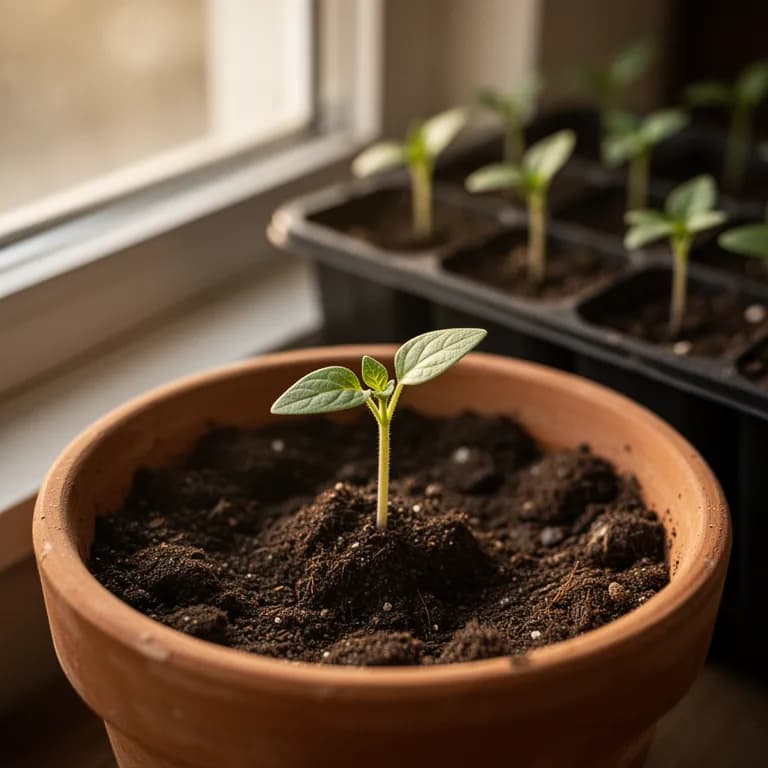
Die Samen keimen in warmer Anzuchterde bei 24–29 °C (75–85 °F) und bilden zunächst eine weiße Keimwurzel, gefolgt von zwei rundlichen Keimblättern. Jalapeño-Samen benötigen gleichmäßige Wärme und Feuchtigkeit – sie keimen nicht in kühler Erde. Das Auflaufen dauert unter optimalen Bedingungen 10–14 Tage.
Setzlingsentwicklung
Echte Blätter entwickeln sich mit einer spitzen, lanzettlichen Form. Der Stängel verdickt sich und das Wurzelsystem breitet sich rasch aus. Das Wachstum ist im Vergleich zu vielen Gemüsesorten langsam – das ist bei Paprika normal. Setzlinge entwickeln früh eine verzweigte Wuchsform und bilden an der ersten großen Verzweigungsstelle eine Y-förmige Gabelung.
Vegetatives Wachstum
Nach dem Auspflanzen ins Freiland etablieren sich die Pflanzen im warmen Gartenboden und beginnen kräftig zu wachsen. Der buschige, verzweigte Wuchs entwickelt sich mit dunkelgrünem Laub. Die Pflanzen erreichen typischerweise 45–75 cm Höhe und werden stabil genug, um schwere Fruchtlasten ohne Stützung zu tragen.
Blüte
Kleine, weiße, nach unten gerichtete Blüten mit gelben Staubgefäßen erscheinen an den Verzweigungsstellen der gesamten Pflanze. Jalapeños sind selbstbestäubend, wobei jede Blüte ohne Fremdbestäubung Früchte ansetzen kann. Die Blüten öffnen sich morgens und sind 2–3 Tage empfänglich.
Fruchtentwicklung
Grüne Paprika schwellen rasch aus bestäubten Blüten an und erreichen innerhalb von 2–3 Wochen die Erntegröße von 7–10 cm. Die Früchte sind fest, glänzend und tiefgrün. Korkstreifen – charakteristische hellbraune Streifen auf der Schale – beginnen auf reifen Früchten zu erscheinen und zeigen die volle Geschmacks- und Schärfeentwicklung an.
Haupternte und Ausreifung
Die Pflanzen treten in eine anhaltende Produktionsphase ein und blühen und fruchten gleichzeitig über 8–12 Wochen. Paprika, die an der Pflanze verbleiben, wechseln über 2–3 Wochen von Grün zu Dunkelgrün und dann zu Rot. Rote Jalapeños sind süßer mit einer tieferen, komplexeren Schärfe und bilden das Stadium, das zum Räuchern zu Chipotles verwendet wird. Die Produktion setzt sich bis zum ersten Frost fort, der die Pflanze abtötet.
Verwenden Sie eine Wärmematte, um eine gleichmäßige Bodentemperatur aufrechtzuerhalten. Halten Sie die Erde gleichmäßig feucht, aber nicht staunass. Das Abdecken der Schalen mit einer Feuchtigkeitshaube beschleunigt die Keimung. Entfernen Sie die Haube, sobald die Keimlinge erscheinen, um Umfallkrankheit zu verhindern.
Jalapeño-Paprika Monat für Monat pflegen
Was du jeden Monat für deine Jalapeño-Paprika tun solltest
Oktober
Aktueller MonatErnten Sie in den meisten Zonen die verbleibenden Paprika vor dem ersten Frost. Grüne Paprika reifen auf einer sonnigen Fensterbank nach. Entfernen Sie die Pflanzen, nachdem der Frost sie abgetötet hat, und kompostieren Sie gesundes Material. In den Zonen 9–12 können die Pflanzen weiter produzieren.
Immer wissen, was jetzt im Garten zu tun ist
Eine E-Mail zum Monatsanfang: was du jetzt säen, pflanzen und anpacken solltest — für deine Jalapeño-Paprika und alles, was drumherum wächst. Dazu ein kurzer Startkurs, der dich vor den klassischen Fehlern bewahrt.
- Was jetzt zu tun ist
- Passend zu deiner Saison
- Startkurs inklusive
Jalapeño-Paprika ernten
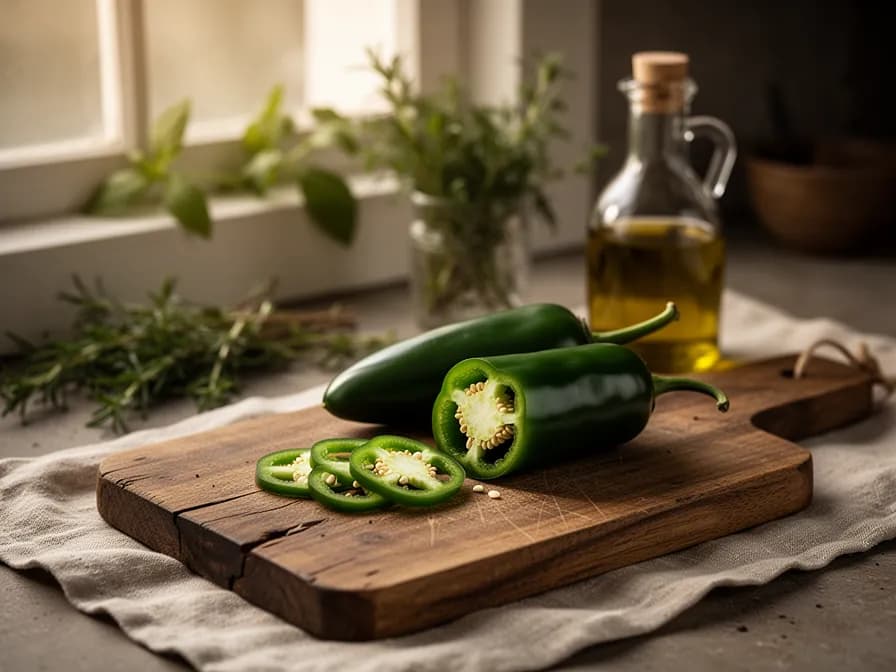
Ernten Sie Jalapeños, wenn die Früchte 7–10 cm lang, fest und tiefgrün mit leichtem Glanz sind. Für mildere Paprika pflücken Sie diese, solange sie noch glatt und gleichmäßig grün sind. Für mehr Schärfe und Komplexität warten Sie, bis Korkstreifen auf der Schale erscheinen, oder lassen Sie die Früchte rot ausreifen. Schneiden Sie die Paprika mit einer Gartenschere von der Pflanze, anstatt sie abzuziehen, da dies die Zweige beschädigen kann. Ernten Sie während der Haupterntezeit regelmäßig alle paar Tage, um die Pflanze dazu anzuregen, während der gesamten Saison weiterhin neue Früchte anzusetzen.
angenommen, du pflanzt zu Beginn des Zeitraums — trage dein tatsächliches Datum ein
Ernte Jalapeño-Paprika zügig, dann trägt die Pflanze weiter.
Lagerung & Konservierung
Frische Jalapeños halten sich im Kühlschrank bis zu zwei Wochen, aufbewahrt in einer Papiertüte oder einem perforierten Plastikbeutel im Gemüsefach. Für eine längere Lagerung eignen sich Jalapeños hervorragend zum Einlegen in eine Essiglake mit Knoblauch und Gewürzen und halten sich monatelang im Kühlschrank. Schneiden Sie die Schoten in Scheiben und frieren Sie diese auf einem Backblech vor, bevor Sie sie in Gefrierbeutel umfüllen – so halten sie sich bis zu 12 Monate. Räuchern Sie reife rote Jalapeños über Pekannuss- oder Mesquiteholz, um Chipotles herzustellen, die getrocknet oder in Adobo-Sauce eingelegt aufbewahrt werden können. Trocknen Sie geschnittene Jalapeños bei 57 °C (135 °F) für 8–12 Stunden, um lagerstabile getrocknete Paprikaflocken zu erhalten.
Was schiefgeht — und die Lösung
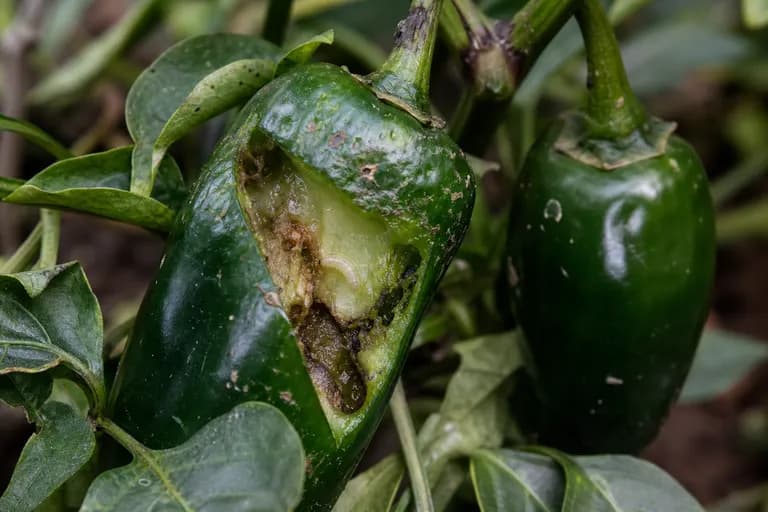
Paprikafruchtfliege
SchädlingKleine weiße Larven, die sich durch das Innere der Paprikafrüchte bohren und braune Kotspuren hinterlassen. Eintrittsöffnungen können auf der Fruchtoberfläche sichtbar sein, und befallene Paprika faulen häufig vorzeitig.
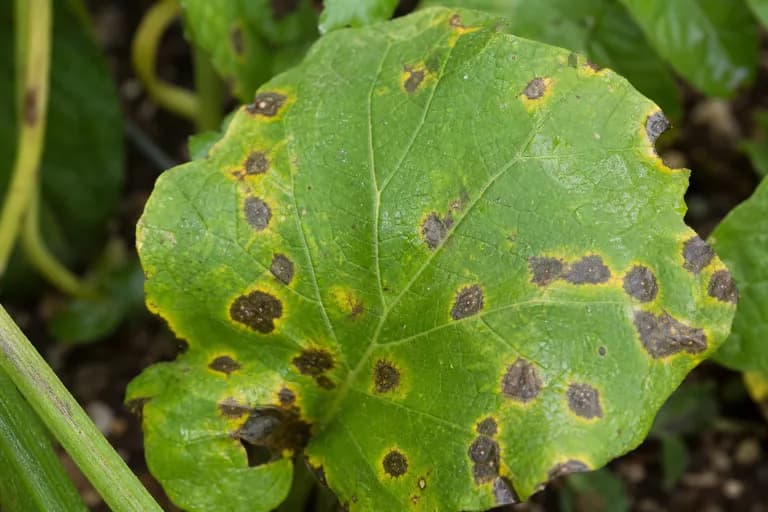
Bakterielle Blattfleckenkrankheit
KrankheitKleine, dunkle, wässrig durchscheinende Flecken auf den Blättern, die sich vergrößern und hellbraune Zentren mit dunklen Rändern entwickeln. Stark befallene Blätter vergilben und fallen ab, wodurch die Früchte Sonnenbrand ausgesetzt werden.
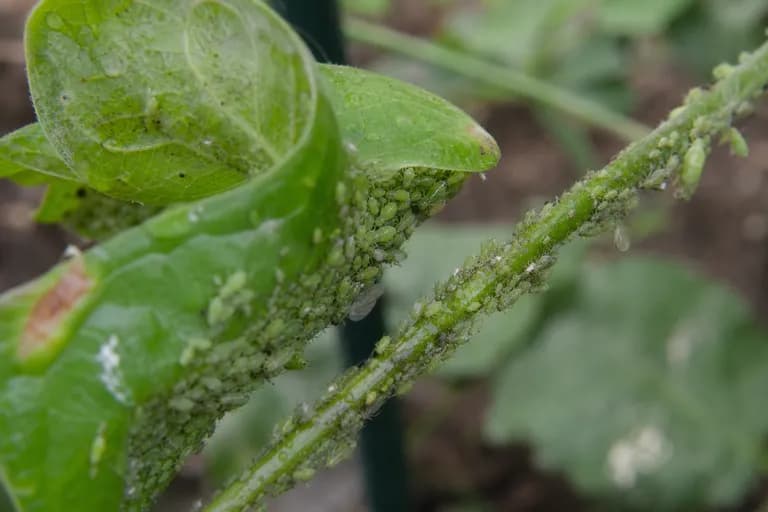
Blattläuse
SchädlingAnsammlungen kleiner grüner oder gelber weichhäutiger Insekten an Neuaustrieben und Blattunterseiten. Blätter rollen sich ein, werden durch Honigtau klebrig und können schwarzen Rußtau entwickeln. Pflanzen können bei starkem Befall im Wachstum gehemmt werden.
Fehlerbehebung bei häufigen Problemen
Blütenabwurf ist das häufigste Problem, verursacht durch Nachttemperaturen unter 13 °C oder über 24 °C, ungleichmäßiges Gießen oder übermäßigen Stickstoff. Sorgen Sie während der Blüte für gleichmäßige Bedingungen. Sonnenbrand zeigt sich als weiße oder hellbraune, papierartige Flecken auf Früchten, die nach Blattverlust intensiver direkter Sonne ausgesetzt sind. Erhalten Sie gesundes Laub, um die sich entwickelnden Früchte zu beschatten. Korkbildung (hellbraune Dehnungsstreifen) ist kosmetisch und zeigt tatsächlich reife, aromatische Paprika an. Langsames Wachstum zu Beginn der Saison ist bei Paprika normal; sie beschleunigen, sobald sich der Boden auf über 21 °C erwärmt.
Anbautipps
- Beginnen Sie früh mit der Aussaat – Jalapeños benötigen 8–10 Wochen Anzucht im Haus vor dem Auspflanzen, und wenn Sie diese Phase überstürzen, erhalten Sie schwache, unproduktive Pflanzen. Verwenden Sie eine Wärmematte bei 24–29 °C für zuverlässige Keimung in 10–14 Tagen.
- Knipsen Sie die ersten Blüten an jungen Pflanzen ab, um eine stärkere Wurzel- und Triebentwicklung zu fördern, bevor Sie die Fruchtbildung zulassen. Dies führt zu einer robusteren Pflanze, die über die gesamte Saison letztlich mehr Paprika hervorbringt.
- Gießen Sie gründlich und gleichmäßig, aber lassen Sie die oberen 2 cm der Erde zwischen den Wassergaben abtrocknen. Jalapeños sind sowohl für Blütenendfäule (durch ungleichmäßige Feuchtigkeit) als auch für Wurzelfäule (durch staunassen Boden) anfällig. Tropfbewässerung ist ideal.
- Leichter Trockenstress während der Fruchtentwicklung kann den Schärfegrad Ihrer Jalapeños erhöhen. Wenn Sie schärfere Paprika bevorzugen, reduzieren Sie die Bewässerung leicht, sobald die Früchte zu reifen beginnen. Für mildere Paprika halten Sie die Bewässerung gleichmäßig.
- Korkstreifen auf der Schale sind ein Qualitätszeichen, kein Makel. Paprika mit starker Korkbildung werden von erfahrenen Köchen wegen ihrer überlegenen Schärfe und Geschmackstiefe geschätzt. Werfen Sie verkorkte Paprika nicht weg.
- Lassen Sie einige Paprika an der Pflanze vollständig rot ausreifen. Rote Jalapeños sind süßer und komplexer als grüne und bilden das Stadium, das für die Herstellung authentischer Chipotles erforderlich ist. Die Pflanze wird gleichzeitig weiterhin neue grüne Paprika produzieren.
- Düngen Sie mit einem Tomatendünger (wenig Stickstoff, viel Phosphor und Kalium), sobald die Blüte beginnt. Übermäßiger Stickstoff erzeugt üppige, blattreiche Pflanzen mit enttäuschendem Paprikaertrag – ein sehr häufiger Fehler bei allen Paprikasorten.
- Verwenden Sie in kühleren Klimazonen schwarze Mulchfolie und Vliesabdeckungen, um die Bodenwärme zu maximieren. Jalapeños wachsen bei kühlen Bedingungen langsam und produzieren möglicherweise nicht gut, wenn die Bodentemperaturen während der Wachstumssaison unter 21 °C (70 °F) bleiben.
Bau deine beste Jalapeño-Paprika an — und alles drumherum.
Starte heute kostenlos. Lege deine Beete an, setze deine Jalapeño-Paprika ein und lass PlotMyGarden Timing, Abstände, Begleiter und Erinnerungen von der Saat bis zum Erntekorb übernehmen.
Finde deine Jalapeño-Paprika
Early Jalapeño
Eine kompakte, frühreifende Sorte, die 7 cm große Früchte etwa 60 Tage nach der Auspflanzung hervorbringt. Ideal für Regionen mit kurzer Saison und den Kübelanbau, mit zuverlässiger mittlerer Schärfe von etwa 3.500 SHU.
TAM Jalapeño
Eine mildere Auslese, die an der Texas A&M University entwickelt wurde und deren Schärfegrad etwa ein Drittel des Standard-Jalapeños beträgt (1.000–1.500 SHU). Hervorragend geeignet für alle, die den Jalapeño-Geschmack ohne intensive Schärfe genießen möchten.
Purple Jalapeño
Eine dekorative und essbare Sorte mit auffallend dunkelvioletten Früchten, die tiefrot abreifen. Ähnliche Schärfe wie der Standard-Jalapeño mit einem leicht fruchtigen Unterton. Reift in etwa 80 Tagen.
Mucho Nacho
Eine großfrüchtige Hybridsorte, die Paprika bis zu 10 cm Länge mit dicken Wänden hervorbringt – perfekt zum Füllen. Höhere Erträge als Standard-Jalapeños bei gleichmäßiger mittlerer Schärfe. Reift in 68 Tagen.
Eine einzelne Jalapeño-Pflanze, die aus einem Saatgutpäckchen für 2–3 € (das 20–30 Samen enthält) gezogen wird, kann über eine Saison 25–35 Paprika hervorbringen. Frische Jalapeños kosten im Lebensmittelhandel 6–12 € pro Kilogramm, und eine produktive Pflanze liefert 1–2 Kilogramm. Der Anbau von 3–4 Pflanzen kann pro Saison 15–40 € allein an frischen Paprika einsparen. Die Ersparnis steigt drastisch, wenn Sie eingelegte Jalapeños (4–6 € pro Glas), Chipotle-Paprika (3–5 € pro Dose) und Jalapeño-Soße (5–8 € pro Flasche) berücksichtigen – alles lässt sich aus Ihrer Eigenernte zu einem Bruchteil der Einzelhandelskosten herstellen.
Schnelle Rezepte
Klassische Jalapeño-Poppers
30 Min.Halbierte Jalapeños gefüllt mit einer würzigen Frischkäsefüllung und umwickelt mit knusprigem Speck – der ultimative Snack für gesellige Abende und Feiern. Das Backen bei hoher Temperatur macht den Speck knusprig, während die Paprika weich wird und der Käse zu einem cremigen, scharfen Bissen schmilzt.
7 Zutaten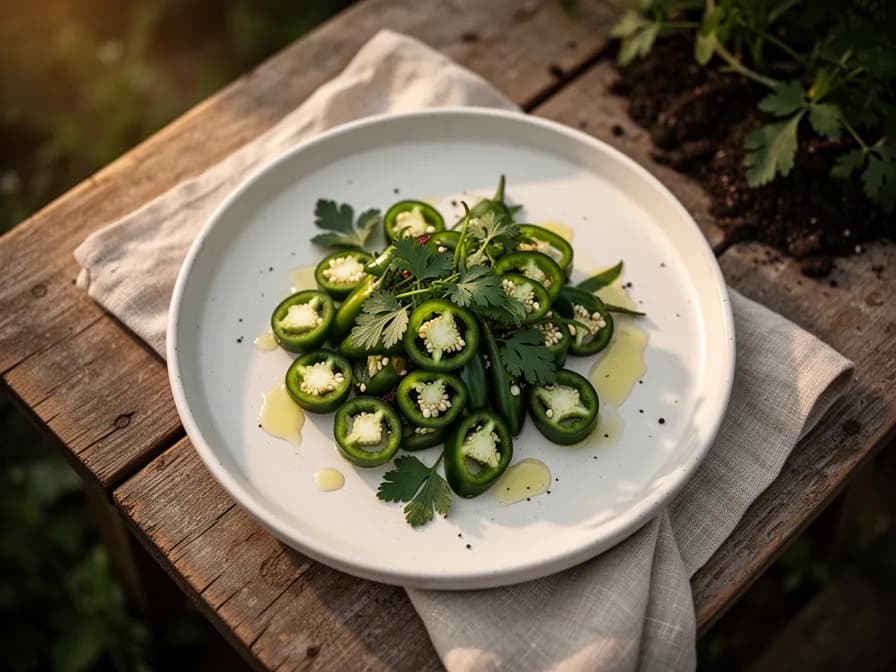
Schnell eingelegte Jalapeños
15 Min.Würzige, knackige eingelegte Jalapeño-Scheiben, die in nur 15 Minuten fertig und handelsüblichen Produkten weit überlegen sind. Diese im Taqueria-Stil eingelegten Paprika sind perfekt auf Nachos, Tacos, Burgern und Sandwiches und halten sich wochenlang im Kühlschrank.
8 ZutatenFrische Jalapeño-Salsa Verde
20 Min.Eine leuchtende, lebhafte grüne Salsa mit frischer Jalapeño-Schärfe, gegrillten Tomatillos und Koriander. Diese authentische mexikanische Salsa ist unendlich vielseitig – servieren Sie sie mit Tortilla-Chips, Tacos, gegrilltem Fleisch oder Eiern für einen frischen, spritzigen Kick.
7 ZutatenKulinarische Verwendung
Jalapeños gehören zu den vielseitigsten scharfen Paprikasorten in der Küche. Verwenden Sie sie frisch in Salsas, Pico de Gallo und Guacamole für eine lebhafte Schärfe. Füllen Sie sie mit Frischkäse und umwickeln Sie sie mit Speck für klassische Poppers. Legen Sie Scheiben für Nachos, Sandwiches und Pizza ein. Räuchern Sie reife rote Jalapeños, um Chipotles herzustellen, die in der mexikanischen Adobo-Sauce unverzichtbar sind. Geben Sie gewürfelte Jalapeños in Maisbrot, Makkaroni mit Käse oder Burger für den besonderen Kick.
Was drinsteckt
Gesundheitsvorteile
- Capsaicin, die für die Schärfe der Jalapeño verantwortliche Verbindung, wurde umfassend auf ihre stoffwechselanregenden Eigenschaften untersucht – Studien zeigen, dass es die Kalorienverbrennung für mehrere Stunden nach dem Verzehr um 5–8 % steigern und den Appetit unterdrücken kann.
- Außergewöhnlich reich an Vitamin C: Eine einzelne Jalapeño liefert über 100 % des Tagesbedarfs – dieses kraftvolle Antioxidans unterstützt die Immunfunktion, die Kollagenproduktion und die Eisenaufnahme aus pflanzlichen Lebensmitteln.
- Enthält Capsaicin, das als natürliches Schmerzmittel wirkt, indem es Substanz P abbaut, einen Neurotransmitter, der Schmerzsignale an das Gehirn weiterleitet – dies ist die Grundlage für capsaicinhaltige topische Schmerzcremes, die bei Arthritis und Neuropathie eingesetzt werden.
- Reich an Vitamin A und Beta-Carotin (besonders in rotgereiften Jalapeños), die eine gesunde Sehkraft, die Hautintegrität und die Immunzellfunktion im gesamten Körper unterstützen.
- Studien legen nahe, dass der regelmäßige Verzehr von capsaicinhaltigen Paprika mit niedrigeren Raten von Herz-Kreislauf-Erkrankungen verbunden ist, möglicherweise durch Verbesserungen des Cholesterinspiegels und der Blutgefäßfunktion.
- Die Kombination von Capsaicin und Vitamin C in Jalapeños bietet starke entzündungshemmende Wirkungen, die dazu beitragen können, chronische Entzündungen zu reduzieren, die mit Erkrankungen wie Herzkrankheiten, Diabetes und bestimmten Krebsarten in Verbindung stehen.
Woher Jalapeño-Paprika stammt
Die Jalapeño-Paprika (Capsicum annuum) hat ihren Ursprung in den fruchtbaren Tälern Mesoamerikas, wo archäologische Funde darauf hindeuten, dass Chilischoten bereits vor 5.000–7.000 Jahren im heutigen Mexiko kultiviert wurden. Die Jalapeño ist speziell nach Xalapa (Jalapa) benannt, der Hauptstadt des mexikanischen Bundesstaates Veracruz, die jahrhundertelang ein bedeutendes Zentrum des Jalapeño-Anbaus und -Handels war. Die aztekische Zivilisation schätzte Chilischoten als Nahrungs- und Heilmittel gleichermaßen und verwendete sie zur Fleischkonservierung, zur Behandlung von Atemwegserkrankungen sowie als Zahlungsmittel und Tributabgabe an Herrscher.
Spanische Konquistadoren begegneten den Jalapeños und anderen Chilischoten im frühen 16. Jahrhundert und brachten sie zurück nach Europa, von wo aus sie sich rasch über Handelswege nach Afrika, Indien und Südostasien ausbreiteten. Diese weltweite Verbreitung vollzog sich bemerkenswert schnell – innerhalb von 50 Jahren nach den Reisen von Kolumbus waren Chilischoten in die Küchen auf vier Kontinenten aufgenommen worden. Die Jalapeño selbst blieb jedoch am tiefsten in der mexikanischen Küche verwurzelt, wo sie zu einer unverzichtbaren Zutat in Salsas, Escabeches (eingelegten Zubereitungen) und gefüllten Paprikagerichten wie Chiles Rellenos wurde.
Die Praxis, reife rote Jalapeños zu räuchern und so Chipotles herzustellen, reicht bis in die vorkolumbianische Aztekenzeit zurück, als sich die dickwandigen Schoten im feuchten Klima von Veracruz nur schwer an der Luft trocknen ließen. Das Räuchern über Holzfeuern löste das Konservierungsproblem und schuf gleichzeitig eine völlig neue Zutat mit tiefen, komplexen Aromen. Heute sind Mexiko und die Vereinigten Staaten die weltweit größten Produzenten und Verbraucher von Jalapeños. In den USA expandierte der Jalapeño-Anbau im späten 20. Jahrhundert drastisch, angetrieben durch die wachsende Beliebtheit der mexikanischen Küche und der Tex-Mex-Esskultur. Die Jalapeño ist zur meistkonsumierten scharfen Paprika in Amerika geworden und findet sich in allem, von Nachos und Salsa bis hin zu Mainstream-Produkten wie Jalapeño-Chips und -Gelee.
Jalapeño-Paprika: Schon gewusst?
Faszinierende Fakten über Jalapeño-Paprika
Die Scoville-Skala, die die Schärfe von Chilischoten misst, wurde 1912 vom Apotheker Wilbur Scoville speziell zur Prüfung der Schärfe von Paprika erfunden – Jalapeños registrieren typischerweise 2.500–8.000 Scoville-Einheiten (SHU) und liegen damit im milden bis mittleren Bereich der Chili-Welt.
Jalapeño-Paprika: Fragen & Antworten
Wann sollte ich Jalapeño-Paprika pflanzen?
Was sind gute Begleitpflanzen für Jalapeño-Paprika?
In welchen Winterhärtezonen kann Jalapeño-Paprika wachsen?
Wie viel Sonne braucht Jalapeño-Paprika?
Welchen Abstand sollte ich zwischen Jalapeño-Paprika lassen?
Welche Schädlinge und Krankheiten befallen Jalapeño-Paprika?
Wie lagere ich Jalapeño-Paprika nach der Ernte?
Was sind die besten Jalapeño-Paprika-Sorten zum Anbauen?
Welchen Boden braucht Jalapeño-Paprika?
Warum sind meine Jalapeños nicht scharf?
Sollte ich Jalapeños grün oder rot ernten?
Kann ich Jalapeños in Kübeln auf dem Balkon anbauen?
Wie stelle ich aus meinen Jalapeños Chipotles her?
Warum fallen die Blüten meiner Jalapeño-Pflanze ab, ohne Früchte zu bilden?
Sind Jalapeño-Pflanzen mehrjährig – kommen sie im nächsten Jahr wieder?
Du hast die Theorie gelesen. Jetzt baue sie auf Autopilot an.
Alles, was Jalapeño-Paprika knifflig macht — das Timing, die Abstände, die Begleiter, das Erntefenster — genau das übernimmt PlotMyGarden für dich, für jede Pflanze im Garten.
Ein Plan, der dein Wetter kennt
Standort einmal festlegen. Aussaat-, Dünge- und Erntedaten rund um deinen echten letzten Frosttermin und die Live-Vorhersage — kein Raten mehr nach Saattüte.
Aus dem Abschnitt „Pflanzzeit“Beetplaner per Drag & Drop
Beete auf einem Raster gestalten. Jede Pflanze rastet im richtigen Abstand ein, und du siehst die ganze Saison, bevor du einen Cent für Saatgut ausgibst.
Aus dem Abschnitt „Anbau“Begleiter-Konflikte früh erkannt
Über 200 gute und schlechte Kombinationen werden beim Pflanzen live geprüft — so landet ein saisonruinierender Fehler nie in der Erde.
Aus dem Abschnitt „Begleiter“Erinnerungen, nach denen du wirklich handelst
„Gieß die Bohnen.“ „Heute ernten, bevor's umschlägt.“ Pünktlich, konkret und auf deine echten Pflanzen bezogen.
Aus dem Abschnitt „Ernte“Staffel-Aussaat, geplant
Sechs Wochen ernten statt sechs Tage? Die App verteilt deine Aussaaten automatisch und erinnert dich, wenn der nächste Satz fällig ist.
Aus dem Abschnitt „Pflanzzeit“Ein Verlauf, der schlauer wird
Jede protokollierte Ernte bringt der App deinen Garten bei. Der Plan fürs nächste Jahr startet bei dem, was in deinem Boden wirklich funktioniert hat.
Aus dem Abschnitt „Überblick“Pflanze diese neben Jalapeño-Paprika
Weitere Nachtschattengewächse
Halte Jalapeño-Paprika von diesen fern
Gartenpläne mit Jalapeño-Paprika
Bau deine beste Jalapeño-Paprika an — und alles drumherum.
Starte heute kostenlos. Lege deine Beete an, setze deine Jalapeño-Paprika ein und lass PlotMyGarden Timing, Abstände, Begleiter und Erinnerungen von der Saat bis zum Erntekorb übernehmen.