Patisson-Kürbis
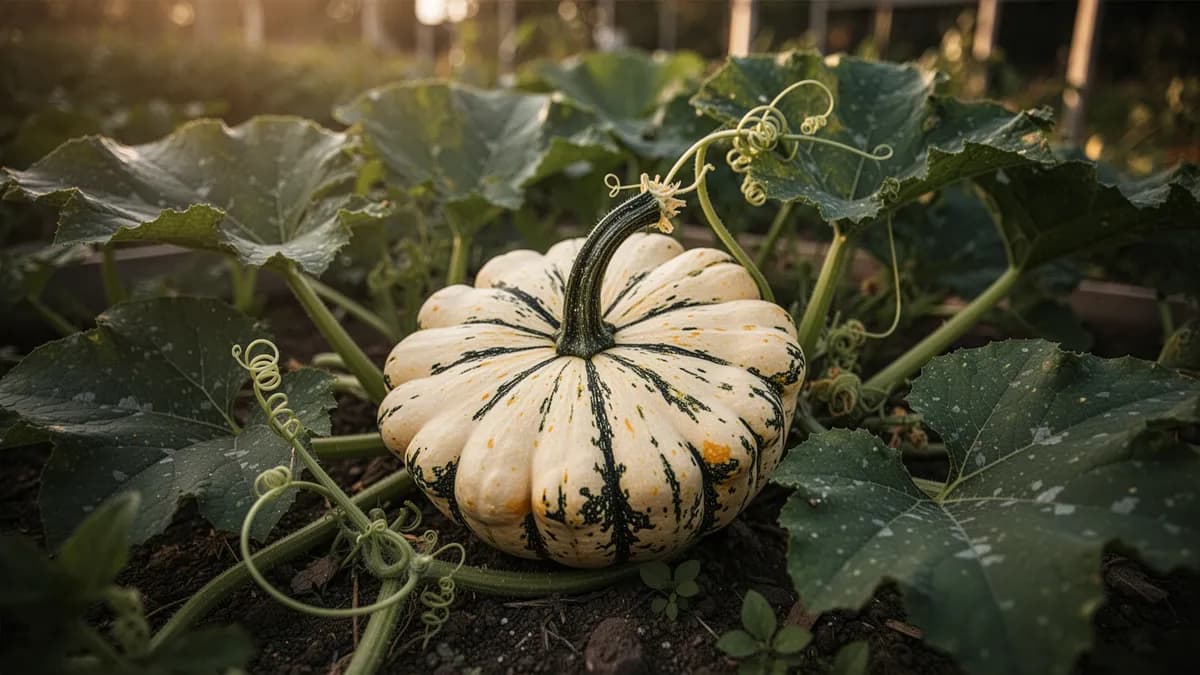
Ein charmanter Sommerkürbis mit muschelförmig gezacktem Rand, erhältlich in Weiß, Gelb und Grün, der besonders attraktiv ist, wenn er klein geerntet wird.





Auf dieser SeiteÜberblick
Patisson-Kürbis im Überblick
Ein charmanter Sommerkürbis mit muschelförmig gezacktem Rand, erhältlich in Weiß, Gelb und Grün, der besonders attraktiv ist, wenn er klein geerntet wird. Patisson-Kürbis hat eine etwas festere Textur als Zucchini mit einem milden, buttrigen, leicht nussigen Geschmack. Ernten Sie ihn bei fünf bis acht Zentimetern Durchmesser für den zartesten Genuss, da größere Früchte zäh und samenreich werden. Die flache Form mit den muschelförmigen Rändern macht ihn perfekt zum Füllen, Grillen im Ganzen oder Schneiden in dekorative Scheiben.
Wann Patisson-Kürbis pflanzen
Säen Sie Patisson-Kürbis-Samen direkt 2,5 cm tief ins Freiland, nachdem der Boden 18 °C erreicht hat, für eine Keimung in 5–10 Tagen. Pflanzen Sie 2–3 Samen pro Stelle und vereinzeln Sie auf den stärksten Keimling. Für eine frühere Ernte starten Sie die Samen 3–4 Wochen vor dem letzten Frost drinnen in großen biologisch abbaubaren Töpfen bei 24–29 °C. Pflanzen Sie nach einer einwöchigen Abhärtung um und gehen Sie vorsichtig mit den Wurzeln um. Setzen Sie die Pflanzen im Abstand von 60–90 cm. Machen Sie alle 4 Wochen Folgesaaten für eine kontinuierliche Versorgung den ganzen Sommer über, da einzelne Pflanzen nach 6–8 Wochen Produktion nachlassen.
Dein Patisson-Kürbis-Jahr
Abgestimmt auf Zone 7 · typische Saison · Frost geht um den 2. Apr. und kehrt um den 1. Nov. zurück
Patisson-Kürbis Apr – Jun pflanzen, Jul – Sep ernten. Beachte die Pflanzmethoden unten und wähle dein Klima für passende Zeiträume.
So baust du Patisson-Kürbis an
Patisson-Kürbis, auch Scallopini genannt, ist ein charmanter Sommerkürbis mit einer markanten Ufo-Form und muschelförmig gezackten Rändern. Erhältlich in weißen, gelben und grünen Sorten, sind diese kompakten Buschpflanzen ergiebige Produzenten, die innerhalb von 45–55 Tagen Früchte tragen. Säen Sie die Samen 2,5 cm tief und 60–90 cm auseinander direkt ins Freiland, nachdem die Frostgefahr vorüber ist und der Boden 18 °C erreicht hat.
Diese Buschpflanzen sind kompakter als viele andere Sommerkürbisse und eignen sich daher hervorragend für kleinere Gärten und sogar große Kübel. Sie breiten sich typischerweise 90–120 cm aus und benötigen keine Rankhilfe. Gießen Sie gleichmäßig mit 25–40 mm pro Woche und leiten Sie das Wasser an die Basis, um das Laub trocken zu halten. Mulchen Sie um die Pflanzen, um Unkraut zu unterdrücken und die Bodenfeuchtigkeit zu erhalten.
Patisson-Kürbis benötigt Bienenbestäubung mit getrennten männlichen und weiblichen Blüten an jeder Pflanze. Männliche Blüten erscheinen zuerst, gefolgt von weiblichen, die einen kleinen, abgeflachten Fruchtknoten an der Basis haben. Handbestäubung verbessert die Erträge in überdachten Gärten oder bei schlechtem Wetter. Ernten Sie früh und oft, da die Früchte am besten bei einer Größe von 5–8 cm sind. Die Pflanzen produzieren ergiebig über 6–8 Wochen, bevor sie durch Krankheitsdruck nachlassen. Folgesaaten alle 4 Wochen sichern eine kontinuierliche Versorgung.
2 Pflanzen passen in ein Beet von 120 × 240 cm
Patisson-Kürbis braucht 90 cm Platz pro Pflanze. Der Planer hält diesen Abstand für dich ein — jede Pflanze, jedes Beet.
Die besten Nachbarn für Patisson-Kürbis
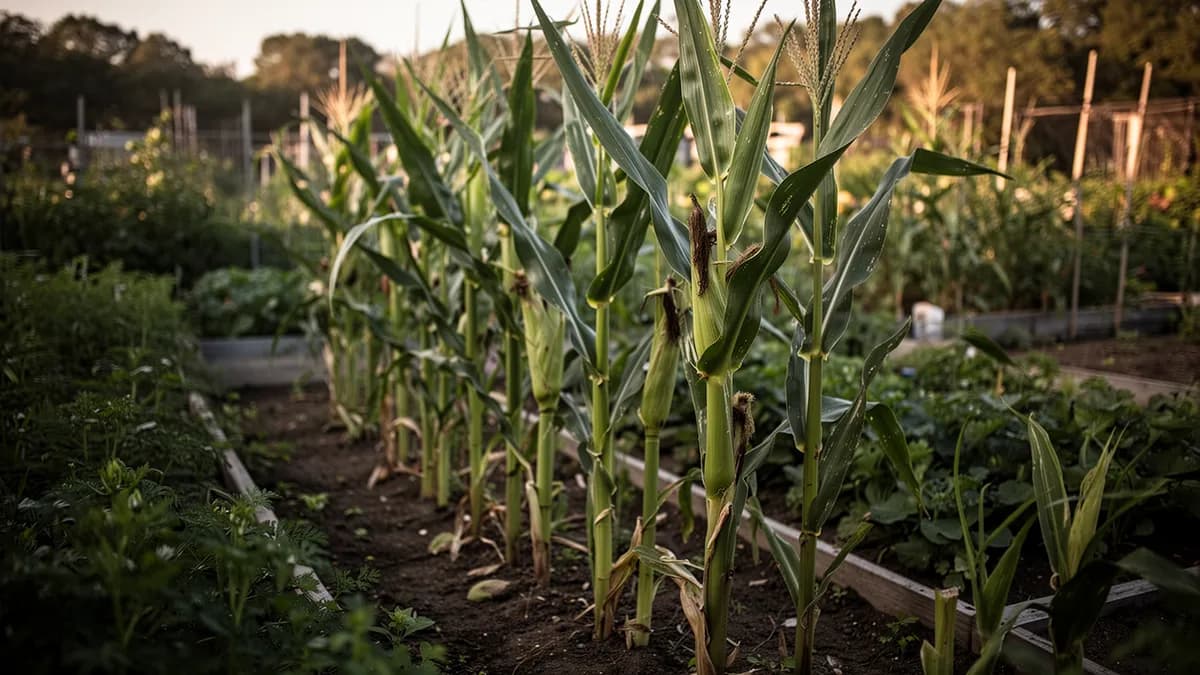
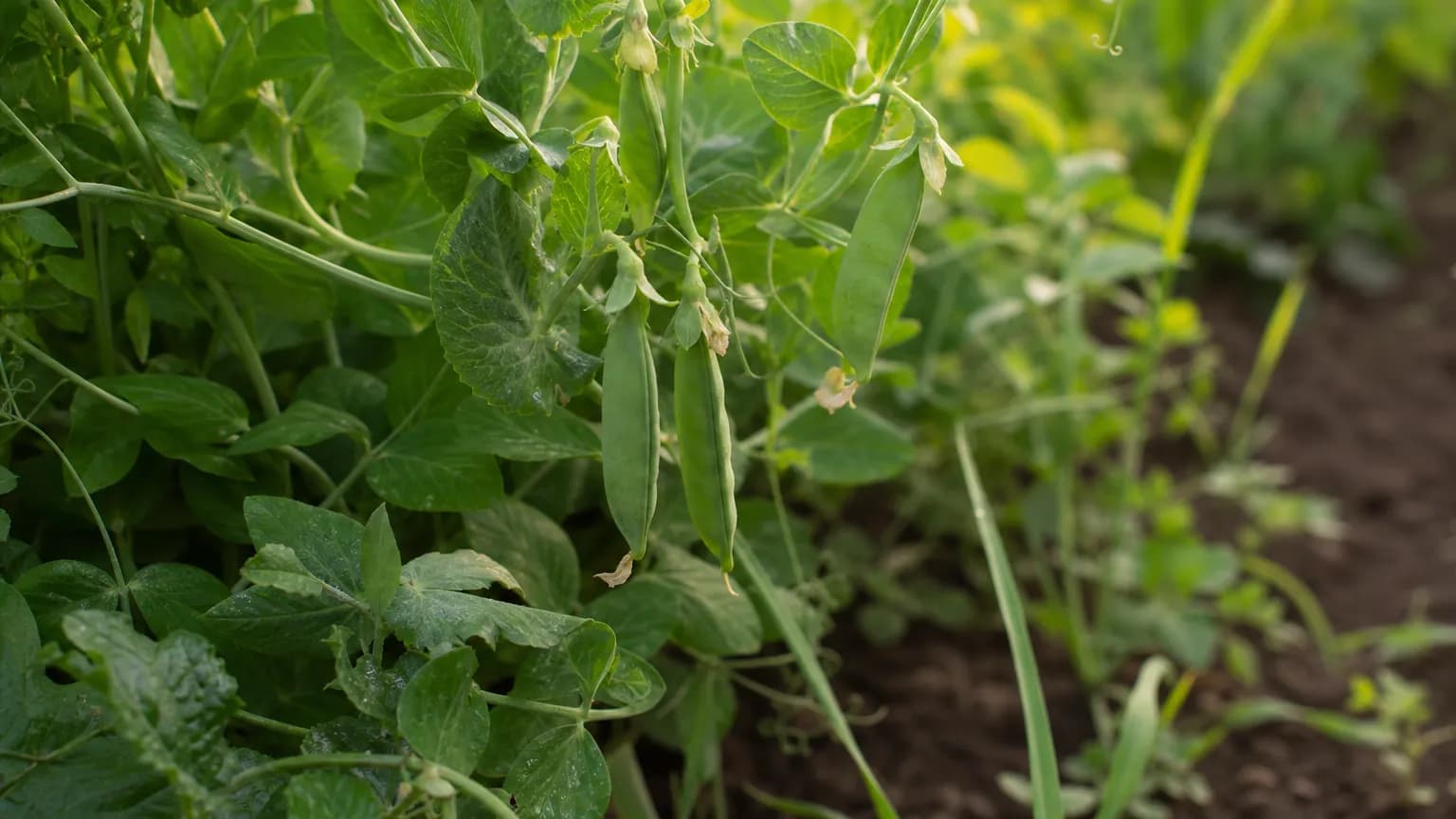
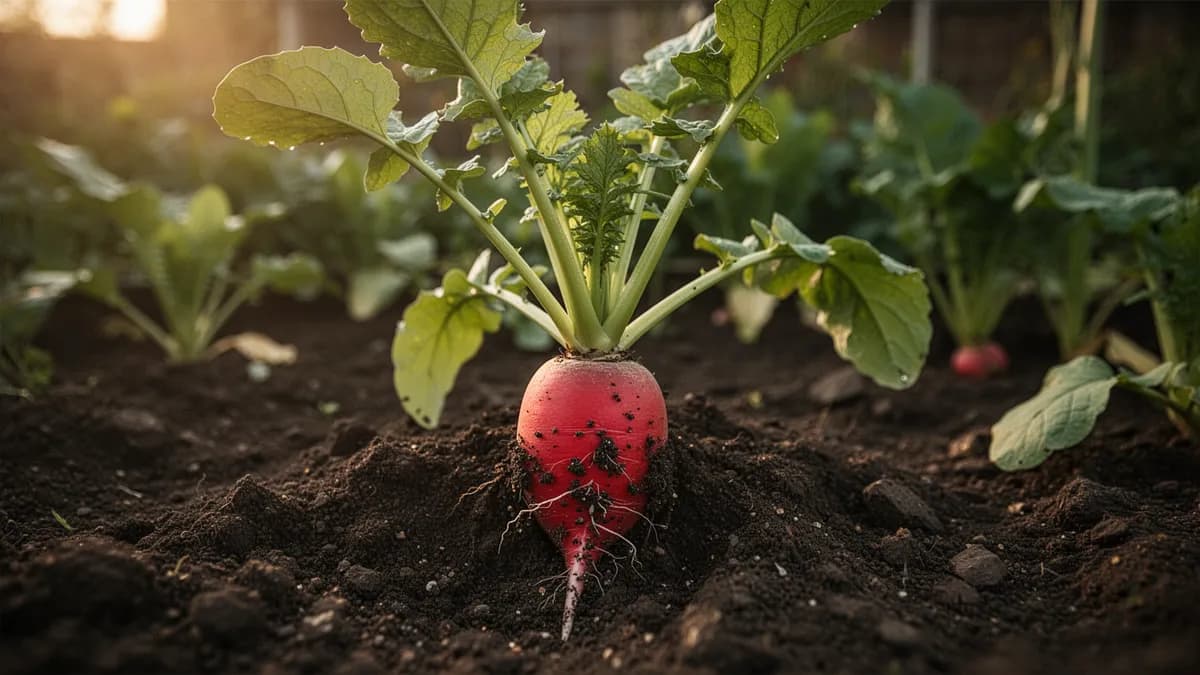
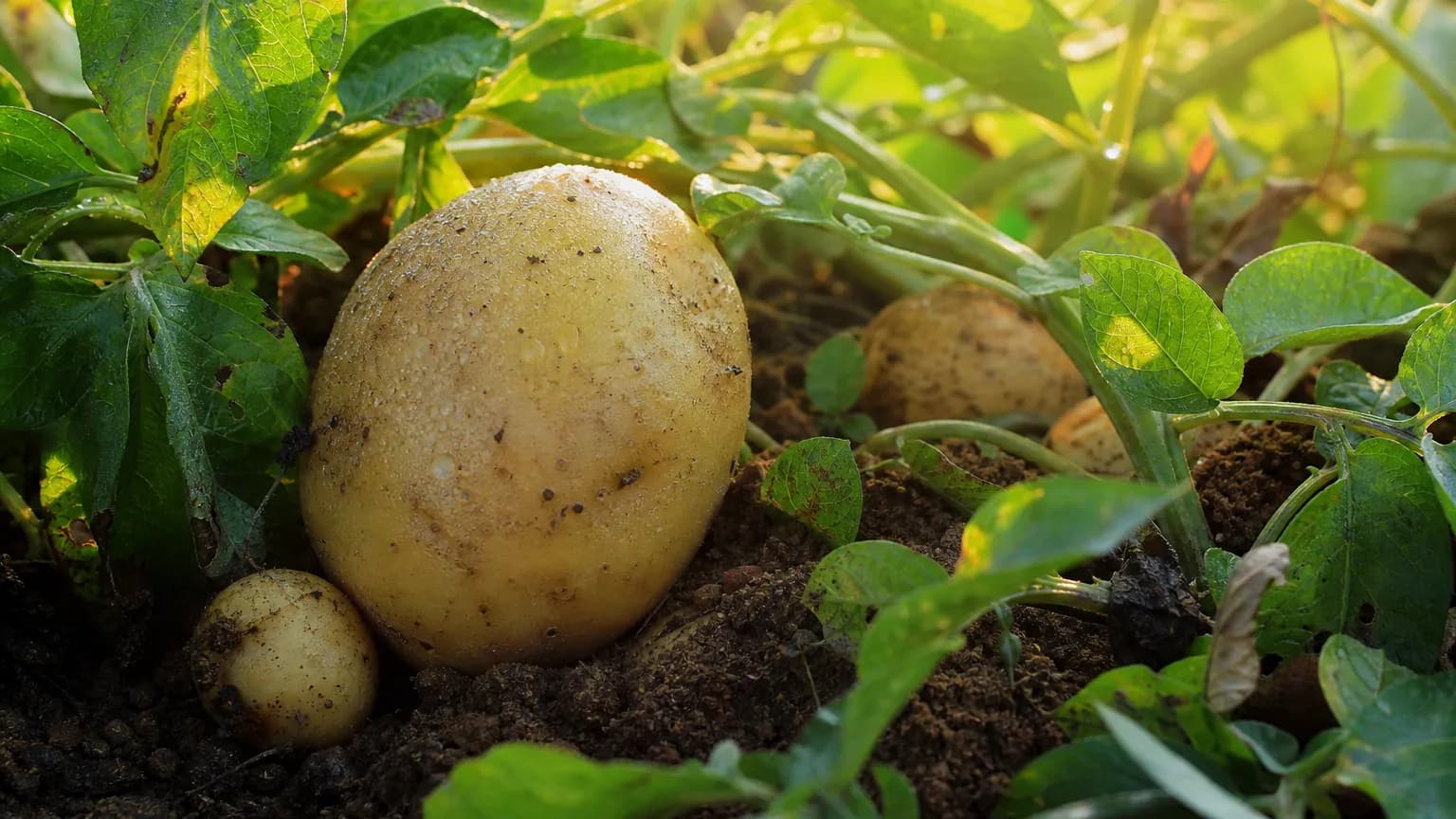
Patisson-Kürbis profitiert von der Mischkultur mit Mais, Bohnen und Sonnenblumen. Kapuzinerkresse dient als Fangpflanze für Blattläuse, während Tagetes Kürbiskäfer abschreckt. Borretsch lockt Bestäuber an, die den Fruchtansatz verbessern. Kräuter wie Oregano und Basilikum ziehen nützliche Raubinsekten an. Ihr kompakter Buschwuchs macht sie zu guten Nachbarn in intensiven Gartenanlagen. Vermeiden Sie die Pflanzung neben Kartoffeln, die um ähnliche Nährstoffe konkurrieren. Zwischengepflanzte Radieschen können helfen, Kürbis-Stengelbohrer abzuschrecken.
Mais gehört daneben. Kartoffel nicht.
Altes Gärtnerwissen, geprüft an der echten Nachbartabelle von Patisson-Kürbis — teste jede Pflanze, die du anbaust.
Probiere Patisson-Kürbis direkt hier im Beet
Ein echtes Planer-Beet, Patisson-Kürbis steht schon drin. Tippe einen Begleiter an, platziere ihn und sieh, wie die Nachbarschaftsprüfung antwortet — grün für gute Nachbarn, rot bei Streit.


Passende Anbau-Ratgeber
Richtig düngen
Patisson-Kürbis gedeiht am besten in nährstoffreichem, gut durchlässigem Boden mit einem pH-Wert von 6,0–7,0. Arbeiten Sie vor der Pflanzung Kompost ein und geben Sie zur Aussaat einen ausgewogenen Dünger. Düngen Sie alle 3–4 Wochen während der Wachstumsperiode mit Kompost oder Fischemulsion nach. Als Sommerkürbis sind Patissons mäßige bis starke Zehrer, die von einer gleichmäßigen Nährstoffversorgung profitieren. Vermeiden Sie übermäßigen Stickstoff spät in der Saison, da dieser das Blattwachstum auf Kosten der Fruchtbildung fördert. Hochbeete bieten die Wärme und Drainage, die diese Pflanzen bevorzugen.
Winterhärtezone-Kompatibilität
Von der Saat zur Ernte, Schritt für Schritt
Samenkeimung
Die Samen keimen schnell in warmem Boden und treiben kräftige Hypokotylstängel mit großen, runden Keimblättern. Die Keimung erfolgt in 5–10 Tagen bei einer Bodentemperatur von 18–29 °C. In kaltem Boden unter 15 °C faulen die Samen, bevor sie austreiben.
Keimlingsentwicklung
Die ersten echten Blätter erscheinen mit der charakteristischen rauen, gelappten Form des Kürbislaubes. Der Keimling entwickelt ein kräftiges Wurzelsystem und beginnt sich auszubreiten. Das Wachstum beschleunigt sich schnell, sobald die Temperaturen konstant über 21 °C liegen.
Vegetatives Buschwachstum
Der kompakte Busch breitet sich schnell auf 90–120 cm aus, mit großen, borstigen Blättern an dicken, hohlen Stängeln. Im Gegensatz zu rankenden Kürbissen bilden Patissons einen dichten Laubhügel, der den Boden darunter beschattet. Die kräftigen Stängel können das Gewicht mehrerer sich entwickelnder Früchte tragen.
Blüte
Große goldorange Blüten erscheinen — männliche Blüten an langen Stielen kommen zuerst, gefolgt von weiblichen Blüten mit einem winzigen, abgeflachten, muschelförmigen Fruchtknoten an der Basis. Jede Blüte öffnet sich bei Morgendämmerung und schließt sich bis zum Mittag. Bienenbestäubung ist für den Fruchtansatz unerlässlich.
Fruchtentwicklung
Bestäubte weibliche Blüten schwellen schnell zu der markanten Ufo-Form mit muschelförmigen Rändern an. Die Früchte wachsen bei warmem Wetter schnell und können innerhalb von 3–5 Tagen nach der Bestäubung Erntegröße (5–8 cm) erreichen. Mehrere Früchte entwickeln sich gleichzeitig am Busch.
Hauptproduktion
Die Pflanze tritt in eine anhaltende Produktionsphase ein und blüht und fruchtet gleichzeitig über 6–8 Wochen. Ein gesunder Busch kann während der Hochsaison alle 2–3 Tage 3–5 Früchte produzieren. Die Produktion lässt schließlich nach, da Echter Mehltau und Kürbiskäfer im Spätsommer ihren Tribut fordern.
Pflanzen Sie die Samen 2,5 cm tief in vorgewärmten Boden. Verwenden Sie beim Vorziehen im Haus große biologisch abbaubare Töpfe, um die empfindliche Pfahlwurzel beim Umpflanzen nicht zu stören.
Patisson-Kürbis Monat für Monat pflegen
Was du jeden Monat für deine Patisson-Kürbis tun solltest
Oktober
Aktueller MonatLetzte Ernten in den meisten Zonen. Lassen Sie einige Früchte am Stock voll ausreifen, wenn Sie Saatgut gewinnen möchten. Ziehen Sie erschöpfte Pflanzen heraus und geben Sie sie auf den Kompost. Notieren Sie, welche Sorten am besten abgeschnitten haben.
Immer wissen, was jetzt im Garten zu tun ist
Eine E-Mail zum Monatsanfang: was du jetzt säen, pflanzen und anpacken solltest — für deine Patisson-Kürbis und alles, was drumherum wächst. Dazu ein kurzer Startkurs, der dich vor den klassischen Fehlern bewahrt.
- Was jetzt zu tun ist
- Passend zu deiner Saison
- Startkurs inklusive
Patisson-Kürbis ernten
Ernten Sie Patisson-Kürbis, wenn die Früchte sehr klein sind, idealerweise 5–8 cm Durchmesser für den zartesten, feinsten Geschmack. In diesem Baby-Stadium ist die gesamte Frucht essbar, einschließlich der weichen Schale und der unreifen Samen. Etwas größere Früchte von 8–10 cm sind immer noch ausgezeichnet. Kontrollieren Sie die Pflanzen bei warmem Wetter täglich, da die Früchte schnell wachsen. Schneiden Sie sie mit einem scharfen Messer von der Pflanze ab und lassen Sie einen kurzen Stiel stehen. Überreife Patissons werden zäh, samenreich und holzig. Regelmäßiges Pflücken ist unerlässlich, damit die Pflanzen weiterhin reichlich produzieren.
angenommen, du pflanzt zu Beginn des Zeitraums — trage dein tatsächliches Datum ein
Ernte Patisson-Kürbis zügig, dann trägt die Pflanze weiter.
Lagerung & Konservierung
Frischer Patisson-Kürbis hält sich im Kühlschrank bis zu einer Woche in einem perforierten Plastikbeutel. Kleine ganze Früchte können in Essiglake eingelegt werden und ergeben ein dekoratives Konservenprodukt. Zum Einfrieren schneiden Sie größere Früchte in Scheiben und blanchieren sie 3 Minuten vor dem Einfrieren. Baby-Patissons können nach dem Blanchieren ganz eingefroren werden. Sie eignen sich hervorragend zum Grillen und anschließenden Einfrieren zum späteren Aufwärmen. Ihre einzigartige Form macht sie wunderschön eingelegt oder mariniert in Olivenöl und Kräutern als Antipasto. Getrocknete Scheiben ergeben interessante Snack-Chips.
Was schiefgeht — und die Lösung
Kürbiskäfer
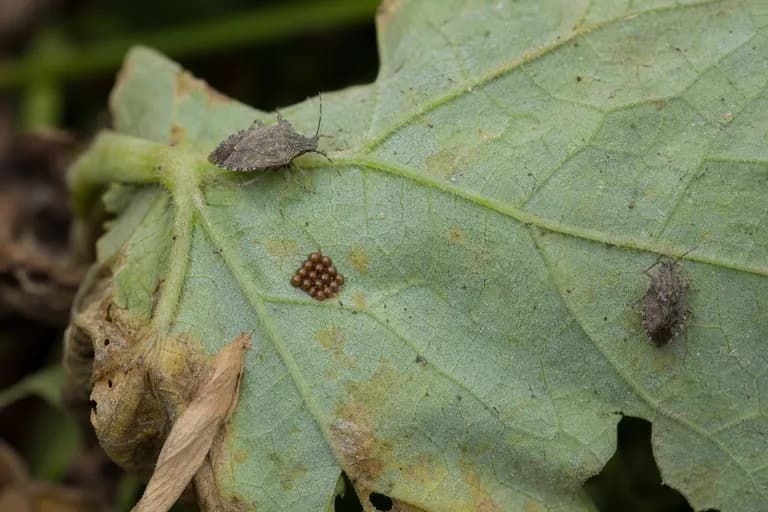
SchädlingBraune erwachsene Käfer und graue Nymphen, die an Stängeln und Blättern saugen und Welke verursachen; bronzefarbene Eigelege auf Blattunterseiten.
Echter Mehltau
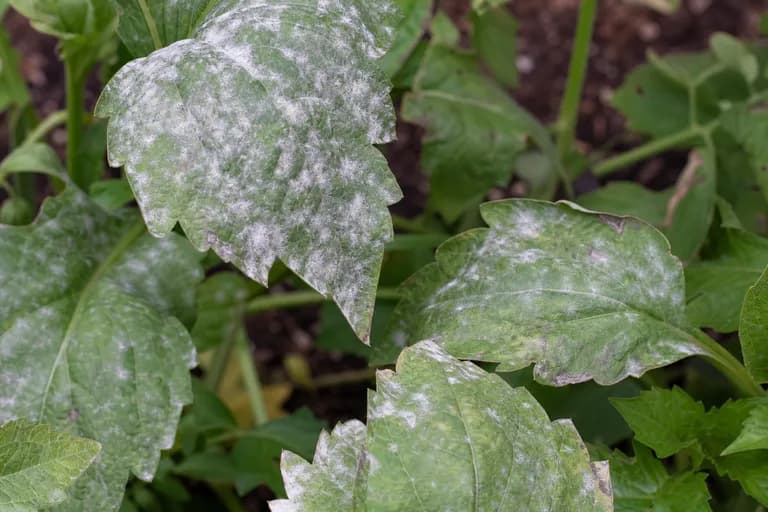
KrankheitWeißer, pudriger Belag auf Blattoberflächen, der sich bei warmem, trockenem Wetter schnell ausbreitet und die Pflanzenproduktivität verringert.
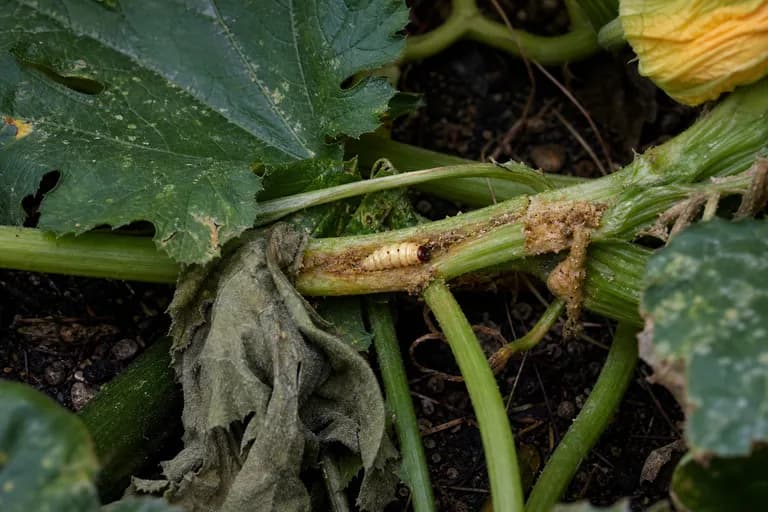
Kürbis-Stengelbohrer
SchädlingWelke trotz ausreichender Bewässerung, mit sichtbarem Bohrmehl an der Stängelbasis und Larven, die im Inneren der hohlen Stängel fressen.
Fehlerbehebung bei häufigen Problemen
Übergroße, holzige Früchte sind das häufigste Problem und resultieren aus zu seltenem Ernten. Kontrollieren Sie die Pflanzen täglich und pflücken Sie die Früchte klein. Schlechter Fruchtansatz in der Frühsaison ist normal, da männliche Blüten vor den weiblichen erscheinen. Blütenendfäule durch Kalziummangel oder unregelmäßiges Gießen verursacht dunkle, eingesunkene Flecken an sich entwickelnden Früchten. Echter Mehltau tritt typischerweise Mitte bis Ende der Saison auf; Folgesaaten liefern frische, gesunde Pflanzen. Kürbiskäfer können sich schnell vermehren, wenn Eigelege nicht regelmäßig entfernt werden.
Anbautipps
- Ernten Sie unerbittlich im Baby-Stadium. Patissons mit 5–8 cm sind zart, buttrig und komplett essbar — Schale, Samen und alles. Ab 12+ cm werden sie zäh, fade und samenreich. Tägliches Kontrollieren bei warmem Wetter ist unerlässlich, da Früchte über Nacht ihre Größe verdoppeln können.
- Pflanzen Sie nicht zu dicht. Auch wenn Patissons Buschtypen sind, braucht jede Pflanze 90–120 cm Platz für Luftzirkulation und Lichtdurchdringung. Zu eng stehende Pflanzen entwickeln mehr Echten Mehltau, produzieren weniger Früchte und sind schwerer zu ernten.
- Gießen Sie an der Basis, niemals von oben. Nasses Laub ist der Hauptauslöser für Echten Mehltau, die häufigste Krankheit bei Sommerkürbissen. Verwenden Sie Tröpfchenbewässerung oder einen Sickerschlauch und gießen Sie morgens, damit Spritzer auf den Blättern schnell trocknen.
- Entfernen Sie alle übergroßen Früchte sofort, auch wenn sie zum Essen zu zäh sind. Eine einzige große Frucht, die an der Pflanze verbleibt, signalisiert ihr, die Produktion drastisch zu drosseln. Kompostieren Sie übergroße Früchte oder verwenden Sie sie als Tierfutter.
- Säen Sie alle 4 Wochen nach für ununterbrochene Ernten. Einzelne Patisson-Pflanzen produzieren intensiv über 6–8 Wochen und lassen dann durch Krankheitsdruck und Erschöpfung nach. Frische Pflanzen übernehmen nahtlos, wenn das Timing stimmt.
- Bestäuben Sie von Hand, wenn der Fruchtansatz schlecht ist. Verwenden Sie einen kleinen Pinsel, um gelben Pollen aus der Mitte männlicher Blüten (dünne Stiele, keine Schwellung an der Basis) früh morgens auf die klebrige Mitte weiblicher Blüten (kleiner Kürbis an der Basis sichtbar) zu übertragen, solange die Blüten geöffnet sind.
- Ziehen Sie Patissons in großen Kübeln (mindestens 20 Liter), wenn der Gartenplatz begrenzt ist. Verwenden Sie nährstoffreiche Blumenerde, stellen Sie sie in die volle Sonne, gießen Sie bei heißem Wetter täglich und düngen Sie wöchentlich mit Flüssigdünger. Kübelpflanzen produzieren etwas weniger, tragen aber dennoch großzügig.
- Pflanzen Sie Blue-Hubbard-Kürbis als Fangpflanze in der Nähe, wenn Kürbiskäfer ein anhaltendes Problem sind. Kürbiskäfer bevorzugen Blue Hubbard deutlich gegenüber anderen Kürbissorten, was ihre Populationen dort konzentriert, wo Sie sie leicht bekämpfen können.
Bau deine beste Patisson-Kürbis an — und alles drumherum.
Starte heute kostenlos. Lege deine Beete an, setze deine Patisson-Kürbis ein und lass PlotMyGarden Timing, Abstände, Begleiter und Erinnerungen von der Saat bis zum Erntekorb übernehmen.
Finde deine Patisson-Kürbis
Benning's Green Tint
Historische Sorte mit blassgrünen, muschelförmigen Früchten und buttrigem Geschmack. Sehr produktive, kompakte Pflanzen, ideal für kleine Gärten.
Sunburst
Leuchtend gelbe Früchte mit einem markanten grünen Fleck am Blütenende. Sehr attraktiv und geschmackvoll mit früher Reife.
Peter Pan
Mittelgrüne Früchte an kompakten, ertragreichen Pflanzen. Gute Krankheitsresistenz und Produktion über eine lange Saison.
Flying Saucer
Zweifarbige Sorte mit grünen und cremefarbenen Streifen, die eine besonders dekorative Frucht ergibt. Milder, süßer Geschmack.
Eine einzelne Patisson-Kürbis-Pflanze, gezogen aus einer Saatguttüte für 3 € (mit 15–25 Samen), kann über eine Saison 20–40 Früchte produzieren, wobei Spezial-Sommerkürbisse auf Wochenmärkten und in Supermärkten für 3–5 € pro Pfund verkauft werden. Der Anbau von nur 3–4 Pflanzen kann 60–150 € pro Saison an frischem Kürbis einsparen. Die essbaren Blüten bieten einen außergewöhnlichen Mehrwert — auf Gourmet-Märkten für 2–4 € pro Stück, kann eine einzige Pflanze 30–50+ männliche Blüten für die Küche produzieren, ohne zusätzliche Kosten.
Schnelle Rezepte
Gefüllte Baby-Patissons
35 Min.Ganze Baby-Patissons ausgehöhlt und mit einer herzhaften Mischung aus Kräuter-Paniermehl, Parmesan und getrockneten Tomaten gefüllt, dann goldbraun gebacken. Ihre natürliche Schalenform macht sie zum idealen Gefäß zum Füllen.
8 ZutatenGegrillter Patisson mit Kräuterbutter
15 Min.In Scheiben geschnittener Patisson-Kürbis, bestrichen mit Knoblauch-Kräuterbutter und gegrillt, bis er zart ist und schöne Grillstreifen hat. Die einfachste und köstlichste Art, frische Sommer-Patissons zu genießen — in wenigen Minuten fertig.
7 ZutatenPatisson-Mais-Sommerpfanne
20 Min.Eine farbenfrohe Pfannenbeilage aus gewürfeltem Patisson-Kürbis mit frischem Zuckermais, Kirschtomaten und Basilikum — das Inbegriff eines sommerlichen Gemüsemedleys, das die Hochsaison im Garten feiert.
8 ZutatenKulinarische Verwendung
Baby-Patisson-Kürbisse sind köstlich halbiert und in Butter mit Kräutern angebraten oder im Ganzen bei hoher Hitze geröstet, bis sie karamellisiert sind. Ihre einzigartige Form macht sie perfekt zum Füllen mit Paniermehl-, Käse- und Kräutermischungen. Grillen Sie größere Scheiben mit Olivenöl für rauchigen Sommergeschmack. Fügen Sie sie zu Ratatouille, sommerlichen Gemüsemedleys und Frittatas hinzu. Schneiden Sie sie roh in Salate für eine knackige Textur. Legen Sie ganze Baby-Patissons ein, um visuell beeindruckende Konserven zu erhalten. Ihr milder, leicht nussiger Geschmack harmoniert wunderbar mit mediterranen Gewürzen.
Was drinsteckt
Gesundheitsvorteile
- Extrem kalorienarm (nur 16 pro 100 g) bei gleichzeitig sättigendem Volumen und Ballaststoffen, was Patisson-Kürbis zu einem ausgezeichneten Lebensmittel für gesundes Gewichtsmanagement und kalorienbewusste Ernährung macht.
- Gute Vitamin-C-Quelle (19 % TW pro 100 g), die die Immunfunktion unterstützt, die Kollagensynthese für gesunde Haut fördert und die Aufnahme von Eisen aus pflanzlichen Lebensmitteln verbessert.
- Enthält Folat (Vitamin B9), das für die DNA-Synthese und Zellteilung essentiell ist — besonders wichtig während der Schwangerschaft zur Vorbeugung von Neuralrohrdefekten beim sich entwickelnden Baby.
- Reich an Kalium (262 mg pro 100 g), das den Blutdruck reguliert, die ordnungsgemäße Muskel- und Nervenfunktion unterstützt und den blutdrucksteigernden Wirkungen von Natrium entgegenwirkt.
- Liefert Mangan, ein Spurenelement, das für die Knochenbildung, Wundheilung und den Stoffwechsel von Kohlenhydraten, Aminosäuren und Cholesterin essentiell ist.
- Der hohe Wassergehalt (über 94 %) trägt zum täglichen Flüssigkeitsbedarf bei und unterstützt die Nierengesundheit, was ihn besonders in den heißen Sommermonaten wertvoll macht, wenn der Kürbis Hochsaison hat.
Woher Patisson-Kürbis stammt
Patisson-Kürbis (Cucurbita pepo) gehört zu einer der frühesten domestizierten Pflanzenarten Amerikas. Archäologische Funde aus der Guilá-Naquitz-Höhle in Oaxaca, Mexiko, zeigen, dass Cucurbita pepo bereits vor 8.000–10.000 Jahren kultiviert wurde, was Kürbis zu einer der allerersten Kulturpflanzen der Menschheitsgeschichte macht — Tausende von Jahren vor Mais und Bohnen. Die muschelförmige, abgeflachte Fruchtform, die den Patisson-Kürbis definiert, scheint von indigenen Bauern im östlichen Nordamerika selektiert worden zu sein, wo ausgeprägte Muscheltypen bereits vor dem europäischen Kontakt gut etabliert waren.
Als europäische Kolonisten im 16. und 17. Jahrhundert in Amerika ankamen, fanden sie Patisson-artige Kürbisse vor, die von indigenen Gemeinschaften in den gesamten östlichen Wäldern angebaut wurden. Die Franzosen nannten sie "cymling" oder "simlin" — Begriffe, die in Teilen des amerikanischen Südens noch heute verwendet werden. Thomas Jefferson baute in den späten 1700er Jahren auf seinem Anwesen Monticello Muschelkürbis an und verzeichnete sie in seinen Gartennotizen. Anfang des 19. Jahrhunderts wurden benannte Sorten wie "Early White Bush Scallop" von amerikanischen Saatgutfirmen verkauft, was den Patisson zu einer der ersten kommerziell erhältlichen Sommerkürbissorten machte.
Heute ist Patisson-Kürbis bei Hobbygärtnern weltweit wegen seines kompakten Buschwuchses, seiner ergiebigen Erträge und seines charmanten Aussehens beliebt. Moderne Sorten wie Sunburst (leuchtend gelb), Peter Pan (grün) und Benning's Green Tint (blassgrüne historische Sorte) bieten eine Farbpalette, während sie die klassische Muschelform beibehalten. Die Sorte wird besonders in der französischen, italienischen und nahöstlichen Küche geschätzt, wo ihre Form sich wunderbar zum Füllen eignet und ihr feiner Geschmack mit mediterranen Kräutern und Olivenöl harmoniert.
Patisson-Kürbis: Schon gewusst?
Faszinierende Fakten über Patisson-Kürbis
Der Patisson-Kürbis verdankt seinen englischen Namen "Patty Pan" einer kleinen, runden Backform aus dem 18. Jahrhundert — die muschelförmigen Ränder des Kürbisses ähneln perfekt den gewellten Kanten dieser Backformen aus der Kolonialzeit.
Patisson-Kürbis: Fragen & Antworten
Wann sollte ich Patisson-Kürbis pflanzen?
Was sind gute Begleitpflanzen für Patisson-Kürbis?
In welchen Winterhärtezonen kann Patisson-Kürbis wachsen?
Wie viel Sonne braucht Patisson-Kürbis?
Welchen Abstand sollte ich zwischen Patisson-Kürbis lassen?
Welche Schädlinge und Krankheiten befallen Patisson-Kürbis?
Wie lagere ich Patisson-Kürbis nach der Ernte?
Was sind die besten Patisson-Kürbis-Sorten zum Anbauen?
Welchen Boden braucht Patisson-Kürbis?
Was ist die ideale Größe, um Patisson-Kürbis zu ernten?
Warum produzieren meine Patisson-Kürbis-Pflanzen Blüten, aber keine Früchte?
Kann ich Patisson-Kürbisblüten essen, und wie ernte ich sie?
Wie unterscheidet sich Patisson-Kürbis von Zucchini im Garten?
Warum entwickeln meine Patisson-Kürbisse braune, eingesunkene Flecken am Blütenende?
Du hast die Theorie gelesen. Jetzt baue sie auf Autopilot an.
Alles, was Patisson-Kürbis knifflig macht — das Timing, die Abstände, die Begleiter, das Erntefenster — genau das übernimmt PlotMyGarden für dich, für jede Pflanze im Garten.
Ein Plan, der dein Wetter kennt
Standort einmal festlegen. Aussaat-, Dünge- und Erntedaten rund um deinen echten letzten Frosttermin und die Live-Vorhersage — kein Raten mehr nach Saattüte.
Aus dem Abschnitt „Pflanzzeit“Beetplaner per Drag & Drop
Beete auf einem Raster gestalten. Jede Pflanze rastet im richtigen Abstand ein, und du siehst die ganze Saison, bevor du einen Cent für Saatgut ausgibst.
Aus dem Abschnitt „Anbau“Begleiter-Konflikte früh erkannt
Über 200 gute und schlechte Kombinationen werden beim Pflanzen live geprüft — so landet ein saisonruinierender Fehler nie in der Erde.
Aus dem Abschnitt „Begleiter“Erinnerungen, nach denen du wirklich handelst
„Gieß die Bohnen.“ „Heute ernten, bevor's umschlägt.“ Pünktlich, konkret und auf deine echten Pflanzen bezogen.
Aus dem Abschnitt „Ernte“Staffel-Aussaat, geplant
Sechs Wochen ernten statt sechs Tage? Die App verteilt deine Aussaaten automatisch und erinnert dich, wenn der nächste Satz fällig ist.
Aus dem Abschnitt „Pflanzzeit“Ein Verlauf, der schlauer wird
Jede protokollierte Ernte bringt der App deinen Garten bei. Der Plan fürs nächste Jahr startet bei dem, was in deinem Boden wirklich funktioniert hat.
Aus dem Abschnitt „Überblick“Pflanze diese neben Patisson-Kürbis
Weitere Kürbisgewächse
Halte Patisson-Kürbis von diesen fern
Bau deine beste Patisson-Kürbis an — und alles drumherum.
Starte heute kostenlos. Lege deine Beete an, setze deine Patisson-Kürbis ein und lass PlotMyGarden Timing, Abstände, Begleiter und Erinnerungen von der Saat bis zum Erntekorb übernehmen.