Mora
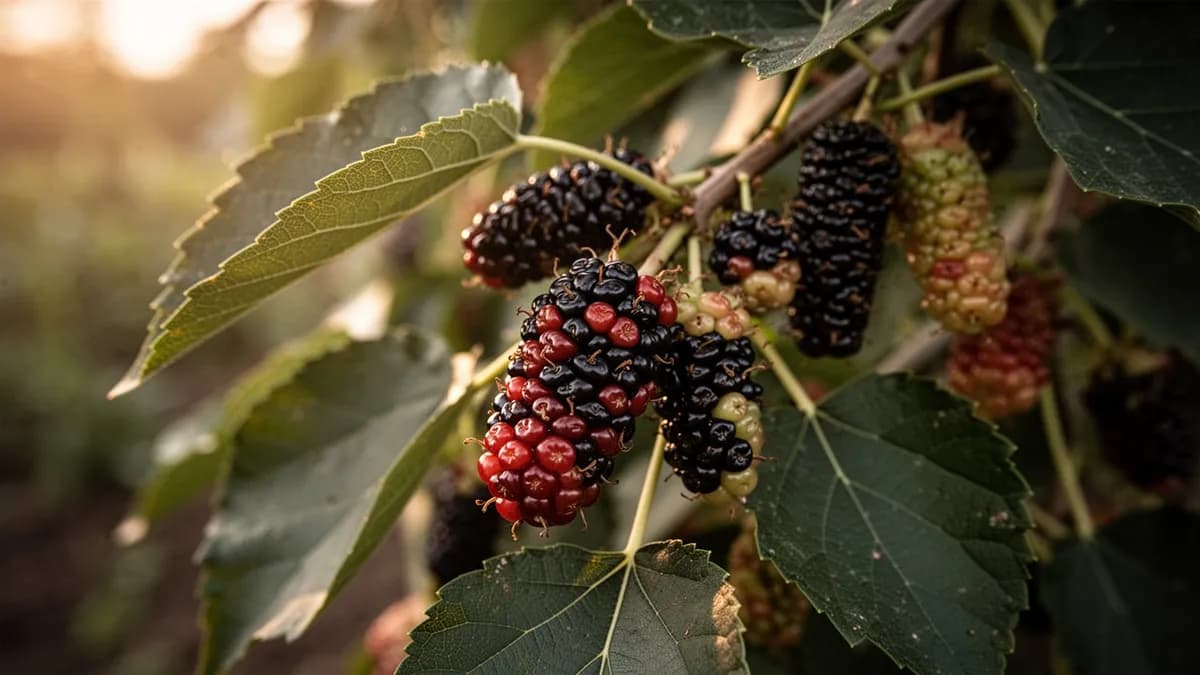
Un árbol frutal muy productivo que da bayas alargadas parecidas a las moras, y que maduran durante varias semanas a comienzos del verano.





En esta páginaResumen
Conoce Mora
Un árbol frutal muy productivo que da bayas alargadas parecidas a las moras, y que maduran durante varias semanas a comienzos del verano. Las moras manchan mucho, así que conviene no plantarlas cerca de senderos, entradas o tendederos. Existen variedades enanas para espacios pequeños y cultivo en contenedor, lo que hace más manejable la abundante cosecha.
Cuándo plantar Mora
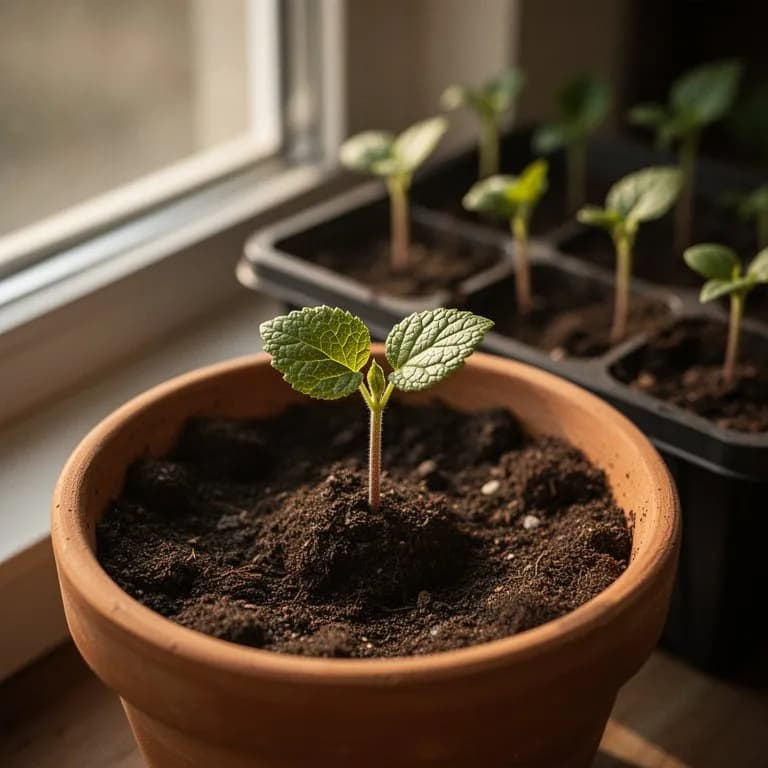
Las semillas de morera requieren entre sesenta y noventa días de estratificación en frío antes de la siembra. Extraiga las semillas del fruto maduro remojándolo en agua y separando la pulpa. Tras la estratificación, siembre las semillas a un cuarto de pulgada de profundidad en un sustrato húmedo para semilleros, a entre 65 y 75 °F. La germinación tarda de dos a cuatro semanas. Sin embargo, la mayoría de las variedades preferidas de morera se propagan por injerto o esquejes para conservar sus características. Los esquejes semileñosos tomados a comienzos del verano enraízan con éxito moderado bajo nebulización y con hormona de enraizamiento.
Tu año de Mora
Ajustado a Zona 7 · temporada típica · la helada se va hacia el 2 abr y vuelve hacia el 1 nov
Planta Mora Mar – Abr y cosecha Jun – Jul. Consulta los métodos de plantación y elige tu clima para adaptar los periodos.
Cómo cultivar Mora
Las moreras son excepcionalmente fáciles de cultivar y toleran una amplia gama de suelos, aunque prefieren franco fértil y bien drenado a pleno sol. Plante árboles a raíz desnuda o en contenedor a finales del invierno o principios de la primavera, cavando un hoyo el doble de ancho que el cepellón. Sitúe el árbol lejos de entradas, patios y construcciones, ya que los frutos caídos manchan las superficies y atraen fauna.
Los árboles jóvenes crecen con rapidez y se benefician de una poda de formación durante los tres o cuatro primeros años para desarrollar un líder central fuerte o una forma de vaso abierto. Una vez establecidos, los morales requieren una poda mínima, limitada a retirar ramas muertas, dañadas o cruzadas a finales del invierno, cuando el árbol está en reposo.
Riegue con regularidad los árboles jóvenes durante sus dos primeras temporadas de crecimiento para favorecer raíces profundas. Las moreras maduras son notablemente tolerantes a la sequía y rara vez necesitan riego suplementario. Aplique acolchado con astillas de madera alrededor de la base para suprimir las malas hierbas y conservar la humedad, manteniendo el mantillo a varios centímetros del tronco. Prepárese para la enorme producción de fruta de los ejemplares maduros, que pueden dar cientos de kilos de bayas al año.
Para Mora un bancal de 120 × 240 cm se queda corto
Cada Mora pide 300 cm de margen. El planificador guarda ese marco por ti — cada planta, cada bancal.
Los mejores vecinos de Mora
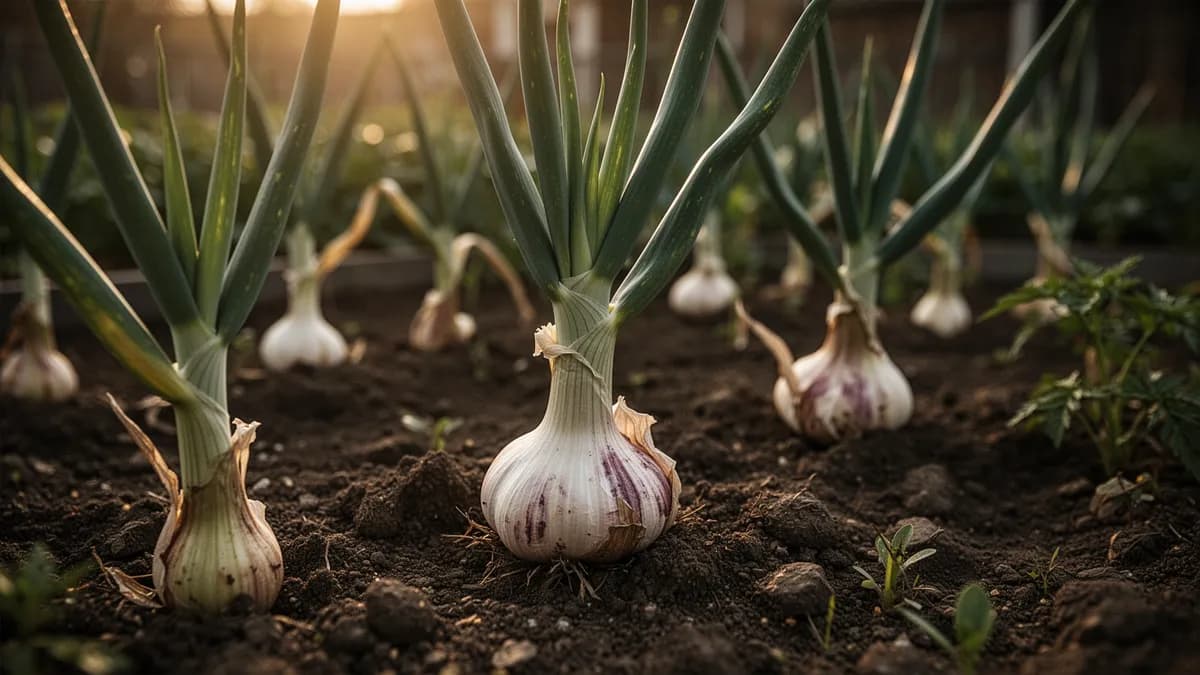
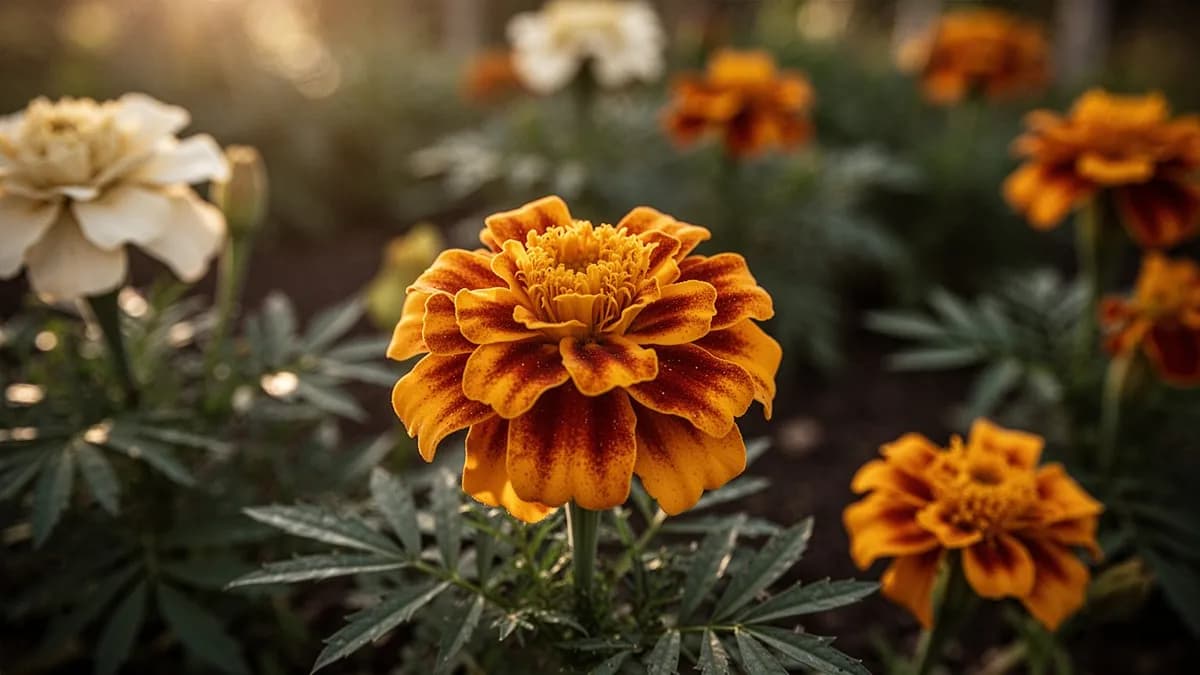
Las moreras crean una sombra importante una vez maduras, por lo que son buenas compañeras para plantas tolerantes a la sombra como hostas, helechos y flores de bosque bajo su copa. El ajo y las caléndulas plantados alrededor de la base pueden ayudar a disuadir ciertas plagas. Evite plantar hortalizas o bayas amantes del sol en la zona de sombra de la morera. Su extenso sistema radicular puede competir con plantas cercanas por agua y nutrientes, así que mantenga una separación adecuada respecto a los bancales.
Ajo va a su lado.
Saber de huerto de siempre, cotejado con la tabla real de Mora — prueba cualquier planta que cultives.
Prueba Mora en un bancal, aquí mismo
Un bancal real del planificador con Mora ya plantado. Toca una planta compañera para colocarla y mira cómo responde la comprobación de vecinos: verde para buenos vecinos, rojo si hay conflicto.


Guías de cultivo relacionadas
Abónalo bien
Las moras son muy adaptables y crecen en la mayoría de los tipos de suelo, desde arenosos hasta arcillosos, con un pH preferido de 6.0 a 6.5. Rinden mejor en franco fértil y bien drenado, pero toleran condiciones pobres con notable facilidad una vez establecidas. Aplique en primavera un fertilizante equilibrado o abundante compost alrededor de la línea de goteo. Los árboles jóvenes se benefician de más nitrógeno para favorecer el crecimiento rápido, pero los ejemplares maduros rara vez necesitan fertilización salvo que el follaje muestre signos de carencia nutricional.
Temperatura ideal
Compatibilidad de zonas de rusticidad
De la semilla a la cosecha, etapa por etapa
Dormancia y brotación
La morera es uno de los últimos árboles en salir de la dormancia en primavera, una adaptación inteligente que protege sus tiernos brotes de las heladas tardías. A medida que las temperaturas suben de forma fiable, los brotes hinchados se hacen visibles en las ramas desnudas. Este despertar prudente es uno de los rasgos más fiables del árbol y un buen indicador de que el peligro de heladas ha pasado de verdad en su zona.
Floración
Pequeñas flores discretas semejantes a amentos emergen junto con las primeras hojas. Las flores de la morera se polinizan por el viento y muchas variedades son autofértiles. Las flores femeninas se desarrollan hasta formar la estructura compuesta del fruto, mientras que los amentos masculinos liberan polen. El proceso es sutil y fácil de pasar por alto, pero una polinización exitosa en esta etapa determina el tamaño de la cosecha final.
Desarrollo del fruto
Pequeños frutitos verdes se desarrollan e hinchan durante varias semanas. Como en las zarzas, la mora es un agregado de muchas pequeñas drupas fusionadas. Los frutos se alargan lentamente, pareciendo pequeñas loganberries, y empiezan a colorearse desde la base hacia arriba, pasando de verde a rosa pálido, luego por tonos rojos y finalmente a un púrpura oscuro casi negro en la mayoría de las variedades.
Temporada de cosecha
El fruto maduro tiene un color intenso, es ligeramente blando al tacto y se desprende del tallo con muy poco esfuerzo. La temporada de cosecha de la mora suele durar de 4 a 6 semanas desde finales de primavera hasta mediados del verano, según el clima y la variedad. Como los frutos de un mismo árbol maduran de forma escalonada durante ese periodo y no todos a la vez, hay que recogerlos cada pocos días.
Crecimiento estival poscosecha
Tras fructificar, el árbol entra en una fase de crecimiento vegetativo vigoroso. Los nuevos brotes largos y flexibles se extienden desde las ramas principales, y la copa se llena considerablemente. Las hojas permanecen en el árbol durante el verano y hasta el otoño, proporcionando una sombra valiosa y siguiendo acumulando reservas de energía para el año siguiente.
Senescencia otoñal y dormancia
A medida que se acortan los días y bajan las temperaturas, las grandes hojas de la morera pasan a tonos amarillos y dorados antes de caer. El árbol entra en dormancia total durante el invierno, almacenando energía en las raíces y en la estructura leñosa. Las moreras establecidas son notablemente resistentes al frío una vez en reposo, y Morus alba tolera temperaturas tan bajas como -30 °C (-22 °F).
Aplique un fertilizante equilibrado de liberación lenta alrededor de la línea de goteo antes de la brotación. Evite podas intensas en esta fase. Acolche alrededor de la base para conservar la humedad del suelo, ya que las lluvias primaverales pueden ser irregulares.
Cuidar Mora mes a mes
Qué hacer cada mes para tu Mora
Octubre
Mes actualLas hojas comienzan a volverse amarillas y doradas. Aporte compost bien descompuesto como abonado superficial alrededor de la zona radicular mientras el árbol se prepara para la dormancia. Este es un buen mes para plantar nuevas moreras: los ejemplares en contenedor pueden plantarse en cualquier momento del año, pero la plantación otoñal da tiempo a que las raíces se establezcan antes del calor del verano.
Ten claro qué hacer en tu huerto, cada mes
Un correo al empezar cada mes: qué sembrar, plantar y hacer ahora mismo — para tu Mora y todo lo que crece alrededor. Más un breve curso inicial para esquivar los errores clásicos.
- Qué hacer ahora mismo
- Ajustado a tu temporada
- Curso inicial incluido
Cosechar Mora
Las moras maduran durante un período de varias semanas a comienzos y mediados del verano. El método de recolección más sencillo consiste en extender una lona o sábana limpia bajo el árbol y agitar suavemente las ramas; las bayas maduras caerán mientras que las verdes seguirán sujetas. También puede recoger a mano las bayas completamente coloreadas que se desprenden con facilidad. Recoja a diario en el pico de la temporada, ya que las bayas se ablandan con rapidez una vez maduras. Lleve ropa oscura, porque el zumo de mora mancha con mucha persistencia. Procese o refrigere las bayas pocas horas después de la cosecha.
se supone que plantas al comenzar el periodo — indica tu fecha real
Cosecha Mora a tiempo y la planta sigue produciendo.
Almacenamiento y conservación
Las moras frescas son extremadamente perecederas y deben consumirse en uno o dos días tras la cosecha. Refrigere sin lavar, en una sola capa, inmediatamente después de recogerlas. Para congelarlas, extiéndalas primero en una bandeja para congelación rápida y después páselas a bolsas; así se conservan hasta doce meses. Las moras son excelentes para mermelada, jarabe, relleno de tartas y vino. También pueden deshidratarse y usarse como las pasas en repostería, cereales y mezclas de frutos secos.
Qué falla — y cómo solucionarlo
Tizón bacteriano
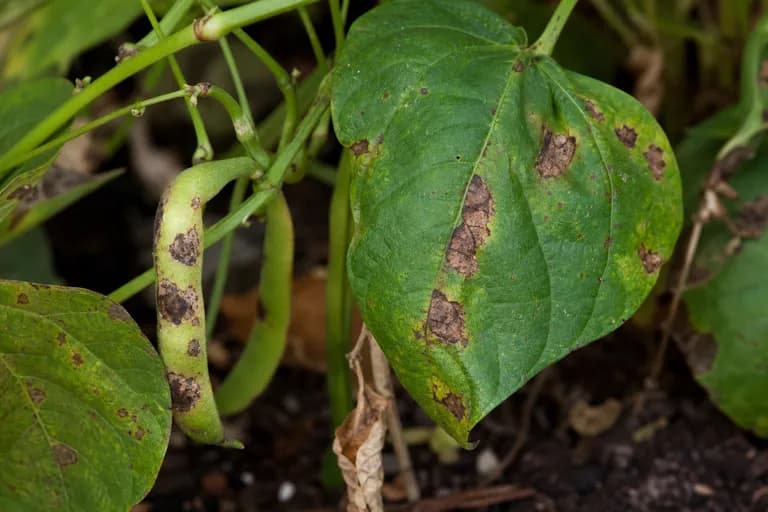
EnfermedadLesiones acuosas en las hojas que se vuelven marrones y papiráceas; las ramas afectadas pueden presentar chancros oscuros y secarse.
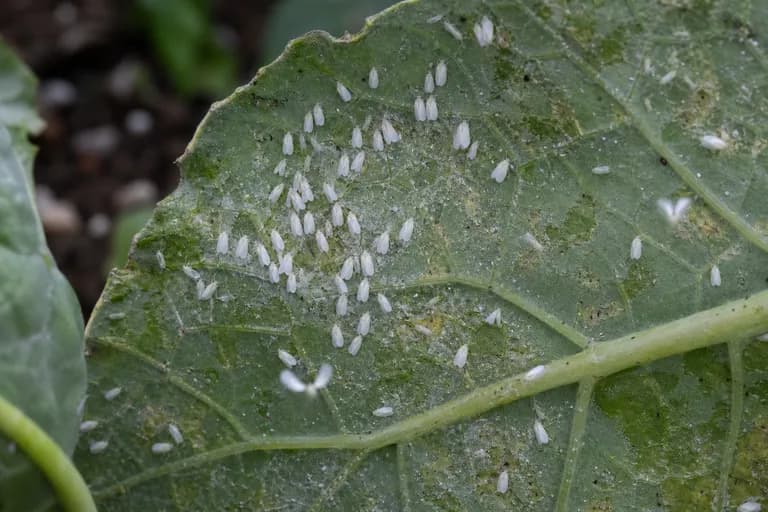
Mosca blanca
PlagaPequeños insectos blancos voladores en el envés de las hojas; hojas amarillentas, melaza pegajosa y desarrollo de negrilla.
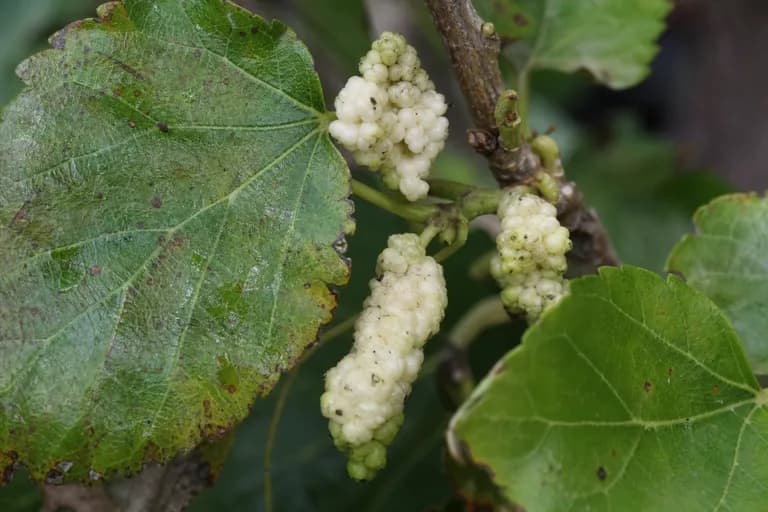
Enfermedad popcorn
EnfermedadLos frutos en desarrollo se hinchan de forma anormal y no maduran con normalidad, adoptando un aspecto blanquecino y esponjoso parecido al maíz pira.
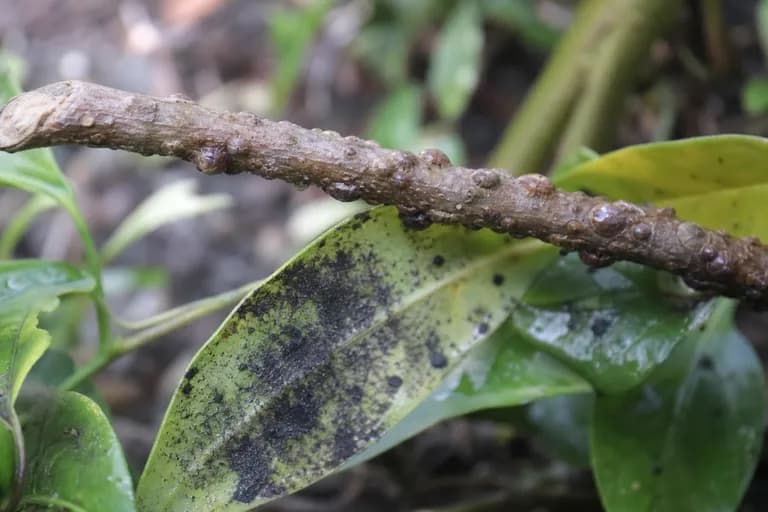
Cochinillas
PlagaPequeñas protuberancias cerosas adheridas a tallos y ramas; hojas amarillentas, menor vigor y melaza que gotea de las ramas.
Solución de problemas comunes
El mayor reto de las moras es manejar la abundante producción de fruta y el desorden que generan las bayas caídas, que manchan superficies y atraen insectos. Elegir bien la ubicación es esencial. Algunos municipios restringen la plantación de moreras por la alergenicidad de su polen. Las raíces superficiales agresivas pueden levantar aceras e invadir bancales. Las variedades macho sin fruto resuelven el problema de la caída de fruta, pero siguen produciendo polen alergénico. La competencia de las aves por la fruta madura es intensa.
Consejos de cultivo
- Elija el lugar de plantación con cuidado, porque las moreras son muy longevas y sus frutos caídos pueden manchar pavimentos, tarimas y vehículos aparcados con un tono púrpura oscuro casi permanente. Plántelas al menos a 6-8 metros de superficies duras o vehículos, sobre césped o en una zona acolchada donde las manchas no sean un problema.
- Plante a pleno sol para obtener la máxima producción. Aunque las moreras toleran la semisombra, el rendimiento y la dulzura de la fruta disminuyen claramente con menos de 6 horas diarias de sol directo. En climas frescos, una ubicación orientada al sur o al oeste, junto a un muro cálido, es ideal.
- Las moreras tardan en asentarse durante sus primeros 2-3 años y pueden producir poca fruta en ese periodo: la paciencia es esencial. No sobrefertilice los árboles jóvenes intentando acelerar el crecimiento, ya que los aportes altos en nitrógeno favorecen el follaje a costa de la fructificación y pueden volver la madera joven más vulnerable a daños por heladas.
- Riegue en profundidad, pero con poca frecuencia, una vez establecido el árbol. Un riego profundo semanal durante el desarrollo del fruto, desde la primavera hasta comienzos del verano, mejora de forma notable el tamaño, la jugosidad y la dulzura de la fruta. En temporadas posteriores, los árboles maduros solo necesitan riego durante sequías prolongadas.
- Se recomienda encarecidamente cubrir el árbol con malla durante la cosecha si hay aves presentes, ya que estorninos, mirlos y otras especies pueden dejar un árbol sin fruta madura en cuestión de horas. Una malla ligera sobre la copa, o una estructura más permanente tipo jaula frutal para árboles pequeños guiados, es la protección más eficaz.
- Para jardines pequeños, forme la morera en espaldera o en abanico contra un muro cálido orientado al sur. Así se mantiene dentro de un espacio manejable, se adelanta la cosecha varias semanas gracias al calor reflejado por el muro y se facilita mucho la recolección y el entutorado.
- El método de cosecha más simple y eficaz para árboles de tamaño normal consiste en extender una sábana vieja o una lona bajo la copa y sacudir suavemente las ramas. Los frutos maduros caen con facilidad; los inmaduros permanecen adheridos. Recoja y procese la fruta cosechada en 24-48 horas, ya que se deteriora rápidamente a temperatura ambiente.
- Propague la morera fácilmente a partir de esquejes leñosos tomados a finales de otoño o en invierno. Corte secciones del grosor de un lápiz de la madera del año a longitudes de 20-25 cm, introdúzcalas dos tercios de su longitud en un sustrato bien drenado y manténgalas libres de heladas durante el invierno. El enraizamiento suele ser alto, y los esquejes enraizados pueden trasplantarse a maceta y crecer una temporada antes de plantarlos definitivamente.
- Morus nigra (morera negra) suele considerarse la especie de mejor sabor de las tres principales, con una dulzura profunda y una agradable acidez vínica, pero también es la de crecimiento más lento y menor resistencia al frío. Las variedades de Morus alba, como 'Illinois Everbearing' o 'Shangri-La', ofrecen una fructificación más rápida y mayor rusticidad, por lo que son mejores opciones para climas fríos o para jardineros impacientes.
- Evite plantar la morera cerca de desagües, cimentaciones o tuberías de agua. Aunque no es tan invasiva como los sauces o los chopos, las raíces de los árboles establecidos pueden aprovechar grietas en tuberías antiguas en busca de agua, especialmente en condiciones secas. Es aconsejable dejar una separación de al menos 5-8 metros respecto a cualquier infraestructura subterránea.
Cultiva tu mejor Mora — y todo lo que la rodea.
Empieza un plan gratis hoy. Diseña tus bancales, coloca tu Mora y deja que PlotMyGarden gestione el momento, el espaciado, las asociaciones y los recordatorios de la semilla a la cesta.
Elige tu Mora
Illinois Everbearing
Un híbrido que produce bayas dulces y alargadas durante una temporada prolongada, combinando los mejores rasgos de las moreras roja y blanca.
Pakistan
Una variedad de mora negra que produce frutos excepcionalmente grandes y dulces, de hasta tres pulgadas de largo, y que se adapta mejor a climas cálidos.
Dwarf Everbearing
Un árbol compacto que solo alcanza de diez a quince pies, ideal para jardines pequeños y contenedores, pero que sigue produciendo abundantes frutos dulces.
Shangri-La
Un cultivar de mora negra con bayas excepcionalmente dulces y de sabor complejo en un árbol vigoroso, adecuado para climas del sur.
Oscar
Una selección de mora roja muy resistente al frío que produce frutos dulces y jugosos, y tolera temperaturas muy por debajo de cero.
Una sola morera establecida, que cuesta 20-50 $ como planta joven en contenedor, puede producir 5-20 kg (11-44 lb) de fruta al año una vez madura. Con precios de mercado especializado de 8-15 $ por bandeja de 125 g, esto representa un valor minorista potencial de 320-2.400 $ por árbol y año. Las moras frescas rara vez están disponibles comercialmente porque son muy perecederas, y suelen durar solo 2-3 días tras la cosecha, de modo que un árbol cultivado en casa es prácticamente la única forma fiable de acceder a ellas en su punto óptimo de madurez. Además, el árbol requiere muy pocos gastos continuos, ya que una vez establecido solo necesita abonado anual y poda ocasional.
Recetas rápidas
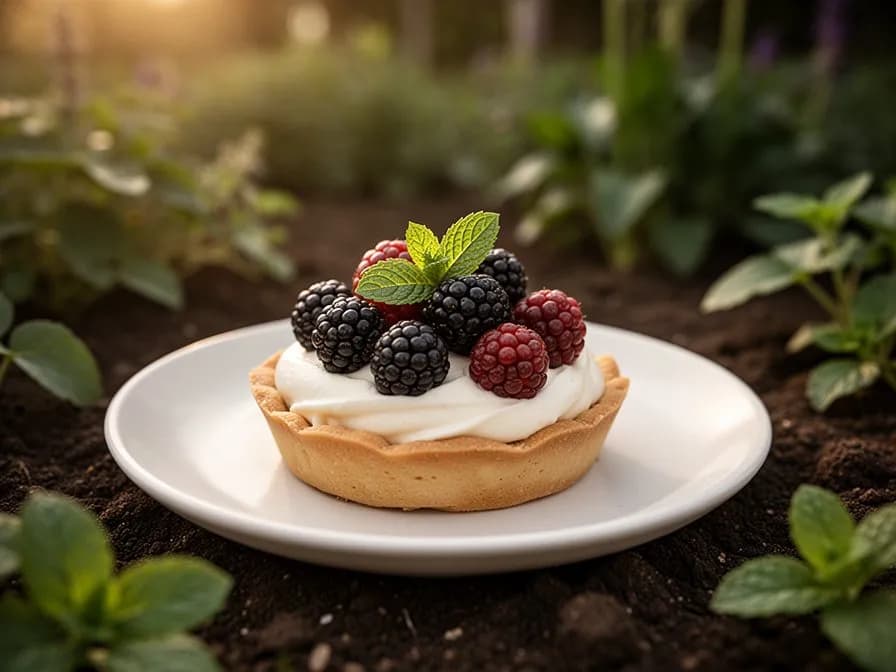
Mermelada de mora
45 minutosUna mermelada de color intenso y sabor profundo que captura la dulzura compleja, parecida al vino, de las moras maduras. Como las moras tienen poco pectina, una pequeña cantidad de zumo de limón y azúcar para mermelada o pectina añadida garantizan una buena gelificación. Esta mermelada es magnífica sobre tostadas con mantequilla, mezclada con yogur o como relleno de pasteles y bollería.
4 ingredientes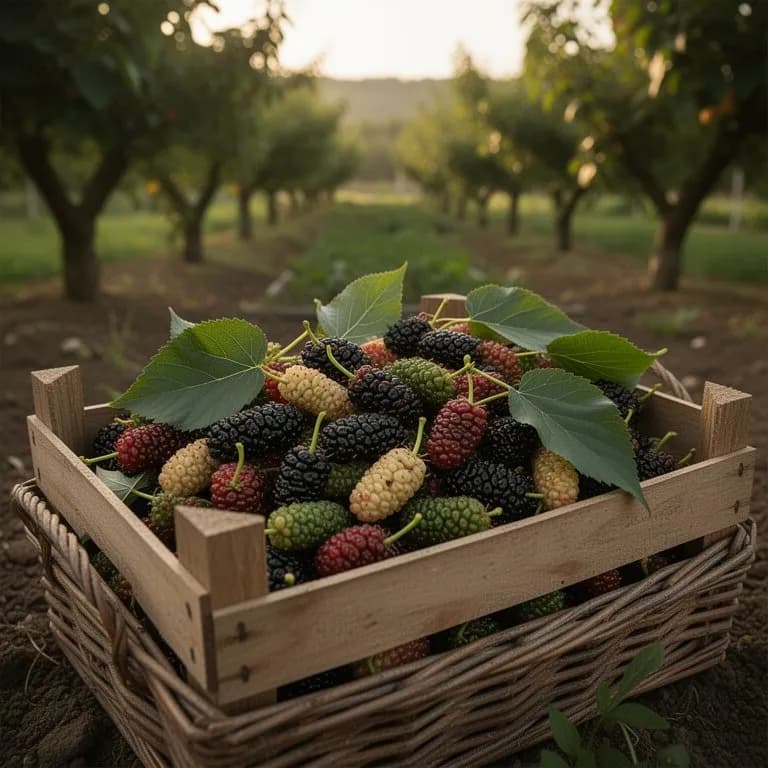
Galette de mora
25 minutos de preparación, 35 minutos de horneadoUna tarta rústica de forma libre que no necesita molde y requiere poca habilidad, permitiendo que el color dramático y el sabor de las moras frescas ocupen el centro del escenario. La masa, mantequillosa y ligeramente crujiente, ofrece un contraste perfecto con el relleno frutal y meloso. Sírvala templada con helado de vainilla o crème fraîche para un postre veraniego impresionante.
7 ingredientesShrub de mora (vinagre para beber)
10 minutos activos, 48 horas de reposoUn shrub de mora es un jarabe de fruta y vinagre que puede mezclarse con agua sin gas o con gas para obtener una bebida sin alcohol sofisticada, o usarse como base para cócteles. La combinación agridulce complementa a la perfección el complejo sabor de la baya, y el vinagre actúa como conservante natural, lo que da al shrub una vida útil de varios meses en el refrigerador.
5 ingredientesUsos culinarios
Las moras tienen un sabor dulce, ligeramente ácido, y funcionan de maravilla en tartas, crumbles, mermeladas y batidos. Sustituyen bien a las moras de zarza en la mayoría de las recetas. Las moras deshidratadas son un tentempié naturalmente dulce y un ingrediente muy útil para hornear. El sirope de mora es delicioso sobre tortitas y helado. Las moras frescas son ricas en vitamina C, hierro y resveratrol, lo que las convierte en una adición nutritiva a la dieta.
Qué contiene
Beneficios para la salud
- Contiene resveratrol, un antioxidante polifenólico estudiado ampliamente por su potencial para apoyar la salud cardiovascular al favorecer una función saludable de los vasos sanguíneos y reducir la oxidación del colesterol LDL
- Ricas en antocianinas y otros flavonoides que proporcionan una fuerte protección antioxidante, ayudando a neutralizar los radicales libres que contribuyen al envejecimiento celular y al desarrollo de enfermedades crónicas
- El compuesto natural 1-desoxinorjirimicina (DNJ) presente en los frutos y hojas de la morera ha demostrado en estudios clínicos reducir los picos de glucosa después de las comidas, lo que hace que las moras interesen para el control del azúcar en sangre
- Aportan una cantidad significativa de hierro (1.85mg por 100g) para ser una fruta, lo que contribuye a prevenir la anemia ferropénica, especialmente si se consumen junto con la vitamina C naturalmente presente en la baya, que mejora la absorción del hierro
- La fruta de morera se ha utilizado durante siglos en la medicina tradicional china para nutrir el hígado y los riñones, apoyar una visión saludable y abordar síntomas de anemia, afirmaciones que la investigación moderna empieza a explorar a través del perfil de micronutrientes y fitoquímicos de la fruta
- Su alto contenido de agua (aproximadamente 88 %) y sus electrolitos naturales, incluido el potasio, hacen de las moras un alimento hidratante y refrescante, muy adecuado para el verano y útil para apoyar el equilibrio de líquidos en épocas de calor
De dónde viene Mora
El género Morus abarca aproximadamente de 10 a 16 especies nativas de regiones templadas y subtropicales de Asia, África y América, aunque la taxonomía sigue siendo compleja debido a una hibridación natural muy extendida. Las especies de mayor importancia comercial son la morera blanca (Morus alba), originaria de China; la morera roja (Morus rubra), nativa del este de Norteamérica; y la morera negra (Morus nigra), cuyo origen se sitúa en el suroeste de Asia, probablemente en la región de los actuales Irán y Afganistán.
El cultivo de Morus alba en China es una de las empresas agrícolas documentadas más antiguas de la historia humana, con pruebas de sericicultura, la cría de gusanos de seda sobre hojas de morera, que se remontan al menos a 5.000 años. La leyenda china atribuye el descubrimiento de la seda a la emperatriz Leizu hacia el 2700 a. C., quien supuestamente observó cómo un capullo de gusano de seda se desenredaba en su té. Sea o no apócrifa la historia, el cultivo de la morera se volvió tan central para la civilización china que los árboles quedaron protegidos por decreto imperial, y la exportación de huevos de gusano de seda y semillas de morera fue castigada con la muerte durante siglos.
A lo largo de las antiguas rutas comerciales de la Ruta de la Seda, tanto la sericicultura como el cultivo de moreras se extendieron gradualmente hacia el oeste. Los bizantinos sacaron de contrabando huevos de gusano de seda de China en el siglo VI d. C., estableciendo la sericicultura en el Mediterráneo, donde el cultivo de moreras se generalizó desde el Levante hasta Italia y España. Morus nigra, ya establecida en Asia occidental, se convirtió en la morera frutal preferida en todo el mundo mediterráneo, apreciada por los romanos, que la difundieron por todo su imperio.
En América, la morera roja (Morus rubra) fue utilizada por los pueblos indígenas mucho antes del contacto europeo: el fruto se comía fresco y seco, la corteza se empleaba para fabricar fibra y tejidos, y la madera era apreciada por su durabilidad. Más tarde, los colonizadores europeos introdujeron la morera blanca y la negra en Norteamérica, y hoy las tres especies crecen en todo el continente, con la morera blanca tan bien naturalizada que en algunas regiones se considera invasora.
Durante los siglos XVII al XIX se hicieron repetidos intentos en Inglaterra, Francia y las colonias americanas de establecer industrias domésticas de la seda plantando grandes cantidades de moreras, con resultados dispares. Aunque esas industrias acabaron sin poder competir con la producción asiática de seda, los árboles plantados en esas épocas siguen en pie en muchos jardines y fincas históricas. Hoy en día, las moras se cultivan principalmente por su fruto en Asia, Oriente Medio y cada vez más en Occidente, donde los jardineros domésticos las valoran por su extraordinaria productividad, sus escasas necesidades de mantenimiento y la calidad del fruto fresco, que simplemente no está disponible en el comercio minorista.
Mora: ¿sabías que?
Datos fascinantes sobre Mora
Las hojas de morera son el único alimento del gusano de seda (Bombyx mori), y el cultivo de moreras para la producción de seda, la sericicultura, es una de las industrias agrícolas más antiguas de la humanidad, practicada en China desde hace al menos 5.000 años.
Mora: preguntas frecuentes
¿Cuándo debo plantar Mora?
¿Cuáles son buenas plantas acompañantes para Mora?
¿En qué zonas de rusticidad puede crecer Mora?
¿Cuánto sol necesita Mora?
¿A qué distancia debo espaciar Mora?
¿Qué plagas y enfermedades afectan a Mora?
¿Cómo almaceno Mora después de la cosecha?
¿Cuáles son las mejores variedades de Mora para cultivar?
¿Qué suelo necesita Mora?
¿Cuánto tarda una morera en dar fruto?
¿Puedo cultivar morera en maceta o en un jardín pequeño?
¿Cuál es la diferencia entre la morera blanca, la roja y la negra?
¿Por qué mi morera produce muchas hojas pero nada de fruta?
¿Son comestibles y seguras todas las partes de la morera?
¿Cómo manejo el desorden que dejan las moras caídas?
Acabas de leer la teoría. Ahora cultívala en piloto automático.
Todo lo que hace que Mora sea delicado — el momento, el espaciado, las asociaciones, la ventana de cosecha — es justo lo que PlotMyGarden resuelve por ti, para cada planta de tu huerto.
Un plan que conoce tu clima
Indica tu ubicación una vez. Recibe fechas de siembra, abonado y cosecha basadas en tu última helada real y el pronóstico en vivo — sin adivinar con un sobre genérico.
De la sección “Cuándo plantar”Planificador de bancales de arrastrar y soltar
Diseña bancales sobre una cuadrícula. Cada planta encaja con su espaciado correcto y ves toda la temporada antes de gastar un céntimo en semillas.
De la sección “Cultivo”Conflictos de asociación, detectados a tiempo
Más de 200 buenas y malas combinaciones comprobadas en vivo mientras plantas — para que un error que arruine la temporada nunca llegue a la tierra.
De la sección “Asociaciones”Recordatorios que sí vas a seguir
“Riega las judías.” “Recoge hoy antes de que se pase.” Oportunos, concretos y ligados a las plantas que de verdad cultivas.
De la sección “Cosecha”Escalonado, programado
¿Quieres cosechar seis semanas en vez de seis días? Reparte tus siembras automáticamente y te avisa cuando toca el siguiente lote.
De la sección “Cuándo plantar”Un registro que se vuelve más listo
Cada cosecha que registras le enseña tu huerto. El plan del año que viene parte de lo que de verdad funcionó en tu suelo, no en un manual.
De la sección “Resumen”Planta estos junto a Mora
Más Bayas
Cultiva tu mejor Mora — y todo lo que la rodea.
Empieza un plan gratis hoy. Diseña tus bancales, coloca tu Mora y deja que PlotMyGarden gestione el momento, el espaciado, las asociaciones y los recordatorios de la semilla a la cesta.