Limequat
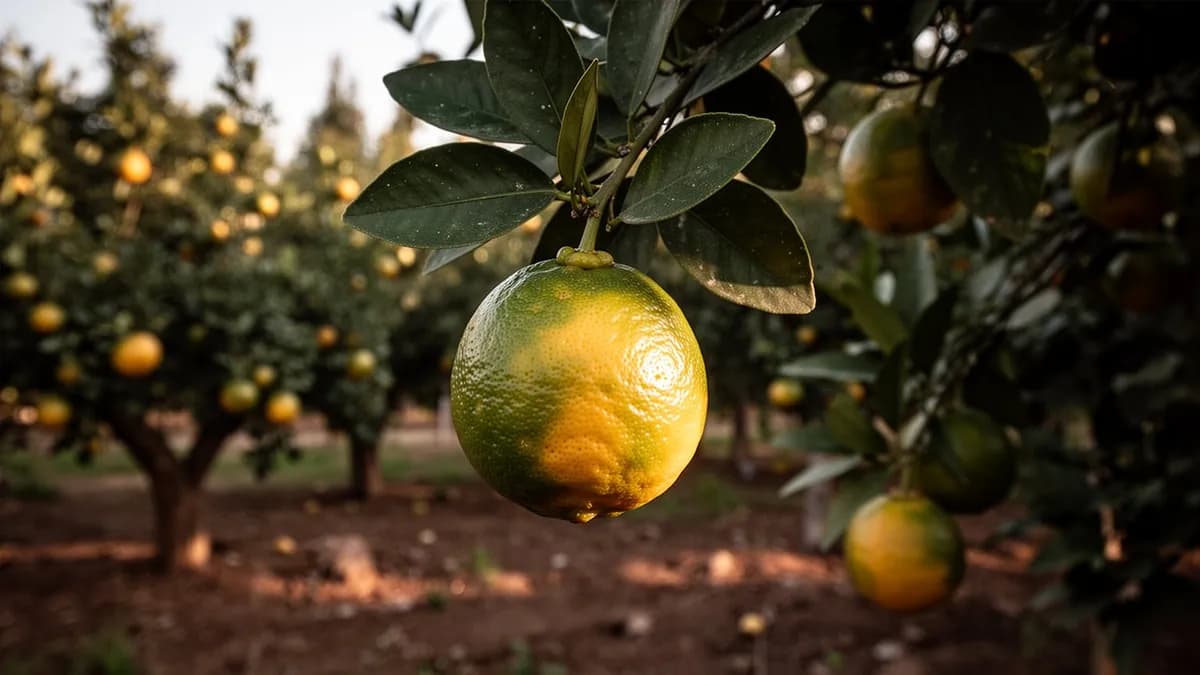
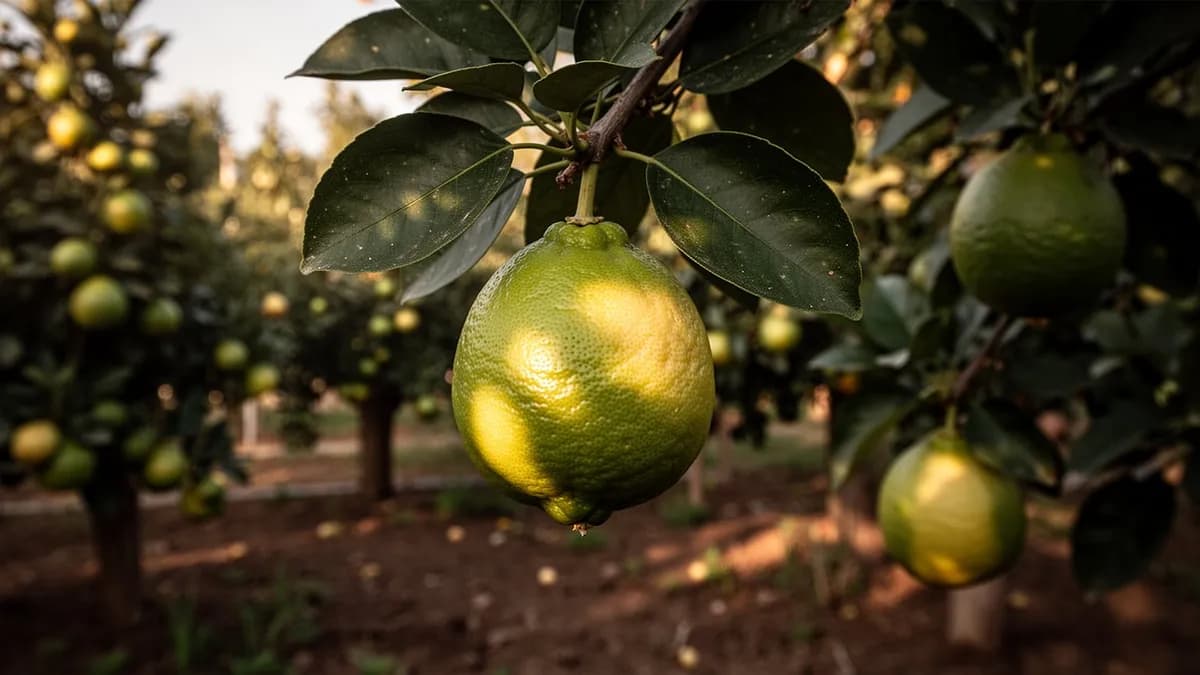
Eine Hybride aus Mexikanischer Limette und Kumquat, die kleine, ovale, gelbgrüne Früchte hervorbringt, die ganz gegessen oder als Limettenersatz entsaftet werden können.





Auf dieser SeiteÜberblick
Limequat im Überblick
Eine Hybride aus Mexikanischer Limette und Kumquat, die kleine, ovale, gelbgrüne Früchte hervorbringt, die ganz gegessen oder als Limettenersatz entsaftet werden können. Limequats sind kältetoleranter als echte Limetten und damit praktisch für grenzwertige Zitrusklimate. Die kompakten, ertragreichen Bäume eignen sich hervorragend für die Kübelhaltung und Hausgärten.
Wann Limequat pflanzen
Limequats können aus Samen gezogen werden, wobei die Nachkommen aufgrund der Hybridnatur der Pflanze in ihren Eigenschaften variieren können. Pflanzen Sie frische Samen einen Zentimeter tief in warme, feuchte Anzuchterde bei 25 bis 28 Grad Celsius. Die Keimung erfolgt typischerweise innerhalb von zwei bis vier Wochen. Sämlinge sind mäßig wüchsig und können in drei bis fünf Jahren erstmals Früchte tragen. Für sortenechte Pflanzen vermehren Sie durch Veredelung auf Dreiblättrige Orange oder andere kompatible Unterlagen. Halbverholzte Stecklinge, die im Spätsommer genommen werden, bewurzeln gut mit Bewurzelungshormon und Bodenwärme.
Dein Limequat-Jahr
Abgestimmt auf Zone 7 · typische Saison · Frost geht um den 2. Apr. und kehrt um den 1. Nov. zurück
Limequat Mär – Mai pflanzen, Jan – Feb, Nov – Dez ernten. Beachte die Pflanzmethoden unten und wähle dein Klima für passende Zeiträume.
So baust du Limequat an
Die Limequat ist eine Kreuzung aus Mexikanischer Limette und Nagami-Kumquat und vereint den spritzigen Limettengeschmack mit der Kältehärte der Kumquat. Der Baum wächst kompakt auf zwei bis drei Meter Höhe und ist eine der praktischsten Zitrusfrüchte für Gärtner in Grenzklimaten, in denen echte Limetten scheitern würden. Pflanzen Sie an einem vollsonnigen Standort in gut durchlässigem Boden mit einem Abstand von etwa zwei Metern bei Mehrfachpflanzung.
Die Limequat toleriert Temperaturen bis etwa minus 5 Grad Celsius und ist damit deutlich robuster als die Mexikanische Limette. In kühleren Zonen empfiehlt sich die Kübelkultur mit hochwertiger Zitrus-Blumenerde; bringen Sie die Pflanze vor strengem Frost ins Haus. Der Baum passt sich gut an das Kübelleben an und trägt auch in relativ kleinen Töpfen reichlich Früchte. Sorgen Sie für mindestens sechs Stunden direkte Sonneneinstrahlung und gleichmäßige Feuchtigkeit während der Wachstumsperiode.
Düngen Sie alle vier bis sechs Wochen von Frühling bis Herbst mit einem ausgewogenen Zitrusdünger. Der Baum ist ein Massenträger, der oft mehr Früchte produziert, als die Äste leicht tragen können, sodass ein Ausdünnen nötig sein kann. Schneiden Sie nach der Ernte, um die kompakte Form zu erhalten und tote oder sich kreuzende Äste zu entfernen. In warmen Klimaten blüht die Limequat mehrmals pro Jahr und bietet so eine nahezu ununterbrochene Fruchtproduktion. Die geringe Größe und attraktive Form machen sie zu einer ausgezeichneten Wahl für essbare Kübelpflanzungen auf Terrassen und Balkonen.
Für Limequat ist ein Beet von 120 × 240 cm zu klein
Limequat braucht 180 cm Platz pro Pflanze. Der Planer hält diesen Abstand für dich ein — jede Pflanze, jedes Beet.
Die besten Nachbarn für Limequat
Die Limequat passt gut zu anderen kompakten Zitrusfrüchten wie Kumquats und Calamondin in Kübelgruppen. Im Garten pflanzen Sie sie zusammen mit mediterranen Kräutern wie Basilikum, Oregano und Minze, die ähnliche warme, sonnige Bedingungen genießen. Kapuzinerkresse und Tagetes helfen, häufige Zitrusschädlinge abzuwehren. Die kompakte Größe macht die Limequat für gemischte essbare Beete und Heckenanpflanzungen geeignet. Vermeiden Sie das Pflanzen in der Nähe großer Bäume oder an schattigen Standorten, wo die Fruchtproduktion reduziert wird.
Limette gehört daneben.
Altes Gärtnerwissen, geprüft an der echten Nachbartabelle von Limequat — teste jede Pflanze, die du anbaust.
Probiere Limequat direkt hier im Beet
Ein echtes Planer-Beet, Limequat steht schon drin. Tippe einen Begleiter an, platziere ihn und sieh, wie die Nachbarschaftsprüfung antwortet — grün für gute Nachbarn, rot bei Streit.


Passende Anbau-Ratgeber
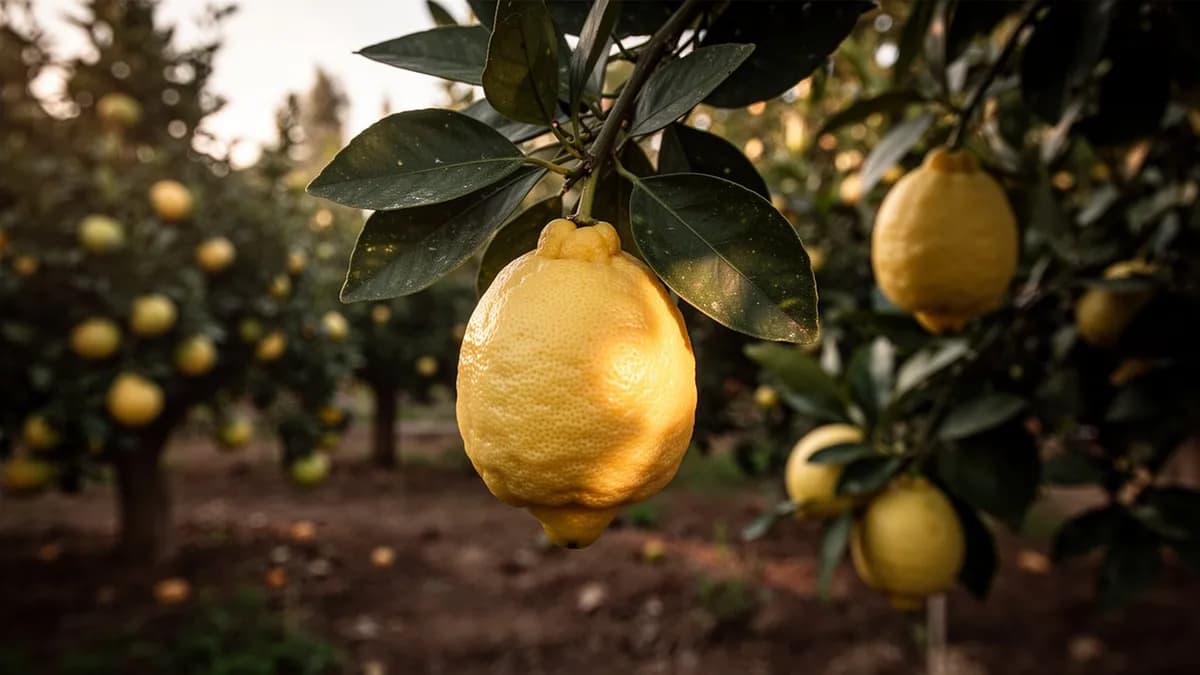
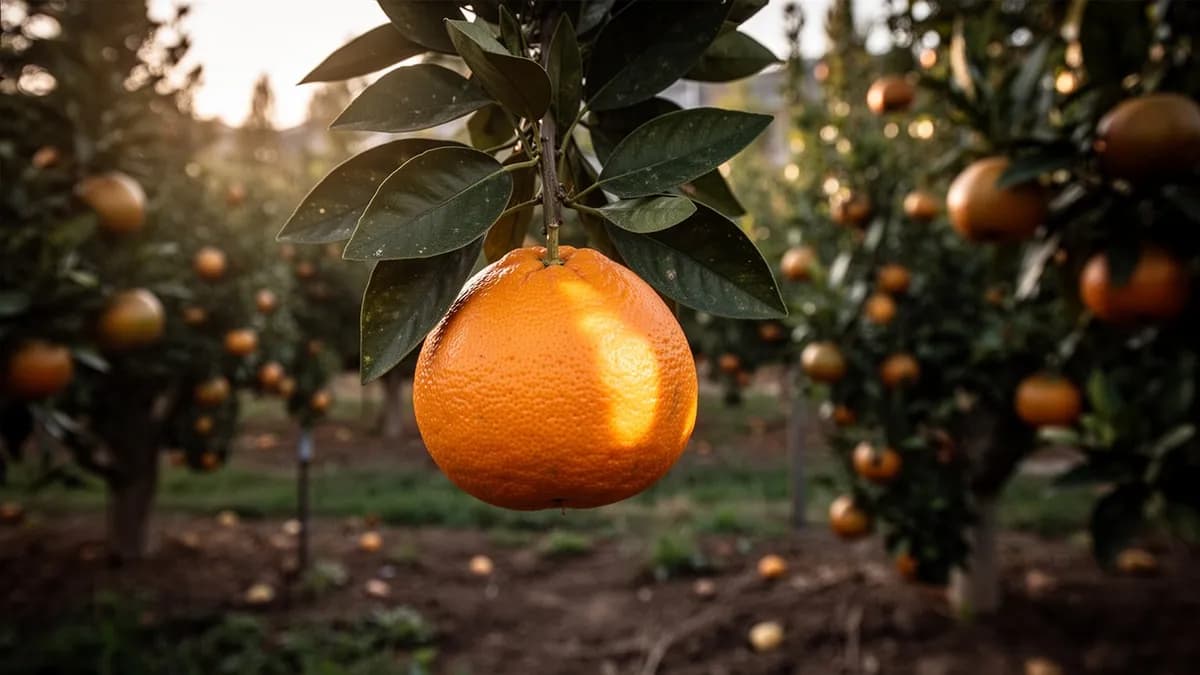
Richtig düngen
Die Limequat gedeiht gut in den meisten gut durchlässigen Böden mit einem pH-Wert von 5,5 bis 6,5. Sandiger Lehm ist ideal, aber der Baum passt sich auch an Tonböden an, wenn die Drainage durch organische Zuschlagstoffe verbessert wird. Für Kübel verwenden Sie eine hochwertige Zitrus-Blumenerde mit Perlite. Düngen Sie alle vier bis sechs Wochen während der Wachstumsperiode mit einem ausgewogenen Zitrusdünger. Wenden Sie Eisen-Chelat an, wenn Interkostalvergilbung auftritt, was in alkalischen Böden häufig vorkommt. Mulchen Sie den Stammbereich mit organischem Material, halten Sie es aber vom Stamm fern. Reduzieren Sie die Düngung im Winter.
Ideale Temperatur
Winterhärtezone-Kompatibilität
Von der Saat zur Ernte, Schritt für Schritt
Anwachsen und Wurzelentwicklung
Frisch gepflanzte Limequats konzentrieren ihre Energie auf den Aufbau eines starken Wurzelnetzwerks, anstatt oberirdisches Wachstum zu produzieren. Während dieser Phase kann die Pflanze statisch wirken, mit minimalem Blattaustrieb, während sie aktiv Feinwurzeln in den umgebenden Boden ausdehnt. Es ist entscheidend, den Wurzelbereich gleichmäßig feucht, aber niemals staunass zu halten, und alle sich bildenden Blütenknospen sollten entfernt werden, um die begrenzten Ressourcen der Pflanze auf die Wurzelentwicklung statt auf die Fruchtbildung umzulenken.
Vegetativer Wachstumsschub
Die Limequat tritt in Zyklen aktiven vegetativen Wachstums ein und treibt Schübe von weichen, hellgrünen neuen Blättern und Trieben aus. Diese zarten Wachstumsschübe sind die Art der Pflanze, das verholzende Gerüst aufzubauen, das letztlich die Fruchtproduktion tragen wird. Mehrere Schübe pro Jahr sind normal, getrennt durch Phasen scheinbarer Ruhe. Die Krone füllt sich schnell, und der Baum nimmt seine charakteristische dichte, abgerundete Form mit glänzendem, aromatischem Laub an.
Erste Blüte
Sobald die Limequat ausreichend Reife erreicht hat, typischerweise im zweiten Jahr bei einer veredelten Pflanze, bildet sie Büschel intensiv duftender weißer Blüten. Im Gegensatz zu vielen Obstbäumen mit einer einzigen jährlichen Blüte können Limequats in mehreren Schüben über das Jahr blühen, besonders in subtropischen und tropischen Klimaten. Jede kleine Blüte ist vollständig und selbstfruchtbar, was bedeutet, dass eine einzelne Pflanze ohne Bestäubungspartner Früchte ansetzen kann, obwohl Bienenaktivität den Fruchtansatz und Ertrag verbessert.
Fruchtansatz und Entwicklung
Nach erfolgreicher Bestäubung entwickeln sich kleine grüne Fruchtansätze am Grund der verblühten Blüten. Limequat-Früchte wachsen anfangs langsam und verbringen mehrere Monate damit, sich zu vergrößern und Saft sowie aromatische Verbindungen in der Schale anzureichern. Die Fruchtfarbe wechselt von tiefgrün zu gelbgrün, während sie reift. Im Gegensatz zu süßen Orangen müssen Limequats nicht orange oder vollständig gelb sein, um reif zu sein; das Aroma ist tatsächlich am komplexesten und ausgewogensten im gelbgrünen Stadium, wenn Säure und Süße im optimalen Verhältnis stehen.
Ernte und saisonale Wiederholung
Limequats erreichen die Erntereife zwischen vier und sechs Monaten nach dem Fruchtansatz, abhängig von Klima und Jahreszeit. Ein gesunder, ausgewachsener Baum kann dank seiner gestaffelten Blühgewohnheit gleichzeitig Früchte in verschiedenen Entwicklungsstadien tragen und so in warmen Regionen eine nahezu ununterbrochene Ernte ermöglichen. Nach dem Pflücken treibt der Baum oft einen neuen Wachstumsschub und dann einen frischen Blühzyklus aus, was eine produktive Schleife erzeugt, die den Ertrag über den Großteil des Jahres mit minimalem Eingriff aufrechterhalten kann.
Erholung nach der Ernte und Rückschnitt
Nach einer reichen Ernte profitiert die Limequat von einer Erholungsphase, unterstützt durch gute Nährstoffversorgung und durchdachten leichten Rückschnitt. Diese Phase bereitet die Pflanze auf ihren nächsten produktiven Zyklus vor. In subtropischen Klimaten ist die Erholung kurz; in gemäßigten Zonen kann sie mit der winterlichen Ruhephase zusammenfallen. Das Entfernen sich kreuzender Äste, Totholz und Wassertriebe, die die Krone verdichten, verbessert jetzt die Lichtdurchdringung und Luftzirkulation und schafft eine gesündere und produktivere Struktur für die folgende Saison.
Pflanzen Sie in gut durchlässigem, leicht saurem Boden an einem Standort mit mindestens sechs Stunden direkter Sonneneinstrahlung. Füllen Sie mit einer Mischung aus heimischem Boden und Kompost auf. Gießen Sie im ersten Monat alle zwei bis drei Tage tief, danach wöchentlich. Entfernen Sie während der ersten zwölf Monate alle Blüten oder kleinen Früchte, um die Wurzelentwicklung und ein stärkeres, produktiveres Gerüst zu fördern.
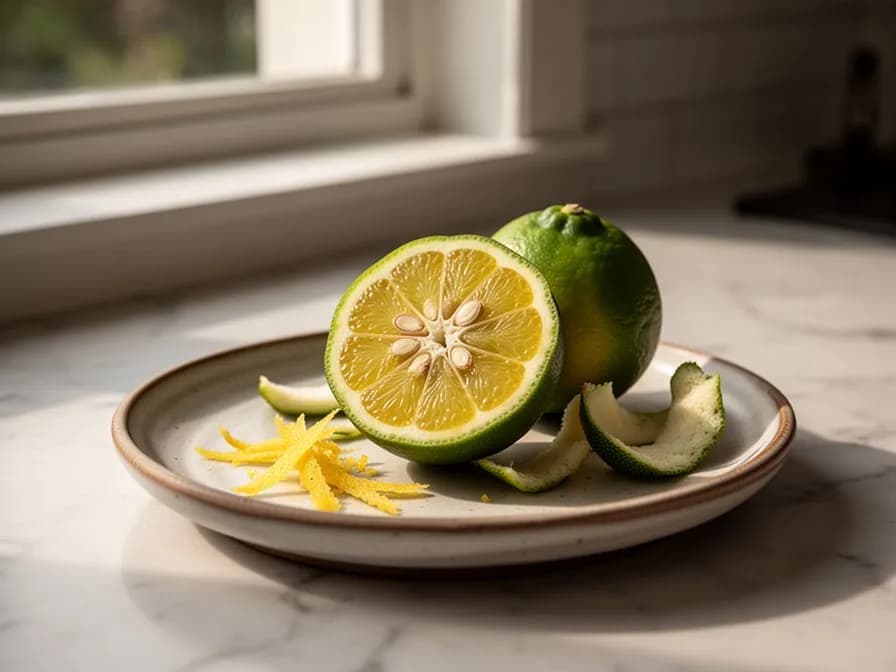
Limequat Monat für Monat pflegen
Was du jeden Monat für deine Limequat tun solltest
Oktober
Aktueller MonatStellen Sie in gemäßigten Klimaten Kübel-Limequats an einen frostfreien, aber kühlen und hellen Standort, sobald die Nachttemperaturen unter 5 °C zu fallen beginnen. Reduzieren Sie die Bewässerungshäufigkeit, aber erhalten Sie die Bodenfeuchtigkeit. Ernten Sie verbleibende reife Früchte, bevor kaltes Wetter die Qualität beeinträchtigt. Bringen Sie eine Schicht gut verrotteten Komposts um im Freiland gepflanzte Bäume aus, um die Bodenorganismen über den Winter zu versorgen.
Immer wissen, was jetzt im Garten zu tun ist
Eine E-Mail zum Monatsanfang: was du jetzt säen, pflanzen und anpacken solltest — für deine Limequat und alles, was drumherum wächst. Dazu ein kurzer Startkurs, der dich vor den klassischen Fehlern bewahrt.
- Was jetzt zu tun ist
- Passend zu deiner Saison
- Startkurs inklusive
Limequat ernten
Limequats können je nach Verwendungszweck in verschiedenen Reifestadien geerntet werden. Für limettenartige Säure und Saft pflücken Sie die Früchte, wenn sie noch gelbgrün und fest sind. Zum Ganzessen wie eine Kumquat warten Sie, bis die Frucht vollständig gelb ist und die Schale süßer wird. Die Früchte halten sich gut am Baum und ermöglichen eine verlängerte Ernte vom Spätherbst bis in den Winter. Schneiden oder drehen Sie die Früchte vorsichtig vom Zweig ab. Probieren Sie, um Ihren bevorzugten Reifegrad zu finden, da sich das Süß-Sauer-Gleichgewicht während der Reifezeit deutlich verändert.
angenommen, du pflanzt zu Beginn des Zeitraums — trage dein tatsächliches Datum ein
Ernte Limequat zügig, dann trägt die Pflanze weiter.
Lagerung & Konservierung
Frische Limequats halten sich ein bis zwei Wochen bei Raumtemperatur und bis zu einem Monat im Kühlschrank. Der Saft kann ausgepresst und in Eiswürfelformen als Limettenersatz eingefroren werden. Limequats eignen sich hervorragend für Marmelade und verbinden die Säure der Limette mit der Süße der Kumquatschale. Sie können ganz kandiert, in Salzlake eingelegt oder in Salz konserviert werden. Limequat-Sirup ist eine vielseitige Zutat für Cocktails und Desserts. Getrocknete Limequat-Scheiben sind eine attraktive und aromatische Ergänzung zu Tee und Heißgetränken.
Was schiefgeht — und die Lösung

Weiße Fliegen
SchädlingWinzige weiße fliegende Insekten, die in Wolken aufsteigen, wenn das Laub bewegt wird; klebriger Honigtau und Rußtaupilz auf den Blättern.
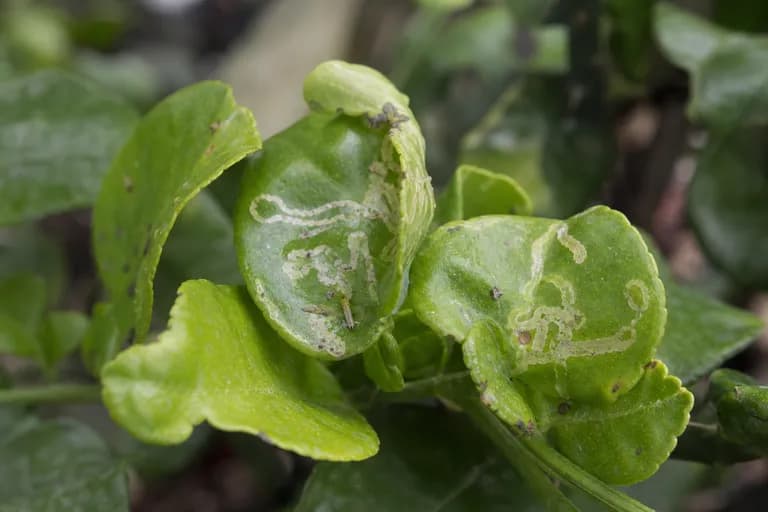
Zitrusminierfliege
SchädlingGewundene silbrige Spuren in jungen Blättern; verzerrter und eingerollter Neuaustrieb. Betrifft hauptsächlich frische Wachstumsschübe.

Zitruskrebs
KrankheitErhabene, korkige braune Läsionen, umgeben von gelben Höfen auf Blättern, Stängeln und Früchten. Kann in schweren Fällen zu Entlaubung und Fruchtfall führen.
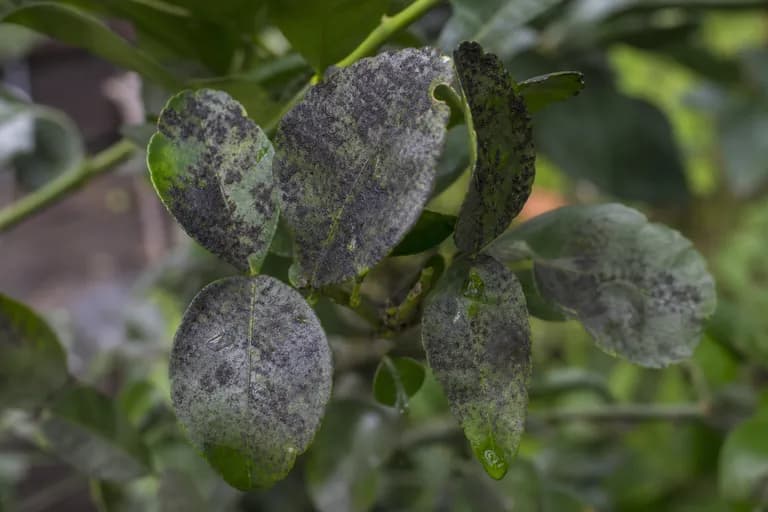
Rußtaupilz
KrankheitSchwarzer, pudriger Pilzbelag auf Blattoberflächen, verursacht durch Honigtauablagerungen von saugenden Insekten. Verringert die Photosynthese.
Fehlerbehebung bei häufigen Problemen
Die Limequat neigt zur Überproduktion und trägt so viele Früchte, dass ohne Ausdünnen Astbruch auftreten kann. Die geringe Fruchtgröße bedeutet, dass das Ernten einer großen Menge zeitaufwändig sein kann. In kalten Klimaten kann der Baum den Winter überstehen, aber den Großteil seiner Blätter verlieren und sich im Frühling nur langsam erholen. Kübelpflanzen können wurzelgebunden werden, was zu verminderter Fruchtqualität und -größe führt. Die Früchte haben mehr Kerne als Kumquats, was manche Gärtner beim Frischverzehr als unpraktisch empfinden. Ungleichmäßige Bewässerung kann zum Aufplatzen der Früchte führen.
Anbautipps
- Wählen Sie nach Möglichkeit eine veredelte Limequat statt eines Sämlings. Veredelte Pflanzen tragen in zwei bis drei Jahren Früchte, während samengewachsene Bäume sieben oder mehr Jahre bis zur ersten Ernte brauchen können, und Sämlinge möglicherweise nicht die Eigenschaften der Elternsorte aufweisen.
- Positionieren Sie Limequats im wärmsten, geschütztesten Mikroklima Ihres Gartens, idealerweise an einer nach Süden oder Westen ausgerichteten Wand, die Wärme reflektiert und speichert. Schon ein zwei bis drei Grad wärmeres Mikroklima kann in gemäßigten Zonen den Unterschied zwischen einem gedeihenden Baum und einem ausmachen, der sich durch den Winter kämpft.
- Düngen Sie mit einem speziellen Zitrusdünger, der sowohl Makronährstoffe als auch Spurenelemente einschließlich Eisen, Zink, Mangan und Magnesium enthält. Zitrusfrüchte sind Starkzehrer, und häufige Mangelerscheinungen wie Eisenchlorose, die eine Vergilbung zwischen den Blattadern verursacht, lassen sich durch regelmäßige Volldüngung leicht verhindern.
- Gießen Sie Kübel-Limequats bei jeder Bewässerung, bis Wasser frei aus dem Topfboden abfließt. Oberflächliches Gießen begünstigt oberflächennahe Wurzeln und macht Bäume weitaus anfälliger für Trockenstress und Hitzewellen im Sommer.
- Lassen Sie eine Kübel-Limequat niemals in einem Untersetzer voller Wasser stehen. Wurzelfäule durch Staunässe ist eine der häufigsten Ursachen für das Versagen von Kübel-Zitrus. Leeren Sie Untersetzer innerhalb von dreißig Minuten nach dem Gießen und stellen Sie Töpfe auf Füße, um den Wasserabzug sicherzustellen.
- Entspitzen Sie die Triebspitzen junger Limequat-Pflanzen, um eine buschige, vielverzweigte Struktur statt eines einzelnen aufrechten Stammes zu fördern. Eine breitere Krone bedeutet mehr Blühholz und letztlich eine schwerere Jahresernte, sobald der Baum die Reife erreicht.
- Bringen Sie in gemäßigten Klimaten Kübel-Limequats vor dem ersten Frost ins Haus, aber stellen Sie sie in den kühlsten, hellsten verfügbaren Raum statt in ein warmes Wohnzimmer. Übermäßige Wärme in Innenräumen im Winter treibt weichen Neuaustrieb, der anfällig für Schädlinge ist und verschwendete Energie darstellt, die der Baum aufsparen sollte.
- Bestäuben Sie Blüten bei Innenkultur oder im Gewächshaus von Hand, indem Sie mit einem kleinen trockenen Malpinsel Pollen zwischen offenen Blüten übertragen. Obwohl Limequats selbstfruchtbar sind, verbessert mechanische Bestäubung bei Fehlen besuchender Insekten den Fruchtansatz erheblich und reduziert die Anzahl der Blüten, die ohne Fruchtansatz abfallen.
- Kontrollieren Sie die Blattunterseiten regelmäßig auf weiche braune Schildläuse, die den schwerwiegendsten Schädling der Limequat darstellen und einen Baum dramatisch schwächen können, wenn sie unkontrolliert bleiben. Ein leichter Befall kann physisch mit einem in Reinigungsalkohol getauchten Wattestäbchen entfernt werden; stärkerer Befall spricht gut auf Paraffinöl an, das an einem bewölkten Tag aufgetragen wird.
- Bringen Sie im zeitigen Frühjahr vor Beginn des Neuaustriebs eine dünne Schicht Wurmhumus oder gut verrotteten Mist auf den Wurzelbereich auf. Dieses langsam freisetzende organische Material verbessert die Bodenbiologie, fügt Spurenmineralien hinzu und ergänzt das chemische Zitrusdünger-Hauptprogramm ohne das Risiko der Überdüngung.
Bau deine beste Limequat an — und alles drumherum.
Starte heute kostenlos. Lege deine Beete an, setze deine Limequat ein und lass PlotMyGarden Timing, Abstände, Begleiter und Erinnerungen von der Saat bis zum Erntekorb übernehmen.
Finde deine Limequat
Eustis
Die ursprüngliche und am weitesten verbreitete Limequat-Sorte, die ovale gelbgrüne Früchte mit hervorragendem limettenartigem Aroma und guter Kältehärte produziert.
Lakeland
Eine etwas rundere Limequat-Sorte mit dünnerer Schale und mehr Saft. Guter Ertrag in der Kübelkultur.
Tavares
Eine Auslese mit etwas größeren Früchten, ausgeprägterem Limettengeschmack und mäßiger Kältetoleranz. Weniger verbreitet als Eustis.
Ein ausgewachsener Limequat-Baum produziert jährlich Hunderte bis über tausend Früchte, was eine erhebliche Ersparnis gegenüber gekauften Limetten und Spezialzitrusfrüchten bedeutet. Spezial-Limequats kosten, wenn auf Wochenmärkten erhältlich, etwa drei bis sechs Euro pro hundert Gramm aufgrund ihrer Seltenheit. Ein einzelner produktiver Baum kann nach der Etablierung ein bis drei Kilogramm Früchte pro Jahr liefern, was fünfzehn bis neunzig Euro an Spezialobst pro Saison zu Marktpreisen entspricht. Der Baum selbst kostet zwanzig bis vierzig Euro in einer Spezialbaumschule, sodass sich die vollständige Amortisation innerhalb von ein bis zwei produktiven Saisons erreichen lässt.
Schnelle Rezepte

Limequat-Marmelade
20 Min. aktiv, plus Mazeration über NachtEine leuchtende, intensiv aromatische Marmelade, die das markanteste Merkmal der Limequat zur Geltung bringt: die Tatsache, dass die gesamte Frucht, Schale und alles, in die Konfitüre kommt. Die süße kumquatartige Schale mildert die scharfe Zitrusbitterkeit, die typisch für Limettenmarmelade ist, und produziert ein Produkt von bemerkenswerter Tiefe, das wunderbar zu Käse, Braten und Frühstückstoast passt. Die Mazeration über Nacht weicht die Schale auf und extrahiert Pektin für ein zuverlässiges Gelieren ohne kommerzielles Pektin.
6 ZutatenLimequat-Agua-Fresca
10 Min.Ein erfrischendes, mexikanisch inspiriertes Kaltgetränk, das die Ganzfrucht-Verwendbarkeit der Limequat nutzt, um mit minimalem Aufwand maximales Aroma zu extrahieren. Im Gegensatz zu Limettensaft-Getränken, die nur den abgeseihten Saft verwenden, werden bei dieser Zubereitung ganze Limequats einschließlich der Schale gemixt und dann abgeseiht, was ein komplexeres, aromatischeres Getränk mit einer leicht blumigen Note aus dem Kumquat-Erbe ergibt. Es wird nur leicht gesüßt, damit der natürliche Zitruscharakter dominiert.
6 ZutatenGanze-Limequat-Chili-Dipsauce
15 Min.Eine würzige, aromatische Dipsauce, inspiriert von südostasiatischen Calamansi-Dipsaucen, bei der die Limequat als ebenso überzeugende Alternative eintritt. Das Mixen der ganzen Frucht mit Fischsauce, Palmzucker und frischem Chili ergibt eine Sauce mit vielschichtiger Komplexität: das säuerliche Fruchtfleisch liefert Säure, die süße Schale fügt duftende Tiefe hinzu, und die Schärfe schneidet durch reichhaltige gegrillte Fleisch-, Meeresfrüchte- und Frühlingsrollengerichte. Sie hält sich im Kühlschrank bis zu einer Woche.
6 ZutatenKulinarische Verwendung
Limequat-Saft dient als ausgezeichneter Ersatz für Limettensaft in Cocktails, Ceviche und Dressings, mit einer etwas komplexeren, kumquatartigen Süße. Die ganze Frucht kann frisch gegessen oder in Salate und Garnituren geschnitten werden. Limequats ergeben hervorragende Marmelade mit einem einzigartigen Limetten-Kumquat-Charakter. Sie eignen sich ausgezeichnet zum Muddeln in Mojitos und Caipirinha-ähnlichen Drinks. Die Zeste verleiht Backwaren helle Zitrusnoten, und geschnittene Limequats ergänzen Fisch- und Meeresfrüchtegerichte wunderbar.
Was drinsteckt
Gesundheitsvorteile
- Liefert einen bedeutenden Anteil des täglichen Vitamin-C-Bedarfs in einem kalorienarmen Paket, unterstützt die Immunabwehr, die Wundheilung und die Biosynthese von Kollagen, das die Hautelastizität und Gelenkintegrität aufrechterhält
- Die essbare Schale enthält Hesperidin und Naringenin, Zitrusflavonoide, die in klinischen Studien blutdrucksenkende Wirkungen gezeigt haben, indem sie die Endothelfunktion verbessern und die arterielle Steifigkeit verringern
- Organische Säuren im Limequat-Saft, hauptsächlich Zitronensäure, verbessern die Aufnahme von Nicht-Häm-Eisen aus pflanzlichen Lebensmitteln, wenn sie zusammen mit eisenreichem Gemüse, Hülsenfrüchten oder Getreide verzehrt werden, was die Frucht zu einem praktischen Verbündeten für pflanzenbasierte Ernährung macht
- Limonen, die dominierende ätherische Ölverbindung in der Limequat-Schale, war Gegenstand von Forschungen, die auf eine potenzielle antitumorale Aktivität, magensäureneutralisierende Wirkung und Unterstützung der Entgiftungsenzymaktivität in der Leber hindeuten
- Der Ballaststoffgehalt in Fruchtfleisch und Schale unterstützt die Verdauungsregelmäßigkeit, nährt nützliche Darmbakterien und trägt zum Sättigungsgefühl bei, was ganze Limequats zu einer klugen Snack-Wahl für das Blutzuckermanagement und die Gewichtskontrolle macht
- Regelmäßiger Verzehr von Zitrusflavonoiden aus der ganzen Frucht wurde in Bevölkerungsstudien mit einem reduzierten Risiko für kardiovaskuläre Ereignisse in Verbindung gebracht, teilweise durch ihre Rolle bei der Senkung der LDL-Oxidation und der Hemmung entzündlicher Signalwege im arteriellen Gewebe
Woher Limequat stammt
Die Limequat nimmt eine faszinierende Nische in der Geschichte der Zitruszüchtung ein, da sie nicht aus Jahrhunderten landwirtschaftlicher Tradition hervorging, sondern aus gezielter wissenschaftlicher Hybridisierung im frühen zwanzigsten Jahrhundert in den Vereinigten Staaten. Ihr Schöpfer, Walter Tennyson Swingle, war ein produktiver USDA-Botaniker, der einen Großteil seiner Karriere der Erweiterung des Verbreitungsgebiets und der Nutzbarkeit von Zitrusfrüchten in der amerikanischen Gartenkultur widmete. An der subtropischen Forschungsstation des USDA in Eustis, Florida, kreuzte Swingle um 1909 die Mexikanische Limette (Citrus aurantifolia) mit der Runden Kumquat (Fortunella japonica), um den beliebten Limettengeschmack mit der Kältehärte und der Ganzfrucht-Essbarkeit der Kumquat zu kombinieren. Die resultierenden Hybriden erhielten die Namen ihrer Geburtsorte in Florida: Eustis und Lakeland Limequats. Eine dritte Sorte, Tavares, wurde später aus einer Kreuzung der Ovalen Kumquat mit der Persischen Limette entwickelt und produziert eine etwas mildere und größere Frucht. Diese Sorten repräsentieren einen ausgesprochen amerikanischen Beitrag zur globalen Zitruspalette, gezüchtet für praktische gärtnerische Vorteile statt bloßer Geschmacksneuheit.
Obwohl Limequats nie den breiten kommerziellen Erfolg von Zitronen, Limetten oder Orangen erreichten, fanden sie ein begeistertes Publikum unter Hobbygärtnern, besonders in subtropischen Regionen des amerikanischen Südens, Kaliforniens, Australiens und des Mittelmeerraums. Ihre kompakte Größe, reichliche Produktion und bemerkenswerte Kältehärte im Vergleich zu echten Limetten machten sie zu einer attraktiven Wahl für kleine Gärten und Kübelkultur in Klimaten, in denen Standard-Limetten im Winter eingehen würden. Kulinarisch blieben Limequats ein Spezialprodukt, geschätzt von abenteuerlichen Köchen für ihre einzigartige Kombination aus saurem Limettensaft und süßer, aromatischer Schale, die ohne Zesten oder Schälen verwendet werden konnte.
In den letzten Jahrzehnten hat das wachsende Interesse an ungewöhnlichen und historischen Zitrussorten, kombiniert mit der Popularität von Craft-Cocktails und handwerklichem Einmachen, Limequats einem breiteren Publikum vorgestellt. Barkeeper schätzen die Frucht für ihre Fähigkeit, in Scheiben geschnitten und ganz in Getränke gegeben zu werden, wobei sie gleichzeitig Saft und duftende Schalenöle beisteuert. Köche schätzen die Ganzfrucht-Vielseitigkeit in Marinaden, Dressings, Pickles und Konserven. Diese kulinarische Renaissance, zusammen mit der zunehmenden Attraktivität produktiver Zierpflanzen für kleine städtische Gärten, hat ein erneutes Interesse der Baumschulen an allen drei Limequat-Sorten geweckt und sichert, dass Swingles über ein Jahrhundert alte Hybride weltweit weiterhin neue Bewunderer findet.
Limequat: Schon gewusst?
Faszinierende Fakten über Limequat
Die Limequat ist eine gezielte Hybride, die Anfang des zwanzigsten Jahrhunderts vom USDA-Zitruszüchter Walter Tennyson Swingle geschaffen wurde, der die Westindische Limette (Citrus aurantifolia) mit der Kumquat (Fortunella japonica oder Fortunella margarita) kreuzte, um eine kälteresistentere Zitrusfrucht mit Limettengeschmack zu erzeugen.
Limequat: Fragen & Antworten
Wann sollte ich Limequat pflanzen?
Was sind gute Begleitpflanzen für Limequat?
In welchen Winterhärtezonen kann Limequat wachsen?
Wie viel Sonne braucht Limequat?
Welchen Abstand sollte ich zwischen Limequat lassen?
Welche Schädlinge und Krankheiten befallen Limequat?
Wie lagere ich Limequat nach der Ernte?
Was sind die besten Limequat-Sorten zum Anbauen?
Welchen Boden braucht Limequat?
Kann man eine Limequat ganz essen, mit Schale und allem?
Wie kältehart ist eine Limequat im Vergleich zu einer normalen Limette?
Wie lange dauert es, bis eine Limequat Früchte trägt?
Was ist der Unterschied zwischen Eustis-, Lakeland- und Tavares-Limequats?
Warum werden die Blätter meiner Limequat gelb?
Können Limequats langfristig in Töpfen angebaut werden?
Du hast die Theorie gelesen. Jetzt baue sie auf Autopilot an.
Alles, was Limequat knifflig macht — das Timing, die Abstände, die Begleiter, das Erntefenster — genau das übernimmt PlotMyGarden für dich, für jede Pflanze im Garten.
Ein Plan, der dein Wetter kennt
Standort einmal festlegen. Aussaat-, Dünge- und Erntedaten rund um deinen echten letzten Frosttermin und die Live-Vorhersage — kein Raten mehr nach Saattüte.
Aus dem Abschnitt „Pflanzzeit“Beetplaner per Drag & Drop
Beete auf einem Raster gestalten. Jede Pflanze rastet im richtigen Abstand ein, und du siehst die ganze Saison, bevor du einen Cent für Saatgut ausgibst.
Aus dem Abschnitt „Anbau“Begleiter-Konflikte früh erkannt
Über 200 gute und schlechte Kombinationen werden beim Pflanzen live geprüft — so landet ein saisonruinierender Fehler nie in der Erde.
Aus dem Abschnitt „Begleiter“Erinnerungen, nach denen du wirklich handelst
„Gieß die Bohnen.“ „Heute ernten, bevor's umschlägt.“ Pünktlich, konkret und auf deine echten Pflanzen bezogen.
Aus dem Abschnitt „Ernte“Staffel-Aussaat, geplant
Sechs Wochen ernten statt sechs Tage? Die App verteilt deine Aussaaten automatisch und erinnert dich, wenn der nächste Satz fällig ist.
Aus dem Abschnitt „Pflanzzeit“Ein Verlauf, der schlauer wird
Jede protokollierte Ernte bringt der App deinen Garten bei. Der Plan fürs nächste Jahr startet bei dem, was in deinem Boden wirklich funktioniert hat.
Aus dem Abschnitt „Überblick“Pflanze diese neben Limequat
Weitere Zitrusfrüchte
Bau deine beste Limequat an — und alles drumherum.
Starte heute kostenlos. Lege deine Beete an, setze deine Limequat ein und lass PlotMyGarden Timing, Abstände, Begleiter und Erinnerungen von der Saat bis zum Erntekorb übernehmen.